




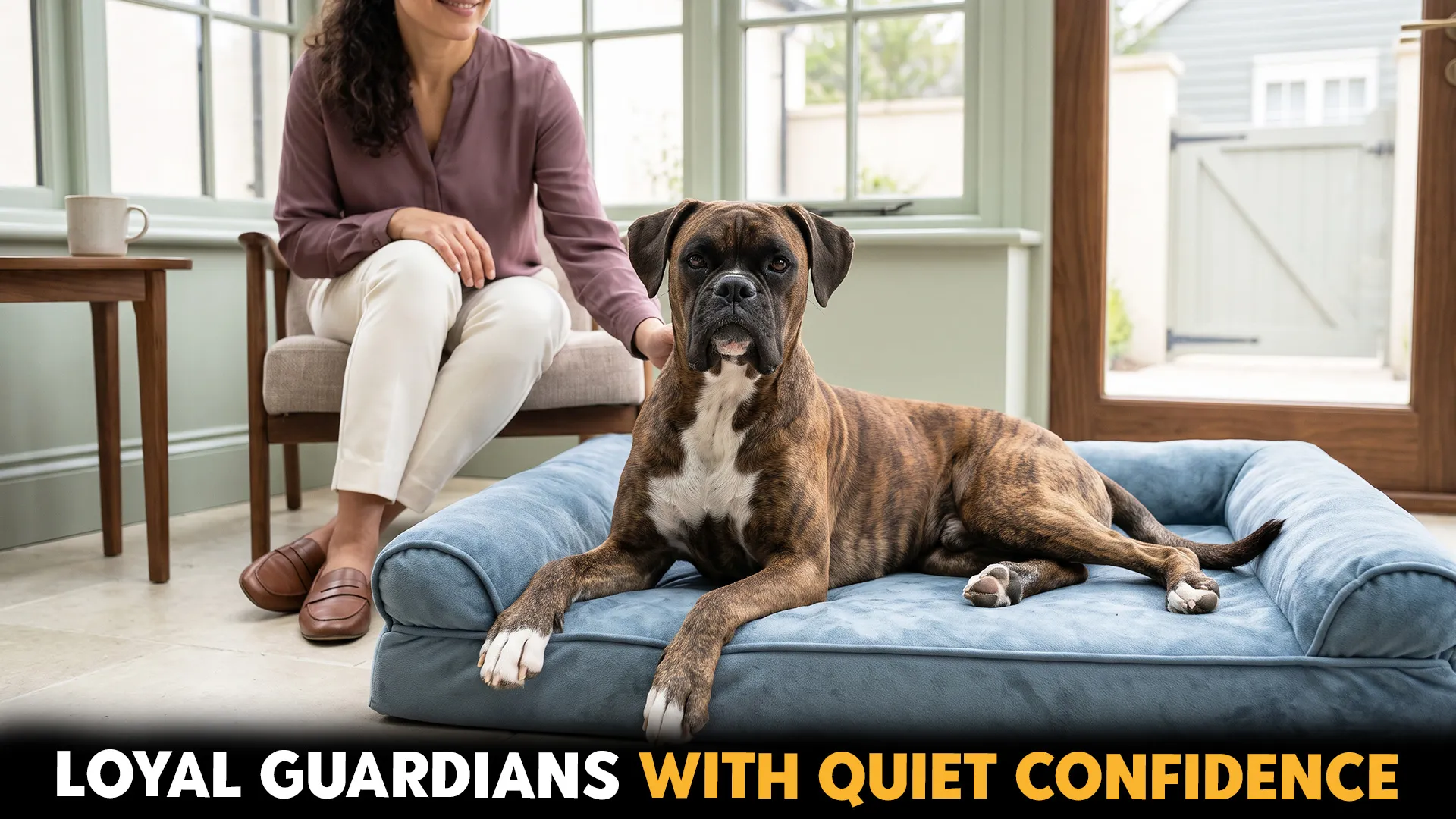
Living with a protective dog should bring peace of mind, not leave you managing constant barking, restless behavior, or tension whenever someone approaches the door.
For households that value both security and a peaceful atmosphere, finding the right dog can take some thought. A good guard dog needs to notice unusual activity, respond to unfamiliar situations, and remain manageable during ordinary family life. Temperament, training, socialization, and daily routine all influence how well a dog handles these responsibilities.
Some dogs have a naturally watchful disposition and respond more calmly to their surroundings, making them appealing to people who want protection without constant commotion. Size alone tells you very little about how a dog will behave at home. The real difference comes from choosing a companion whose instincts suit your needs.
This article explores serene guard dog breeds known for loyalty, watchfulness, and a calmer approach to everyday life, helping you identify which qualities matter most.
Key Takeaways
A good guard dog should help you feel safer at home without turning every knock at the door into a noisy affair. The right breed can make that balance easier.
The Doberman Pinscher is known for reading human body language, while the German Shepherd brings sharp instincts and a mind that needs regular work.
Boxers react quickly to uncertain situations, and Bernese Mountain Dogs tend to take a calmer approach when familiar people reassure them about a visitor.
The Cane Corso, Bullmastiff, Great Dane, and Great Pyrenees each have their own way of guarding a home, and the differences are worth exploring before choosing your companion.
Top Serene Guard Dog Breeds: Loyal and Relaxed
1. Doberman Pinscher
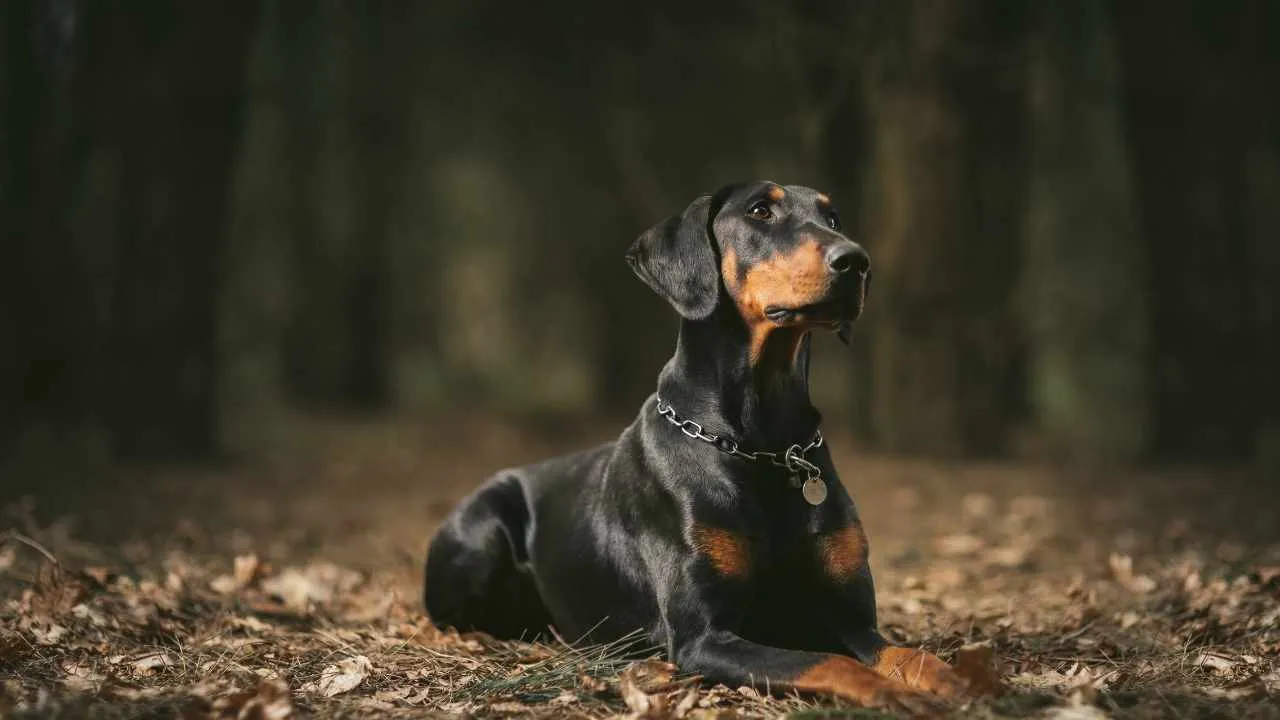
Doberman Pinscher originated in Thuringia, Germany, where tax collector Louis Dobermann wanted a dependable dog to accompany him during his rounds.
Early breeding likely involved the Old German Shepherd and German Pinscher, with Weimaraner and Manchester Terrier bloodlines also believed to have contributed to the sleek, athletic breed seen today.
Calm Under Control
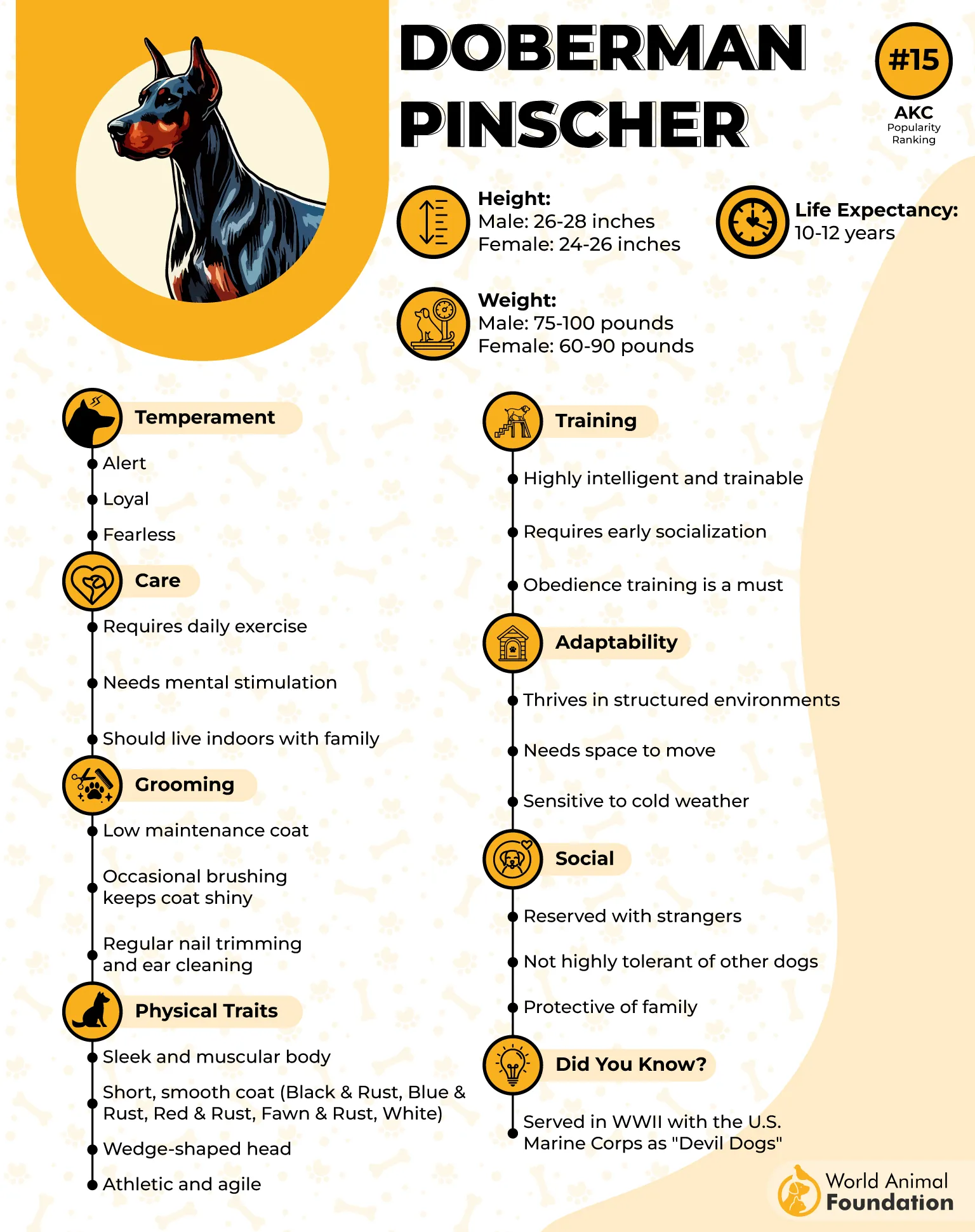
Dobermans can be an affectionate family companion with a strong instinct to watch over their people and surroundings, as noted by Orvis.
For a relaxed household, the key is teaching the dog to recognize genuine concerns and respond calmly rather than treating every unfamiliar visitor as a threat.
These details matter when choosing and training one:
Females often mature earlier than males
Males tend to be larger and more muscular
Females are generally more agile during protection tasks
Reading People
This excellent guard dog is highly perceptive and can pick up on human body language, including changes in posture and behavior. This sensitivity makes early socialization especially important, giving puppies positive experiences with different people, sounds, and everyday situations.
2. German Shepherd
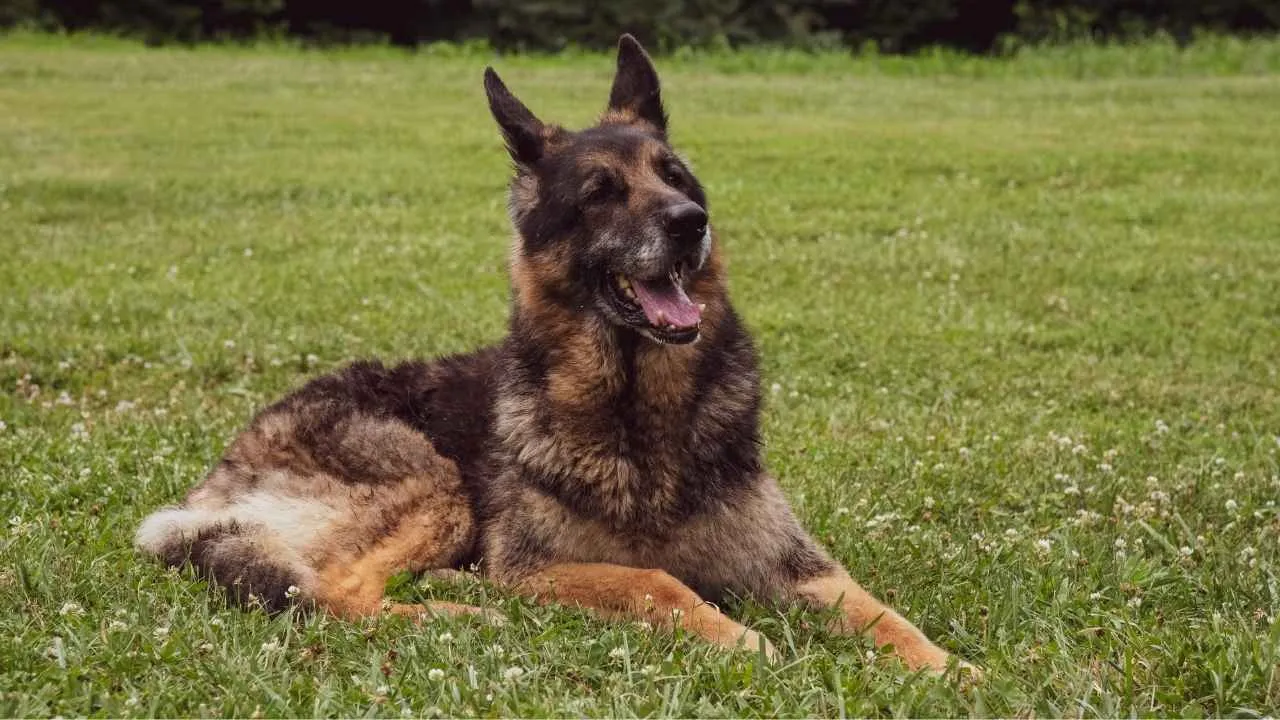
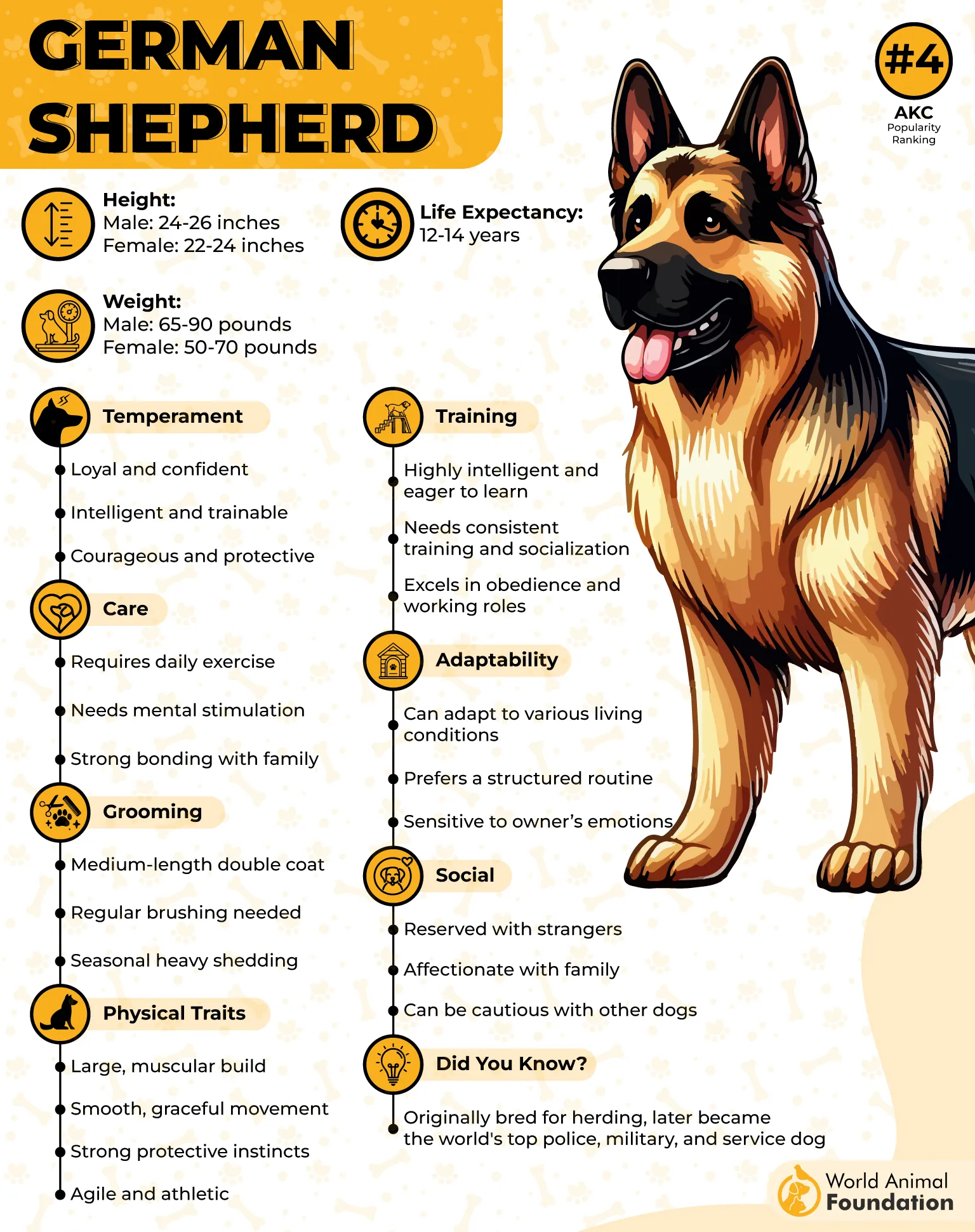
Germany is the birthplace of the German Shepherd, a working breed valued for herding livestock and protecting flocks from potential threats. Following the First World War, it was widely called the Alsatian, but kennel clubs returned to the German Shepherd name during the 1930s.
A Serious Home Guardian
This popular guard dog breed has the alertness, physical presence, and protective instincts that can make an intruder think twice before approaching a property.
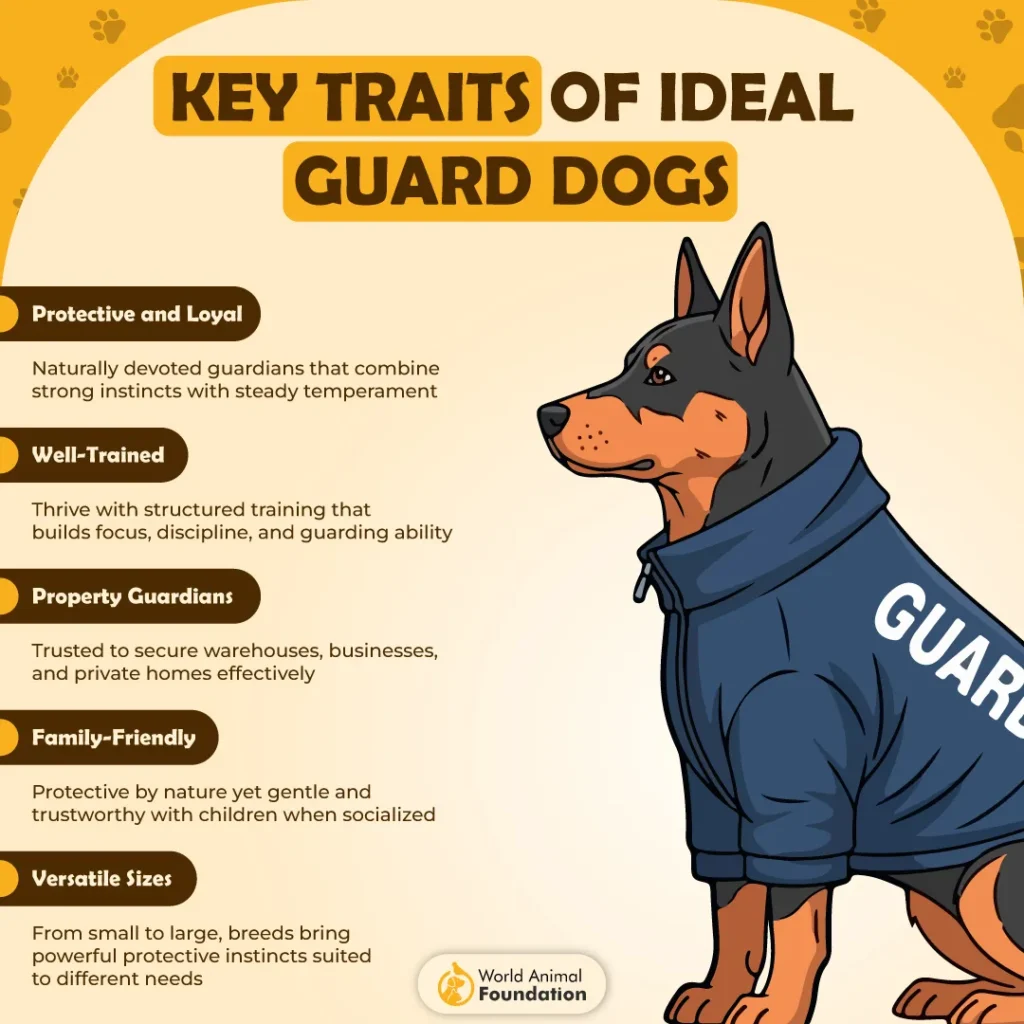
Its deep bark adds another layer of warning, while careful socialization helps it respond appropriately to visitors and unfamiliar people.
Three traits explain its versatility in working roles:
Used in police and military service
Trained for search-and-rescue operations
Employed as a guide dog
A Mind That Needs Work
German Shepherds learn advanced commands readily when training is consistent and gives them a clear purpose, as Omlet claims. Without enough mental engagement, it may turn to destructive habits at home, so obedience practice, useful tasks, and interactive play matter well beyond puppyhood.
3. Boxer
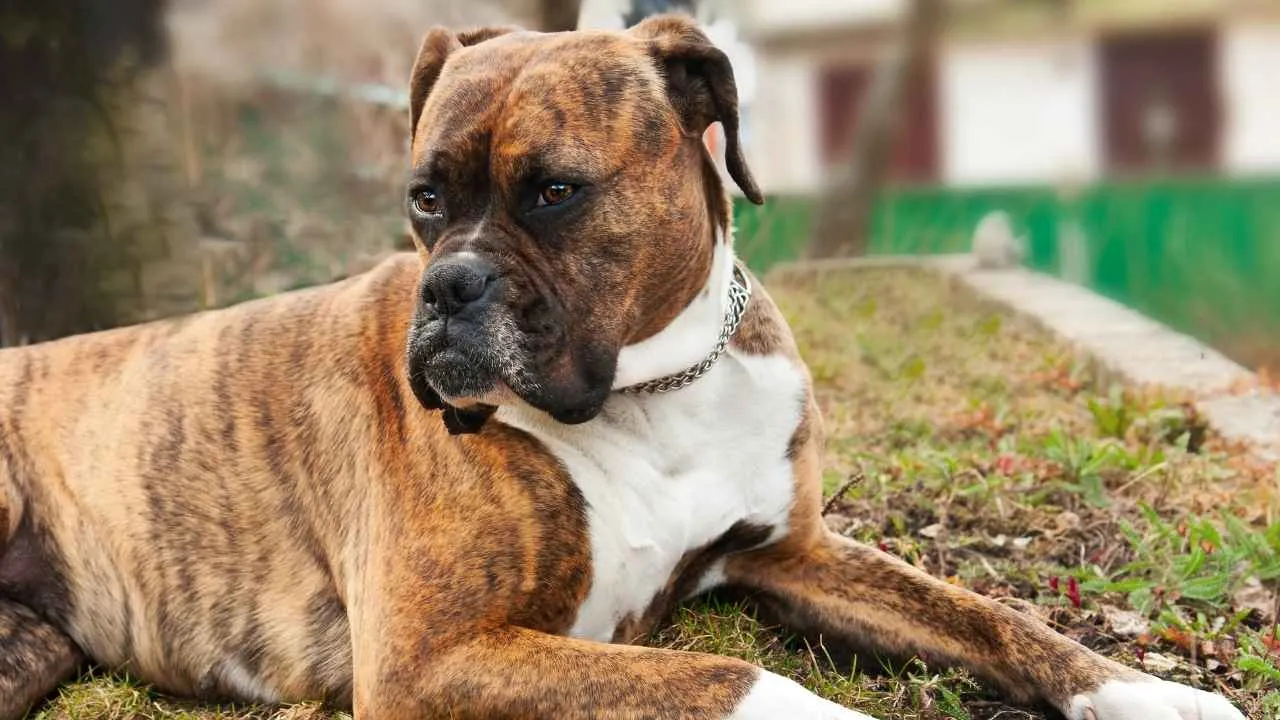
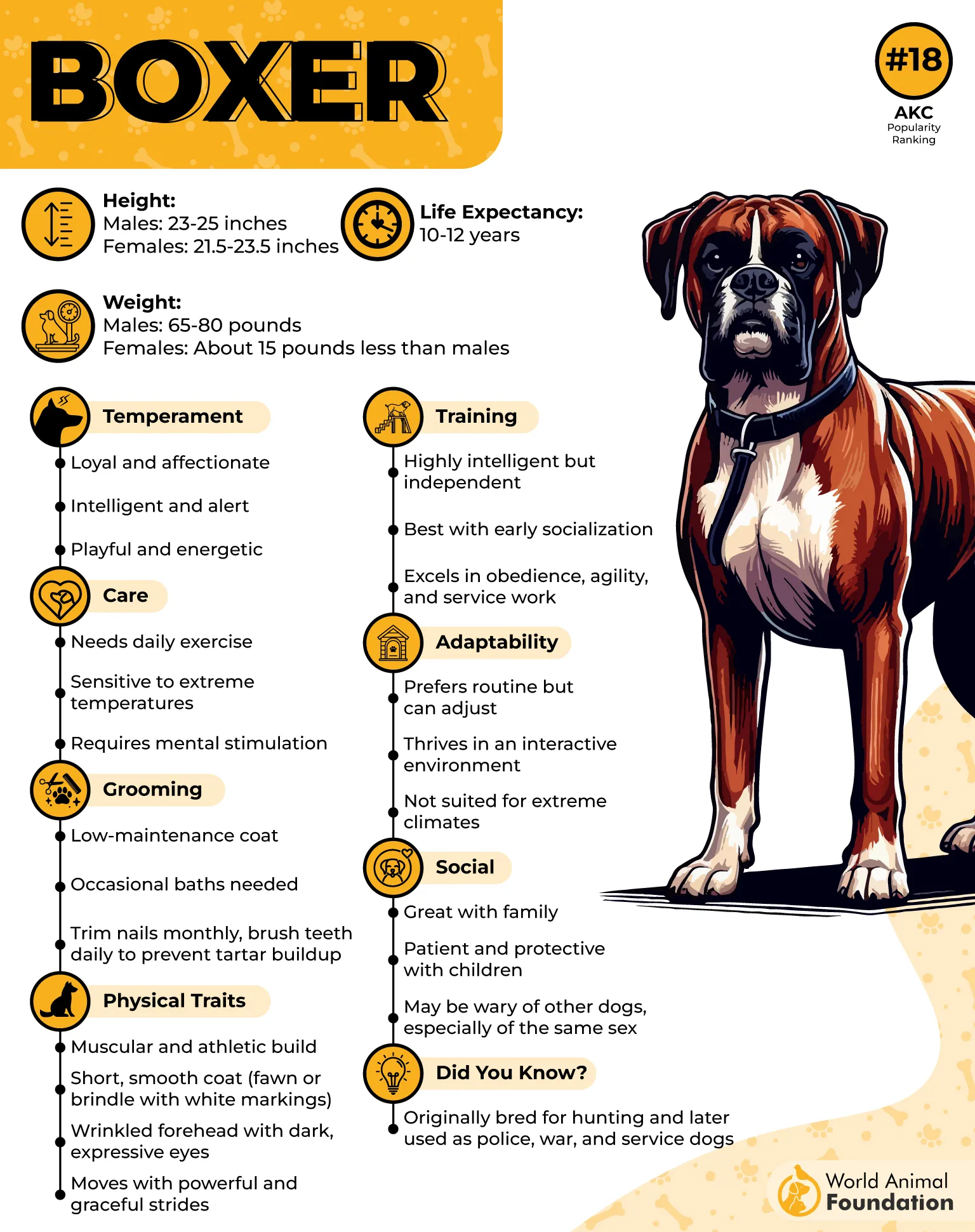
Boxer was originally bred in Germany during the late 19th century, likely from crosses between the German Bullenbeisser and Bulldog. Initially used to control cattle in slaughterhouses, the breed later served as a messenger, pack carrier, and guard dog during World War I.
Quick to Judge
Boxers can react quickly when a situation turns uncertain, making their ability to assess unfamiliar events valuable in a family home. It may need guidance when a visitor arrives unexpectedly, especially during busy gatherings where people come and go.
Three characteristics help explain its protective working style:
Ranked seventh among America’s most popular breeds in the supplied source
Served alongside soldiers during two world wars
Adaptable when facing unfamiliar situations
Courage With Control
This excellent family guardian is known for fearless reactions when it senses a threat, and it may step forward to protect family members in a dangerous situation, as claimed by the AKC. Early, consistent training matters because its stubborn streak can make reliable obedience harder to establish.
4. Bernese Mountain Dog
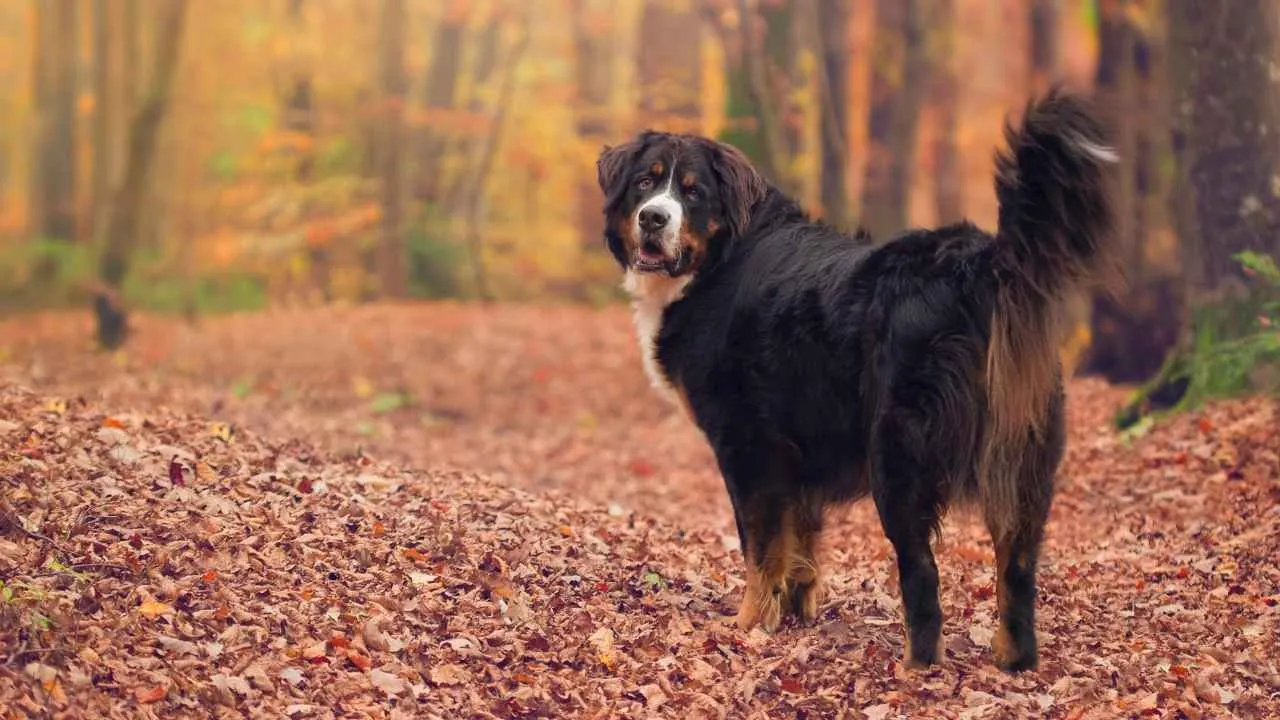
Bernese Mountain Dog spent centuries working on farms around Switzerland’s Durrbach region, where it was called the Dürrbachler. By the late 1800s, numbers had fallen dangerously low, prompting efforts to preserve the breed before its name became Bernese Mountain Dog.
A Calm Watcher
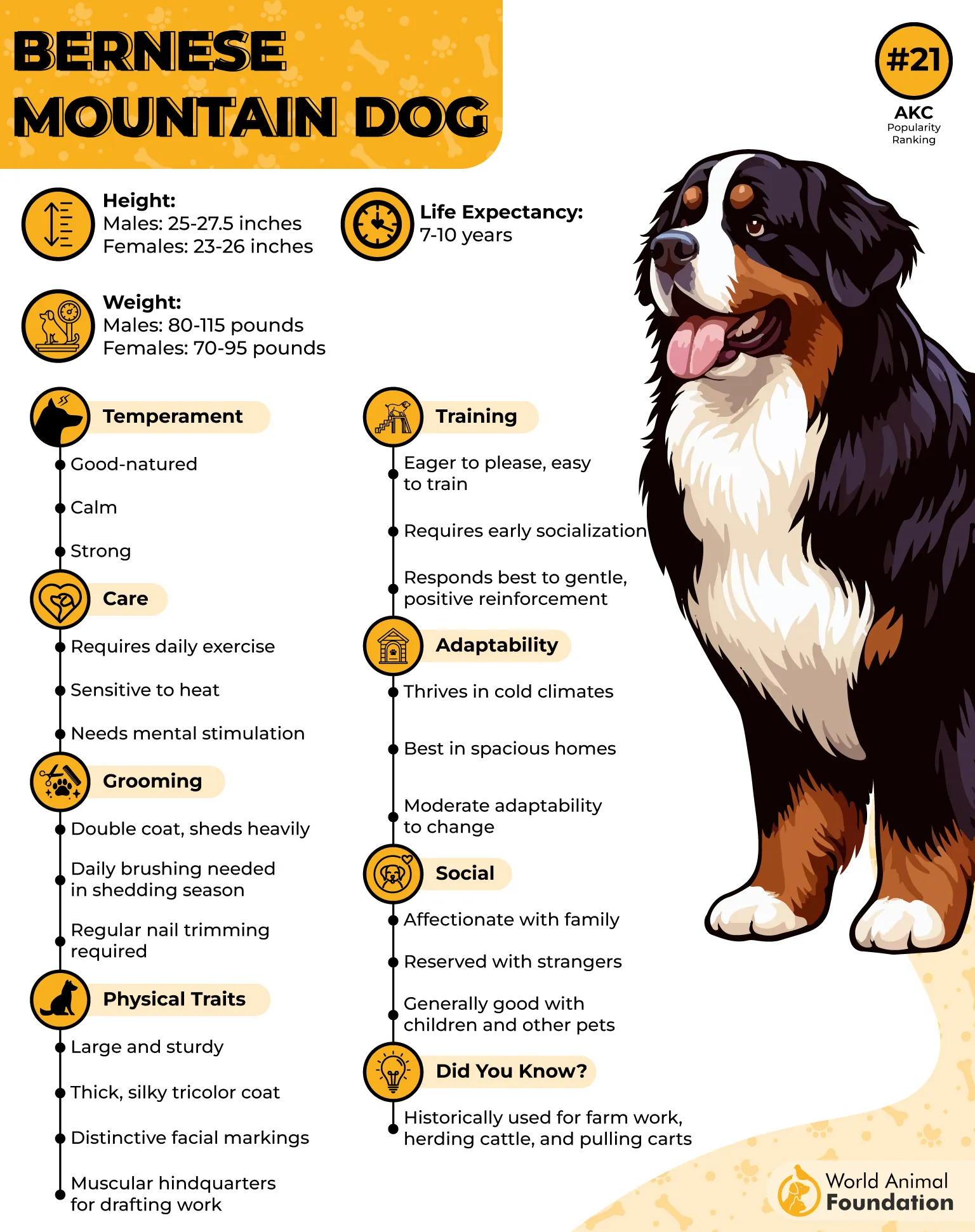
This mountain dog combines a patient nature with a protective instinct shaped by its former duties around farms and pastures. It may bark when someone approaches the property, then accept an unfamiliar visitor once its family provides reassurance.
These characteristics help explain its approach to guarding:
Usually placid with strangers after reassurance
Can be comfortable with other dogs after socialization
May pull on the leash, a habit linked to its cart-pulling past
Family Comes First
This gentle giant enjoys being involved in everyday household life and can become unsettled when left alone for long periods. It matures slowly, sometimes behaving like a puppy for several years, so consistent obedience training is especially important for a dog of this size.
5. Cane Corso
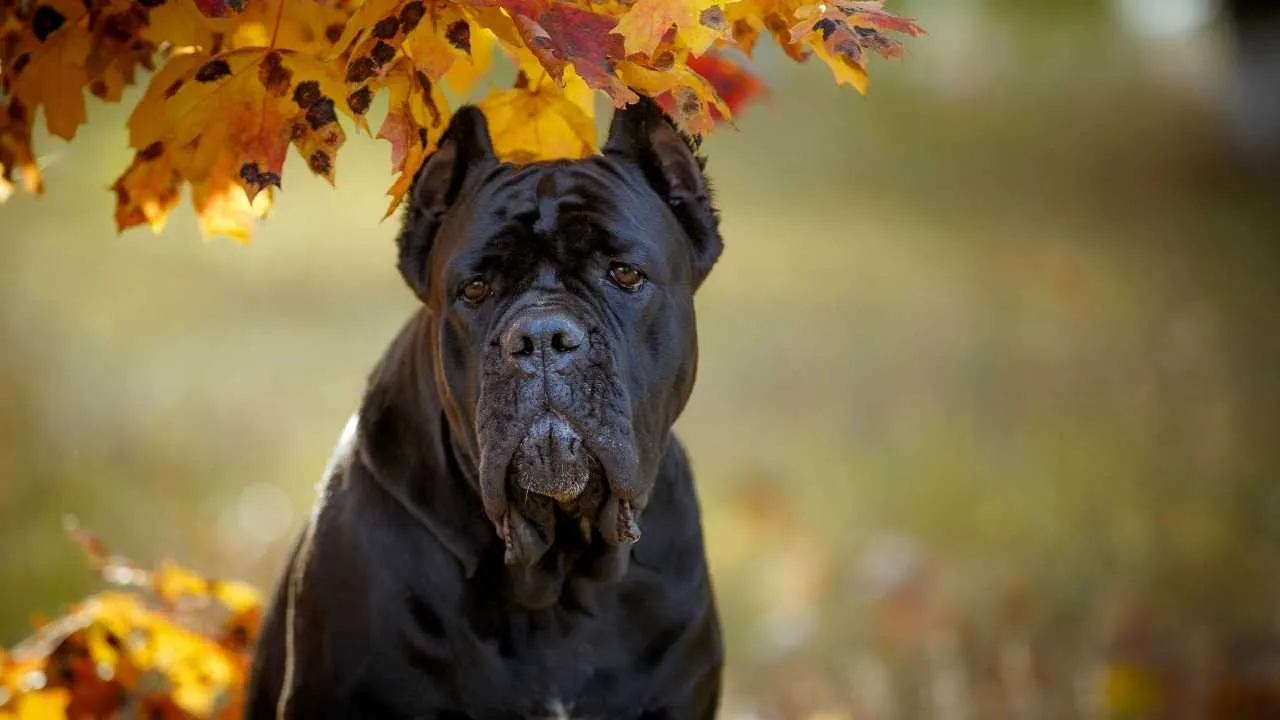
The Cane Corso descends from ancient Molosser dogs brought to Italy after Roman conquests of the Greek Islands. Roman forces used their ancestors as pireferi, or military dogs, before later generations served as hunters, livestock herders, and farm guardians across rural Italy.
A Powerful Presence
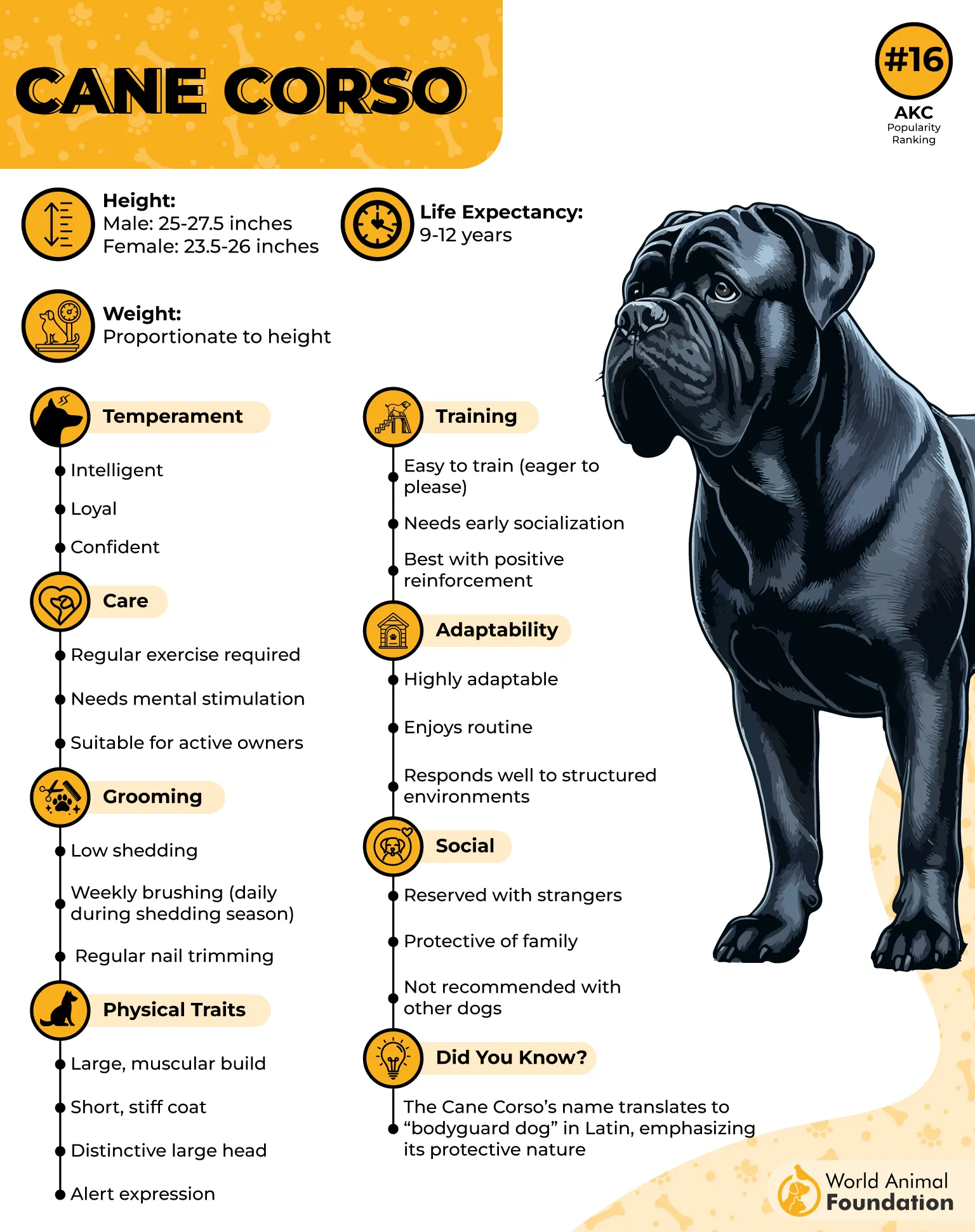
This loyal companion has a broad, square-shaped head, massive jaws, and a muscular, athletic frame that gives it an imposing appearance. Its confident, controlled gait and substantial build can make an unfamiliar visitor think twice before approaching a property.
Its watchful nature and strong build go hand in hand:
Keen awareness of unfamiliar activity
Strong territorial instincts around home
Responsive to structured command training
A Responsible Commitment
Cane Corso can be affectionate with familiar people and animals, yet its protective instincts call for consistent guidance throughout its life.
Positive introductions, early training, and carefully managed interactions help channel its natural guarding behavior, so prospective owners need to be prepared for the responsibility of raising a powerful guardian.
6. Bullmastiff
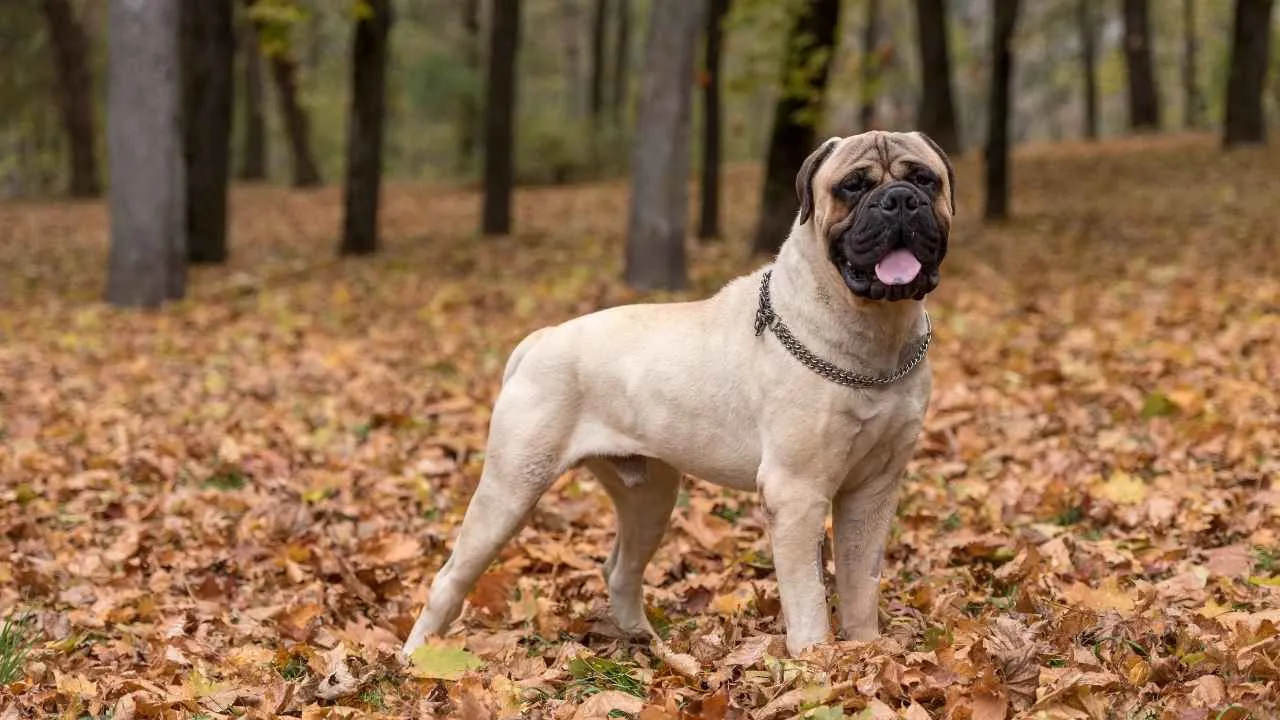
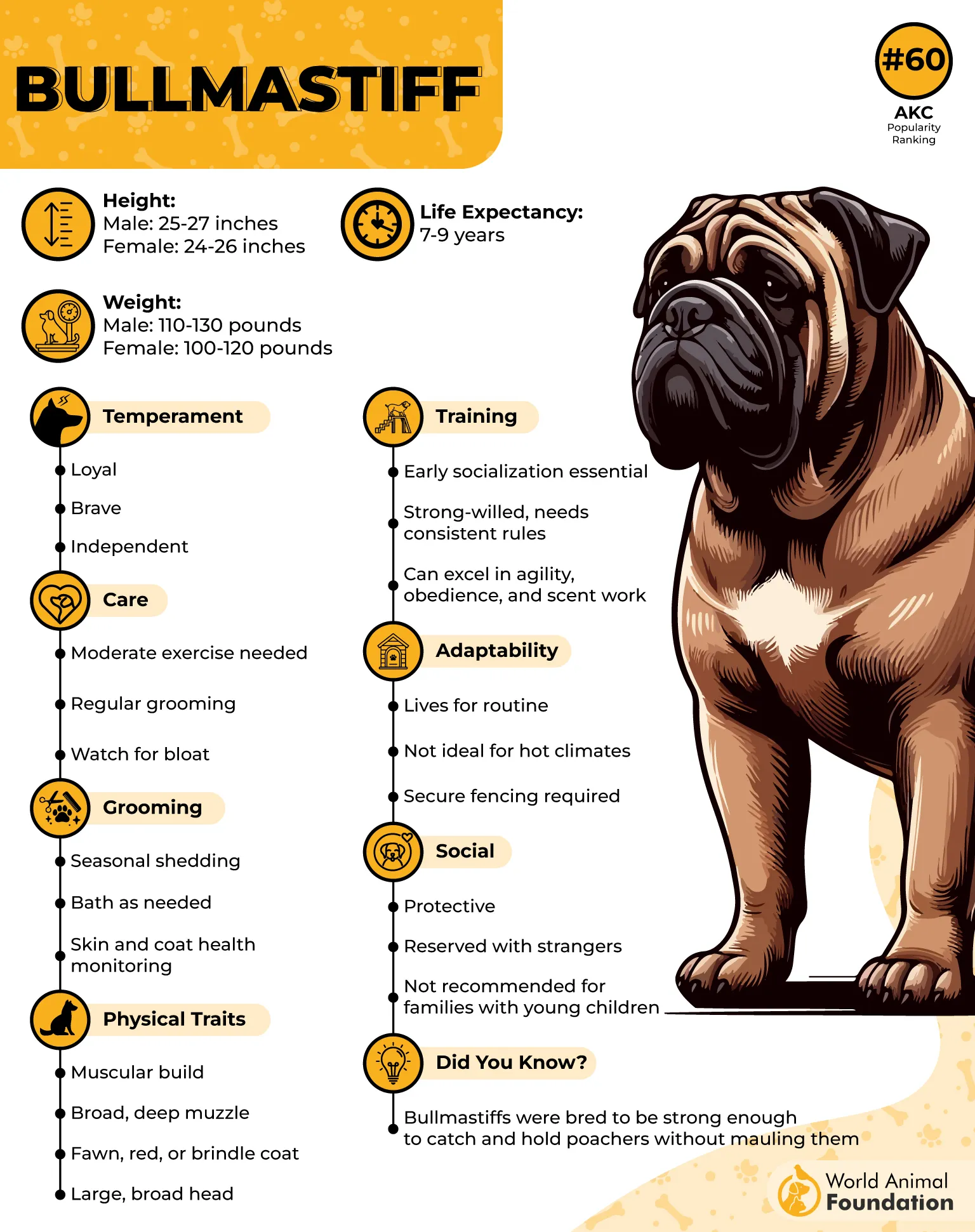
Bullmastiff emerged in 19th-century England, when estate owners crossed Bulldogs with Mastiffs to tackle a growing problem with poachers.
These powerful dogs were trained to catch intruders on command and hold them until the gamekeeper arrived, earning their nickname, the “Gamekeeper’s Night Dog.”
Quiet Property Watch
Bullmastiffs have a naturally protective temperament and pay close attention to activity around their home. Its imposing size can discourage unwanted visitors, while its tendency to bark mainly when it senses a threat makes its warnings more noticeable.
The following characteristics help explain its guarding style:
Used to detain poachers without seriously injuring them
Can charge at people it perceives as threats
May react strongly when unfamiliar visitors enter its territory
Gentle at Home
This loyal dog is often docile and affectionate with its family, including children when raised with them appropriately. It enjoys close human company throughout the day, although early socialization is essential to help it respond safely to unfamiliar people and situations.
7. Great Dane
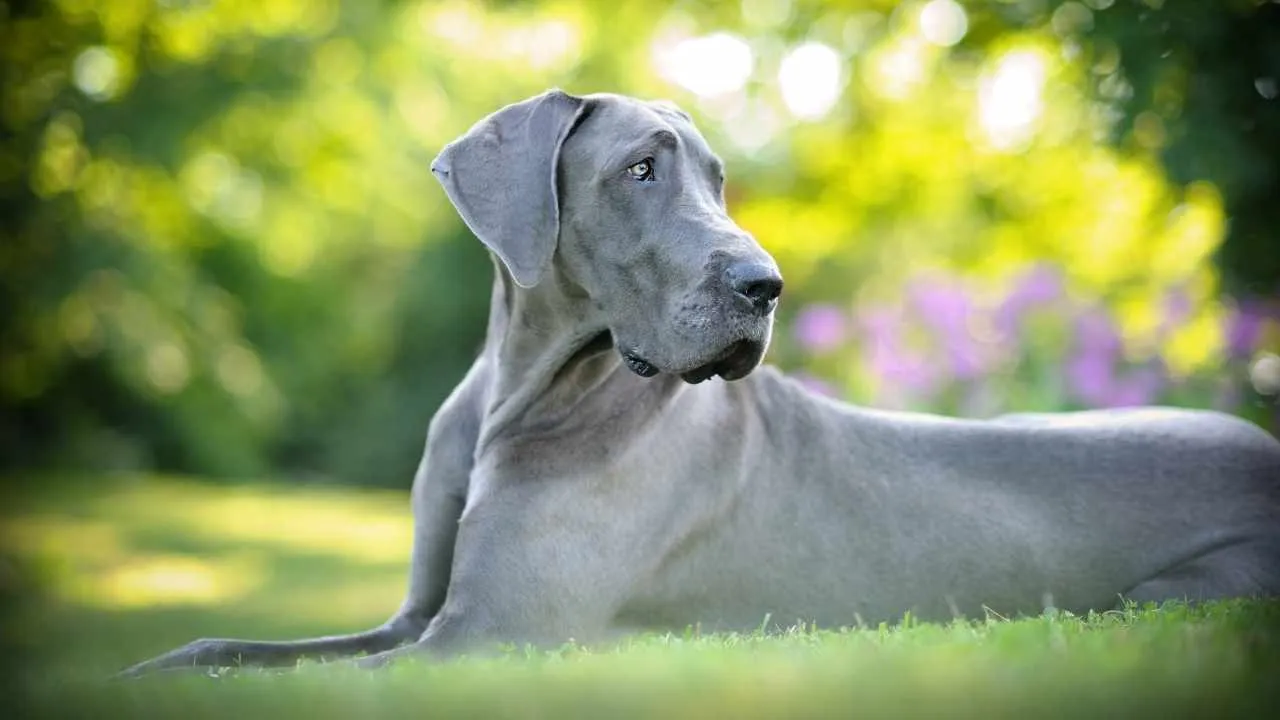
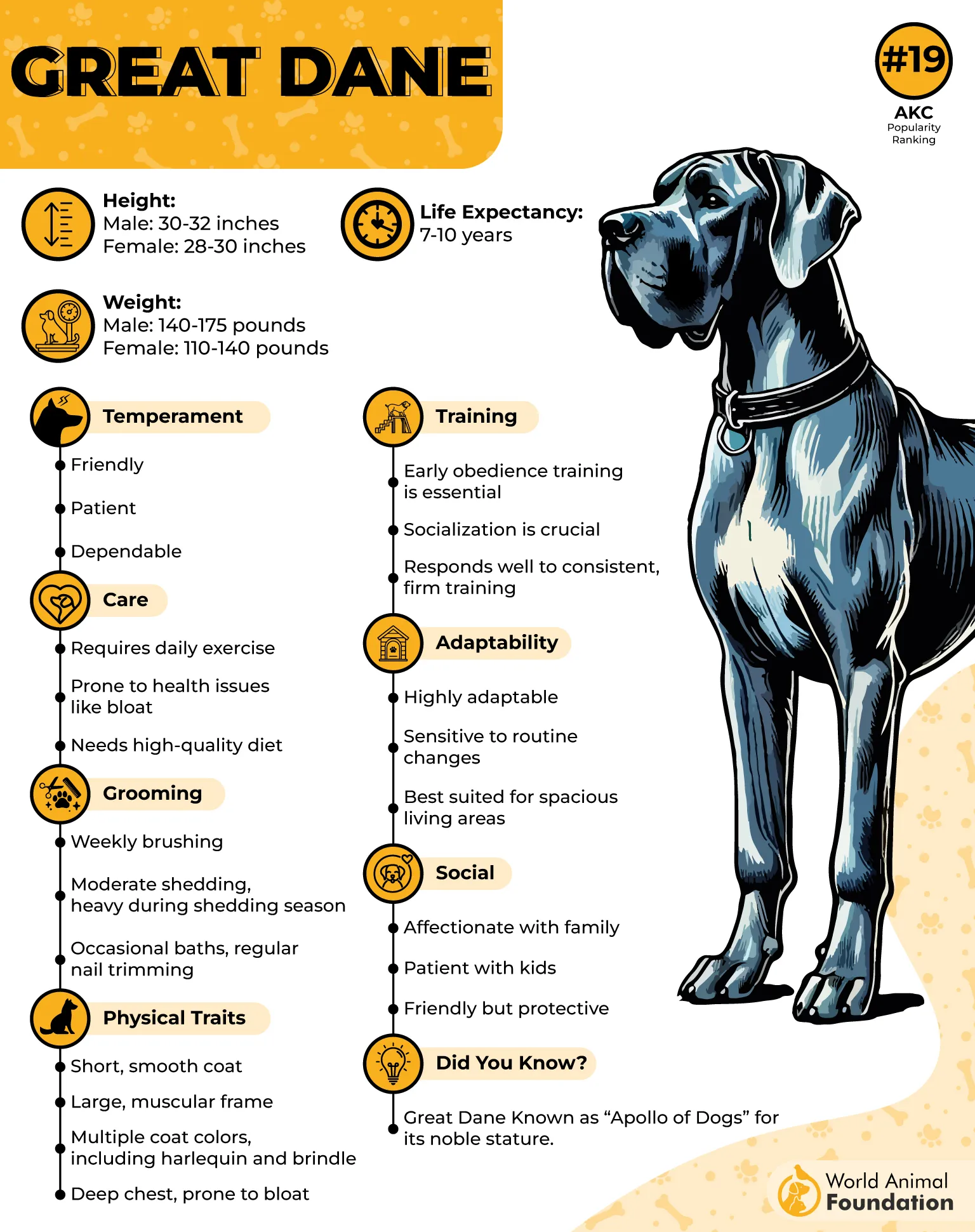
Great Dane developed in Germany, where its strength and speed made it useful for hunting wild boar, powerful animals that could seriously injure a hunting dog. British hunters called these dogs German Boarhounds, while the German name Deutsche Dogge translates to German Mastiff.
An Imposing Presence
They can make an unfamiliar visitor think twice before approaching a property, thanks to their enormous frame and deep, powerful bark. Some lines retain stronger guarding instincts, so choosing a suitable breeder matters when protection is a priority.
The physical presence of this breed is reflected in these points:
Record height of 44 inches at the shoulder in 2014
Long reach that can access kitchen counters
Protective instincts vary between breeding lines
Training With Care
Great Danes respond well to consistent training and can take part in organized dog competitions. Early socialization is especially important for a dog intended for guarding, helping it distinguish ordinary visitors from situations that may genuinely require caution.
8. Great Pyrenees
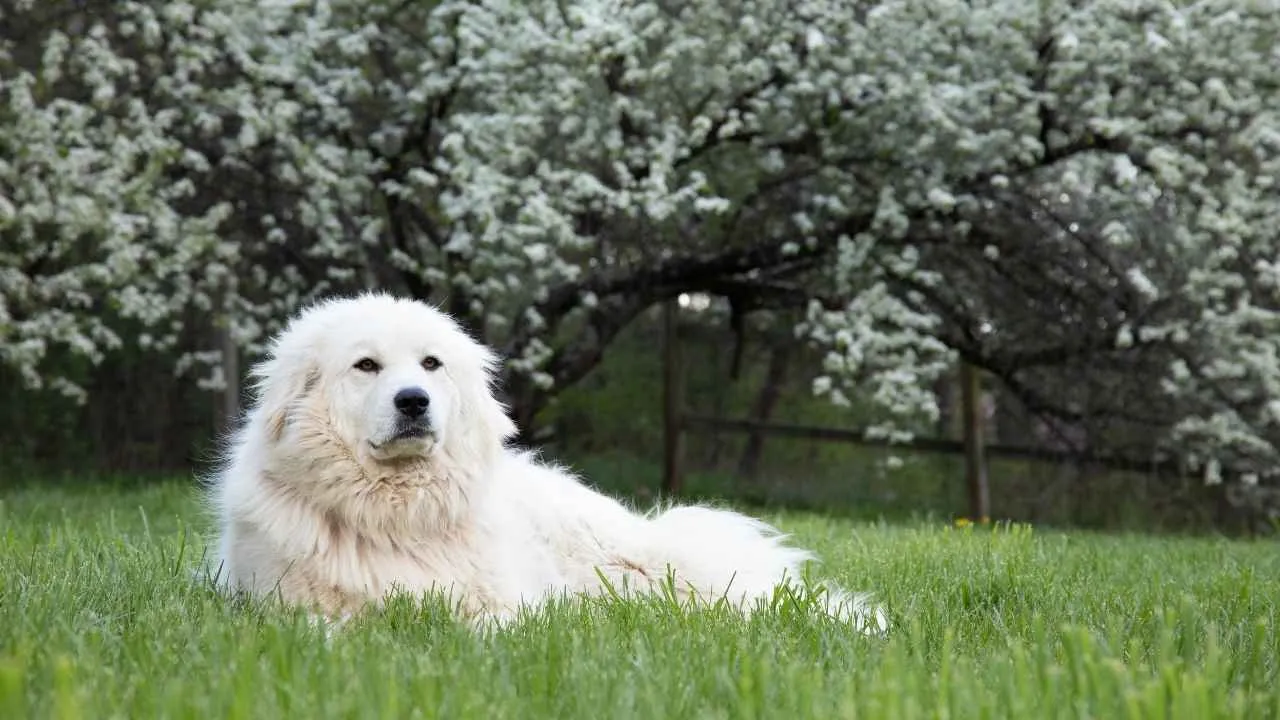
Great Pyrenees guarded sheep and goats in the Pyrenees Mountains for centuries, protecting livestock from predators before gaining royal recognition in France.
In 1675, King Louis XIV declared the breed the royal dog of France, and it later guarded large estates and country properties across the nation.
Calm but Watchful
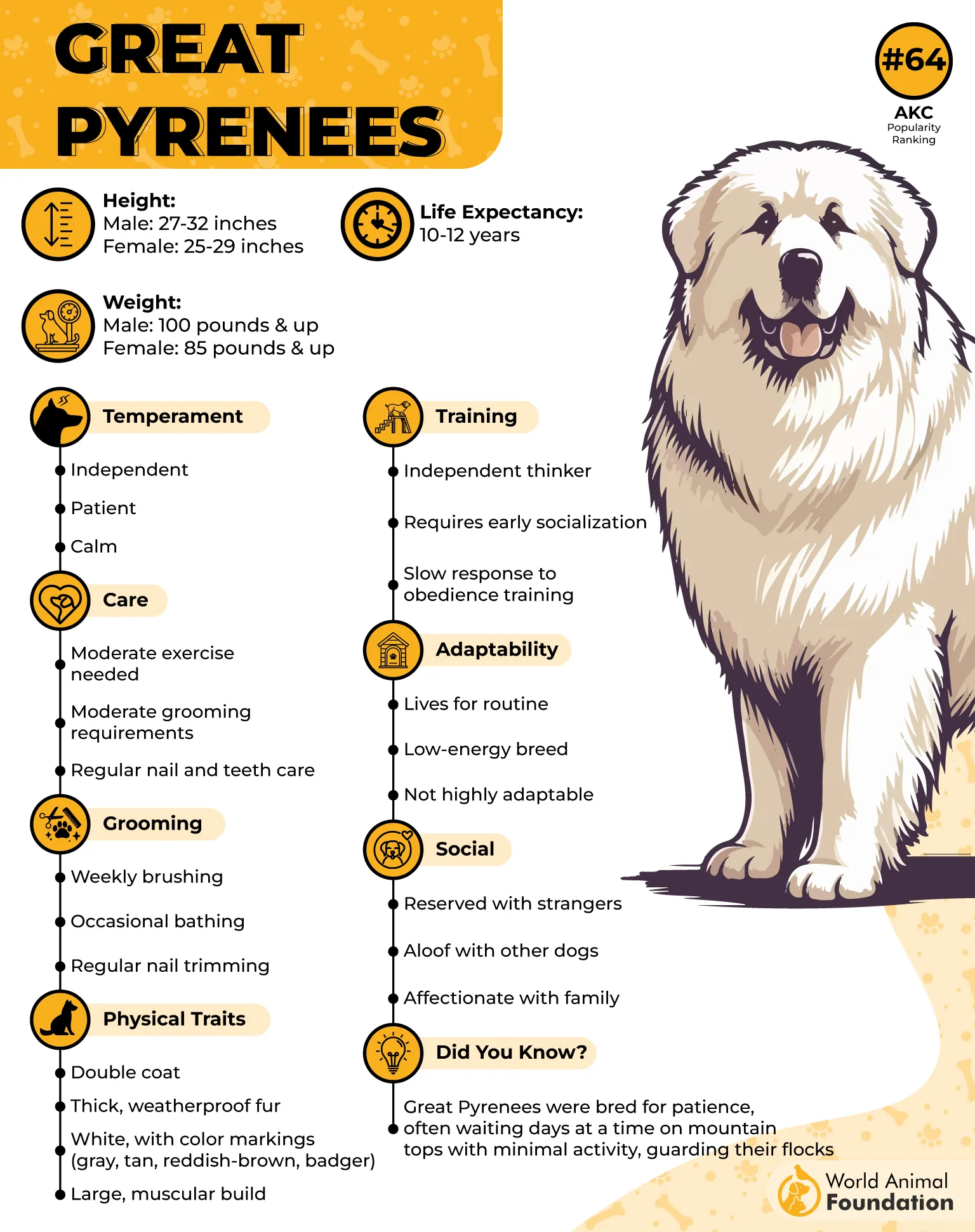
This best guard dog breed has exceptionally sharp hearing and a powerful bark, allowing it to alert its family when unfamiliar people approach the property. Its protective instincts call for early, continued socialization so it can distinguish ordinary visitors from genuine threats.
The following qualities help explain its approach to guarding:
Independent decision-making instincts
Loud warning bark
Strong livestock-protection drive
Gentle With Family
Great Pyrenees is generally affectionate with family members and patient around children, while its enormous size requires care during play. Its soft coat and gentle manner have also made the breed suitable for therapy work, where calm contact with people is important.
9. Akita

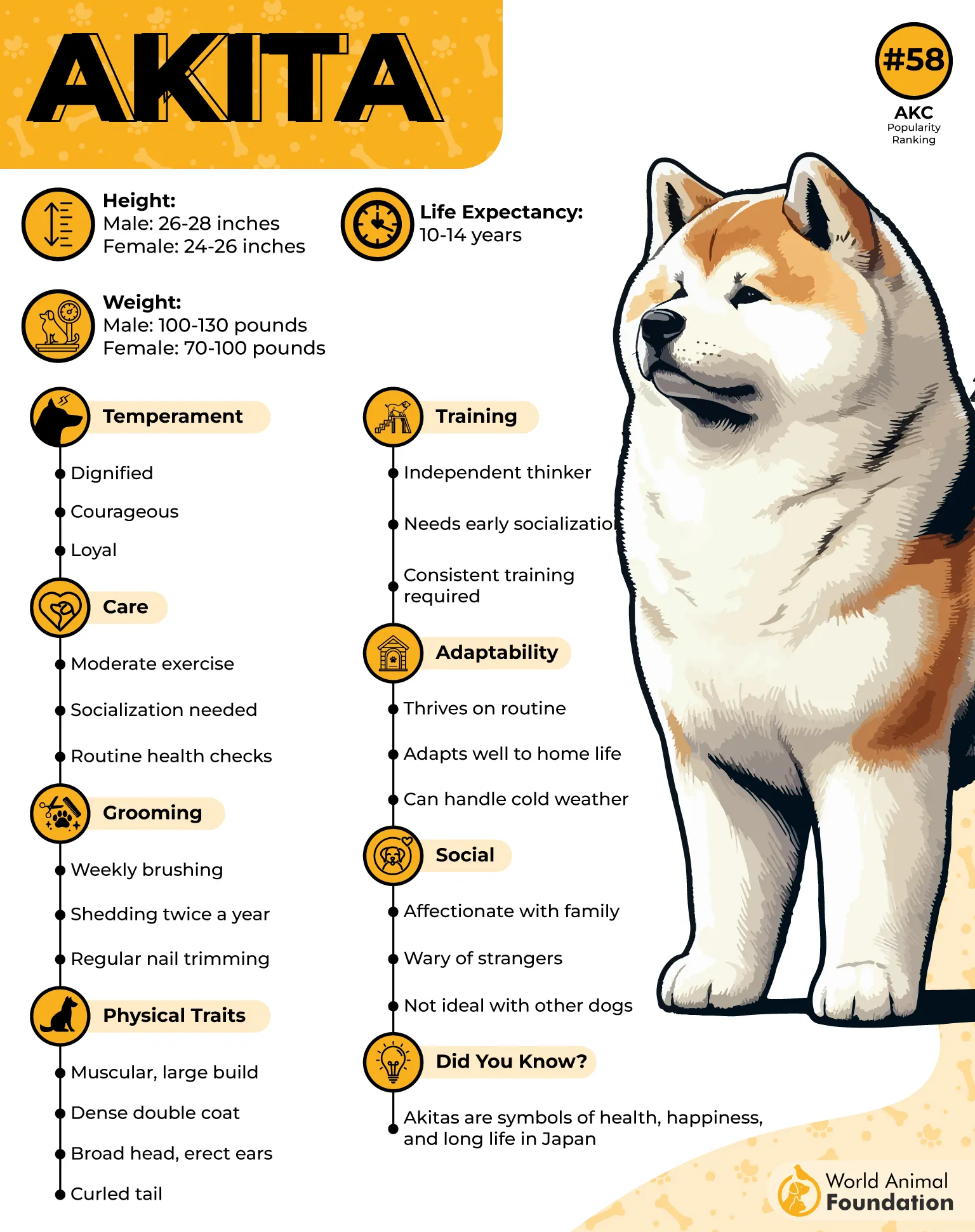
Akita dates back to 17th-century Japan, where these powerful dogs hunted deer, wild boar, and even bears. After surviving several periods of near extinction, the breed became a symbol of health and happiness in Japan and was designated one of the country’s seven national monument dog breeds.
Quiet Protection
Akita suits a household seeking a watchful companion that does not need to bark constantly to signal a concern. Its instinct to protect family members, combined with a reserved attitude toward unfamiliar visitors, makes early guidance and consistent training especially important.
Its loyalty comes with a few behavioral traits to manage:
Alerts family members to unfamiliar arrivals
May act aggressively toward unfamiliar dogs
Can become overprotective during boisterous play
Calm but Capable
This great family pet is intelligent and self-possessed, with enough energy to enjoy long hikes, challenging games, and food puzzles alongside its family. It can be affectionate with familiar people while remaining cautious around strangers, so introductions need time and careful handling.
Conclusion
Finding a relaxed guard dog means looking beyond a deep bark or an imposing build. A suitable companion should be alert to unfamiliar activity but manageable during ordinary routines, including family visits and time around children. Proper training and socialization help guide a dog’s natural protective instincts, keeping a fiercely protective companion manageable at home.
Some dogs in the dog world are naturally more independent, while others prefer staying close to their families throughout the day. Think about which temperament suits your household and whether you can meet its needs consistently. The right choice can offer dependable companionship without making everyday life unnecessarily stressful.
