




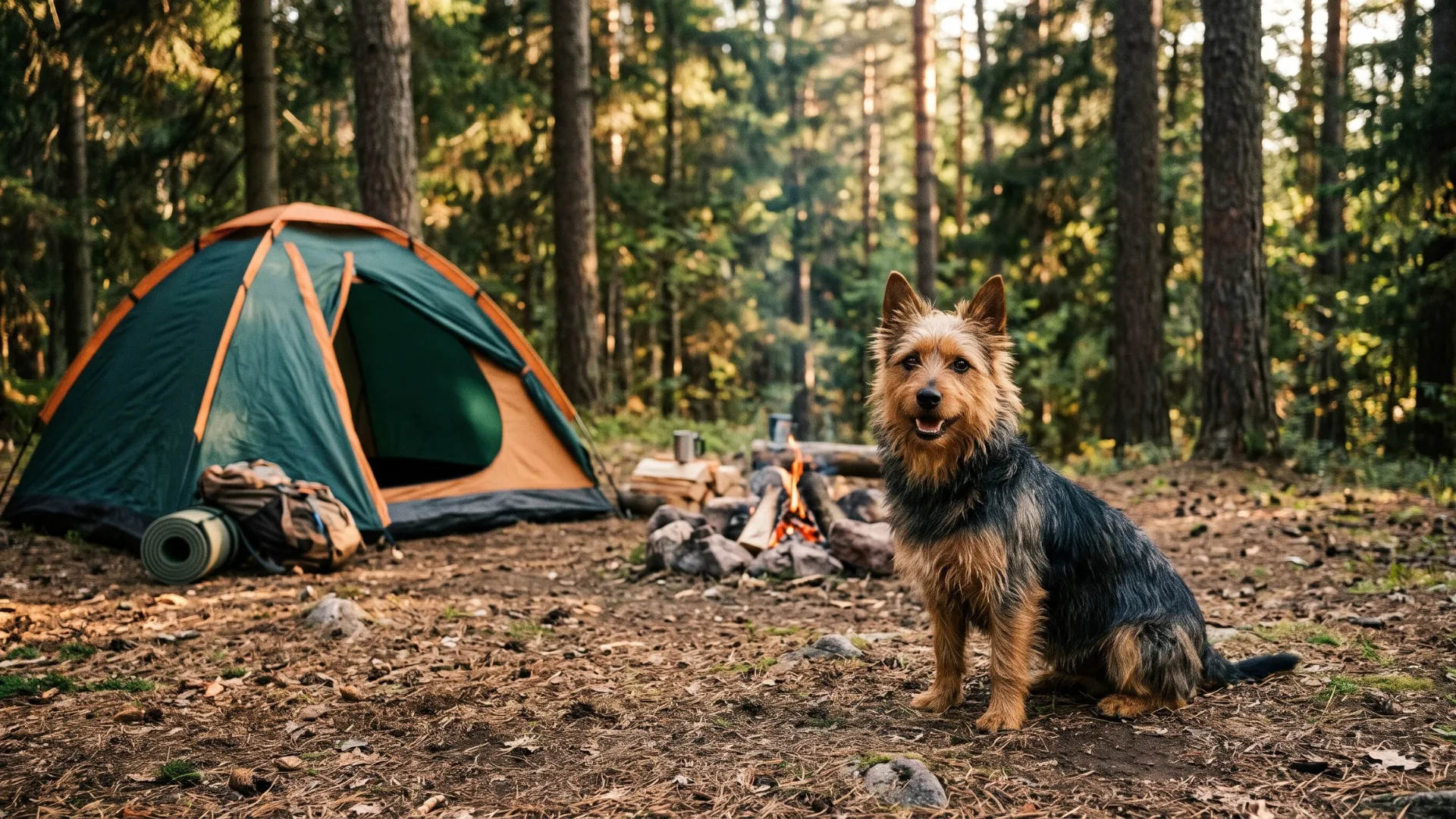
Camping with a small dog can make outdoor adventures more enjoyable, whether you’re exploring forest trails, relaxing beside a lake, or spending a weekend at a pet-friendly campsite. The right canine companion brings curiosity, energy, and companionship without requiring the space or supplies associated with larger breeds.
However, a small size alone does not make a dog suitable for camping. Confidence in unfamiliar surroundings, stamina, trainability, and the ability to cope with changing weather all matter. Owners must also consider trail difficulty, campsite rules, wildlife, and their dog’s individual health and fitness.
From fearless terriers to agile little companions, these seven small dog breeds have qualities that can make them excellent camping partners. With appropriate preparation, supervision, and conditioning, they can enjoy outdoor adventures while remaining safe and comfortable.
Small Dog Breeds That Thrive on Camping Trips
1. Jack Russell Terrier
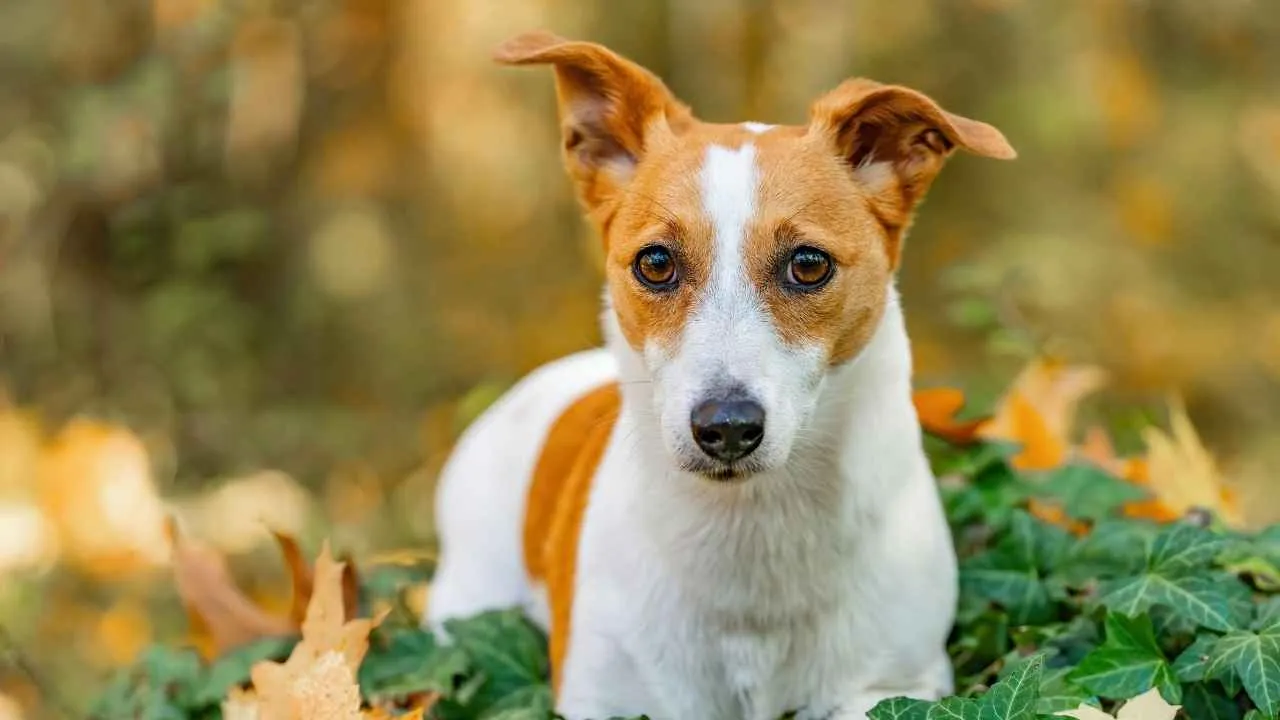
The Jack Russell Terrier is bold, curious, energetic, and always eager to investigate its surroundings. Its enthusiasm for exploration makes it a natural candidate for active camping trips, although its strong prey drive can lead it to chase wildlife. Reliable recall training, secure leashing, and plenty of engaging activities help keep this spirited dog under control outdoors.
Developed for Fox Hunting in England
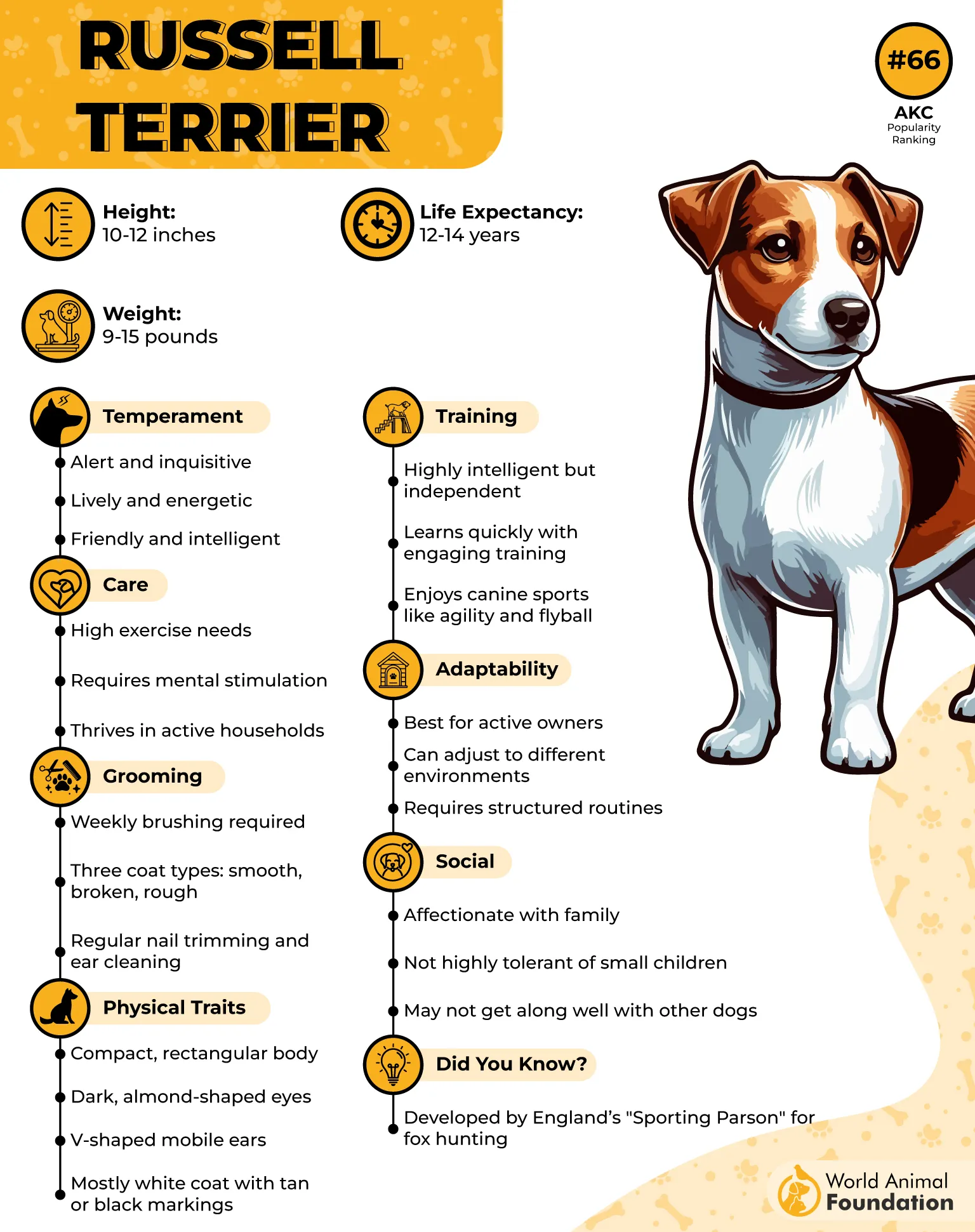
The Jack Russell Terrier originated in England during the 19th century and was developed by Reverend John Russell for fox hunting, as per Britannica. Breeders valued courage, agility, and the ability to pursue quarry through underground burrows. These working origins produced a small but determined terrier with an enduring appetite for activity.
Compact Stamina for Trails and Outdoor Exploration
Jack Russell Terriers have muscular bodies and impressive stamina for their size, making them suitable for active walks and appropriately challenging hiking routes.
Their short coats or rougher coat varieties are relatively practical outdoors, although they still need protection from cold and wet conditions when necessary. Owners should provide water breaks, supervise them around wildlife, and avoid pushing young dogs beyond their physical limits.
2. Miniature Schnauzer
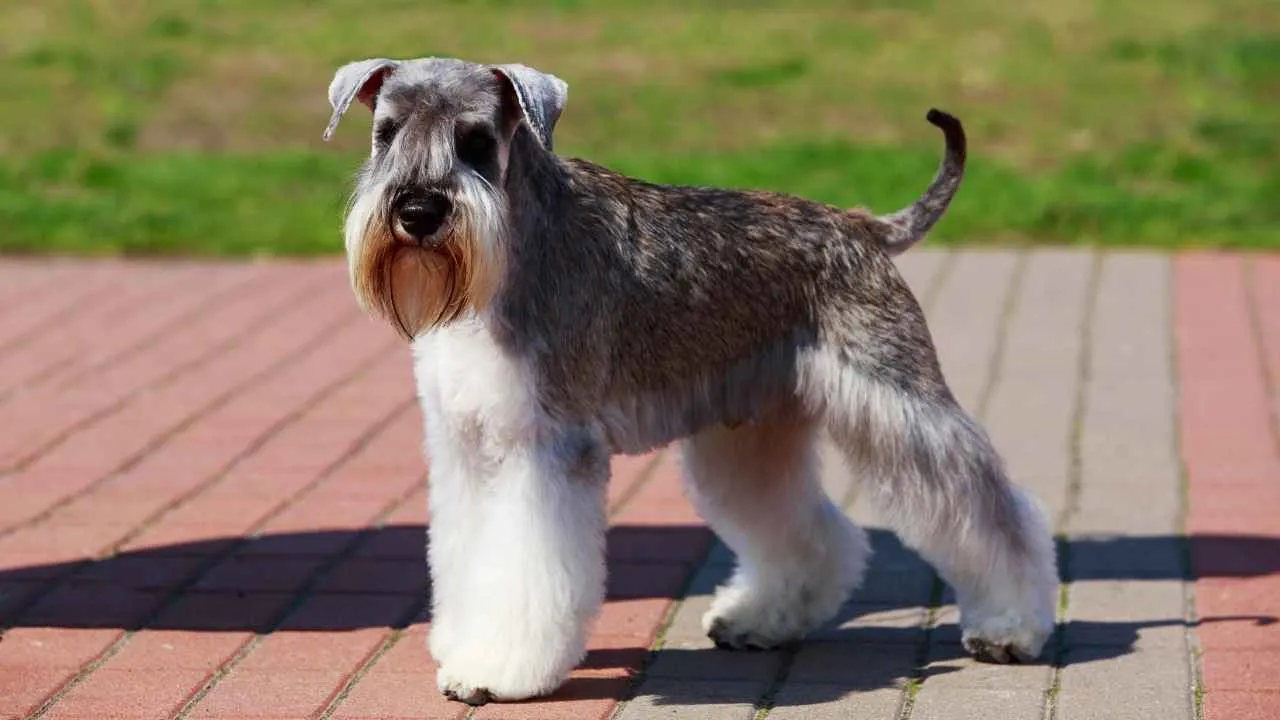
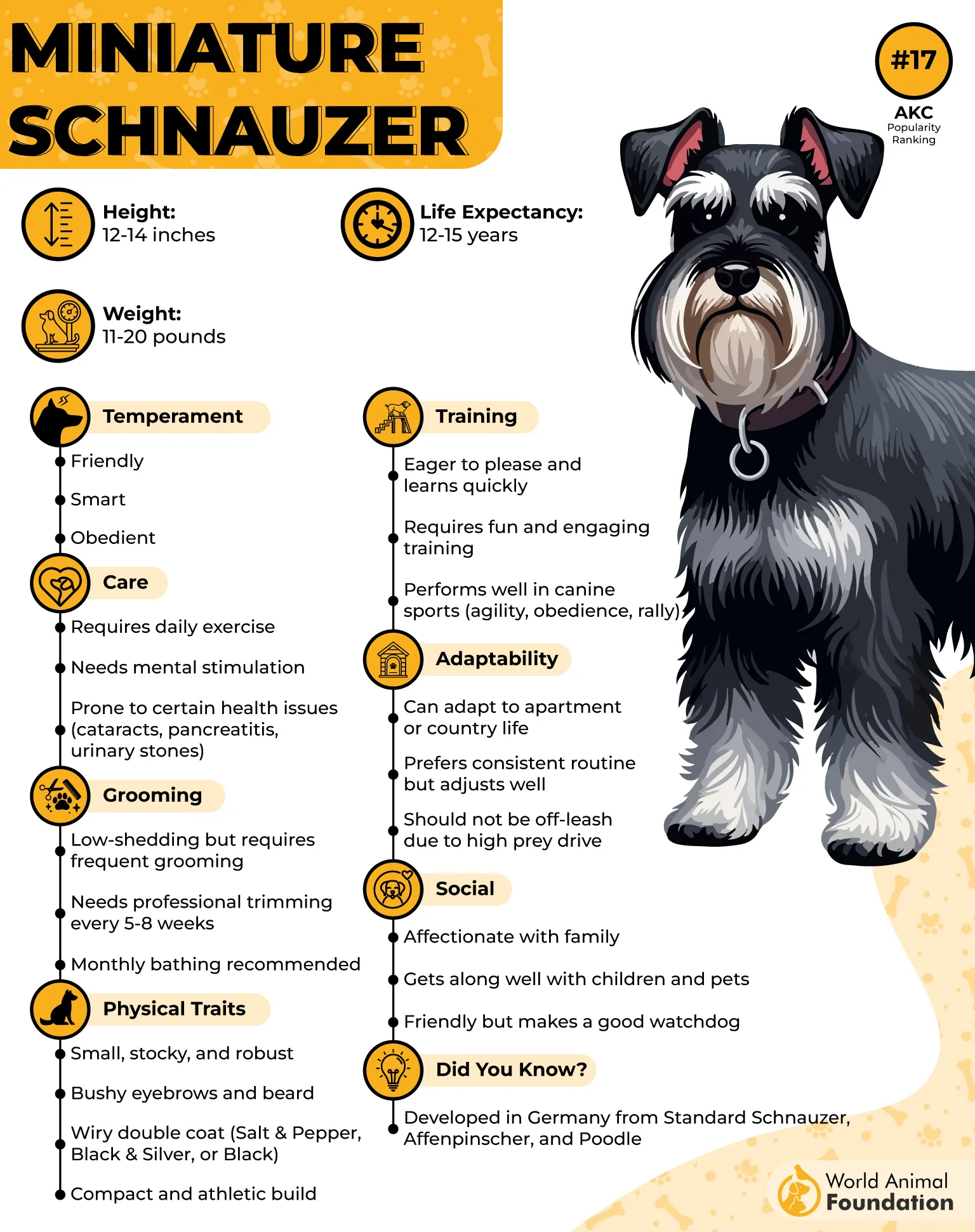
The Miniature Schnauzer is alert, intelligent, sociable, and often enthusiastic about joining family activities. Its watchdog instincts mean it may bark at unfamiliar sounds around a campsite, so early training and positive exposure to new environments are useful. This adaptable breed enjoys outdoor exploration but also settles comfortably when the day’s activities are finished.
A German Farm Dog With Practical Origins
The Miniature Schnauzer developed in Germany from Standard Schnauzers and smaller dogs, including Affenpinschers and Poodles in commonly described breed histories. Farmers valued these compact dogs for controlling rodents and alerting people to activity around properties. Their intelligence and versatility helped establish them as both working dogs and household companions.
A Versatile Companion for Campsite Life
Miniature Schnauzers generally stand around 12–14 inches tall and possess a sturdy build suited to everyday walks and moderate hiking. Their wiry double coat offers some protection against changing weather, although grooming and regular coat maintenance remain important.
They benefit from secure leads, consistent training, and opportunities to explore safely without becoming overexcited by campsite distractions.
3. Papillon
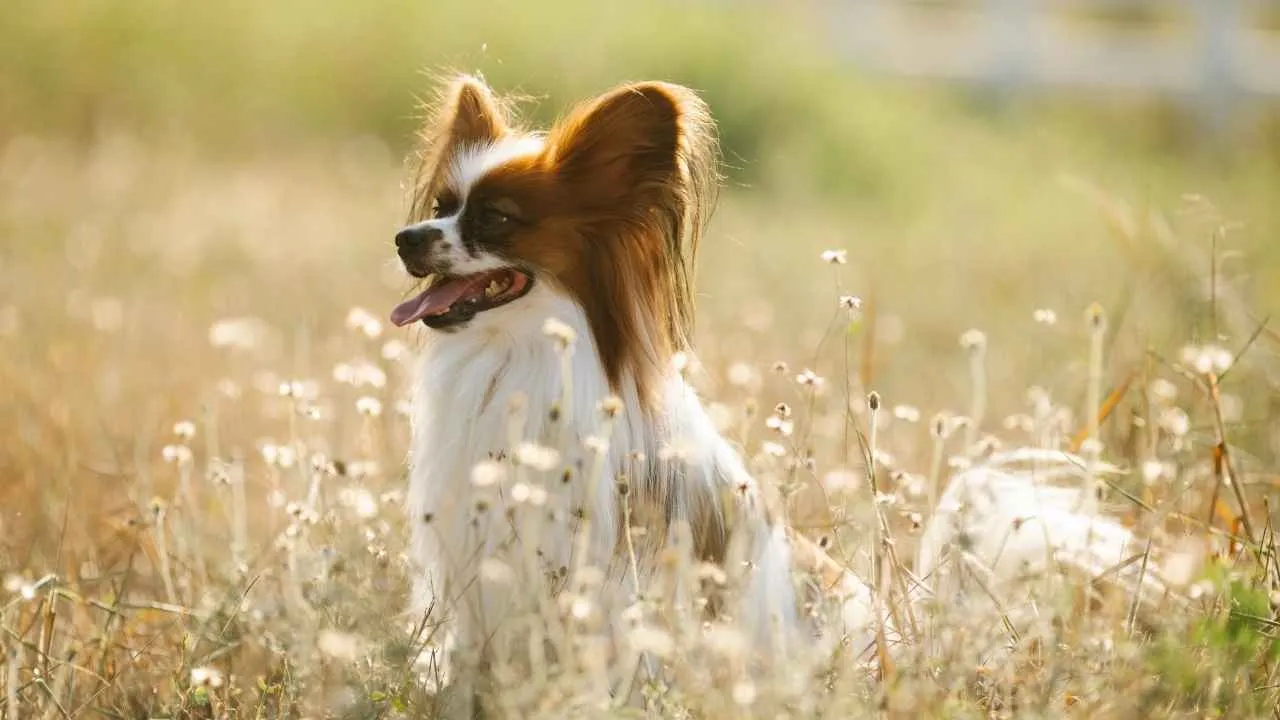
The Papillon is bright, athletic, curious, and highly responsive to training. Despite its delicate appearance, it often enjoys learning new skills and exploring unfamiliar places with its owner. Its small size makes travel convenient, while its lively temperament means it still needs meaningful activity rather than spending an entire camping trip inside a carrier.
A European Toy Spaniel With Royal Connections
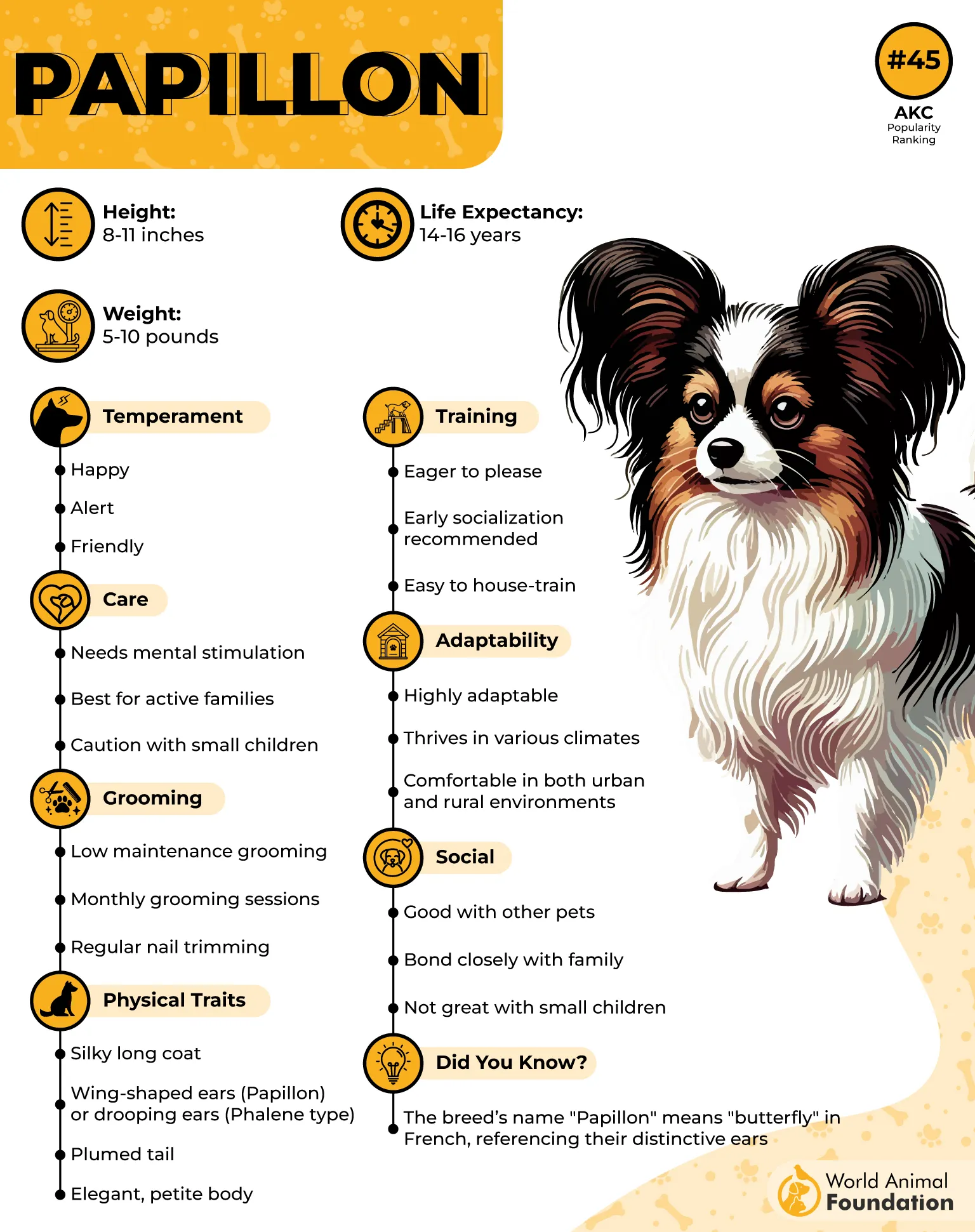
The Papillon developed from small European toy spaniels that appeared in royal households and historical paintings. Its name means “butterfly” in French, referring to its large, fringed, upright ears, as per WebMD. Although originally associated with elegant companionship, the breed’s intelligence and agility have also made it successful in modern dog sports.
Lightweight Agility for Short Outdoor Adventures
Papillons typically weigh around 5–10 pounds, making them easy to accommodate in camping vehicles and compact tents. Their athleticism supports short hikes, interactive games, and beginner-friendly agility activities, provided routes match their fitness and size.
Their fine build offers limited protection in cold weather, so insulated bedding, appropriate clothing, and careful monitoring in chilly conditions are important.
4. Border Terrier
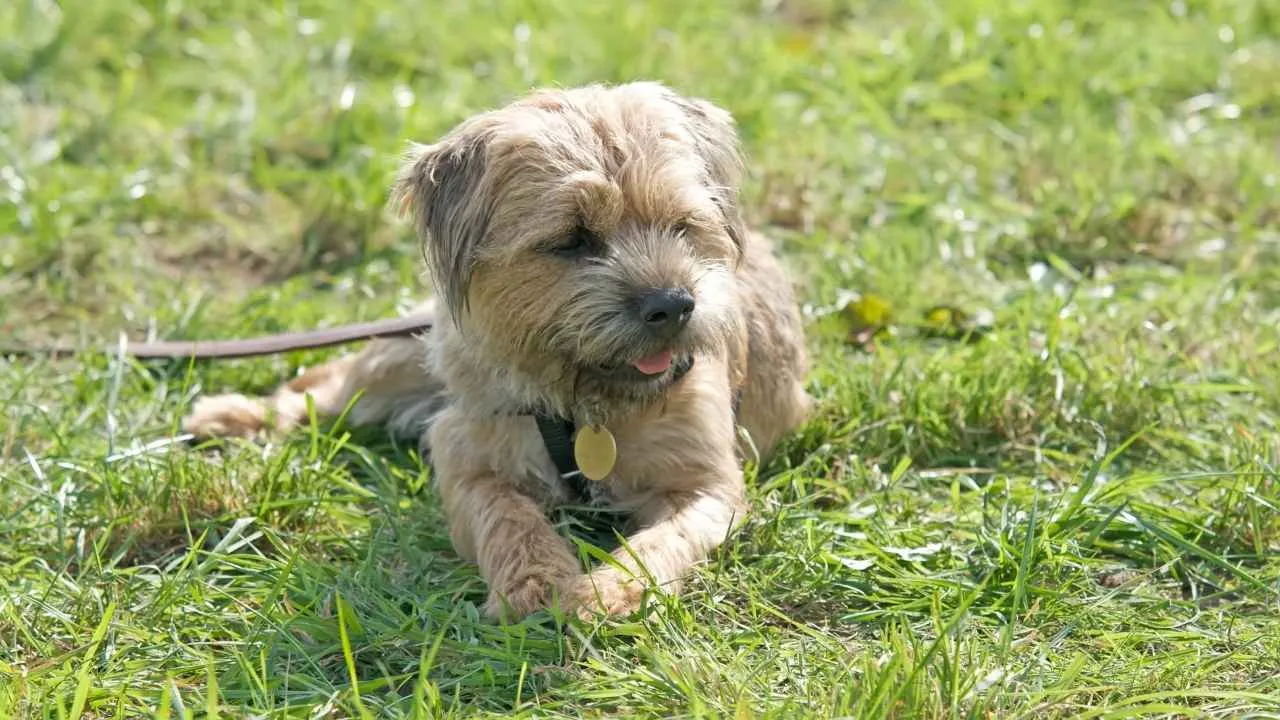
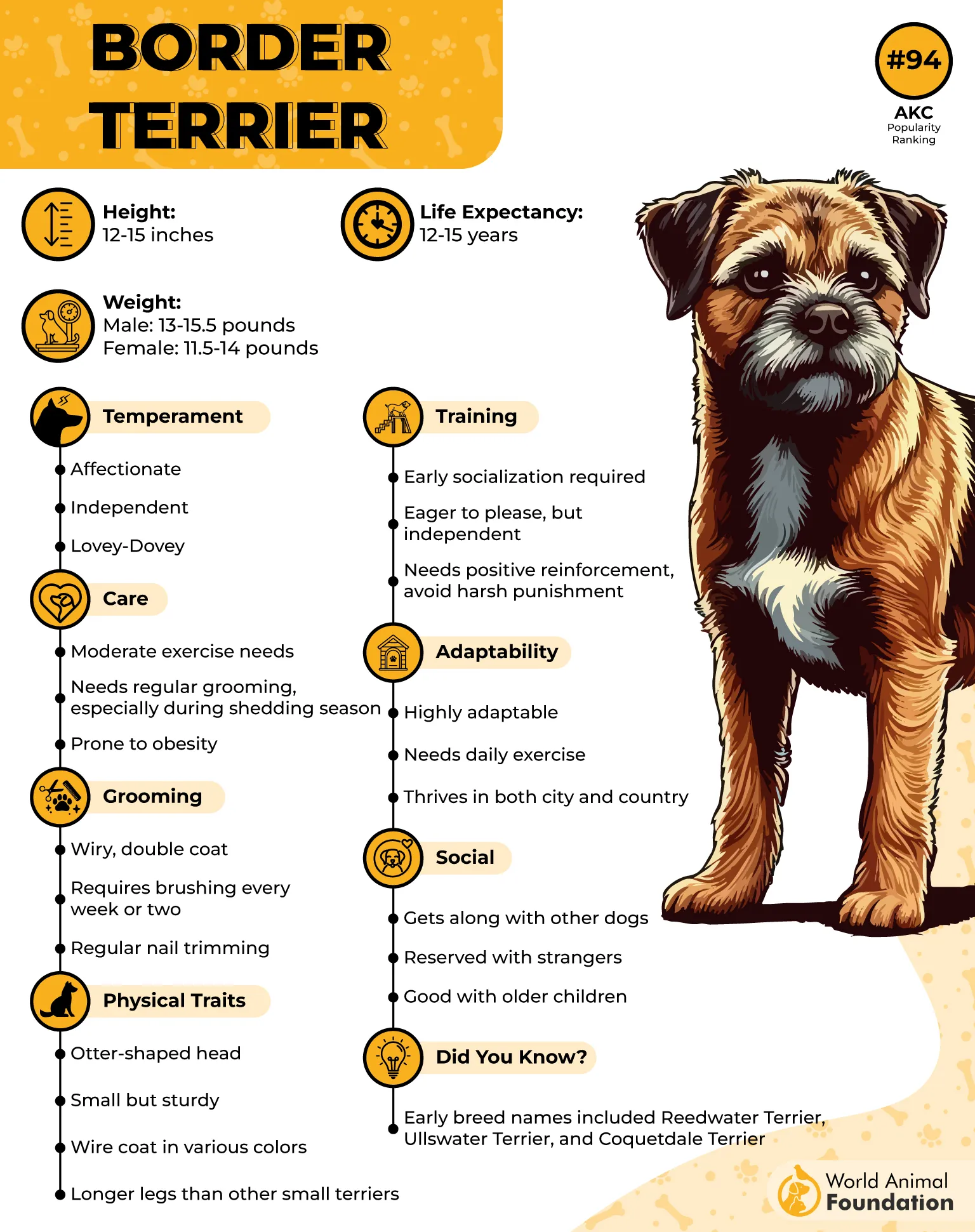
The Border Terrier is practical, affectionate, resilient, and generally enthusiastic about exploring the outdoors. Its working temperament often combines determination with a more manageable disposition than that of some highly intense terriers. Nevertheless, its instinct to pursue small animals can be strong, making leash control and secure campsite management essential.
A Hardy Terrier From the Anglo-Scottish Border
The Border Terrier originated along the border region between England and Scotland, where farmers developed working terriers to assist with fox control, as per PetMD. The breed needed enough endurance to keep pace with horses and hounds while navigating rough countryside. Its weather-resistant coat and sturdy frame reflect this demanding agricultural heritage.
Weather-Resistant Qualities for Countryside Camping
Border Terriers generally stand around 12–15 inches tall and possess compact, athletic bodies suited to walking over uneven terrain. Their dense, wiry coats help protect them from wind and light rain, although they still need shelter during severe weather. Regular walks, supervised exploration, and opportunities for scent-based activities can help channel their natural curiosity during camping trips.
5. Cairn Terrier
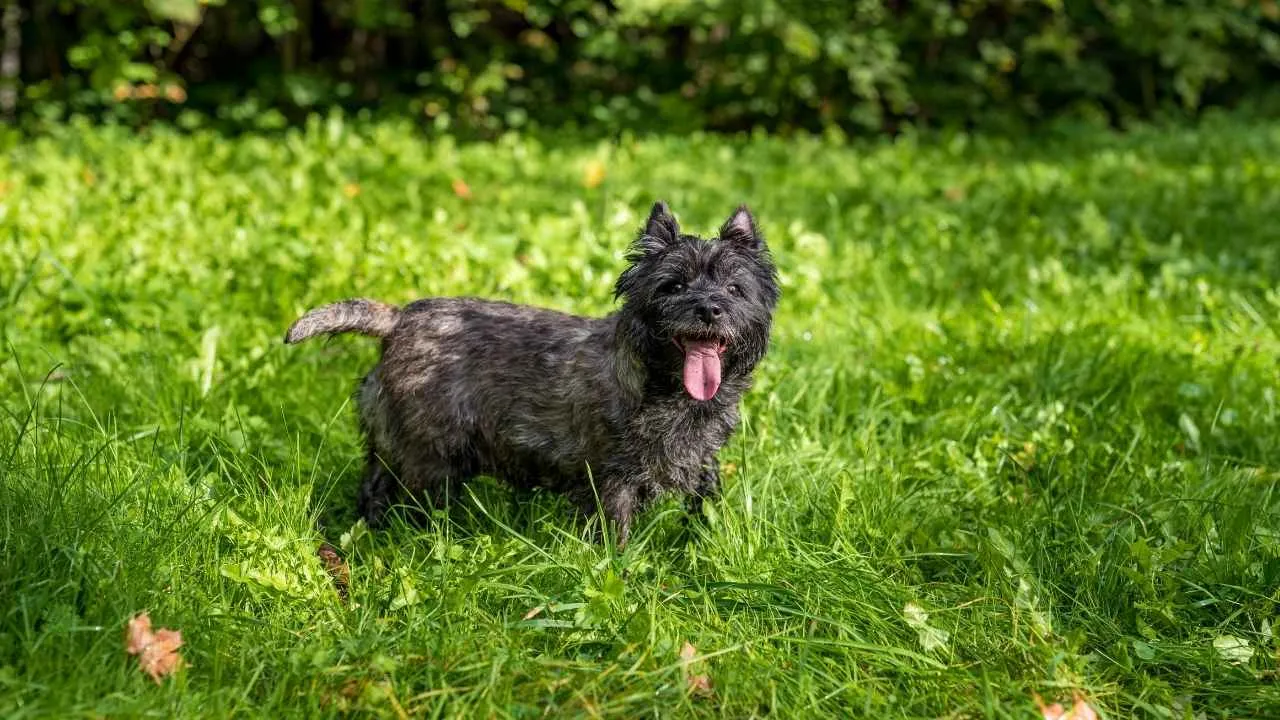
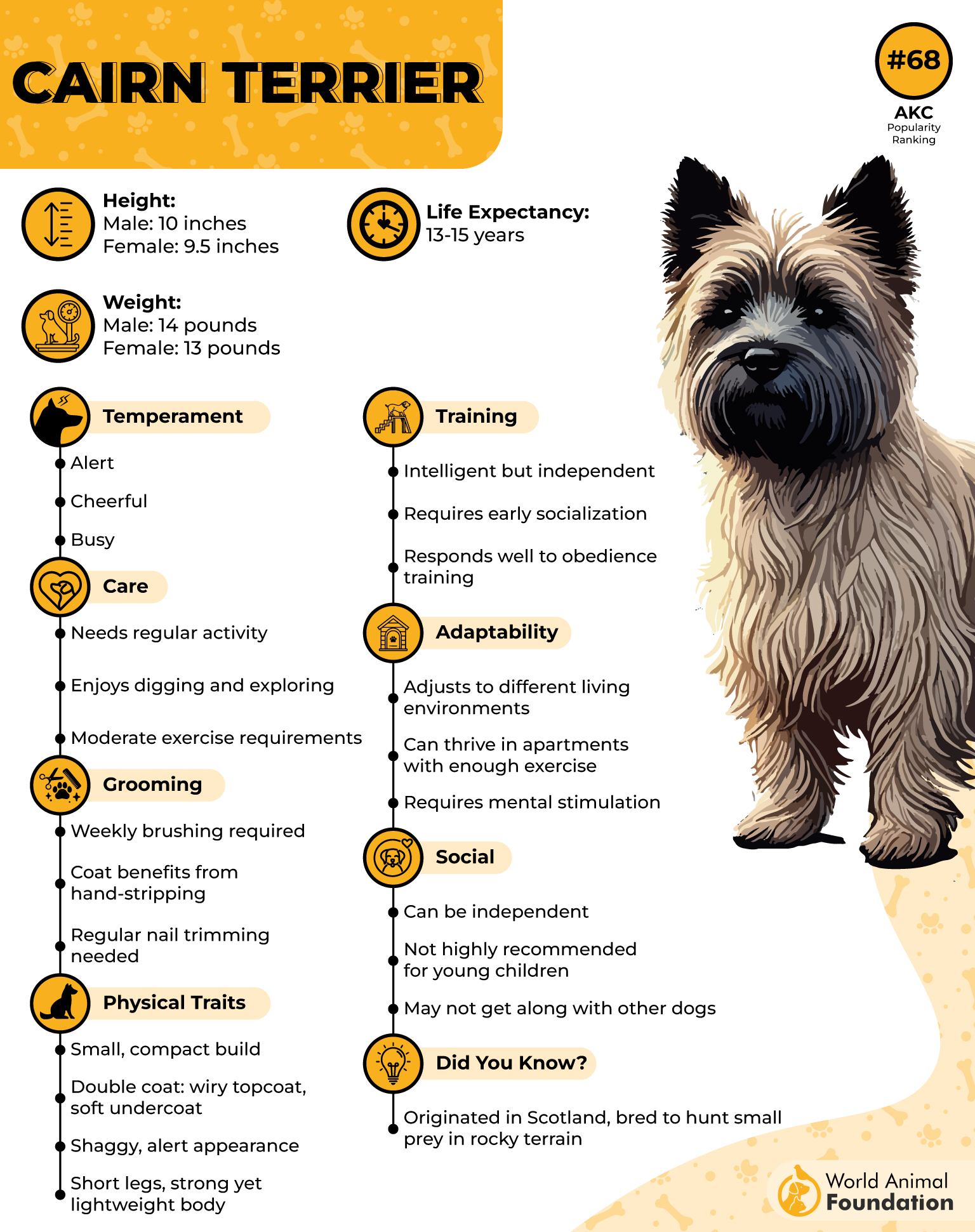
The Cairn Terrier is spirited, independent, and adventurous, with a natural tendency to investigate holes, rocks, and interesting scents.
It often enjoys exploring new environments and can be entertaining company on outdoor trips. Its determination and prey drive, however, mean owners should maintain supervision around wildlife and avoid allowing it to wander freely through unfamiliar terrain.
A Scottish Terrier Bred to Work Among Cairns
The Cairn Terrier originated in Scotland, where small working terriers helped control foxes and other quarry around piles of stones known as cairns. Breeders favored dogs that were compact, courageous, and capable of moving through rocky landscapes. These qualities helped establish the breed as a rugged little worker with considerable confidence.
Built for Rocky Trails and Rugged Ground
Cairn Terriers have sturdy legs, compact bodies, and weather-resistant double coats that offer practical advantages on moderate trails.
Their small size makes them convenient camping companions, while their curiosity suits nature walks and scent games. Owners should check their paws after rocky hikes, provide regular water breaks, and ensure that cold or wet conditions do not compromise their comfort.
6. Norfolk Terrier
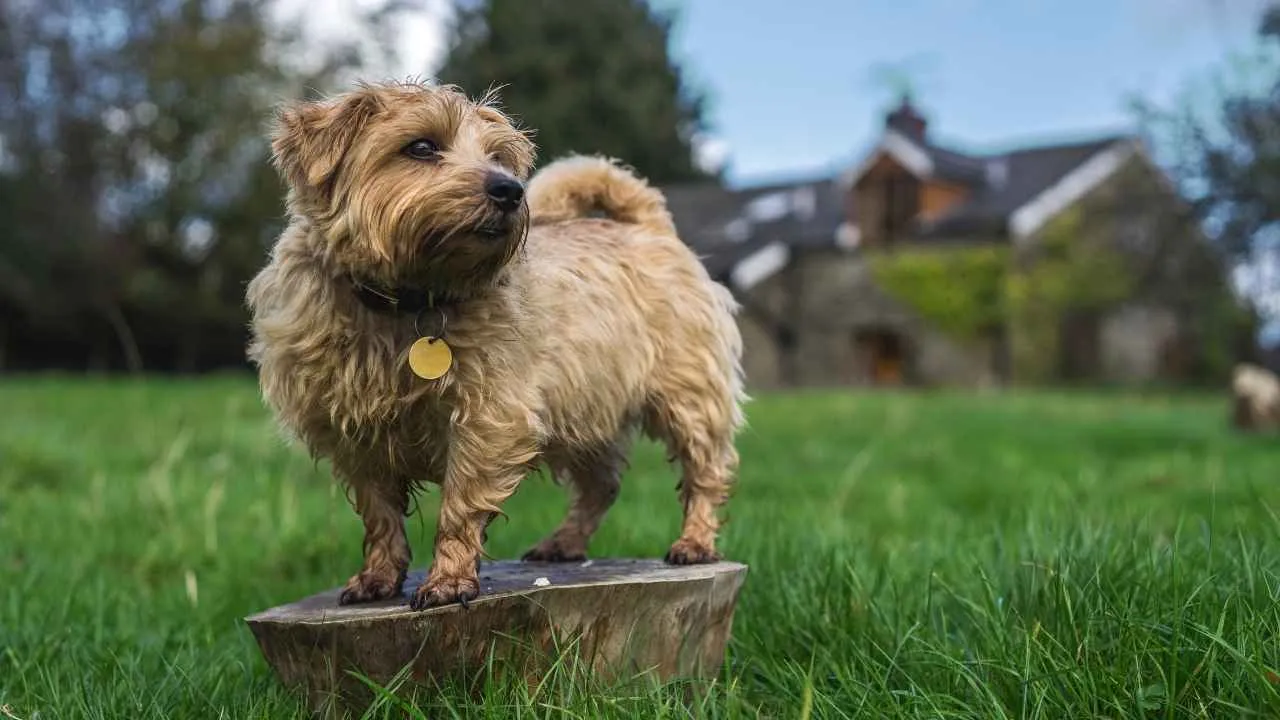
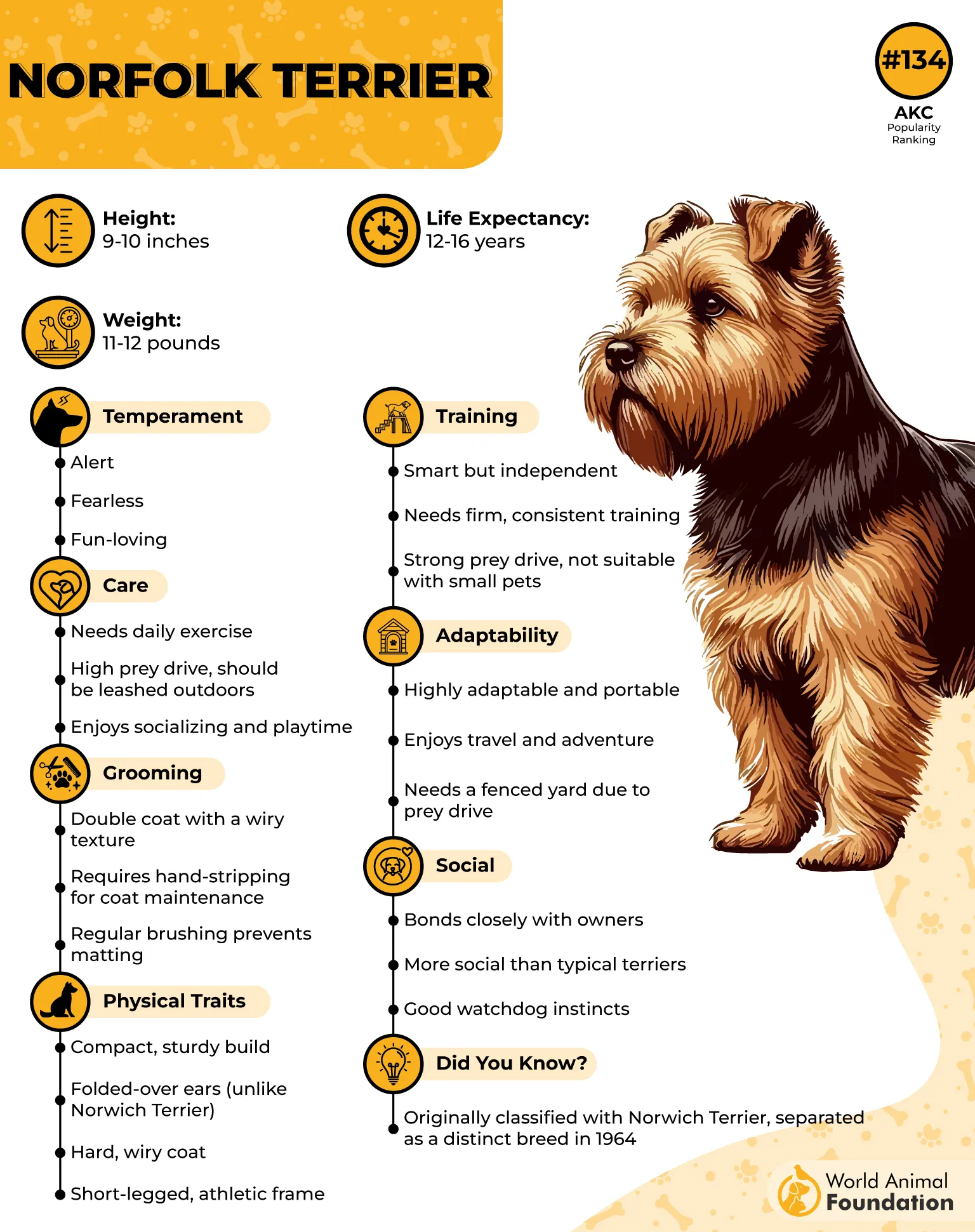
The Norfolk Terrier is cheerful, affectionate, and confident, often combining a playful personality with a sturdy working-dog build. These loyal dogs usually enjoy spending time with people and investigating new surroundings, making them a pleasant companion for campsite activities. Like other terriers, it may pursue small animals, so a secure lead and reliable supervision are important.
A British Working Terrier With Farmyard Roots
The Norfolk Terrier developed in eastern England, particularly around Norfolk, where small terriers were valued for controlling rodents and assisting with practical farm work.
The breed shares historical connections with the Norwich Terrier, with the two distinguished primarily by their ear shape. Its background favored courage, compactness, and an adaptable working temperament.
A Sturdy Little Explorer for Weekend Getaways
Norfolk Terriers typically stand around 9–10 inches tall and have compact, solid bodies that suit ordinary walks and moderate outdoor activities. Their wiry coats provide some protection against changing weather, but regular brushing and occasional hand-stripping may be needed to maintain coat condition.
Short hikes, supervised campsite exploration, and comfortable sleeping arrangements help them enjoy trips without becoming overtired.
7. Australian Terrier
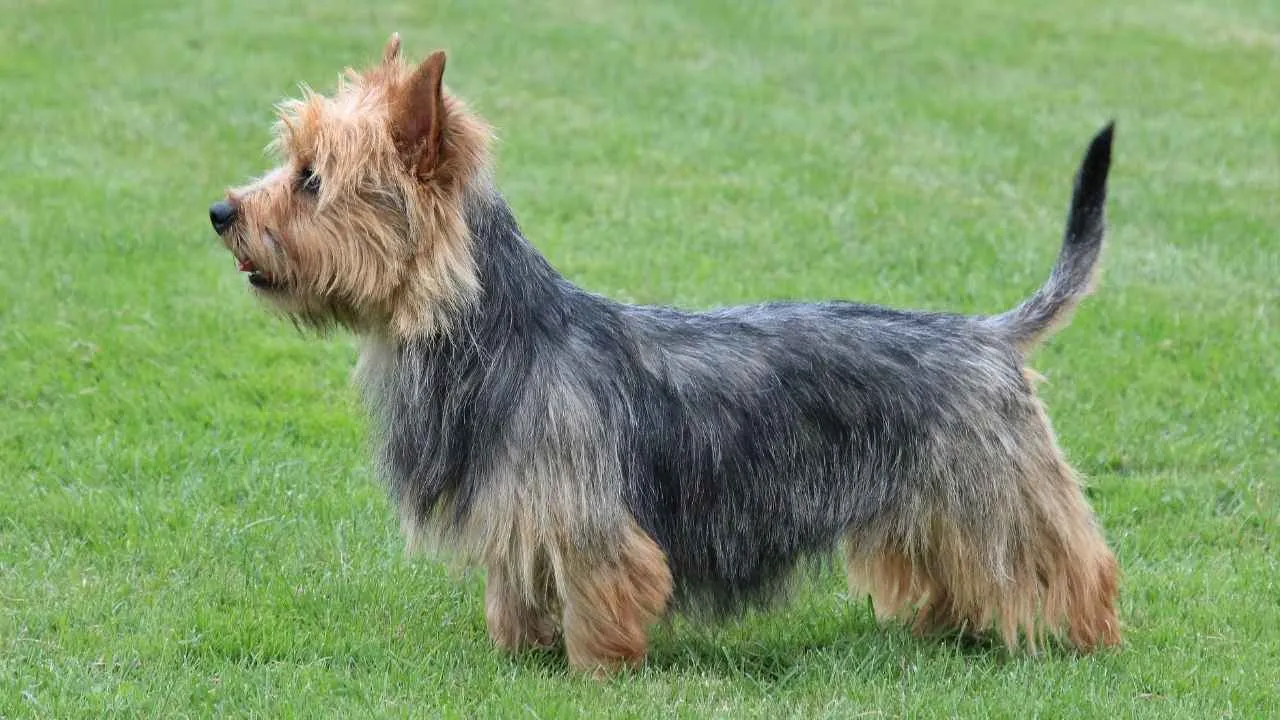
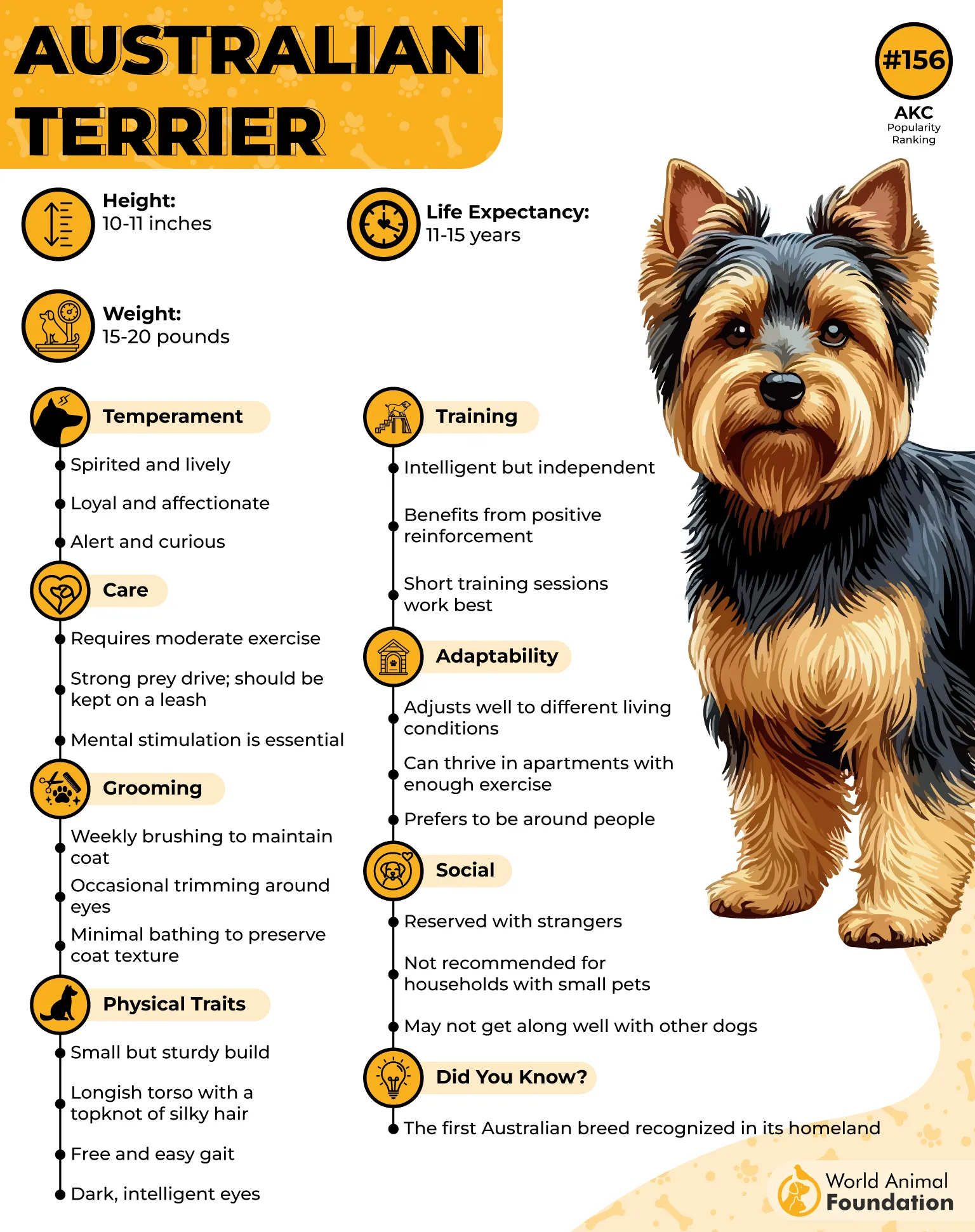
The Australian Terrier is confident, alert, loyal, and eager to investigate its surroundings. It often enjoys outdoor activities and forms close bonds with its family, making it a suitable partner for people who prefer active weekends. Its watchdog tendencies and prey drive can require extra management, particularly around unfamiliar campers, wildlife, and other dogs.
Developed for Demanding Work in Australia
The Australian Terrier was developed in Australia during the 19th century from British terrier stock, including dogs associated with rough-coated working terriers. It was valued for controlling rodents and snakes, guarding properties, and adapting to challenging conditions. These responsibilities helped shape a compact, hardy breed with strong instincts and considerable confidence.
Adaptability for Active Campsites and Walking Trails
Their harsh outer coat and softer undercoat provide some weather resistance, although they still need protection from extreme heat, cold, and heavy rain. Regular exercise, leash training, and safe opportunities to investigate new scents can make camping more rewarding for these energetic companions.
Conclusion
Jack Russell Terriers, Miniature Schnauzers, Papillons, Border Terriers, Cairn Terriers, Norfolk Terriers, and Australian Terriers each offer qualities that can make small dogs enjoyable camping companions. Their curiosity, compact size, and enthusiasm for outdoor activities suit a range of adventures, from relaxed campsite stays to moderate countryside hikes.
However, every dog has individual limits, and small breeds may be more vulnerable to cold temperatures, rough terrain, and exhaustion than their enthusiasm suggests. Proper conditioning, secure supervision, fresh water, comfortable sleeping arrangements, and protection from wildlife are essential parts of responsible camping.
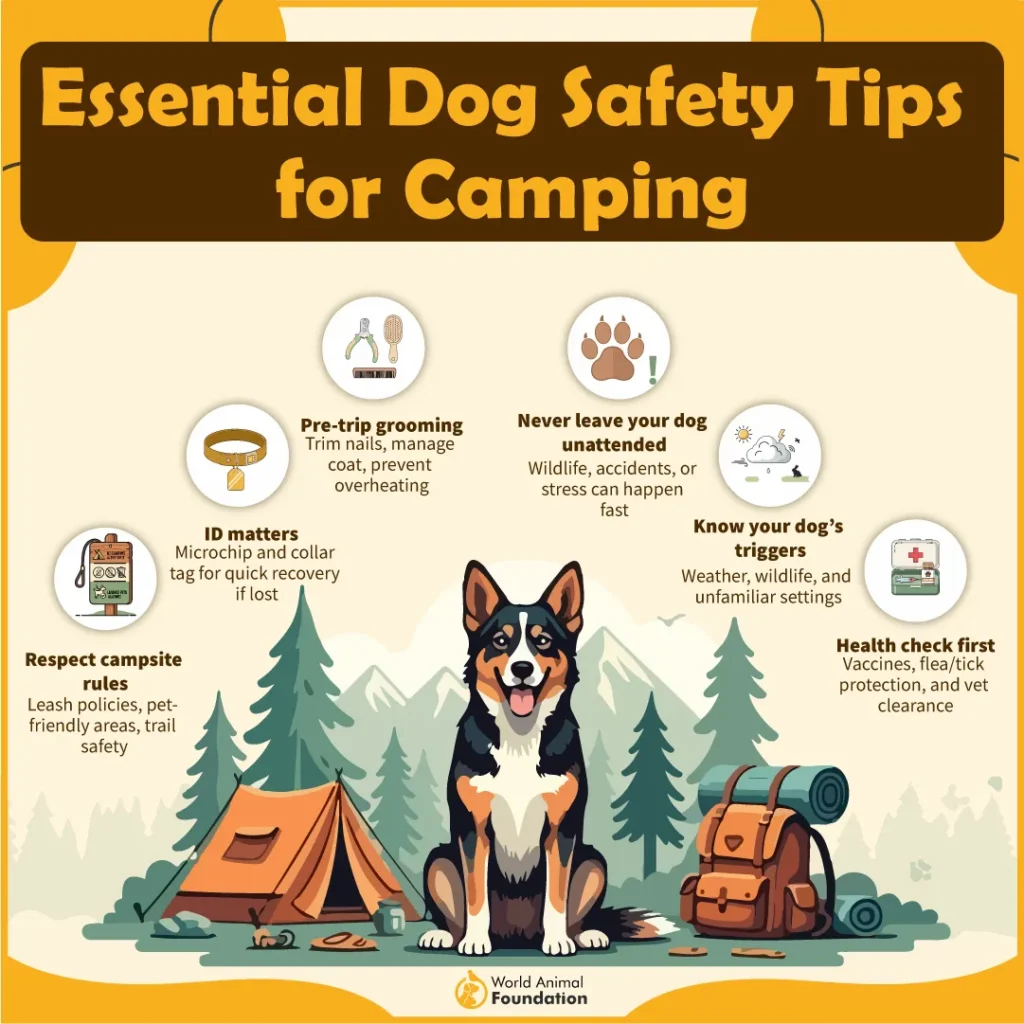
Before heading outdoors, check campsite regulations, choose routes suited to your dog’s fitness, and ensure its identification and vaccinations are up to date. Pack a lead, portable water bowl, first-aid supplies, and suitable weather protection. With thoughtful preparation and a dog-friendly itinerary, these small breeds can become enthusiastic companions for memorable outdoor adventures.
