





A dog does not need to spend every waking hour running, chasing balls, or exploring the outdoors to make a wonderful companion.
Laid-back dog breeds appeal to people who prefer quiet evenings at home over demanding daily exercise. Their relaxed nature can suit less active lifestyles, smaller households, or busy schedules that allow for regular walks but not hours of vigorous activity. However, assuming a couch-loving dog needs little care can lead to poor decisions.
Even naturally calm breeds need movement to support healthy weight, muscle strength, digestion, and overall well-being. Some also have strong play instincts or become more energetic when young. A good match depends on more than finding a dog that likes to nap. Temperament, grooming, health concerns, and daily care all deserve attention.
The breeds covered here offer practical options for people who want a companion that appreciates a comfortable home and a slower pace.
Key Takeaways
If your ideal weekend involves a few gentle walks and plenty of time at home, these laid-back breeds might be just what you are looking for.
Whippets are famous for their speed, yet they often spend their indoor hours resting peacefully, while Irish Wolfhounds pair their towering size with a calm temperament
Cavalier King Charles Spaniels have royal roots as beloved lap companions, and Basset Hounds prefer a relaxed pace that suits their short legs and long backs.
Pugs love following their people around, and Greyhounds can happily snooze for hours after a short burst of running. There is also a final breed worth discovering before choosing your next couch companion.
Laid‑Back Dog Breeds that Thrive on Couch Time
1. Whippet
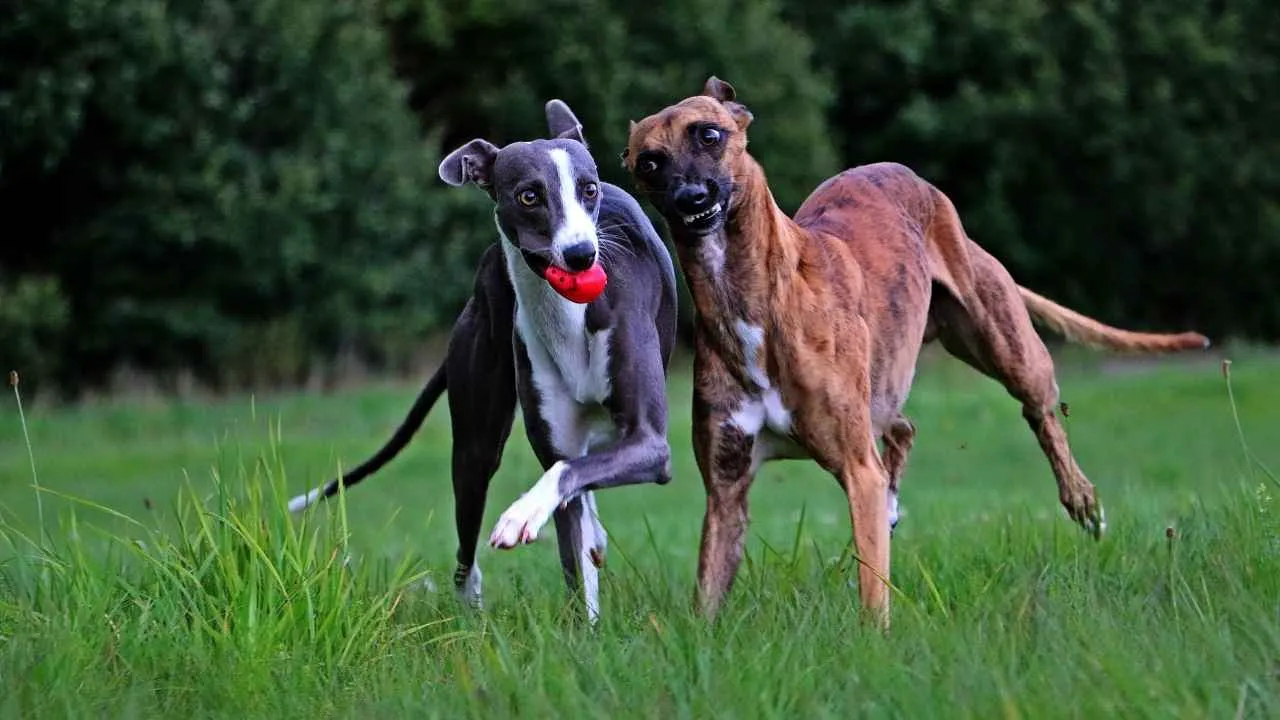
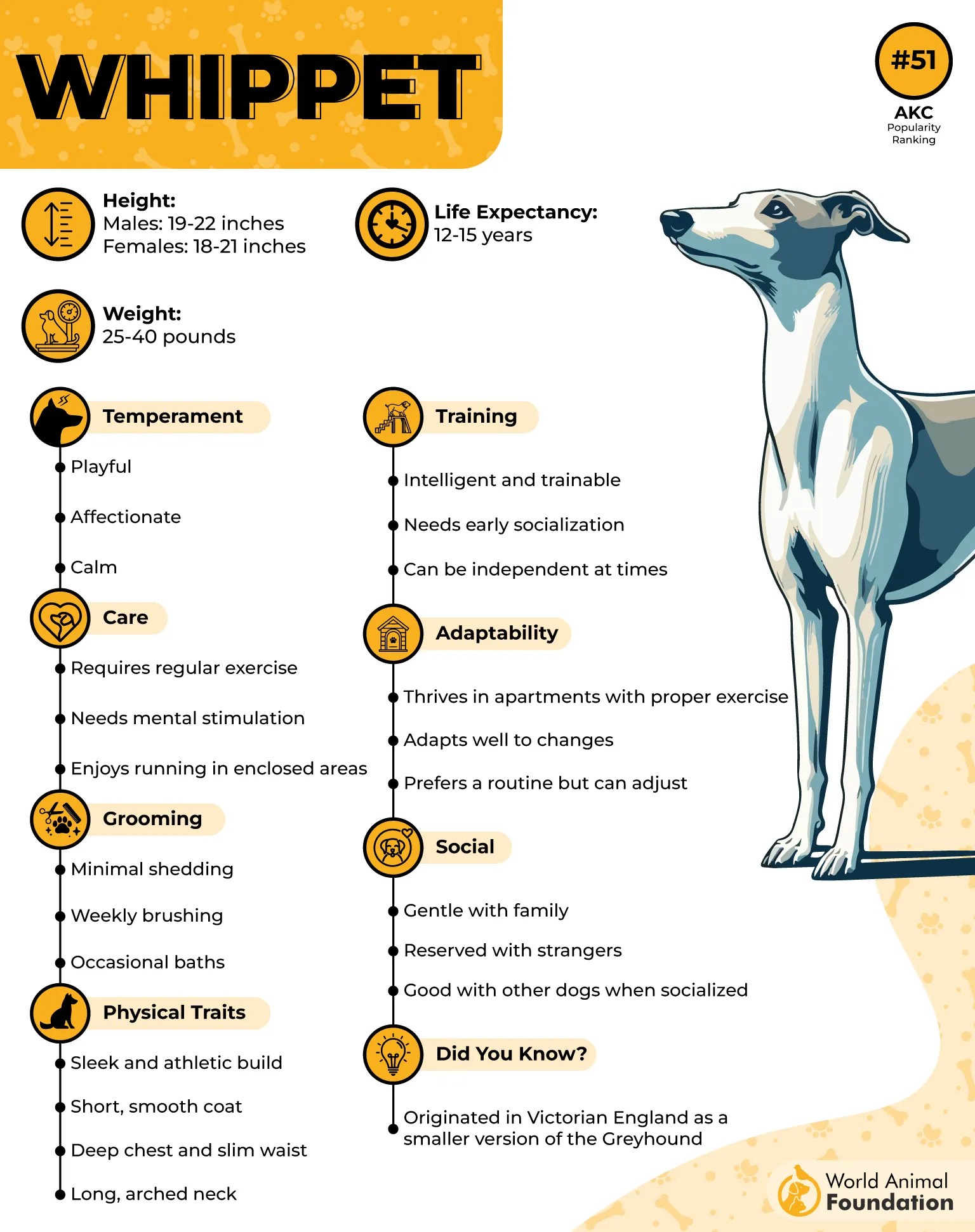
Whippet originated from Greyhound stock, with smaller dogs bred for chasing rabbits and other quick-moving game. By the time working-class families moved into British cities, these swift dogs had found another pursuit in flag-chasing races, and the breed received official recognition in 1888.
Fast Outside, Sleepy Inside
Whippets can spend hours resting on a sofa or bed after a good run, making their home life surprisingly quiet for such a fast athlete. A comfortable sleeping spot and regular opportunities to sprint suit its natural rhythm better than constant activity indoors.
These details make their daily routine easier to understand:
Usually quiet unless something is wrong
Needs gentle handling during training
Can be sensitive to sudden touch
Gentle at Home
This gentle dog breed is typically affectionate with family members and gentle with children, though unexpected handling can startle a naturally timid dog, as Purina noted.
It responds best to patient training and may become uneasy if left alone for long periods, especially without a comfortable resting place nearby.
2. Irish Wolfhound
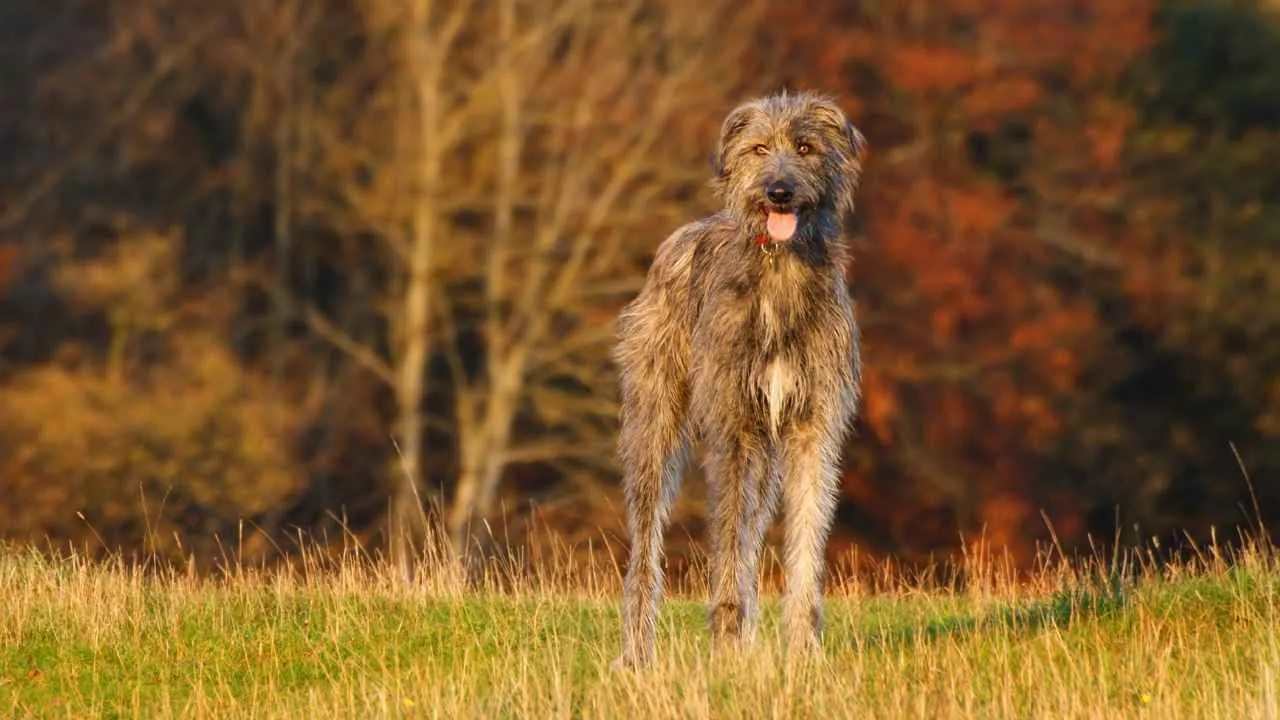
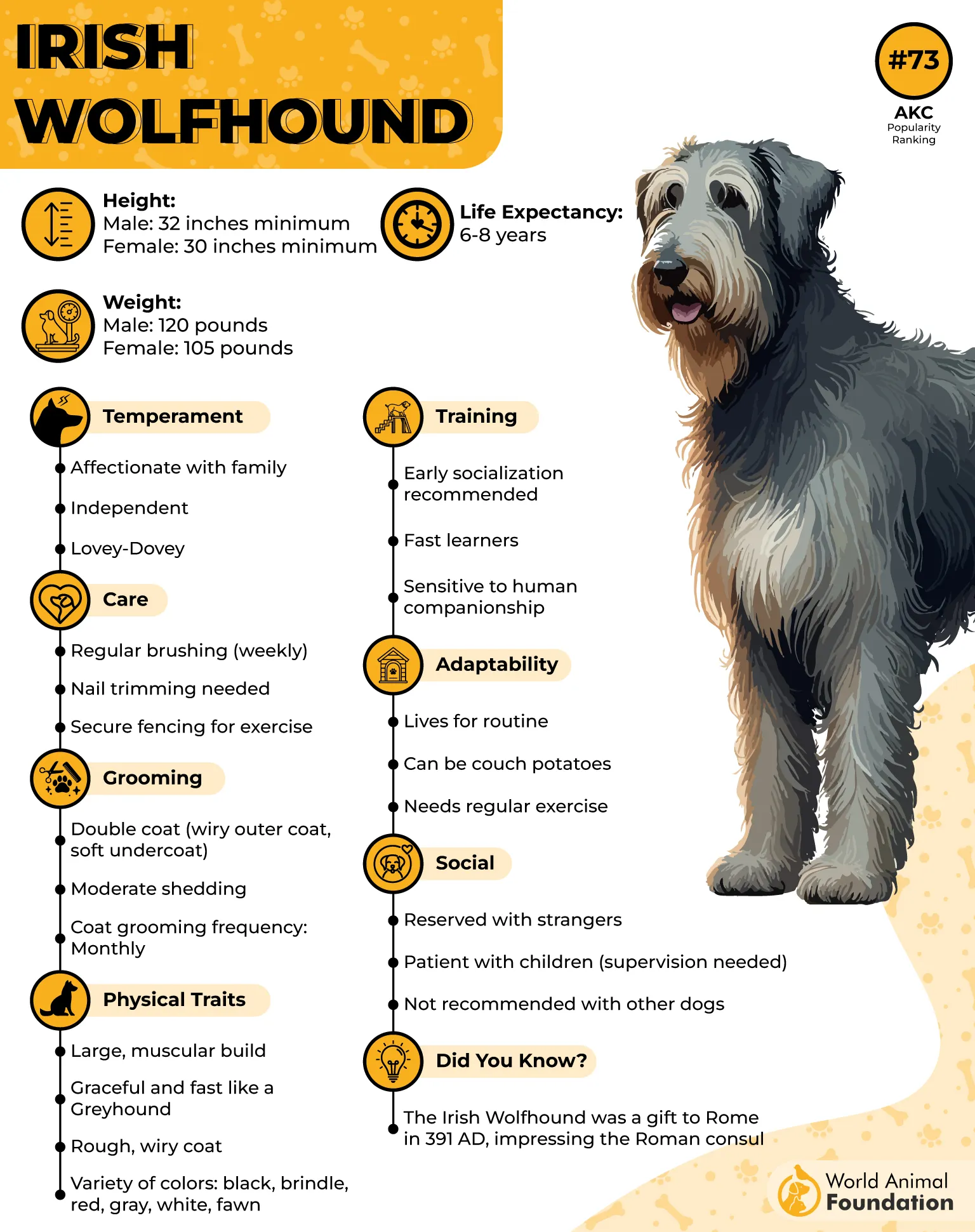
Irish Wolfhound dates back to around 400 AD, when these imposing dogs were used in Roman arenas and later accompanied Irish hunters pursuing wolves and Irish elk. By the late 1700s, wolf populations had nearly disappeared, and the number of Wolfhounds had fallen sharply.
Quiet at Home
According to Orvis, this calmer breed has a surprisingly relaxed indoor nature, often spending long stretches resting on a comfortable bed when given enough room. A spacious sleeping area matters for this giant breed, whose long legs need room to stretch out fully.
That gentle guardian still needs firm, patient direction:
Usually barks infrequently
Needs a substantial food budget
Can reach surfaces that smaller dogs cannot
Gentle Company
IWs is generally calm with family members and patient with well-behaved children, although rough play can be uncomfortable for such a large dog.
Early obedience training helps with leash manners, especially because its strong sight-hound instincts can send it chasing squirrels or other small animals.
3. Cavalier King Charles Spaniel
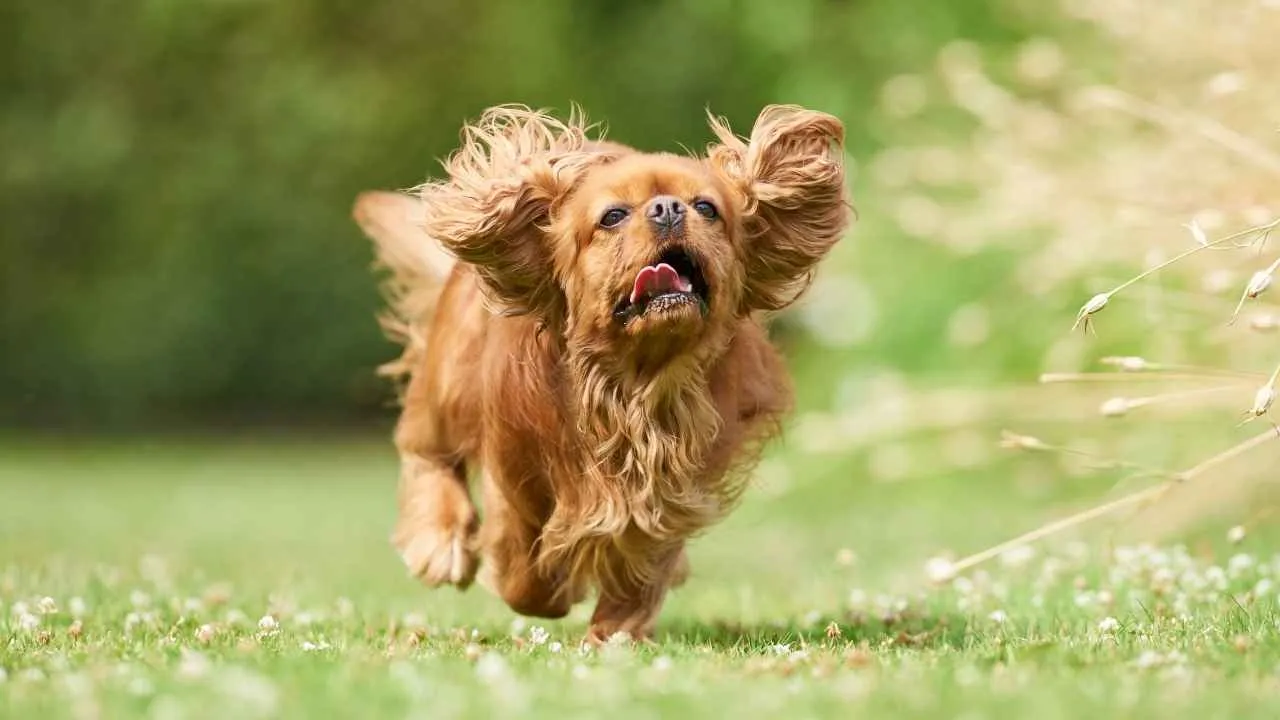
Cavalier King Charles Spaniel has roots in Tudor-era England, where small spaniels warmed their owners’ laps and feet on chilly days. King Charles II became so attached to these dogs during the 17th century that his name eventually became part of the breed’s identity.
A Natural Couch Companion
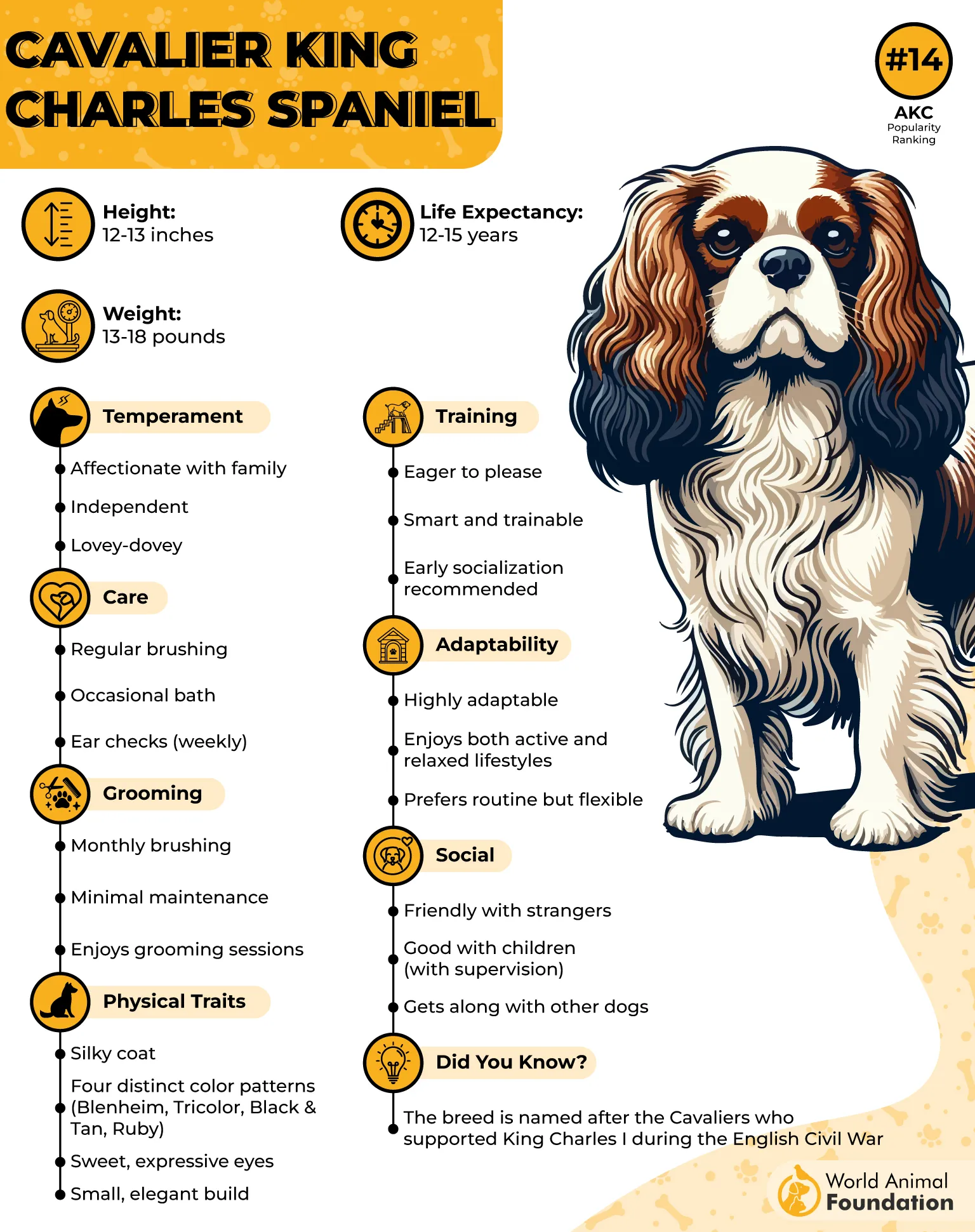
This spaniel is happy spending a quiet afternoon on the sofa, provided its day also includes a couple of 20- to 30-minute walks and some playtime. Its moderate energy level suits people who enjoy relaxed evenings but still want a companion for leisurely outdoor outings.
Its calm home life comes with a warm, social side:
Gentle and affectionate, making it a good therapy dog
Generally friendly with people of all ages and other animals
May feel intimidated by larger dogs
Curious on Walks
This little calm dog breed enjoys investigating unfamiliar scents, and an interesting smell can quickly send it following its nose, as per the AKC. Its sporting-dog ancestry also gives it an appetite for scent games, interactive toys, and beginner-friendly agility activities that offer something to figure out.
4. Basset Hound
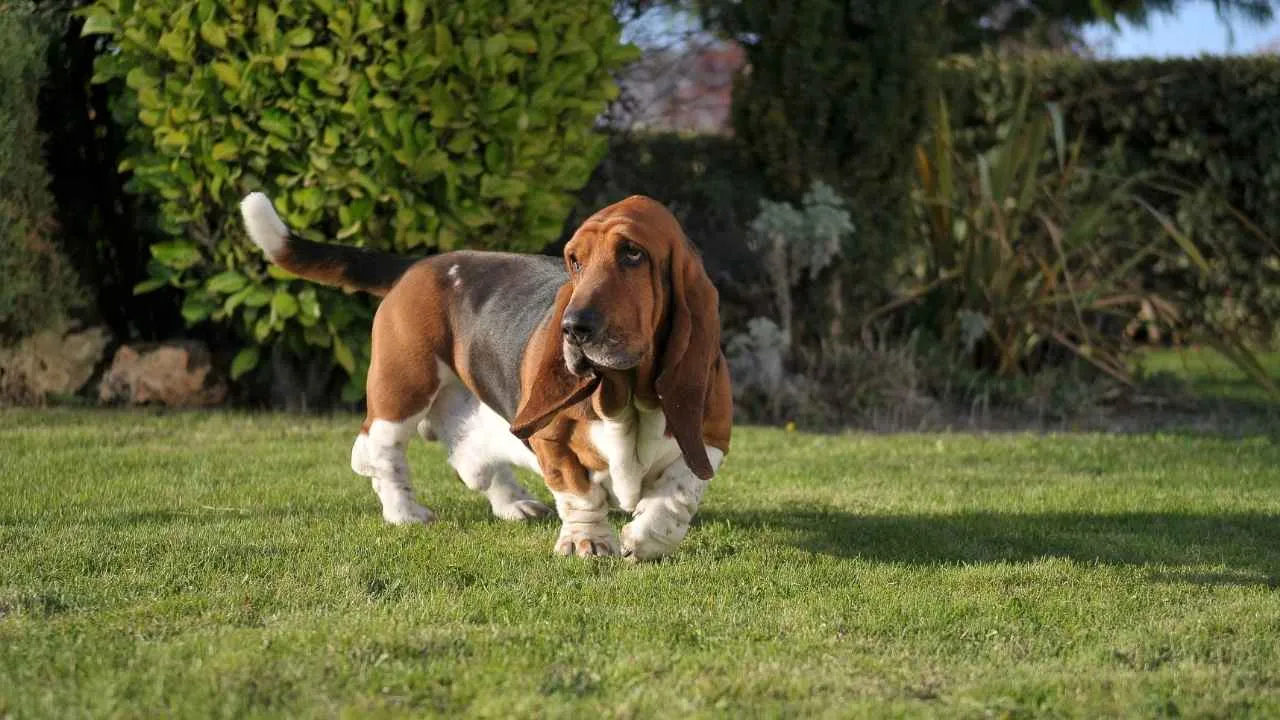
The Basset Hound was originally bred in France for hunting small game, with its short legs helping hunters follow rabbits and hares through thick vegetation. Its name derives from the French word bas, meaning low, while Bloodhound crosses in the late 19th century contributed to its larger size.
A Softer Pace
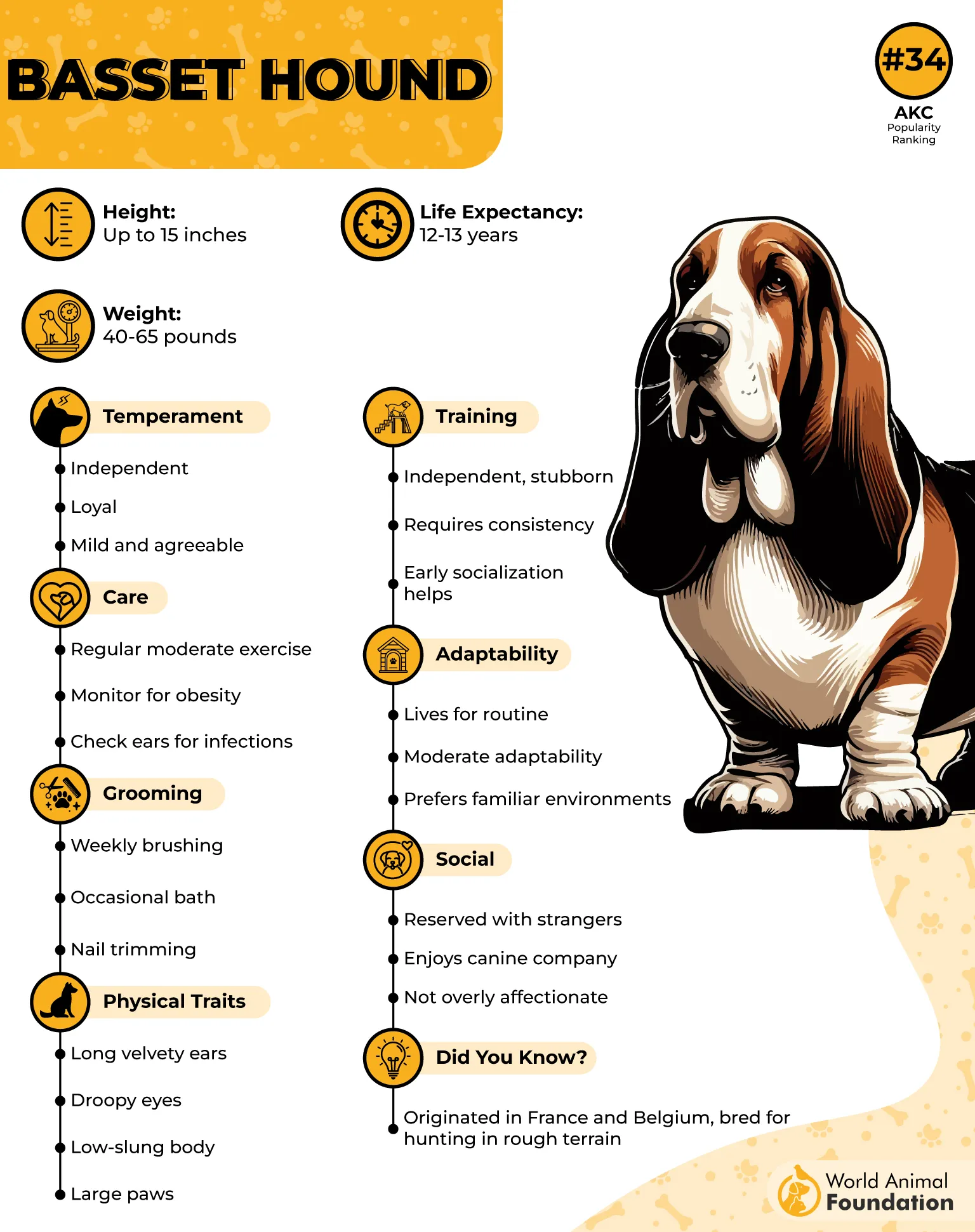
This hound suits a quieter household with its calm disposition and preference for unhurried walks over strenuous outings. Around 20 to 30 minutes of daily exercise is generally enough, while its long back and short legs make jogging and demanding hikes poor choices.

For everyday care, this is what matters:
Smooth coat requires little grooming
Regular face washing helps manage drool
Food rewards can make training easier
The Couch Companion
Basset Hound enjoys company and may climb onto the sofa for an oversized cuddle, even with its medium-sized frame. Its droopy ears and soulful expression suit its relaxed manner, while its appetite calls for careful portion control because excess weight can put added strain on its body.
5. Pug
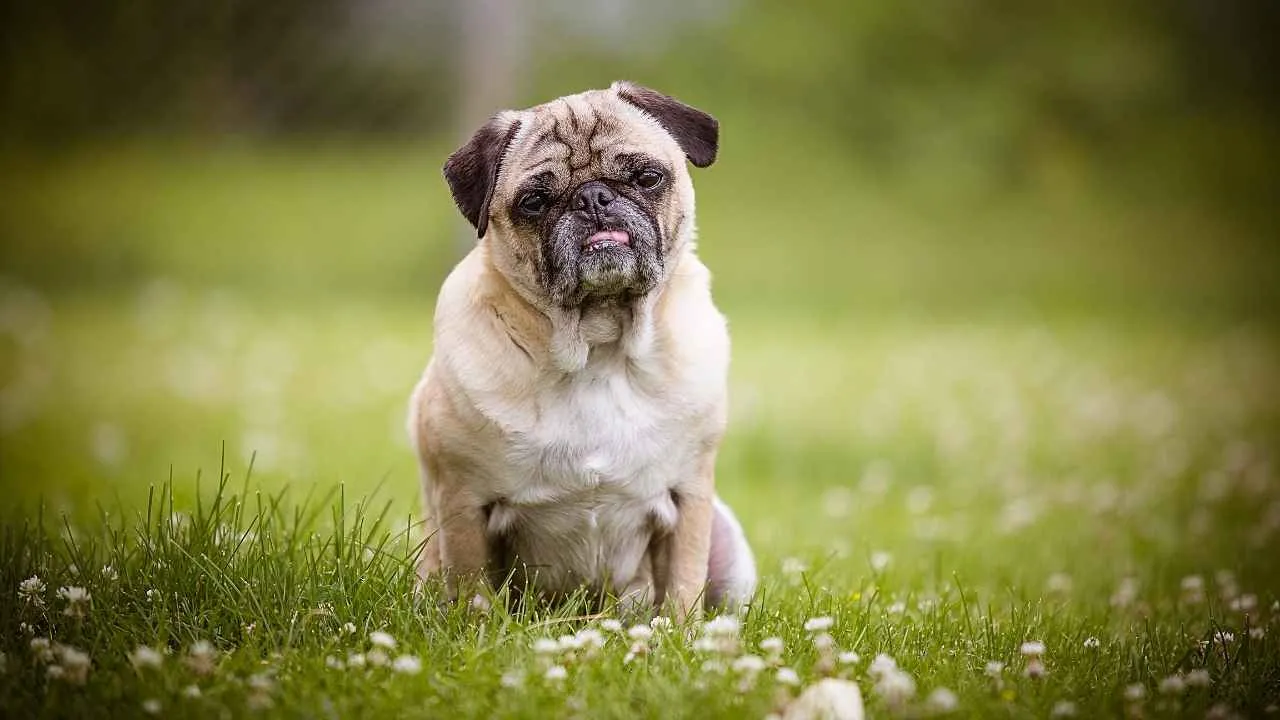
Pug has roots in ancient Asia, where it was treasured in Chinese circles and kept in Tibetan monasteries before reaching Europe through the East India Trading Company in the 1700s.
Even its name has an unusual possible origin, linked either to the Latin word pugnus, meaning fist, or to small marmoset monkeys once popular as pets.
Made for Quiet Afternoons
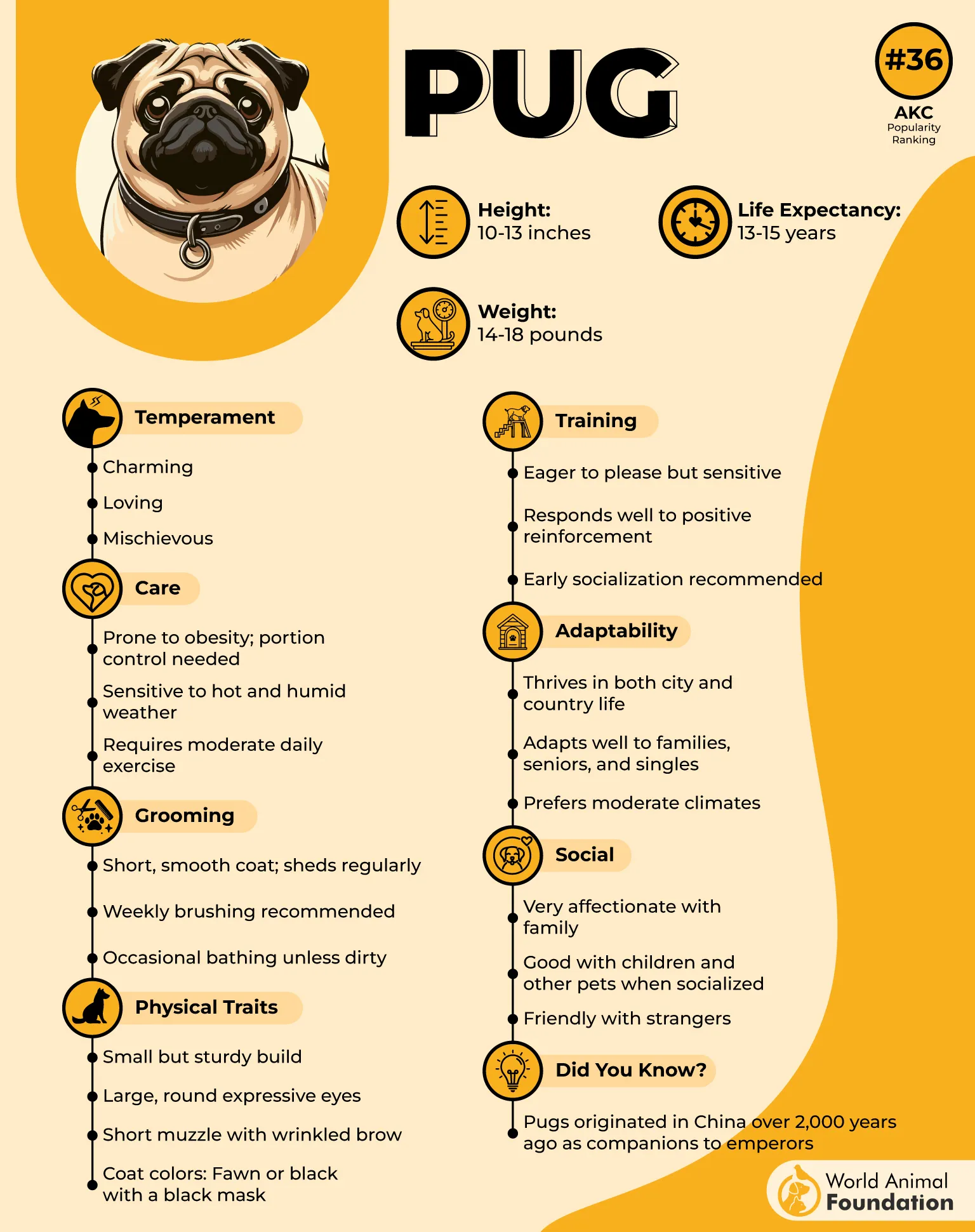
This lap dog breed has fairly modest exercise needs, usually requiring less than an hour of activity a day, split into shorter sessions. A gentle neighborhood stroll or a little indoor play often suits its pace better than long, demanding outings.
The following characteristics help with daily routines:
Short snout and narrow nostrils can affect breathing
Heat and humidity increase overheating risk
Adult speed is roughly 5 to 10 mph
A Little Lap Shadow
Pugs love being close to their favorite people and may climb onto a lap, settle beside someone at dinner, or follow them from room to room. Its playful, attention-seeking nature can turn an ordinary afternoon into a comic performance, followed by a long nap in a favorite chair.
6. Greyhound
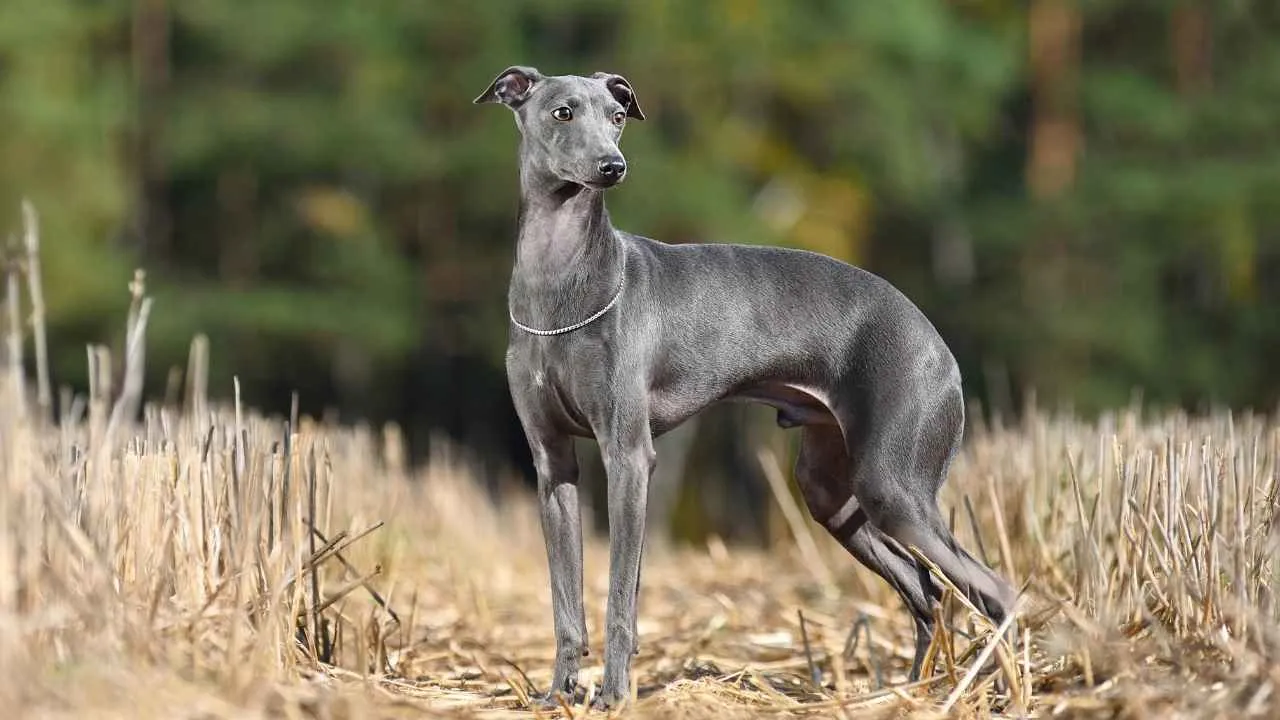
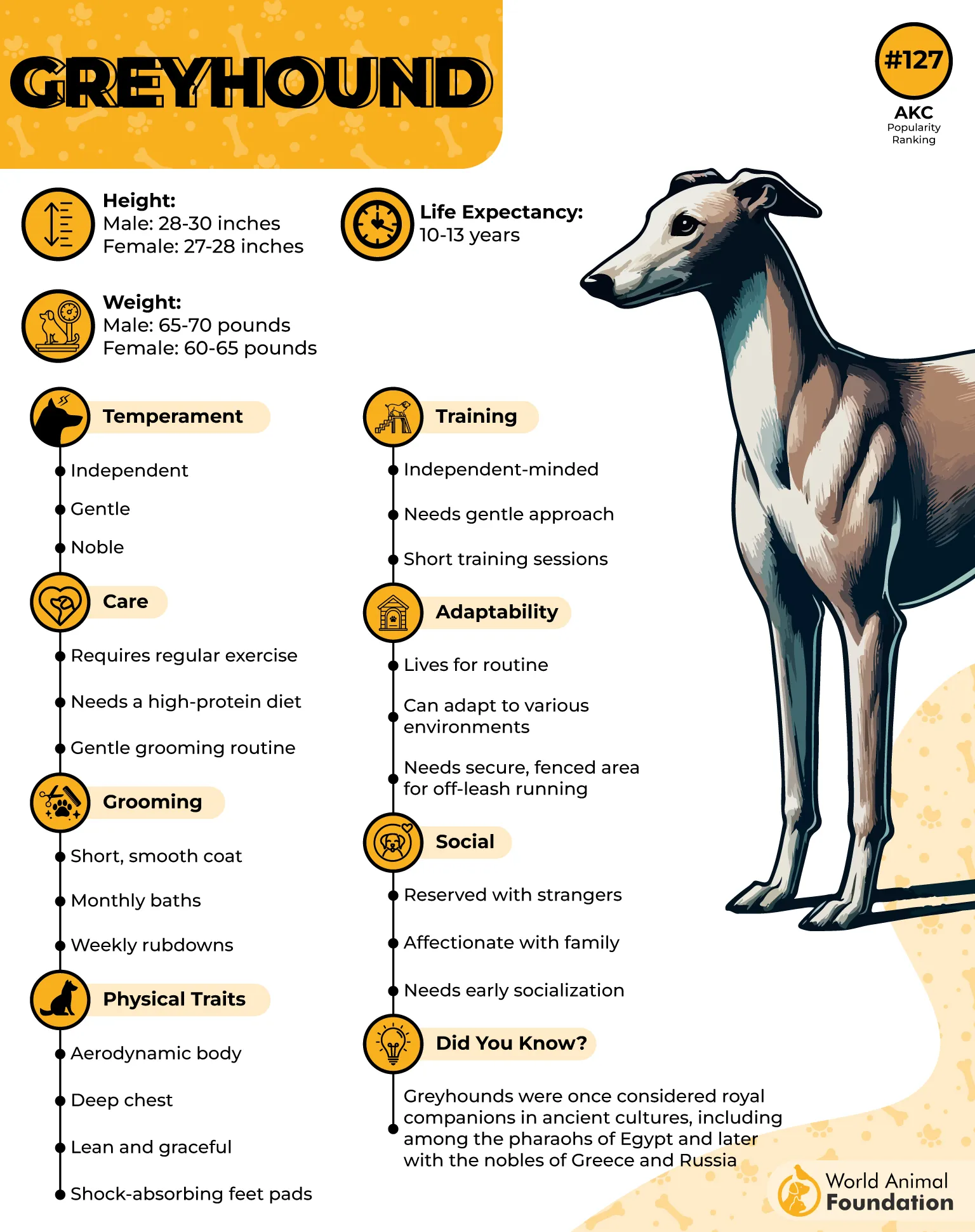
Greyhound is an ancient European sighthound bred to spot game from a distance and pursue it swiftly across open ground, relying on keen eyesight and remarkable speed. Its long legs, slim frame, deep chest, and flexible spine help it reach speeds of up to 43 miles per hour over short distances.
A Sprinter at Heart
At home, a Greyhound often prefers a soft bed or sofa to hours of walking, with short bursts of running better suited to its natural athletic style.
Two daily outings of around 30 minutes can provide useful activity, while a securely fenced area gives it room to sprint freely.
Its sprinter’s build comes with a few distinct habits:
Strong instinct to chase squirrels and other small animals
Usually quiet, with little unnecessary barking
May enjoy agility courses or flyball games
Comfort Comes First
After a burst of activity, a Greyhound may spend hours asleep in its favorite spot, often choosing the softest available bed or sofa cushion. It also enjoys family company and can become unsettled when left alone for long periods, so extended absences may require careful planning.
7. Newfoundland
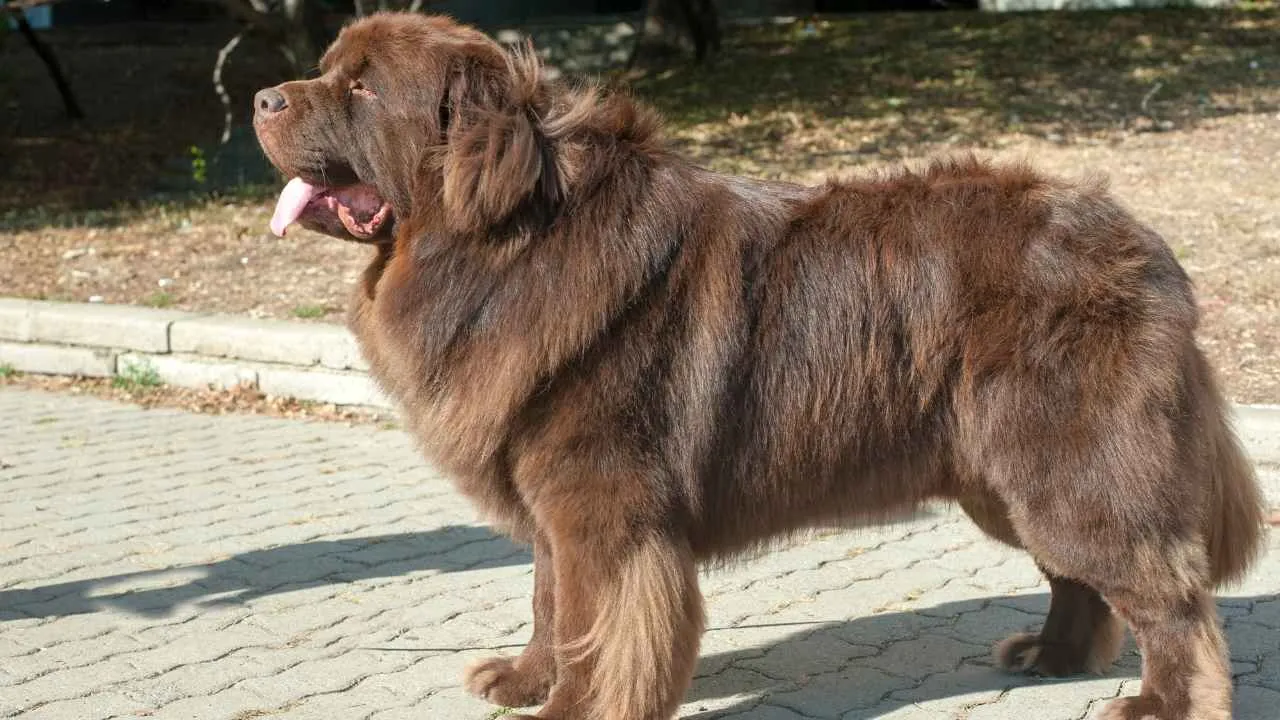
Named after a Canadian island, the Newfoundland has ancestral links to Portuguese fishermen’s Mastiffs brought to the region during the 16th century, according to early accounts. These sturdy dogs helped haul fishing nets, swim through cold water, and pull carts used for daily work.
A Relaxed Pace
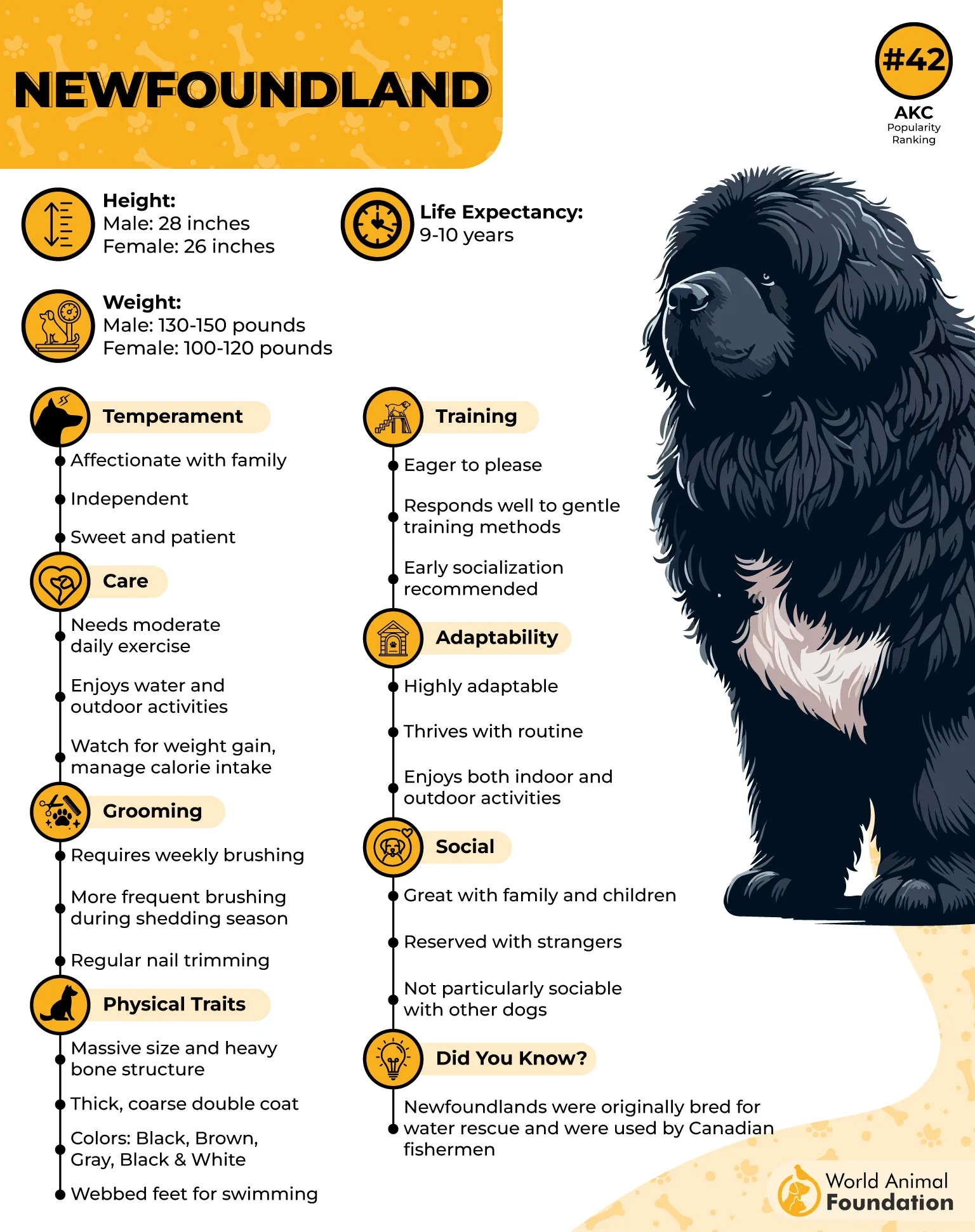
Newfies lives well in a quieter household because it needs only around 30 minutes of daily activity, with gentle walks and swimming offering suitable options.
Its massive frame also makes strenuous running a poor choice, since repeated long-distance runs can place unnecessary strain on its joints.
That calm lifestyle still calls for some weather awareness:
Webbed feet assist with swimming.
A dense double coat provides insulation in cold water.
Warm weather calls for extra care and cooler walking hours
A Gentle Giant
Newfoundlands are generally affectionate, patient, and sociable with people, which helps explain their reputation as a therapy dog. Its size requires particular care around small children, as an enthusiastic greeting or an accidental bump can easily knock a young child off balance.
Conclusion
A quiet evening at home can feel even better with a dog that enjoys the same relaxed routine. Companions with a gentle temperament and laid-back nature may be happy resting beside you after a walk, a little play, and time spent together. Still, a calm nature does not mean a dog can go without moderate exercise or proper care.
Exercise, healthy meals, grooming, and regular veterinary visits all help keep your companion comfortable. Some dogs also need more attention in warm weather or extra care because of their size or body shape, along with mental stimulation to stay engaged. The best choice is one whose needs fit your relaxed lifestyle.
