




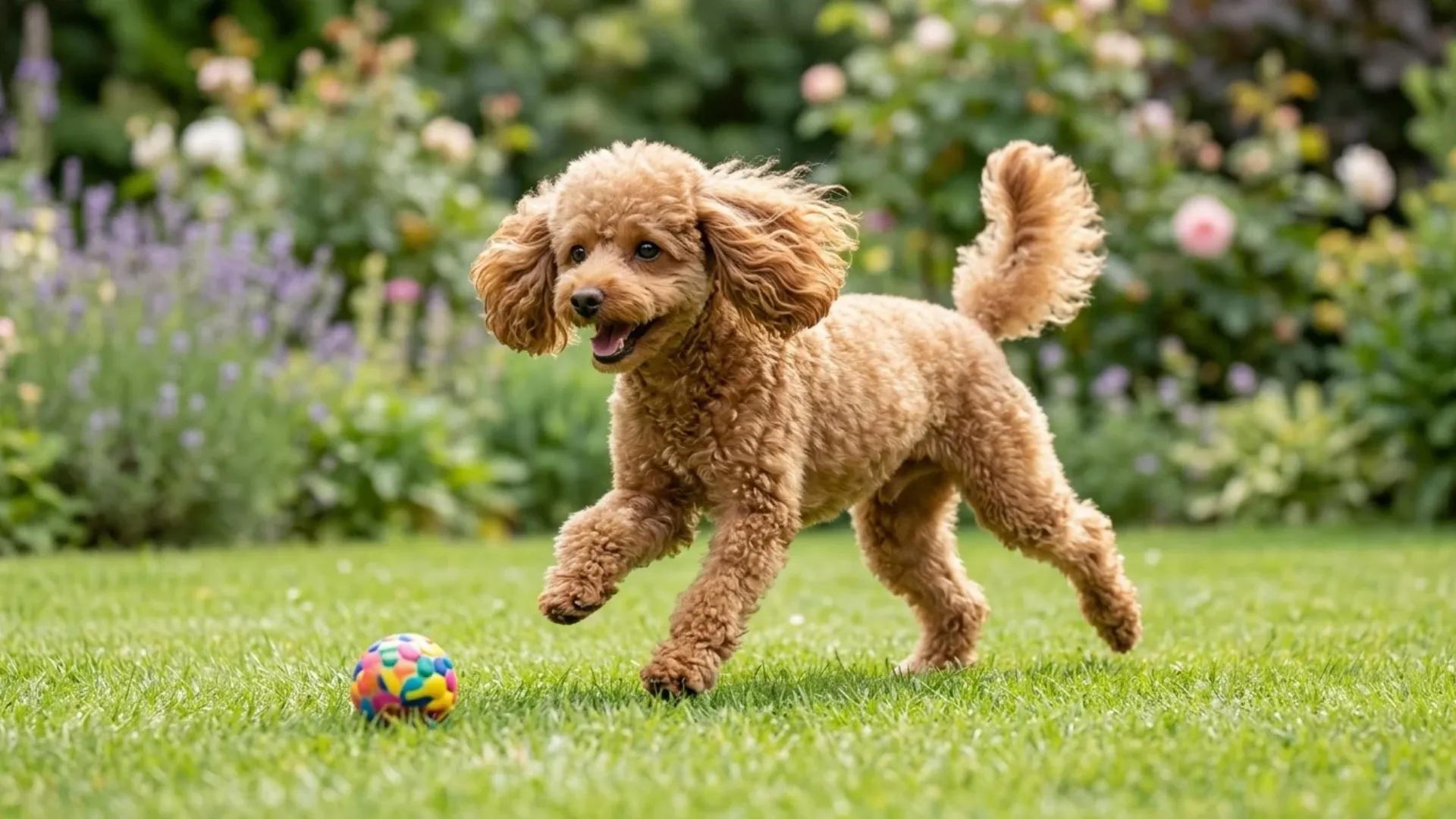
Small dogs can bring an extraordinary amount of excitement into everyday life. From racing around the living room to chasing toys across the yard, some tiny breeds seem to have an endless supply of enthusiasm. Their compact size makes them appealing to people with limited living space, but their personalities can be just as bold, curious, and adventurous as those of much larger dogs.
However, a small body does not necessarily mean a low-energy lifestyle. Many little breeds were developed to hunt vermin, accompany travelers, perform tricks, or stay alert around the home. Those working backgrounds continue to influence their behavior today, giving them a combination of intelligence, agility, and a strong desire to interact with their surroundings.
Choosing a playful small dog involves more than finding the cutest face. Owners should consider how much exercise a breed needs, how easily it learns household rules, and whether its natural play style matches their lifestyle. The following nine breeds stand out for their compact size, lively personalities, and ability to make ordinary days more entertaining.
Playful Dog Breeds That Are Tiny, Energetic, and Endless Fun
1. Yorkshire Terrier
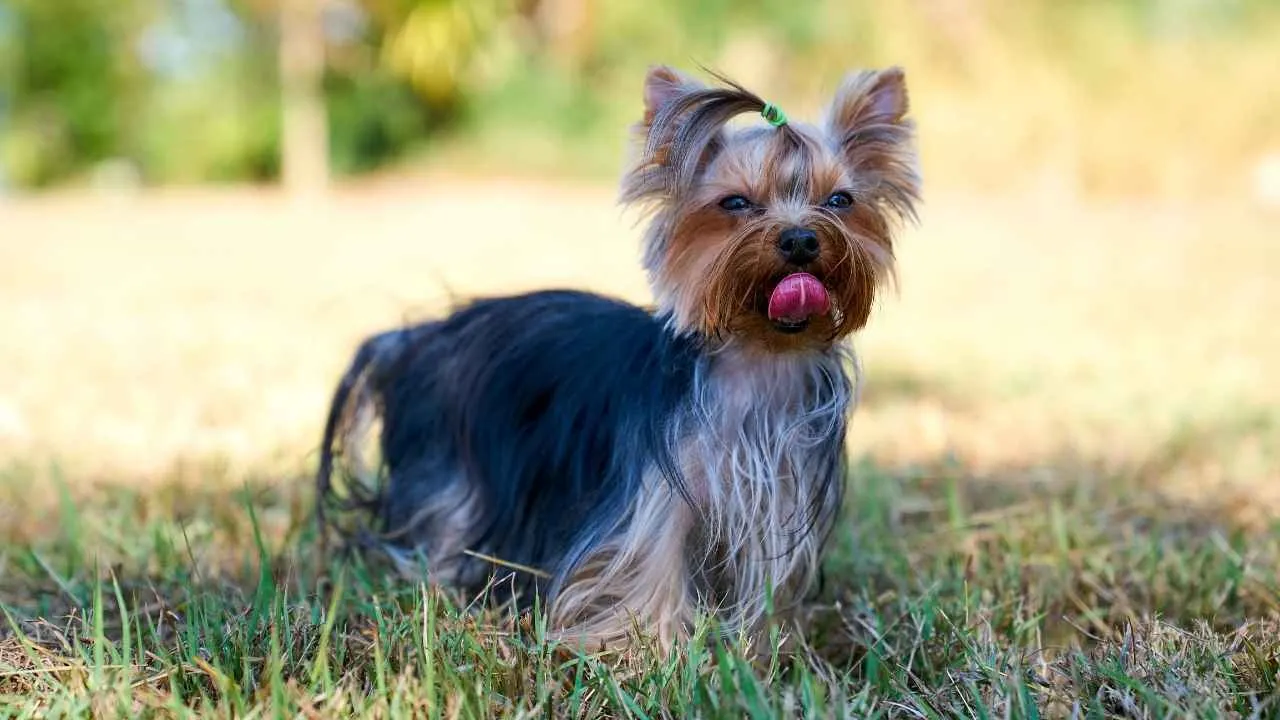
The Yorkshire Terrier originated in northern England during the 19th century. Textile workers developed the breed to catch rats in mills and workshops. Its ancestry includes several small terrier types bred for agility and determination.
Over time, Yorkies transitioned from working dogs to fashionable household companions. Their history still influences their confident personalities and strong chasing instincts.
Exercise and Training Needs
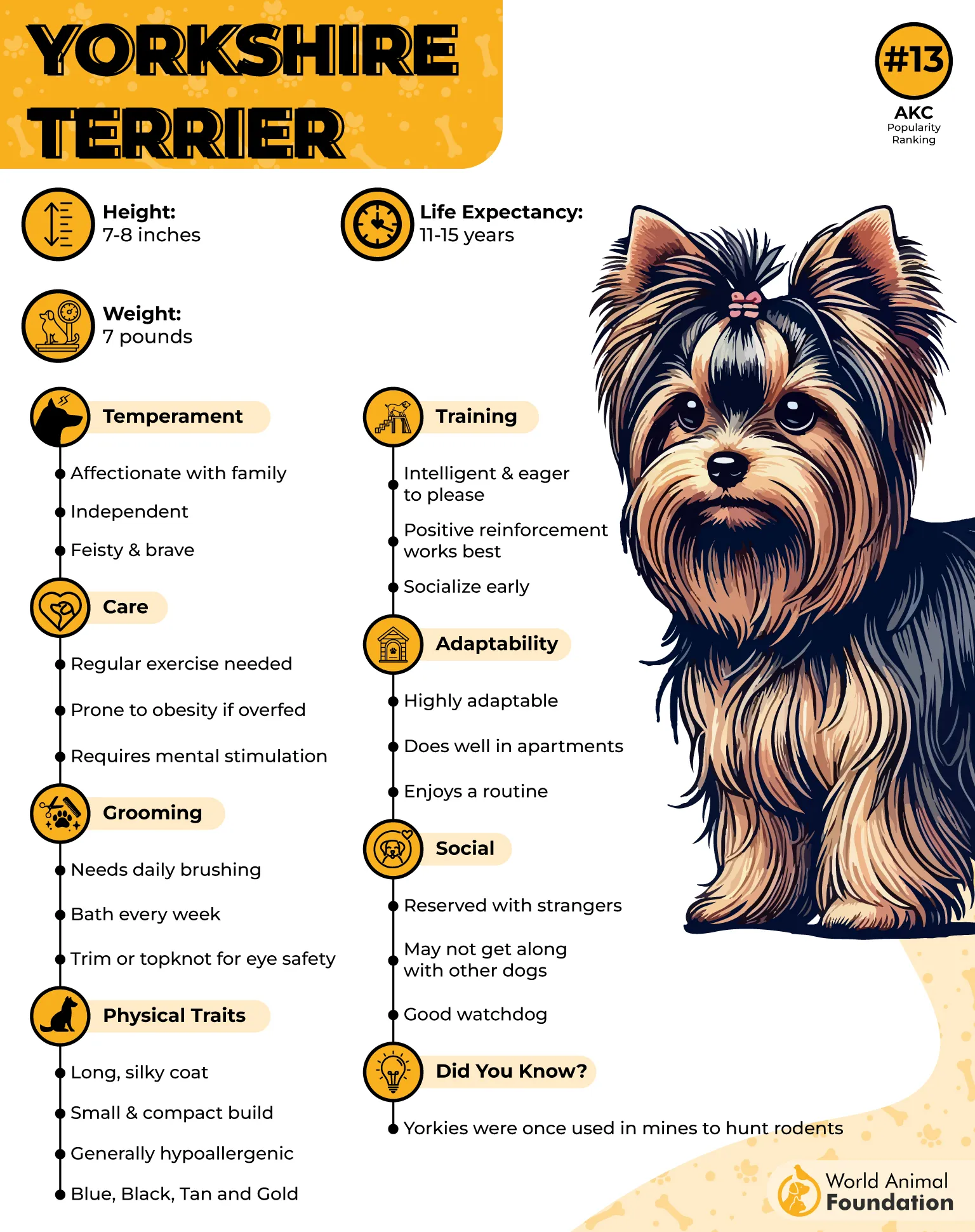
Yorkshire Terriers need daily walks, indoor games, and short training sessions. Puzzle toys and reward-based lessons help keep their intelligent minds occupied. Consistent boundaries are important because these terriers can sometimes be stubborn.
Early socialization also helps reduce excessive barking and nervousness around unfamiliar people. Their delicate bodies require gentle handling, especially during play with children or larger dogs.
A Fearless Little Playmate
Yorkshire Terriers approach games with remarkable enthusiasm for their size. They enjoy chasing small toys, investigating interesting objects, and playing with familiar people. Their quick reactions and curious nature can make ordinary household activities entertaining.
Despite their tiny frames, they often display the confidence of much larger dogs. Secure play areas are essential because their instincts may encourage them to chase small animals.
2. Chihuahua
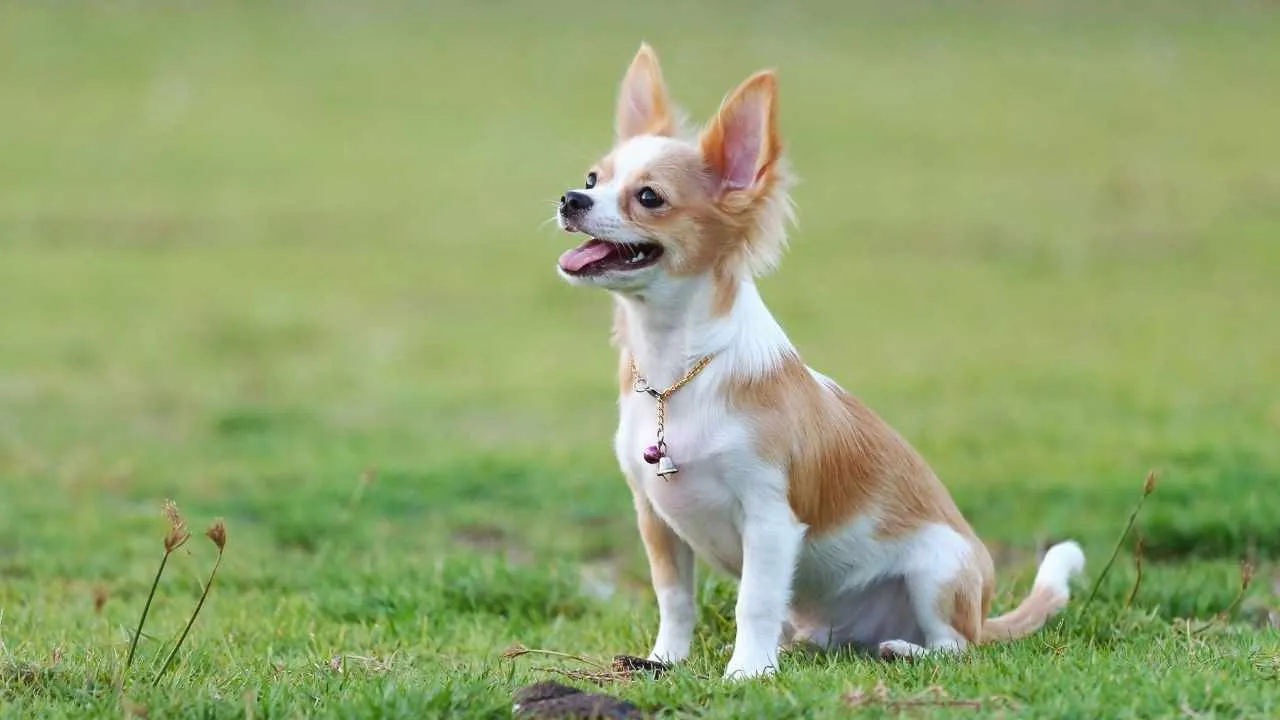
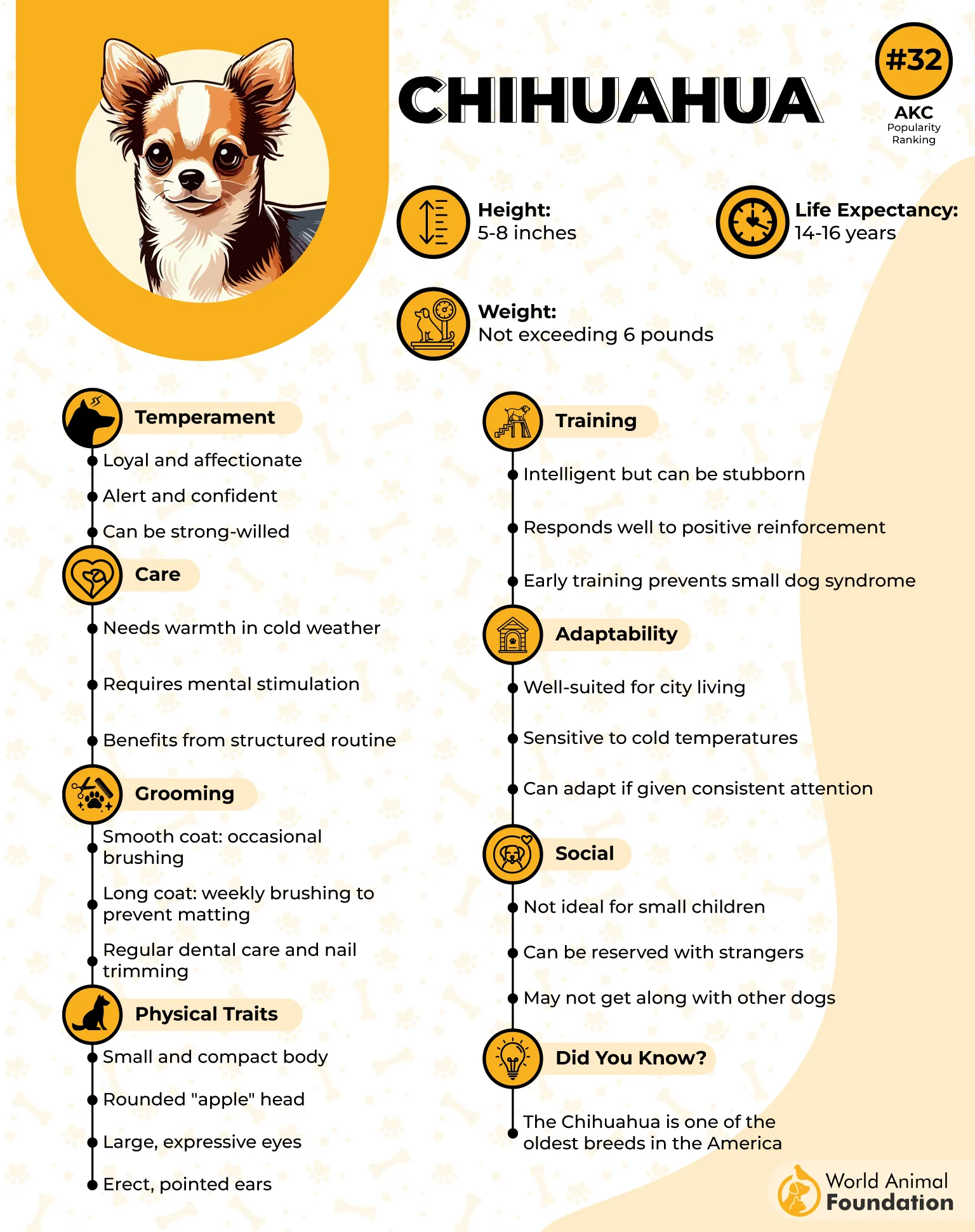
The Chihuahua takes its name from the Mexican state of Chihuahua, where the breed gained recognition during the 19th century. Its ancestry is often associated with the ancient Techichi, a small companion dog from Mexico.
Although the precise relationship remains uncertain, the breed has a long history of companionship. Today, Chihuahuas are celebrated for their tiny bodies and remarkably bold personalities.
Exercise and Training Needs
Chihuahuas benefit from short daily walks, indoor play, and basic obedience training. Reward-based lessons can help teach recall, polite greetings, and appropriate barking behavior. Early socialization encourages confidence around unfamiliar people and environments.
House-training may require patience because their small bladders can mean more frequent bathroom breaks. Gentle handling is essential, as their delicate bodies can be injured during rough play.
A Tiny Dog With Enormous Character
Chihuahuas often turn simple activities into lively games with their favorite people. They may race after a ball, perform excited little sprints, or enthusiastically greet familiar visitors. Their alert nature means they quickly notice unusual sounds and movements around the house.
This combination of curiosity and confidence gives them plenty of personality. They are especially entertaining for owners who appreciate interactive companionship in a compact package.
3. Toy Poodle
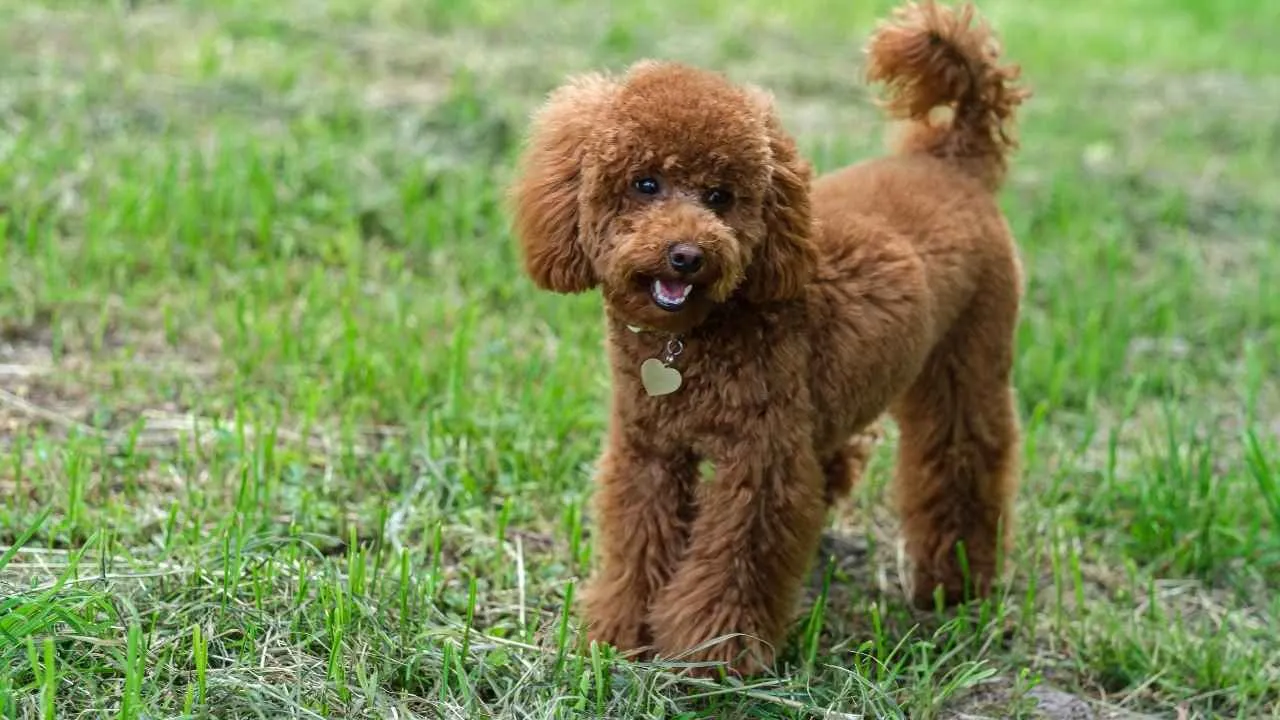
The Toy Poodle belongs to a breed family with historical roots in Europe, particularly Germany and France. Larger Poodles were developed as water-retrieving dogs, while smaller varieties became popular household companions.
Selective breeding preserved their intelligence and adaptability while reducing their size. Toy Poodles eventually gained recognition for their trainability and charming personalities. Their working ancestry remains evident in their enthusiasm for learning and problem-solving.
Exercise and Training Needs
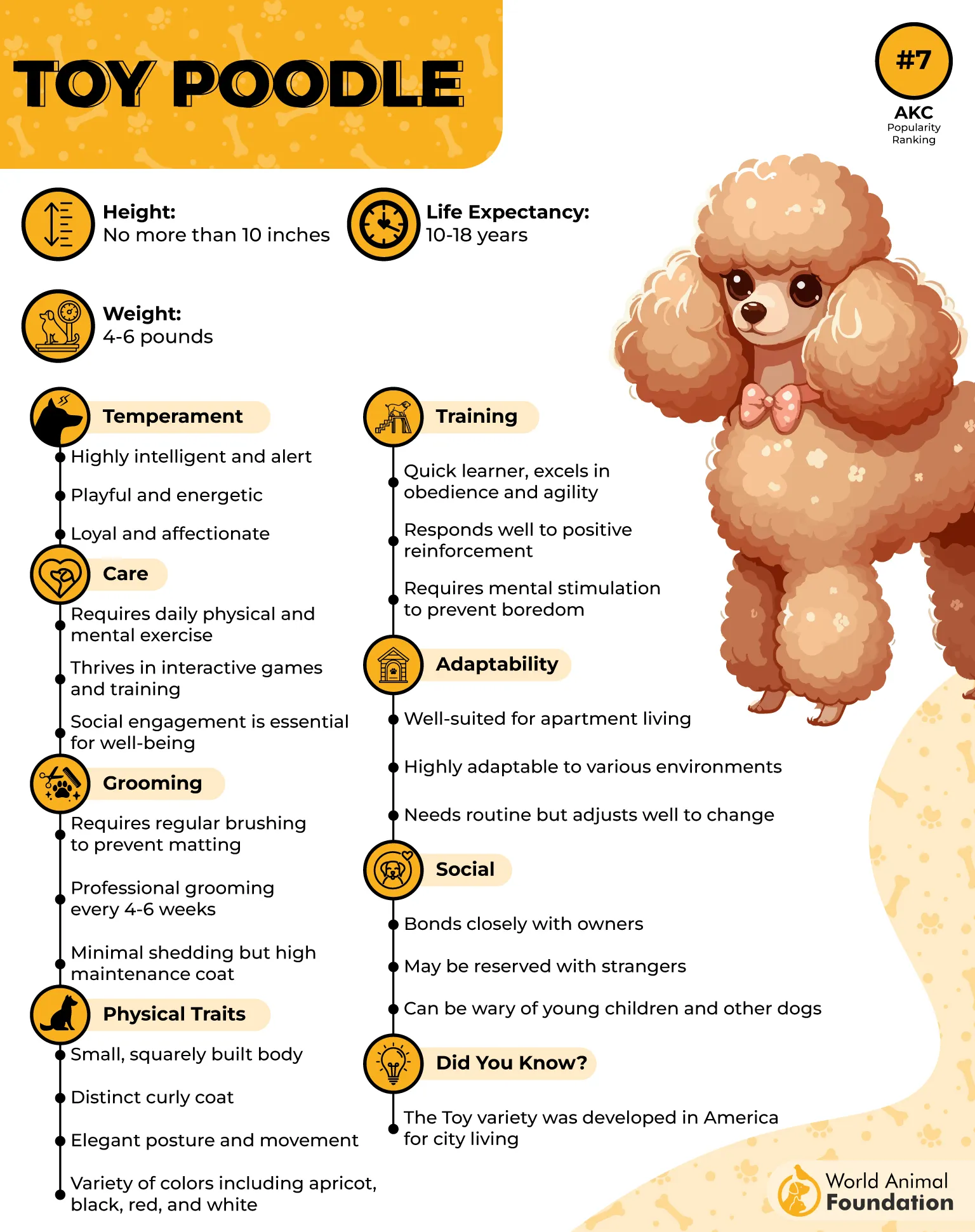
PetMD states that Toy Poodles need daily walks, interactive games, and activities that challenge their intelligence. Food puzzles, trick training, and hide-and-seek can prevent boredom. Their quick learning abilities make reward-based training particularly effective.
Regular grooming is necessary to prevent their curly coats from becoming tangled or matted. Owners should balance stimulating activities with appropriate rest throughout the day.
A Clever Companion Who Loves Challenges
Toy Poodles often turn playtime into an opportunity to demonstrate their intelligence. They may quickly learn to retrieve toys, perform tricks, or locate hidden treats. Their curiosity makes games involving problem-solving especially rewarding.
Unlike dogs that primarily enjoy chasing, they often appreciate activities requiring concentration and cooperation. This combination of intelligence and enthusiasm makes them wonderful companions for people who enjoy interactive training.
4. Papillon
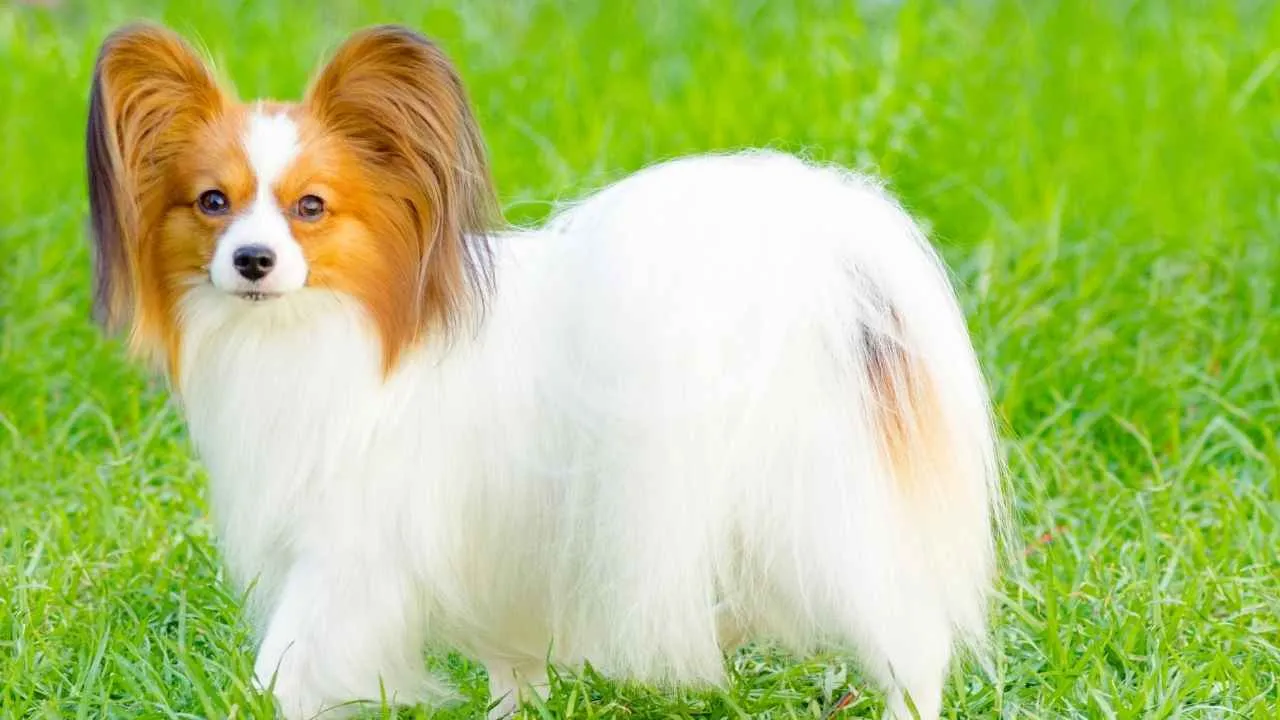
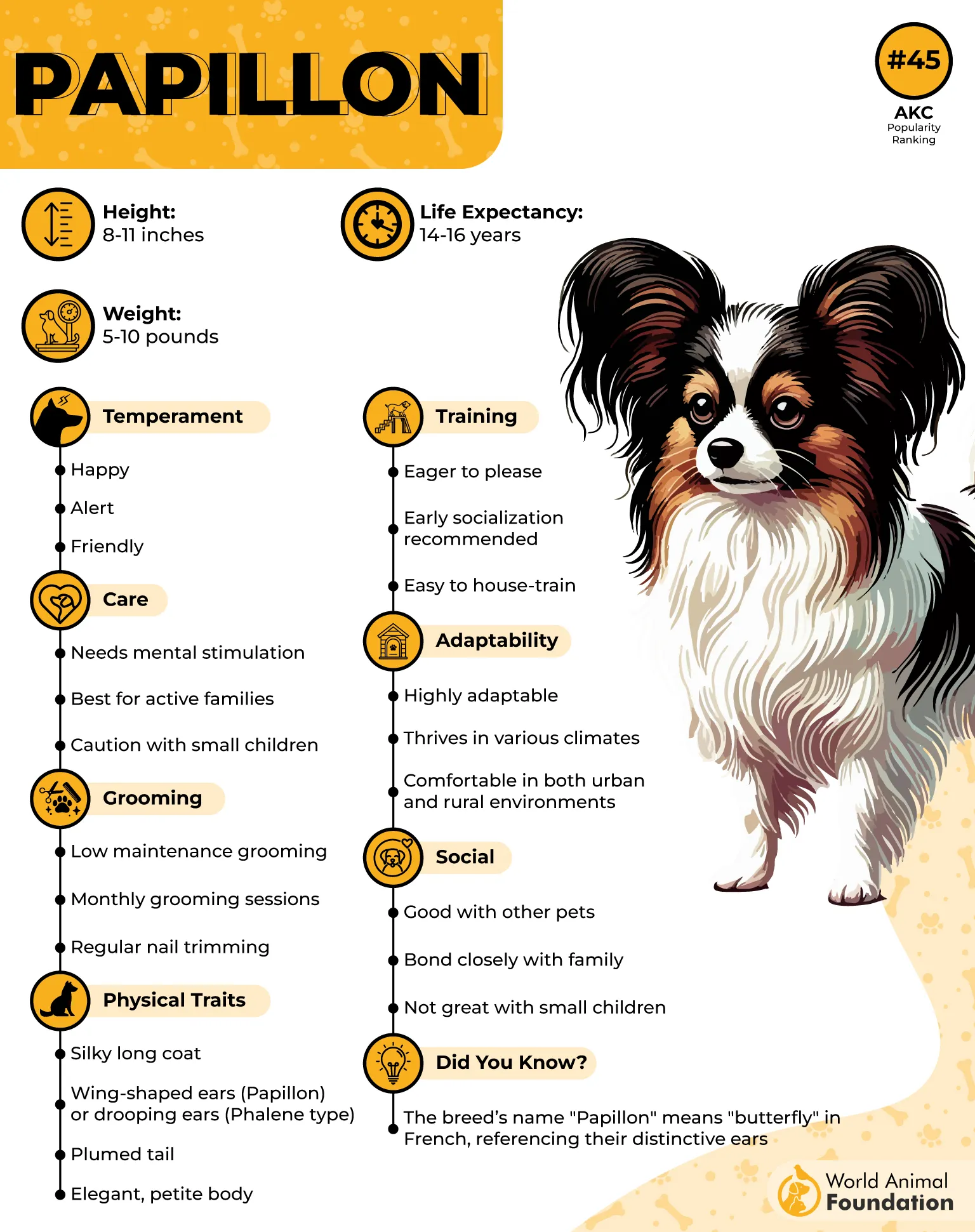
The Papillon developed from small European companion spaniels that appeared in artwork centuries ago. These dogs became especially popular among aristocratic families in France and Belgium. Selective breeding eventually produced the distinctive butterfly-shaped ears that inspired the breed’s name.
Despite its elegant appearance, the Papillon retains considerable athletic ability. Its history as a companion dog helped shape its affectionate and people-oriented temperament.
Exercise and Training Needs
Papillons benefit from daily walks, interactive play, and regular obedience practice. Their agility makes supervised obstacle games and suitable canine sports enjoyable options. Orvis notes that they usually respond well to positive reinforcement and short, engaging lessons.
Early socialization and reliable recall are important because exciting sights can distract them. Exercise should remain appropriate for their age, health, and physical condition.
An Agile Little Bundle of Fun
Papillons are remarkably quick and coordinated, making even simple games entertaining. They can dart after toys, change direction rapidly, and return eagerly for another round. Many enjoy activities that involve following hand signals or learning new tricks.
Their lively movements and expressive ears add to their distinctive charm. For owners seeking a tiny dog that enjoys both physical activity and mental challenges, the Papillon is an appealing choice.
5. Biewer Terrier
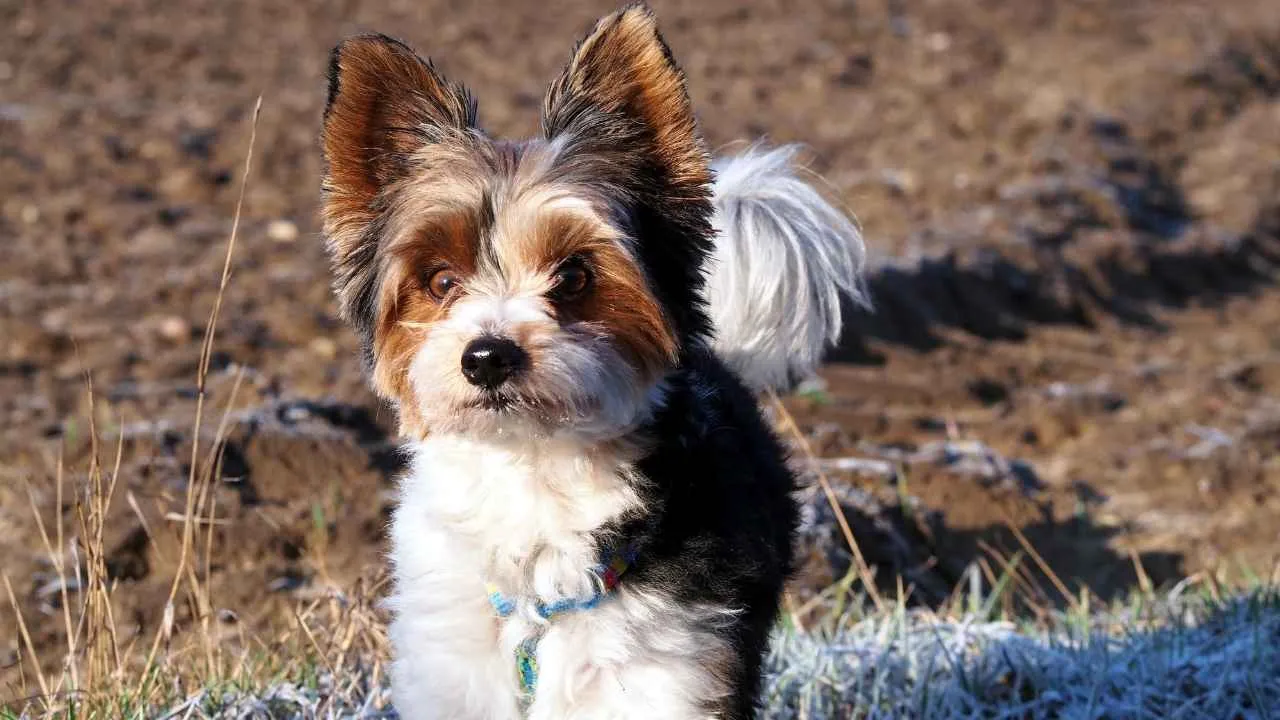
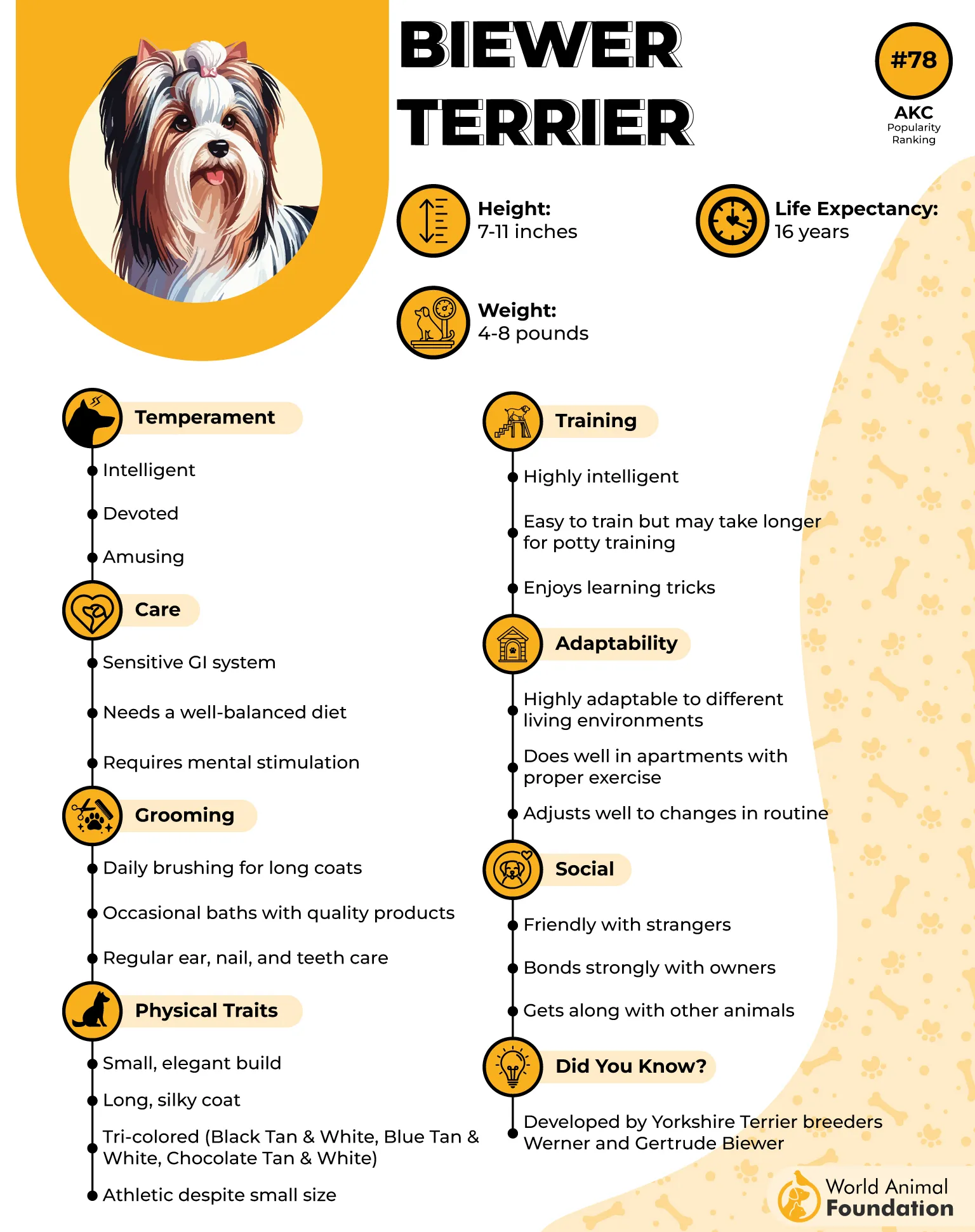
The Biewer Terrier originated in Germany during the 1980s through the breeding of distinctive tricolored Yorkshire Terriers. Breeders Werner and Gertrud Biewer helped establish the breed’s recognizable white, black, and tan coat.
Although closely related historically to Yorkshire Terriers, it developed its own identity. Its small size and companionable nature contributed to its growing popularity. Today, the Biewer Terrier is valued for its cheerful temperament and attractive appearance.
Exercise and Training Needs
Biewer Terriers benefit from daily walks, indoor games, and short training sessions. Reward-based lessons help reinforce polite greetings and appropriate household behavior. Consistent rules prevent small-dog habits from becoming difficult to manage.
Regular brushing is important because their long coats can develop tangles. Supervised play also protects their delicate bodies around larger dogs and energetic children.
A Cheerful Companion Who Enjoys Interaction
Biewer Terriers often bring a lighthearted attitude to everyday activities. They may enthusiastically chase a plush toy or explore an unfamiliar walking route. Many enjoy being included in family routines rather than entertaining themselves alone.
Their playful nature combines curiosity with a strong interest in human companionship. Alternating interactive games with affection helps keep these little dogs engaged and content.
6. Brussels Griffon
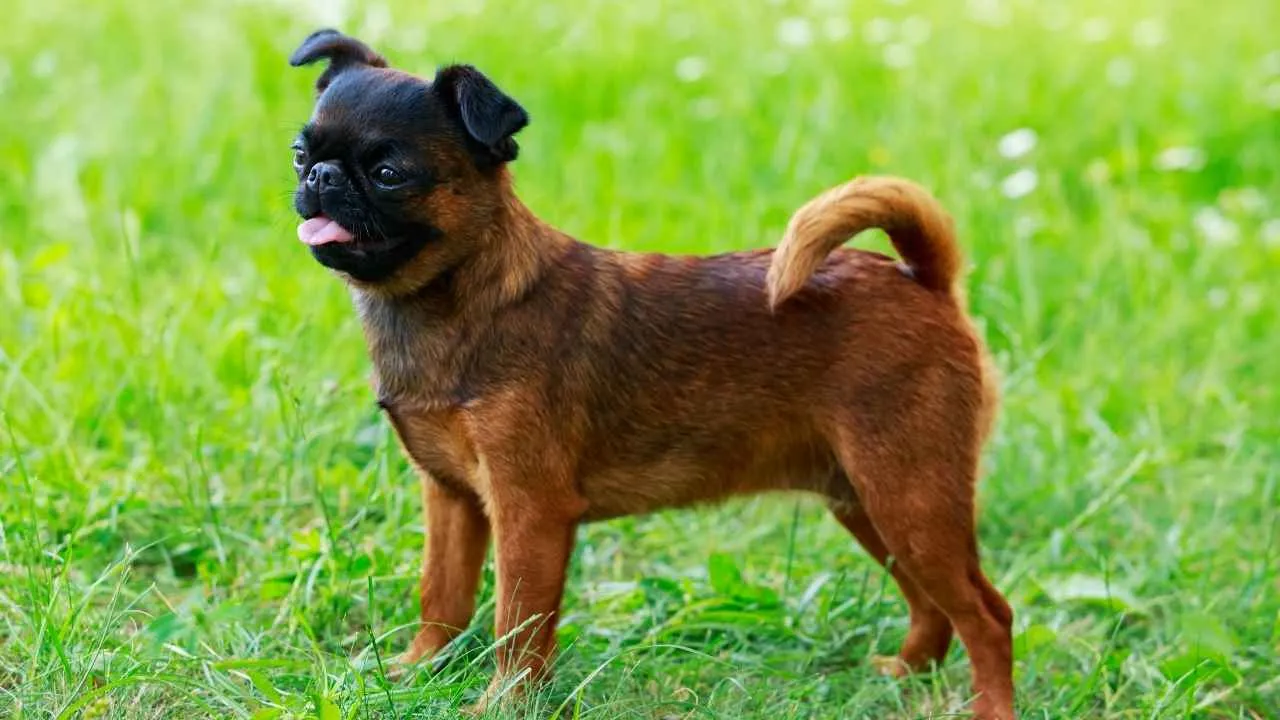
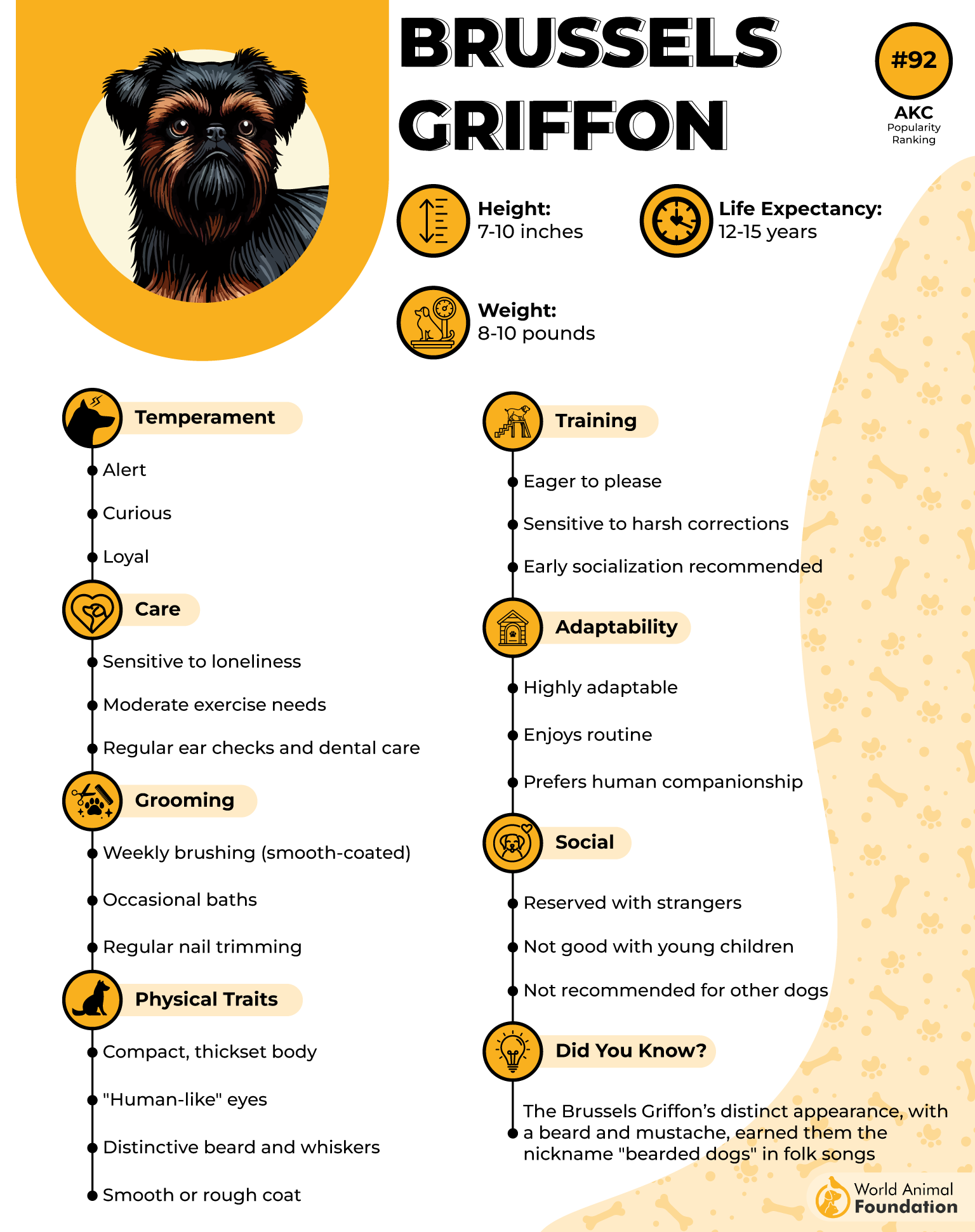
The Brussels Griffon originated in Belgium, where its ancestors worked as small rat-catching dogs around stables. Over time, breeders crossed these dogs with other small breeds to develop their distinctive appearance.
The resulting dogs became popular companions because of their expressive faces and attachment to people. Although their appearance can seem comical, they are alert and intelligent. Their working ancestry also explains their curiosity and lively reactions to unfamiliar surroundings.
Exercise and Training Needs
Brussels Griffons generally enjoy daily walks, short play sessions, and reward-based training. They benefit from gradual socialization with unfamiliar people and other dogs. Consistent practice can encourage calm greetings and reduce unwanted barking.
Some have short facial structures that affect breathing and heat tolerance. Owners should therefore avoid strenuous exercise in hot weather and supervise activities carefully.
An Expressive Little Entertainer
Brussels Griffons often entertain their families through expressive faces and quirky behavior. They may tilt their heads at unusual sounds or follow their favorite person around the house. Many prefer interactive games that involve direct attention rather than extended independent play.
Their amusing expressions can make everyday routines more enjoyable. Close companionship and gentle games are particularly suited to their affectionate personalities.
7. Russian Toy
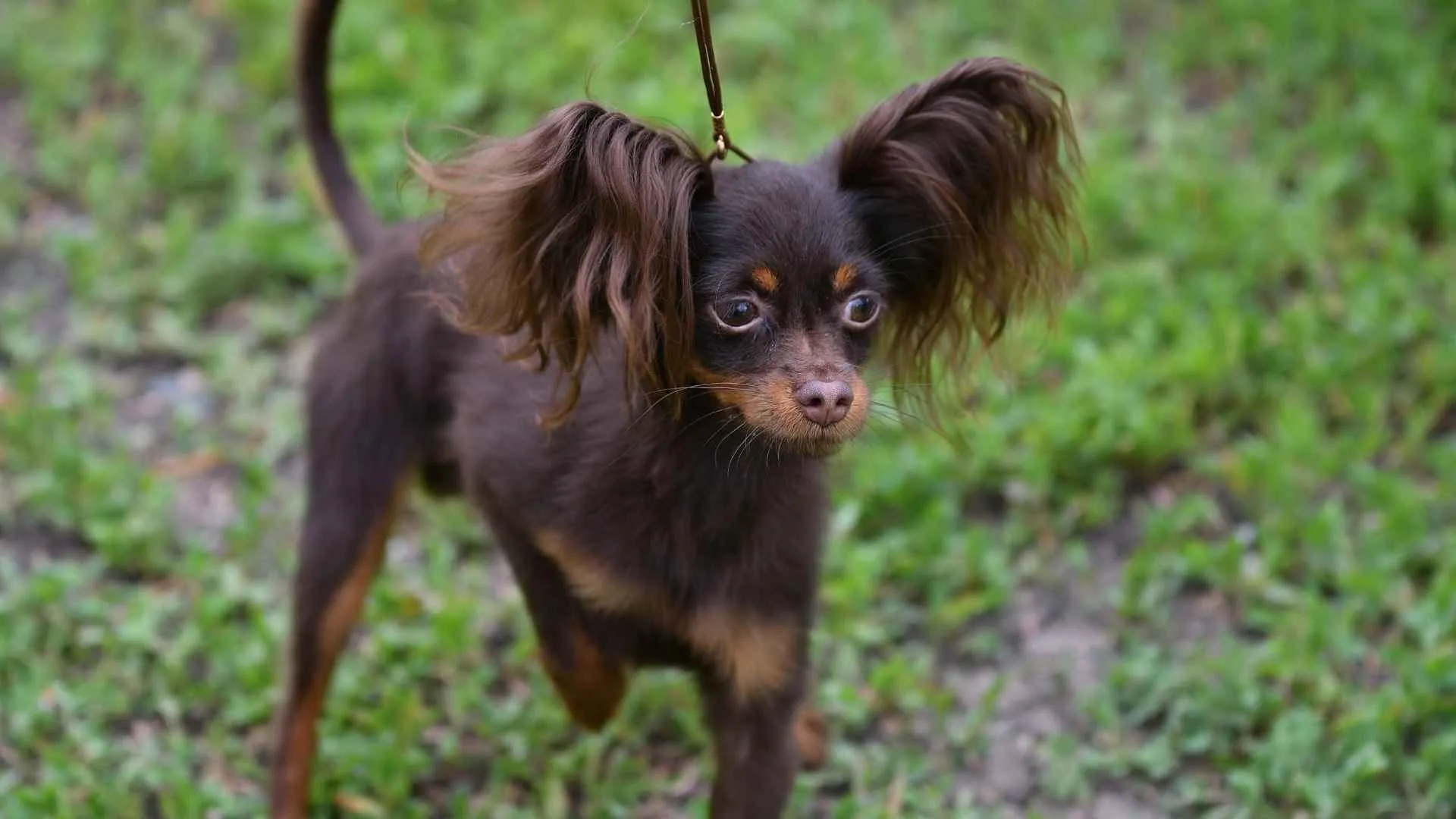
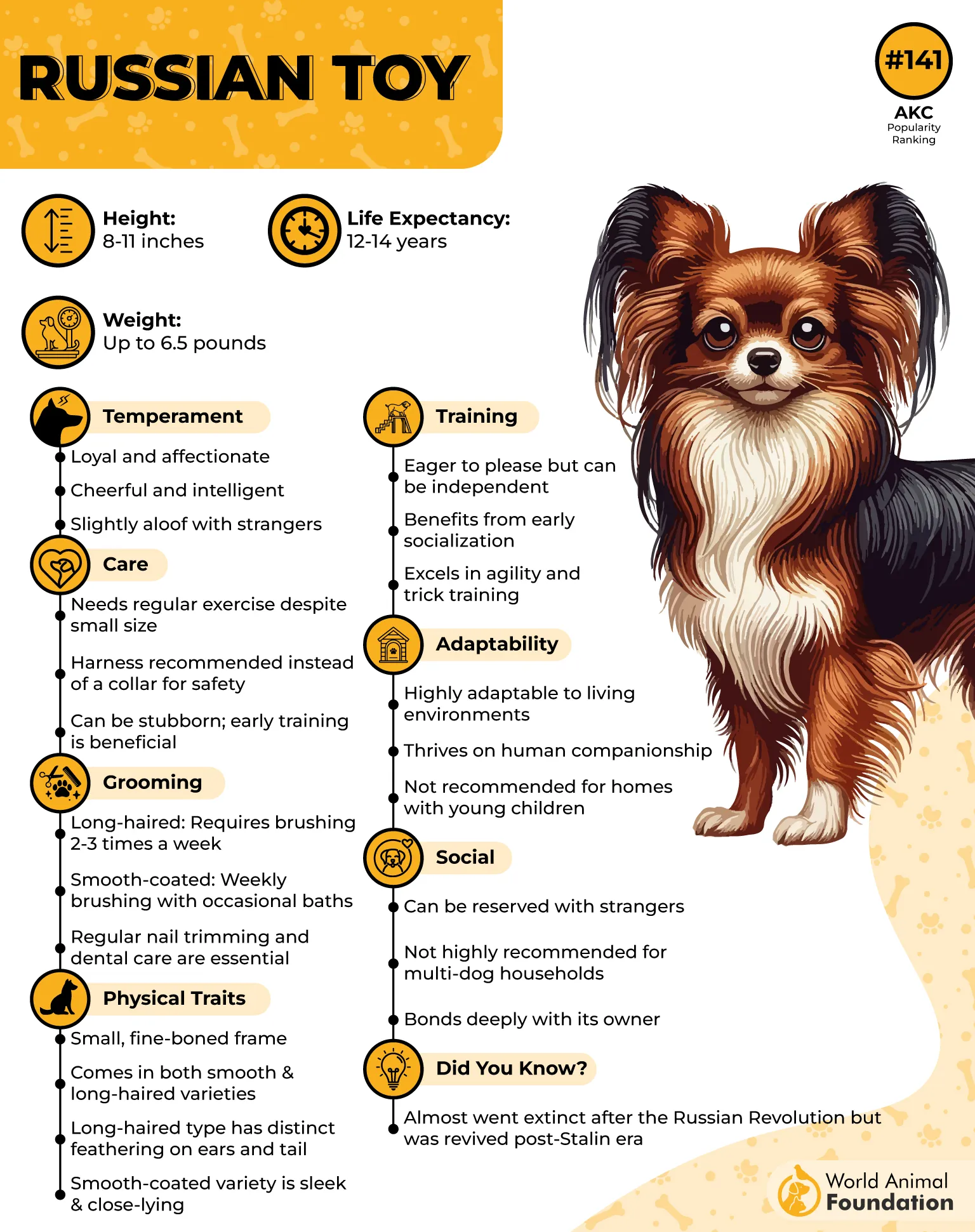
The Russian Toy developed in Russia from small English Toy Terriers introduced during earlier centuries. These dogs became fashionable companions before political and social changes affected their population.
Russian breeders later worked to preserve and develop the breed. Both smooth-coated and long-coated varieties emerged, with the latter featuring distinctive ear feathering. Their history as household companions contributed to their alert, affectionate, and lively character.
Exercise and Training Needs
The AKC adds that Russian Toys need regular opportunities for movement, including short walks and indoor games. Reward-based training helps build confidence and reinforce household manners. Early socialization can reduce nervousness around unfamiliar people and sounds.
Their extremely small bodies require protection from falls, rough handling, and overly energetic dogs. Owners should choose gentle activities suited to their size and physical condition.
A Pocket-Sized Burst of Energy
Russian Toys often express their enthusiasm through brief, animated bursts of activity. They may eagerly chase a favorite toy or greet familiar visitors with excitement. Their alert personalities make them attentive to everyday changes around the home.
Although small, they can bring plenty of liveliness to a household. Short games followed by comfortable rest periods suit their compact build particularly well.
8. Toy Fox Terrier
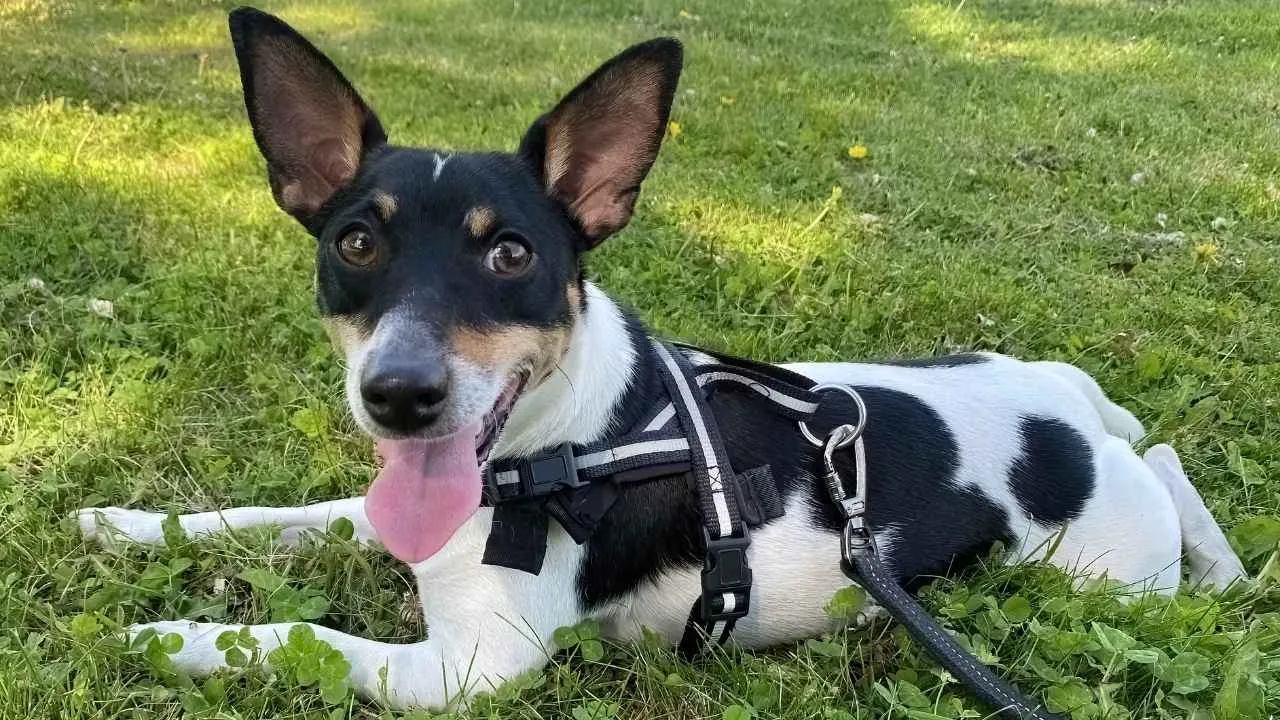
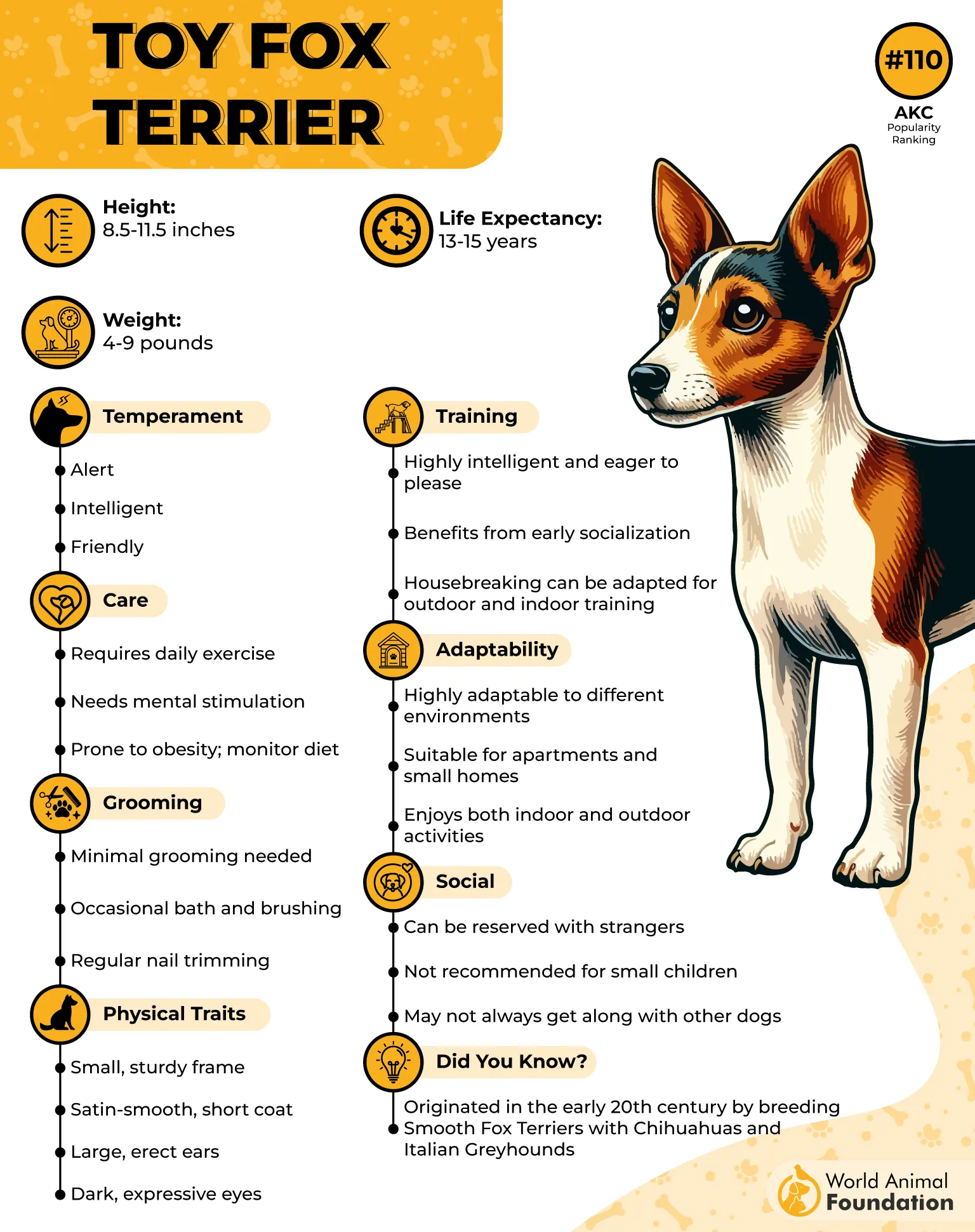
The Toy Fox Terrier was developed in the United States during the early 20th century. Breeders crossed smaller Smooth Fox Terriers with toy breeds to create a compact, versatile companion. Its ancestors were valued for controlling vermin, contributing to the modern breed’s alertness and chasing instincts.
The Toy Fox Terrier eventually became known for its intelligence and athletic ability. Despite its tiny size, it retains much of the confidence associated with working terriers.
Exercise and Training Needs
Toy Fox Terriers need daily walks, energetic games, and consistent obedience training. Their intelligence makes short, varied lessons particularly effective. Recall and impulse-control exercises are important because they may pursue squirrels or other small animals.
Secure outdoor spaces provide safer opportunities for running and chasing. Owners should also use suitable toys and avoid rough activities that could injure their small bodies.
A Miniature Athlete Who Loves Chasing
Toy Fox Terriers thrive on games that involve speed and quick reactions. They may eagerly retrieve a toy or race after a moving object in a secure area. Their enthusiasm makes interactive play an excellent opportunity to practice obedience.
They can also enjoy learning tricks that require coordination and concentration. Their natural chasing instincts make secure play spaces especially important for enjoyable, responsible activity.
9. Silky Terrier
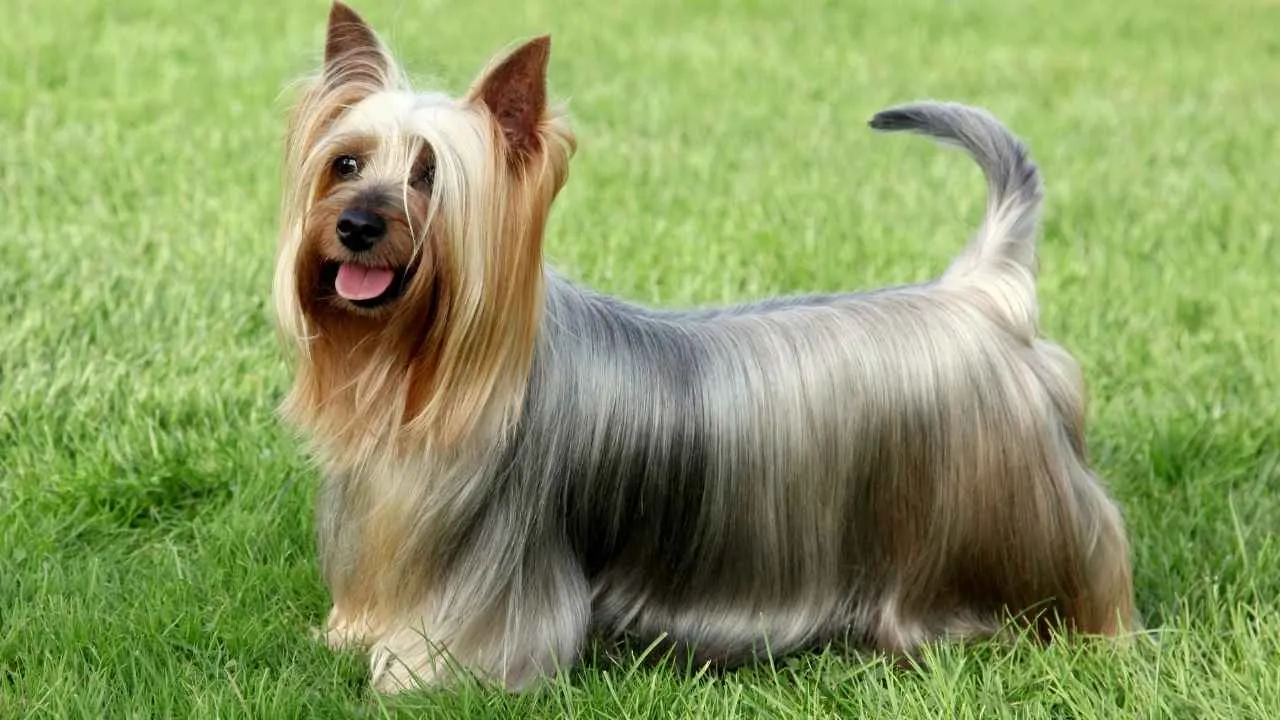
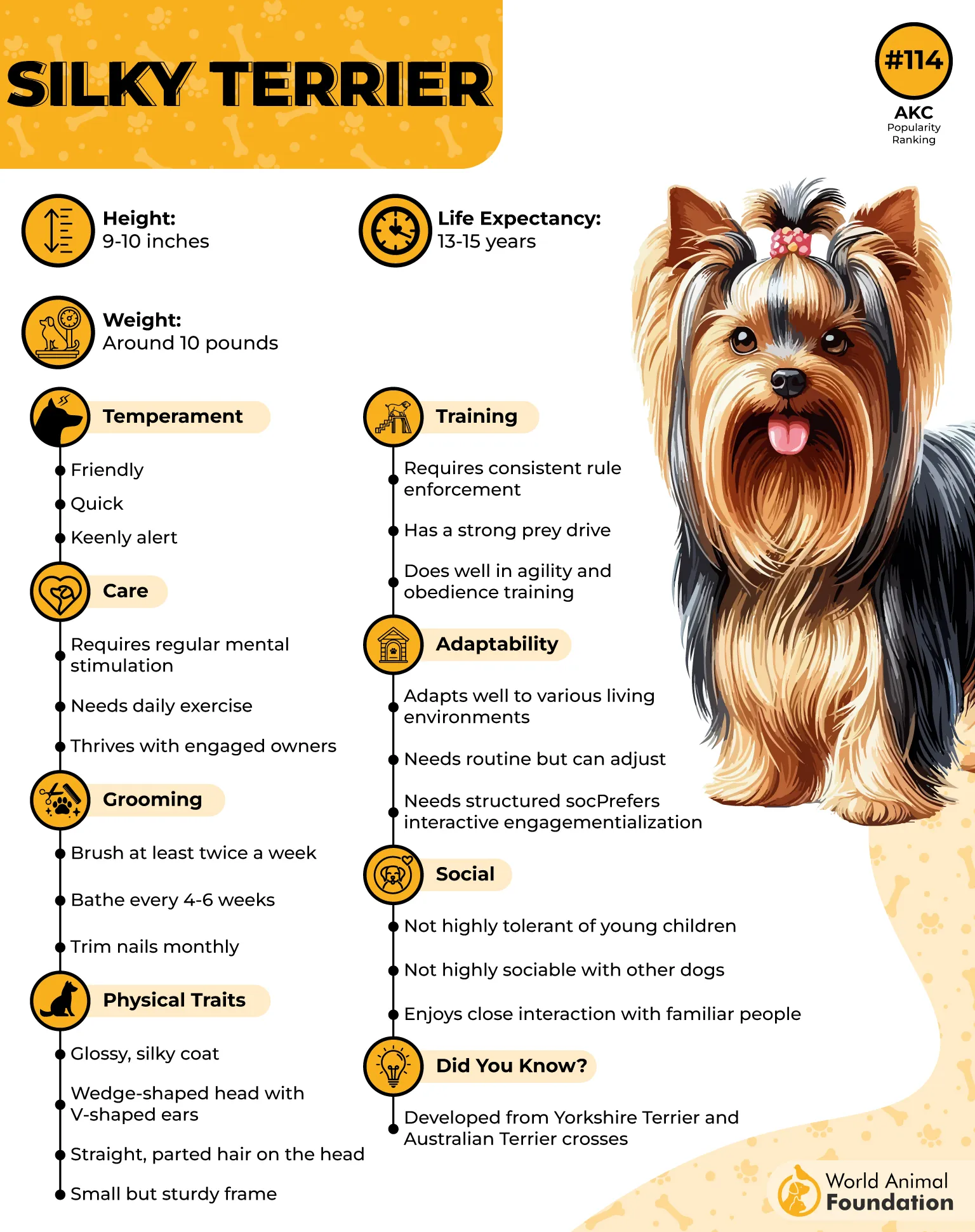
The Silky Terrier originated in Australia during the late 19th and early 20th centuries. Breeders developed it from Yorkshire Terrier and Australian Terrier lines to combine a silky coat with a practical terrier temperament. Its ancestors helped control small pests around homes and other properties.
The breed gradually became a popular household companion. Its elegant appearance conceals a curious, energetic dog with a distinctly independent personality.
Exercise and Training Needs
Silky Terriers benefit from daily walks, interactive games, and engaging training sessions. Because they can be independent, varied exercises often work better than repetitive drills. Positive reinforcement helps encourage attention and appropriate behavior around distractions.
Their long coats need regular brushing and maintenance. Owners should also supervise interactions with small pets because the breed may retain a strong instinct to chase.
A Curious Little Explorer
Silky Terriers often approach their surroundings with confidence and enthusiasm. They may investigate unfamiliar scents, chase toys, or eagerly explore a new walking route. Their adventurous nature makes outdoor activities enjoyable when they are kept safely secured.
They also appreciate games that challenge their attention and curiosity. Providing a mixture of exploration, interactive play, and training helps channel their lively personalities.
Conclusion
Before bringing home a playful breed, consider its exercise requirements, grooming needs, and training demands. Individual dogs can still differ considerably, even within the same breed. Meeting a dog and understanding its personality can help ensure a suitable match.
Every small dog needs appropriate exercise, socialization, consistent training, and sufficient rest. Owners should protect tiny breeds from falls, rough handling, and unsafe interactions with larger animals. A balanced routine can prevent boredom while supporting healthy behavior.
With thoughtful care and engaging activities, these nine exuberant dog breeds can bring lasting companionship, lively entertainment, and plenty of fun into everyday life.
