





A dog and a cat sharing a home can become an unlikely friendship worth celebrating, from peaceful naps on the sofa to playful moments that bring a smile to your face. But living together happily takes more than simply putting two pets under one roof.
Dogs and cats have different instincts, communication styles, and ways of expressing affection, which can sometimes lead to misunderstandings. The good news is that certain dog breeds are known for their gentle, friendly, and sociable temperaments, making them promising companions for feline housemates.
From affectionate family dogs to calm, easy-going giants, these seven breeds may be better suited to homes where cats already rule the roost. Still, every animal has its own personality, and no breed guarantees a perfect match.
With careful introductions, patient training, and safe spaces for both pets, a household that once seemed unlikely can become a place where paws, whiskers, and friendship comfortably coexist.
Key Takeaways
Friendly, gentle dogs may find it easier to build positive relationships with cats.
Early socialisation can help dogs become comfortable around feline companions.
Every dog has a unique personality, so compatibility varies between individuals.
Gradual introductions allow both pets to adjust without feeling overwhelmed.
A dog’s prey drive may influence how it reacts to a cat’s movements.
Top Dog Breeds That Completely Get Along With Cats
1. Golden Retriever
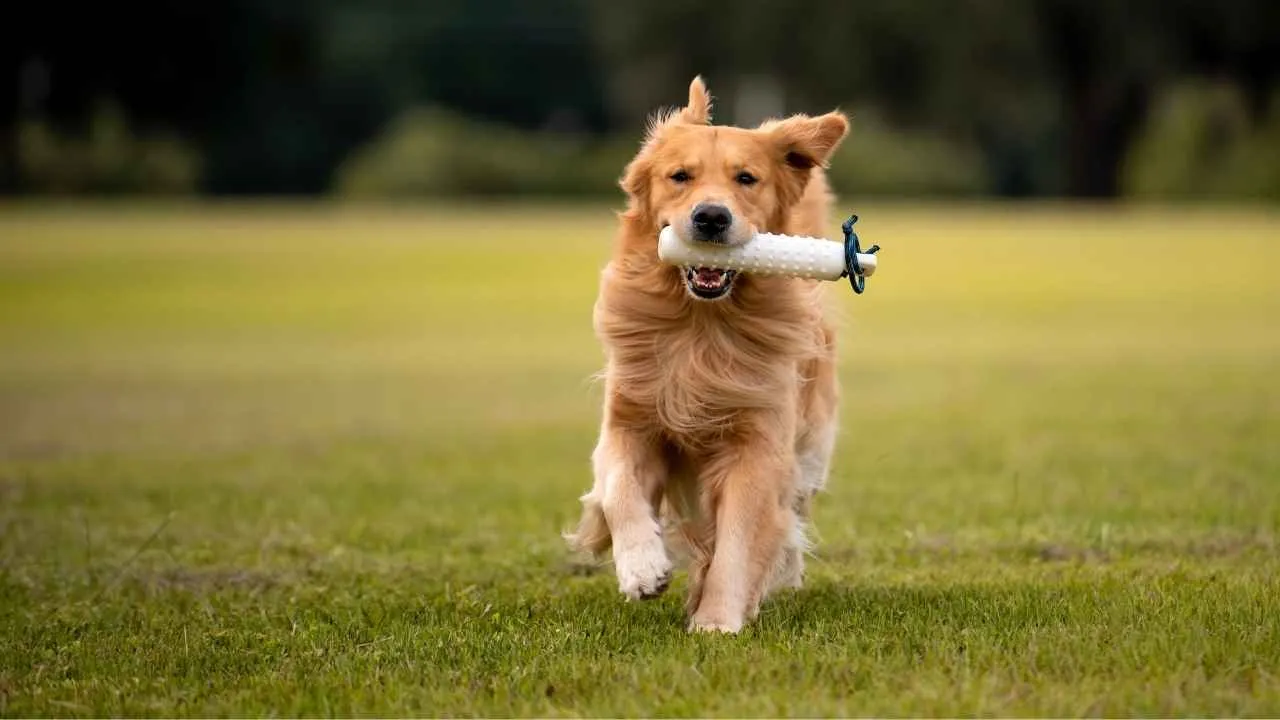
The Golden Retriever’s friendly nature and gentle approach to family life can make it a wonderful companion for a household with cats.
Known for being outgoing, trustworthy, and eager to please, this Scottish sporting breed often enjoys sharing its home with other pets when introduced properly.
Goldens have a playful spirit that lasts well into adulthood, but their affectionate temperament and trainability can help them learn to coexist peacefully with feline companions.
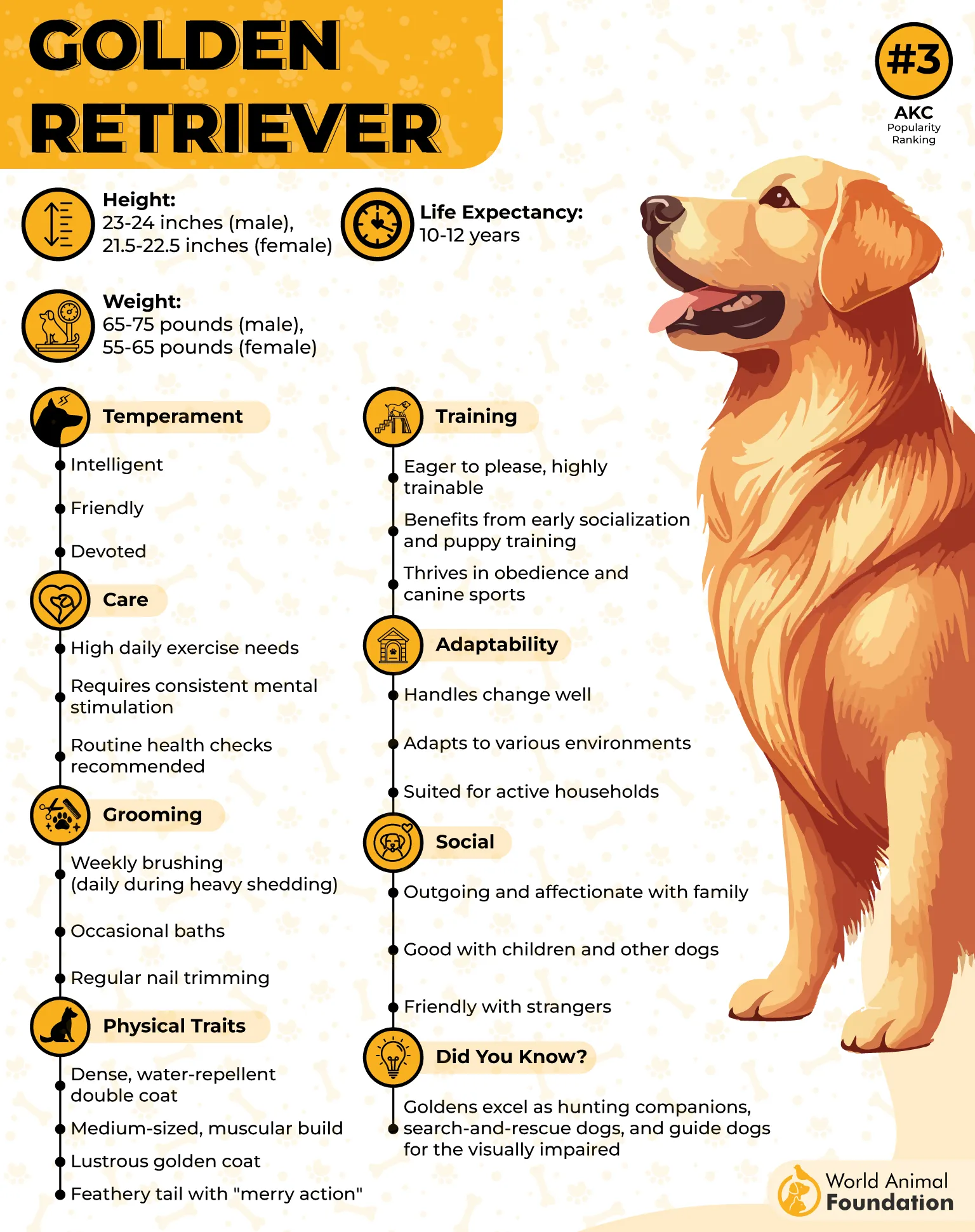
Early socialisation and consistent training are important, teaching them to respect a cat’s space rather than turning every encounter into a game of chase.
These energetic dogs also need plenty of daily exercise, including walks, fetching, and outdoor play, to stay happy and settled at home, according to the American Kennel Club.
Their thick, golden double coat requires regular brushing, particularly during shedding seasons. With patient introductions, supervision, and positive reinforcement, a Golden Retriever can become a loving family member who shares its home with a cat.
2. Labrador Retriever

Labrador Retrievers can bring a lovely balance of affection, playfulness, and friendliness to homes shared with cats.
These loyal, easy-going dogs enjoy being around their families and often get along well with other pets when properly socialised.
Their intelligence and eagerness to please make training easier, helping them learn to respect a cat’s boundaries and behave gently during everyday encounters.

However, Labs are energetic dogs, and their enthusiasm can sometimes overwhelm a shy or fearful feline. They may be better suited to living with a confident cat that feels comfortable around playful companions.
Patient introductions, positive reinforcement, and supervised interactions can help both animals develop trust at their own pace.
Labradors also need plenty of exercise and mental stimulation, so regular walks, games of fetch, and engaging toys help keep their energy in check. With thoughtful training and companionship, a Labrador can become a loving canine friend to its feline housemate.
3. Cavalier King Charles Spaniel

The Cavalier King Charles Spaniel’s affectionate heart and gentle personality can make it a lovely companion for a home with cats.
These charming dogs thrive on companionship, enjoy being close to their families, and are generally sociable with other pets when introduced patiently.
Their eagerness to please and sensitivity to human emotions also make them responsive to gentle, reward-based training, helping them learn to share their space with a feline friend.

Rather than needing constant adventure, Cavaliers are happy to enjoy a playful moment before curling up comfortably on the sofa, making them adaptable companions for many households.
Early socialisation and gradual introductions can help build a peaceful relationship, although every cat and dog has its own personality, as stated by Pedigree.
Cavaliers need daily exercise, regular attention, and consistent coat care to stay comfortable and happy. With patience and supervision, this affectionate spaniel can become a cherished companion to both its human family and its feline housemate.
4. Basset Hound

With their calm temperament and friendly nature, Basset Hounds can make appealing companions for families hoping to bring a dog and cat under one roof.
Beneath their droopy ears and seemingly sorrowful eyes is a sociable dog known for its peaceful approach to home life.
Bassets generally get along well with other animals, and their patient disposition can help them adjust to sharing space with a feline companion.

However, their hunting background means they may have a strong instinct to follow scents, so careful introductions and supervision around cats are important.
Their stubborn streak can also make training a little challenging, but gentle, consistent methods can help establish good habits. Basset Hounds enjoy exploring their surroundings and taking leisurely walks, though they still need regular activity to stay healthy.
With time, positive interactions, and respect for each animal’s boundaries, a Basset Hound can become a relaxed and affectionate member of a cat-friendly household.
5. Pug
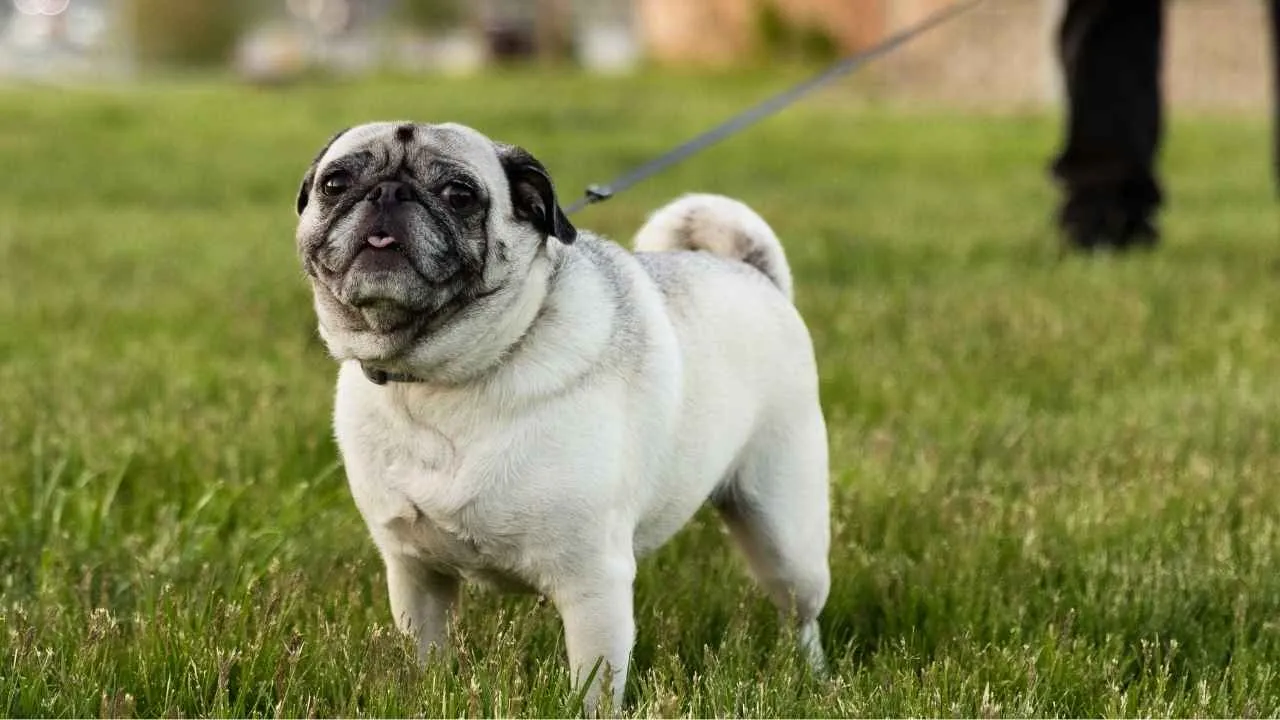
With their cheerful personalities and love of companionship, Pugs can bring a playful warmth to homes shared with cats.
These small, affectionate dogs enjoy being around people and often welcome the chance to make furry friends.
When properly socialised from an early age, they can get along well with cats and other animals, making them a promising choice for multi-pet households.

Their easy-going nature and relatively low exercise needs also suit homes where pets spend plenty of time relaxing together. However, Pugs can be playful and attention-seeking, so gentle introductions are essential, especially if a resident cat is shy or easily startled.
Rewarding calm behaviour and giving both animals their own safe spaces can help build trust, as explained by Battersea. Pugs also need mental stimulation through puzzle feeders, toys, and short training sessions.
With patience, supervision, and a gradual introduction, a Pug may become a delightful feline companion, sharing peaceful naps and playful moments with its cat housemate.
6. Beagle

Beagles bring a friendly, sociable spirit to homes where cats are part of the family. Originally bred to hunt in packs, these cheerful dogs are accustomed to working alongside other dogs, and their outgoing nature can help them become comfortable around feline companions.
They enjoy being around people, thrive in lively households, and often have a playful energy that makes everyday life more entertaining.
However, their hunting heritage gives them a strong instinct to follow scents and chase moving animals, so getting along with a cat is not guaranteed.

Early socialisation, gradual introductions, and consistent training can help a Beagle learn to share its home peacefully with a feline friend.
Their energetic nature also means they need daily exercise and mental stimulation to stay content.
With patience and proper supervision, a Beagle can become a loving companion in a multi-pet household, bringing curiosity, playfulness, and plenty of personality to the relationship.
7. Newfoundland
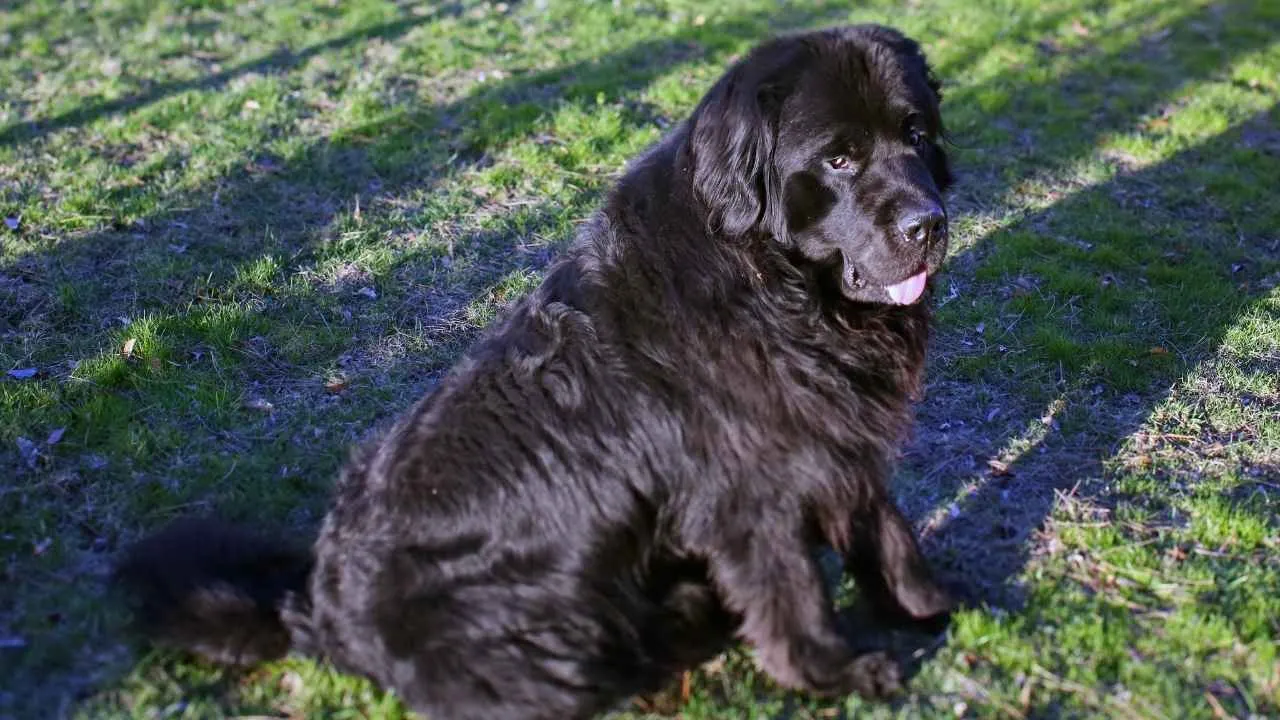
Newfoundlands may be enormous, but their gentle, patient nature can make them wonderful companions for cats.
Often described as gentle giants, these affectionate dogs are generally sociable and enjoy sharing their home with other animals when properly introduced.
Their calm temperament can help create a peaceful environment where a cat feels comfortable, rather than constantly threatened by an energetic or overly excitable housemate.
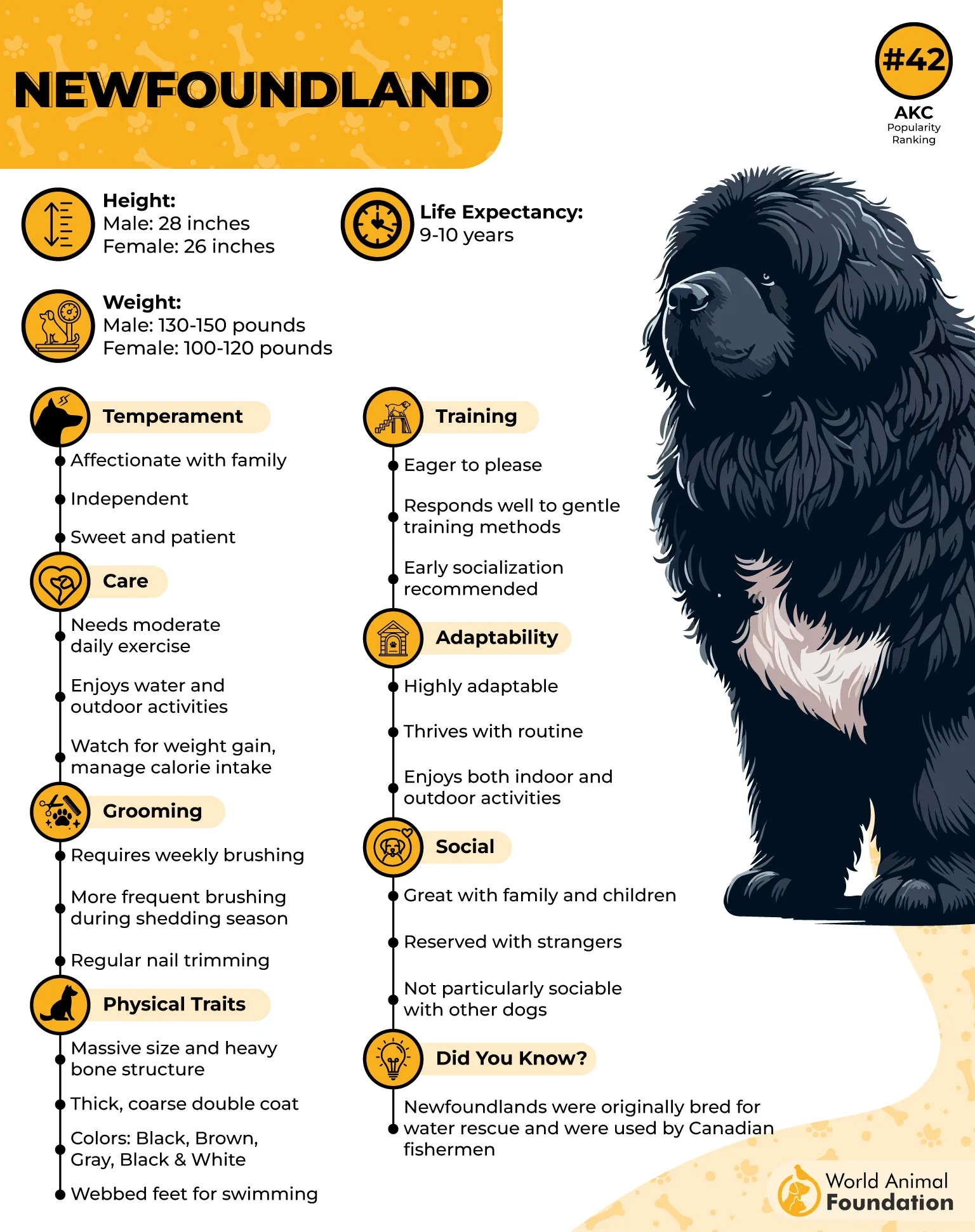
Many Newfoundlands can live successfully alongside cats, particularly when they become familiar with them from an early age. However, their impressive size means even friendly play can accidentally overwhelm a smaller pet, so supervision and clear boundaries are important.
Gradual introductions, positive experiences, and separate safe spaces give both animals time to build trust at their own pace, according to Petbarn. Newfoundlands also enjoy being close to their families, making them loving companions in multi-pet households.
With thoughtful socialisation and patience, these sweet-natured giants can share a home harmoniously with feline friends.
Conclusion
Finding a dog that can share your home peacefully with a cat can make life easier and happier for everyone, especially when both pets become cherished members of the family.
From the affectionate Golden Retriever and playful Labrador to the gentle Newfoundland and sociable Beagle, these breeds have qualities that may help them build positive relationships with feline companions. However, no breed comes with a guarantee of perfect compatibility.
Every dog and cat has a unique personality, and their relationship depends on factors such as temperament, past experiences, and socialisation. Introducing them gradually, rewarding calm behaviour, and providing separate spaces where each pet feels safe can make a meaningful difference.
Patience is just as important as choosing the right breed. With thoughtful preparation and consistent care, dogs and cats can learn to share their space, develop trust, and perhaps even become the unexpected companions you love watching together every day.
