




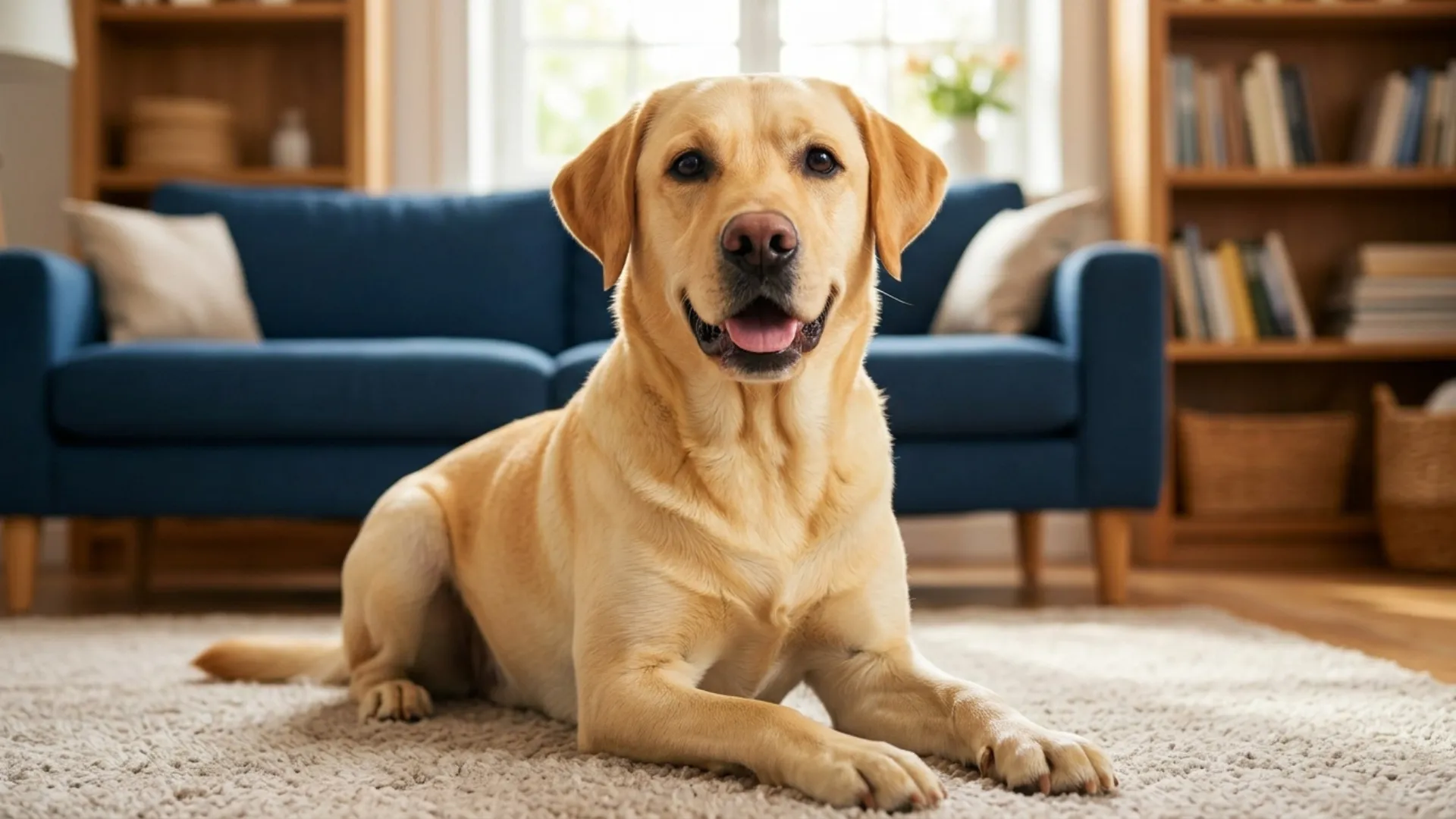
Bringing home your first dog is equal parts exciting, wholesome, and slightly chaotic. Choosing the right breed can make that first-dog experience much smoother because some dogs are naturally more forgiving, social, trainable, and adaptable for new owners.
That does not mean any breed is completely effortless. Every dog still needs training, exercise, grooming, veterinary care, patience, and enough time to build good habits. The easiest dogs for beginners are usually the ones that enjoy working with people, recover well from minor owner mistakes, and fit comfortably into everyday family life.
These seven best dog breeds for new dog parents are popular choices because they often combine affection, intelligence, adaptability, and beginner-friendly personalities.
Easy Dog Breeds For New Pet Owners
1. Golden Retriever
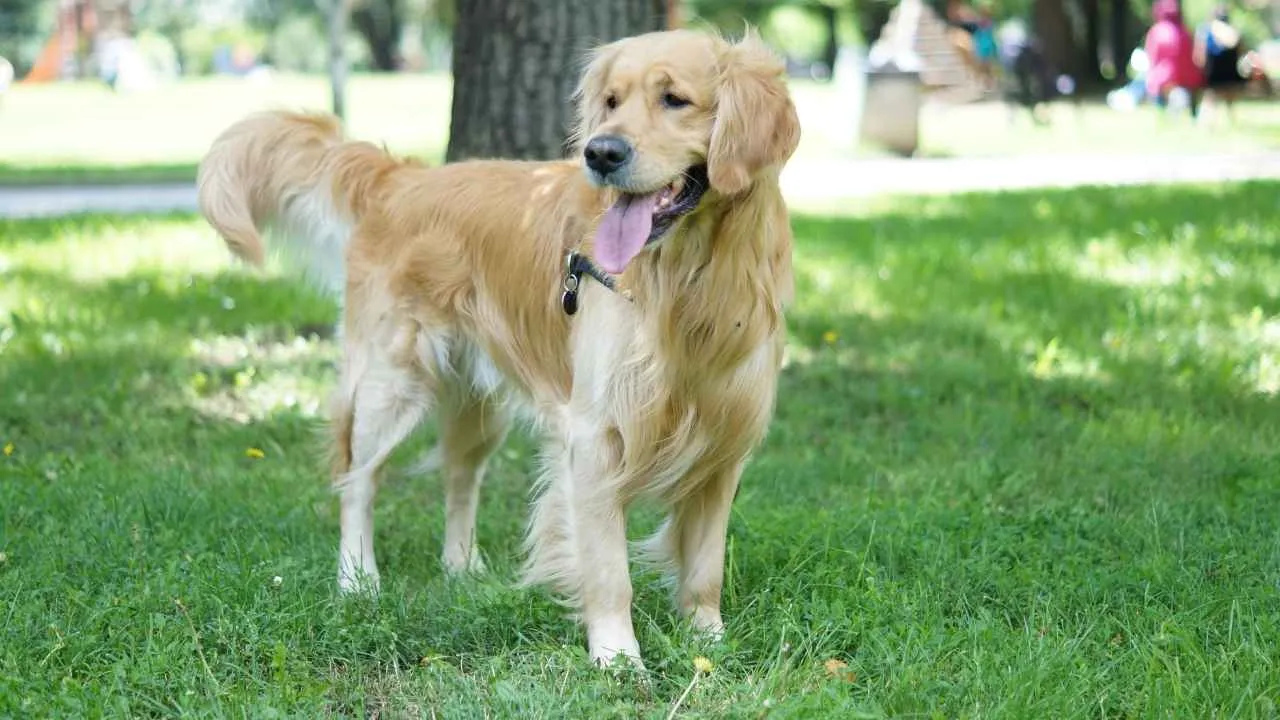
Golden Retrievers are known for being friendly, affectionate, eager to please, and highly people-oriented, which makes them especially appealing to first-time owners. Their gentle reputation also helps explain why they are so often seen in therapy, assistance, and family-companion roles.
Training usually feels rewarding because Goldens tend to enjoy working with humans, as noted by the AKC. They respond especially well to positive reinforcement, food rewards, toys, praise, and short, upbeat sessions. For a first-time pet parent still learning to communicate clearly with a dog, that cooperative attitude can be a huge confidence boost.
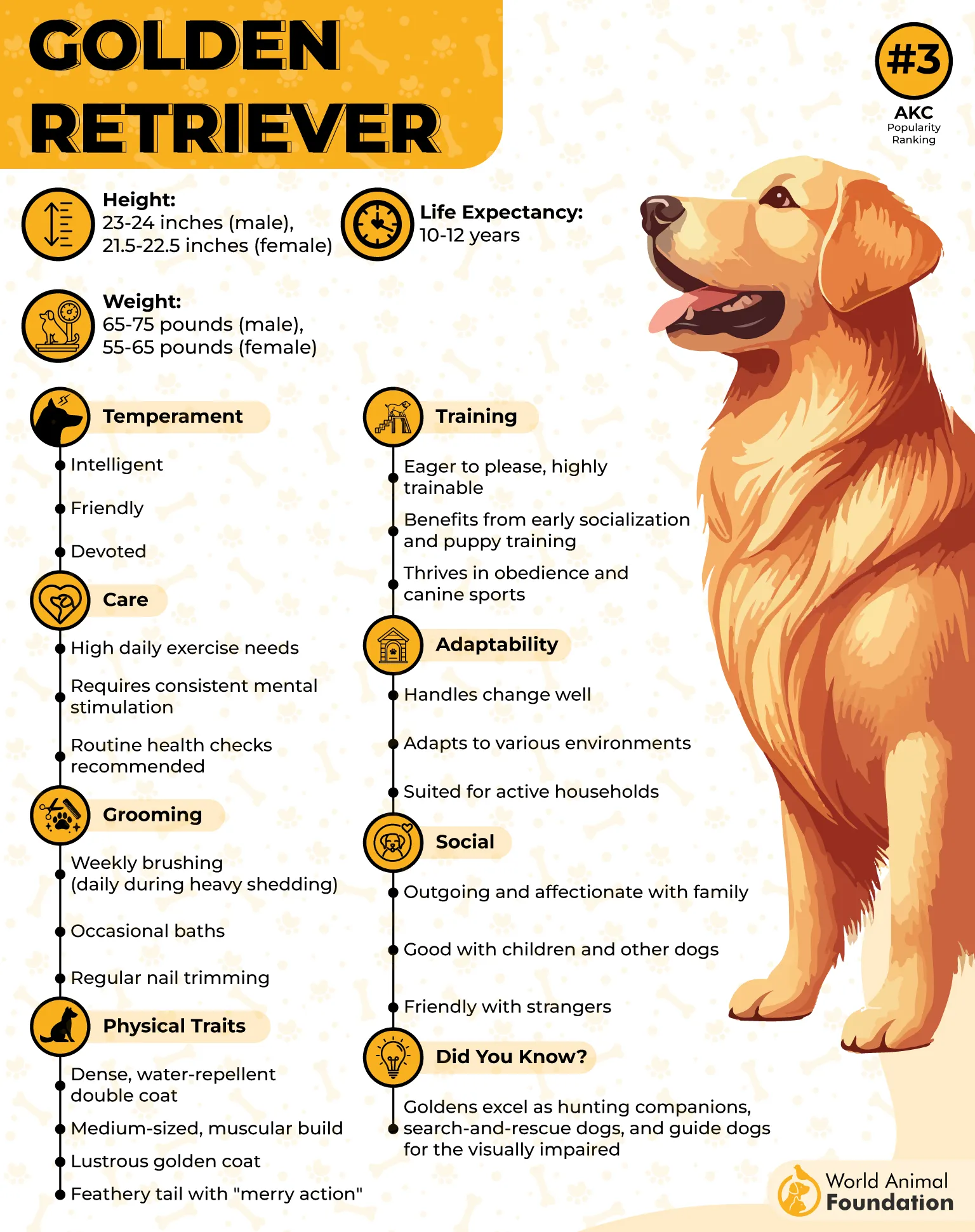
Exercise is still a major part of the package. Goldens were developed as sporting dogs, so they typically love walking, swimming, fetching, hiking, and anything that involves carrying something in their mouths.
Health screening is another important consideration for first-time dog owners when buying from a breeder. Responsible Golden Retriever breeders commonly screen for orthopedic, cardiac, and eye concerns because inherited conditions do exist in the breed.
2. Labrador Retriever
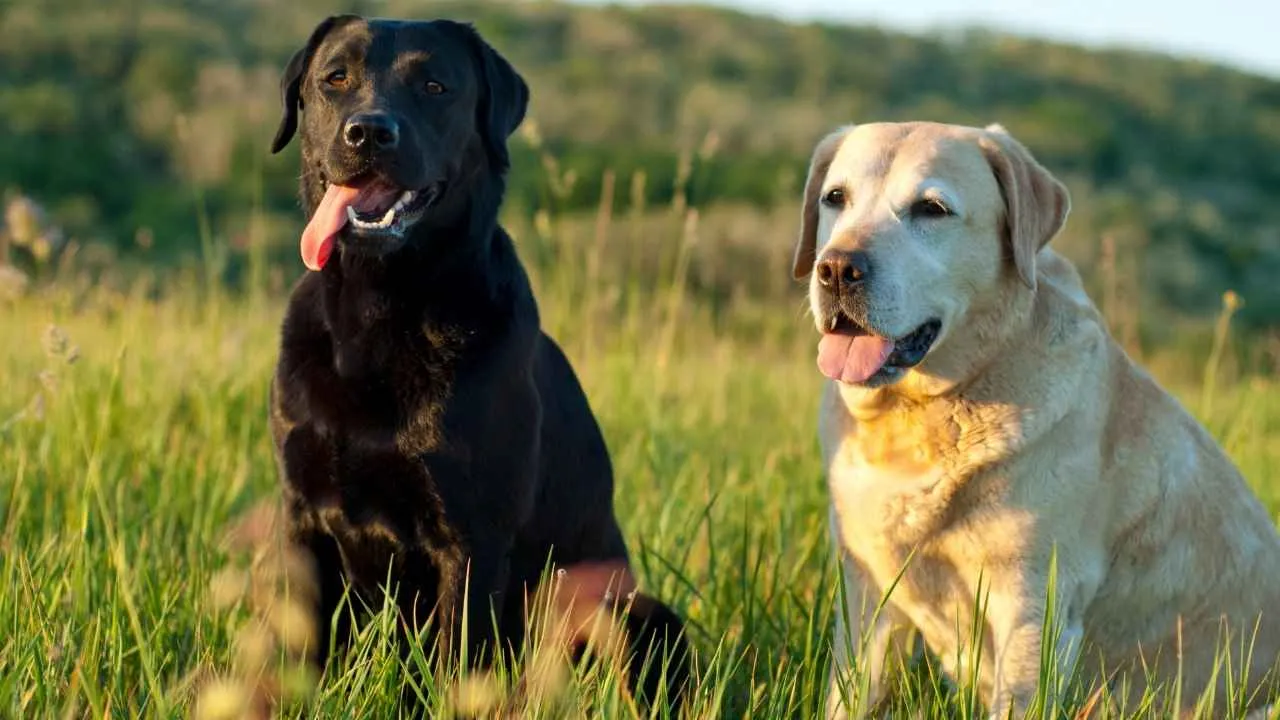
The Labrador Retriever is another classic first-dog favorite, and honestly, the hype makes sense. Labs tend to be outgoing, affectionate, adaptable, and highly motivated by food, toys, attention, or basically any excuse to hang out with their people.
Their sporting background means they are much more energetic than their friendly face sometimes suggests. Labradors usually need plenty of walking, retrieving, swimming, structured play, and mental work to stay happy, as noted by PDSA.
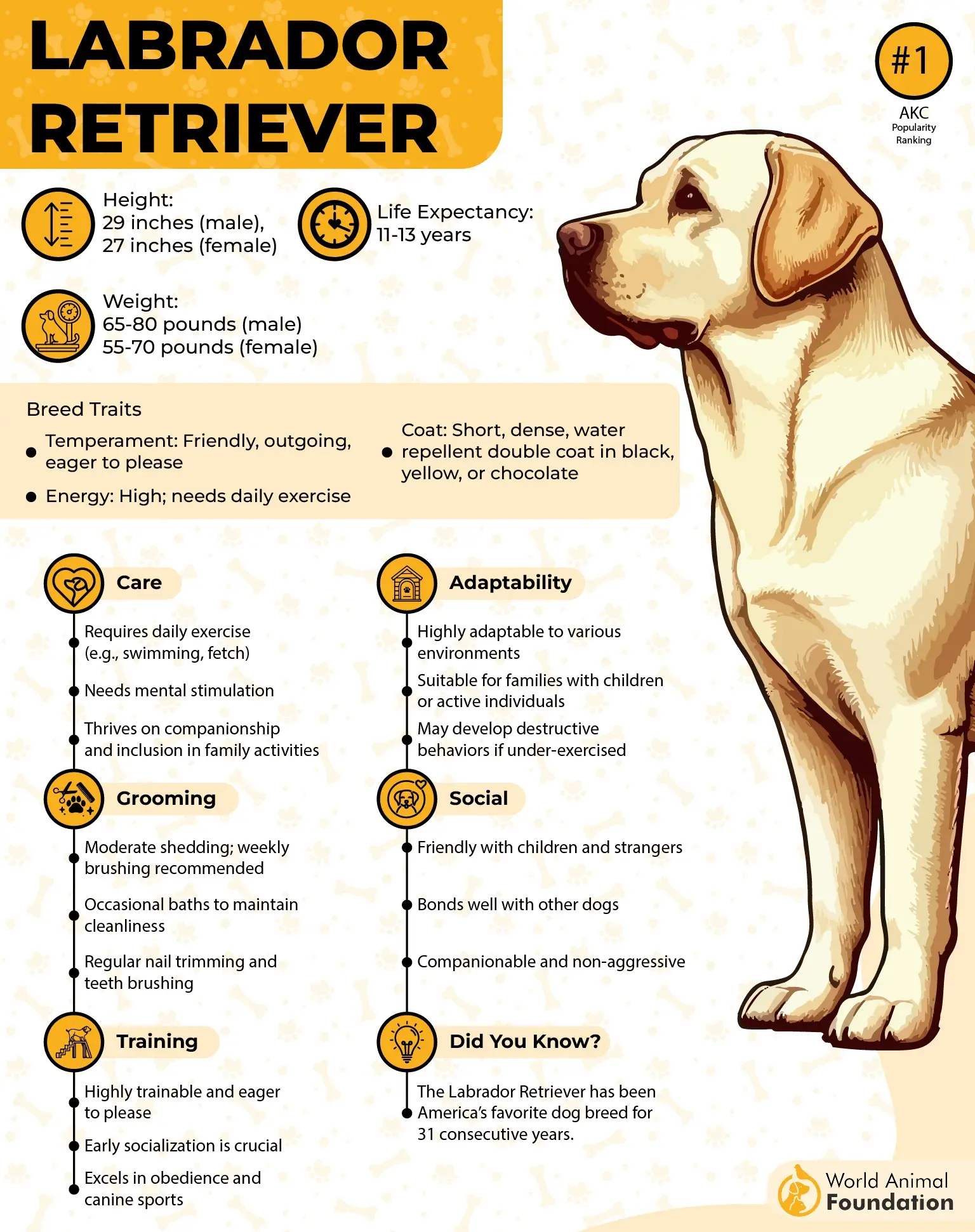
First-time owners should still be prepared for the adolescent phase. Young Labs can be bouncy, mouthy, excitable, and physically strong, so it’s best to start leash manners and impulse control early. Grooming is simple but not exactly hair-free. Their short double coat sheds more than many new owners expect, especially when the seasons change, so weekly brushing is useful.
They can succeed in obedience, service work, detection, hunting, therapy settings, and family homes because they usually enjoy cooperating with people. For beginners who want an active, social, trainable companion, the Lab is a very strong option as long as the household can handle the energy.
3. Cavalier King Charles Spaniel
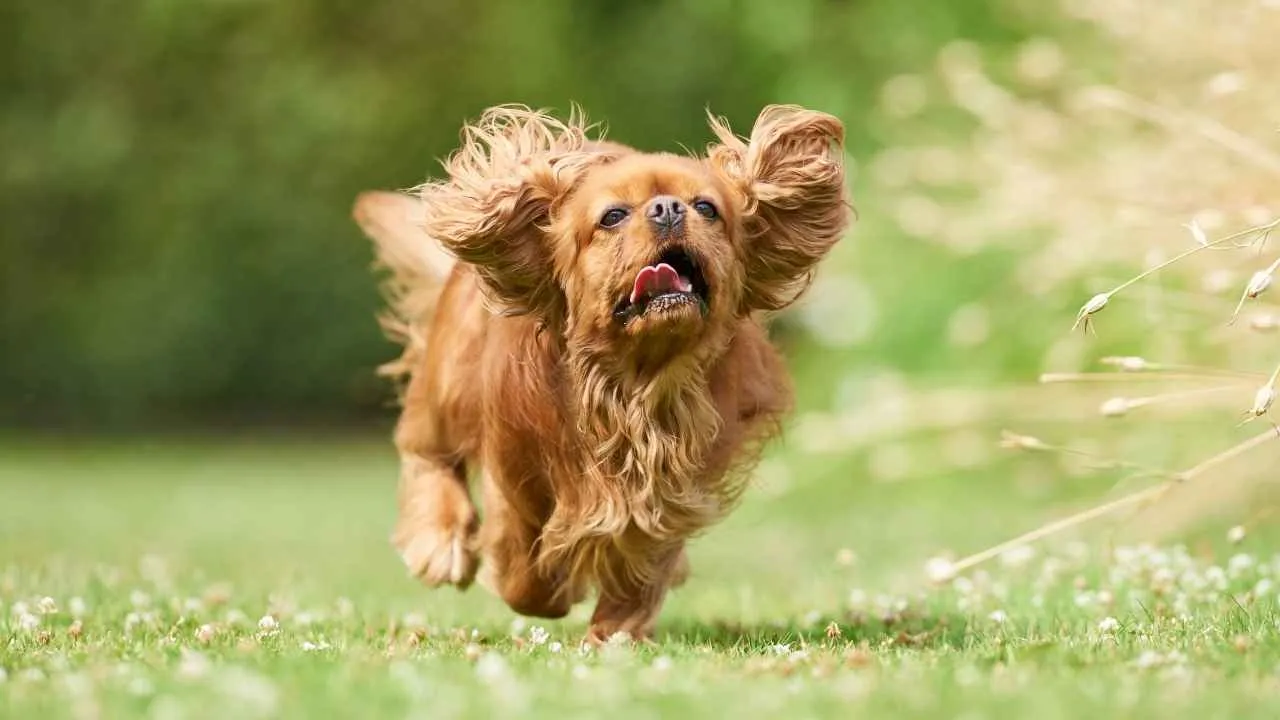
Cavaliers are generally gentle, sociable, adaptable, and extremely attached to their humans, making them well suited to first-time owners. They are basically professional lap warmers who also enjoy a respectable little adventure.
Their exercise needs are more manageable than those of large sporting breeds. Daily walks, light play, enrichment games, and some outdoor exploration are usually enough to keep them content. They can be surprisingly athletic when invited, but they generally don’t need marathon-level activity to stay happy.
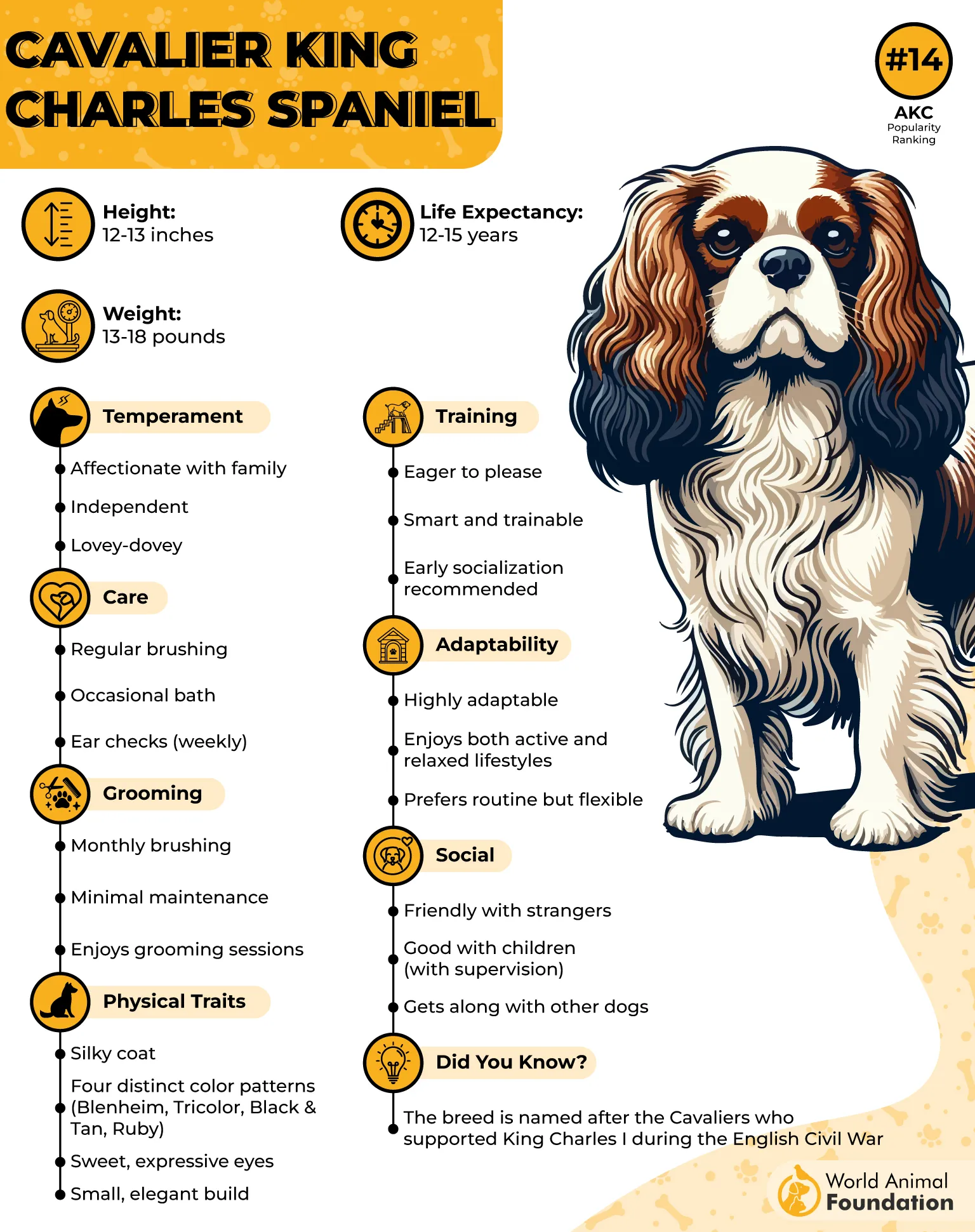
Training usually goes well because Cavaliers are sensitive and responsive to people. Harsh methods can make them shut down, while calm praise, treats, and consistency usually bring out their best behavior. Beginners often appreciate a breed that wants to cooperate without turning every lesson into an intense negotiation.
As this is one of the easiest dog breeds to manage, grooming requires minimal effort. Their silky coat needs routine brushing to prevent tangles around the ears, chest, legs, and tail, but many owners find the process manageable compared with high-maintenance coated breeds. Regular ear care also matters because those beautiful floppy ears can trap moisture.
4. Toy Poodle
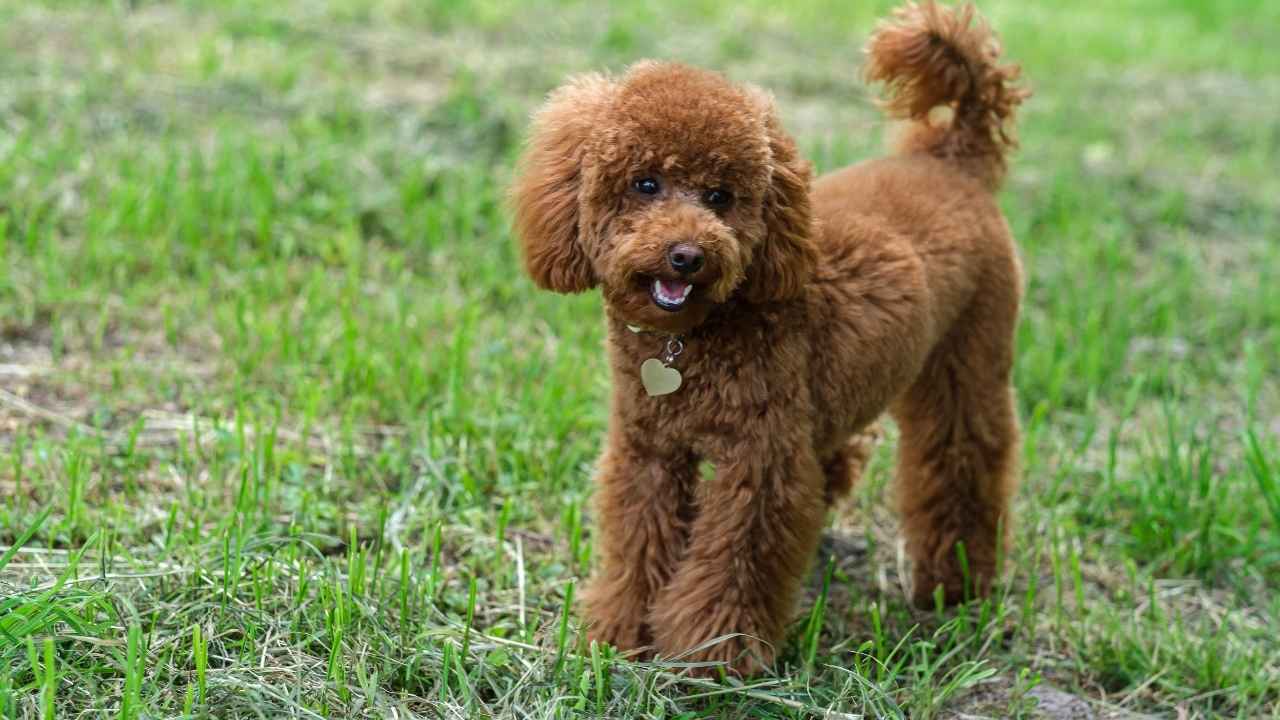
Toy Poodles are tiny, brilliant, and far more athletic than their fancy-haircut reputation suggests. They are highly intelligent, people-focused, and usually quick to learn new behaviors, which can make training incredibly satisfying for first-time owners.
Because these affectionate dogs are so smart, they need more than just physical exercise. Puzzle toys, scent games, short obedience sessions, trick training, and interactive play can keep their brains busy without requiring a huge backyard, as noted by PetMD.
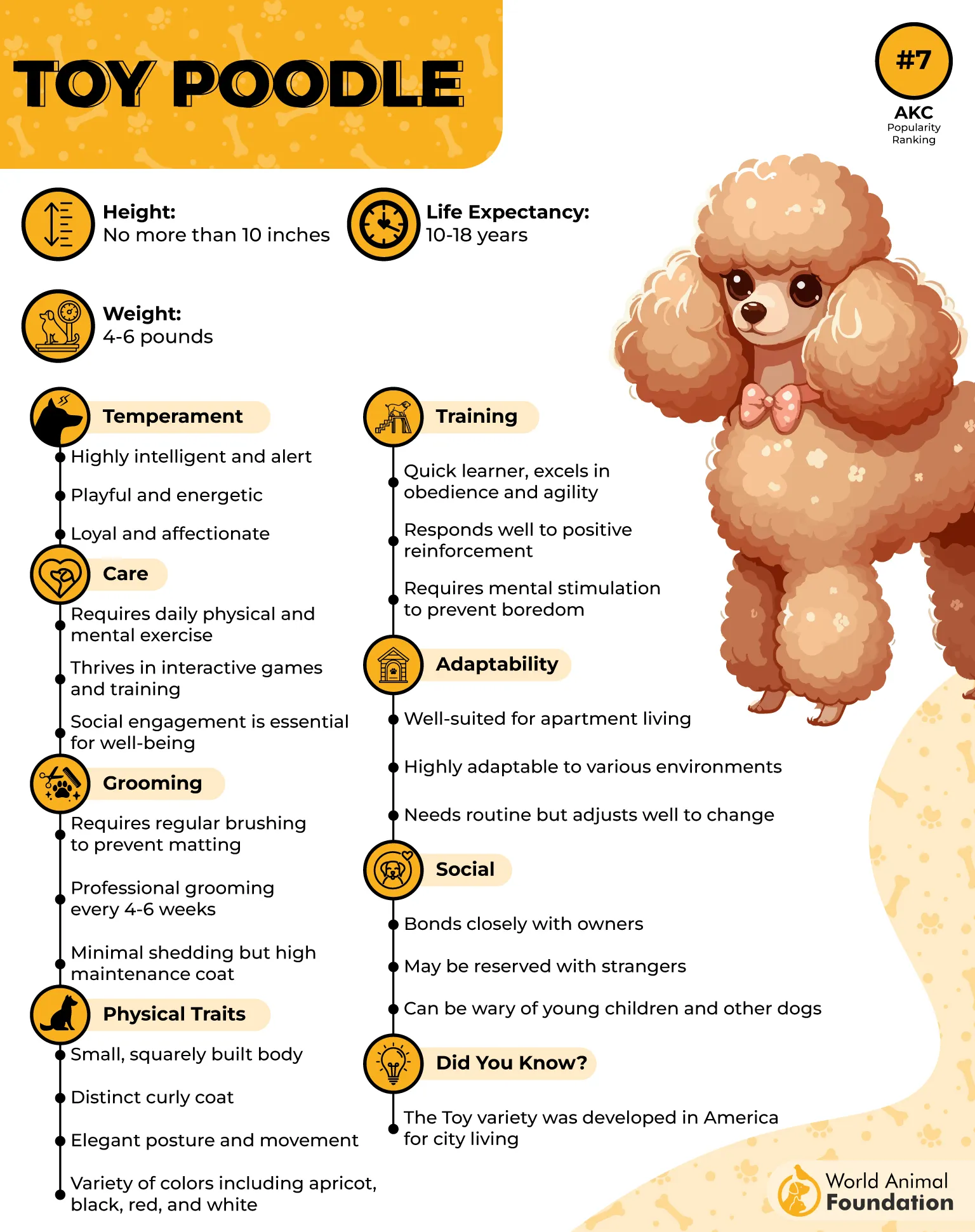
Their compact size makes them practical for apartment living and smaller homes. They can still be lively and energetic, but daily walks and focused play often meet their exercise needs better than hours of heavy activity. This makes them appealing to owners who want an active dog without managing the strength of a large breed.
Toy Poodles can also be sensitive, so early socialization helps build confidence around people, dogs, sounds, surfaces, and unfamiliar places. They often bond deeply with their households and enjoy being involved in everyday life.
5. Shih Tzu
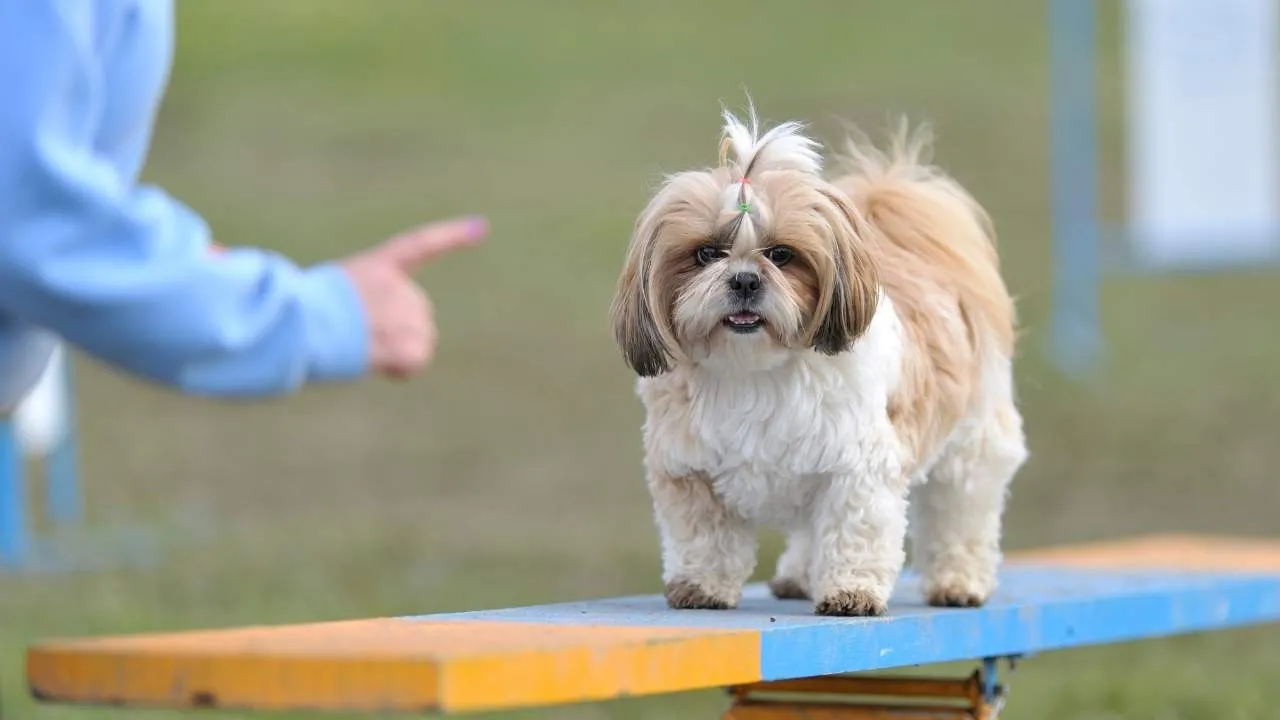
Shih Tzus are small companion dogs whose whole historical job was basically to hang out with people and be adorable. That background makes them naturally appealing to new owners who want a lower-impact lifestyle rather than a dog demanding hours of running every day.
Their exercise needs are modest compared with larger working breeds. Short walks, indoor games, and gentle play can be enough for many healthy adults, especially in warm climates where their short muzzle requires extra heat caution.
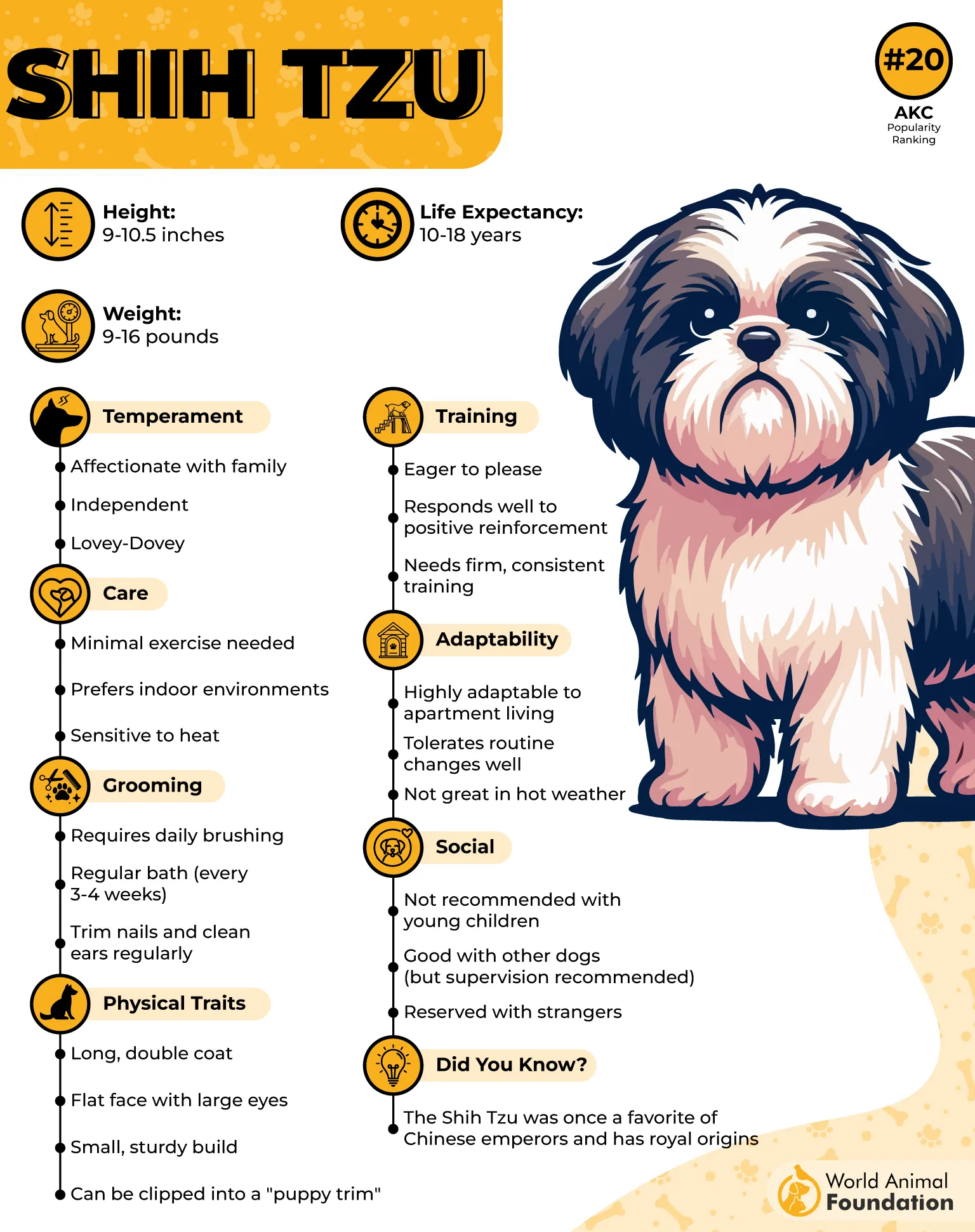
Training can be slightly more entertaining because they are not always as eager to obey as a Labrador. Consistency, treats, patience, and keeping lessons short usually work better than repetition or pressure.
Grooming is the serious commitment here. Long-coated Shih Tzus need frequent brushing, face cleaning, and regular professional grooming, although many pet owners choose a shorter puppy cut to simplify maintenance. Their eyes, ears, skin, and facial folds also benefit from routine checks.
With the right care, they can be a manageable first dog. Their small size, affectionate nature, and moderate activity requirements fit many apartments and relaxed households.
6. Havanese
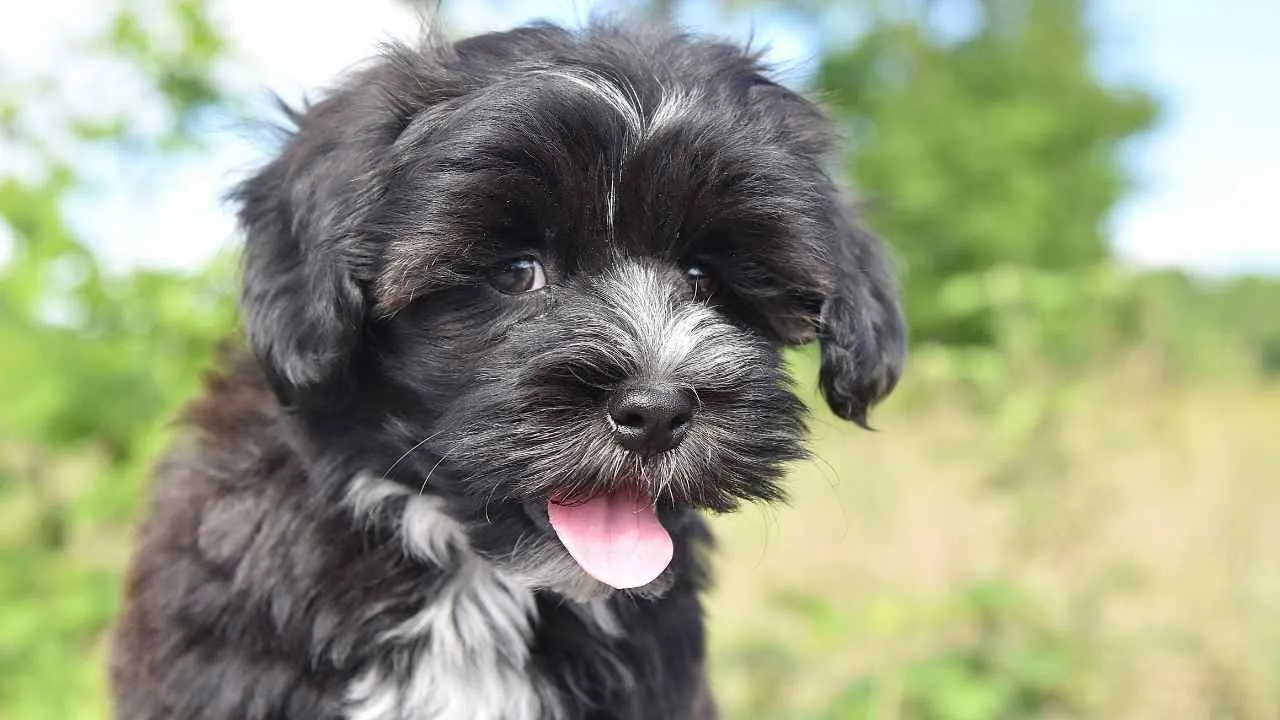
The Havanese is one of those breeds that feels designed for people who want a cheerful shadow. These small companion dogs are typically social, affectionate, playful, and very connected to their families.
They are surprisingly trainable too. Havanese dogs generally respond well to positive reinforcement and often enjoy tricks, obedience games, and learning routines because they like interacting with humans. For a first-time owner, that combination of intelligence and friendliness can make the learning curve less intimidating.
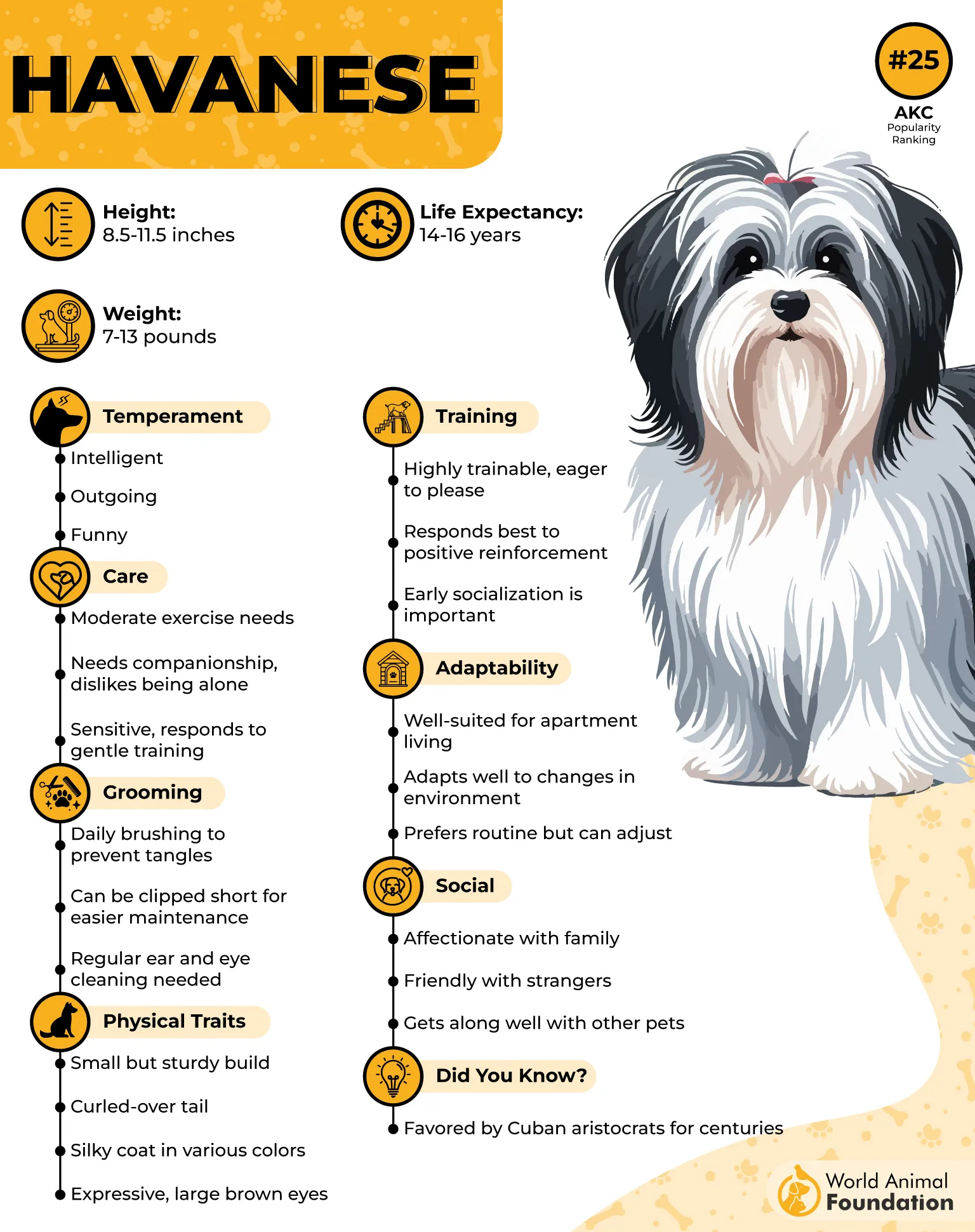
Exercise needs are moderate. Daily walks, indoor play, training games, and occasional energetic zoomies usually keep them satisfied. They are portable enough for city life but active enough that they do not feel like decorative lap dogs.
Their coat requires regular attention. The long, soft hair can mat without frequent brushing, and many owners choose shorter trims for easier maintenance. Unlike heavy seasonal shedders, Havanese tend to lose less loose hair around the home, although “low shedding” definitely does not mean “zero grooming.”
One thing new owners should watch is separation tolerance. Because Havanese are bred for companionship, some can struggle when left alone for long periods unless you introduce independence.
7. Bichon Frise
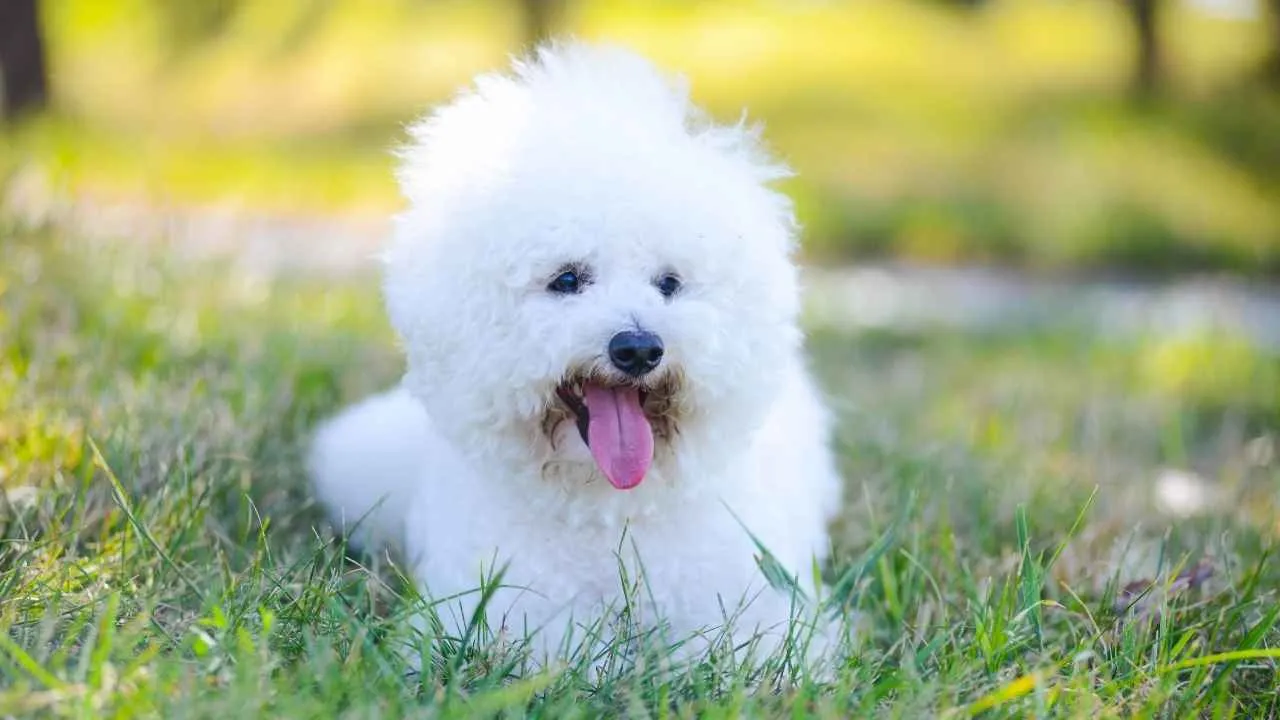
Bichons are generally playful, affectionate, outgoing, and adaptable, which makes them popular with first-time owners, families, and people living in smaller spaces. They often enjoy attention but usually remain manageable in size and exercise needs.
Their activity level is moderate rather than extreme. Daily walks, games, short bursts of zoomies, and mental stimulation are usually plenty for a healthy adult. One minute they are bouncing around the living room like popcorn, and ten minutes later they may be perfectly content curled beside you.
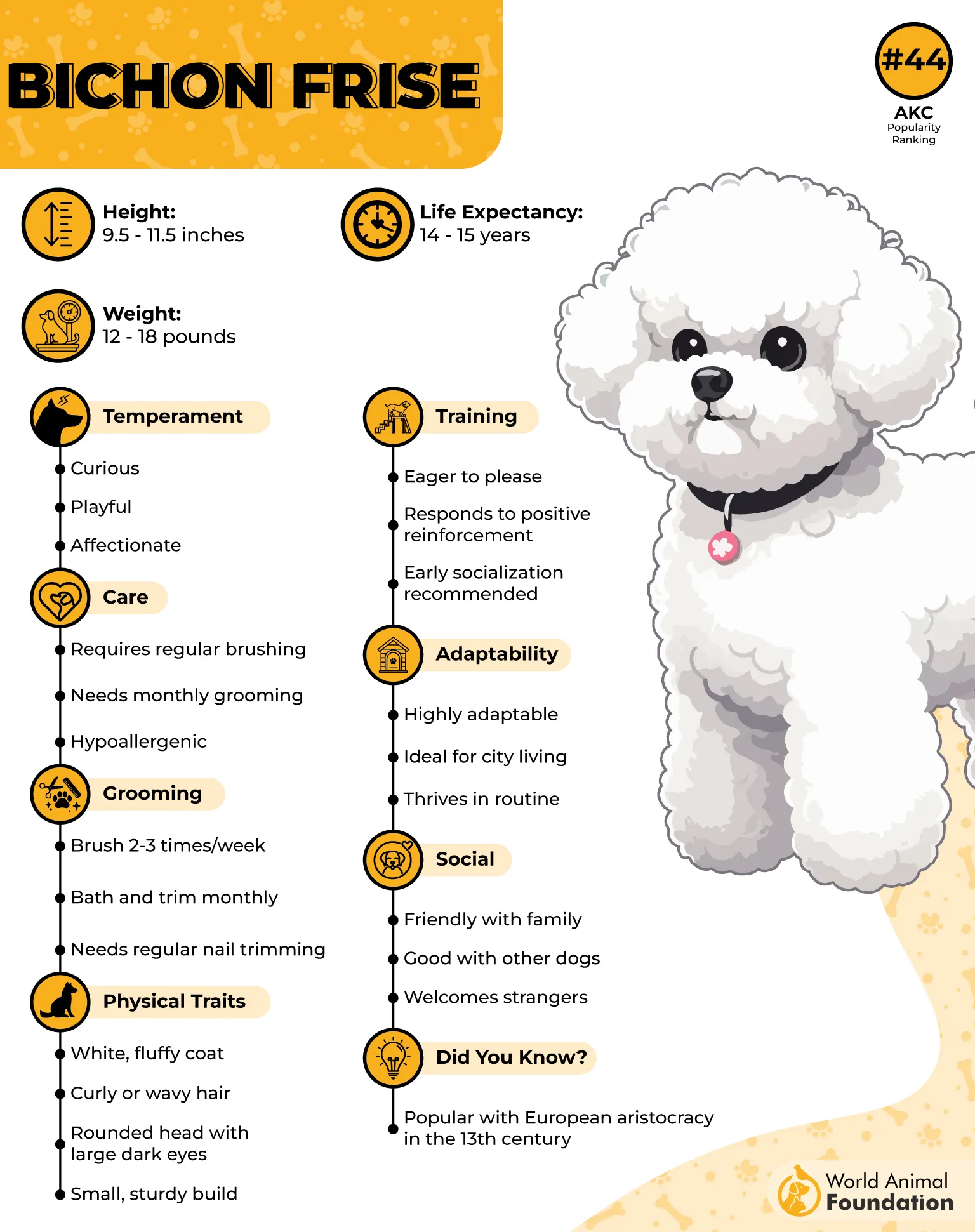
Bichons are intelligent and socially motivated. House-training can sometimes require extra patience because small dogs have smaller bladders and owners may unintentionally give them too much freedom too early. A consistent schedule, supervision, rewards, and realistic expectations make the process much smoother.
What makes the Bichon especially appealing for beginners is the blend of size, sociability, playfulness, and adaptability.
Conclusion
The best dog for a first-time owner is not automatically the smallest, calmest, or most popular breed. It is the one whose exercise needs, grooming demands, temperament, training style, and health considerations realistically match your daily life.
Bernese Mountain Dog, Border Collie, Yorkshire Terrier, German Shepherd, and Basset Hound are some other great dog breeds for first-time owners.
The smartest move is to think beyond puppy photos and viral videos. Meet adult dogs of the breed, talk to reputable breeders or rescue groups, ask about health testing, and honestly evaluate how much time you can give to walking, grooming, training, and companionship.
