




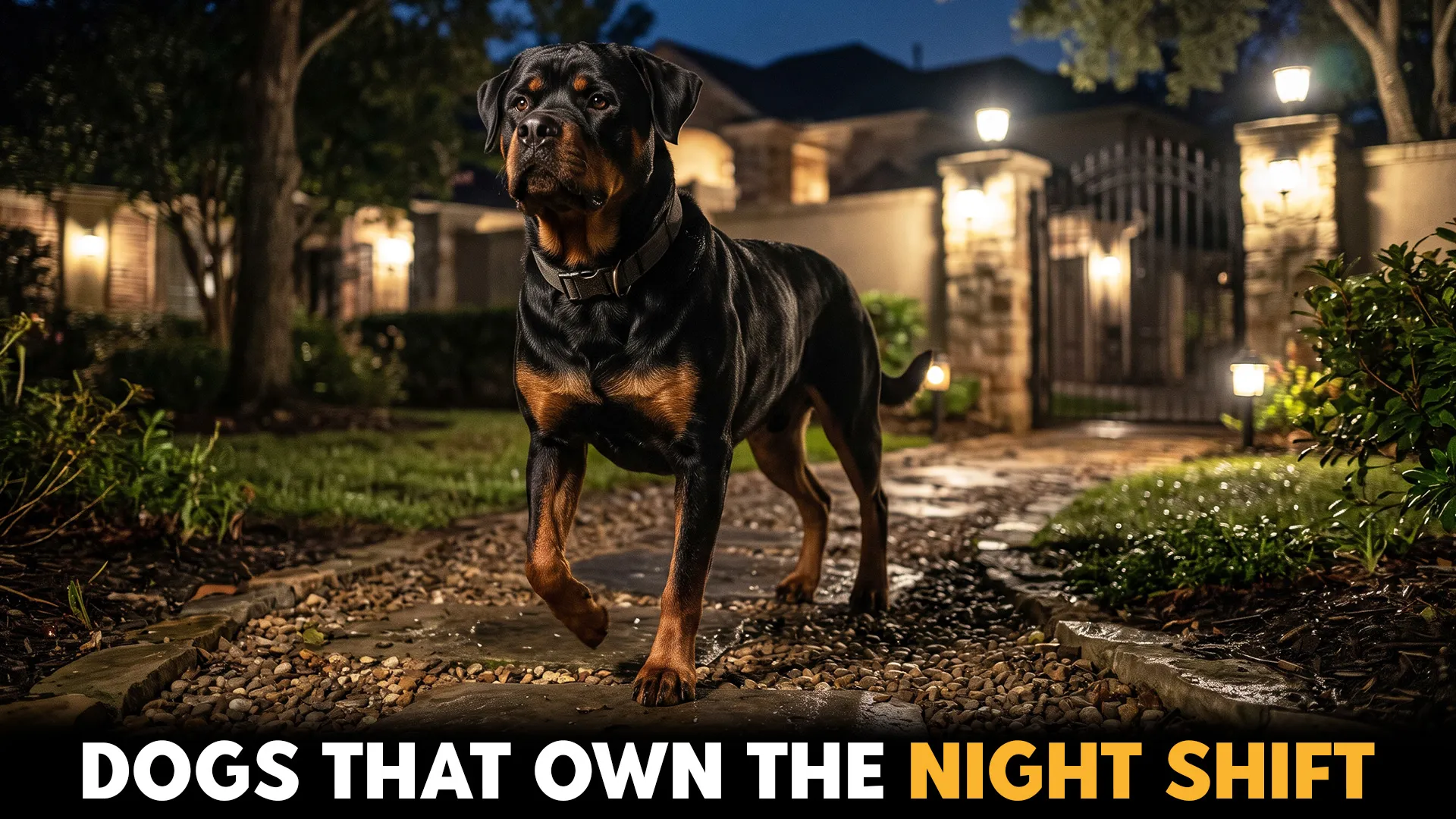
When daylight clocks out, and every random bush suddenly looks suspicious, the right working dog brings abilities humans lack.
Dogs generally function better than people in dim light, are highly responsive to movement, and pair that visual advantage with extraordinary hearing and scent detection, making nighttime environments much less mysterious to them than they are to us.
But being “ideal for night patrol” requires considerably more than owning functional eyeballs after sunset. A useful patrol companion needs confidence, stamina, environmental awareness, solid nerves, willingness to work with a handler, reliable obedience, and enough judgment to notice something unusual.
The top rugged dog breeds ideal for night patrol below bring very different versions of nighttime capability.
Top Rugged Dog Breeds Ideal for Night Patrol
1. Belgian Malinois
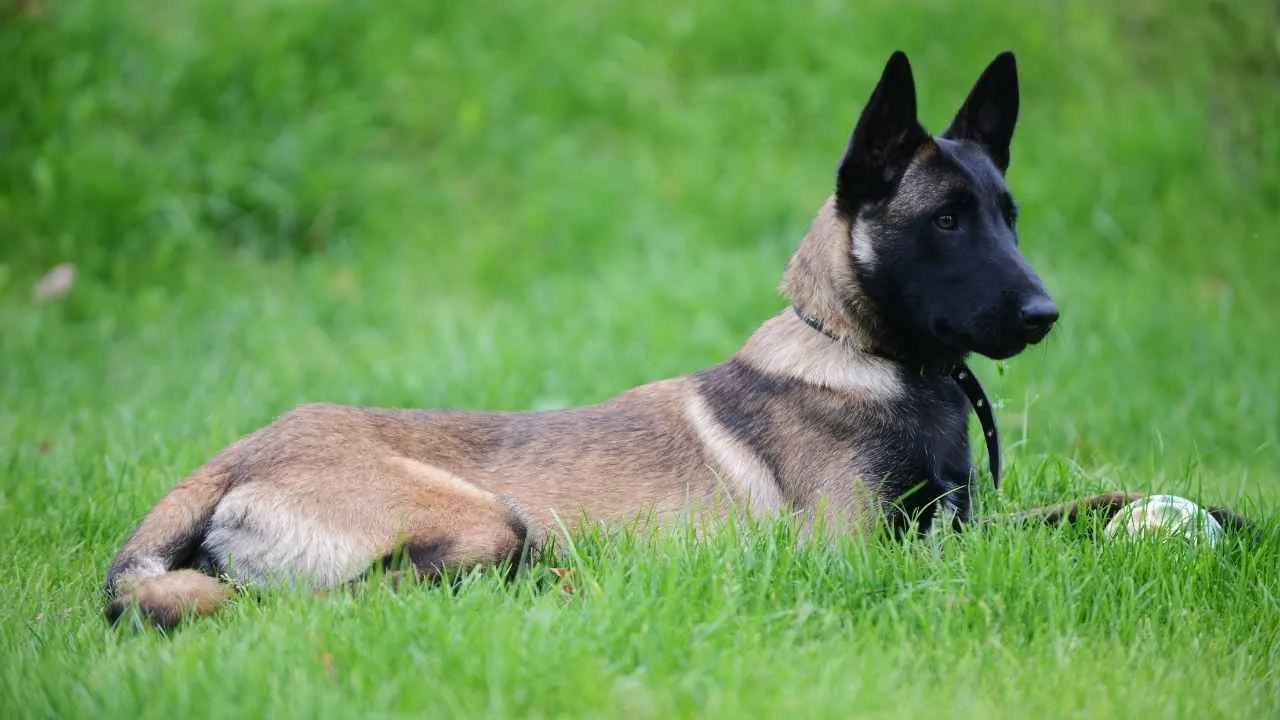
The Belgian Malinois is a lean Belgian working dog with a muscular build, speed, coordination, and an intense desire to work that have made it prominent in police, military, border patrol, protection, scent detection, and search-and-rescue roles worldwide. It is a highly intelligent problem-solver that develops an especially close working partnership with its handler.
Darkness plays nicely with one of the Malinois’ biggest strengths: it does not rely on a single sense to understand what is happening. During a quiet nighttime property check, a Mal can combine canine low-light motion awareness with sensitive hearing and powerful scenting ability, meaning that someone approaching beyond easy human visibility may still provide several clues for the dog to process.
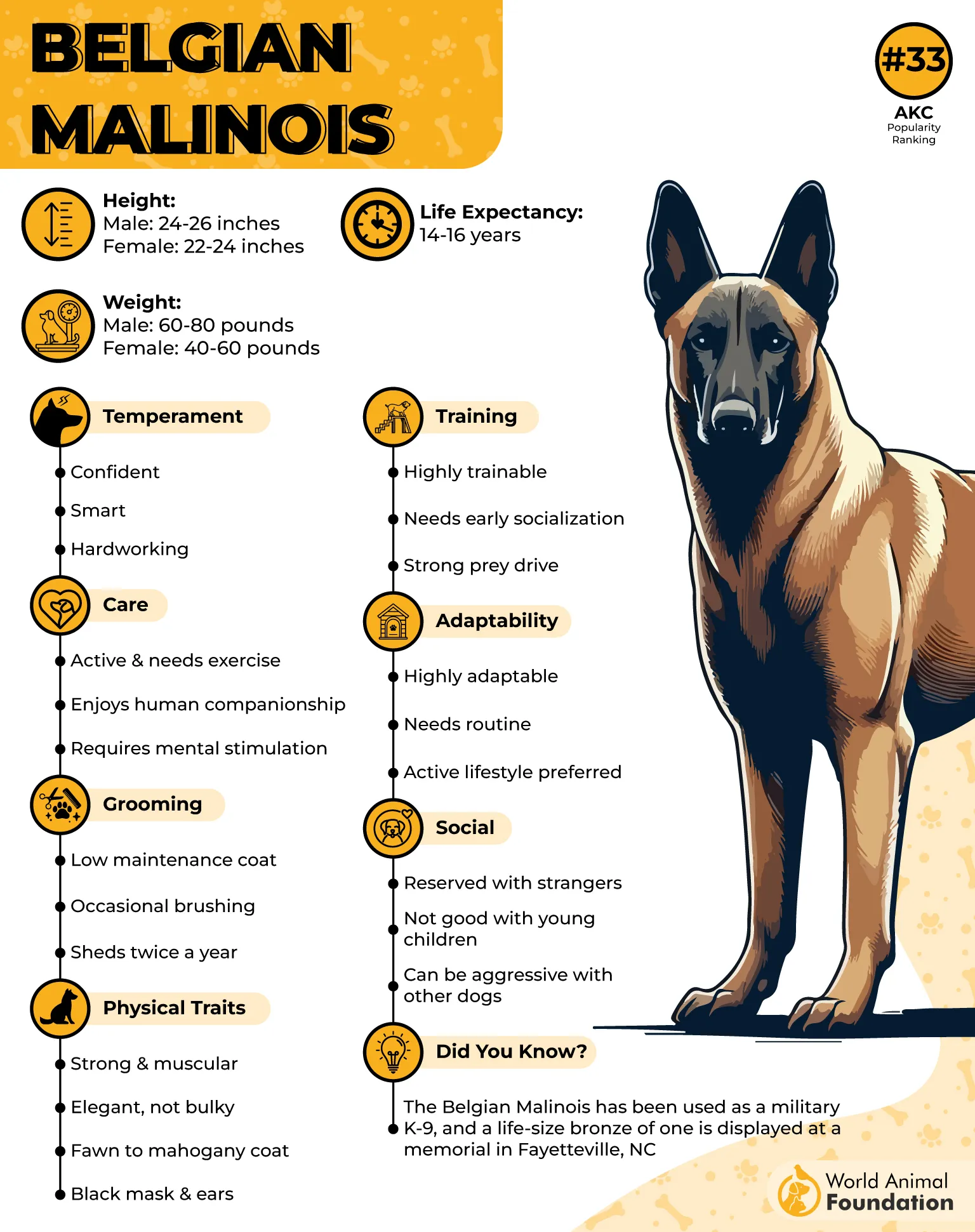
Their athleticism is another reason professional working organizations love them. Malinois are light enough to maneuver quickly, strong enough for demanding work, and capable of sustained activity when properly conditioned.
What really separates it from a giant property guardian, however, is handler engagement. Belgian Malinois tend to seek constant communication and meaningful work, which allows an experienced handler to develop precise obedience and calm environmental responses rather than relying entirely on independent guarding instincts.
2. Doberman Pinscher
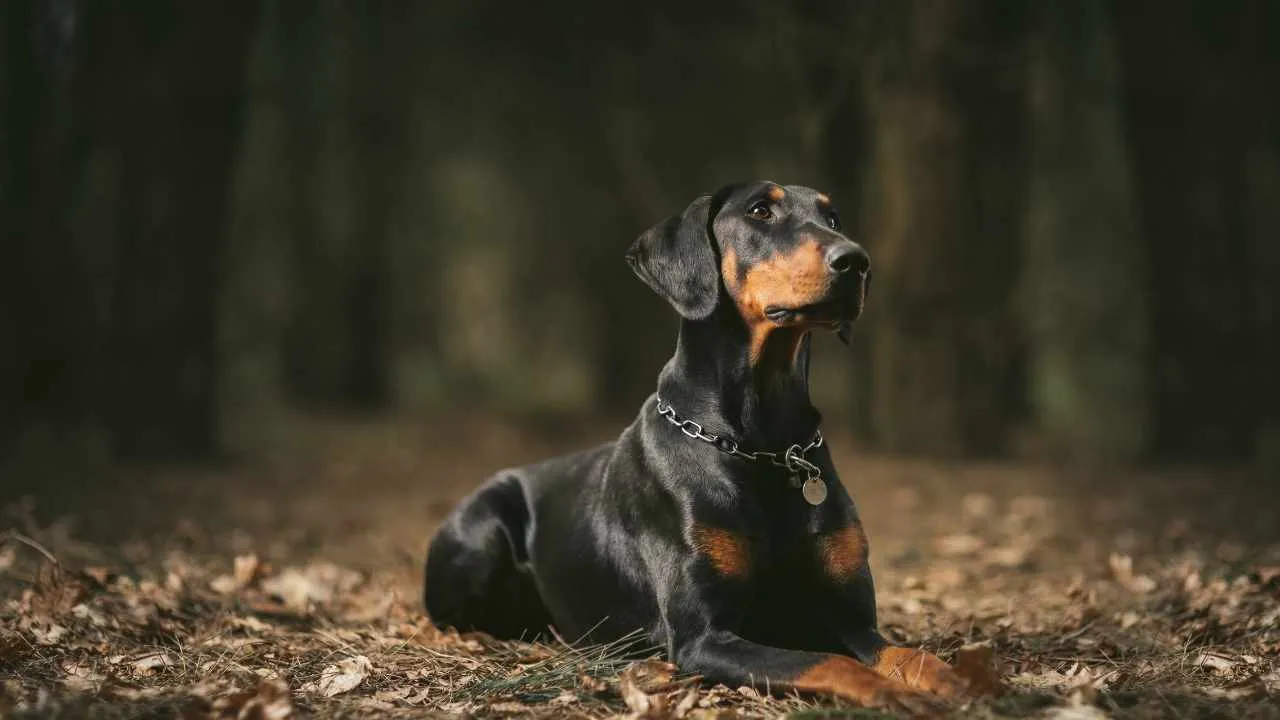
Sleek muscle, an athletic silhouette, intense awareness, and famously close attachment to its handler give the Doberman Pinscher serious after-dark presence without the bulk of a giant Mastiff. It is fearless and vigilant, placing it among the world’s notable protection breeds.
A Doberman’s advantage in darkness is not about being the heaviest dog at the gate; it is about fast environmental processing. PetMD mentions that their alert temperament, athletic movement, willingness to stay close to a person, and naturally watchful behavior can make them particularly effective for nighttime protection.
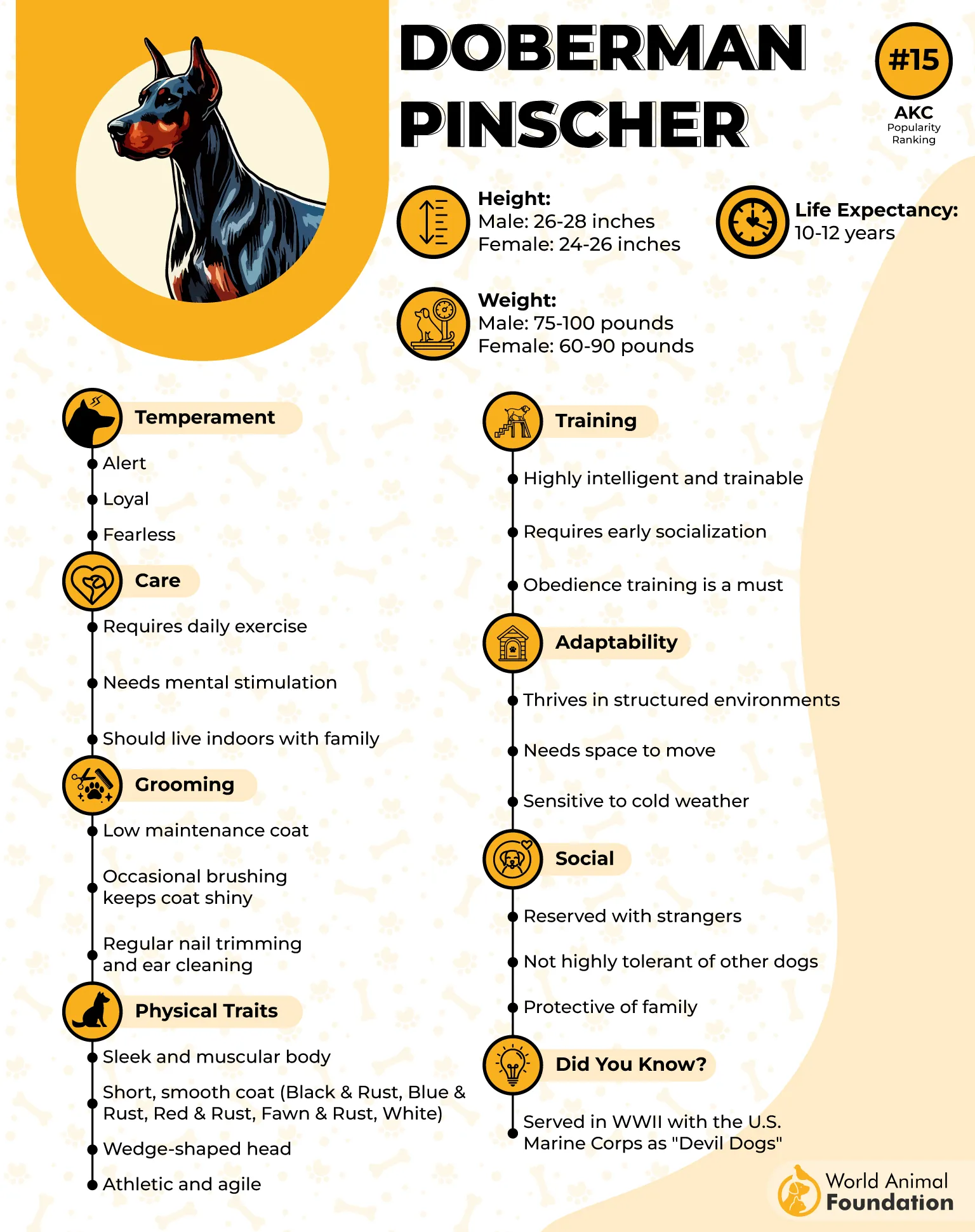
The breed’s physical design also makes covering ground considerably easier than it would be for some much heavier Mastiff types.
There is also something psychologically effective about a Doberman simply standing alert beside somebody at night. The recognizable silhouette communicates “working guardian” so clearly that visual deterrence may happen without barking, lunging, or any other dramatic performance, which is exactly how sensible security should work whenever possible.
3. Rottweiler
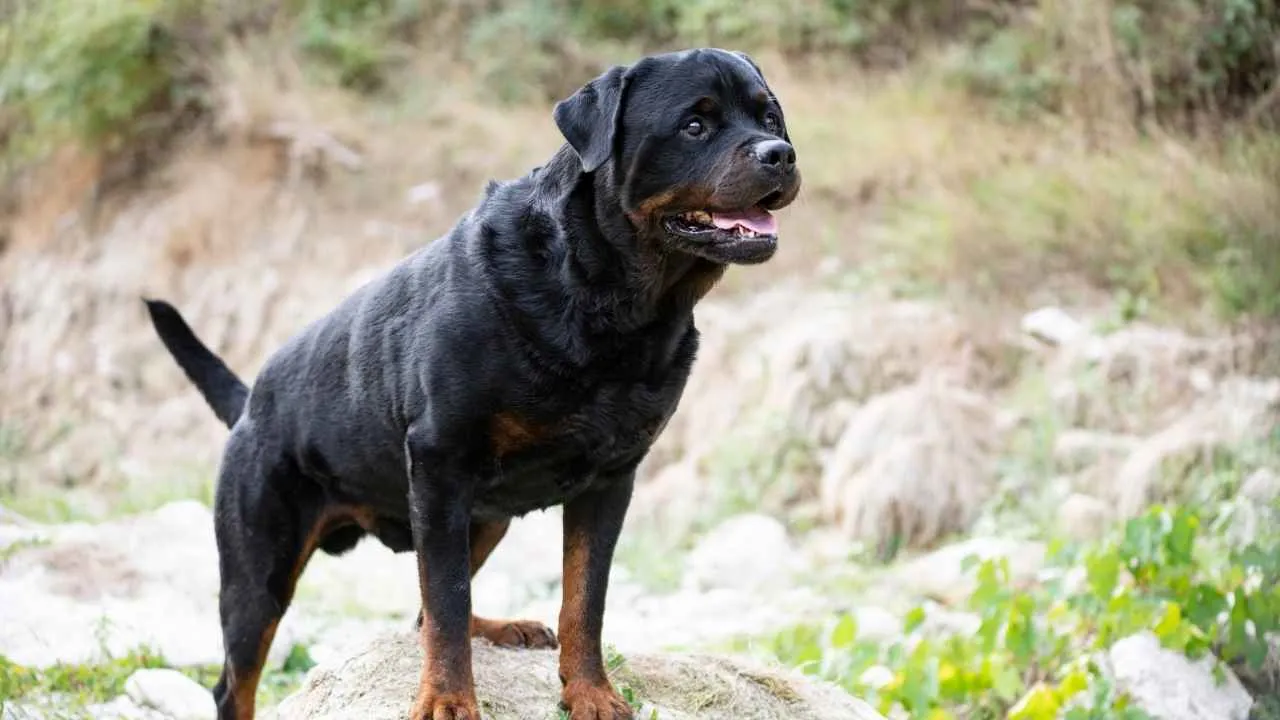
A Rottweiler combines heavy muscle, confidence, a powerful silhouette, and a naturally reserved attitude toward the outside world.
For night-patrol situations, one of the breed’s strongest assets is composure. A stable Rottweiler can quietly notice unfamiliar movement, sound, or scent without necessarily bouncing off the walls, and its strong alert bark carries considerably more emotional weight than any other dog.
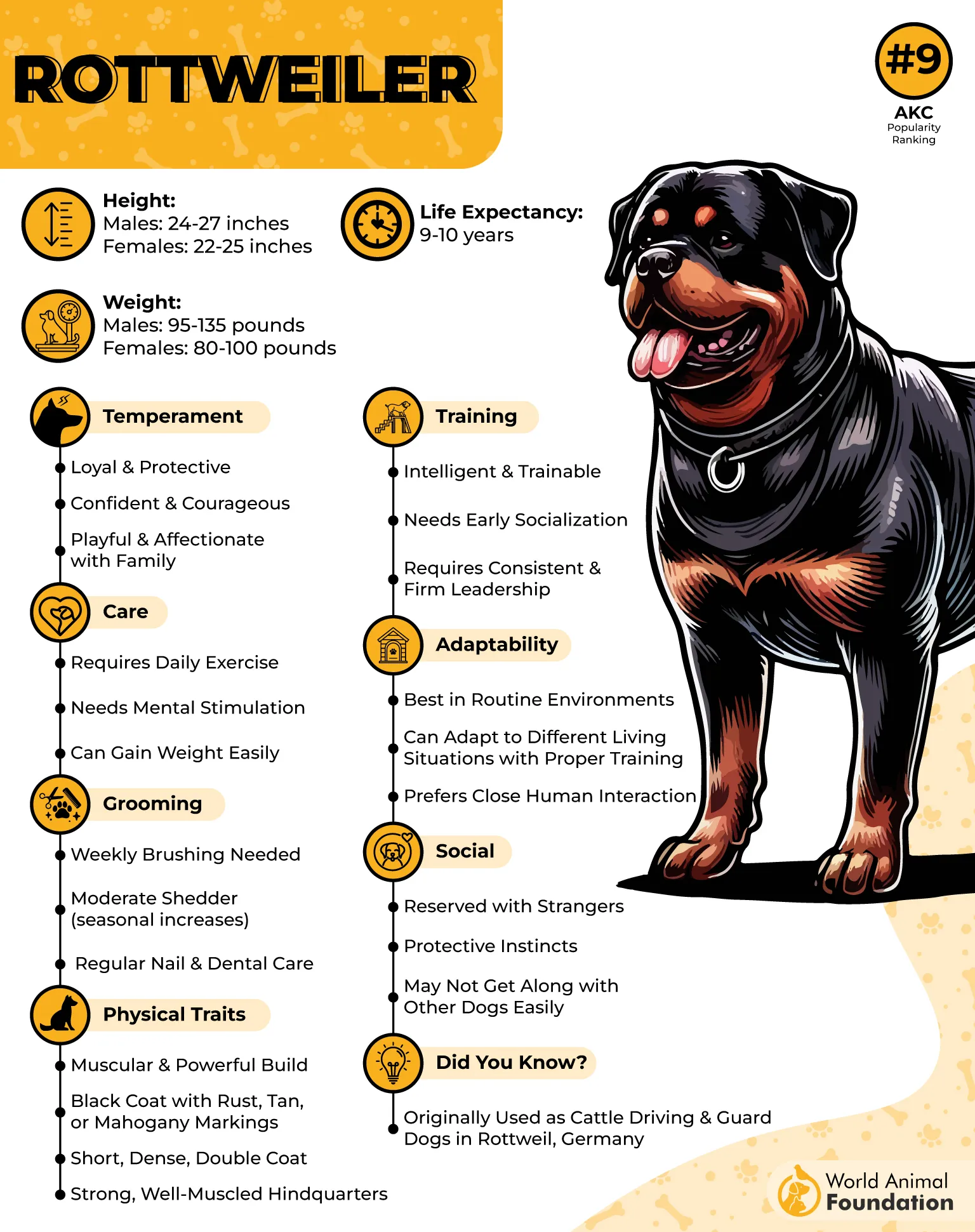
These large dogs also bring substantial endurance and strength from their droving and carting background, although they are not built for the same explosive agility as a Malinois.
Their steadier pace can suit patrol contexts where the priority is methodically accompanying a handler, checking familiar territory, and maintaining a presence, rather than flying over obstacles as if canine parkour had suddenly become mandatory.
With experienced ownership, responsible breeding, and strong control, the Rottweiler offers perhaps one of the best combinations of rugged physicality, steady nerves, deep alertness, and serious nighttime deterrent value on the list.
4. Cane Corso
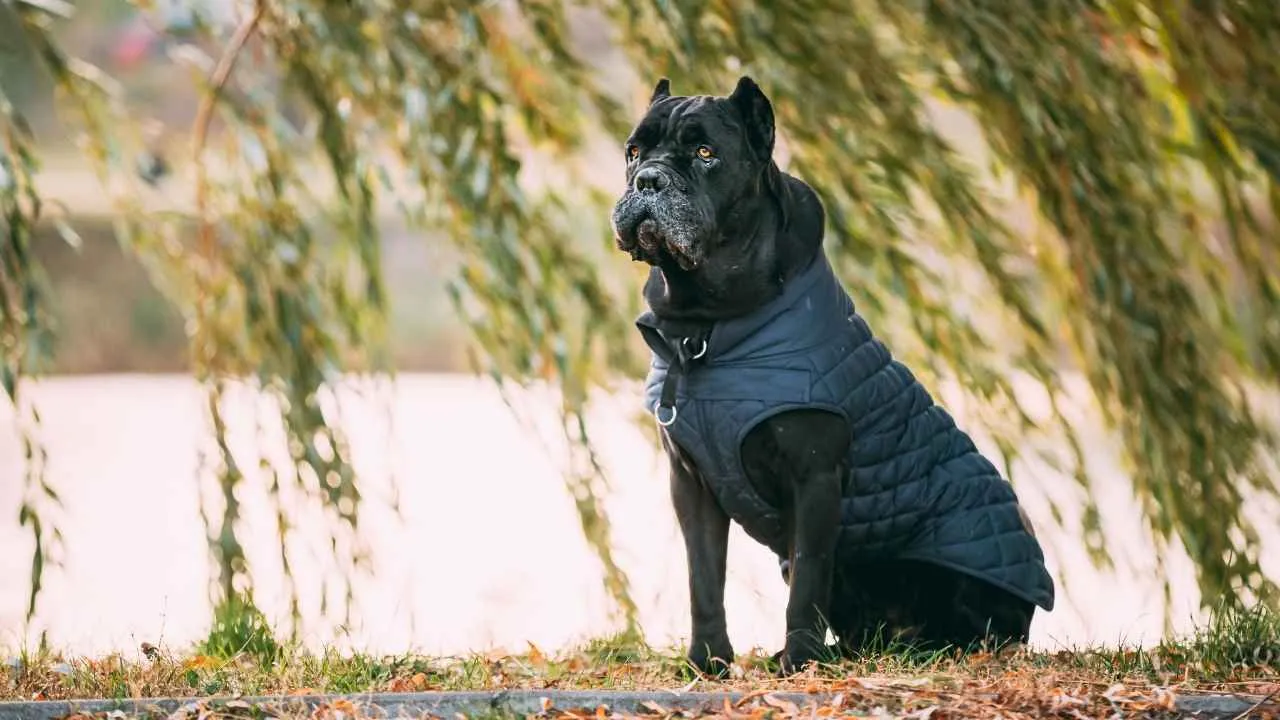
The Cane Corso has one of those breed names that basically spoils the whole article, as it is commonly interpreted as a “bodyguard dog.” Descended from ancient Roman working dogs, the modern Corso is muscular, confident, intelligent, trainable, and naturally protective.
A Corso’s strongest nighttime advantage is territorial awareness rather than frantic activity. These dogs tend to pay close attention to their household and surroundings, so unfamiliar footsteps, movement near a boundary, or an unexpected visitor can stand out against an otherwise predictable nighttime routine.
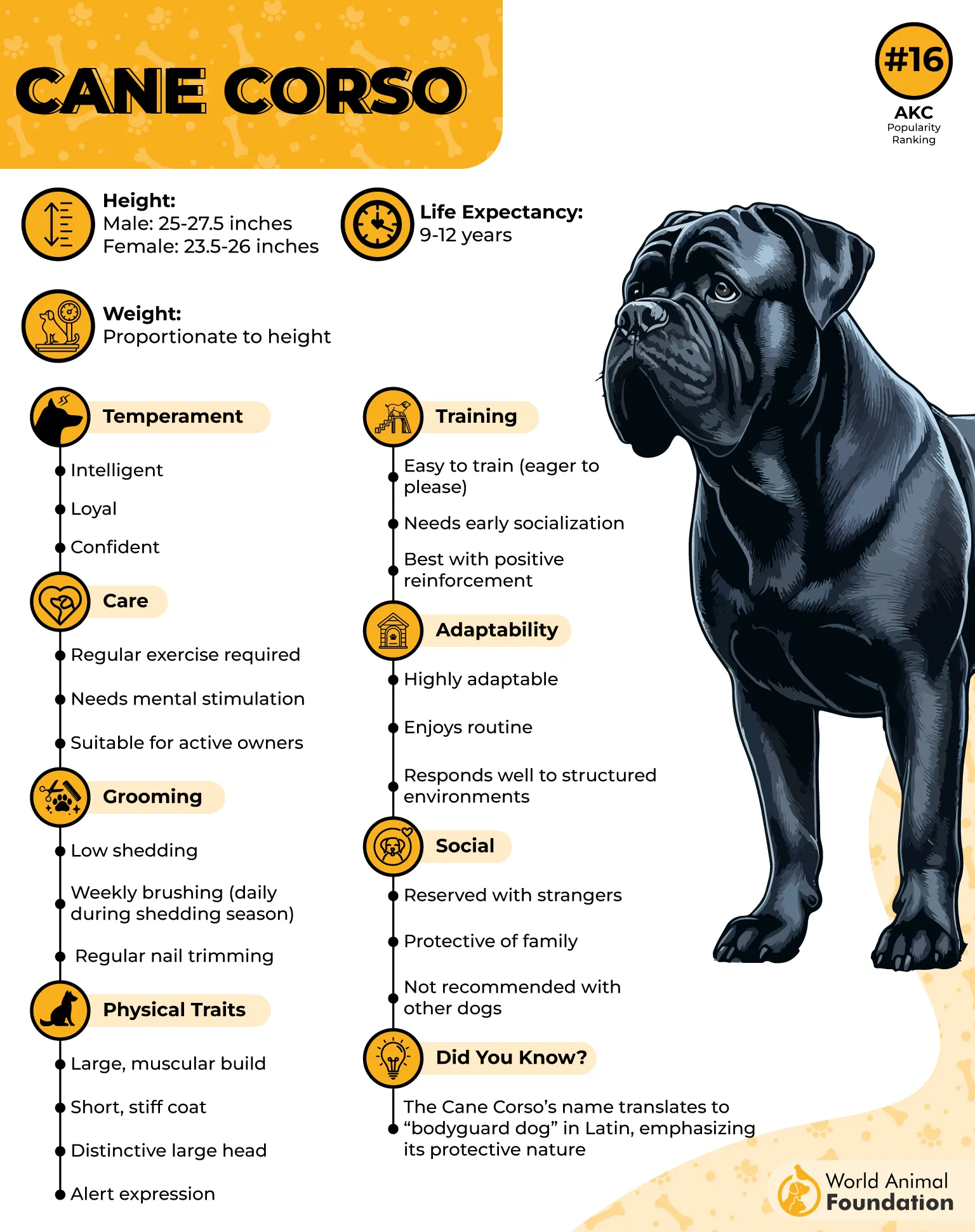
Purina mentions that their deep voice and enormous physical presence mean the first alert itself may provide more deterrence than any dramatic confrontation ever could.
This dog brings a heavier, more deliberate style built around confidence, strength, a close bond with family, and a willingness to evaluate unfamiliar situations, which can suit controlled patrols around homes, warehouses, farms, or enclosed estates.
These active guard dogs are strong, assertive guardians that benefit from early socialization and proper obedience training, and their combination of strength and protective temperament makes them better suited to experienced owners.
5. German Shepherd
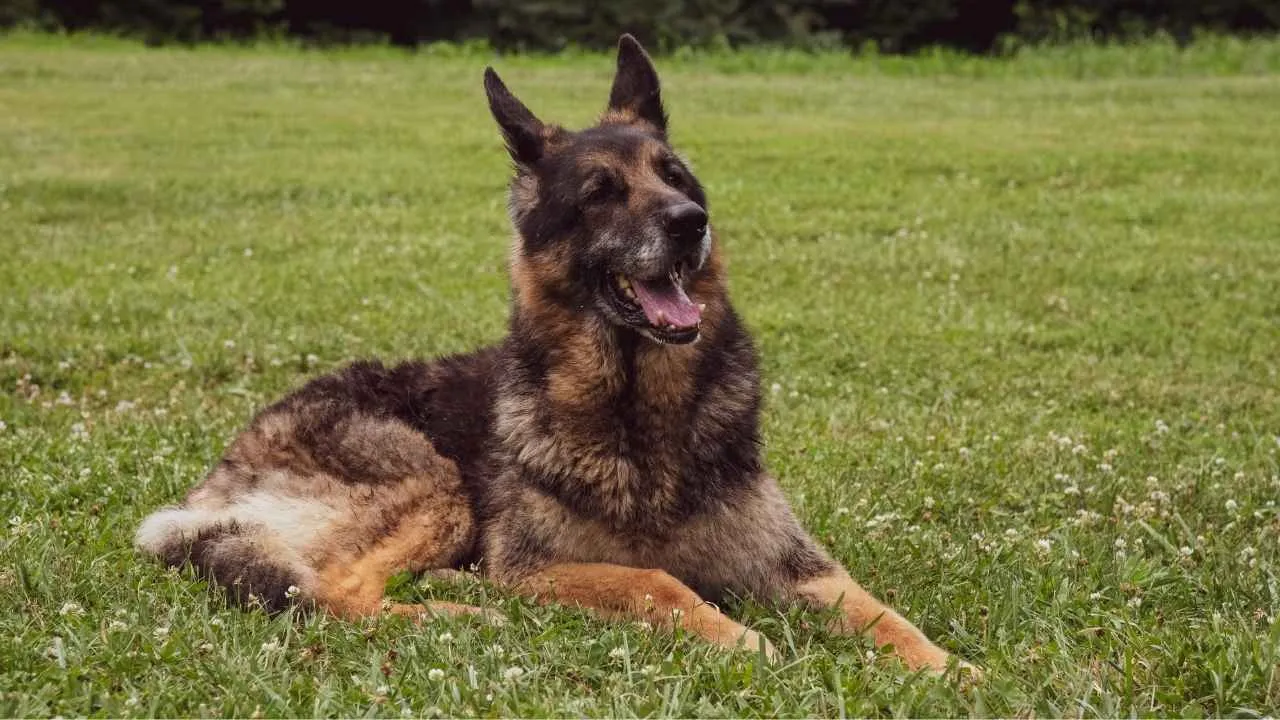
The German Shepherd Dog is basically the all-rounder who somehow keeps appearing on every working-dog résumé without looking underqualified for any of it. The breed is large, agile, intelligent, courageous, confident, and steady.
Physically, the GSD sits in a useful middle ground. It is substantial enough to provide visible deterrence, athletic enough to cover varied terrain, and commonly protected by a denser coat than that of a Doberman or Corso, giving it greater practicality in chilly conditions.
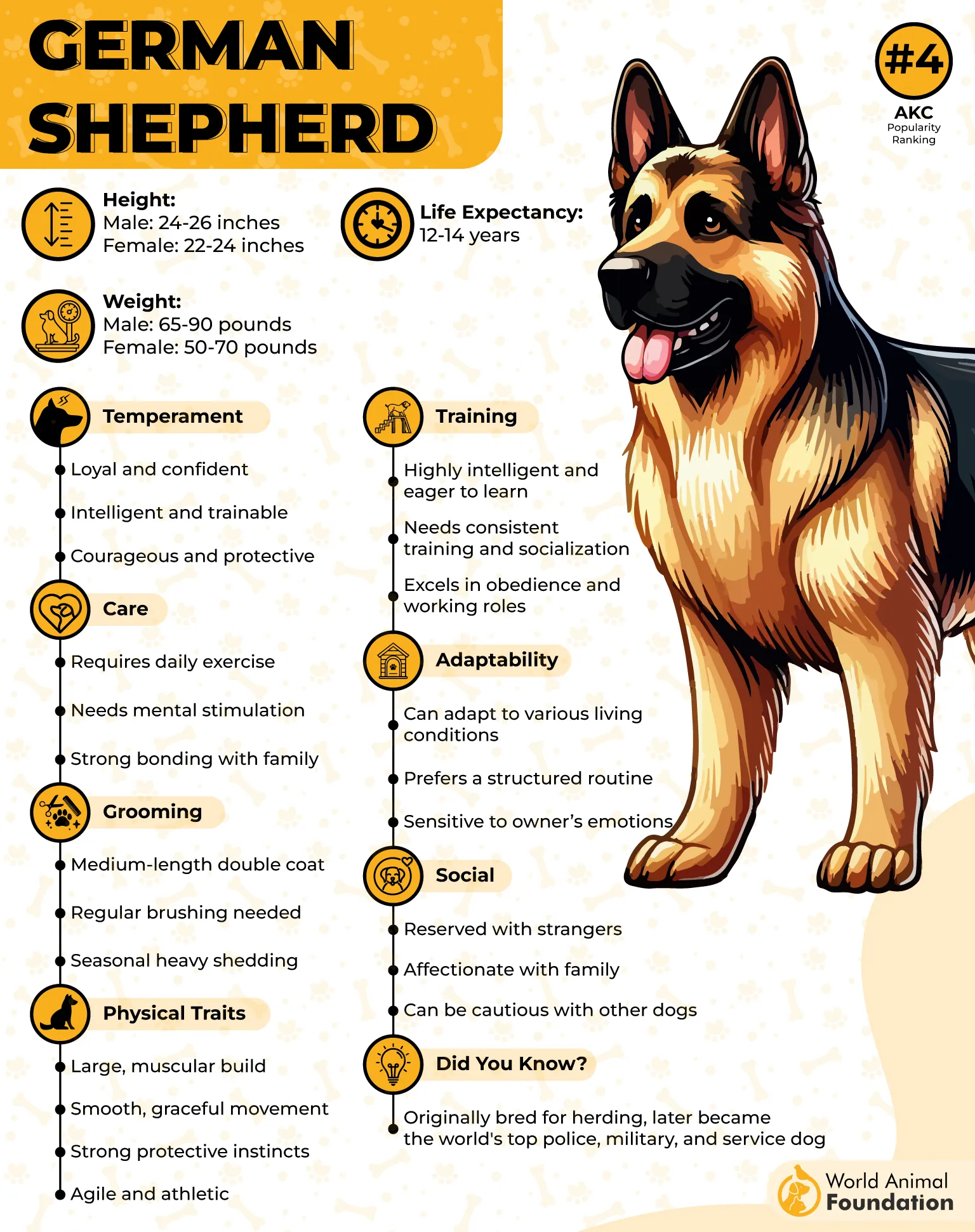
Combine that mobility with dogs’ superior dim-light performance relative to humans, and a Shepherd can become an excellent second set of eyes, ears, and—most importantly—nose while moving around a property after dark.
What truly gives it an edge, though, is how many different jobs a GSD can fit within a single controlled patrol. A suitable working dog may learn obedience, tracking, scent discrimination, search exercises, environmental neutrality, and alert behavior, allowing the handler to rely on intelligence rather than simply on intimidation.
6. Anatolian Shepherd
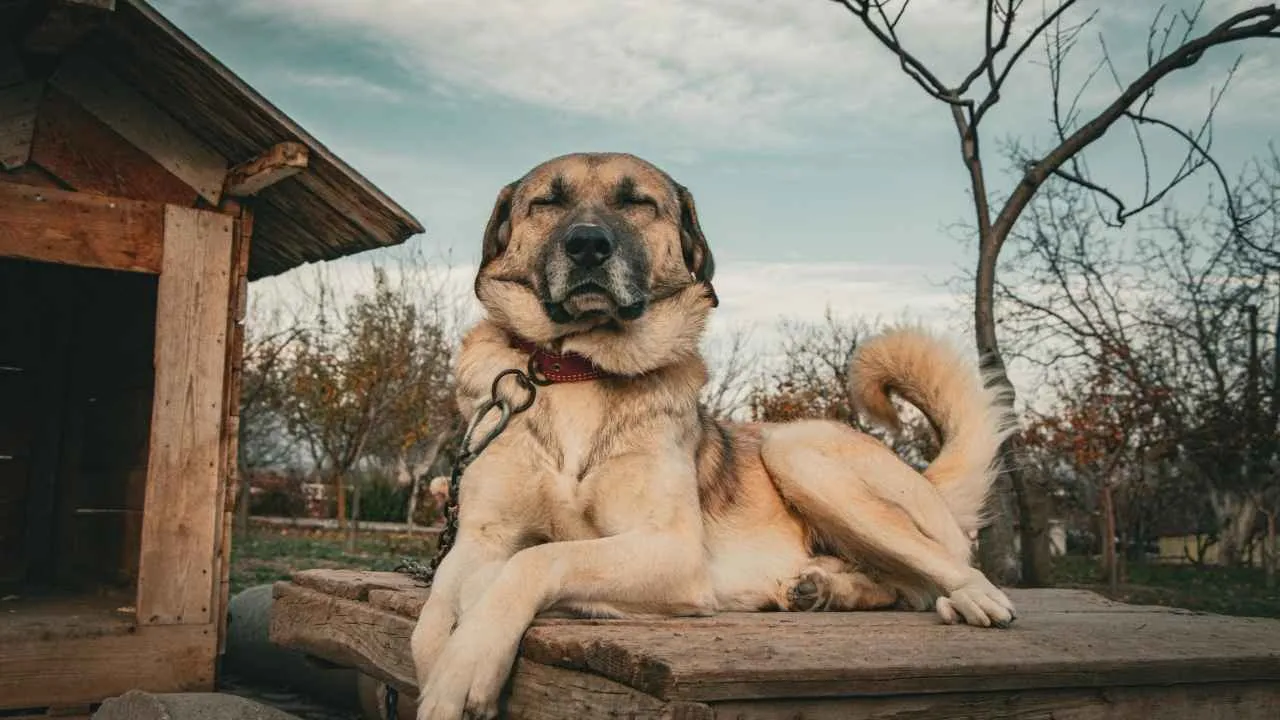
The Anatolian Shepherd does not need somebody to explain the night shift because its ancestors were basically doing unsupervised security before modern security even existed. Developed in Turkey to live around livestock and protect animals from predators, these Shepherd dogs had to monitor large areas while shepherds were sometimes far away or asleep.
Their giant size is paired with impressive endurance and agility, developed for following and defending livestock over substantial distances.
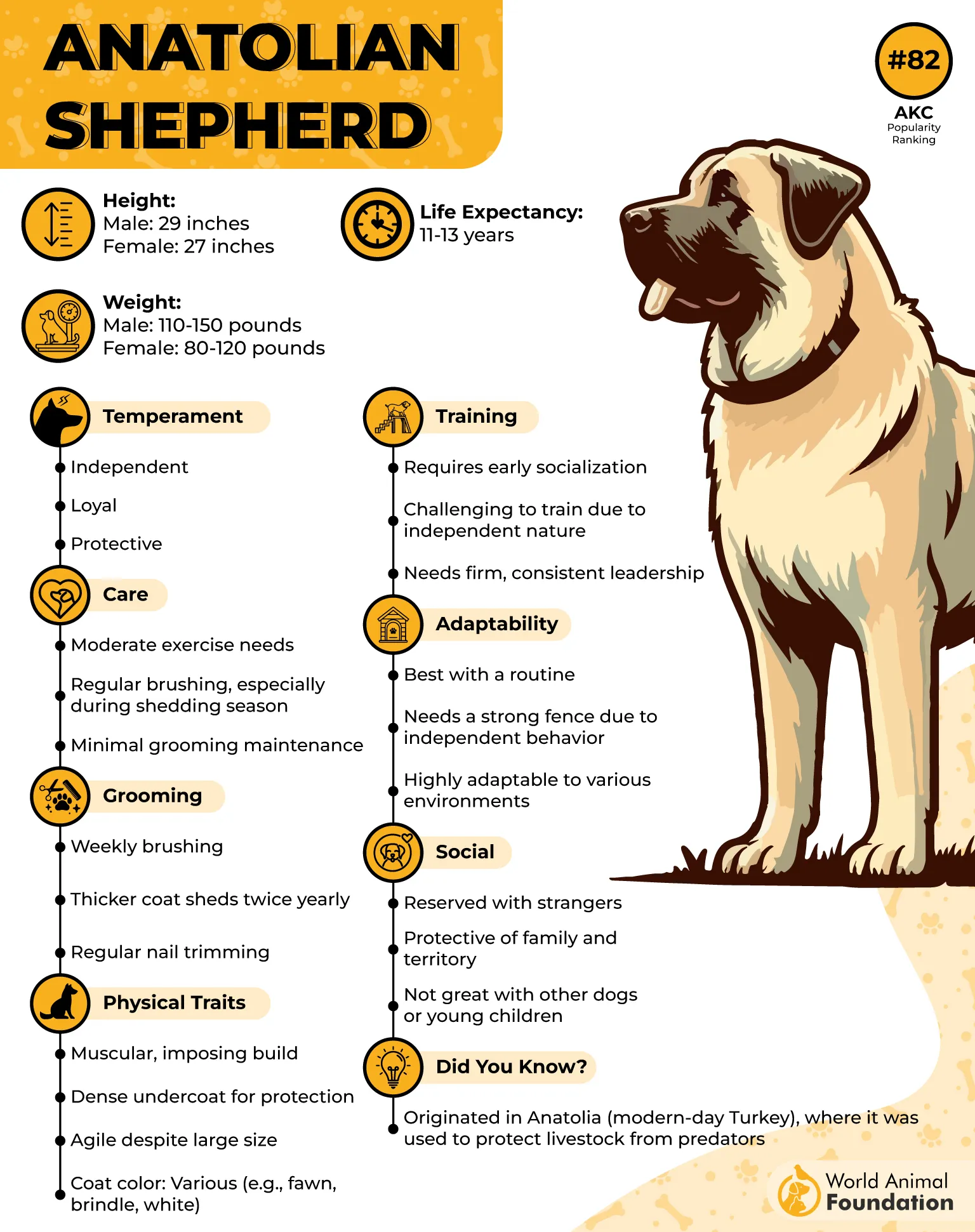
Livestock guardians often make their presence known to discourage predators from approaching at all. For rural night duty around secure acreage, that combination of alert barking, territorial confidence, stamina, and imposing size can be incredibly effective because preventing a confrontation is usually preferable to having one.
Early socialization is critical because unsocialized Anatolians can become overly protective, and secure fencing matters when an independent guardian believes something beyond the boundary deserves investigation.
7. Boerboel
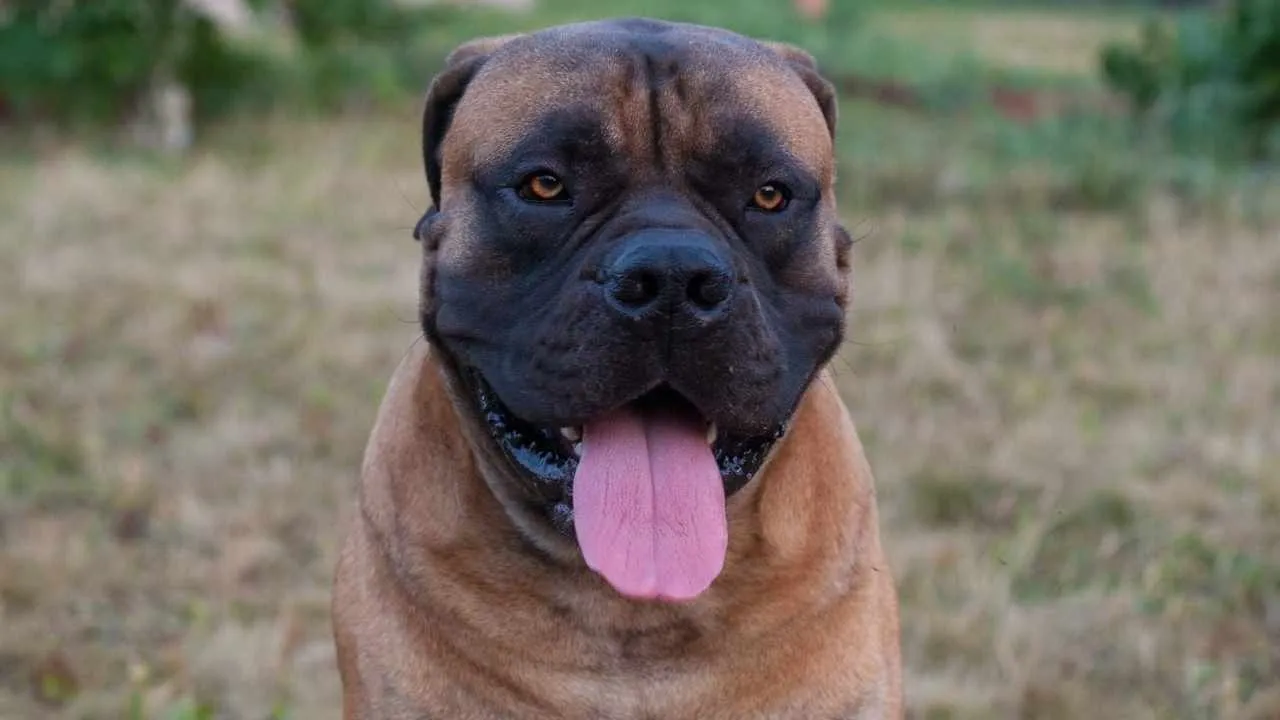
Boerboels are intimidating but discerning guardians of home and family. Confident, intelligent, powerful, and strongly territorial, this guard dog breed brings a whole different level of physical authority to nighttime property protection, as noted by the AKC.
For a night patrol around a large fenced property, this protection dog’s sheer presence is its opening move. They possess the bone, muscle, confidence, and territorial instincts to make an unknown visitor acutely aware that the premises are managed.
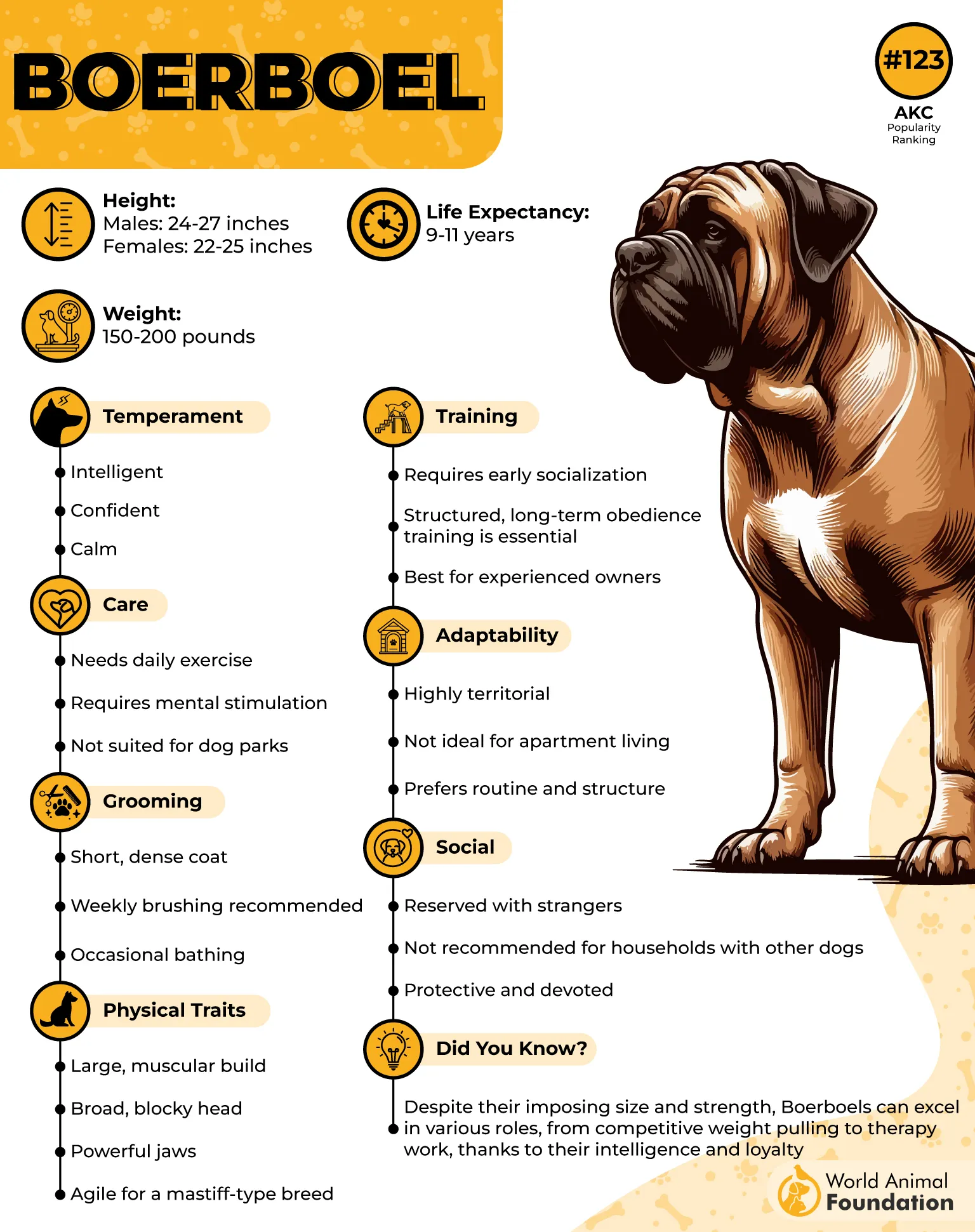
Their greatest strength is also their biggest responsibility: they were purpose-bred to guard. Extensive socialization and excellent obedience are critical because an enormous, confident Boerboel that invents its own visitor policy can become extremely difficult to manage.
For knowledgeable handlers with secure property who want ruggedness, territorial awareness, intimidating presence, and centuries of farm-guardian instinct, this excellent guard dog is basically nighttime security built like a tank.
Conclusion
Not every great guard dog makes a great night-patrol dog, because darkness adds a whole new set of challenges. Dogs must cope with unfamiliar shadows, sudden sounds, nocturnal animals, low visibility, changing temperatures, and situations in which humans may not notice subtle movement as quickly. Tibetan Mastiffs and Rhodesian Ridgebacks are also dogs with a natural protective instinct.
Ultimately, the best night-patrol dog is not the one with the most intimidating photo or the deepest bark. It is the stable, healthy, appropriately conditioned dog that notices changes, trusts its handler, follows commands under pressure, and knows when doing nothing is exactly the right decision.
Get that balance right, and these seven breeds can make the dark feel considerably less mysterious—and make suspicious visitors suddenly remember they left something very important somewhere else.
