




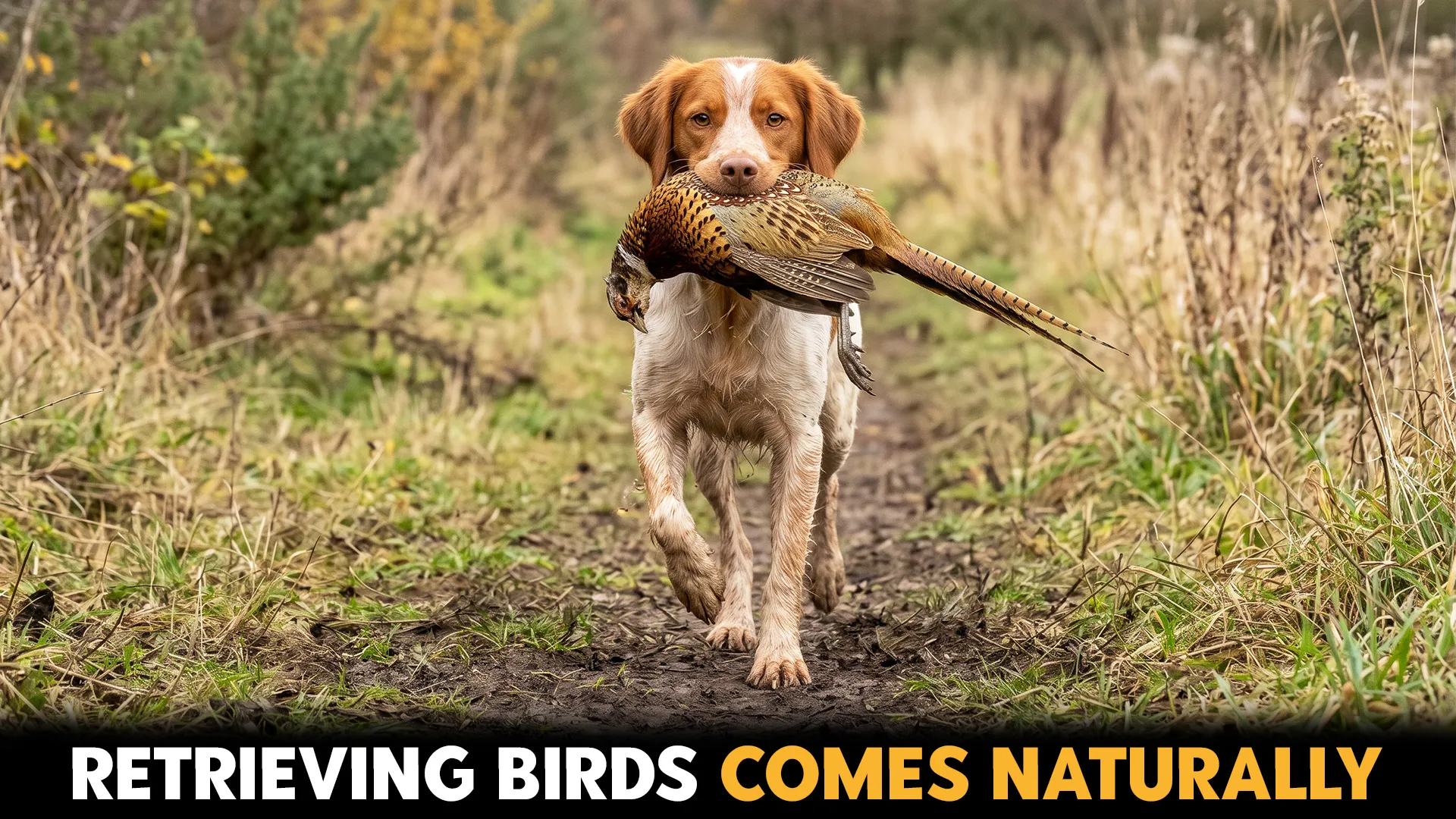
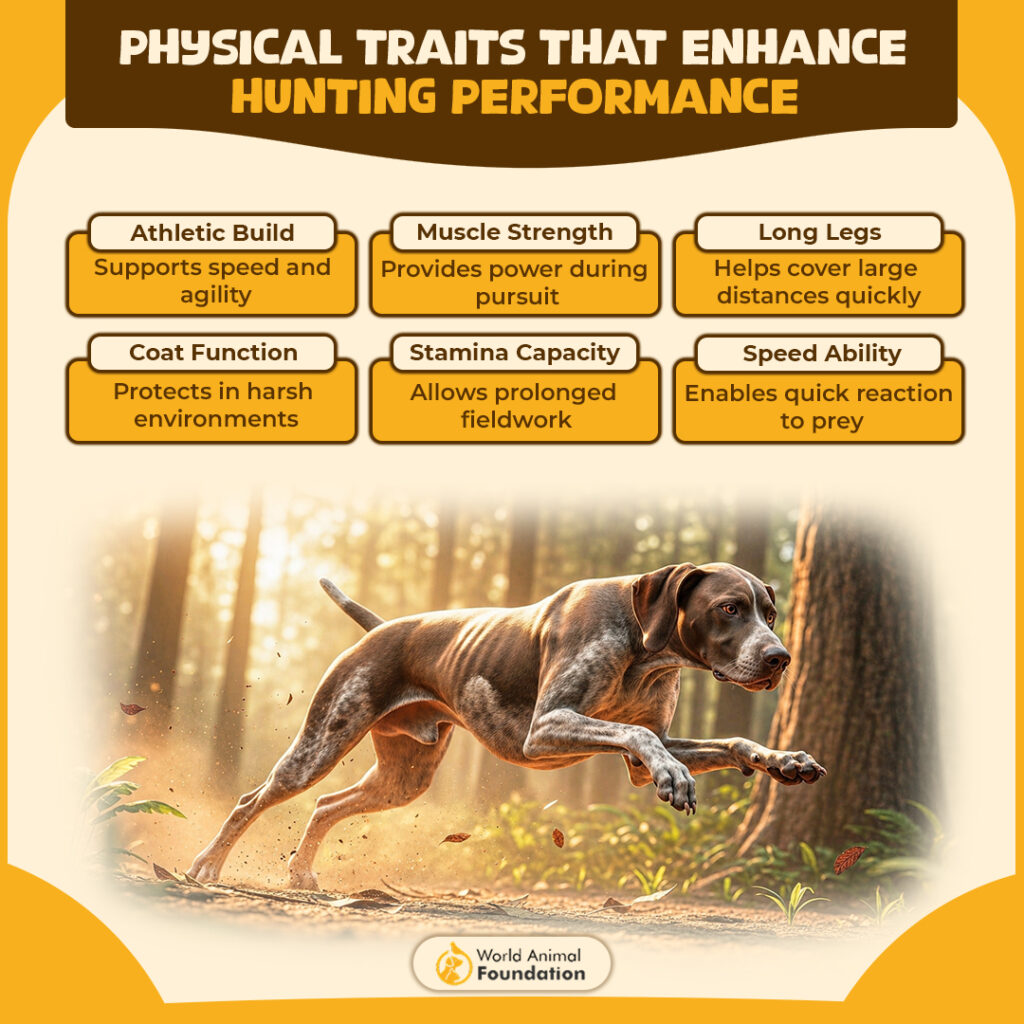
Ever watched a dog lock onto a bird and spring into action? What makes some dogs such amazing hunting partners?
Great bird dogs do much more than chase. Some track birds by following their strong sense of smell. Pointers locate birds, then freeze and point toward them. Flushers take another approach. They push birds from heavy cover and get them moving.
Retrievers then bring the birds back with care. Many versatile hunting dogs can work on land and water, too. Energy, stamina, endurance, and athleticism all matter in the field. Weather-resistant coats also help during cold-weather hunts. A soft mouth lets retrievers carry birds without damage.
In this guide, we’ll explore seven impressive breeds. Each has different skills, strengths, and hunting styles. Whether you hunt, love the outdoors, or want an active companion, these dogs offer plenty to admire.
Amazing Dog Breeds for Tracking and Retrieving Birds
1. English Springer Spaniel
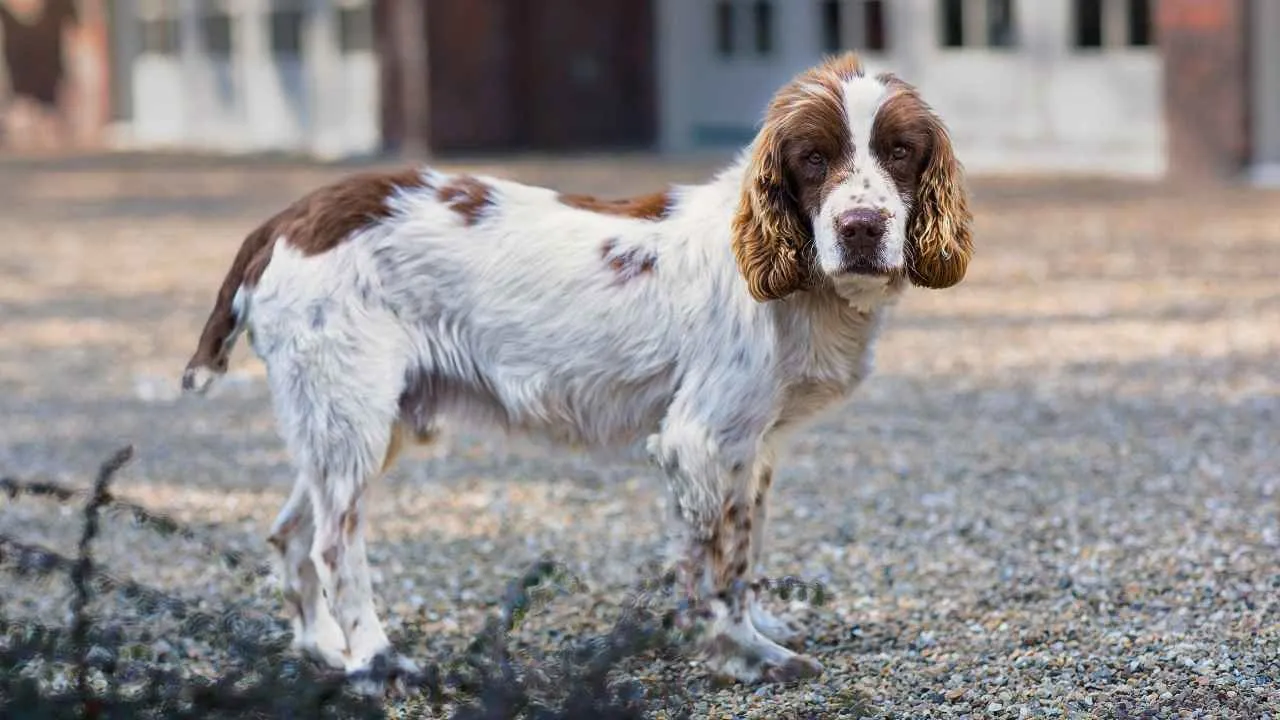
English Springer Spaniels bring serious energy to bird hunting. According to PDSA, they belong to the Gundog group. This group includes Retrievers, Spaniels, Hunt/Point/Retrieve dogs, Pointers, and Setters. Springers shine when hunters need a dog that can search close cover.
Their job is to find birds and make them break cover. That action gives hunters a clear chance to follow the flight. Their quick reactions also make them useful around thick vegetation.
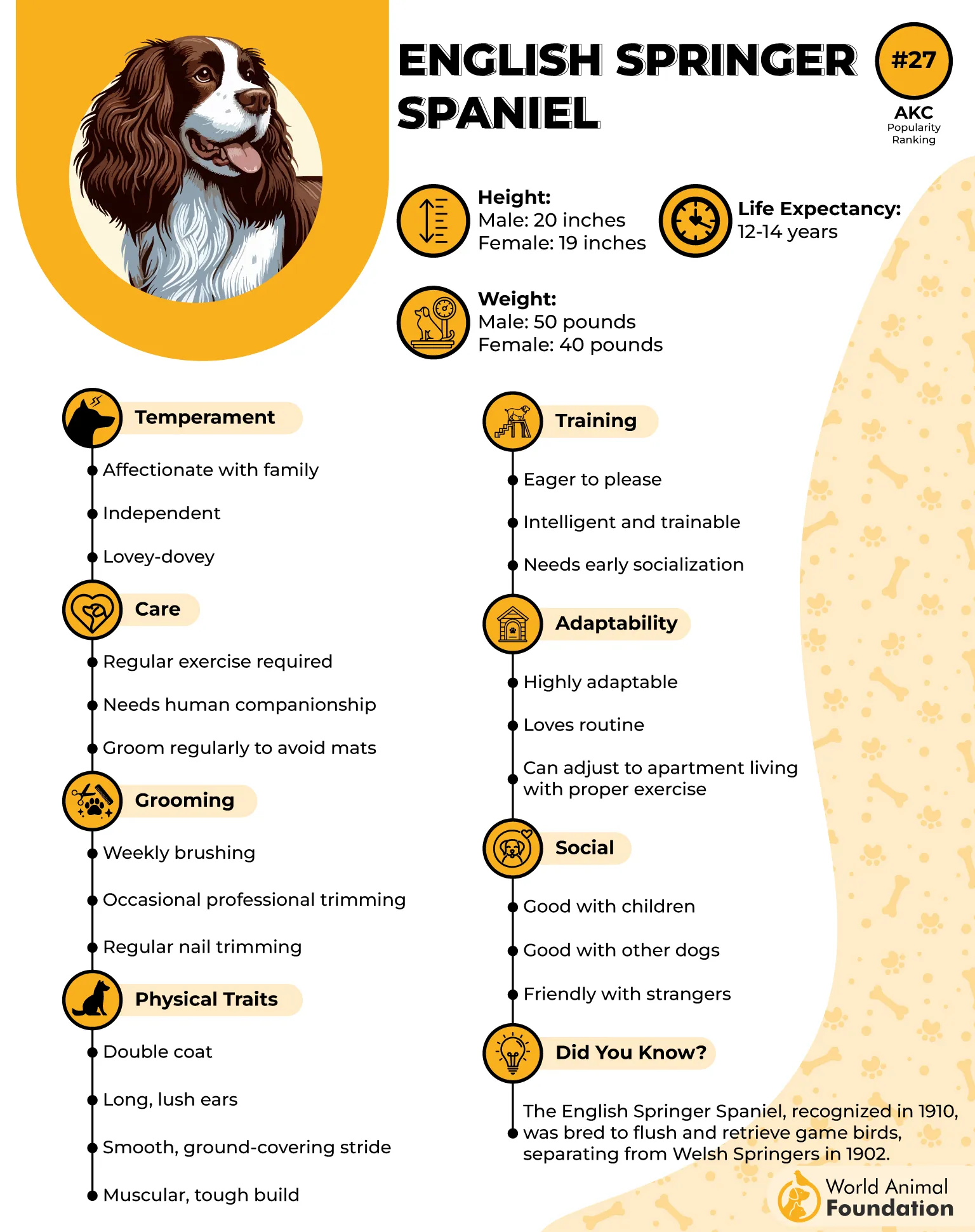
These dogs can handle upland game with impressive hunting skills. They can also retrieve after a successful shot. Their willingness to stay involved makes each outing more exciting.
For hunters who enjoy active fieldwork, this breed can be a lively partner.
Why Springers Stand Out
Strong scenting ability in difficult terrain
Quick turns through dense brush
Alert eyes spot sudden bird movement
Eager to stay connected with hunters
Useful for varied field conditions
Confident when working unfamiliar ground
Can learn complex field commands quickly
Enjoys challenging tasks that test its skills
2. Labrador Retriever
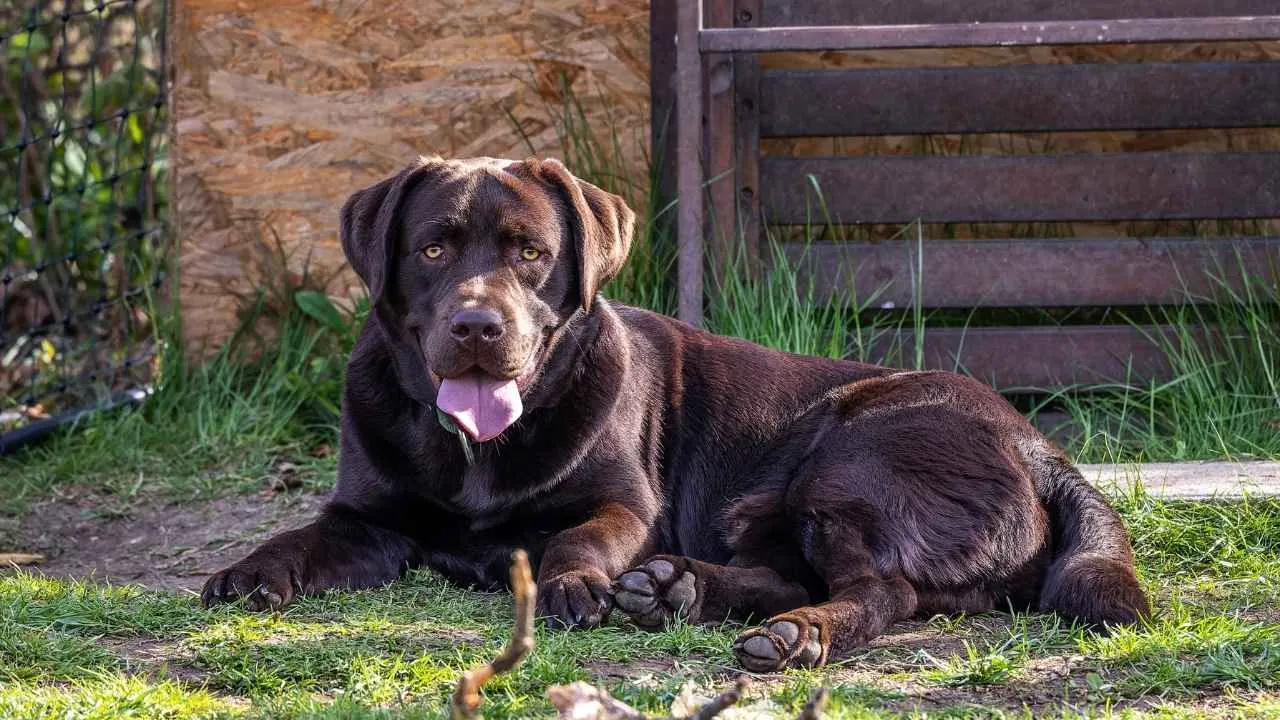
According to Wikipedia, Labrador Retrievers are friendly, energetic, and playful. This popular breed began as a sporting and hunting dog. Today, it can be both a skilled hunting dog and a loving family pet. As an upland game hunter, the Labrador can bring downed birds back to its handler.
It is also a strong choice for waterfowl hunting. Its webbed feet help it move with ease through water. A double coat adds protection during chilly swims. Its affectionate nature makes it easy to enjoy at home, too. This energetic dog needs both physical and mental stimulation.
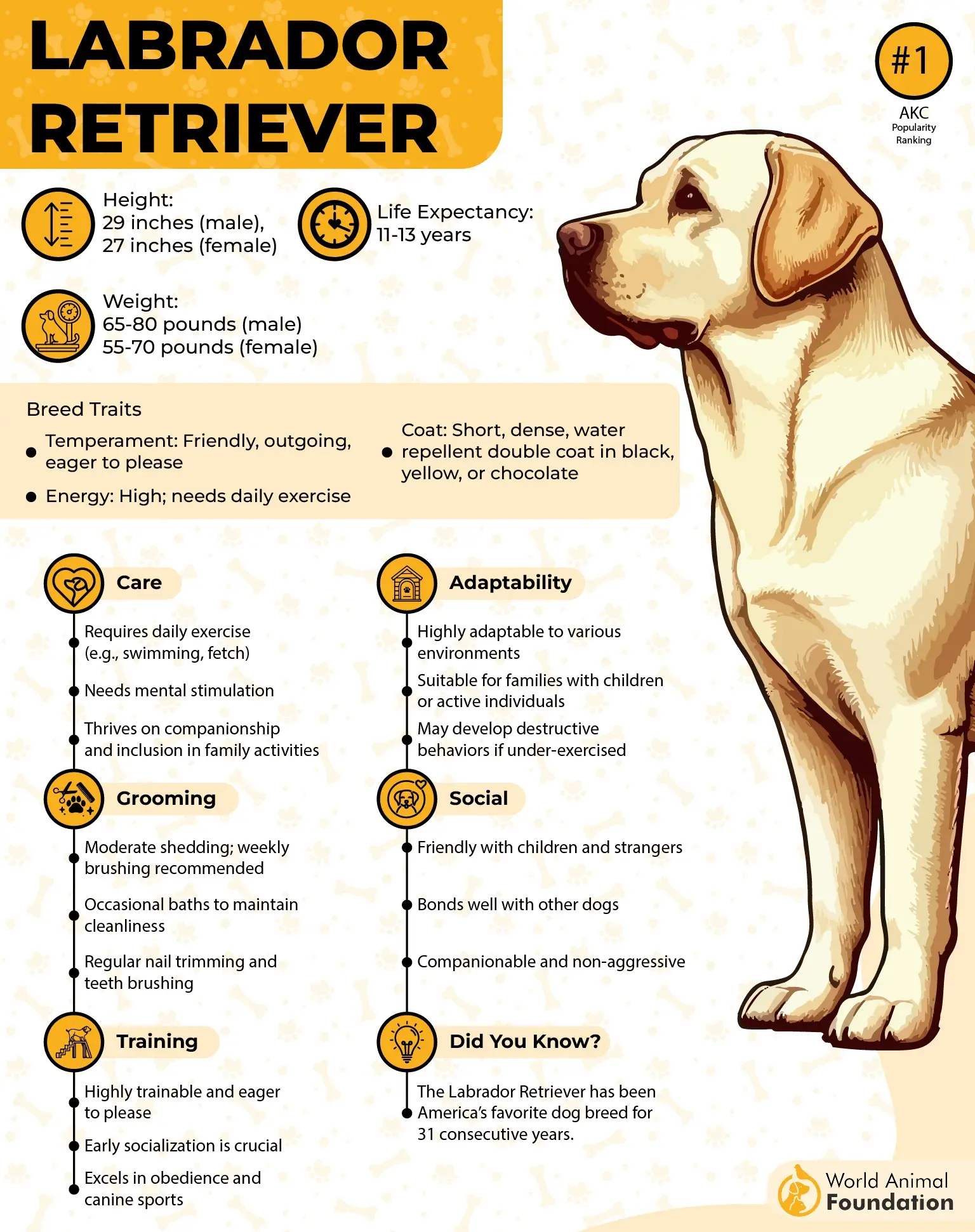
Thankfully, Labrador Retrievers are eager to please and enjoy having a job. Their skills also extend far beyond hunting. They can work as guide dogs, assistance dogs, rescue dogs, and therapy dogs. Even during World War II, their versatility helped keep them highly valued.
What Makes Labradors Special?
Excellent swimming ability
Natural love for carrying objects
Strong focus during training
Highly adaptable to different roles
Comfortable living with active families
Enjoys games that involve retrieving
Often thrives with purposeful daily tasks
Quick to form close bonds with people
3. German Shorthaired Pointer
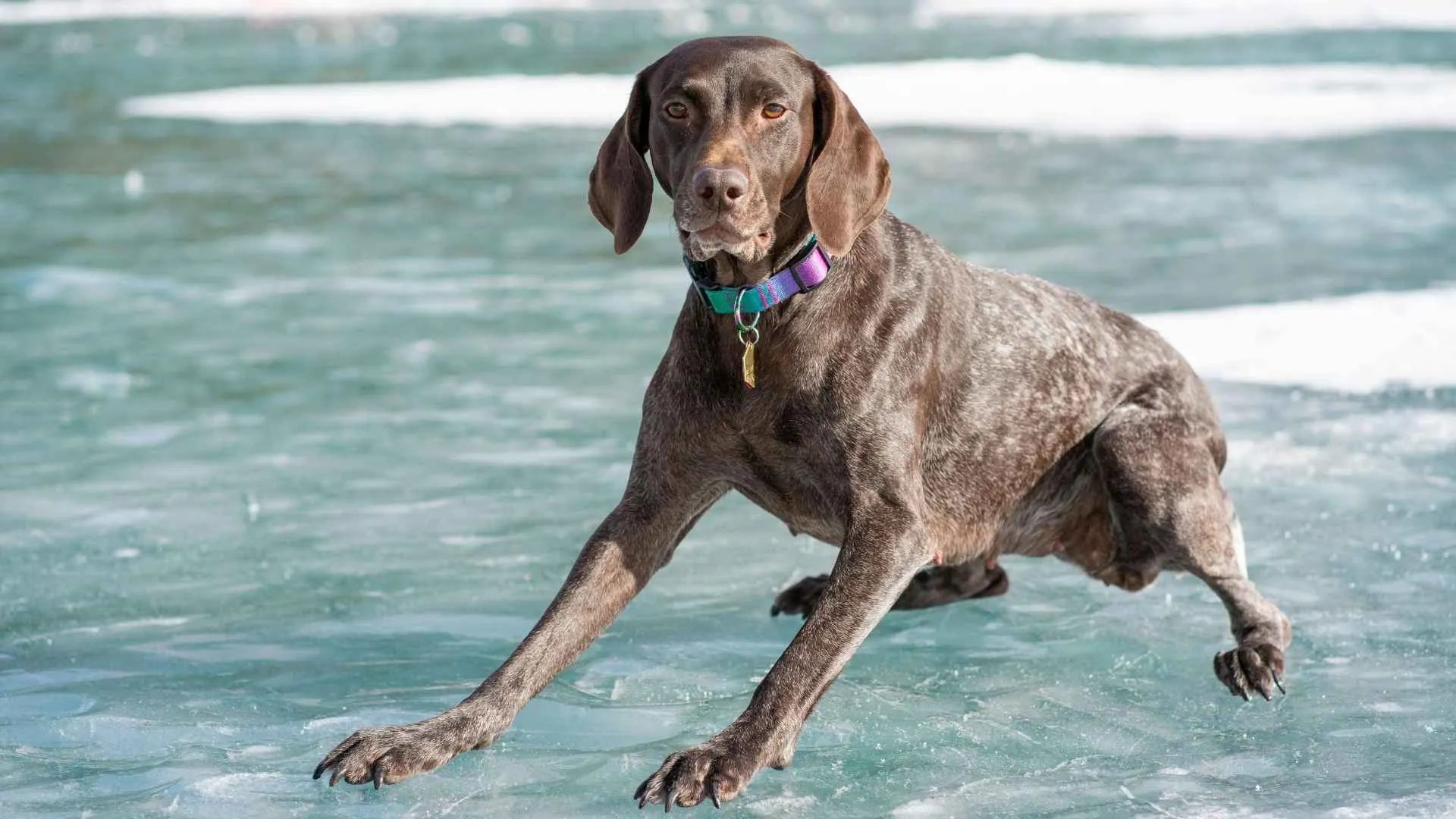
The German Shorthaired Pointer is a true pointing dog breed with many talents. This gun dog can track scents and help bird hunters locate hidden birds.
Once it finds a scent, it may point and hold its position. That gives hunters time to prepare for the next move. Its strong prey drive also makes it useful around wild game. The breed can even work near cold water when retrieving is needed.
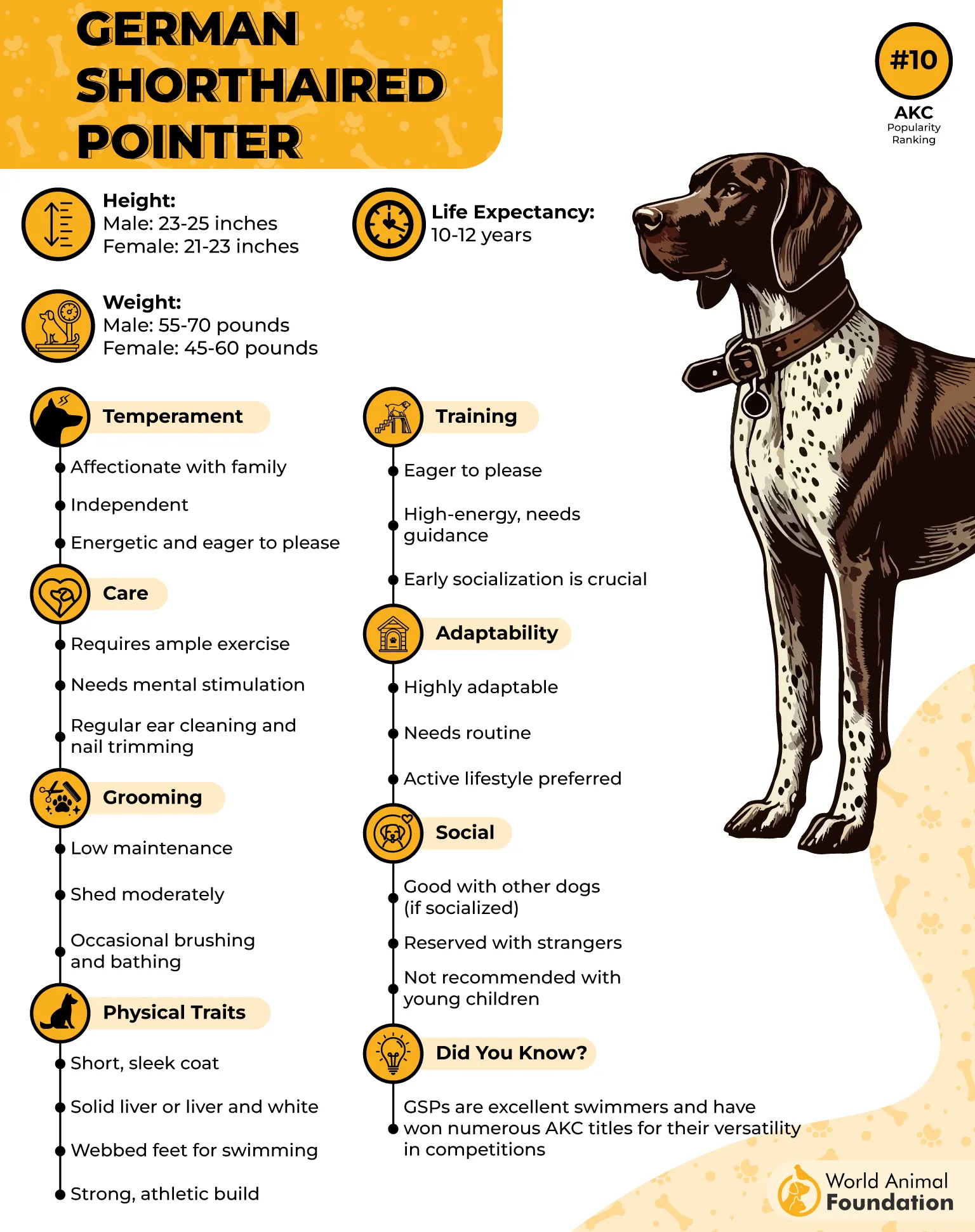
Purina describes these dogs as gentle, loving, and people-oriented. They form close bonds with their owners and enjoy being involved. However, they are high-energy dogs that need plenty of exercise and attention.
They may also struggle around small pets because of their hunting instincts. With the right training, this active breed can become a loyal family companion.
Life With a German Shorthaired Pointer
Needs plenty of room to stretch
Enjoys learning new commands
Bonds closely with its favorite people
May dislike being left alone
Benefits from varied daily activities
Can learn to live with household cats
Suits active owners with busy lifestyles
Enjoys challenges that keep its mind working
4. Brittany
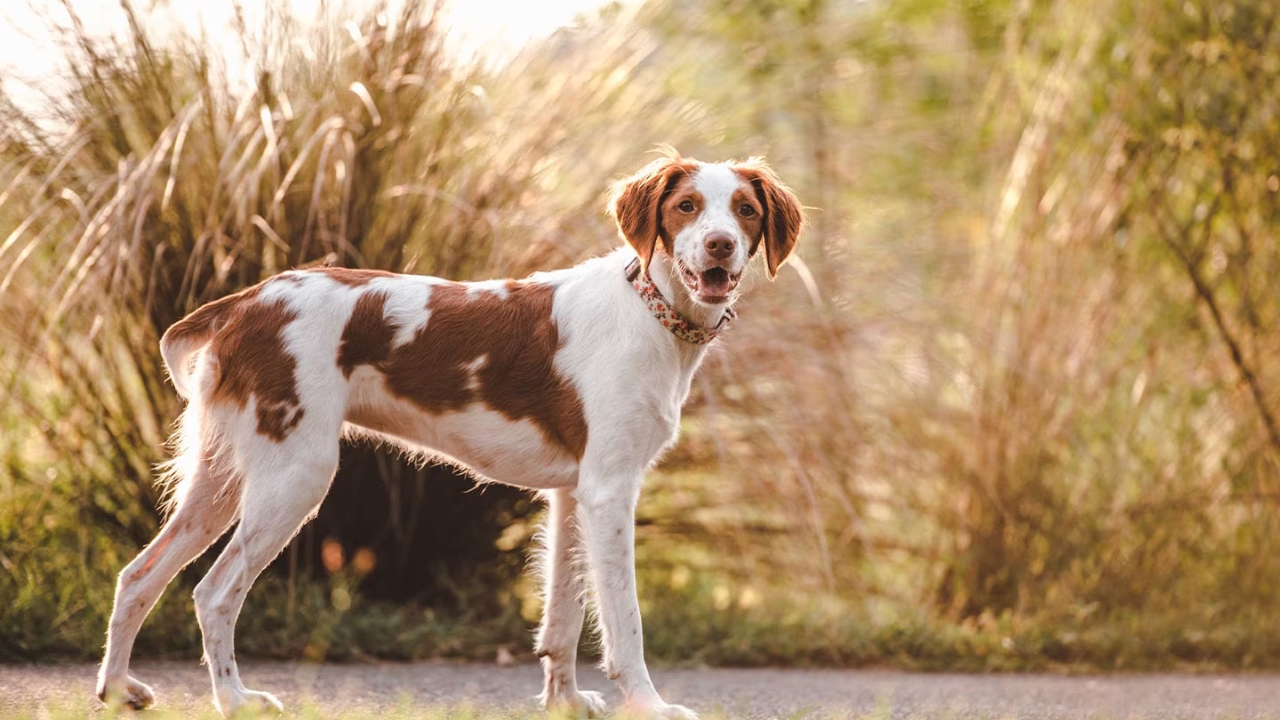
The Brittany is a lively gundog with impressive hunting skills. Its keen nose helps it search fields for hidden birds and small game. This active dog moves quickly and covers ground with ease. It was originally bred as a versatile hunting partner in France.
Over time, its skills developed into a mix of speed, focus, and stamina. Brittanys also enjoy dog sports such as agility and flyball. These activities give them a fun way to use their own strength and sharp minds.
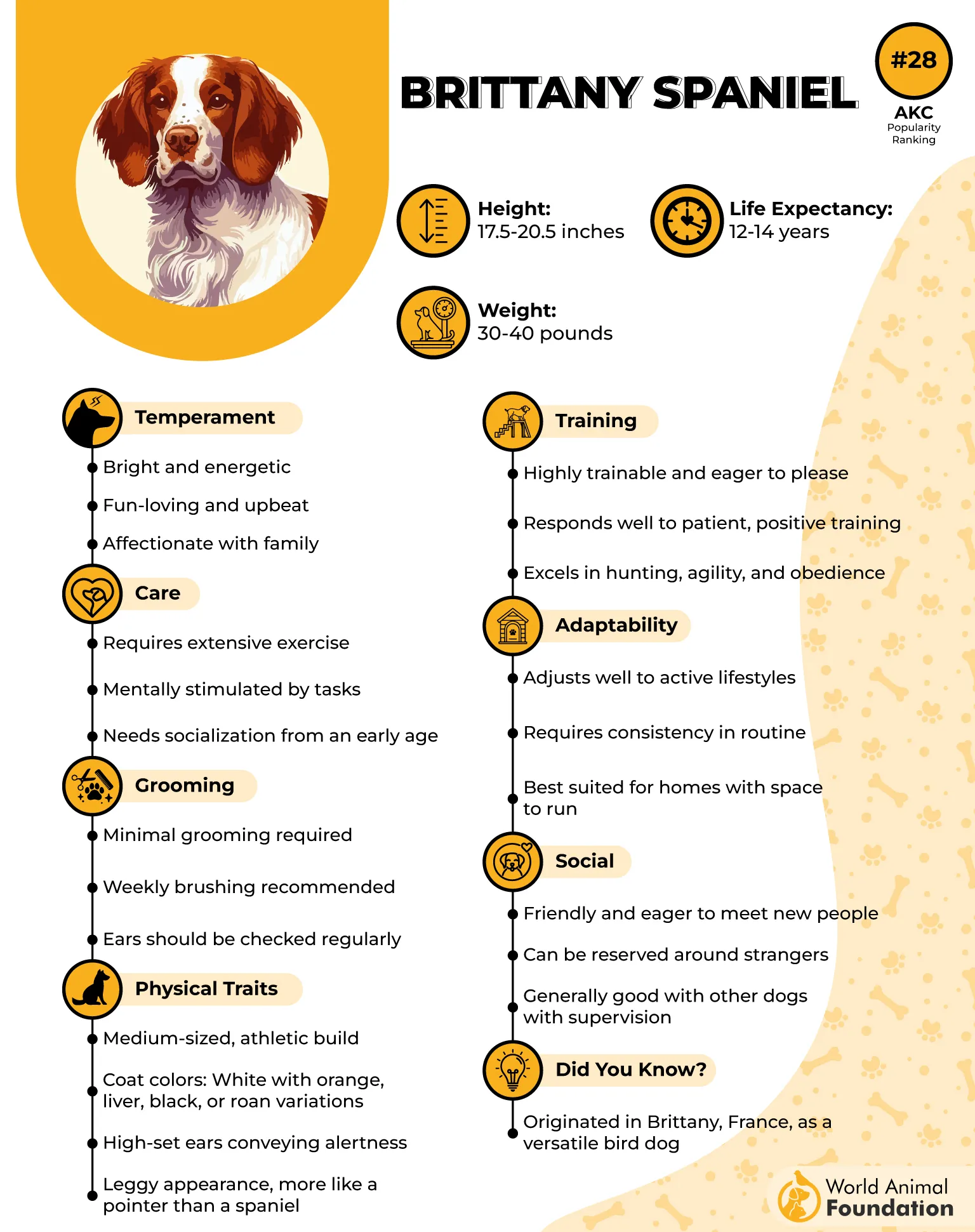
According to PetMD, they need plenty of physical and mental activity each day. Daily exercise can include hiking, running, fetch, or training games.
Despite its busy lifestyle, this is a low-maintenance dog breed when it comes to grooming. Early training can also help it live peacefully with other pets. With the right home, a Brittany becomes a loyal companion for active families.
Fun Ways to Keep a Brittany Busy
Agility courses provide exciting mental challenges
Hiking offers new sights and scents
Fetch can turn exercise into play
Flyball gives quick feet a purpose
Backyard games encourage active family time
Training sessions help prevent boredom
Outdoor adventures suit its cheerful nature
Simple coat care keeps grooming manageable
5. Nova Scotia Duck Tolling Retriever
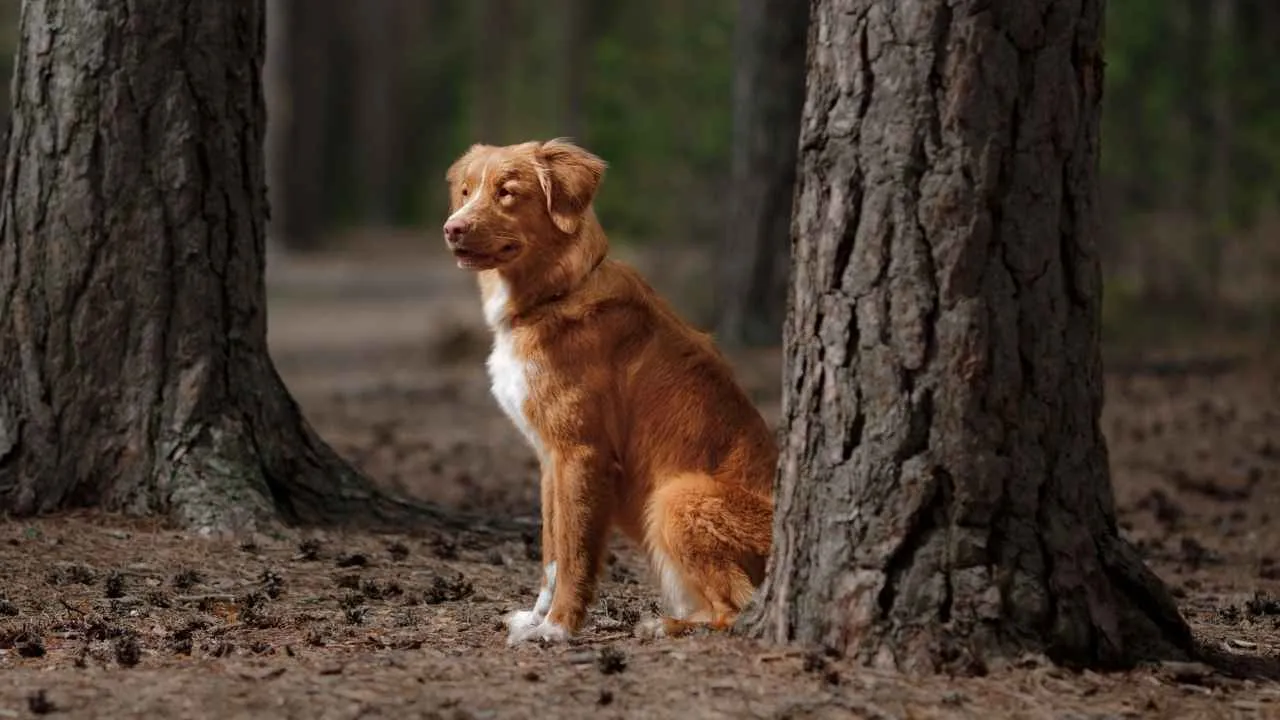
The Nova Scotia Duck Tolling Retriever has a clever trick. During bird hunting, it plays and moves along the shore. Its lively actions can catch a duck’s attention and draw it closer. Once the bird comes within range, the dog switches to retrieving game.
This unusual hunting method makes it different from other breeds. According to the American Kennel Club (AKC), the Toller is intelligent, affectionate, and eager to please. This sporting breed is the smallest of the AKC retrievers.
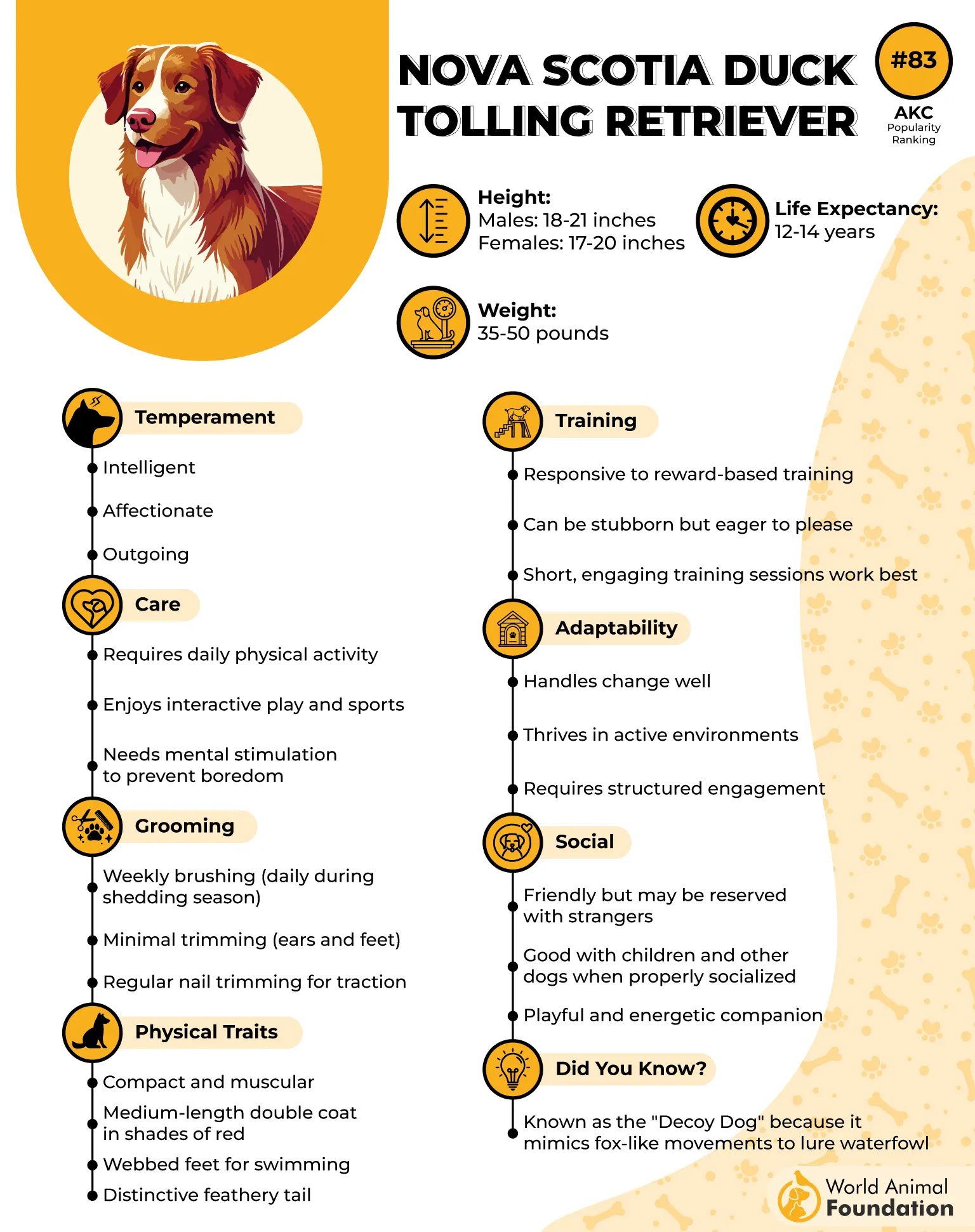
It is a medium-sized dog with a strong, agile build. Its webbed feet also make it well suited for swimming. Tollers are quick learners and enjoy having a useful task. Their skills make them especially valuable for retrieving waterfowl.
They can also work outdoors in harsh conditions when properly prepared. With enough activity and attention, this lively retriever can become an excellent companion.
What Makes the Toller Different?
Distinctive red coat with white markings
Alert almond-shaped eyes
Strong swimming ability
Compact size among retrievers
Naturally playful working style
Enjoys hiking and camping trips
Needs plenty of purposeful activity
Thrives when included in family adventures
6. Boykin Spaniel
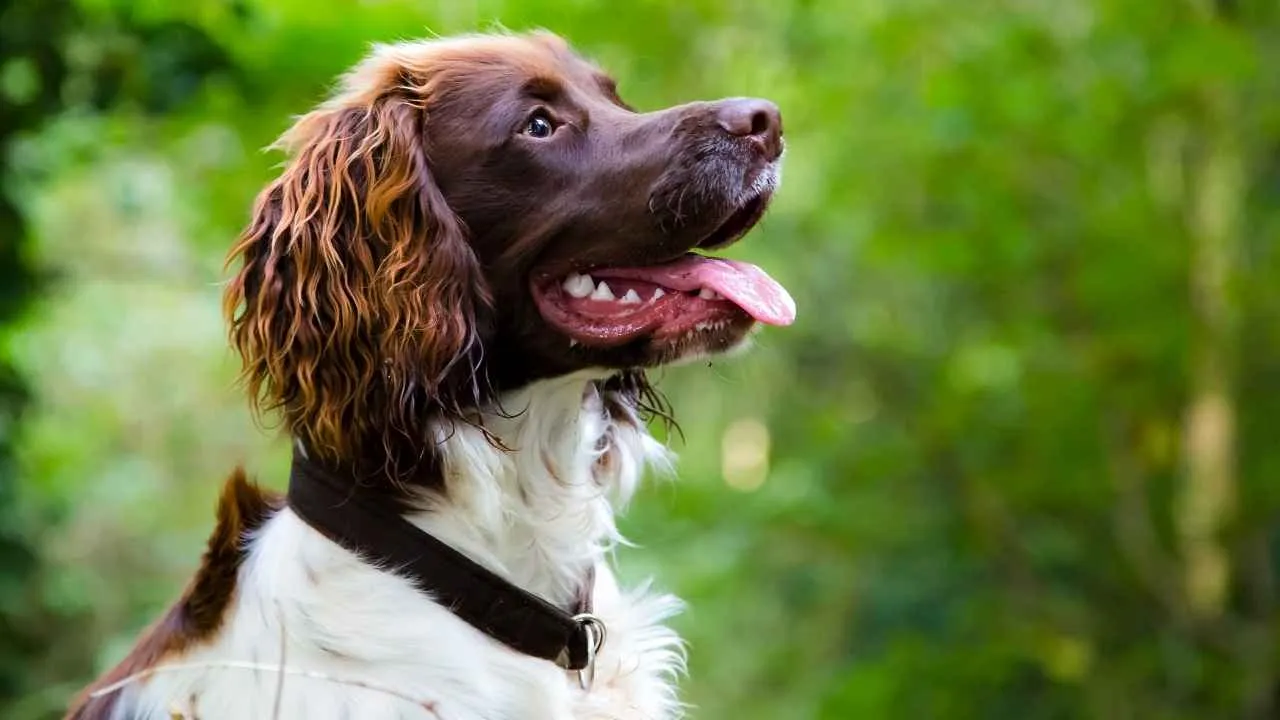
The Boykin Spaniel is a lively hunting dog breed from South Carolina. This gun dog was developed for practical work in the field and water. It was bred specifically to help hunters handle different types of game. Its history gives it a special place among American sporting dogs.
The breed became so closely linked with South Carolina that it was named the state dog. Boykins are friendly at home and enjoy spending time with people. They are also especially useful when hunters search for smaller targets, including rabbits.
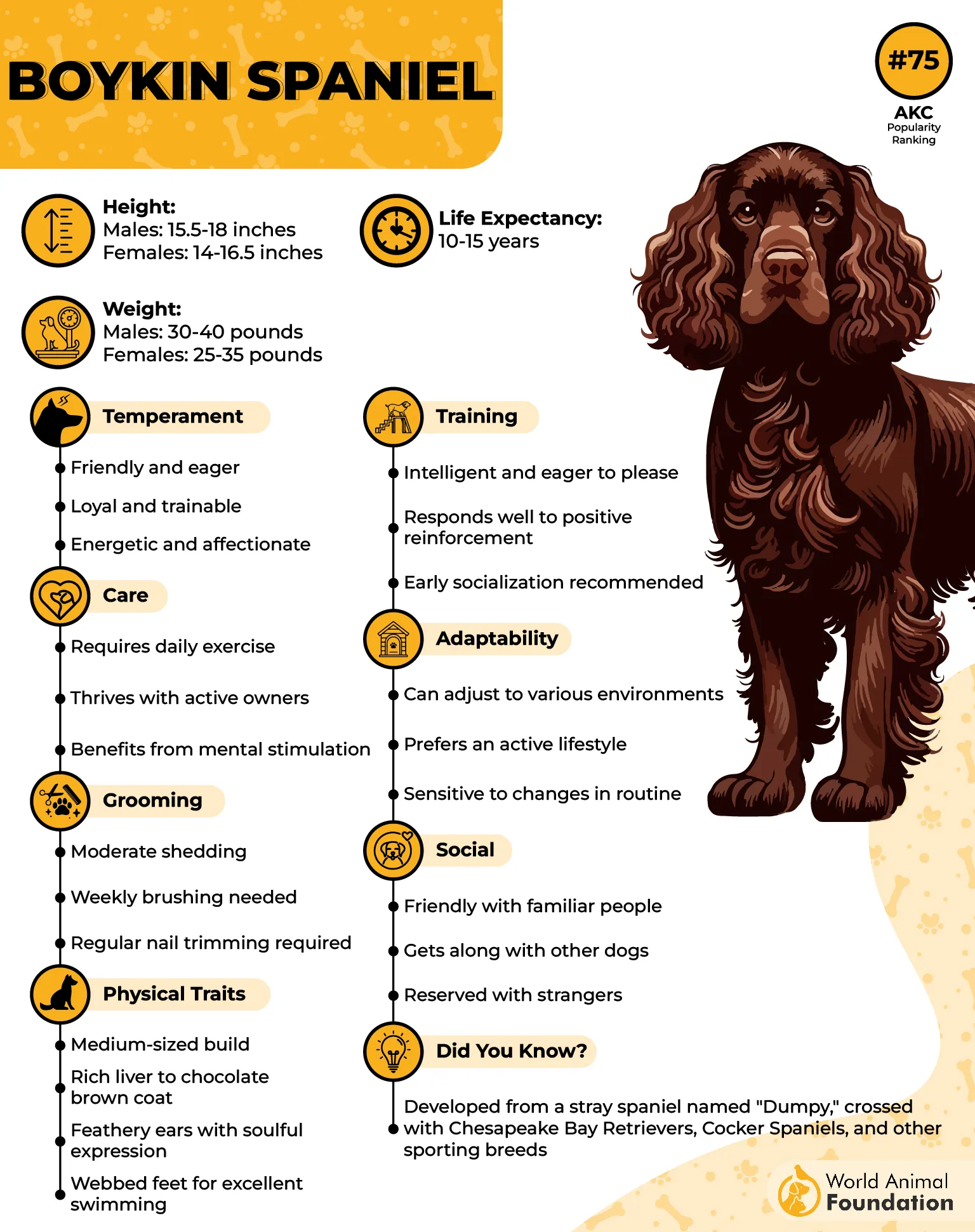
Their enthusiasm makes outdoor trips more enjoyable for active families. Hill’s Pet notes that Boykins are eager to please and easy to train. Early obedience work helps channel their natural drive in useful ways. With the right guidance, this cheerful breed can be both a capable worker and a great companion.
More Reasons to Love the Boykin
Fantastic swimmer with natural water confidence
Learns new commands quickly
Enjoys camping with its favorite people
Outgoing nature suits busy households
Early socialization supports friendly behavior
Basic obedience builds reliable manners
A yard provides room for play
Enthusiasm keeps outdoor adventures exciting
7. Chesapeake Bay Retriever

The Chesapeake Bay Retriever is built for demanding water work. This large breed can handle cold water when other dogs may hesitate. Its strong body and determined nature help it push through tough conditions.
Hunters value the breed for its stamina during long retrieving sessions. Some Chessies can reportedly retrieve more than 100 ducks in one day. That level of work takes serious drive and endurance. The breed also has a protective side at home.
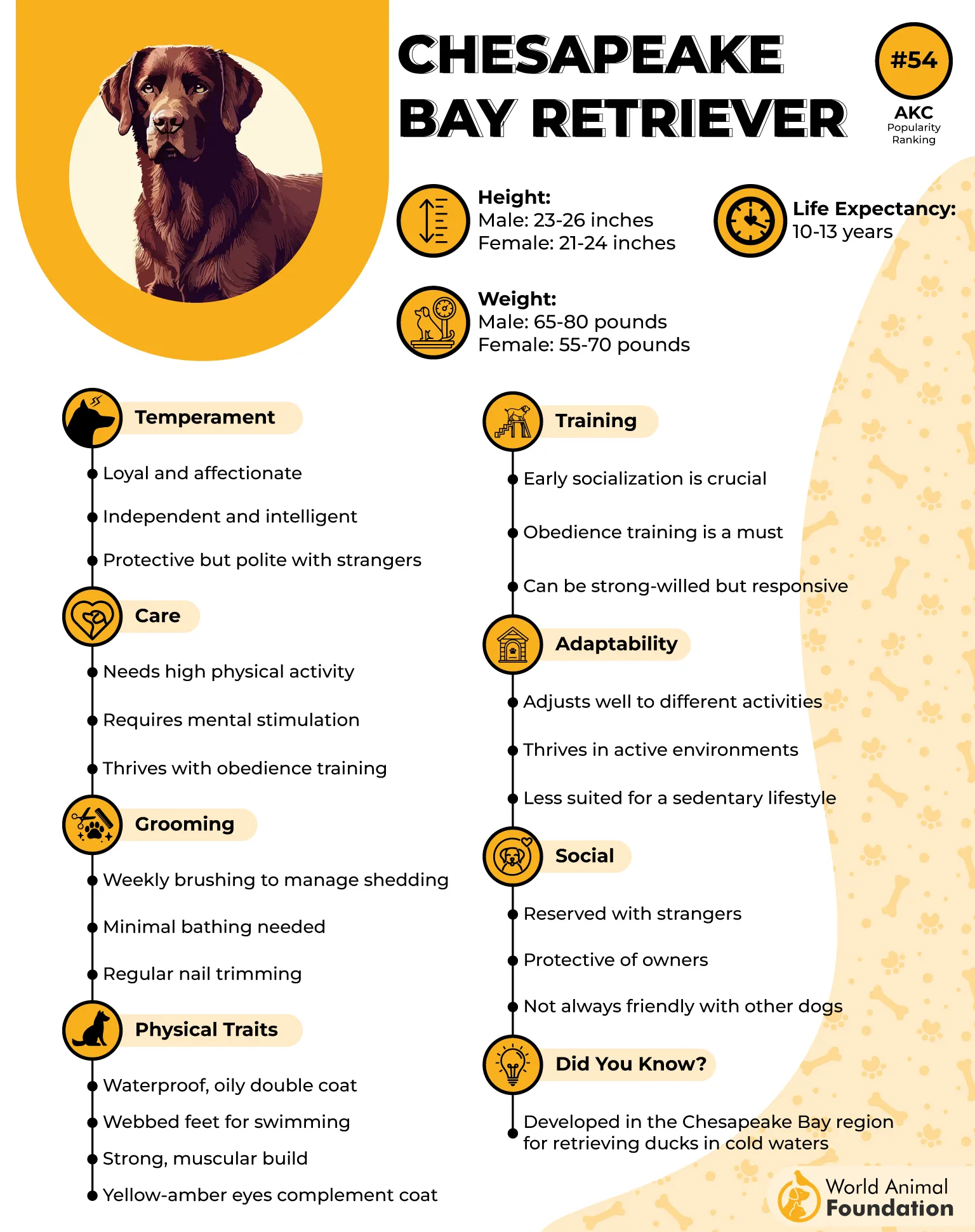
PetMD describes Chesapeake Bay dogs as high-energy, spunky, loyal, and affectionate. They often follow their favorite people around the house and form strong bonds. Despite their independent thinking, they can become devoted family members.
Early socialization helps them adjust to new people and situations. With proper training and supervision, this hunting dog can balance hard field work with family life.
Living With a Chessie
Independent mind needs patient guidance
Loyal nature creates deep family ties
Spunky behavior keeps life entertaining
Early introductions support confident social skills
Children should always have supervision
Regular activity helps channel its drive
Strong endurance suits demanding outdoor trips
Experienced owners may appreciate its determination
Conclusion
Choosing the right bird dog depends on your hunting style. Several breeds can track, point, flush, or retrieve birds with skill. Some are better suited to water, while others excel over open fields. Dogs developed for hunting often have strong noses, stamina, and athletic ability.
Others can handle large game when properly trained. Still, their home life matters just as much. An even-tempered dog may fit better with a busy family. Apartment living, however, can be difficult for highly active hunting breeds. Their exercise needs must match your daily routine.
A high-protein diet may also support an active dog, but feeding should suit its needs. Most importantly, choose a dog that matches your lifestyle, training ability, and outdoor goals. The best hunting partner is one that works happily beside you.
