




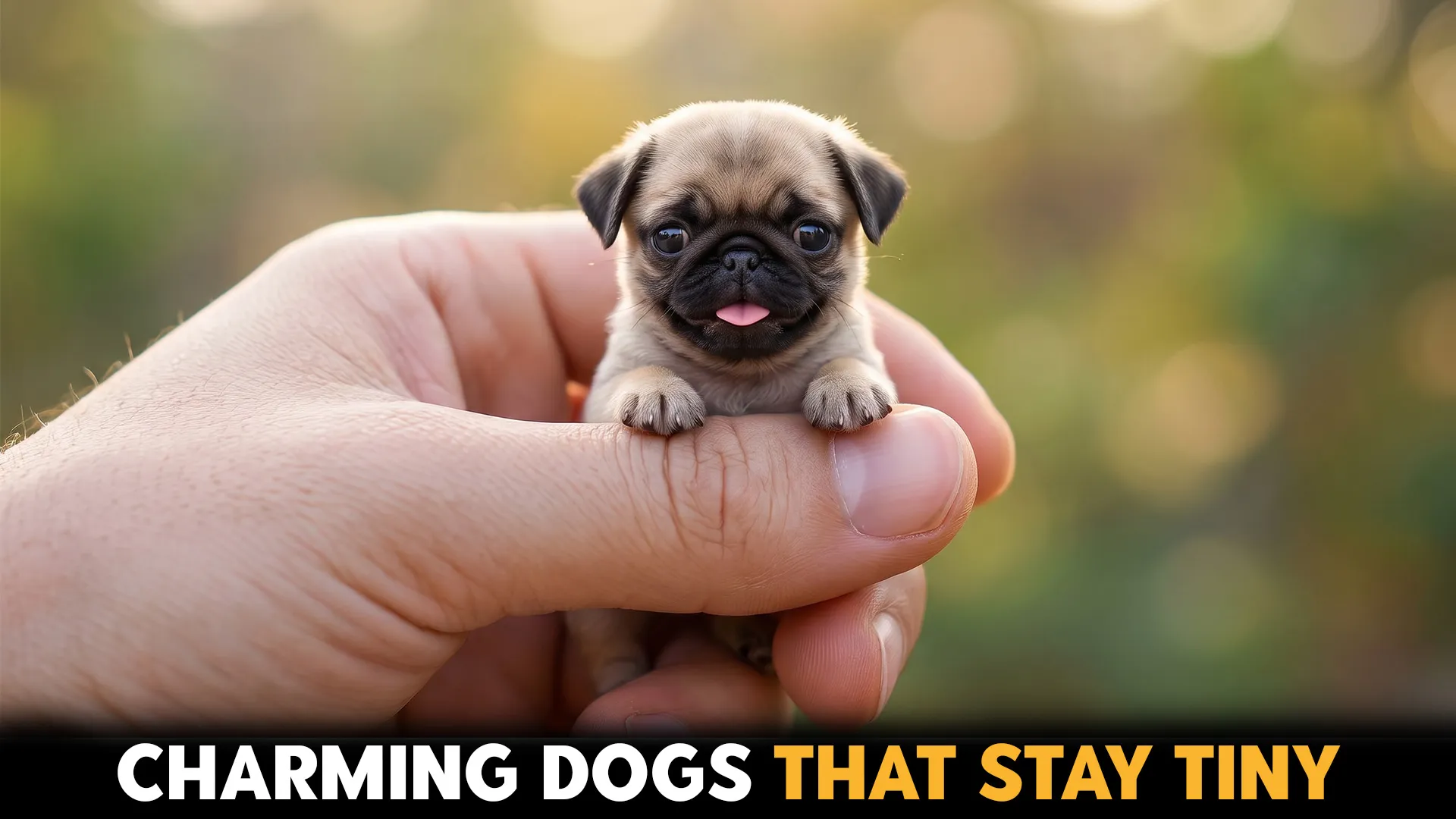
Small dogs have a special appeal for people who love compact companions with big personalities. Their petite size, adorable features, and ability to adapt to different living spaces make them popular among apartment dwellers, families, and individuals seeking a smaller canine friend.
However, not every small dog stays equally tiny, and adult sizes vary within each breed. Although these dogs remain relatively compact throughout adulthood, they still need daily exercise, mental stimulation, grooming, and appropriate veterinary care. Their small bodies can also make them more vulnerable to injuries and certain health problems.
From lively toy breeds to affectionate companion dogs, the following seven breeds combine small stature with distinctive personalities. Each offers something different for owners looking for a little dog that can remain a beloved companion for years.
Charming Small Dog Breeds That Stay Tiny Forever
1. Poodle
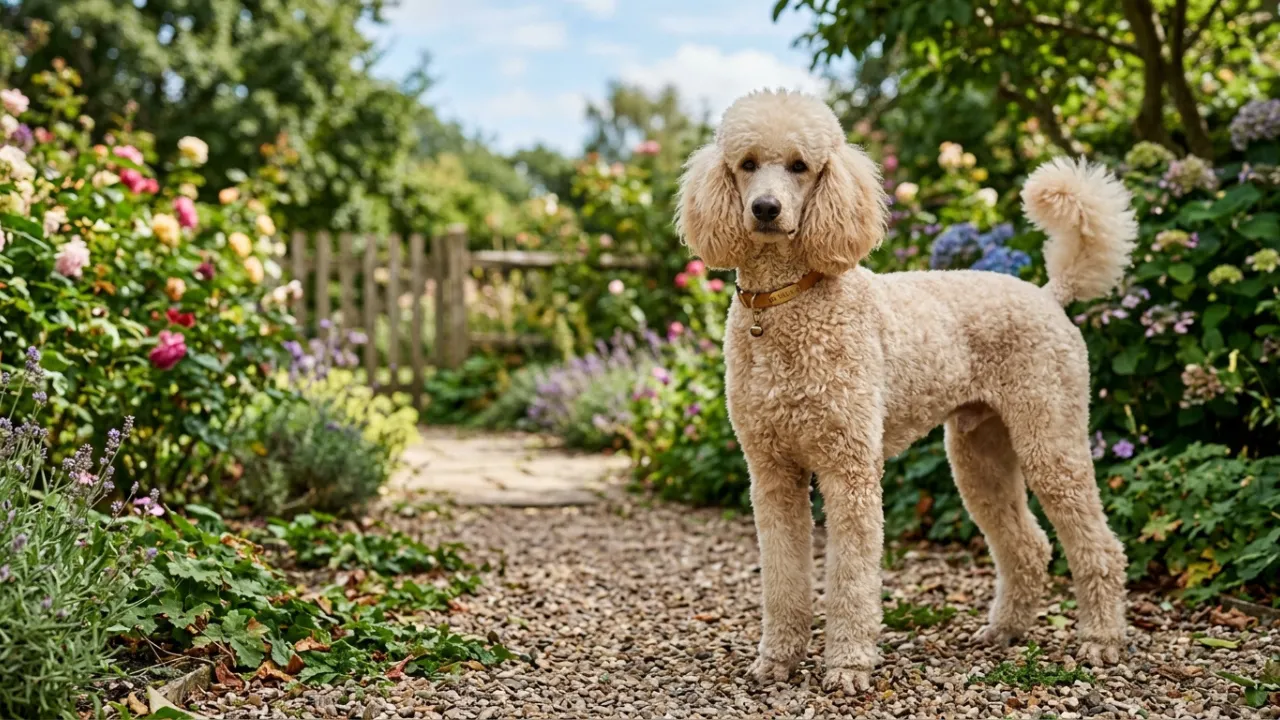
Poodles are intelligent, alert, and highly trainable dogs that often form strong bonds with their families. Their playful nature and eagerness to learn make them engaging companions, even in smaller homes. Although Standard Poodles grow considerably larger, Toy and Miniature Poodles remain compact throughout adulthood, making them better choices for people seeking a consistently small dog.
A European Breed With Working-Dog Roots
Poodles have a long history associated with European water retrieving, particularly in Germany and France. Their original working responsibilities required intelligence, swimming ability, and cooperation with hunters. Over time, smaller varieties became popular companion dogs while retaining the breed’s characteristic curly coat and sharp problem-solving skills.

Toy and Miniature Varieties That Stay Compact
Toy Poodles generally stand up to 10 inches tall at the shoulder, while Miniature Poodles stand over 10 inches and up to 15 inches. Both varieties remain relatively small as adults, although their exercise and grooming needs should not be overlooked. Regular brushing, professional grooming, and mentally stimulating activities help keep these clever dogs healthy and content.
2. Pug
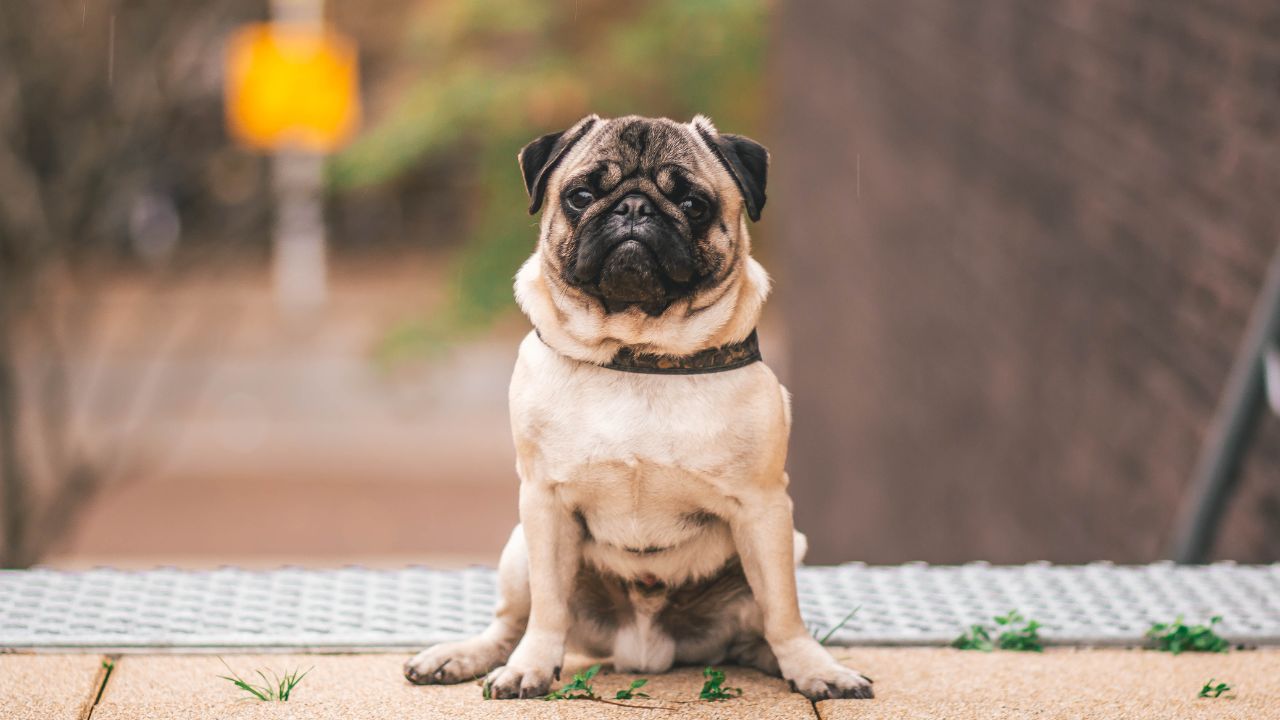
Pugs are affectionate, charming, and naturally sociable dogs that often enjoy being close to their families. Their playful antics and expressive faces make them entertaining companions, while their preference for human company suits households that enjoy spending time indoors. They can be stubborn at times, so reward-based training and consistent routines are particularly helpful.
An Ancient Companion From China
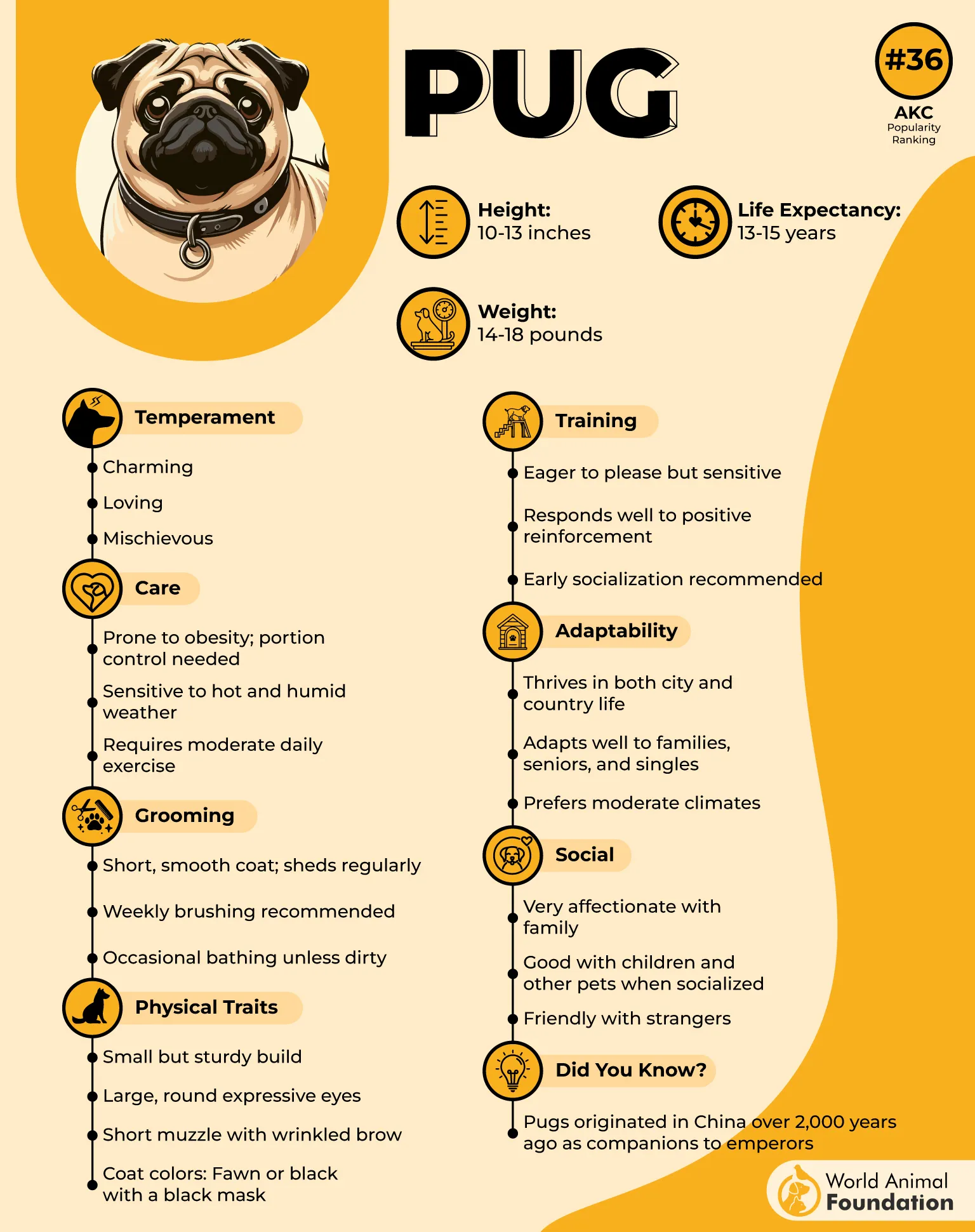
The Pug originated in China, where small, flat-faced dogs were treasured by members of imperial households. The breed later spread to Europe, gaining popularity among royal families and aristocratic circles. Its compact frame, curled tail, and distinctive facial wrinkles have remained recognizable features for centuries.
A Compact Body With a Big Personality
Adult Pugs typically weigh around 14–18 pounds, making them small enough for many apartments and compact homes. They generally enjoy short walks, gentle play, and plenty of companionship rather than strenuous exercise. Their flat faces can cause breathing difficulties and overheating, so owners should avoid intense activity and take extra precautions in hot or humid weather.
3. Pomeranian
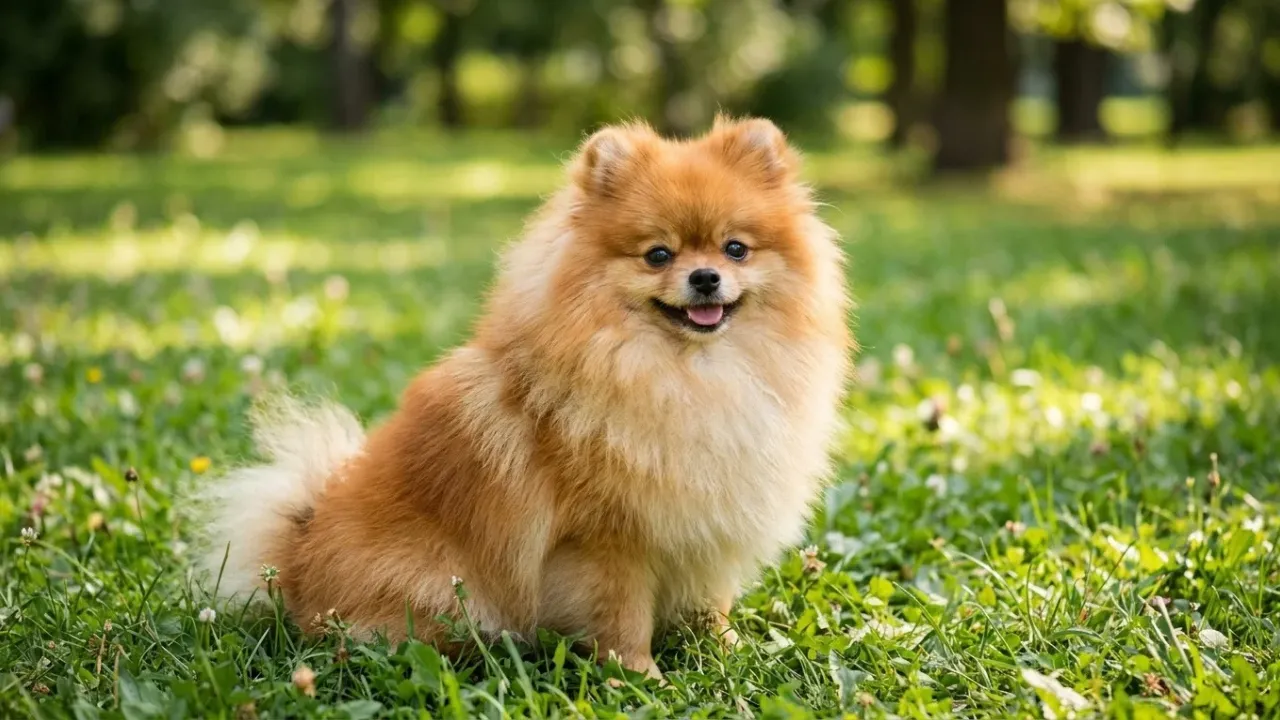
Pomeranians are confident, curious, and energetic dogs that often behave as though they are much larger than they really are. They tend to be alert to unfamiliar sounds and may develop a habit of barking without suitable training. Their lively personalities and strong attachment to their owners make them engaging companions for people who enjoy an interactive little dog.
A Spitz Breed With Northern European Ancestry
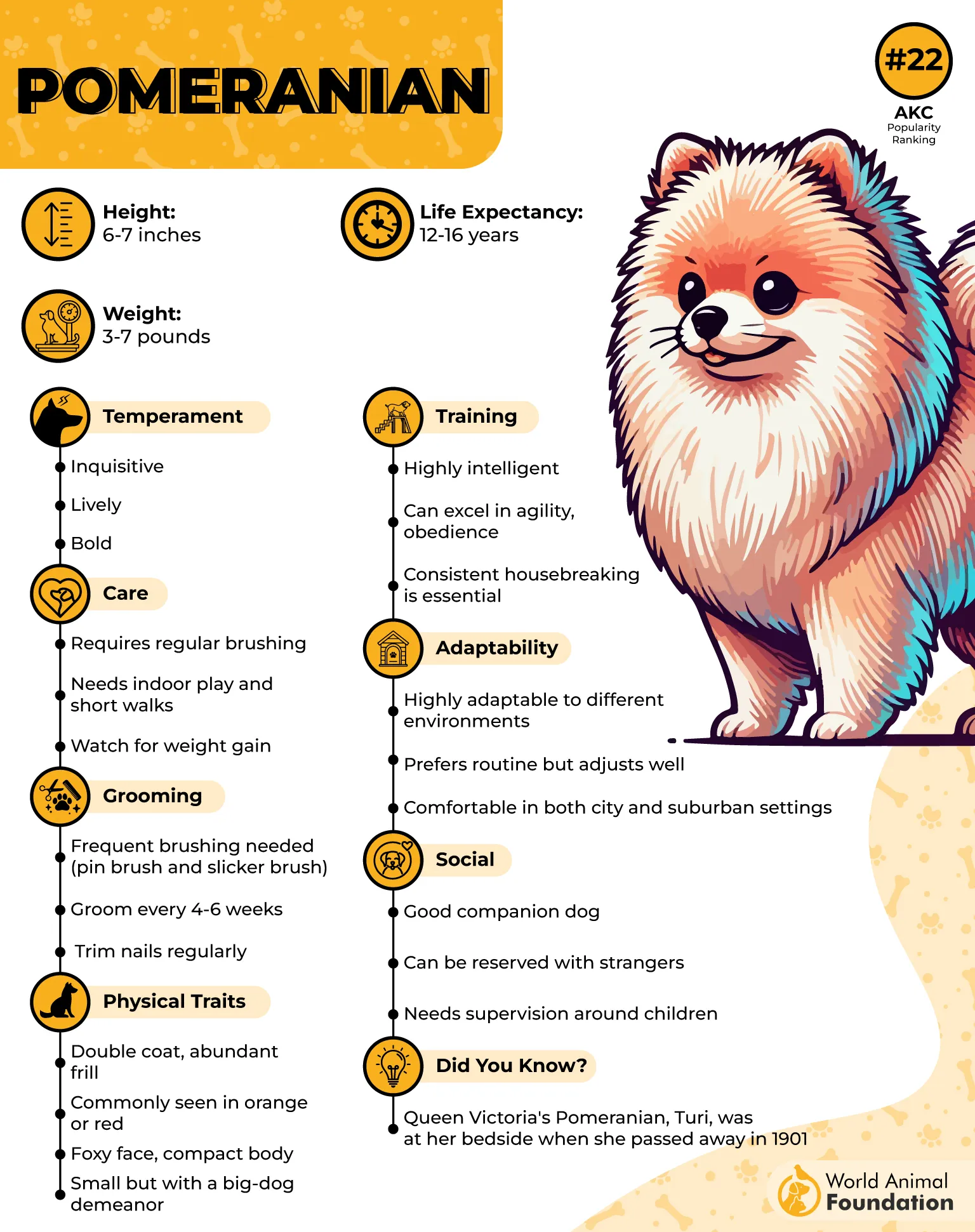
The Pomeranian descends from larger Spitz-type dogs associated with northern Europe and the Pomerania region. Through selective breeding, its ancestors were reduced in size, eventually producing the tiny companion dog popularized in Britain and elsewhere. Its foxlike face, erect ears, and abundant coat reflect its Spitz heritage.
Fluffy Coats on a Truly Tiny Frame
Adult Pomeranians generally weigh between 3 and 7 pounds, placing them among the smallest recognized dog breeds. Their thick double coats create a fuller appearance than their bodies suggest, but the fur requires regular brushing to prevent tangles. Despite their small size, they need daily play, short walks, dental care, and protection from accidental falls or rough handling.
4. Papillon

The Papillon is bright, lively, and remarkably attentive to its surroundings. It often enjoys learning tricks, participating in interactive games, and staying close to its favorite people. Unlike some small companion breeds that prefer extended periods of rest, Papillons typically bring considerable enthusiasm to everyday activities and benefit from regular mental challenges.
A Toy Spaniel With European Heritage
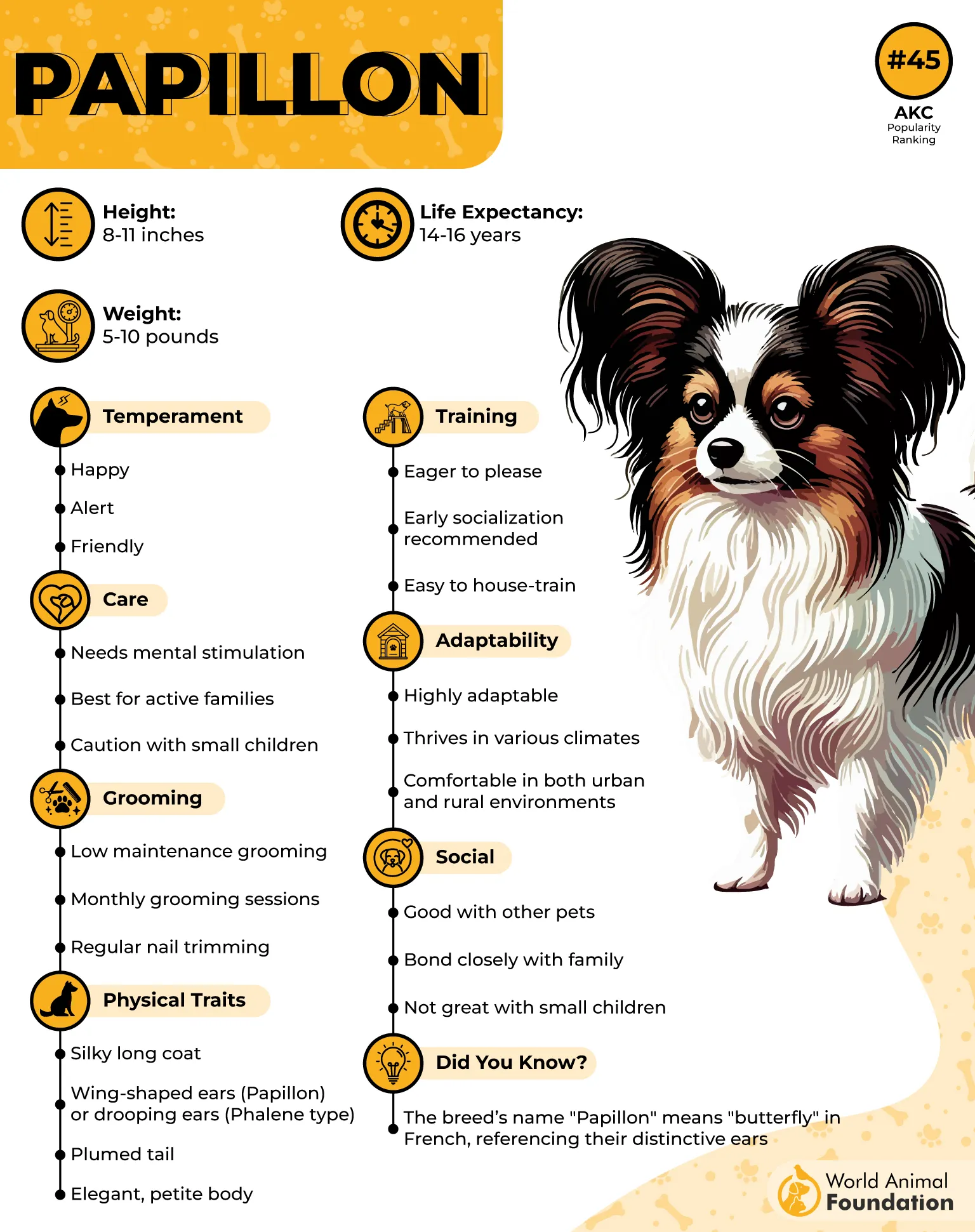
The Papillon developed from small European toy spaniels that appeared in paintings and royal households over several centuries. Its name means “butterfly” in French, referring to the distinctive appearance of its large, upright, fringed ears, as per WebMD. The breed became widely recognized as an elegant yet lively companion.
Butterfly Ears and a Lightweight Build
Papillons typically weigh between 5 and 10 pounds and stand around 8–11 inches tall at the shoulder. Their fine-boned bodies make them easy to carry, while their athletic nature supports agility training and active play. Their long, silky coats need regular brushing, and their small frames require care around stairs, jumping, and rough play.
5. Bichon Frise
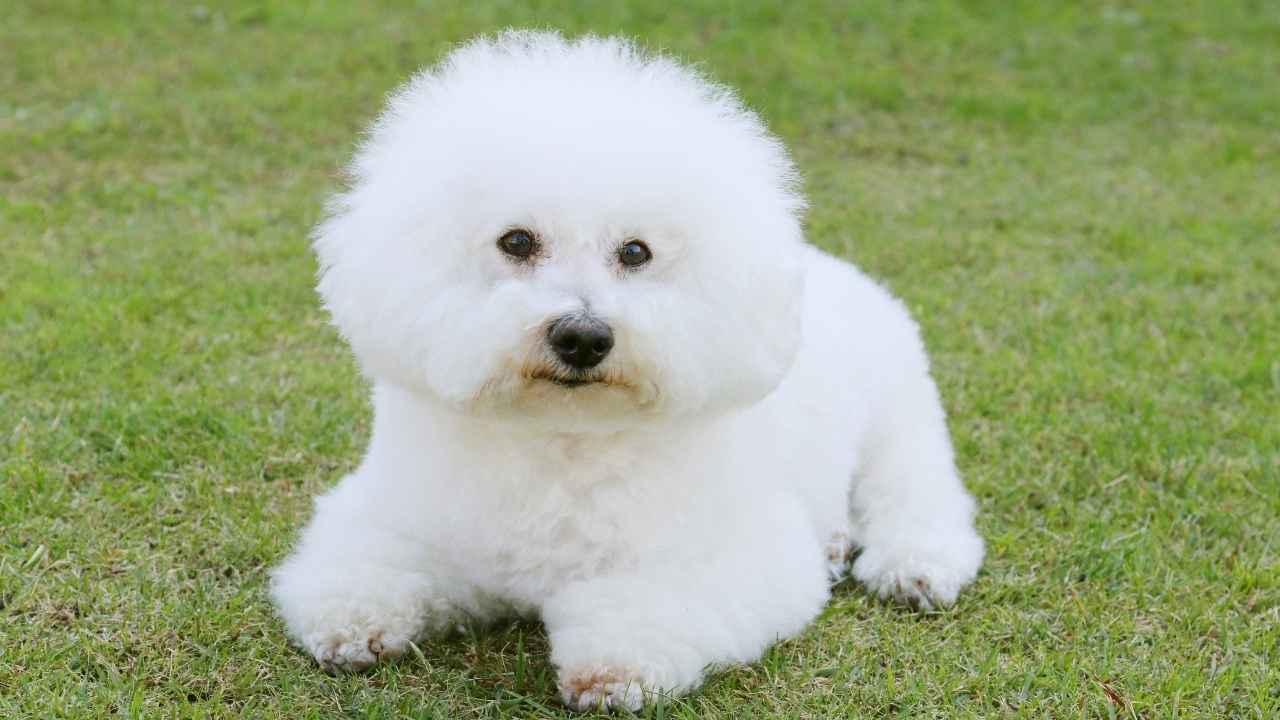
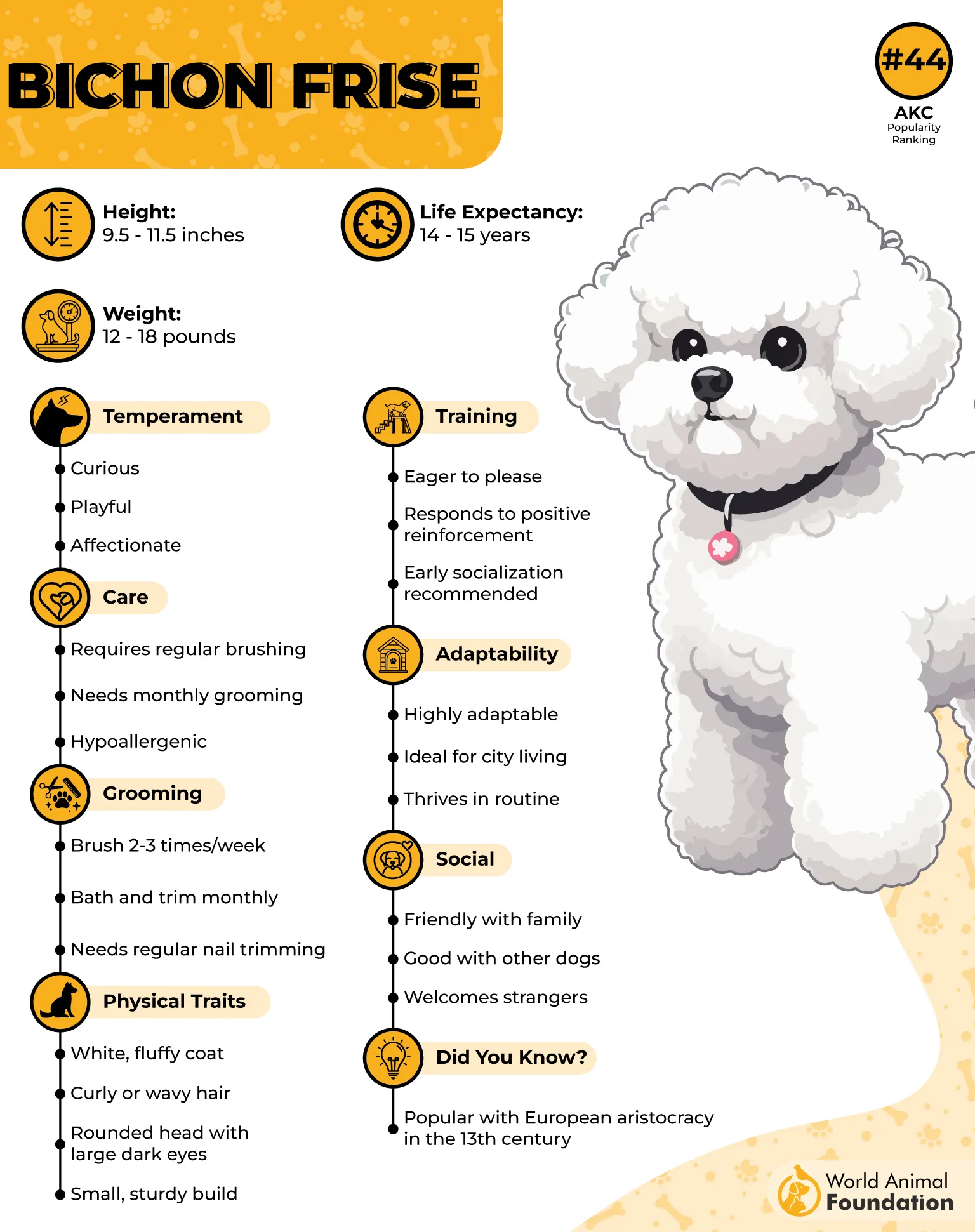
The Bichon Frise is cheerful, affectionate, and sociable, often welcoming attention from familiar people and visitors alike. Its playful disposition makes it a delightful household companion, while its adaptability can suit apartment living. These loyal dogs generally prefer company and may become distressed when left alone for extended periods without gradual training.
A Mediterranean Companion With Seafaring Connections
The Bichon Frise developed from small companion dogs associated with the Mediterranean region. Its ancestors traveled with sailors and eventually became popular among European nobility and performers. The breed’s friendly disposition and distinctive white coat helped establish its reputation as a charming companion dog.
A Cloudlike Coat on a Small Body
Adult Bichon Frises typically stand about 9.5–11.5 inches tall at the shoulder and weigh approximately 12–18 pounds. Their soft, curly white coats create a rounded, fluffy appearance, although regular brushing and professional grooming are necessary to prevent matting. Daily walks, playtime, dental care, and positive social interaction help maintain their overall well-being.
6. Havanese
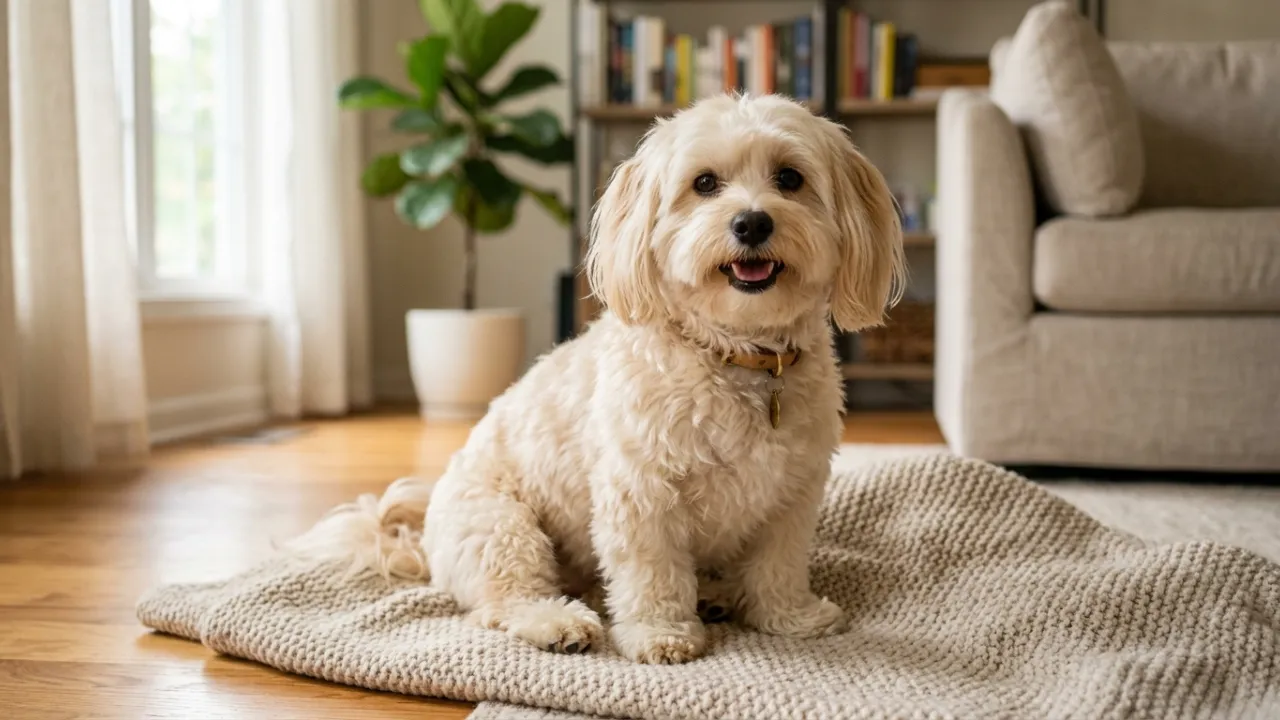
Havanese dogs are affectionate, adaptable, and naturally people-oriented. They often enjoy following their owners from room to room and participating in everyday household activities. Their playful but generally manageable energy levels can suit different lifestyles, provided they receive enough attention, exercise, and opportunities to interact with their families.
Cuba’s Beloved Little Companion
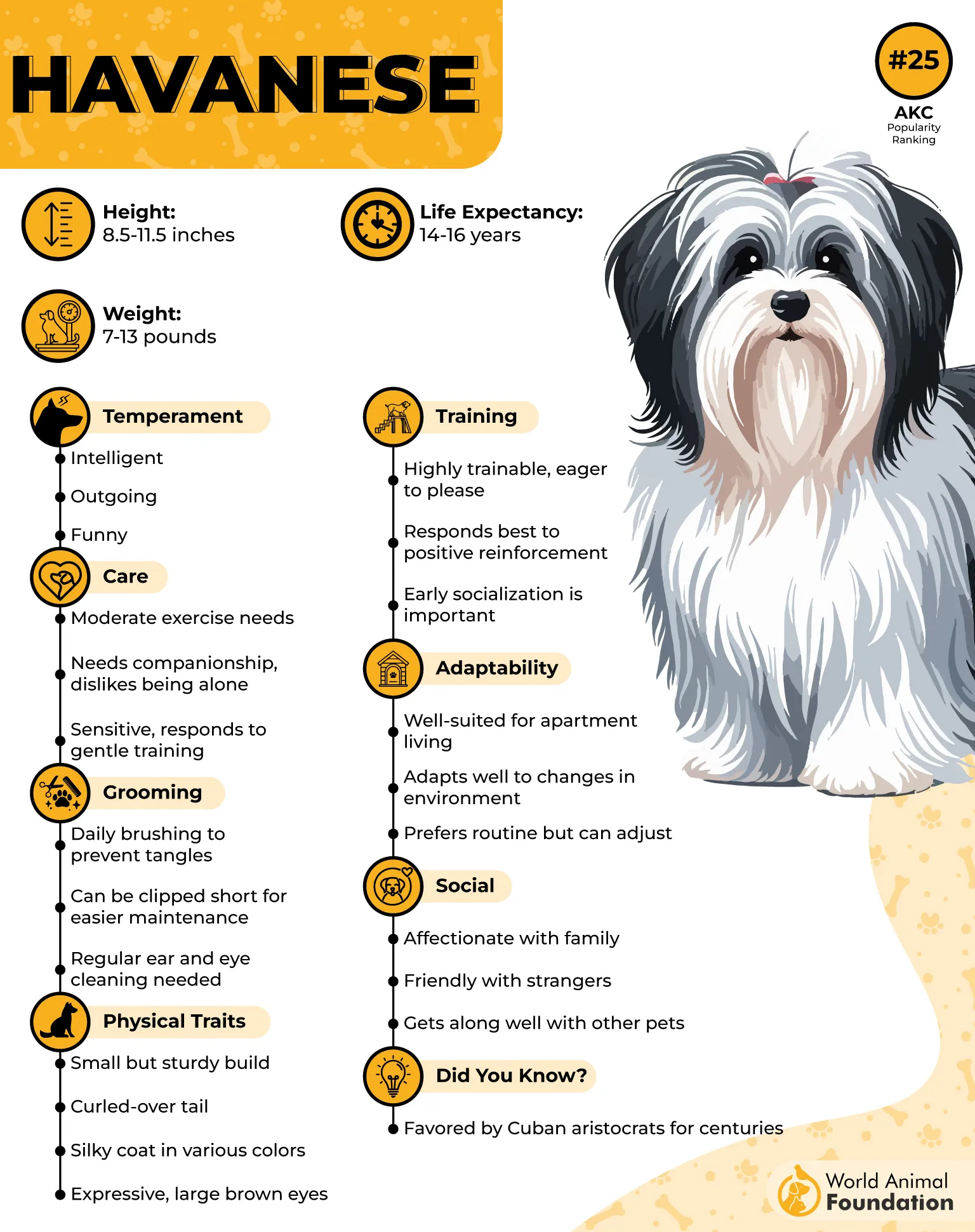
The Havanese developed in Cuba from small companion dogs brought to the island by European settlers, as per the AKC. Over generations, these dogs became associated with Cuban households and gained recognition as a distinctive national companion breed. Their history emphasizes close human relationships rather than demanding outdoor working responsibilities.
A Small Dog With a Silky, Flowing Coat
Havanese adults typically stand 8.5–11.5 inches tall and weigh 7–13 pounds. Their compact size makes them suitable for smaller homes, while their long, silky coats come in a variety of colors. Regular grooming, daily walks, interactive play, and companionship help keep them comfortable and mentally engaged.
7. Shih Tzu
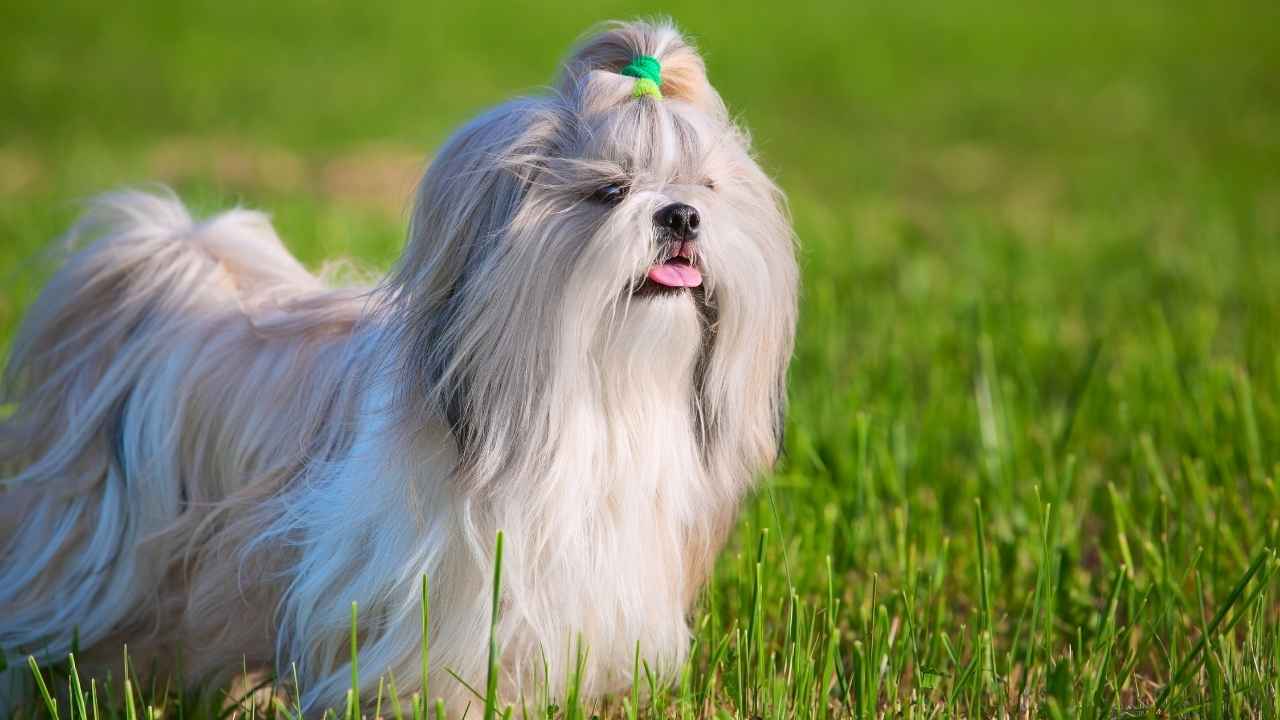
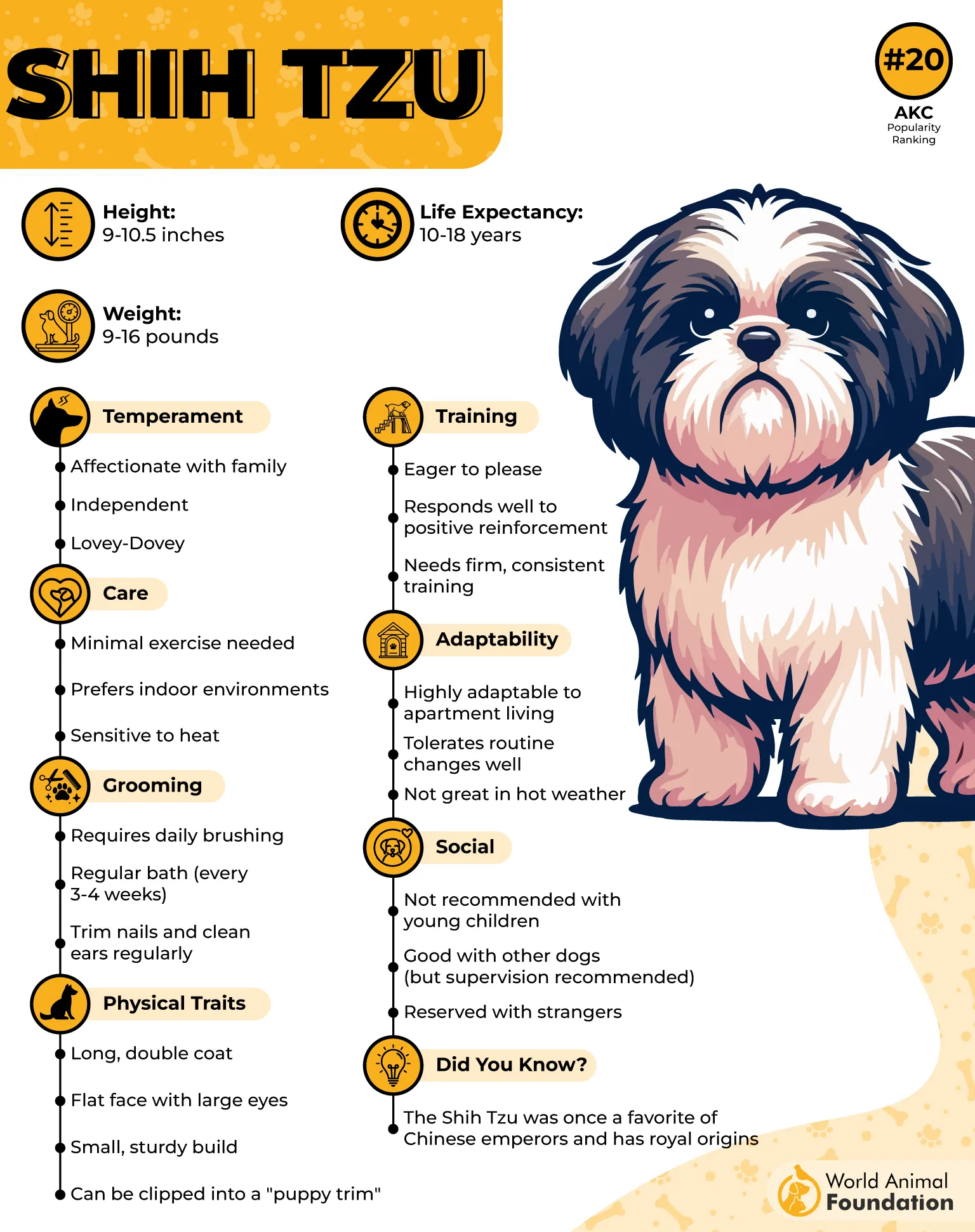
The Shih Tzu is affectionate, confident, and often content to spend time relaxing beside its family. Its friendly temperament and relatively modest exercise requirements make it appealing to owners who prefer a companion rather than a high-intensity sporting dog. Although generally sociable, it benefits from early training and regular grooming to maintain its comfort.
A Cherished Companion of Tibetan and Chinese Courts
The Shih Tzu has historical connections to Tibet and imperial China, where small companion dogs were treasured in royal and noble households. The breed was developed through generations of selective breeding and became known for its distinctive facial structure, flowing coat, and devoted temperament.
A Petite Companion With a Luxurious Coat
Adult Shih Tzus generally weigh between 9 and 16 pounds and stand approximately 8–11 inches tall at the shoulder. Their short muzzles and long coats give them a distinctive appearance, but these features require attentive care. Daily brushing, regular eye and facial cleaning, dental maintenance, and protection from overheating are important parts of responsible ownership.
Conclusion
All of the above dog breeds demonstrate how much personality can come in a small package. From the lively intelligence of the Papillon to the affectionate nature of the Havanese, each breed offers distinctive qualities for people seeking a compact companion.
However, small size does not automatically mean low maintenance. Coat care, dental health, exercise, socialization, and breed-specific medical concerns all influence a dog’s quality of life. Some breeds also need extra protection against heat, accidental injuries, or rough handling because of their physical characteristics.
Before choosing a small dog, consider its adult size, temperament, grooming requirements, and potential health needs. Responsible breeding, routine veterinary visits, and consistent care help these little companions remain healthy and comfortable throughout adulthood.
