





Sharing a home with both cats and dogs can be rewarding when the animals learn to feel safe around each other. While some felines prefer keeping their distance from canine housemates, others are more sociable, curious, and willing to share their space.
Certain cat breeds are known for their outgoing temperaments and tolerance of other pets, making them promising choices for multi-pet households. However, individual personalities, early socialization, gradual introductions, and positive experiences matter just as much as breed.
Explore dog-friendly cat breeds that may be well suited to life with dogs and learn how to encourage a peaceful relationship between your furry companions.
Best Cat Breeds for Homes with Dogs
1. Maine Coon
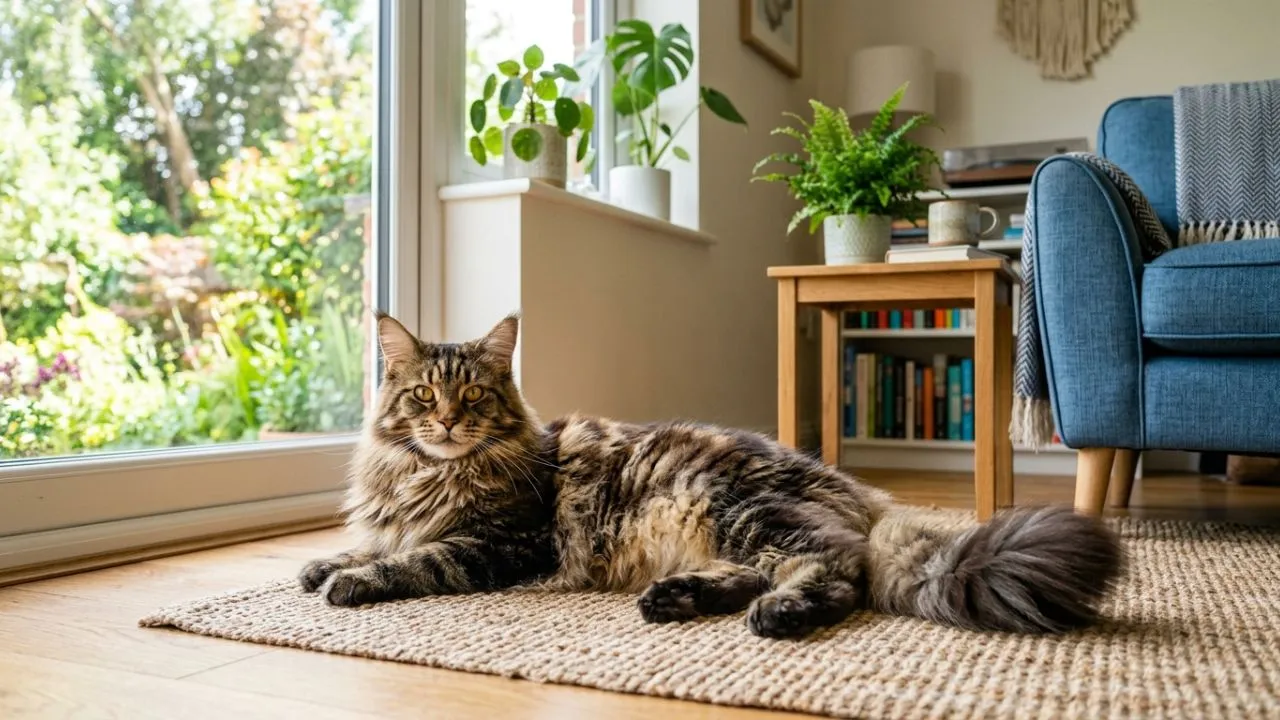
The Maine Coon, often called the gentle giant of the cat world, is known for its relaxed temperament and impressive size. Its confident, dog-like personality can help it feel comfortable around friendly dogs, including those with plenty of energy.
According to PDSA, Maine Coons are sociable, playful cats that enjoy communicating with their owners. Although they like being around people, they usually prefer exploring and playing on the floor rather than sitting on laps.
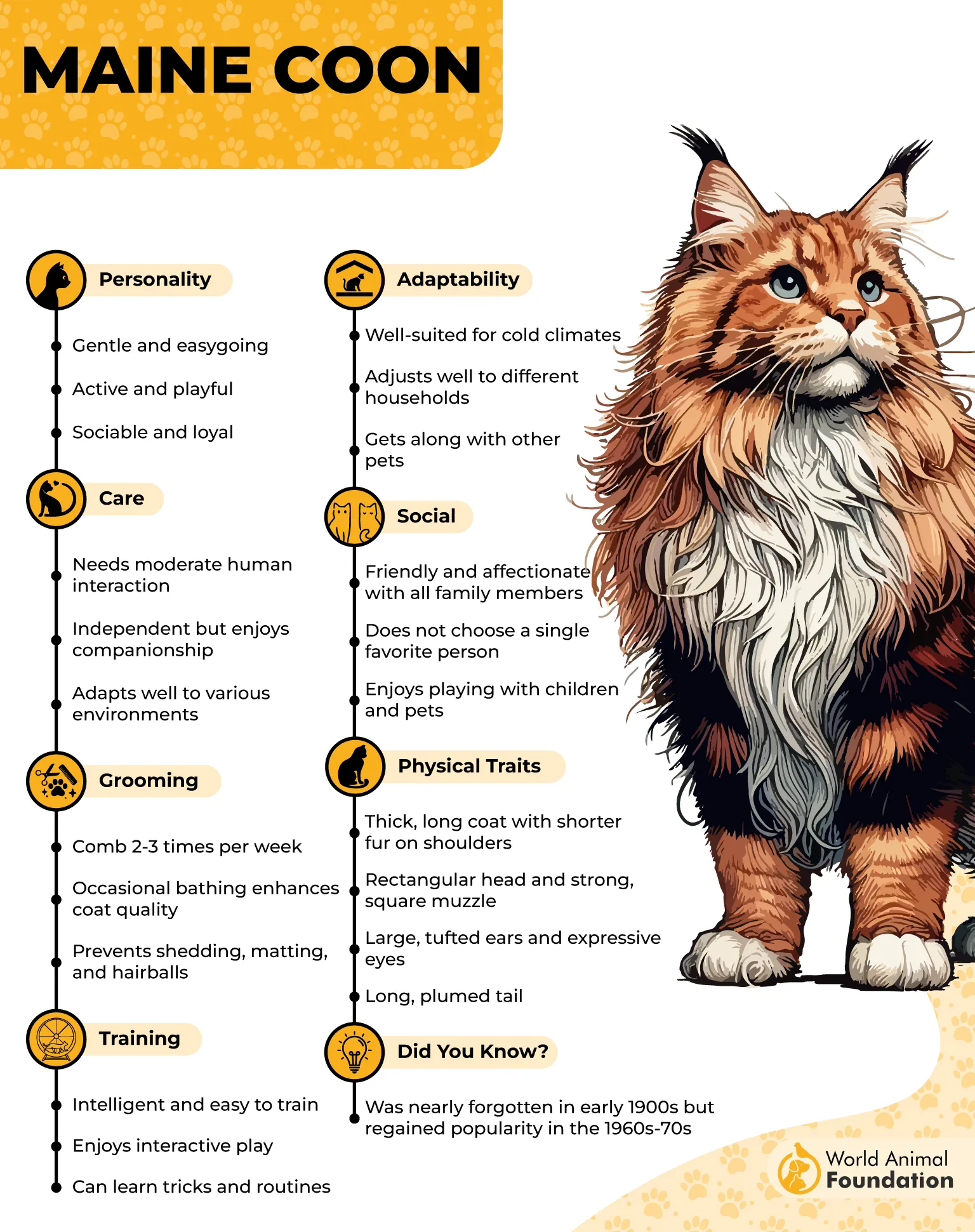
Unlike more timid cats, Maine Coons often enjoy joining family activities and interacting with other pets, and may seem more interested in joining in than hiding. Their affectionate nature, patience, and playful curiosity can make introductions to well-socialized dogs easier.
These intelligent cats also enjoy carrying toys, chasing games, and learning simple tricks. Their sturdy size can help them stand their ground around a dog during lively play, although interactions with dogs should always remain gentle and supervised.
How This Breed Stands Out
Sociable with other pets: Their friendly, adaptable temperament can help them build positive relationships with dogs and other household animals, with a unique mix of size, sociability, and confidence around dogs.
Sturdy, playful build: Their large frames and energetic personalities make them enthusiastic companions for dogs that enjoy interactive games.
2. Ragdoll
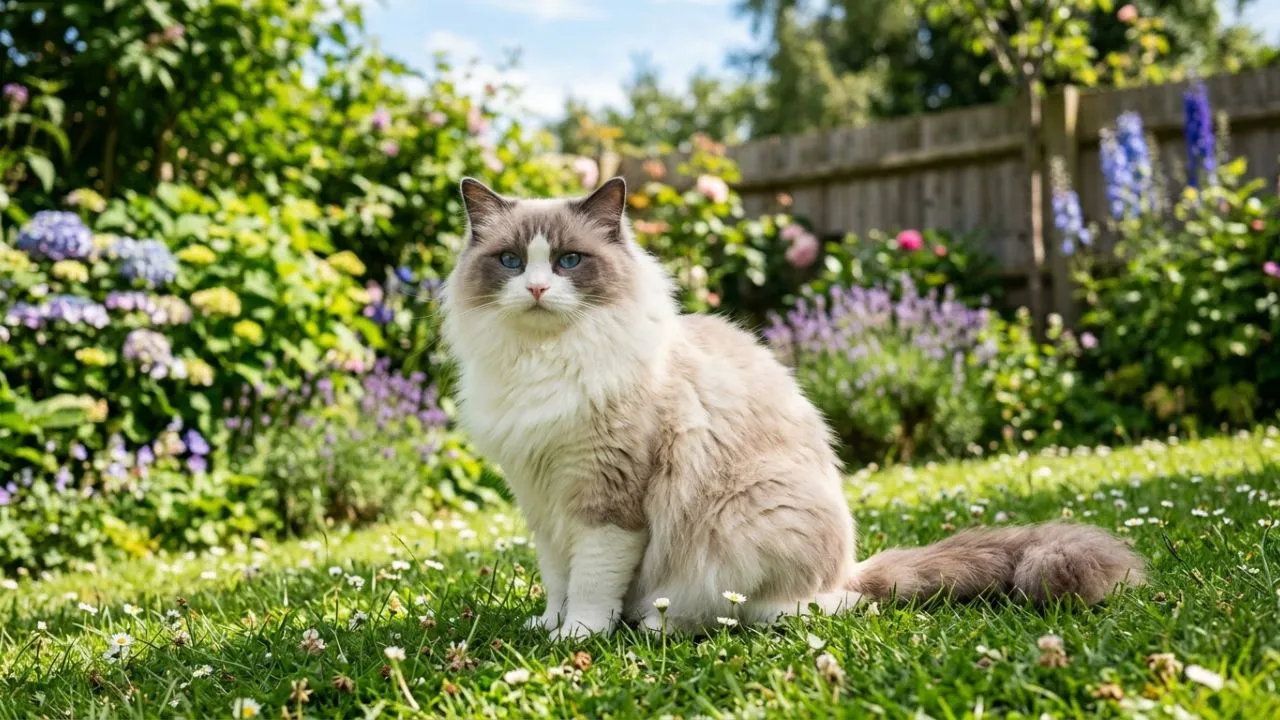
Ragdolls are famous for their gentle temperament and tendency to relax completely when held. Their calm, trusting nature can make them suitable companions for households with well-mannered dogs, and calm dogs are less likely to stress them out during introductions.
According to WebMD, Ragdoll cats can have a colorpoint coat pattern featuring darker markings on their face, paws, and nose that contrast with their lighter body, without any white fur in those areas.
Rather than reacting defensively to every movement, these cats often prefer observing from a comfortable spot nearby. Their easygoing personality can help them adjust to sharing living spaces with dogs that respect their boundaries and do not chase them.
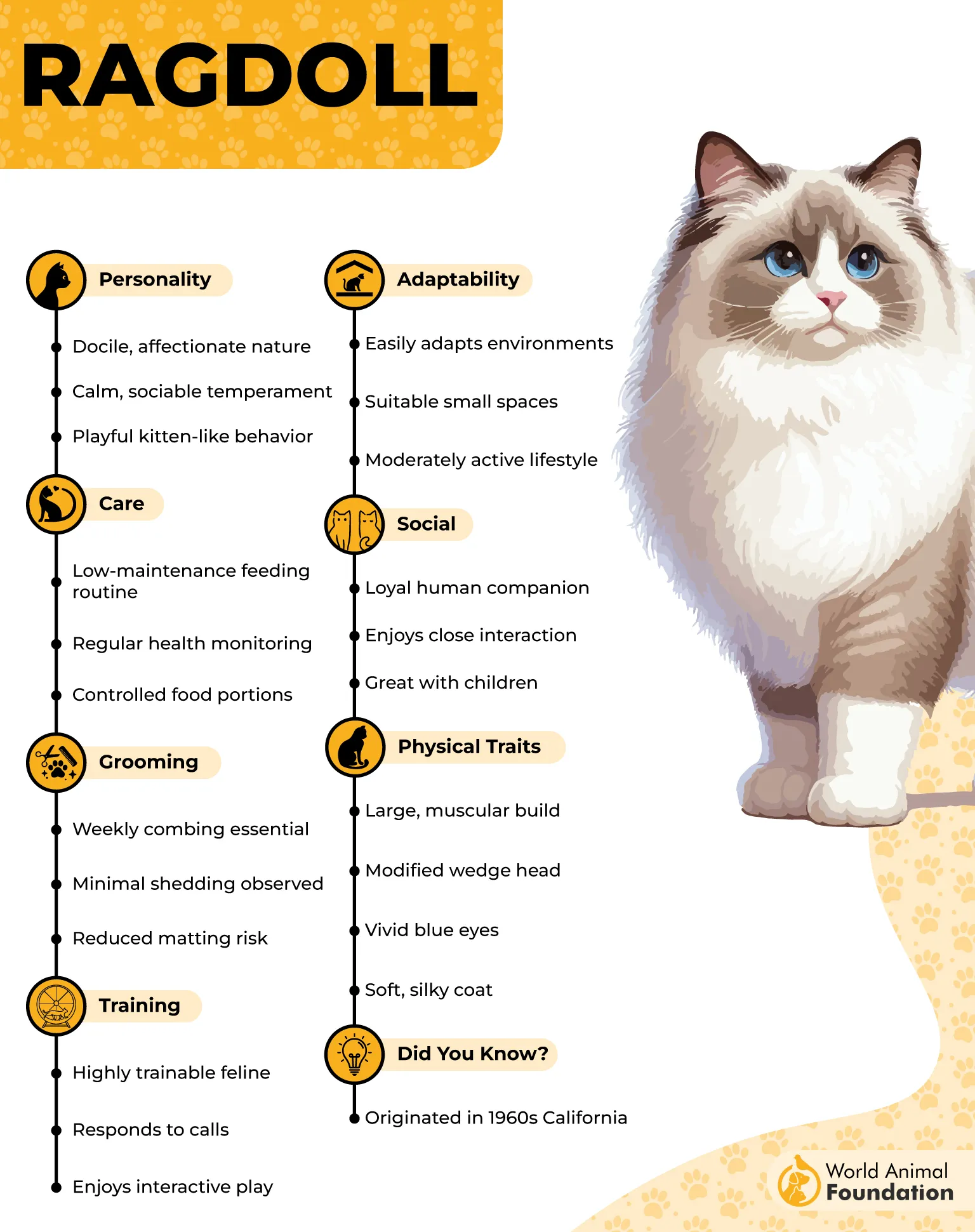
Affectionate and people-oriented, many Ragdolls enjoy spending time with family members without constantly demanding activity. Gradual introductions, supervised interactions, and elevated resting places help them feel secure around canine housemates, and once they feel safe, some may even cuddle or share a bed with a bonded dog.
How This Breed Stands Out
Relaxed around calm dogs: Their patient disposition can help them coexist peacefully with gentle dogs that avoid chasing or overwhelming them.
Affectionate family companion: Ragdolls enjoy human company and often remain close to household members, making them loving additions to homes with compatible pets.
3. Siberian
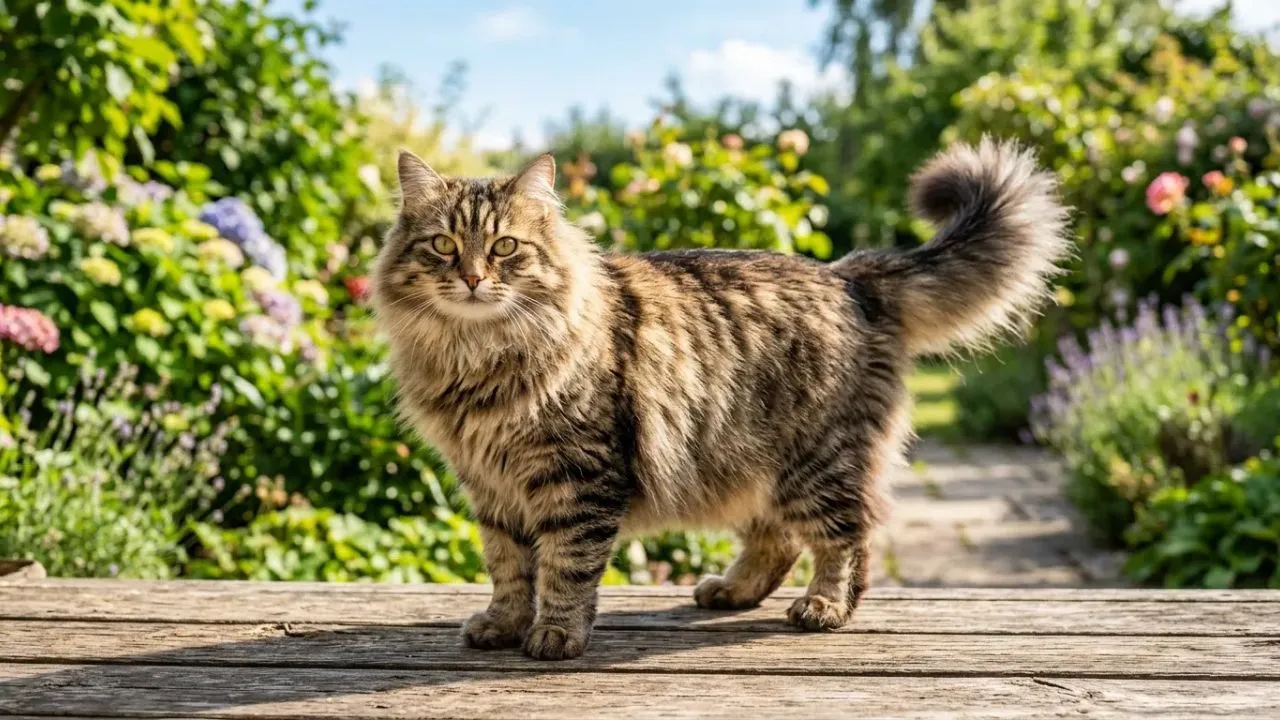
Siberian cats are energetic, confident, and highly intelligent, making them entertaining companions in lively households. Their adventurous personalities can help them adjust to homes where friendly dogs are part of everyday family life, and early socialization can make this bold breed even more comfortable with dogs.
According to PetMD, Siberian cats are intelligent, gentle, and adaptable companions, although their personalities can vary widely, with some preferring to stay close to their owners while others have strong hunting instincts.
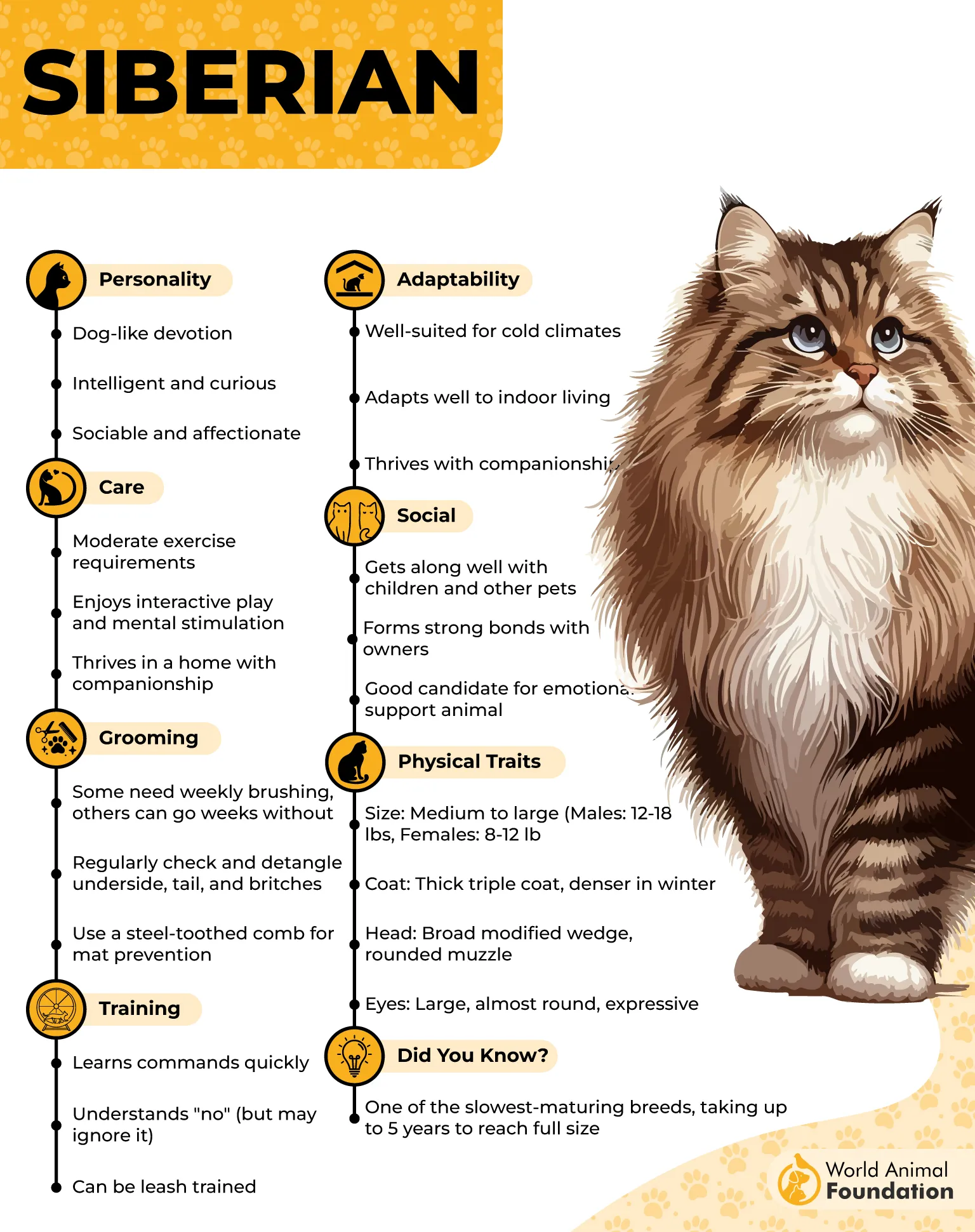
Unlike easily startled cats, Siberians often handle household noise and unfamiliar visitors with confidence, and are often more interested in exploring than withdrawing. With gradual introductions, they can develop comfortable relationships with canine companions and may even take the lead during shared playtime.
Their athletic bodies and curiosity encourage them to explore cupboards, climb furniture, and investigate elevated spaces. Providing interactive toys and suitable climbing structures helps channel their energy while keeping them engaged, and shared excitement with a playful dog is best handled with a gentle guide through interactive toys and predictable routines.
How This Breed Stands Out
Bold, adventurous nature: Their confident temperament and curiosity are a key reason they can adapt to busy homes with sociable, well-trained dogs.
Agile climbing ability: Strong, athletic bodies allow Siberians to climb and leap with ease, giving them opportunities to explore and retreat to safe elevated spots.
4. Birman
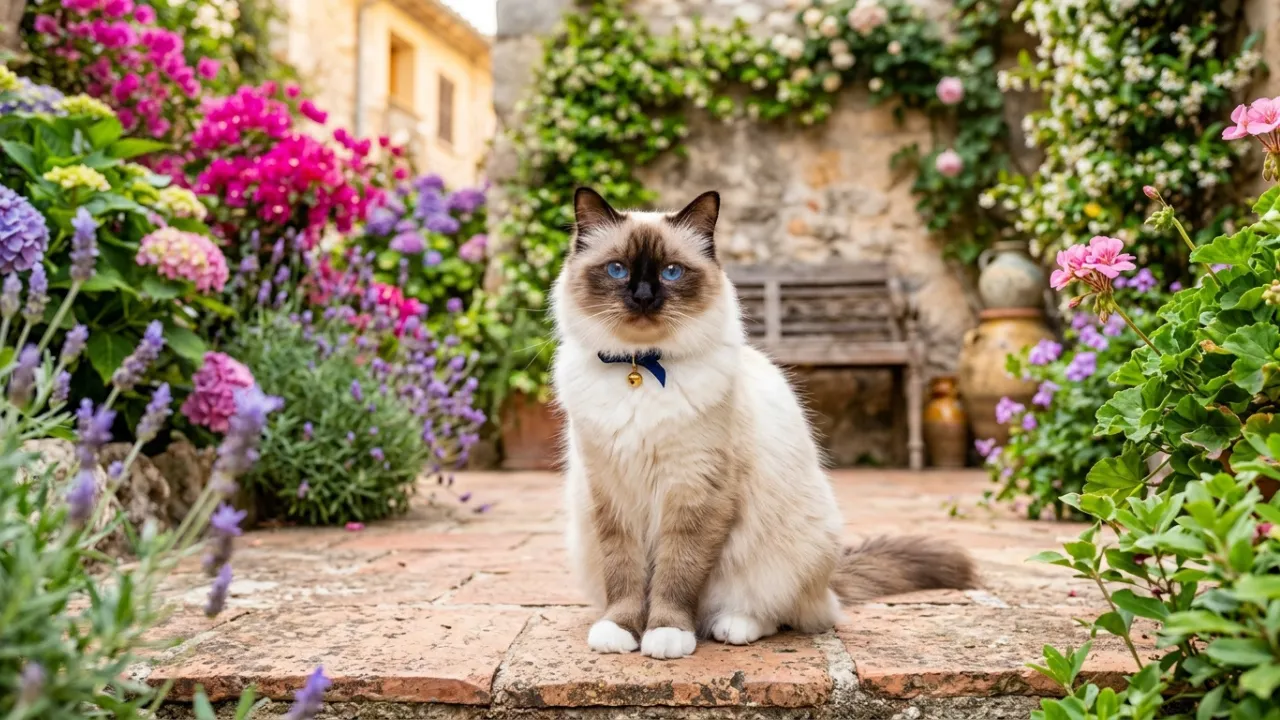
Birmans are gentle, sociable cats that often enjoy sharing their space with other household pets. Their patient disposition and relaxed personality can make them suitable companions for dogs, particularly those with friendly, respectful manners.

Although they may initially be cautious about sharing their territory, Birmans generally express discomfort without becoming overly confrontational. They can gradually grow comfortable around canine housemates when introductions are handled patiently and positively.
In some homes, they may also want to maintain their place in the household and can become jealous of attention, so setting clear routines is important for a good adjustment.
Curious and playful, these cats enjoy interactive games, including chasing and taking turns following a playmate. Their social nature encourages engagement, but supervised interactions and a gradual start usually matter more than pushing active play too soon with a compatible dog.
How This Breed Stands Out
Gentle, tolerant temperament: Their patient nature helps them adjust to other pets, especially dogs that respect their personal space, and patient introductions are important.
Playful curiosity: Birmans enjoy chasing games and exploring their surroundings, creating opportunities for friendly interaction with energetic canine companions.
5. Norwegian Forest Cat
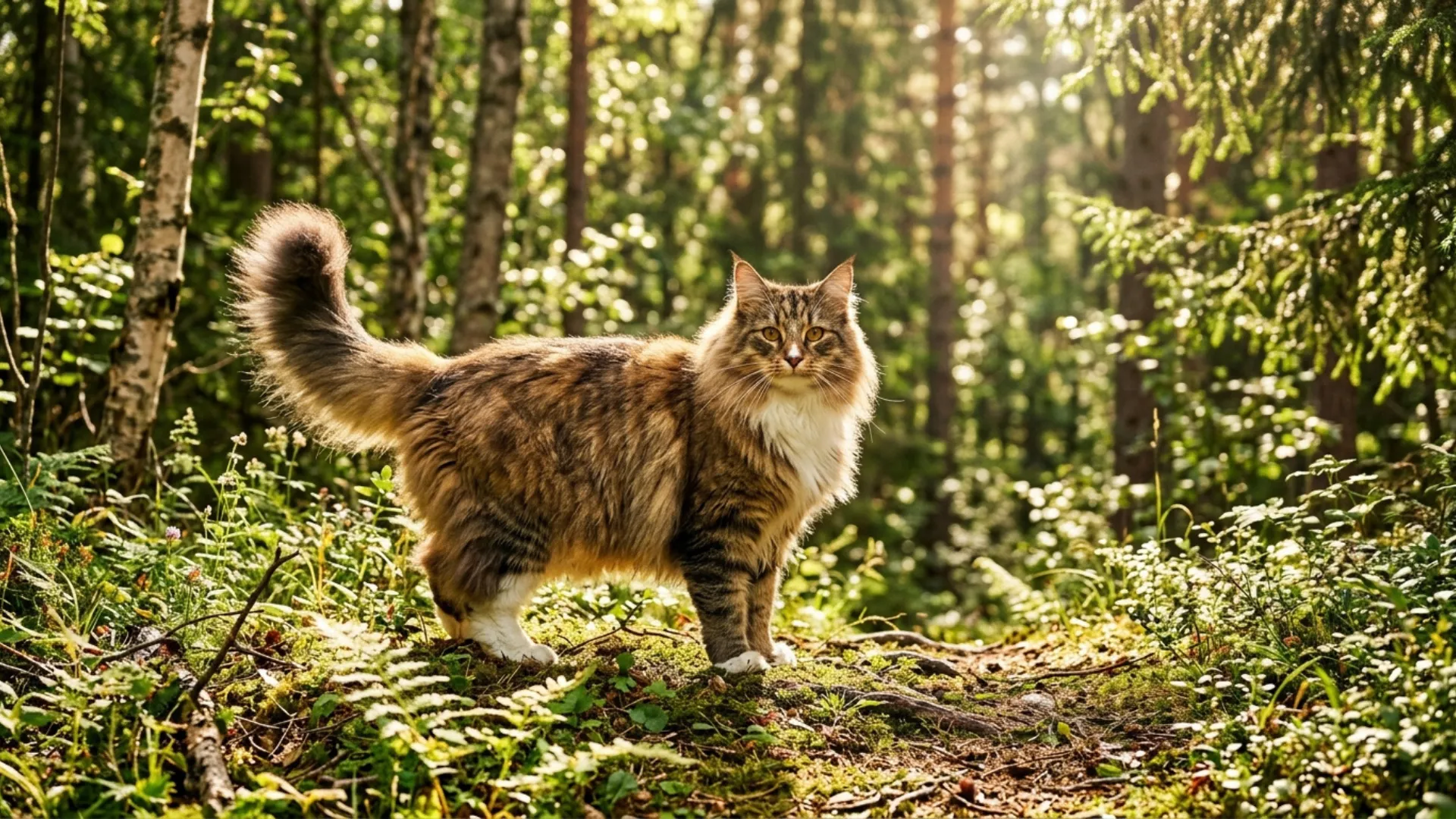
Originating in Norway, the Norwegian Forest Cat is a large, muscular breed with a gentle temperament. Its relaxed, adaptable nature can help it become comfortable in households where friendly dogs are part of daily life.
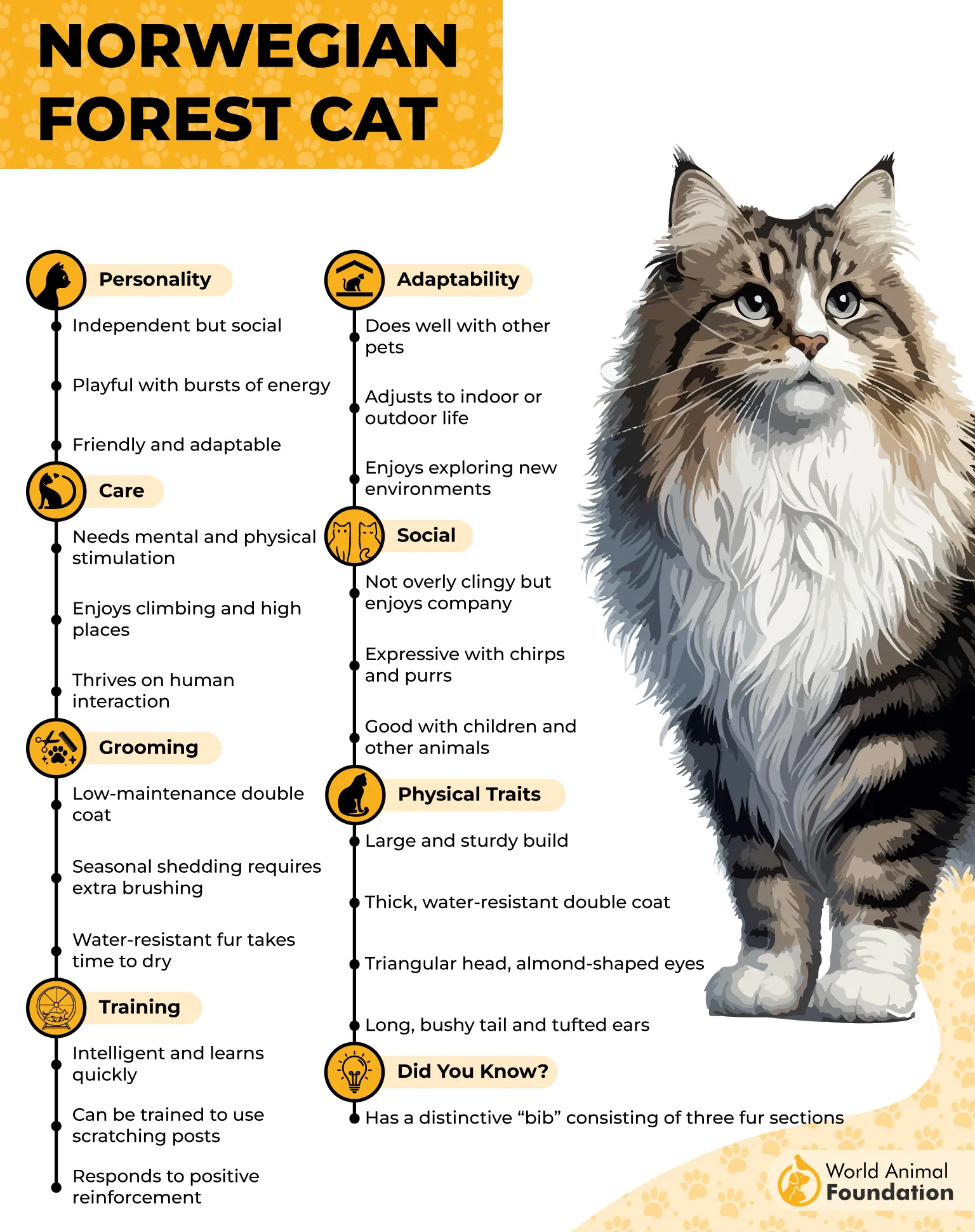
Although these cats may take time to accept a canine companion, they often develop close bonds when given patient introductions. Cats raised with dogs from a younger age may adjust more easily, while older cats may need more time to become familiar with canine behavior and household routines.
Beneath their thick coats, Norwegian Forest Cats have strong bodies and confident personalities, which can help a respectful dog feel less like a threat. They enjoy exploring their surroundings and can retreat to elevated spots whenever they need space from an enthusiastic playmate.
How This Breed Stands Out
Expert climber: Powerful legs and excellent balance help this cat scale cat trees and high perches, providing safe spaces away from dogs.
Self-assured personality: Its independent, adaptable temperament can support peaceful coexistence with respectful dogs once trust develops.
6. Tonkinese
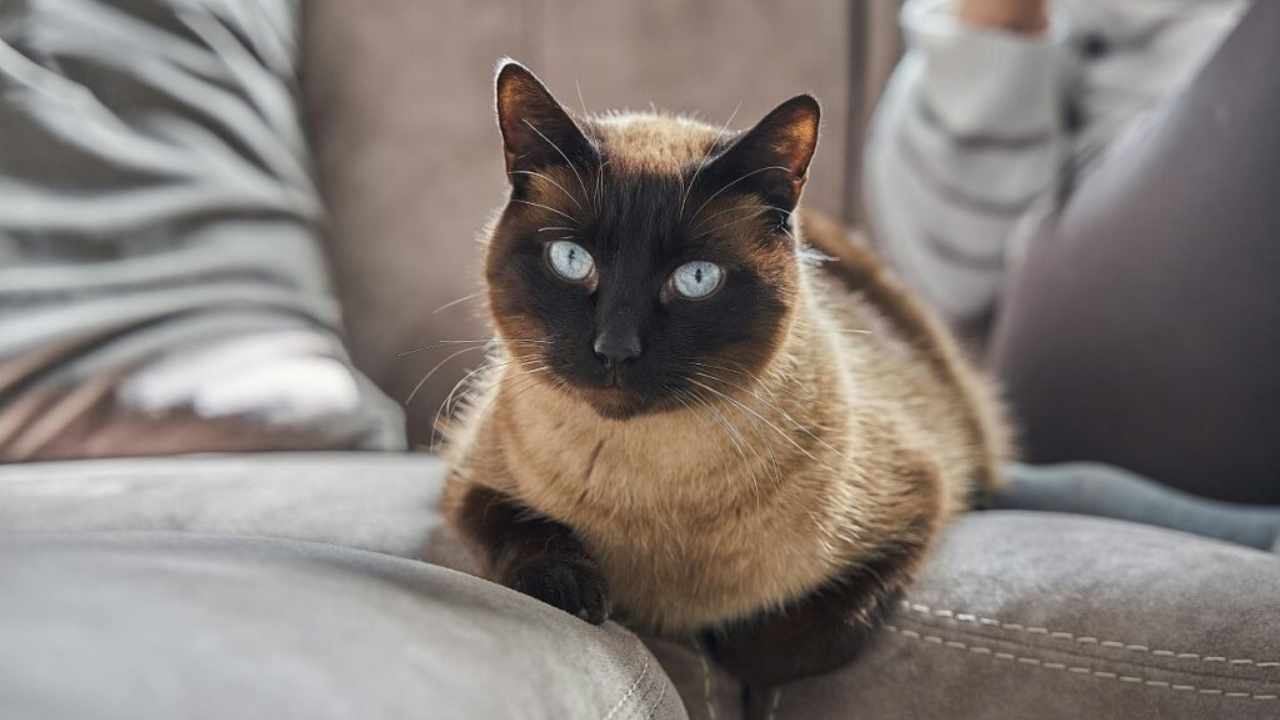
Tonkinese cats blend the lively personalities of Siamese and Burmese breeds, resulting in outgoing, intelligent companions with an outgoing temperament. Their sociable disposition often helps them feel comfortable around friendly dogs and visiting guests.
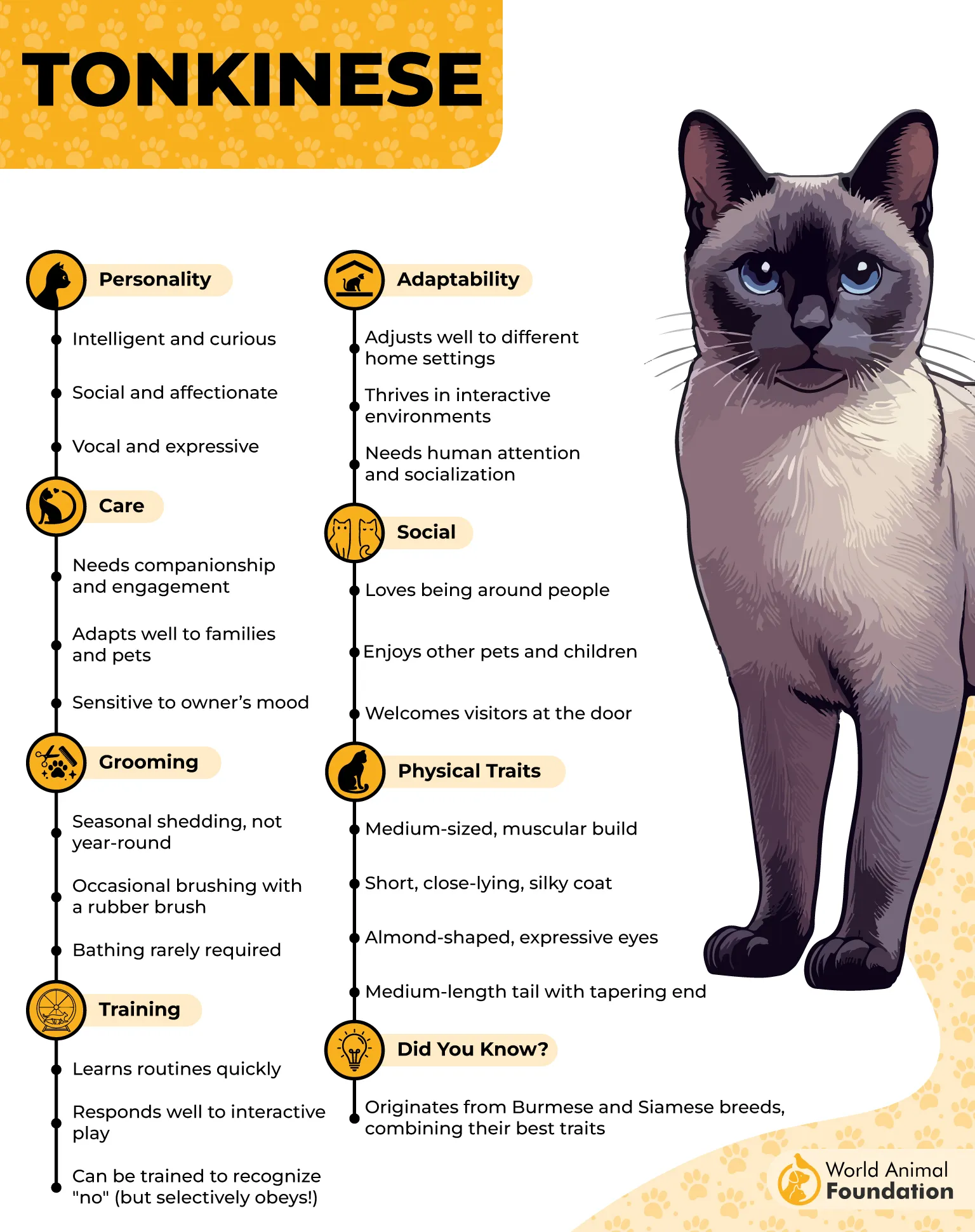
Unlike cats that prefer observing from a distance, Tonkinese enjoy being involved in household activities. They may seem to love being where the action is, including around a familiar dog. They may follow their canine companions around the house, vocalize during exciting moments, or seek attention when everyone is together.
Their quick minds and energetic nature make interactive play especially appealing. Some even learn to retrieve toys, creating opportunities for engaging games with dogs that enjoy similar activities and can still respect boundaries. Tonkinese cats have short hair that is easy to maintain with occasional brushing.
How This Breed Stands Out
Outgoing, interactive nature: Tonkinese thrive on social contact and often enjoy engaging with both people and dogs rather than spending long periods alone, which helps them stand out in homes that want an especially interactive cat.
Enjoys shared games: Their playful intelligence makes chasing toys and playing fetch enjoyable activities to share with compatible canine companions.
7. Japanese Bobtail
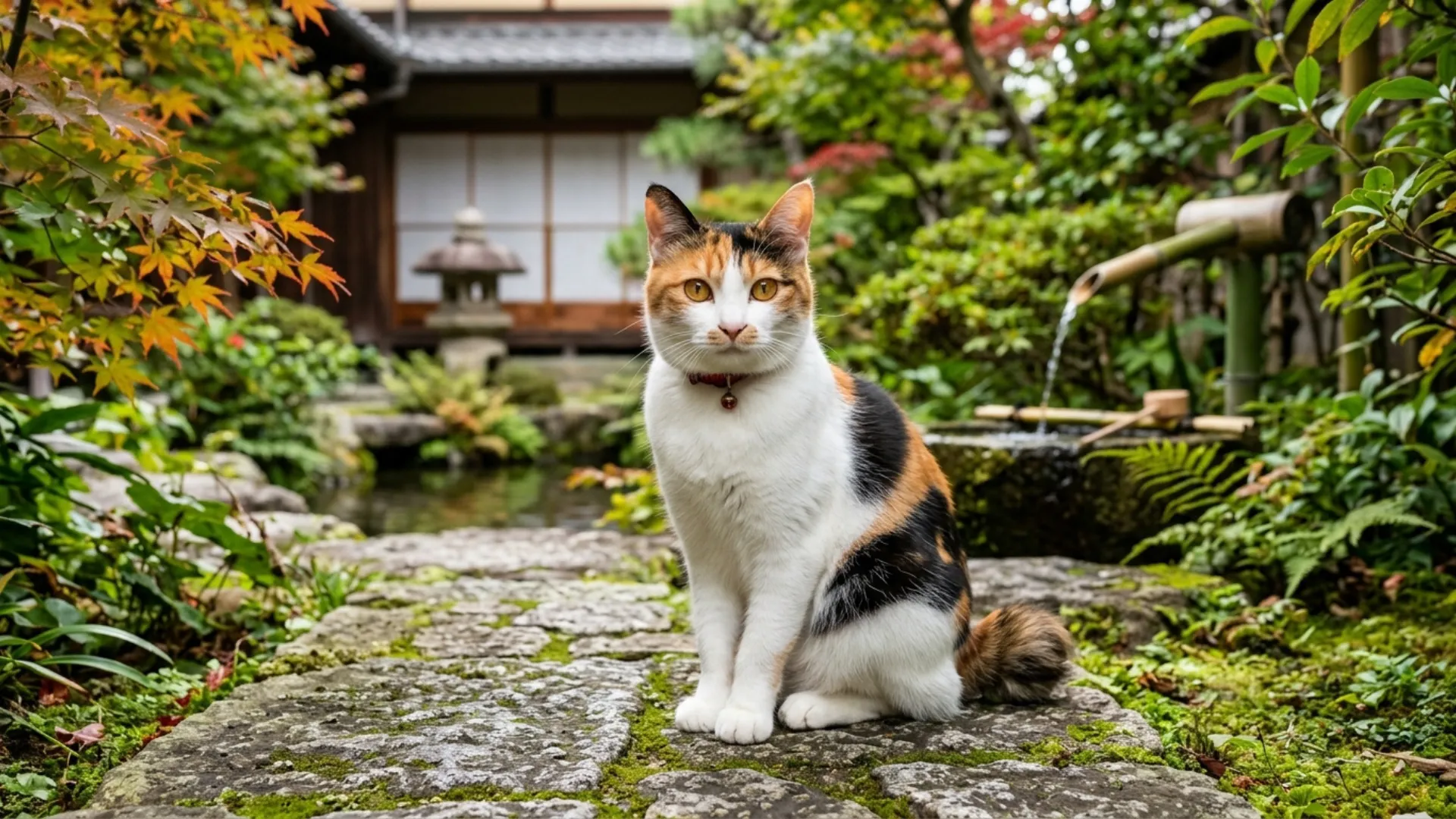
Recognizable by its distinctive pom-pom tail, the Japanese Bobtail is an energetic, intelligent cat with an outgoing personality. Its confident attitude can help it navigate busy households where friendly dogs are part of everyday life, and it is often considered dog-friendly because of its sociable nature.
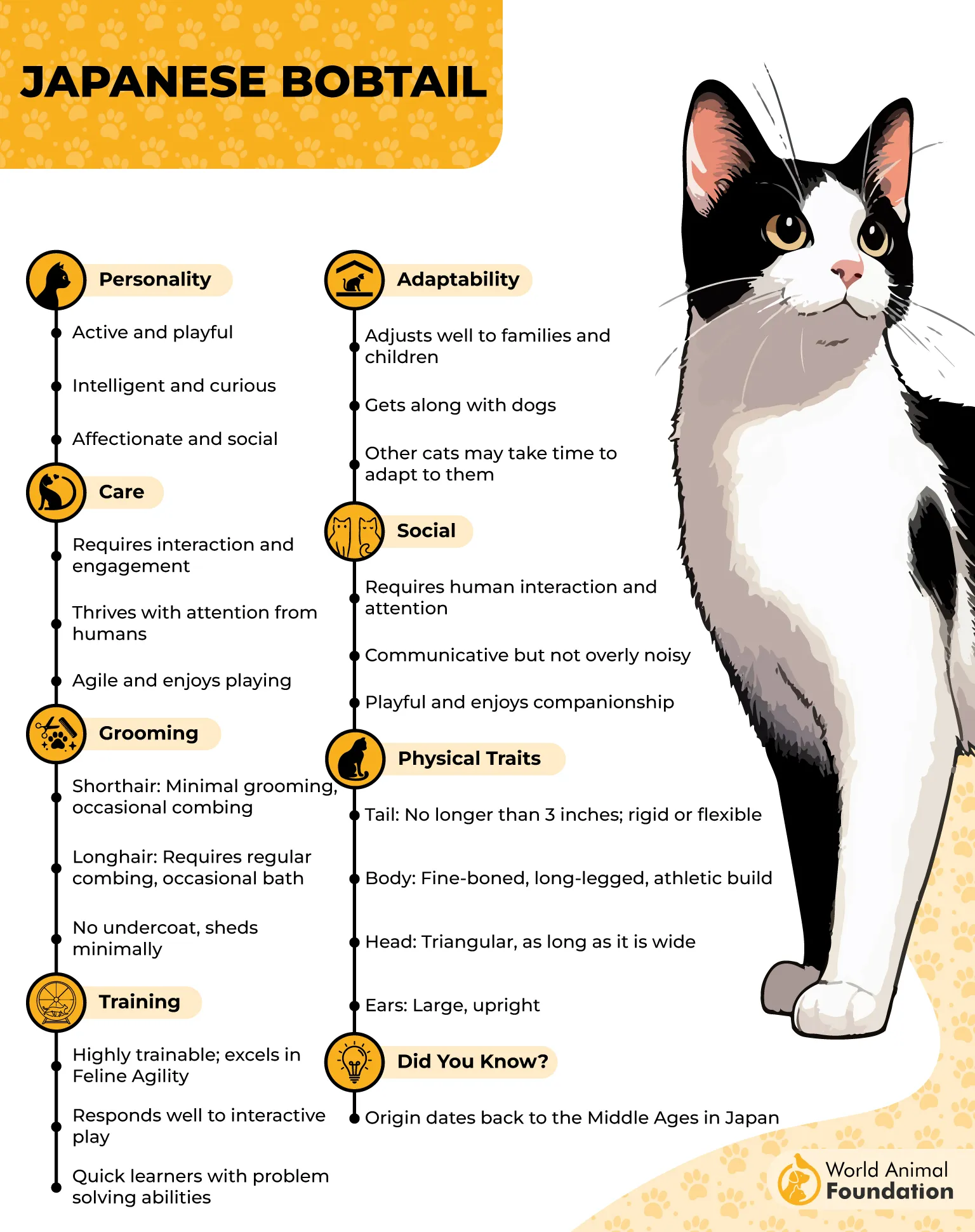
These domestic cats enjoy exploring, investigating new surroundings, and interacting with their human companions. Rather than feeling easily intimidated by a canine housemate, they may approach with curiosity and confidently initiate play, with some acting as though they are in charge around a respectful dog.
Japanese Bobtails also adapt well to changing routines when they receive sufficient attention and stimulation. Their lively temperament makes interactive toys and games useful ways to keep them entertained alongside compatible dogs.
How This Breed Stands Out
Natural toy retriever: Their playful intelligence and enthusiasm for fetching make them entertaining companions for dogs that enjoy chasing and retrieving toys.
Alert, adaptable personality: Their curiosity and confidence help them adjust to household routines and engage comfortably with friendly canine companions, while their adaptability and outgoing temperament make them a good fit for busy families.
Conclusion
Choosing the right cat for a home with dogs depends on temperament, confidence, and compatibility. Maine Coons bring sociability and sturdy builds, while Ragdolls offer relaxed companionship and enjoy bonding with their families and canine housemates.
Siberian cats are adventurous and athletic, benefiting from climbing spaces where they can retreat when needed. Birmans bring gentle personalities and playful curiosity, making supervised interactions important during introductions.
Norwegian Forest Cats appreciate elevated resting spots and combine impressive climbing abilities with a patient disposition. Tonkinese cats enjoy shared household activities, while interactive play can help encourage positive relationships with dogs.
Japanese Bobtails add playful retrieving instincts and adaptability to busy homes. Regardless of breed, gradual introductions, separate resting areas, and close supervision help both animals feel secure and develop a peaceful relationship.
