




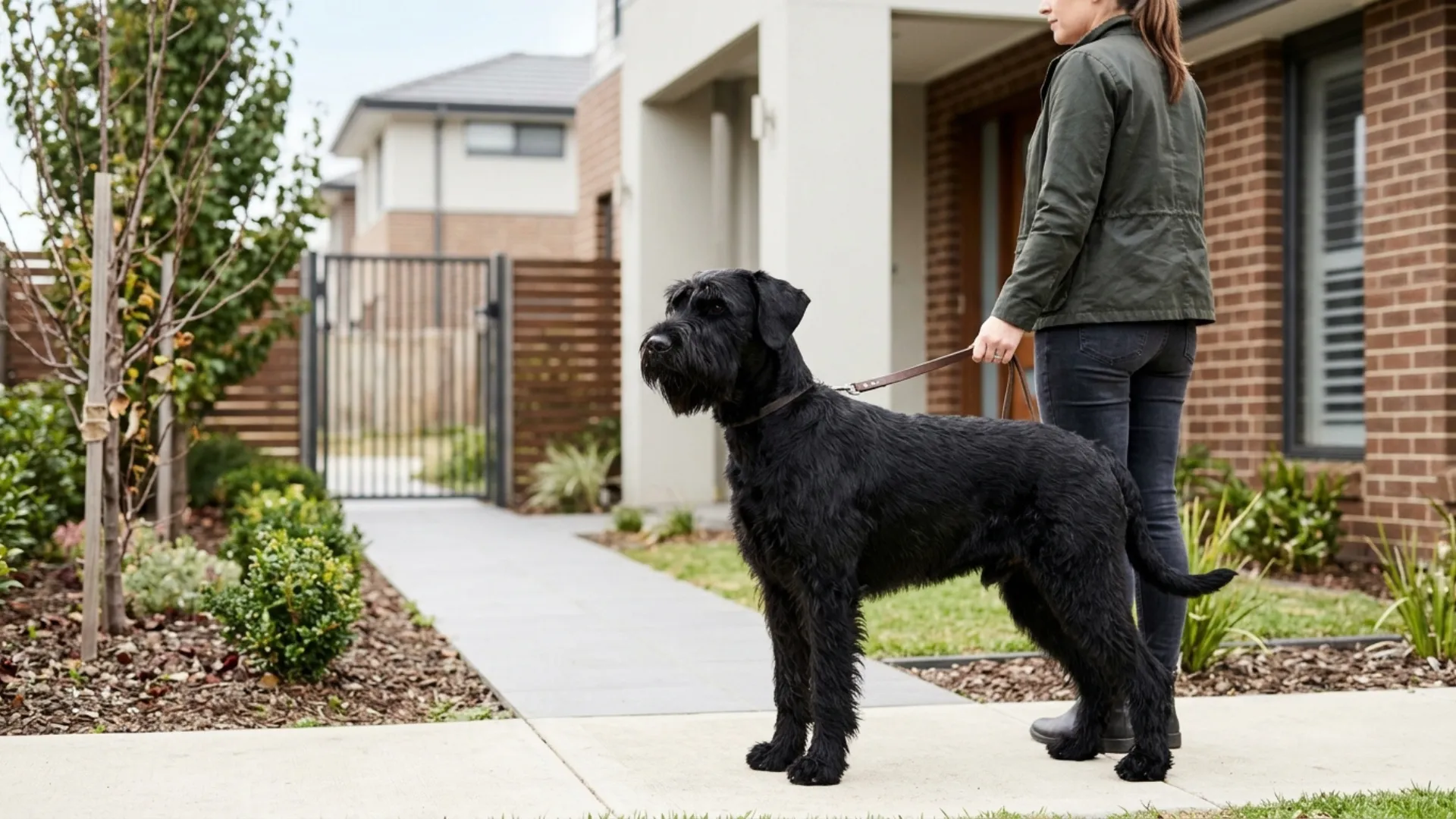
Living alone changes the way many women think about having a dog. Companionship remains important, but qualities like awareness, confidence, and protective instinct can also add real value.
Strong guard dog breeds often come from working backgrounds where dogs were expected to watch property, protect animals, assist handlers, or respond to potential threats. Those jobs shaped traits still seen today, including attentiveness, loyalty, physical strength, and a natural tendency to monitor their surroundings.
At the same time, protective ability needs structure, guidance, and consistent boundaries. A dog that is difficult to control around visitors or unfamiliar situations can create challenges inside the same home it is meant to protect. Good training, early socialization, and a clear daily routine help channel guarding instincts in a predictable direction.
For a single woman, the ideal one may therefore need to offer more than a strong presence. The breeds ahead offer different ways to balance protective instincts with everyday companionship and home life.
Key Takeaways
Living alone can make a dog’s awareness feel especially valuable, particularly when it notices a strange sound before you do.
Boerboel brings serious physical strength to that role, while Giant Schnauzer stays closely tuned to its handler and surroundings.
German Shepherd, Boxer, and Doberman Pinscher add their own mix of alertness, loyalty, and quick responses around the home.
The list also brings in Rottweiler and Cane Corso, each with a different way of watching over the person they bond with most.
Strong Guard Dog Breeds for Single Women
1. Boerboel
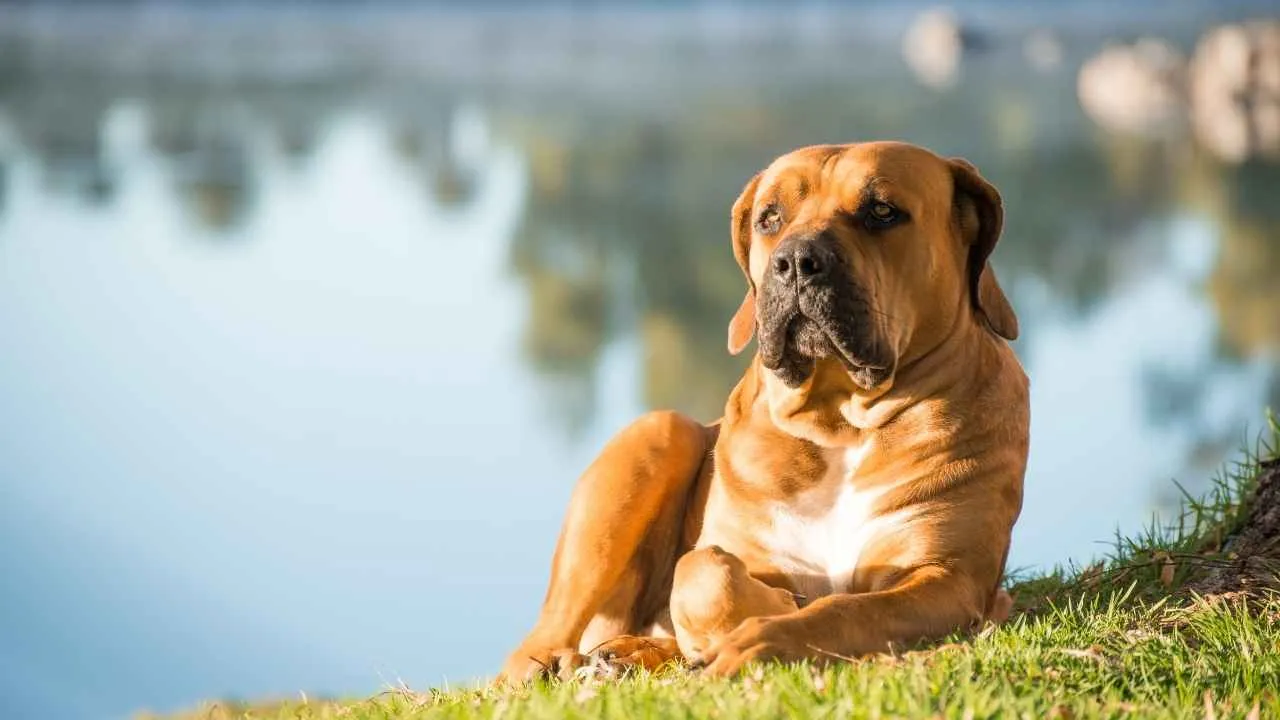
Boerboel emerged from the farming communities of South Africa after Dutch, German, and Huguenot settlers arrived during the 1600s with large dogs used for guarding and hunting. Later breeding may have included Bullmastiff, Rhodesian Ridgeback, English Bulldog, and a native South African dog.
A Strong Home Guardian
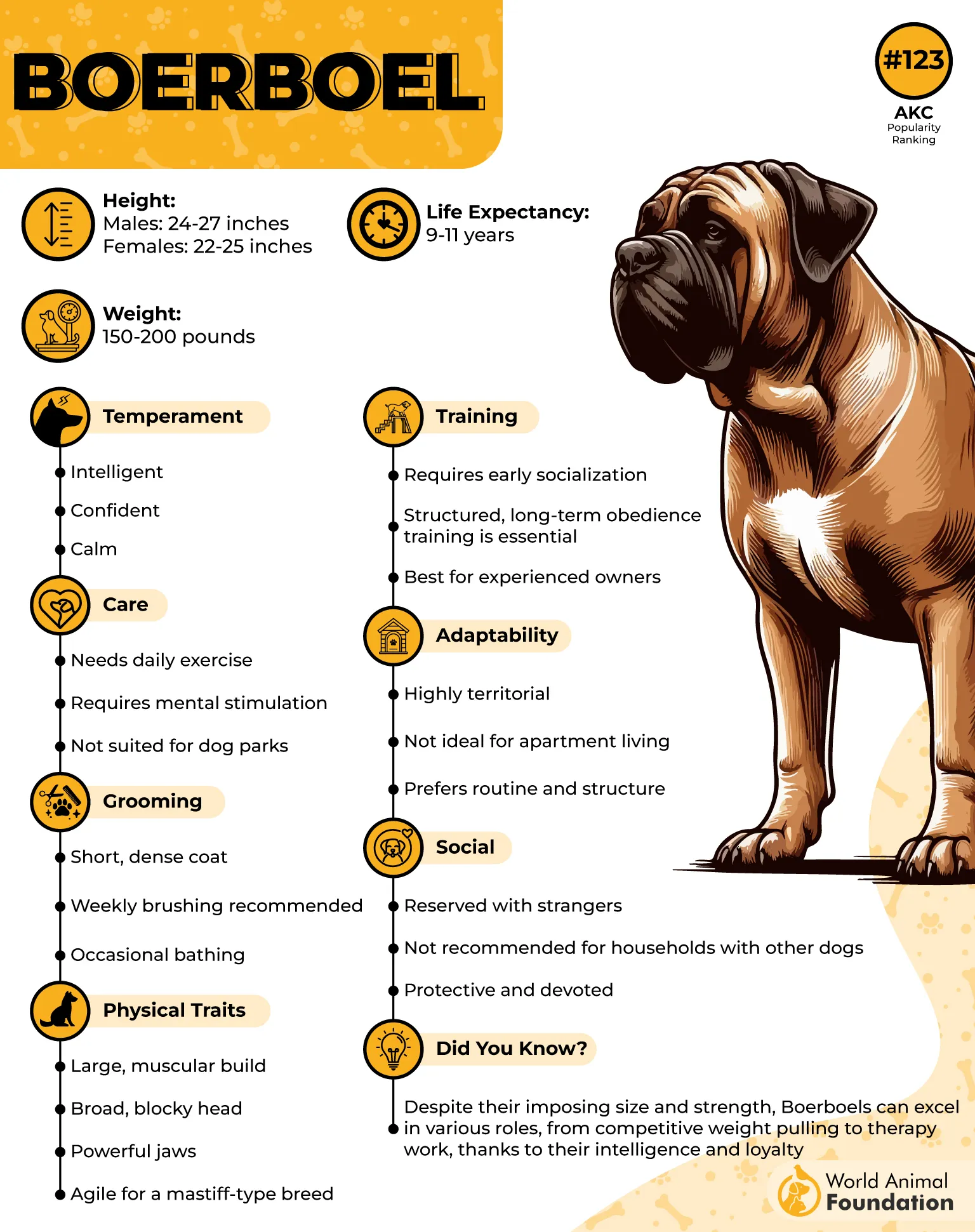
This protection dog has the physical equipment associated with guarding work, including a broad skull, powerful jaw muscles, and substantial neck and shoulders.
Its thick skin and sturdy frame also suited the rough conditions of farm life and encounters with predators or livestock hazards.
A closer look at its guarding behavior reveals these qualities:
Circles fences, gates, and entry points
Uses body-blocking around trusted people
Tracks unfamiliar sounds and vehicles
Quiet Awareness
Boerboel can spend much of the day inactive indoors, then become intensely attentive when something changes nearby, as per Orvis. Its warning may come through posture, stillness, or a deep, low bark rather than constant noise, giving a single-person household a dog that watches its surroundings closely.
2. Giant Schnauzer
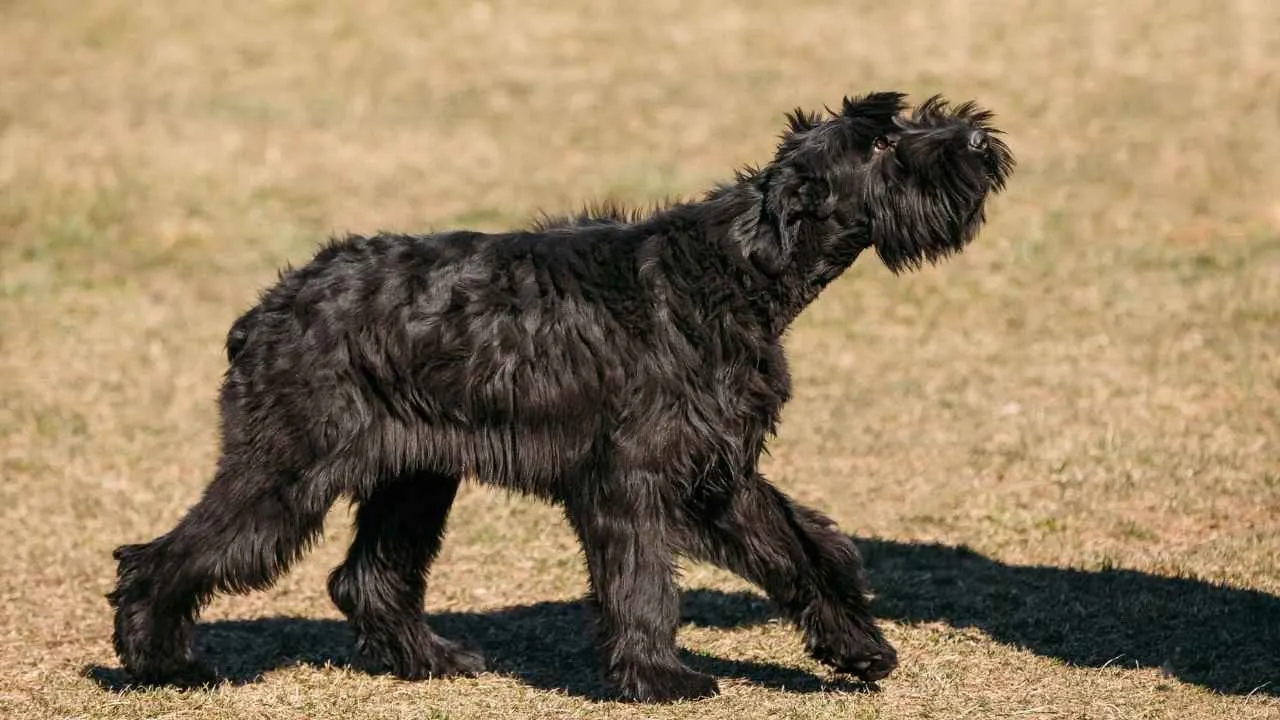
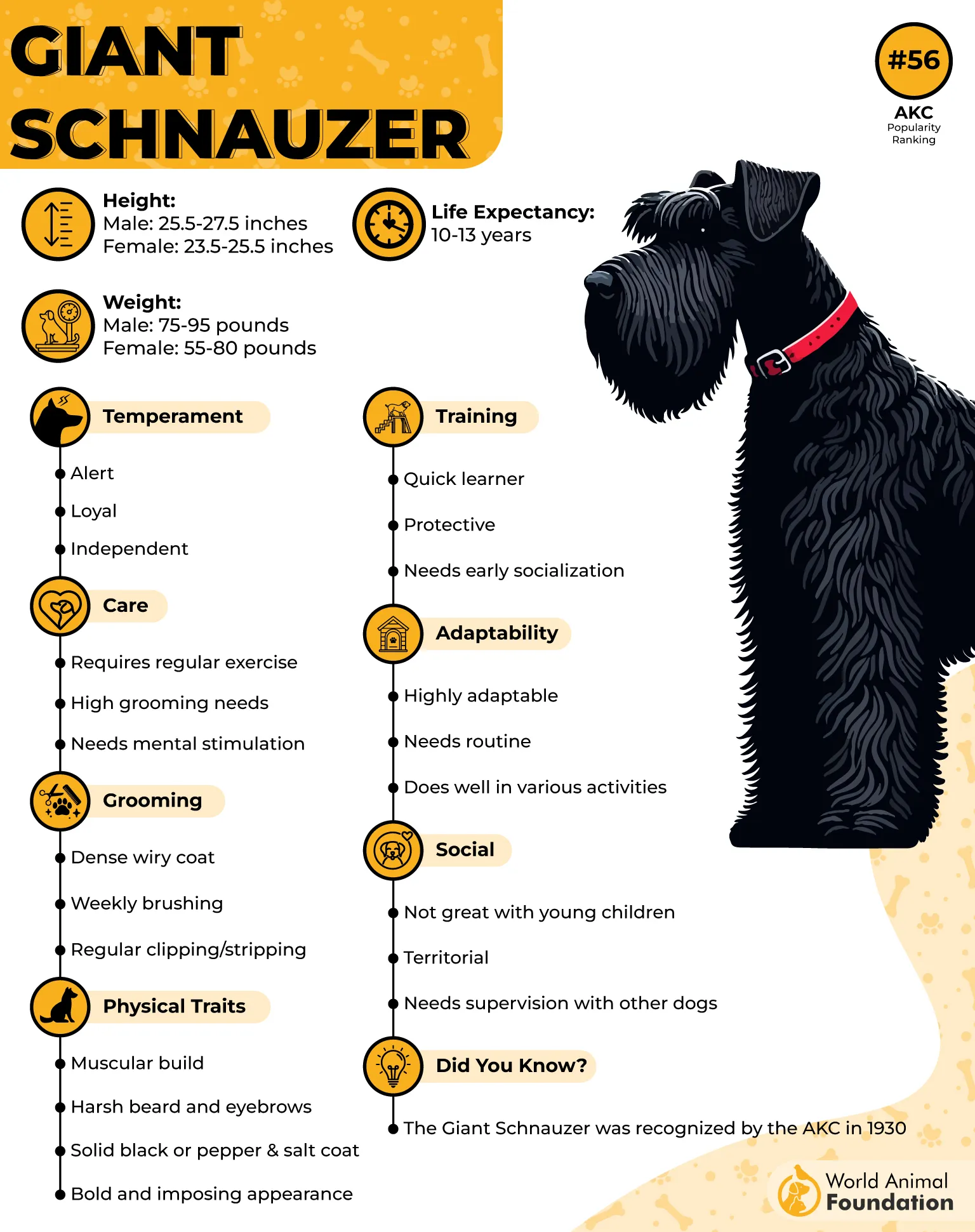
Giant Schnauzer was originally bred in Bavaria, Germany, with roots reaching back to the 1700s. Breeders combined Standard Schnauzers with Black Great Danes and Bouvier des Flandres to create a larger working dog for farm guarding and cattle herding.
A Serious Watchdog
Giant Schnauzer has the stamina for demanding guard work and can quickly react to unfamiliar sounds or someone approaching the home. Its instinct to position itself between family members and unfamiliar people can add another layer of awareness around the property.
A few working habits are especially useful to know:
Naturally patrols familiar areas
May use body blocking when herding
Can bark at unexpected visitors
Focused on Its Person
This best guard dog breed often shadows its handler and responds well when given structured jobs such as scent games, training drills, or controlled play, as noted in the Royal Kennel Club.
Early socialization also matters because its caution around unfamiliar people can become excessive without varied introductions during puppyhood.
3. German Shepherd
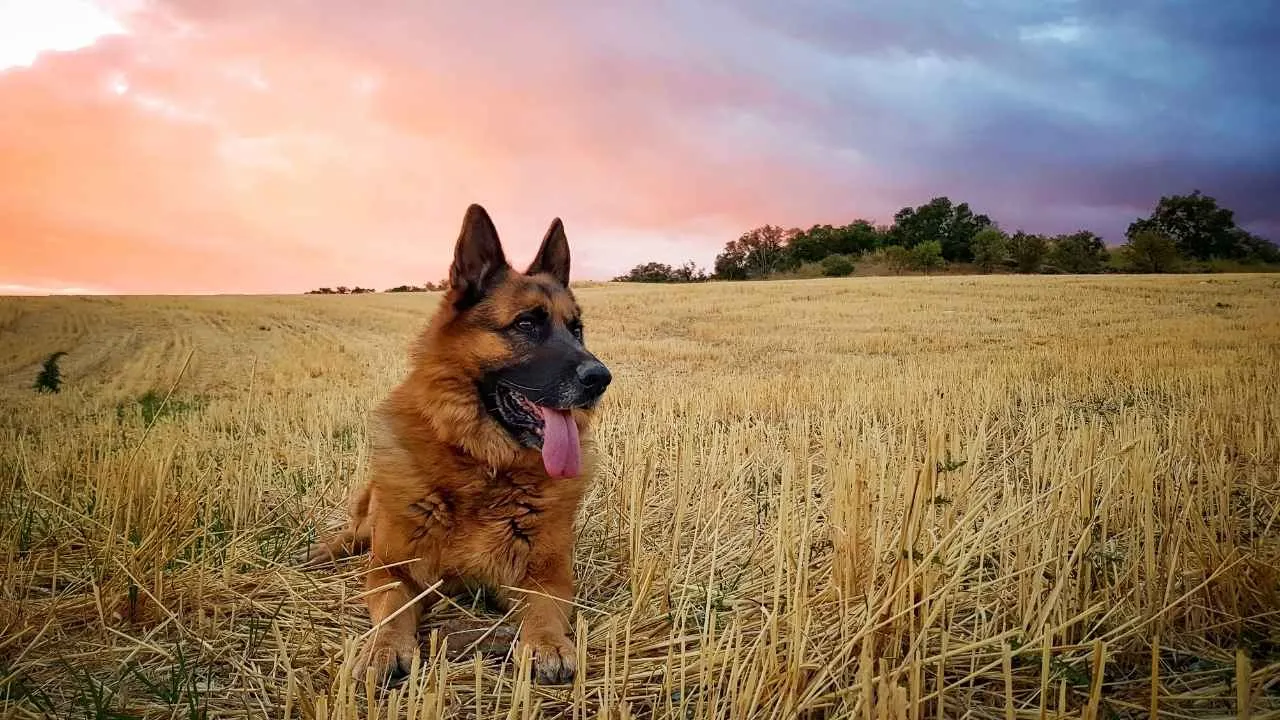
German Shepherd began in Germany as breeders worked toward a capable dog for herding and protecting flocks. After the First World War, the breed was also called Alsatian or Shepherd Dog, before kennel clubs returned to its original name during the 1930s.
A Natural Watcher
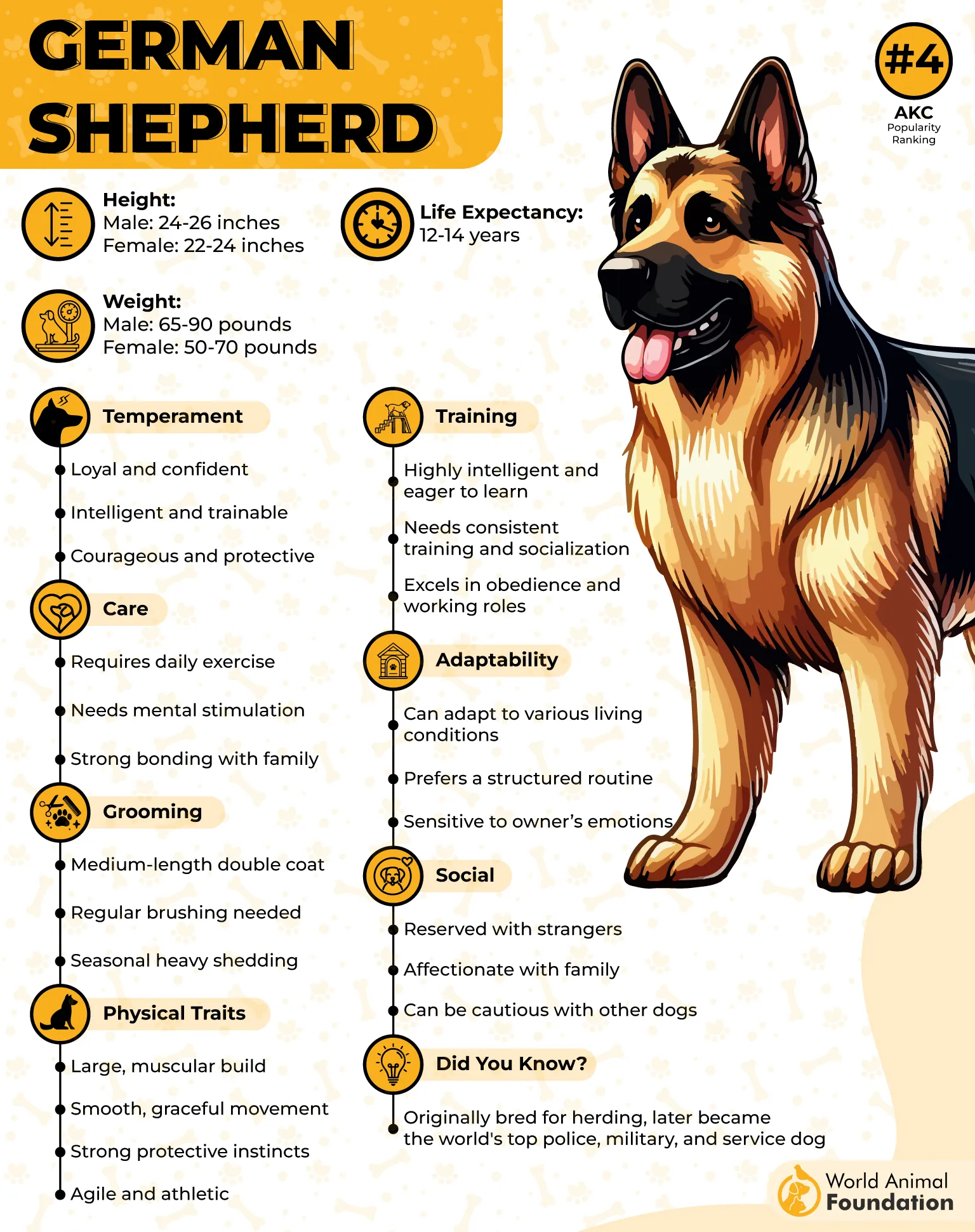
For a woman living alone, the German Shepherd brings several useful guarding qualities, including perimeter awareness, alert barking, and a strong instinct to protect its household.

According to PetMD, its courage and trainability have also made it suitable for police, military, customs, and search-and-rescue work.
Three details are especially useful in a protective role:
Circles and positions to control movement
Scans surroundings for unusual activity
Can learn structured guarding routines
Reads the Room
German Shepherd has excellent scenting ability and a strong problem-solving drive, useful for recognizing obstacles and learning familiar routes. Well-trained working dogs also frequently glance toward their handler for cues, creating close communication during demanding tasks.
4. Boxer
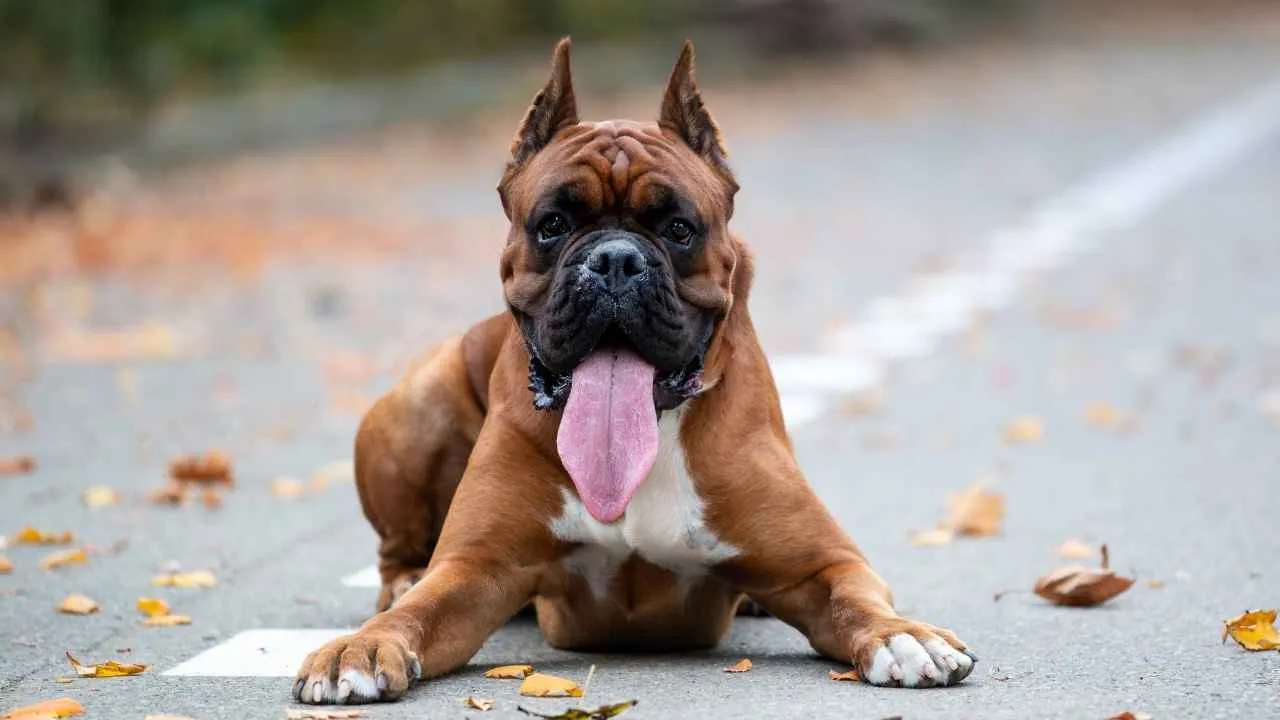
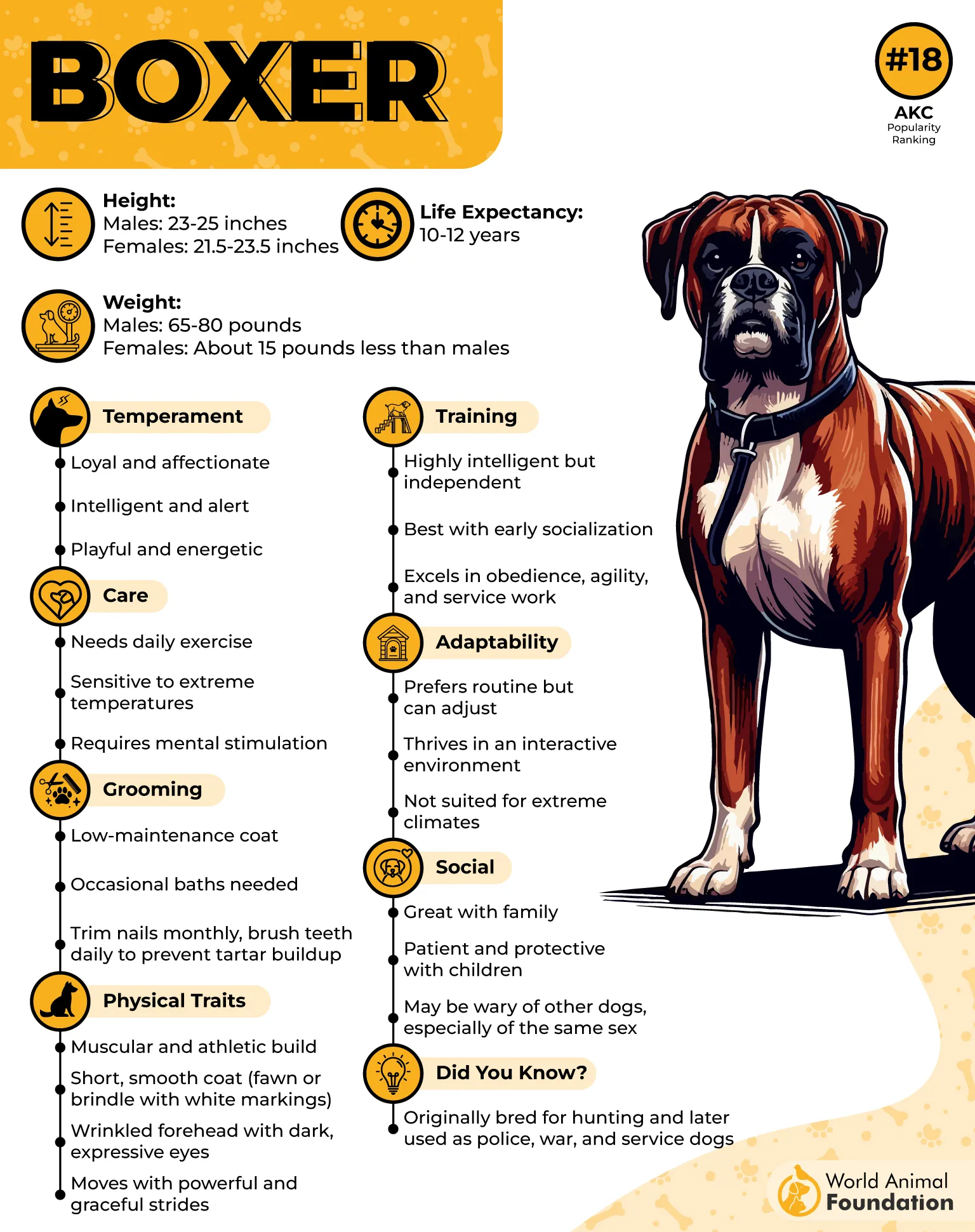
Boxer originated in Germany through crosses involving the German Bullenbeisser and Bulldog, with its working role taking shape in the late 19th century. Butchers used these dogs to control cattle at slaughterhouses before the breed reached America by 1903.
Alert at Home
Boxers have an attentive nature useful for home protection, often barking when someone approaches the door and becoming protective when a situation feels threatening. Proper socialization can help it accept invited visitors while remaining watchful around unfamiliar people.
These characteristics make that alertness especially recognizable:
May position itself between family and strangers
Can vocalize with expressive grumbles
Keeps an eye on how people behave around it
A Social Shadow
Boxer is highly people-focused and may follow its favorite person from room to room, looking for attention along the way. Its playful nature can include leaning against someone, nudging with a paw, or rolling over when it wants affection, a belly rub, or a little extra attention.
5. Doberman Pinscher
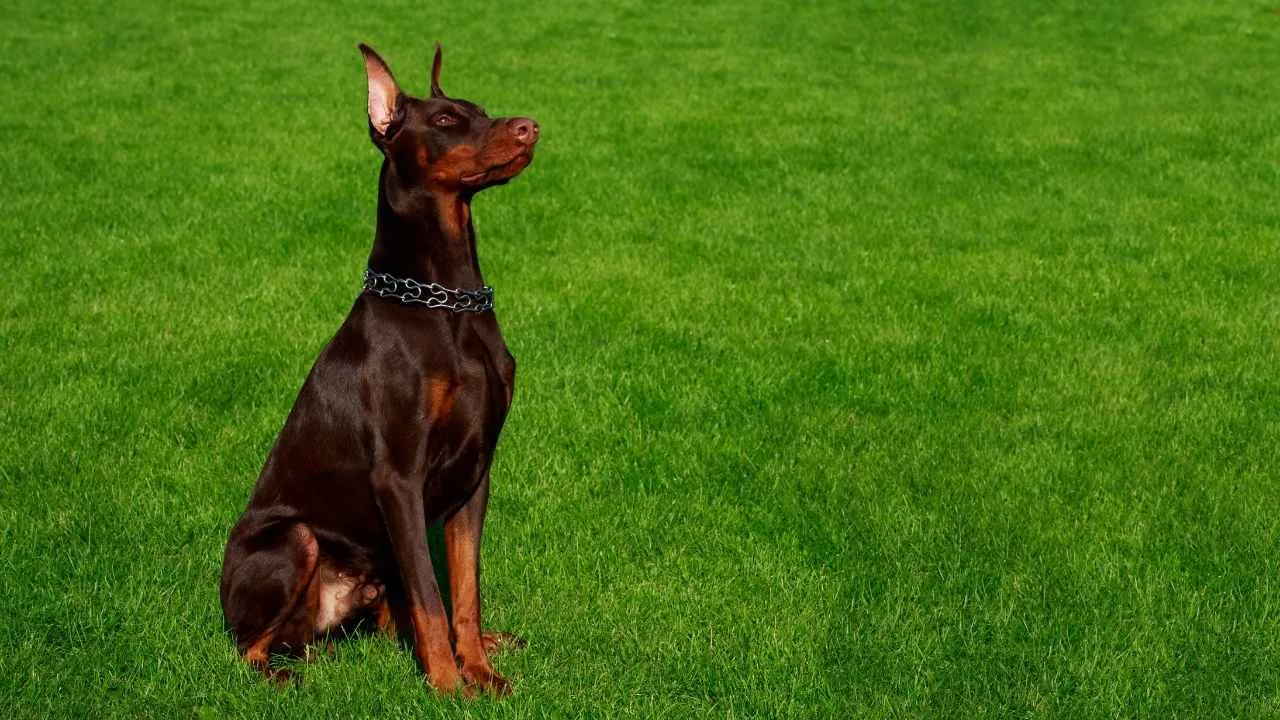
Doberman Pinscher developed in Thuringia, Germany, where Louis Dobermann sought a dependable guard dog for his work as a door-to-door tax collector. Early breeding reportedly involved the Old German Shepherd, German Pinscher, Weimaraner, and Manchester Terrier.
Focused Protection
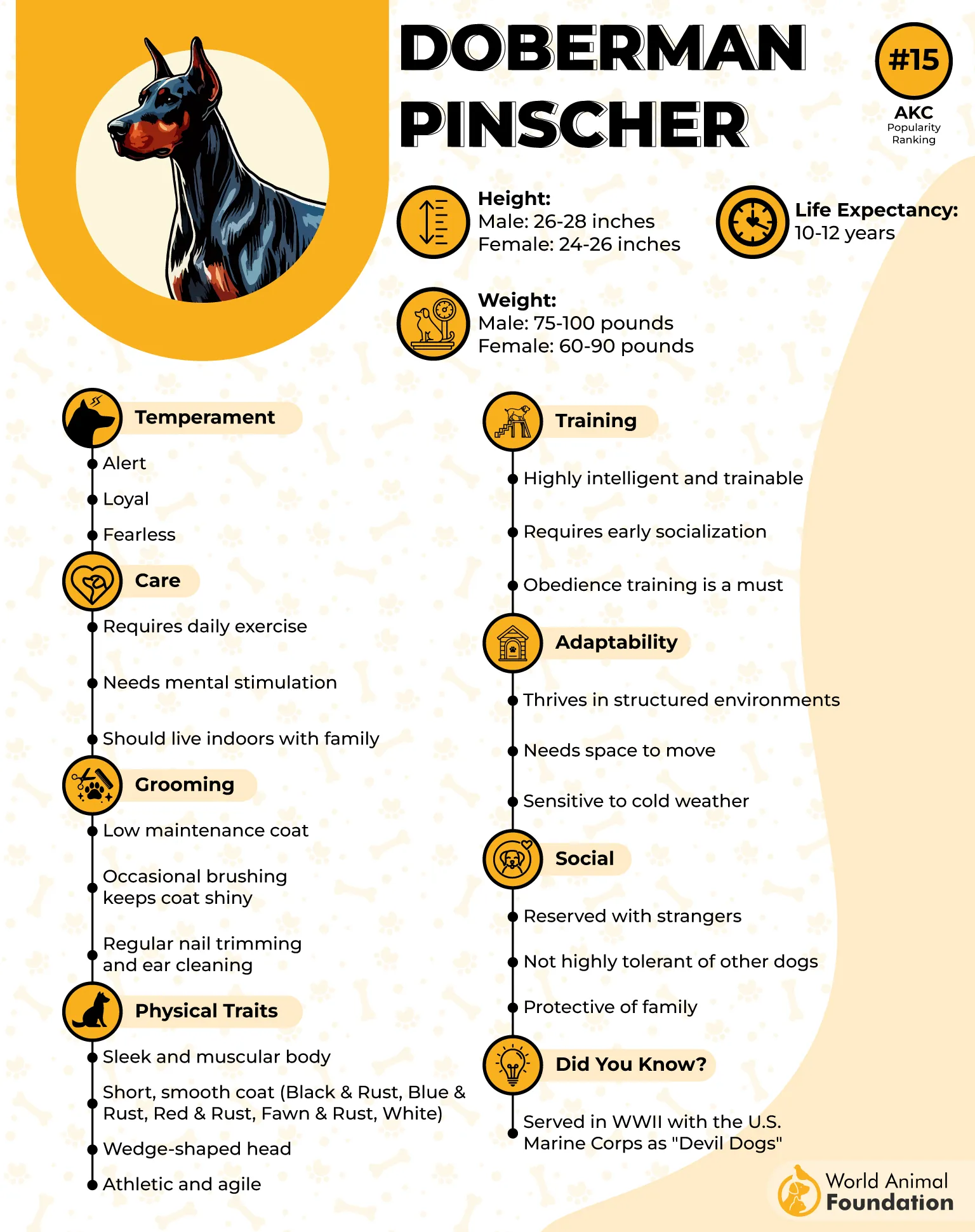
The breed’s handler-focused nature can be particularly relevant because female dogs tend to direct more of their protective instinct toward their person. Their alert scanning and ability to place themselves between a female owner and a perceived threat add to that close protective response.
That protective response also comes with some physical differences:
Females mature earlier than males
Females tend to be more agile
Male dogs are larger and more muscular
Quick to Read
Doberman Pinscher is highly responsive to human posture and tone, making calm, consistent handling especially important. Their fast pattern recognition can make training progress quickly, while inconsistent rules may give this clever dog opportunities to anticipate or test routines.
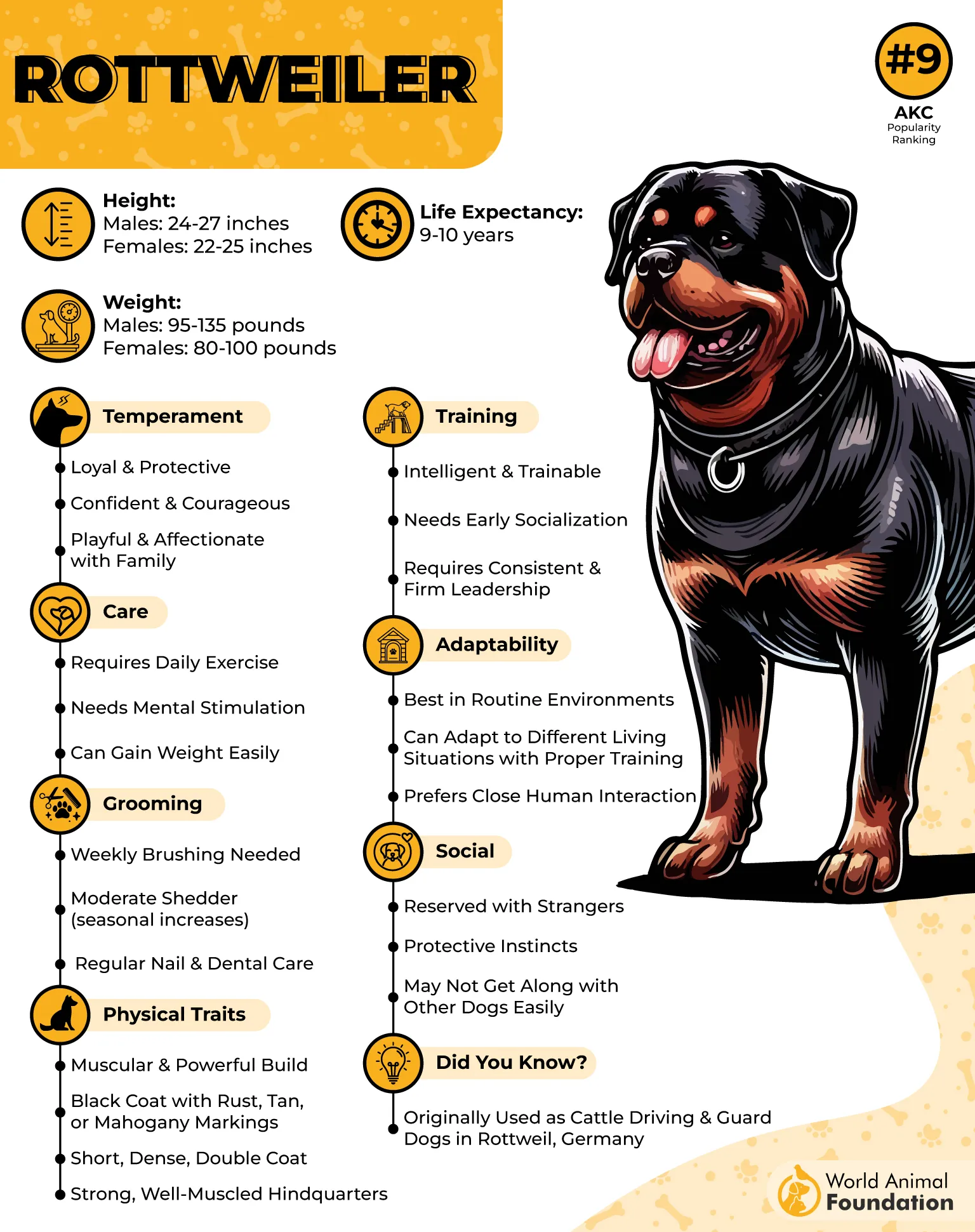
6. Rottweiler
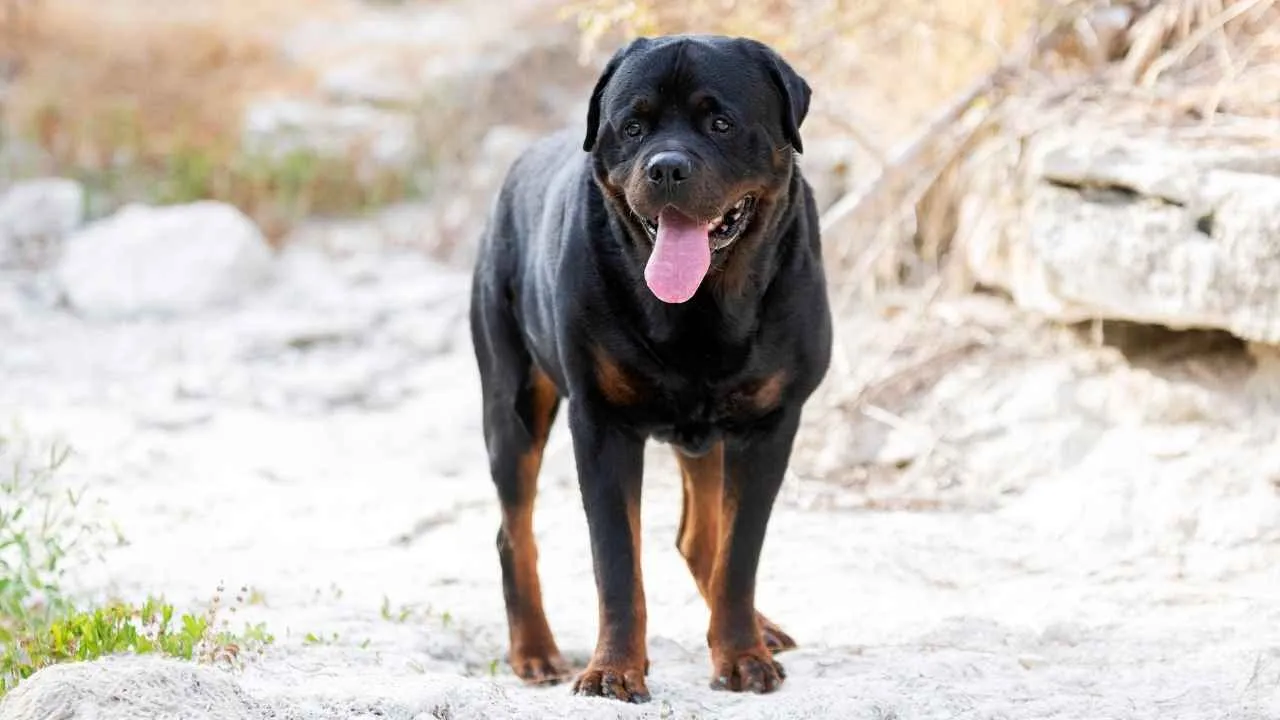
Rottweiler’s working roots reach back to Rottweil in southern Germany, where these dogs helped drive cattle toward market and assisted local butchers with their carts. They also guarded valuable earnings, with money once tied around their necks after cattle and supplies were sold.
A Keen-Eyed Guardian
Rotties have a strong territorial instinct and can quietly assess what is happening around a home before reacting. That combination of patience and physical power makes controlled training especially important for anyone relying on a dog for personal and household security.
These traits make that guarding ability easier to understand:
Often watches doors and pathways from a strategic spot
May position its body between family and a perceived concern
Can give a deep warning bark when something seems important
Quiet Assessment
Rottweiler is often more watchful than noisy, observing activity around the home before deciding whether vocal attention is needed. Its large head, strong neck muscles, and determined nature also call for careful handling and consistent supervision during proper training sessions.
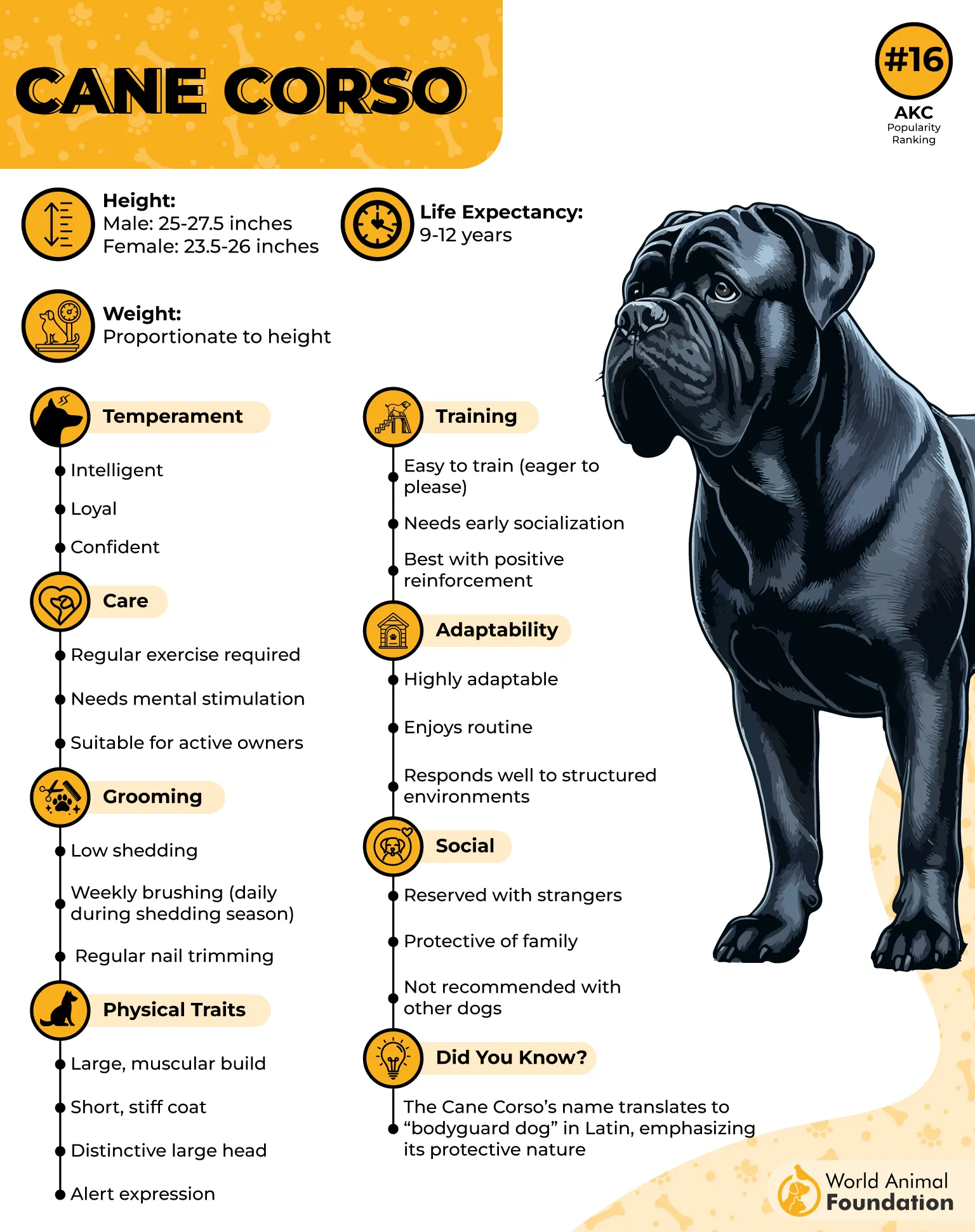
7. Cane Corso
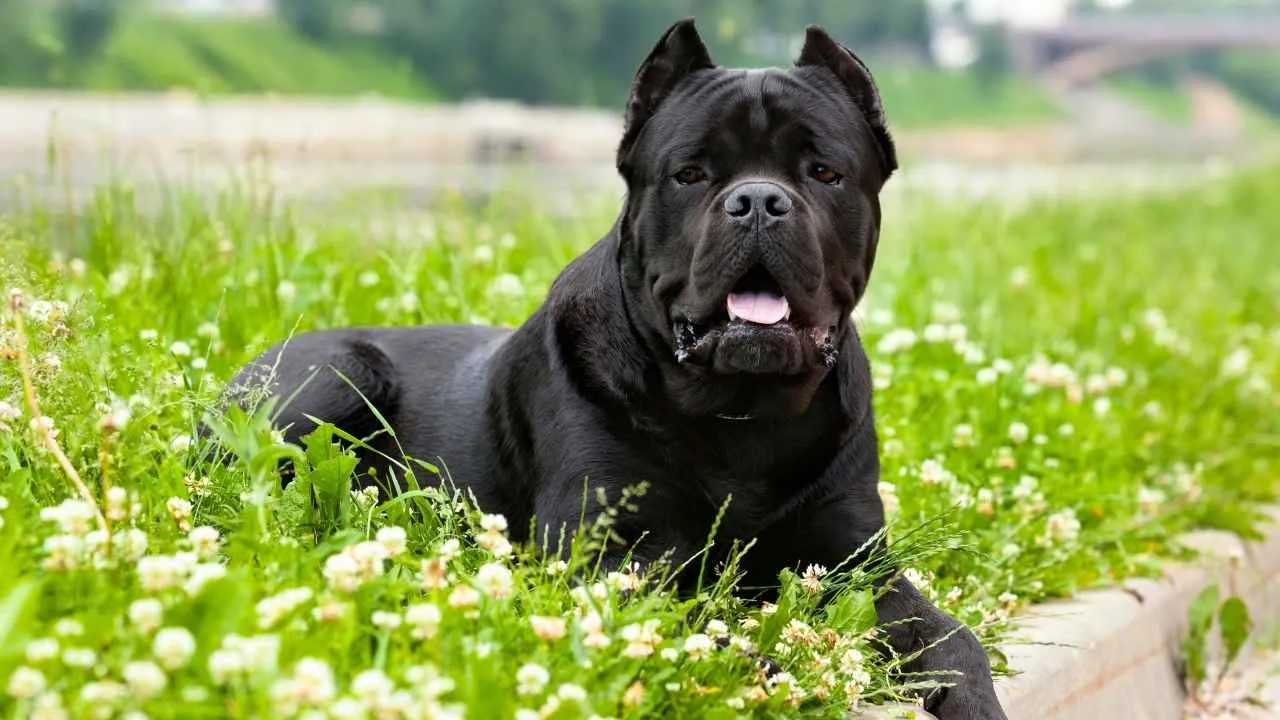
Cane Corso has roots reaching back thousands of years to Molosser dogs associated with ancient Greece, later brought to Italy by Roman forces. After the Roman Empire fell, these powerful dogs took on work involving hunting, herding, and protection around Italian farms.
A Serious Watchdog
Cane Corso was bred to protect homes, families, and livestock, making its natural alertness especially relevant for someone living alone. It can watch quietly before reacting, carefully assessing unfamiliar people, sounds, vehicles, and activity around the property.
Its alert nature can be seen around the property:
Deliberate perimeter patrols around home spaces
Body-blocking between people and perceived concerns
Alerts with barking when strangers approach
Focused on Its Person
Cane Corso often forms a particularly strong attachment to one primary person and may closely follow that person’s movements around the home. Its willingness to respond to consistent routines and clear boundaries also makes structured training especially important.
Conclusion
A protective dog can become a close companion for someone living alone when its temperament and daily needs fit the household. Guarding instincts still require direction, especially around visitors, neighbors, children, other pets, and unfamiliar situations. Training and socialization help a dog understand when to watch, when to alert, and when to settle.
Female pet parents should also consider exercise, grooming, space, handling, and how much time they can give each day. A powerful presence can feel reassuring, but good manners make that presence easier to live with. The right companion should protect without making ordinary routines harder to manage every day.
