




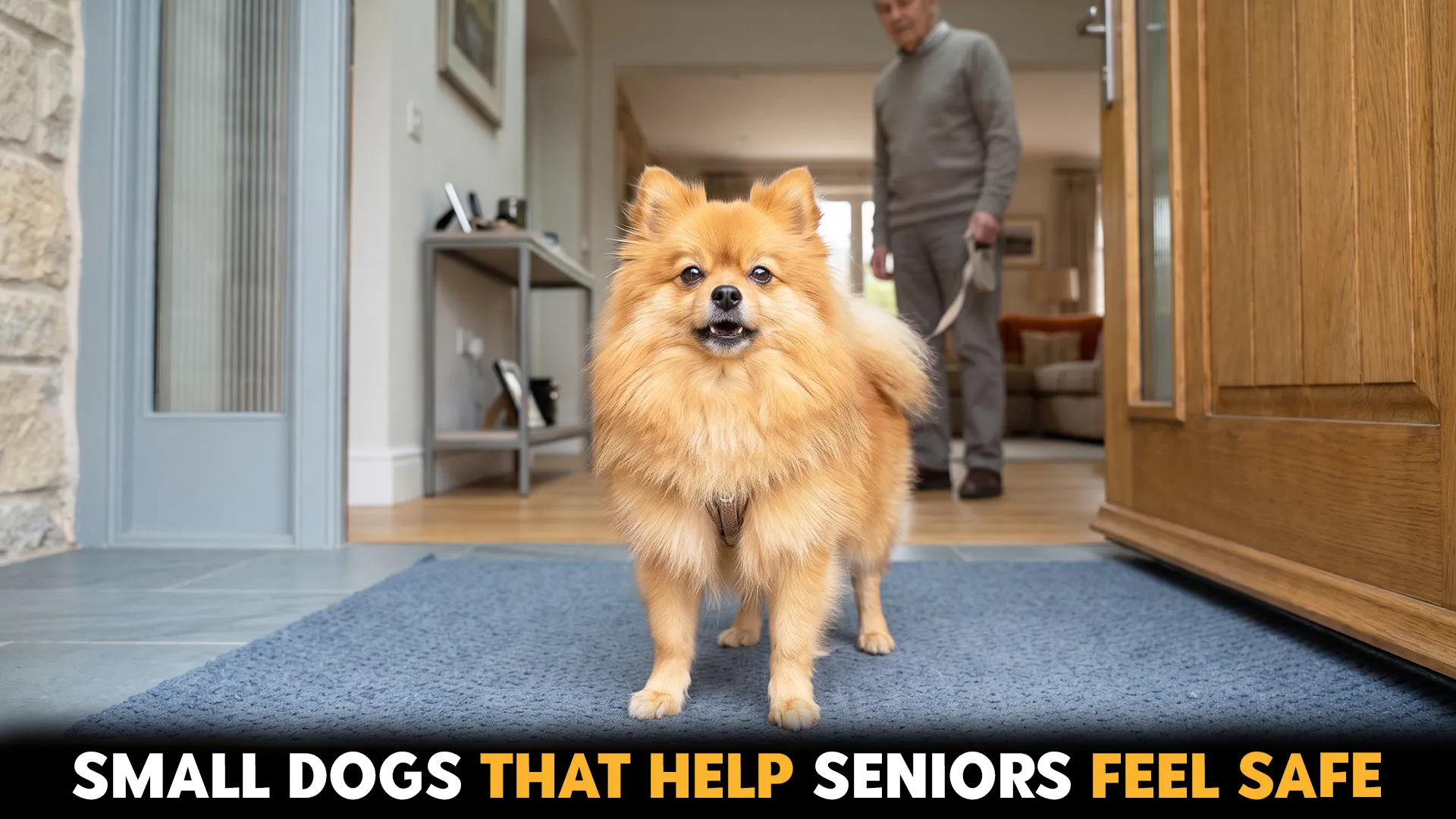
Golden-year living is all about comfort, ease, and feeling truly secure at home. You don’t need a high-strung, muscle-bound guard dog to feel safe. A compact sidekick with sharp ears and a confident bark offers the perfect low-key alarm system without the physical strain of pulling a heavy leash.
Beyond peace of mind, a loyal pup brings invaluable warmth to daily life. They banish “quiet house” syndrome, offer steady companionship, and give mornings a rewarding sense of purpose. Gentle daily routines and breezy neighborhood strolls keep you active and connected to your community without overexertion.
Ultimately, the right small dog provides low-maintenance safety, endless devotion, and a cozy presence that turns a house into a sanctuary.
Small Dog Breeds That Keep Seniors Safe
1. Havanese
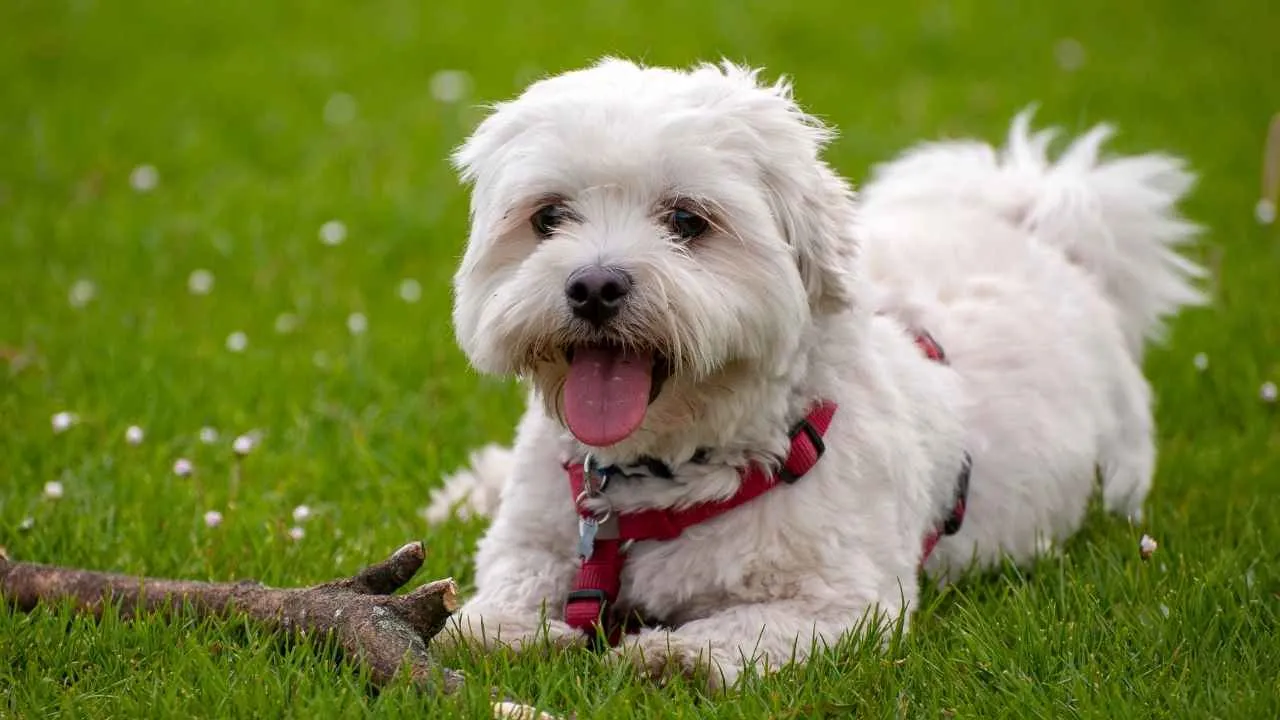
Meet the Havanese: equal parts velcro shadow, playful performer, and total sweetheart. If you’ve ever wanted a fluffy sidekick that thinks your personal space is a group project, this spunky little pup is ready to apply for the job.
They also double as your home’s tiny, self-appointed security director. They can be attentive to unfamiliar activity around the house and vocal when something catches their attention.
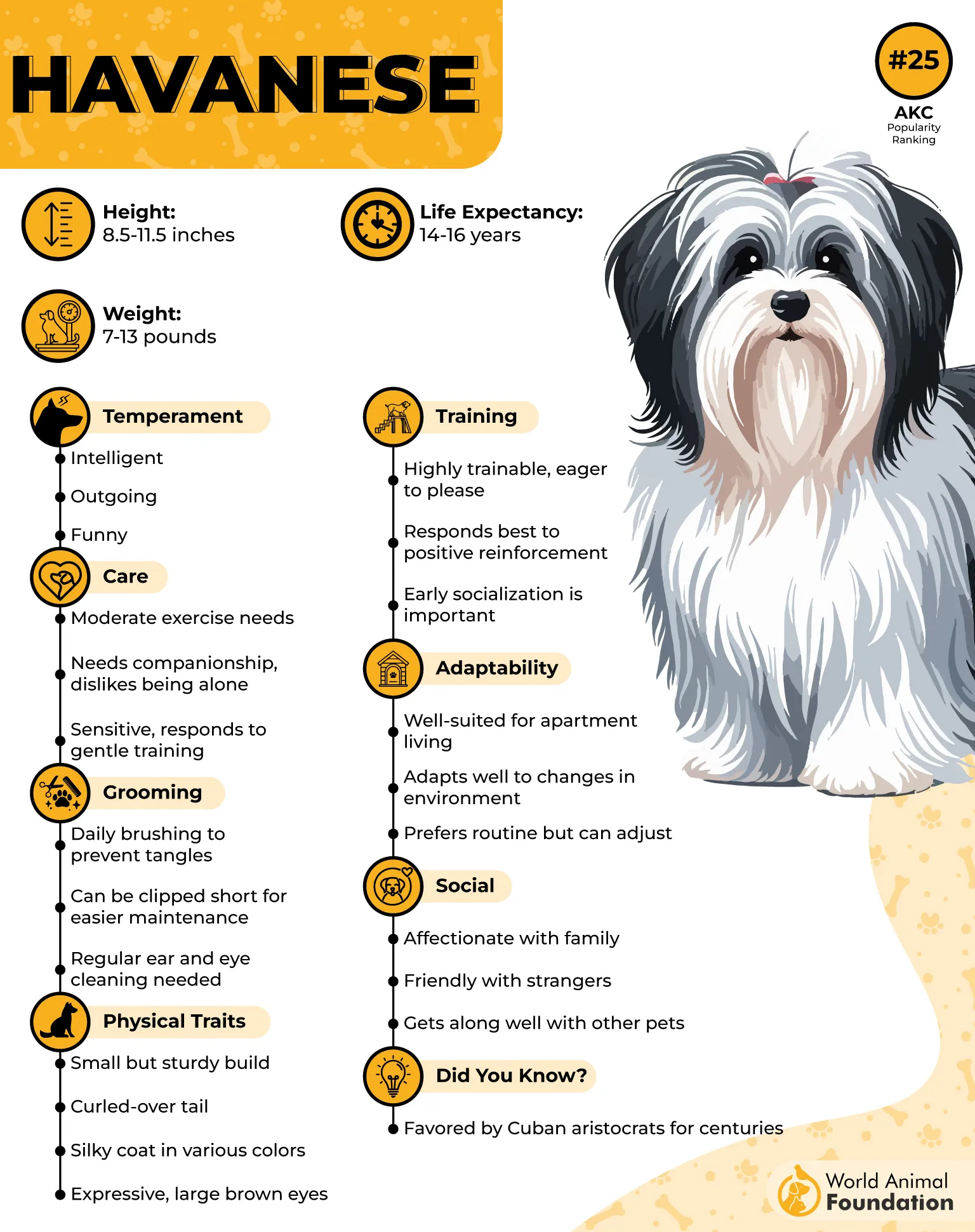
Their cheerful temperament adds plenty of warmth to everyday dog ownership. A Havanese likes being part of household life, whether that means following you from room to room, relaxing beside you, or happily joining a gentle play session.
PetMD states that the breed’s intelligence also makes training enjoyable. With patience and positive reinforcement, you can teach useful household manners and appropriate responses to visitors.
Care & Considerations
The Havanese has a soft, silky coat that needs regular care. Daily brushing prevents mats and creates an easy bonding routine for active seniors. Keeping the fur in a short “puppy cut” keeps grooming quick and effortless.
No need to train for a marathon. These pups are refreshingly low-maintenance. Short walks and indoor games can provide moderate exercise without turning every day into a fitness challenge. Their people-oriented personality also means they appreciate plenty of attention and spending time with their people.
2. Pomeranian
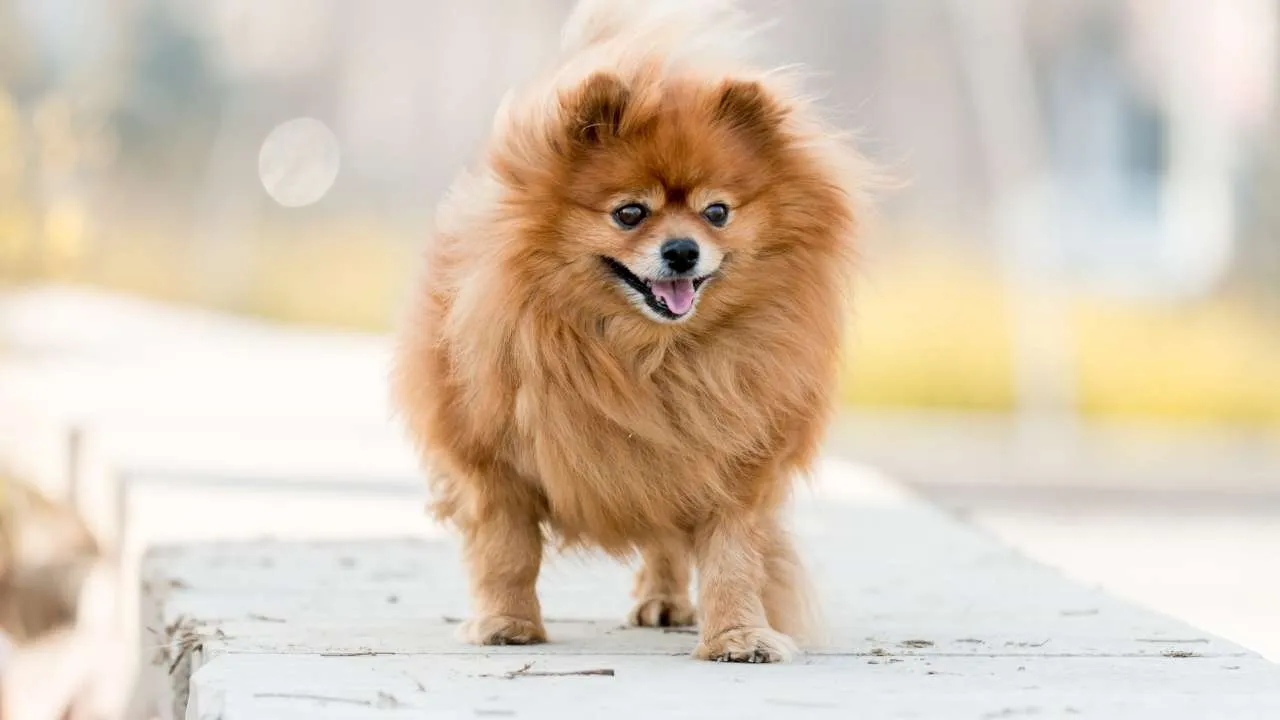
Tiny in stature and enormous in confidence, the Pomeranian is a small dog breed with a lively personality. This fluffy companion notices plenty happening around the household and can quickly alert you with a sharp bark.
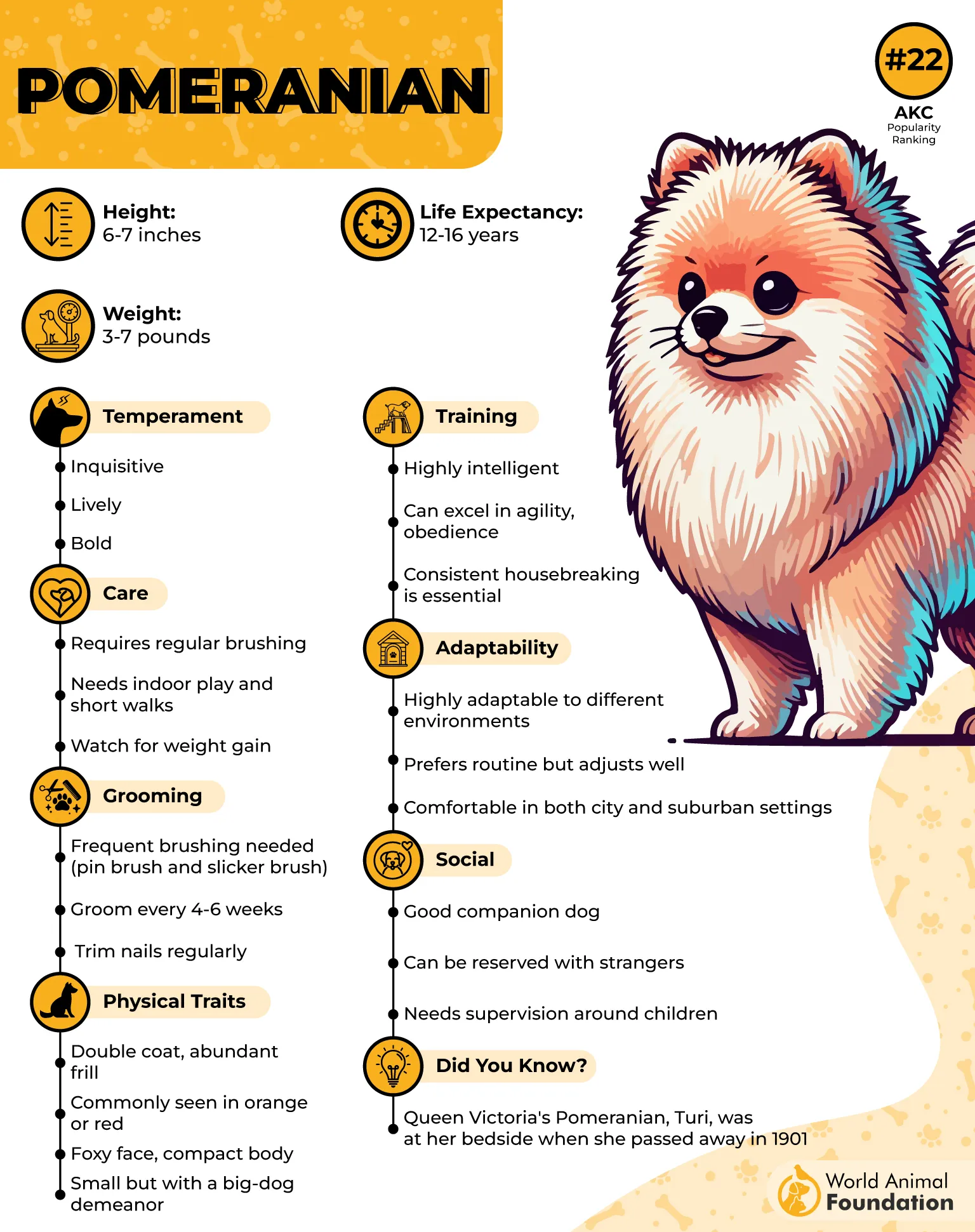
That bold attitude can make a Pomeranian feel surprisingly substantial despite its size. According to Petplan, the breed enjoys being involved in household activity and can happily settle beside you after a playful burst of energy.
For seniors who enjoy a little sparkle in their day, this energetic character can provide entertainment as well as companionship. Their compact frame also works nicely for smaller living spaces.
Care & Considerations
The Pomeranian has considerable grooming requirements because of its thick double coat. Regular grooming keeps the coat comfortable and reduces tangling.
Short walks, indoor games, and training sessions can satisfy the breed’s activity needs. Because of the tiny body, take care around stairs, slippery flooring, and busy areas where a dog could be accidentally knocked over.
Their confident nature also deserves consistent training, particularly if barking becomes excessive.
3. Clumber Spaniel
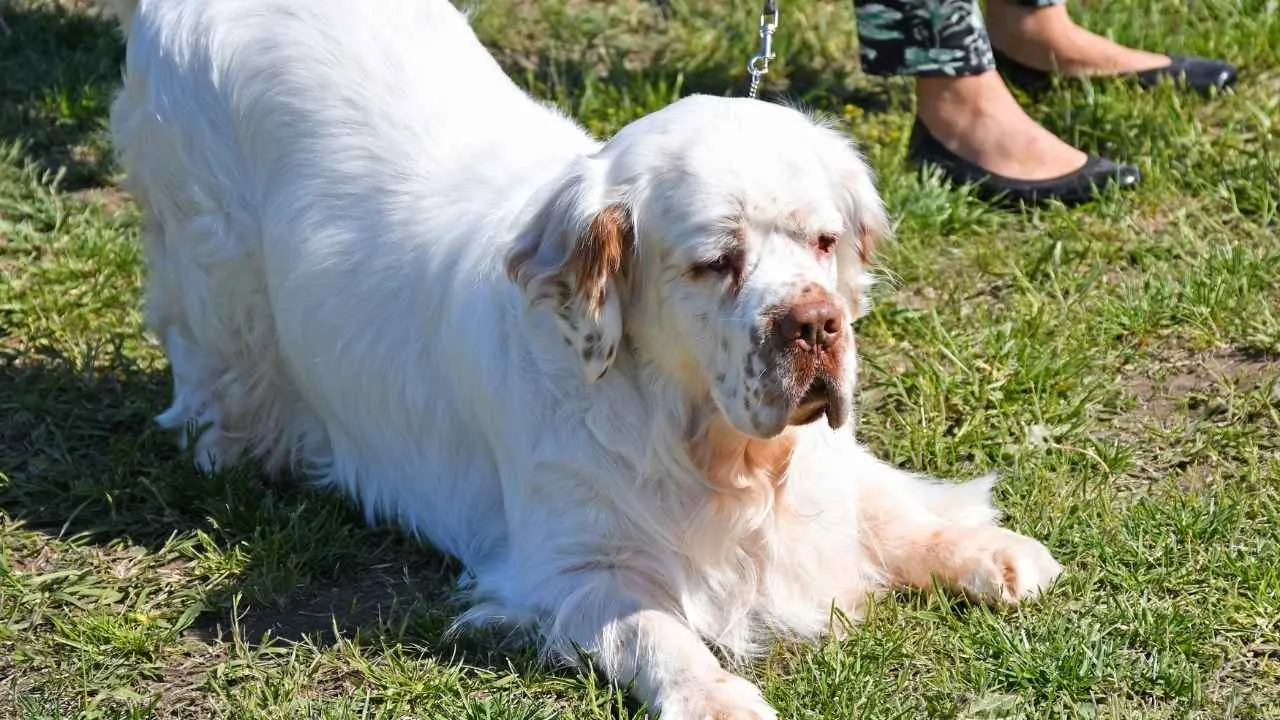
The Clumber Spaniel needs one important clarification before making the list. This is not technically a small dog. In fact, the breed ranks among the largest Spaniels, so seniors considering one should focus on handling ability rather than simply looking for smaller breeds.
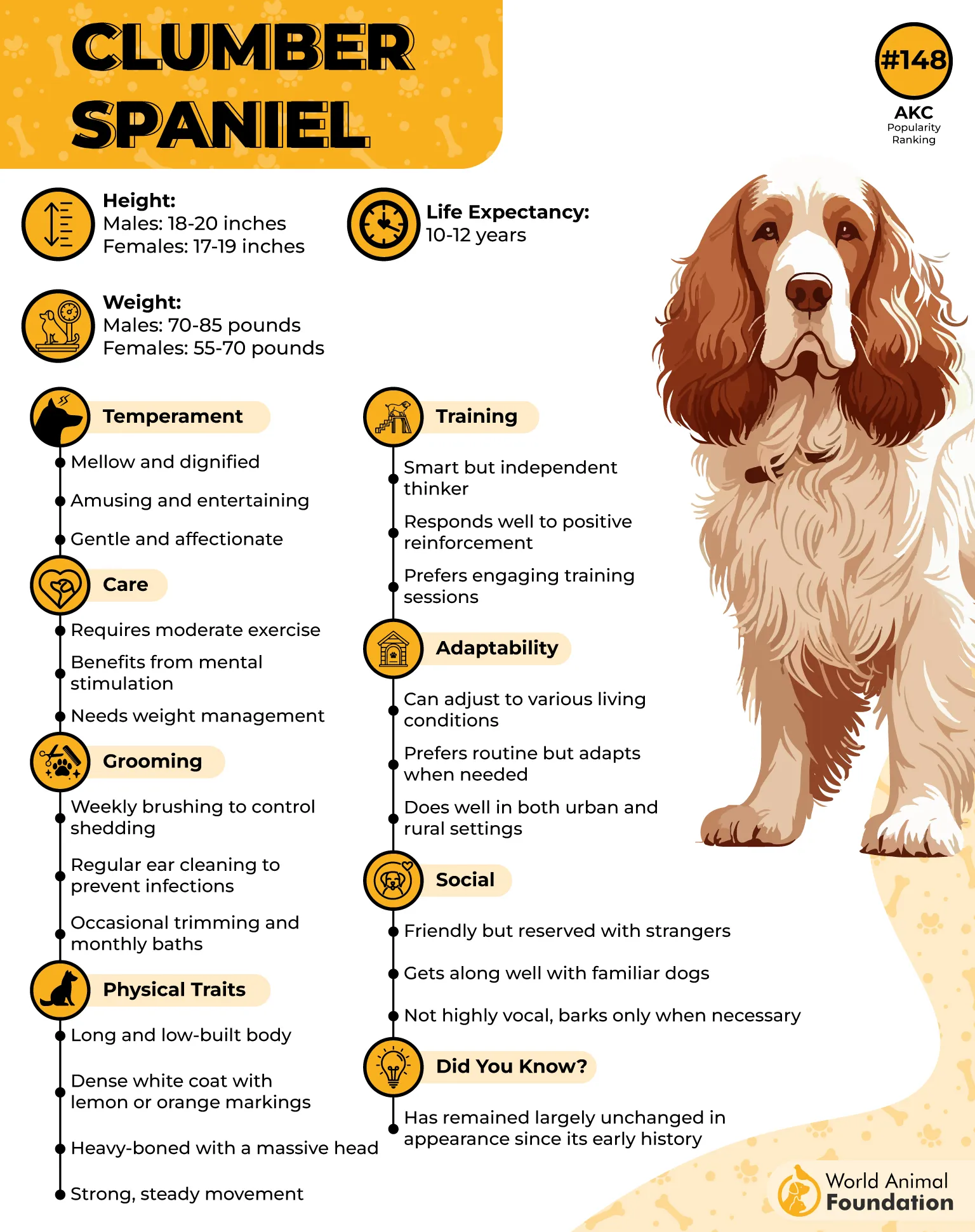
Still, the Clumber’s calm, affectionate character makes this breed interesting for senior owners who have enough space and physical strength for a larger companion. Originally bred as a hunting dog, the Clumber combines working ability with a relaxed household personality.
This is one of those great companions that can enjoy outdoor activity and quiet family time without constantly demanding attention. Its substantial build can also provide a comforting physical presence inside the home.
Care & Considerations
Size remains the biggest consideration. Larger dogs require more physical control on a leash and can accidentally pull or knock someone off balance.
The dense coat requires regular brushing, and shedding can add to household cleanup. Daily walks support fitness, but the Clumber does not need endless activity. Drooling and its heavier build should also be considered before choosing this option.
4. French Bulldog
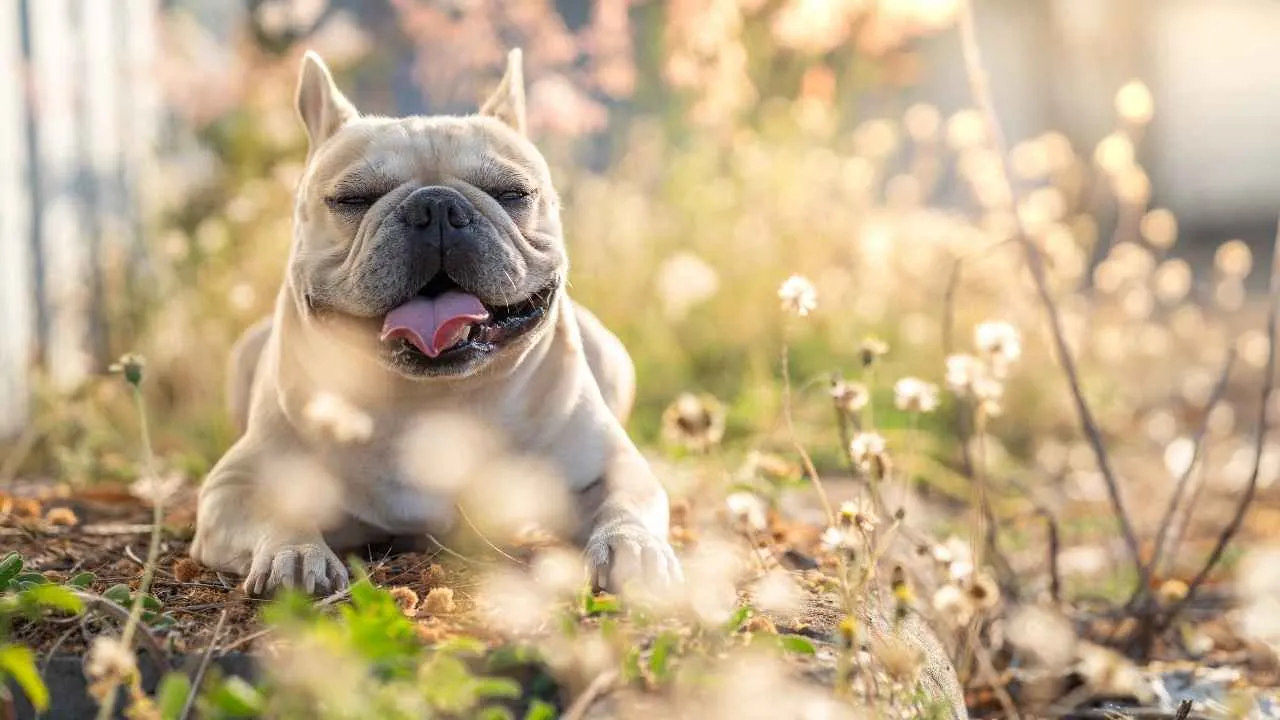
The French Bulldog has a funny way of looking serious even when nothing important is happening. Those upright ears stay tuned to household sounds, giving this affectionate companion a naturally watchful quality.
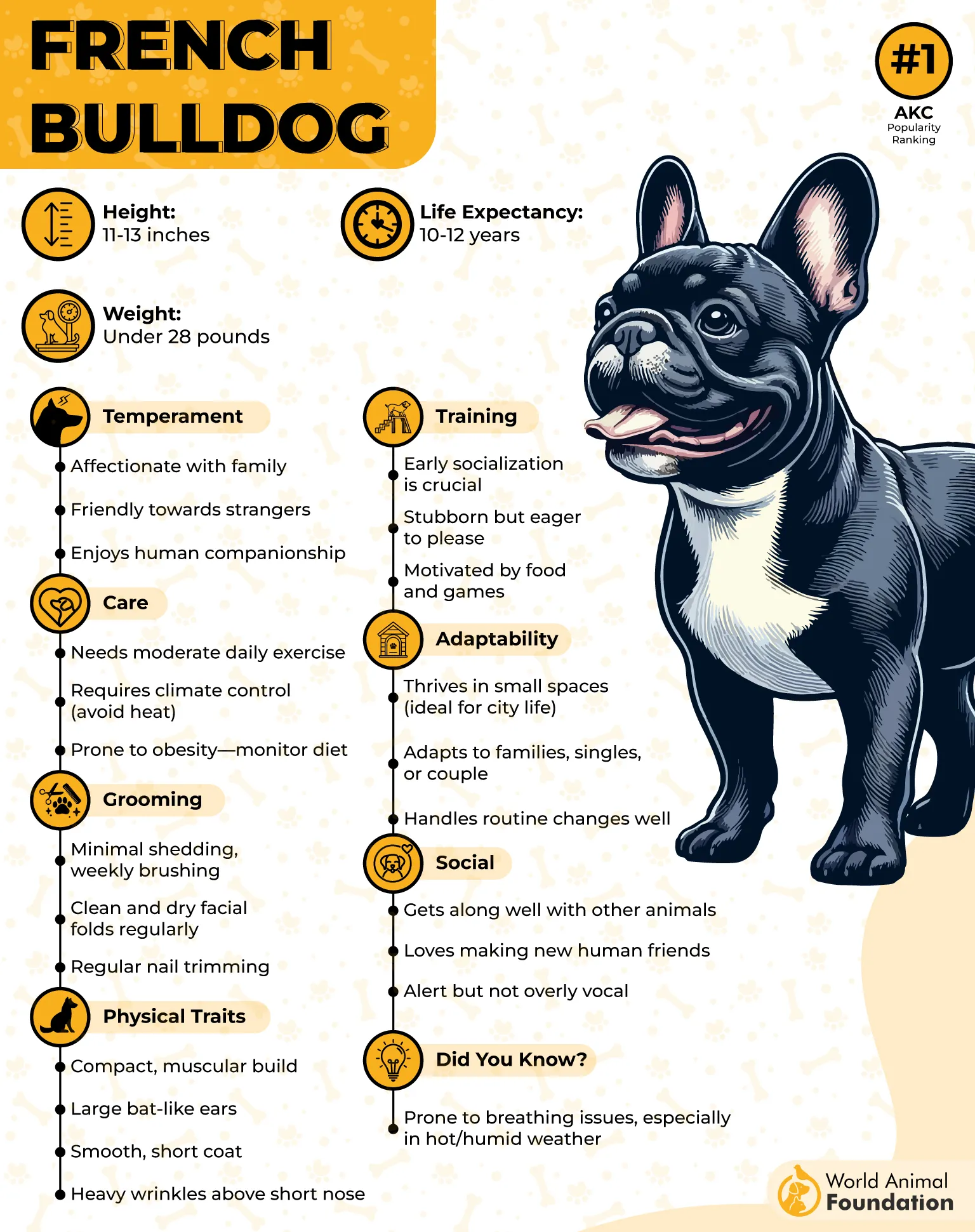
For seniors, the appeal goes beyond that expressive face. Frenchies generally enjoy staying near their people rather than roaming independently. Their friendly disposition and playful nature can make ordinary days more entertaining.
This is also one of the more adaptable dog breeds, fitting comfortably into many homes and lifestyles. A Frenchie can spend an afternoon lounging beside you and still perk up when someone arrives at the door.
Care & Considerations
French Bulldogs have relatively low exercise requirements, but that does not mean no activity. Gentle play and short walks can help maintain fitness without excessive exertion.
Hot weather requires extra care because flat-faced dogs can struggle with breathing and heat regulation. Skin folds need routine cleaning, nails need trimming, and dental care deserves attention.
Seniors living in warm climates should schedule outdoor activity carefully and provide plenty of comfort indoors.
5. Pug
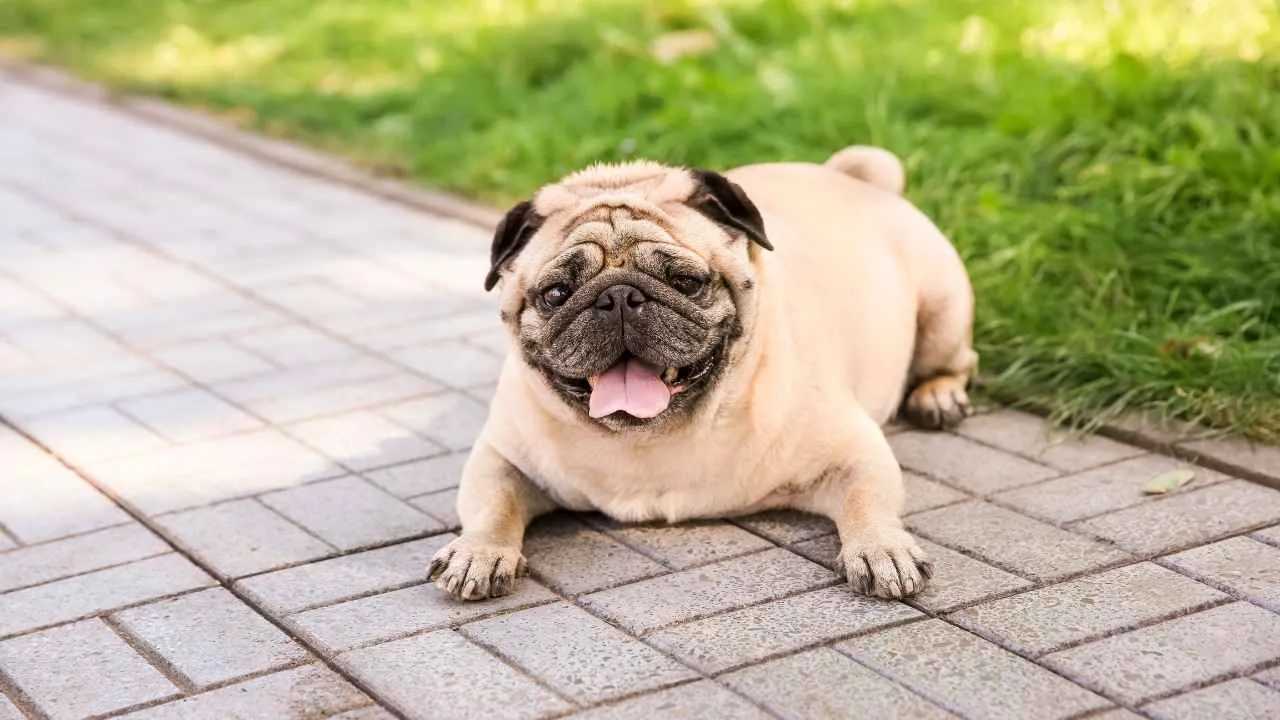
A Pug can turn a quiet room into a miniature comedy show. Those expressive eyes and dramatic little noises give this companion plenty of character, but their affectionate personality is the real attraction.
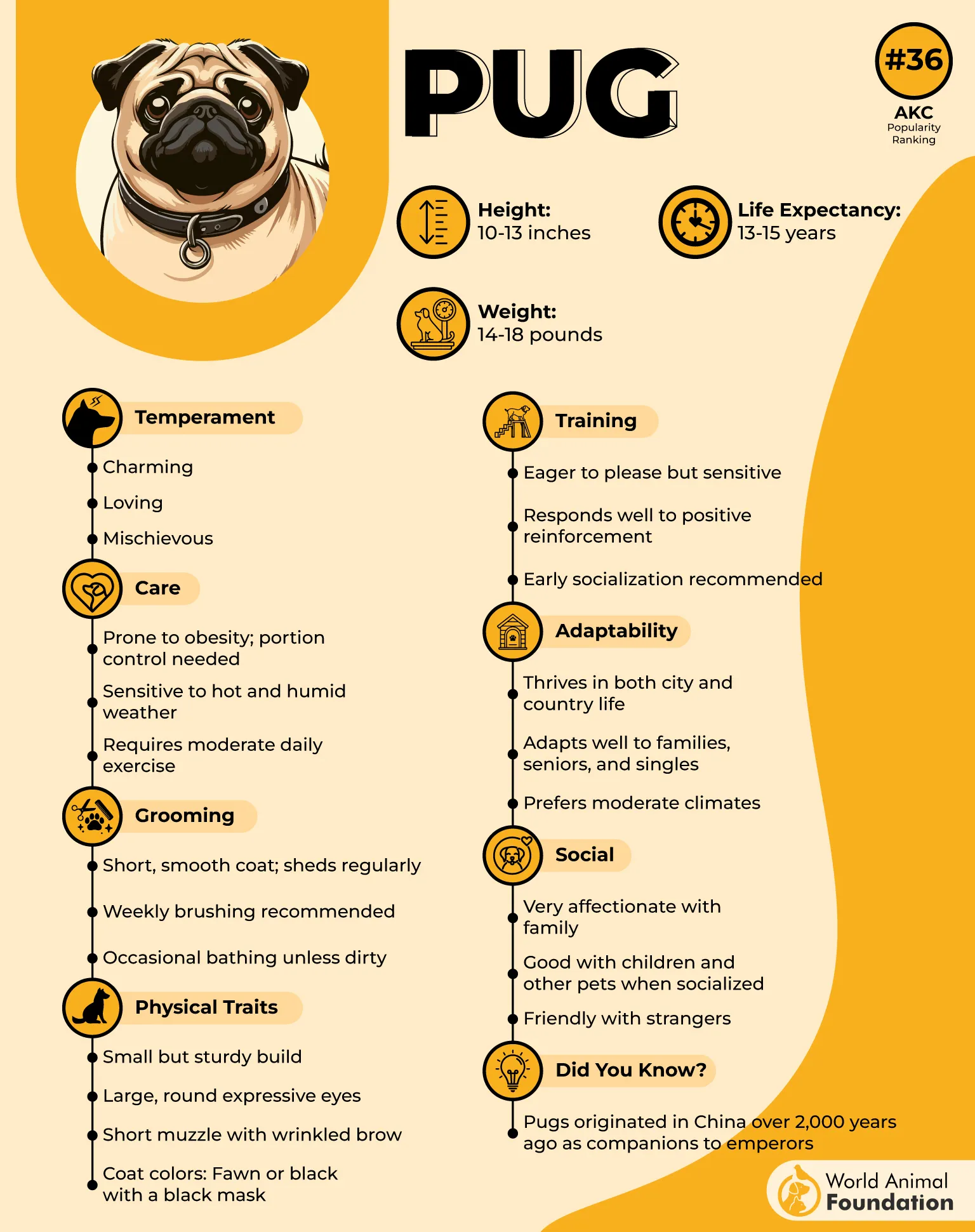
These dogs generally prefer staying close to their people, making them especially appealing for seniors who want a constant household presence. Their loving nature can add emotional warmth to a daily routine without requiring the level of activity associated with many working breeds.
Pugs can also become attentive to sounds around the house. They are not traditional guard dogs, but their reactions can draw your attention when something unusual happens.
Care & Considerations
Pugs need sensible activity rather than long walks or strenuous exercise. Their short muzzles make heat management especially important, so outdoor activity should remain gentle during warm weather.
Wrinkles need regular cleaning and drying, and the short coat sheds more than you might expect. Weight management also matters because extra weight can strain breathing and movement.
For senior owners, keeping the Pug’s routine predictable, comfortable, and appropriately active can support its overall well-being.
6. Japanese Chin
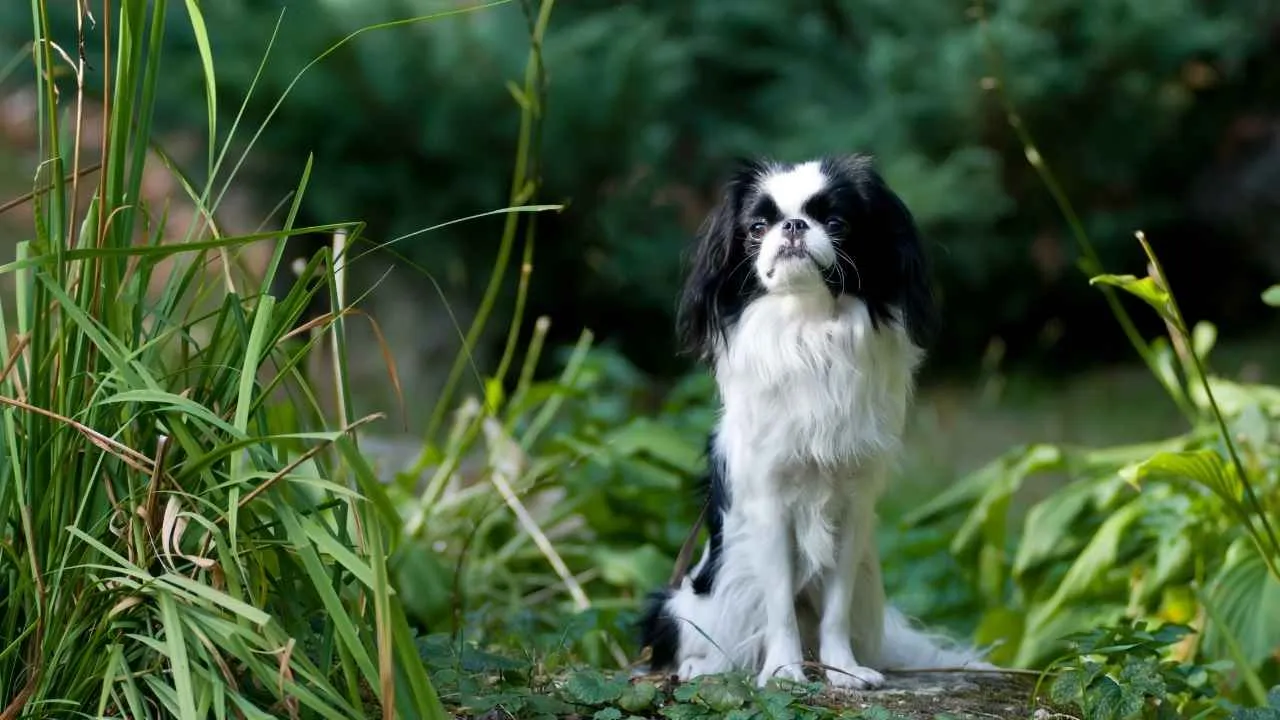
The Japanese Chin takes a quieter approach to household awareness. WebMD mentions that this elegant little companion has keen hearing and can react to unfamiliar noises, giving you another set of ears without bringing a large, imposing animal into the house.
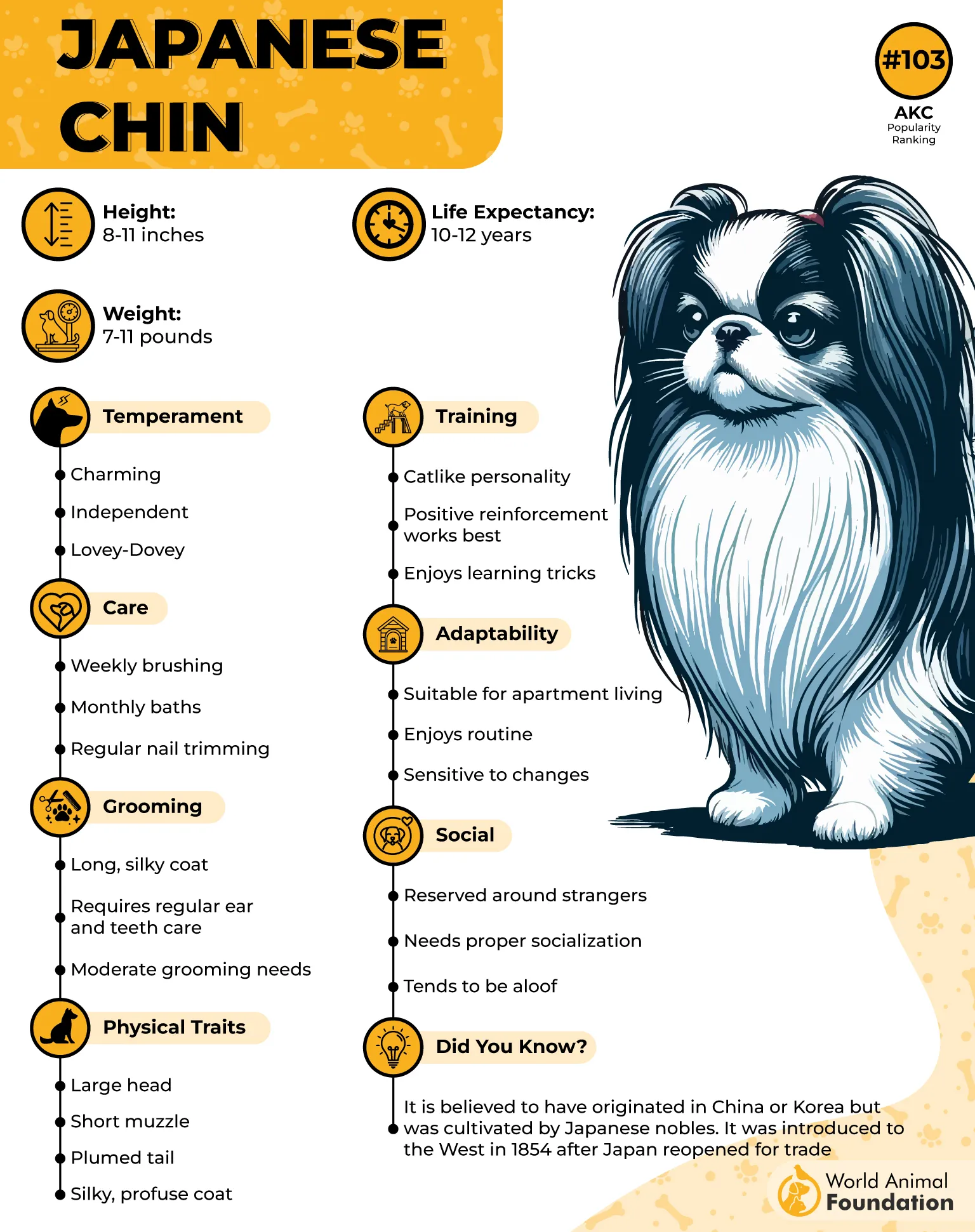
Originally bred primarily as a companion dog, the Japanese Chin tends to form a close relationship with its people. Its even-tempered personality works nicely in a peaceful household where calm interaction matters more than constant activity.
The breed also has a wonderfully quirky side. Cat-like habits, graceful movements, and an independent streak give the Chin plenty of charm.
Care & Considerations
Japanese Chins have modest grooming needs, with their coat benefiting from consistent brushing. Gentle indoor play and short outings can provide enough activity for many households.
Sensitive temperaments respond better to patient training than harsh correction. Their small frame also means owners should take care around elevated furniture and slippery surfaces.
A calm environment, predictable daily routine, and plenty of affection can help this little companion remain settled and confident.
7. Maltese
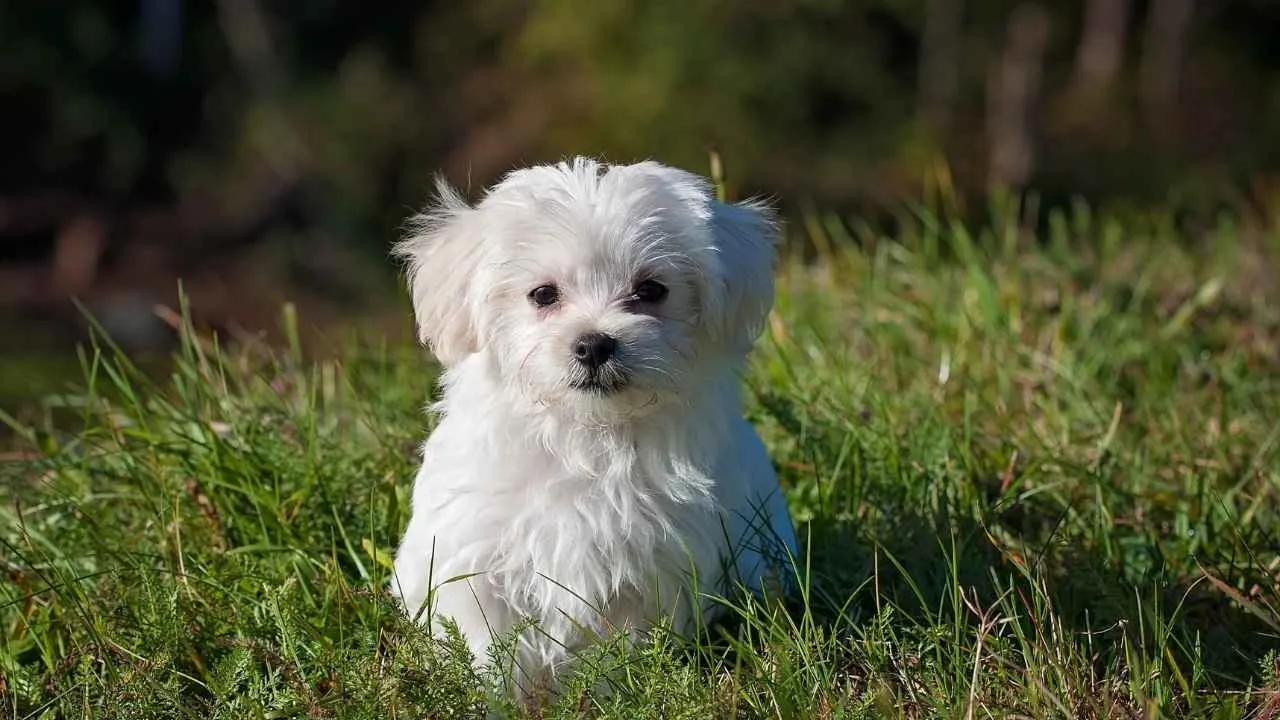
The Maltese proves that a tiny body can carry a surprisingly bold personality. This small white dog is affectionate, playful, and attentive to what happens around its household.
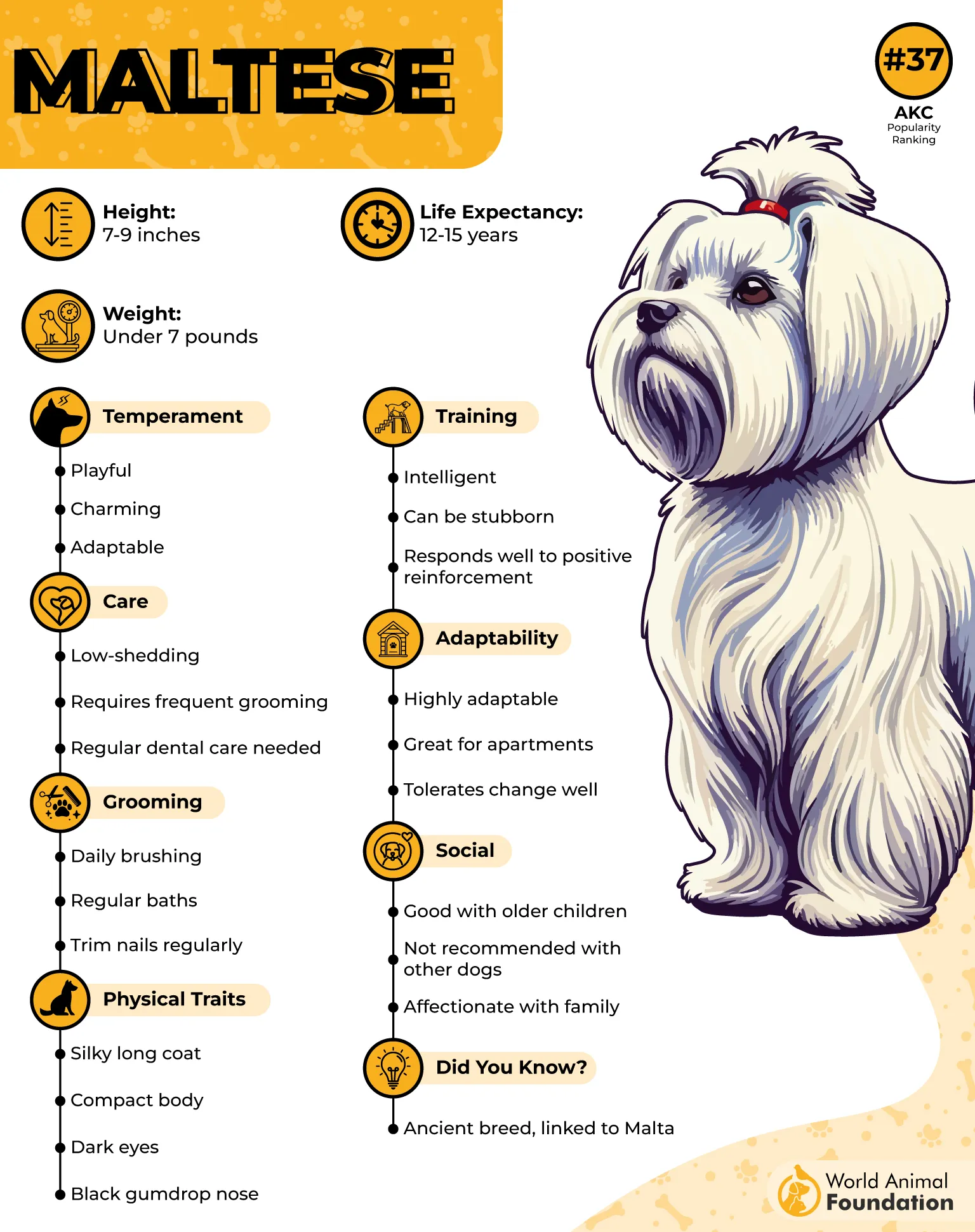
Their confident nature can make unfamiliar sounds worth investigating, giving seniors a responsive little presence at home. At the same time, the Maltese enjoys close interaction and can become deeply attached to its human companions.
Their small size makes them convenient for many households, especially people who do not want the physical responsibility that comes with big dogs. A Maltese can settle beside you, follow you around the house, and join you for a gentle outing.
Care & Considerations
The long coat needs daily brushing if you keep it flowing, and many owners choose a shorter trim to reduce maintenance. Some Maltese also benefit from professional grooming as part of their routine.
A few play sessions and short walks can provide sufficient activity. Purina says that training is useful for preventing excessive barking, especially if the dog spends too much time alone.
Small size does not remove the need for supervision. Watch carefully around stairs, doors, and crowded areas where someone could accidentally knock the dog over.
Conclusion
Skip the scare tactics and look-at-me guard dogs. The real secret to finding “the one” is matching a pup’s quirks and care needs to your daily groove.
Before falling head over heels, be honest about your space, energy levels, patience for grooming, and willingness to wrangle a leash. Overestimating what you can manage turns a cuddly companion into a chaotic chore.
Whether you click with a playful Havanese, a spunky Pomeranian, a lounge-loving Frenchie, or a gentle giant like the Clumber Spaniel, the ultimate goal is effortless harmony. The right dog seamlessly slots into your life, brightens your routine, keeps an ear tuned to the front door, and turns everyday quiet into deep, devoted companionship.
