





A quiet dog is not automatically a good apartment dog, and a small dog is not automatically a quiet one. Those assumptions can lead to the wrong match.
Some compact dogs have plenty to say, while certain larger dogs can spend much of their indoor time resting quietly and observing the household. What matters is the breed’s typical vocal behavior alongside its exercise needs, temperament, trainability, and response to everyday stimulation and household activity.
Apartment buildings bring plenty of triggers, including hallway traffic, unfamiliar voices, elevators, doors, and sounds from neighboring homes. Dogs that tend to react less intensely to these distractions may be easier to live with in that setting. Training still matters because even a naturally quiet dog can become noisy when bored, anxious, under-exercised, or poorly socialized.
A thoughtful choice starts with looking beyond appearance and focusing on the traits that shape daily life. These low-bark breeds offer a useful starting point for that search.
Key Takeaways
Hallway footsteps, elevator doors, and a knock at the door can turn a quiet apartment into a noisy one. Choosing a dog that reacts less intensely to these sounds can make daily life easier.
The Glen of Imaal Terrier has an unusual advantage here, since its working history involved staying quiet while hunting underground.
French Bulldogs, Pekingese, and Bolognese also tend to keep things calmer at home, with their exercise needs fitting well into a quieter routine.
The real surprise comes with the Basenji, followed by several other breeds with their own quirks worth discovering.
Top Low-Bark Dog Breeds for Peaceful Apartment Life
1. Glen Of Imaal Terrier
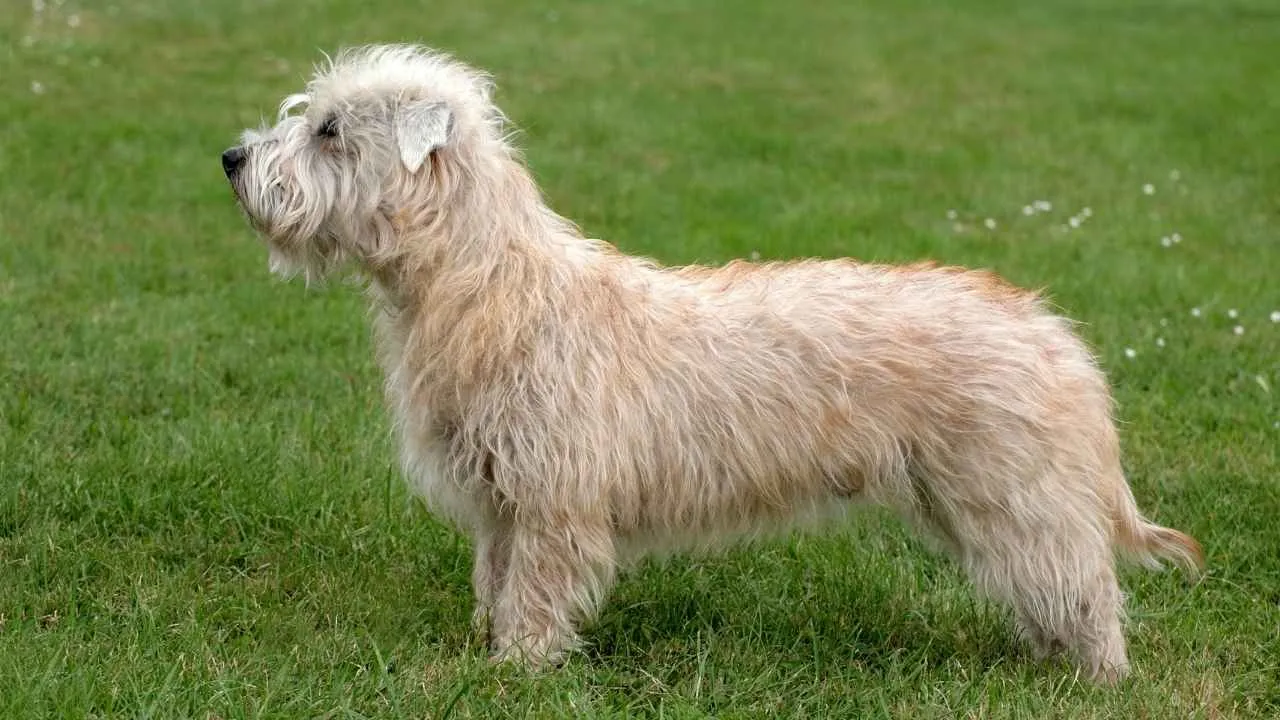
Glen of Imaal Terrier comes from Ireland’s Wicklow region, where local terriers were bred with dogs believed to have arrived with mercenaries in the late 1500s. These compact hunters were used against foxes, badgers, and rats, working quietly inside dens and burrows.
Quiet by Design
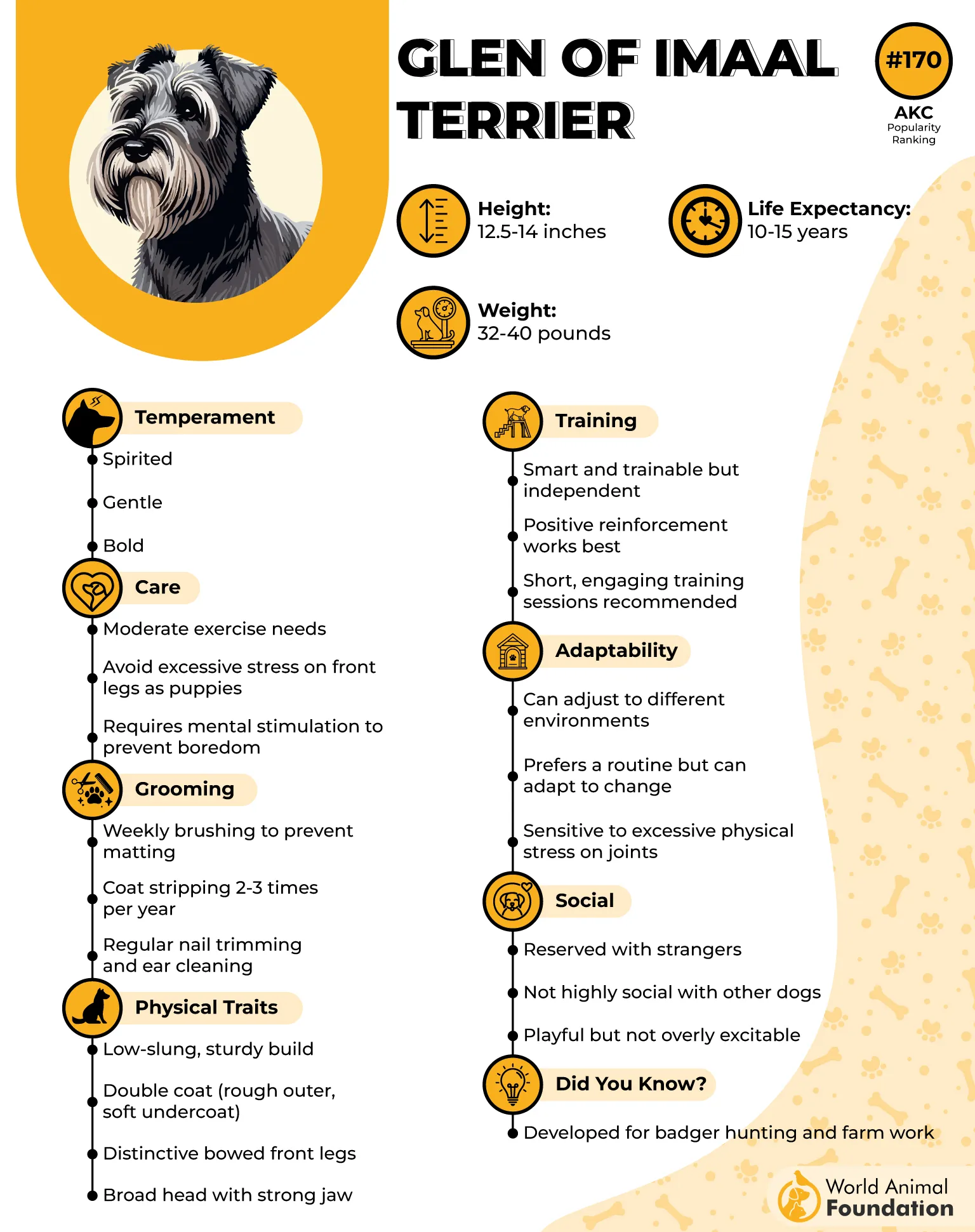
This apartment-dweller is used for silent work, making its low-barking nature especially relevant in apartment settings, as stated by PetMD. This dog is silent while working, although an occasional bark can still happen.
A few details from that working role are worth noting:
Inquisitive, affectionate, and playful
Can enjoy families with supervised children
Strong instinct to chase small animals
An Easy Switch
The Glen of Imaal Terrier has moderate energy and can be ready for a hike or daily walk when activity begins, especially when given regular opportunities to explore. At home, the breed has a calmer, stoic disposition and can relax comfortably after its physical and mental needs have been met.
2. French Bulldog

The French Bulldog began in England as a smaller version of the Bulldog, becoming especially popular among lace makers. When these workers emigrated to France, their miniature Bulldogs went with them, helping establish the breed there before its later rise in the United States.
Quiet by Nature
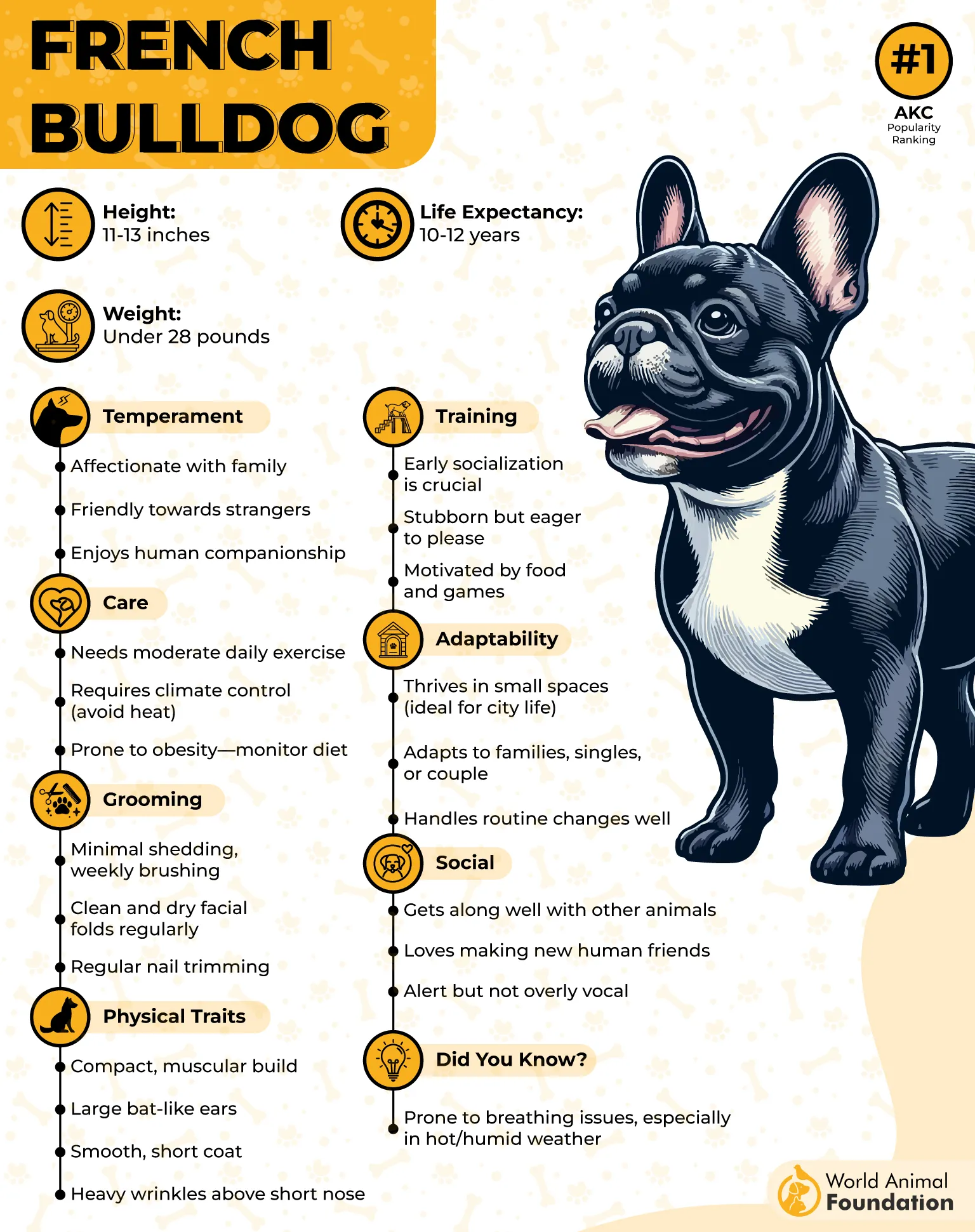
Frenchies are often easy to live with indoors, thanks to their generally quiet nature and modest exercise needs. Short walks can provide enough outdoor activity, while the rest of the day can be spent relaxing and enjoying time around their family.

Its calm side is balanced by a watchful streak:
Alert to approaching visitors
Suitable for singles and families
Enjoys couch time for several hours
Easy Company
This small dog breed has an affectionate, curious personality and enjoys spending time with people of different ages, as noted by Petplan. Its social nature often extends to other dogs and household pets, although introductions need supervision because some Frenchies can be territorial.
3. Pekingese
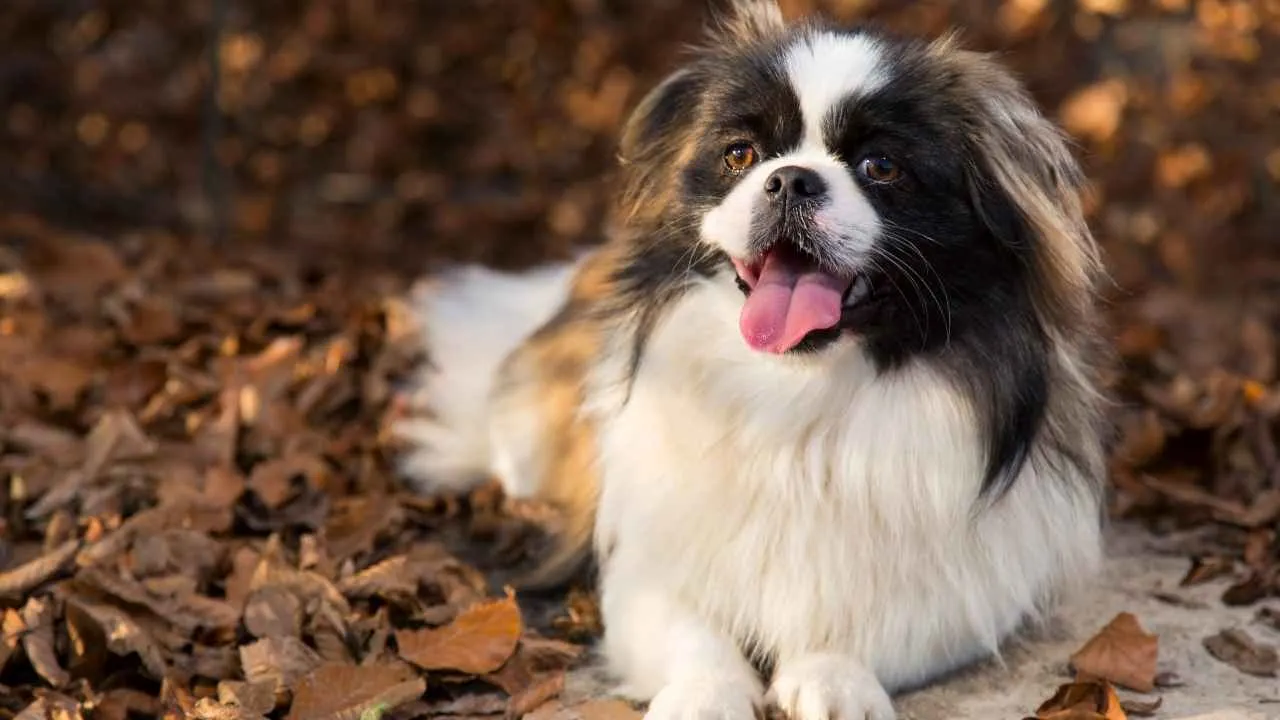
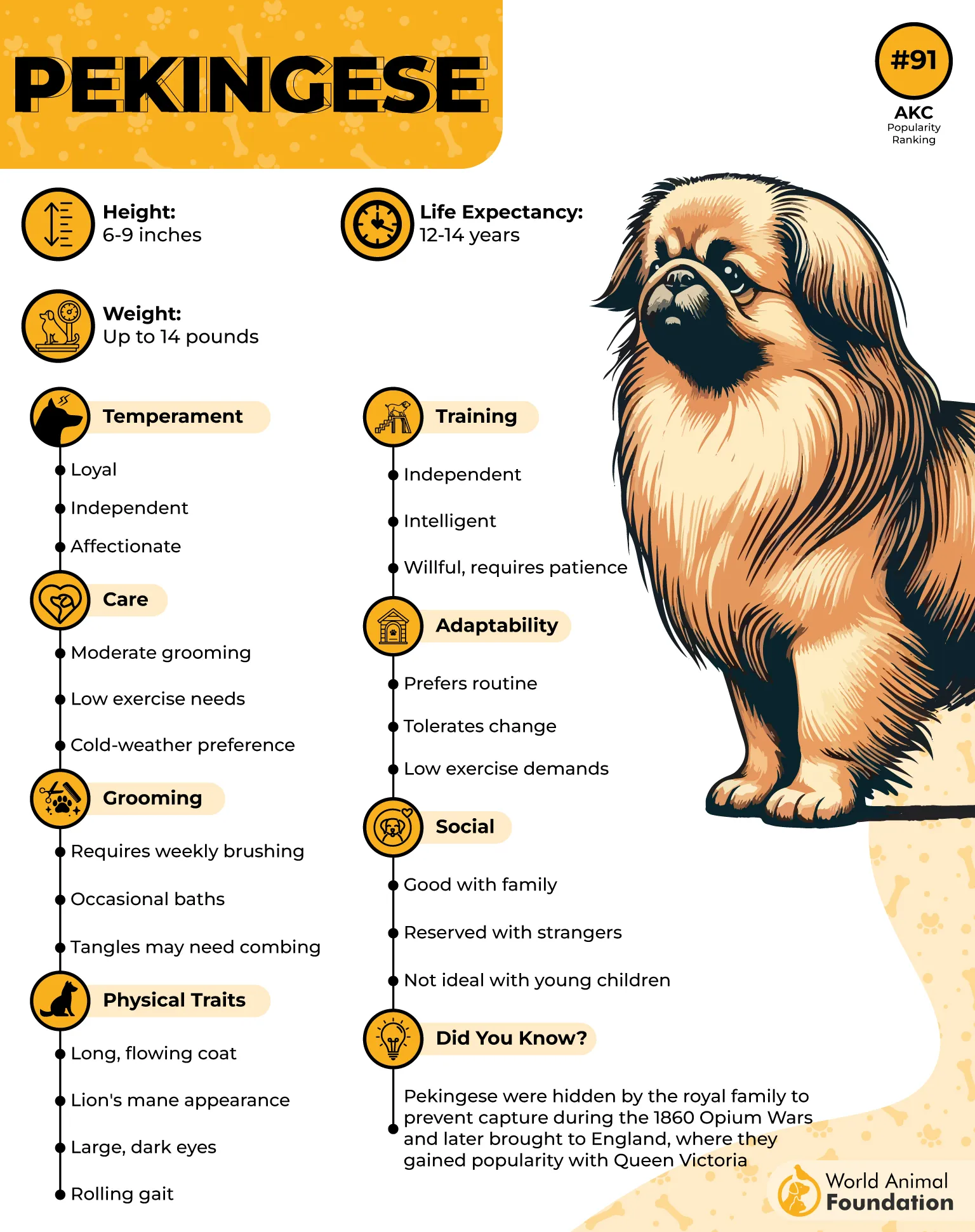
Pekingese has been associated with China since around A.D. 700, with its lion-like appearance gaining special meaning alongside the rise of Buddhism. By the 1800s, these small dogs had become prized companions within the Imperial Chinese court, where eunuchs managed dedicated breeding programs.
Low-Key at Home
Pekingese is happiest with a quiet routine and only modest daily activity, so a brief walk can be enough for outdoor exercise. Its compact body makes jogging a poor choice, while extreme heat or cold may have this little companion heading home sooner.
Its calm pace also influences everyday behavior:
Gives an alert bark when strangers approach
Usually avoids nuisance chewing and digging
Can nap comfortably after a short walk
A Dignified Personality
They can be aloof with unfamiliar people while remaining deeply devoted to their family, and early socialization helps broaden their comfort around others.
Training can require patience and creativity because this intelligent breed has an independent streak and may resist learning new routines, as reported by Hills Pet.
4. Bolognese
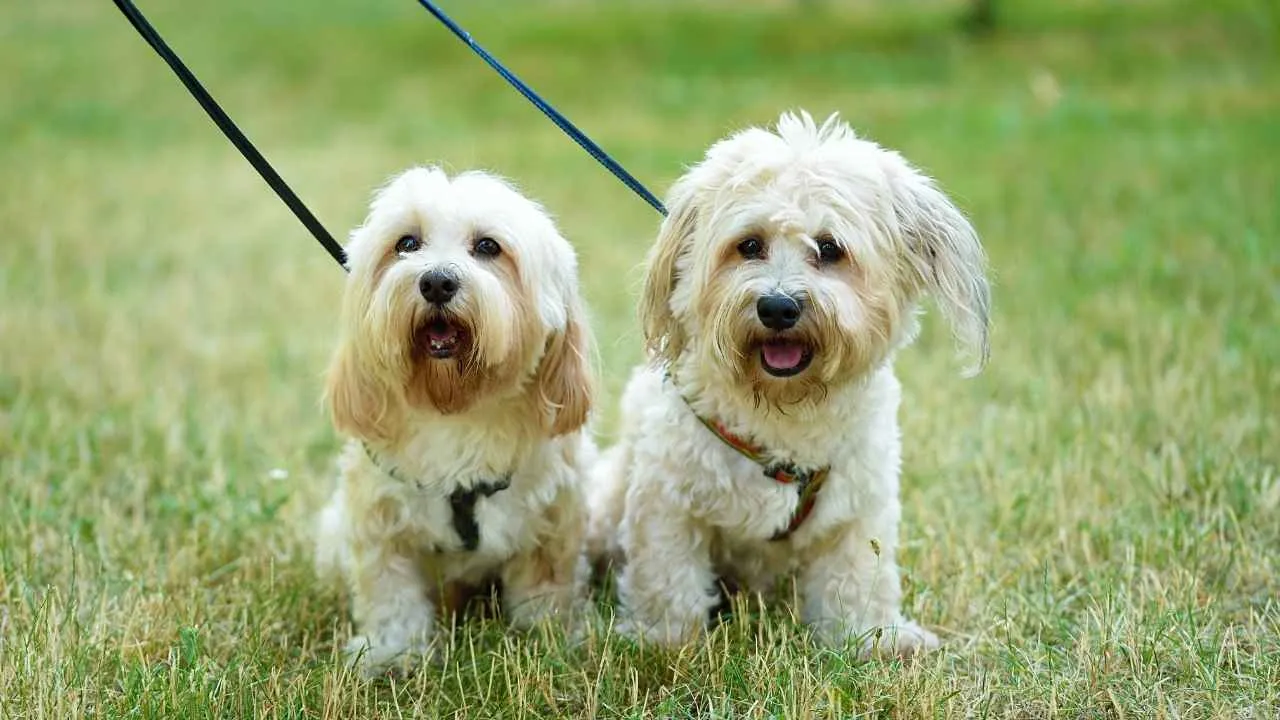
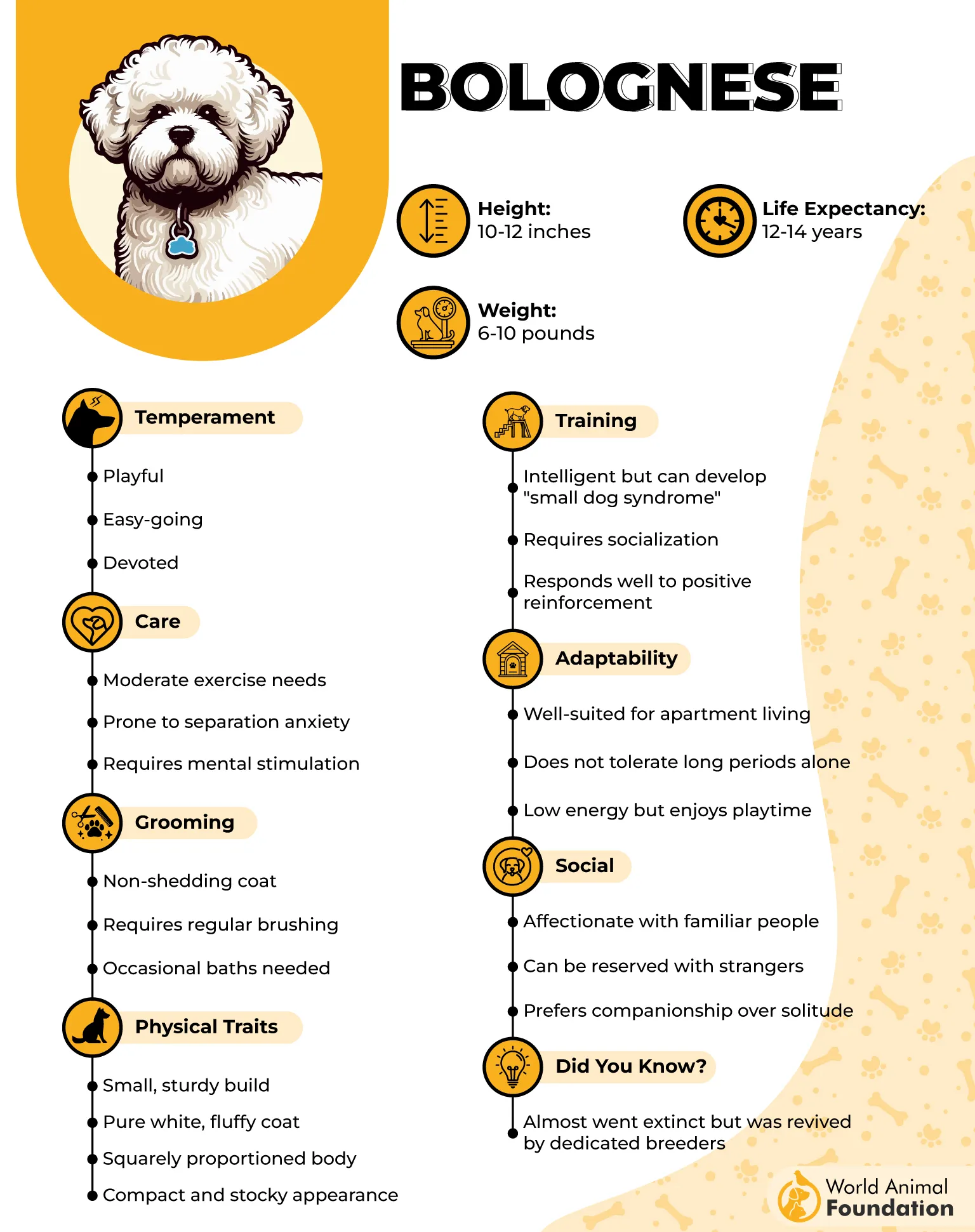
Bolognese has roots in Bologna, Italy, with records placing the breed there as early as the 11th and 12th centuries. Aristocratic families across Europe prized these small white companions, and notable owners included Madame de Pompadour, Louis XIV, Philip II, and Catherine the Great.
Easygoing Indoor Presence
They have a calm, balanced personality and are not especially talkative for a small dog, making them a useful choice where frequent barking could disturb nearby households. It can still alert to an unfamiliar person or sound with a bark when something catches its attention.
Their gentle side comes through in family life too:
Comfortable with children and seniors after socialization
Enjoys short periods of play followed by cuddling
Early guidance is essential to get them familiar with strangers
Gentle Routine
Bolognese enjoys obedience work and can also participate in therapy training, giving its calm temperament a practical outlet. Early socialization helps prevent fearful or anxious behavior and supports easier interactions with people outside the household.
5. Basenji

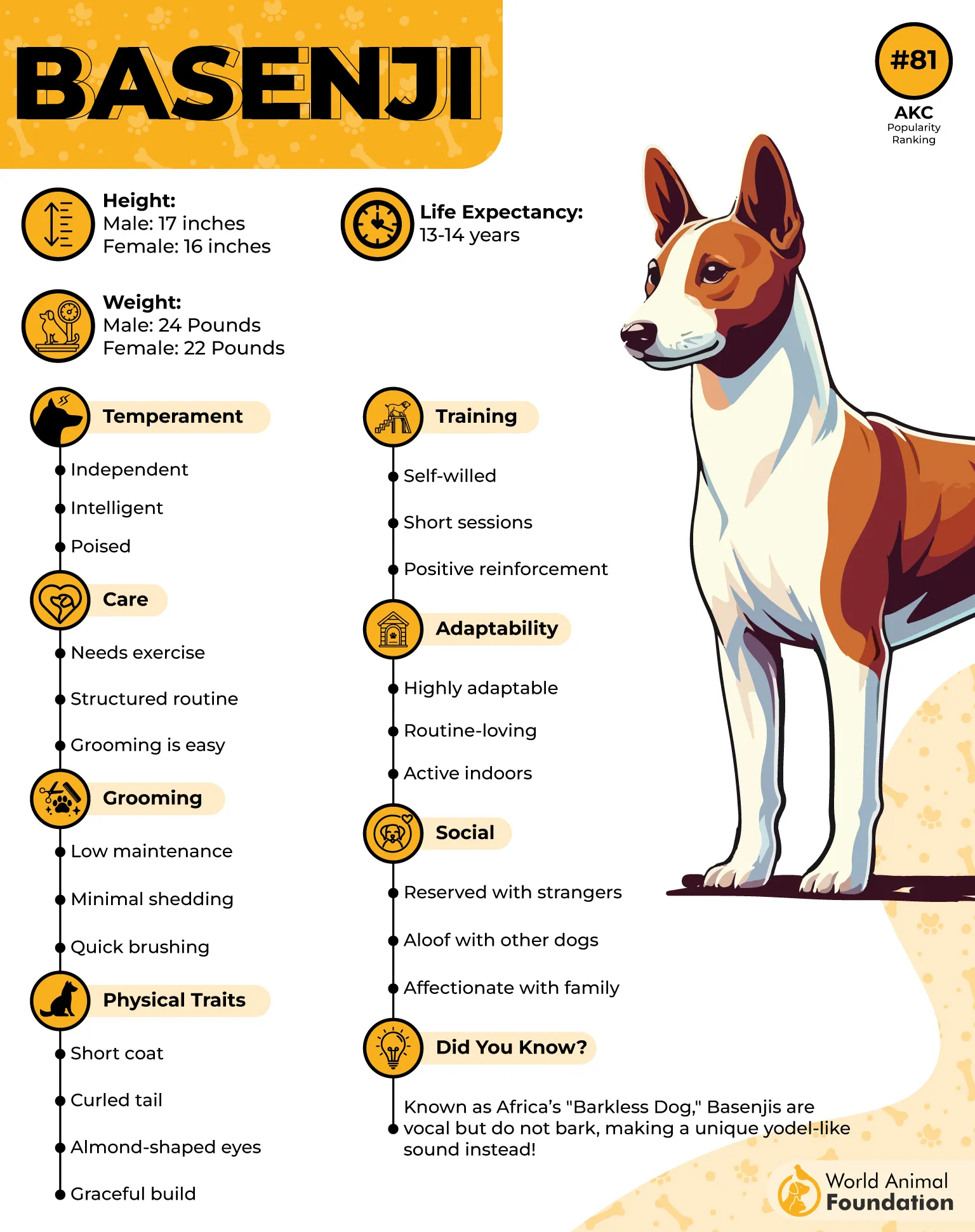
Basenji comes from the Congo region of Africa, where it lived alongside Pygmy hunters and worked as a pack hunter for game. A small group reached England in 1930, forming the foundation for a breeding program before the breed became more familiar as a companion by the 1950s.
Almost Silent
This breed is famous for its unusual voice, using yodels and howls instead of the familiar bark. For apartment living space, that quieter vocal pattern can make a meaningful difference, especially in homes where frequent barking could disturb nearby residents.
There is more to this breed than its unusual sounds:
Needs daily play and training to stay engaged
Requires a leash or secure six-foot fencing
Hunting instincts can lead to chasing or wandering
Catlike Habits
Basenji has an independent, catlike personality and is notably particular about cleanliness, often grooming itself in a feline manner. It can also be reserved around unfamiliar people, while early socialization helps it become more comfortable with new faces.
6. Chinese Crested
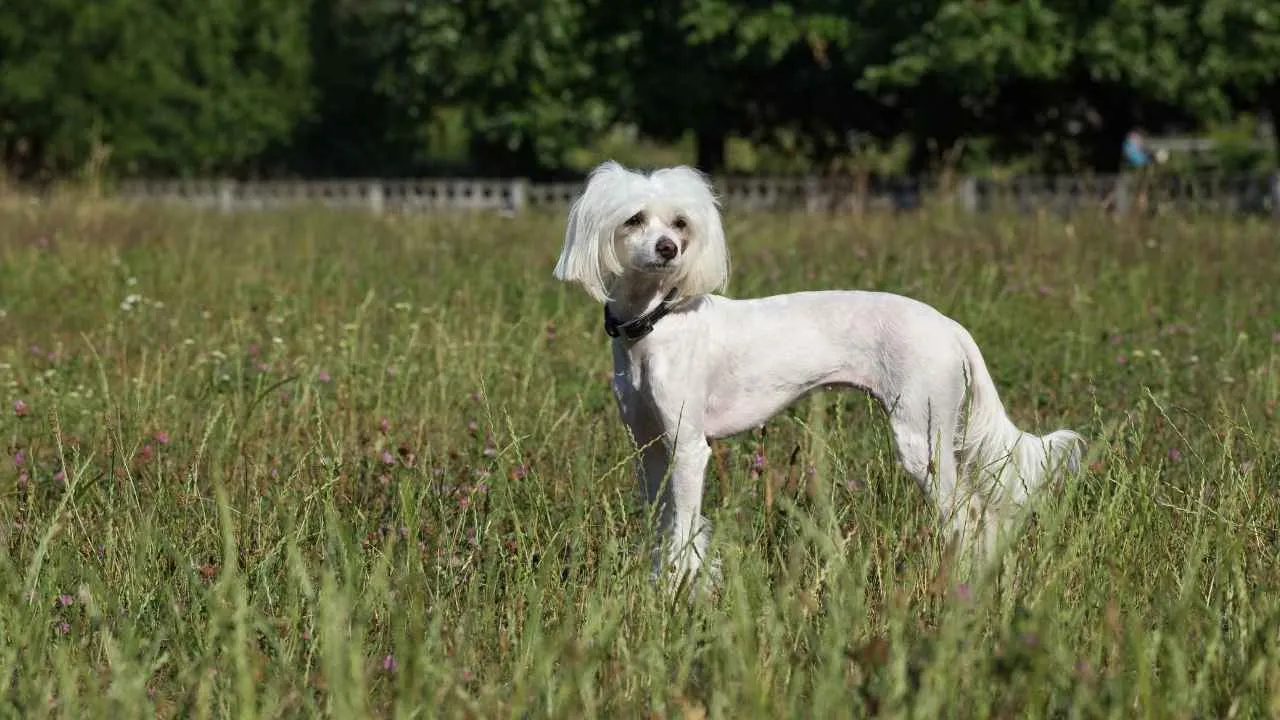
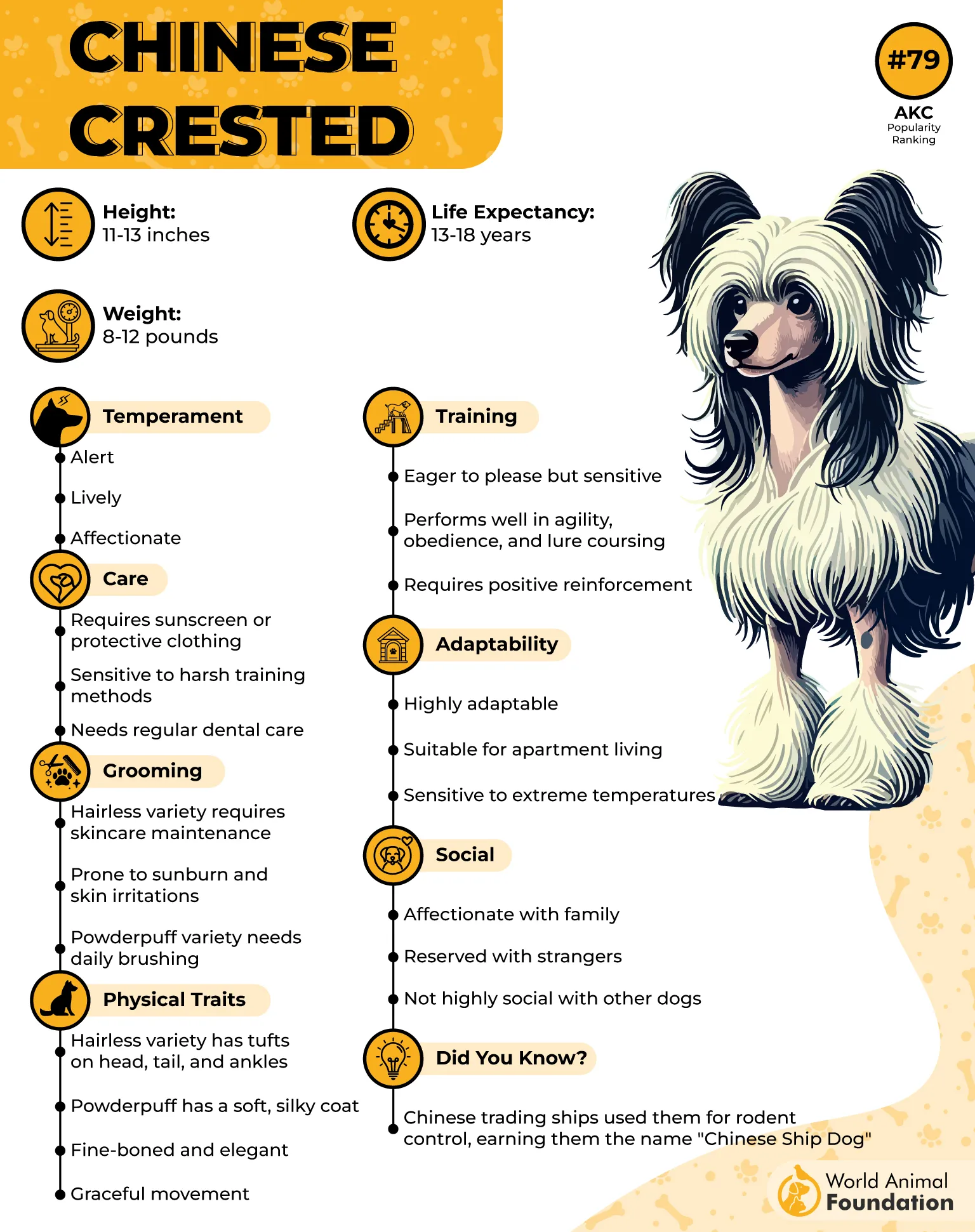
Chinese Crested has a more complicated origin story than its name suggests, with genetic research linking the breed to the Mexican Hairless dog. A breeding program began in the 1950s, and official recognition followed in 1987, with both Hairless and Powderpuff puppies occurring in litters.
Quiet Apartment Company
A smaller home can work well for Chinese Crested, as its exercise needs are modest and it does not require much room indoors. Noise is usually limited too, although prolonged time alone can lead to separation anxiety and more frequent barking.
The following details matter when planning daily life:
Exposed skin can burn in strong sunlight
Cold weather can cause discomfort
Needs sunscreen and warm sweaters for protection
Sensitive and Social
Chinese Crested is affectionate, attentive, and highly tuned in to the people around it, often rushing over with an enthusiastic little trot when someone returns home. Its sensitive nature also means harsh criticism can affect it deeply, making a gentle approach especially important.
7. Pug

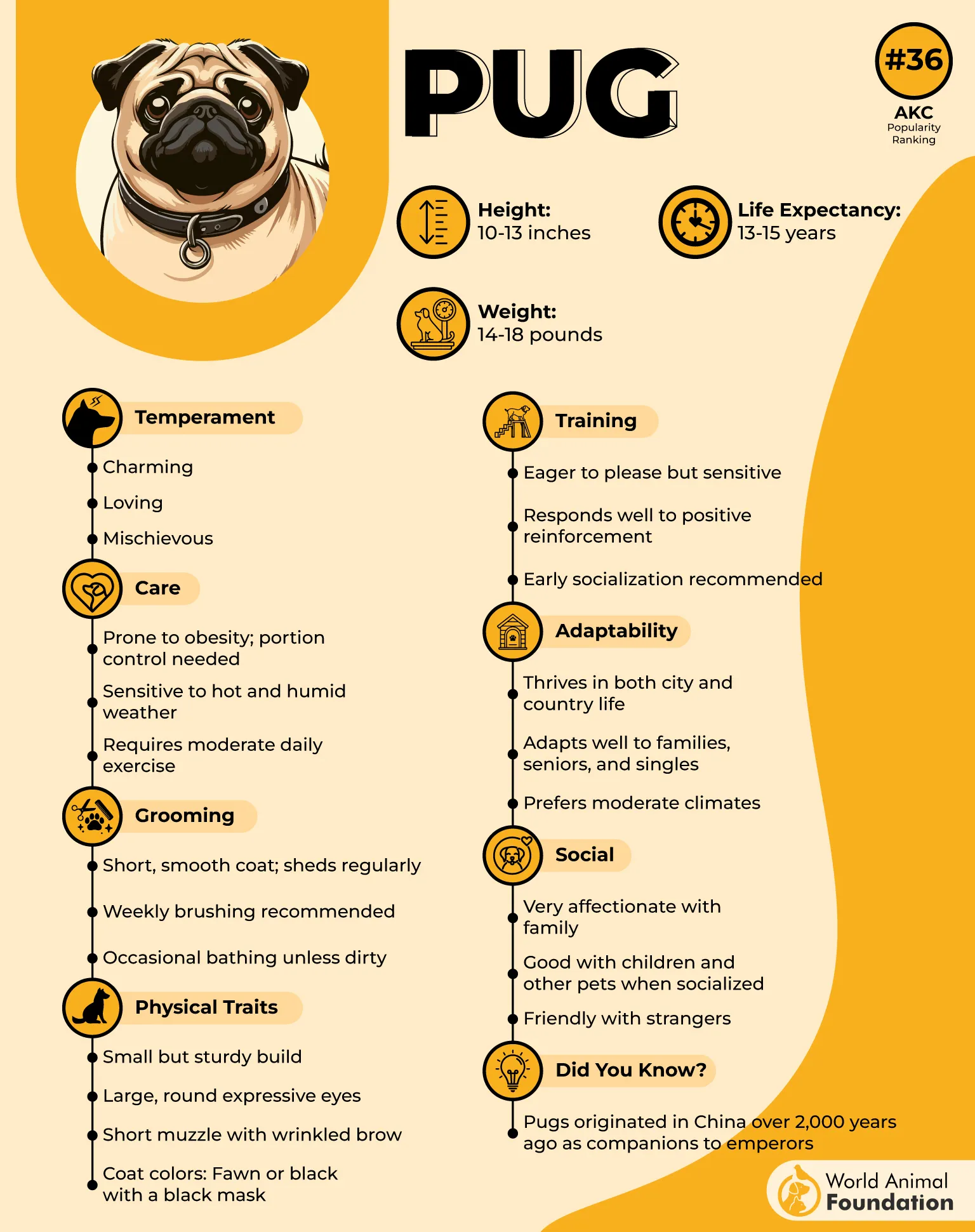
Pugs originated in China during the Han Dynasty, from 206 BC to 200 AD, with evidence of similar dogs also found in ancient Tibet and Japan. Chinese emperors prized these compact companions, while soldiers were assigned to guard them in their luxurious royal quarters.
Keeps a Low Profile Indoors
Pugs can work well in small apartments because it is not known for constant barking, yet they can give a quick bark when someone arrives. After that brief greeting, visitors may be met with the breed’s familiar snorts and grunts rather than a long round of noise.
These points offer a clearer picture of its indoor behavior:
Several 15–20 minute walks can suit its routine
Low-key fetch offers an easy indoor-friendly game
Outings should be controlled in hot weather
A Small Dog With Plenty of Character
This little dog breed has a playful, goofy personality reflected in the old phrase “multum in parvo,” meaning a lot in a little. Its stubborn streak can appear during training, although food motivation, praise, and positive reinforcement can make lessons more manageable.
8. Japanese Chin
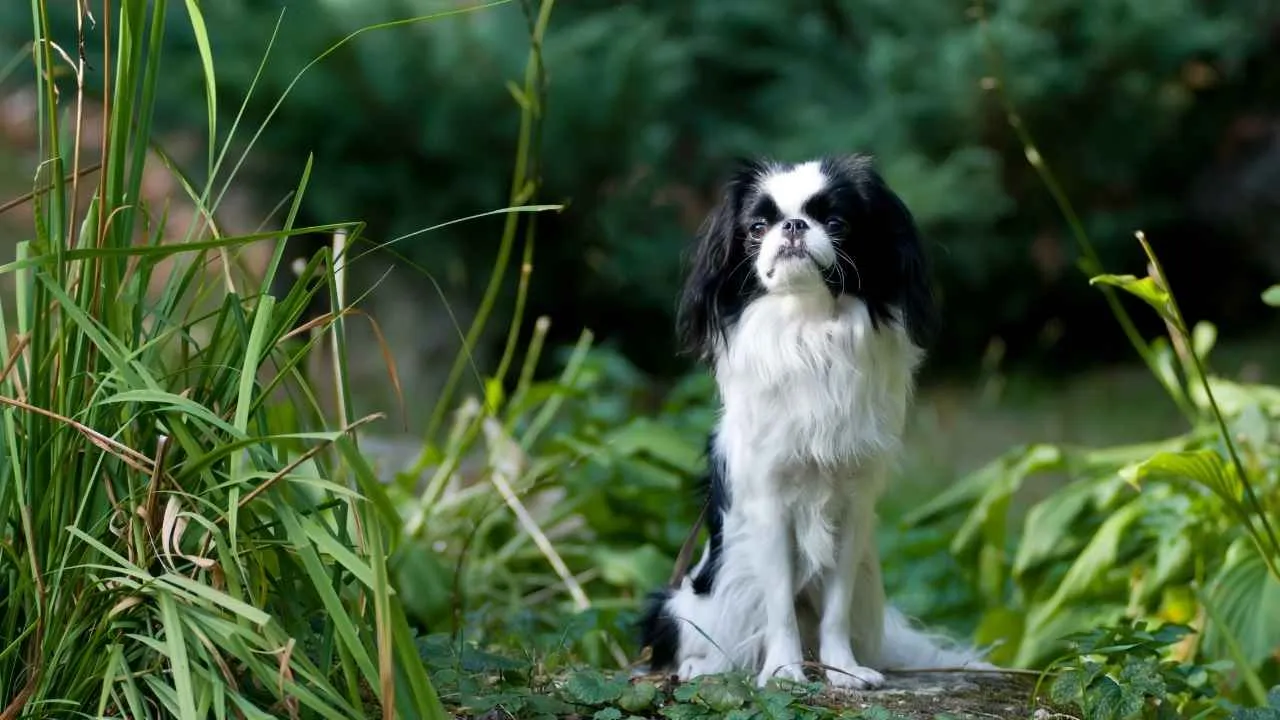
Japanese Chin has an unusual story that spans China, Japan, and Europe, with early depictions appearing on ancient pottery and at old Chinese temples. Records later describe Chinese imperial gifts to Japan, followed by European encounters in the 1600s and another notable gift to Queen Victoria in 1853.
Peaceful Around the House
Japanese Chin can suit peaceful apartment homes, with barking usually limited to moments when something unfamiliar catches its attention. A visitor at the door or a strange sound may prompt an alert, while digging is rarely part of its everyday habits.
This is what makes day-to-day nature more specific:
Usually avoids digging
Needs about 30 minutes of daily exercise
Affectionate with familiar people

Small Frame, Careful Play
This breed can be affectionate with familiar people while acting reserved around strangers, so early socialization helps with unfamiliar faces, dogs, and new experiences. Because this breed is very small, children’s play should also be supervised to prevent accidental injuries.
9. Boston Terrier
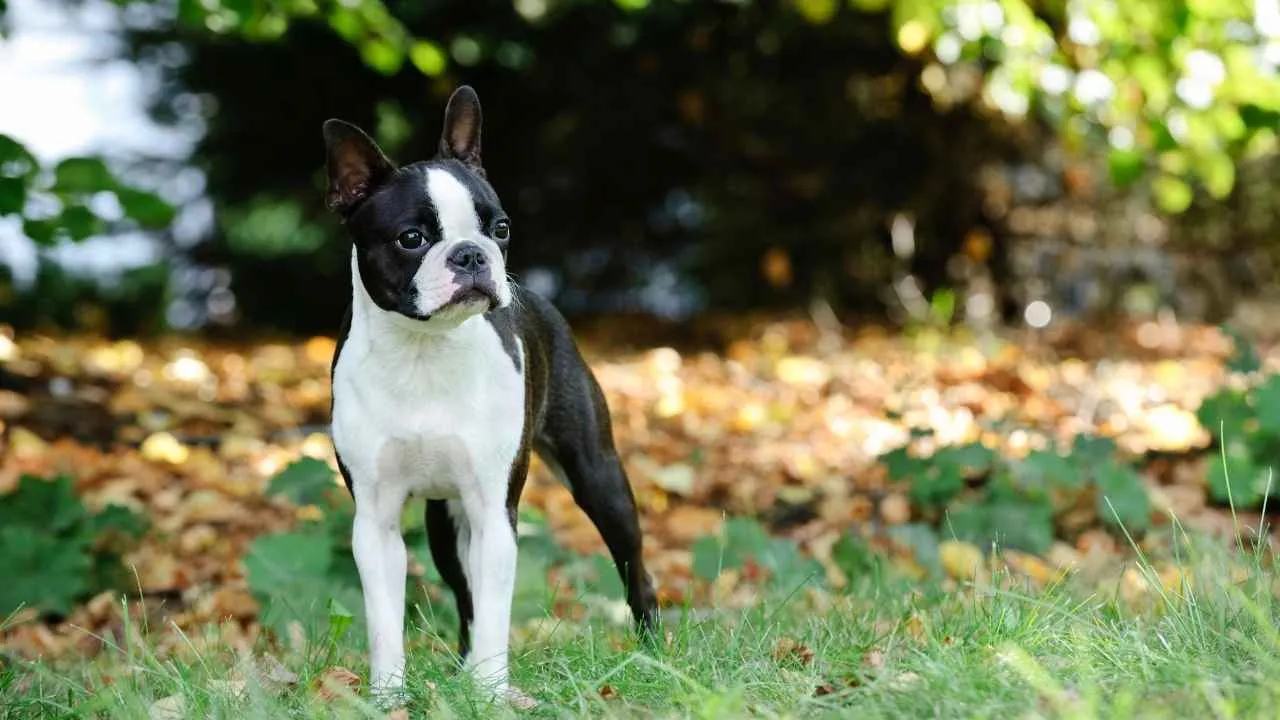
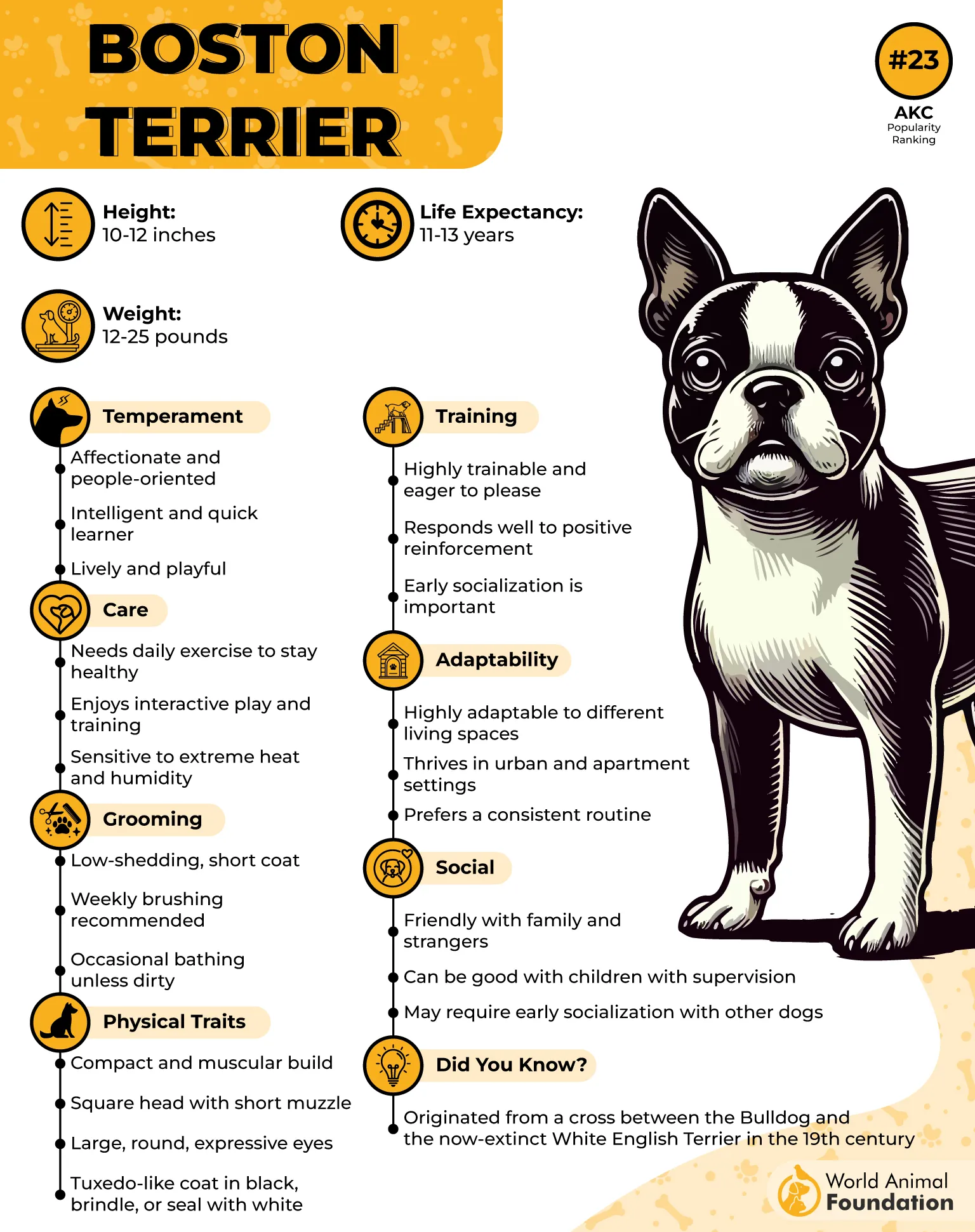
Boston Terrier developed in the 1800s as a cross between the English Bulldog and English White Terrier, with later pairings involving Bull Terriers, Boxers, Pit Bull Terriers, and other terriers.
Early dogs weighed more than 20 kg before selective breeding gradually produced the much smaller companion familiar today.
Quiet Household Canine
This terrier tends to stay relatively quiet, with barking more likely to happen when someone comes near the home or knocks at the door. That makes its occasional vocal alerts more purposeful, especially in houses with close neighbors and shared living spaces.
Its peaceful home life has these considerations:
Needs less exercise than highly active breeds
Hot and cold weather can be difficult
Rough play may increase the risk of eye injuries
Life at Home
Boston Terrier enjoys being around people and prefers joining household activity rather than spending long periods alone. Its affectionate, outgoing personality can make everyday companionship especially engaging, while early socialization helps it interact appropriately with more reserved dogs.
10. Cavalier King Charles Spaniel

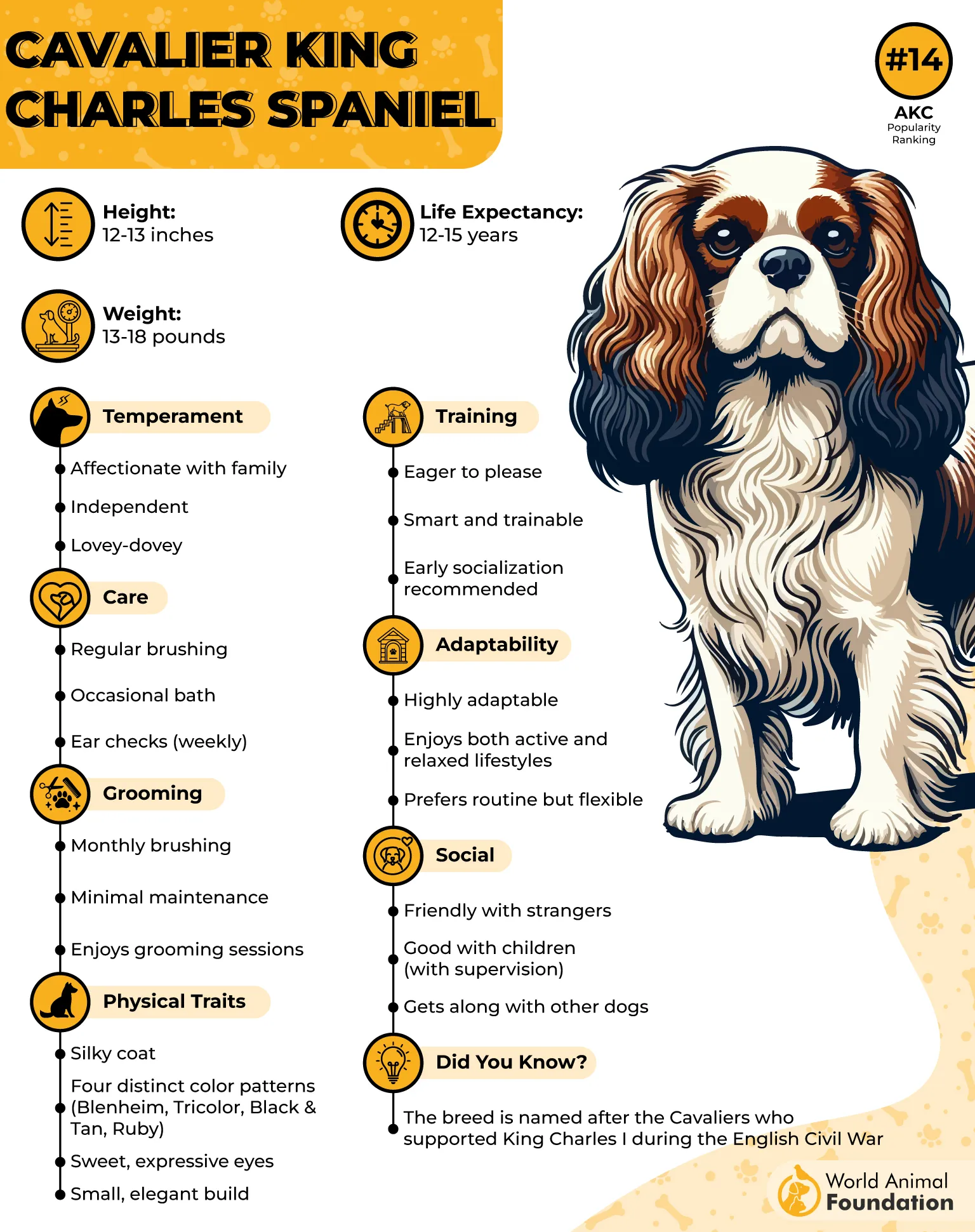
Cavalier King Charles Spaniel descends from small toy spaniels pictured in European paintings from the 16th through 18th centuries. These dogs once warmed laps in drafty castles and on cold carriage rides, while one Olde English prescription even advised keeping a “comforte dog” close during a cold.
Calm During Home Life
This spaniel suits city life with regular walks and moderate outdoor play rather than demanding workouts. After a romp outside, this sociable little dog is content with a quiet afternoon at home, including a lazy day in bed between potty breaks.
Its sociable nature also has a few nuances:
Welcomes unfamiliar people readily
Often gets along with cats
Can feel shy around larger dogs
Social by Nature
Being around people is an important part of daily life for the Cavalier King Charles Spaniel, so extended periods alone may leave this social breed unsettled. Training can feel easier too, as its eagerness to please often makes basic commands more straightforward to reinforce.
Conclusion
A peaceful apartment does not require a dog that never makes a sound. Even quieter companions may rarely bark at visitors, strange noises, excitement, boredom, or unfamiliar activity around the building. What matters is how often those reactions happen and how manageable they are with proper training and daily care.
Owners should consider exercise needs, time alone, socialization, weather sensitivity, and comfort around people and other pets. A dog that can enjoy activity outside and remain calm indoors can fit apartment life more naturally. Paying attention to these everyday details can help you find the right dog that is well suited to a calmer home without expecting complete silence every day.
