




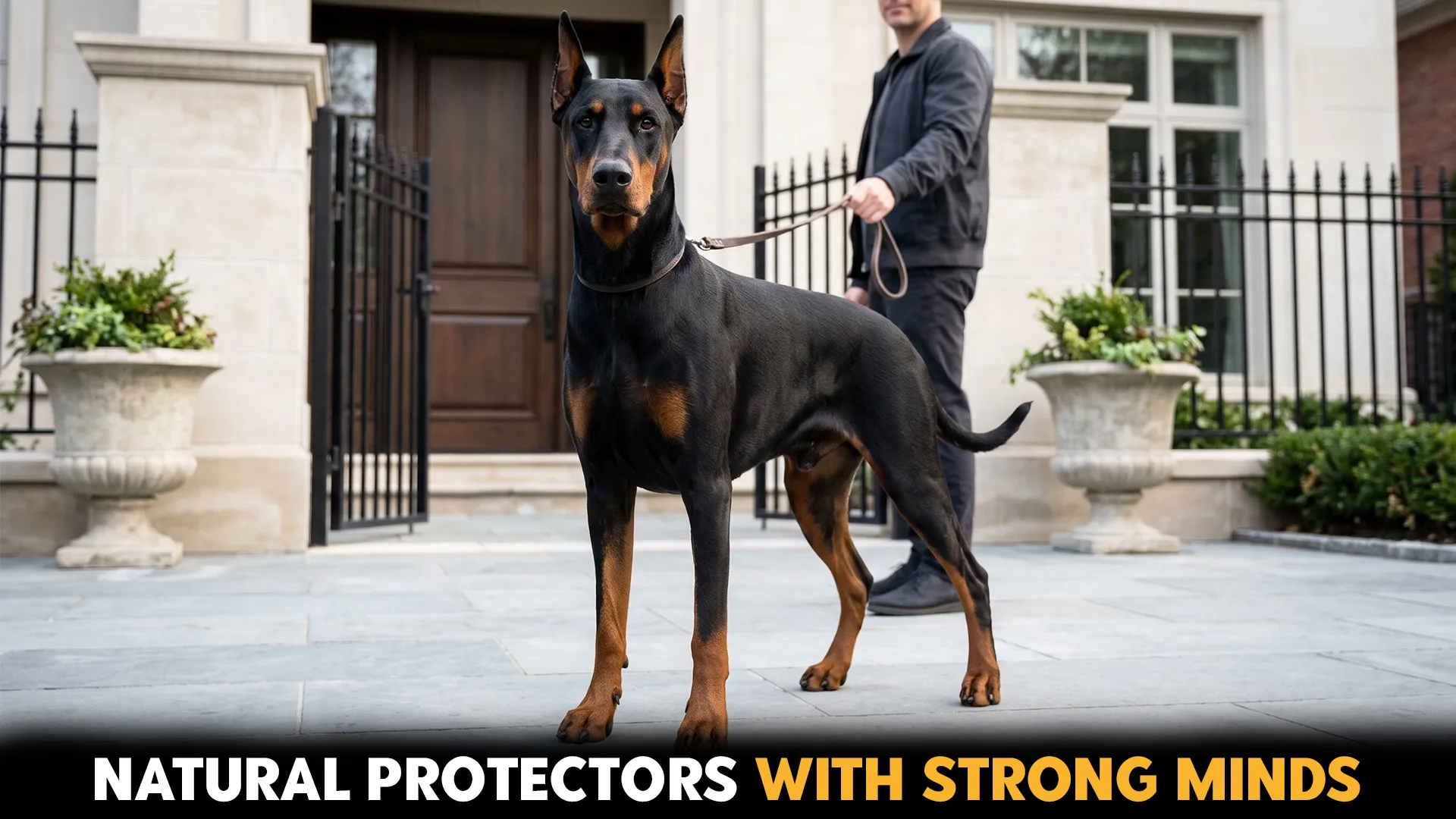
Ever met a dog that seemed to size you up before deciding if you were worth being friendly with? That is not attitude; it is instinct doing its job.
A 2021 study on livestock guarding dogs in Namibia actually measured this, scoring independence and trainability as two separate traits rather than two ends of one scale.
Turns out the strong dogs that made their own calls were often rated the better guardians, not the most obedient ones. Good protection, it seems, has very little to do with how well a dog takes orders.
So before you pick a guard dog for personal protection, it helps to know the difference between a naturally protective mind and a simply well-trained one. One obeys, the other decides.
Stick around, because the breed at the top of this list proves that point better than any of the others.
Top Dog Breeds Known for Their Protective Instincts and Strong Will
1. Rottweiler
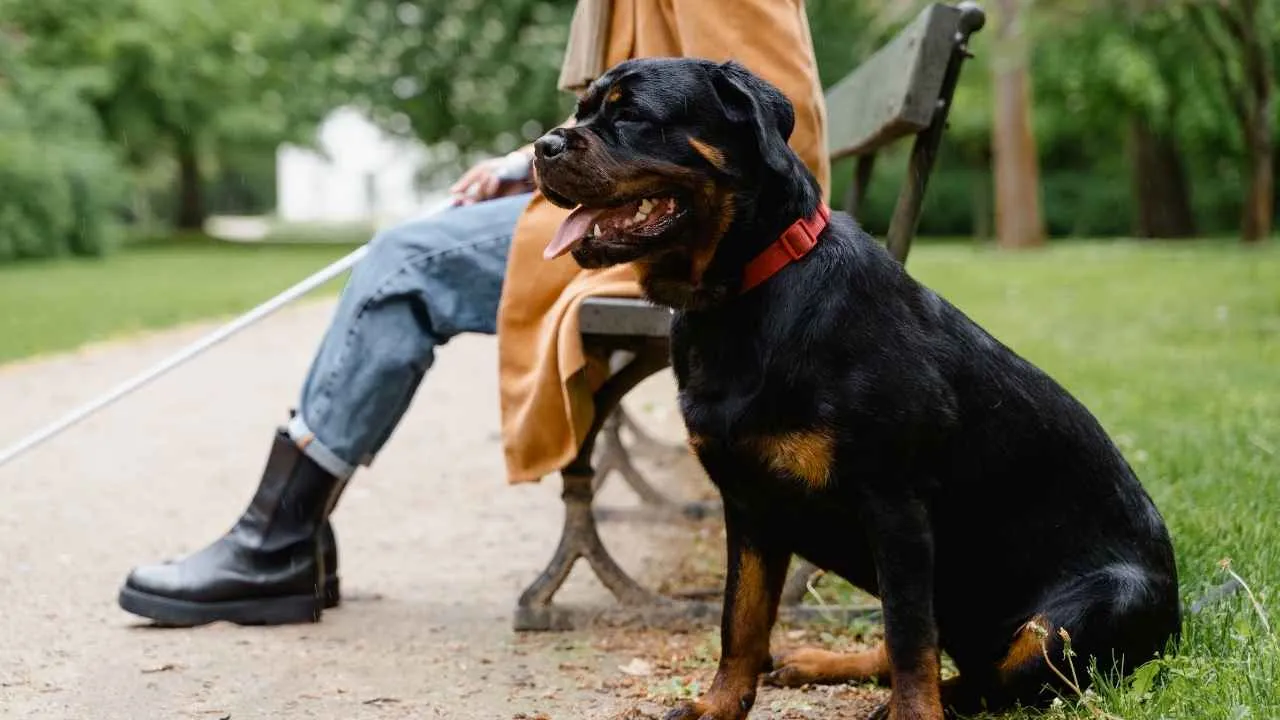
Rottweilers once drove cattle for Roman soldiers, work that demanded muscle and sharp judgment, according to Orvis. That history built natural protective instincts right in. The trigger is rarely noise; it is a shift in energy near family members or unfamiliar ground.
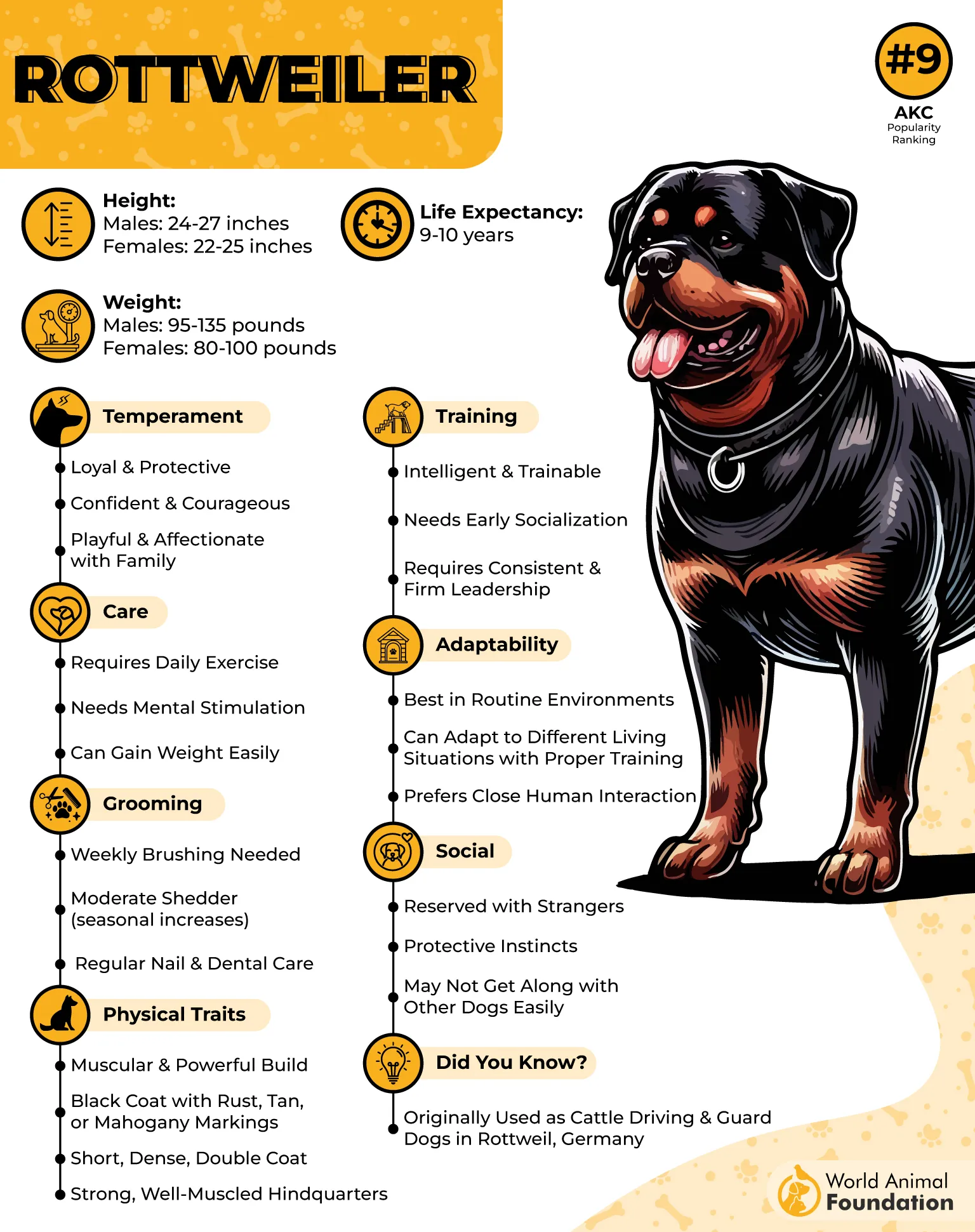
A Rottweiler often parks itself between a guest and the door, silent, watching before it decides anything. That is judgment, not a command. The same strong will shows up at dinner, when the bowl moves at its own pace.
Trainability reality check: Obedience training sharpens judgment, but it never erases the instinct to size up strangers first.
Physical or behavioral tell: A protective Rottweiler squares its stance and plants its feet before it barks.
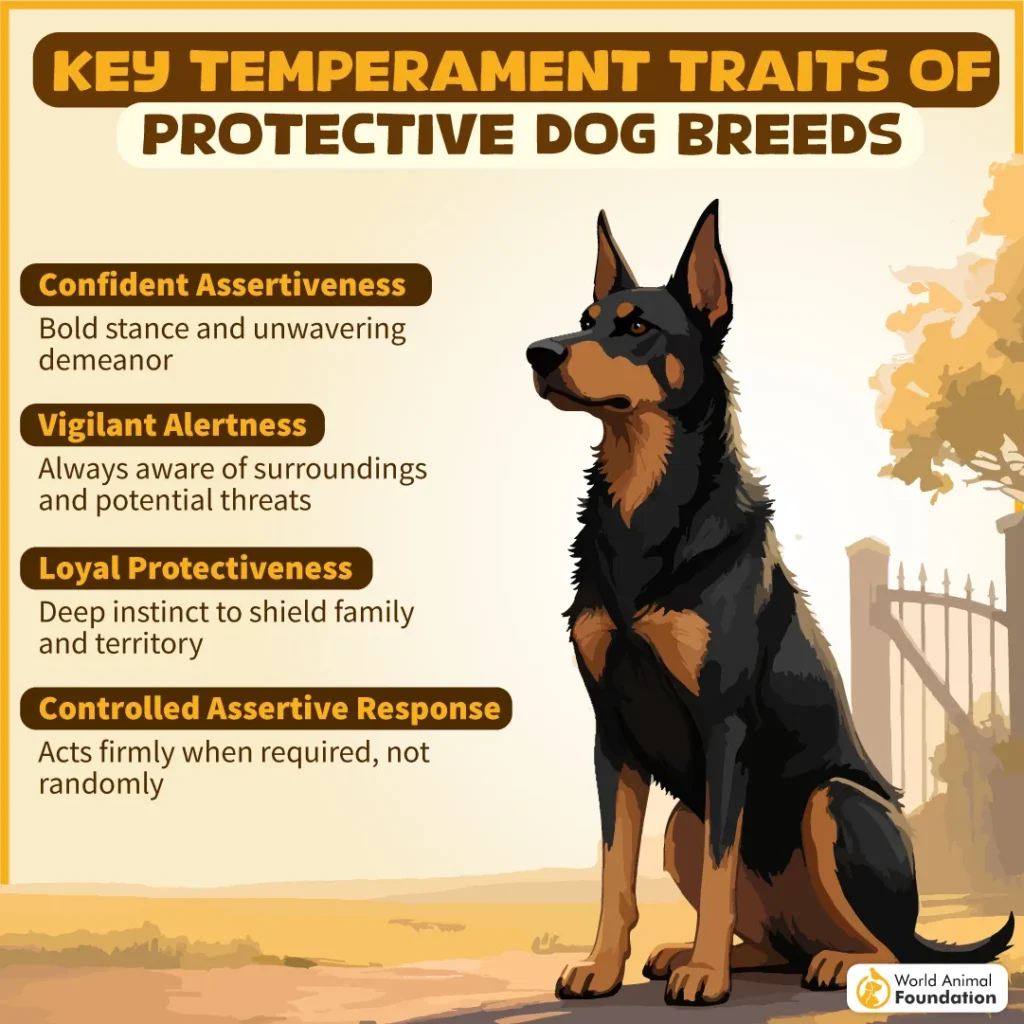
This is one of the more reliable guard dog breeds for experienced handlers who treat training as a partnership. Early socialization turns strong will into loyalty. Skip it, and the same instinct becomes stubbornness.
2. Akita
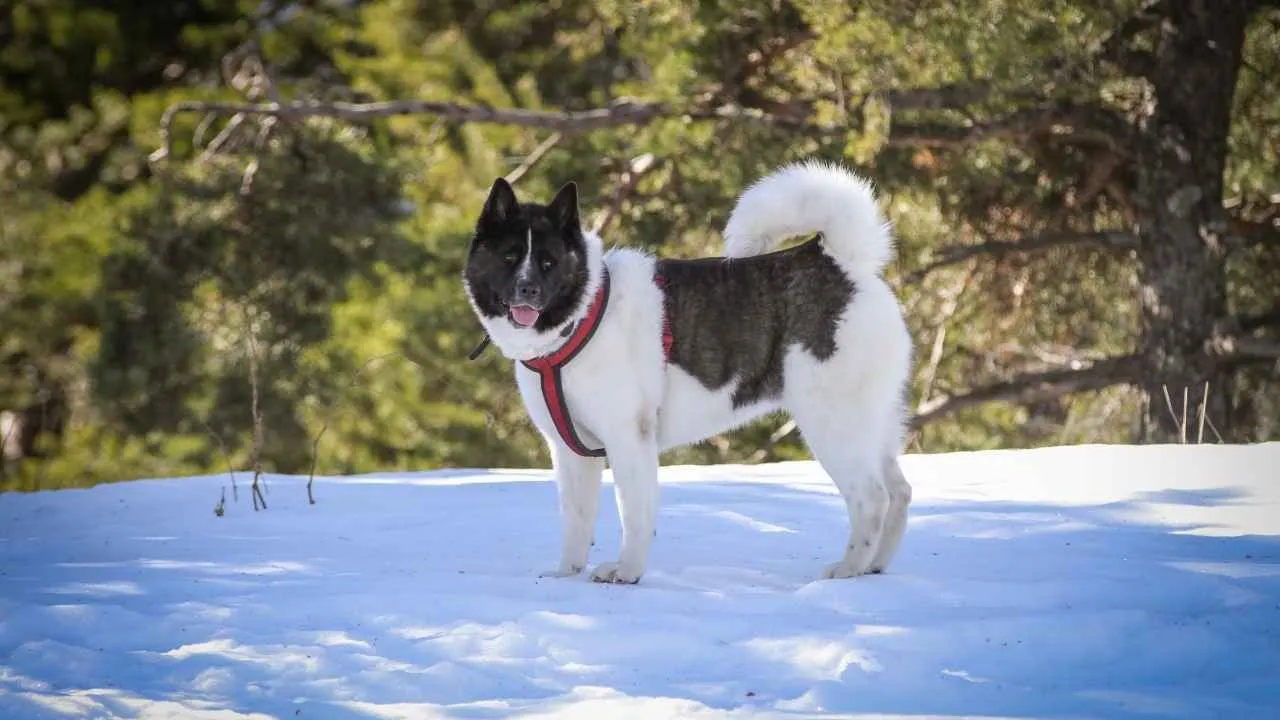
The Akita was bred in Japan’s snowy mountains to hunt and guard, work that shaped a lasting natural suspicion of strangers, as per Purina. Its trigger is specific. Holding eye contact from a stranger reads less like curiosity, more like a dare.
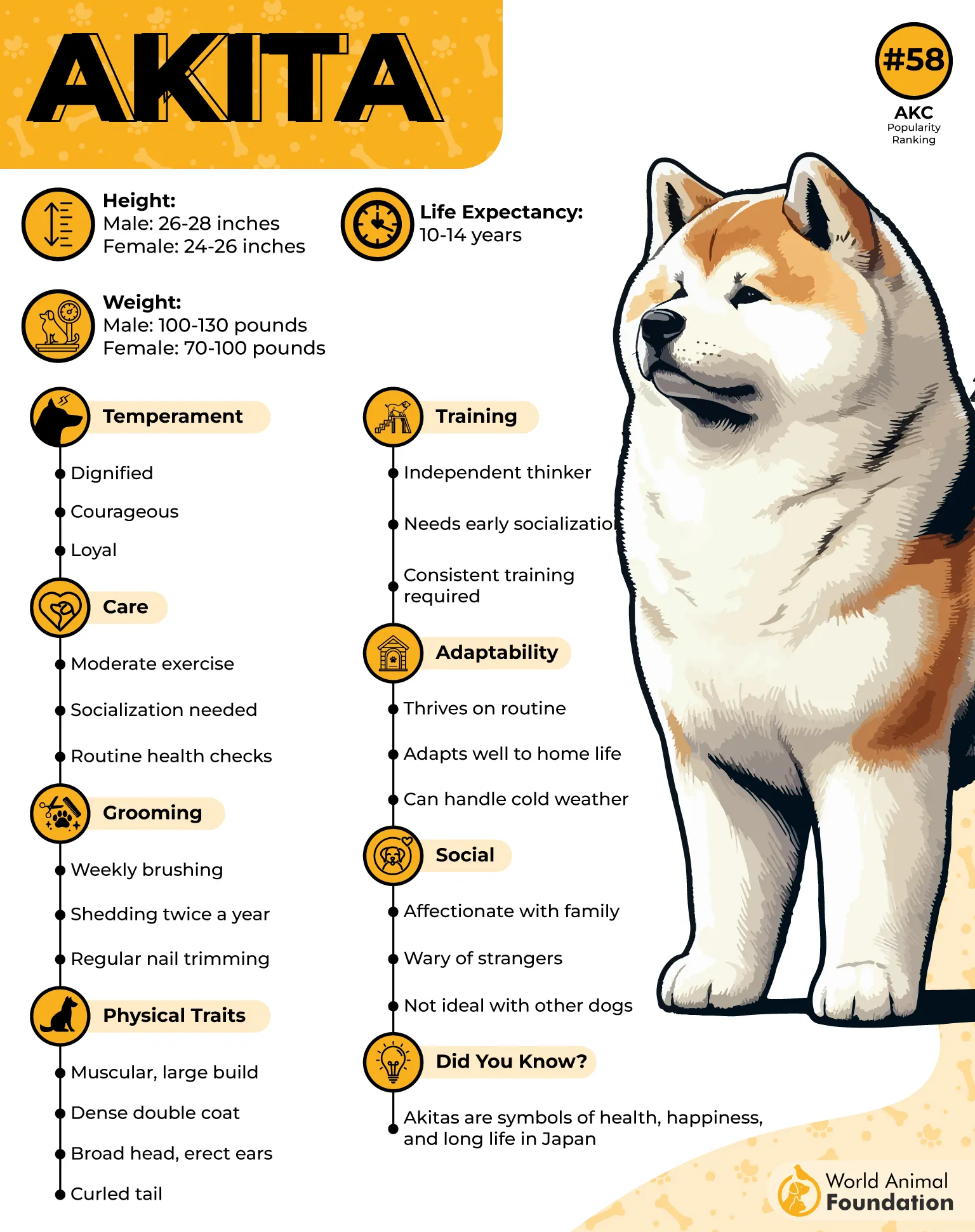
An Akita left with a toddler often settles in close, quietly supervising without being told to. That is independent judgment, not obedience. The same stubborn streak shows up around other dogs, where it decides who it likes.
Trainability reality check: Training builds manners, but it rarely talks an Akita out of its own read on a room.
Physical or behavioral tell: Ears go rigid and the body stills right before an Akita makes a decision.
Akitas thrive with experienced owners who respect a strong-willed mind rather than fight it. In the right family, that independence becomes quiet devotion. The honest cost is a dog that may never warm to every visitor.
3. Tibetan Mastiff
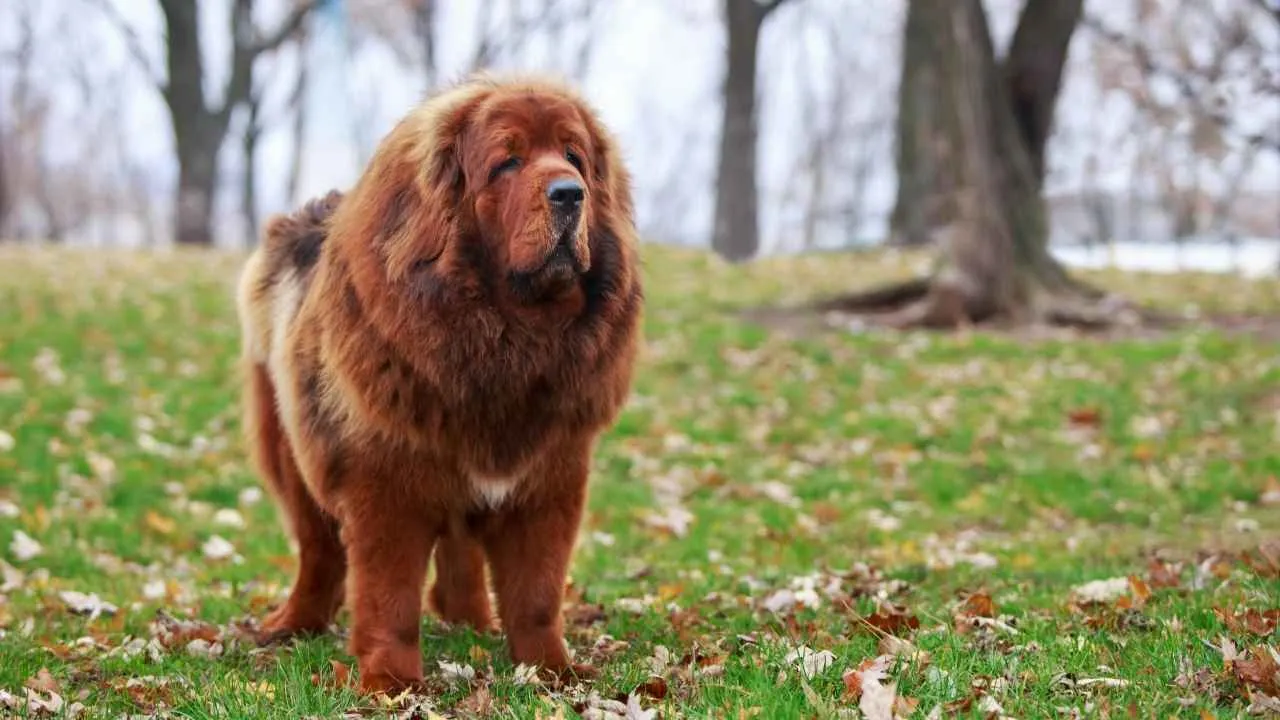
Tibetan Mastiffs guarded monasteries, homes, and nomad camps across Tibet for centuries, often working far from any handler, as per the AKC. Their trigger is the dark. Night brings out the deep, rolling bark this breed is known for.
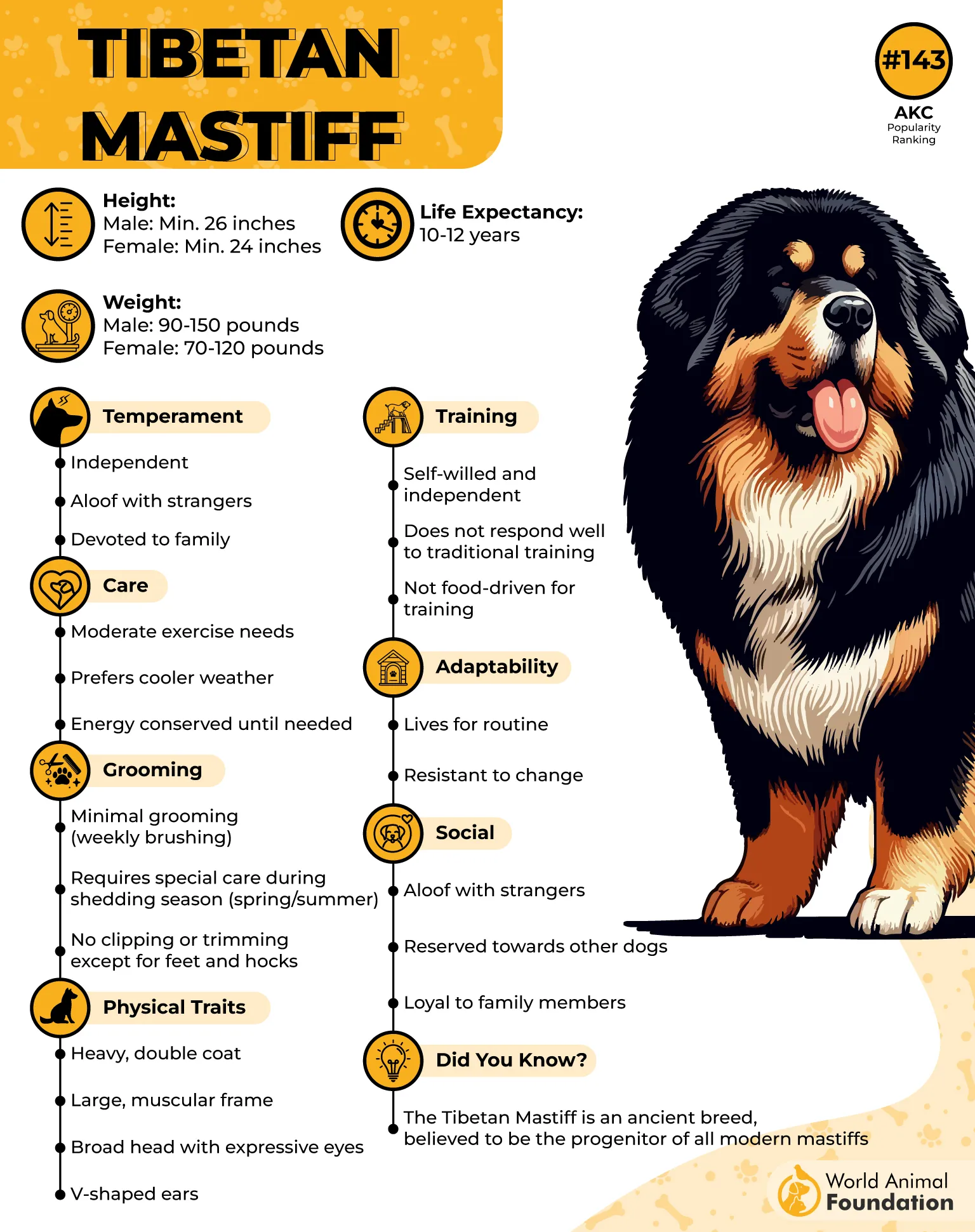
Left to patrol a yard overnight, a Tibetan Mastiff chooses its own route and decides which sounds matter. Nobody trained that in; it came with the job. The same independence shows at mealtime, eating on its own schedule.
Trainability reality check: Training shapes manners, but this breed was never built to sit, stay, or come on cue like most working dogs.
Physical or behavioral tell: It plants itself at the edge of its territory and goes completely still the moment it decides something is off.
This breed suits experienced handlers with space and patience, not owners chasing a highly trainable dog. Strong will rewards those who respect it rather than fight it. The real risk is a bored, under-socialized dog that trusts no one outside the family.
4. German Shepherd
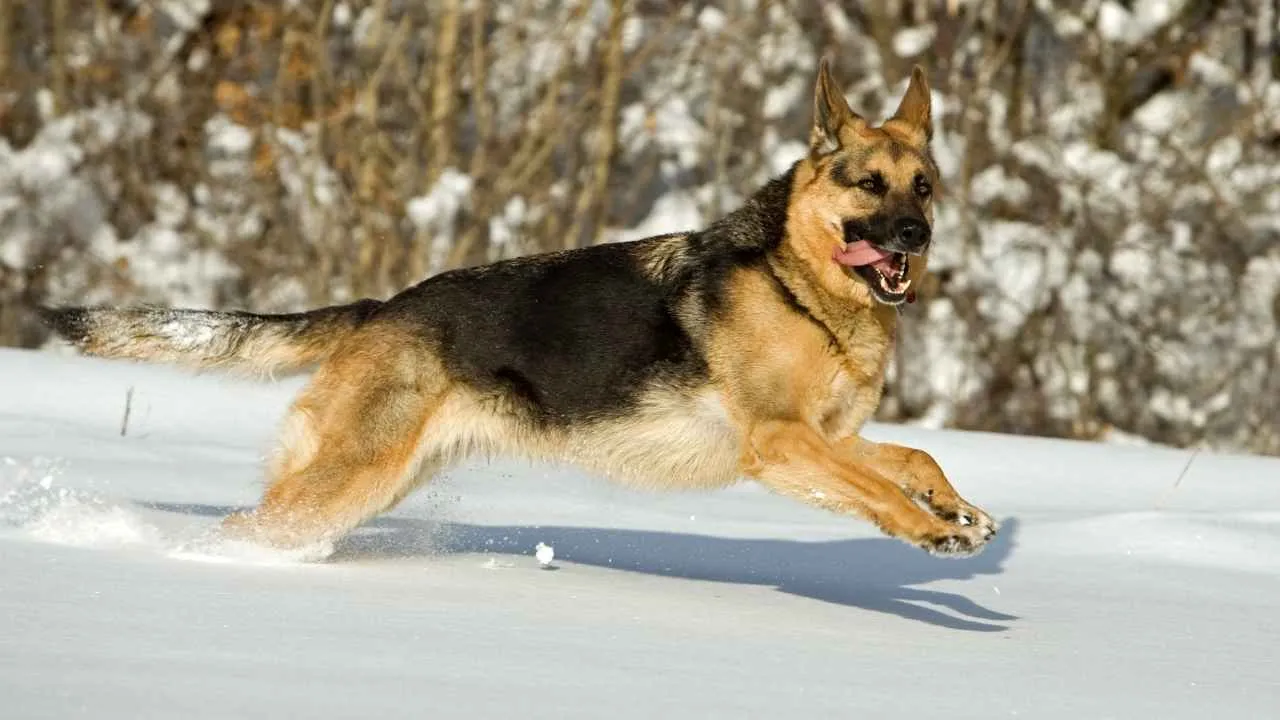
German Shepherds were bred in Germany to herd and guard flocks without constant direction. That history shaped one of the most versatile working dog breeds around. The trigger is usually a broken routine, an open gate, a stranger lingering too long.
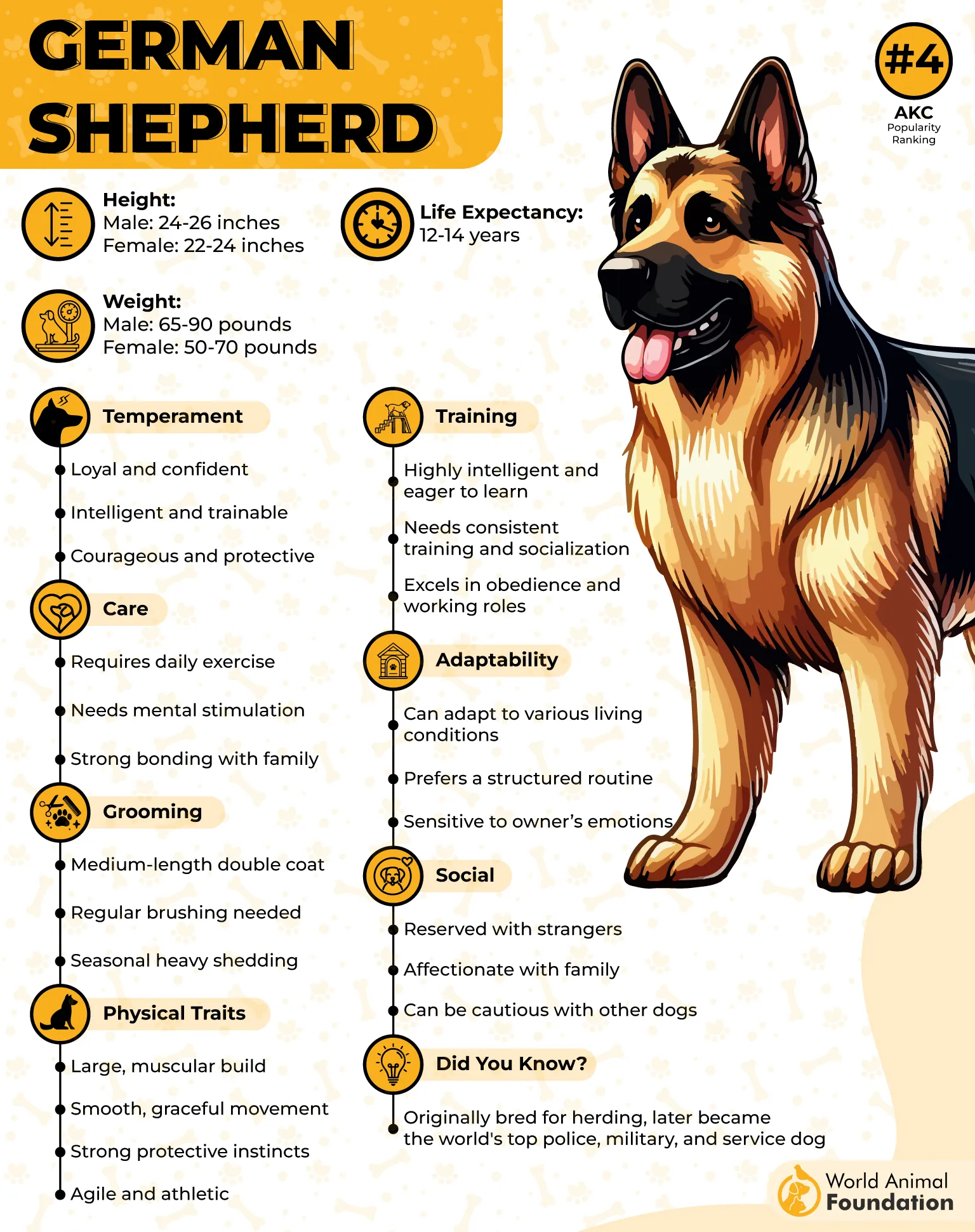
On search and rescue work, a German Shepherd often changes direction mid-search, trusting its nose over instruction. The same independence shows at home, picking its own walk route or ignoring a command it finds pointless.
Trainability reality check: This is one of the more highly trainable guard dog breeds, but training channels the independence rather than removing it.
Physical or behavioral tell: Ears lock forward and the tail stiffens the moment something becomes worth watching.
German Shepherds suit active households ready for real mental stimulation, not just a daily walk. Done right, the payoff is a dependable guard dog for family life. Skip the stimulation, and that sharp mind finds its own projects.
5. Doberman Pinscher
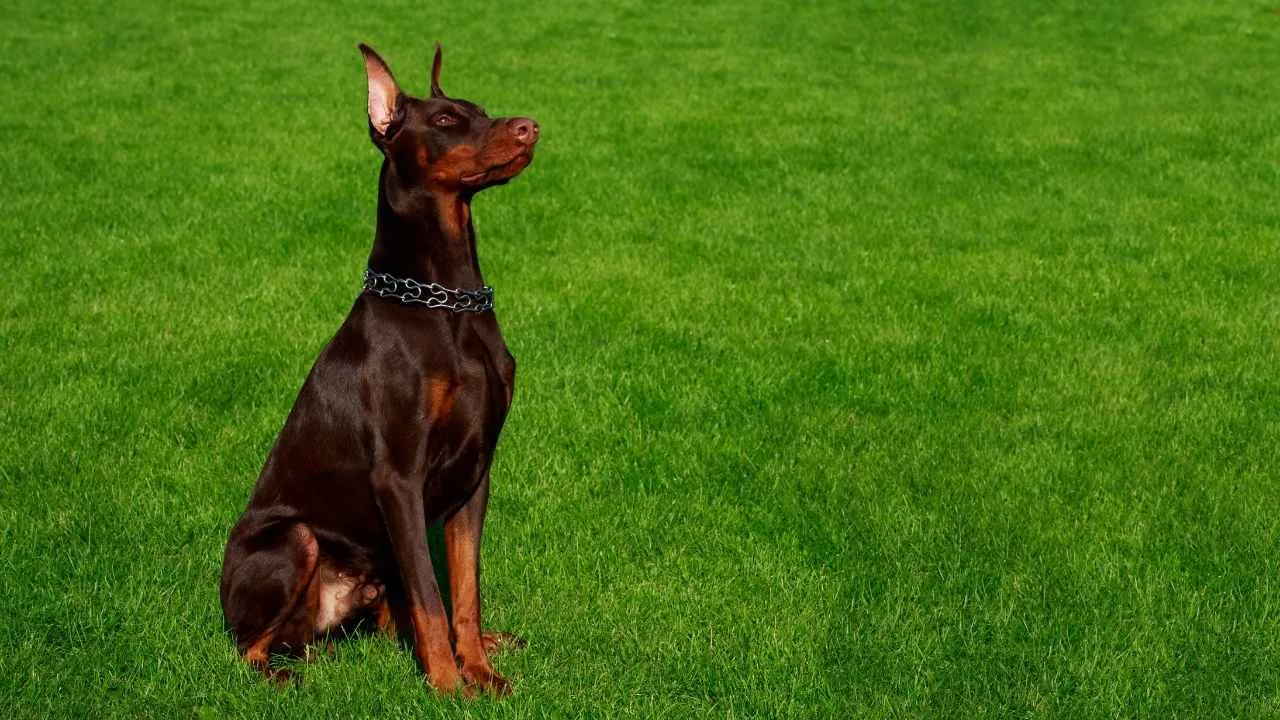
A German tax collector built the Doberman Pinscher around 1890, wanting a dog fierce enough to guard him on his rounds, as per VCA. The trigger is proximity. A stranger stepping too close, too fast, flips the switch.
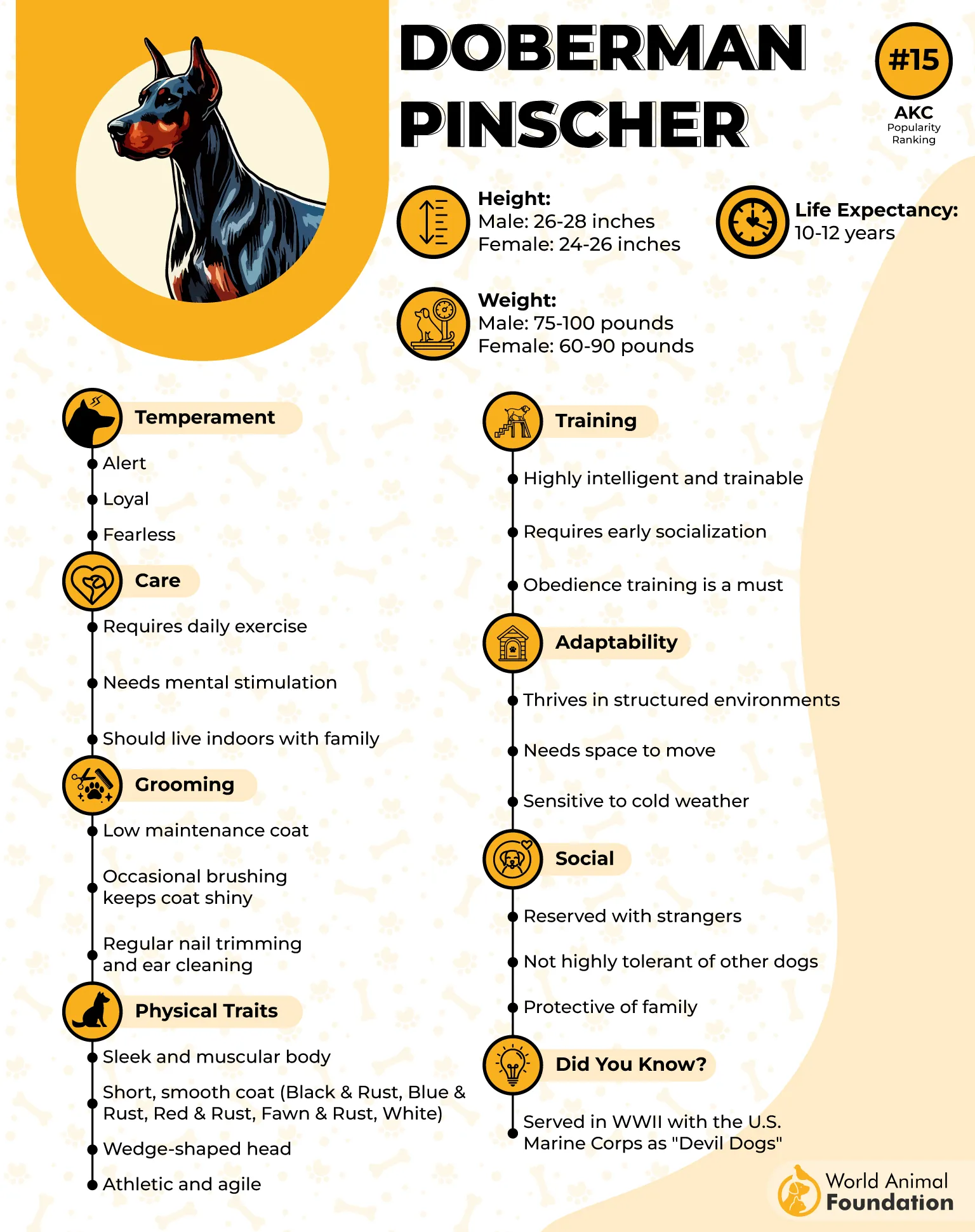
Left to guard a porch, a Doberman often stands its ground in total silence, letting posture do the talking. That is a calculated decision, not a trained routine. The same strong will shows on walks, where it picks the pace.
Trainability reality check: This is not a dog for first-time owners; professional guidance is strongly advised from day one.
Physical or behavioral tell: A rigid, forward lean with pinned ears is the clearest warning sign before a Doberman acts.
This breed needs experienced handlers who match its intensity with calm leadership. Professional training channels that strength into one of the more effective guard dogs around. Without it, the drive turns pushy fast.
6. Boerboel

Boerboels were bred on South African farms to guard the homestead against everything from thieves to leopards. That job needed a dog willing to act first and ask questions later. The trigger is usually the property line, crossed by anyone unfamiliar.
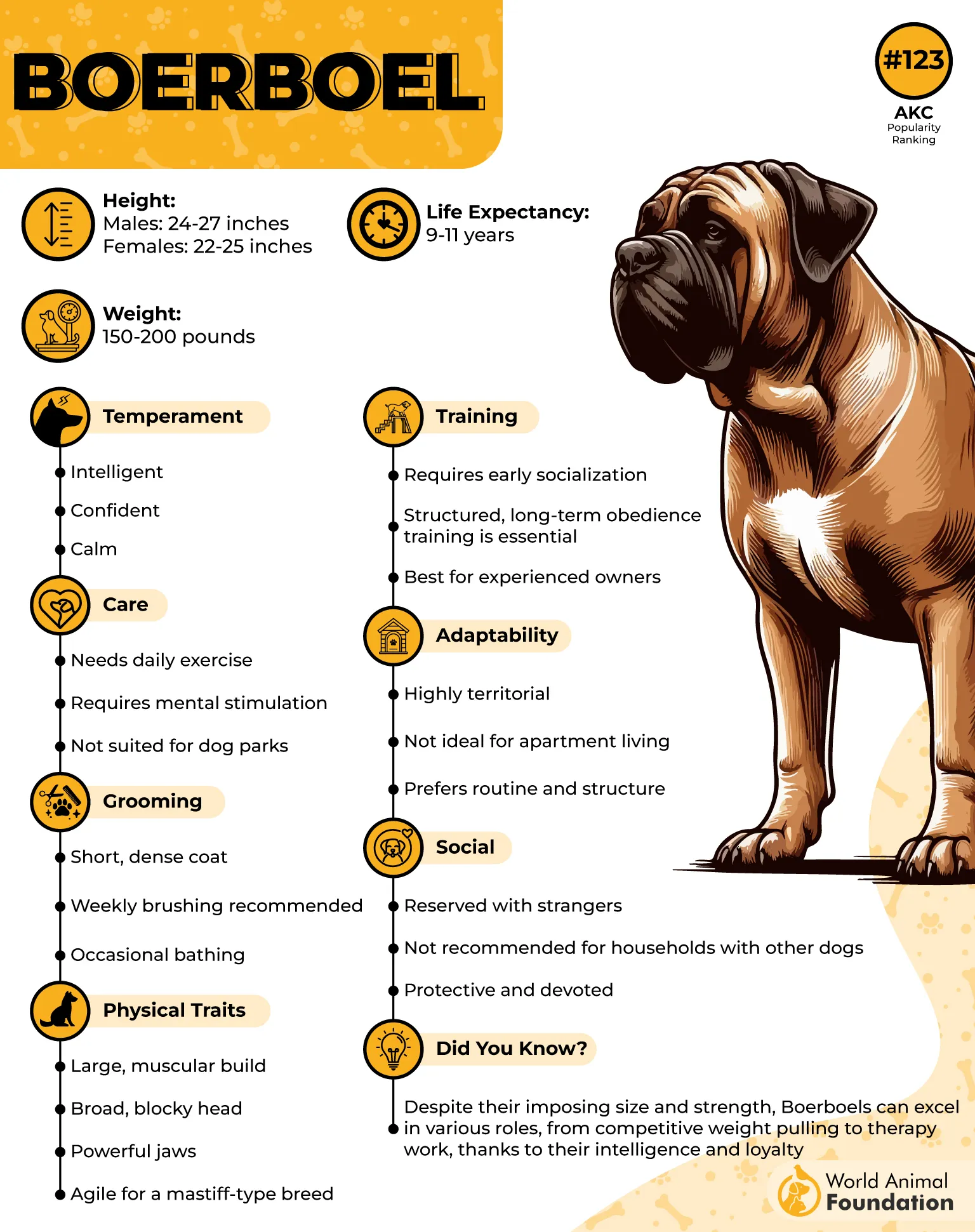
A Boerboel patrolling a yard often blocks a gate on its own, before anyone gives a command. That is instinct doing its job. The same independence shows indoors, deciding which room it is guarding tonight.
Trainability reality check: Early training matters, but this breed guards on judgment, not on constant instruction.
Physical or behavioral tell: A wide stance and a low, chest-deep growl mean a Boerboel has already decided.
This breed suits experienced owners with real space and a serious approach to socialization. Raised well, a Boerboel grows intensely loyal and calm around family. Raised carelessly, its size and strong will get hard to manage.
7. Rhodesian Ridgeback
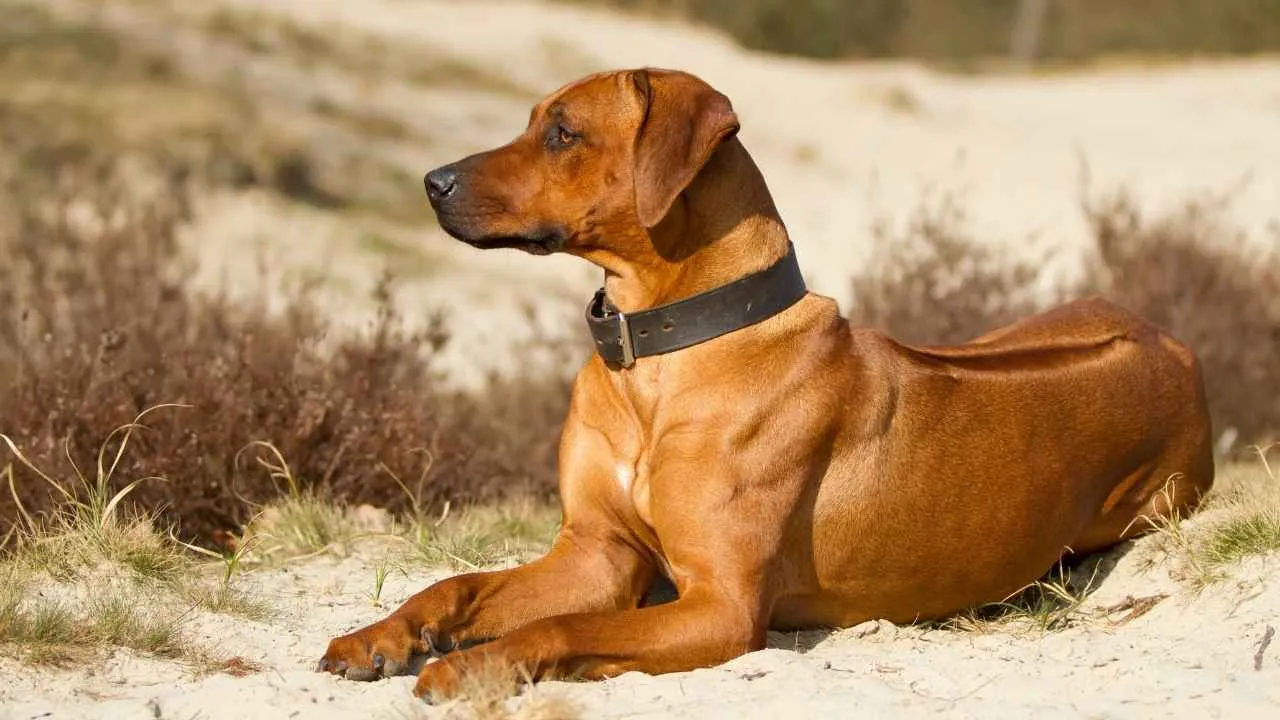
Rhodesian Ridgebacks were developed in southern Africa to track lions and hold them at bay, never to make the kill. That job demanded nerve and independent judgment under real pressure. The trigger is movement, especially anything fast crossing its path.
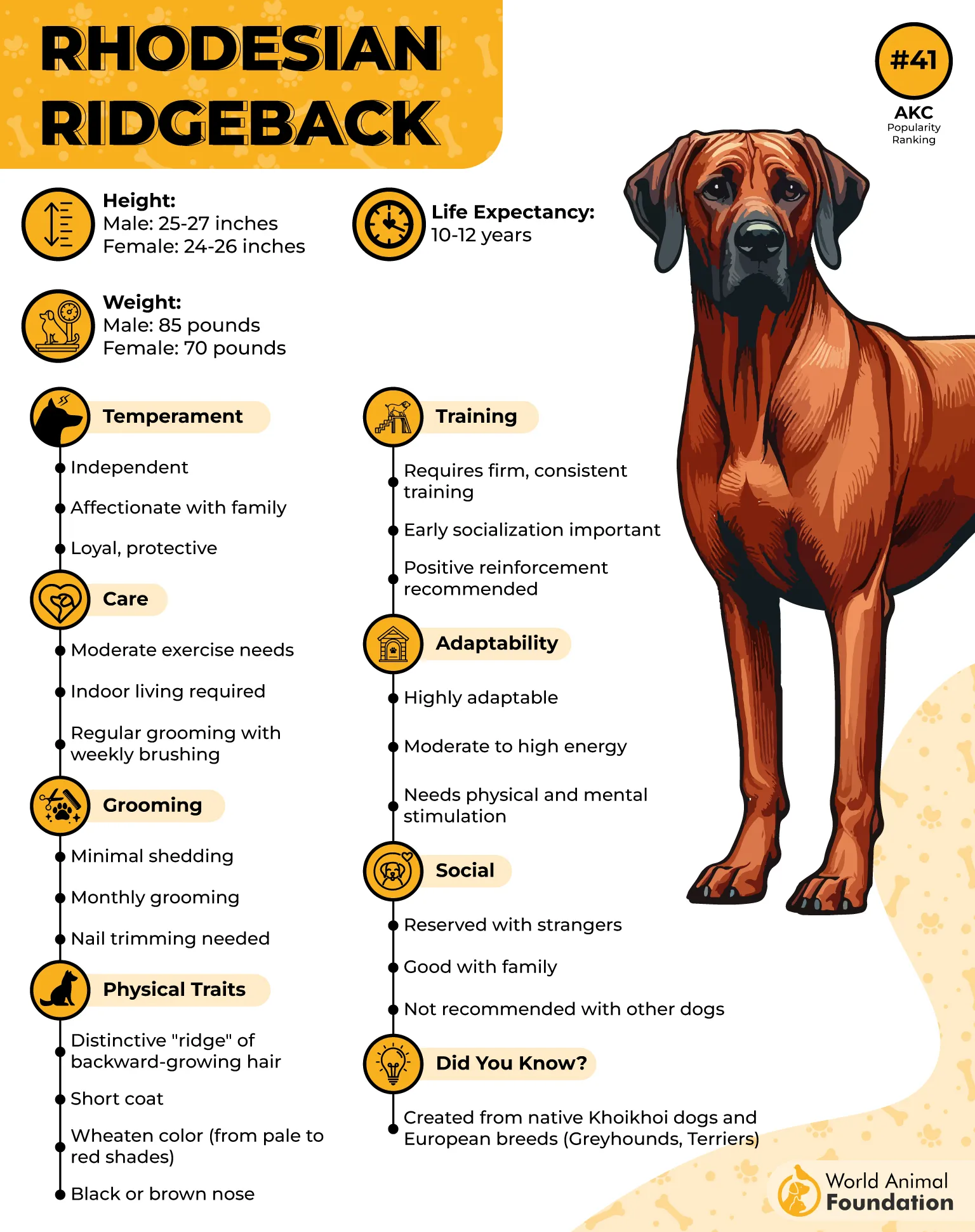
A Ridgeback that spots something unusual often freezes, assesses, then decides if it is worth chasing, without a word from anyone. That independence turns into selective hearing on walks, where a strong scent beats any recall command.
Trainability reality check: Consistent training builds reliability, but it rarely beats this breed’s prey drive once something takes off running.
Physical or behavioral tell: The ridge of hair along its spine can raise slightly, a visible cue it has locked onto something.
Ridgebacks suit experienced owners who can match natural suspicion of strangers with real affection at home. Strong will here means a dog that chooses its battles, including which commands to follow. The honest caution is a high prey drive around smaller pets.
8. Broholmer
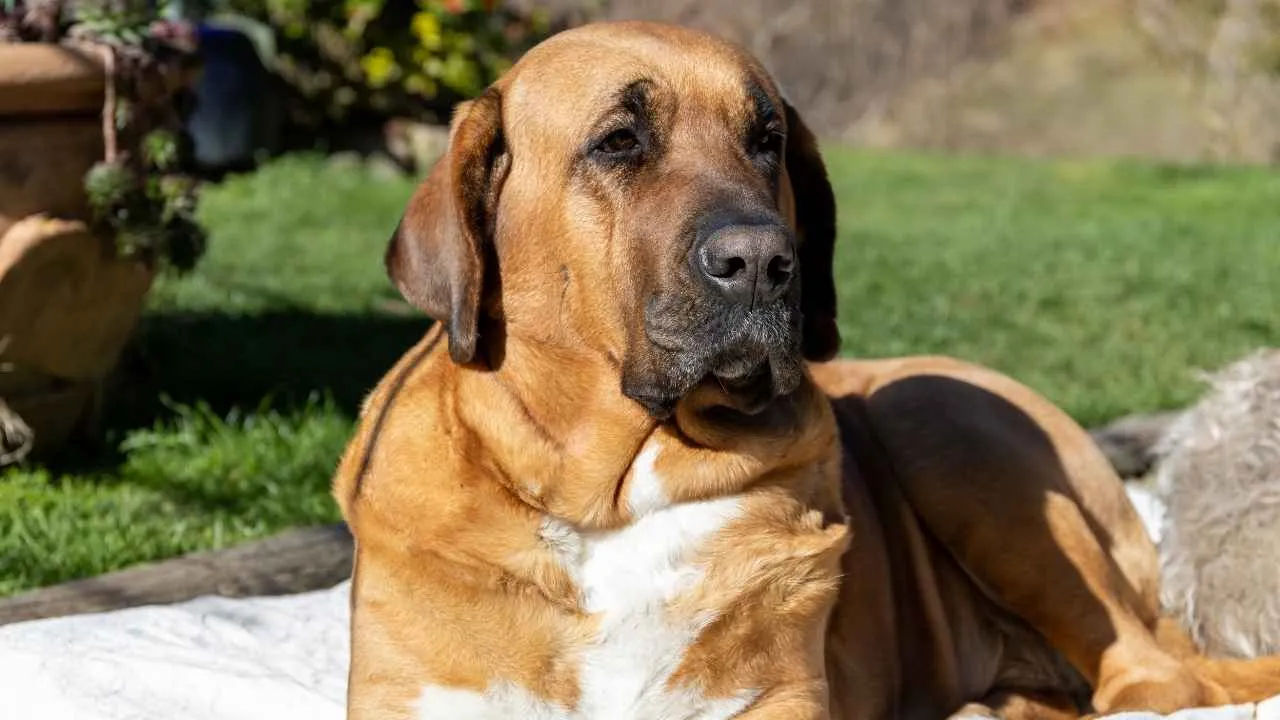
Broholmers once guarded Danish manor estates, a job handed almost exclusively to the nobility’s own dogs. That history built calm confidence rather than nervous energy into the breed. The trigger is less noise, more anything approaching the home’s perimeter uninvited.
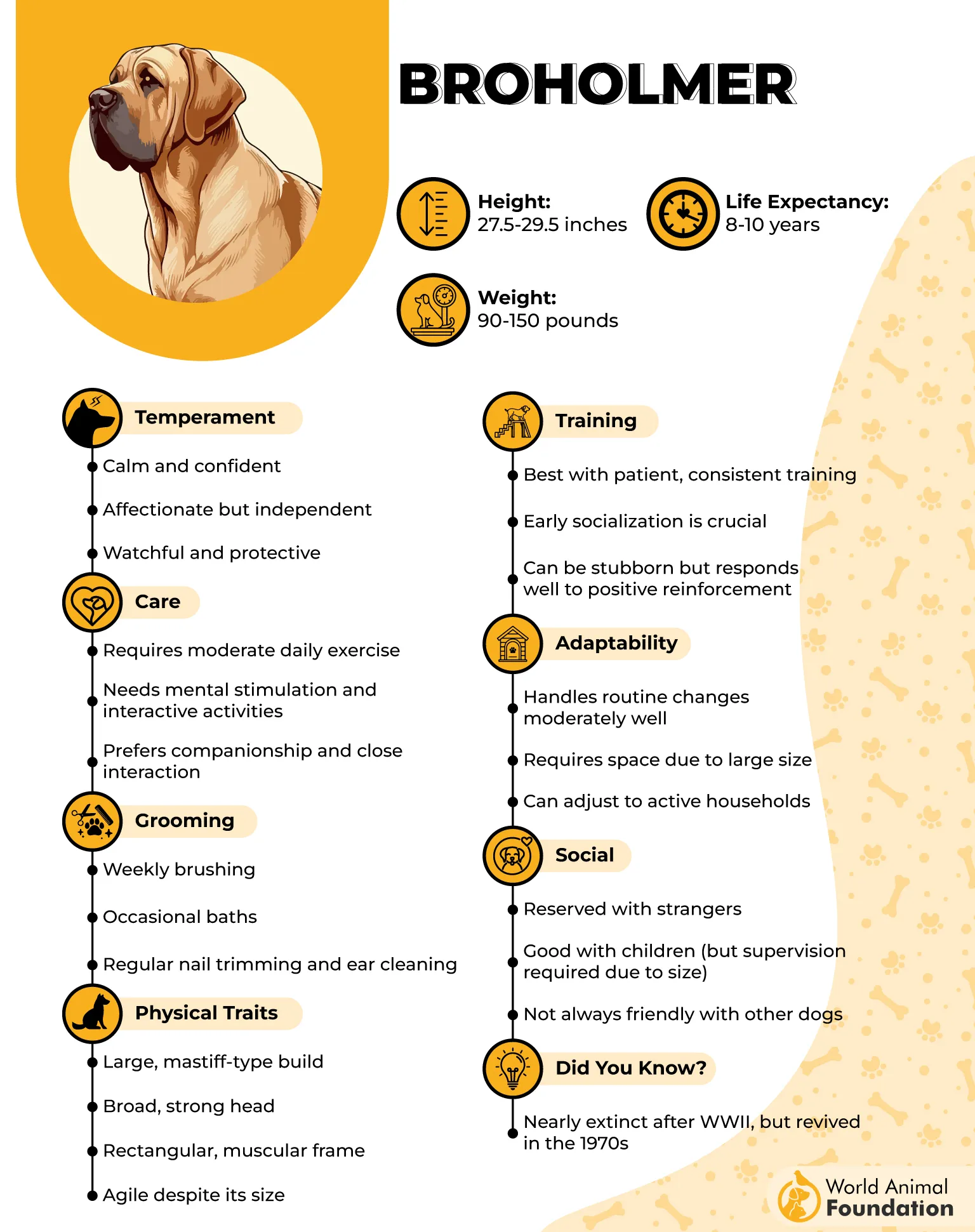
A Broholmer near a gate will often just sit and watch, letting sheer presence do the deterring before anything escalates. Nobody has to tell it that. The same calm stubbornness shows indoors, where it picks a favorite spot and rarely gives it up.
Trainability reality check: This breed answers to patient, structured training, but rushing it only produces a dog that tunes owners out.
Physical or behavioral tell: A slow, deliberate walk toward a visitor, not a run, is this breed’s clearest warning.
Broholmers suit calm, experienced households more than high-energy ones chasing a bodyguard dog. Given space and patience, this strong-willed guardian becomes a deeply devoted companion. The real cost is a dog that stays naturally suspicious of anyone it has not met.
9. Cane Corso
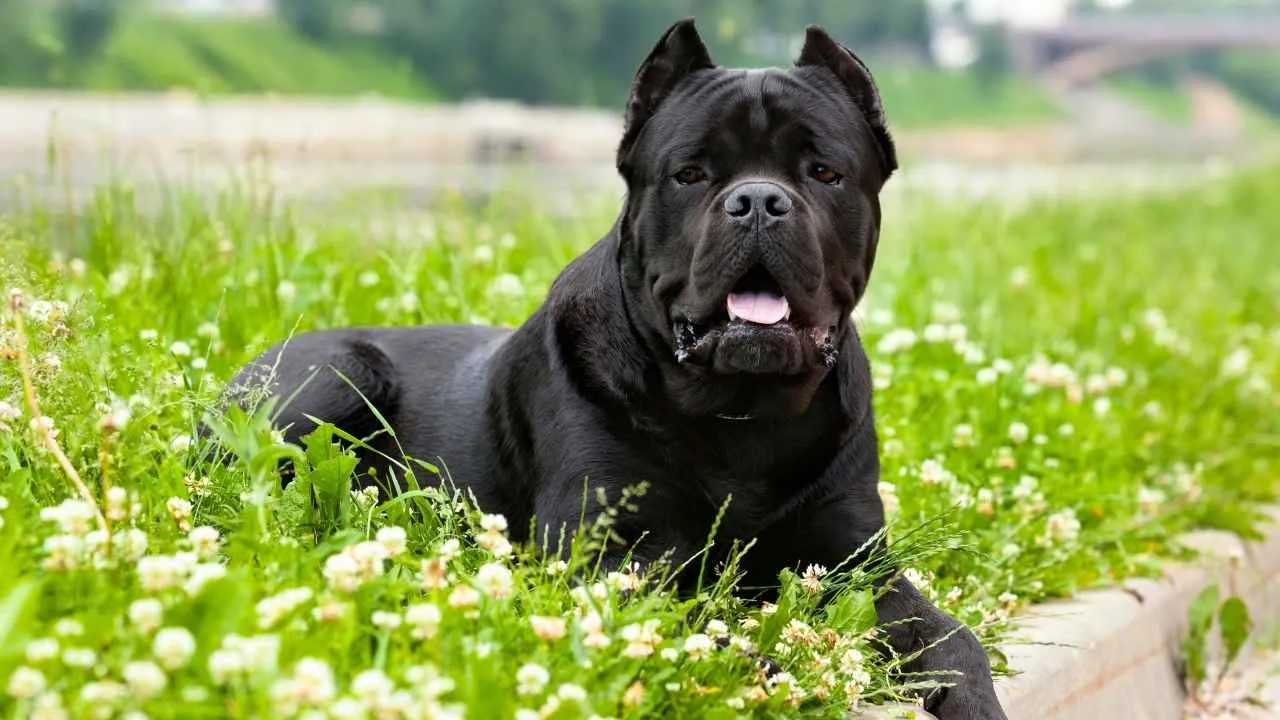
Cane Corsos descend from the war dogs of ancient Rome, later put to farm work guarding livestock and hunting wild boar, as per Britannica. The trigger is simple: unfamiliar presence near family or property. This breed rarely waits for a second signal.
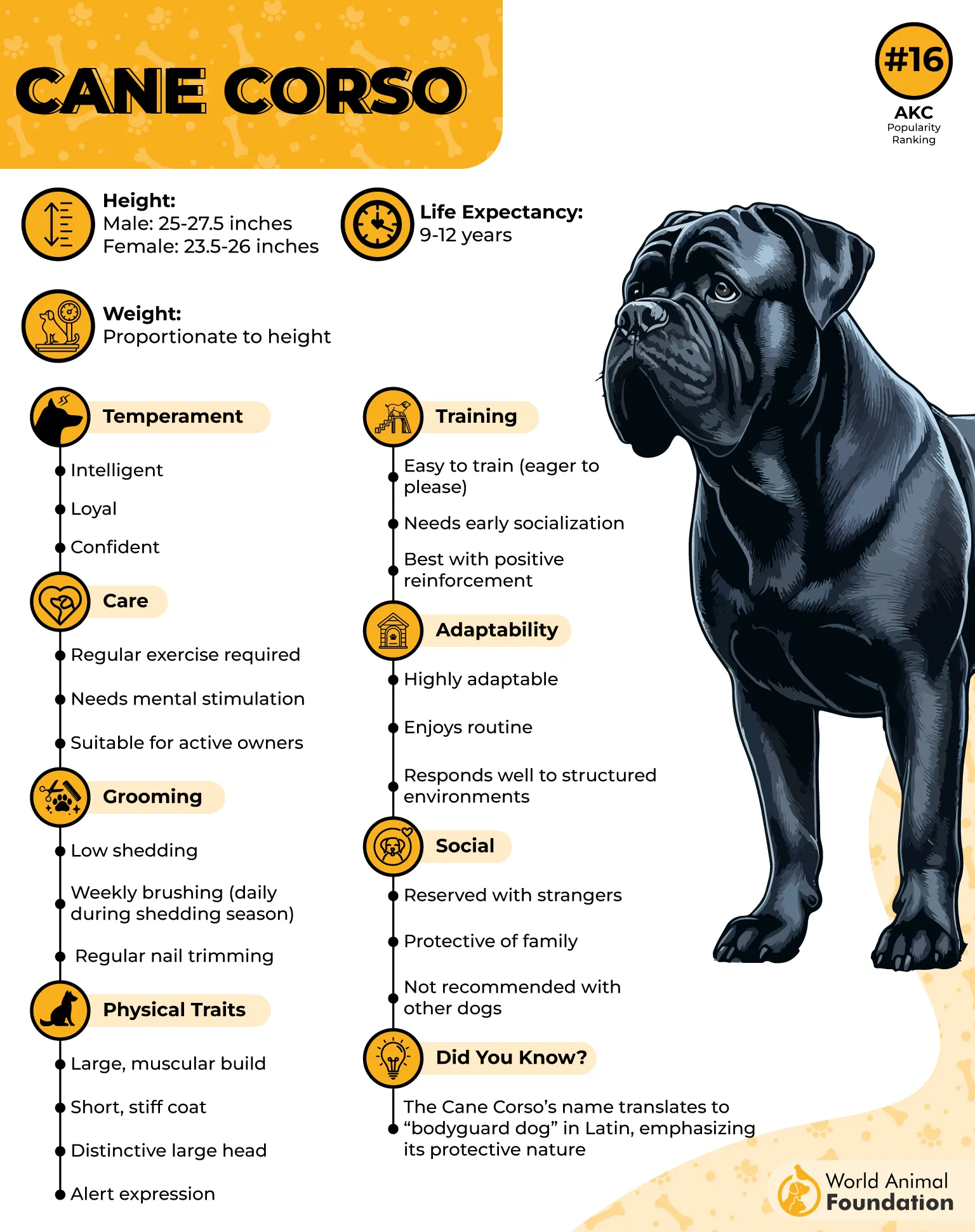
A Cane Corso guarding a yard often plants itself between a visitor and the family before anyone speaks. That decision happens in seconds, built on its own read of the moment. The same independence shows at training time, where food works better than repetition.
Trainability reality check: This breed is fairly independent and only average to train, so consistency beats repetition.
Physical or behavioral tell: A still, locked stare at a visitor, with zero barking, is this breed’s clearest assessment mode.
Cane Corsos need experienced handlers ready for daily structure and real exercise and mental stimulation. Done right, this becomes one of the more popular guard dog breeds for family protection. Done poorly, that strong will gets hard to redirect.
Conclusion
Strong will is not a flaw in these dog breeds; it is the price of real protection. Every one of these guardian breeds possesses natural protective instincts paired with a mind that decides for itself, which is exactly what makes them trustworthy rather than just intimidating.
The right fit is not the most protective dog breed on paper; it is the one whose temperament matches your household, your experience, and your patience for proper training. Meet a few of these guardian breeds in person before you commit, and pick the one whose instinct truly fits the life you already live.
