




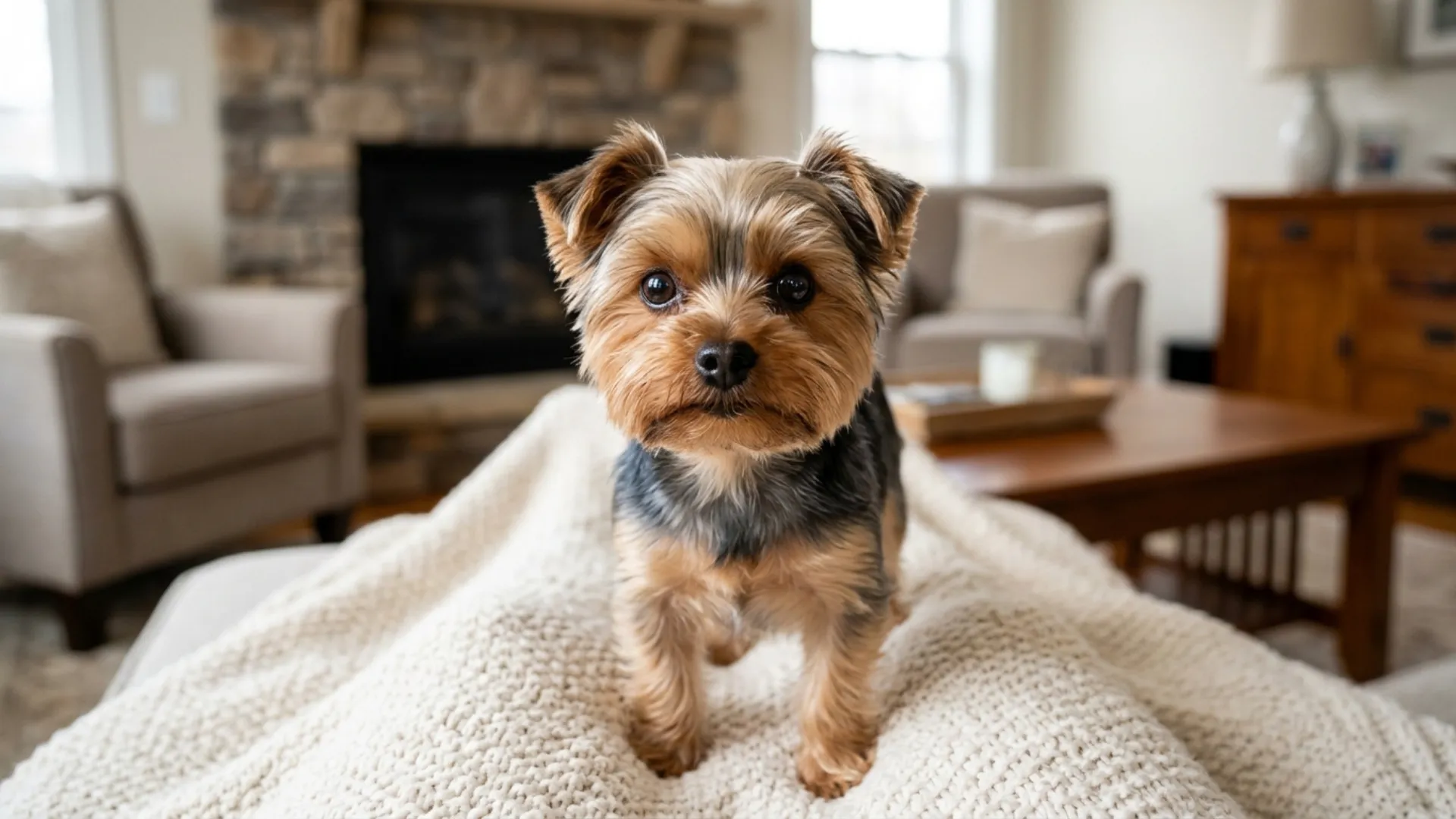
Dogs come in all sizes, but imagine having a four-legged bestie that keeps its compact proportions into adulthood, fits comfortably in smaller living spaces, and somehow packs an unbelievable amount of personality into a miniature body.
If you’re obsessed with petite pups that come in small packages and stay small even after puppyhood, you’re about to meet some serious cuteness overload.
Small dog breeds appeal especially to apartment dwellers, frequent travelers, and people who want companions that don’t need an enormous house to feel comfortable. Their compact frames and genetically determined growth patterns keep them relatively petite into adulthood, even as their personalities continue to develop.
Get ready to discover the top small dog breeds that remain compact always and why these permanently petite pups steal hearts without taking up all the space in your home.
Top Small Dog Breeds That Remain Compact Always
1. Chihuahua
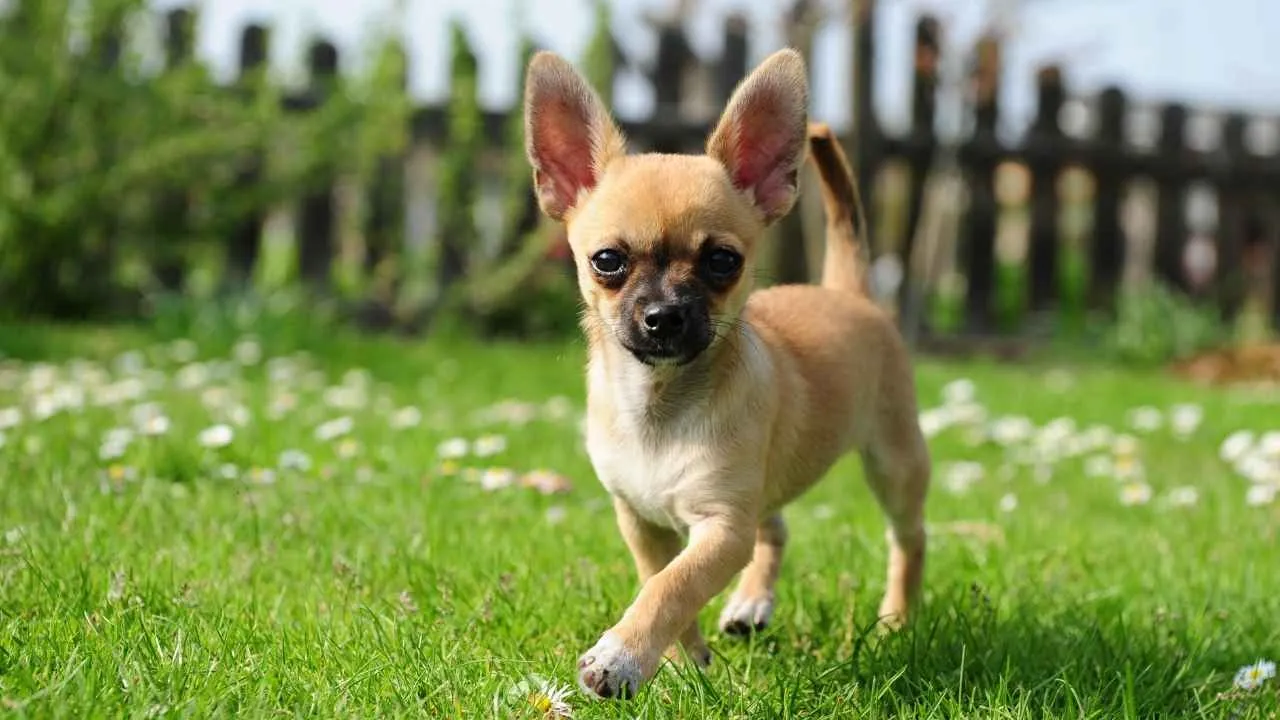
Originating in Mexico, the Chihuahua is widely recognized as one of the world’s smallest dog breeds. These miniature companions retain their compact proportions throughout adulthood rather than transforming into substantially larger dogs.
One of their most distinctive features is their build, including a rounded, apple-shaped skull, large expressive eyes, and prominent upright ears. Their small skeletal frame, slender limbs, and naturally limited adult height help explain why this even-tempered puppy eventually matures into a similarly petite adult rather than a medium-sized companion.
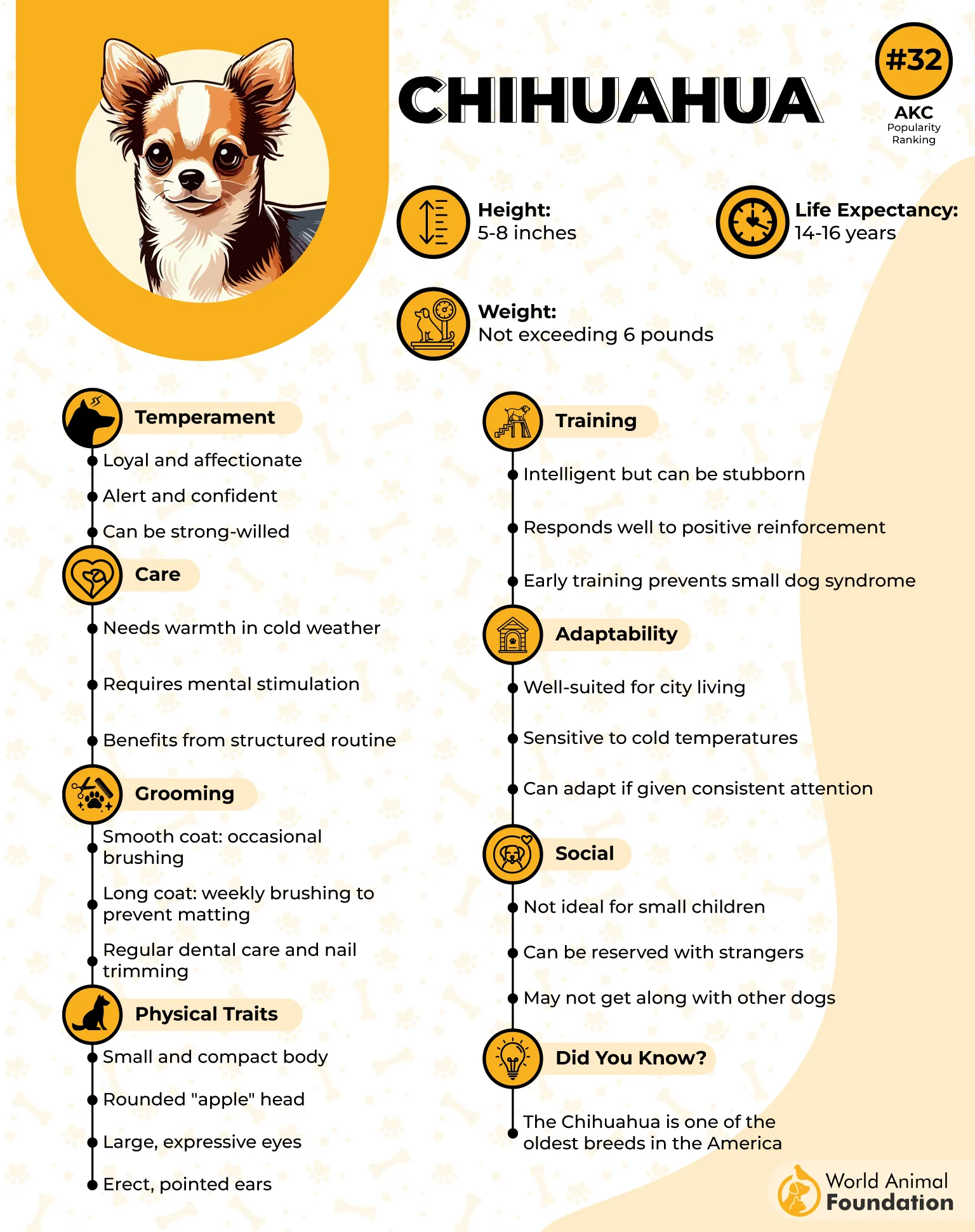
They are famously confident and much more curious than bigger breeds. Many owners describe their companions as affectionate little shadows that follow them around the house, curl up under blankets, and insist on joining virtually every family activity.
Their permanently compact size offers practical advantages for people living in apartments or homes with limited floor space. These top dogs for small homes can enjoy indoor enrichment, short outdoor adventures, and interactive games without the extensive space larger athletic breeds need.
2. Yorkshire Terrier
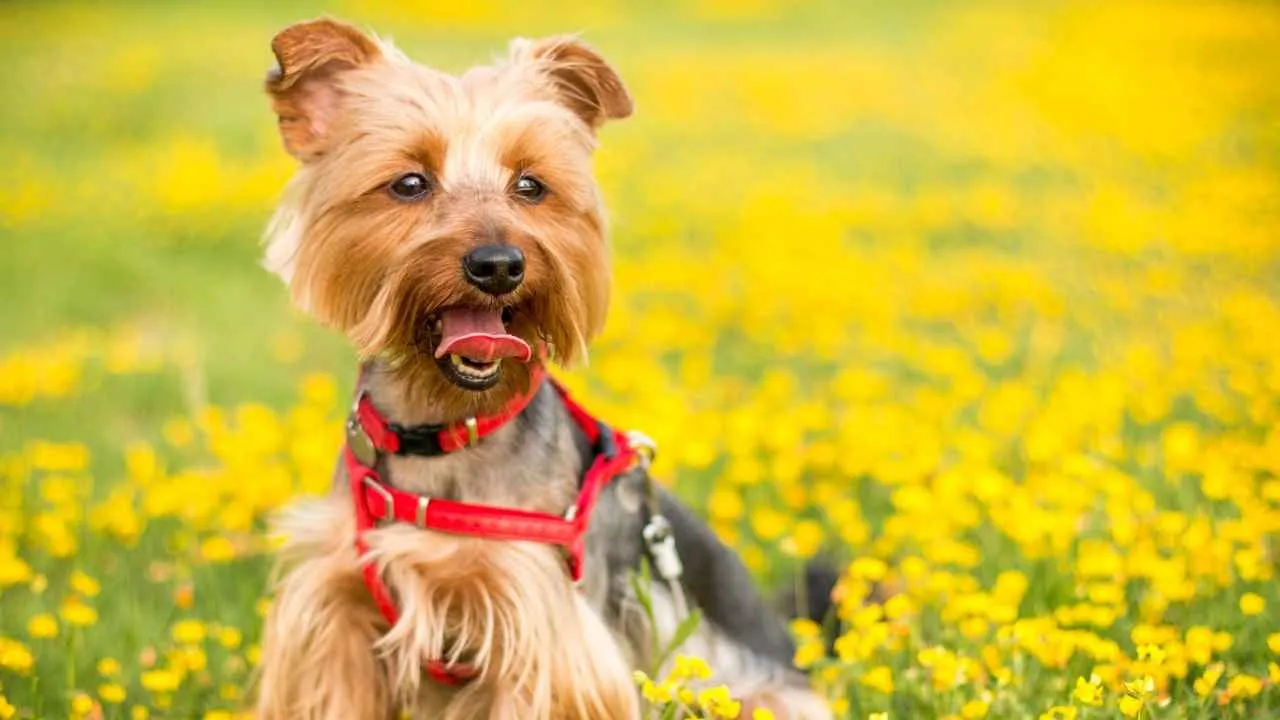
The Yorkshire Terrier was developed in nineteenth-century England; these compact terriers originally helped control rats in mills and industrial environments before becoming fashionable companions.
Their miniature adult proportions are particularly impressive, given that their ancestors performed physically demanding jobs requiring courage, agility, and determination. A Yorkshire Terrier has a compact body, relatively fine bone structure, and small but sturdy limbs.
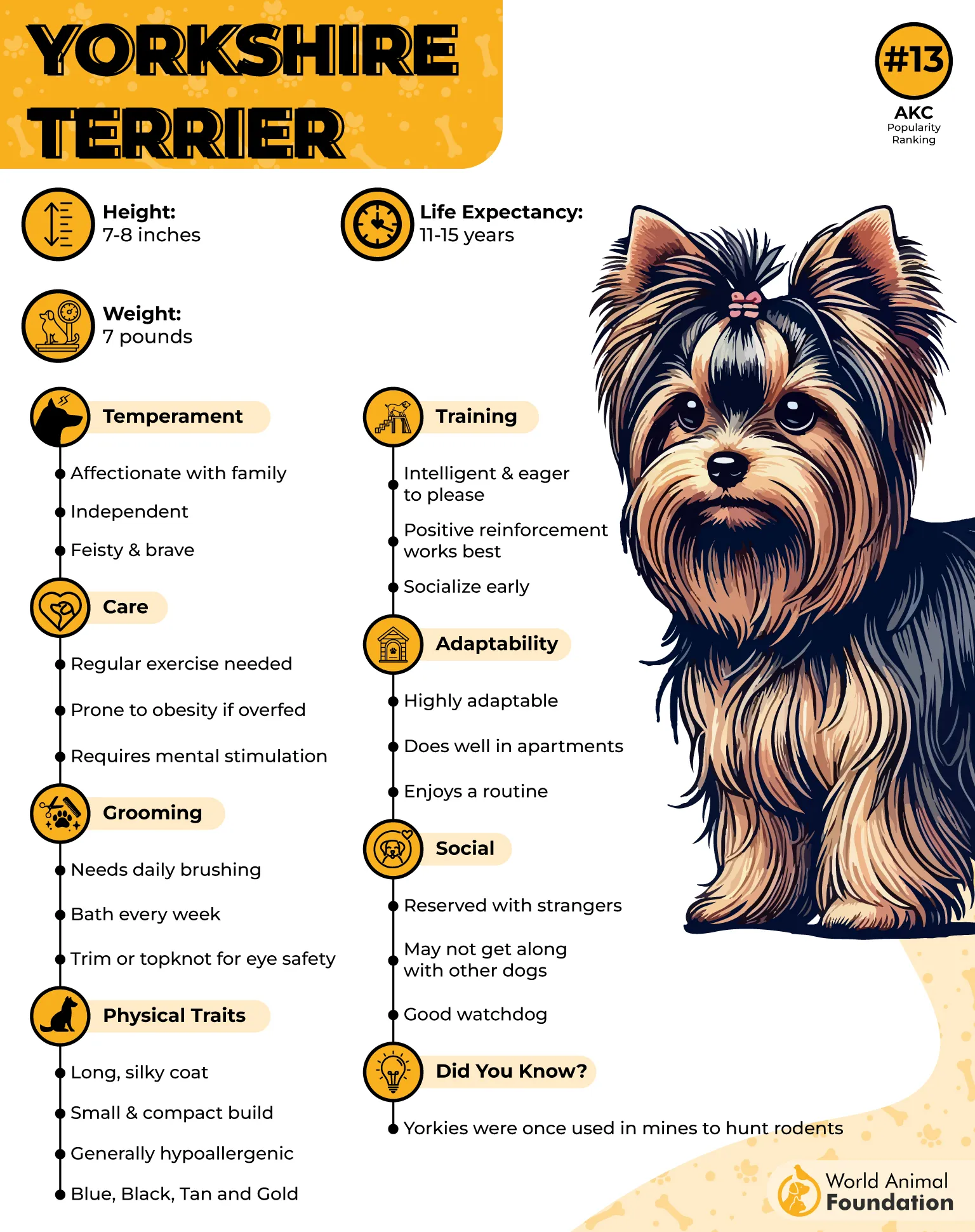
These terrier-type breed dogs have an unmistakably lively temperament that challenges the assumption that permanently small dogs must also be passive lap companions. They love exploring their surroundings, joining lively games, and reminding household members that their opinions deserve immediate attention.
Their compact size makes them especially appealing to people living in city apartments, but their delicate bodies require careful safety precautions. Omlet warns that young children must learn to avoid rough play, sudden grabbing, or accidentally stepping on these small companions, especially when they get excited and move quickly.
3. Pomeranian
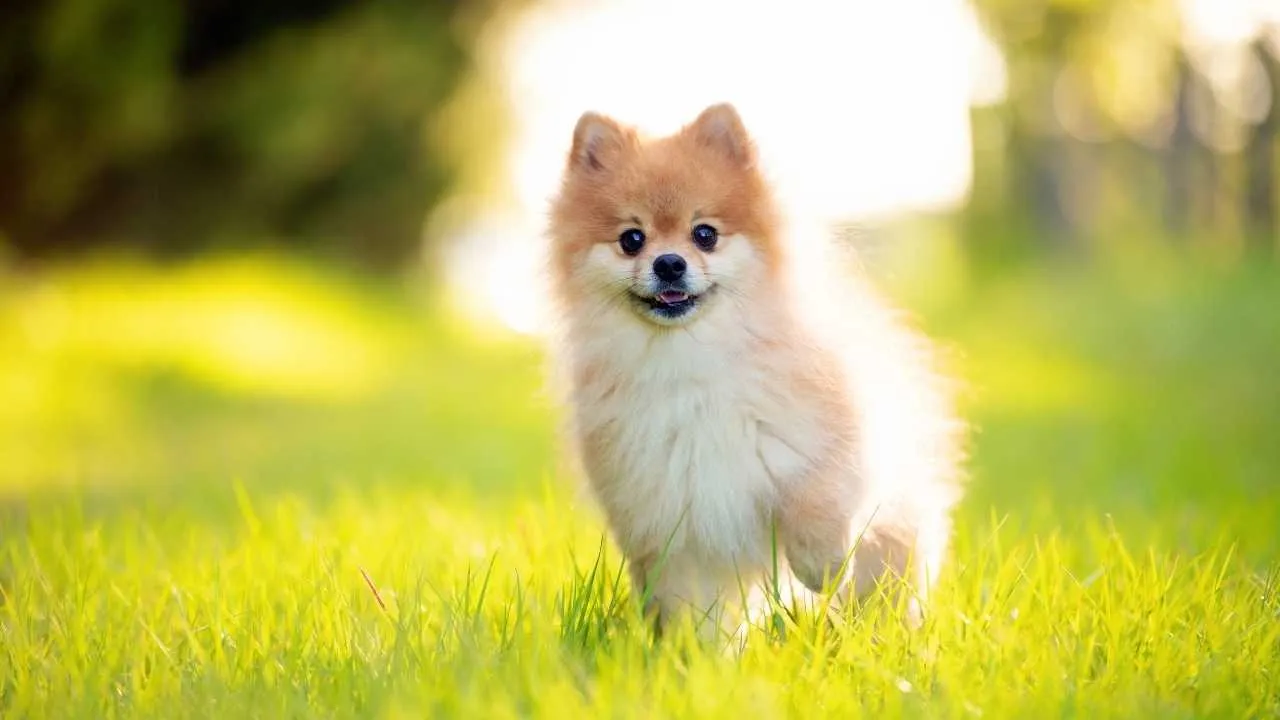
The Pomeranian is basically a tiny cloud with legs, an adorable face, and the confidence of someone who owns the entire neighborhood. Although descended from much larger Spitz-type dogs, selective breeding transformed the modern Pomeranian into one of the smallest members of its broader canine family.
Here’s the fascinating part: the Pomeranian’s dramatic appearance can make it seem much bigger than it actually is. Beneath the abundant double coat sits a compact, short-backed frame with a relatively small skeleton, neatly proportioned limbs, and a distinctive tail carried over the back.
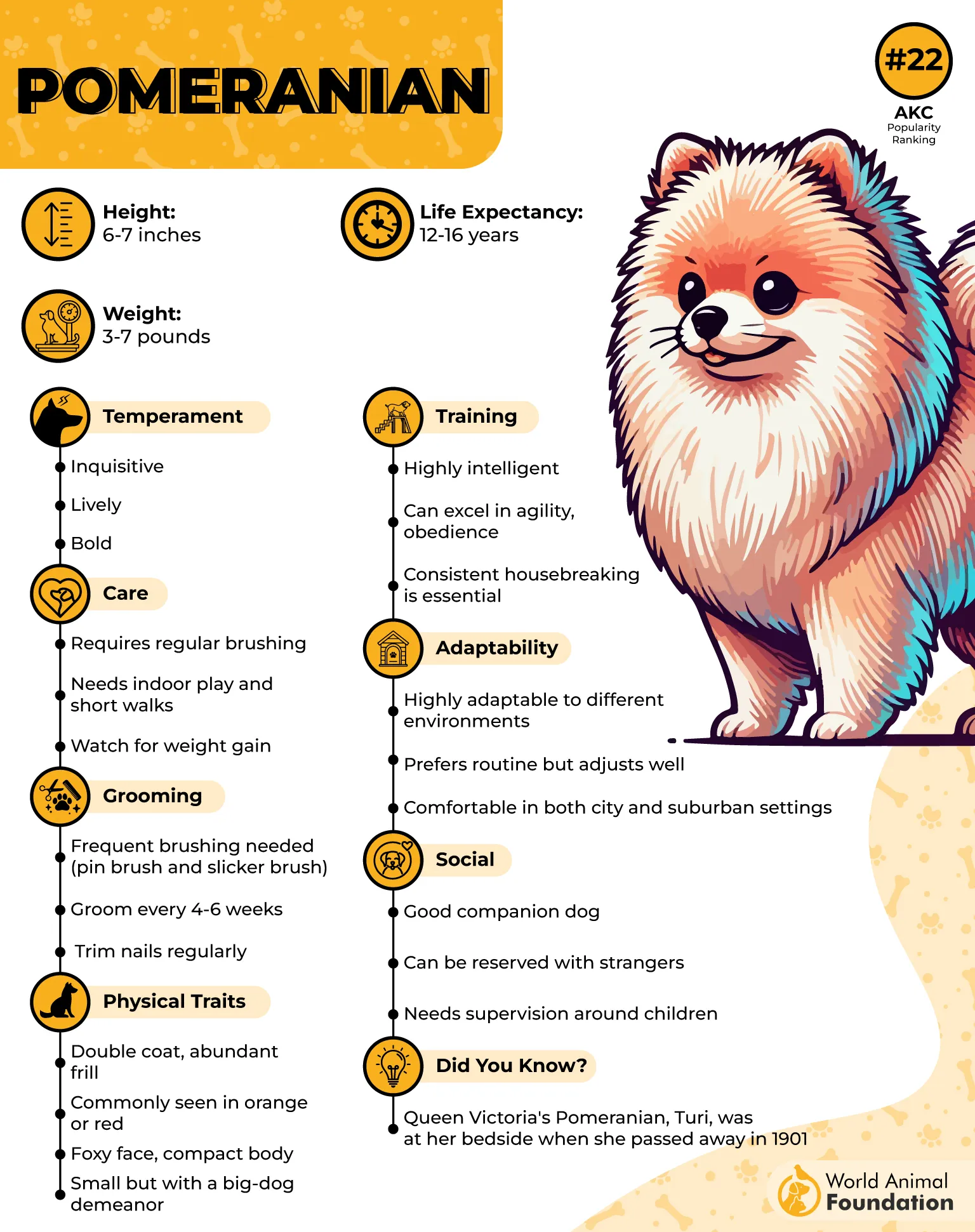
Historically, Petplan says these toy dogs gained considerable popularity among European aristocracy, particularly after Queen Victoria became an enthusiastic admirer of the breed. Her interest helped spur the development and popularity of smaller Pomeranians, contributing to the compact companions we know today.
Living with these adorably small doggies can feel like sharing your home with enthusiastic little commentators who have something to say about absolutely everything. Many enjoy attention, interactive play, and following familiar people from room to room, and their alertness can make them surprisingly vocal when visitors arrive.
4. Maltese
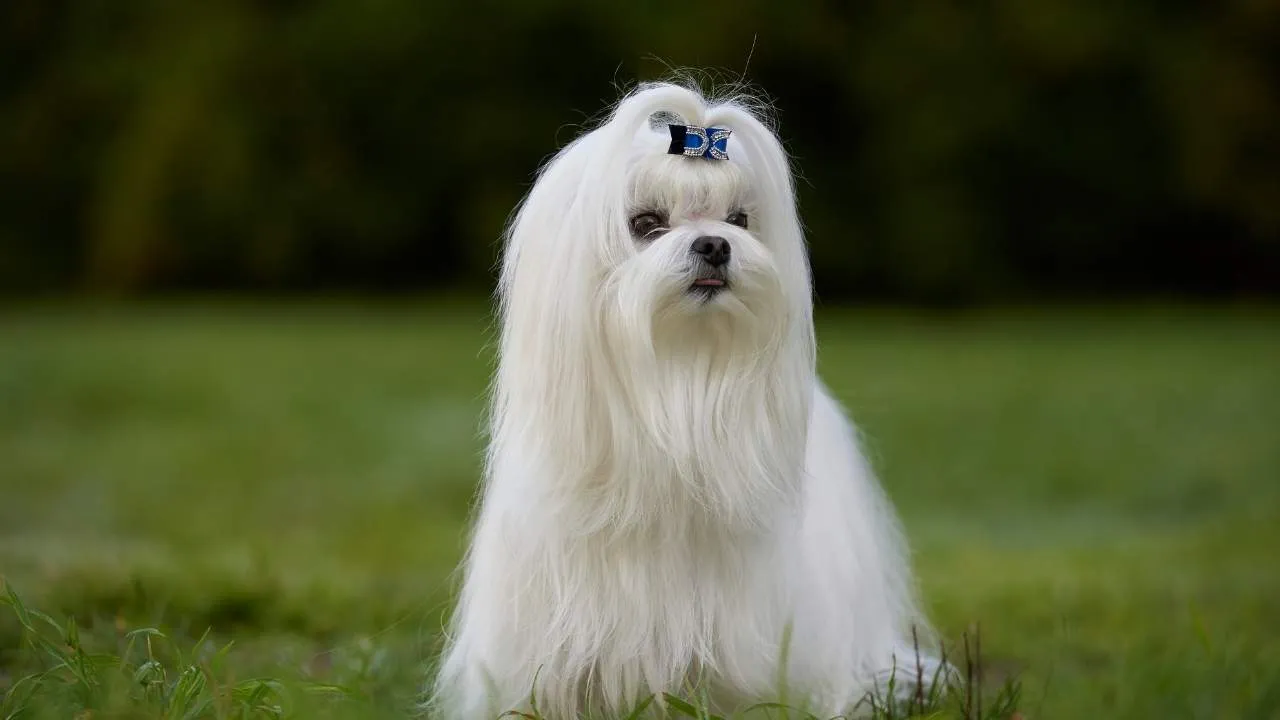
The Maltese is an ancient Mediterranean companion breed that has been admired for centuries, with historical references connecting similar small white dogs to aristocratic households and classical civilizations.

The furriest member of this list, it has a beautifully proportioned compact body hidden beneath a flowing white coat. Unlike larger dogs, whose longer limbs and heavier frames create substantial adult height, Maltese develop into petite companions with small bones and relatively short proportions.
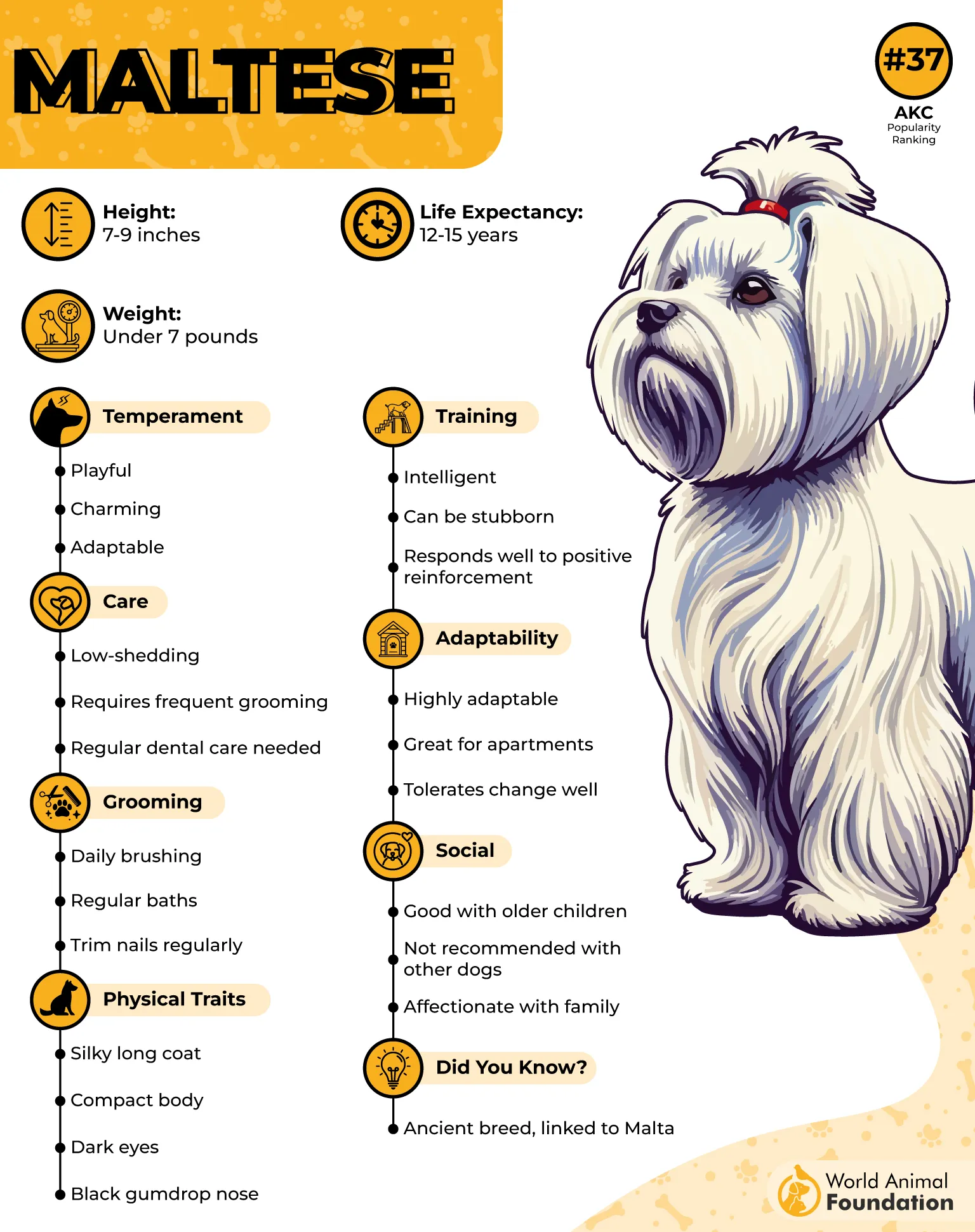
Their affectionate nature is another reason Maltese have remained popular companion dogs across generations. Many enjoy sitting close to family members, joining gentle games, and greeting familiar people with cheerful enthusiasm that feels disproportionate for such a miniature animal.
A major advantage of their compact adult size is that they adapt comfortably to smaller indoor environments when their exercise and social needs are met. Short walks, indoor play sessions, and interactive training provide meaningful activity without demanding the enormous outdoor spaces some working breeds require.
5. Toy Poodle
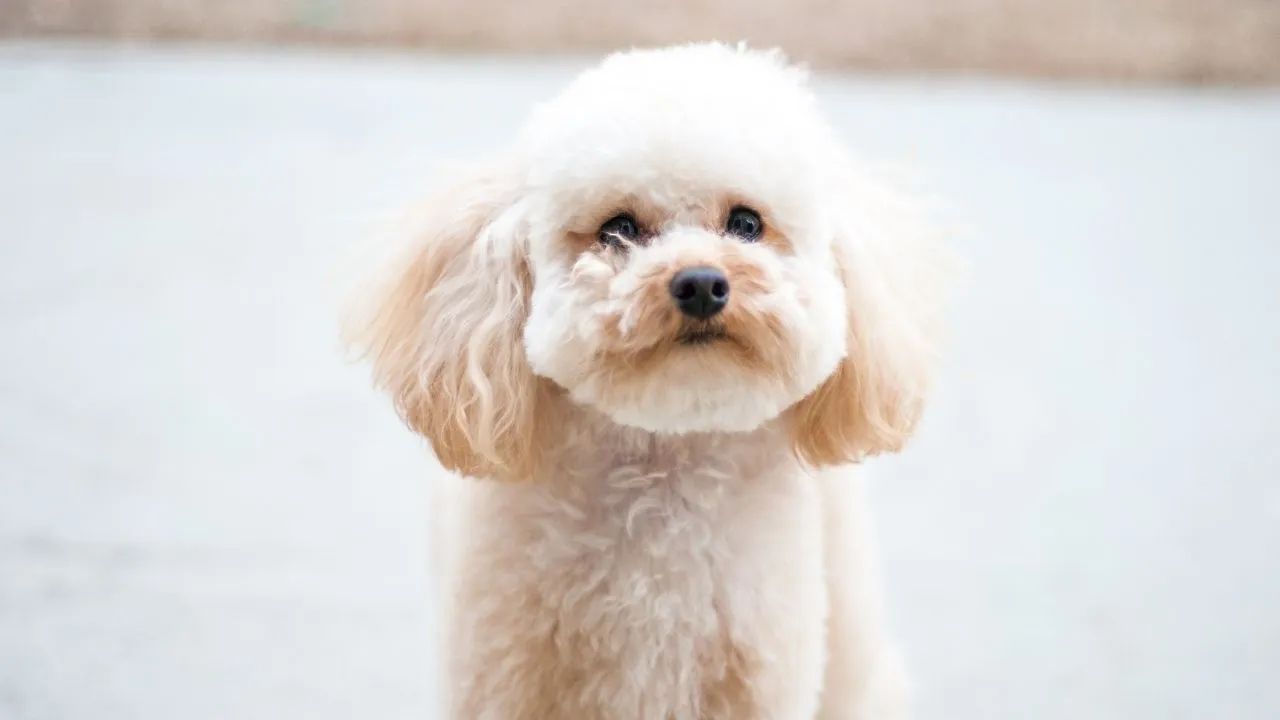
The Toy Poodle is what happens when extraordinary intelligence, elegant athleticism, and permanent miniature size all decide to share the same adorable body. Unlike the much larger Standard Poodle, this officially recognized size variety is specifically bred to maintain an adult shoulder height of no more than 10 inches.
One interesting detail is that this dog shares the same basic body proportions and breed characteristics as its larger relatives. Mini Poodles’ elegant appearance includes a relatively square outline, balanced limbs, athletic musculature, and a distinctive curly coat that offers endless grooming options.
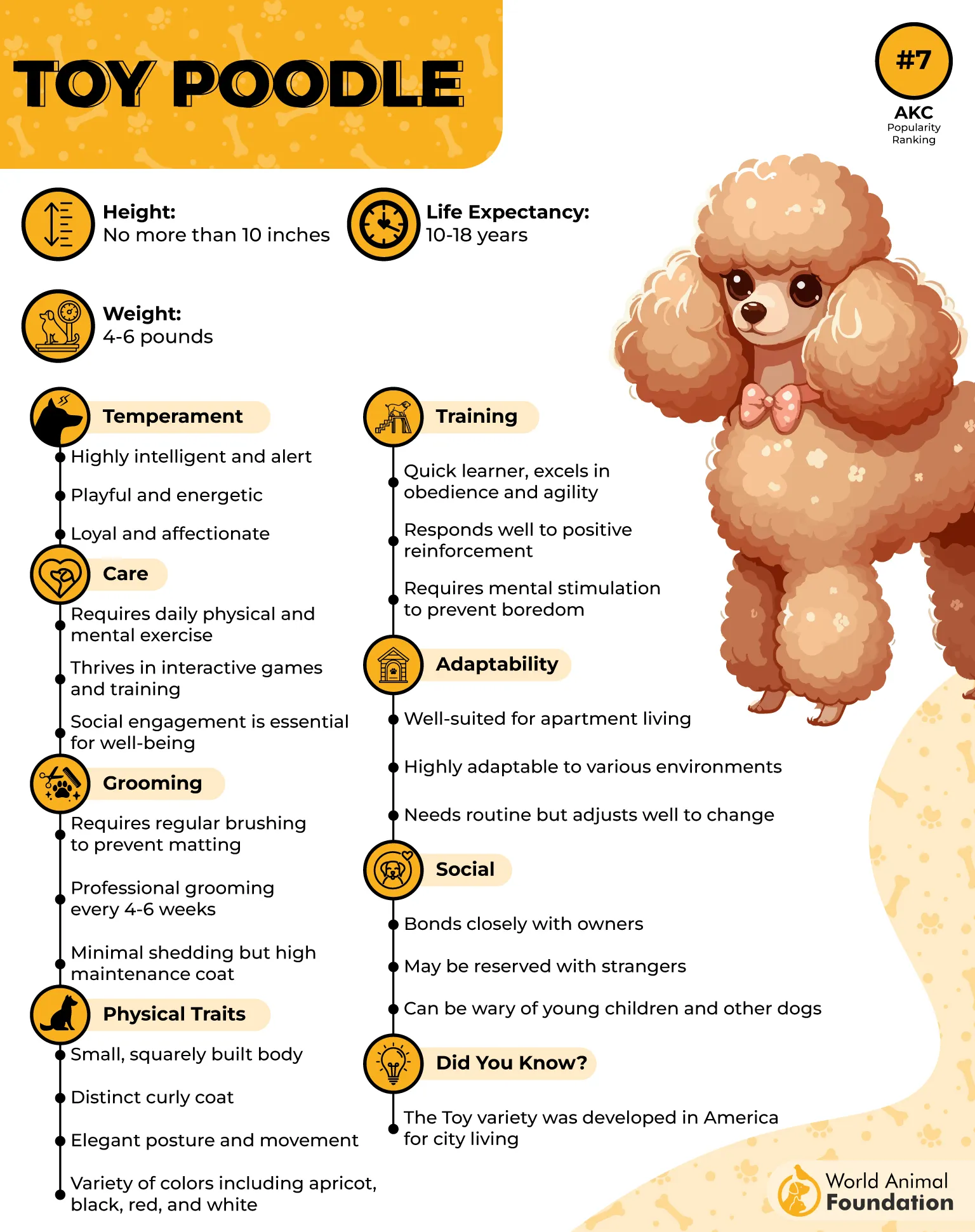
Although their skeletons remain considerably smaller, these smart dogs retain much of the agility, coordination, and intelligence that make Poodles famous across different canine activities.
Don’t underestimate a Toy Poodle just because it fits comfortably in a relatively small living space. These dogs learn quickly and often enjoy obedience exercises, interactive puzzle games, trick training, and appropriately designed miniature agility activities.
These awesome pets adapt well to apartment life, but their compact size shouldn’t excuse skipping exercise or stimulation. Many appreciate daily walks, supervised play, and meaningful time with their families rather than sitting indoors with nothing interesting to do.
6. Papillon
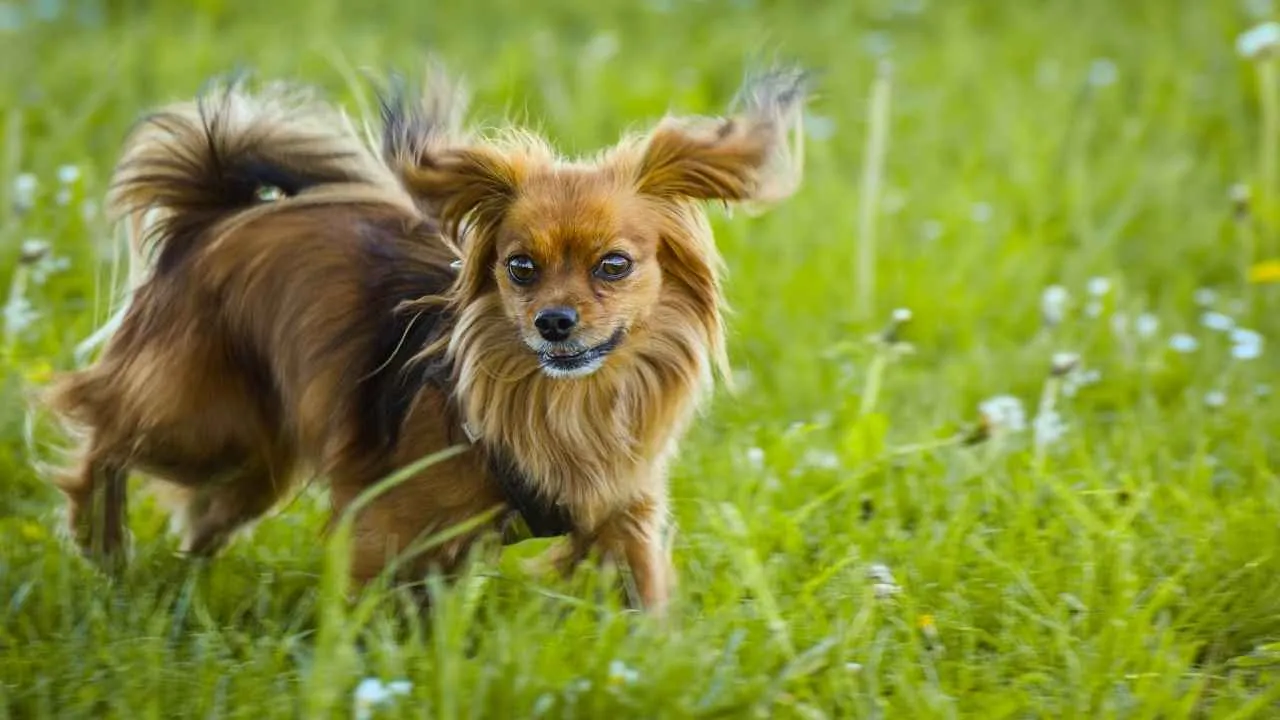
The Papillon is basically a tiny living creature wearing enormous butterfly-shaped ears, and yes, the whole look is ridiculously adorable. Its name comes from the French word for butterfly, describing the beautifully fringed ears that have become the breed’s most recognizable physical feature.
PDSA says these tiny dogs are fascinating for their delicate appearance and surprisingly impressive physical coordination. Their fine-boned bodies, slender legs, balanced proportions, and light movement support quick turns and enthusiastic activity without requiring a large adult frame.
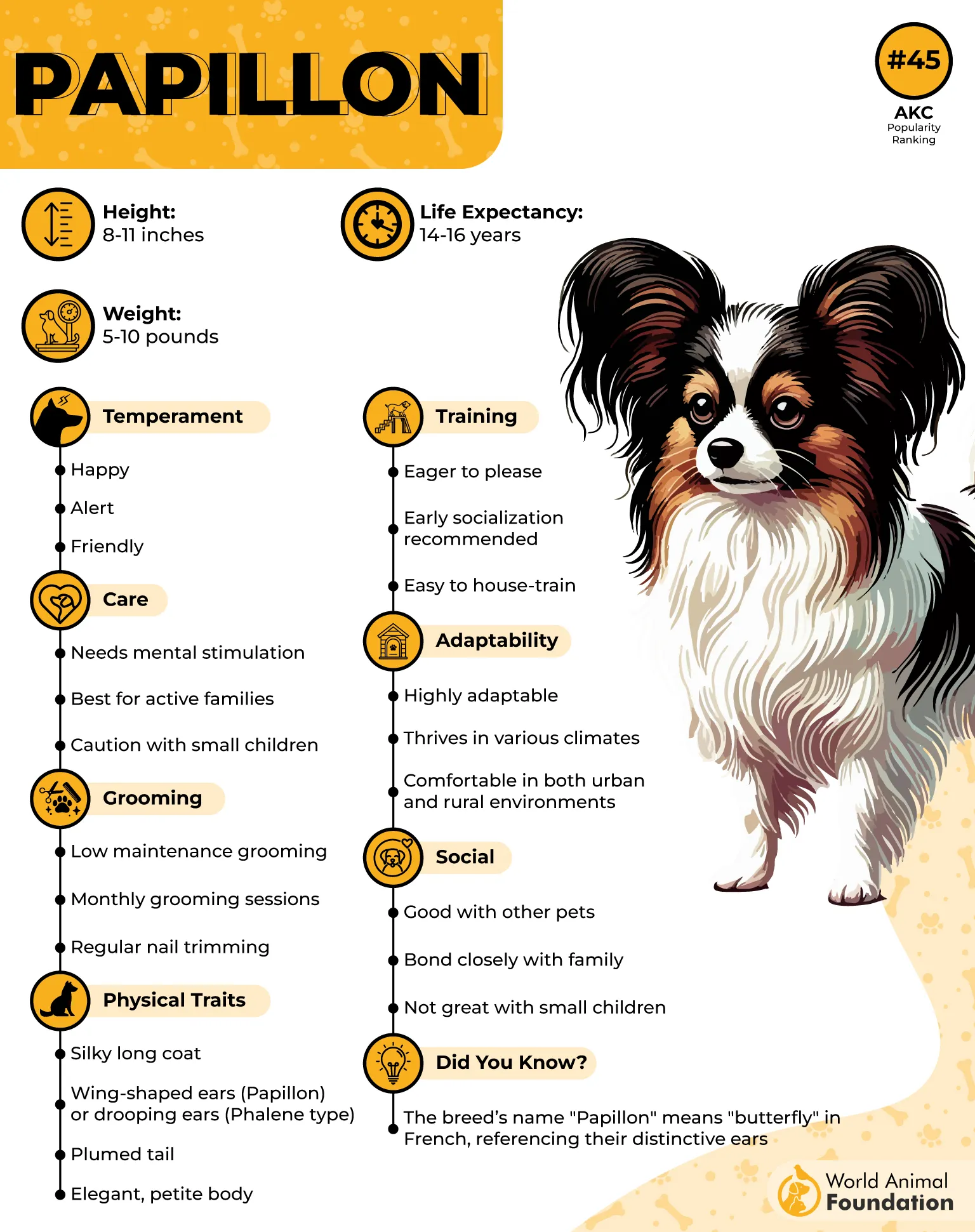
They are alert, energetic, and highly responsive learners that often excel in activities that require precision and communication with their handlers.
Their permanently small size makes them appealing to owners who want a portable companion without sacrificing an active lifestyle. A Papillon can enjoy neighborhood walks, puzzle games, trick training, and appropriately scaled dog sports while taking up far less physical space than larger athletic breeds.
However, their energy means they may not suit someone seeking an exclusively sleepy lapdog, even though they stay delightfully compact.
7. Japanese Chin
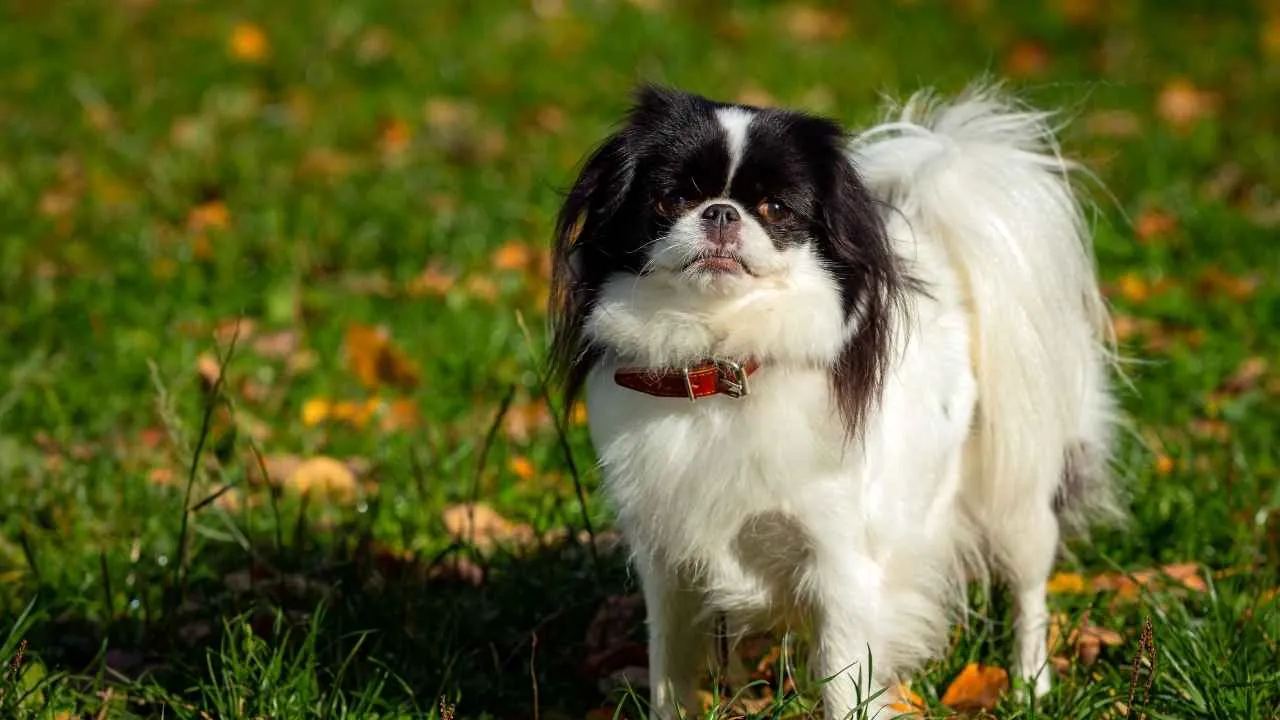
The Japanese Chin looks like a miniature royal portrait that somehow came to life and immediately demanded the most comfortable cushion in the house. Closely tied to Japanese aristocratic culture, this elegant toy breed was developed primarily for affectionate companionship rather than strenuous work.
One of the Japanese Chin’s most distinctive features is its graceful body structure combined with an unusually expressive face. Its relatively square proportions, fine bone structure, short muzzle, and beautifully feathered tail create a delicate look that remains recognizable into maturity.
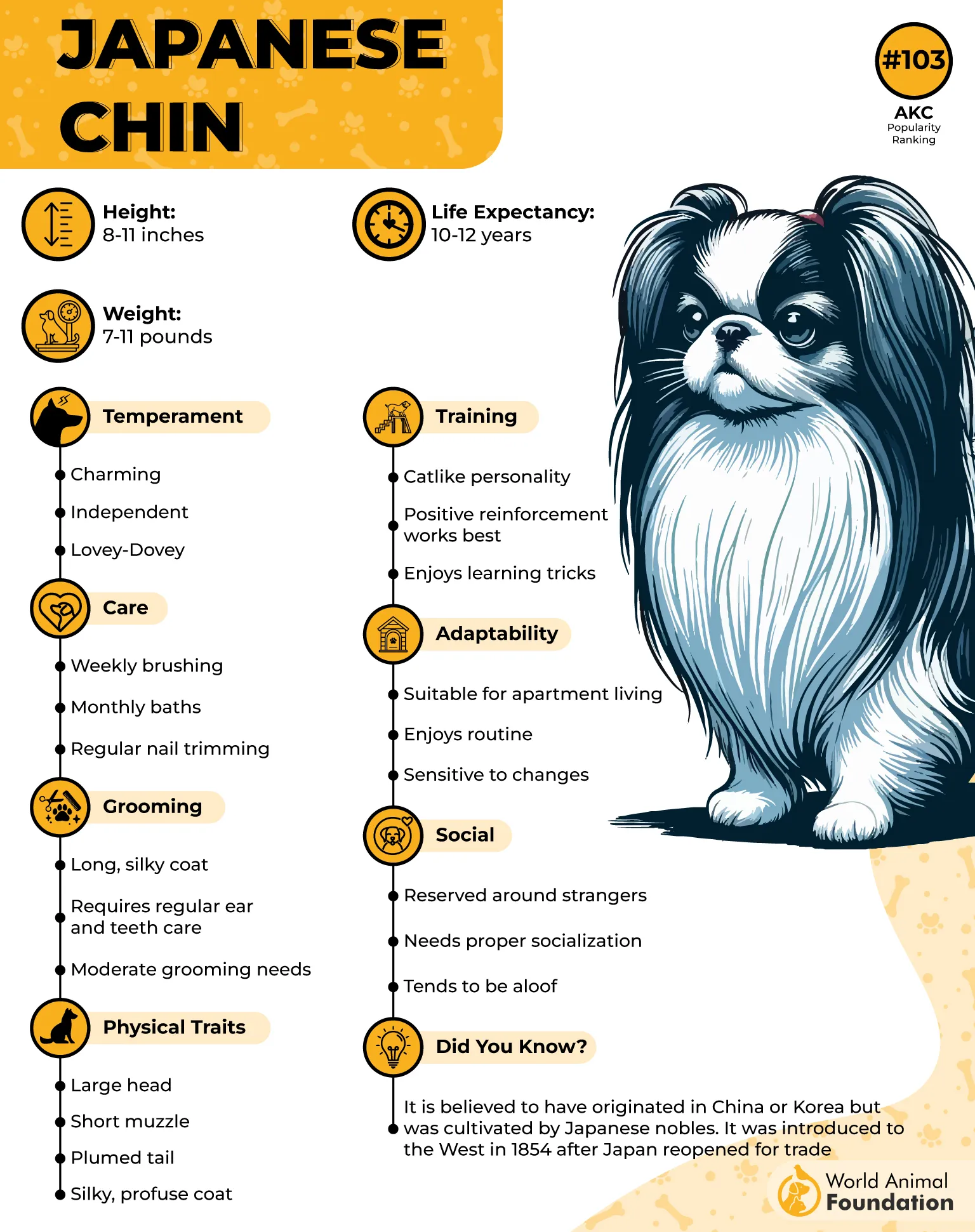
These Japanese dogs are often described as surprisingly cat-like, and their behavior can make that comparison feel genuinely accurate. Some enjoy perching on comfortable furniture, carefully investigating their surroundings, and grooming themselves with an almost theatrical level of personal attention.
These tiny dogs stay conveniently small and live comfortably in apartments and other smaller homes when their basic needs are met. Moderate daily activity, gentle interactive games, and relaxed outdoor exploration help it stay fit without requiring endless physical challenges.
8. Brussels Griffon
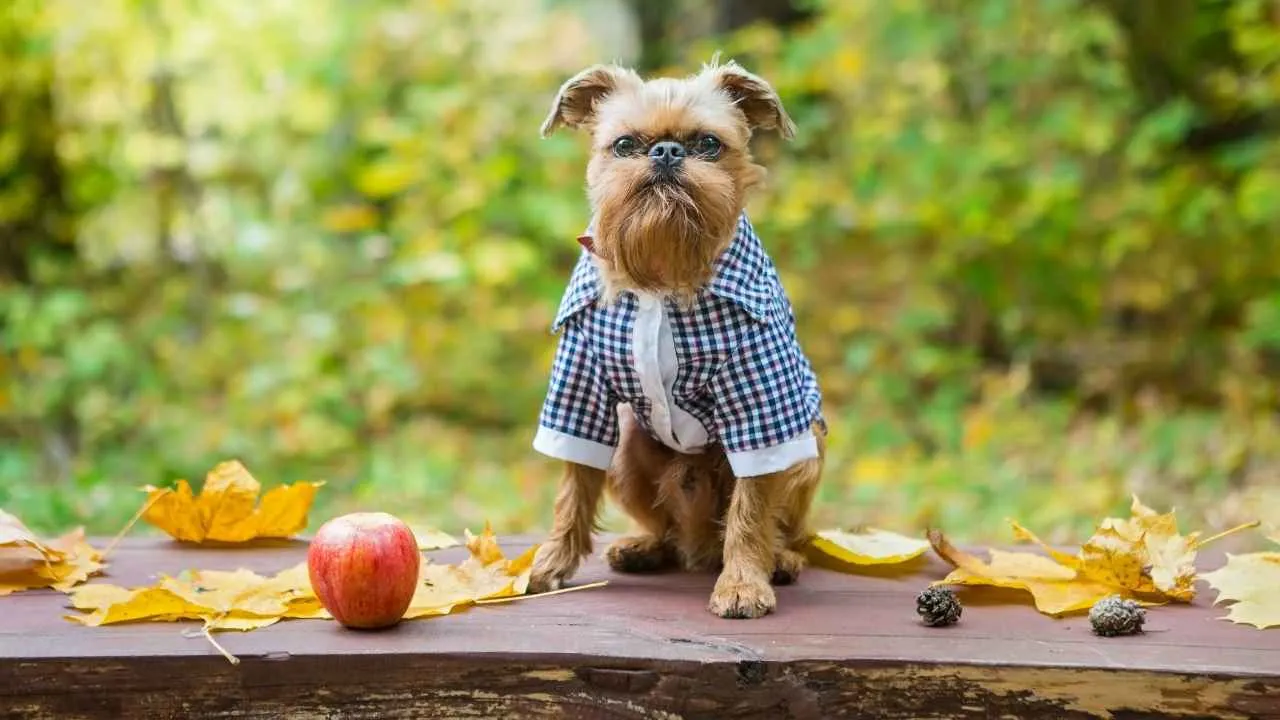
The Brussels Griffon looks like a tiny movie character with an expressive human face, an impressive beard, and absolutely no intention of being ignored. This gorgeous breed is well-behaved and acts highly adaptable with dog lovers.
Unlike some exceptionally delicate toy breeds, Brussels Griffons possess a relatively solid, compact build with a broad chest and well-balanced proportions. Royal Canin says their short bodies, sturdy legs, and substantial bone structure give them a surprising presence despite their miniature adult size.
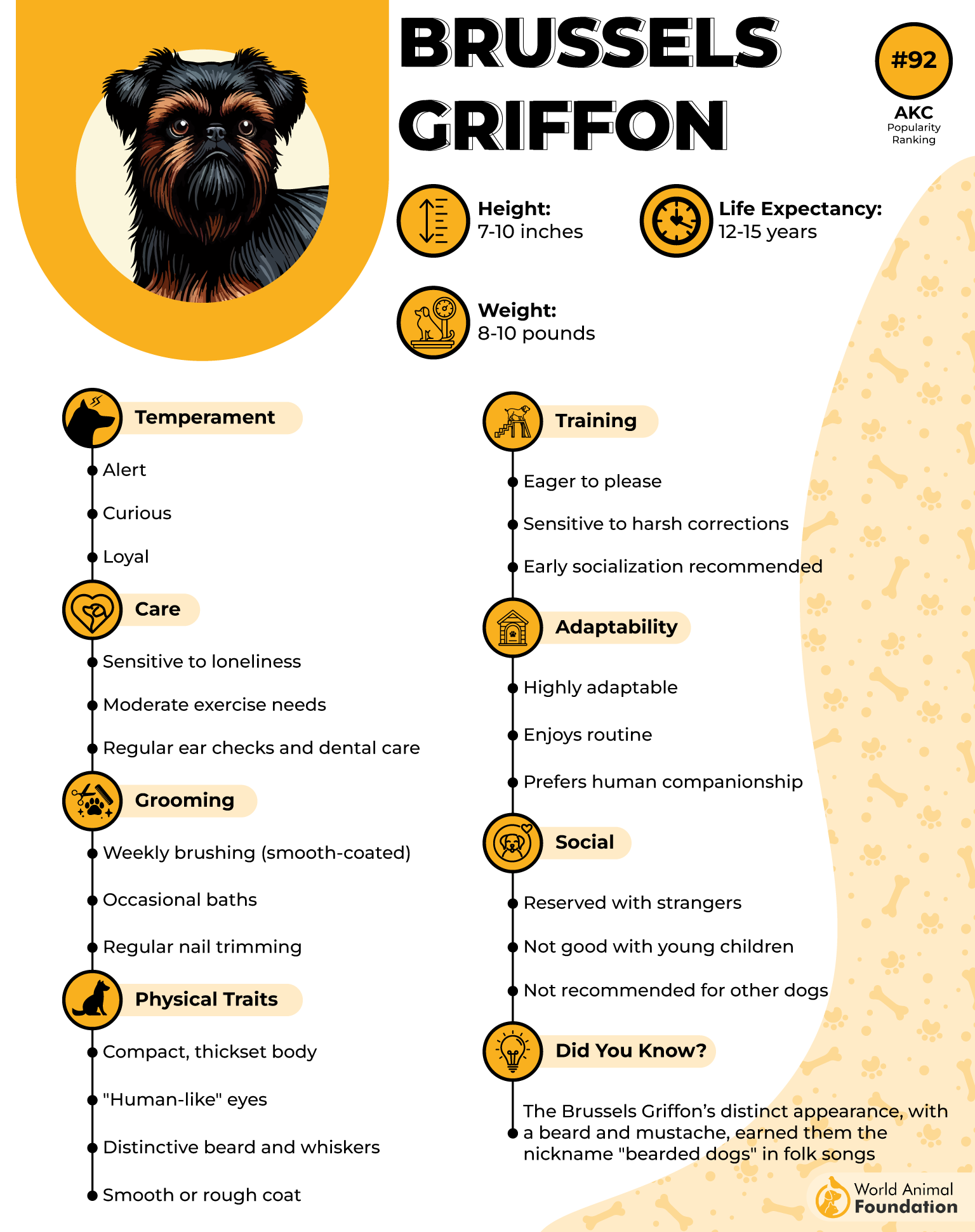
Perhaps their most unforgettable characteristic is their unusually expressive personality, which often makes them seem like tiny people experiencing very dramatic emotions. Many Brussels Griffon owners appreciate their affectionate behavior, curiosity, and desire to join in everyday activities rather than just watch from a distance.
They stay small throughout their lives, and their compact size makes them practical for apartment living, although they still enjoy daily walks and opportunities to exercise their clever minds. Some retain terrier-like curiosity from their working ancestry, leading them to investigate interesting scents, play enthusiastically, and occasionally challenge household boundaries.
9. Russian Toy
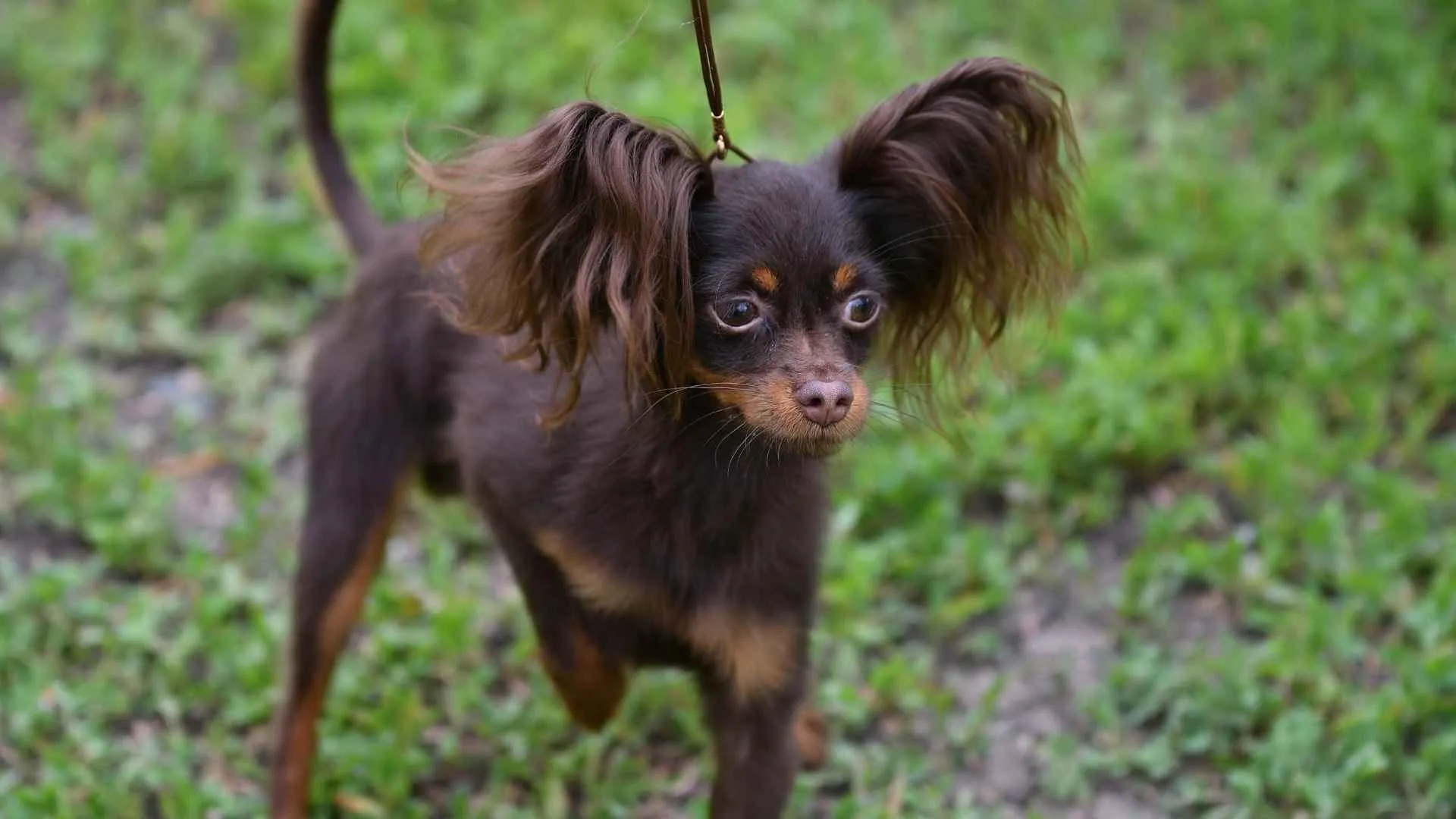
The Russian Toy is basically the definition of tiny-but-mighty, combining an incredibly delicate appearance with the confidence of a dog ten times its size. Developed from small terrier-type companions favored by the Russian aristocracy, the breed eventually gained recognition for its elegant proportions and lively temperament.
These Russian dogs differ from some stockier toy breeds because they have relatively long, slender legs and beautifully fine bones. Despite those elegant proportions, their overall skeletal structure remains exceptionally small, keeping them lightweight adults rather than medium-sized companions.
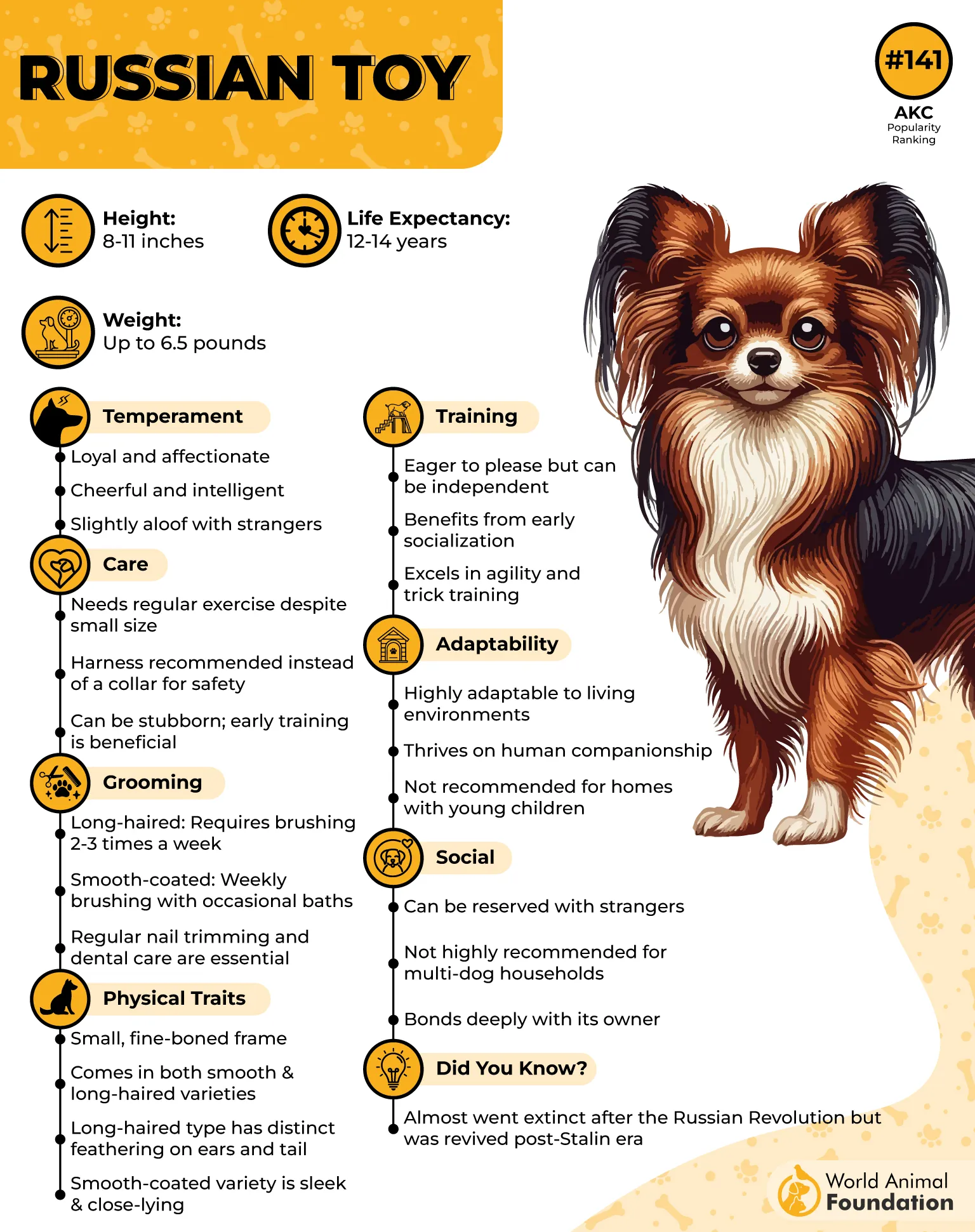
This toy dog breed needs little space and is often described as cheerful, alert, and affectionate, and it enjoys staying close to its favorite people. Take them to a local dog park, and these furry best friends will get compliments from everyone.
One of this breed’s biggest advantages is how easily these furry little pooches adapt to homes with limited living space. They don’t require an enormous backyard to enjoy themselves, although short walks, interactive toys, and safe opportunities to explore remain important for healthy physical and mental development.
Conclusion
Choosing a dog that stays small into adulthood can be a great option for people who want compact companionship, manageable space needs, and affectionate personalities without giant-sized bodies. Dachshunds and Norfolk Terriers are also some dogs that stay small forever. You will see small changes as they grow, but they are not significant.
However, staying tiny forever doesn’t mean staying a puppy forever, and these dogs still grow into adults with complex personalities and serious care needs.
Compared to medium and large breeds, their small bodies require thoughtful handling, appropriate nutrition, veterinary care, safe socialization, and consistent training to support a healthy, comfortable life.
