




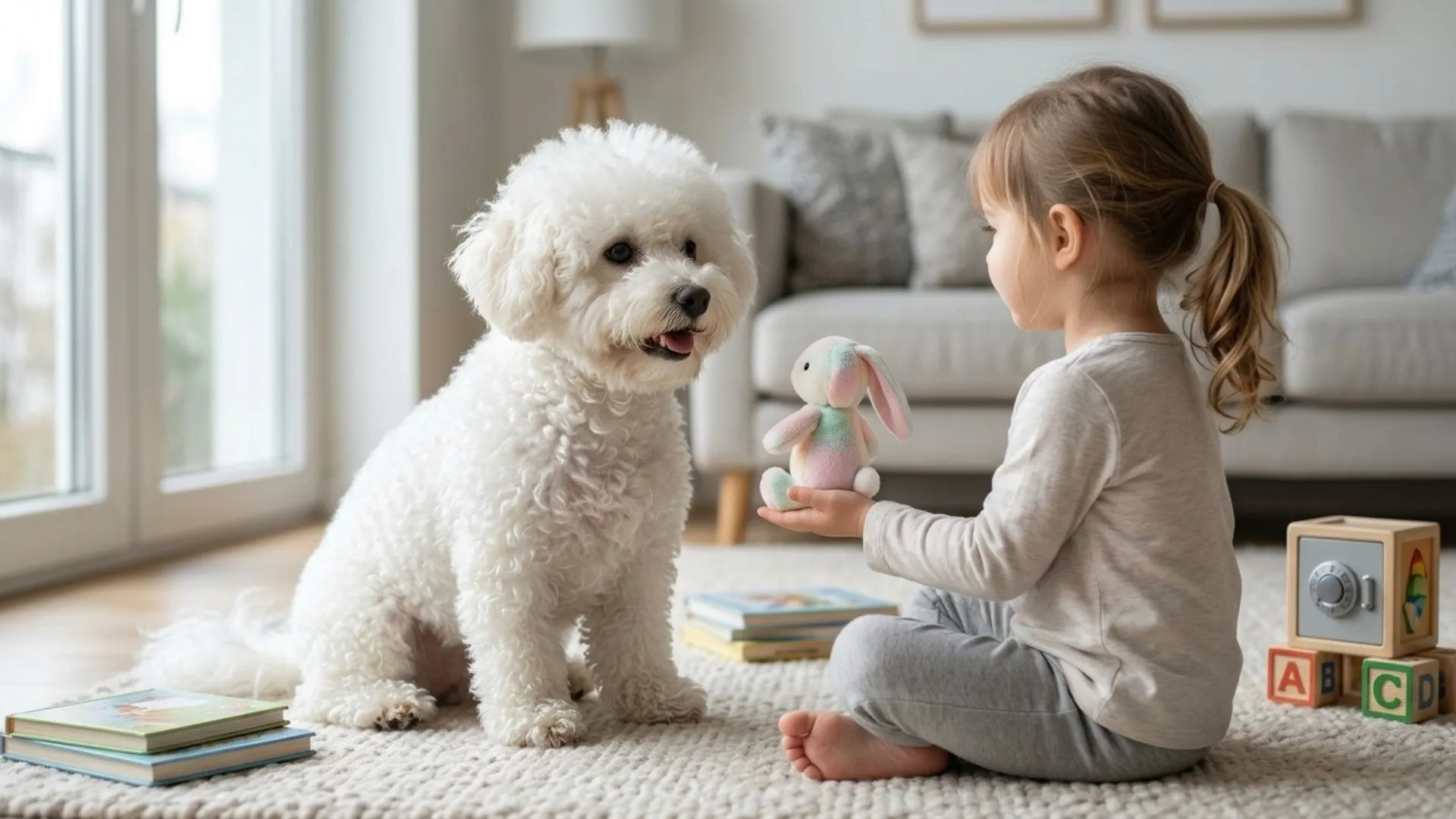
Finding the perfect family dog with little kids can feel like searching for the ultimate best friend with four paws, endless patience, and a personality that matches your family’s energy. You want a fluffy companion who joins exciting playtime adventures, appreciates gentle cuddles, and becomes part of those unforgettable childhood memories.
These tiny companions may not have the enormous bodies of Golden Retrievers or Great Danes, but they bring plenty of love, entertainment, and personality into family life. From following children around the house to participating in supervised games and relaxing beside them during storytime, small dogs can become wonderful members of the household.
Let’s explore seven charming toy dog breeds, discover how they can build affectionate relationships with kids, and understand what makes each one special in a loving family environment.
Ideal Toy Dog Breeds for Families With Young Children
1. Cavalier King Charles Spaniel
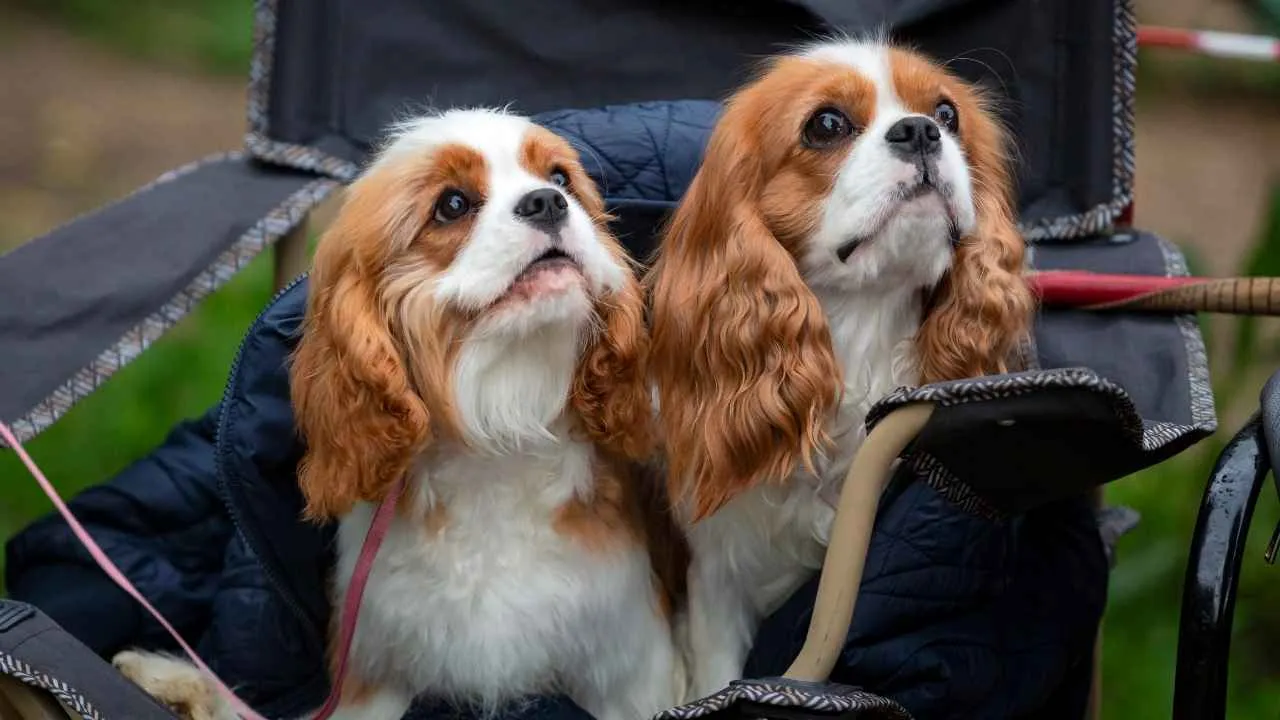
Originally associated with British royalty, Cavalier King Charles Spaniels are graceful companions developed to enjoy close relationships with people, which helps explain their reputation as loving family pets, as noted by the AKC.
One of Cavaliers’ most endearing qualities is how naturally they enjoy gentle family activities. A well-socialized Cavalier might happily follow a young kid into the living room, investigate a favorite stuffed animal, and settle nearby while everyone watches an animated movie together.
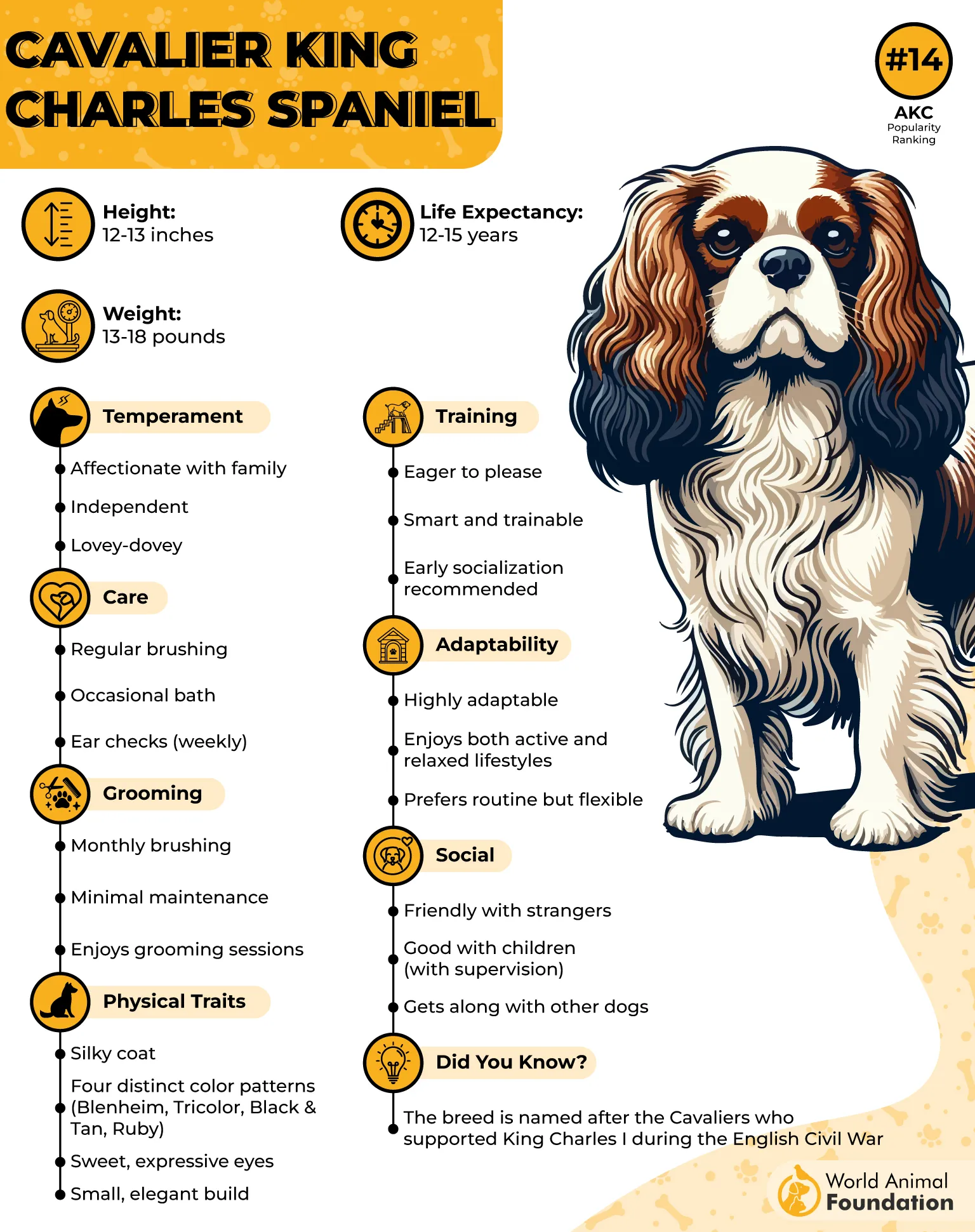
When playtime begins, Cavaliers often reveal a cheerful side that reflects their sporting spaniel ancestry. Many enjoy retrieving safe chew toys, exploring interesting smells on family walks, and playing simple games under adult supervision.
Their affectionate behavior may also encourage children to develop thoughtful pet-care habits through shared routines. A child can help prepare a comfortable resting area, participate in simple reward-based training exercises, or gently brush the dog’s coat while an adult supervises.
2. Havanese

As Cuba’s national dog, this cheerful companion, the Havanese, has a fascinating history tied to household companionship and the development of a friendly, social temperament.
One of their most appealing traits is how enthusiastically many Havanese play interactive games with familiar children. These playful dogs may enjoy following a rolling ball, searching for hidden treats, or learning funny tricks that make kids burst into laughter.
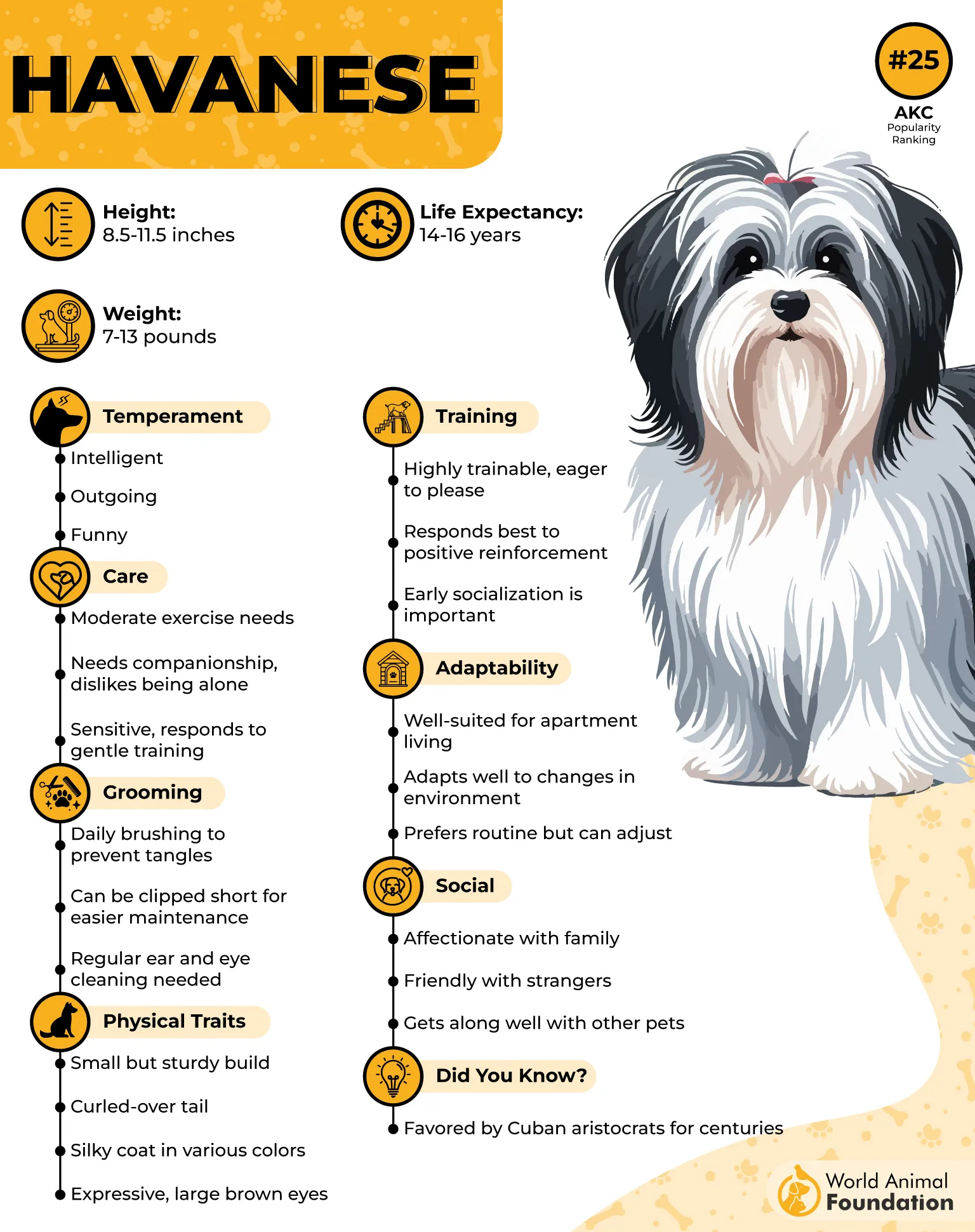
Their naturally outgoing personalities often help them become active participants in supervised family activities rather than companions who prefer spending every afternoon sleeping.
They also have an affectionate side that makes them especially enjoyable during quieter family moments, as PDSA notes. After an exciting game, a comfortable adult dog may settle beside a child during storytime, rest near the family sofa, or quietly observe household activities.
A fascinating part of the Havanese personality is its reputation for intelligence and entertaining behavior. These dogs often respond enthusiastically to positive reinforcement so that children can join carefully guided training sessions with simple cues, tricks, and reward-based games.
3. Bichon Frise
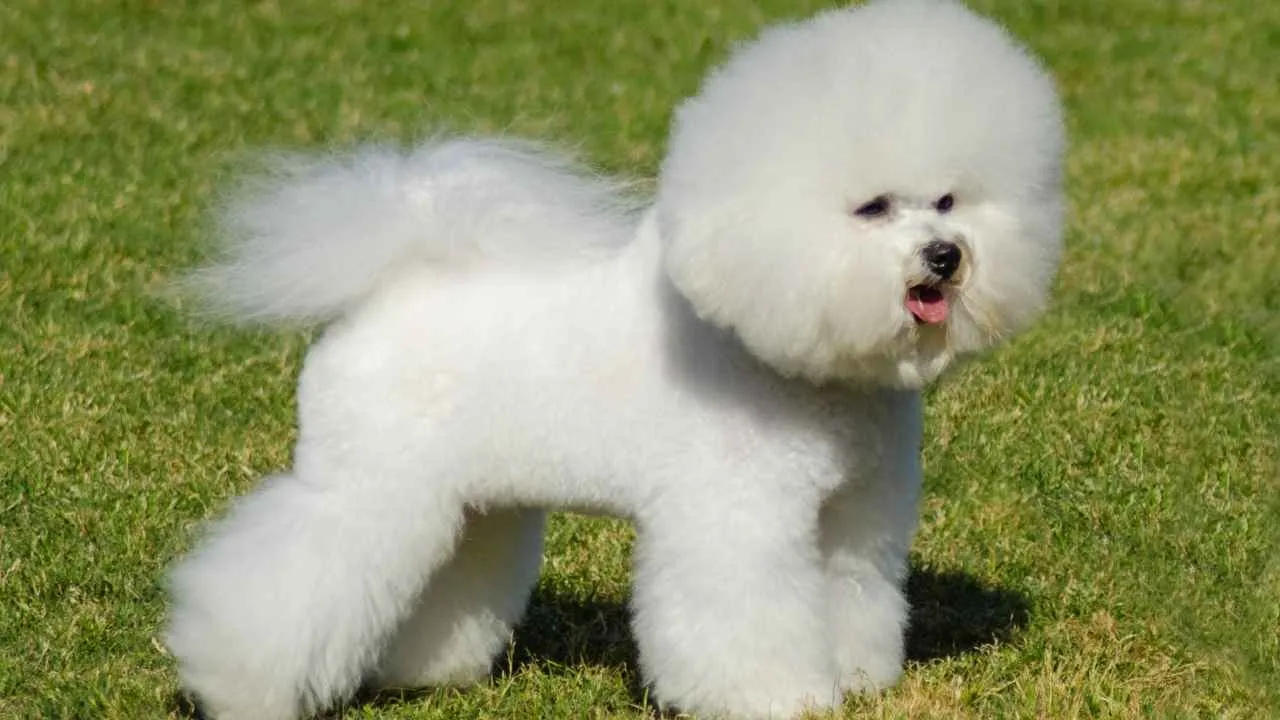
Bichon Frise is a charming breed that traces its origins to Mediterranean companion dogs and European aristocratic households, where its entertaining nature made it a popular favorite.
The Bichon Frise appeals to families because many combine enthusiastic playfulness with an affectionate, people-focused personality. A child might enjoy rolling a soft ball across the floor while a Bichon eagerly races after it, occasionally adding an unexpected little spin or bounce.
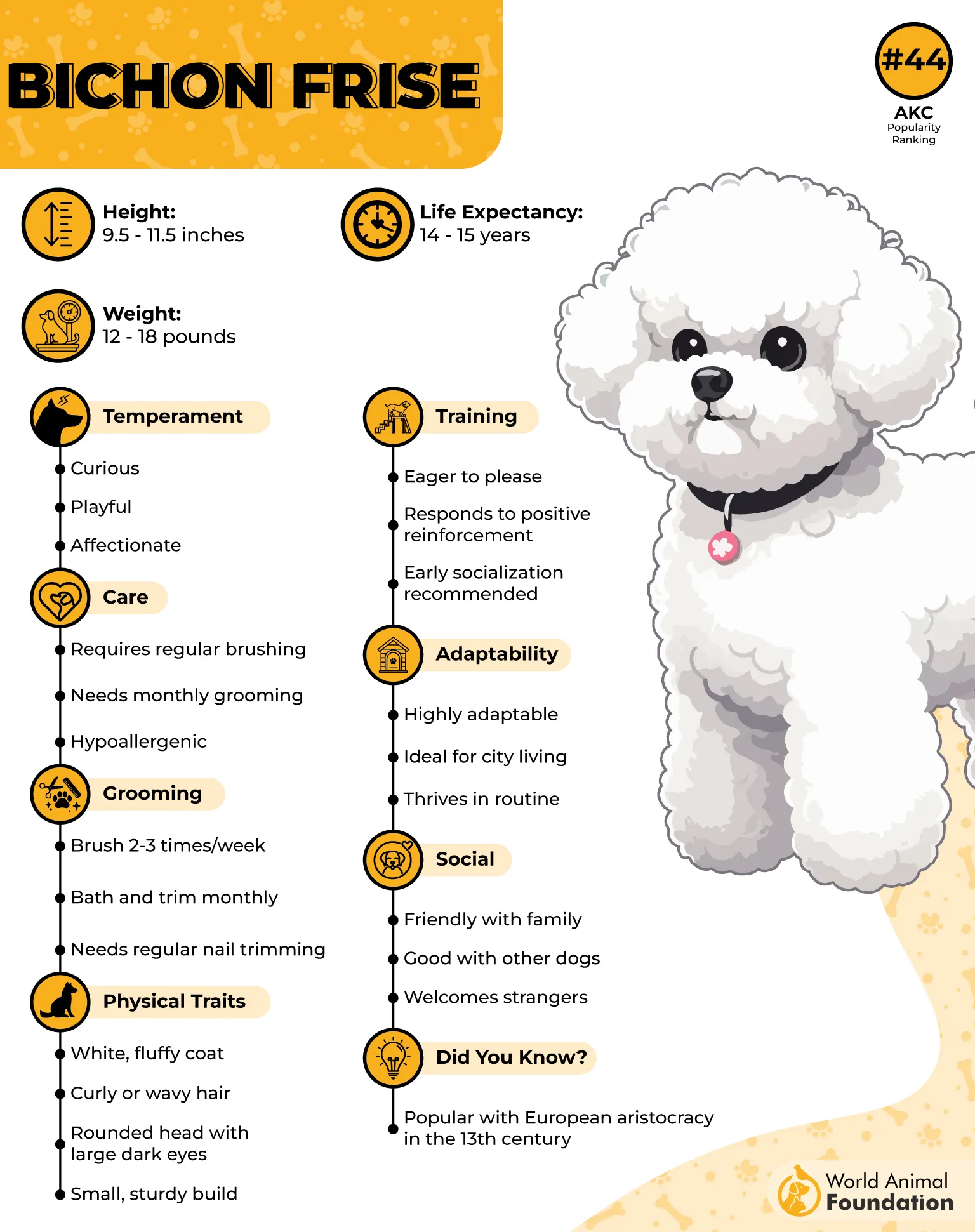
One distinctive behavior that many Bichon owners affectionately recognize is the occasional burst of excitement commonly called the zoomies. During these energetic moments, a dog may dash around an open space, change direction dramatically, and seem delighted by its own speed.
Beyond entertaining play sessions, PetMD says these dogs can form warm relationships with children who enjoy spending time close to them. Some enjoy resting nearby while homework gets done, joining family activities, or joining peaceful evening routines after their exercise needs are met.
For families comfortable with these responsibilities, the Bichon Frise can become a lively, affectionate companion that brings cheerful energy to everyday childhood experiences.
4. Maltese
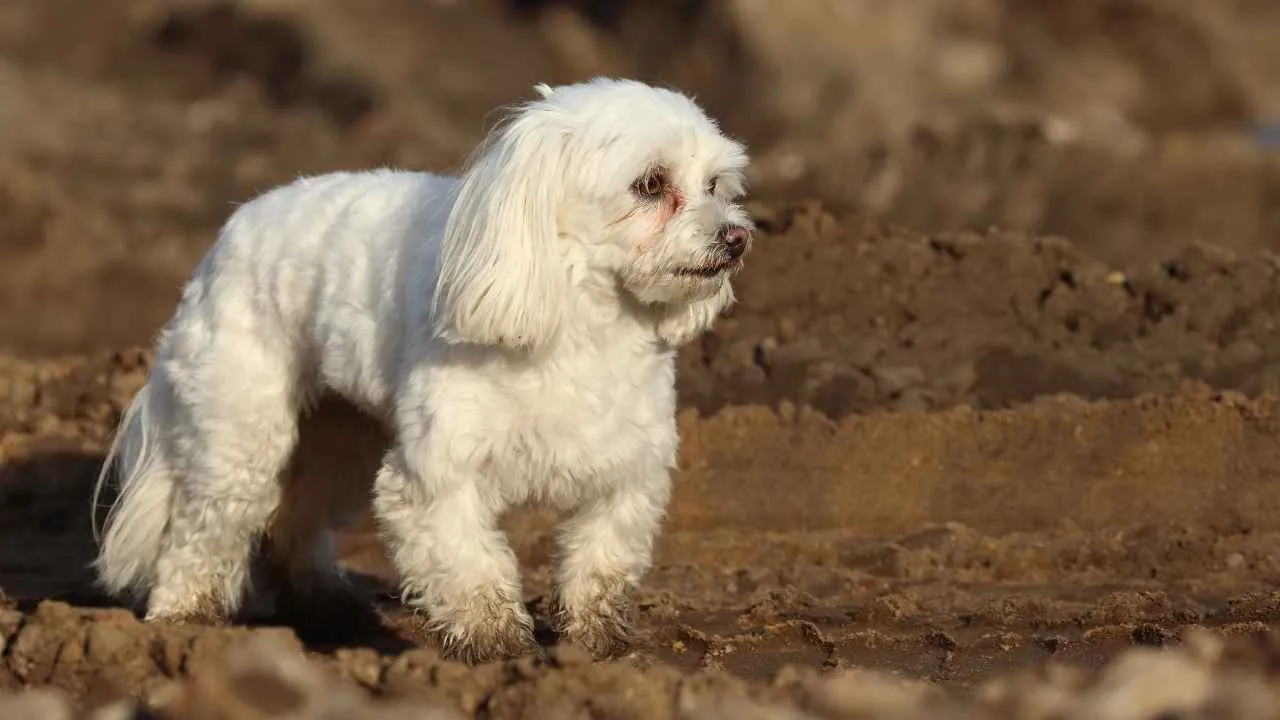
The Maltese is an ancient Mediterranean toy breed that has spent generations living close to people, making affectionate companionship one of its most recognizable characteristics.
Many Maltese form close emotional connections with familiar family members and enjoy being included in everyday activities. A gentle child may find that their Maltese likes to rest nearby during a picture-book session, follow them from room to room, or join carefully supervised games.
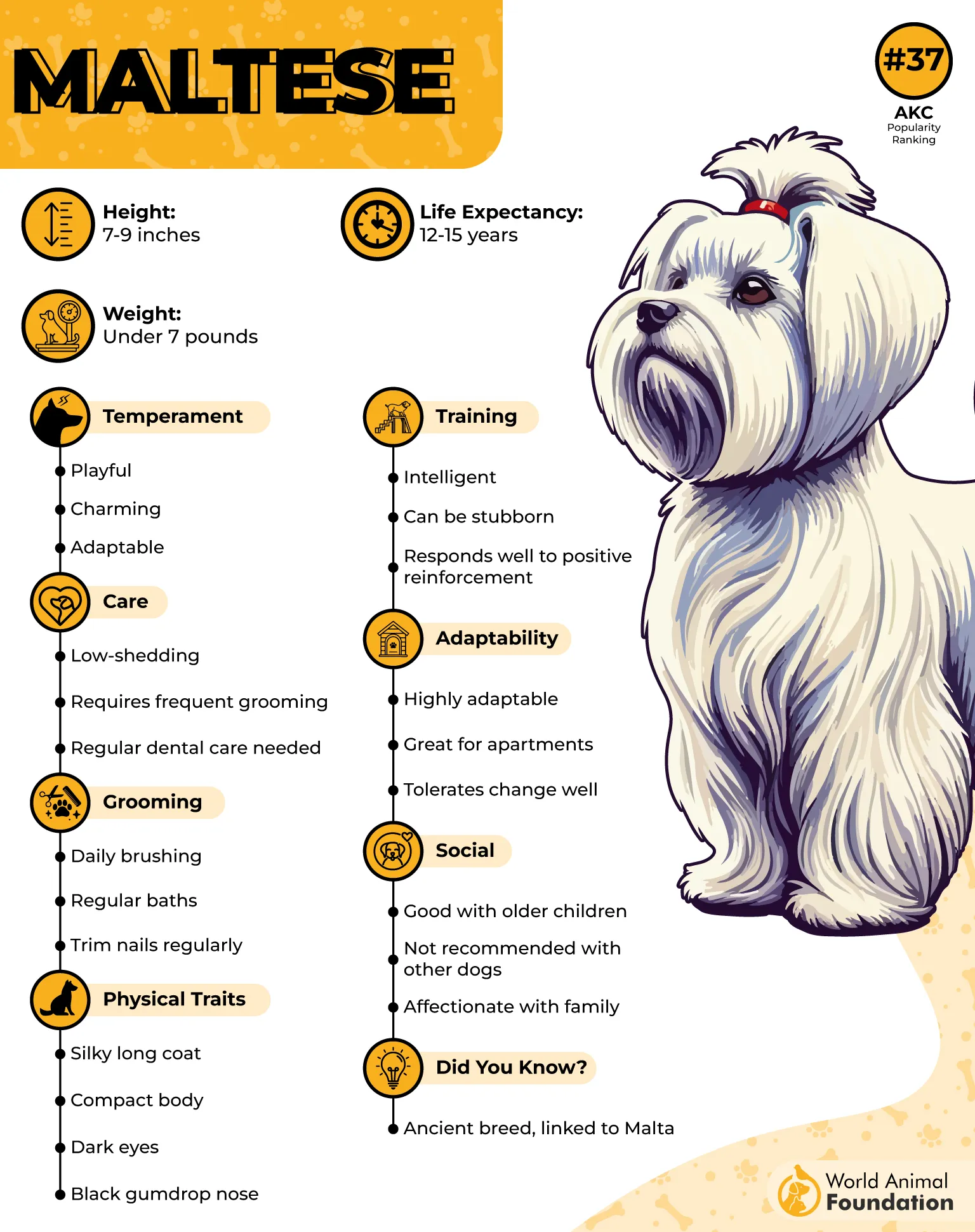
Despite their tiny bodies, Maltese aren’t simply decorative lapdogs who spend every waking moment waiting for cuddles. Many enjoy interactive toys, short walks, hide-and-seek games, and playful exploration that lets children join in their daily enrichment. A simple activity with a few hidden treats or a soft toy can become an exciting adventure without the strength or physical intensity of larger dogs.
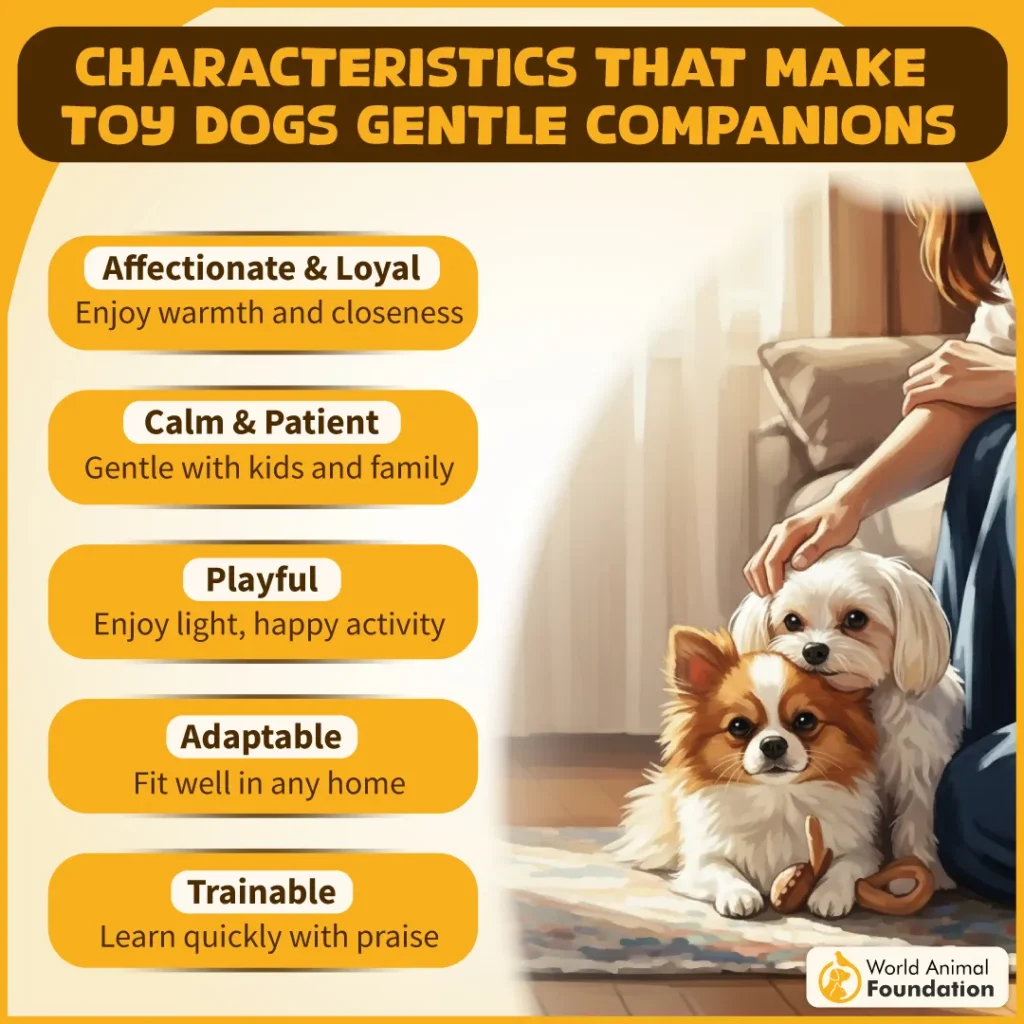
However, families must understand that the Maltese’s extremely small size creates genuine safety concerns around toddlers and preschool-aged children. Accidental falls, rough grabbing, tight hugs, and being stepped on can cause serious injuries, even when a child has absolutely no intention of hurting their pet.
However, you need to supervise all interactions closely and consider waiting until children can consistently understand gentle touch, personal boundaries, and the importance of letting dogs approach voluntarily.
5. Shih Tzu
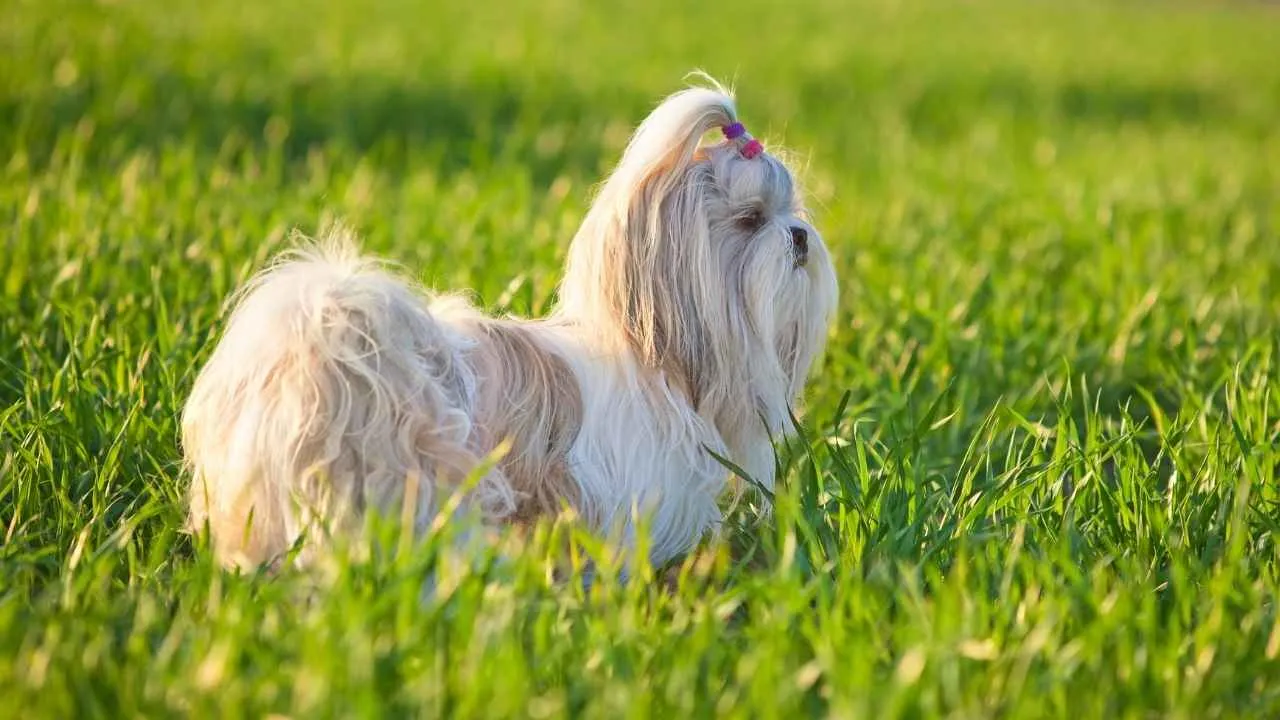
The Shih Tzu is a tiny royal roommate who loves joining family activities but also appreciates a comfortable place to relax afterward.
One reason these small dogs fit well into family life is their affectionate nature and manageable exercise needs. Many enjoy short play sessions with children, leisurely neighborhood walks, and supervised exploration of familiar outdoor areas without demanding intense athletic adventures.
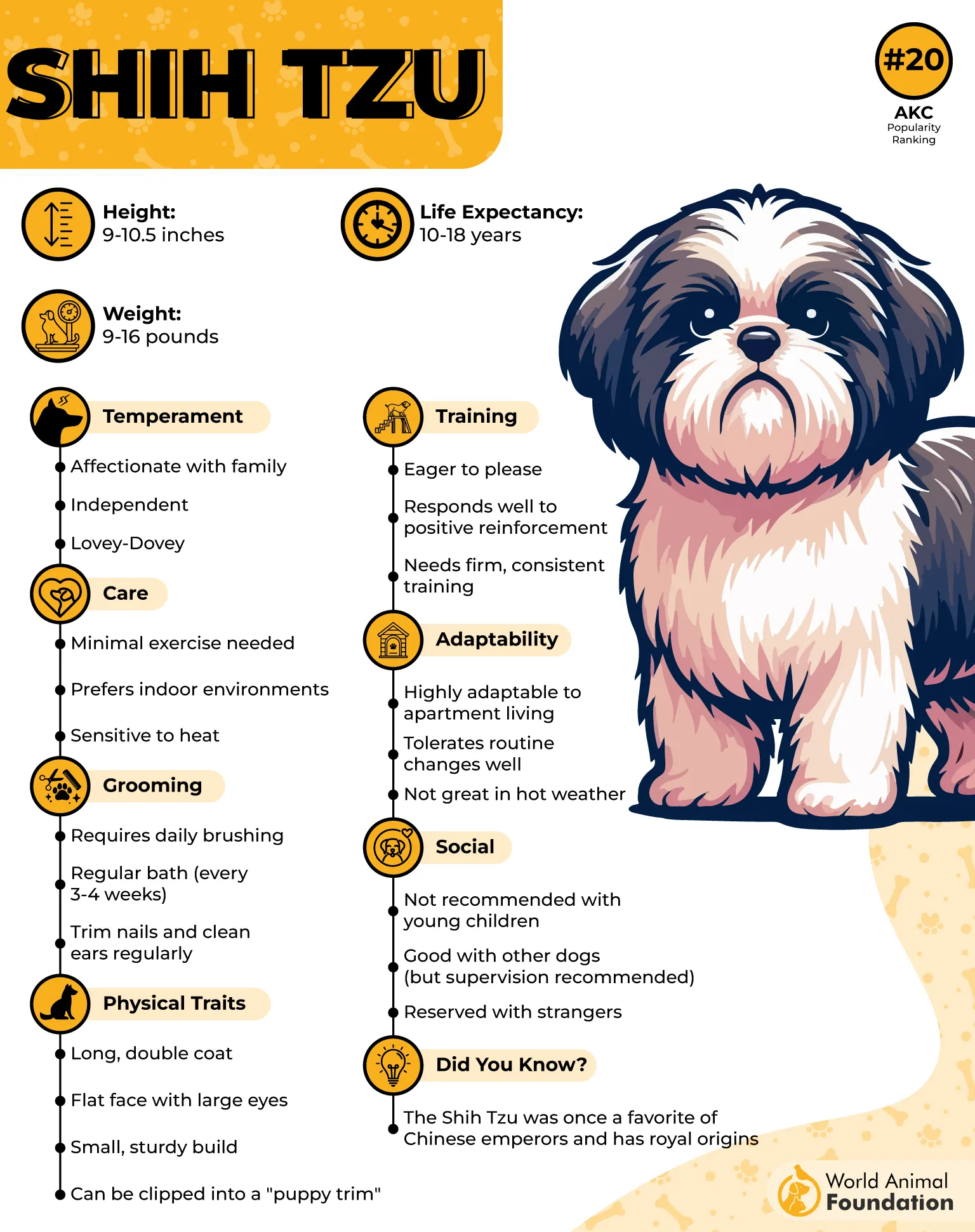
Shih Tzus often become enthusiastic participants in everyday household activities because they enjoy spending time near familiar people. A child building a colorful block tower might find the family Shih Tzu resting nearby, quietly watching with serious curiosity.
During family movie nights, these small companions may choose a comfortable cushion beside their favorite humans, making shared relaxation another opportunity for affectionate bonding.
Although Shih Tzus can be friendly and patient, children must still understand that dogs have personal preferences and limits. Pulling their long hair, grabbing their faces, interrupting meals, or forcing cuddles can cause discomfort and may trigger defensive behavior, despite the breed’s generally affectionate reputation.
6. Pomeranian
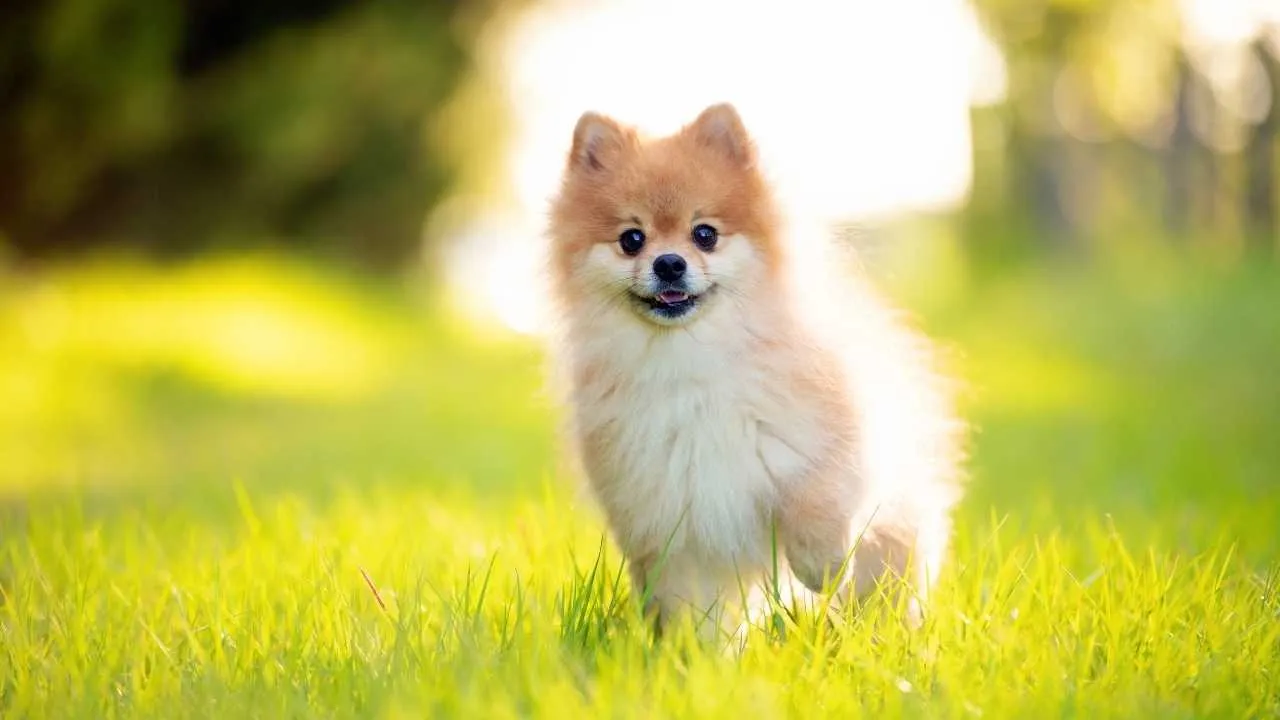
The Pomeranian is a sweet-natured companion, just the right dog for outdoor and indoor play sessions with toddlers.
They can develop wonderful relationships with children who understand how to interact gently with small animals. They often enjoy games with appropriate toys, short supervised walks, and learning amusing tricks that let older children participate in positive training.
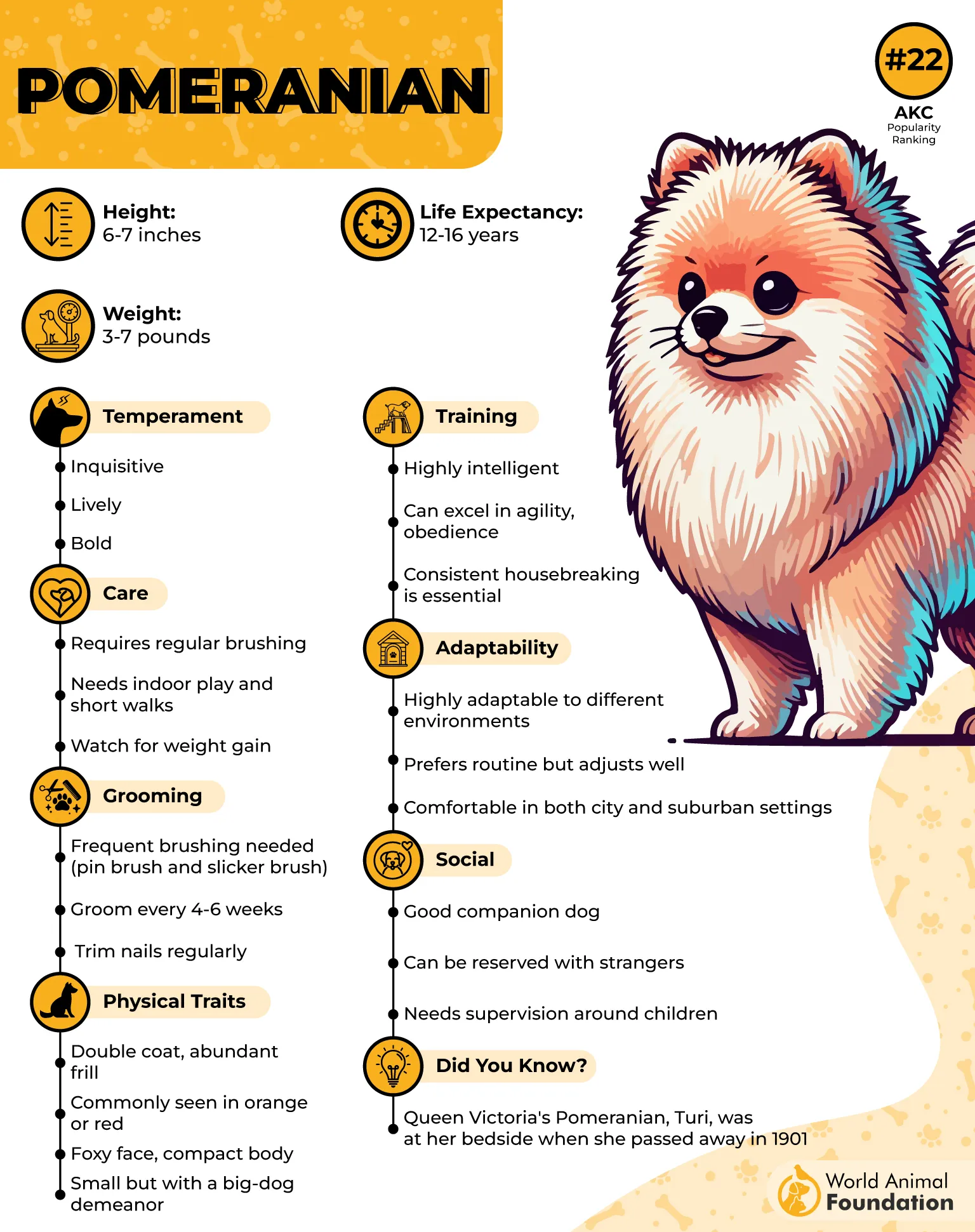
One particularly entertaining characteristic of Pomeranians is their tendency to approach life with remarkable enthusiasm despite their miniature dimensions. A Pom may excitedly investigate a new toy, trot proudly through the living room, or announce a familiar family member’s arrival with a dramatic little bark.
Their tiny size, however, means they are generally better suited to homes with older, considerate children rather than toddlers who haven’t developed reliable coordination. A young child may accidentally drop a Pomeranian, stumble over it, or squeeze its delicate body while attempting to show affection.
Teaching children to remain seated during close interactions, avoid picking up the dog without adult assistance, and respect signs of discomfort can significantly reduce preventable risks.
7. Toy Poodle
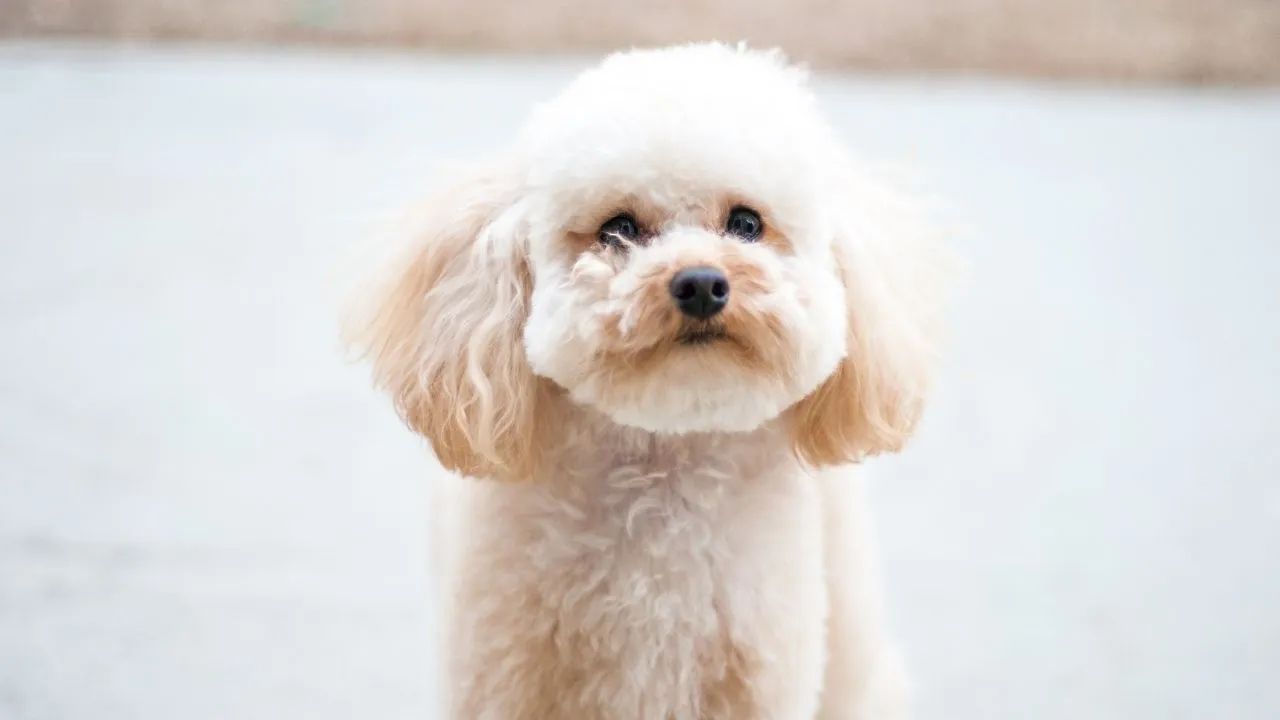
Developed as the smallest recognized Poodle variety, the Toy Poodle combines the breed’s famous intelligence with a compact body suited to smaller homes.
One of the best toy breeds, they can play educational games with children. Their intelligence and responsiveness to positive reinforcement allow them to learn entertaining tricks such as spinning, touching a target, retrieving a small object, or responding to simple verbal cues.
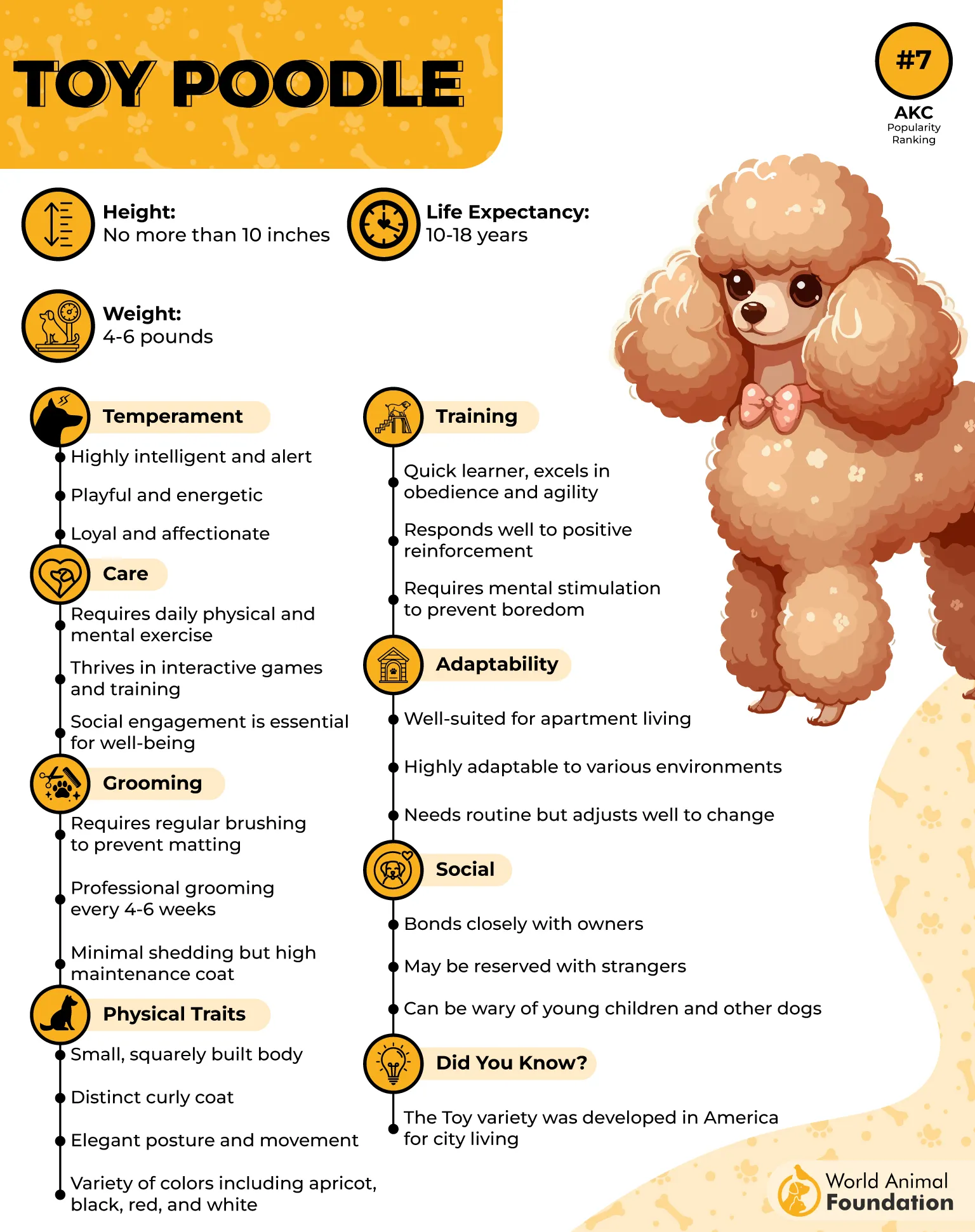
For school-aged children who enjoy interactive activities, supervised training sessions can be a fun way to build confidence while learning patience and responsible communication with pets.
This popular companion breed enjoys short games of fetch, exploring interesting environments, and age-appropriate activities that challenge coordination and problem-solving skills.
Despite their impressive learning abilities, these puppies can be sensitive to loud noises, unpredictable handling, and overwhelming household excitement. Their delicate skeletal structure makes them vulnerable to injuries from accidental falls or collisions, so families with toddlers should consider whether they can provide consistently safe interactions.
Conclusion
Choosing a toy dog for a family with young children can be an exciting decision, especially if you hope to create years of affectionate companionship and joyful childhood memories.
These breeds can join enjoyable family routines through supervised games, gentle affection, simple training exercises, and peaceful moments together. Yorkshire Terriers, Dachshunds, and Miniature Schnauzers are also compact dogs that work well with kids.
However, a successful relationship between children and dogs depends on much more than choosing a breed with a friendly reputation. Every dog deserves respectful handling, appropriate exercise, regular healthcare, safe personal space, and adult supervision, while extremely small breeds require additional protection against accidental injuries.
