




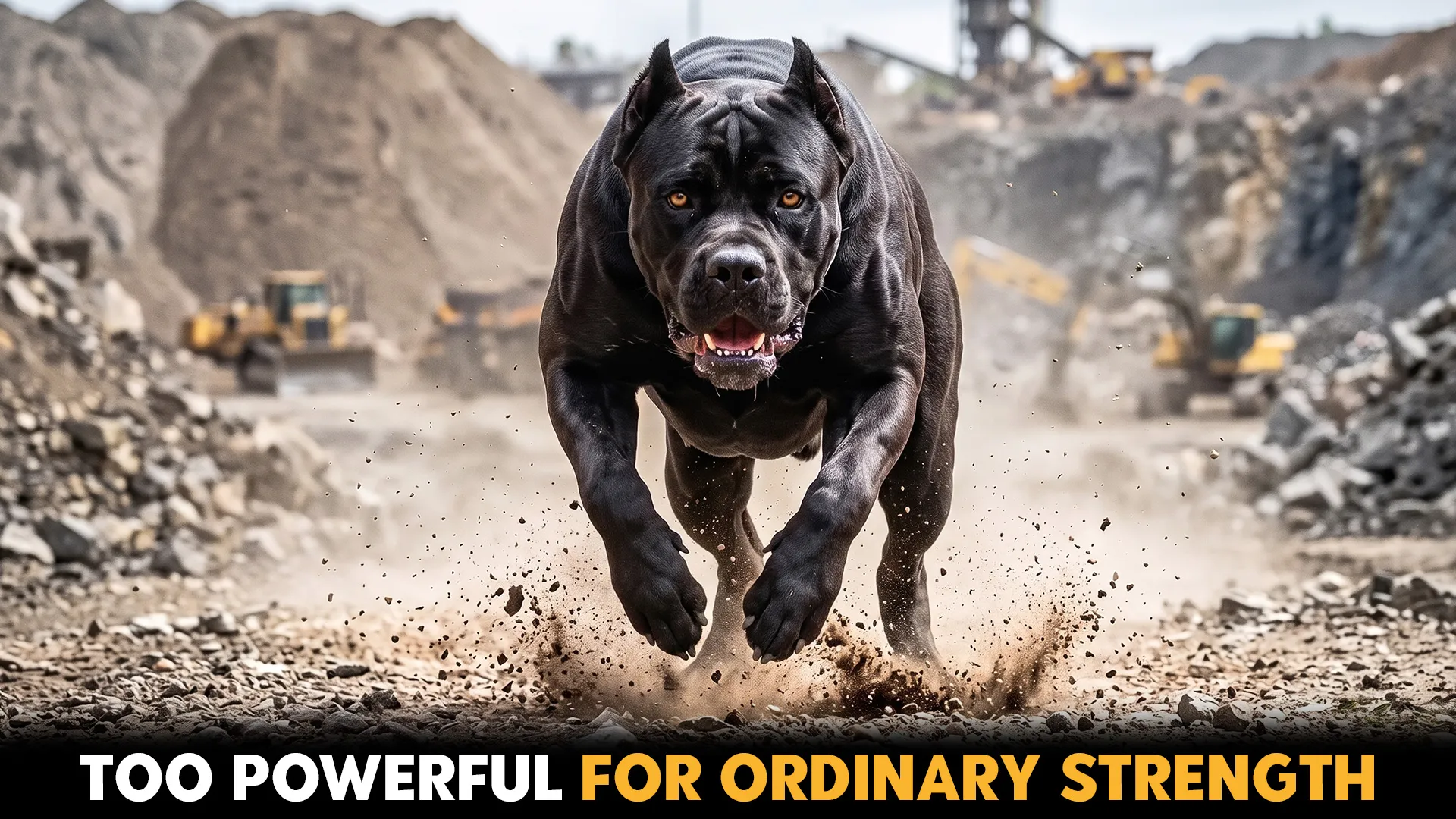
Some dogs are adorable little fluffballs, while others look like they walked straight out of a superhero movie after hitting the gym. We’re talking massive shoulders, powerful jaws, muscular legs, and enough physical strength to make you wonder whether these dogs secretly have personal trainers.
But here’s the interesting part: incredible canine strength isn’t just about looking intimidating or having enormous muscles. These breeds were developed for demanding jobs, including protecting livestock, guarding estates, navigating difficult landscapes, and working alongside humans in challenging conditions.
Get ready to discover what makes their bodies so powerful, how their working histories shaped their abilities, and why responsible training matters as much as raw muscle.
Dog Breeds Displaying Incredible Physical Strength
1. Kangal Dog
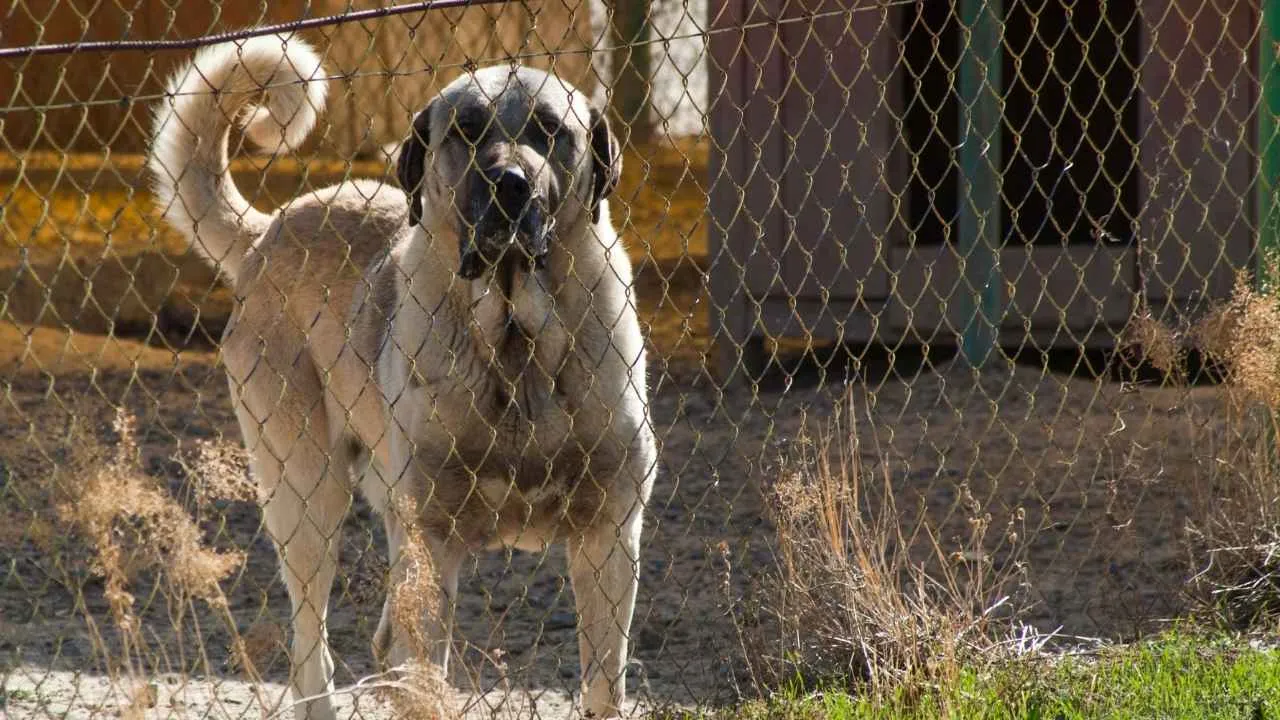
The Kangal Dog is basically the heavyweight champion of livestock guardians, and its muscular physique makes that reputation easy to understand. Originating from Turkey’s Sivas region, this impressive breed was developed to protect sheep and goats against predators such as wolves and jackals.
What makes it particularly impressive is how efficiently its muscles work together during movement. Its broad chest provides room for powerful shoulder muscles, while sturdy forelegs, strong hindquarters, and a relatively athletic frame allow it to cover uneven terrain without moving like a lumbering giant.
Perhaps the most famous feature of this Turkish guard dog is its exceptionally strong jaw, which has generated countless online discussions about bite force. You’ll frequently encounter claims that Kangals produce approximately 743 pounds PSI of bite pressure, but that specific figure has not been established through reliable, standardized scientific testing.
Here’s where things get even more interesting: They don’t rely on constant human commands when performing traditional livestock protection duties. Generations of independent work have encouraged these dogs to assess unfamiliar situations, patrol extensive territories, and stay alert for long periods.
2. Cane Corso
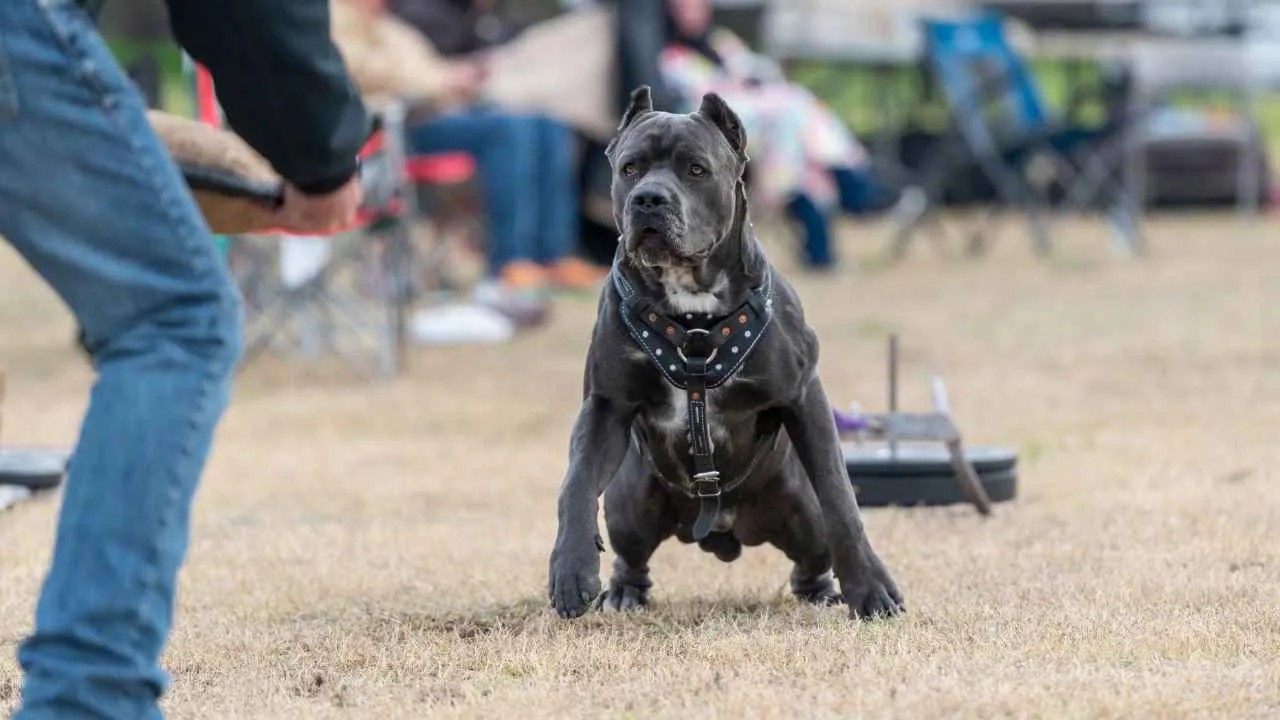
Imagine a professional athlete with the intimidating presence of a movie villain and the loyalty of a devoted family companion, and you’ve pretty much captured the Cane Corso. This Italian mastiff descended from powerful working dogs used for property protection, farm duties, and hunting demanding game such as wild boar, as noted by the AKC.
The Cane Corso’s physique is a masterclass in functional muscular development, with a deep chest, powerful neck, broad shoulders, and well-developed thighs. Unlike some heavier mastiff breeds, its relatively athletic proportions support quick directional changes, coordinated acceleration, and controlled bursts of physical effort.
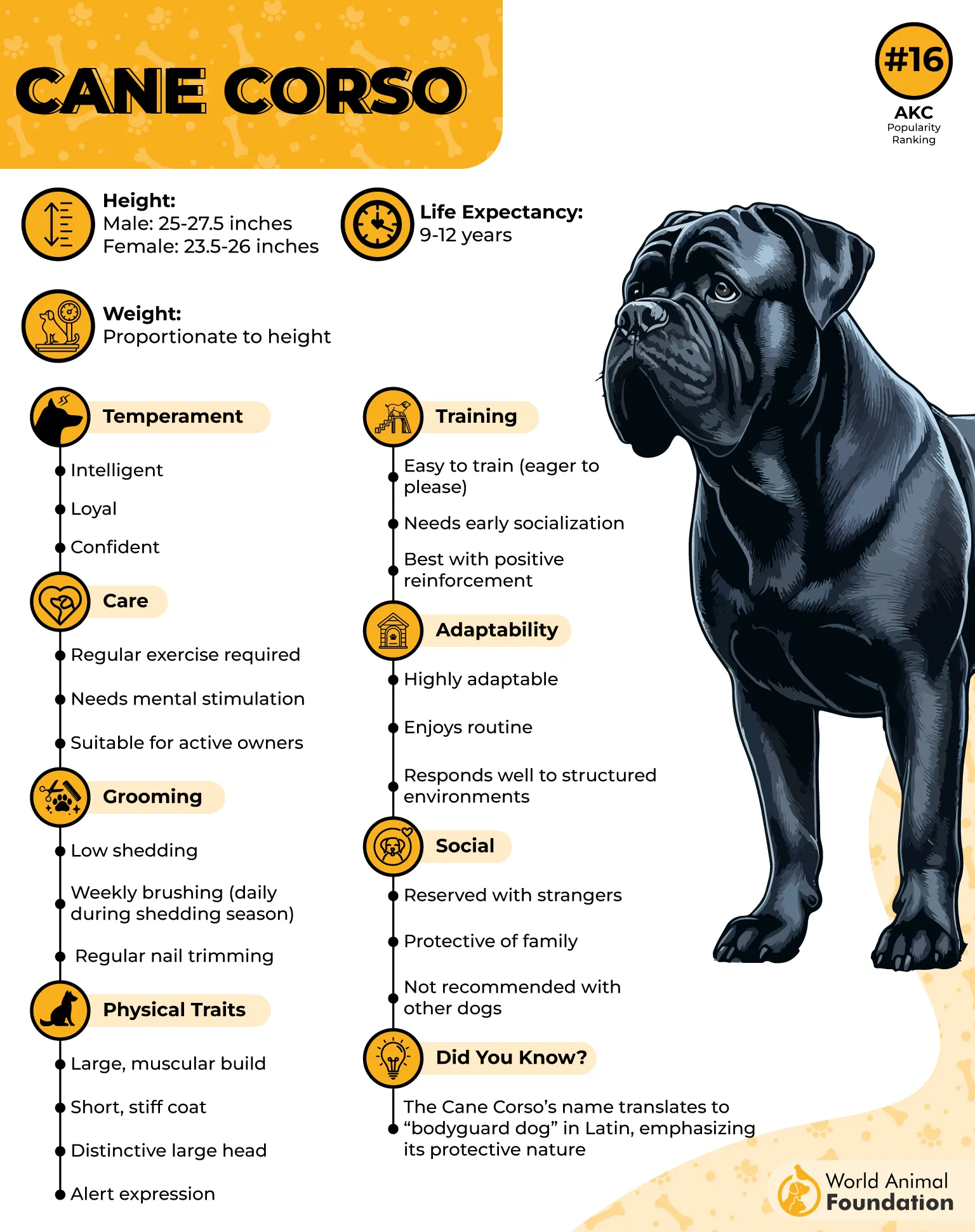
One particularly fascinating feature is this Mastiff breed’s substantial head, complete with a wide muzzle and strong jaws that reflect its traditional working purpose. Online sources sometimes claim Cane Corsos achieve bite pressures of 700 PSI. Its real physical capabilities are better understood through anatomy, movement, body conditioning, and the demanding activities for which its ancestors were selected.
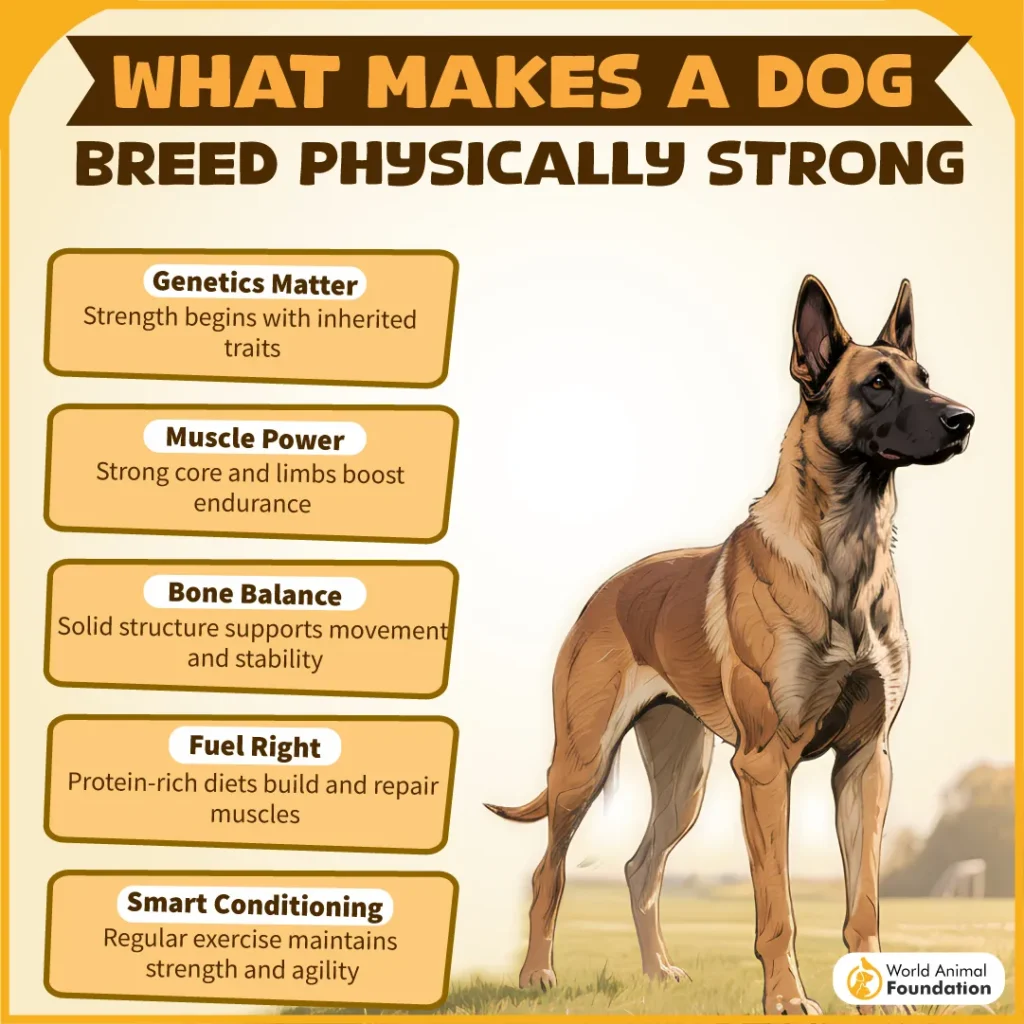
Owning one of these muscular giants isn’t simply about enjoying its impressive appearance, because intelligence and physical energy need appropriate outlets. Many experienced Cane Corso handlers favor structured obedience, scent games, controlled retrieving, and age-appropriate conditioning to channel enthusiasm into manageable daily activities.
3. Boerboel
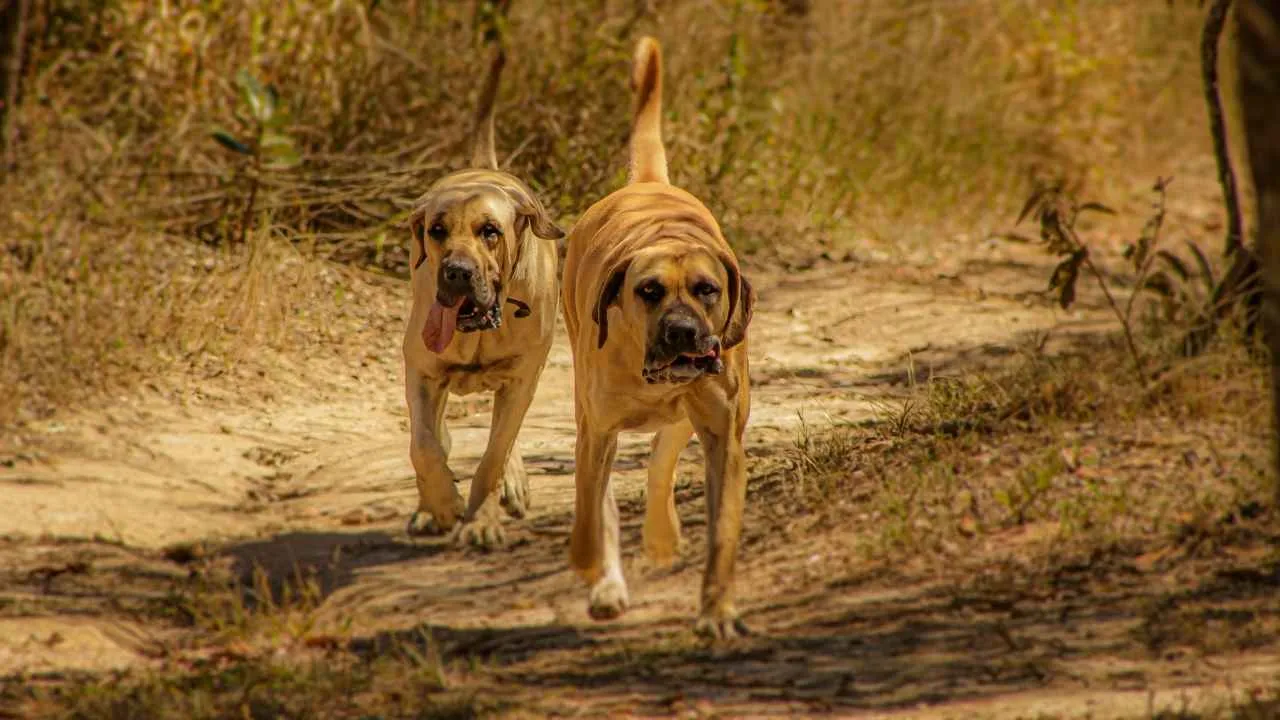
Meet the Boerboel, South Africa’s powerhouse guardian that looks like someone designed a dog to meet a professional strongman’s specifications. Developed to protect remote farms and homesteads, this muscular breed needed the courage, endurance, and physical presence to handle challenging environments.
Its strength comes from an exceptionally sturdy frame, broad skull, deep rib cage, thick neck, and heavily developed musculature, as mentioned by WebMD. Its powerful rear legs and broad shoulders create a balanced combination of stability, forward drive, and the ability to move its considerable body weight effectively.
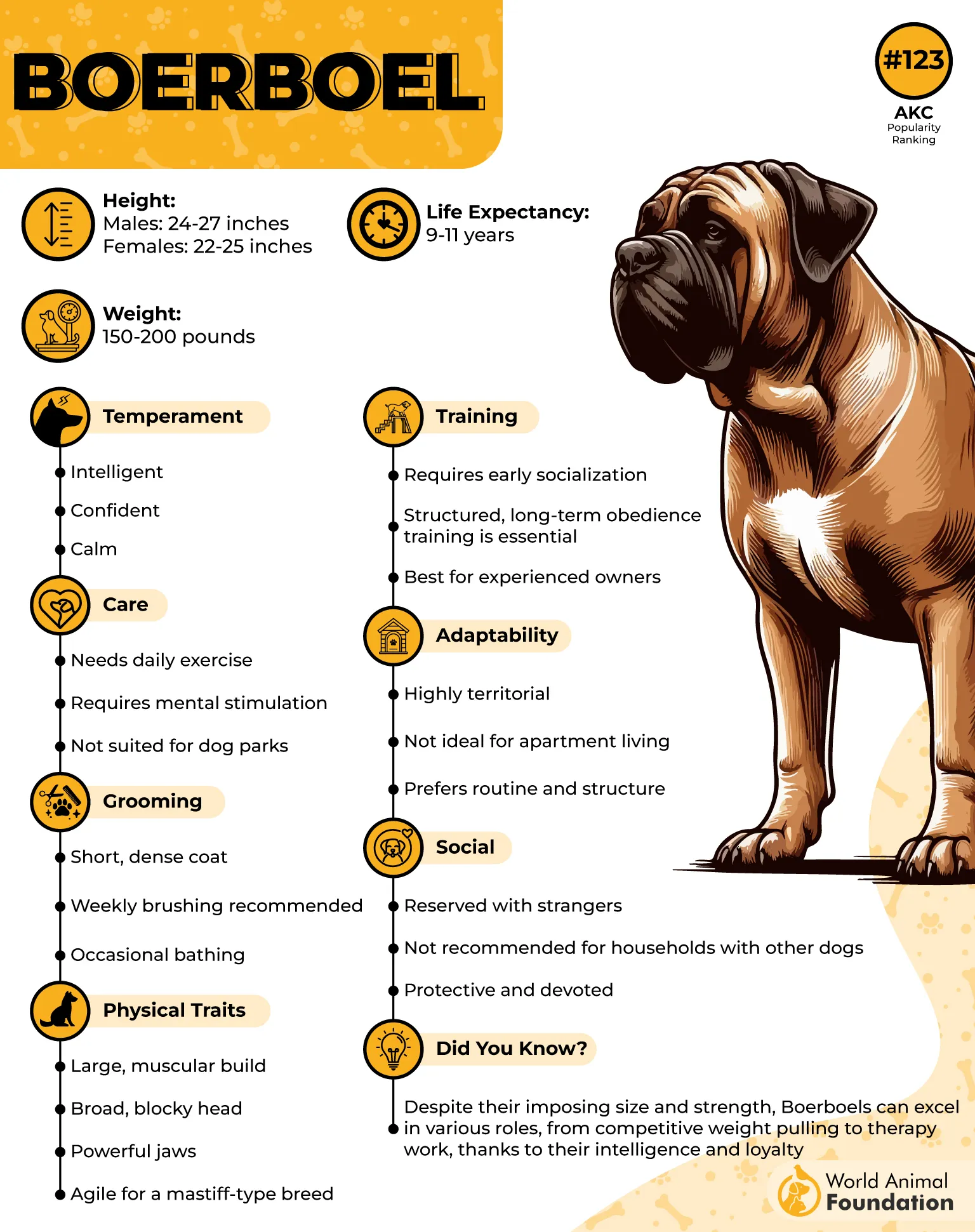
Not all Boerboels display their strength the same way, something experienced breeders often highlight when discussing working ability. Some individuals possess leaner, more athletic builds with greater sustained mobility, while others have heavier physiques that emphasize substantial body mass and pushing power.
That powerful body also comes with responsibilities that extend well beyond ordinary exercise routines. Growing Boerboels need carefully managed nutrition, appropriate activity levels, and veterinary guidance to support developing bones and joints without encouraging excessive weight gain.
4. Bullmastiff
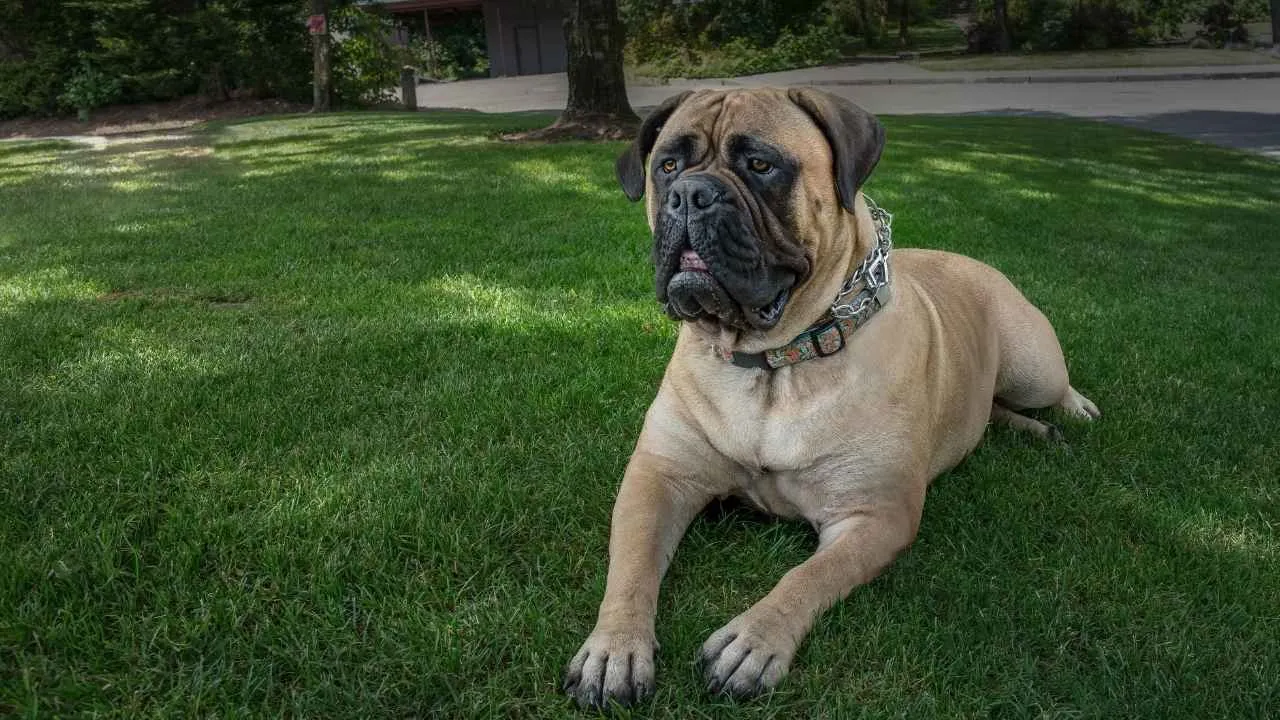
The Bullmastiff has serious old-school bodyguard energy, complete with a muscular frame, broad chest, and an expression that suggests it takes absolutely no nonsense. Developed in nineteenth-century England by combining Mastiff and Bulldog ancestry, the breed helped gamekeepers protect estates from poachers.
Unlike taller working breeds that rely on long strides and sustained running, Bullmastiffs have compact, concentrated power. Their relatively square proportions, thick bones, strong shoulders, and heavily muscled hindquarters provide the stability needed for forceful, controlled movement.
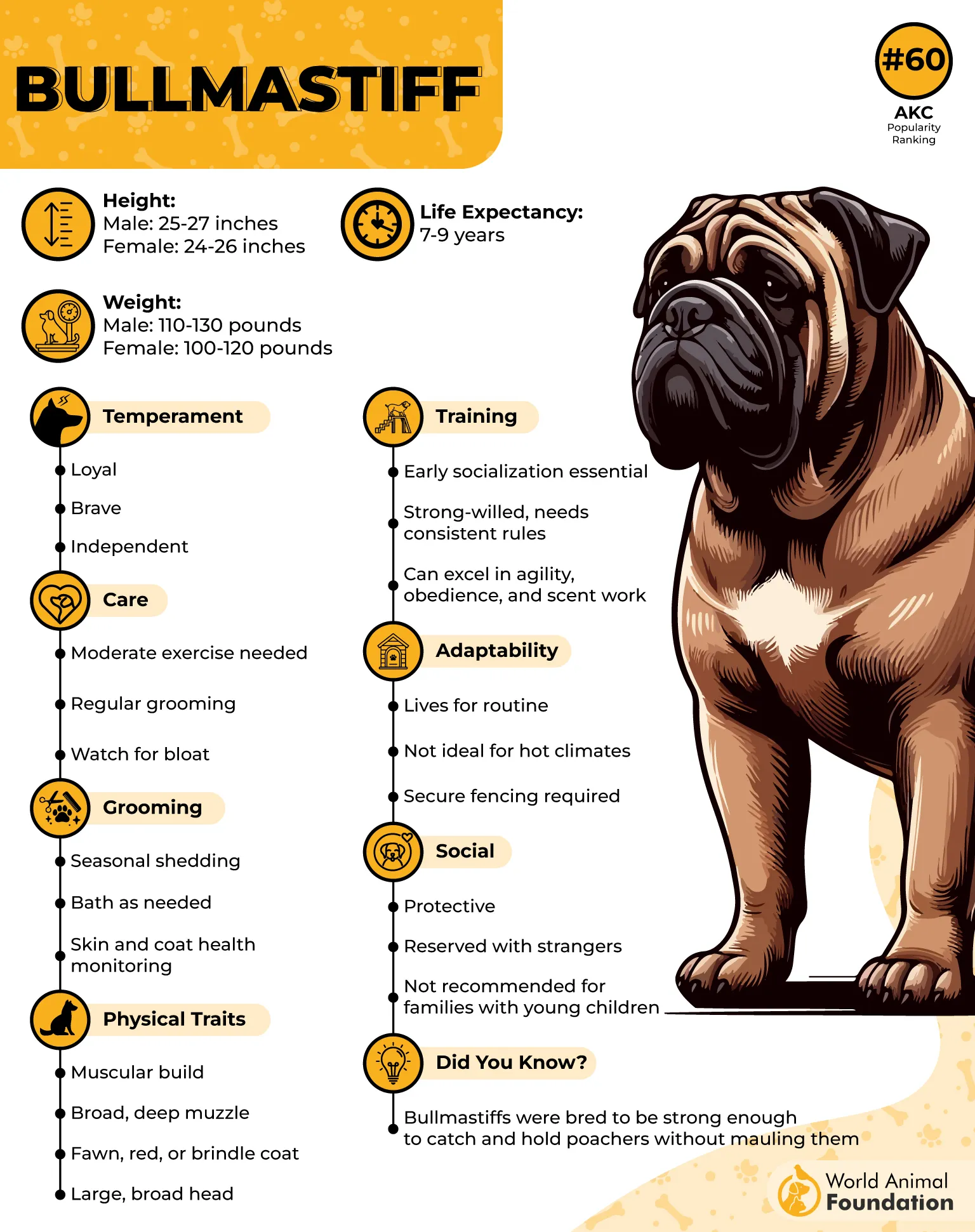
One of the coolest things about the Bullmastiff is the contrast between its enormous physical presence and its often relaxed household personality. These dogs are not typically enthusiastic marathon partners, preferring moderate activity that maintains fitness without exhausting their substantial bodies.
Their broad heads, dark facial masks, and confident posture can seem intimidating, yet many become affectionate companions who enjoy quiet time near their favorite humans.
However, an important health consideration lies beneath that impressive muscular appearance: Bullmastiffs have relatively short muzzles. This facial structure can contribute to breathing difficulties and reduced tolerance for strenuous exercise in hot or humid weather, so plan activities carefully.
5. Tibetan Mastiff
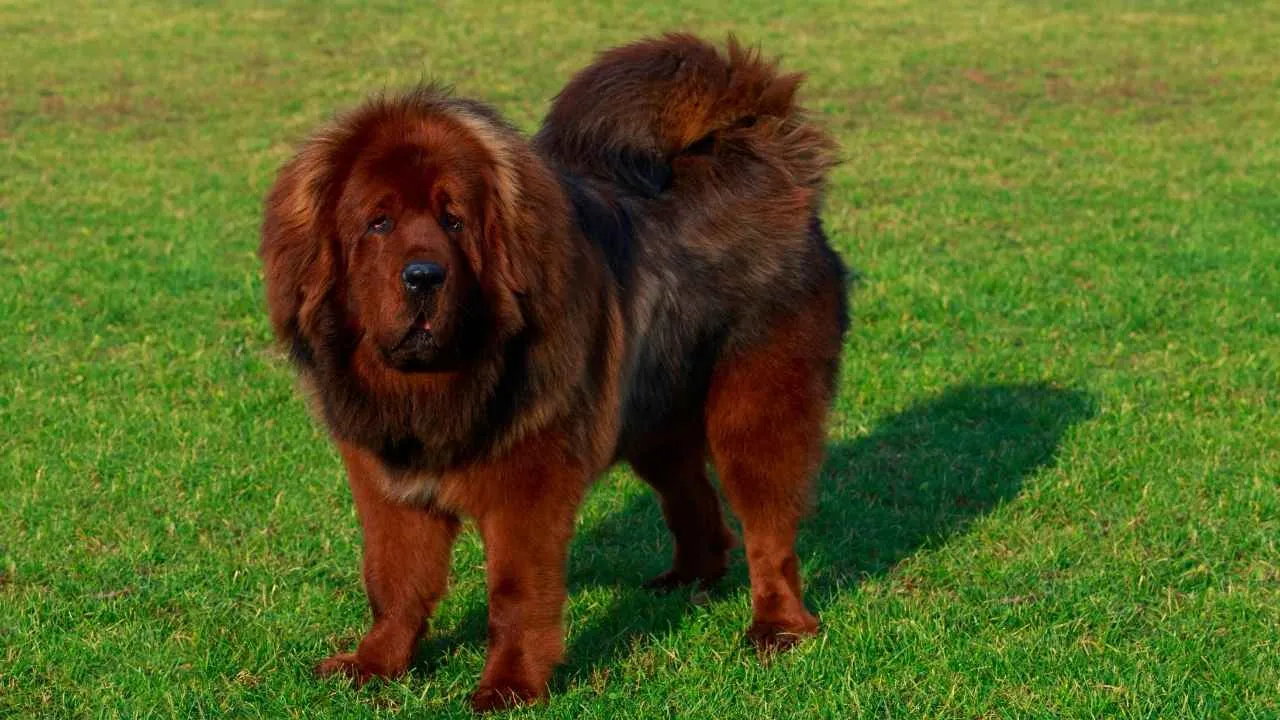
If you ever wondered what would happen if a lion and a giant mountain guardian somehow shared the same wardrobe, the Tibetan Mastiff might be your answer. This spectacular breed developed in the Himalayan region, where large guardian dogs traditionally protected livestock, settlements, and valuable property.
Beneath that magnificent mane lies a remarkably powerful working body built on substantial bones, a deep chest, and sturdy, muscular limbs. Its broad shoulders and strong hindquarters support steady movement across uneven landscapes, while its large feet help provide stable contact with difficult terrain.
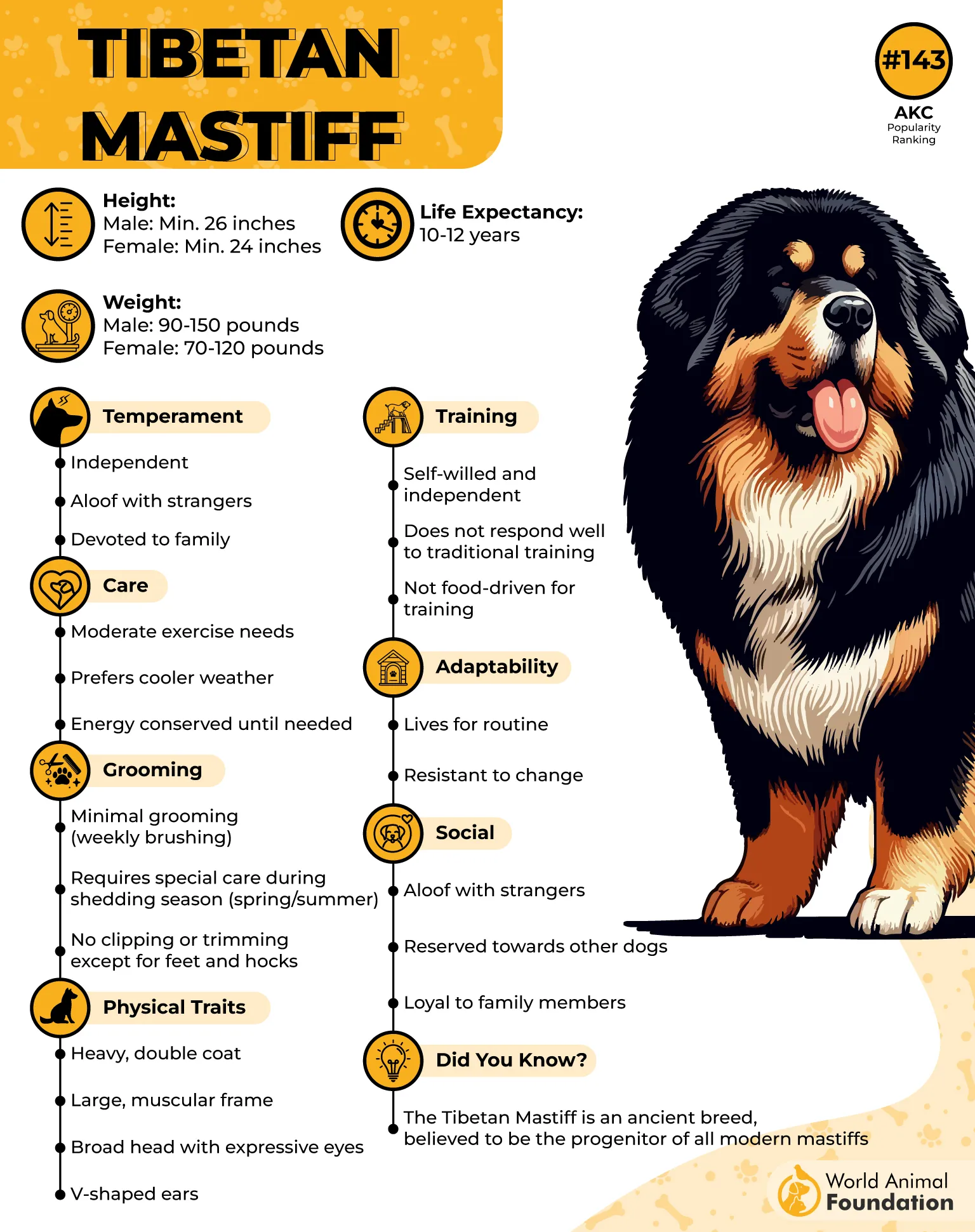
Its thick double coat contributes enormously to the breed’s distinctive appearance, but it shouldn’t be mistaken for solid muscle. A dense undercoat provides insulation, while longer outer hairs help shield the body from the challenging weather traditionally found in mountainous environments.
Physical strength is only half the Tibetan Mastiff story, because its independent personality can be just as formidable as its appearance. Generations of territorial guarding have encouraged strong observational instincts and a willingness to make decisions without constant human direction, traits that may challenge inexperienced owners.
6. Dogue de Bordeaux
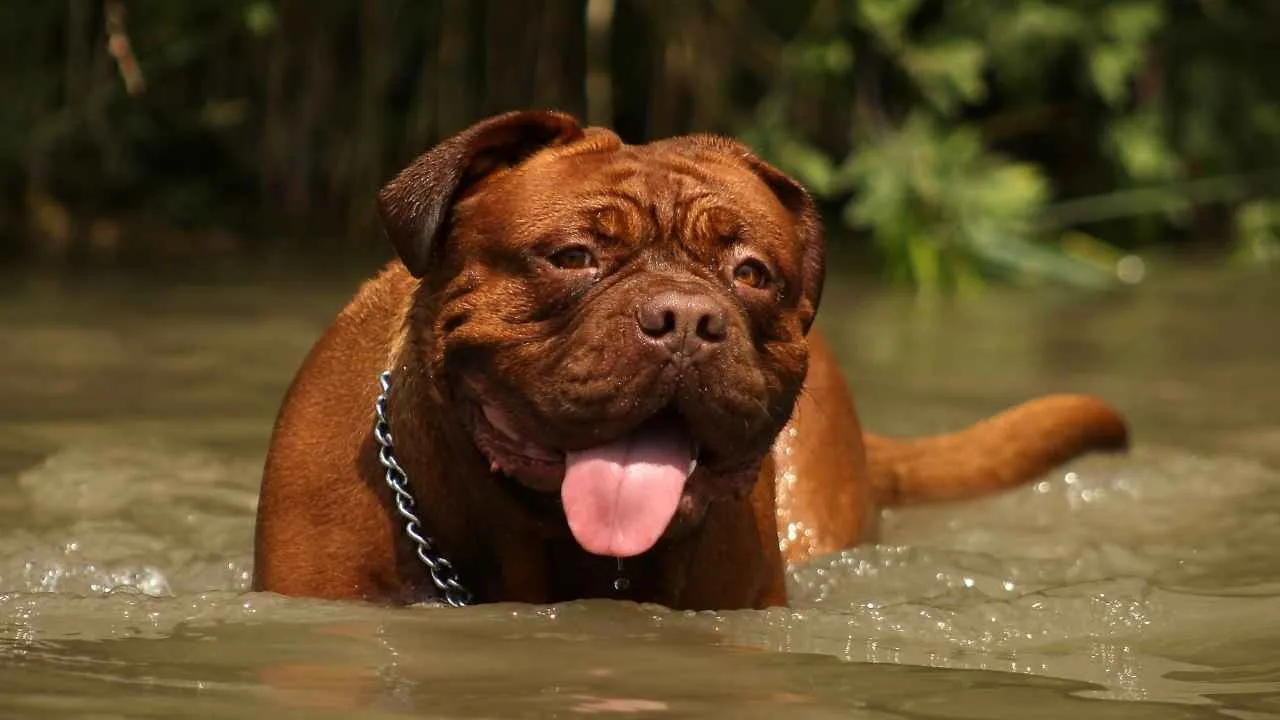
Originating in France, PetMD says the Dogue de Bordeaux is a historic breed that performed demanding duties, including guarding property, moving heavy loads, and participating in large-game hunting.
One glance at a Dogue de Bordeaux reveals its most recognizable physical feature: an enormous, broad head supported by a heavily muscled neck. Its deep chest, thick shoulders, substantial forelegs, and powerful hindquarters create the concentrated strength traditionally associated with mastiff-type working dogs.
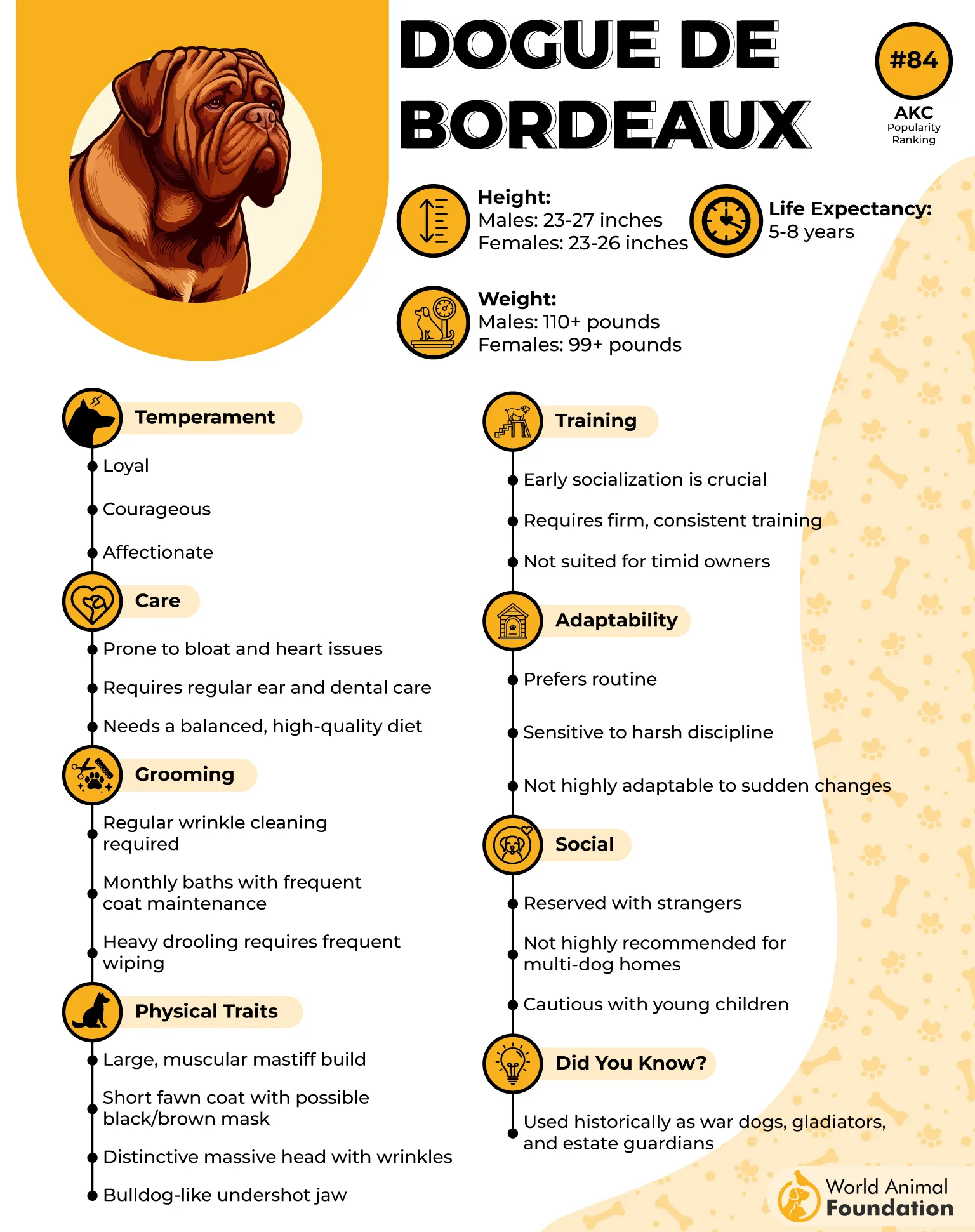
Historically, these dogs were valued for tasks requiring determination, stability, and the ability to apply substantial physical effort rather than impressive running speed. Their strong jaws and broad skull reflect that working ancestry, but exaggerated online bite-force rankings provide little reliable information about an individual dog’s actual capabilities.
Another side of that incredible physique that prospective owners need to understand involves the challenges of giant bodies and shortened muzzles. They can experience breathing difficulties, heat sensitivity, orthopedic problems, and certain cardiac conditions, so veterinary supervision is especially important.
7. Central Asian Shepherd Dog
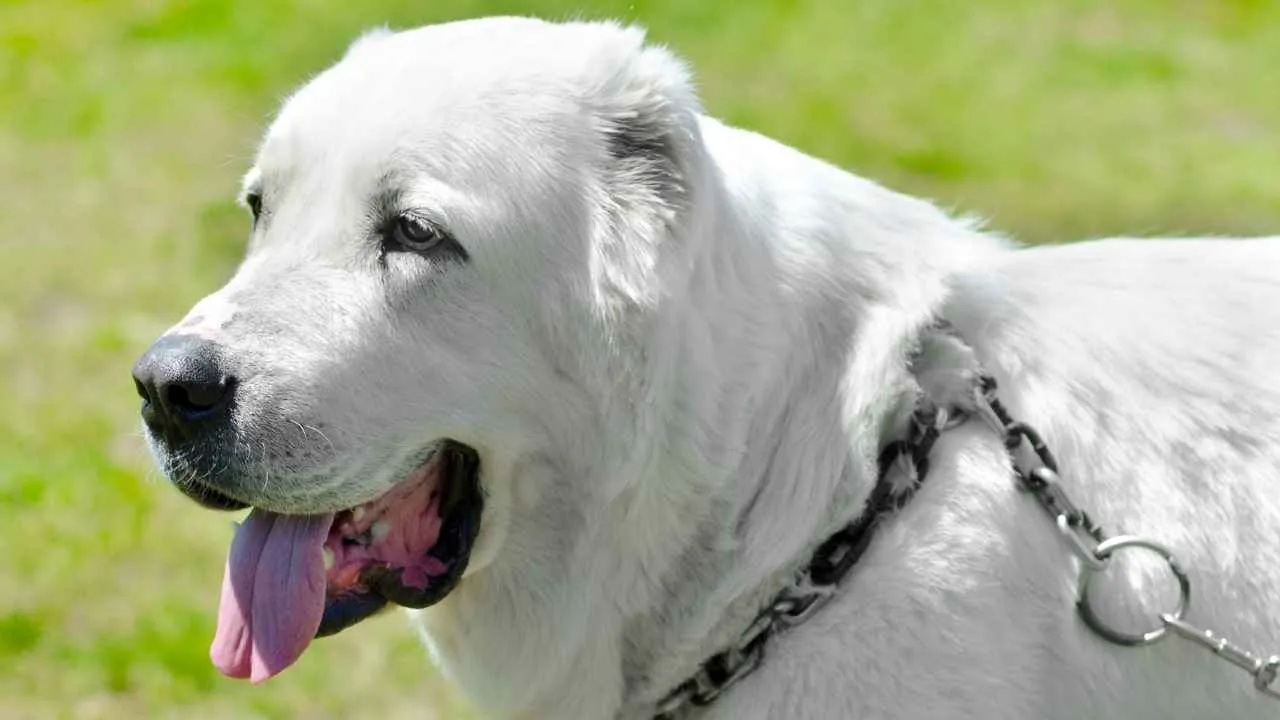
Developed across Central Asia through generations of livestock protection, the Central Asian Shepherd Dog adapted to challenging landscapes, unpredictable weather, and the constant responsibility of guarding valuable animals.
What makes the Central Asian Shepherd physically remarkable is the combination of substantial skeletal strength, thick musculature, and practical working proportions. Its broad chest, powerful neck, sturdy limbs, and muscular hindquarters help it move confidently over ground that would quickly exhaust less conditioned animals.
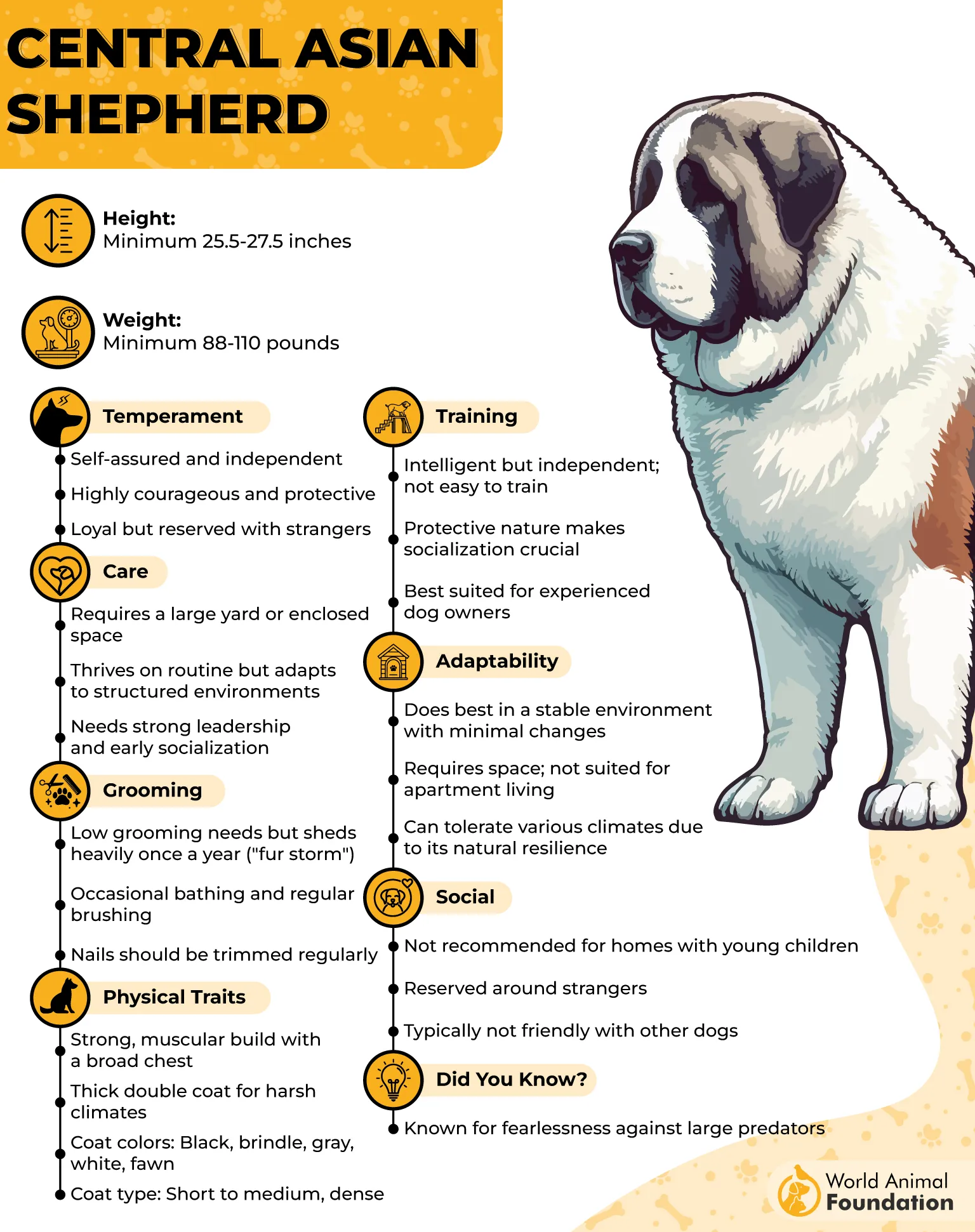
Its remarkable endurance is closely connected to the environments where generations of these dogs worked alongside pastoral communities. Central Asian livestock guardians faced rough terrain, open grasslands, mountains, and extreme seasonal temperature swings that put heavy demands on their bodies.
Their weather-resistant coats, solid foot structure, and substantial frames supported this lifestyle. However, no modern dog should be expected to tolerate extreme temperatures without proper care. Perhaps the most underrated part of the Alabai’s strength is its ability to remain observant and make independent decisions throughout lengthy guarding periods.
Conclusion
These seven extraordinary breeds prove that physical strength in dogs comes in many different forms. But here’s the ultimate takeaway: the strongest dog isn’t necessarily the one with the biggest head, heaviest body, or most dramatic bite-force claim.
Genuine working ability depends on healthy anatomy, appropriate conditioning, sound temperament, and the dog’s capacity to perform its intended tasks without unnecessary strain.
If you’re considering one of these impressive breeds, prioritize responsible breeding, early socialization, positive training, and lifelong veterinary care because extraordinary strength deserves equally extraordinary responsibility.
