




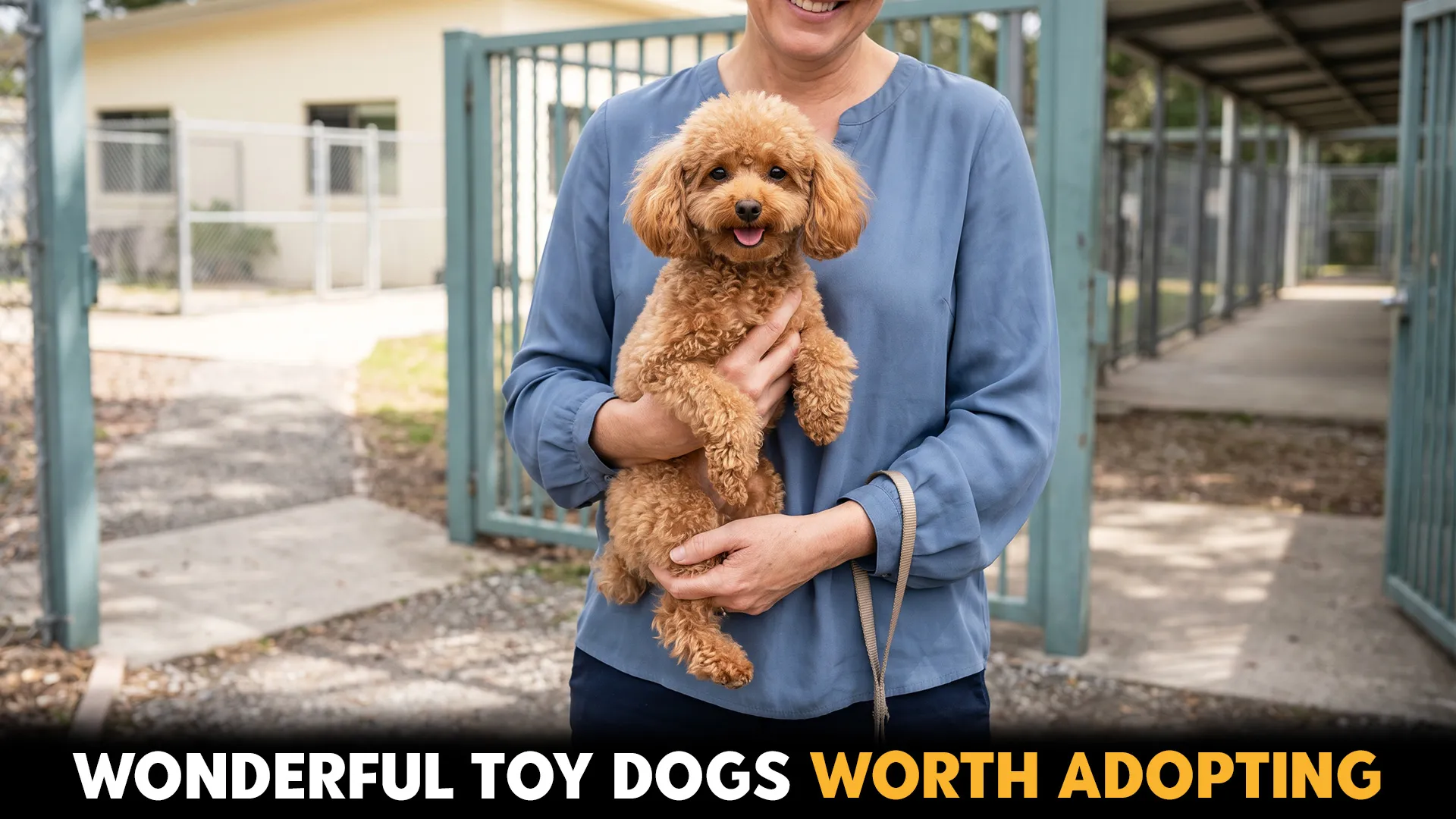
Here’s something that might surprise you: tiny dogs spend the least time waiting in shelters of any size. According to recent shelter data, toy and small breed dogs are adopted in an average of just 14 days, while larger dogs often wait nearly a week longer.
But fast adoptions do not always mean easy ones. Toy breeds come with real adjustment needs, hidden health quirks, and personalities far bigger than their size suggests.
This guide walks through what adopting one of these pint-sized companions actually involves, from the first wobbly days at home to the long-term care, so pet parents can choose with confidence instead of guesswork.
Ready to meet the little dogs waiting for a second chance? Let’s start with why toy breeds end up needing new homes in the first place.
Wonderful Toy Dog Breeds to Consider Adopting
1. Cavalier King Charles Spaniel
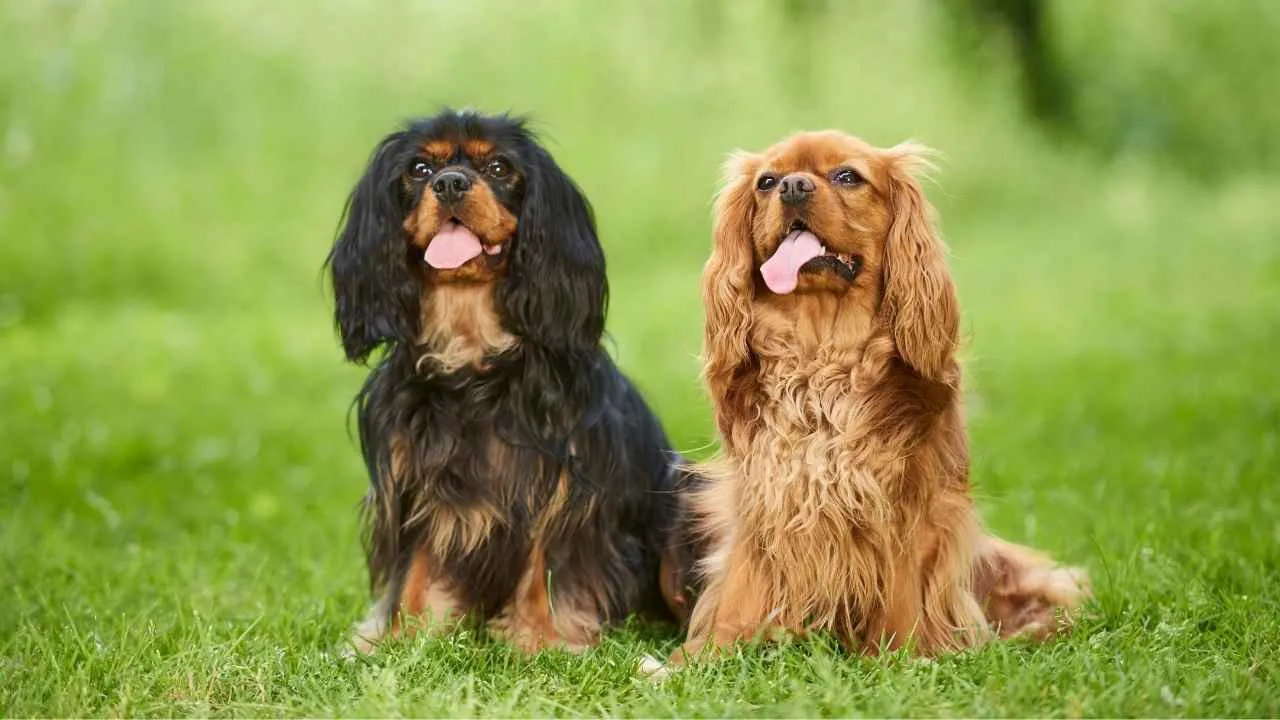
Cavalier King Charles Spaniels were bred purely for companionship, and it shows in how fast they bond with new humans. Most land in rescue not because of behavior but because their owners could not keep up with costly, breed-specific health care. For pet parents ready for that commitment, this is one of the most affectionate toy breeds around.
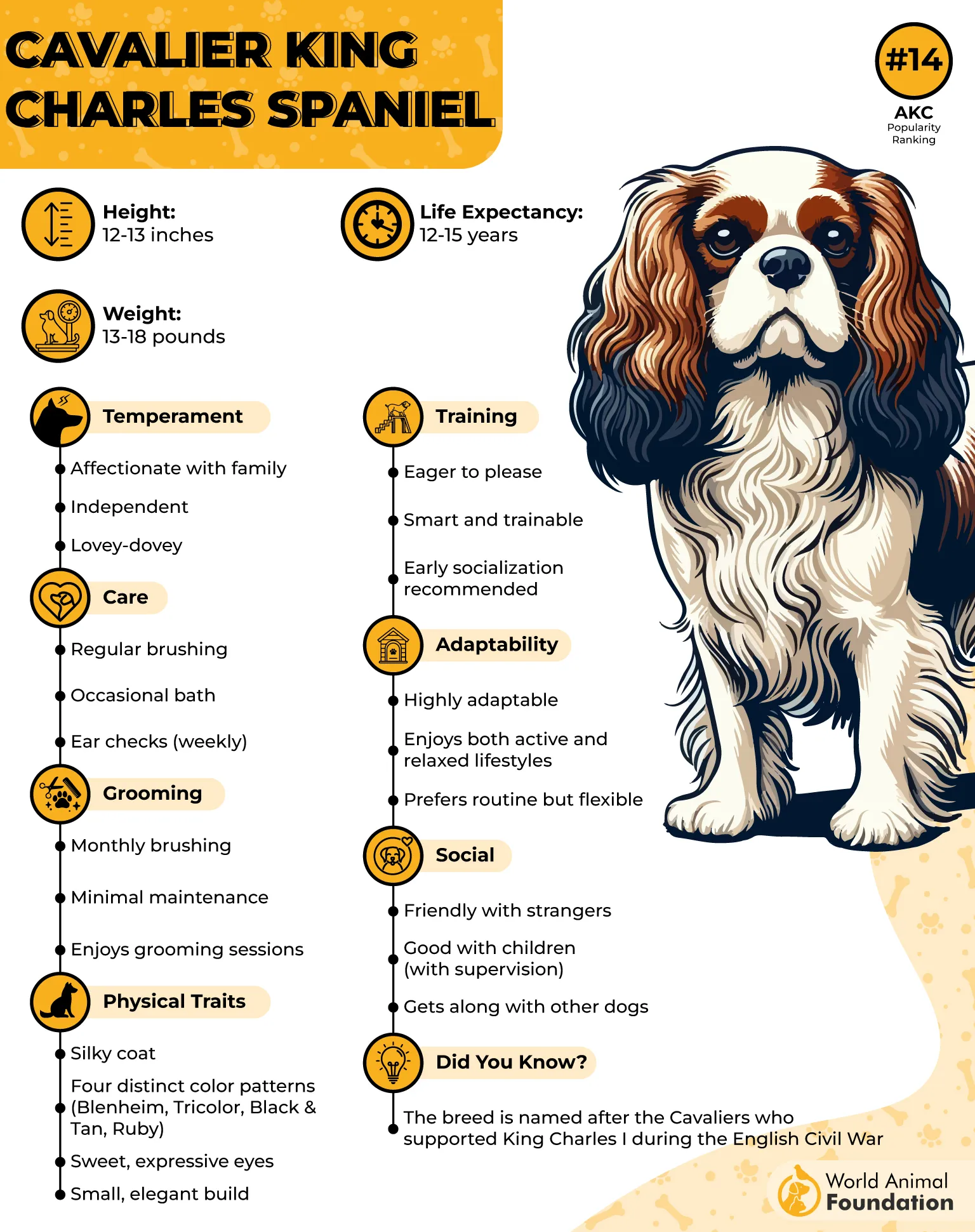
These dogs crave closeness and settle into a new home faster than most toy breeds. According to VCA Animal Hospitals, mild separation anxiety can surface when Cavaliers are left alone too often, so gradual alone-time training helps. Patience and a steady routine turn a nervous newcomer into a devoted companion.

Heart: Mitral valve disease often develops earlier in this breed, so early screening matters.
Spine: Syringomyelia can cause discomfort and should be monitored closely.
Knees: Patellar luxation is common, so limit jumping from furniture.
The ideal adopter wants a true lap dog and has time for regular vet visits. Families with gentle kids, retirees, and first-time toy breed owners all make a good fit. Anyone craving a loyal, affectionate companion will find a perfect match here.
2. Maltese
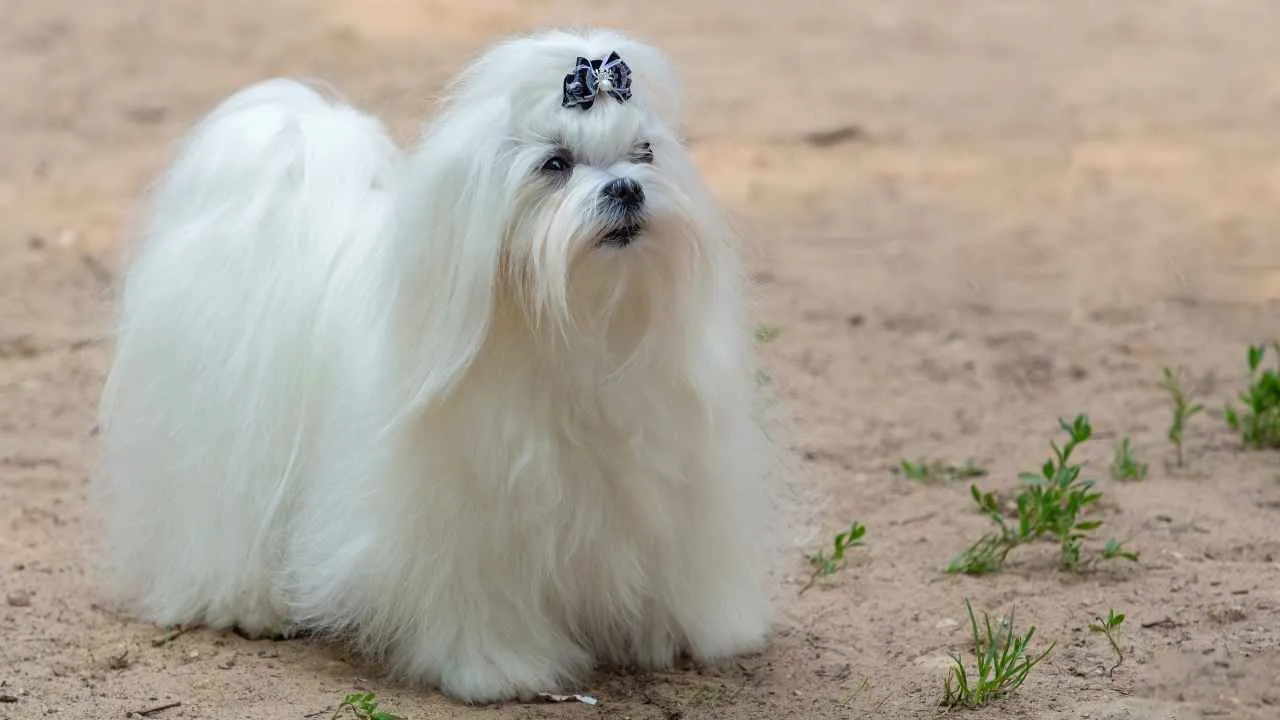
Maltese dogs have been pampered companions for centuries, and that lapdog instinct never faded. Many end up in rescue when breeders overproduce litters or owners underestimate the daily grooming this silky coat demands. The reward for stepping in is a sweet, devoted companion.
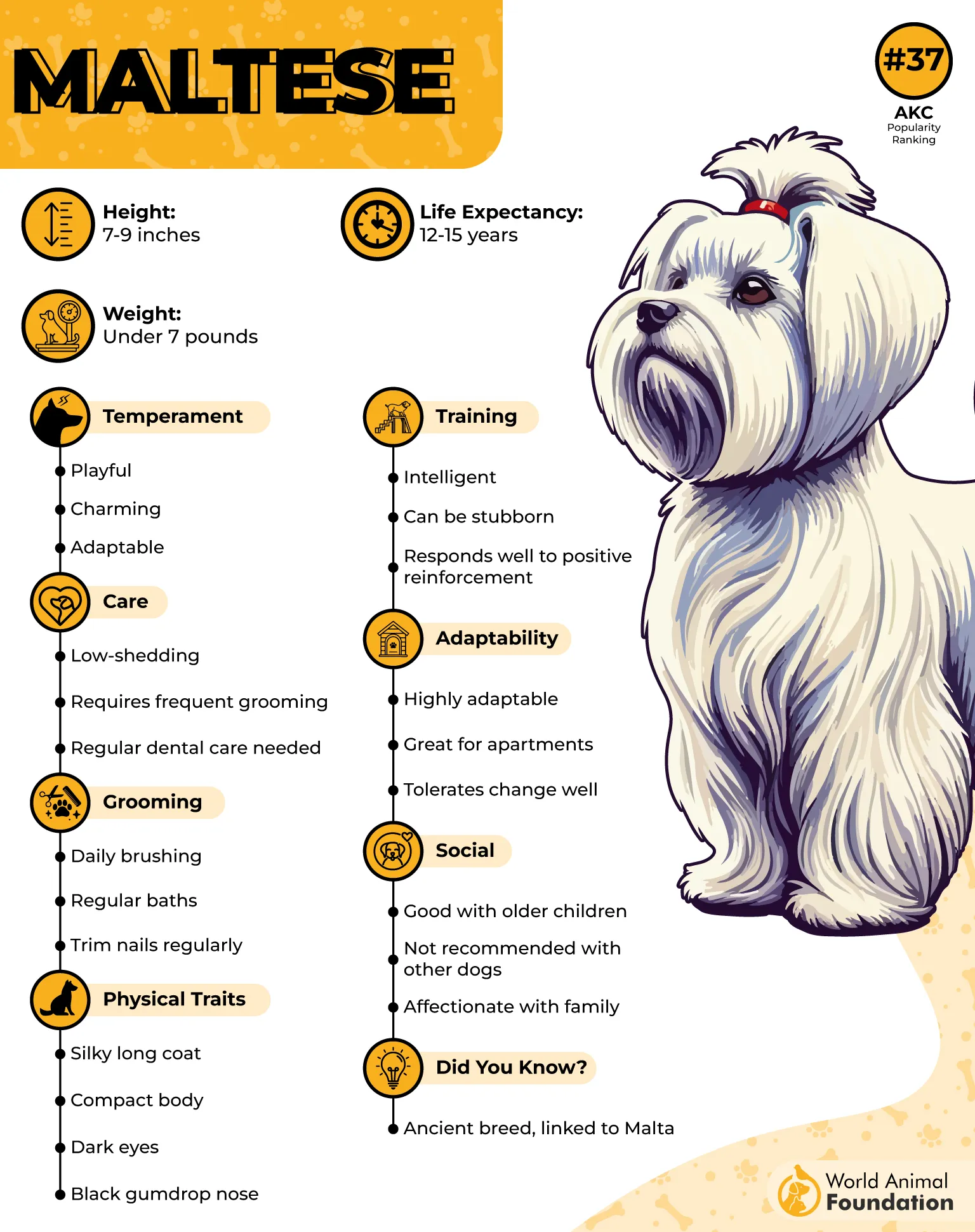
A rescued Maltese often arrives nervous around bigger dogs or boisterous kids. According to PetMD, this breed can develop separation anxiety if left alone too long, so slow, confident introductions matter. Patience rewards you with an affectionate shadow who rarely leaves your side.
Knees: Luxating patella can cause occasional limping in one back leg.
Heart: Some are born with a ductal defect, so puppy screening matters.
Teeth: Small jaws make dental disease common, so daily brushing helps.
A Maltese adopter should have time for daily coat care and gentle company. Older kids, retirees, and apartment dwellers all make a good fit. Anyone wanting a cuddly, lifelong lap companion will fall for this breed fast.
3. Toy Poodle
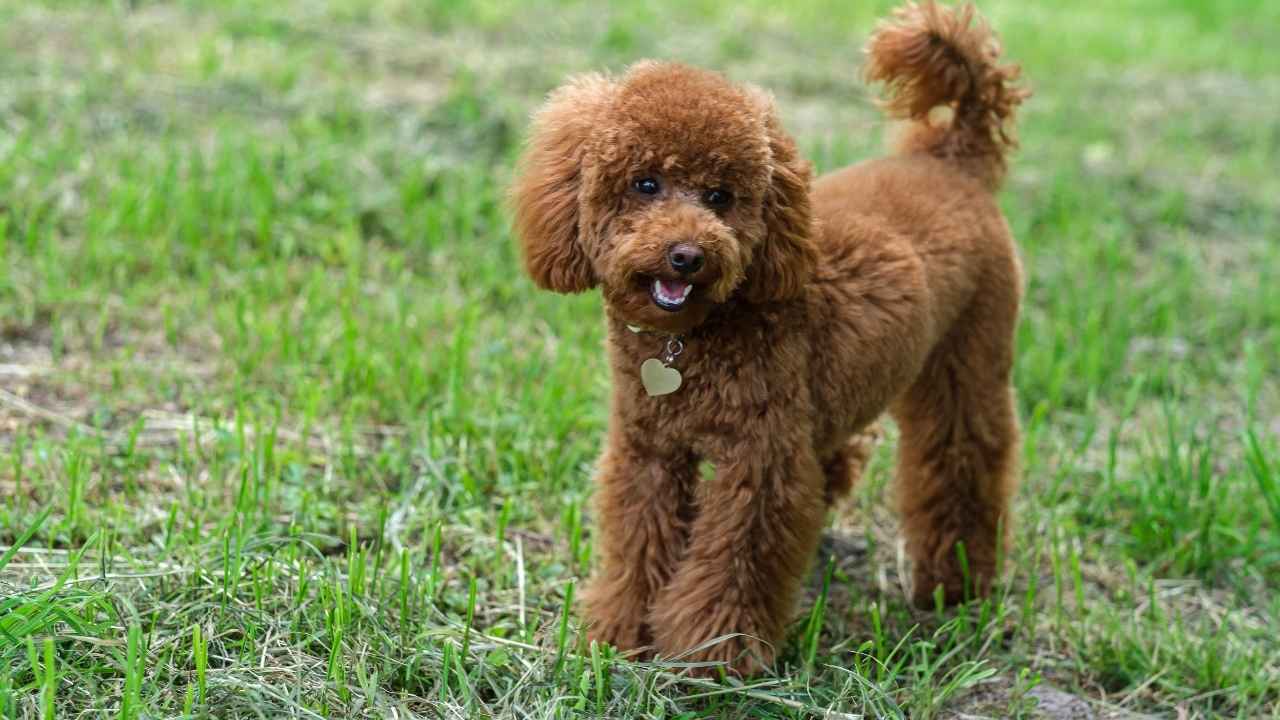
Toy Poodles are whip-smart and endlessly trainable, which makes their time in shelters surprising to most people. Many land there through breeder overproduction or owners overwhelmed by the grooming and mental stimulation this breed demands. Adopt one, and you gain a sharp, devoted companion for life.
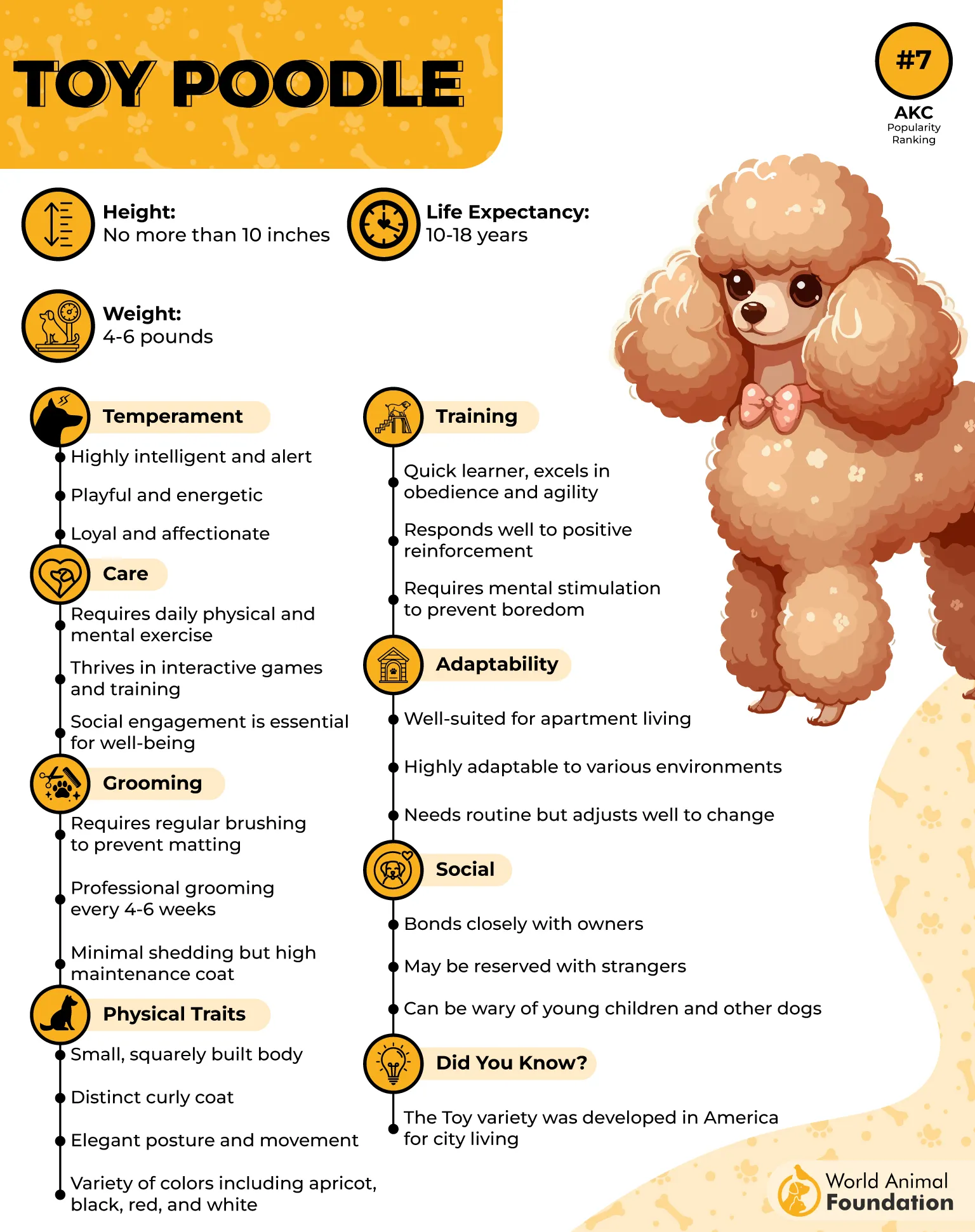
A rescued Toy Poodle often arrives eager to learn and quick to bond once routines feel predictable. Boredom can trigger anxious habits like excessive barking or chewing, so daily training keeps their mind busy. Confidence usually returns fast with structure and consistent praise.
Joints: Patellar luxation is common, so keep jumps off furniture controlled.
Eyes: Progressive retinal atrophy can develop, so regular eye checks help.
Teeth: Dental crowding is common, so daily brushing prevents bigger problems.
The best adopter for a Toy Poodle enjoys training games and daily mental stimulation. Busy professionals, families with older kids, and first-time owners who love learning all excel here. If you want a curious, highly intelligent companion, this is your match.
4. Havanese
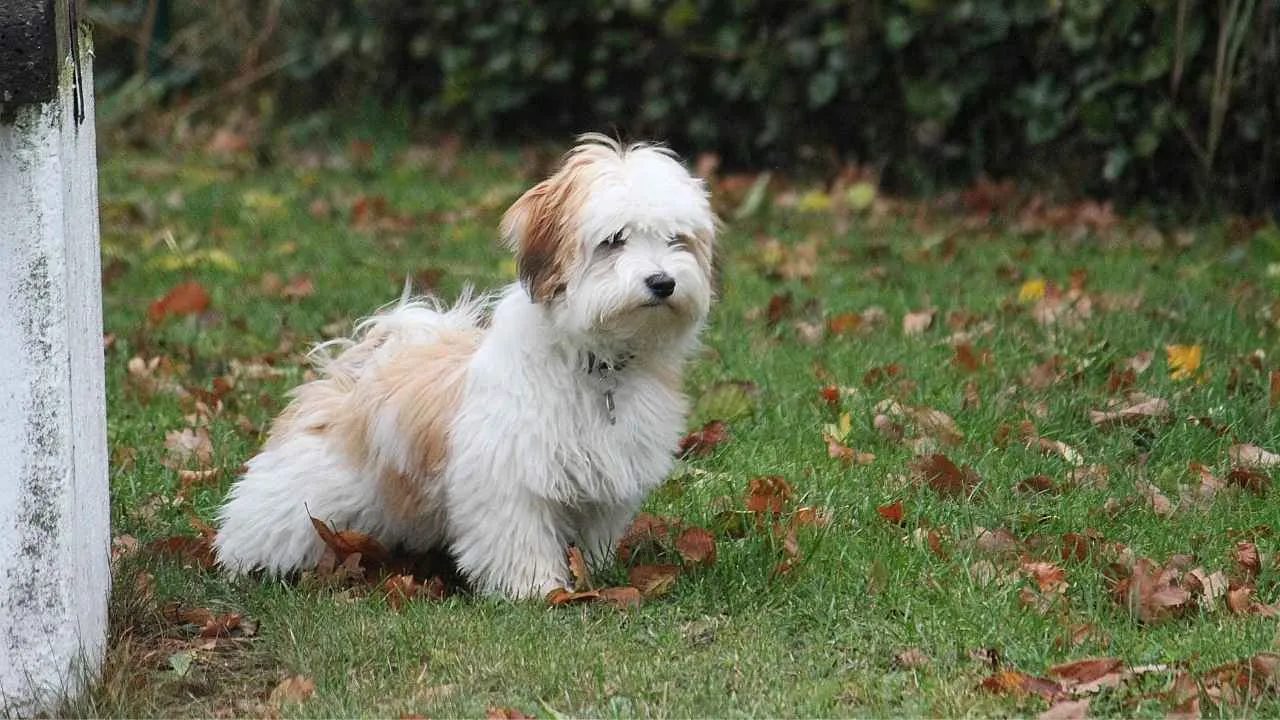
Havanese dogs were bred as cheerful lapdogs for Cuban nobility, and that playful nature never left. Most enter rescue when owners underestimate how much company this breed needs or the upkeep their wavy coat demands. Adopt one, and you gain an outgoing, endlessly affectionate shadow.
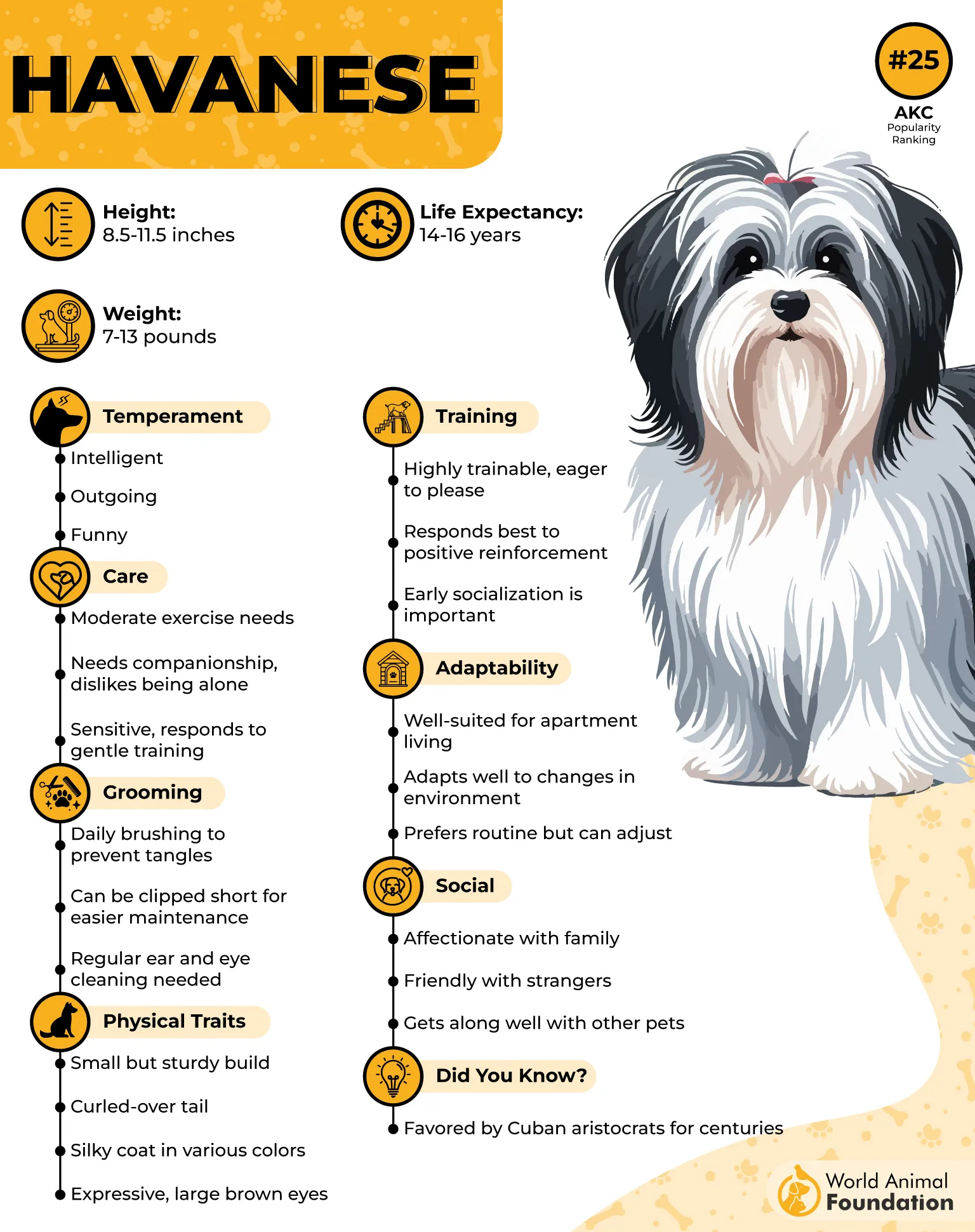
A rescued Havanese usually recovers quickly once they feel secure in a new home. Early attachment to people can mean separation struggles if left alone too often, so a gradual routine helps. Most settle into confident, cheerful companions within weeks.
Hips: Mild hip dysplasia can appear, so weight management matters.
Eyes: Cataracts are possible with age, so annual vet checks help.
Ears: Floppy ears trap moisture, so regular cleaning prevents infections.
A great Havanese adopter wants a dog who follows them everywhere, literally. Families, singles working from home, and anyone craving a constant companion all make a good fit. This breed thrives wherever their favorite humans are.
5. Pomeranian
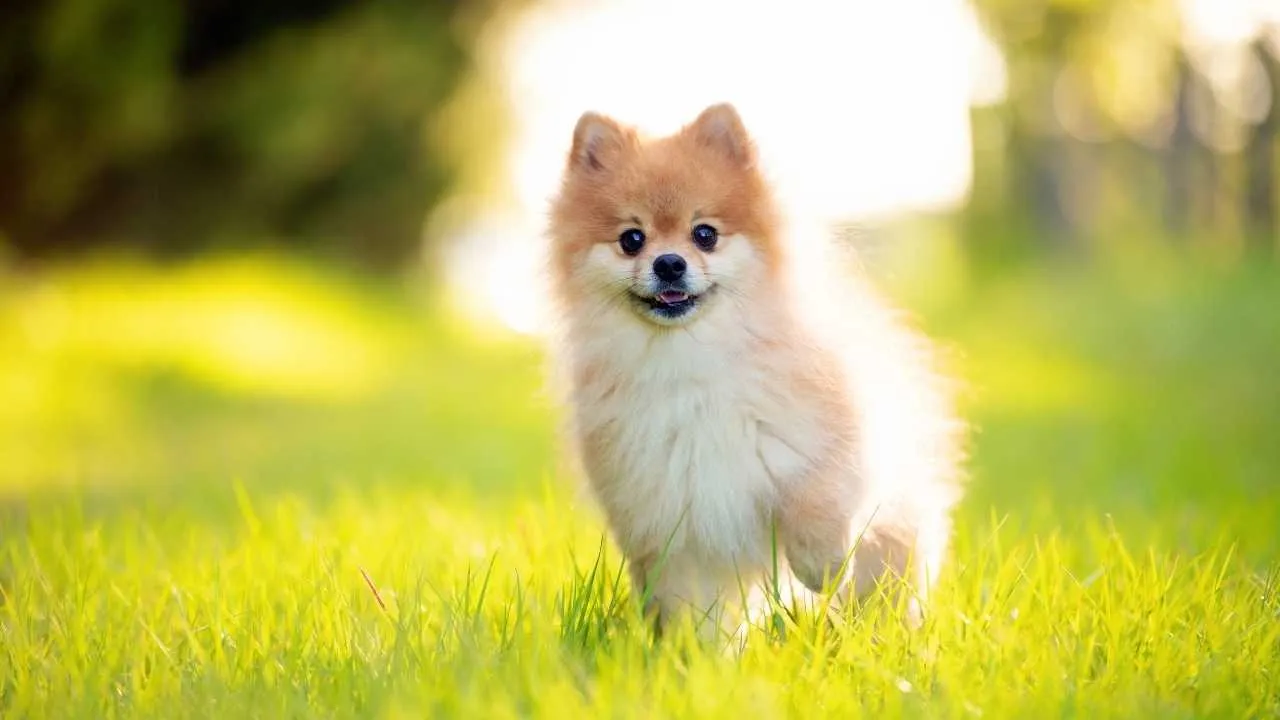
Pomeranians pack a mighty personality into a tiny frame, with confidence that rivals big dogs. Many land in rescue after owners misjudge how much grooming and training this fluffy coat and big attitude require. Adopt one, and you get a bold, loyal companion.
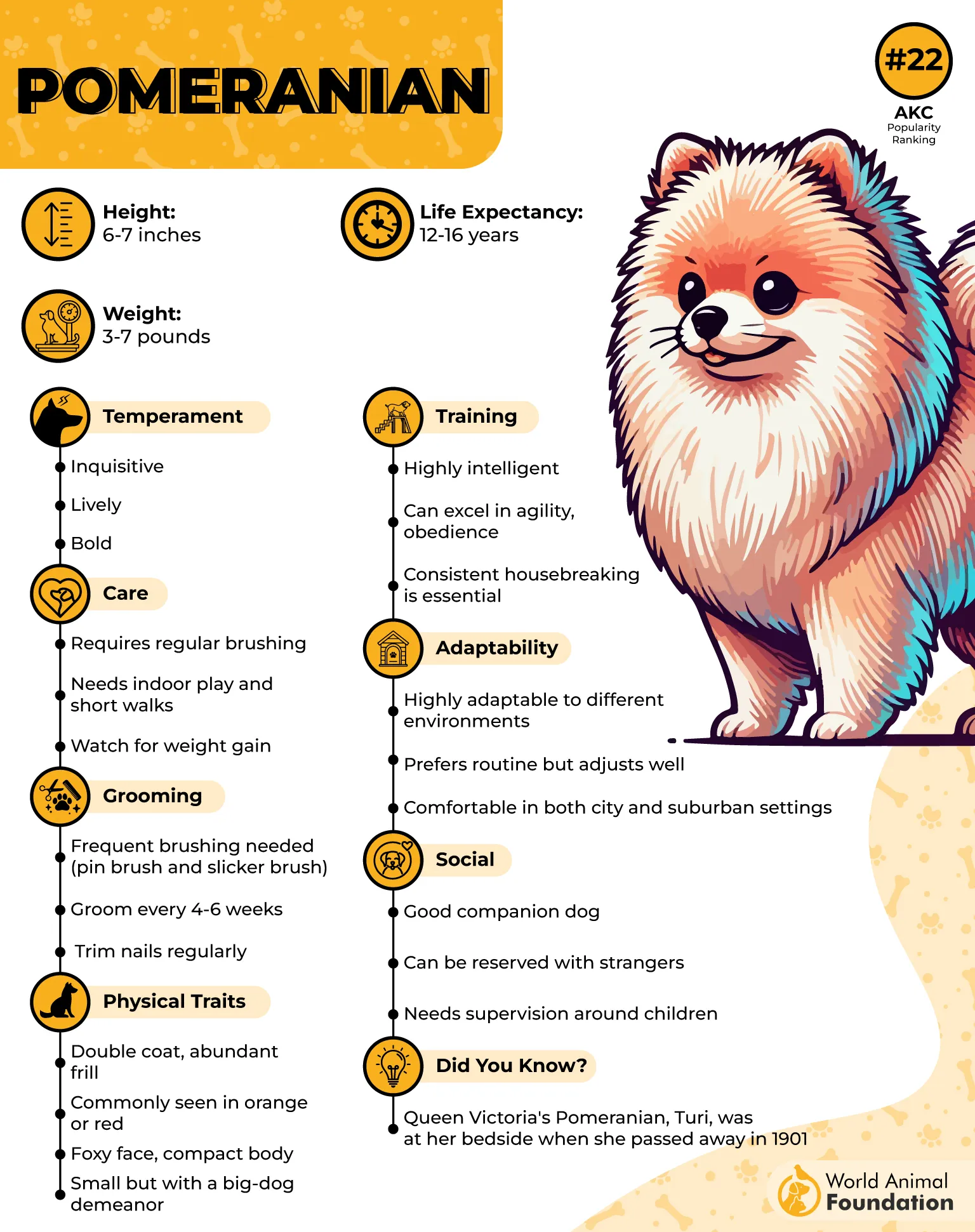
A rescued Pomeranian can seem snappy at first, but according to PetPlan, this is usually fear rather than true aggression. Patient, gentle socialization helps them feel safe around new people and other dogs. Given time, most become confident, affectionate companions.
Knees: Luxating patella is common, so careful handling around jumps matters.
Throat: Tracheal collapse can cause a honking cough in older dogs.
Teeth: Retained baby teeth often crowd the mouth, risking dental disease.
The right Pomeranian adopter is patient, confident, and ready for daily grooming. Experienced small-dog owners and attentive families suit this breed best. Anyone wanting a big personality in a petite pup will love the result.
6. Yorkshire Terrier
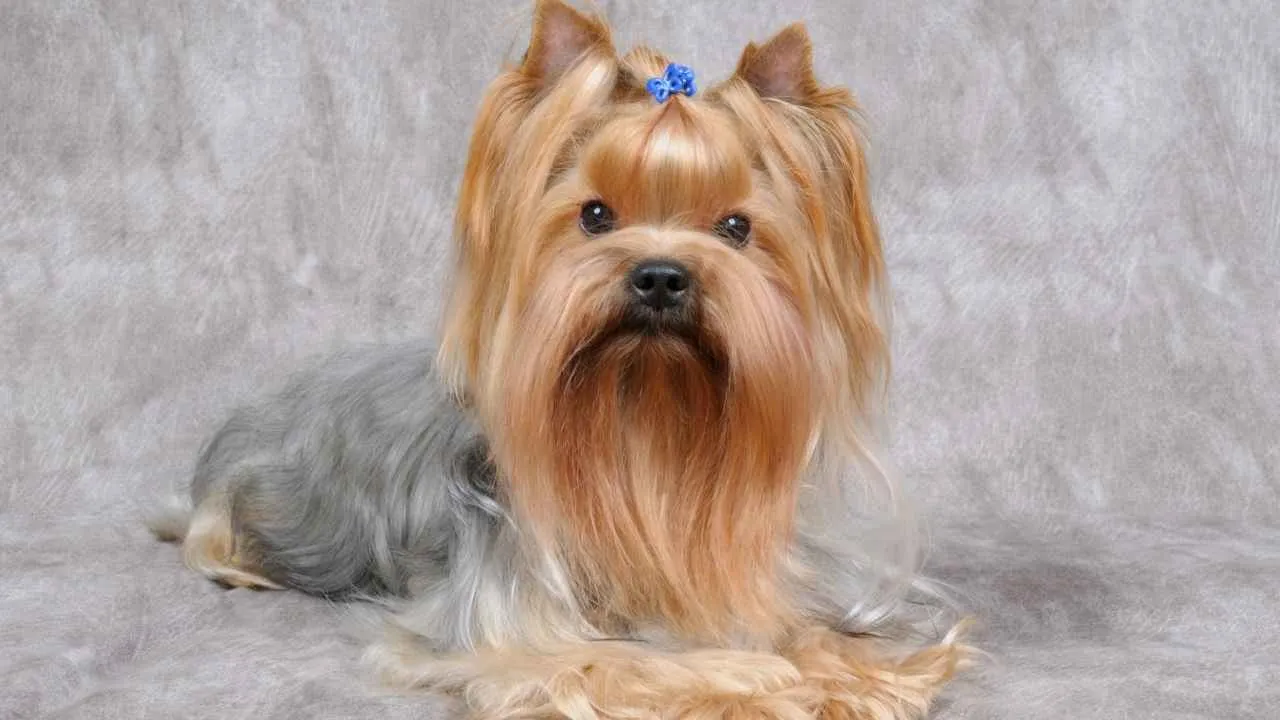
Yorkshire Terriers were bred as working ratters, and that feisty, confident streak remains strong today. Many Yorkies land in rescue when owners underestimate their energy or the grooming their long coat needs. Adopt one, and you gain a spirited, devoted little companion.
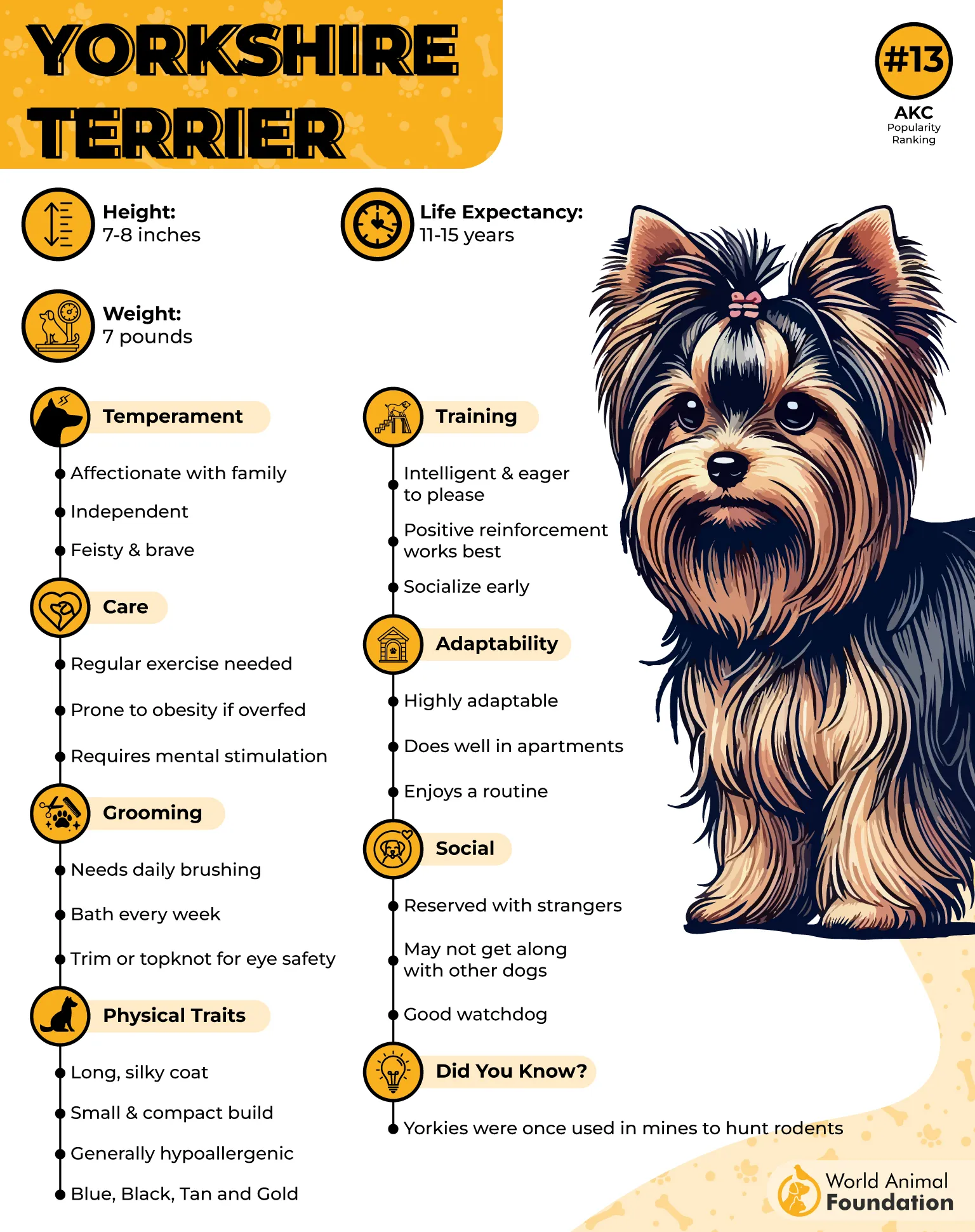
According to Hill’s Pet, Yorkies can be domineering and may snap at children who treat them roughly, especially after a rough start in a previous home. Gentle, respectful handling helps rebuild trust quickly. Most become affectionate, confident companions once routines feel safe.
Teeth: Dental disease is common in small jaws, so brushing matters.
Knees: Patellar luxation can appear, so avoid rough jumping play.
Throat: Collapsed trachea can cause coughing, so avoid neck-pulling leashes.
A good Yorkie adopter is calm, consistent, and ideally without very young kids. Experienced small-dog owners and attentive retirees make an excellent fit. Anyone wanting a bold, loyal watchdog in a tiny package will adore this breed.
7. Shih Tzu
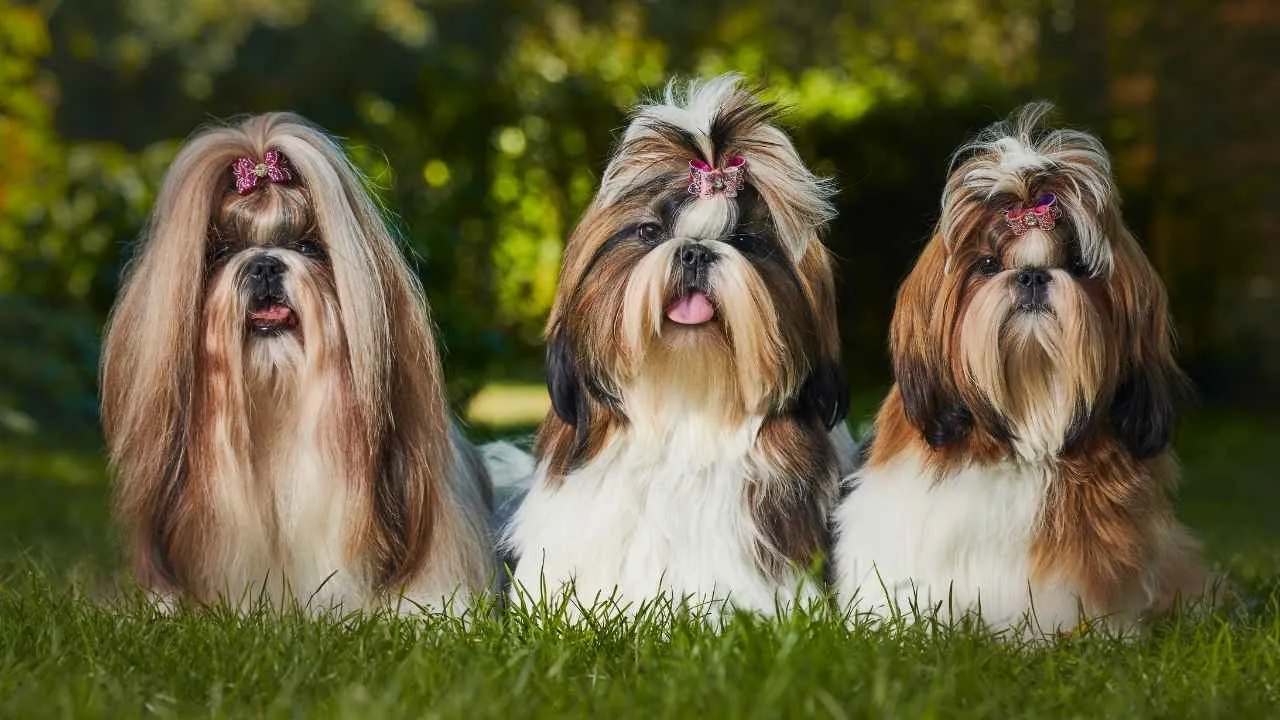
Shih Tzus were bred as royal lapdogs, and they still expect to be treated like royalty. Many land in rescue when owners underestimate the daily grooming their long coat and flat face require. Adopt one, and you gain a sweet, people-loving companion.
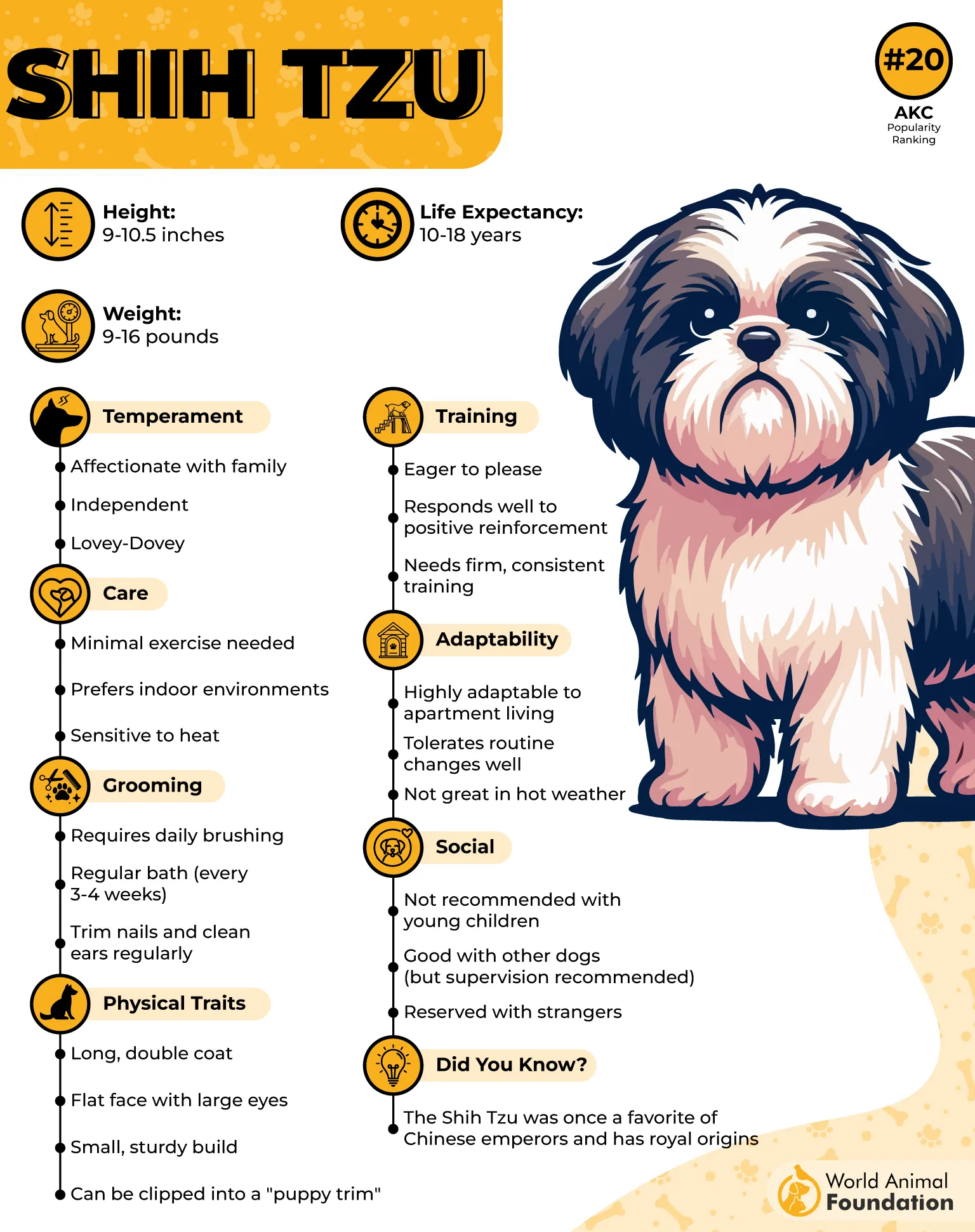
According to Britannica, Shih Tzus make ideal companions for gentle older kids and seniors thanks to their playful, easygoing nature. They are alert enough to announce visitors but were never bred for real protection work. Most settle happily into quiet, loving households.
Knees: Patellar luxation is common, so limit jumping from high furniture.
Breathing: Their short muzzle raises the risk of airway obstruction in heat.
Eyes: Prominent eyes are prone to irritation, so keep hair trimmed back.
The ideal Shih Tzu adopter wants a calm, affectionate lap companion rather than an athletic playmate. Seniors, families with gentle kids, and apartment dwellers all make a great fit. Anyone craving a sweet, undemanding shadow will cherish this breed.
Conclusion
Adopting a toy breed means welcoming a small dog with a big personality, a little grooming commitment, and a whole lot of love to give. From spirited Yorkies to gentle Shih Tzus, every breed on this list proves that rescue dogs make some of the most devoted companions in the world.
The right toy breed for you is simply the one patient enough to match your lifestyle and ready to become a cherished part of your family. So skip the breeder waitlist, visit your local shelter, and give one of these pups the second chance they deserve.
