




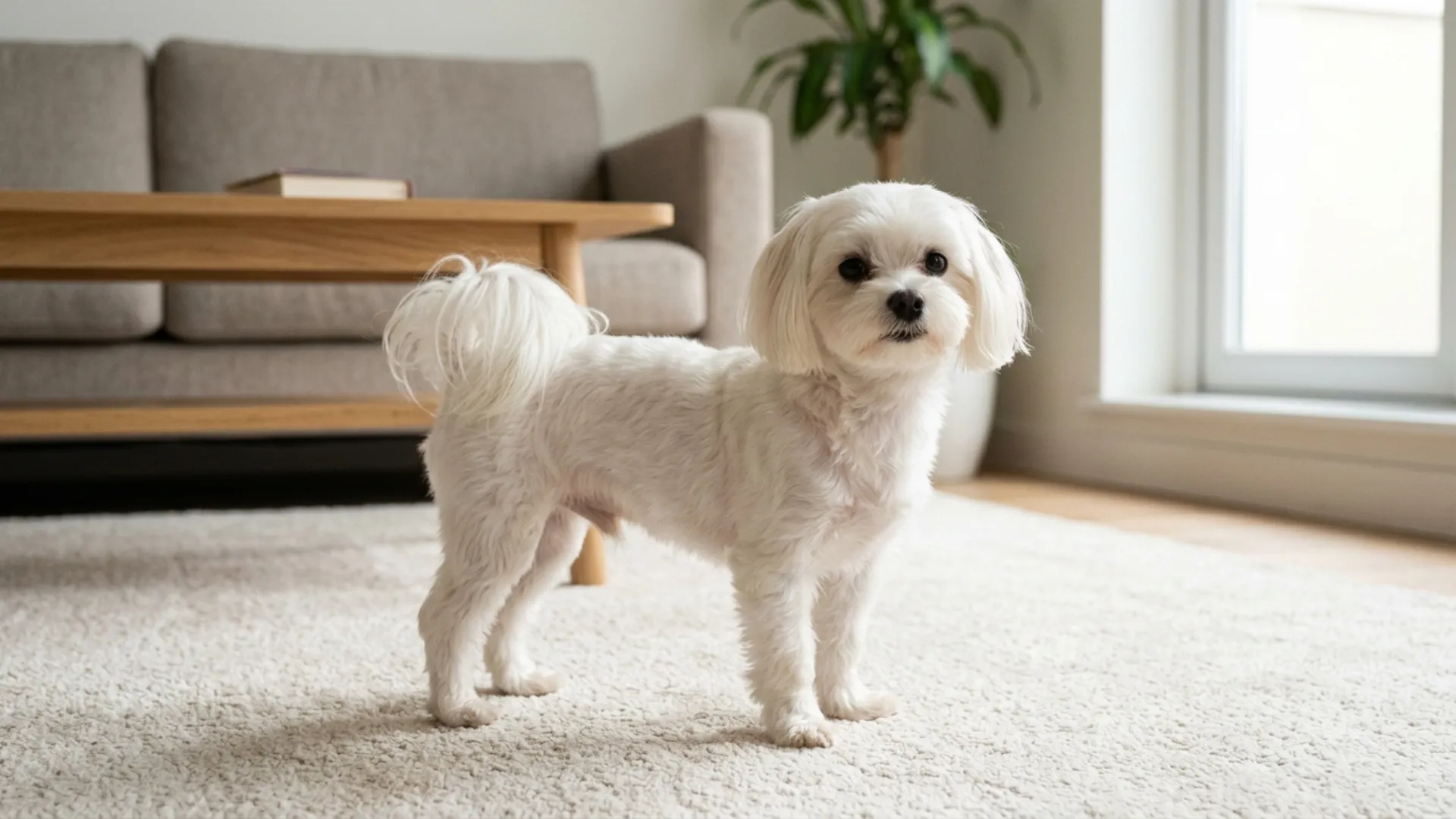
Petite dogs can be especially appealing to people who prefer companions that occupy little space and are easier to carry or accommodate. Many toy breeds were deliberately developed for companionship, although their small bodies do not necessarily mean they have low-energy personalities.
The smallest breeds can have surprisingly different temperaments. Some are lively and confident, while others tend to be more relaxed and affectionate. Exercise, mental stimulation, grooming, and training remain important even when a dog weighs only a few pounds.
The breeds below represent some of the best-known petite companions. Their histories and personalities vary considerably, so prospective owners should consider individual temperament, household routine, activity level, and care requirements before choosing one.
Top Petite Dog Breeds – Always Small and Sweet
1. Chihuahua
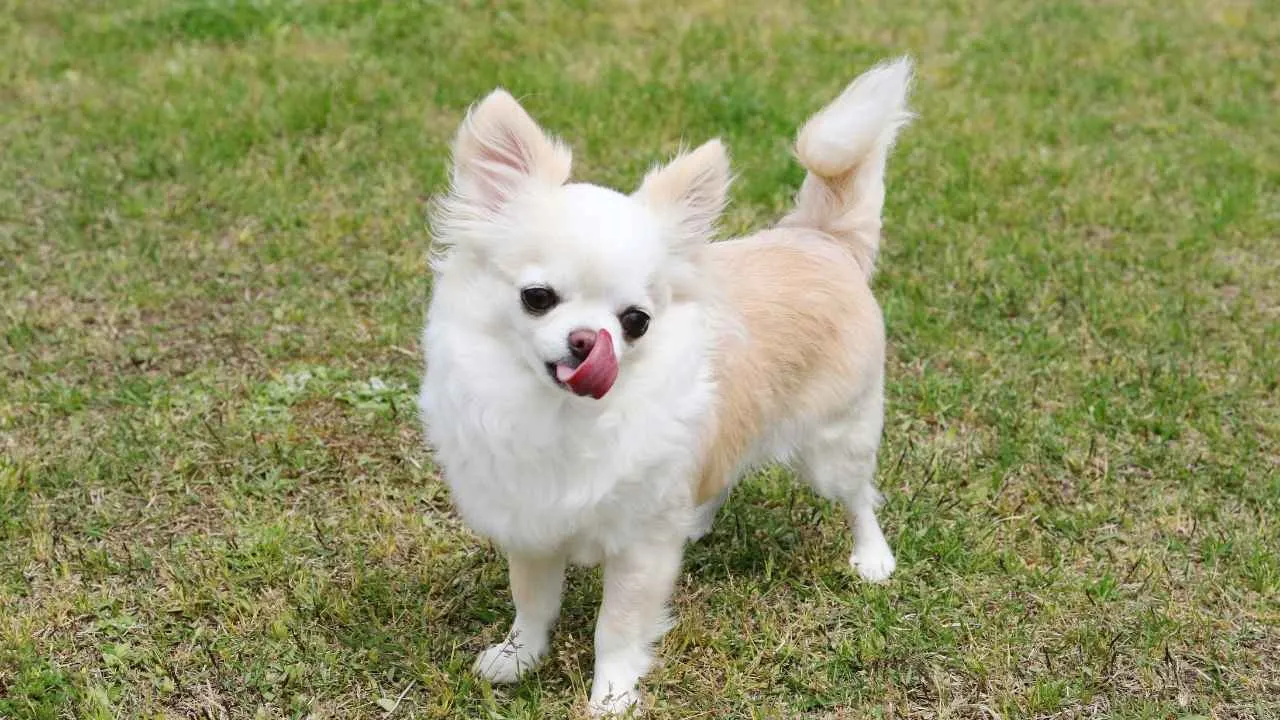
The Chihuahua takes its name from the Mexican state of Chihuahua and is widely regarded as one of the world’s smallest dog breeds. Its ancestry is associated with the ancient Techichi, a companion dog kept by the Toltec civilization. The modern breed was later developed in Mexico and became popular internationally.
Bright Training and Early Socialization
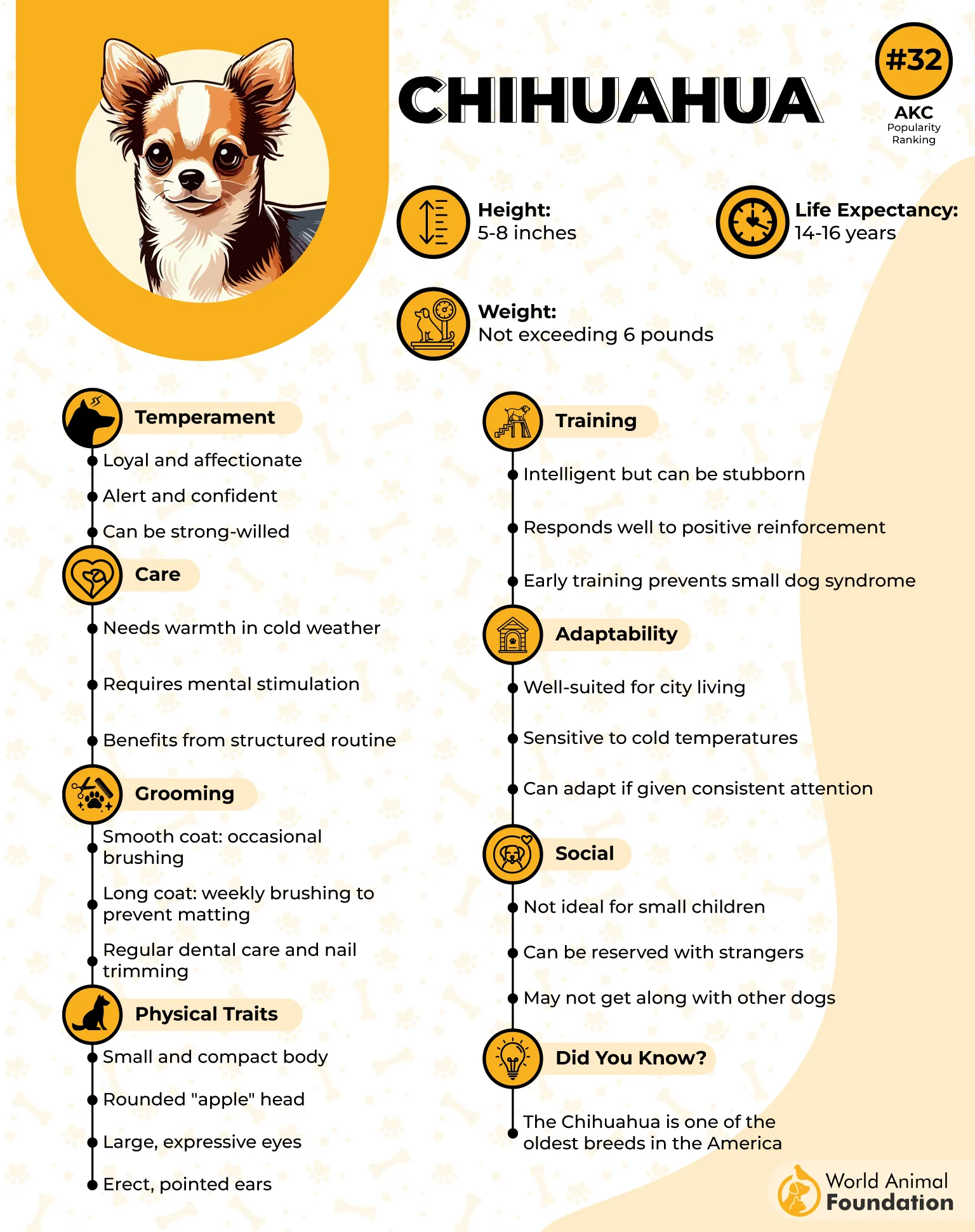
Chihuahuas are intelligent and can learn household manners through short, positive training sessions. Early socialization is useful for helping them become comfortable with unfamiliar people, dogs, sounds, and environments. Consistent boundaries can also prevent small-dog behaviors from becoming established habits.

Tiny Size With a Spirited Personality
Despite their diminutive bodies, Chihuahuas can be confident, alert, and highly attached to their owners. Their compact size makes them convenient for many living arrangements, but they still need play, walks, and mental engagement. Their small frames also require careful handling around larger dogs and young children.
2. Pomeranian
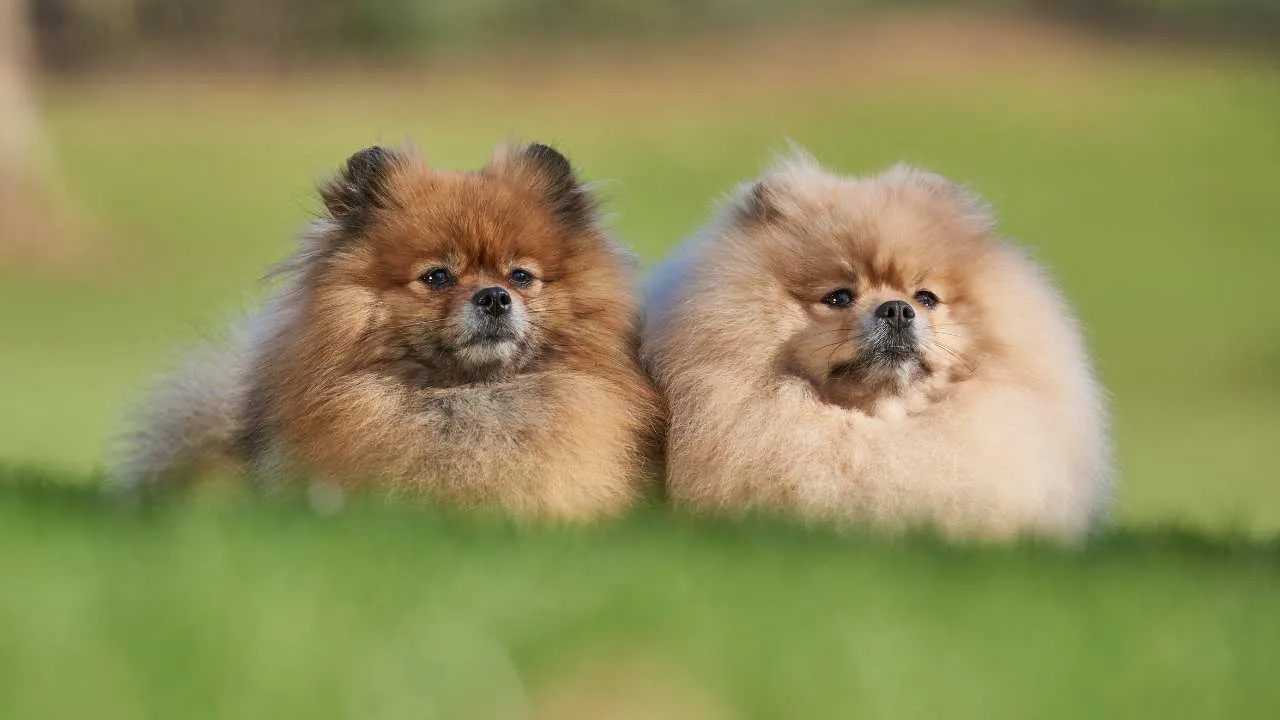
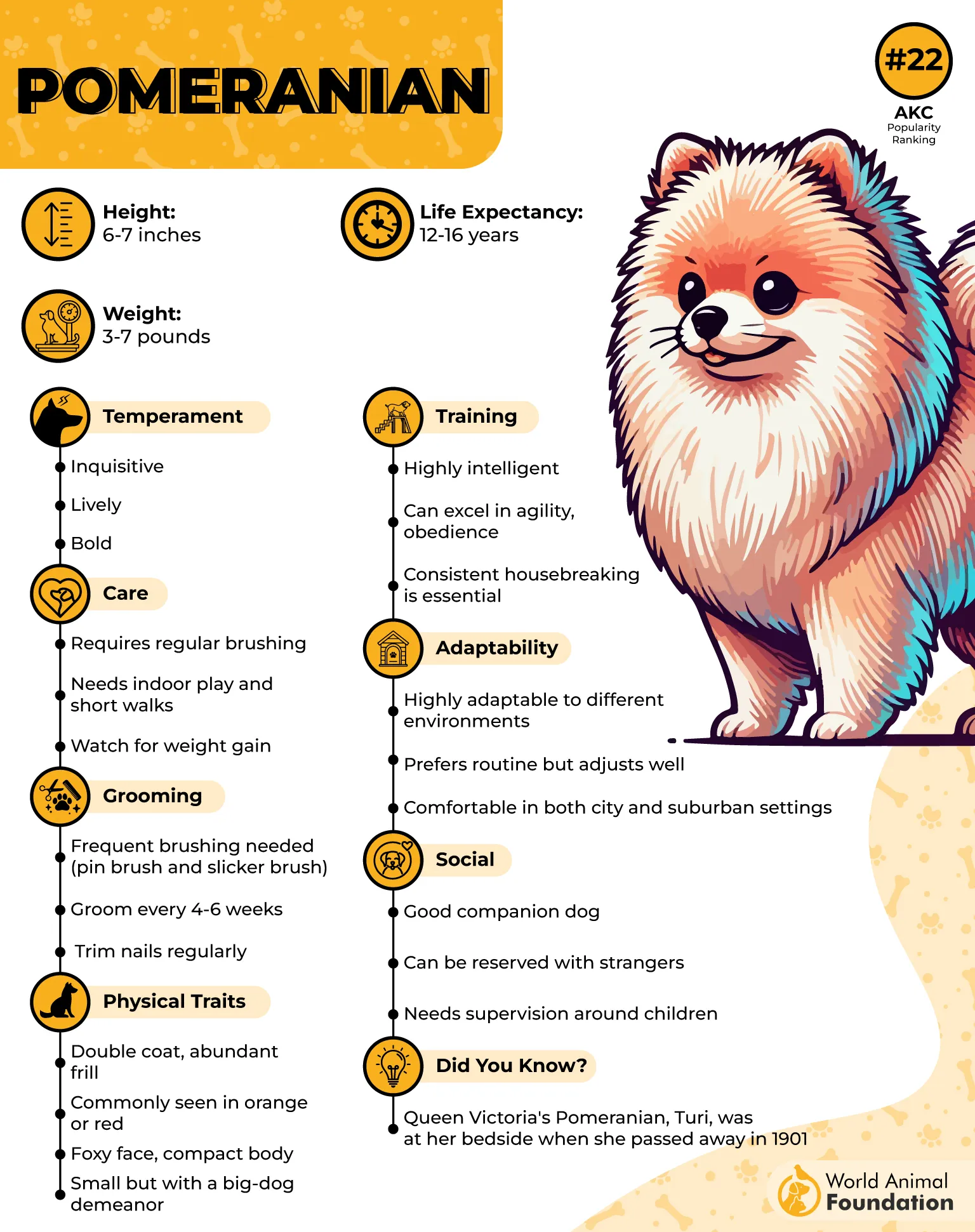
The Pomeranian developed from larger Spitz-type dogs of northern Europe and takes its name from the Pomerania region. The breed was reduced in size through selective breeding and gained considerable popularity among European royalty. Its luxuriant coat and fox-like expression became defining characteristics.
Reward-Based Lessons and Social Confidence
Pomeranians are clever and often enjoy learning tricks and basic commands. Training works best when sessions are brief, upbeat, and consistent. Early exposure to visitors, other animals, handling, and different surroundings can encourage confident behavior and reduce unnecessary fearfulness.
A Small Dog With a Lively Charm
Their tiny bodies are paired with energetic and outgoing personalities. Pomeranians often enjoy interactive play and staying involved with their families rather than simply sitting quietly. Their abundant double coat requires frequent brushing, making grooming a significant part of ownership.
3. Yorkshire Terrier
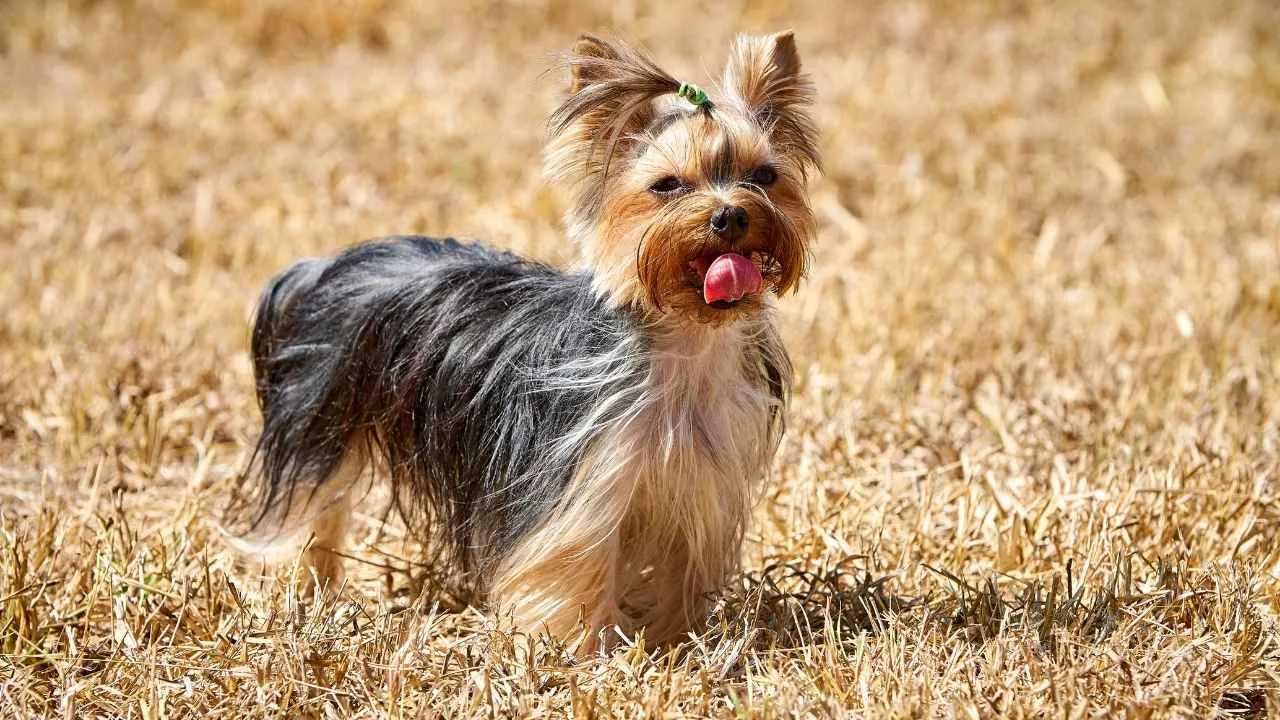
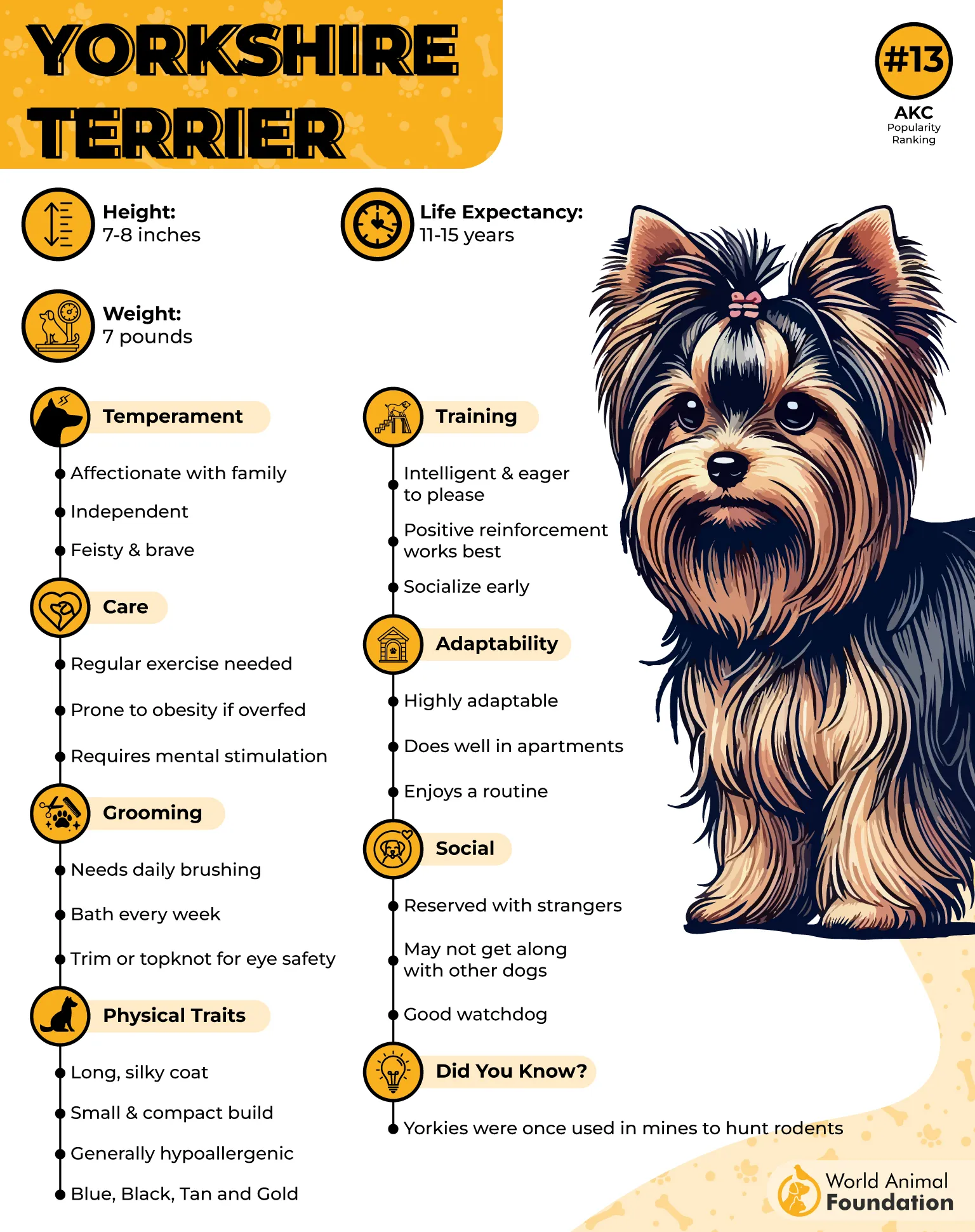
The Yorkshire Terrier originated in northern England during the 19th century. Small terrier-type dogs brought by workers contributed to its development, and early Yorkies were valued for controlling rats in mills and industrial settings. Selective breeding eventually transformed them into fashionable companion dogs.
Consistent Training and Social Experiences
Yorkshire Terriers are intelligent dogs and can respond well to reward-based instruction. Socialization should begin early and include friendly people, dogs, household sounds, and unfamiliar locations. Teaching calm greetings and appropriate barking habits can be especially useful for first-time owners.
A Petite Companion With a Bold Spirit
Yorkies are extremely small but often carry themselves with confidence and enthusiasm. They can develop strong bonds with their families and enjoy games, walks, and attention. Their long, silky coat needs regular brushing and maintenance to stay free of tangles.
4. Maltese
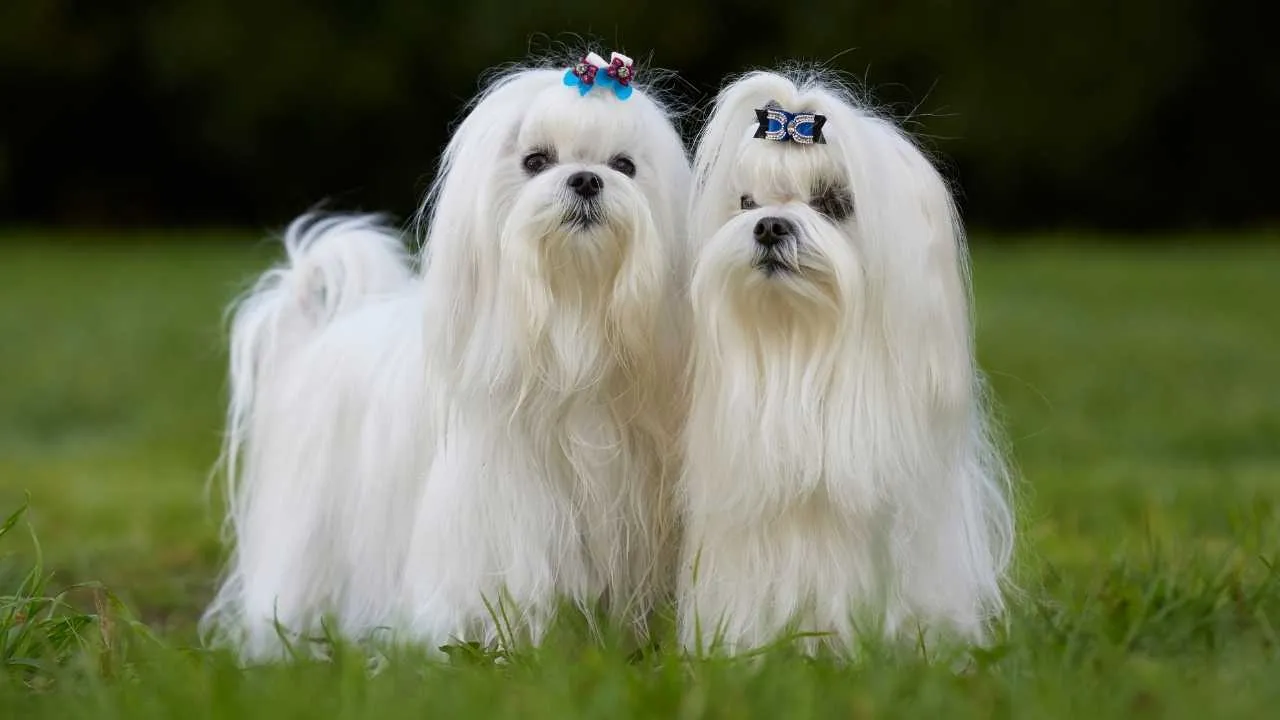
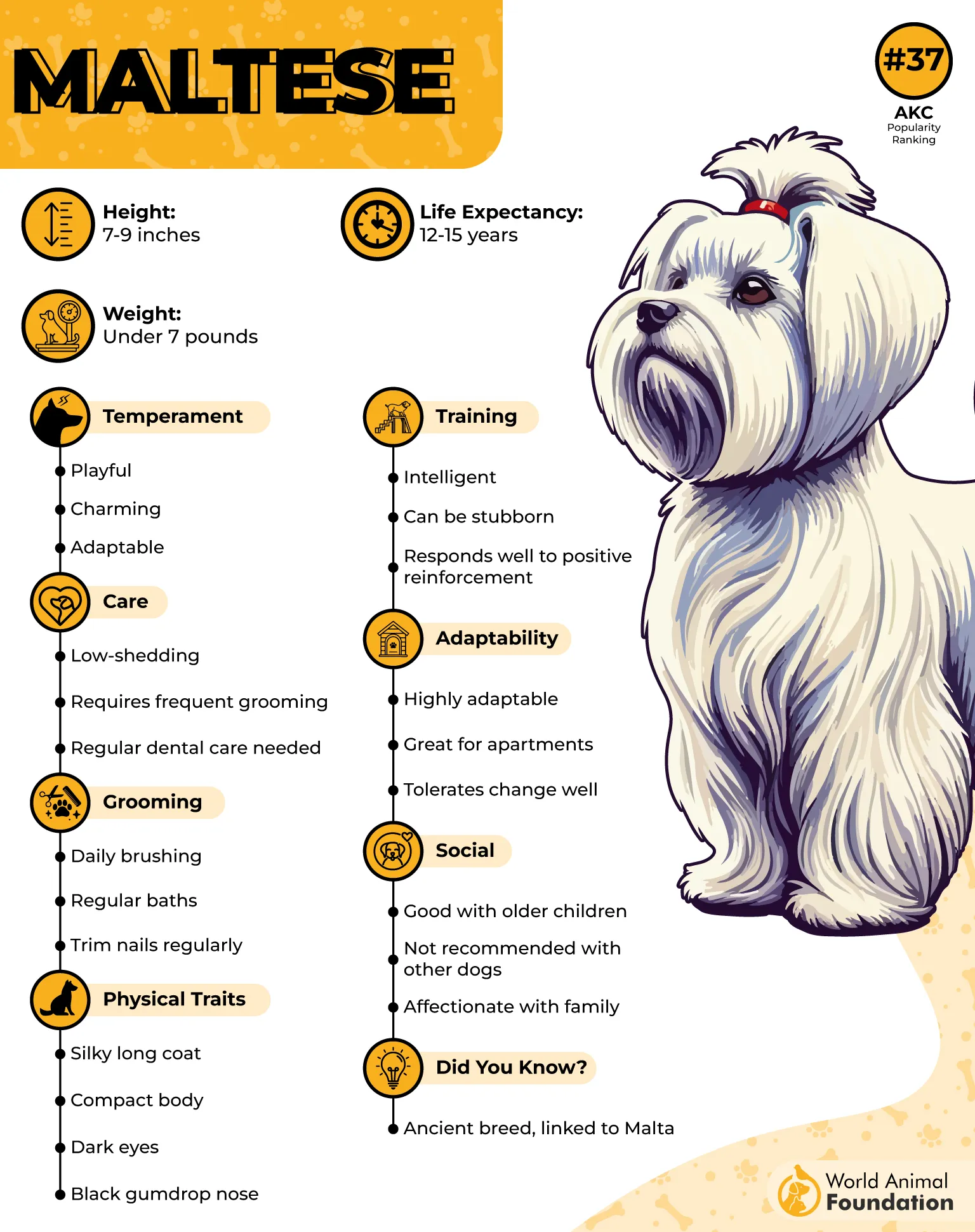
The Maltese has an ancient history as a small companion dog associated with Mediterranean cultures, as per Hill’s Pet. It was prized for its attractive appearance and affectionate qualities rather than for demanding working duties. Its long, white coat eventually became one of the breed’s most recognizable features.
Gentle Instruction and Positive Socialization
Maltese dogs can learn basic manners through patient, reward-based training. Early socialization helps them become accustomed to visitors, other pets, household noises, and unfamiliar environments. A predictable routine can also make house-training and daily behavior easier to manage.
Small, Affectionate, and Adaptable
Maltese often enjoy close contact with their owners and can fit comfortably into many indoor lifestyles. Their compact bodies make them easy to accommodate in smaller homes. Their flowing coats require regular brushing and grooming, while daily play and short walks provide useful activity.
5. Papillon
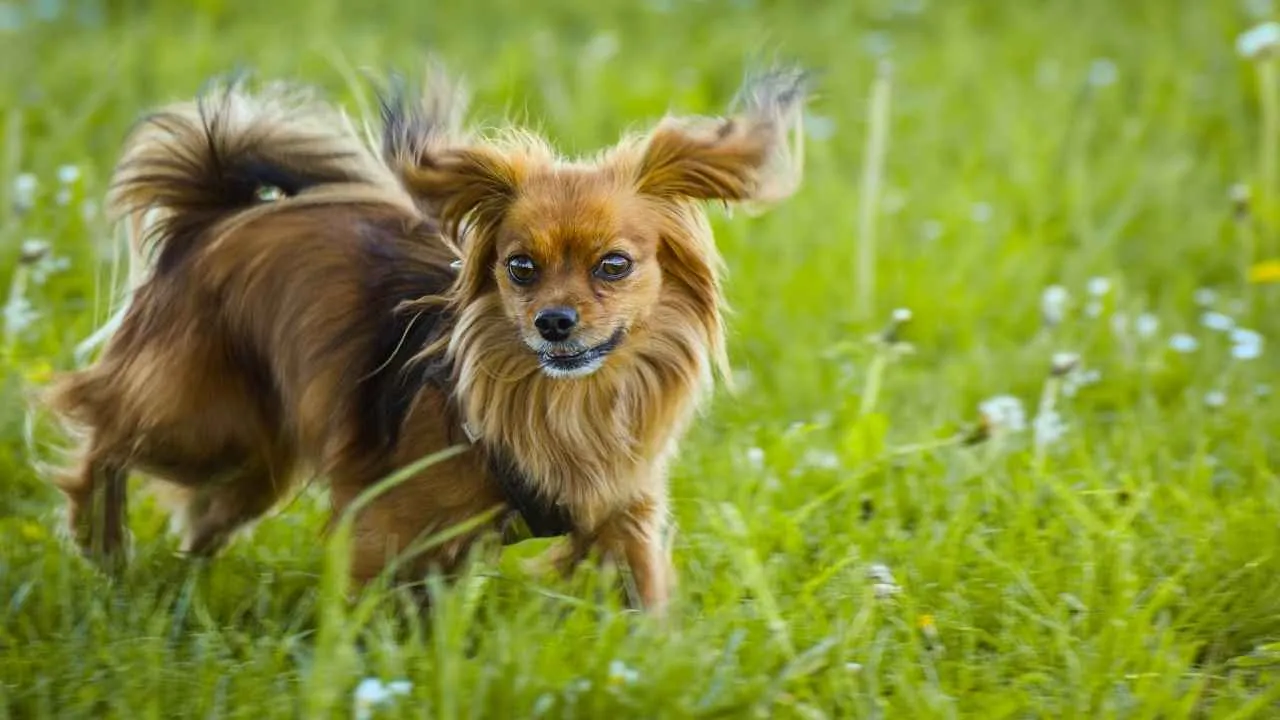
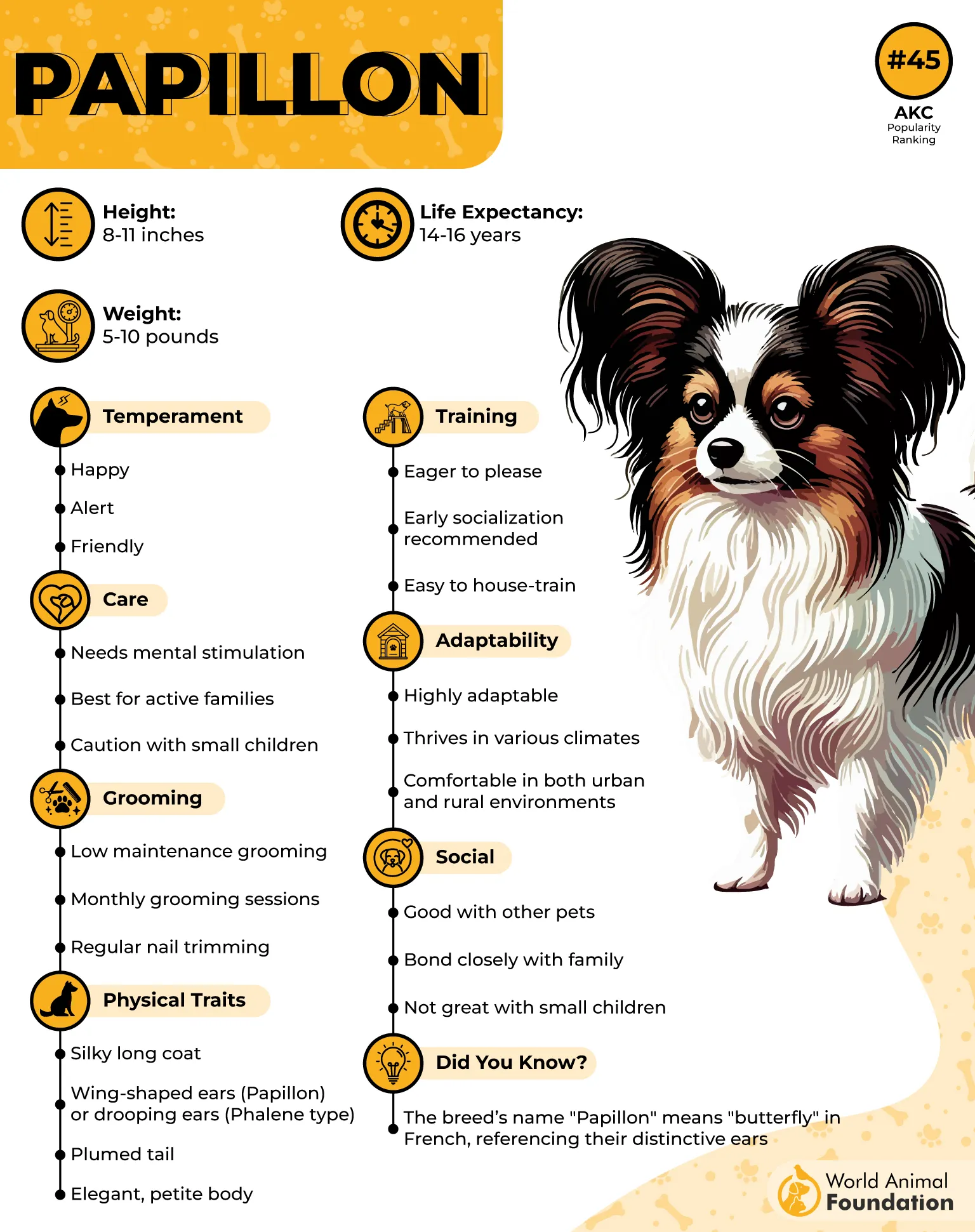
The Papillon has centuries of European history and appears in numerous paintings featuring aristocratic families. It was developed primarily as a companion and became associated with royal and noble households. Its distinctive butterfly-shaped ears gave the breed its modern name, as per Purina.
Intelligent Learning and Early Socialization
Papillons are highly alert and capable learners that often enjoy training games. Short sessions using praise, treats, and toys can teach obedience while satisfying their need for mental stimulation. Socialization with people, animals, and varied environments helps build confidence.
A Delicate Look With Plenty of Energy
Papillons may be tiny, but they are often lively, curious, and eager to explore. Their small stature makes them convenient companions, while their intelligence keeps daily life engaging. Regular walks, play, and interactive activities help prevent boredom and excessive restlessness.
6. Toy Poodle
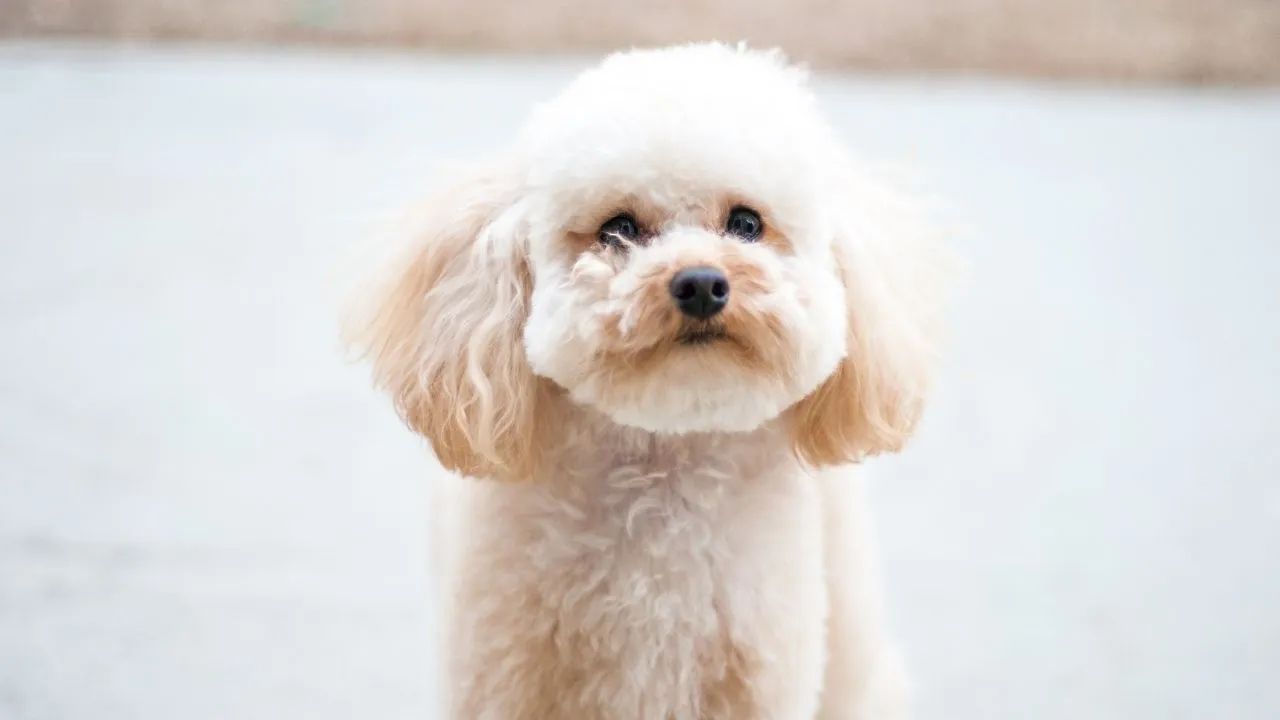
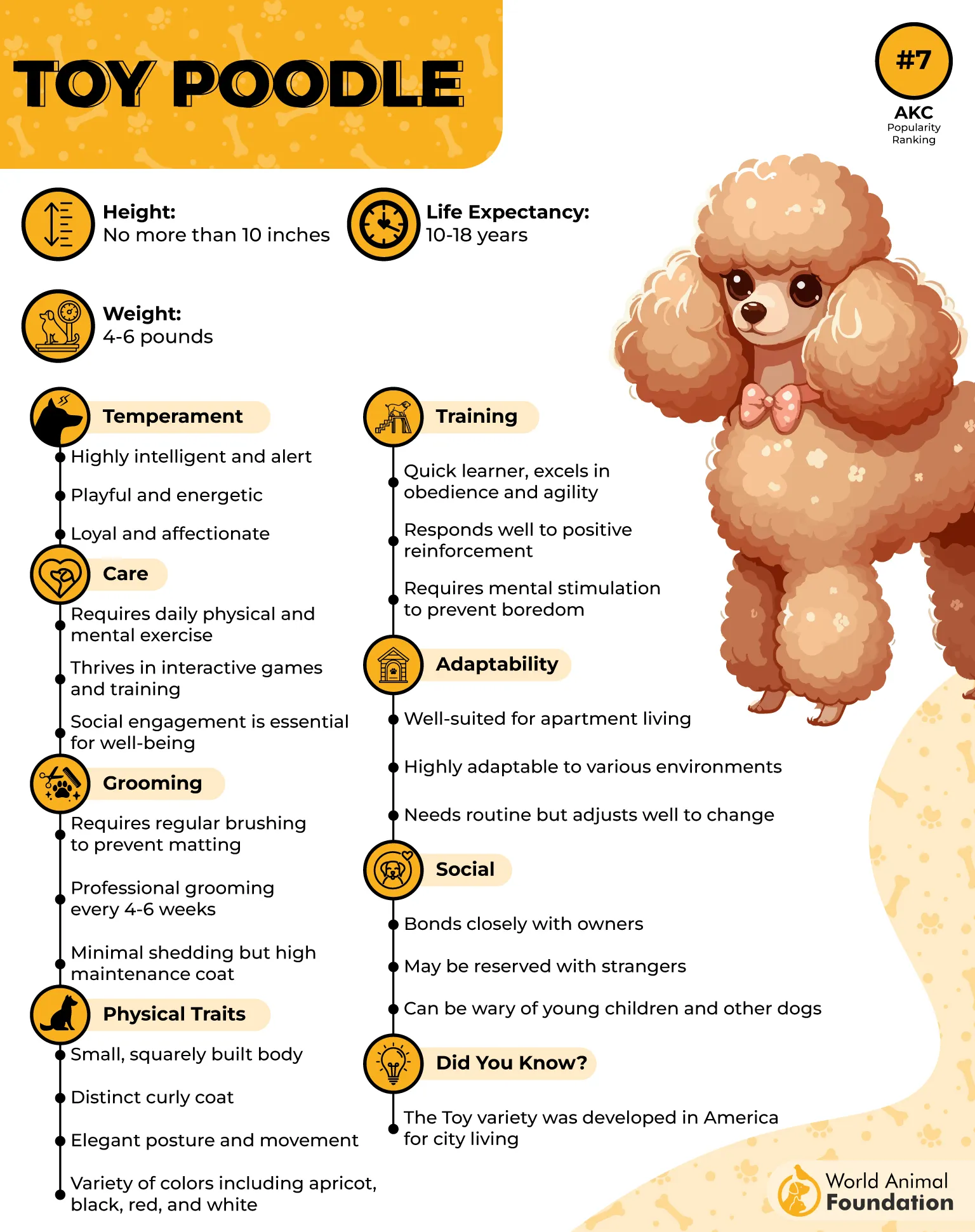
The Poodle has European roots and was originally associated with retrieving activities in water. Smaller versions were later developed and became valued as companion dogs, as per Purina. The Toy Poodle emerged as the smallest recognized variety and became particularly popular for its intelligence and elegant appearance.
Clever Training and Social Development
Toy Poodles are quick learners and can enjoy obedience exercises, tricks, puzzle toys, and other mentally stimulating activities. Positive reinforcement can make lessons productive and enjoyable. Early socialization helps them become comfortable with different people, dogs, environments, and handling.
A Small Dog With Remarkable Intelligence
Toy Poodles combine a tiny frame with an active and mentally capable personality. They can form close relationships with their owners and often enjoy participating in household activities. Their curly coats shed differently from many breeds but require frequent grooming to prevent matting.
7. Pekingese
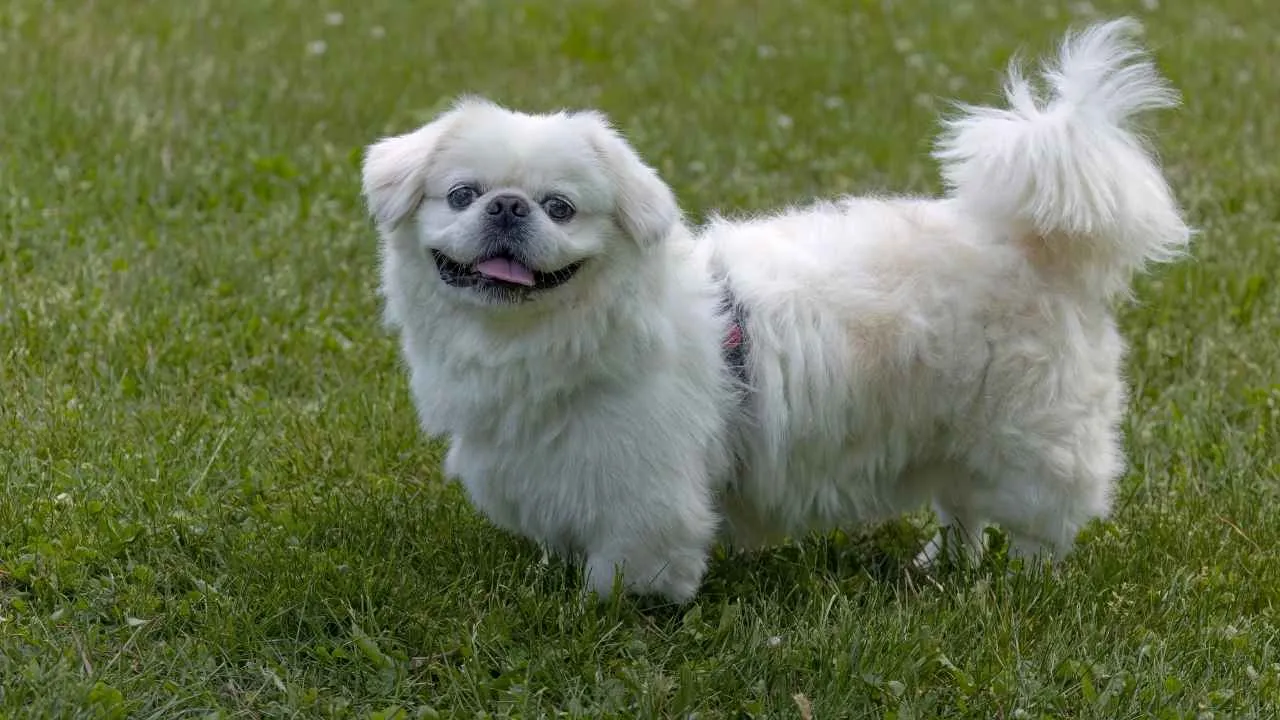
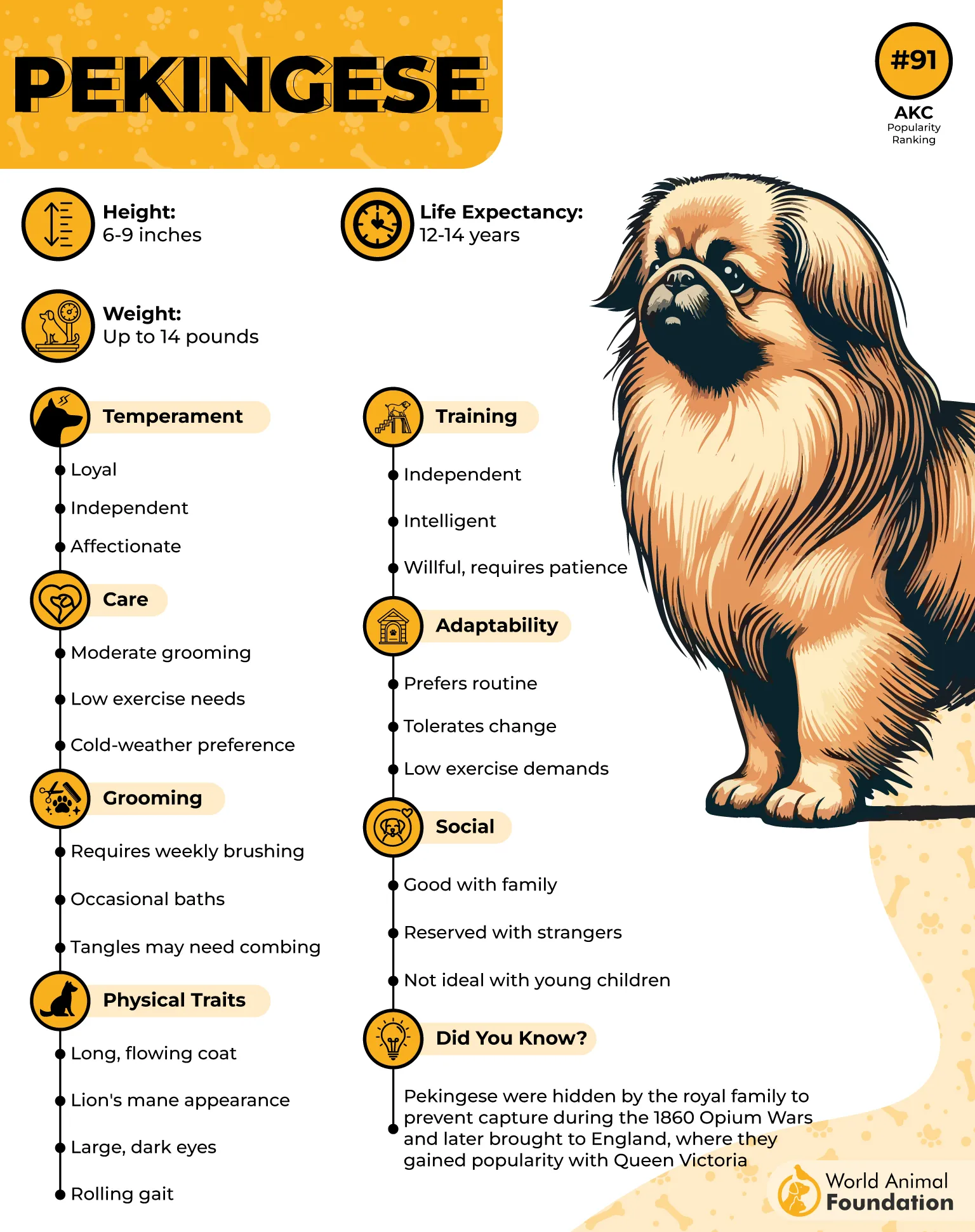
The Pekingese originated in China and was historically associated with the imperial court. Small lion-like companion dogs were treasured by members of the Chinese imperial household, and the breed remained closely connected with palace life for centuries. Its distinctive mane and compact body reflect its historic role.
Patient Training and Early Socialization
Pekingese can have independent personalities and may respond best to calm, consistent instruction. Reward-based training can encourage cooperation without unnecessary pressure. Early socialization helps puppies become accustomed to visitors, other animals, handling, and everyday household experiences.
A Small Companion With Regal Charm
Pekingese are compact dogs with a distinctive self-assured character. They can be affectionate with familiar people while often preferring to approach new situations at their own pace. Their long coat requires frequent brushing and attention to prevent mats and keep the skin comfortable.
Conclusion
Chihuahuas, Pomeranians, Yorkshire Terriers, Maltese, Papillons, Toy Poodles, and Pekingese all demonstrate how much personality can exist in a petite body. Their compact dimensions can make them convenient companions, but each breed brings different exercise, grooming, training, and social requirements.
Some, including Papillons and Toy Poodles, can be particularly lively and mentally active. Maltese and Pekingese may appeal to owners looking for close companionship with different personality styles, while Chihuahuas and Yorkies can bring considerable confidence despite their tiny frames.
Small size should never be mistaken for low-maintenance ownership. These dogs still need appropriate nutrition, veterinary care, socialization, training, exercise, and attention. Choosing according to temperament and lifestyle can help ensure that a petite companion remains happy, confident, and well cared for.
