




Who can resist a tiny dog with a big heart and a playful spark?
Toy dog breeds bring joy, love, and plenty of charm into everyday life. Their small size makes them appealing to apartment dwellers, busy families, and people seeking a close companion. However, every little dog has its own needs and personality.
Some love to learn tricks, while others prefer cuddles and quiet moments. The Toy Poodle, Yorkshire Terrier, Pomeranian, Maltese, Havanese, Papillon, and Pug each offer something special. So, how do you find your perfect match? Start by looking beyond those cute faces.
Consider your living space, daily schedule, family needs, and time for exercise. Grooming, training, and health care also matter when choosing a dog. This guide explores these precious toy dog breeds to help you find a loving companion who fits your lifestyle.
Precious Toy Dog Breeds: A Guide to Finding Your Match
1. Toy Poodle
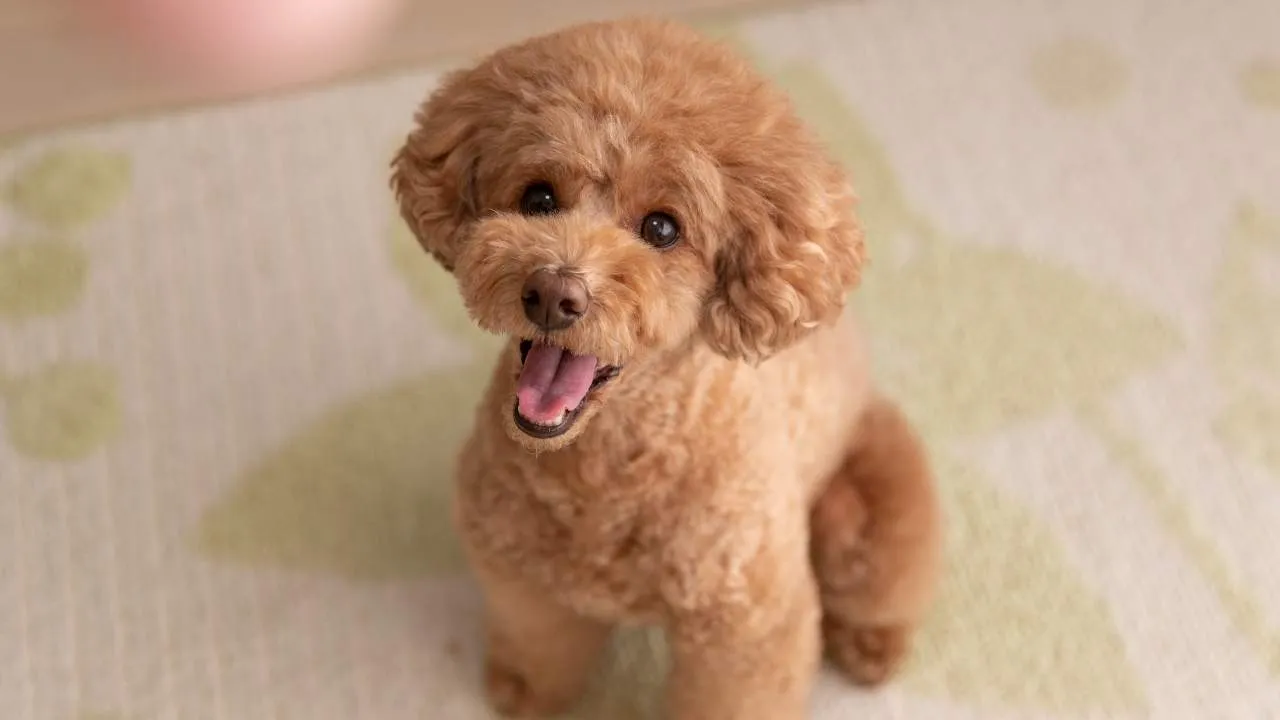
The Toy Poodle may be small, but its bright mind makes it stand out. This clever dog loves to learn and enjoys spending time with its family. Poodles are known for their intelligence and trainability. Their eager nature can make teaching new cues and tricks fun.
Toy Poodles also enjoy daily walks and indoor play so that they can fit well into many homes. Their curly coat needs extra care, though. It grows continuously and usually needs a trim every four to six weeks.
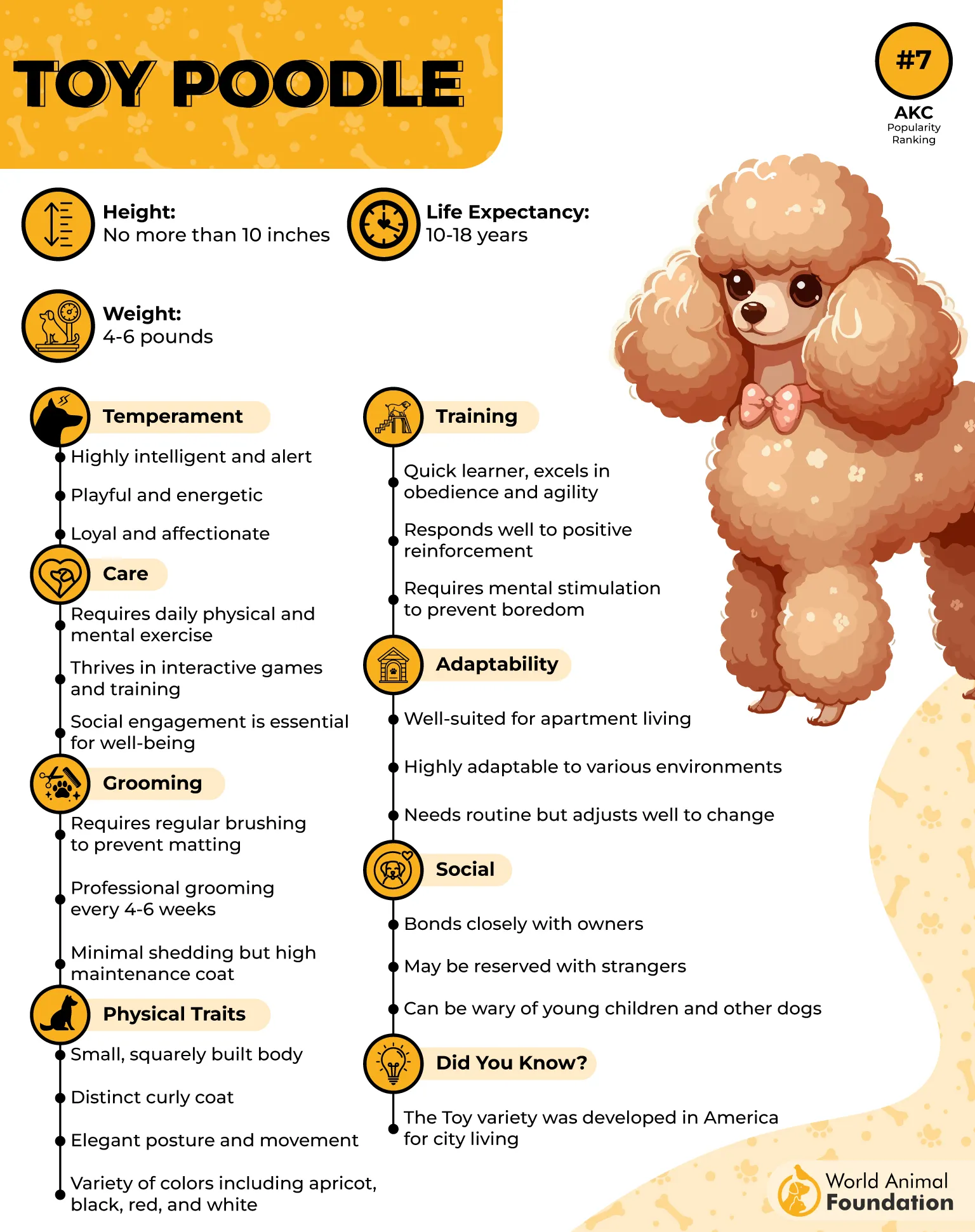
While Toy Poodles shed very little, no dog is fully hypoallergenic. If allergies are a concern, spend time with the breed before bringing a puppy home. A dog’s personality matters just as much as its looks when you choose a new pet.
What Makes Toy Poodles Special?
Quick learners: Use short, fun lessons to teach basic cues and useful skills.
Clever playmates: Puzzle toys offer a fun way to keep their minds busy.
Low-shedding coats: Less loose hair can be helpful, but allergies may still occur.
Regular coat care: Brush the curls often to help prevent knots and painful mats.
Family companions: Gentle play and kind handling help them feel safe around children.
2. Yorkshire Terrier
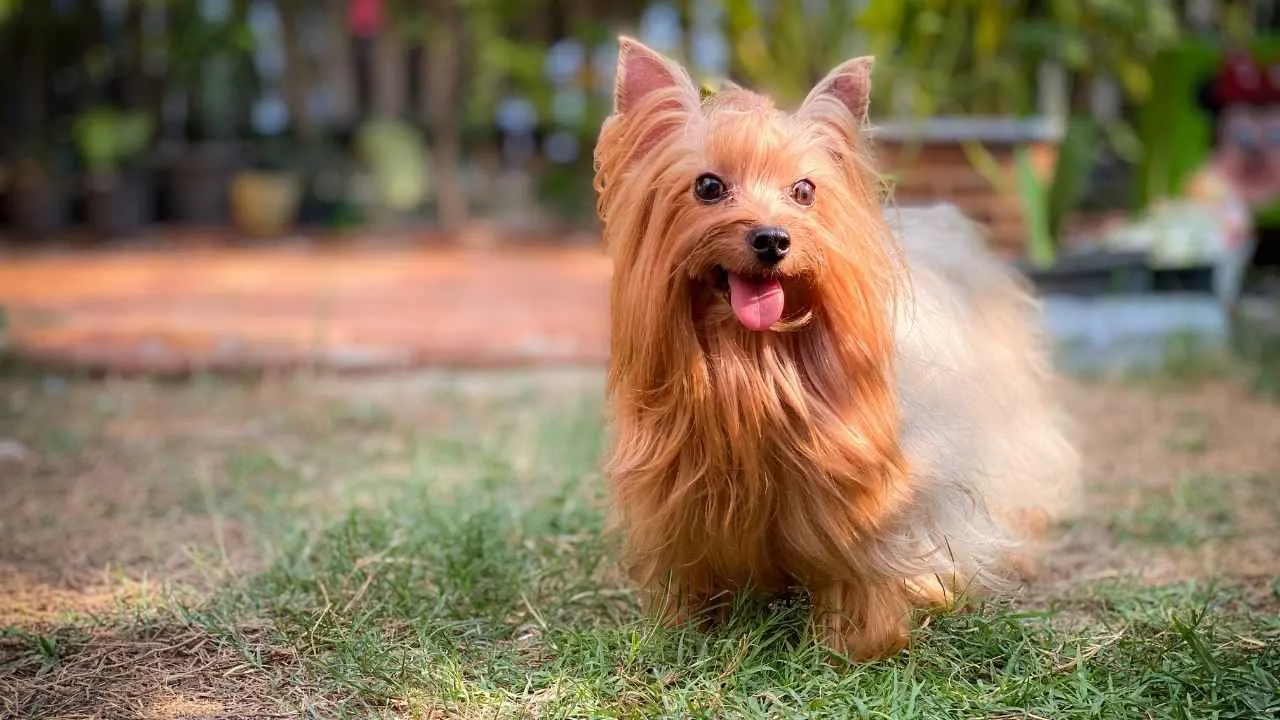
The Yorkshire Terrier may be tiny, but it has a bold spirit. This playful, energetic purebred dog began as a worker in textile mills. Today, it is loved as a companion dog. According to Wikipedia, Yorkies are known for their playful nature and lively energy.
Their silky coats look lovely but need regular brushing to prevent tangles. These dogs also have a strong instinct to chase small animals, so keep them safe outdoors. Early training can help manage barking and guide their behaviour.
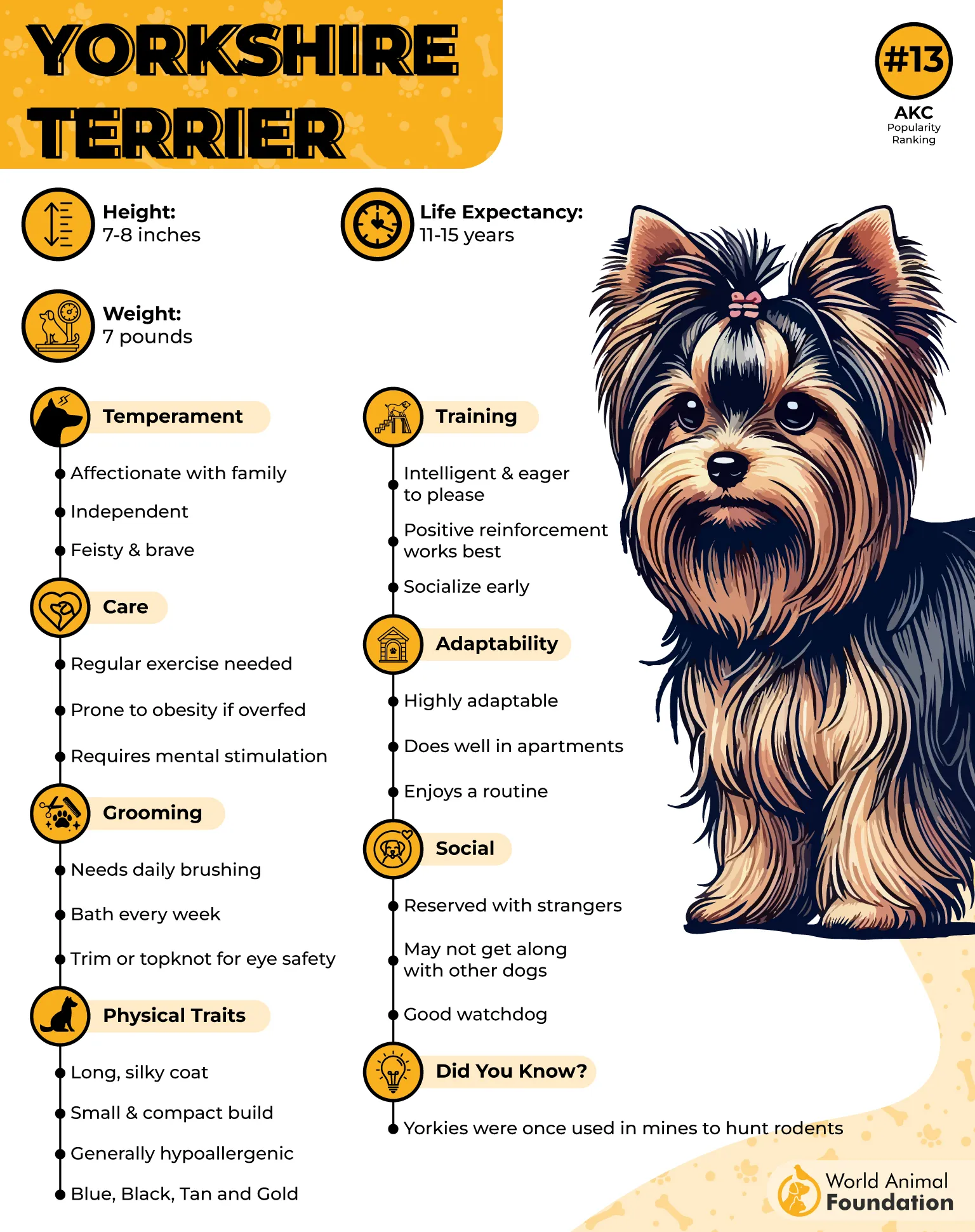
Yorkies often form close bonds with their owners and enjoy being part of family life. Still, their small size means you must handle them with care. If you want a new dog, consider your home, daily exercise routine, and time for training. The right match depends on your lifestyle and the dog’s personality.
What Makes Yorkshire Terriers Special?
Bold watchdogs: Their alert nature helps them notice new sounds and activity around the home.
Lively playmates: Short games and walks provide ways to use their energy.
Close companions: They often enjoy staying near their favorite people throughout the day.
Small but fragile: Supervise play with young children to help prevent accidental injuries.
A thoughtful choice: Meet the breed before you choose, especially if you have other pets.
3. Pomeranian
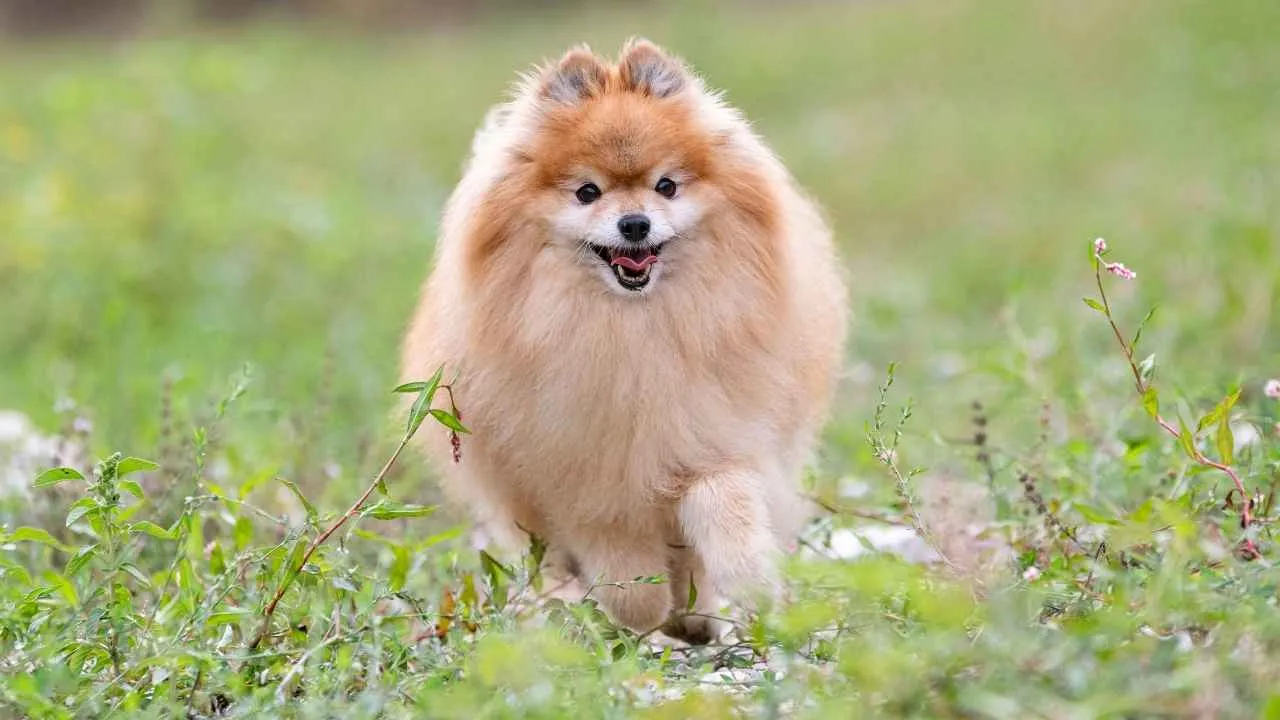
The Pomeranian may be tiny, but its bold nature fills any room. According to the American Kennel Club, this lively toy breed has long charmed both royals and everyday families. Its fluffy double coat, fox-like face, and bright eyes make it hard to miss.

Pomeranians are alert, clever, and quick to learn tricks. Their watchdog instincts can also lead to frequent barking, so early training helps guide their behaviour. Daily play, short walks, and mental stimulation keep them happy.
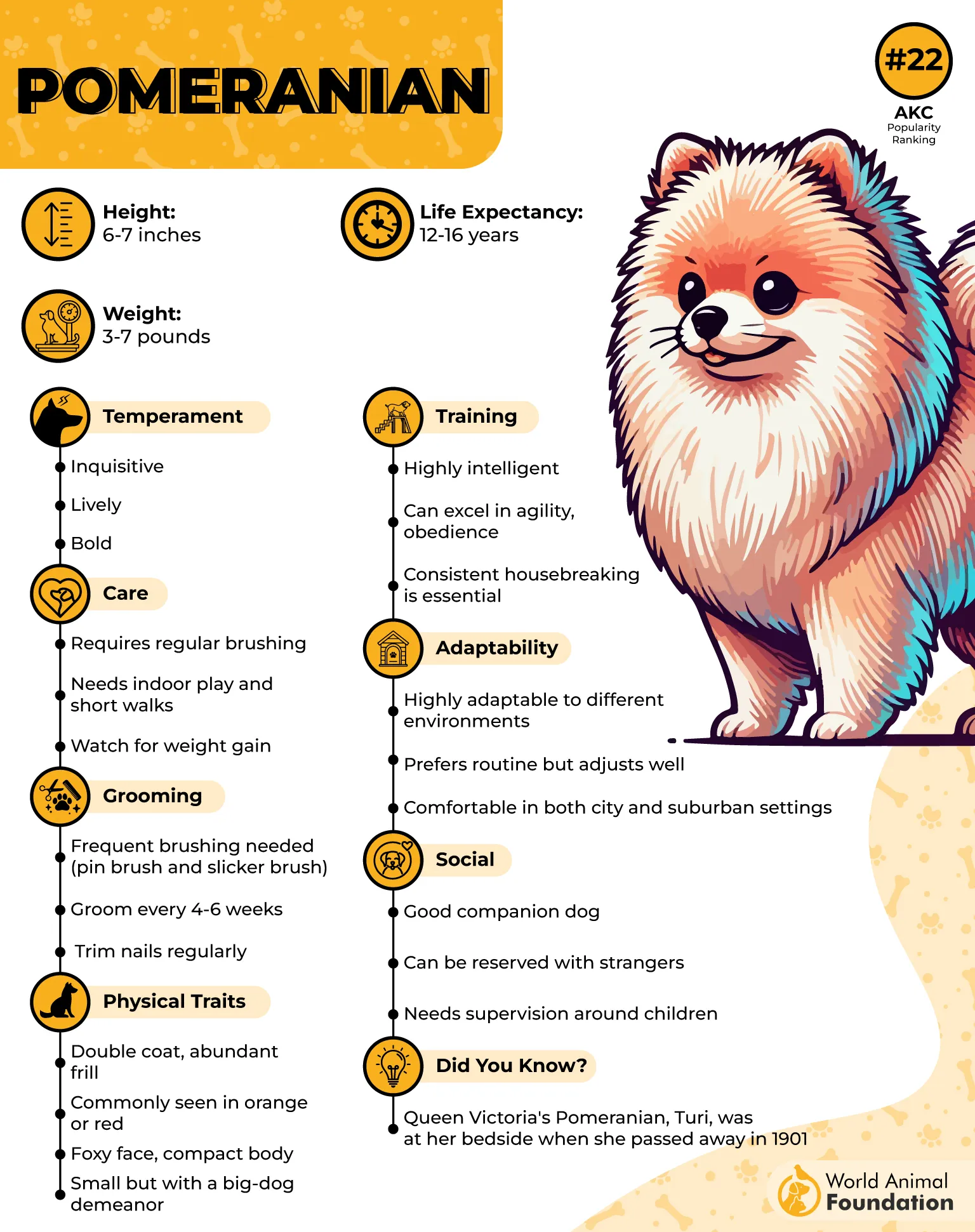
Their small size suits many homes, but gentle handling is vital. Supervise young children to protect this delicate dog from rough play. If you want a new puppy, consider its activity level and training needs first.
The Pomeranian is one of the most popular dog breeds, but the right choice depends on your lifestyle. Choose a dog that fits your lifestyle.
What Makes Pomeranians Special?
Easy to entertain: Teach fun tricks and games to keep this clever dog engaged.
Coat care matters: Brush the thick coat often to manage loose fur and tangles.
Training takes patience: Start house training early and reward good habits with praise.
Small but spirited: An adult dog can act bold and alert despite its tiny size.
Family safety first: Choose playmates carefully, and teach children how to handle puppies gently.
4. Maltese
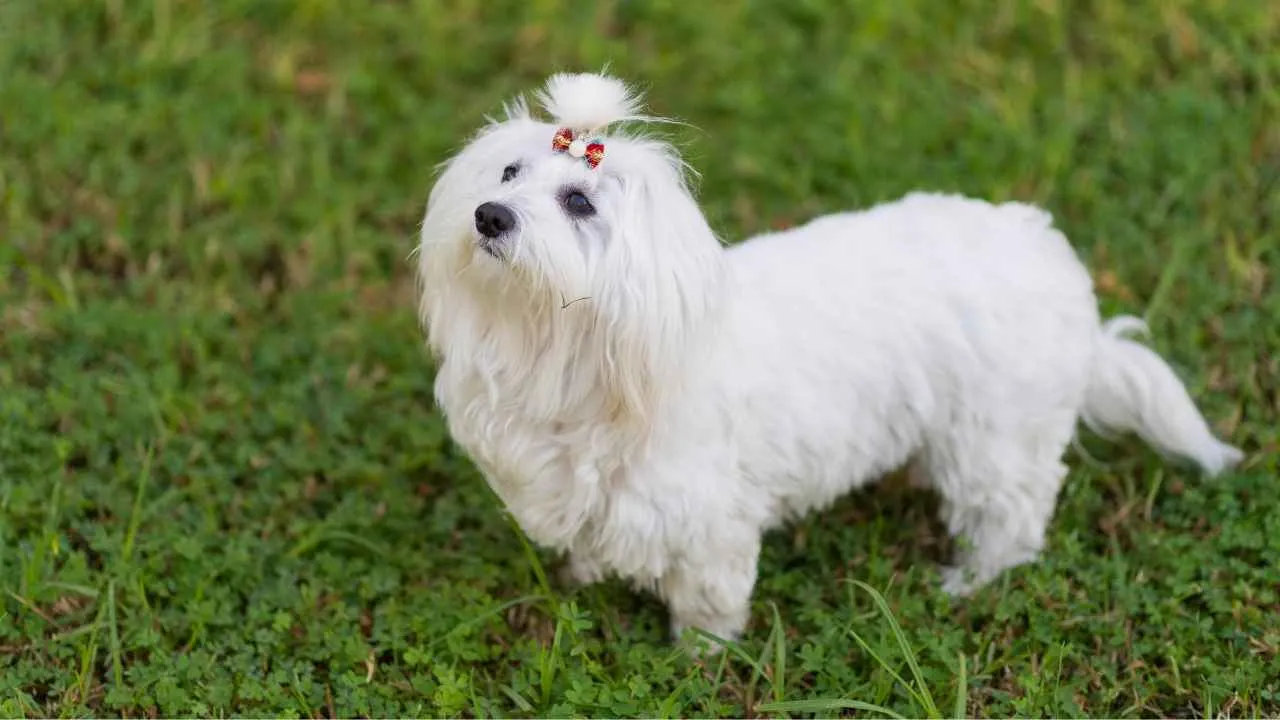
The Maltese is an ancient companion breed known for its silky white coat and loving nature. Often listed among the oldest dog breeds, it has charmed families for centuries. According to Hill’s Pet, the Maltese is gentle, intelligent, and eager to learn tricks.
This lively little dog enjoys play and close contact with its people. Its energy level makes it a good fit for owners who enjoy short walks and indoor games. However, it may bark at strange sounds and can snap if children play too roughly. Gentle handling is key.
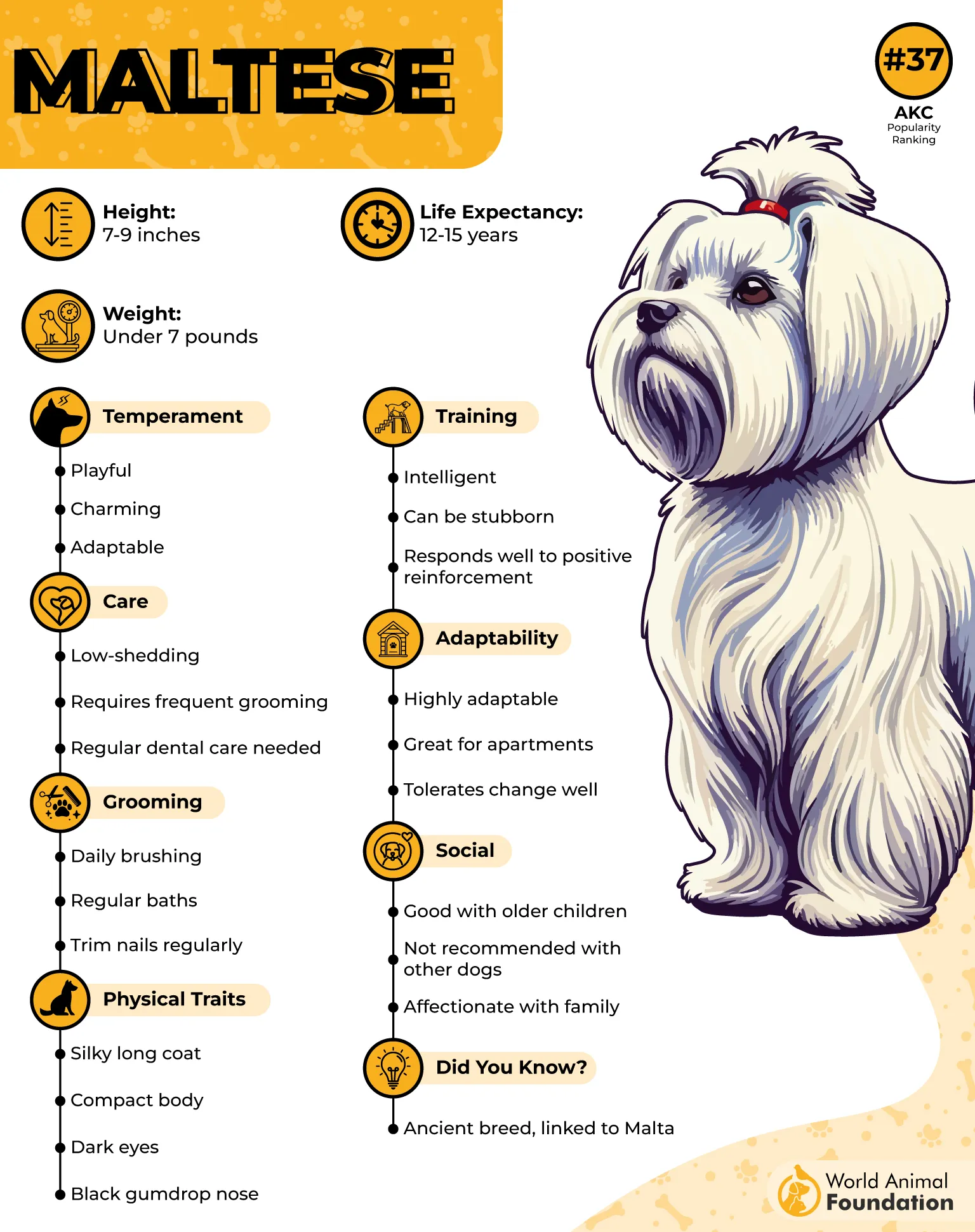
Its long coat needs regular care, while dental cleaning helps protect its small mouth. Some Maltese dogs also dislike being left alone for long periods. If you are adopting a puppy, consider your schedule and other pets, including cats. This breed can be a lovely option for a caring home.
What Makes Maltese Dogs Special?
A playful spirit: Teach simple tricks to keep this bright dog busy and happy.
Coat care choices: A shorter pet trim can make daily upkeep easier.
A watchful nature: Early training can help manage barking at unfamiliar sounds.
Gentle family life: Teach children to handle small dogs with care and respect.
Close companionship: This breed may suit people who spend plenty of time at home, rather than a couch potato lifestyle with little interaction.
5. Havanese
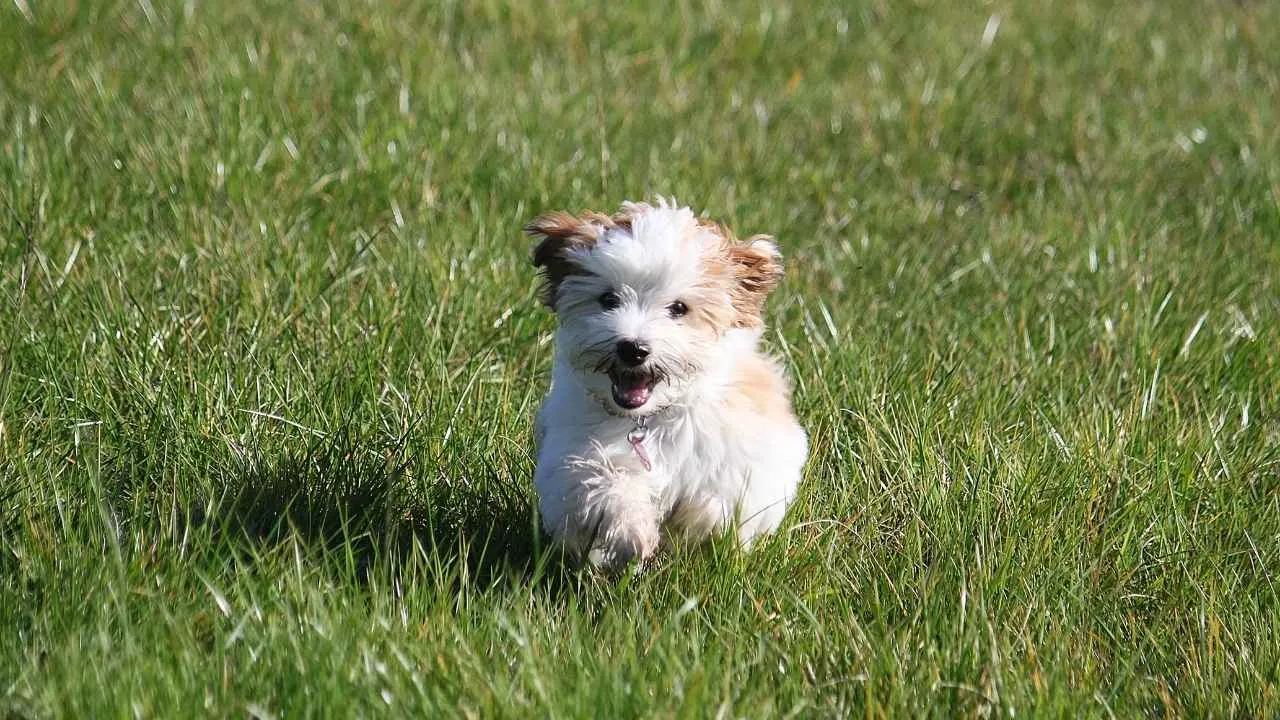
The Havanese is Cuba’s national dog and a cheerful family companion. This purebred dog has a friendly personality and loves being around people. According to Purina, Havanese dogs get along well with children and can make good watchdogs thanks to their keen eyes.
They are not usually aggressive, but they may alert you to new sounds. These dogs enjoy learning tricks, meeting people, and sharing daily activities. Their silky coat needs regular care to stay free from tangles. Early socialization also helps a puppy feel calm around new people and places.
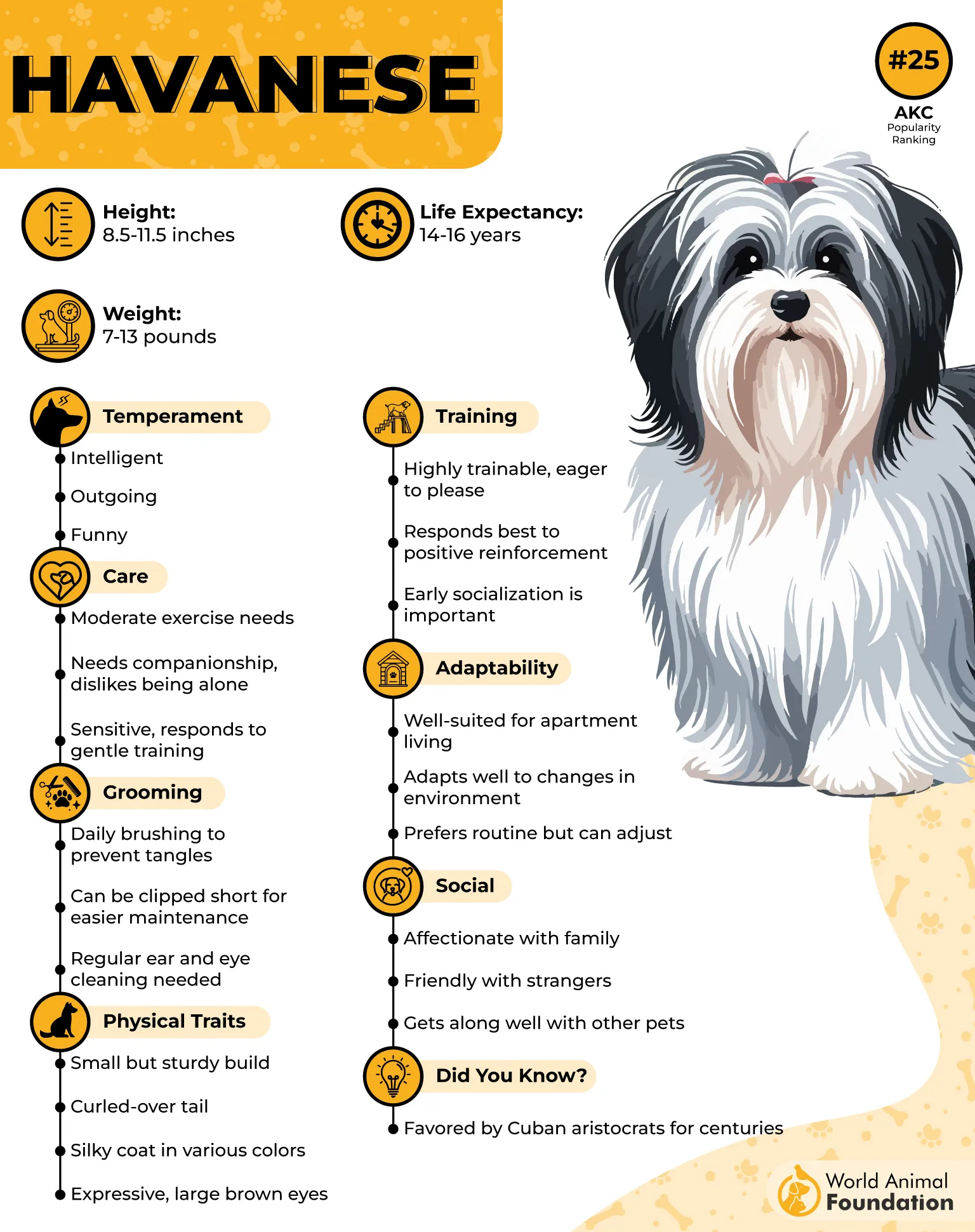
As a long-lived dog, the Havanese can bring years of joy to a caring home. Still, it needs attention, play, and daily exercise to thrive. If you want a new dog, decide whether you have enough time for a social companion. The right choice means finding a breed that fits your family and routine.
What Makes Havanese Dogs Special?
Family-friendly nature: Gentle introductions can help them build happy bonds with children.
Alert little watchdogs: Their keen eyes help them notice visitors and unusual activity.
Fun learners: Reward-based lessons can teach tricks and encourage good behaviour.
Coat care routine: Brush the coat often to reduce tangles and keep it neat.
People-focused pets: They may struggle when left alone for long periods, so choose this breed if you can provide daily company.
6. Papillon
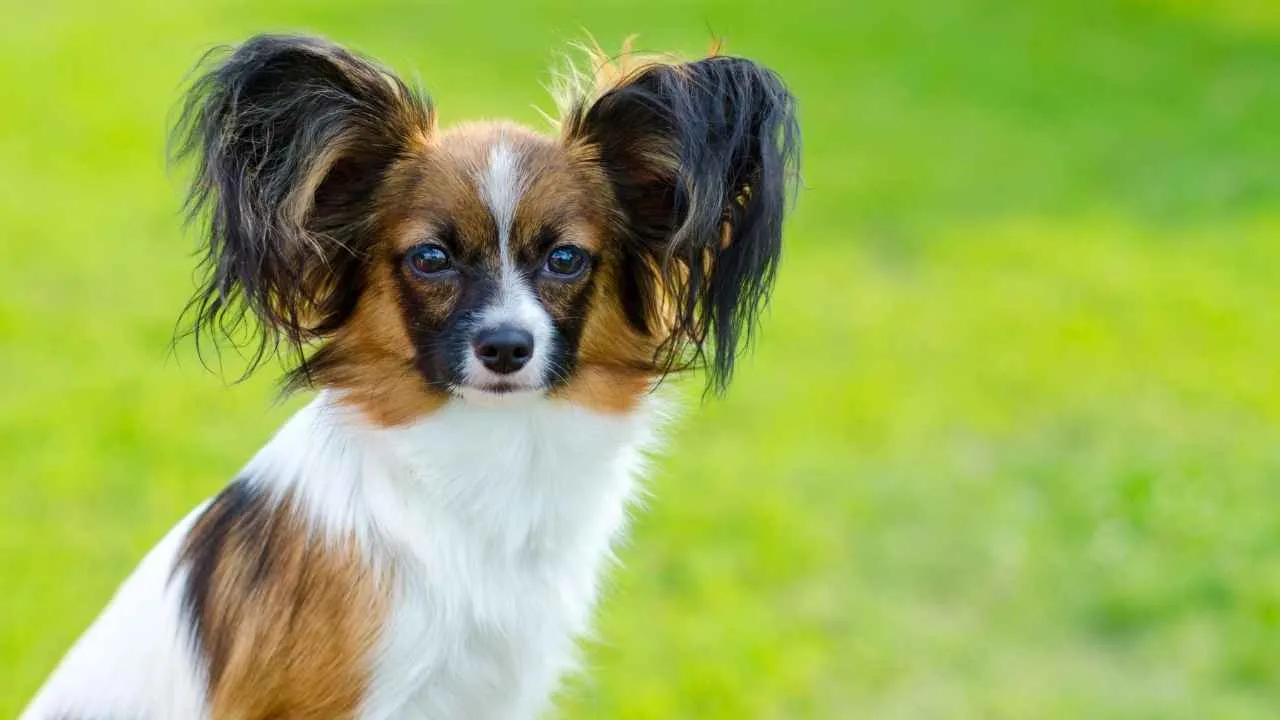
The Papillon is a tiny dog with a bright mind and a rich history. According to Britannica, this toy breed dates back to the 16th century, when people called it a dwarf spaniel. Its name means “butterfly” in French, thanks to its large, upright ears.
Papillons once won favor with European royals and appeared in famous paintings. Today, their lively personality makes them fun companions for active owners. Often praised as one of the smartest dog breeds, they enjoy learning tricks and trying new activities.
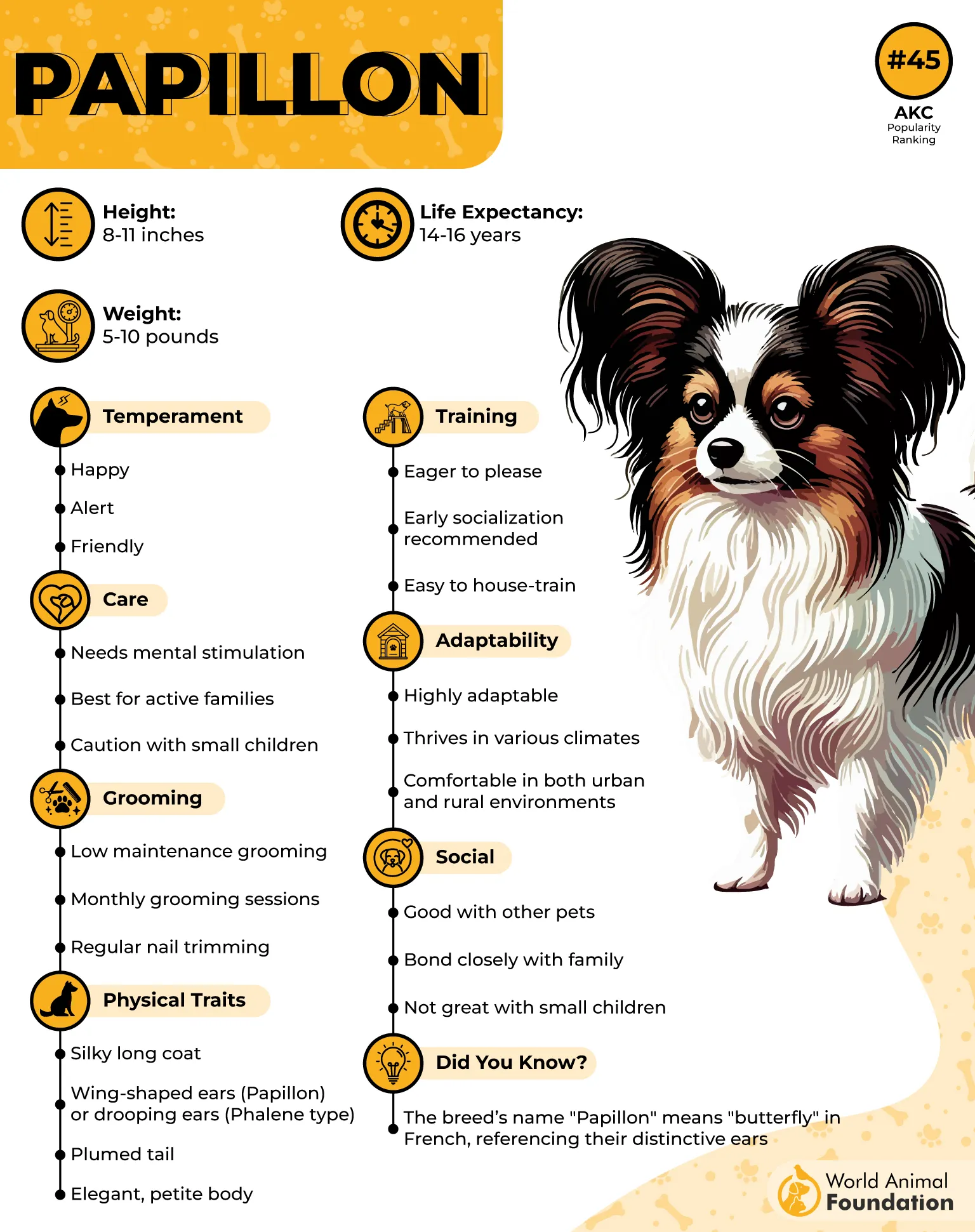
Daily walks, indoor games, and training keep their minds busy. Their small frames need careful handling, even when they seem full of energy. If you choose a Papillon puppy, start socialization early and make training a regular part of life.
Their age and activity level can shape their needs, so proper care is crucial to help them live a happy, healthy life.
What Makes Papillons Special?
Ready to learn: Use reward-based lessons to build skills and encourage good habits.
A sporty spirit: Try simple agility games that suit their size and confidence.
Coat care made simple: Brush the fine coat often to prevent tangles.
Two ear styles: Some Papillons have drooping ears, a variety called the Phalène.
Small but delicate: Supervise play with children and larger pets to help prevent injuries.
7. Pug
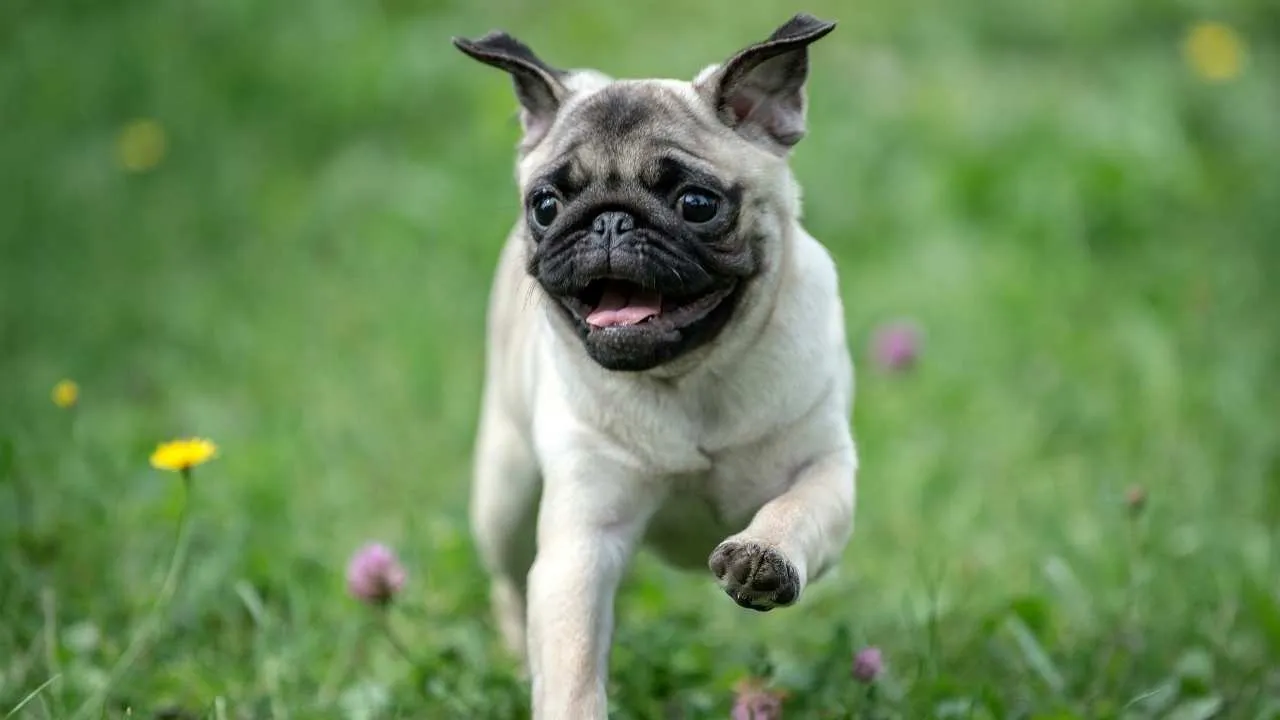
Pugs are affectionate companions with big personalities and a knack for making people smile. Their compact size makes them appealing to people who live in apartments, but they need more care than their relaxed appearance suggests.
PDSA warns that Pugs are a brachycephalic dog breed, meaning their short, flat faces can cause breathing difficulties and other health problems. When selecting a Pug, think carefully about these risks and whether you can provide the right care.
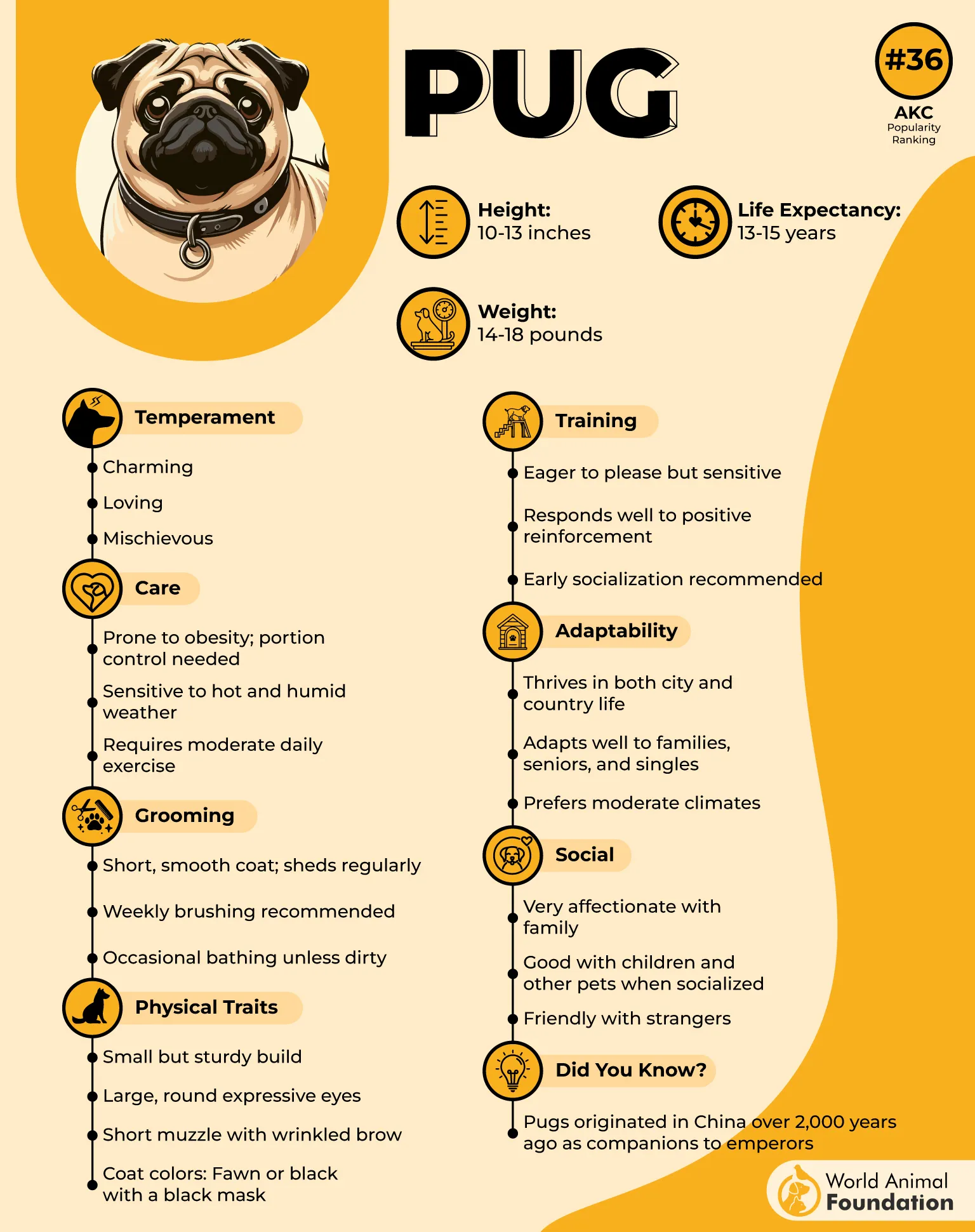
Hot weather can make exercise dangerous, so keep walks gentle and watch for signs of distress. Pugs may seem like a couch potato’s dream, but they still need suitable daily activity.
Their facial folds also need cleaning because trapped moisture can cause an unpleasant smell. With thoughtful care, a Pug can be a great friend for the right home.
What Makes Pugs Special?
Apartment-friendly size: Their small build can suit compact living spaces.
People-loving nature: They often enjoy being close to their human companions.
Gentle activity: Choose cooler times of day for short, easy walks.
Health comes first: Ask a vet about breathing concerns before bringing one home.
A careful choice: If breathing problems make everyday life difficult, consider a healthier breed.
Conclusion
Toy dog breeds bring plenty of charm, from the clever Papillon to the affectionate Pug. Each purebred dog has its own personality, behavior, and care needs, so choosing the right companion takes thought.
Before adopting, consider your lifestyle, experience, and the time you can provide for grooming, exercise, and training. Determining a good match also means understanding potential health concerns and the cost of food, dental care, and veterinary visits.
Although toy dogs can fit easily into smaller homes, they still need attention, companionship, and regular health checks. Establish a routine early, and be prepared to support your dog throughout its life.
If you are unsure, visit a responsible breeder or rescue centre to learn more before you decide. With hundreds of dogs seeking loving homes, choose the one whose needs and personality fit your life.
