





Dog hair on clothes, furniture, and floors can quickly become frustrating, especially for owners who prefer a tidier home. Fortunately, some breeds naturally shed far less than others, making them appealing companions for households seeking less loose fur.
Over 340 canine breeds exist worldwide, reflecting an impressive range of coat types and shedding patterns. While no dog is completely non-shedding, low-shedding breeds can significantly reduce loose hair around the home, with some also considered more suitable for allergy-sensitive owners.
However, less shedding does not mean less care. Many of these dogs need regular brushing or professional grooming, so understanding their coat and maintenance needs is essential before choosing your ideal companion.
Top Dog Breeds With Very Little Shedding to Discover
1. Miniature Poodle
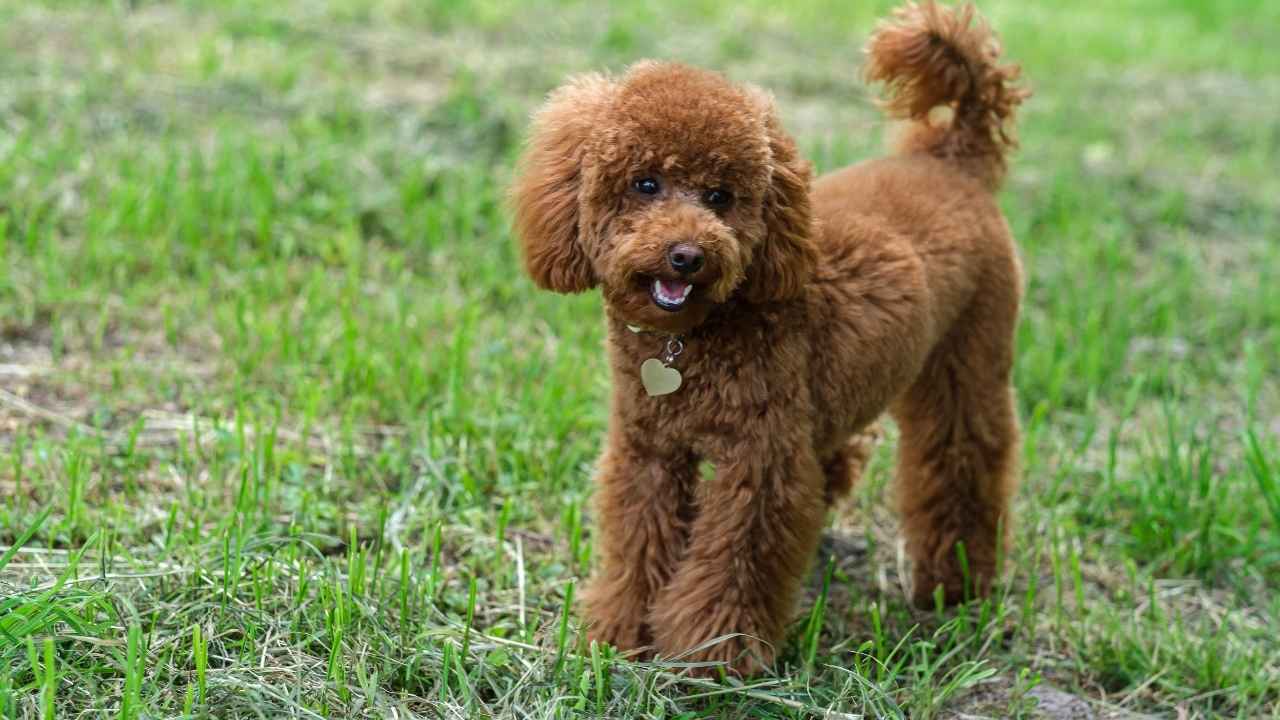
The Miniature Poodle is a lively, elegant companion recognized for its dense, curly coat that sheds very little. As the adult coat develops, it becomes tighter and springier, giving the breed its familiar refined appearance while offering some resistance to dirt and matting.
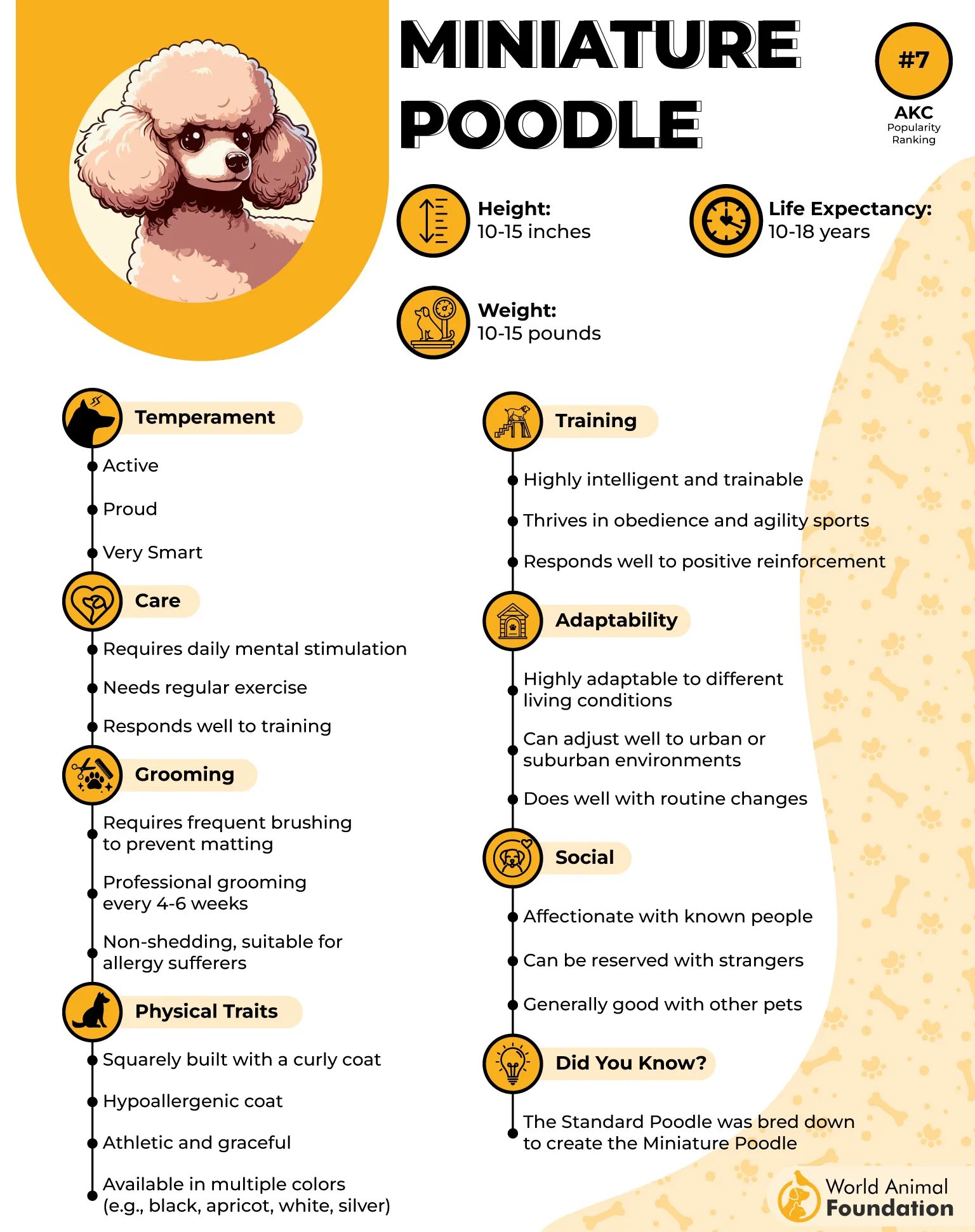
Compact yet energetic, this intelligent breed enjoys long walks, swimming, tricks, and other engaging activities. Its remarkable trainability makes it responsive to fun, positive instruction, although regular professional grooming is necessary to maintain its low-shedding coat.
How This Breed Stands Out
Curly, continuously growing coat: Its dense, springy curls shed minimally but require consistent grooming to prevent tangles and maintain their characteristic appearance.
Highly trainable intelligence: Miniature Poodles learn quickly and can excel in tricks, obedience, agility, and other activities when training remains positive and engaging.
2. Bichon Frise
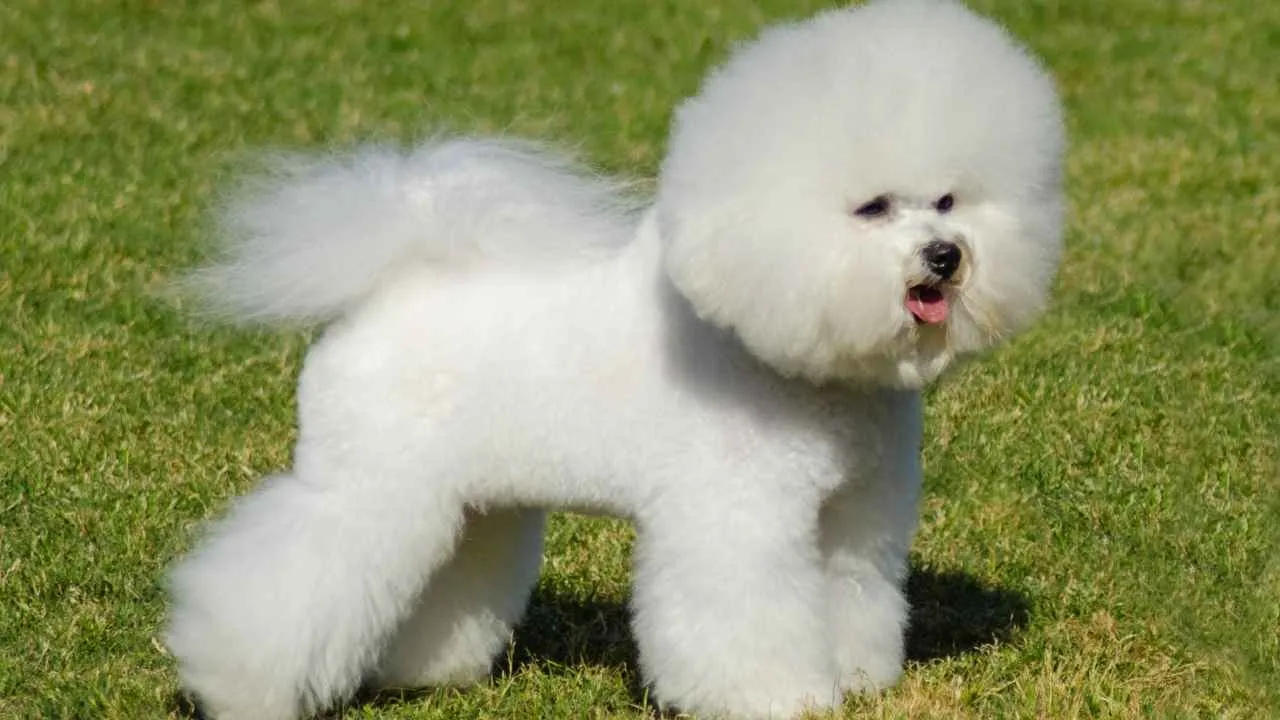
The Bichon Frise is a small, affectionate companion with a plush, curly double coat that sheds very little. Loose hairs tend to become trapped within the undercoat, helping reduce shedding around the home while giving the breed its soft, fluffy appearance.
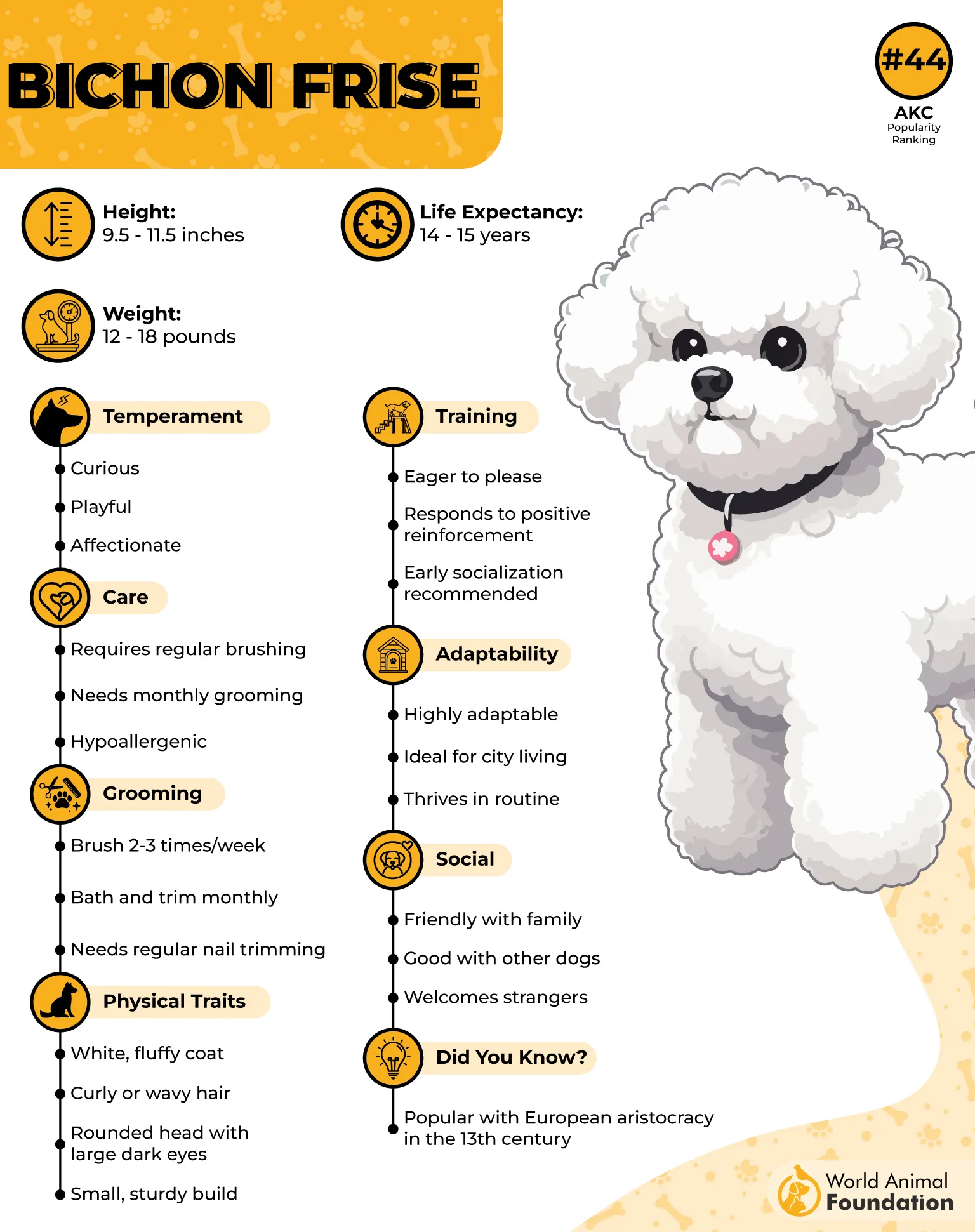
Cheerful and sociable, the Bichon enjoys spending time with children and other dogs and thrives on regular activity. Its intelligence also makes training enjoyable, while daily brushing and regular grooming help prevent mats as the continuously growing coat develops.
How This Breed Stands Out
Powder-puff textured fur: The soft, curly coat creates a fluffy, powder-puff appearance while naturally limiting the amount of loose hair released around the home.
Cheerful social personality: Affectionate and playful, the Bichon readily enjoys family interaction and can be a lively, trainable household companion.
3. Yorkshire Terrier
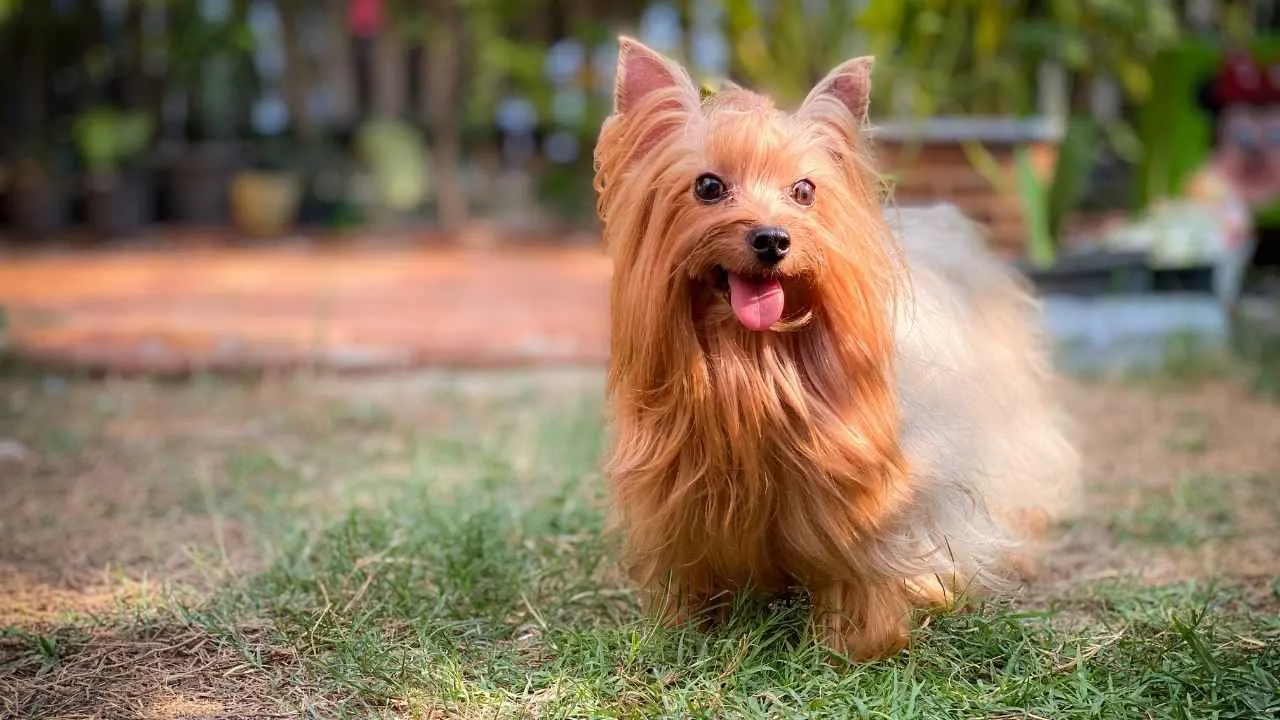
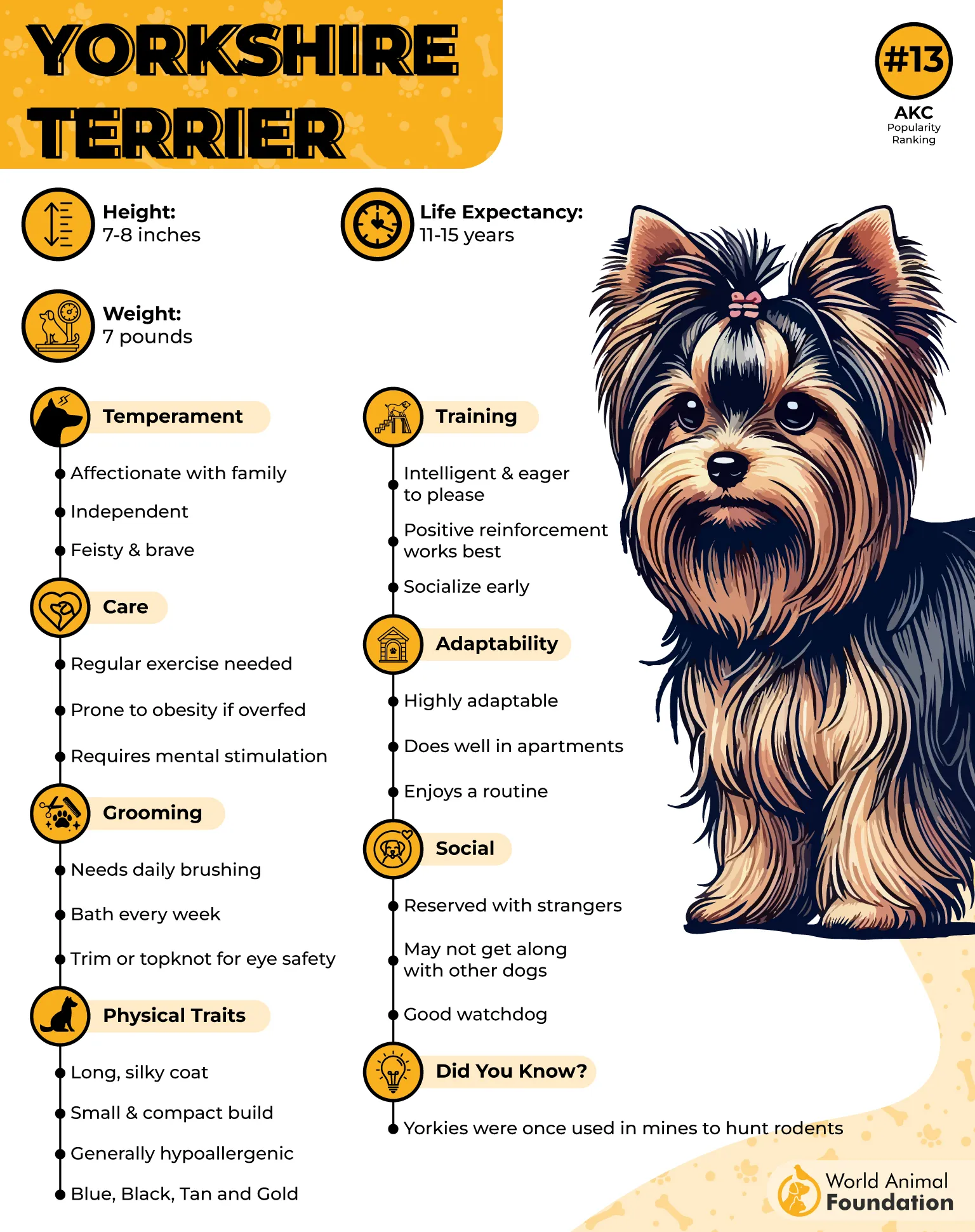
The Yorkshire Terrier has a fine coat that closely resembles human hair, contributing to its reputation as a very low-shedding companion. When kept long, those silky strands need frequent brushing, while regular bathing and ear checks help maintain the coat and overall cleanliness.

Small in stature but full of confidence, Yorkies are affectionate, intelligent, and eager to please. They adapt well to apartments or larger homes when given attention and can enjoy walks, playful bursts, and activities such as agility or obedience.
How This Breed Stands Out
Hair-like silky strands: The Yorkie’s fine, flowing coat has a texture similar to human hair and requires careful grooming rather than routine shedding management.
Tiny yet confident demeanor: Despite its petite frame, the Yorkie carries a spirited personality and can enthusiastically participate in training and canine activities.
4. Maltese
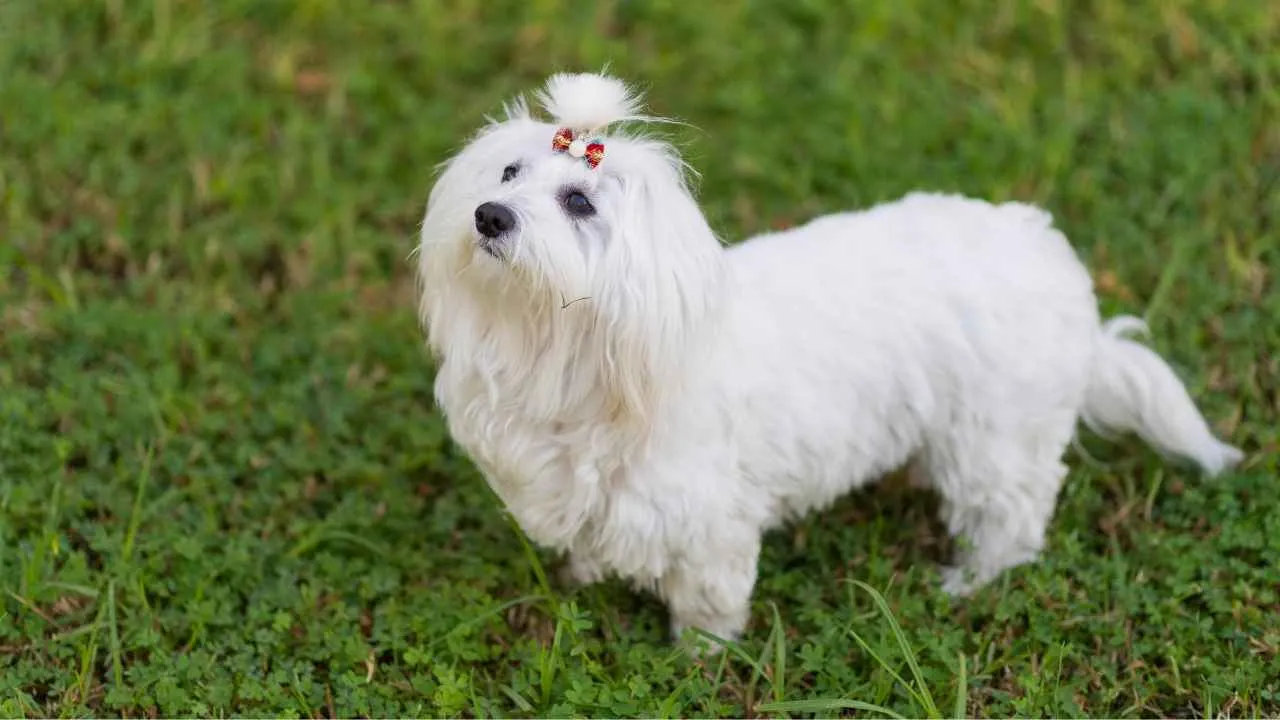
The Maltese is a tiny, graceful companion recognized for its long, silky white hair and surprisingly bold personality. Gentle, affectionate, and lovable, this toy breed enjoys being close to its family while bringing plenty of playful energy into the home.
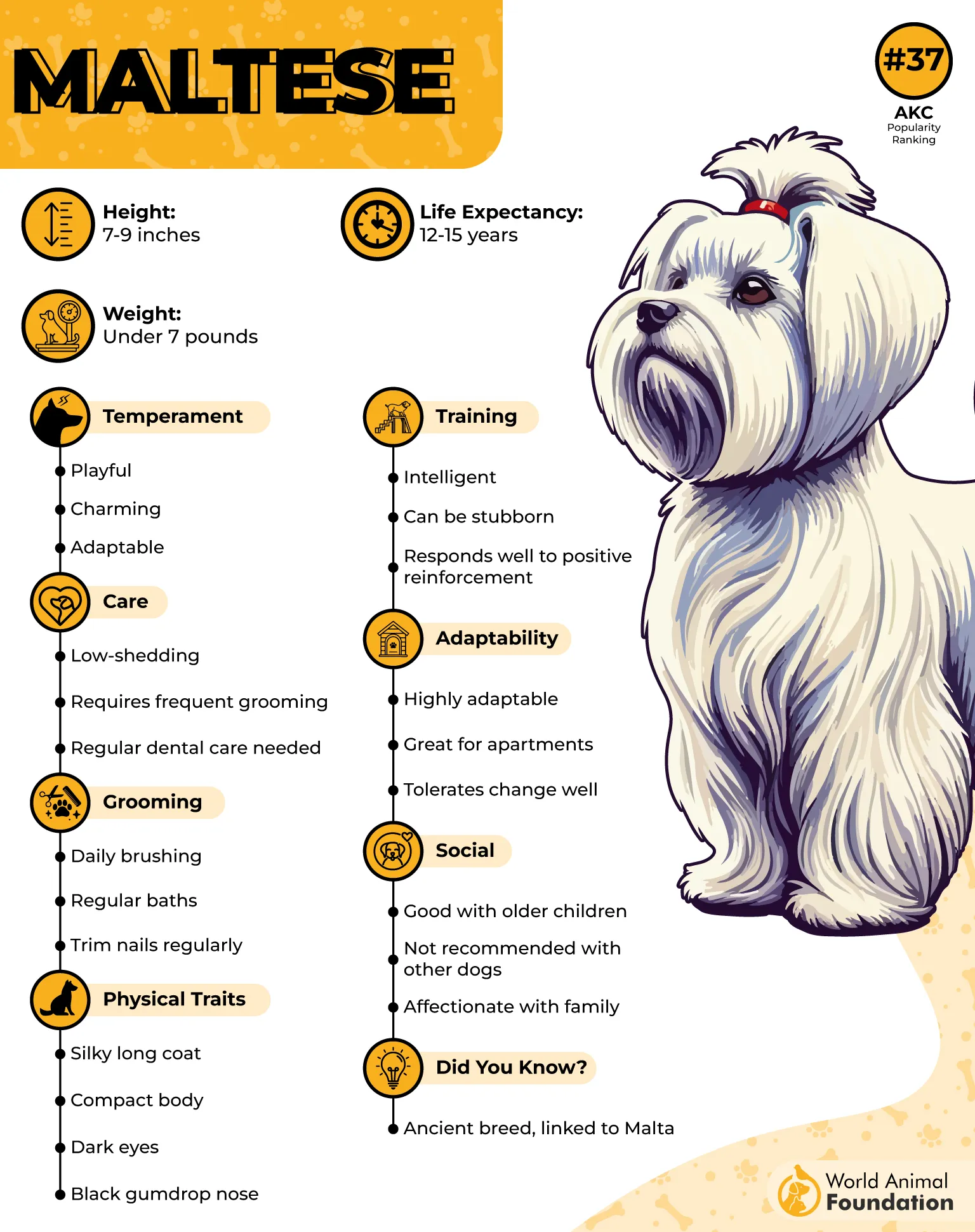
Its flowing coat sheds very little but demands consistent care, especially when kept long. Daily brushing and combing are needed to prevent matting, and regular trimming can make upkeep more manageable for some owners, while baths, nail trims, and ear checks support a neat, healthy appearance.
According to PetMD, bringing home a Maltese puppy requires a commitment to regular grooming, socialization, and training.
How This Breed Stands Out
Flowing white tresses: The luxurious, floor-length coat gives the Maltese its instantly recognizable appearance and requires regular grooming to stay smooth.
Devoted lap-dog nature: Affectionate and people-oriented, the Maltese thrives on companionship and loves spending quiet time close to its favorite people.
5. Basenji
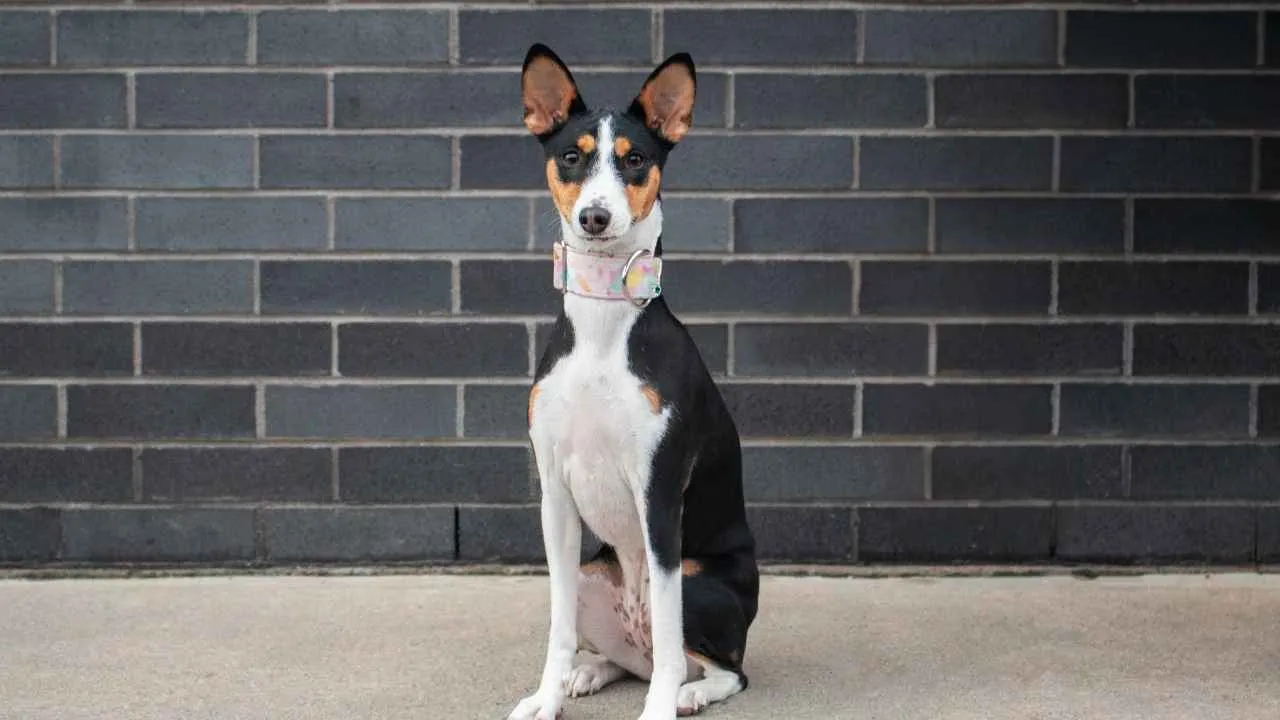
The Basenji is a graceful African hunting breed admired for its alert expression, tightly curled tail, and wrinkled forehead. Intelligent and energetic, it can be reserved with unfamiliar people while remaining affectionate and playful with its family.
According to PDSA, Basenjis were originally developed to hunt using either their sense of smell or sight. They typically need plenty of exercise and are known for being independent yet reliable dogs.
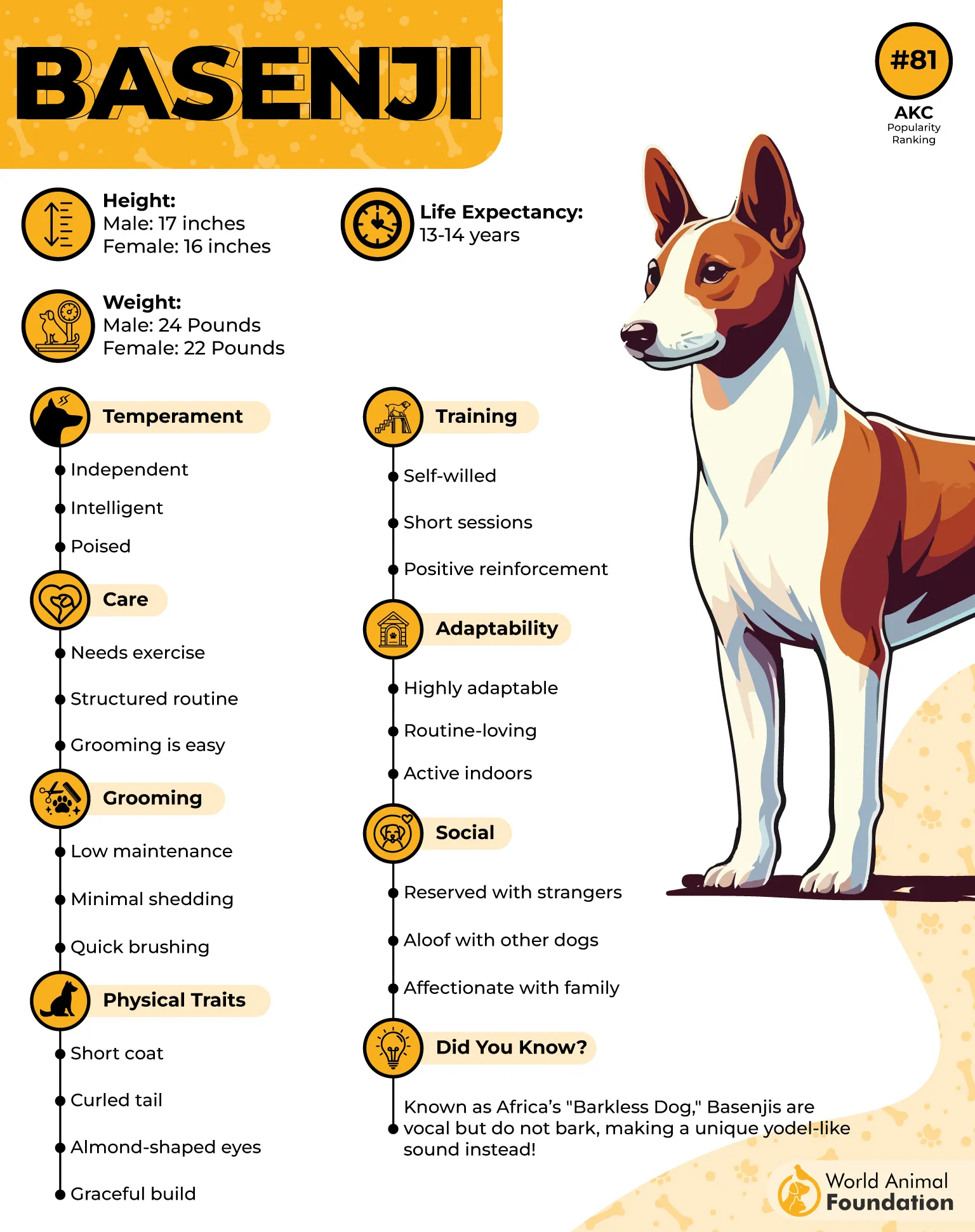
Its short coat has little odor and needs minimal upkeep, making this breed especially convenient for owners who prefer a simple grooming routine. Basenjis are also notably fastidious, often cleaning themselves much like cats, with weekly brushing usually enough.
How This Breed Stands Out
Sleek, naturally clean coat: The short, odor-free coat requires little grooming, while the Basenji’s self-cleaning habits further contribute to its tidy nature.
Distinctive barkless vocalization: Rather than producing a typical bark, the Basenji communicates with an unusual chortling or yodel-like sound when excited.
6. Chinese Crested
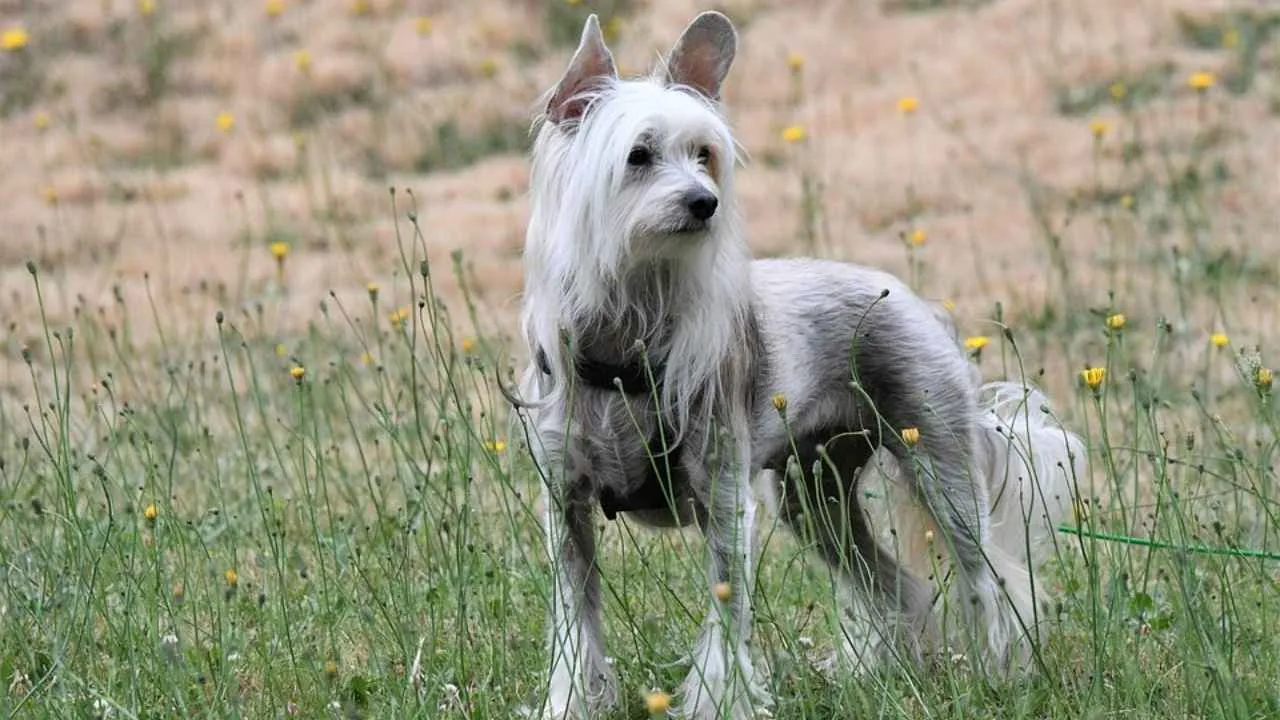
The Chinese Crested is a fine-boned toy breed with an unmistakable appearance and an affectionate, playful personality. The hairless variety has smooth skin with silky furnishings on the head, tail, and feet, while the Powderpuff is covered in soft hair.
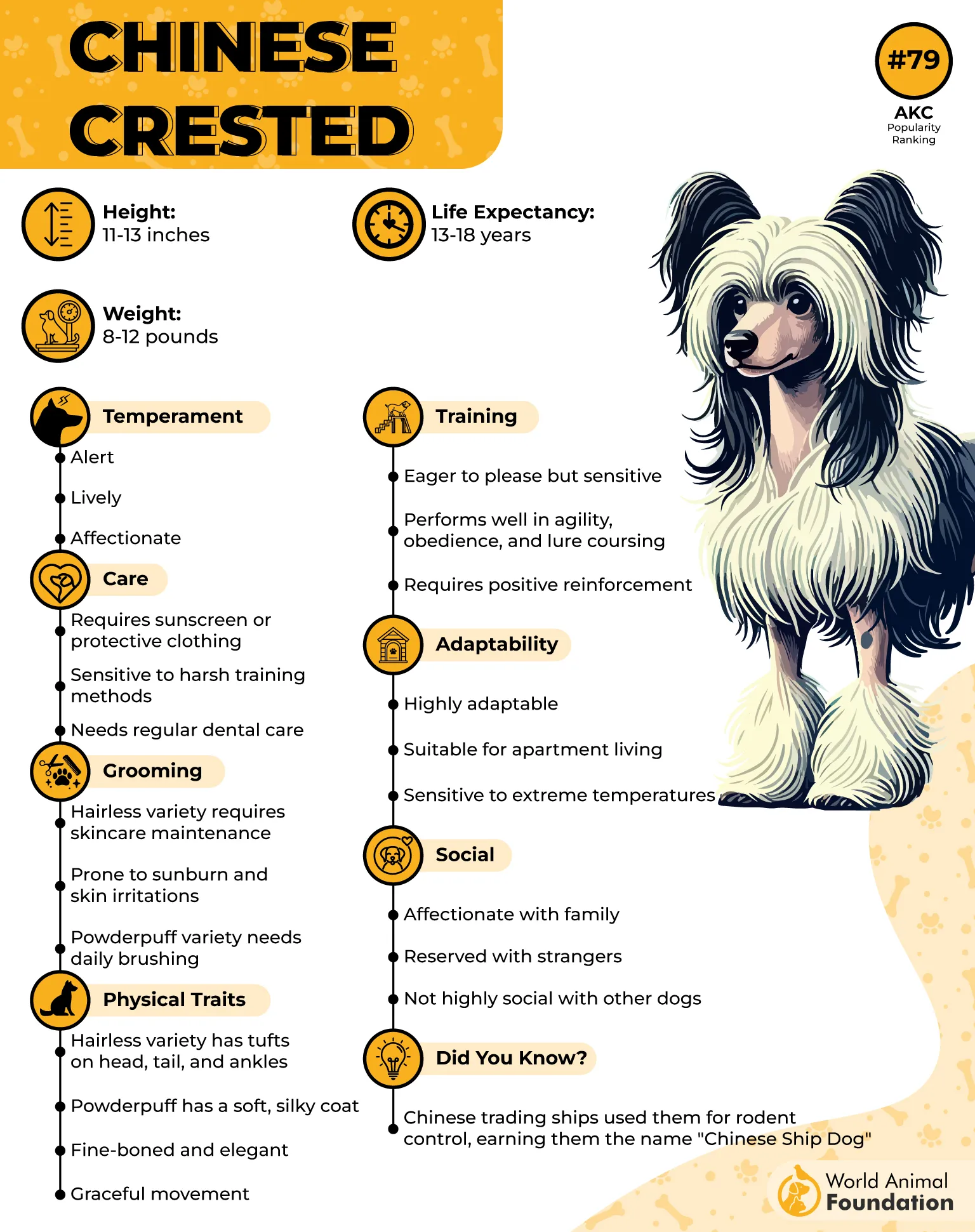
Shedding is minimal, particularly in the hairless variety, but grooming needs differ between the two types. Powderpuffs require regular brushing to prevent tangles, whereas hairless Cresteds need extra attention to their exposed skin, including protection from strong sunlight and care for dry skin, so it helps to keep the right products in mind for the variety you choose.
How This Breed Stands Out
Hairless body with tufts: Silky hair concentrated around the crest, feet, and tail creates the breed’s distinctive, elegant appearance.
Exposed skin needs protection: Bare skin requires thoughtful care, including sun protection, to help prevent irritation and sun damage.
7. Portuguese Water Dog
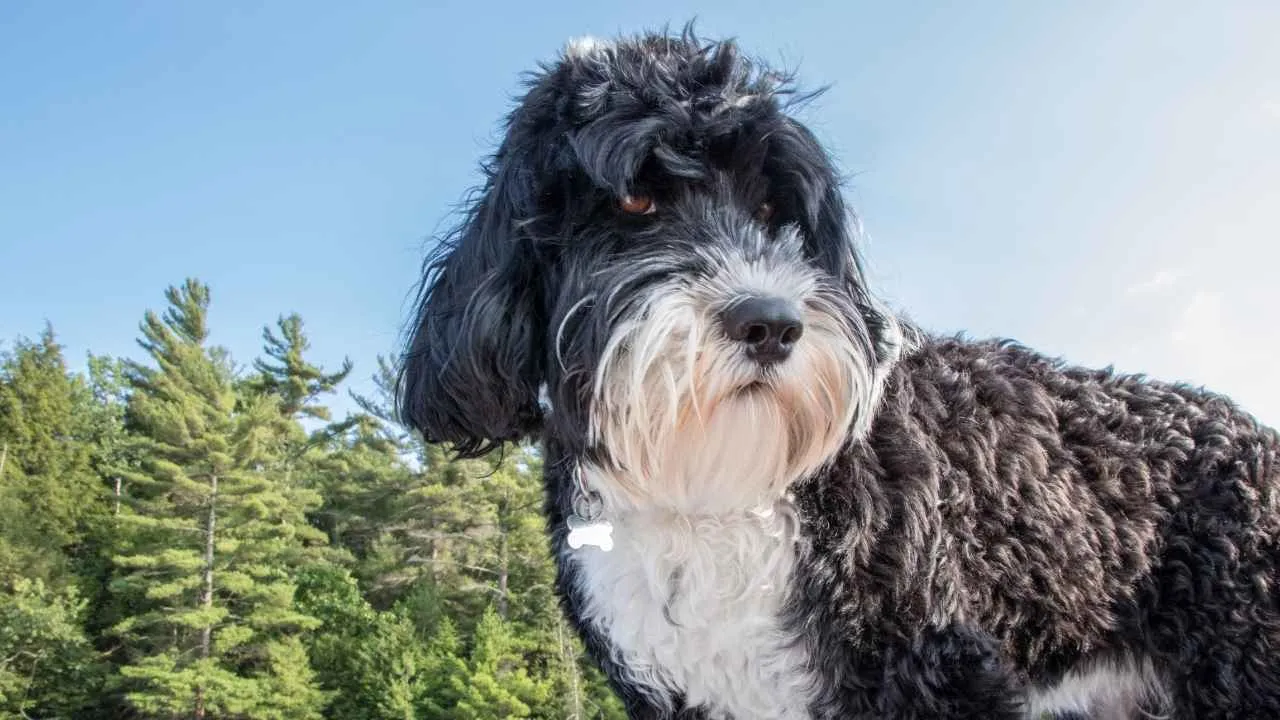
The Portuguese Water Dog is an athletic, intelligent breed with a long history of working alongside fishermen. Its waterproof coat comes in curly or wavy textures and sheds very little, making it a popular choice for people seeking a low-shedding companion.
According to the AKC, Portuguese Water Dogs are highly intelligent, easy to train, and eager to please their owners.
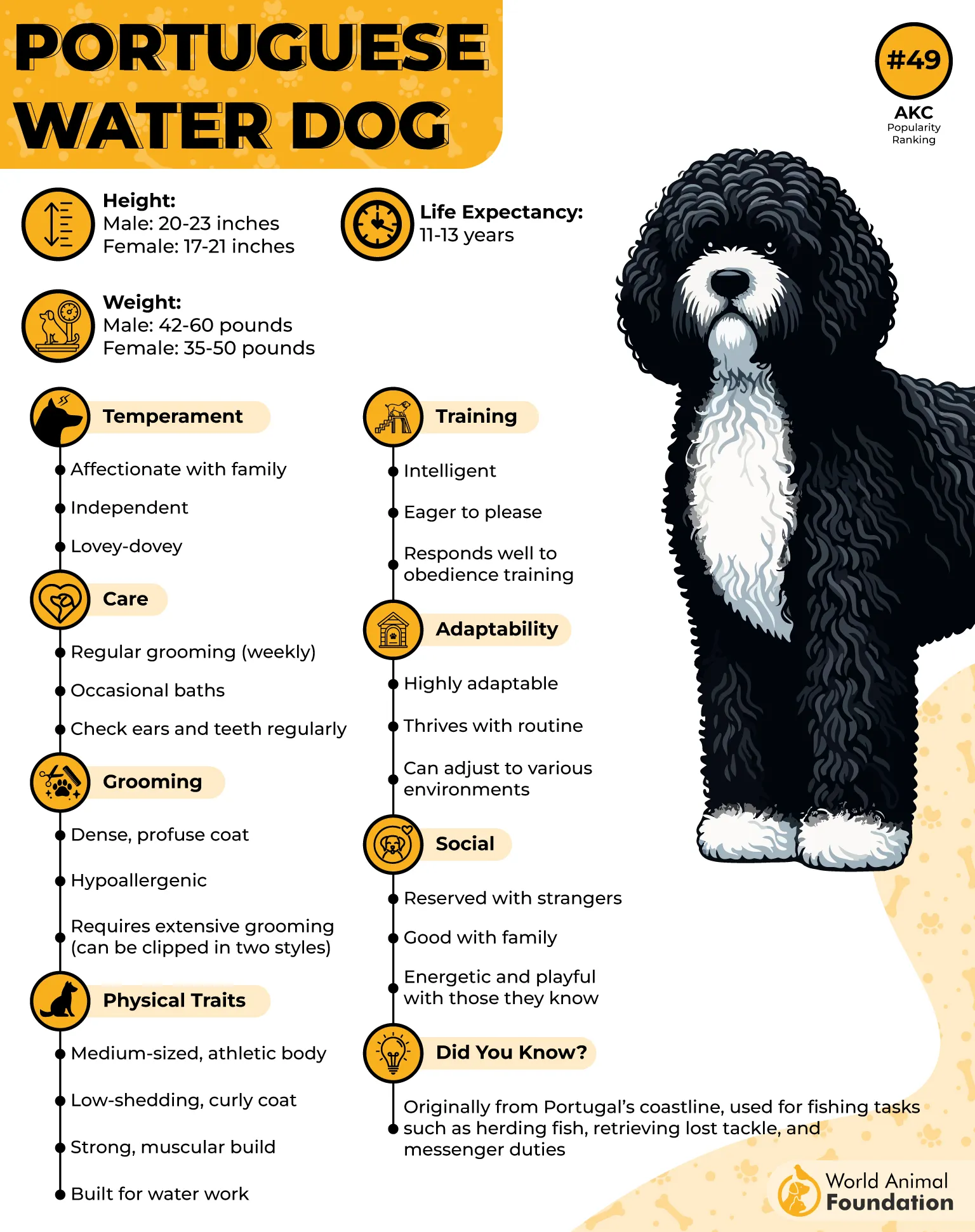
Full of energy and enthusiasm, this breed needs plenty of vigorous activity to stay content. Swimming is a natural favorite, while regular brushing helps prevent mats, and professional grooming every month or two keeps its distinctive coat manageable.
How This Breed Stands Out
Dense curls or waves: Its thick, waterproof coat may form tight curls or soft waves while naturally producing minimal shedding, and it stays more manageable with regular brushing by hand.
Enthusiastic water-loving nature: Bred for demanding tasks around Portuguese waters, the breed remains especially eager to swim, retrieve, and play in water.
Conclusion
Choosing a low-shedding dog can make life easier for people who want less loose hair around the home. Breeds such as the Maltese, Basenji, and Chinese Crested offer distinctive appearances while keeping shedding to a minimum.
The Portuguese Water Dog adds an athletic option, with a waterproof coat that sheds very little. Its energetic personality also makes it a great match for families who enjoy active routines and outdoor adventures.
However, low shedding does not mean no grooming. Regular brushing, bathing, coat care, and skin attention may still be necessary depending on the breed and coat type.
Ultimately, the best choice depends on more than shedding alone. Consider grooming needs, energy levels, temperament, and lifestyle to find a breed that fits naturally into your home.
