





Small dogs have a special talent for stealing hearts, taking over couches, and somehow becoming the most important members of the household. But when you’re choosing a furry companion for your family, an adorable face and tiny paws aren’t the only things that matter.
Temperament is the real deal-breaker. A dog that enjoys human company, responds well to training, handles everyday household activity comfortably, and interacts gently with children can make family life considerably more enjoyable.
And here’s the exciting part: many small dog breeds have personalities as lovable as their looks. Some are affectionate cuddle enthusiasts, others are playful little entertainers, and a few are surprisingly confident companions who love participating in every family activity.
We’ve rounded up ten small dog breeds known for their appealing, family-oriented temperaments.
Small Dog Breeds with the Best Temperament for Families
1. Cavalier King Charles Spaniel
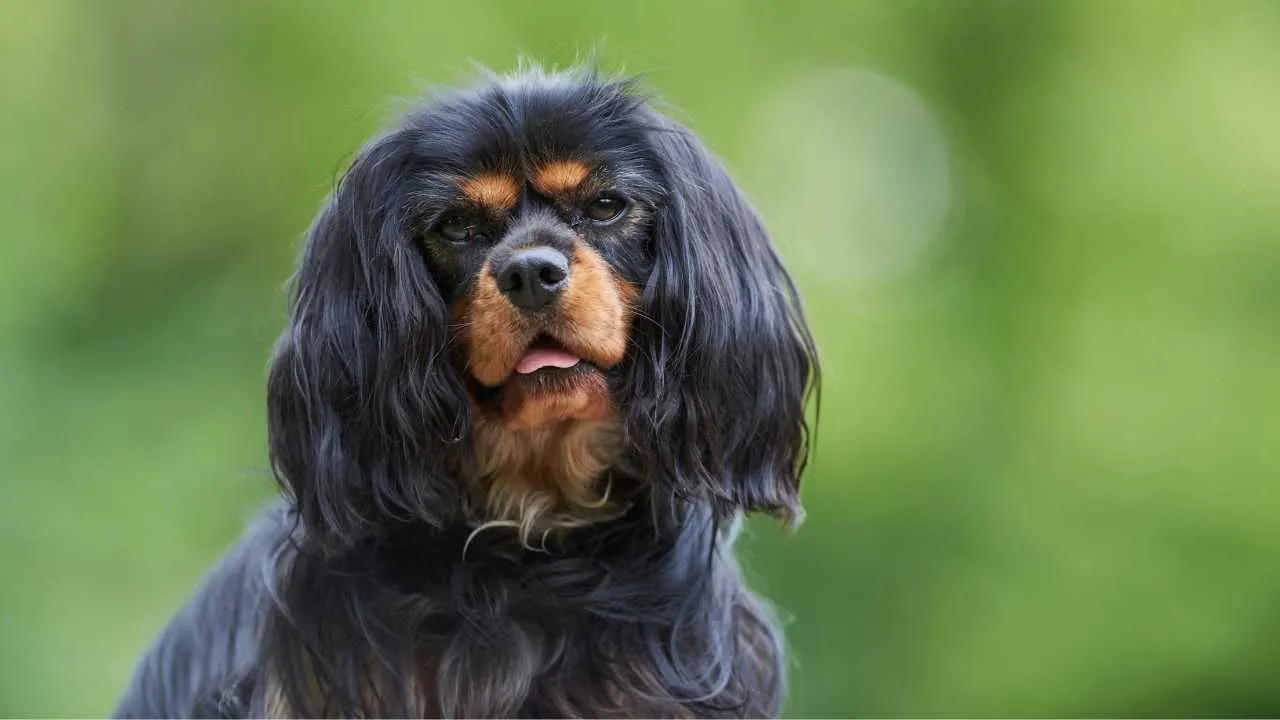
The Cavalier King Charles Spaniel is basically a walking love letter with floppy ears and an expression that could melt even the coldest heart. Known for its gentle disposition, affectionate personality, and eagerness to connect with people, this excellent family pet is often considered one of the most appealing companion breeds.
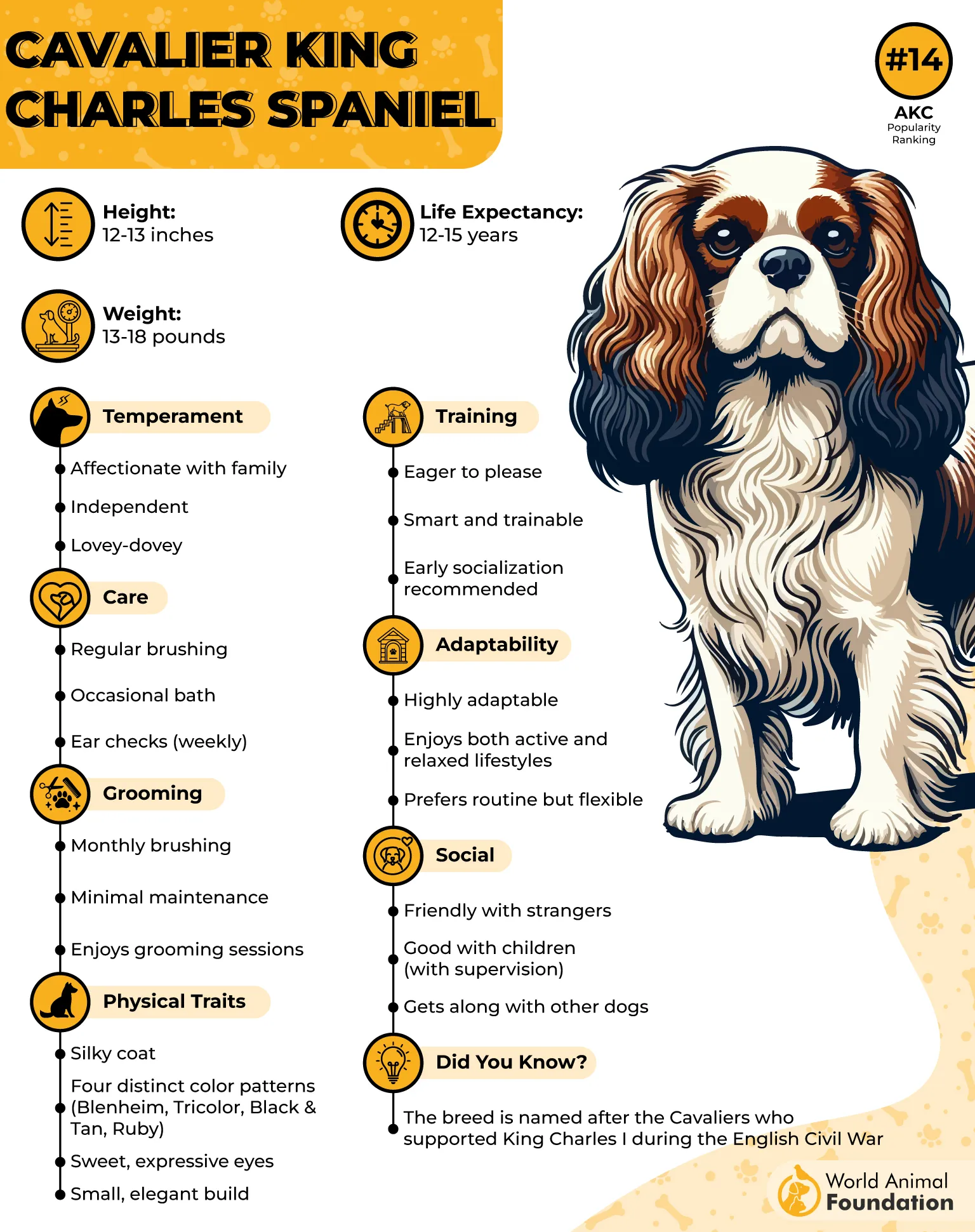
One of the breed’s greatest temperament strengths is its generally sweet, approachable nature, which can make family interactions especially rewarding. UKC Dogs says that many Cavaliers enjoy spending time with respectful children, welcoming familiar visitors, and relaxing alongside other pets when they’ve been properly introduced.
Training a Cavalier is often enjoyable because these sensitive dogs typically respond well to encouragement, praise, and food rewards. Their desire for companionship can make them attentive learners, but patient instruction matters because harsh corrections can undermine their confidence.
Their affectionate temperament comes with an important responsibility: Cavaliers can struggle when left alone for extended periods.
2. Bichon Frise
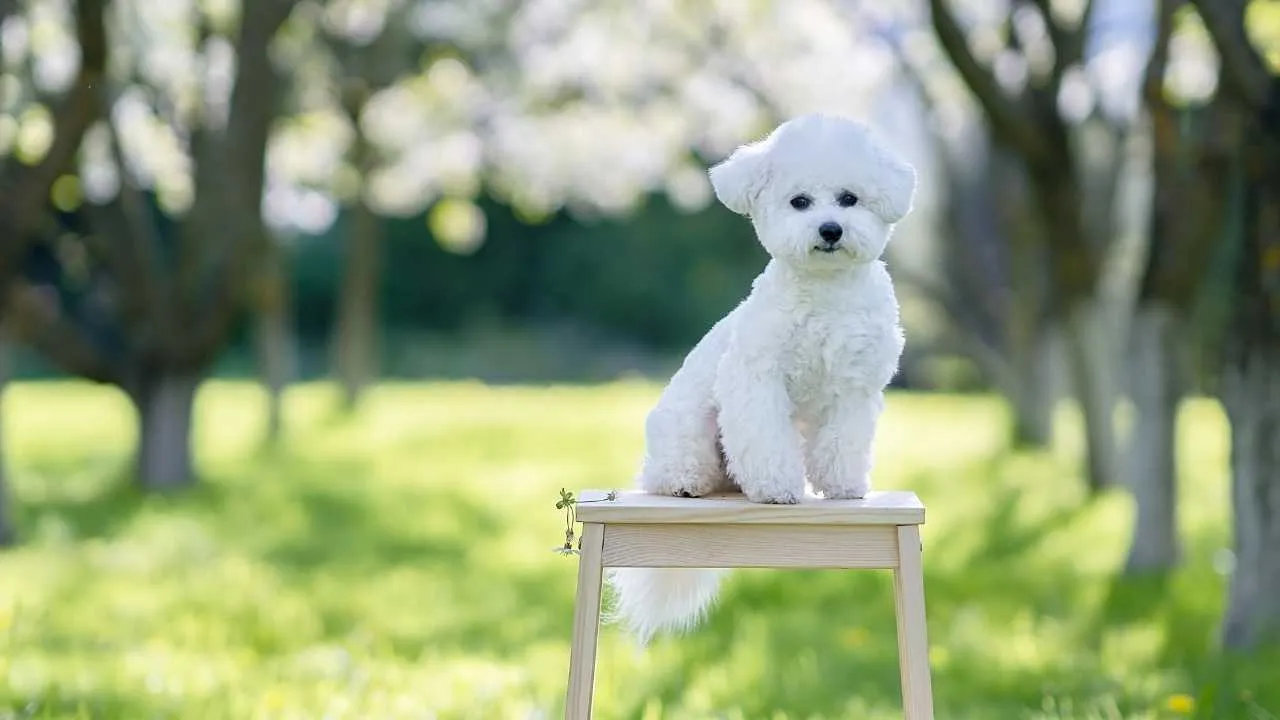
The Bichon Frise looks like a fluffy marshmallow that somehow developed a personality overflowing with happiness and enthusiasm. Known for its cheerful, playful, and affectionate temperament, this little companion often brings an infectious sense of fun into family life.
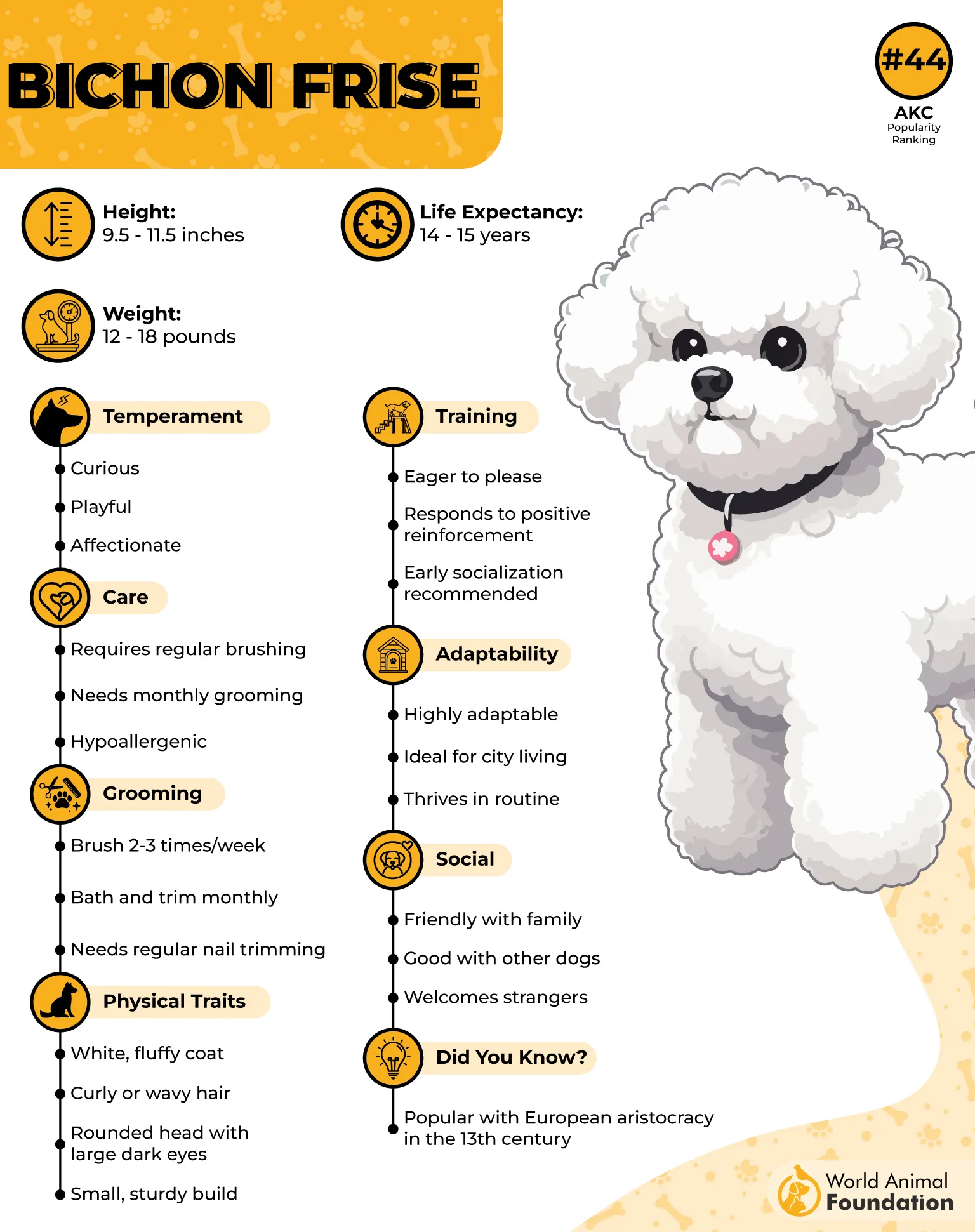
Bichons are generally sociable dogs that often enjoy meeting new people and interacting with familiar animals when properly socialized. Their outgoing personalities can help them adapt to family gatherings, friendly visitors, and households where several people share responsibility for caring for the dog.
Unlike breeds that strongly prefer solitude, many Bichons actively seek attention and appear happiest when included in everyday activities.
Their playful temperament is another major reason families fall in love with them, because these energetic little dogs have a remarkable talent for turning simple games into entertainment. Fetch, gentle tug-of-war, trick training, and interactive toys offer fun ways for children and adults to bond with their pets.
3. Yorkshire Terrier
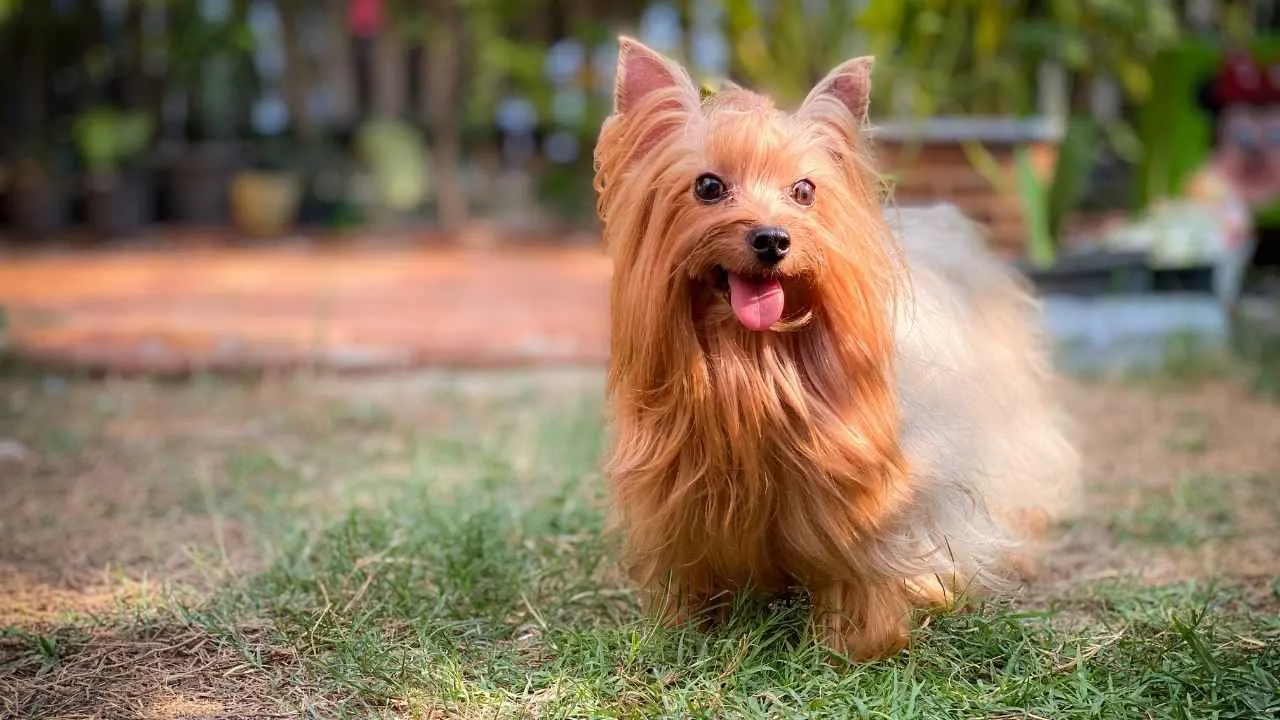
The Yorkshire Terrier may look like a glamorous little celebrity with its silky coat and tiny frame, but it has pure confidence with a side of sass. Originally bred to catch rats in English mills, this spirited companion still carries the courage, alertness, and determination of its working ancestors.
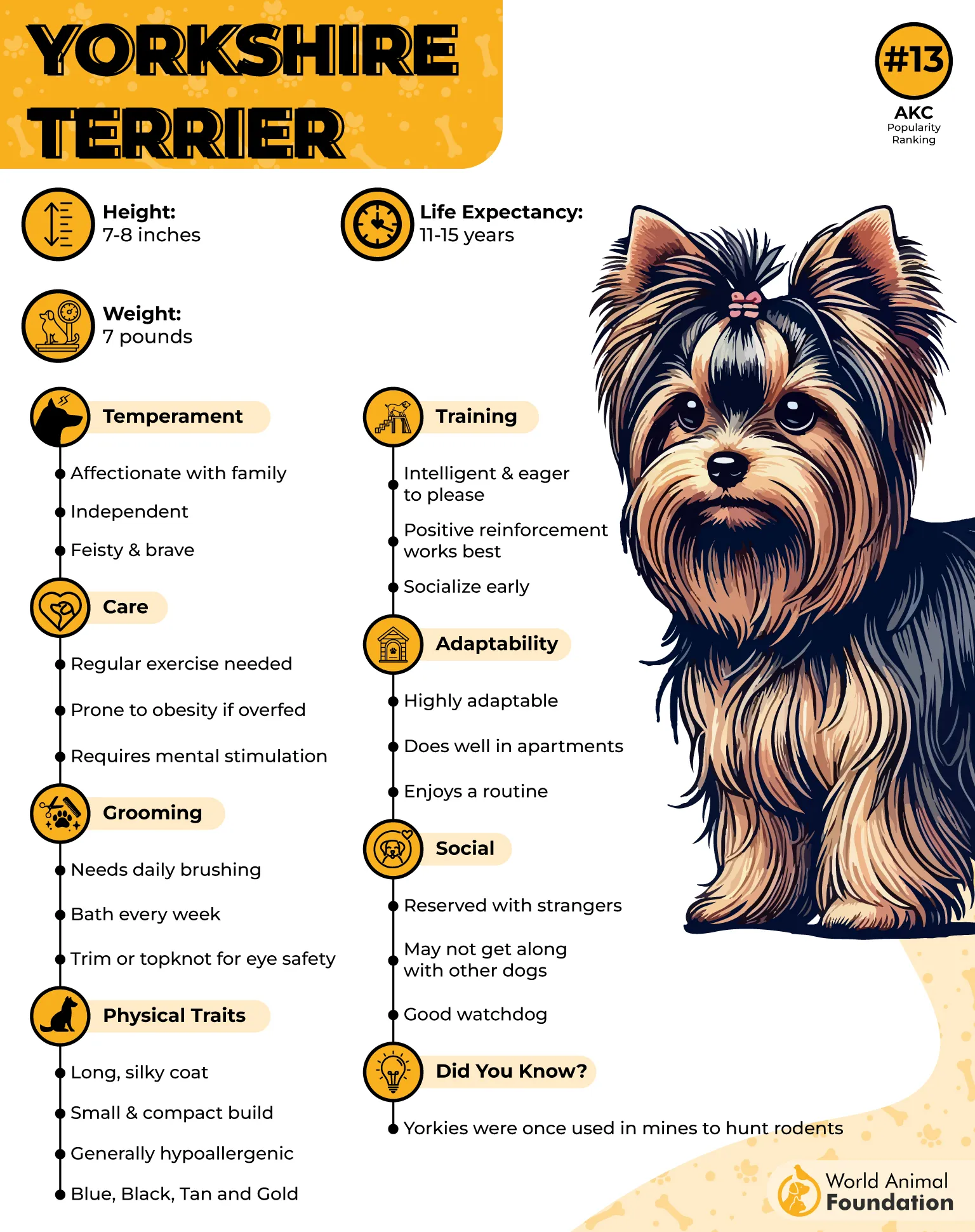
One of the most interesting things about this small dog is how deeply attached they can become to their favorite humans. Many are affectionate and devoted to family members, happily following familiar people around the house and seeking opportunities for attention.
Their playful nature makes them particularly entertaining companions for families who enjoy interactive games and energetic little personalities. Yorkies often love chasing toys, investigating interesting scents, and participating in short obedience training sessions that challenge their intelligence.
Their enthusiasm can sometimes become excessive barking or bossy behavior, so early training helps channel their confidence into more manageable habits.
Despite their affectionate temperament, Yorkshire Terriers aren’t always the best choice for households with toddlers or children who enjoy rough play. Their delicate bodies can be injured by accidental drops or careless handling, and some individuals may react defensively when frightened or overwhelmed.
4. Havanese
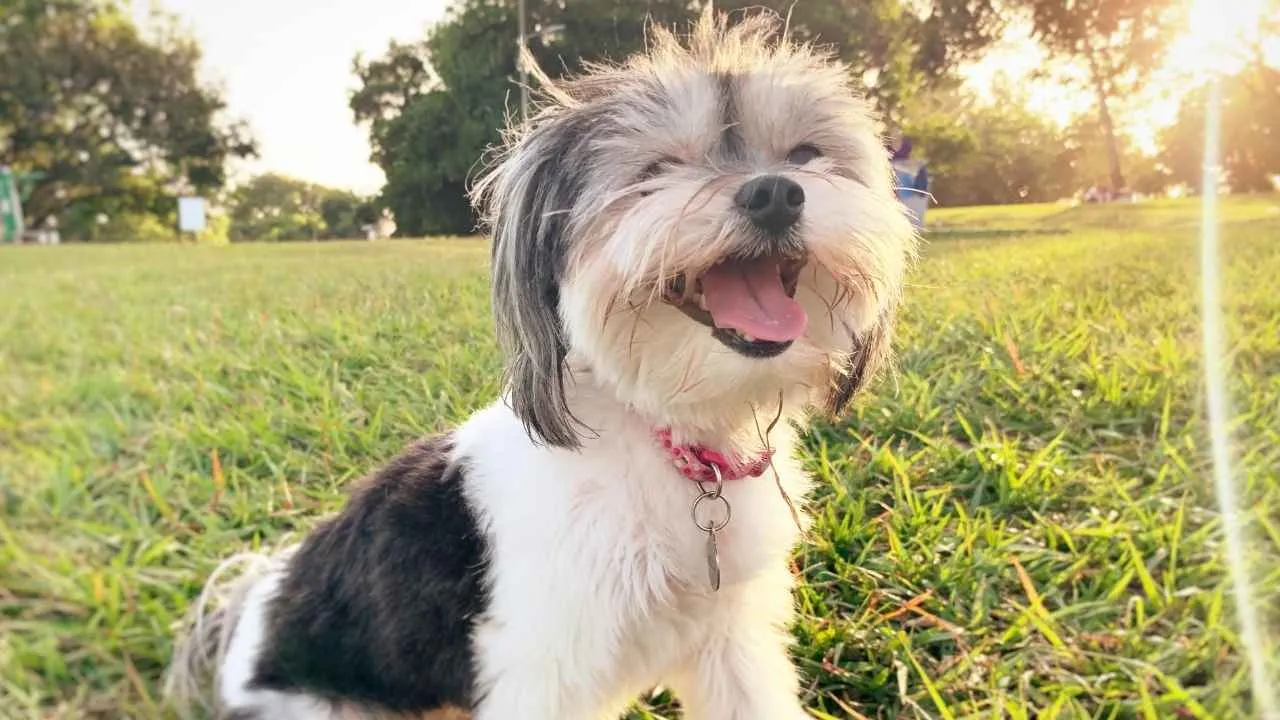
The Havanese is basically the social butterfly of the dog world, always ready to make friends and turn an ordinary family gathering into a mini celebration. As Cuba’s national dog, this cheerful companion has a long history of living closely with people and adapting to different household environments.
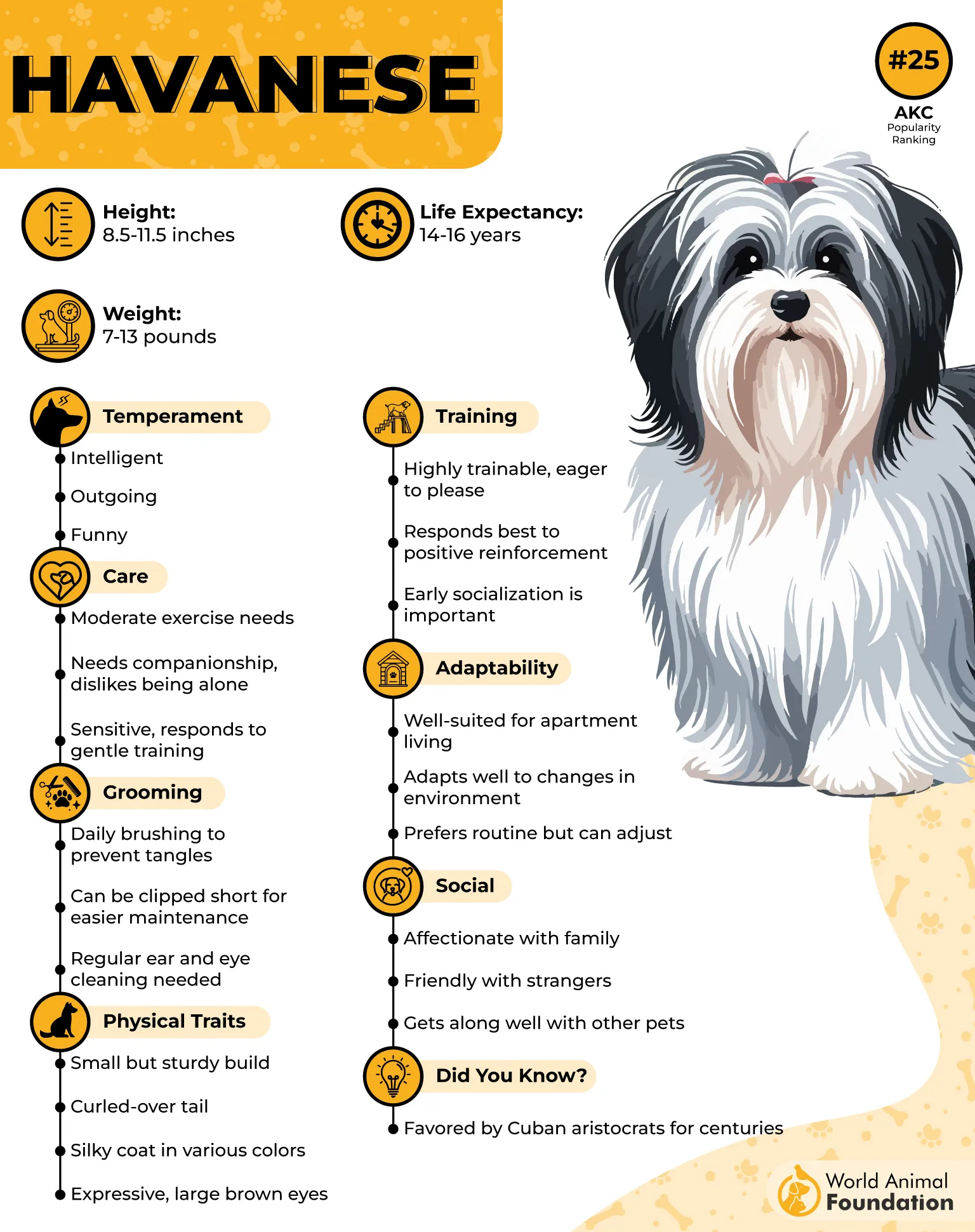
With proper socialization, their naturally sociable personalities often make them comfortable around respectful children, familiar pets, and visitors. Unlike dogs that prefer spending most of their time alone, many Havanese actively enjoy participating in family routines and interacting with different household members.
They are also enthusiastic little entertainers who love toy-based games, gentle chasing, and problem-solving activities. Their smartness helps them learn tricks quickly, especially when owners use praise, rewards, and playful training methods.
Their temperament is especially appealing because many combine lively enthusiasm with a sensitive awareness of their owners’ behavior. They often enjoy cuddling after playtime and may become particularly attached to people who provide consistent affection and companionship.
5. Shih Tzu
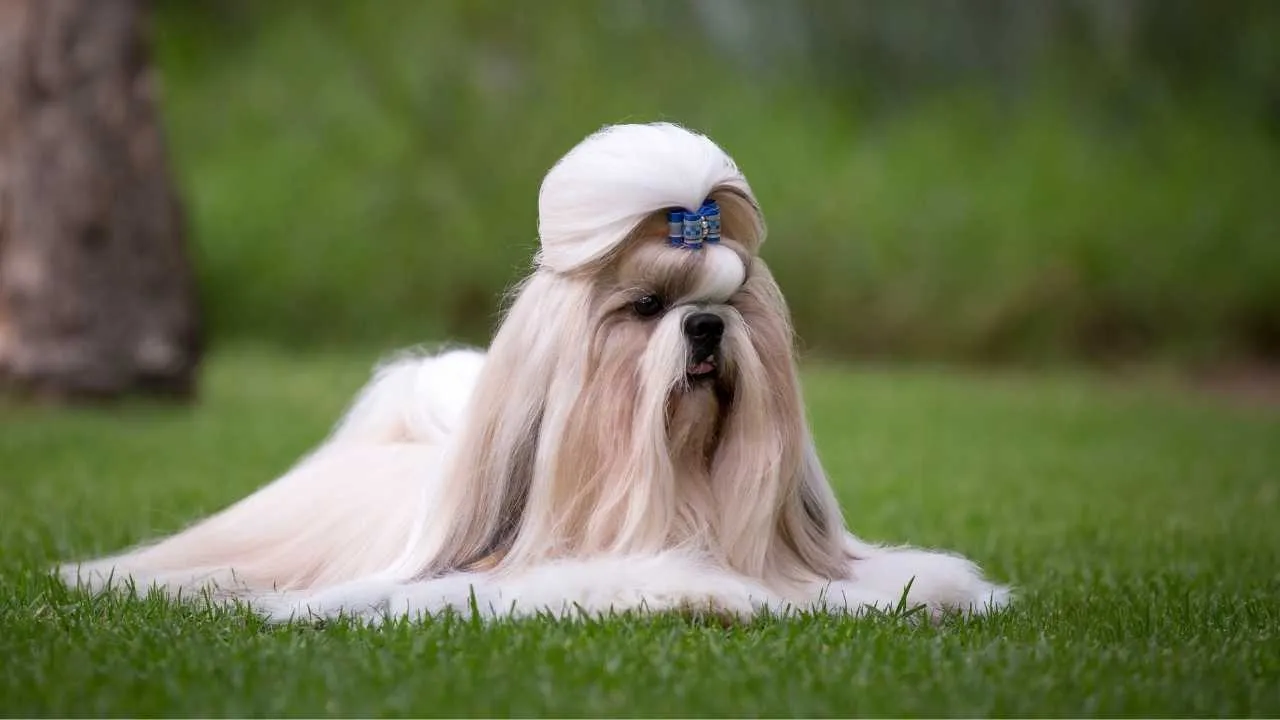
Originally associated with Tibetan and Chinese companion-dog traditions, the Shih Tzu was developed primarily for companionship rather than physically demanding work.
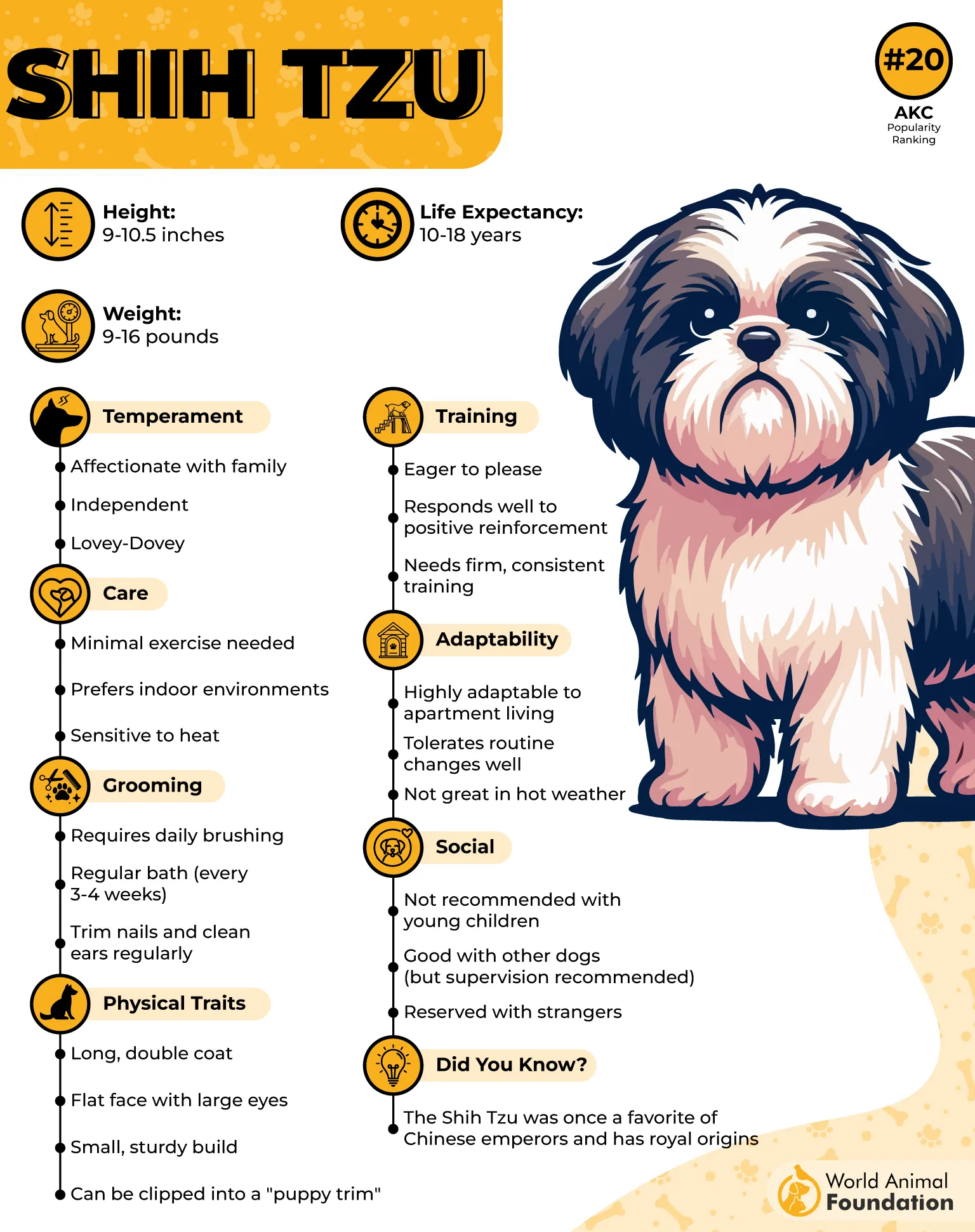
One of the Shih Tzu’s greatest temperament strengths is its tendency to enjoy spending time with familiar people without demanding nonstop physical activity. Many are happy to relax beside family members and participate in quieter household routines. Their relatively moderate exercise needs make them well-suited to apartments, as long as they still get regular walks and mental and physical stimulation.
Although Shih Tzus have a reputation for being relaxed, Orvis says they also have playful personalities that can surprise owners who expect them to behave like decorative cushions. They often enjoy short games involving soft toys, gentle retrieving, and amusing interactions that encourage family participation.
Training this dog with a gentle temperament takes patience because these charming little dogs can sometimes show an independent streak. Short, reward-based lessons generally work better than repetitive drills, and consistent routines help reinforce polite behavior without creating unnecessary frustration.
6. Boston Terrier
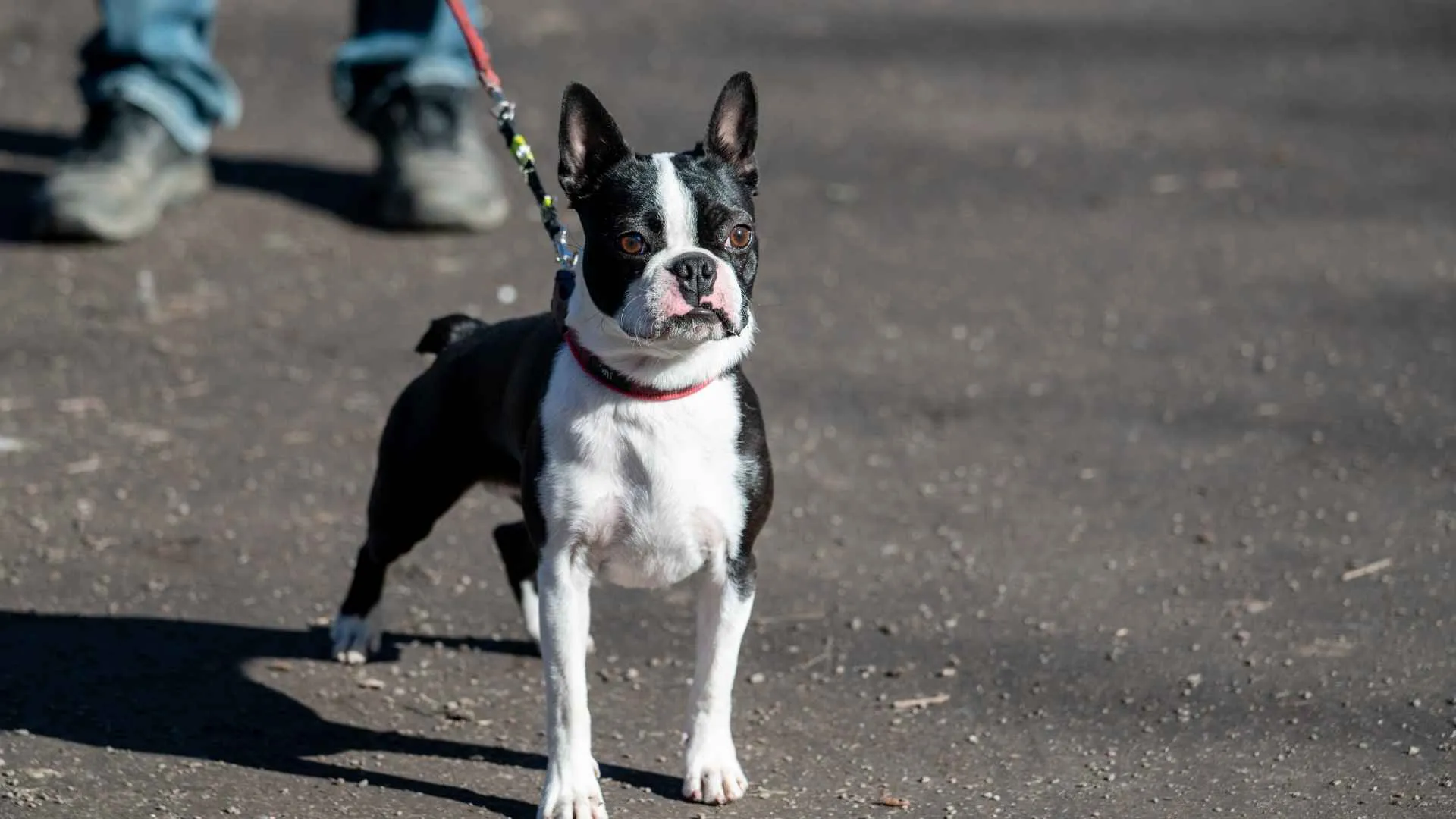
The Boston Terrier looks like it’s dressed for a fancy dinner, but its personality is closer to an enthusiastic comedian who wants everyone to have a good time. Nicknamed the American Gentleman, this compact breed is known for its affectionate disposition, lively attitude, and entertaining enthusiasm for family activities.
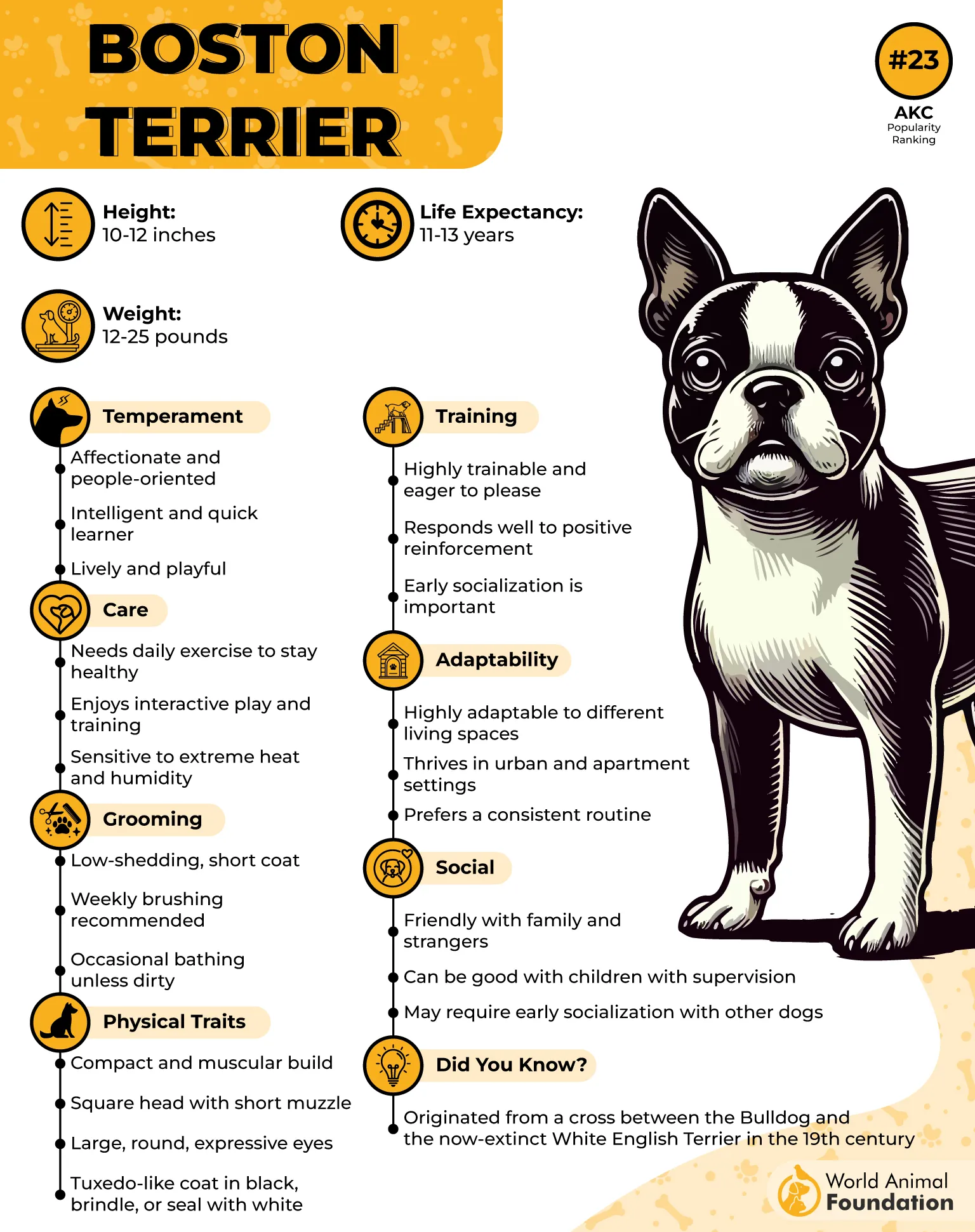
Boston Terriers frequently enjoy interacting with children who understand how to play gently and respectfully. Their sturdy bodies and energetic attitudes make them enthusiastic game participants, though accidental injuries remain possible when play gets too rough.
One of their most appealing temperament qualities is their ability to balance energetic entertainment with affectionate relaxation. Many enjoy chasing toys, doing short training exercises, and spending time with family members before settling down for a comfortable rest.
Their intelligence and generally cooperative personalities can make training rewarding, particularly when owners use positive reinforcement and keep lessons engaging. However, some Boston Terriers become overly excited during play, so teaching calm greetings, impulse control, and appropriate behavior around visitors is essential.
7. Papillon
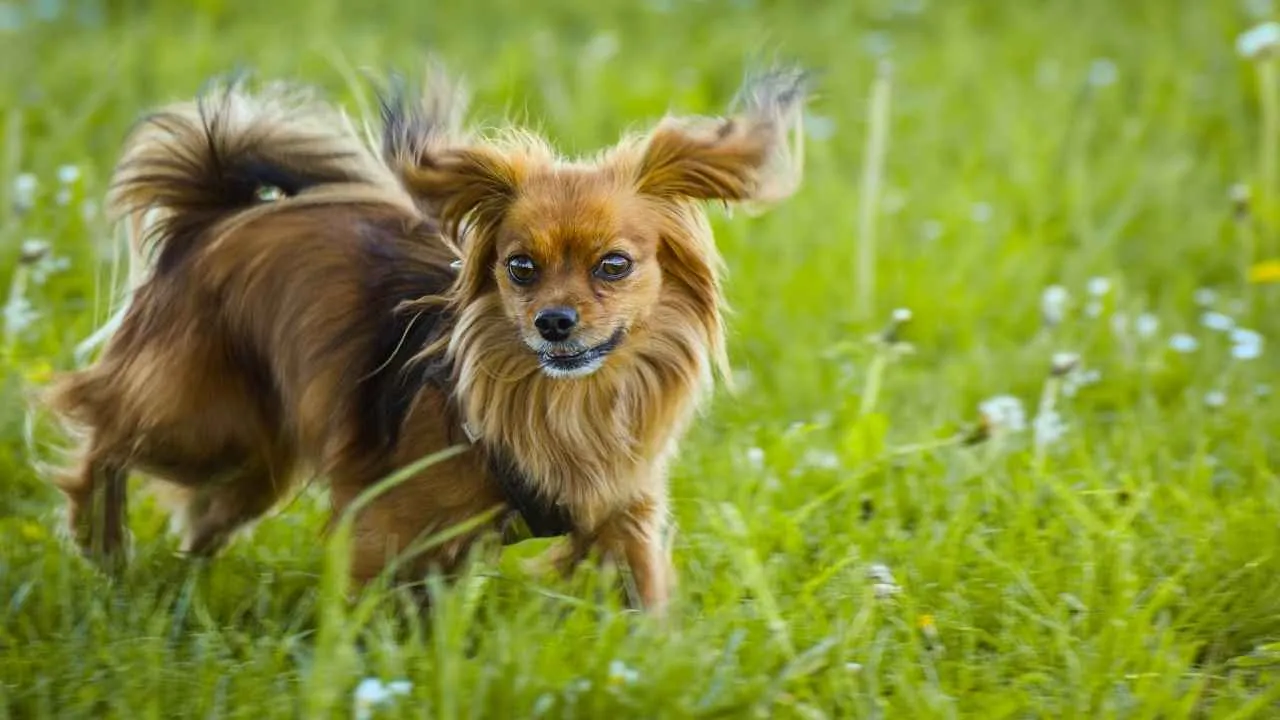
The Papillon looks like a delicate butterfly with four paws, but it has a surprisingly adventurous, intelligent, and confident temperament. Named after the French word for butterfly because of its distinctive fringed ears, this elegant little dog combines a cheerful disposition with impressive athletic abilities.
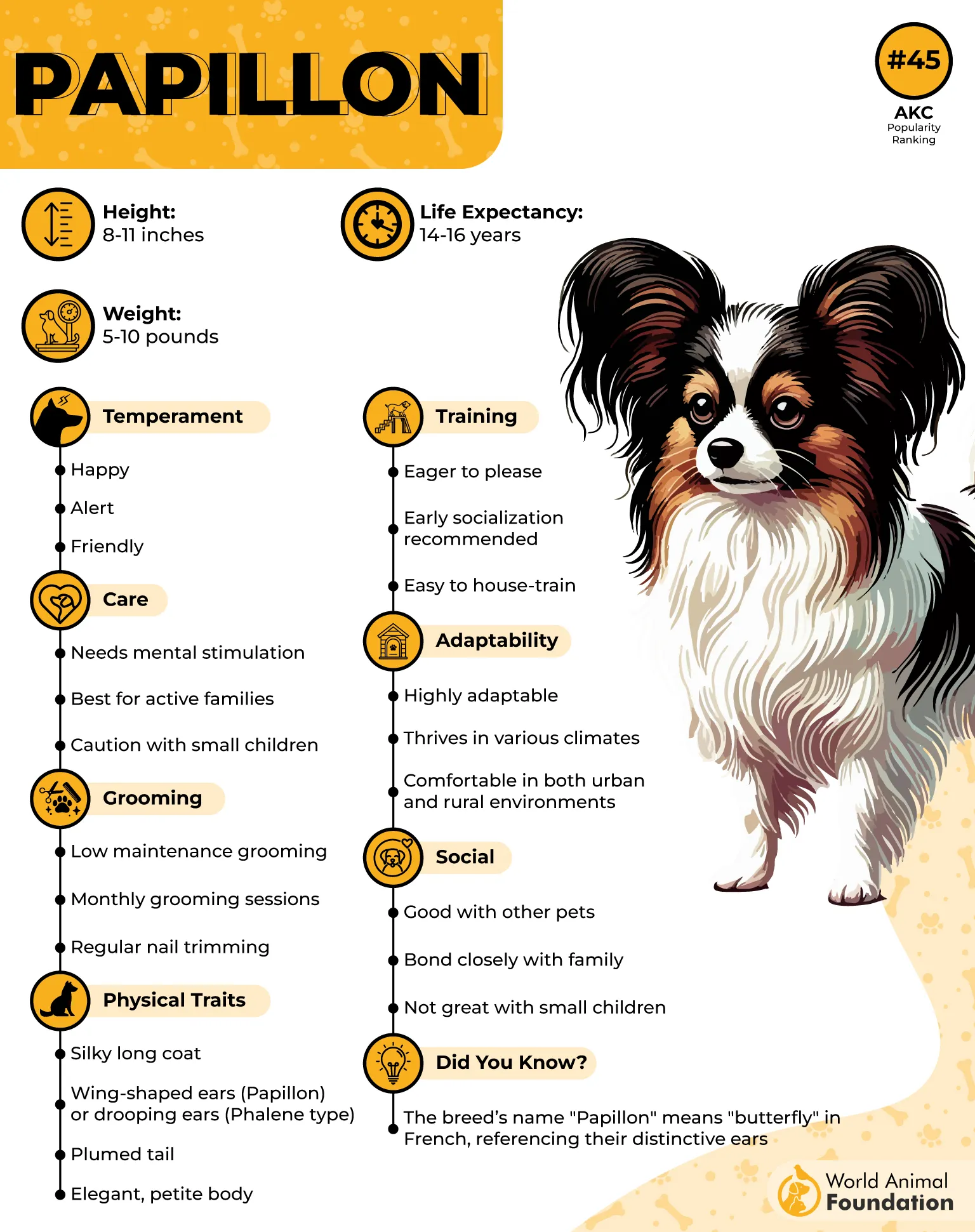
Their bright temperament makes them especially appealing to families who enjoy teaching tricks and joining interactive activities. These small pups often learn commands quickly and enthusiastically, especially when training sessions include rewards, movement, and problem-solving opportunities.
Unlike some toy breeds that prefer to relax most of the time, Papillons generally enjoy staying mentally and physically engaged. They can excel in agility activities, playful retrieving, and obedience exercises that challenge their coordination and intelligence.
Papillons often form affectionate relationships with family members while staying curious and independent about the world around them. Their long, silky coats need regular brushing, but they usually don’t need the elaborate clipping some other small companion breeds require.
8. Bolognese
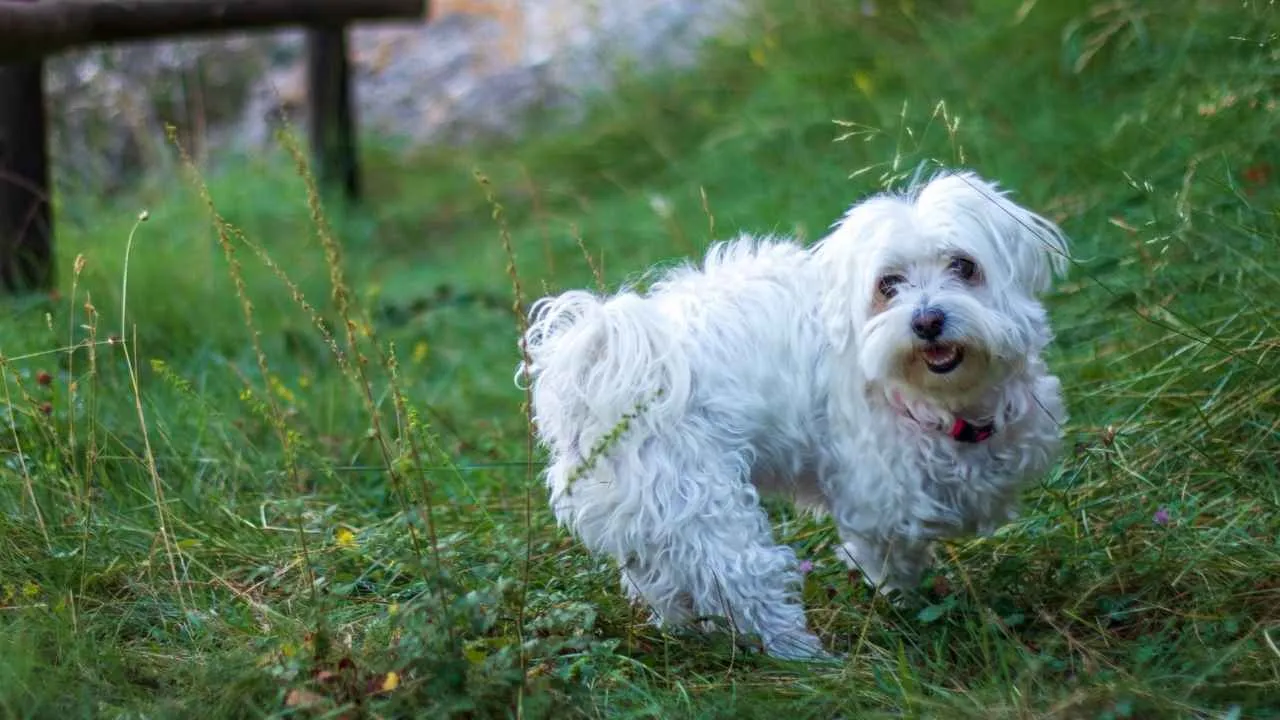
The Bolognese is the definition of a quiet little sweetheart, bringing soft white fluff, gentle affection, and a surprisingly thoughtful personality into family life. Originating in Italy and belonging to the wider Bichon family, Purina says that this uncommon companion breed was historically associated with European aristocratic households.
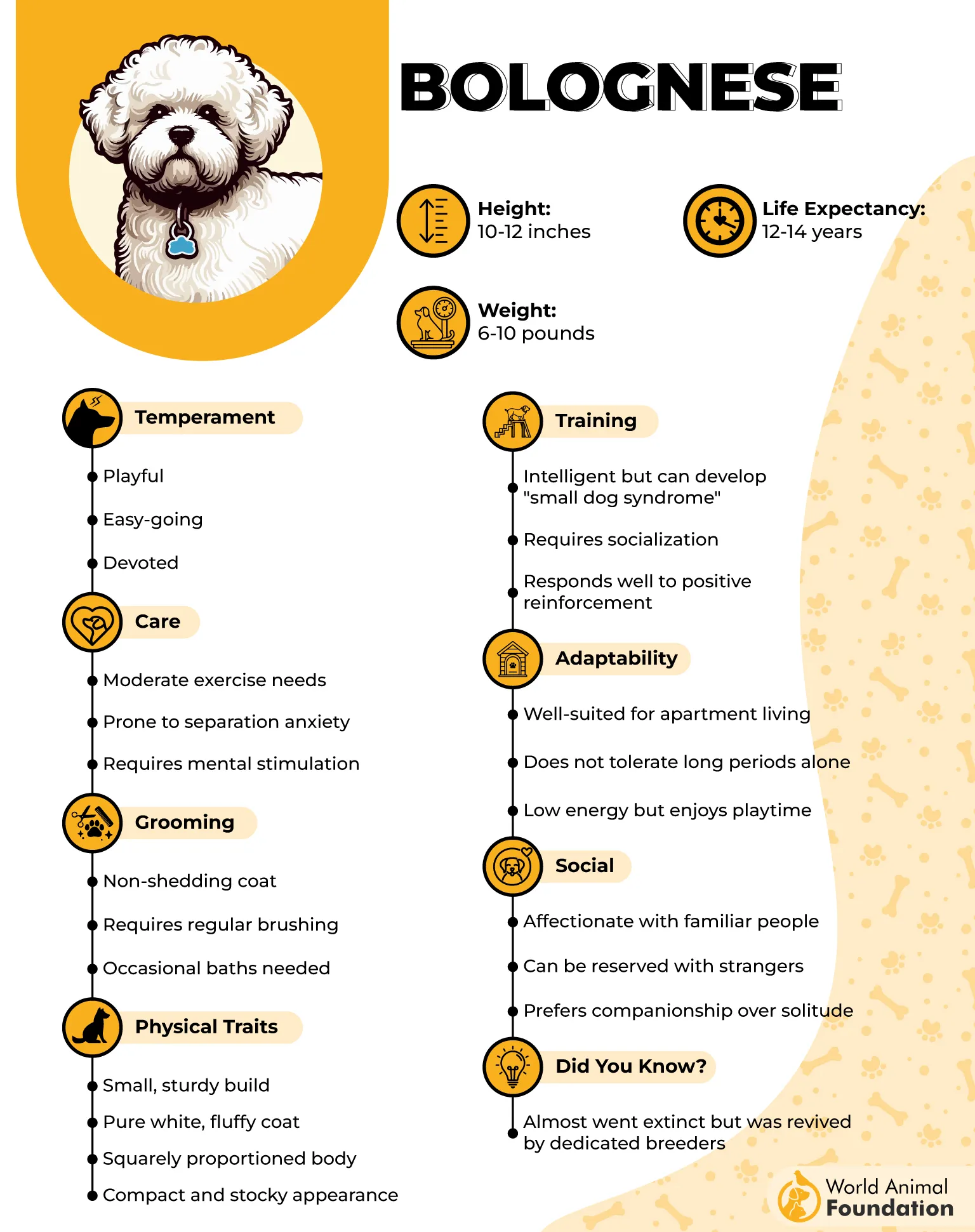
Unlike some outgoing toy breeds that enthusiastically greet every stranger, Bolognese dogs can be more reserved when meeting unfamiliar people. They often take time to assess new situations before getting comfortable, reflecting their naturally observant, sensitive disposition.
Their moderate energy levels make them well-suited to households that prefer gentle activities over exhausting outdoor adventures. Short walks, simple puzzle games, and playful interactions around the house often provide enjoyable opportunities for exercise and mental enrichment.
Bolognese dogs generally respond well to patient, positive training that respects their sensitive nature. Harsh corrections or overwhelming environments may cause some individuals to withdraw, while predictable routines and gentle encouragement build confidence.
9. Pug
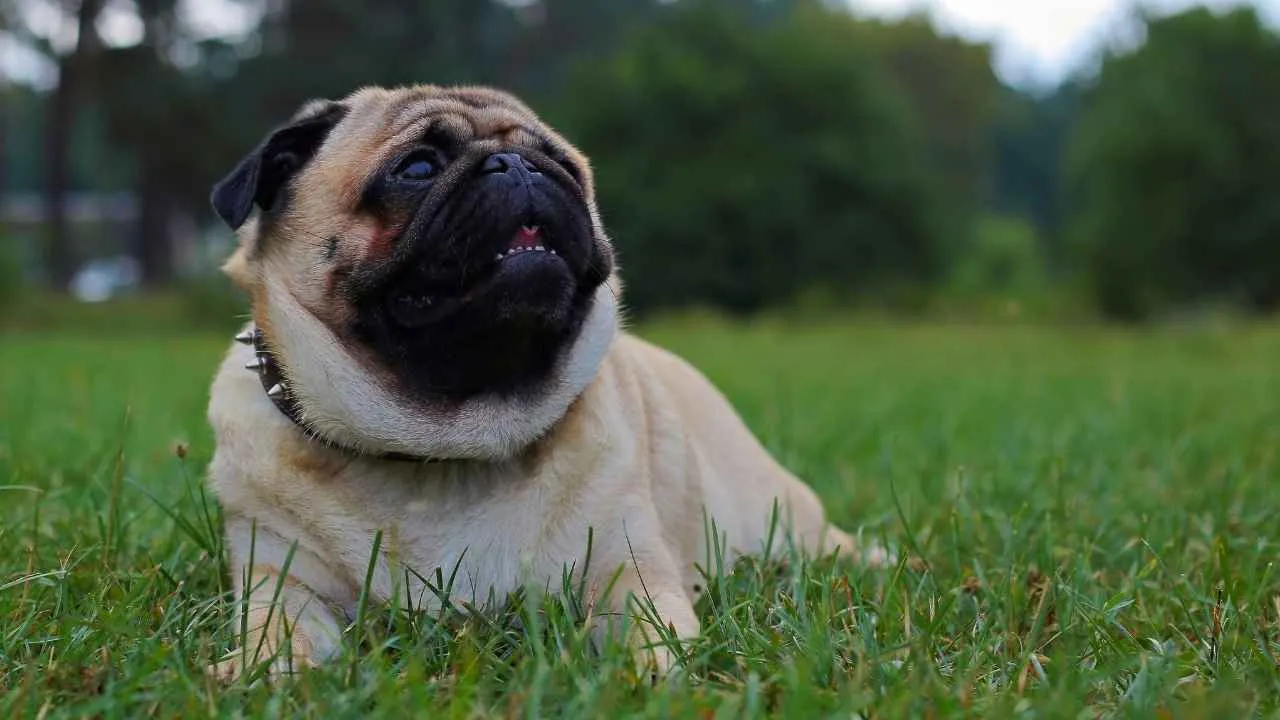
The Pug is basically a tiny comedian with a wrinkly face, a talent for ridiculous expressions, and an apparently unlimited supply of affection. Originally treasured as a companion in imperial China, this distinctive breed has charmed people for centuries with its sociable, entertaining personality.
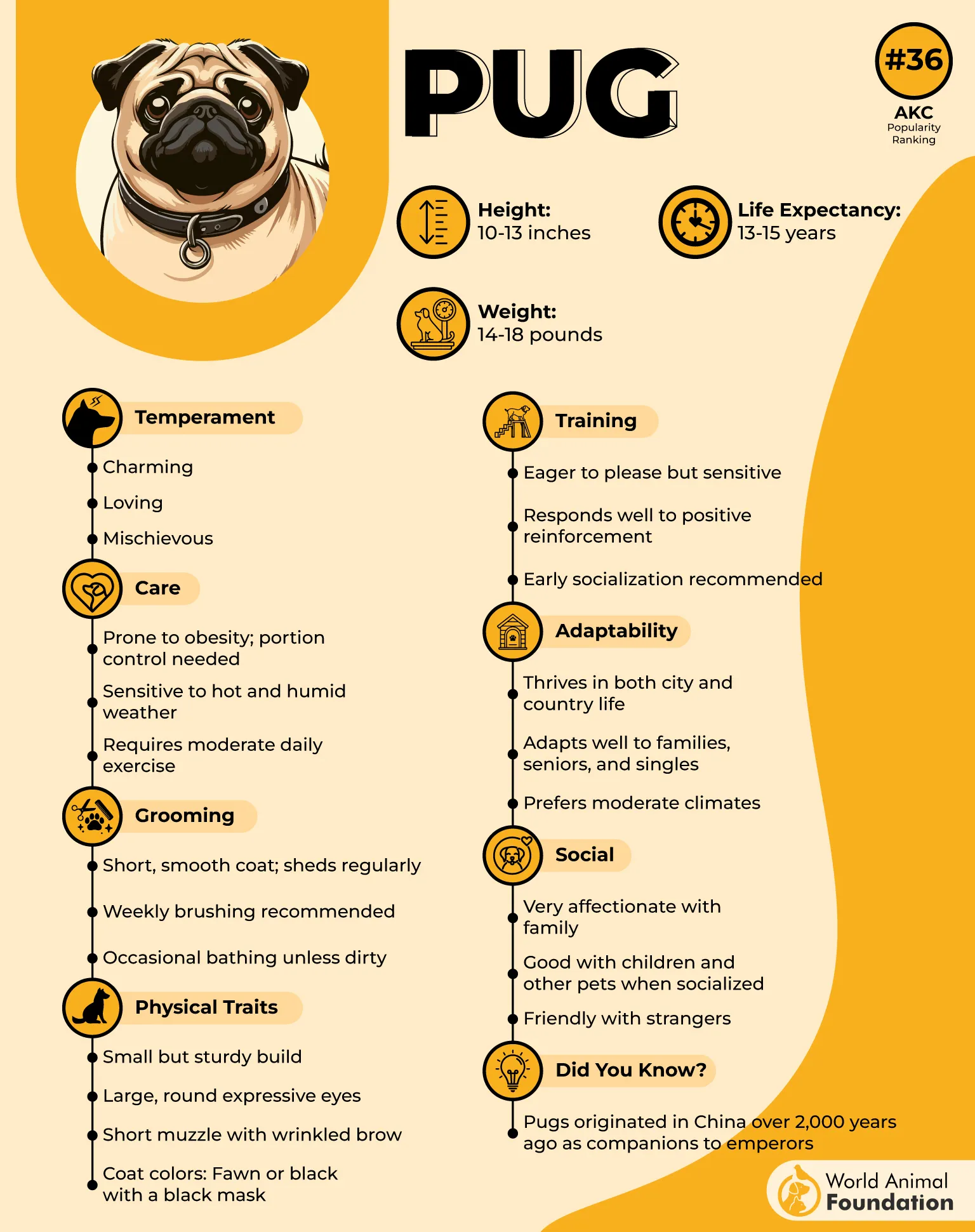
Pugs often display an easygoing attitude toward familiar people, making them enthusiastic participants in family gatherings and relaxed household activities. Many enjoy spending time with children and other pets when they’ve been properly socialized, although interactions should always be supervised to prevent accidental injuries.
PDSA notes that Pugs are affectionate dogs that typically enjoy human companionship and can interact well with children when everyone behaves gently.
Their playful personalities are particularly entertaining because they often approach simple games with tremendous enthusiasm and amusing determination. Soft toys, short chasing games, and interactive puzzles can provide enjoyable entertainment without requiring exhausting physical activity.
10. Coton de Tulear
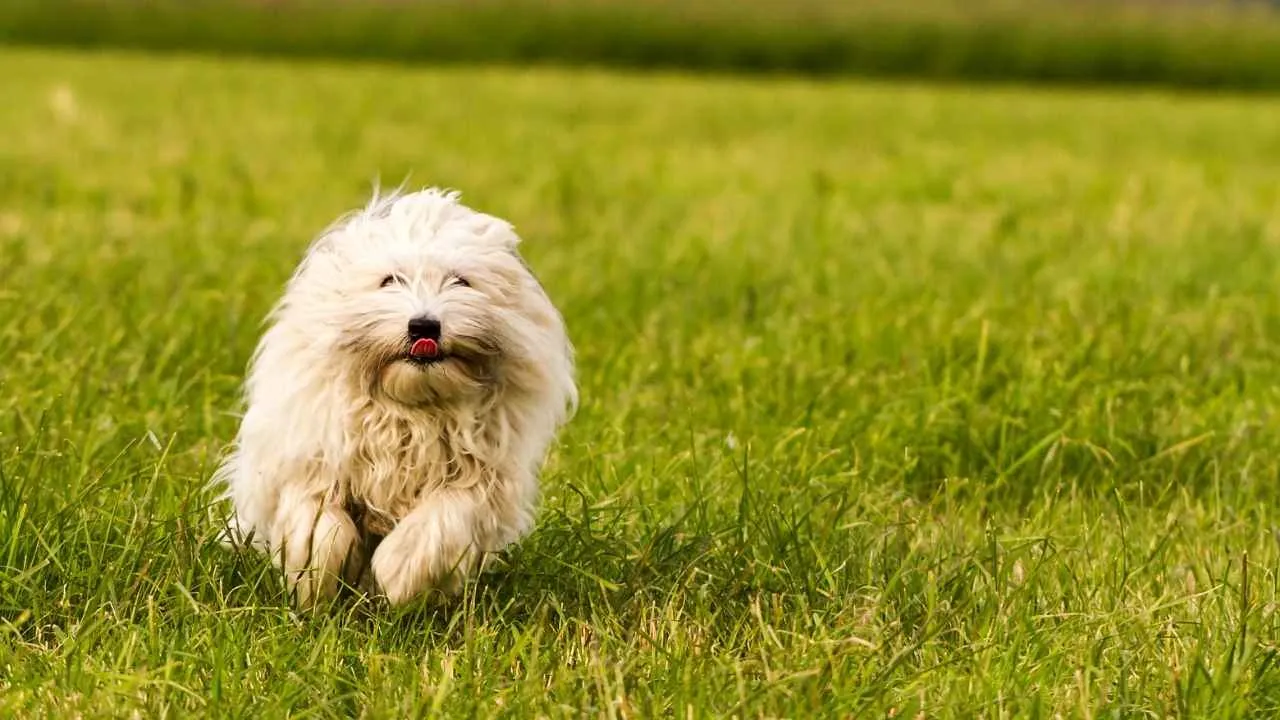
The Coton de Tulear sounds like a fancy dessert, looks like a fluffy cloud, and behaves like a cheerful little companion who genuinely believes family time is the greatest invention ever. Originating in Madagascar, this affectionate breed takes its name from the port city of Tulear and its distinctive cotton-like coat.
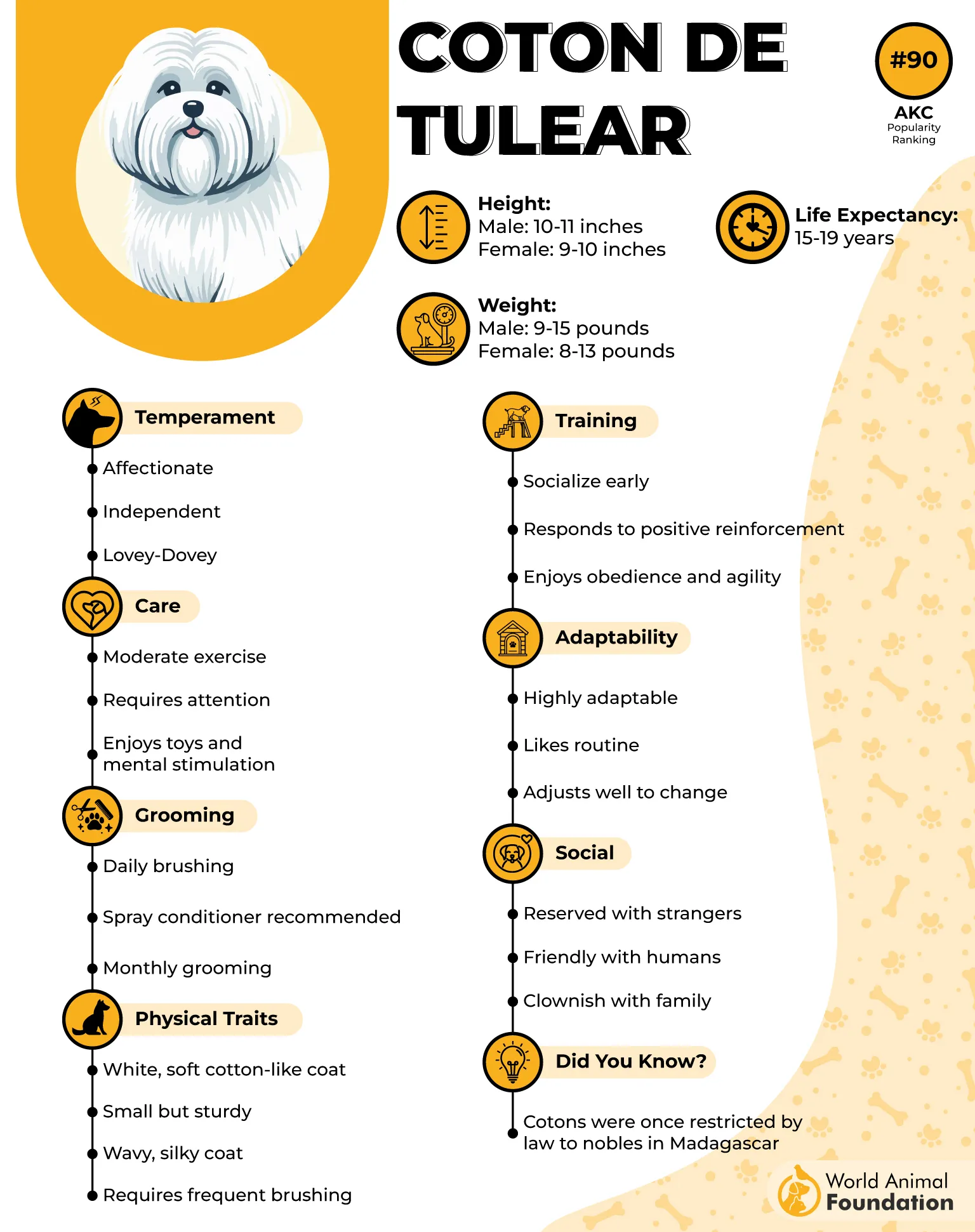
One of the Coton’s greatest strengths is its tendency to form affectionate bonds with several family members rather than staying attached to just one person. Many enjoy interacting with respectful children, joining family activities, and greeting familiar visitors.
Their friendly personalities can also help them coexist with other household pets when introductions are positive and carefully managed.
Coton de Tulear are playful little entertainers with a charming ability to make ordinary moments feel surprisingly amusing. They often enjoy learning tricks, chasing toys, and playing gentle games that let them show off their intelligence and enthusiasm.
Conclusion
Finding the perfect family dog isn’t just about choosing the smallest, fluffiest, or most photogenic breed on the internet. The real magic comes from finding a companion whose personality fits your household, gets along with family members, and brings genuine happiness to everyday life.
Before bringing home a new companion, consider your children’s ages, time available for training, grooming needs, veterinary costs, and how much exercise your family can realistically provide. Ultimately, the best small family dog is one that feels comfortable in your home and gets the affection, patience, and care it needs to thrive.
