




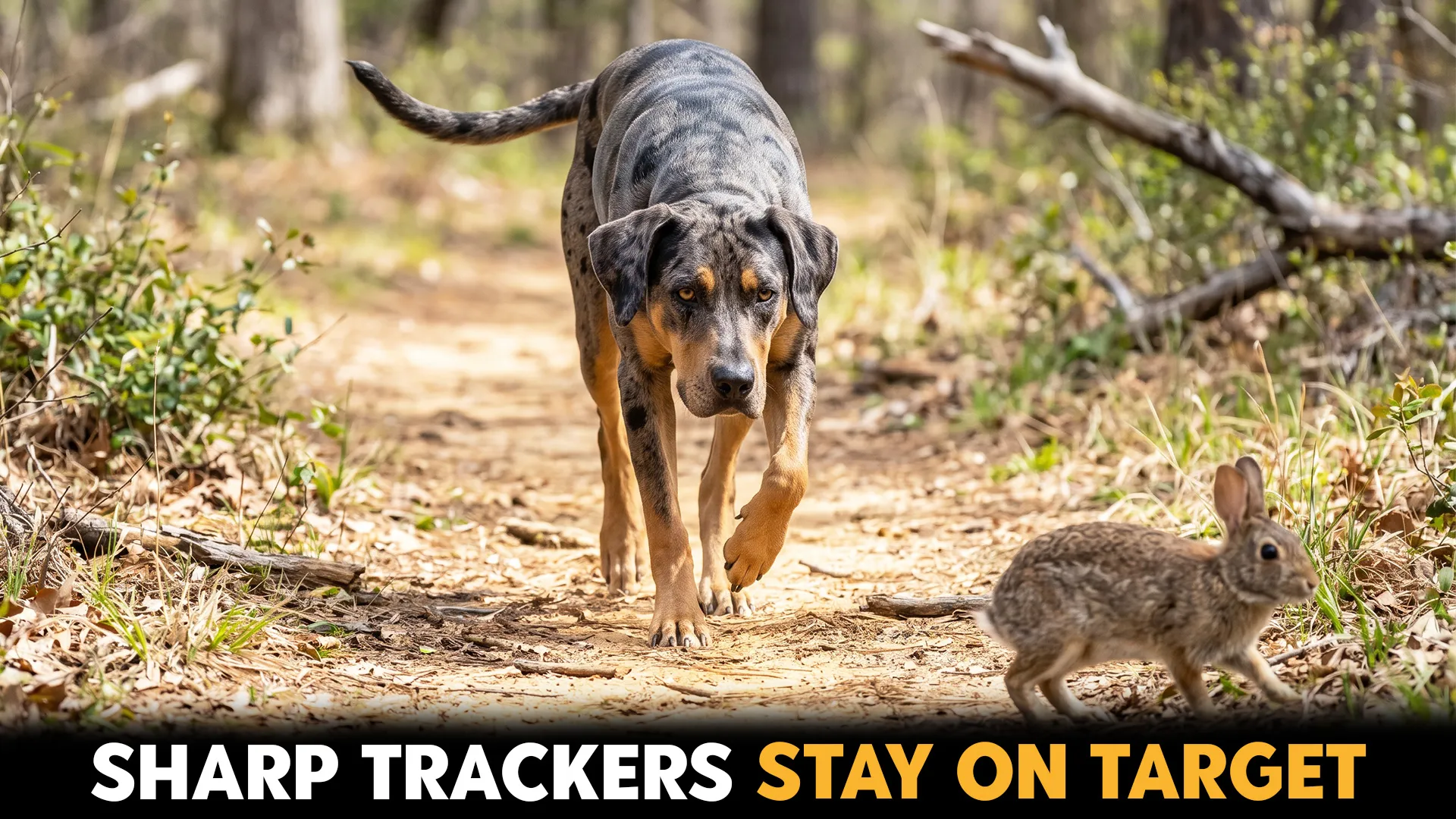
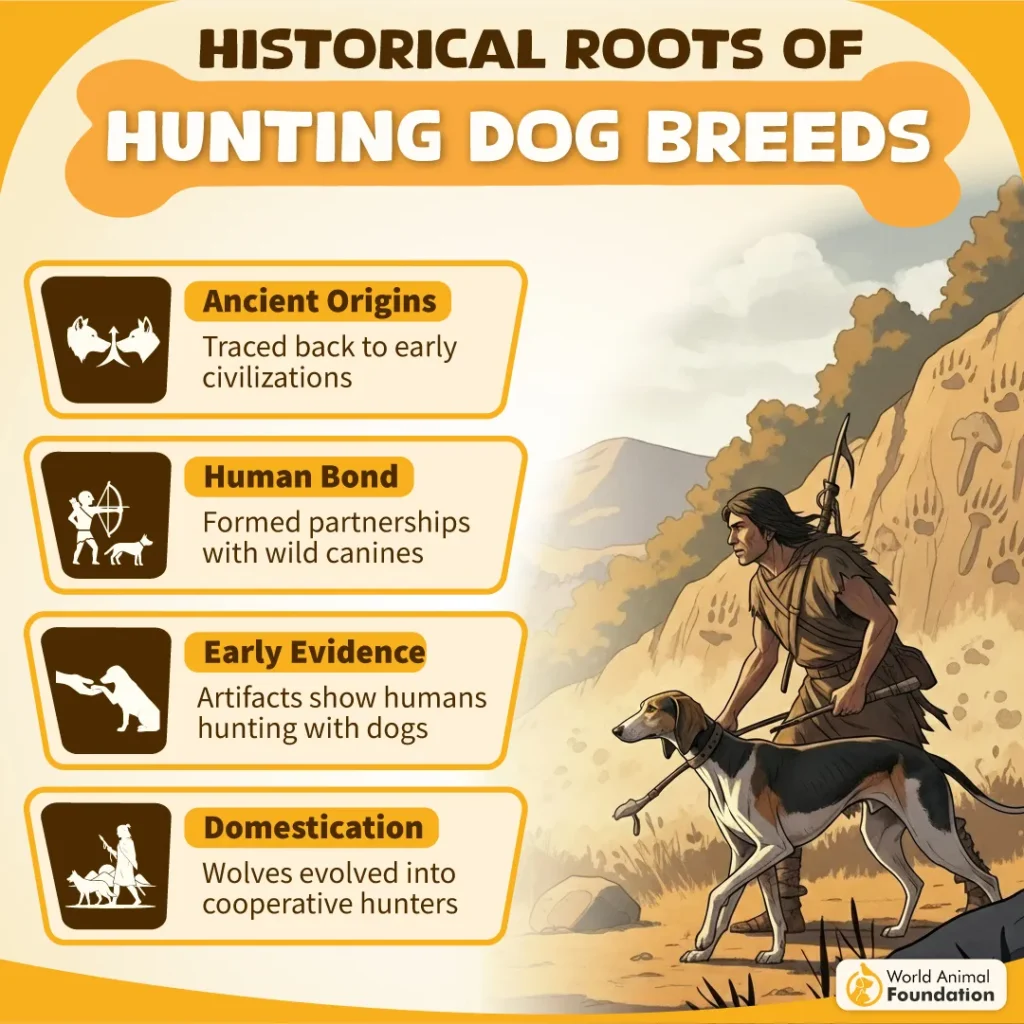
Dogs have partnered with humans in hunting for centuries, using their remarkable senses to locate animals across forests, fields, and rugged landscapes. Different breeds bring specialized abilities, from following scent trails to spotting, flushing, or pursuing hidden prey.
Successful tracking depends on more than a keen nose. Endurance, focus, intelligence, and responsiveness help these dogs work effectively alongside their handlers. Their instincts and physical traits make certain breeds especially suited to demanding outdoor tasks.
Explore these impressive tracking dogs and discover the abilities that distinguish each breed in the field.
Amazing Hunting Dog Breeds for Tracking Wildlife and Prey
1. Bloodhound
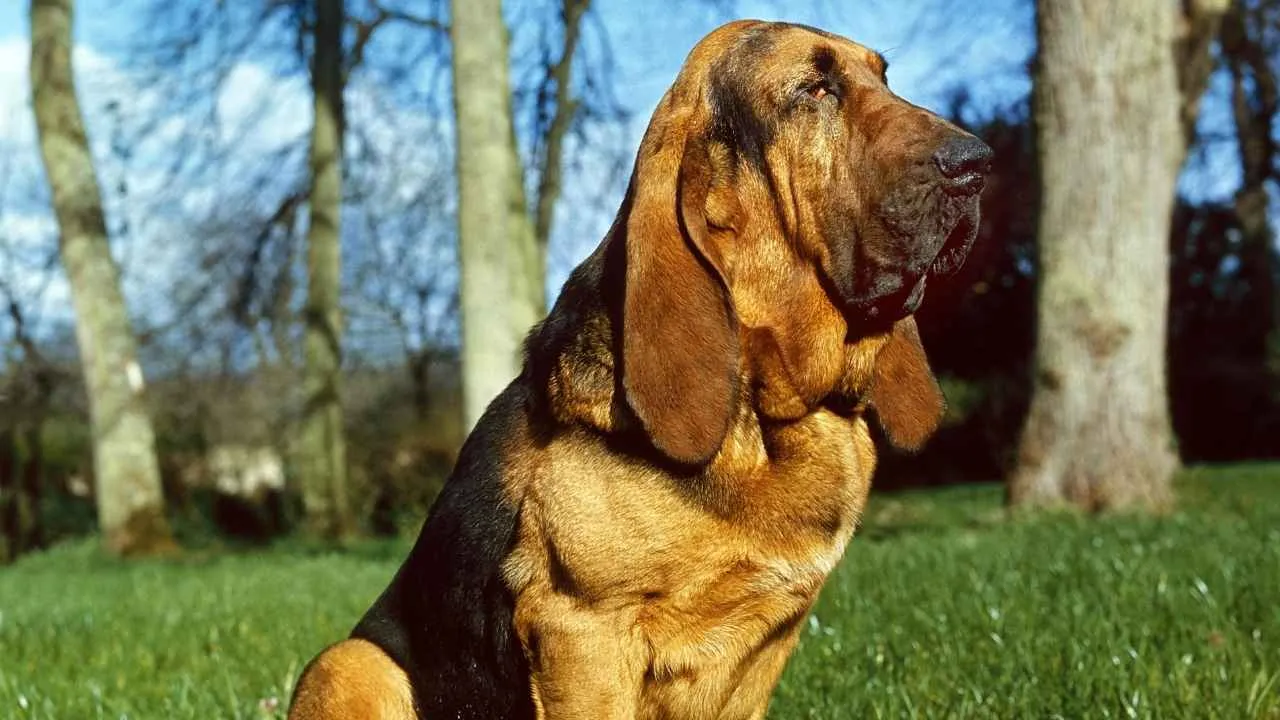
With an extraordinary sense of smell, the Bloodhound is one of the most capable breeds for tracking wildlife and following scent trails across long distances. Its long ears and loose facial skin help collect scent particles, while its low-set build keeps its nose close to the ground as it investigates a trail.
According to the AKC, they benefit from long daily walks on a leash, as following an interesting scent may distract them from their owner’s commands.
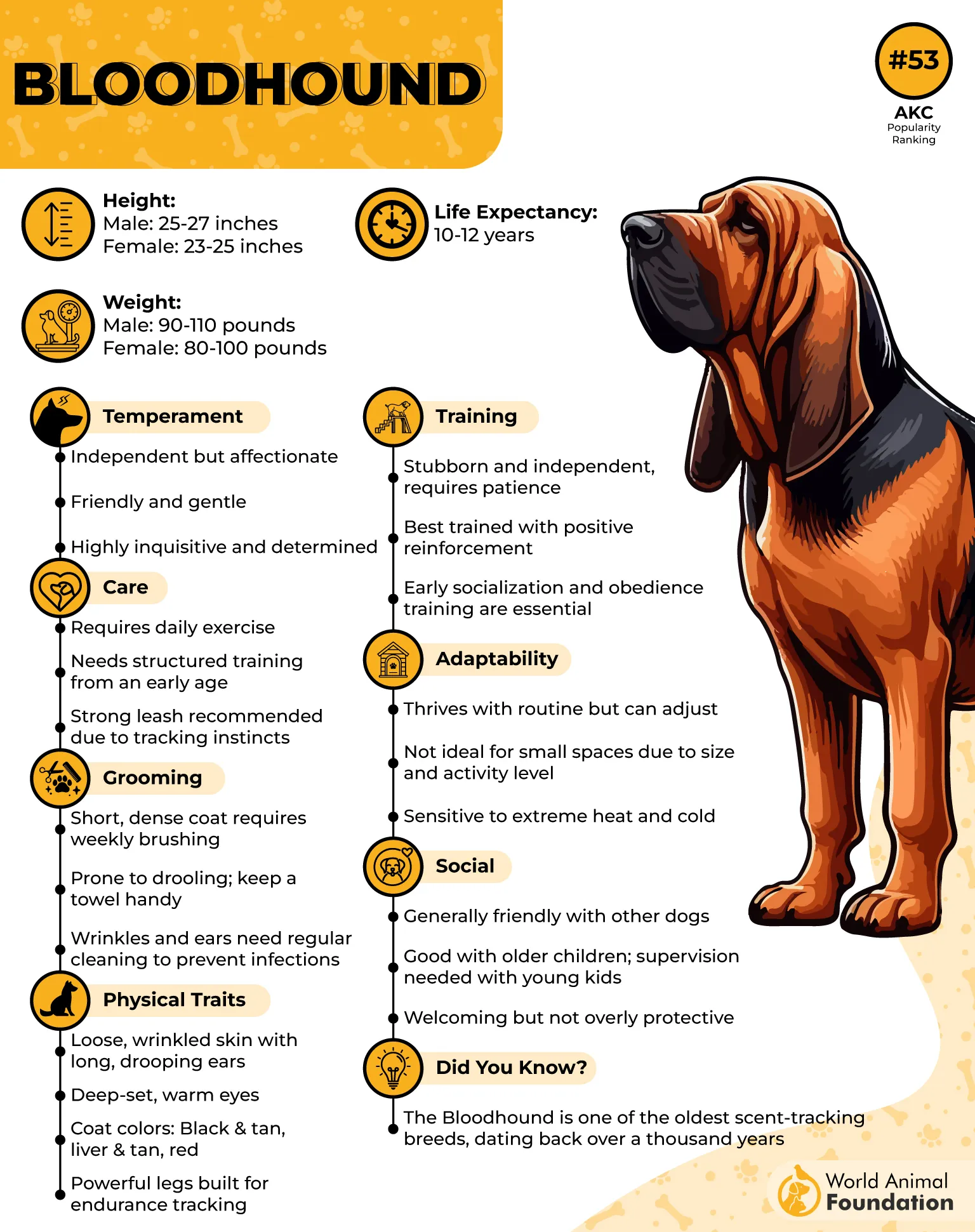
Developed in Western Europe centuries ago, Bloodhounds have a long history of helping humans track animals such as deer and wild boar. Their scent-tracking abilities also extend to locating people, making them valuable in search work and criminal investigations.
However, their strong tracking instinct means they should be kept securely contained or leashed when outdoors.
How This Breed Stands Out
Extraordinary scent discrimination: Its highly developed nose helps detect and distinguish scents, making it exceptionally effective at following wildlife trails.
Remarkable trail persistence: Once it picks up a scent, the Bloodhound can pursue it over considerable distances with impressive determination.
2. Plott Hound
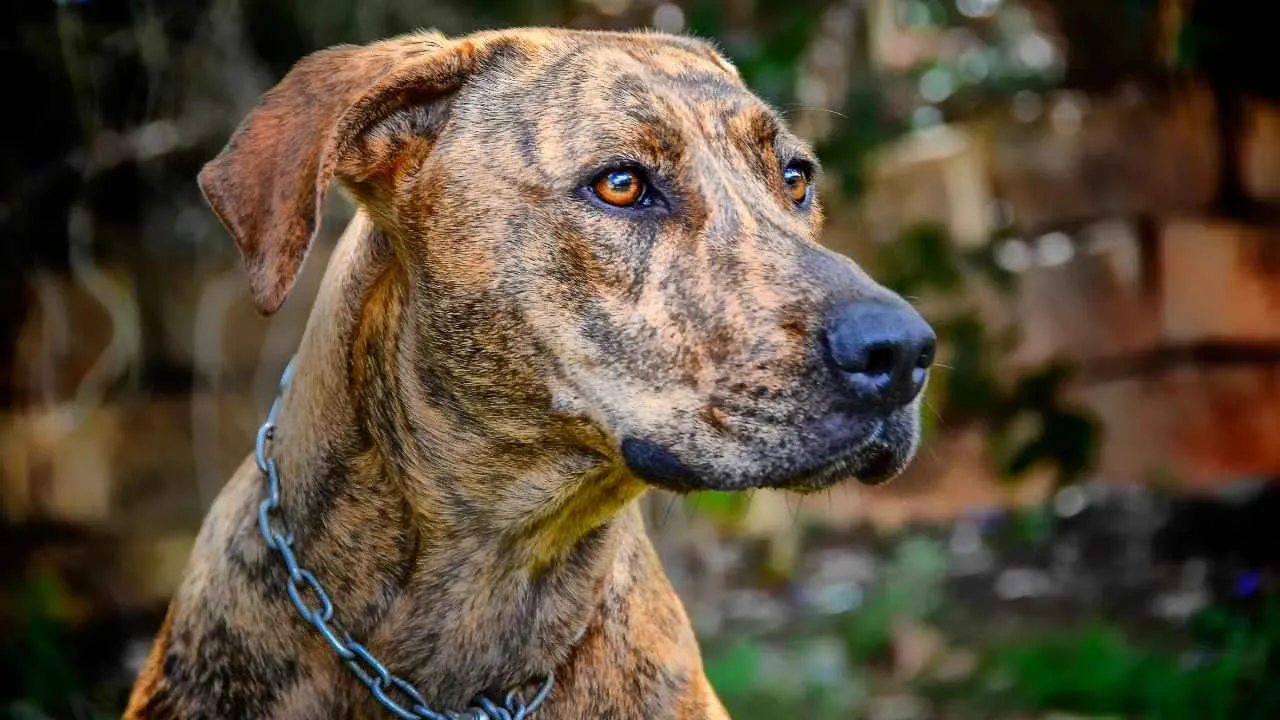
Built for demanding hunts, the Plott Hound combines muscular strength, agility, and impressive endurance. This determined scent hound was developed in the United States for pursuing big game, including bears and wild boar. Its strong prey drive and persistent hunting instincts make it particularly suited to tracking challenging quarry across outdoor terrain.
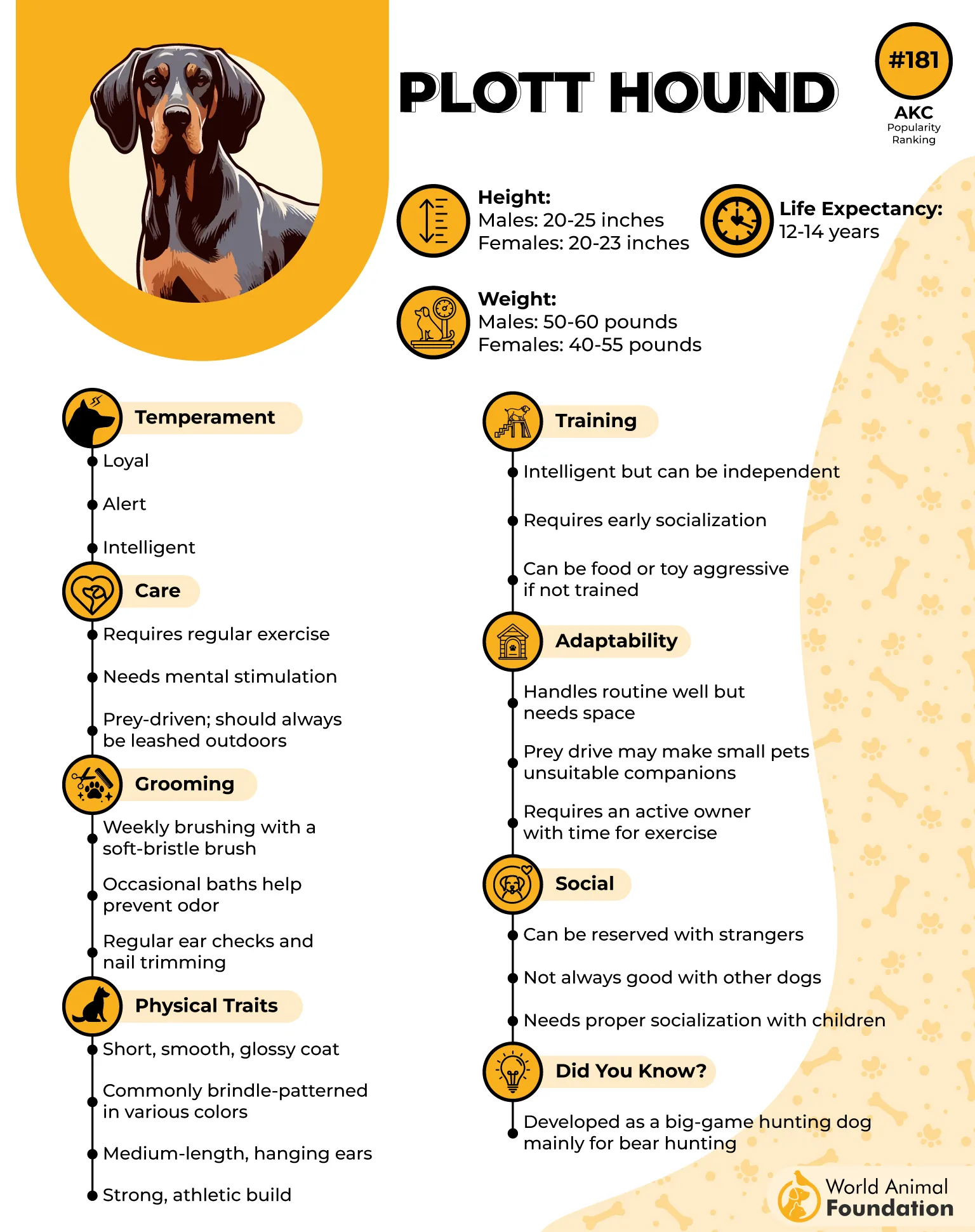
Beyond its working abilities, the Plott Hound is intelligent, alert, and devoted to its family. Its short, glossy coat features distinctive brindle patterns in shades ranging from dark tones to golden or reddish hues. Regular vigorous exercise and mental challenges help satisfy its energy, while leash walking or secure fencing is essential when outdoors.
How This Breed Stands Out: Originally Bred for Hunting
Fearless big-game pursuit: Its courage, stamina, and determination help it pursue formidable quarry such as bears and wild boar.
Distinctive brindle coat: Its striking coat displays varied striped patterns that give this athletic hound a recognizable appearance.
3. Bavarian Mountain Scent Hound
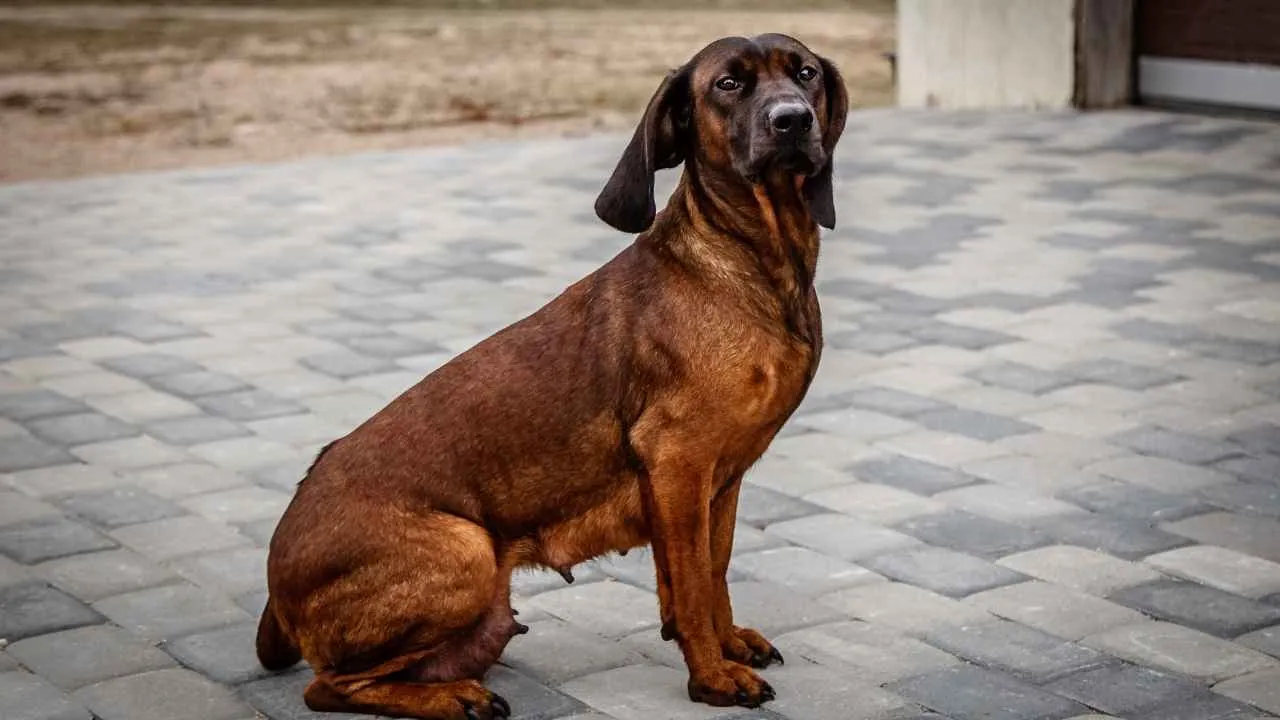
Originating in Germany, the Bavarian Mountain Scent Hound is a specialized tracker prized for its exceptional ability to follow the scent of injured game. Its remarkably sensitive nose can distinguish a wounded animal from other animals of the same species, making it particularly valuable for experienced hunters, foresters, and game wardens.
According to Royal Canin, the most reliable and persistent dogs were traditionally chosen from the pack to track wounded game while working on a lead.
Athletic and muscular, this medium-sized hound is built for demanding outdoor work and navigating challenging terrain. It is calm, courageous, and deeply devoted to its owner, although it may be reserved around unfamiliar people. Regular physical exercise, scent-based tasks, and consistent positive-reinforcement training help meet its considerable working needs.
How This Breed Stands Out
Specialized wounded-game tracking: Its exceptional scent discrimination allows it to follow injured quarry rather than becoming distracted by other animals of the same species.
Sure-footed mountain movement: Its athletic build and working background help it navigate rugged terrain while following scent trails.
4. Catahoula Leopard Dog
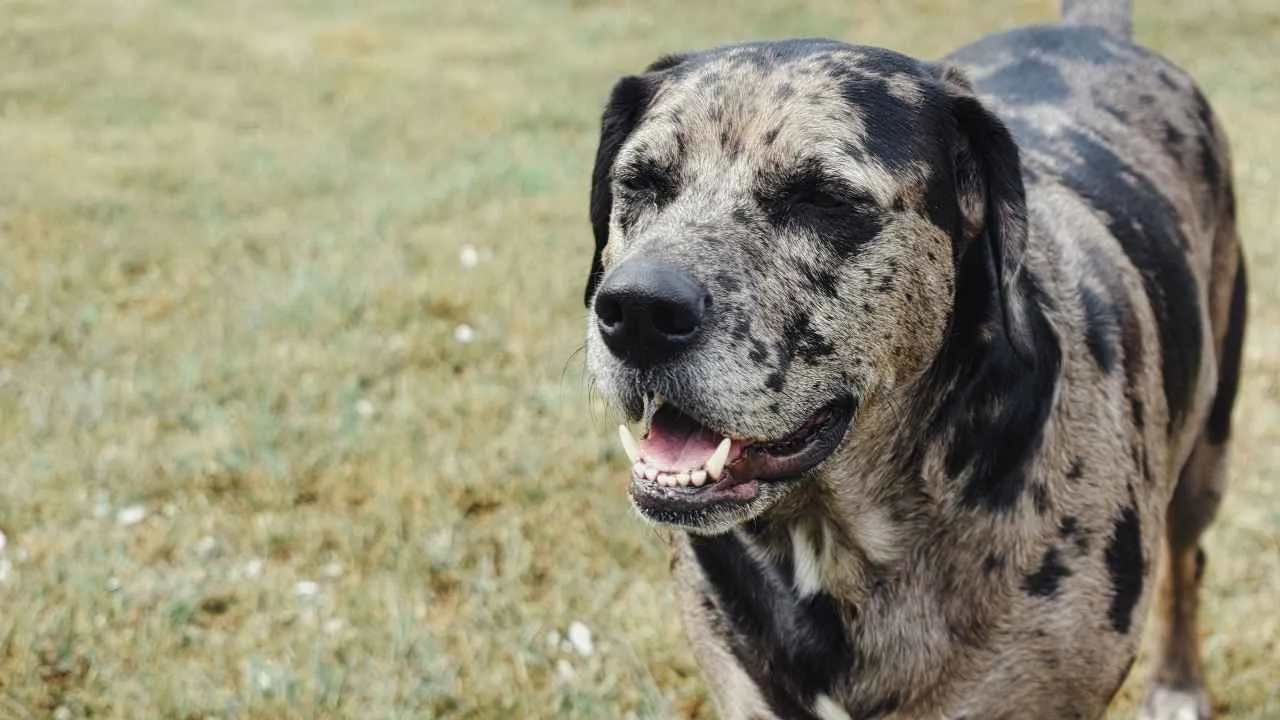
Originating in Louisiana, the Catahoula Leopard Dog is a powerful, agile working breed known for its versatility in hunting and livestock work. Its keen instincts and energetic nature make it useful for locating and pursuing quarry, while its endurance helps it handle demanding outdoor activities.
This breed thrives when given purposeful work and plenty of physical exercise. Beyond its working abilities, the Catahoula is alert, independent, and loyal to its family.
According to PetMD, Catahoula Leopard Dogs may develop destructive behaviors if they do not receive enough daily exercise.
Its short coat features striking combinations of colors and mottled markings, sometimes accompanied by distinctive blue eyes. The breed can be territorial and requires early socialization, consistent training, and mental stimulation to channel its instincts appropriately.
How This Breed Stands Out
Leopard-like mottled markings: Its distinctive spotted coat creates an eye-catching pattern reminiscent of a leopard.
Skilled baying behavior: Traditionally used as a bay dog, it can vocalize to help hunters locate and contain quarry.
5. East Siberian Laika
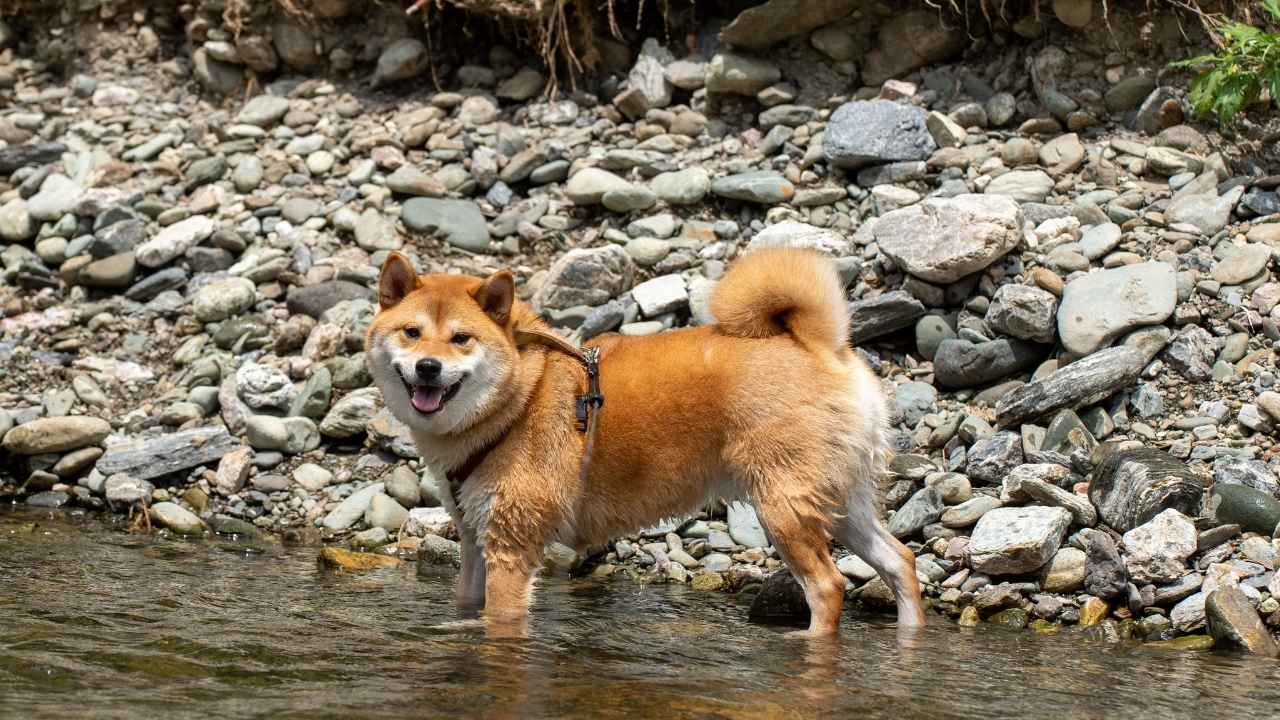
Developed in Russia’s Siberian forests, the East Siberian Laika is a powerful hunting spitz bred to pursue a wide range of game, from small fur-bearing animals to larger quarry. Its keen senses, quick reactions, strong prey drive, and excellent sense of direction make it a capable partner for hunters navigating dense woodland and remote wilderness.
A thick double coat, dense underfur, and a protective neck ruff help this athletic breed withstand harsh winter conditions. Its sturdy build and endurance support long days outdoors, while its intelligence and alertness aid cooperative hunting.
East Siberian Laikas are energetic and responsive to training, but they need regular exercise, mental challenges, and early socialization to channel their instincts appropriately.
How This Breed Stands Out
Adaptation to harsh Siberian winters: Its dense double coat provides insulation against cold temperatures during demanding outdoor work.
Versatile forest-game hunting: Its strong hunting instincts and sharp senses help it track and pursue different types of game across forest terrain.
6. German Shorthaired Pointer
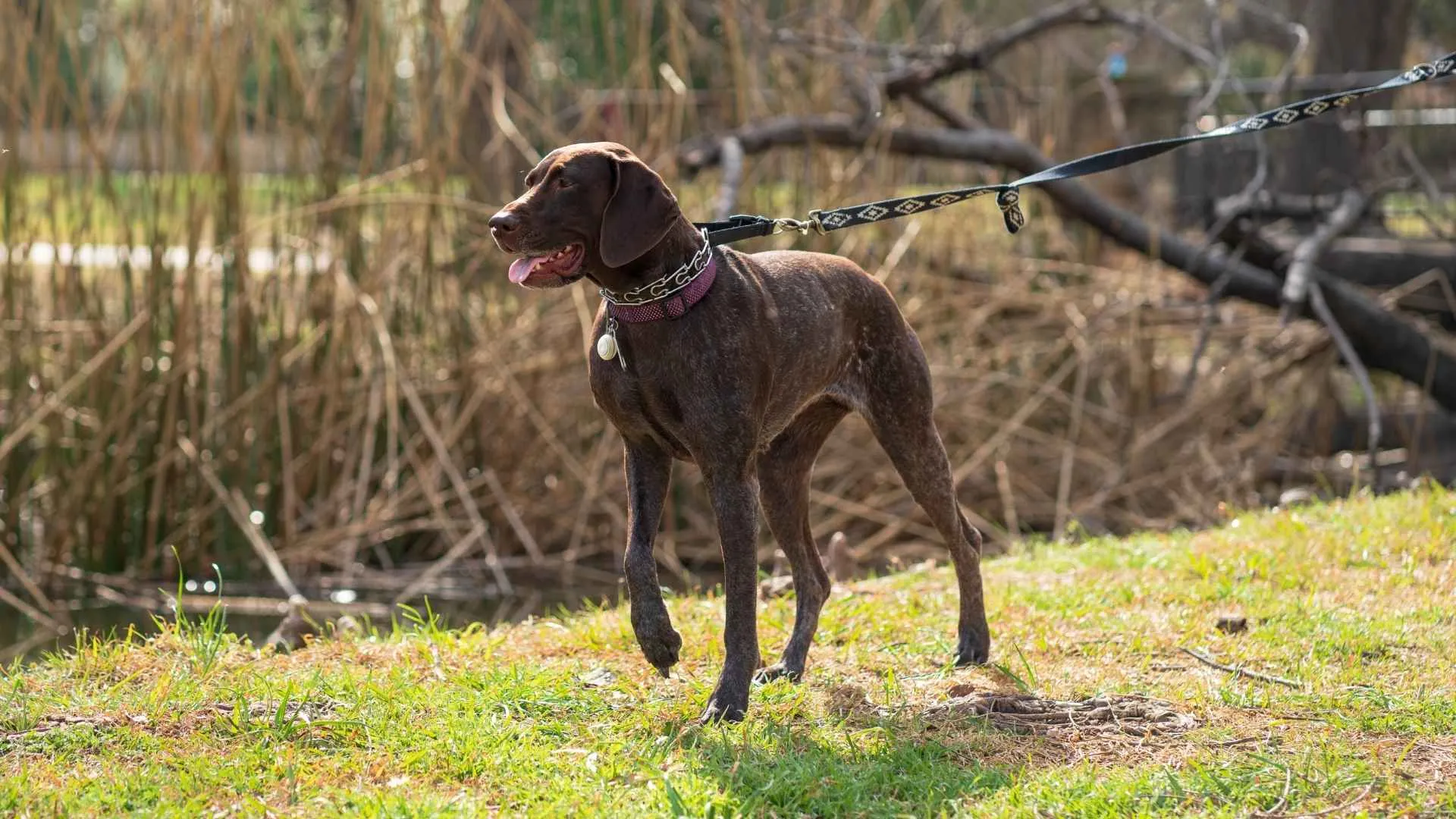
Developed in Germany during the nineteenth century, the German Shorthaired Pointer was bred as a versatile hunting dog to handle multiple hunting tasks. It has high stamina and a sharp sense of smell, which help it perform across extensive terrain while tracking birds, small animals, and even large game.
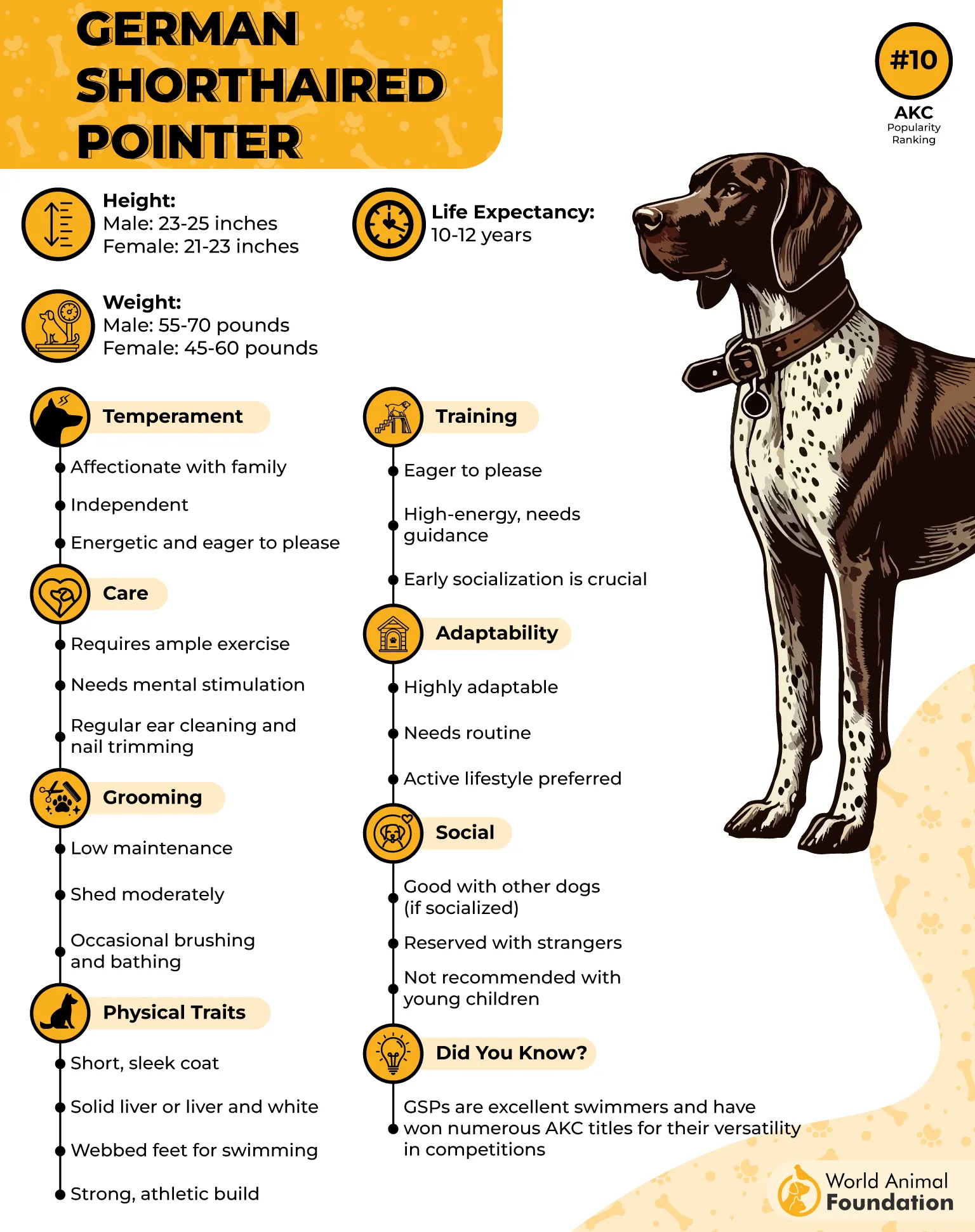
Intelligent and eager to work, this versatile hunter can adapt to different quarry and demanding outdoor conditions. Its combined field instincts provide reliable tracking, pointing, flushing, and retrieving game, a range of skills that result in a highly useful partner.
This short-haired dog can work across land and water, making it a valuable partner for hunters pursuing upland birds and waterfowl. Its high energy and strong working drive also mean it needs consistent training, vigorous exercise, and plenty of mental stimulation.
How This Breed Stands Out
Natural pointing posture: Its pointing instinct helps indicate the location of game, particularly birds, so hunters can approach more strategically.
Strong land-and-water retrieving: Its versatility allows it to retrieve game from fields and water, supporting a range of hunting activities.
7. Transylvanian Hound
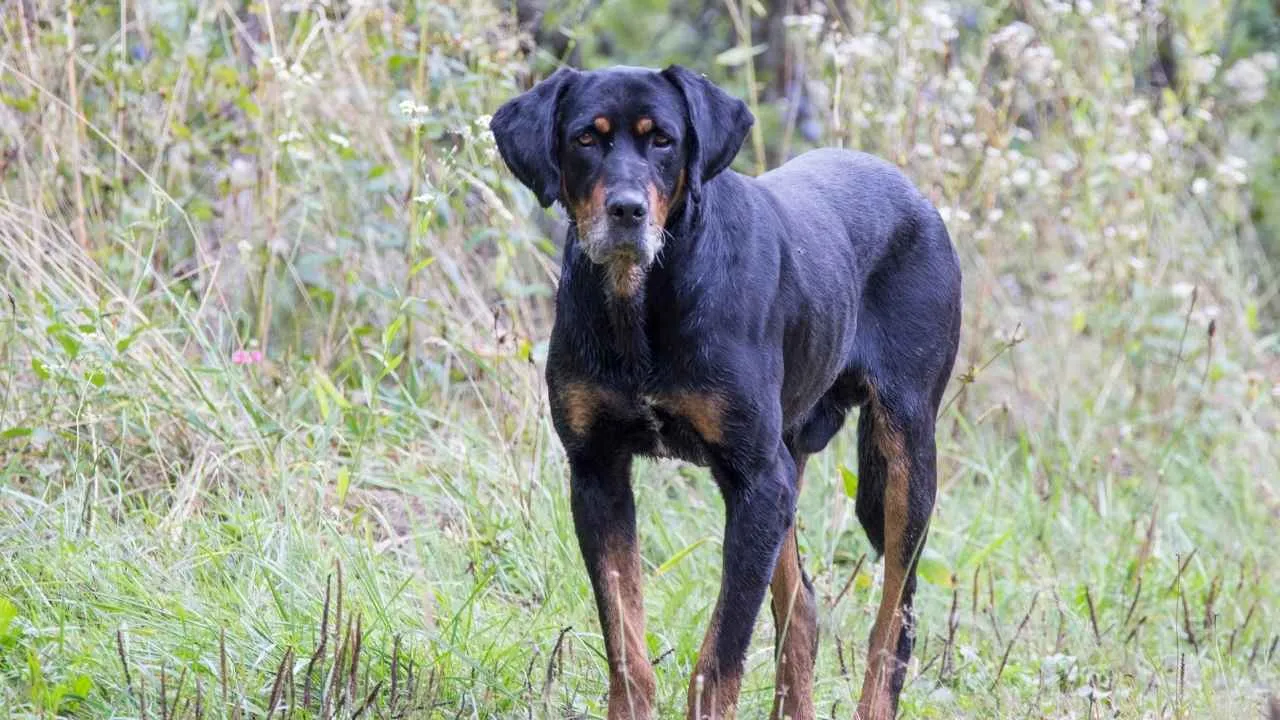
Rooted in Hungary’s hunting traditions, the Transylvanian Hound developed to work in the challenging climate and terrain of the Carpathian Mountains. This rare scent hound combines courage, intelligence, and determination, using its keen nose to follow game across varied landscapes.
Its distinctive ringing voice can also help hunters identify the direction of their quarry. Athletic and muscular, the breed has the endurance needed for demanding hunts over rugged ground.
Transylvanian Hounds are capable of working independently or alongside other dogs, and their strong chasing instincts make consistent training essential. Although devoted and playful with their families, they need plenty of daily exercise and should remain leashed or within secure areas when outdoors.
How This Breed Stands Out
Historic Carpathian hunting roots: Centuries of hunting in Hungary’s mountainous regions shaped its courage, scenting ability, and determination.
Stamina across rugged terrain: Its athletic build and enduring nature help it pursue game across challenging landscapes.
Conclusion
Tracking dogs bring together exceptional scenting abilities, endurance, courage, and specialized hunting instincts. These remarkable breeds help hunters follow wildlife trails and navigate challenging outdoor environments while also serving as loyal companions.
Bloodhounds excel at detecting and pursuing scents, while Plott Hounds and Catahoula Leopard Dogs bring determination and courage to demanding hunts. Bavarian Mountain Scent Hounds specialize in locating wounded game, and German Shorthaired Pointers combine tracking, pointing, and retrieving skills.
East Siberian Laikas are well adapted to cold forests and versatile hunting tasks, while Transylvanian Hounds draw on their historic Carpathian hunting heritage. Each breed offers distinctive strengths shaped by its working background, and some also excel as steady hunting companions in the field.
Choosing the right hunting companion depends on the terrain, type of quarry, and hunting requirements. Proper training, sufficient exercise, and responsible handling help these capable dogs use their natural abilities effectively while remaining safe outdoors.
