




Ever run your hand down a dog’s back and wonder why it feels nothing like the last dog you pet? Turns out that is not random at all; it comes down to just 3 genes.
A study backed by the NIH found that those 3 genetic switches decide if a coat grows long, short, curly, or wiry. Mix and match them, and you get every dog coat type that exists today.
Most of us only think in terms of long fur or short fur. Texture is the wilder, far more interesting layer underneath — corded, felted, hairless, and wavy among them — and it barely gets talked about.
None of these textures showed up for looks alone; each one was built to survive something: cold, water, brush, or rough terrain. Keep reading, because 10 of the most outstanding coats in the canine world are about to finally make sense.
Top Dog Breeds with Distinctive Coat Textures
1. Komondor
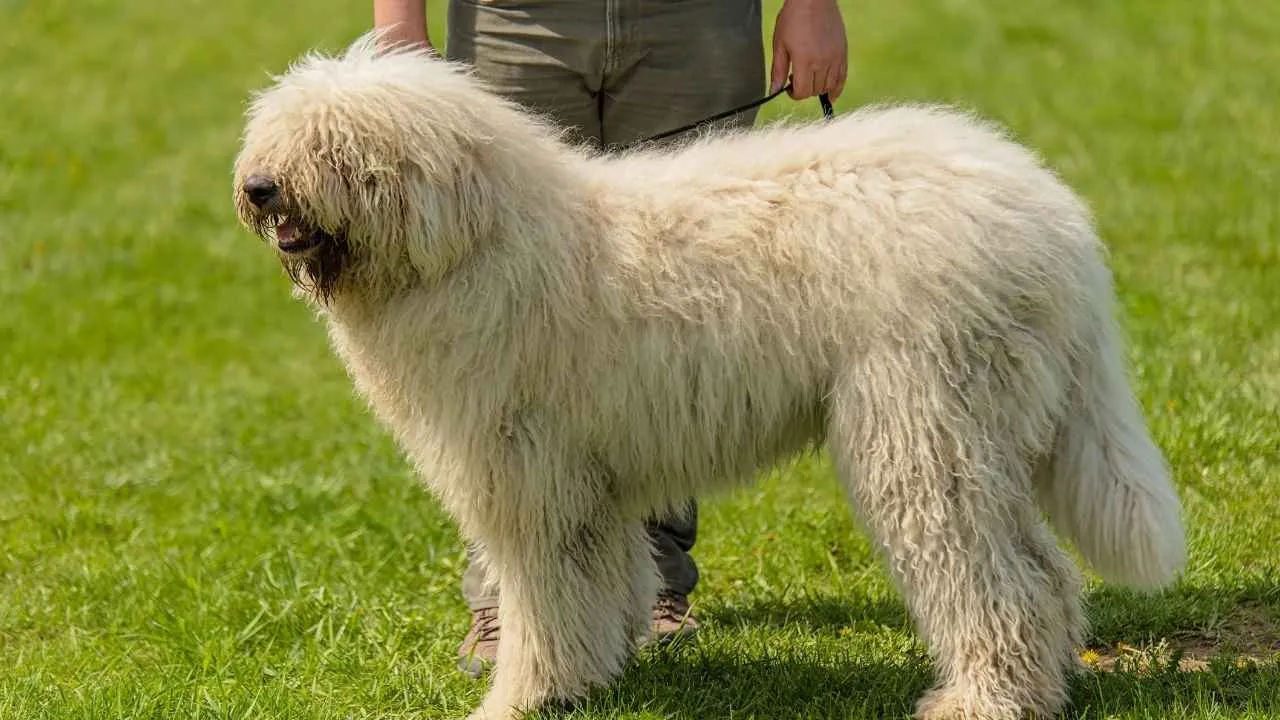
Hungarian shepherds needed a guard dog that worked flocks alone, with no help nearby. Its coat gradually matted into heavy strands over time, letting it melt into a flock of sheep while blunting wolf bites and brutal mountain winters. The texture basically built its own armor.
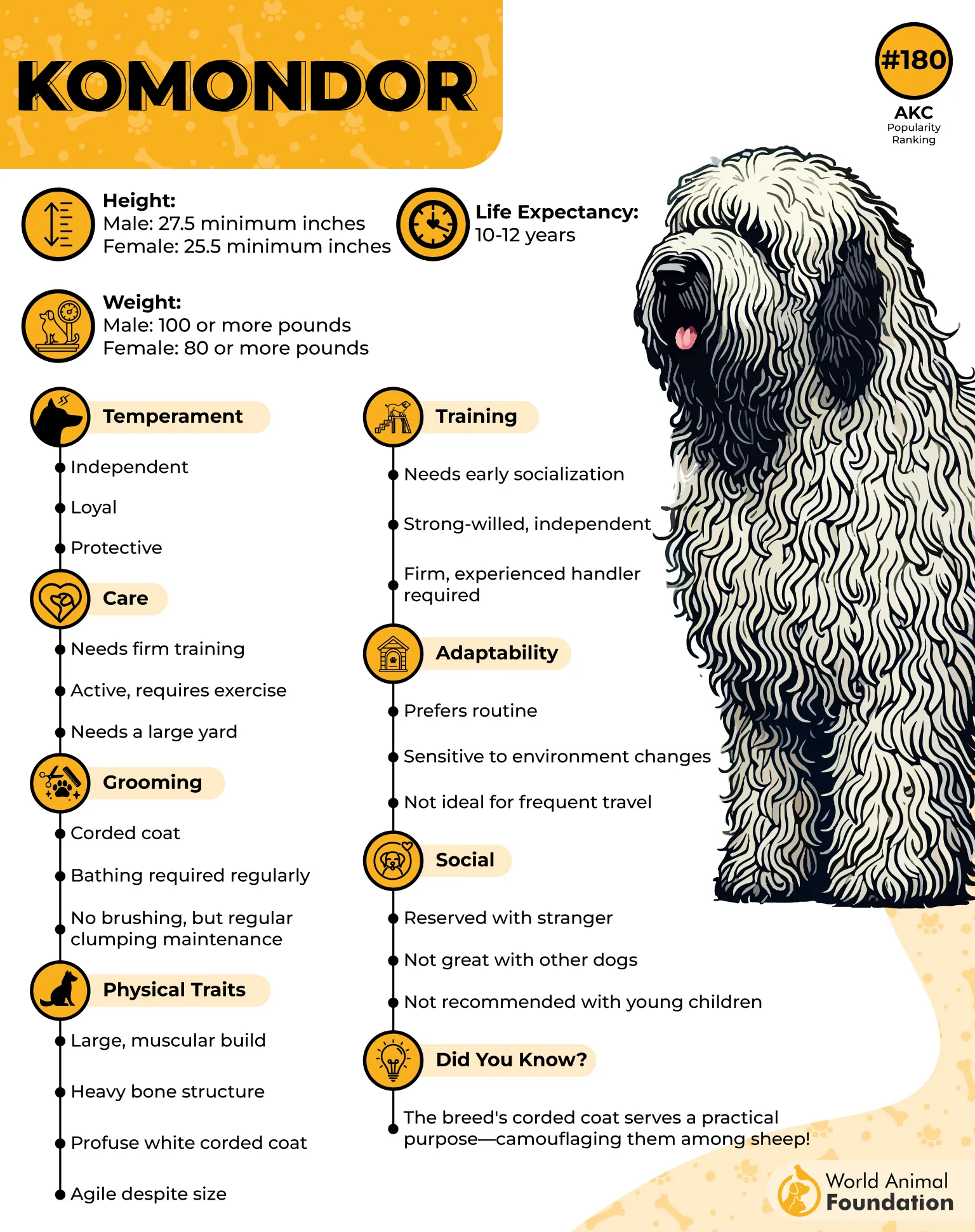
That matting never really stops, so owners must separate the strands by hand every few weeks, or the coat packs into one dense lump. A soaked strand can also take 2 days to dry through, according to Britannica. Skip the routine, and this old guard coat turns into a dirt trap fast.
Texture: Corded, twisting into thick rope-like strands.
Feel: Dense and slightly coarse, close to touching heavy felt.
Under all that drama sits a calm homebody, deeply loyal to family and famously standoffish with strangers. Training takes patience, since this dog was never bred to chase approval. Owners insist nothing beats a goofy mop that would guard you with its life.
2. Bergamasco Sheepdog
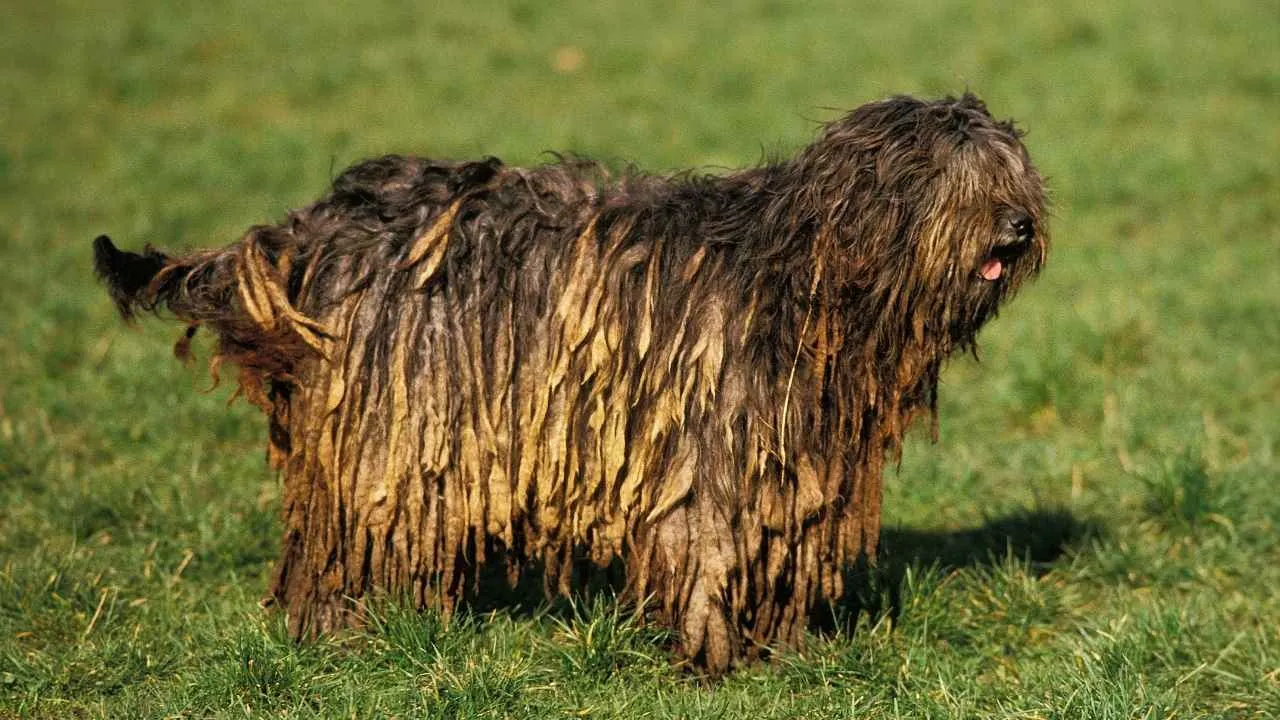
Herders in the Italian Alps needed a dog built for brutal cold, so this breed grows 3 different hair types that lock together into dense mats. Those mats formed a natural winter blanket, keeping the dog warm on exposed slopes while deflecting branches and bites. The coat essentially sewed its own protection.
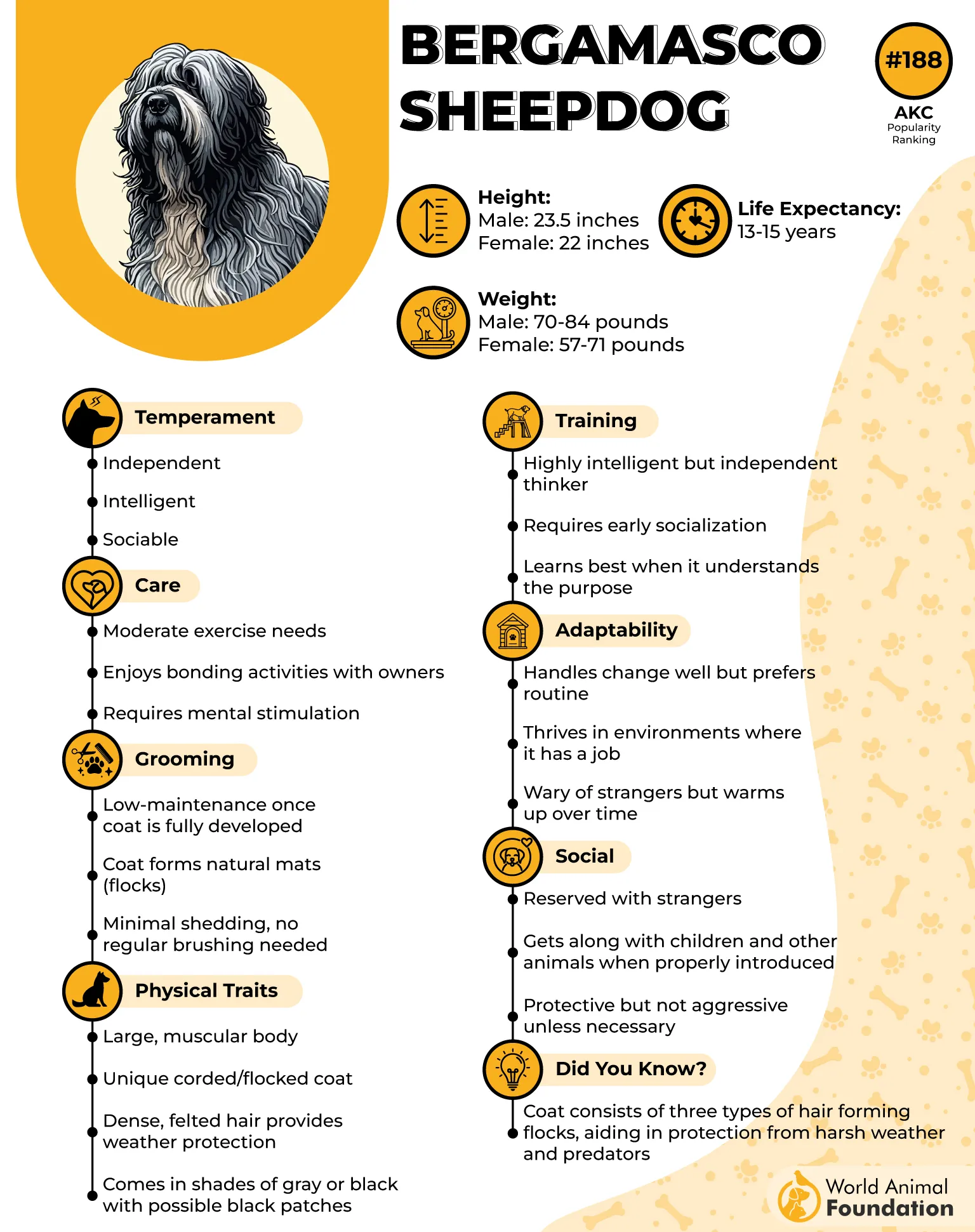
Once the mats finish forming around 1 year of age, this coat barely needs touching again, since brushing actually undoes the process that makes it work. Owners mostly section the growing mats by hand and bathe the dog rarely, letting the coat do its job undisturbed. Less fuss here beats almost every other breed on this list.
Texture: Felted, forming flat woolly sections called flocks.
Feel: Dense and blanket-like, rougher to the touch than corded hair.
This ancient breed carries a patient, watchful temperament suited to long days on the mountain, bonding closely with one family rather than every passerby. It matures slowly, in mind and in coat alike. Underneath the matted look sits one of the gentlest herding dogs around.
3. Chinese Crested

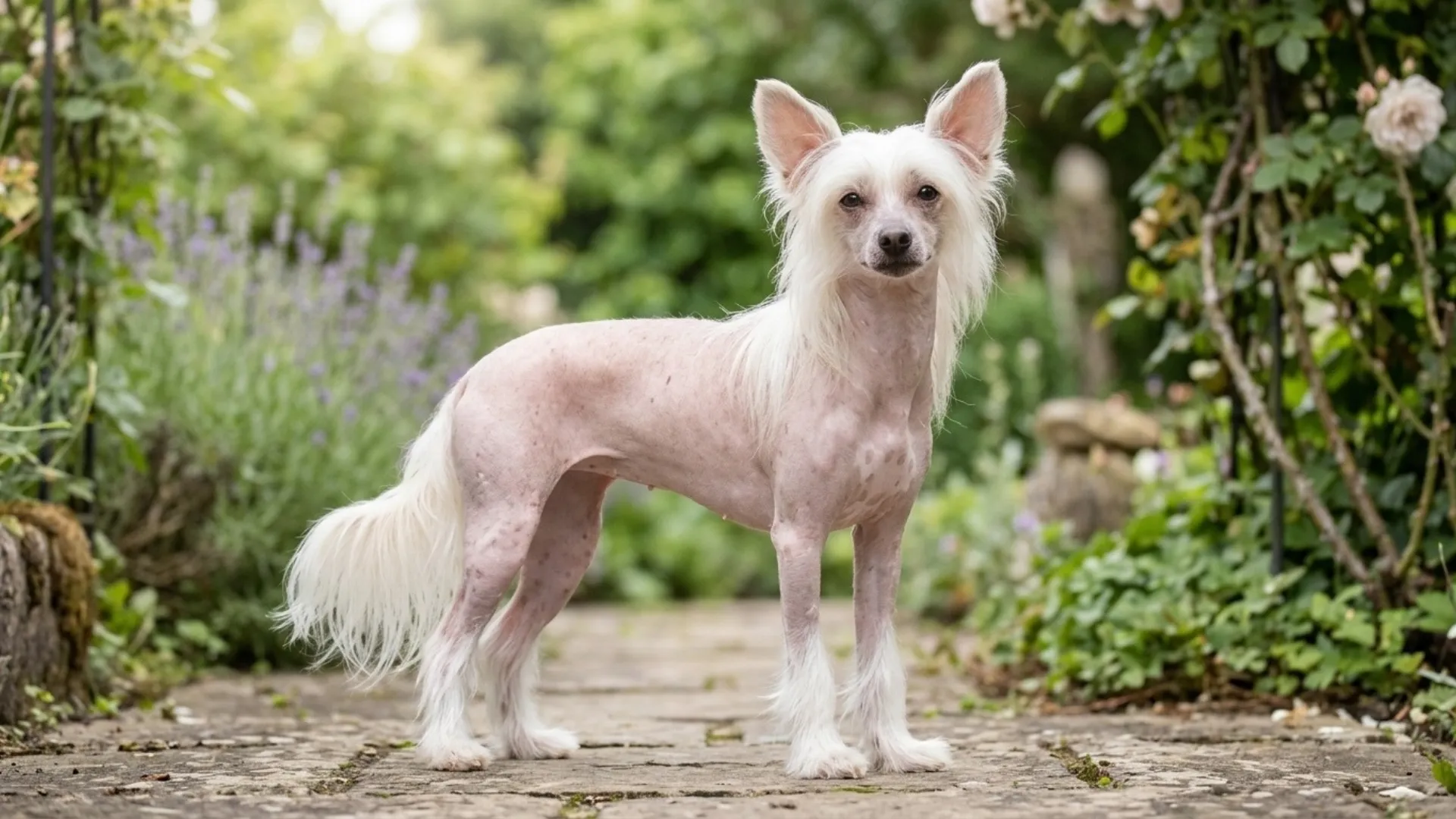
Most of this breed’s skin grew bare thanks to a rare genetic mutation tied to the same gene behind hairlessness in a handful of other animals. Sailors are thought to have kept the breed on ships partly because a mostly furless dog was easier to keep free of pests in tight quarters. Nature, in this case, simply removed the coat instead of styling it.
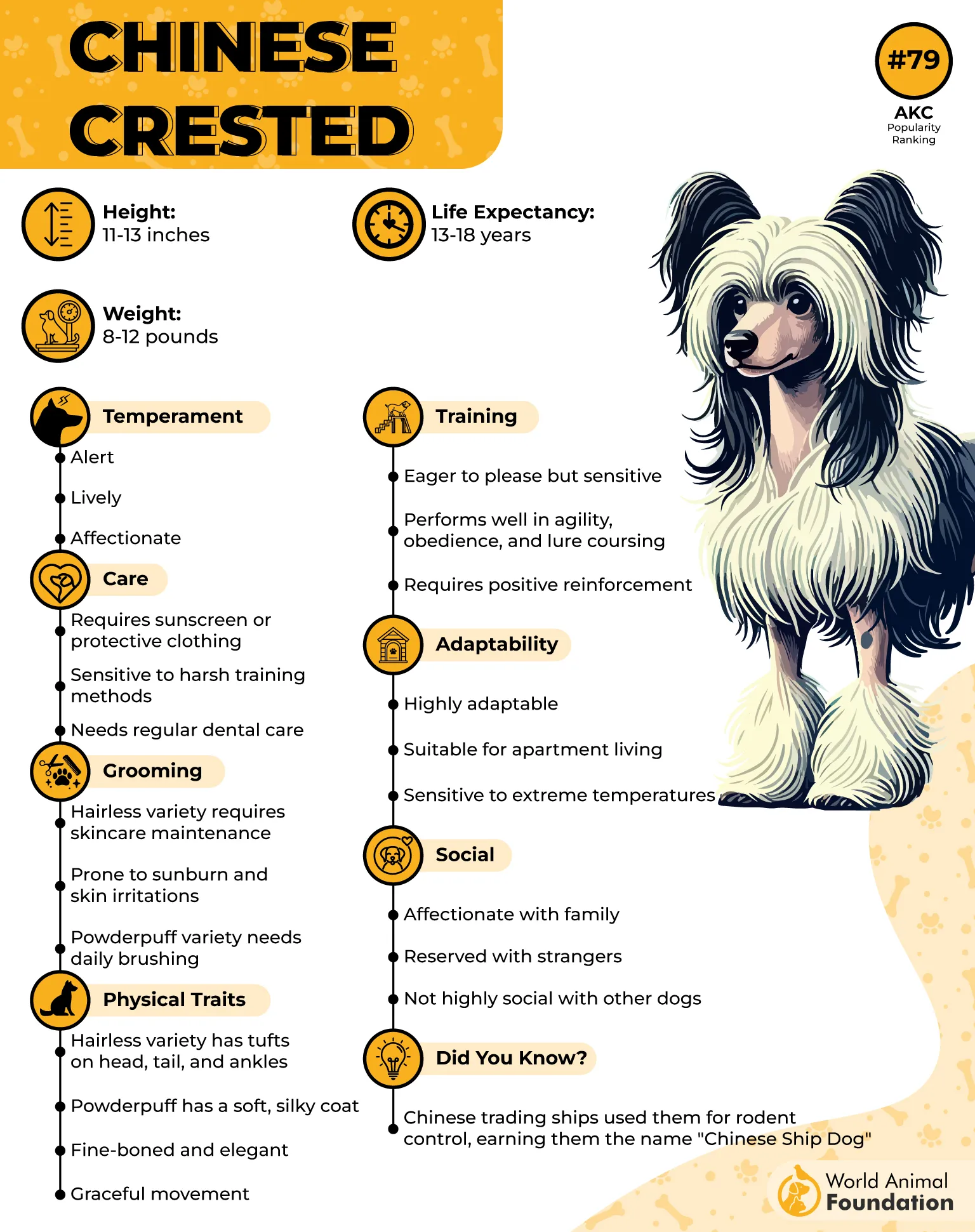
With so little hair standing between skin and sun, owners now reach for canine sunscreen and a daily moisturizer instead of a brush. The payoff is a near-zero shedding routine, since there is barely any coat left to shed. Sun protection basically replaced grooming as the main chore.
Texture: Hairless skin with silky tufts on the head, tail, and feet.
Feel: Warm and smooth, similar to touching soft suede.
Oddly enough, hairless and fully coated Powderpuff pups can appear in the very same litter, both fully in this one breed. Playful and famously clingy, it tends to shadow its favorite person from room to room. Few other dog breeds offer 2 such different looks in one package.
4. Bedlington Terrier

English miners once needed a scrappy ratter small enough to work tight tunnels, and a Whippet cross later added real speed for racing and hunting above ground. That mixed job history left behind a tightly curled coat that looks nothing like a typical working terrier’s. The lamb-like look was a side effect, not the original goal.
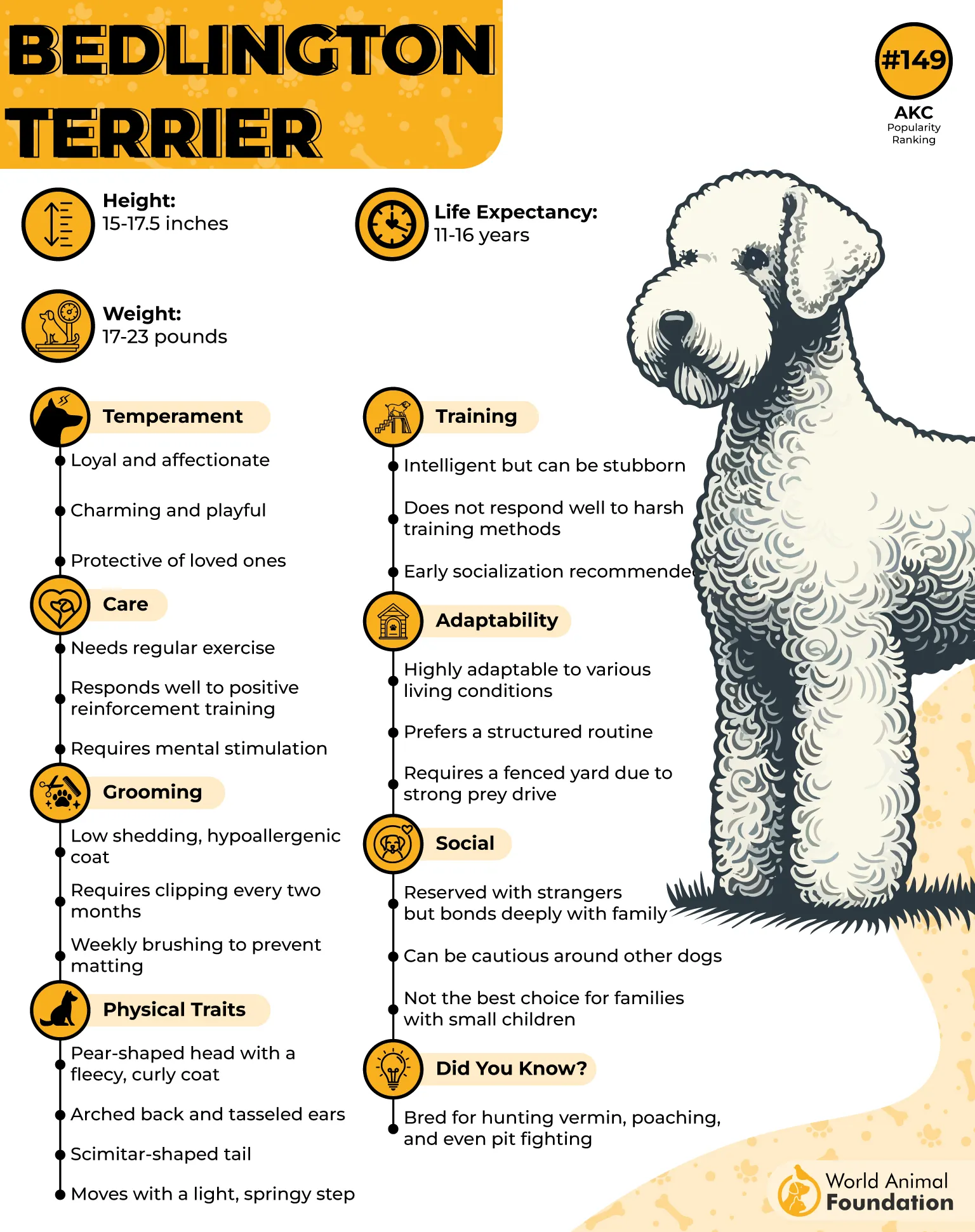
Because this coat barely sheds, regular trimming by a groomer, usually every 6 to 8 weeks, is what keeps the famous rounded shape intact, notes PetMD. Left untrimmed, the curls simply keep growing instead of resetting on their own. Grooming essentials here lean more toward scissors than brushes.
Texture: Woolly and tightly curled, similar to a lamb’s fleece.
Feel: Springy and crisp, almost like touching a soft scouring pad.
That lamb-like look hides real terrier grit underneath, since this breed was once raced and still chases small animals on instinct. It tends to be gentle and affectionate at home despite the sporty history. Few dogs pull off “cuddly” and “quick” quite this well.
5. Wire Fox Terrier
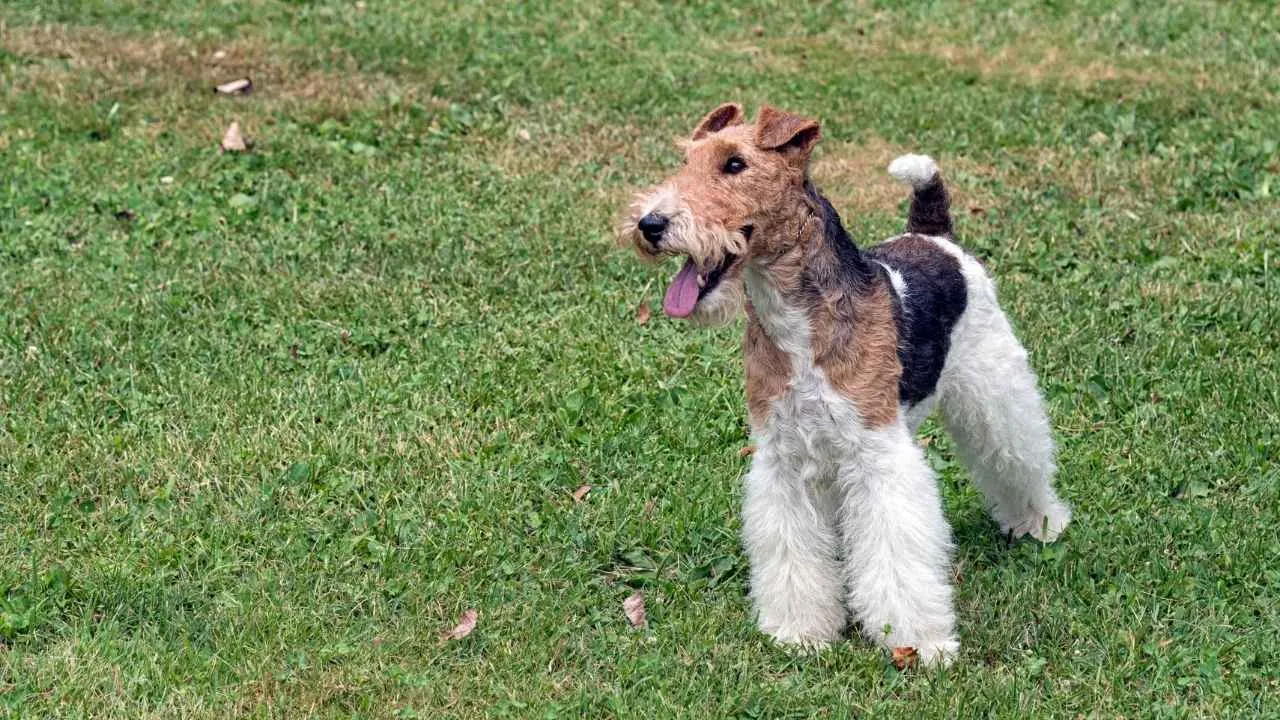
This breed was bred to chase foxes down into their dens, so its harsh outer coat needed to shrug off brambles, dirt, and the odd nip underground. A softer undercoat underneath added warmth without weighing the dog down on a long hunt. Function, not fashion, shaped every wire coat on this breed.
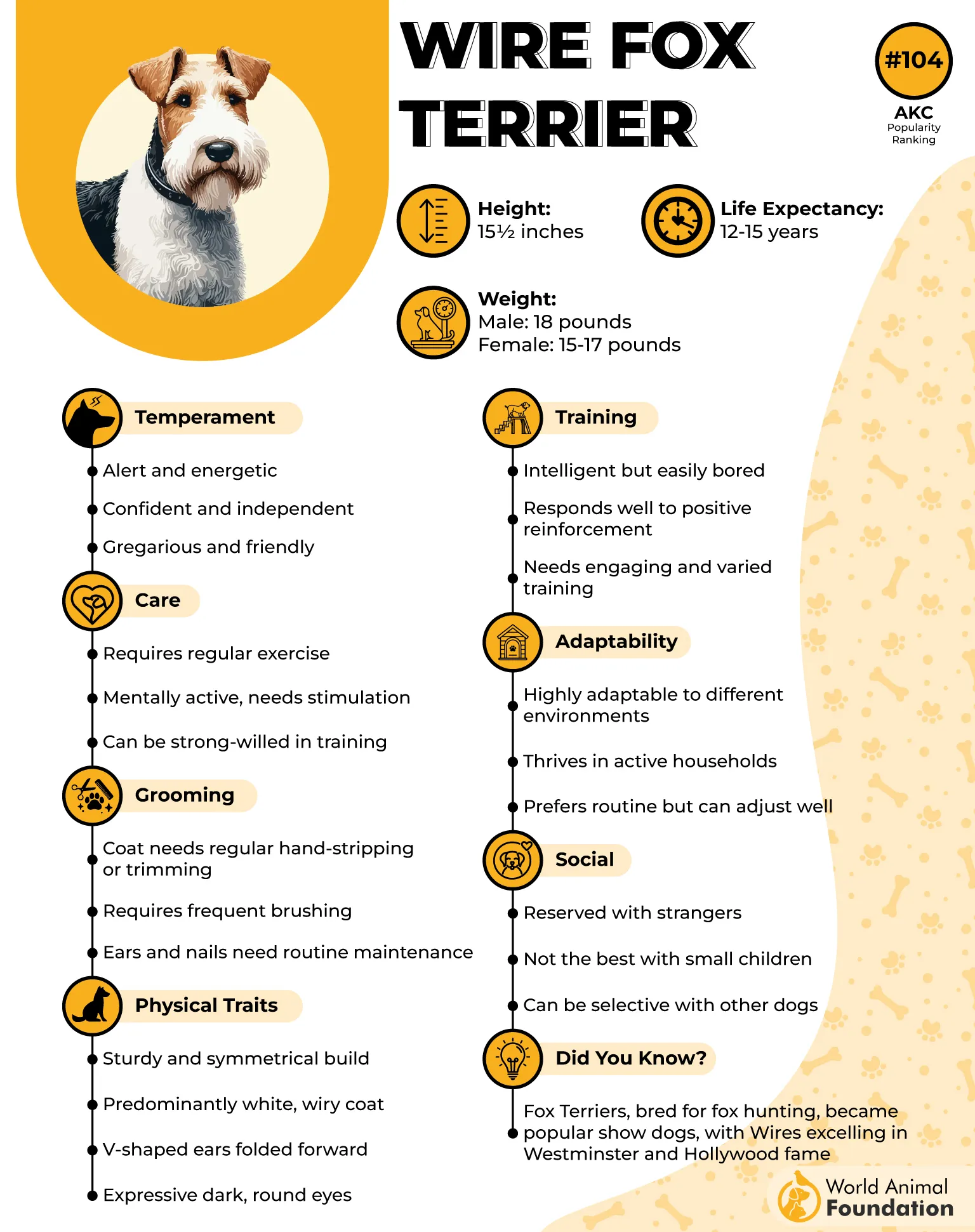
Clipping this coat with scissors softens the texture over time, so owners who show the breed hand-strip it instead, pulling dead hair out by the root. That keeps the coat harsh and the colors crisp the way judges expect. Regular grooming here is a skill, not just a chore.
Texture: Wiry and broken, with a dense undercoat beneath.
Feel: Rough and bristly, close to touching a stiff-bristled brush.
Bold, fast and endlessly curious, this terrier was practically built for mischief and still carries that spark today. It needs real mental work, or it will invent its own entertainment. Few small dogs pack this much confidence into one compact frame.
6. Curly-Coated Retriever
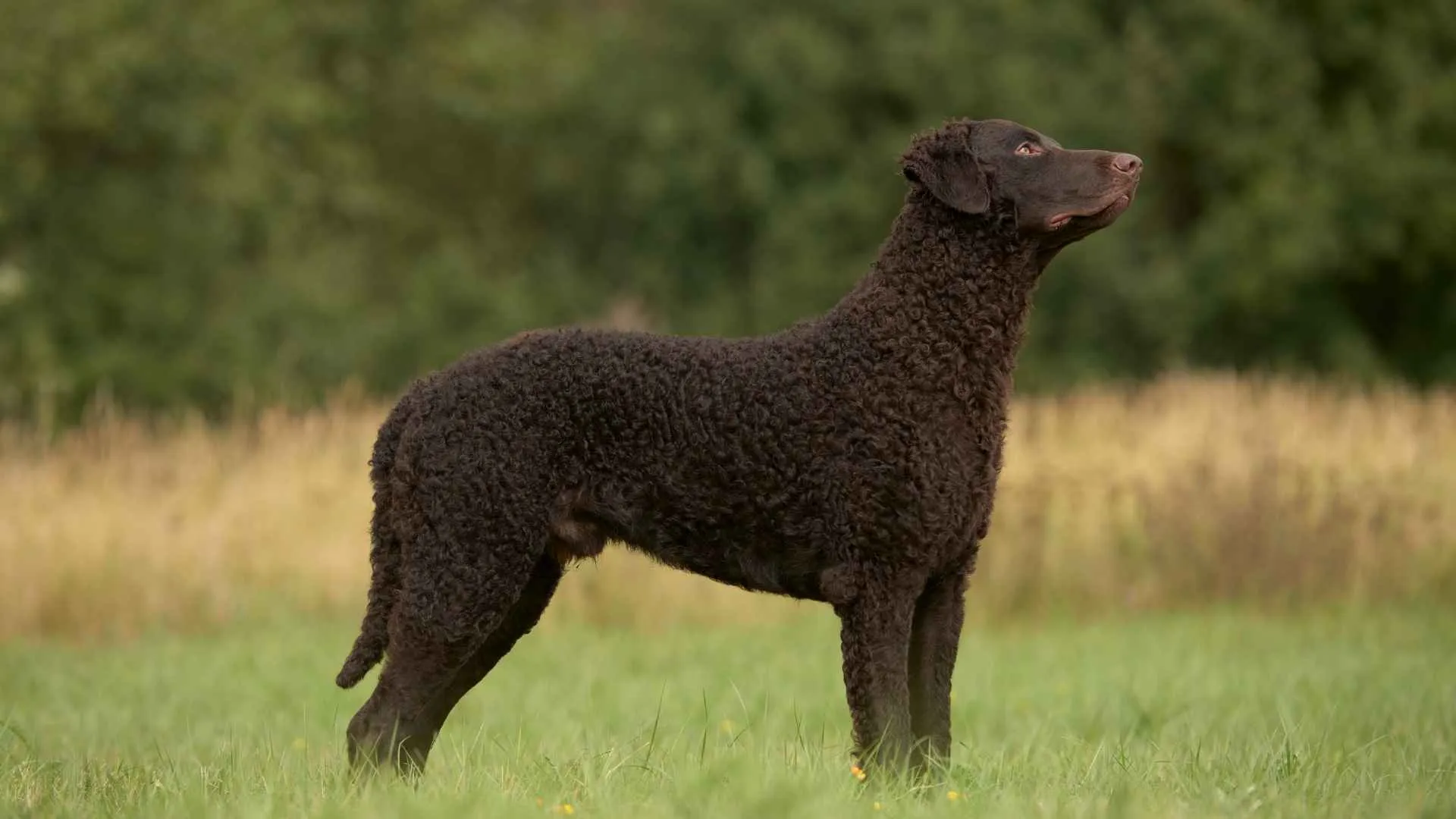
As one of the oldest retriever breeds, this dog worked waterfowl and upland birds in cold English weather, and its tight curls grew specifically to repel water and shrug off burrs in heavy brush. A looser coat simply would not have survived a full hunting season. The curl was a tool before it was ever a look.
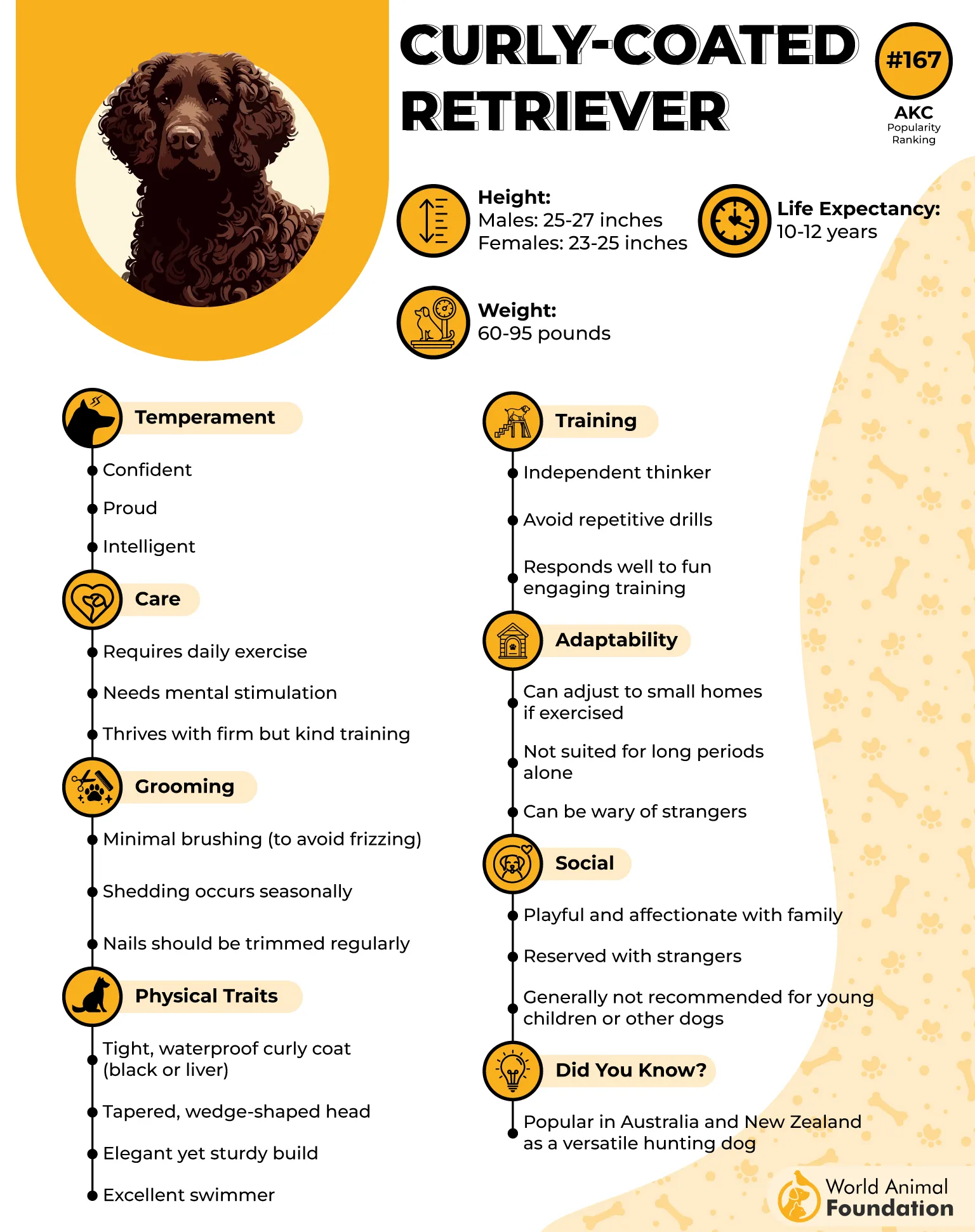
Oddly, brushing this coat actually ruins it, since it breaks up the curl pattern and leaves a frizzy mess behind, per the AKC. Most owners simply rinse the coat and let it air dry, saving real brushing for shedding season twice a year. Low maintenance here looks nothing like low effort elsewhere on this list.
Texture: Tight, crisp curls covering the entire body.
Feel: Springy and dense, close to touching tight wool ringlets.
Tallest of the retriever breeds, this dog is often called a thinking person’s companion for its independent streak. It matures slower than most other retrievers, mentally as well as physically. Patient owners tend to get the most out of that sharp, steady mind.
7. Kerry Blue Terrier

Irish farms once needed one dog for everything — ratting, herding, and guarding, so this breed developed a dense wavy coat with no harsh guard hairs at all. That single-layer build kept it light and flexible for long working days on the farm. The softness was practical, not decorative.

Pups are actually born solid black, and the coat gradually clears to its namesake blue-gray by around age 2. Because there is no undercoat to shed, daily brushing is what prevents the wavy strands from tangling into mats. Regular trims also keep the shape from growing shapeless fast.
Texture: Soft, dense, and wavy, with a single coat layer.
Feel: Silky yet substantial, like touching a wool sweater.
Once an all-purpose farm dog, this terrier now shows up just as often in the show ring as on a working property. It tends to be confident, occasionally scrappy, and endlessly self-assured. Few coats change this dramatically from puppyhood to adulthood.
8. Soft Coated Wheaten Terrier
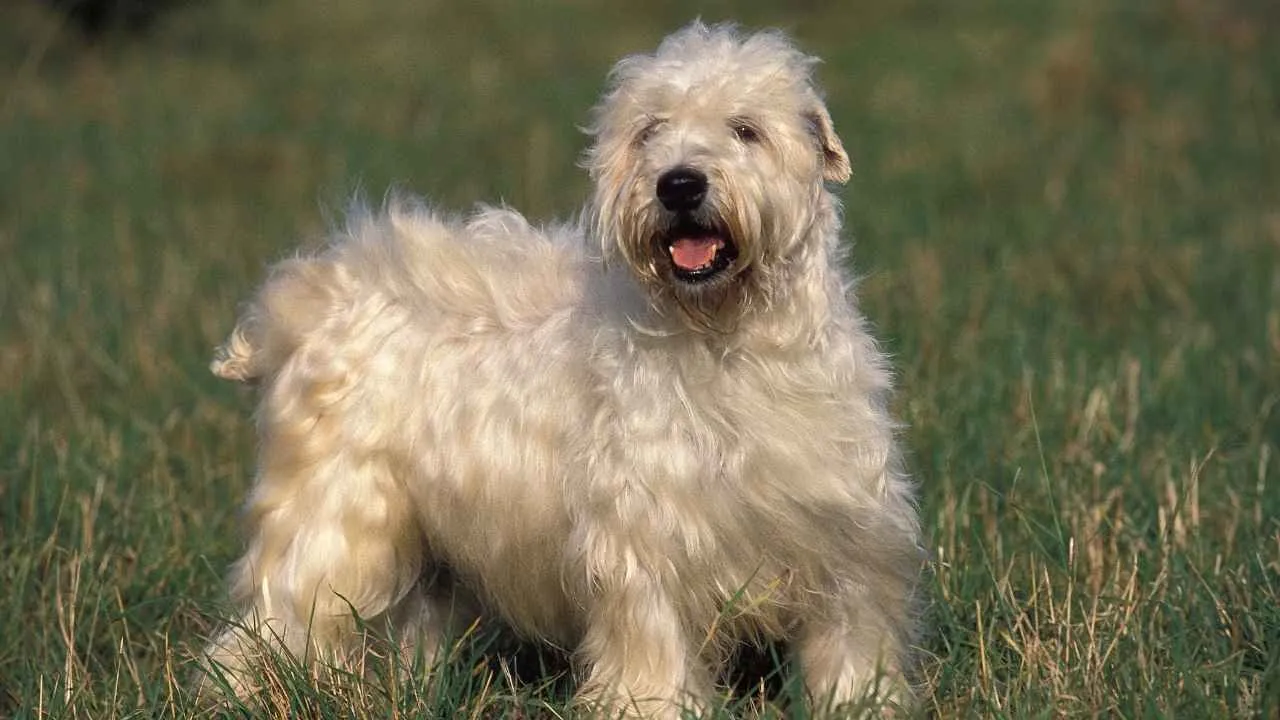
Like its Kerry Blue cousin, this Irish farm dog needed a coat without stiff guard hairs for long days herding and ratting outdoors. The result was a soft, silky layer in a warm golden shade, unusual among working terriers built tougher and wirier. Comfort and flexibility won out over armor here.
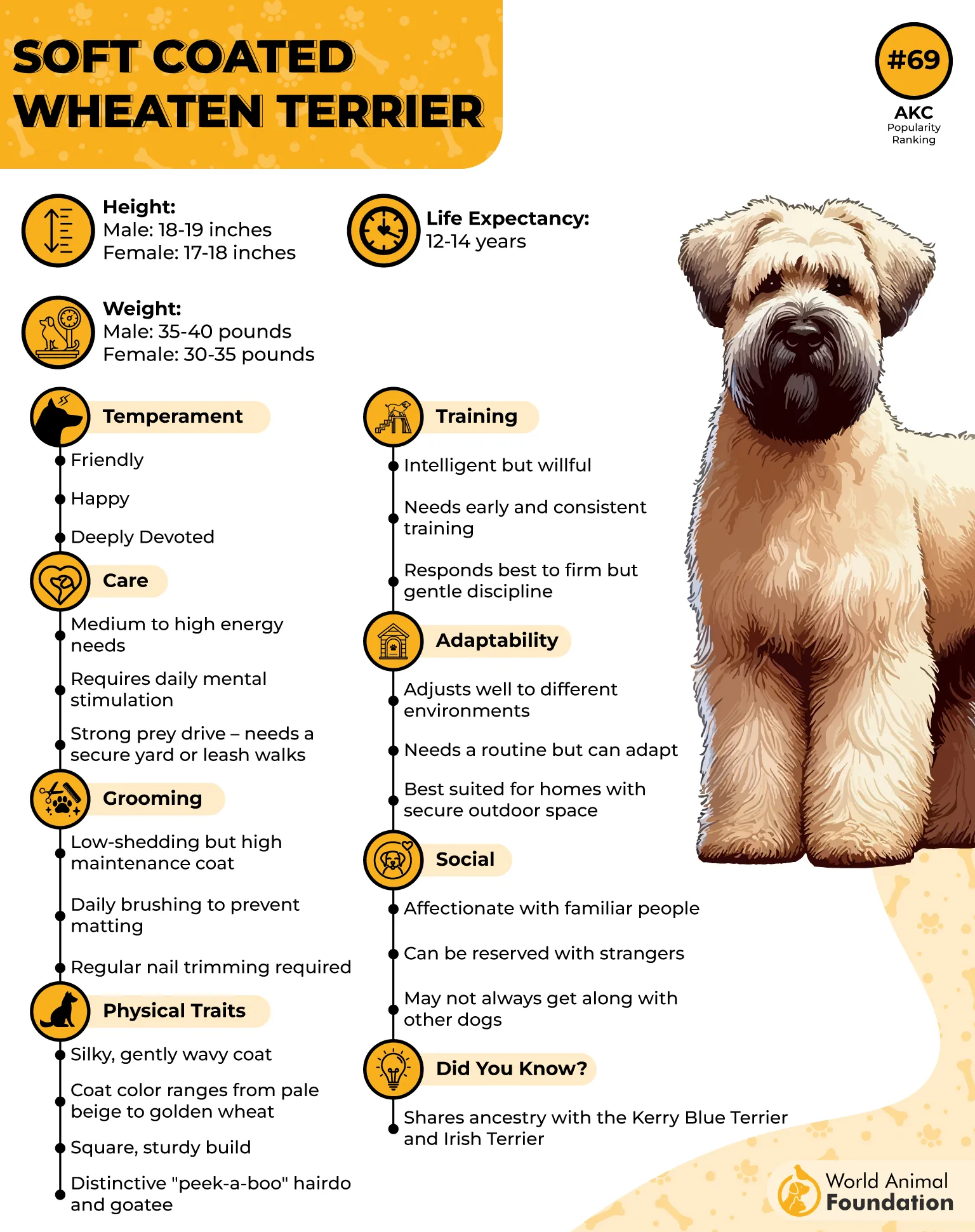
Pups are born darker and lighten into that wheaten color as they mature, explains WebMD. Since this coat sheds very little, loose hair stays trapped rather than falling out on its own, so near-daily combing is what keeps mats from forming. Skipping even a few days can undo a week of upkeep.
Texture: Soft, silky, and wavy, growing as a single coat.
Feel: Warm and smooth, similar to touching raw silk.
Famous for the “Wheaten greeting,” this breed tends to launch itself at visitors with pure, unfiltered joy. It stays playful well into adulthood and bonds hard with its people. Few terriers wear their heart this openly.
9. Irish Water Spaniel
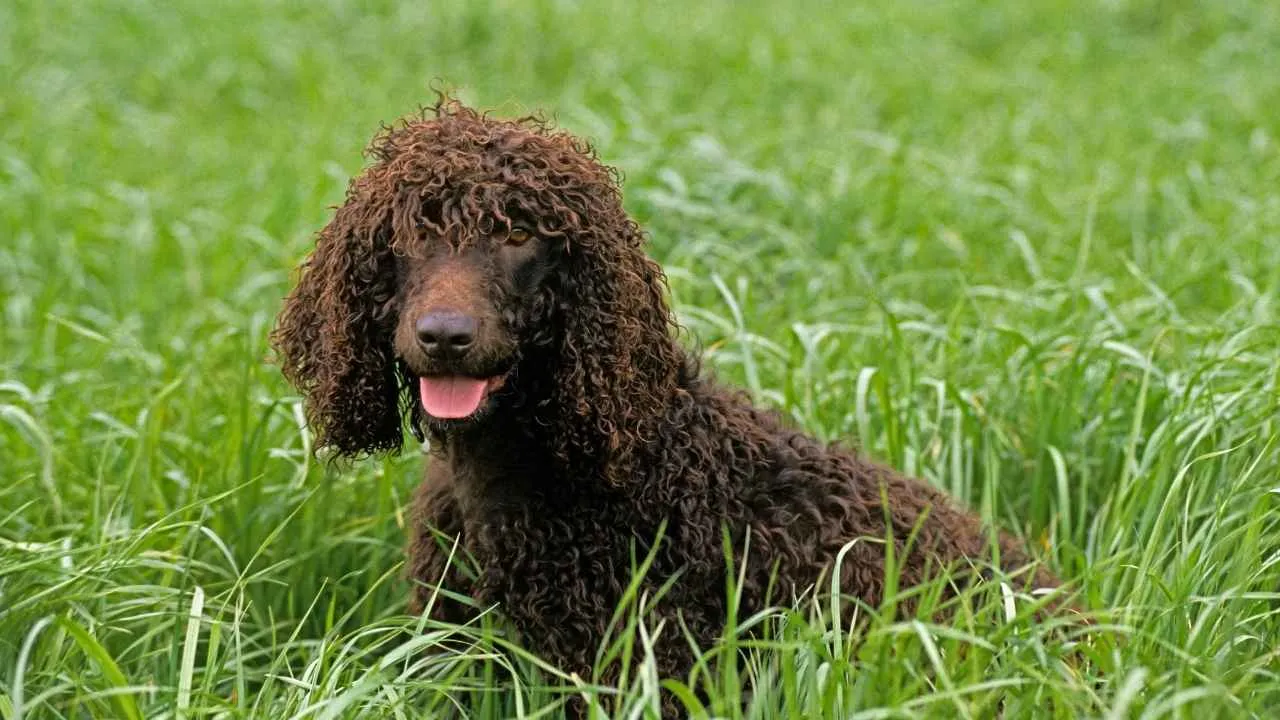
Bred to retrieve waterfowl from cold Irish lakes, this tallest of the spaniel breeds grew tight ringlet curls packed with natural oils that keep the dog warm and waterproof while swimming. Its smooth, curl-free tail works almost like a rudder, steering the dog through open water. Every part of this coat had a job to do.
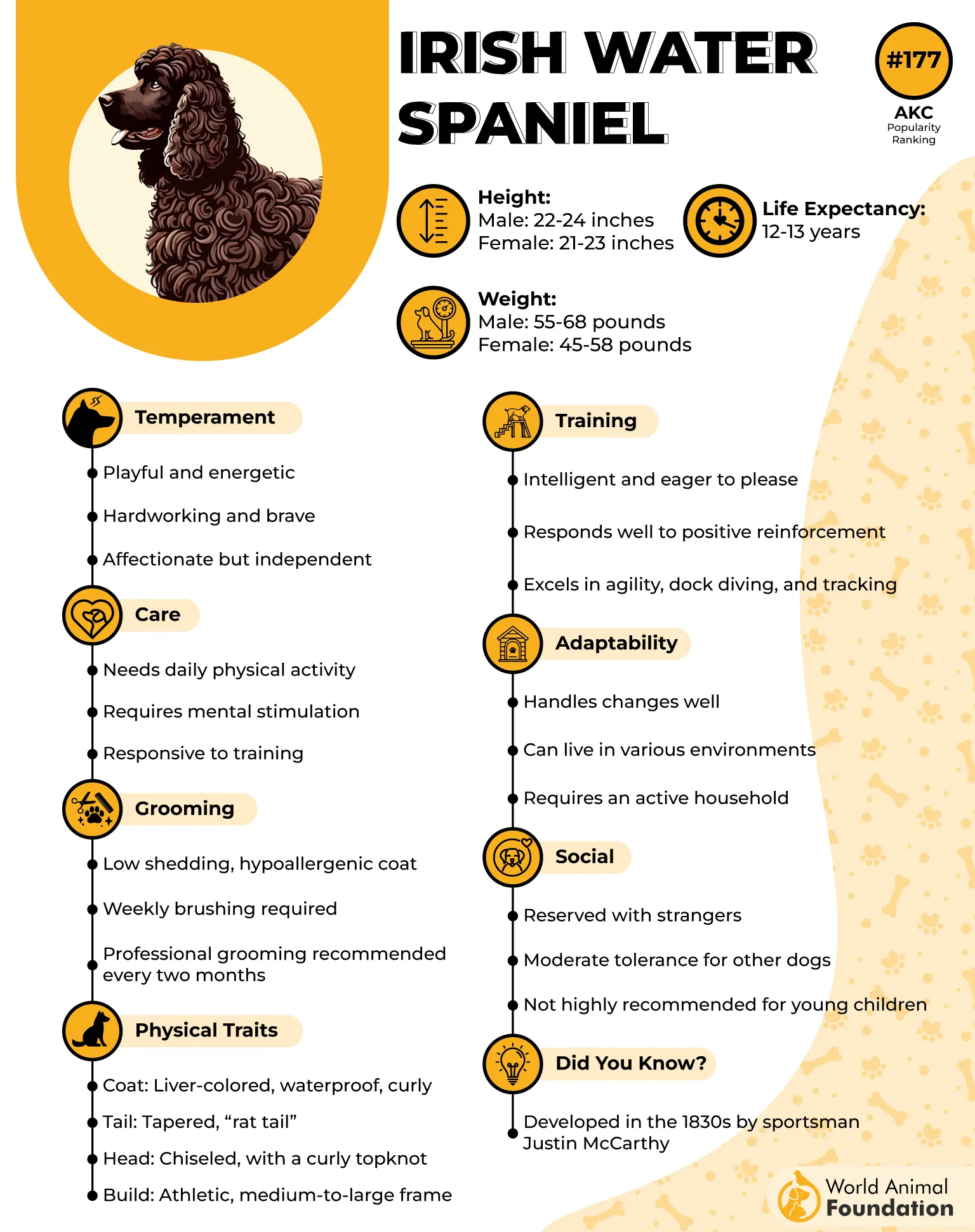
Over-brushing here breaks the ringlets apart, so a quick rinse after a swim does most of the real work. Occasional trims keep the coat tidy without disturbing its natural curl pattern. That smooth tail, meanwhile, needs no grooming at all.
Texture: Tight ringlet curls with a bare, rat-like tail tip.
Feel: Firm and springy, almost rubbery when freshly wet.
Often called the clown of the spaniel world, this breed pairs serious swimming instincts with a genuinely goofy sense of humor. It remains one of the rarer breeds most people have never met in person. Underneath the curls sits a surprisingly playful personality.
10. Miniature Poodle
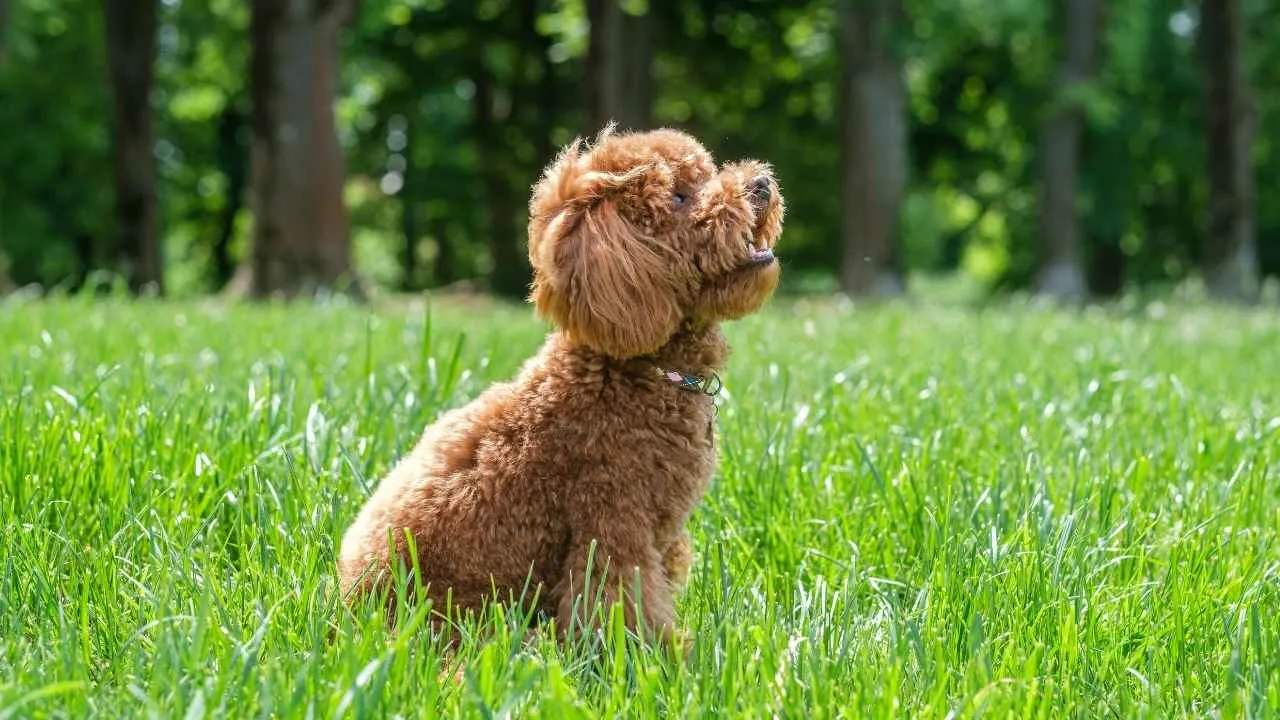
Developed in Germany as a smaller water retriever, this breed’s dense curls trap warm air next to the skin, which is exactly why working Poodles were shaved in patches, leaving tufts over joints and the chest to protect them in cold water. Even the quirky “lion clip” traces back to that original working purpose.
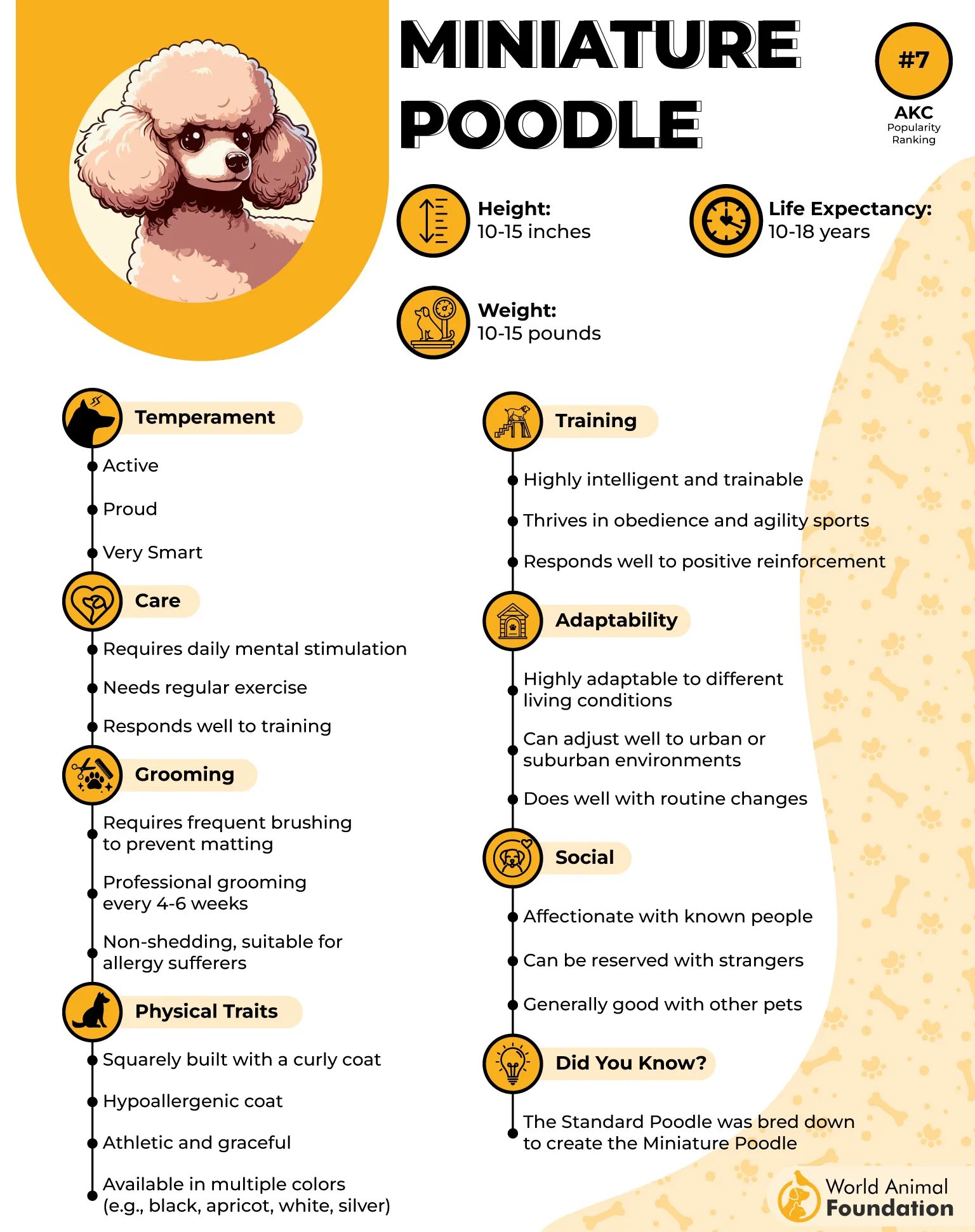
Because this coat never stops growing and barely sheds into the home, professional grooming every 4 to 6 weeks keeps it from matting at the roots, according to Purina. Daily brushing between visits matters just as much as the trim itself. Skip either step and those tight curls tangle fast.
Texture: Dense, tightly curled and continuously growing.
Feel: Springy and coarse, close to touching fine steel wool.
Consistently ranked among the smartest dog breeds, this Poodle once performed in circuses partly for that very intelligence. It thrives on mental work and tends to get bored and a little mischievous without it. Few coats double as both insulation and a showcase for skill.
Conclusion
These 10 dog breeds prove just how different coat textures can get, from a Komondor’s corded ropes to a Bedlington Terrier’s woolly curls, each one strikingly unique in its own right. The real question was never which coat looks cutest; it is which one actually fits the time and skill you can give it.
Every dog on this list earned its texture the hard way, through generations of breeding for a very specific job in the canine world. Pick the breed whose grooming essentials match your routine, then go meet a few in person before you fall for the fur.
