




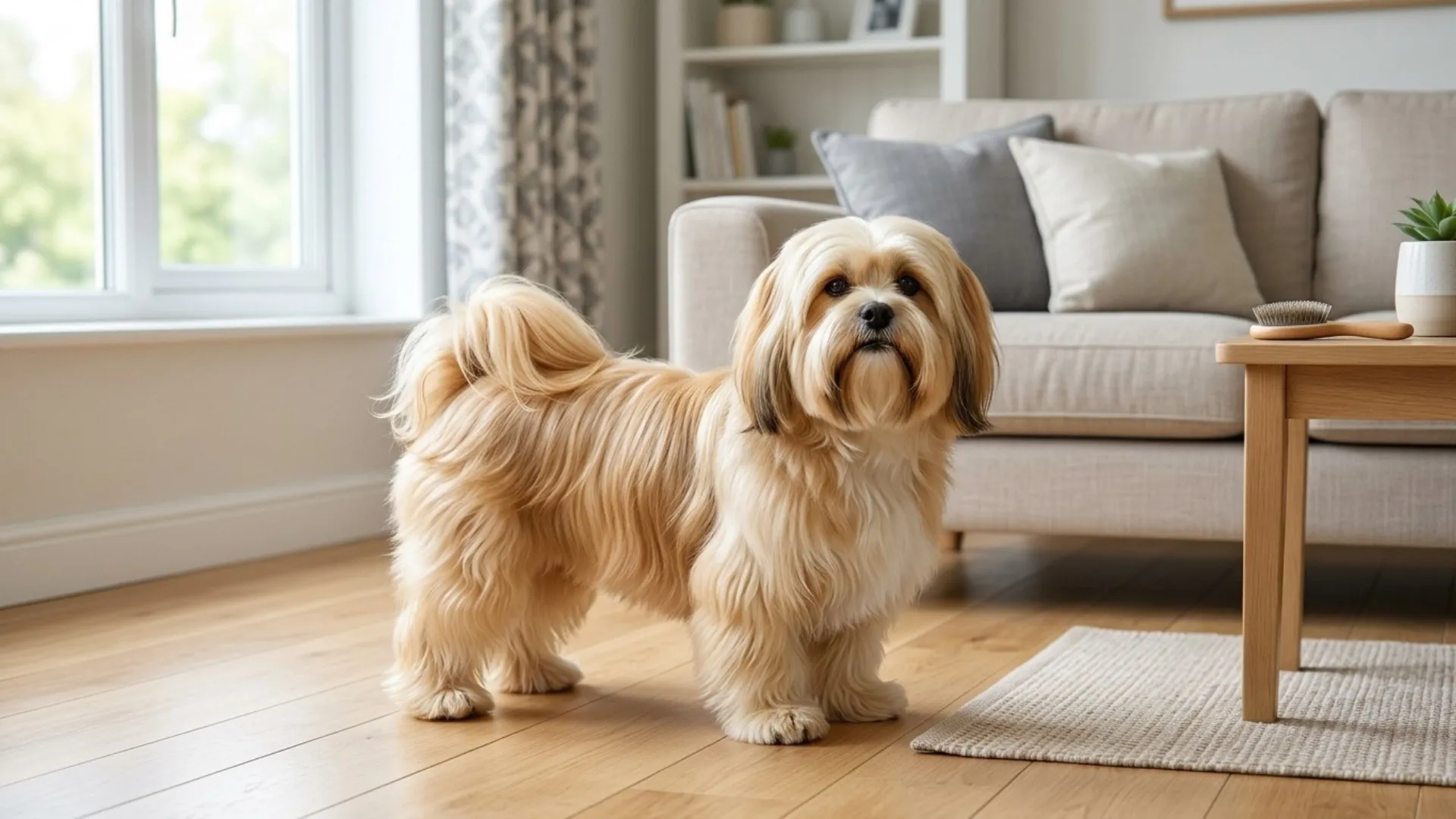
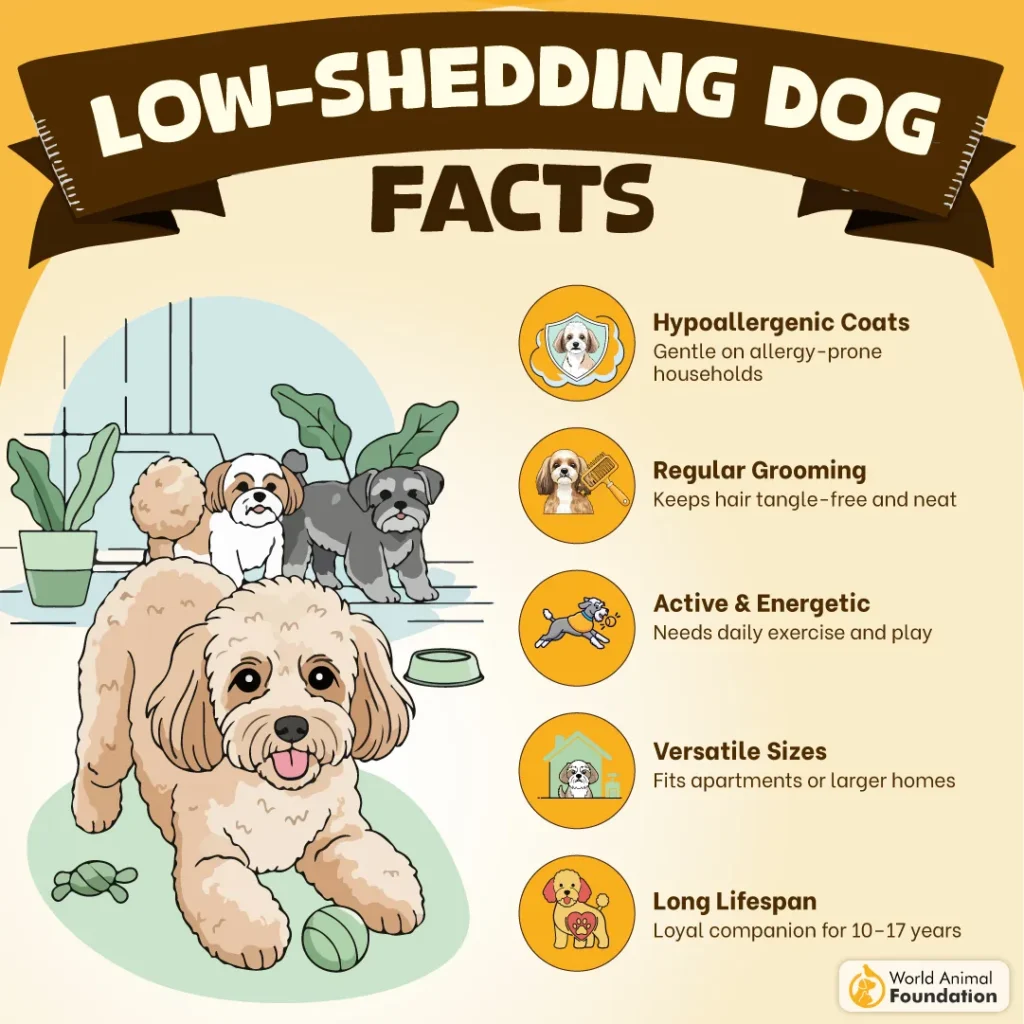
If you love dogs but hate finding fur on your black jeans, your car seats, and somehow inside your coffee mug, you are not alone. A low-shedding dog can make life feel a little less like living with a permanent snow globe.
The breeds below are known for coats that shed very little. Some have hair that grows like ours. Others have curly coats that trap loose hair until grooming day. That means fewer tumbleweeds of fur rolling across your floor.
But here is the honest part: no dog is completely shed-free, and no breed is truly hypoallergenic. All dogs produce dander.
Still, these seven breeds are popular choices for people who want a cleaner home without giving up the joy of a wagging tail.
Let’s meet the dogs that may save your vacuum from burnout.
Dog Breeds That Shed Very Little: More Than Just a Beautiful Coat
1. Coton De Tulear
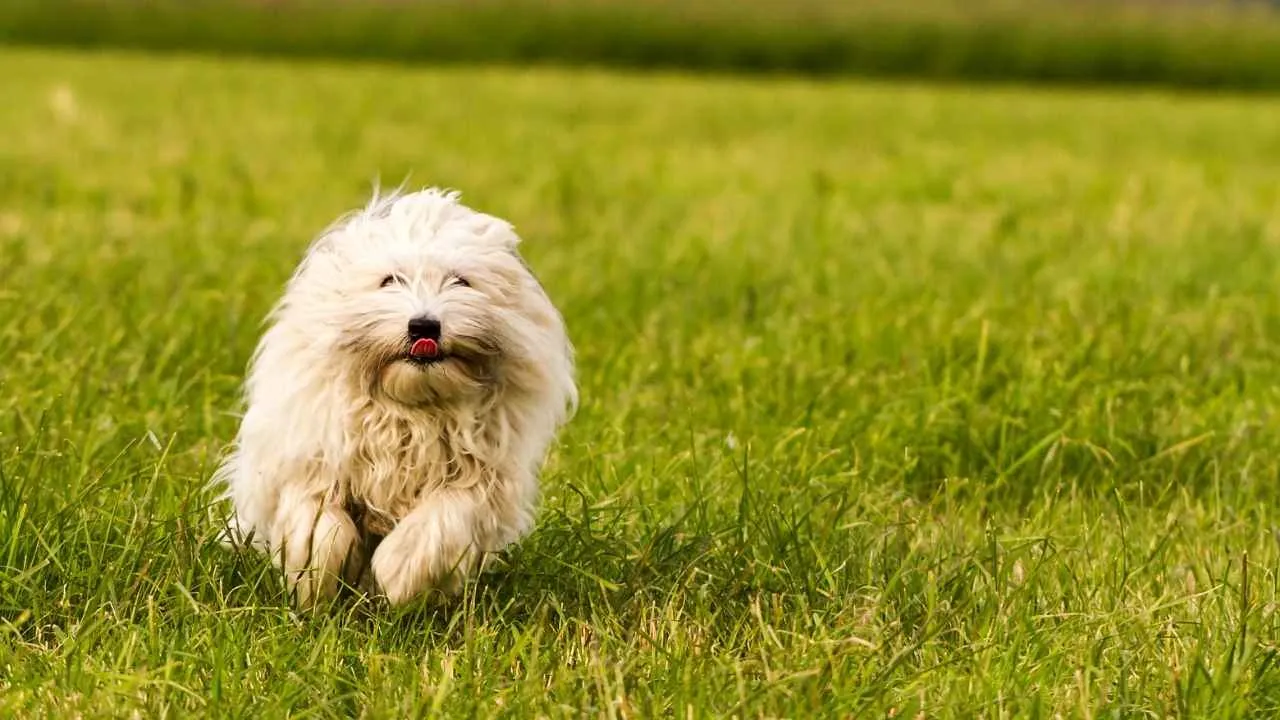
The ancestors of this small dog breed existed in the port of Tulear in the 17th century and were mostly kept as companion dogs for sailors and traders. These little dogs were interbred with the local dogs, resulting in a white-coated Coton De Tulear, according to Purina.
This low-shedding dog breed has a single-coated and continuously growing coat that consists of hair. The coat grows up to 4 inches in length and has a dense appearance. The adult dog can feature 5% light tan or gray shading on the ears. The coat is completely non-oily and is naturally straight. However, gentle waves or light curls are acceptable.
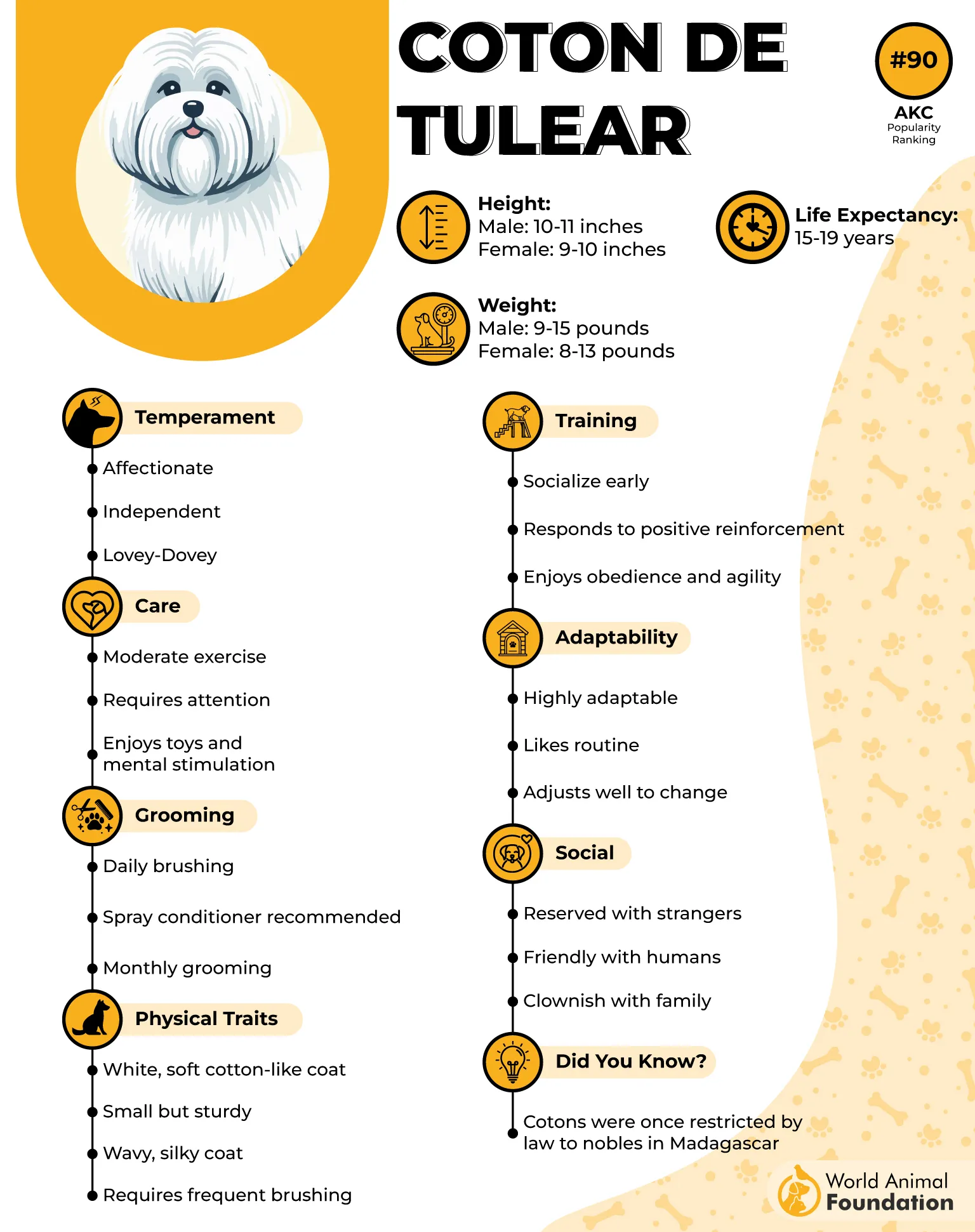
Since the dead hair traps inside the coat, the breed needs extensive grooming: use a slicker brush, a pin brush, and a Greyhound comb 3-4 times a week. Pay close attention to the friction zones. The coat needs bathing 1-3 times a week.
2. Lhasa Apso
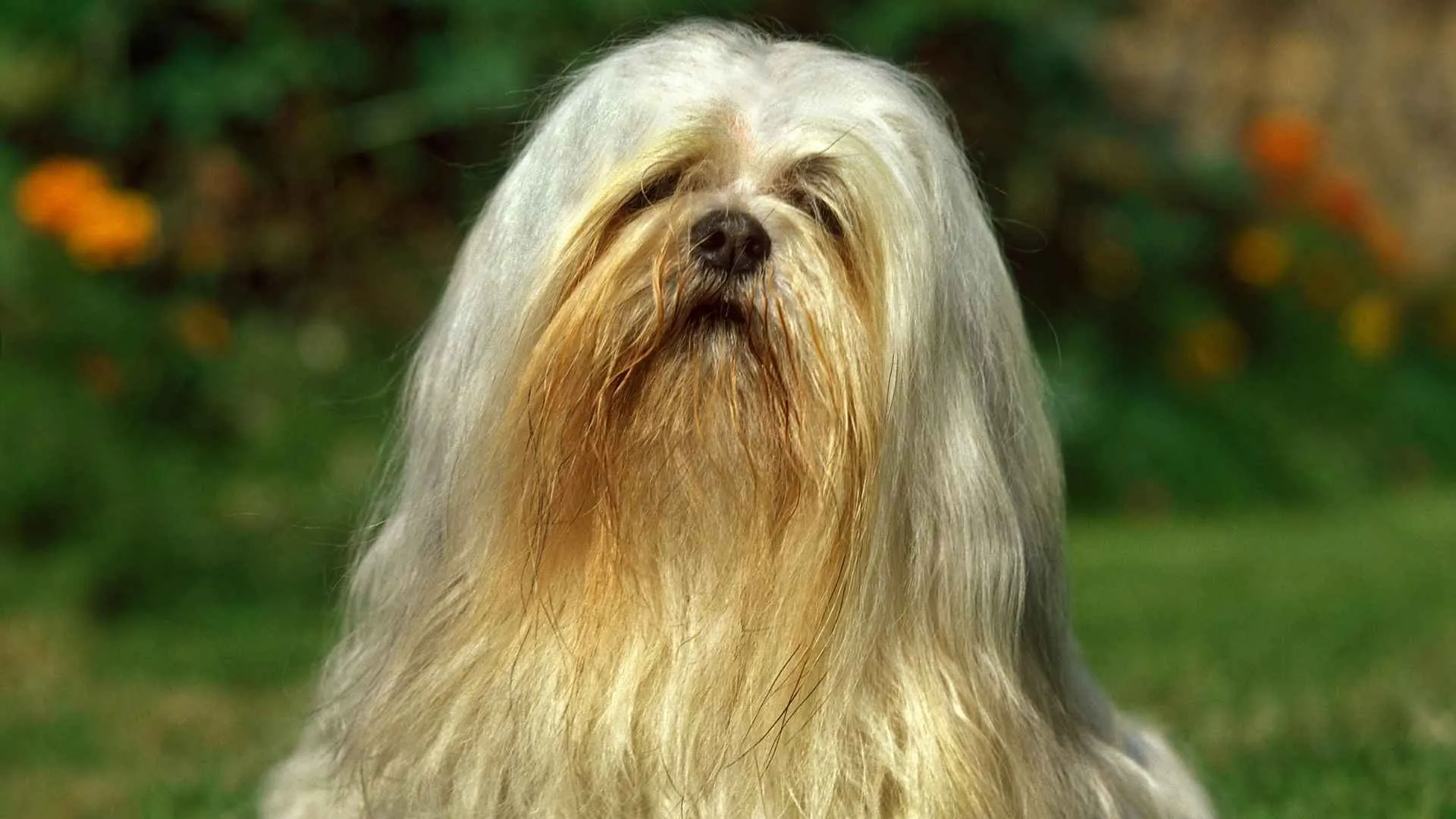
This ancient breed was originally bred in Tibet some 2,000 years ago. The primary purpose was to serve as the watchdog for the Buddhist monks and the royalty. It also has secured a sacred position in Chinese culture because of its lion-like mane around the neck.
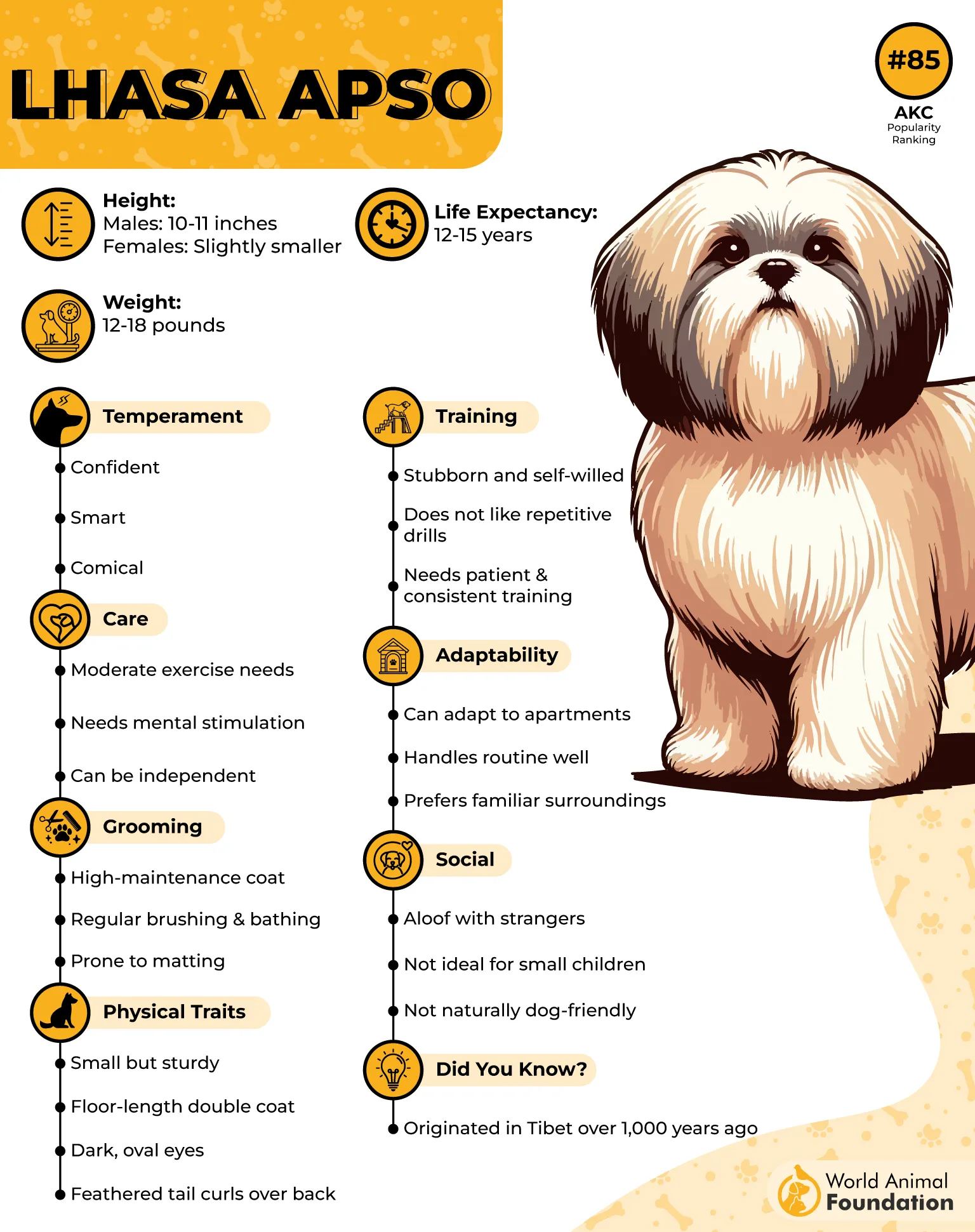
The double coat consists of a heavy and straight outer coat, while the dense undercoat acts as a thermoregulator. This low-shedding dog breed has heavy feathering on ears, legs, and facial furnishings with a heavy plume tail. The human hair produces less dander, trapping the loose hairs internally and has minimal dog odor.
The coat needs regular grooming: weekly brushing to prevent tangles and bathing every 2- 4 weeks. Never let the breed air-dry its coat, as it can cause fast-tracking skin infections and matting.
3. Maltese
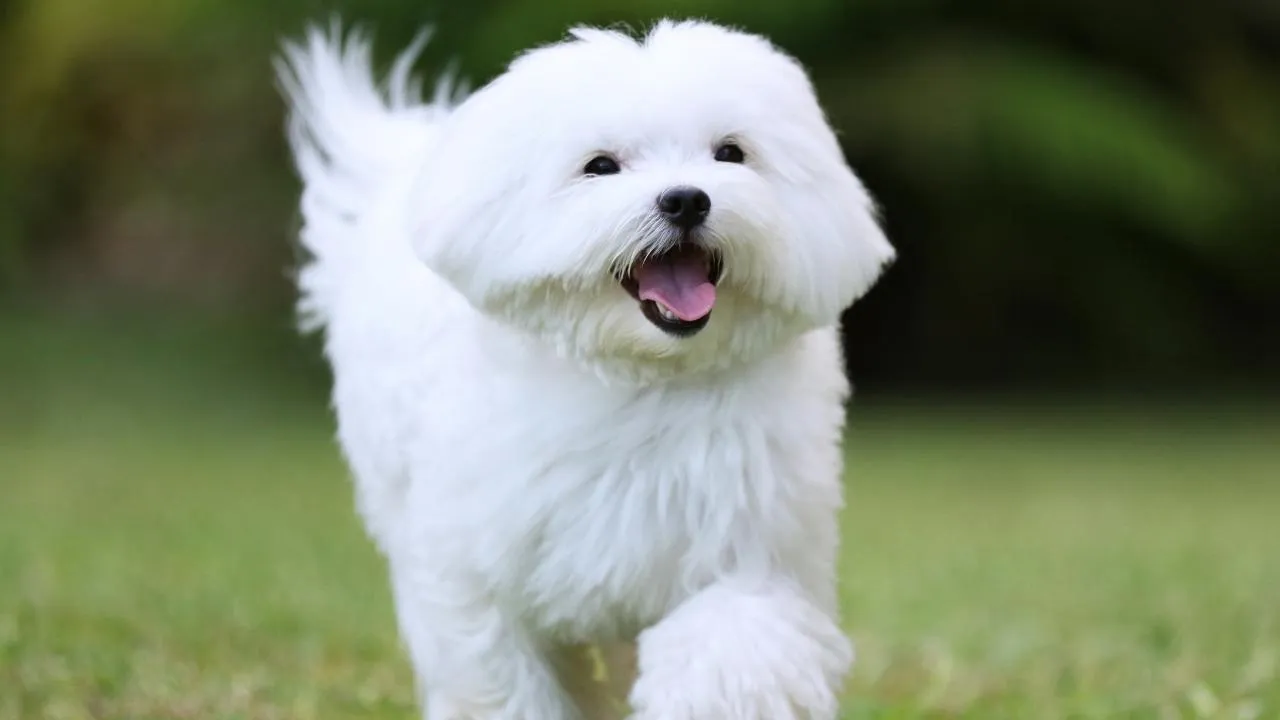
Closely related to the Tibetan Terrier, the white breed was brought to Central Europe via Asia by traders. The history dates back to Malta, where it was used as a lap dog since 300 BCE. It gained popularity among the British upper-class ladies in the 14th century, as reported by Omlet.
The single coat consists of hair instead of fur; thus, it grows continuously instead of growing to a certain limit and then shedding. The non-shedding dog does not experience seasonal shedding and has a light and silky coat, while some breeds do inherit a woolly texture.
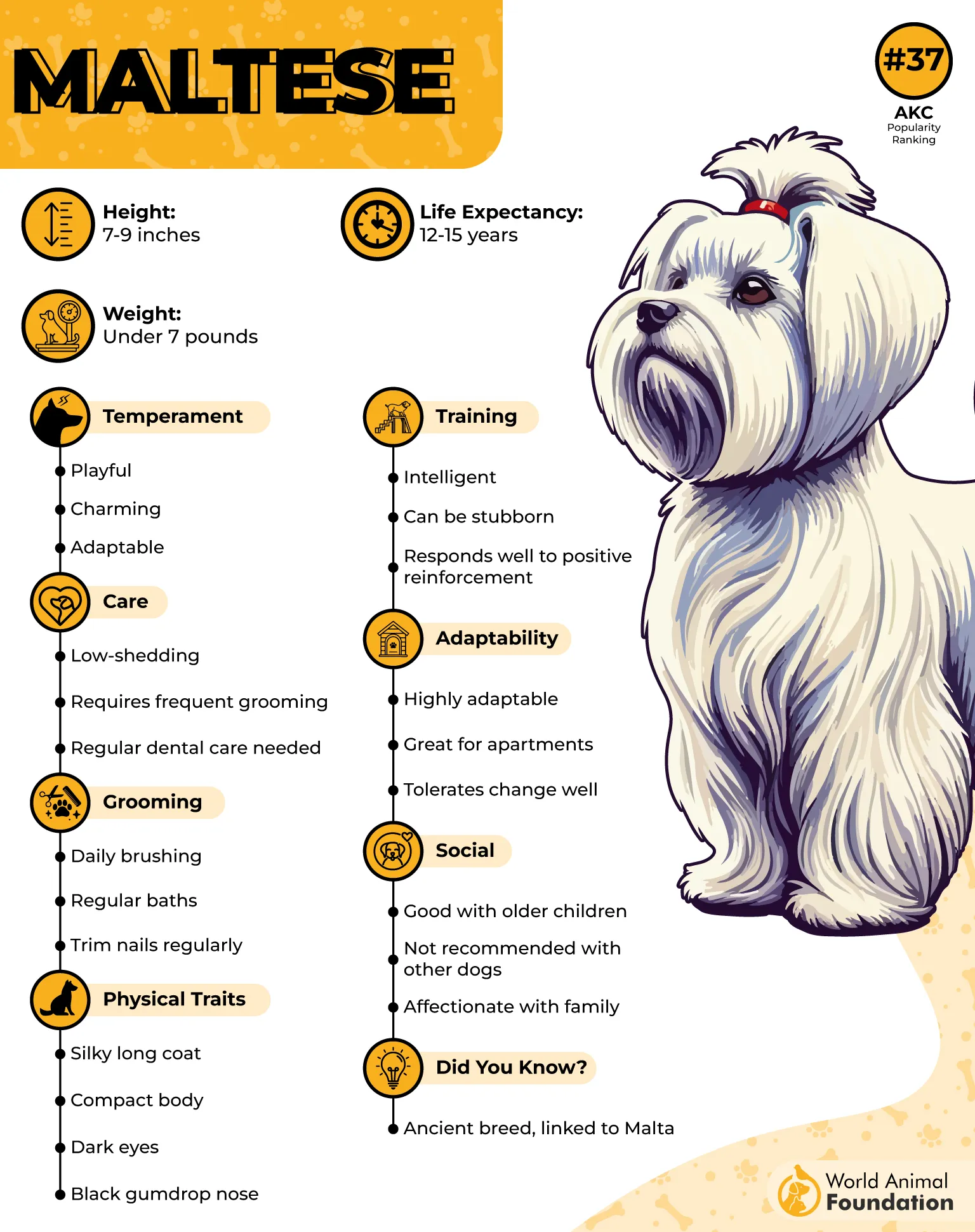
The show-length coat needs daily brushing, while the puppy cut (1-2 inches) needs brushing after 3 days using a steel-tooth comb or a pin brush. Since the breed is highly prone to matting, use your finger or comb before bathing.
4. Chinese Crested

Descended from the larger hairless breed brought to China from Africa, the Chinese Crested is the miniaturized version of the parent dog, selectively bred by the Chinese breeders. The primary purpose was to serve as a companion dog on ships and kill small game on board.
The coat type comes in 2 varieties: The hairless breed (features furring in specific regions, around the tail and neck) and the powderpuff breed (veiled double coat). The hairless breed has human-like skin and comes in a variety of colors. The few hair follicles trap sebaceous oil; thus, it has minimal dog odor.
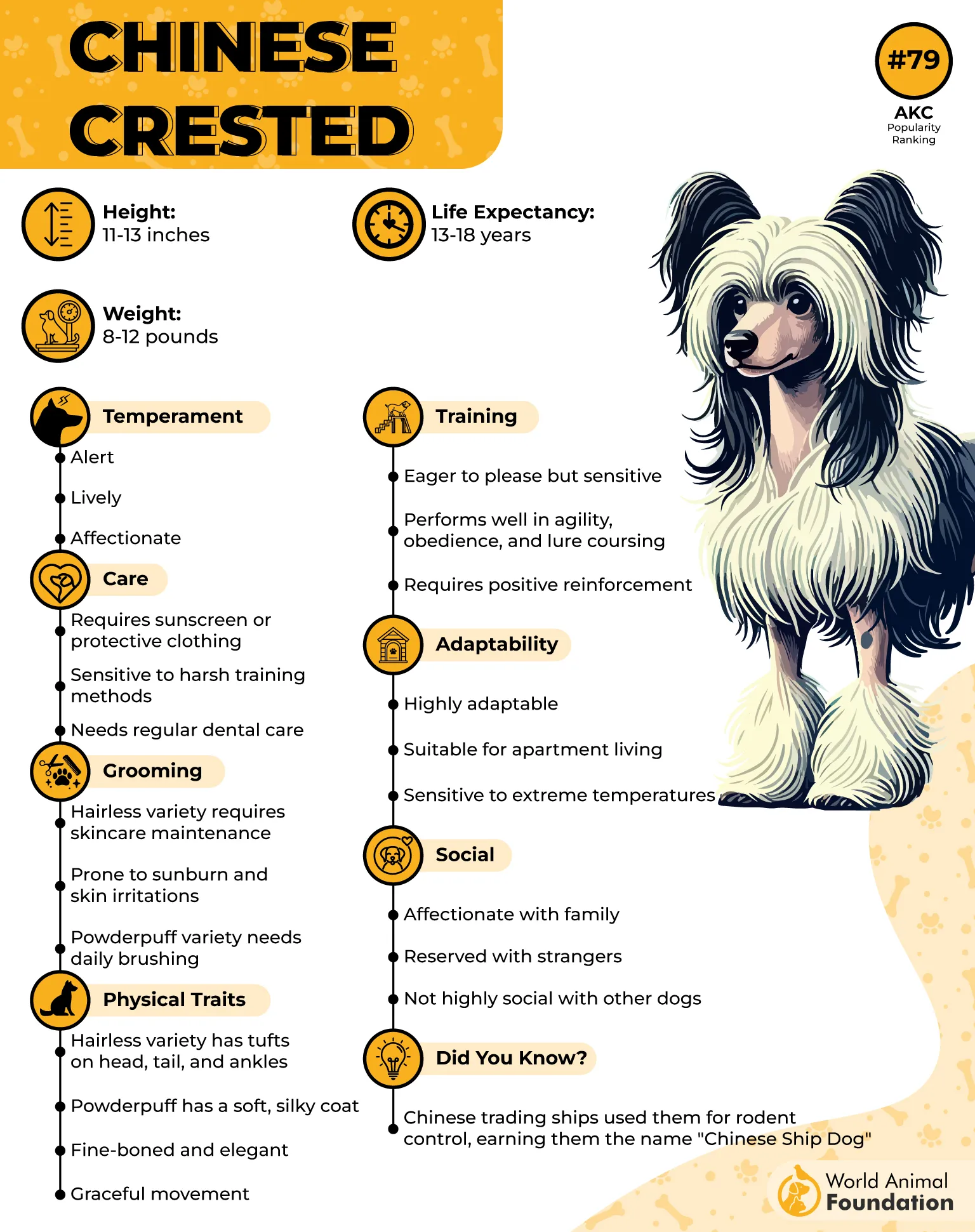
The hairless coat does not need brushing. Bathe the breed after 2 weeks and use sunscreen during outdoor adventures to prevent sunburn. It is sensitive to cold weather; thus, warm sweaters or onesies are recommended.
5. Miniature Poodle
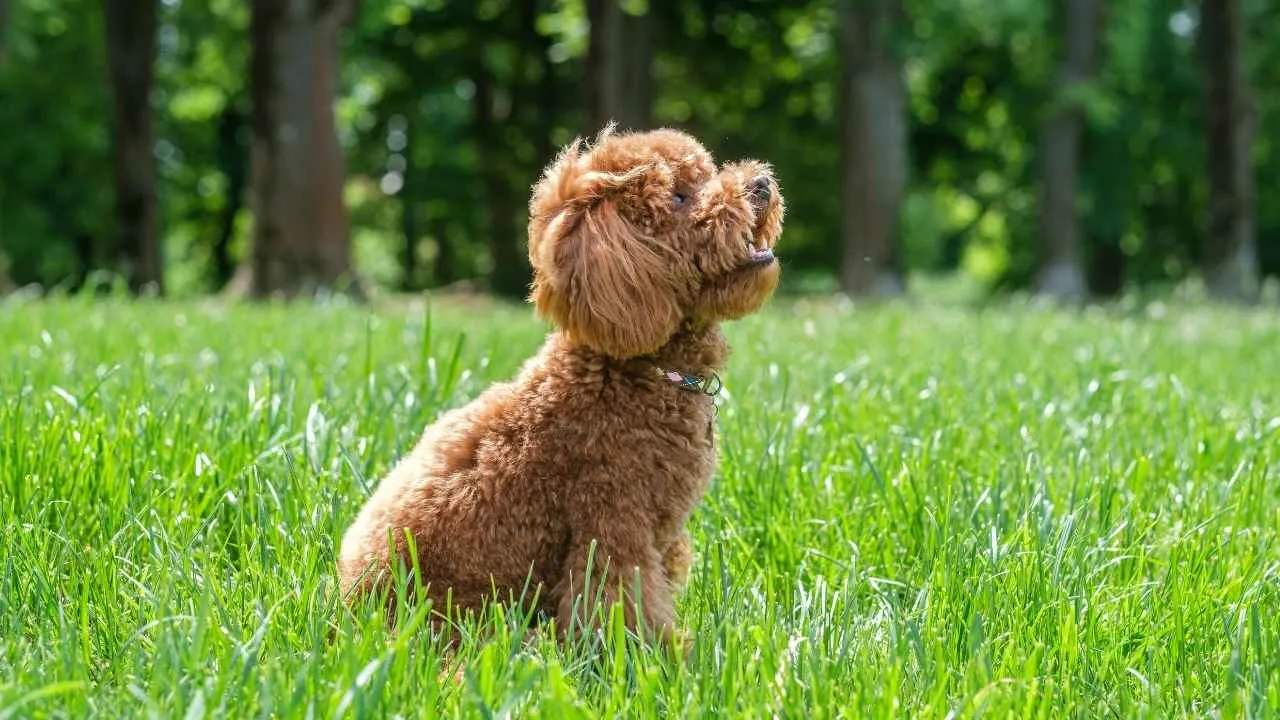
The smaller version of the Standard Poodle was bred for circuses instead of retrieving and hunting. This highly intelligent breed is easy to train, has a cheerful disposition, and makes good friends with everyone. The breed is bigger than the toy breed but smaller than the Standard Poodle.
The miniature Poodle comes in 2 coat types: the curly coat (naturally harsh/wiry in texture, forms tight curls, and resists being compressed by the hand) and the corded coat (tight and hanging cords with varying length, often reaching 20 cm). Both consist of a single layer.
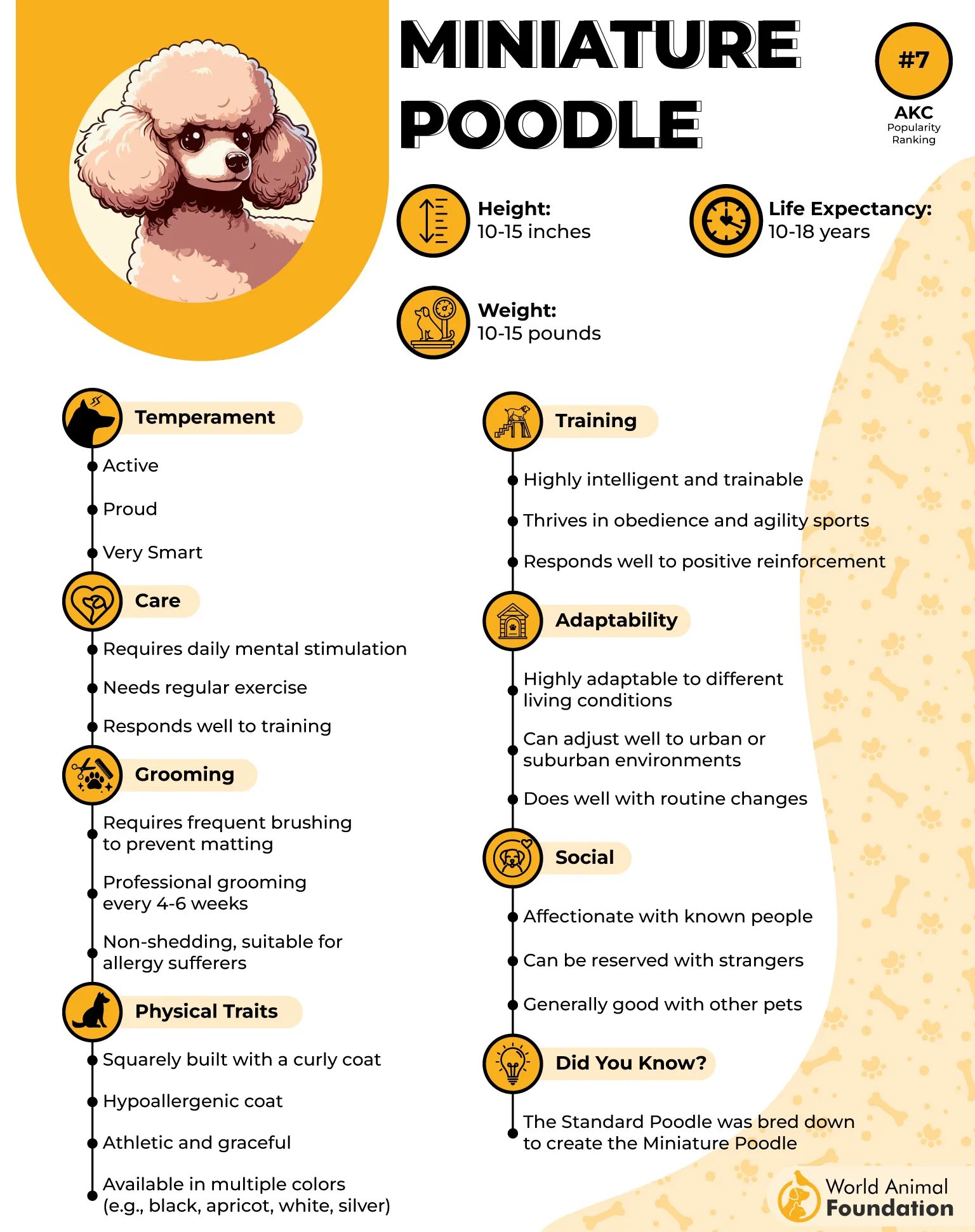
The low-shedding breed needs brushing 2- 3 times a week using a gentle slicker brush and a pin brush. Use a de-tangling spray to reduce hair breakage. Bathing can be done monthly or occasionally.
6. Bichon Frise
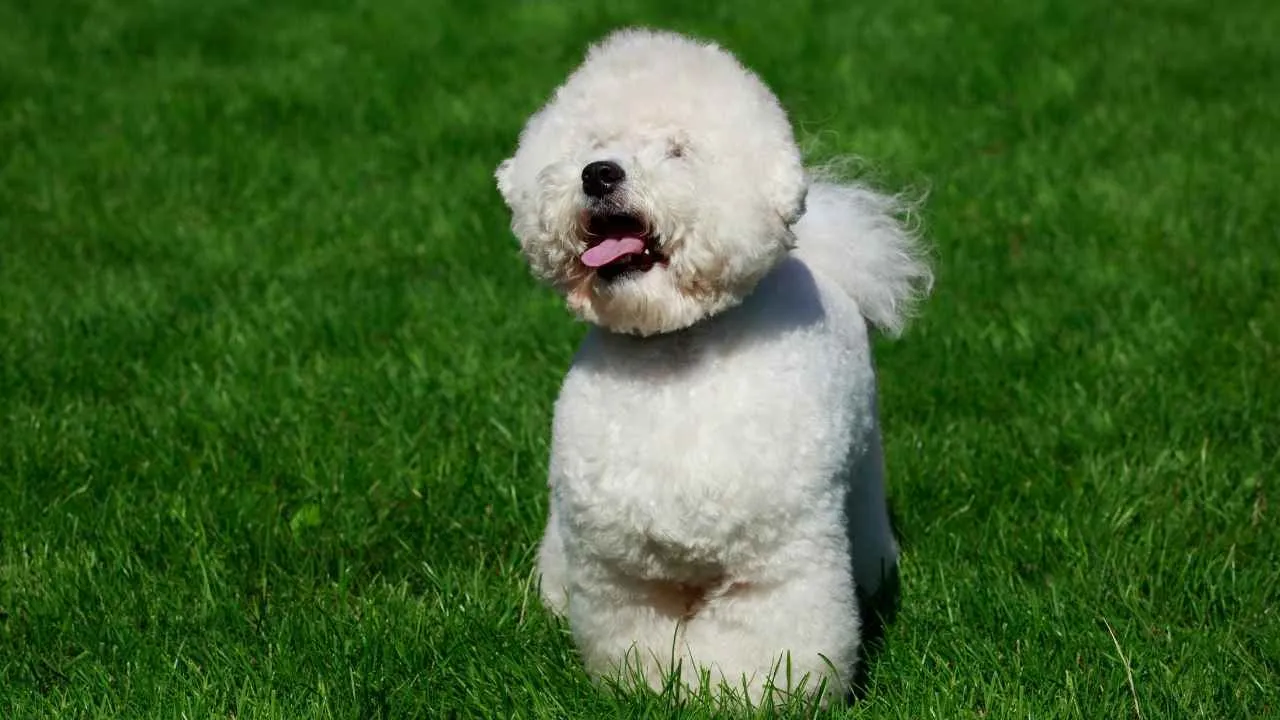
Descended from the Water Spaniel, the breed was originally developed in the Mediterranean region and was adopted by the Italian nobility in the 14th century. Originally used as a lap dog, the white dog was later trained to be a circus performer in France, says Show Sight.
The dense, curly coat has two layers: the hard and curly outercoat and the thick, insulating undercoat. Together, these layers give it a teddy bear-like appearance. The coat has a velvety texture. Puppies are born with a single layer and transition to a double-coated breed between 4 months and 2 years of age.
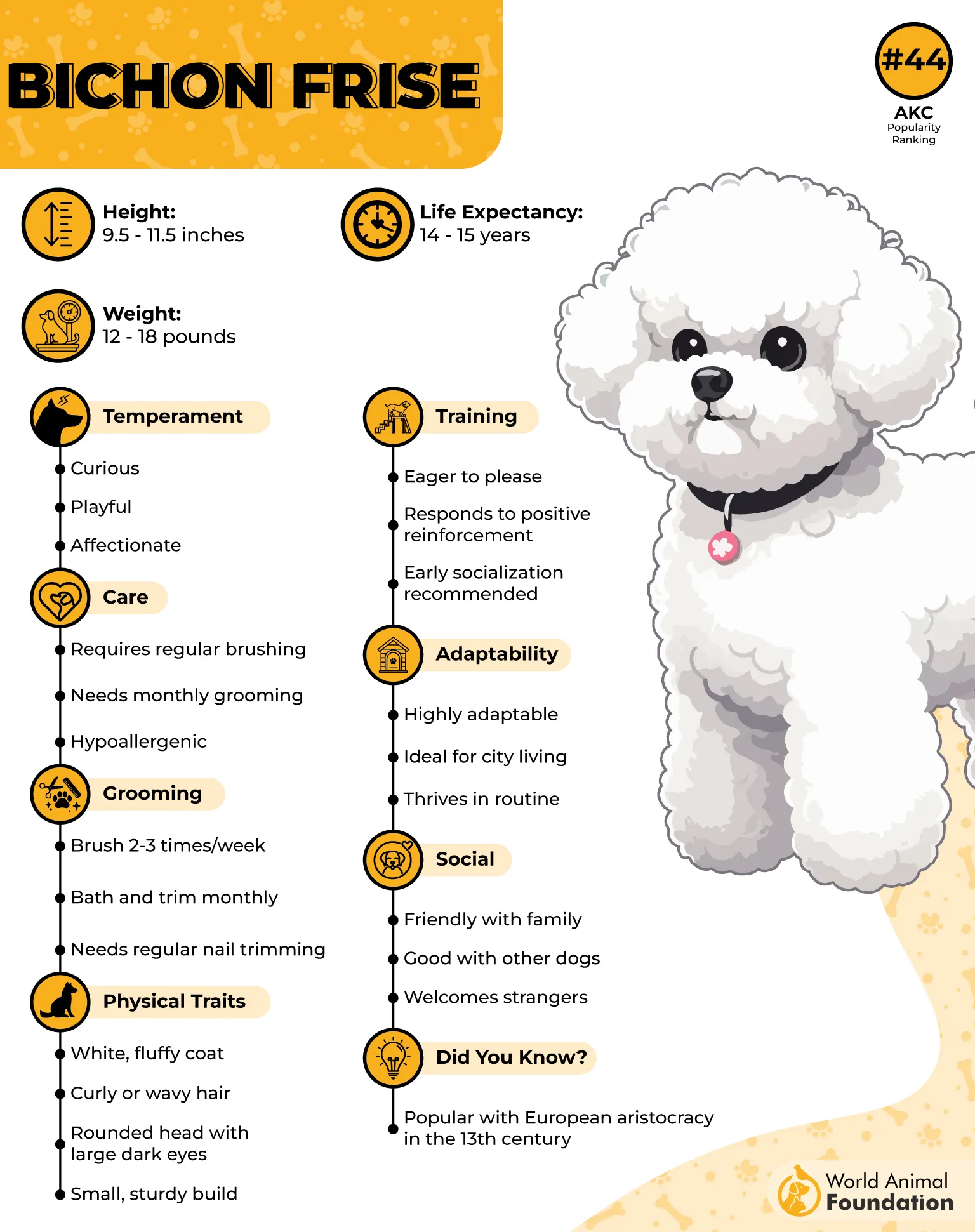
Since the loose hair is trapped inside, the hypoallergenic dog needs consistent grooming: daily brushing, especially on the danger zones (around the collar, groin, behind the ears, and armpits. Always brush the coat before bathing.
7. Yorkshire Terrier
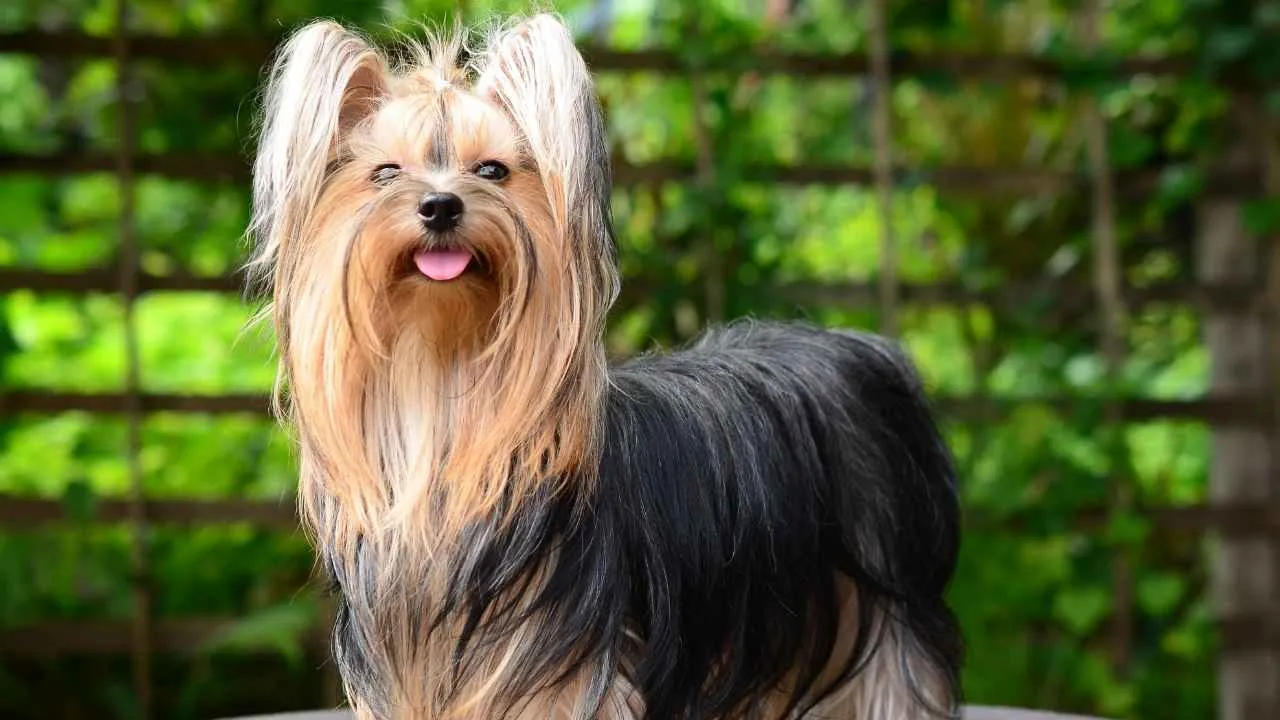
Also known as Yorkie, the small breed was developed in Britain in the 19th century by crossing the Water Terrier, Paisley, and Skye Terrier to develop a working breed that could hunt rats and rodents in cotton and wool mills.
This low-maintenance pet lacks the undercoat and comes in three coat types: the silky coat (perfectly straight, hallmark of the purebred Yorkie), the cotton coat (wavy/puffy, gives a cotton-like appearance), and the puppy coat (thick, soft, and dense).
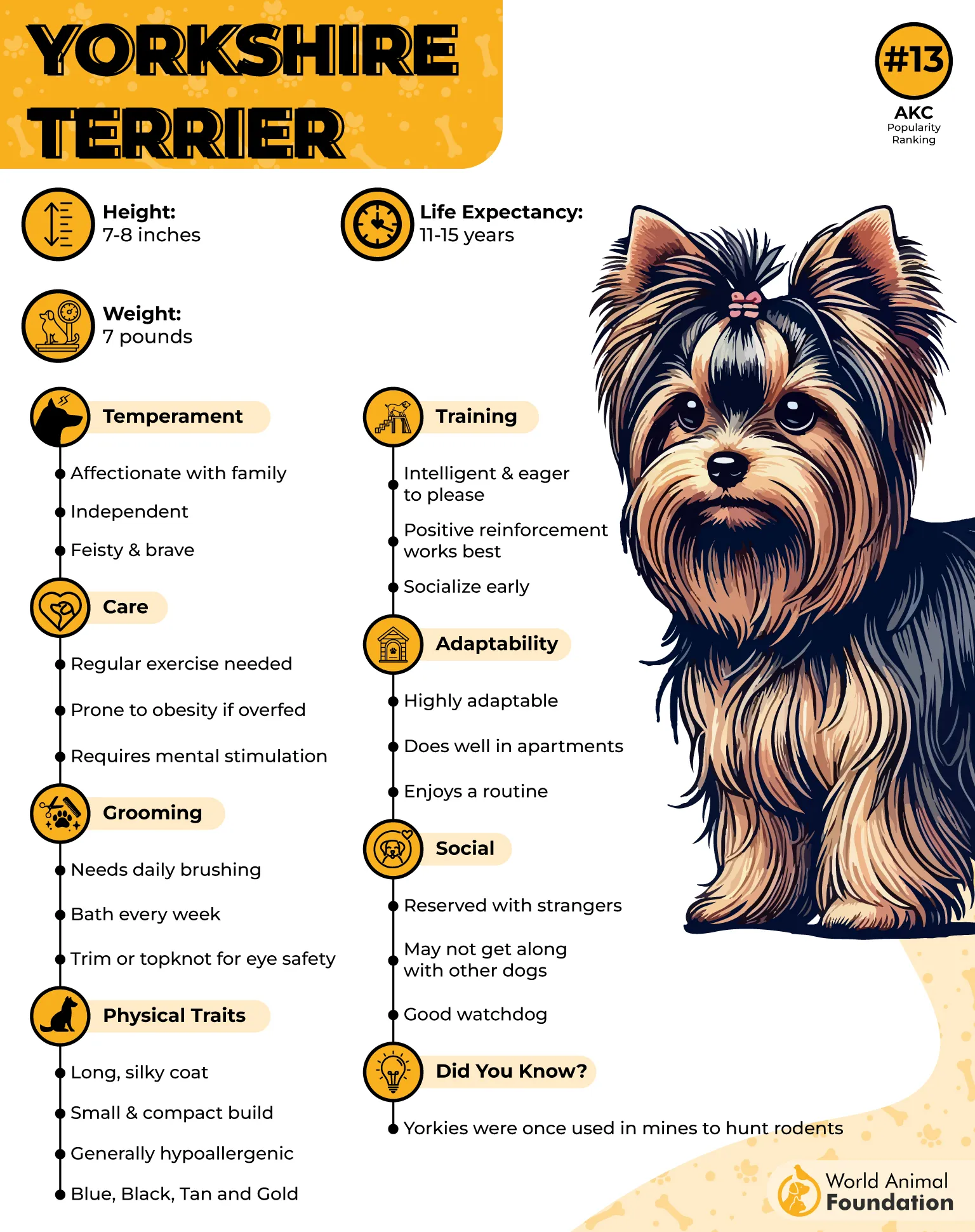
Daily brushing and regular professional grooming are required for long coats using a small slicker brush, a pin brush, and a fine metal comb. The puppy-cut breed needs weekly brushing.
Conclusion
A low-shedding dog will not make your home spotless by magic. You will still need a vacuum, a lint roller, and probably a good sense of humor. But the right breed can mean less fur on your clothes, fewer cleanup sessions, and more time enjoying your dog.
Each breed on this list has its own grooming needs, energy level, and personality. The best choice is not simply the fluffiest or the most fashionable one. It is the dog whose care routine fits your real life. When the match is right, a clean home and a happy heart can absolutely share the same address.
