




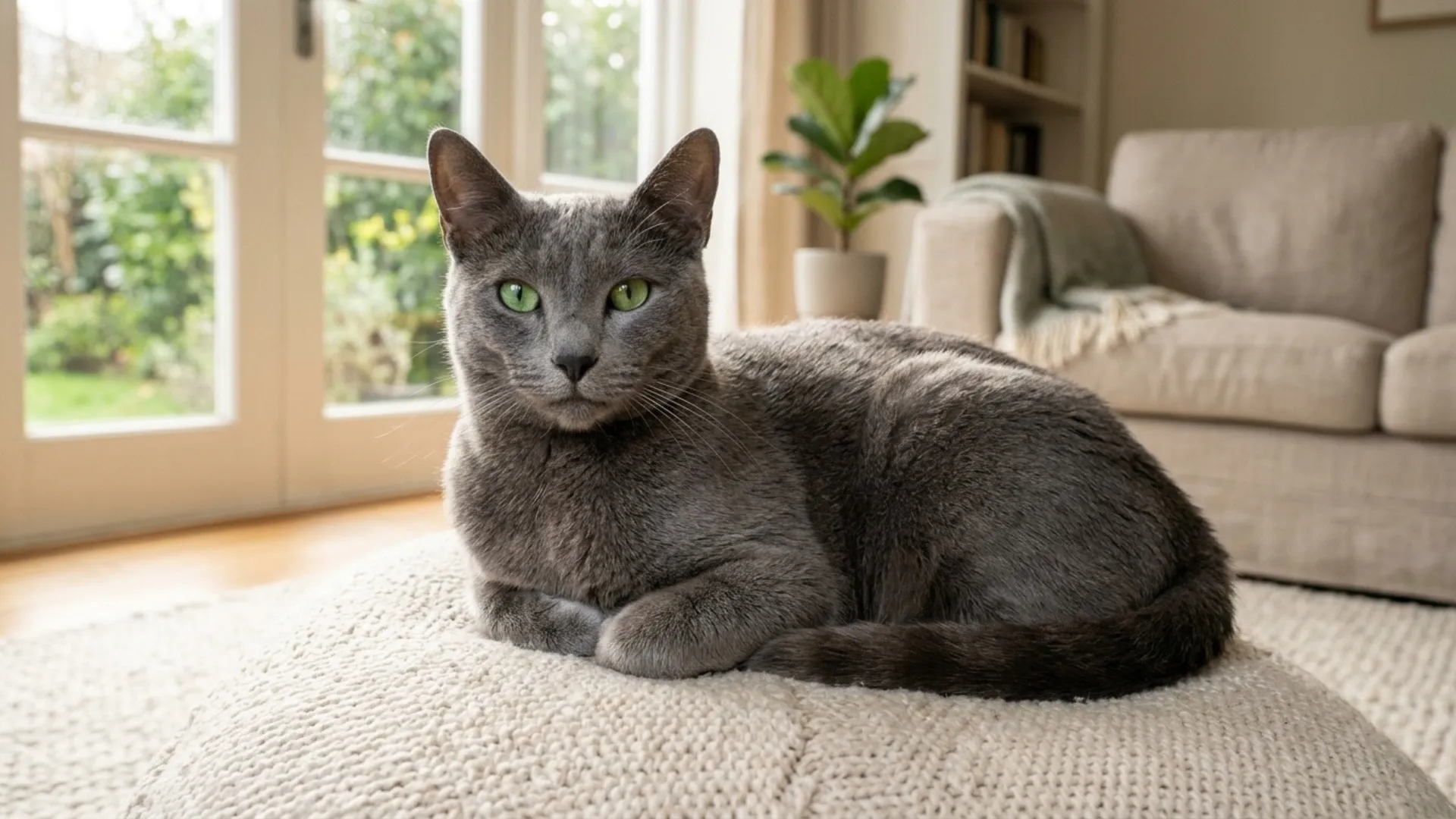
The best cat breeds for a peaceful home tend to prefer quiet afternoons, cozy resting spots, and gentle affection. For people seeking a more peaceful feline companion, certain breeds are often associated with mellow temperaments and an easygoing approach to everyday life.
Although breed traits can offer helpful guidance, every cat has an individual personality. A cat’s upbringing, environment, and comfort around people also influence how relaxed and sociable it becomes, including how well it can adapt to apartments or smaller spaces.
Discover the calmest cat breeds and learn which gentle companions may best suit your household, routine, and preferred pace of life.
Calmest Cat Breeds
1. Ragamuffin
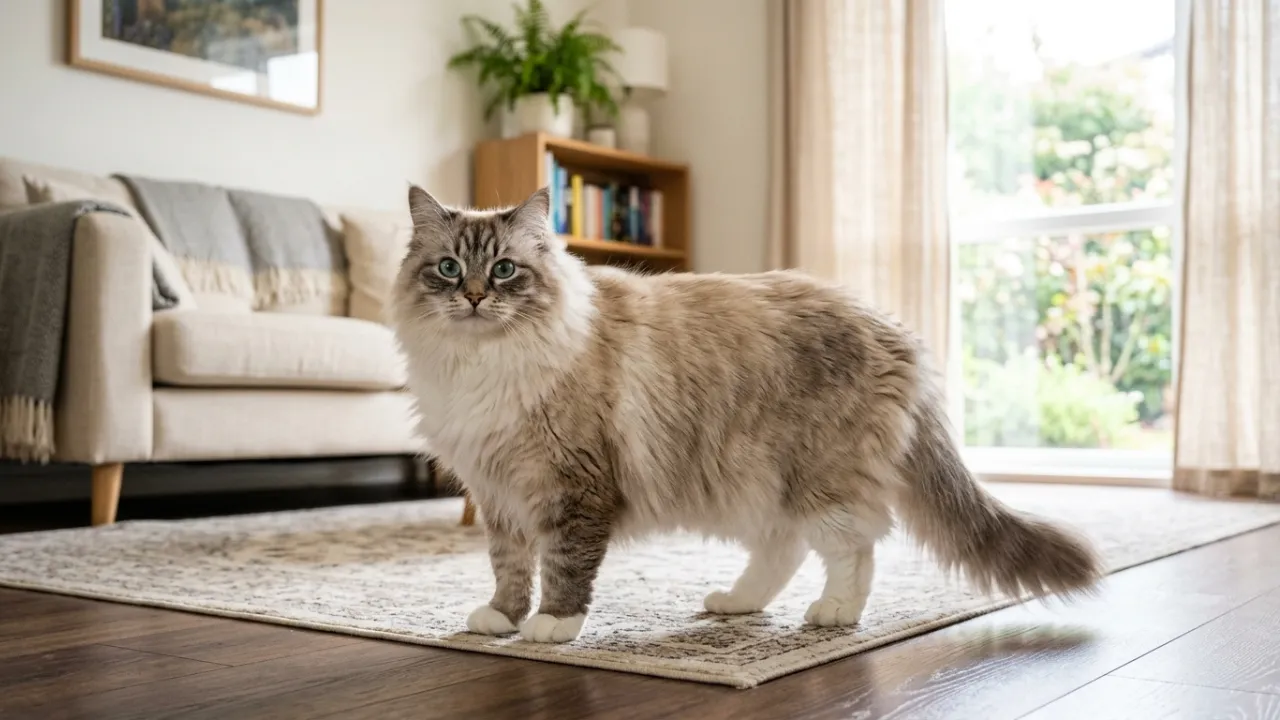
Ragamuffin cats are affectionate, easygoing companions known for their large, expressive eyes and plush, teddy bear-like appearance. They enjoy human attention and often make loving family pets, adapting well to homes with other cats and cat-friendly dogs and tending to settle into family routines easily.
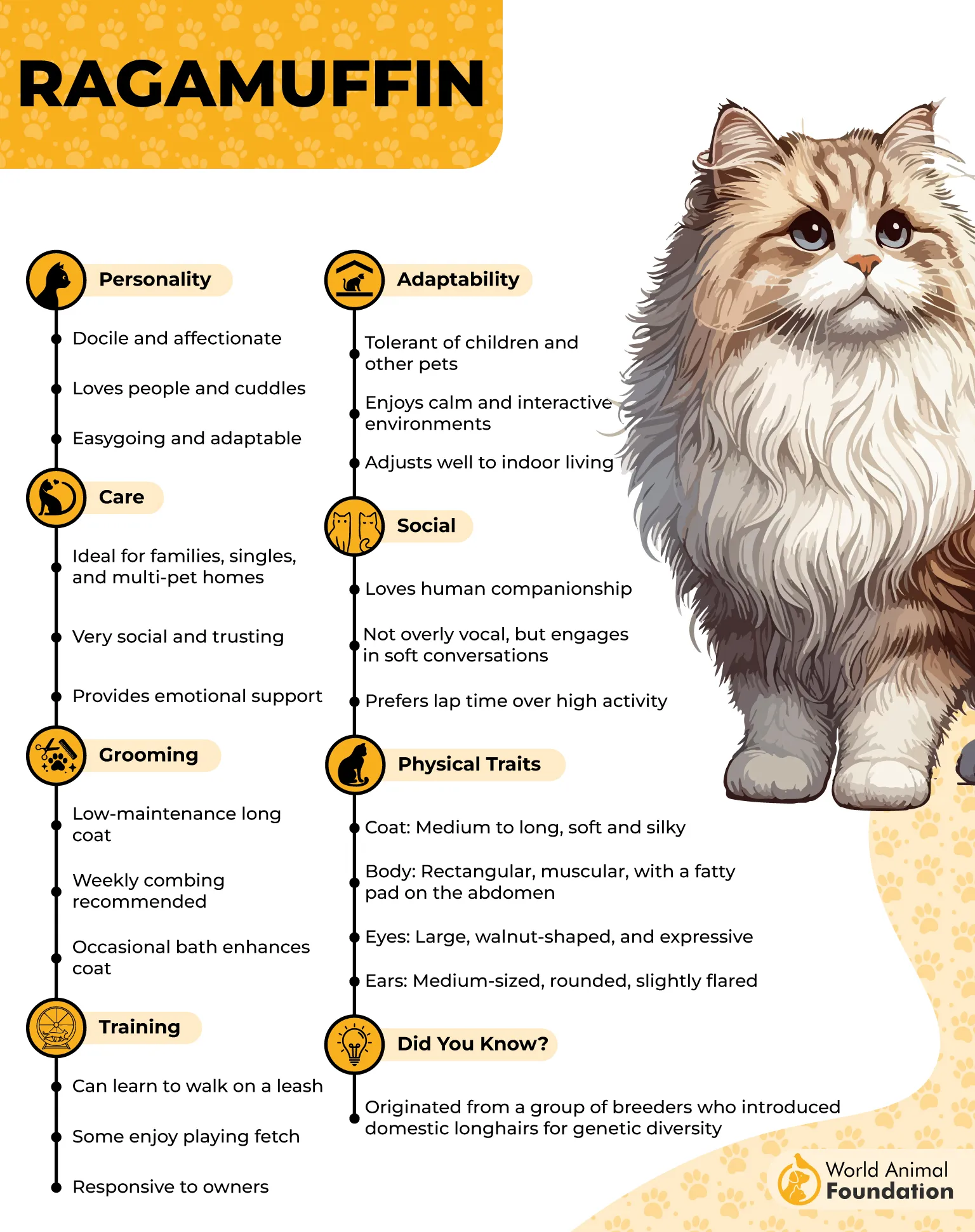
Their patient, people-oriented temperament makes them comfortable around family members, while their relaxed nature suits peaceful households.
Although they enjoy cuddles and companionship, Ragamuffins can also be playful and intelligent, learning simple tricks such as fetching toys, sitting on command, or walking on a leash.
Unlike Ragdolls, Ragamuffins come in a broader range of coat colors and have some differences in body structure, despite sharing ancestry with the breed. They mature slowly, generally reaching adulthood at around four years old, and retain their gentle, sociable character as they grow.
How This Breed Stands Out
Patient, people-loving disposition: Thrives on attention and enjoys being part of family life.
Enjoys being cradled by trusted owners: Often appreciates being held and cuddled by people it knows and trusts.
2. Chartreux
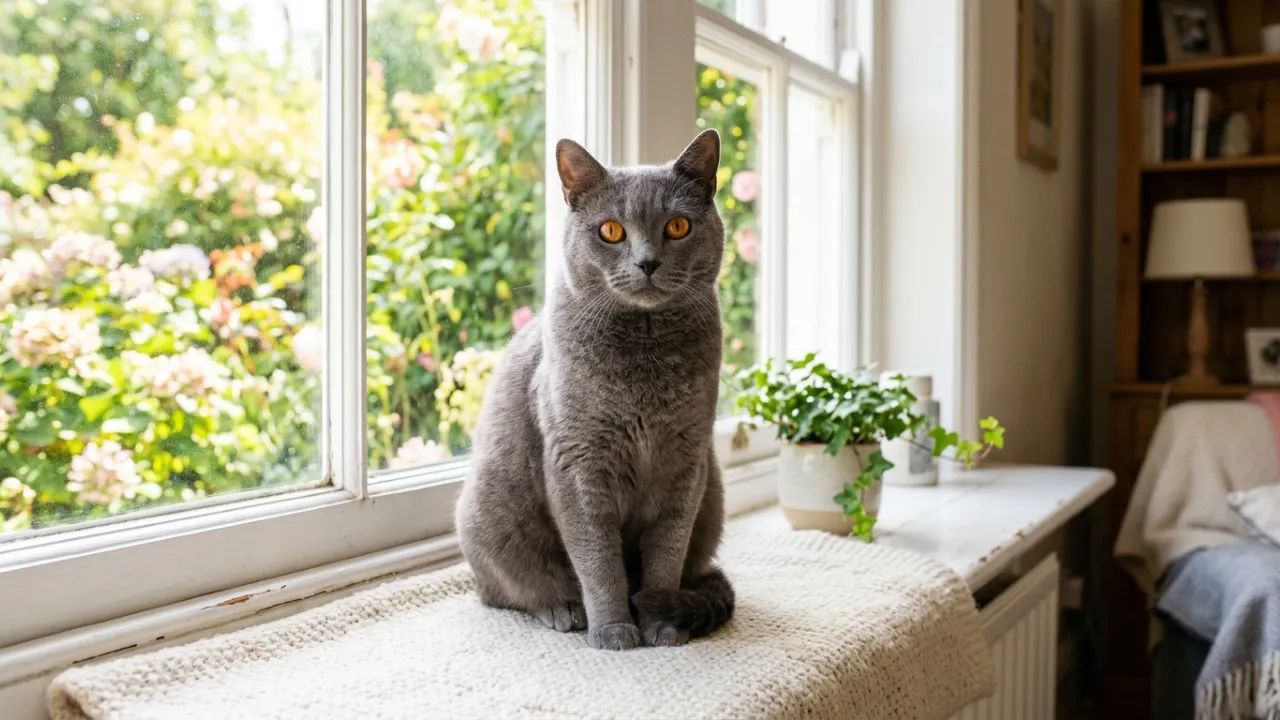
The Chartreux is a quiet, devoted cat that forms meaningful bonds with its family without constantly seeking attention. Although naturally independent, it enjoys staying close to its favorite people and sharing their company in a relaxed, unobtrusive way, which can also make it a good apartment cat for people who want a quieter companion.
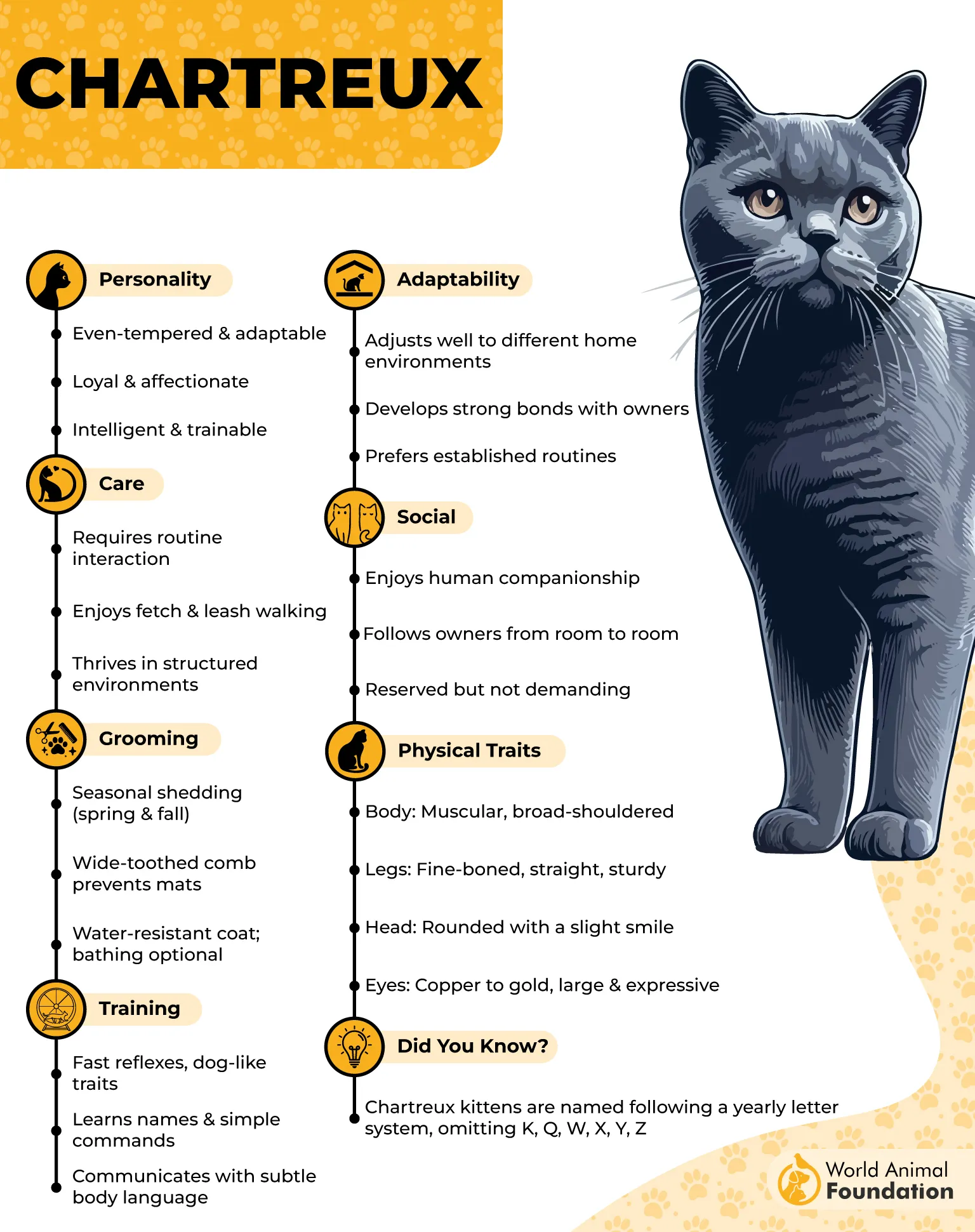
Known for its observant personality, this breed often watches household activities calmly before choosing when to join in. Chartreux cats also appreciate interactive play, so their peaceful nature does not mean they lack curiosity or interest in their surroundings.
Their dense, woolly blue-gray coat gives them a distinctive appearance and requires regular brushing to remain in good condition.
With their undemanding temperament and preference for gentle companionship, Chartreux cats can suit quieter homes and people who appreciate a feline friend that expresses affection subtly, and they may be among the better ones for quieter homes.
How This Breed Stands Out
Rarely vocalizes: Usually communicates quietly rather than frequently meowing for attention.
Observant, quietly affectionate demeanor: Watches its surroundings attentively and shows devotion by staying near trusted family members.
3. Russian Blue
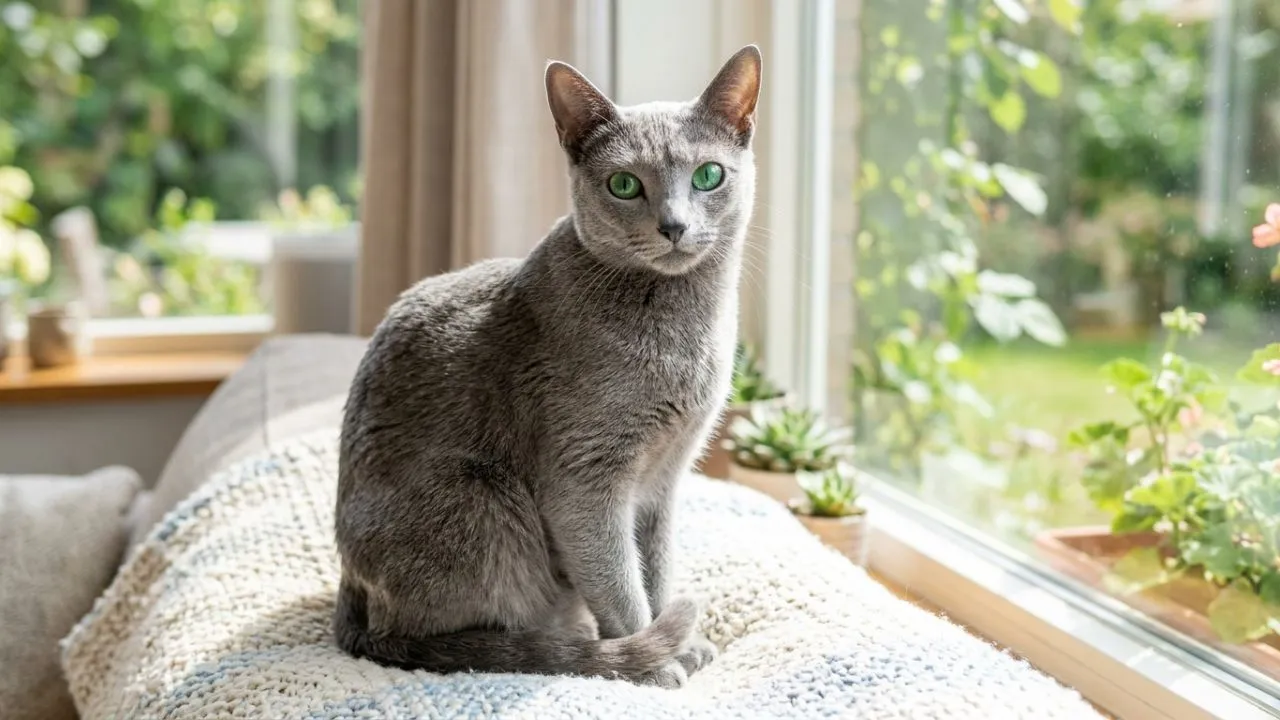
Russian Blue cats are naturally reserved, with a gentle temperament that makes them well suited to peaceful households. They may take time to warm up to strangers, but with trusted family members, they can become devoted, loyal, and affectionate companions without demanding constant attention.
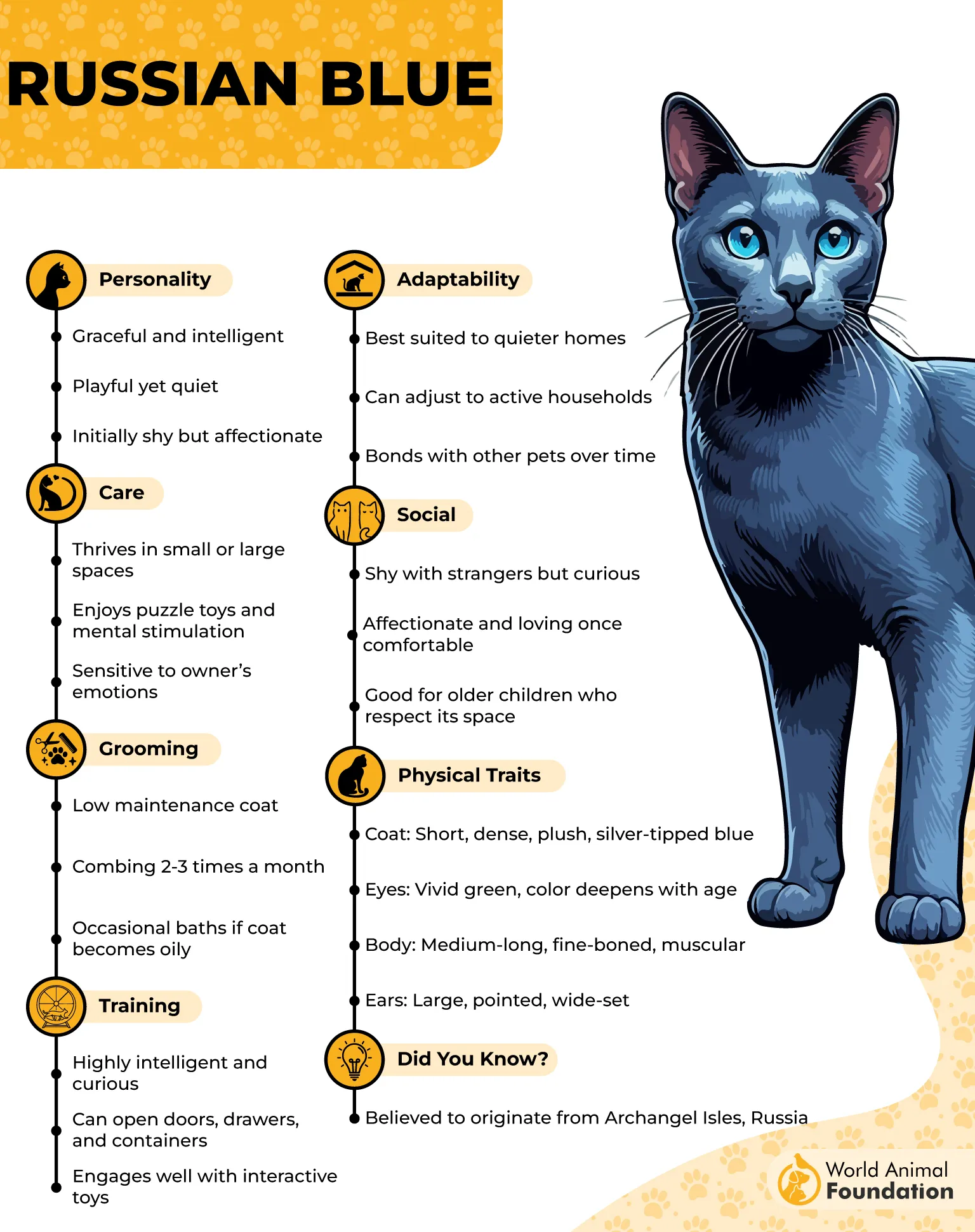
Their plush blue-gray coat and distinctive green eyes give them an elegant appearance, and they benefit from brushing once or twice a week. Intelligent and observant, these domestic cats enjoy exploring their surroundings at their own pace, especially when they feel secure in their environment.
Russian Blues tend to appreciate consistency in their everyday lives. Familiar routines and quiet surroundings can help them feel comfortable, while a calm approach allows their affectionate side to emerge without overwhelming their naturally cautious personality.
How This Breed Stands Out
Reserved, soft-spoken nature: Often approaches unfamiliar people cautiously but develops close attachments to trusted companions.
Prefers predictable daily routines: Feels more comfortable with consistent habits and a peaceful environment.
4. Exotic Shorthair
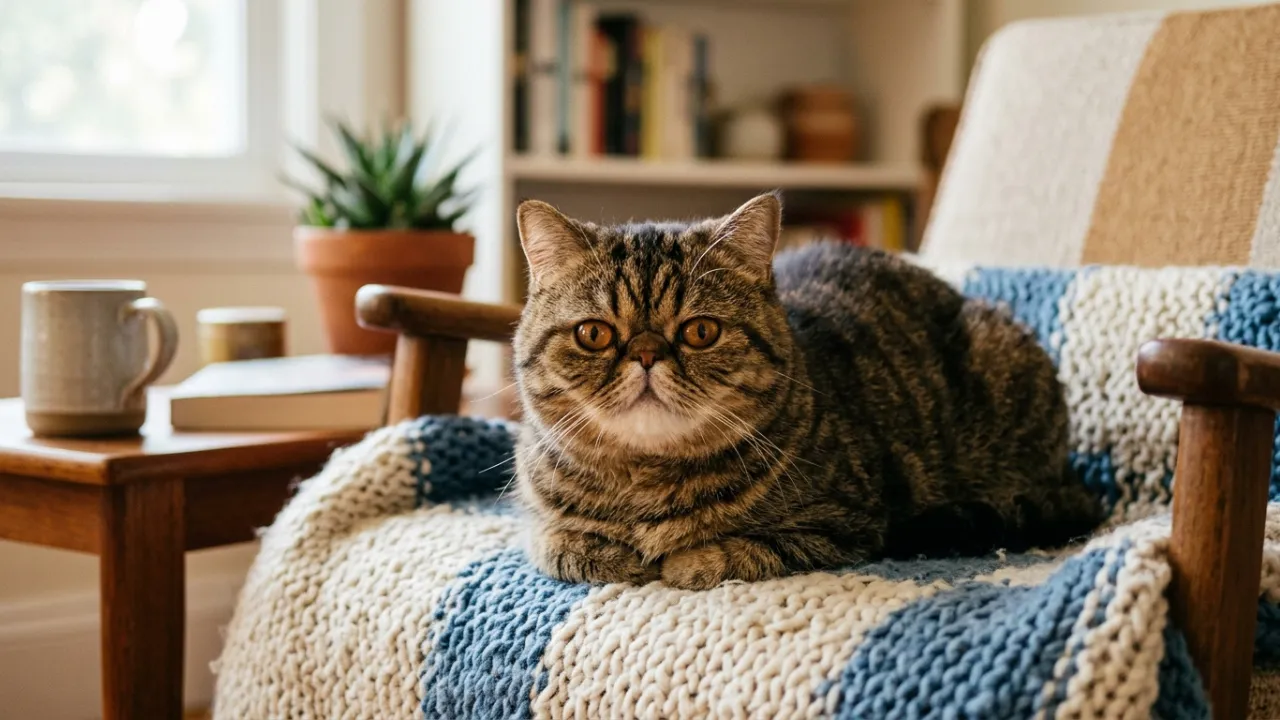
Exotic Shorthairs are affectionate, easygoing cats that enjoy peaceful surroundings and cozy moments with their owners. They share the Persian’s gentle disposition but tend to be more manageable when it comes to grooming, thanks to their shorter fur.
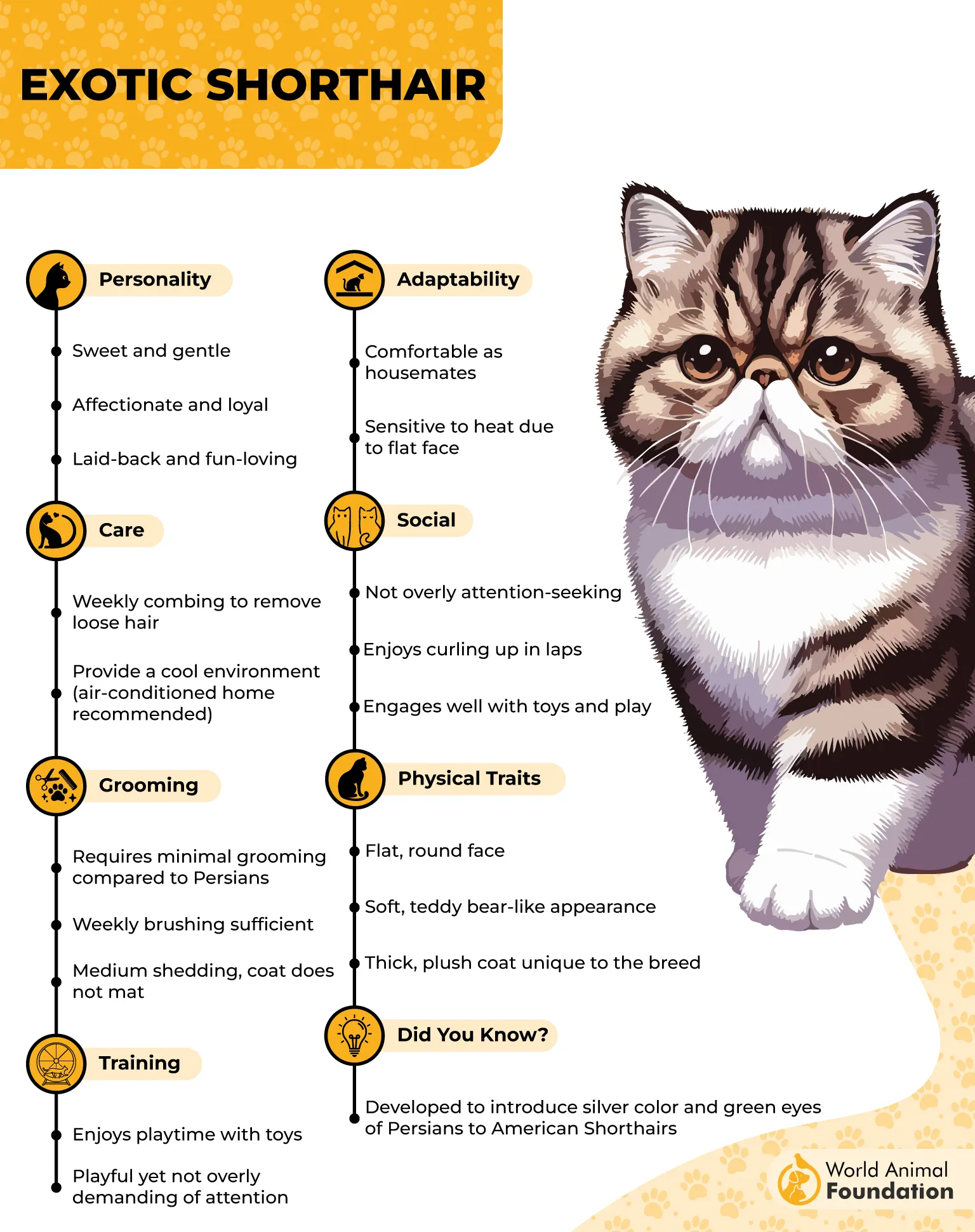
Rather than racing around the house, these relaxed companions often prefer curling up on a warm lap or settling into a comfortable resting spot. Their sweet, quiet nature makes them well suited to apartment living and households that appreciate a calmer feline presence.
With their round faces, large eyes, and dense, plush coats, Exotic Shorthairs have an adorable teddy-bear appearance. Their short fur still feels wonderfully soft, offering a cuddly look without the extensive grooming demands of a longhaired Persian.
How This Breed Stands Out
Easygoing, cuddly temperament: Enjoys relaxing beside its owners and welcomes affection without needing a highly active lifestyle.
Teddy-bear face with a short coat: Combines a round, expressive face with dense, plush fur that is easier to maintain than a Persian’s long coat.
5. Persian
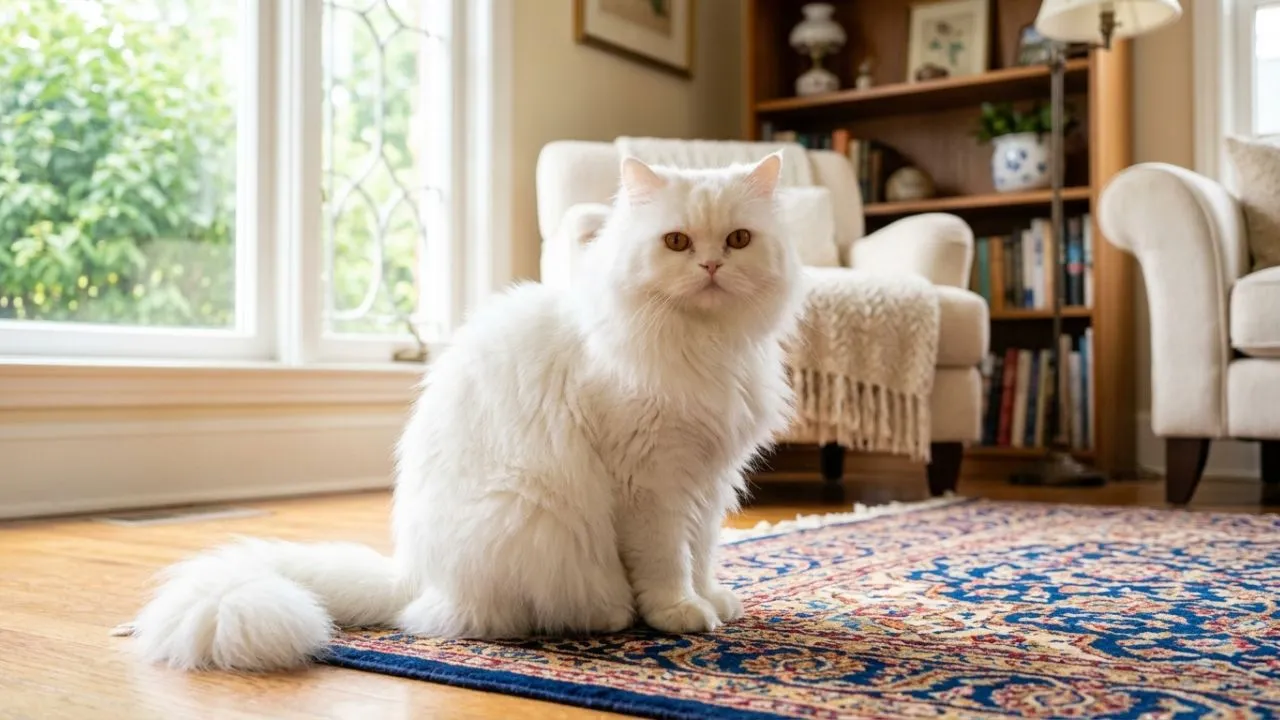
Persian cats are gentle, quiet companions that thrive in peaceful surroundings. They enjoy spending much of the day resting in comfortable spots and are happy to keep you company without needing constant attention or activity.
According to TICA, Persian cats are generally low-energy and tend to have brief periods of activity instead of frequent, sustained bursts of play.
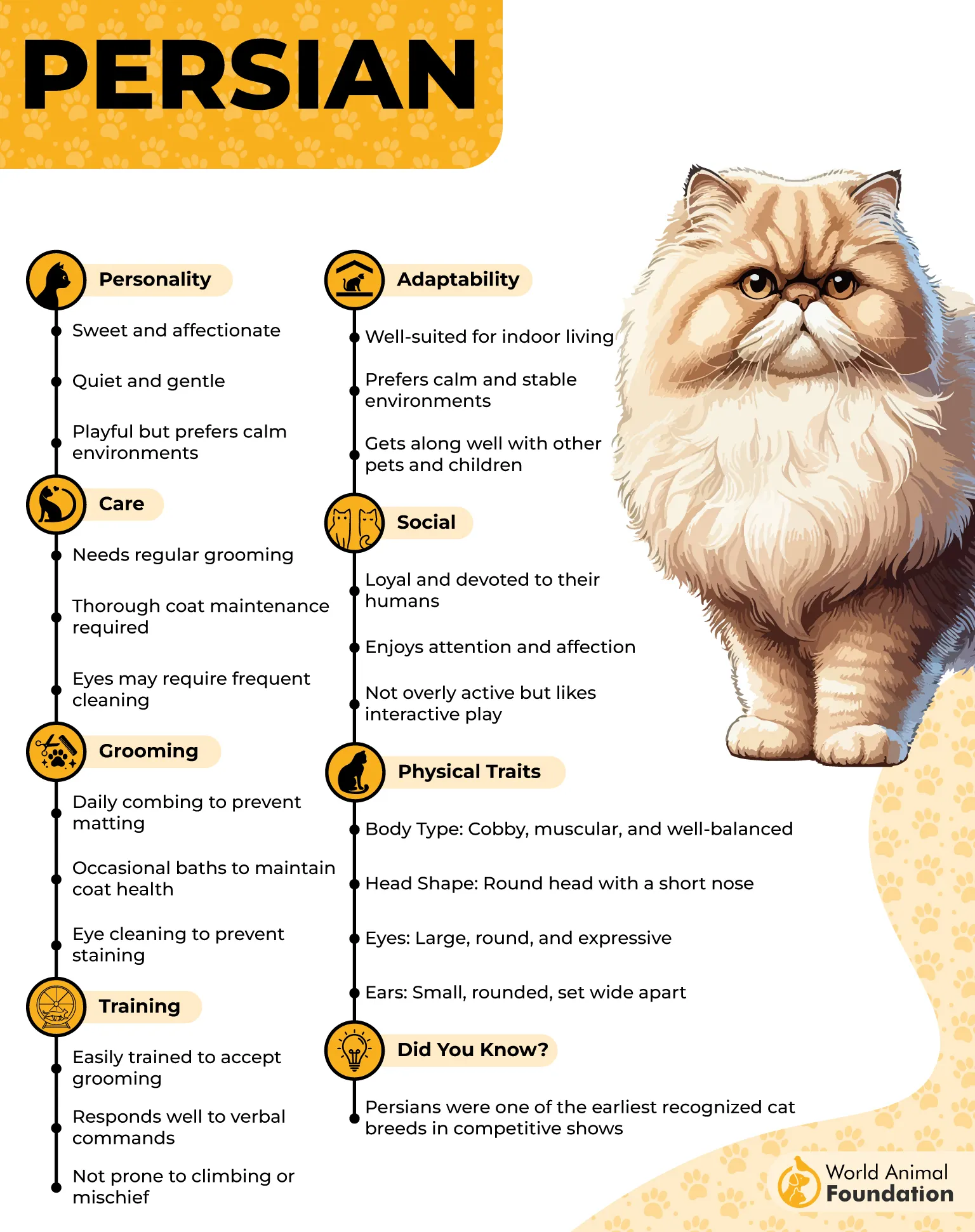
With their unhurried temperament, Persians suit indoor lifestyles and predictable routines. They typically enjoy brief play sessions followed by long periods of relaxation, making a calm home especially appealing to them.
Their most recognizable feature is their long, luxurious coat, which requires regular attention to stay in good condition. Daily brushing helps prevent tangles and mats, making grooming an important part of caring for these serene felines.
How This Breed Stands Out
Slow-paced indoor lifestyle: Prefers comfortable resting places, quiet surroundings, and short bursts of play rather than a highly active routine.
Luxurious coat needing daily care: Has long, flowing fur that benefits from daily brushing to keep it smooth and free of mats.
6. British Shorthair
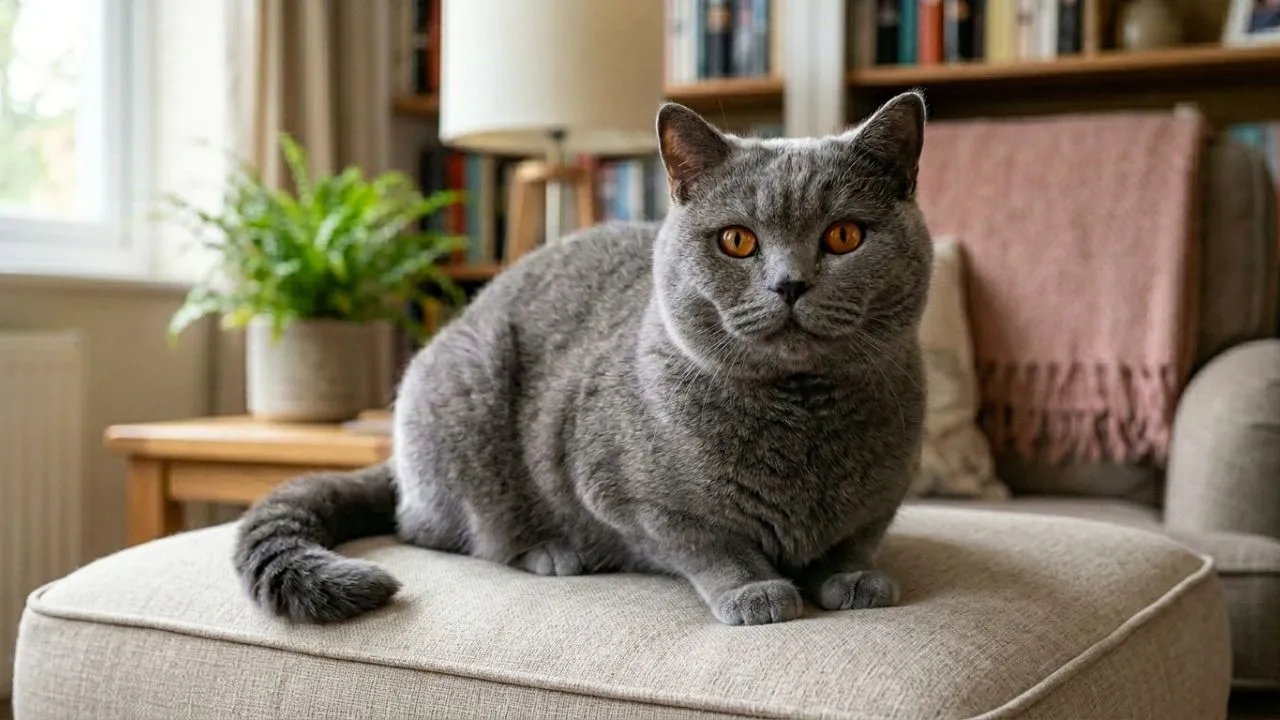
British Shorthairs are composed, easygoing cats that enjoy being near their favorite people without demanding constant affection. They are comfortable keeping themselves occupied when their owners are busy, often choosing a nearby resting spot rather than climbing into someone’s lap.
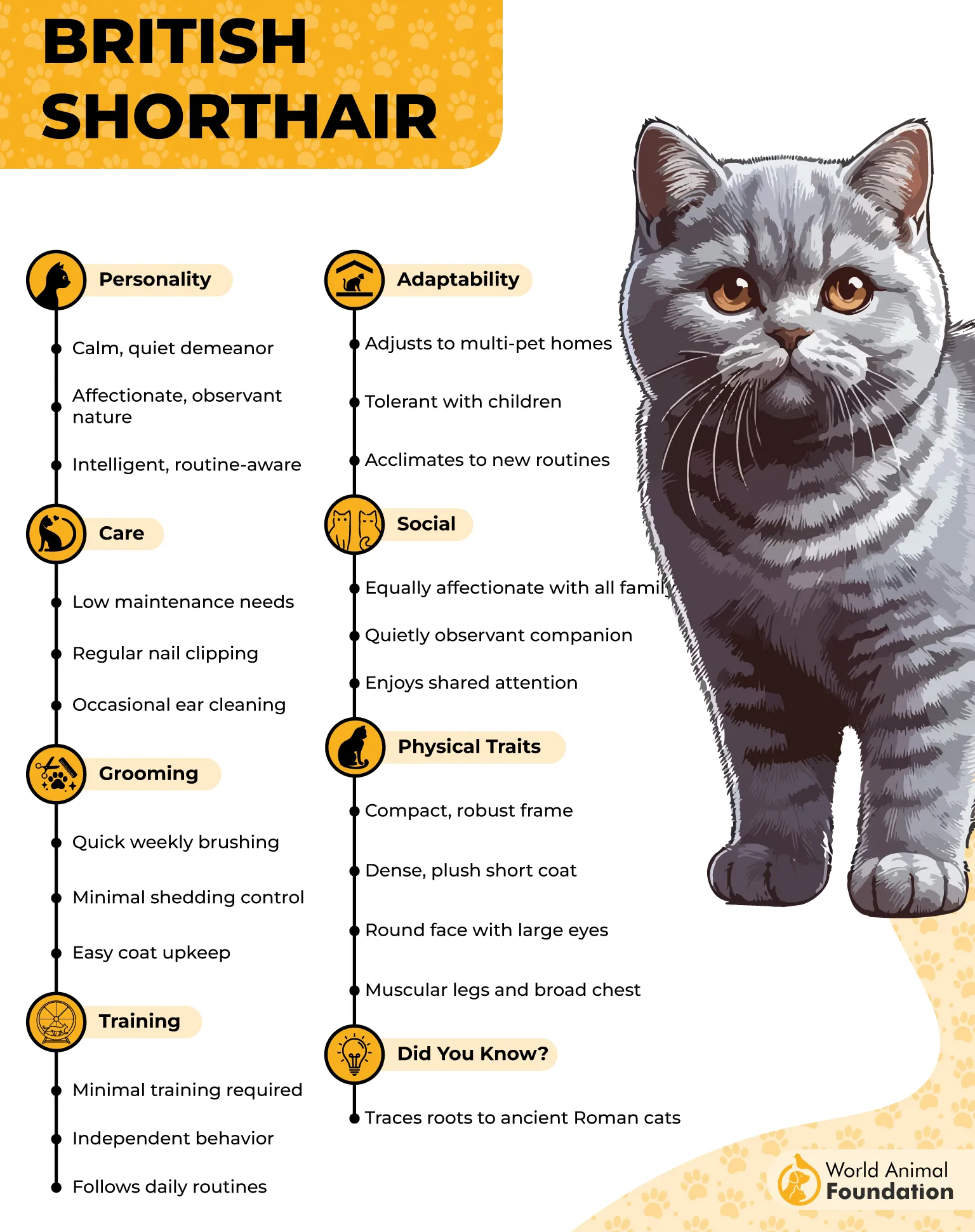
According to WebMD, British Shorthairs are sociable, easygoing cats that appreciate human companionship and relaxing with a nap on the sofa.
While kittens can be lively and playful, these cats generally become more sedentary as they mature. Their balanced temperament also helps them tolerate visitors, household changes, children, and other animals without becoming overly unsettled.
Their distinctive appearance adds to their appeal, with a dense, plush coat and rounded cheeks that give them a teddy-bear-like look. Although they appreciate attention, British Shorthairs often prefer quiet companionship and simply sharing a room with someone they trust.
How This Breed Stands Out
Independent, quiet companionship: Enjoys being close to its owner while remaining content to relax independently without constant handling.
Plush coat and round cheeks: Features a thick, soft-looking coat and full cheeks that create its signature rounded appearance.
7. Ragdoll
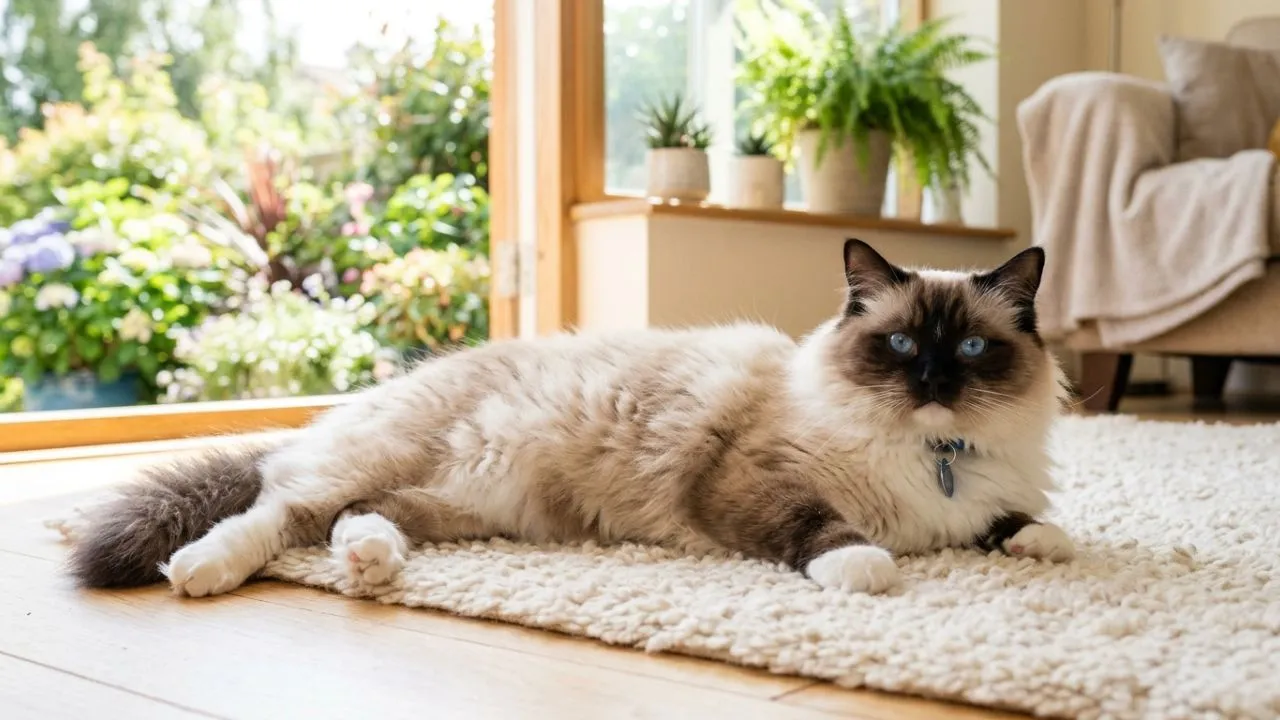
Ragdolls are renowned for their peaceful temperament and love of physical affection. These large cats often prefer lounging beside their owners to engaging in demanding activities, bringing a relaxed presence to the household.
According to PetMD, Ragdolls’ easygoing temperament helps them adapt well to different households and get along with family members, both human and animal.
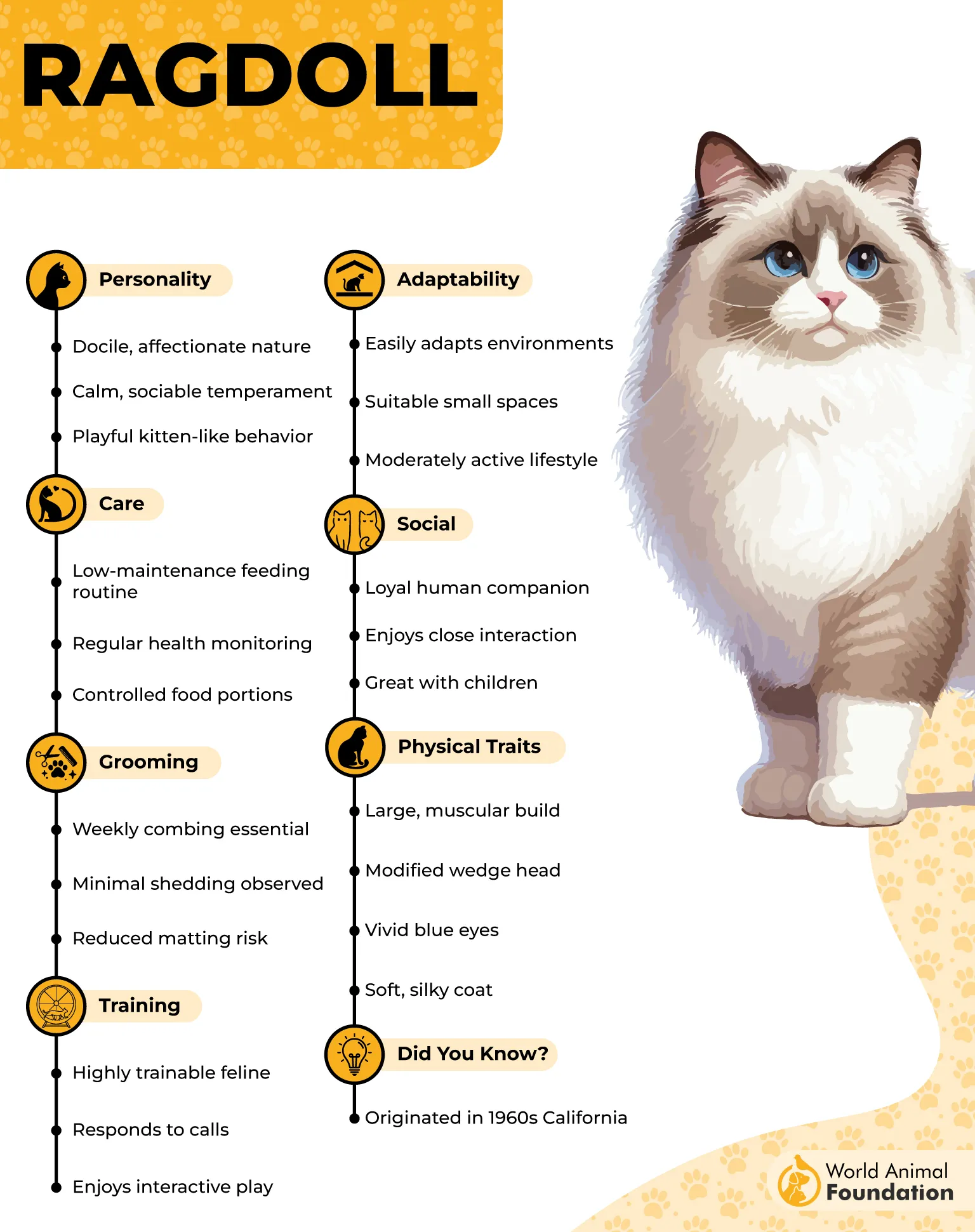
Although they enjoy playing, Ragdolls are generally content with moderate activity followed by a comfortable spot on the sofa. Their friendly, easygoing personalities also make them suitable companions for families with gentle children and other pets.
One of this breed’s most distinctive habits is relaxing its body when picked up, giving it the impression of melting into the arms of its caregiver. Their cuddly nature and preference for close contact have earned them the affectionate nickname “puppycats,” despite their notably laid-back energy levels.
How This Breed Stands Out
Relaxed lap-loving nature: Happily settles beside its favorite person for peaceful cuddles and quiet companionship.
Goes limp when comfortably held: Often relaxes its body in someone’s arms, creating the characteristic floppy posture behind its name.
Conclusion
Calm cat breeds make wonderful companions for people who appreciate a peaceful home and gentle affection. From relaxed lap cats to quiet observers, each breed offers its own special way of connecting with family members.
Some cats enjoy being cuddled and carried, while others prefer staying nearby and showing love more subtly. Their individual personalities, however, make them equally rewarding companions.
Grooming needs, social preferences, and activity levels are also worth considering when choosing a feline friend. Understanding these differences helps you find a cat whose temperament fits your lifestyle.
Whether you prefer a plush, affectionate companion or a quiet, independent cat, the right breed can bring comfort, warmth, and companionship into your home.
