




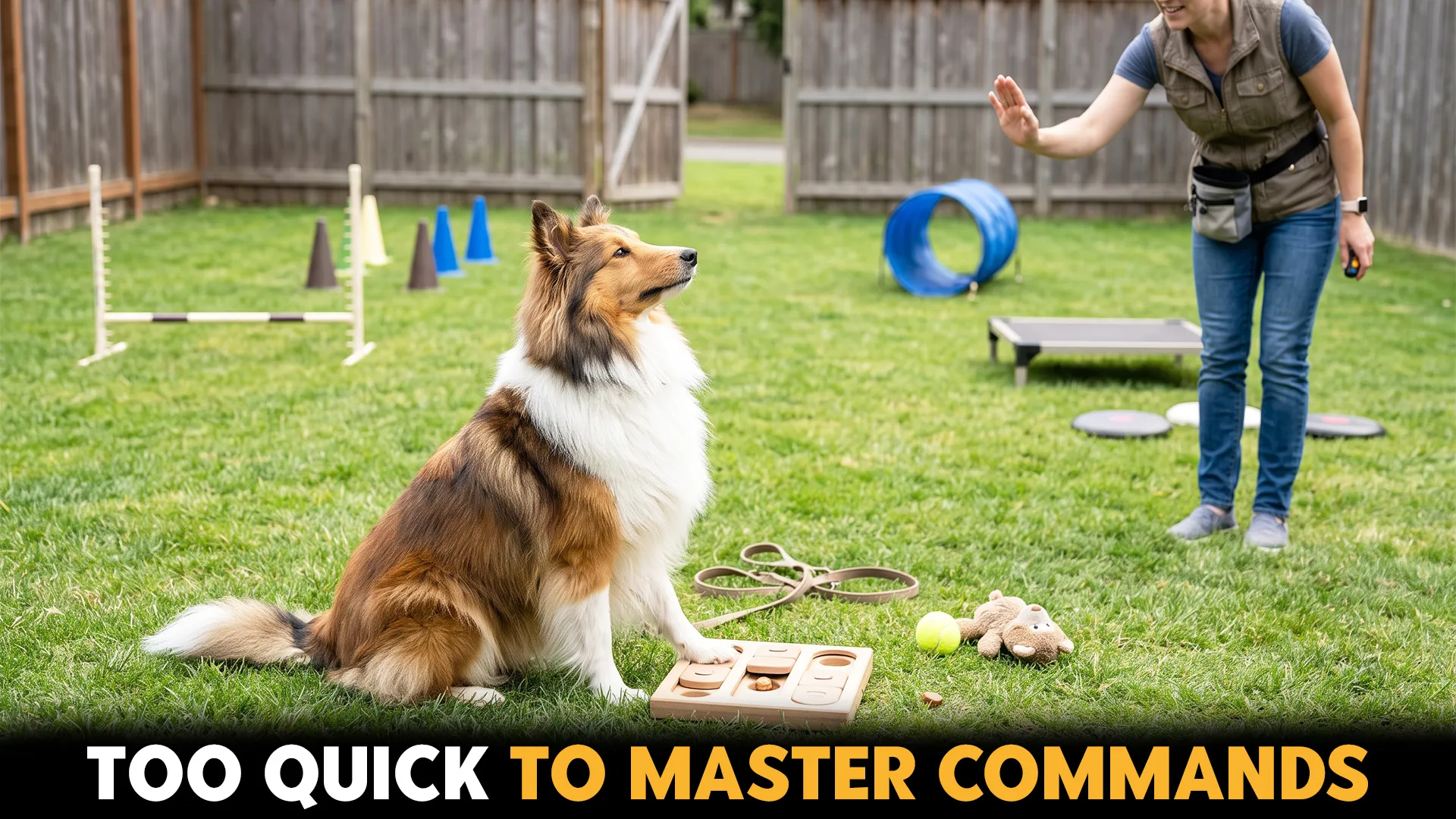
Ever get the feeling your dog understands way more than they let on? One minute they are snoozing peacefully, and the next they somehow know you touched the leash from three rooms away. Suspiciously clever!
Dog intelligence can show up through quick learning, problem-solving, focus, and the ability to understand and respond to cues.
Some dogs also seem happiest when their brains have a job, whether that means practicing commands, tackling a puzzle, or figuring out exactly where you hid the treats.
So, which clever canines really shine when it comes to learning and obedience? Let’s meet them!
Did you know?
Dogs may have social intelligence comparable in some ways to a 2-year-old child. That could help explain why your dog seems to recognize familiar routines, notice when the leash appears, and somehow know exactly when dinner should happen.
Top Most Intelligent Dog Breeds for Quick Learning and Obedience
1. Border Collie
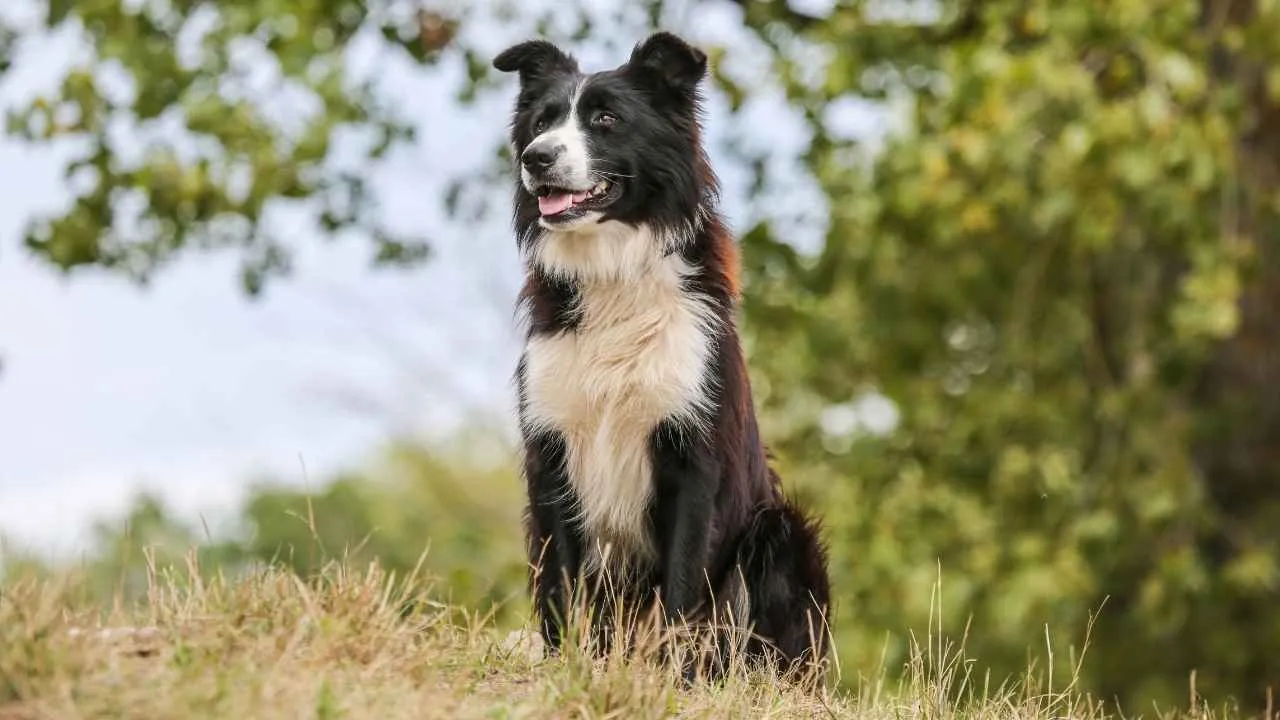
Well, Border Collies seem to treat an ordinary day like a packed work schedule. Their sharp focus and energetic nature make learning feel almost automatic. Give that busy brain a useful task, and they are ready to get involved.
Honestly, calling this breed bright feels almost too modest. Border Collies are widely described as among the smartest canines, pairing problem-solving ability with striking responsiveness. Their minds stay busy, and they seem happiest when there is another challenge waiting.
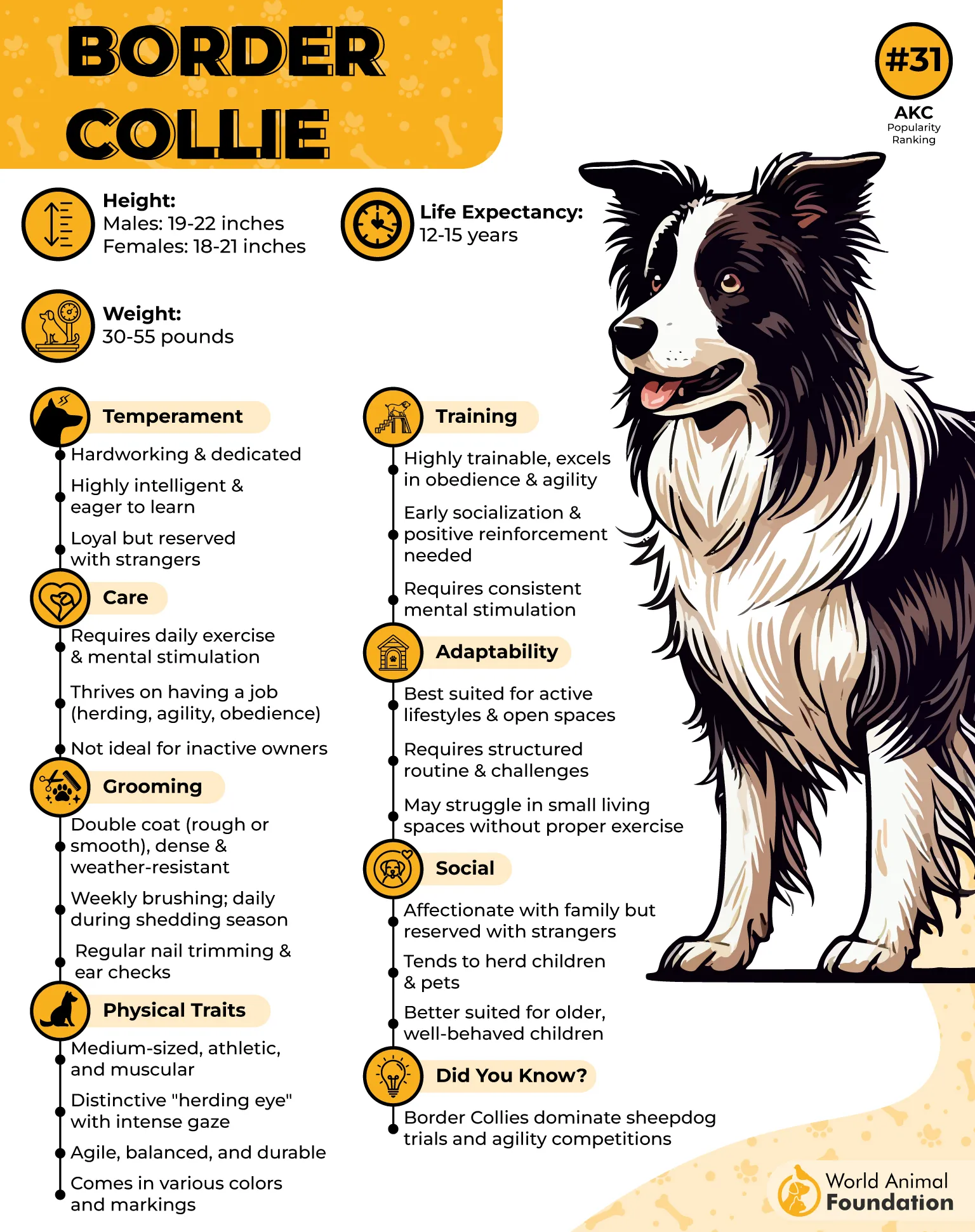
Better yet, obedience work rarely feels wasted on a Border Collie. They learn new things with impressive ease and respond quickly to cues. Structured practice keeps that quick mind engaged while giving their natural drive somewhere useful to land.
Training Tips For This Breed
Teach clear boundaries around the instinct to herd people or other animals.
Continue obedience practice beyond puppyhood to keep their busy minds occupied.
2. Poodle
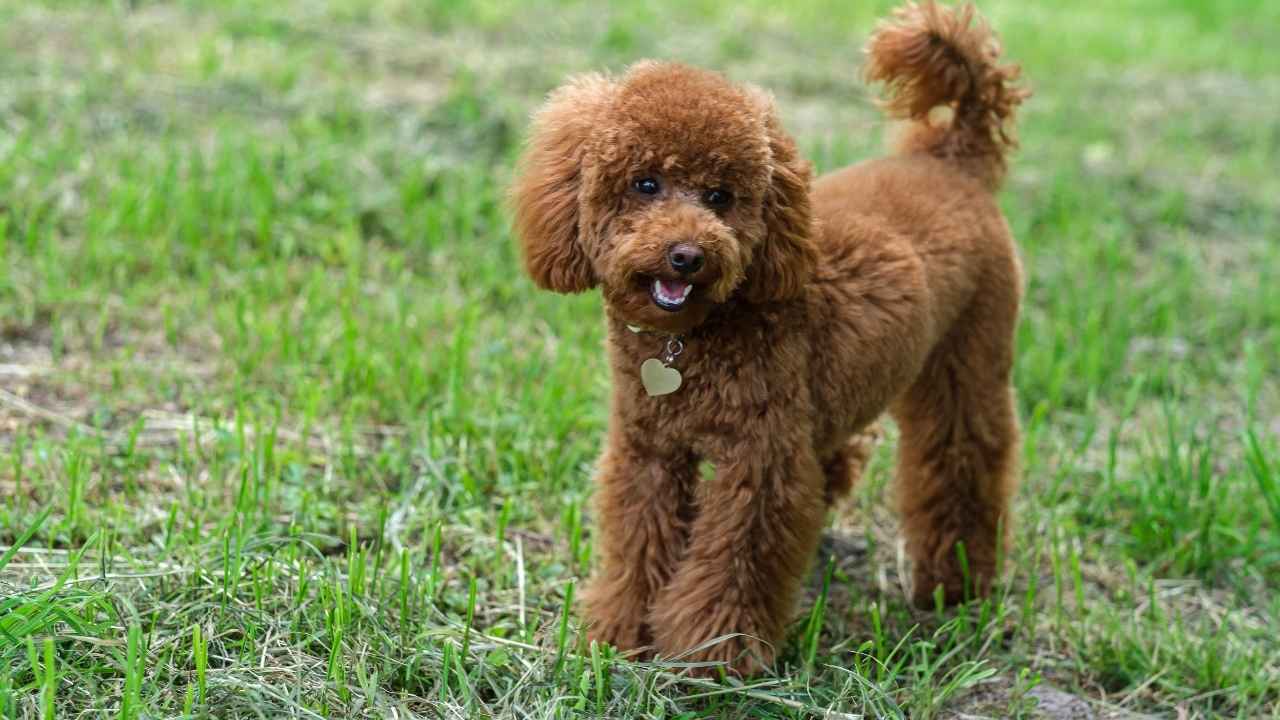
Now, Poodles have much more going on than the polished haircut suggests. Their intelligence and athleticism make them wonderfully versatile dogs. Add a strong willingness to learn, and that elegant exterior suddenly looks a lot more like serious brainpower.
Even better, dog sports give that busy Poodle brain a playground. They can excel in agility, obedience, tracking, dock diving, and retriever work. Quick learning turns into focused performance, and Poodles clearly know how to use both brains and athleticism.
As noted by PetMD, Poodles have a strong connection with people and are relatively easy to train with positive reinforcement. They aim to please. Clear rewards can make learning feel less like homework and much more like teamwork.
Training Tips For This Breed
Keep commands consistent from one lesson to the next.
Try clicker-based cues when teaching new behaviors.
3. German Shepherd
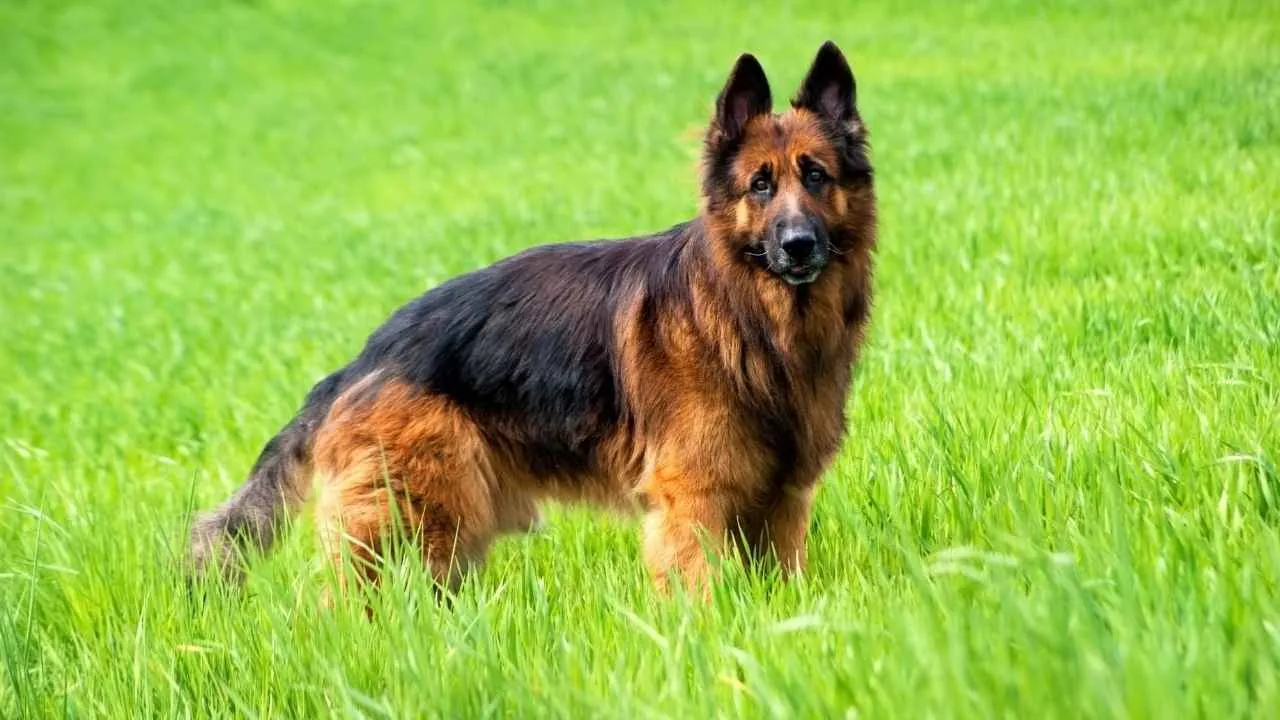
Well, German Shepherds have the kind of serious expression that suggests they already read the assignment. Their intelligence and confidence make them capable learners. Give them meaningful work and clear direction, and that focused mind has plenty to do.
Funny enough, their brains are only part of the reason German Shepherds stay so popular. Loyalty, athleticism, and a strong bond with their people add plenty of appeal. They combine family devotion with the steady drive of a working dog.
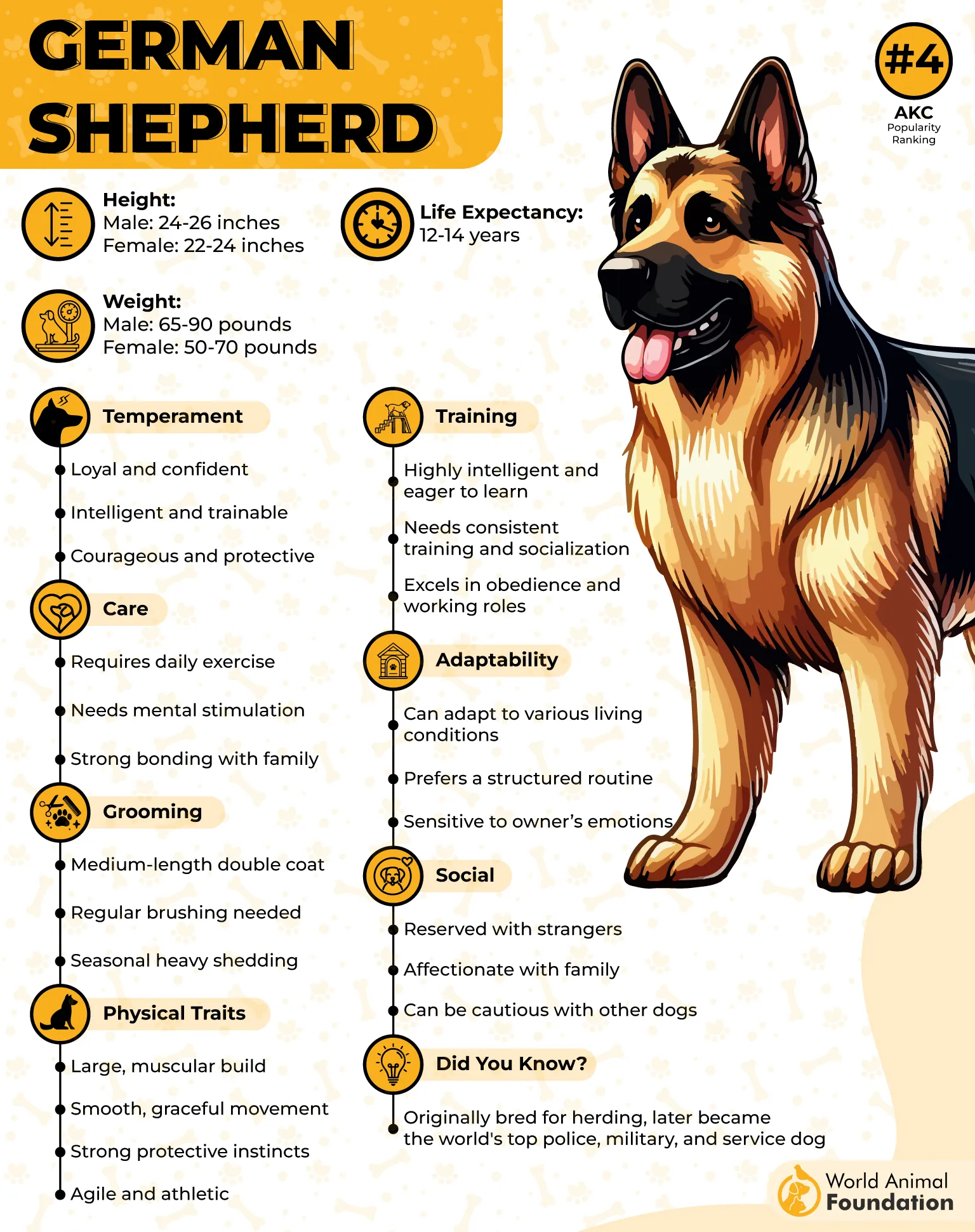
Better still, versatility is where this breed really shows off. German Shepherds have served in police, military, guide, tracking, and search-and-rescue roles. That range reflects an impressive ability to learn different jobs and handle demanding tasks with purpose.
Training Tips For This Breed
Enroll puppies in structured classes while they are still young.
Practice calm behavior around unfamiliar environments to build adaptability.
4. Golden Retriever

Now, Golden Retrievers bring brains with a very sunny personality attached. Recognized by the AKC in 1925, they are bright, adaptable, and eager to please. Learning with them can feel refreshingly cooperative rather than like an ongoing negotiation.
This breed often approaches people like the guest list is never full. Golden Retrievers are outgoing, affectionate family dogs that enjoy busy households. Their friendly nature can make life with children, visitors, and social routines feel especially cheerful.
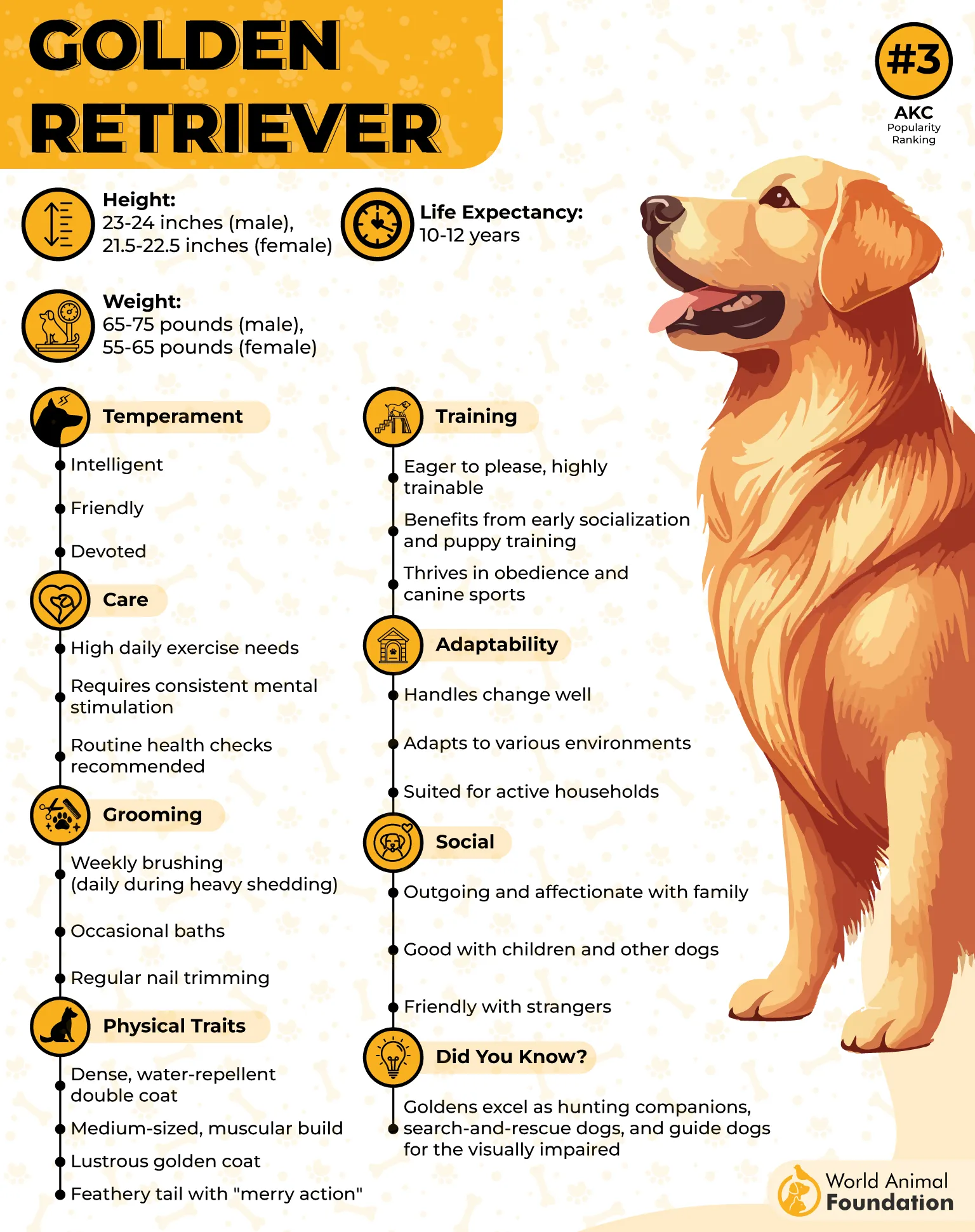
And yes, plenty is happening behind that famously goofy expression. Golden Retrievers are quick learners that can handle retrieving, obedience, guide work, therapy work, and search-and-rescue tasks. That versatility shows practical problem-solving across very different jobs.
Training Tips For This Breed
Use small food rewards to make lessons especially motivating.
Build practice around fetch and retrieving activities they naturally enjoy.
5. Doberman Pinscher
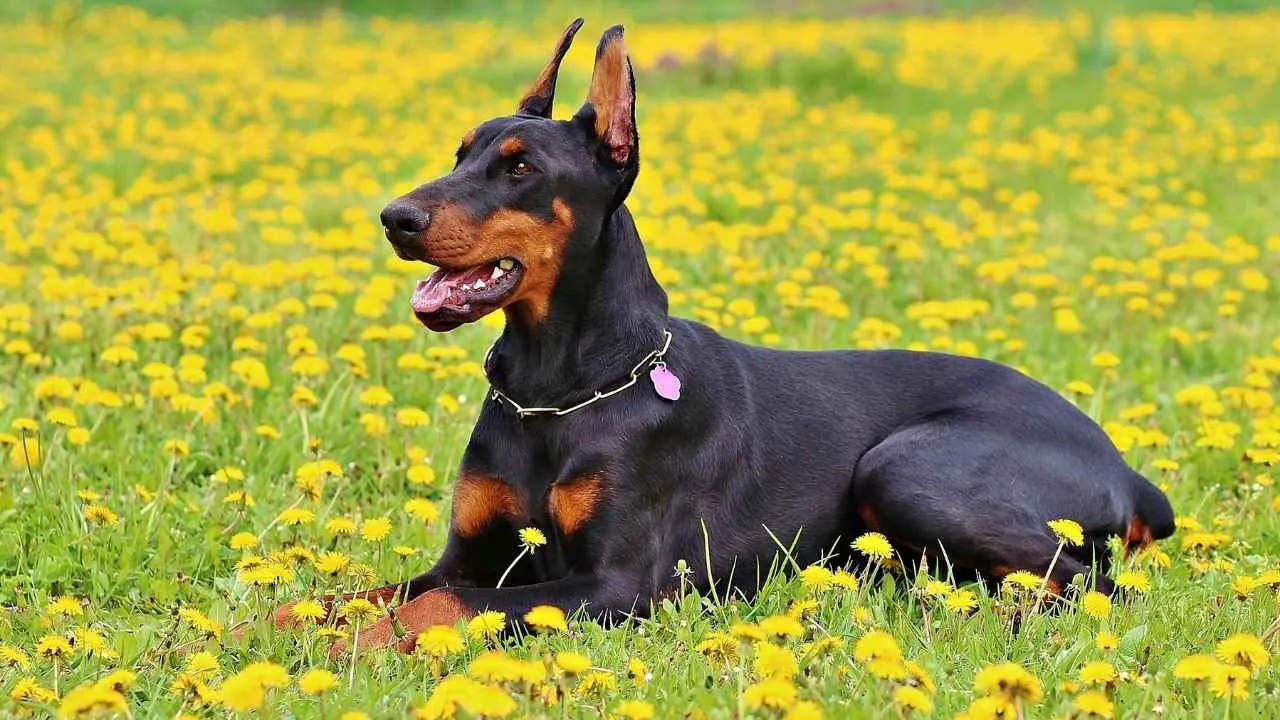
Well, Doberman Pinschers bring a sharp mind wrapped in serious working-dog confidence. Alert, loyal, and highly intelligent, they learn quickly. Their focus and responsiveness make them especially well suited to situations where a strong connection with their handler really matters.

For a breed with such polished looks, Dobermans have an impressively practical résumé. They have worked in police, military, service, therapy, search-and-rescue, and protection roles. That history helps explain their long-standing reputation among accomplished and highly capable working dogs.
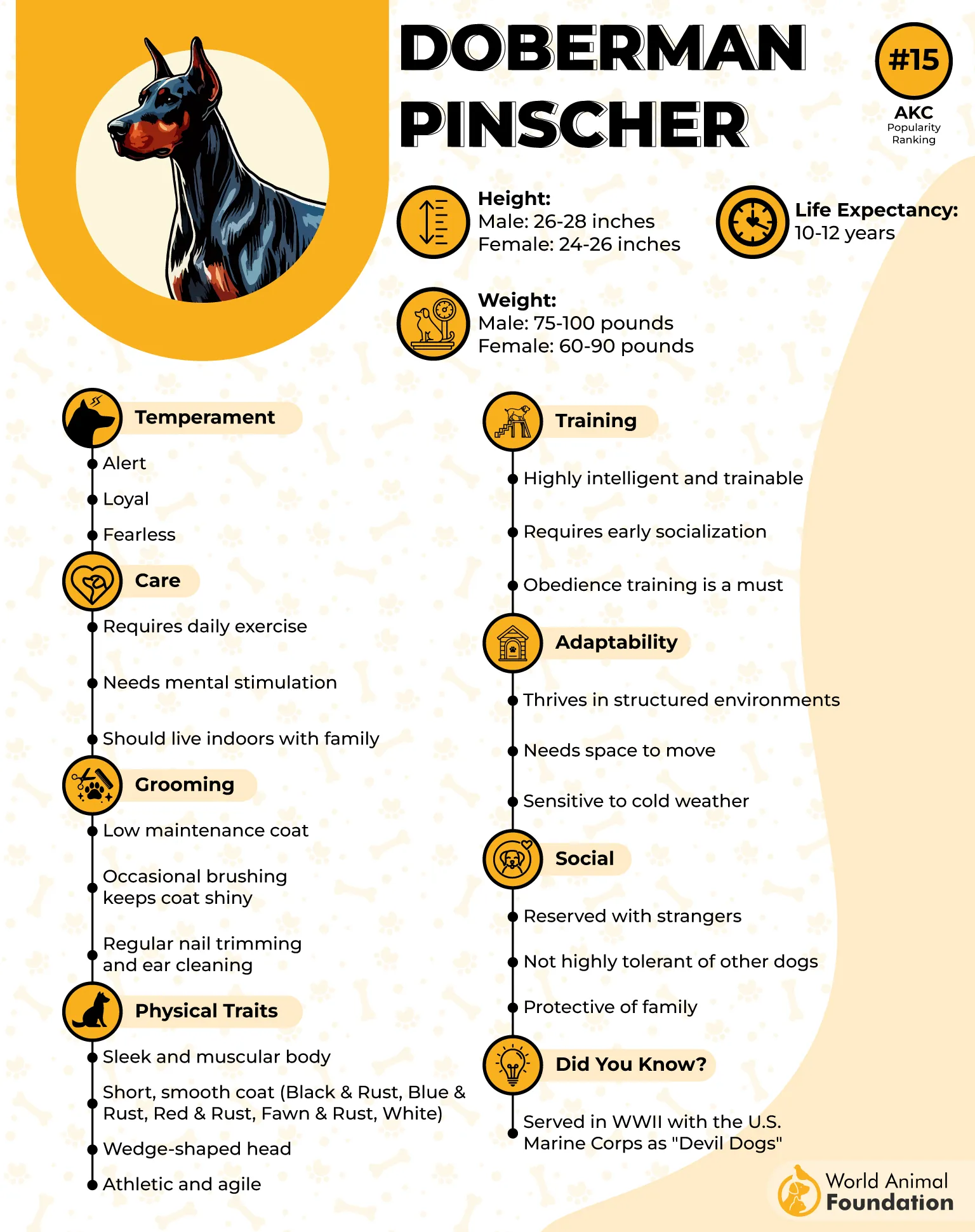
Even better, obedience work gives a Doberman’s quick brain something productive to tackle. They learn easily and respond quickly when training stays consistent. Structured practice offers a useful outlet for both their intelligence and the considerable energy behind it.
Training Tips For This Breed
Use positive reinforcement when introducing unfamiliar sounds and objects.
Give energetic behavior an appropriate outlet through tracking or nose-work exercises.
6. Shetland Sheepdog

Okay, Shetland Sheepdogs bring a lively spark to learning, pairing quick thinking with an eager, responsive nature. Their intelligence shows up fast in obedience and canine sports, where they happily turn new challenges into something that feels like playtime.
Back on the rugged Shetland Islands, these dogs were originally bred to help farmers manage sheep, ponies, and poultry. That working background demanded alert minds and dependable responses, qualities that still make Shelties wonderfully switched on when given purposeful tasks.
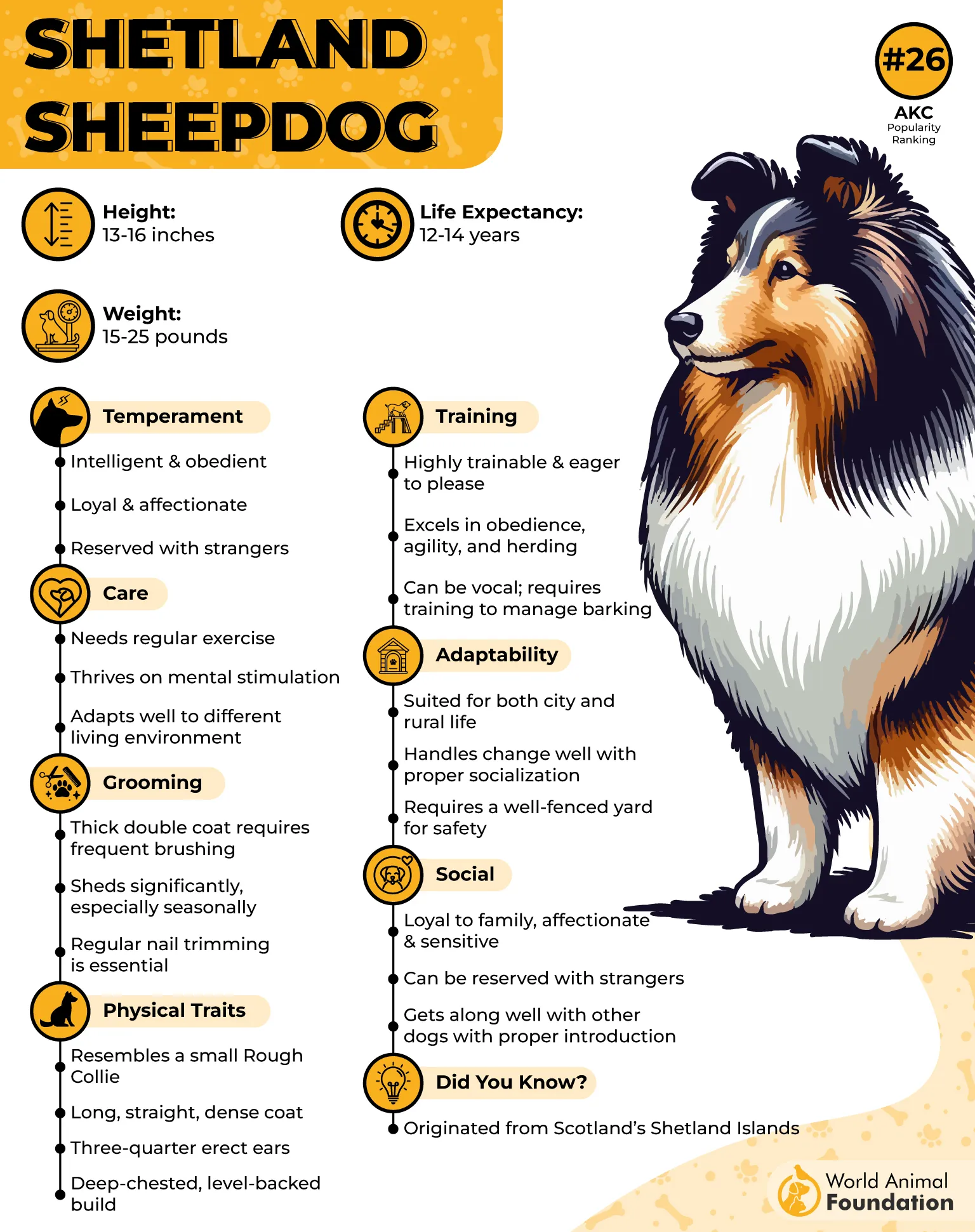
As mentioned by WebMD, Shelties are highly intelligent and benefit from training classes and obedience work. Their enthusiasm can include barking and chasing moving objects, so teaching a reliable stop command and using a leash remain especially useful habits.
Training Tips For This Breed
Use a calm voice and gentle handling during lessons.
Correct heel-nipping behavior before it becomes an established habit.
7. Labrador Retriever

Some dogs make learning look serious, but Labrador Retrievers often bring a friendlier sort of enthusiasm to the job. Their trainability, intelligence, and love of having something to do give lessons an upbeat rhythm that fits their people-focused nature.
Better still, Labrador Retrievers settle naturally into the family-companion role. They are affectionate with people, typically good with children, and often comfortable around other dogs. That sociable streak makes shared activities feel less like chores and more like quality time.
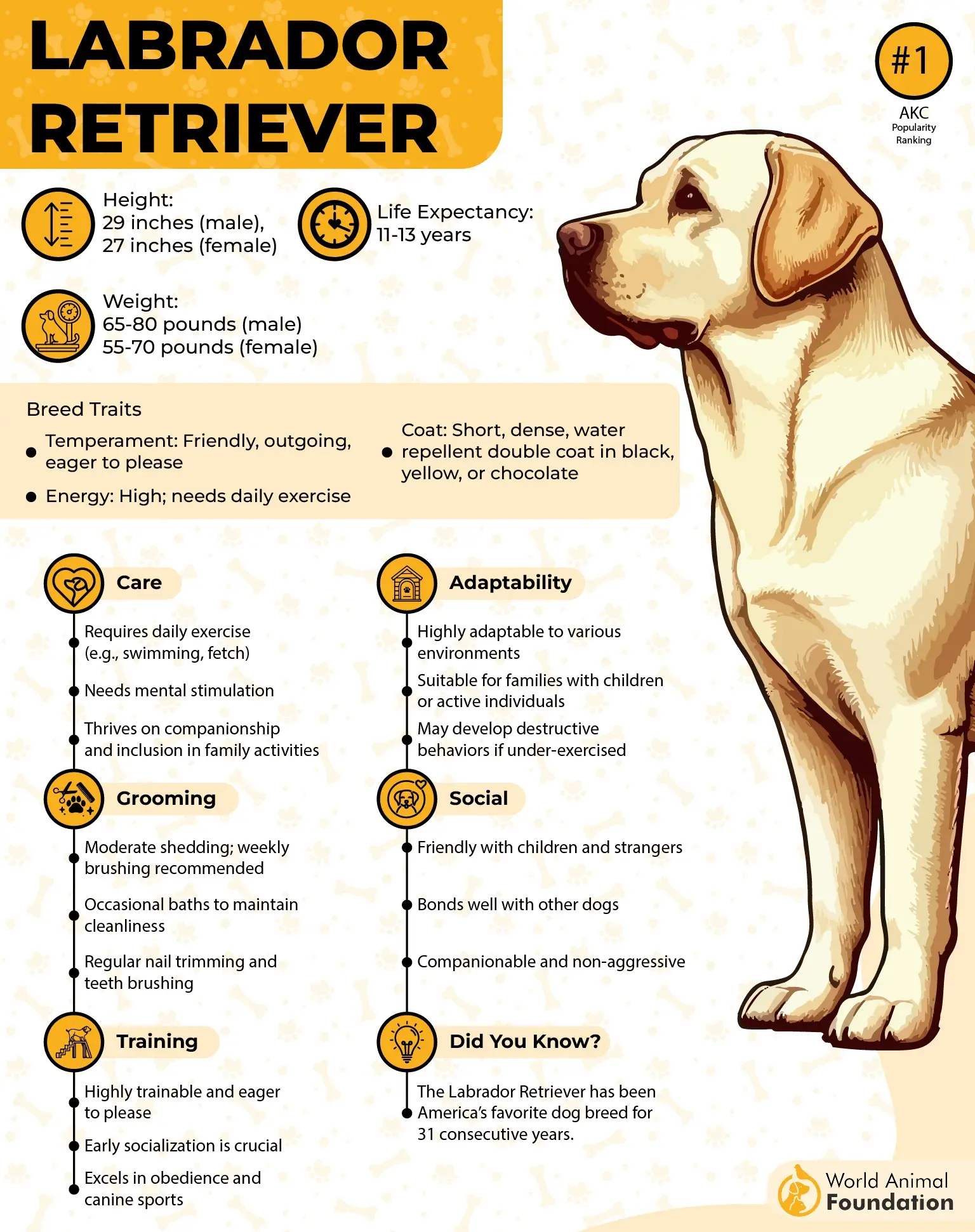
And yes, the brains match the friendly face. Labrador Retrievers are intelligent, highly trainable dogs with a gentle, outgoing character. Their learning ability and people-focused nature help explain why they appear in service, therapy, rescue, and detection roles.
Training Tips For This Breed
Address chewing and inappropriate eating habits while they are still puppies.
Introduce them to different people, animals, and environments from an early age.
8. Papillon
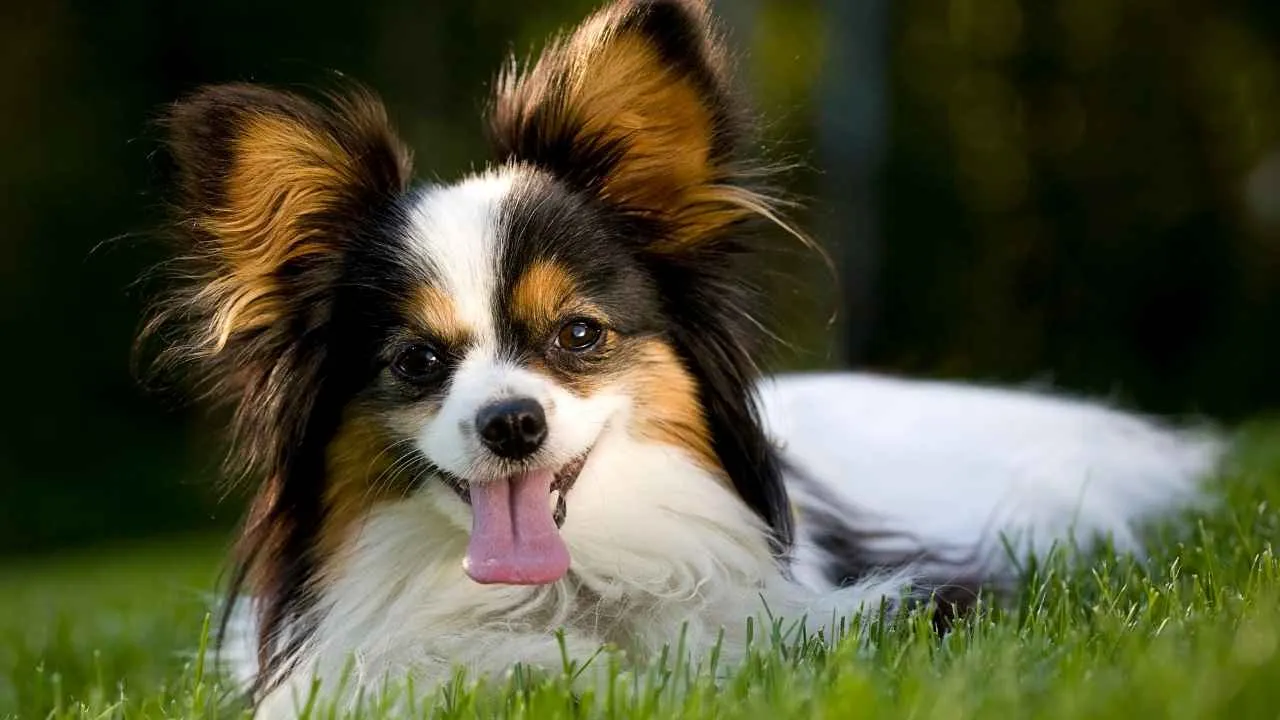
Now, Papillons prove that a compact package can carry a surprisingly busy brain. These cheerful dogs are smart, adaptable, and eager to join whatever is happening, bringing enough curiosity and quickness to make learning feel lively rather than repetitive.
Personality-wise, Papillons are friendly, confident, and wonderfully social once properly introduced to the world. They enjoy being close to their people, yet their outgoing streak can make them bold adventurers who seem blissfully unaware that they are actually quite small.
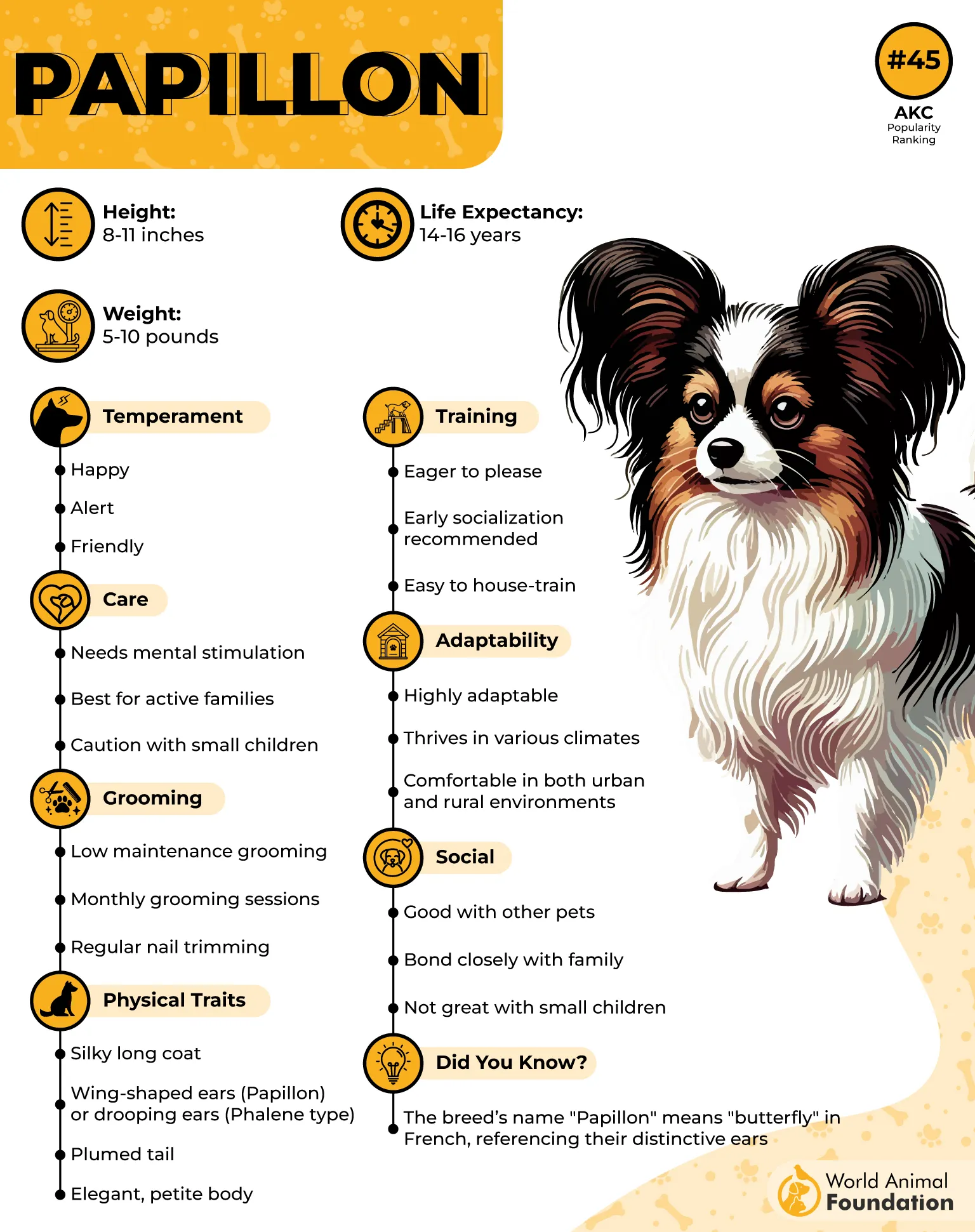
Then comes the energy, and there is more of it than their toy-dog looks suggest. Papillons need regular exercise, indoor games, walks, and mental stimulation. Give that clever mind something interesting to solve, and boredom has less room to settle.
Training Tips For This Breed
Use consistent positive reinforcement when teaching new behaviors.
Turn small-ball retrieving games into short and engaging learning sessions.
9. Rottweiler
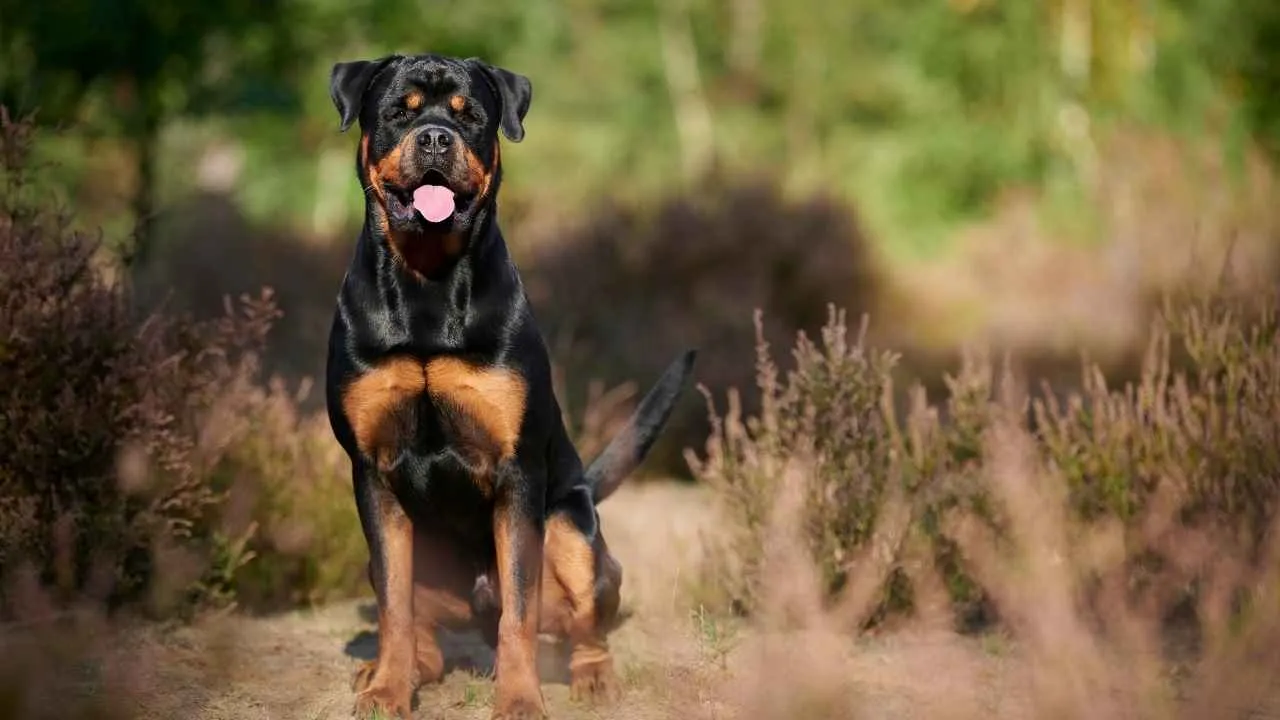
At first glance, Rottweilers can look all business, yet plenty of thoughtful processing sits behind that serious expression. Their working background, eagerness to learn, and responsiveness give them practical intelligence that shines when guidance stays clear and consistent.
Once comfortable, Rottweilers can be calm, affectionate, loyal companions with a playful side reserved for people they trust. They may remain suspicious of strangers, so early socialization matters if that naturally protective behavior is going to stay steady and manageable.
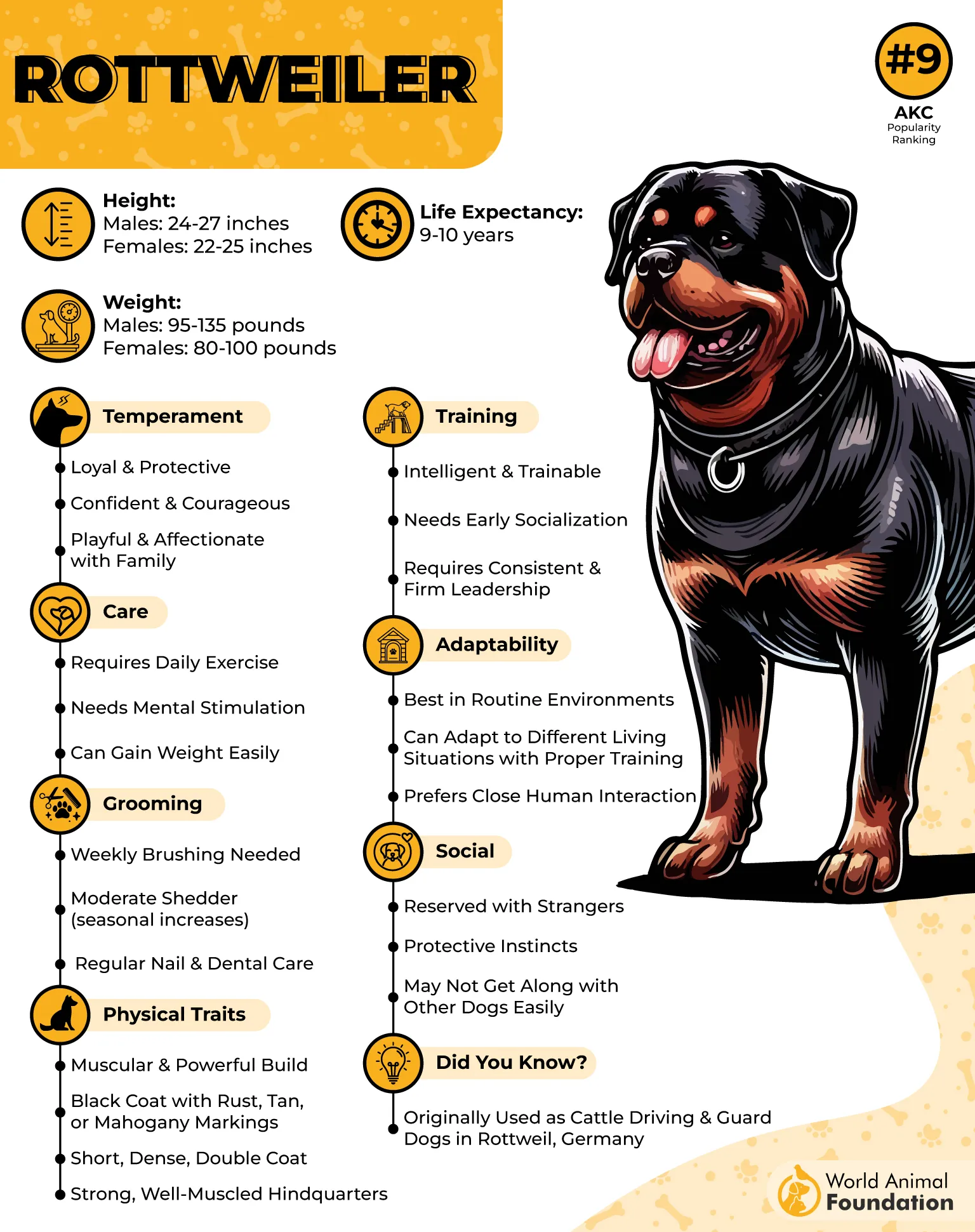
Even better, Rottweilers are smart enough to need something useful to do with all that brainpower. They respond well to structured learning and can thrive in obedience or tracking work, especially when positive reinforcement keeps the experience constructive and rewarding.
Training Tips For This Breed
Avoid rough play that may encourage undesirable behavior.
Practice calm manners in varied situations rather than limiting lessons to home.
10. Australian Cattle Dog

Few dogs approach a new challenge with quite the same ready-for-action attitude as Australian Cattle Dogs. They are adventurous, loyal, and mentally sharp, with enough drive to turn an ordinary activity into something that feels like a proper assignment.
Originally bred for demanding cattle work in Australia, these dogs helped ranchers handle livestock across difficult conditions. That heritage favored toughness, persistence, and a strong work ethic, giving the breed a natural preference for having purposeful jobs to tackle.
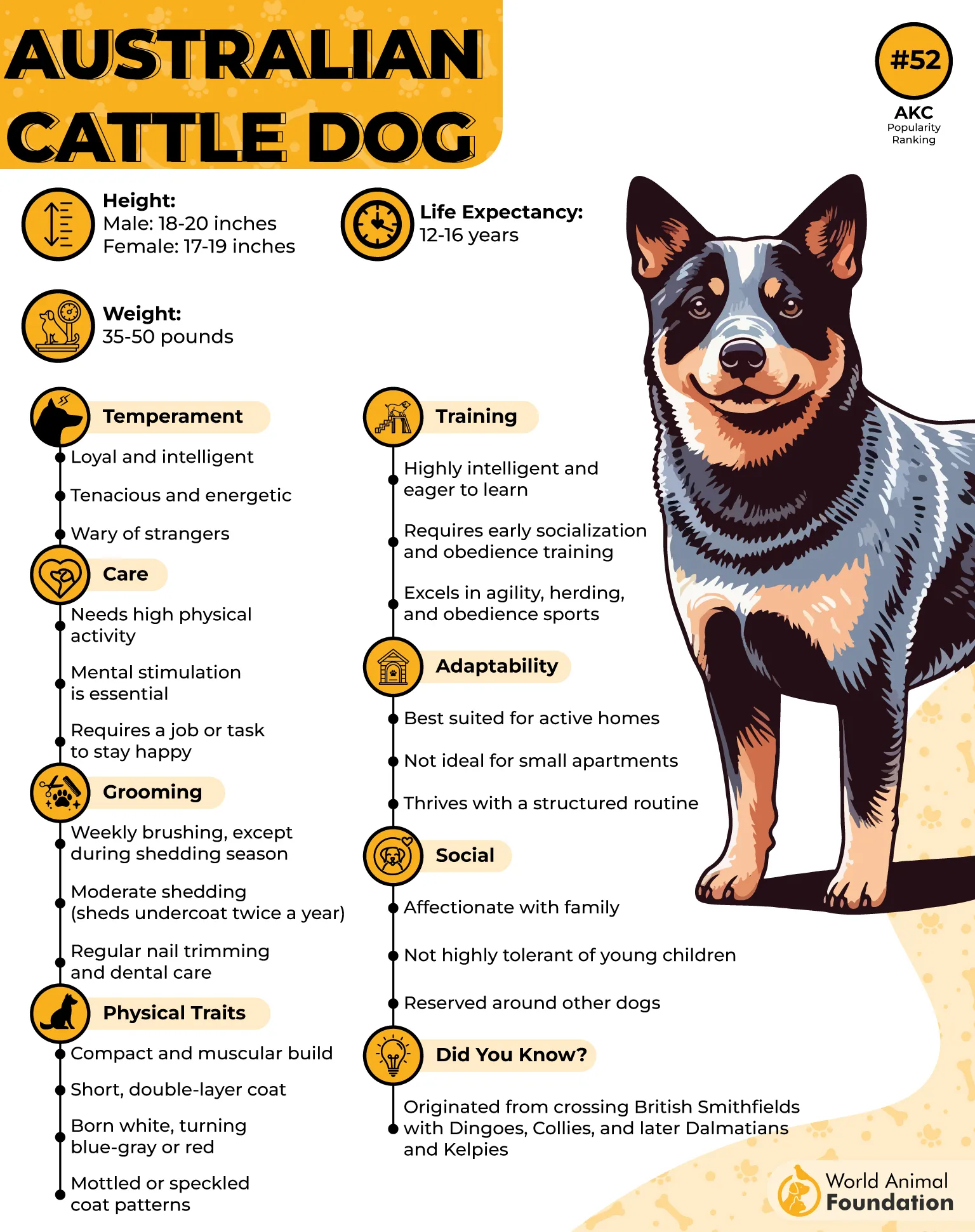
And that busy history left them with serious brainpower. Australian Cattle Dogs are highly intelligent and trainable, but they also need regular mental challenges. Puzzles, active tasks, and fresh things to learn help keep that sharp mind usefully occupied.
Training Tips For This Breed
Begin socialization early to manage instinctive herding around children and pets.
Channel learning into agility, flyball, or herding activities.
Conclusion
Smart dogs can make learning feel less like a chore and more like an ongoing conversation. From quick responses to focused obedience, each breed brings its own style of intelligence. The best fit is the one whose energy, personality, and learning needs genuinely match your everyday life.
So take a moment and think about what kind of learner would suit you best. Some shine with constant challenges, while others thrive through close teamwork and steady guidance. Pick the match you can truly keep engaged, and you may end up with a wonderfully rewarding partnership.
