




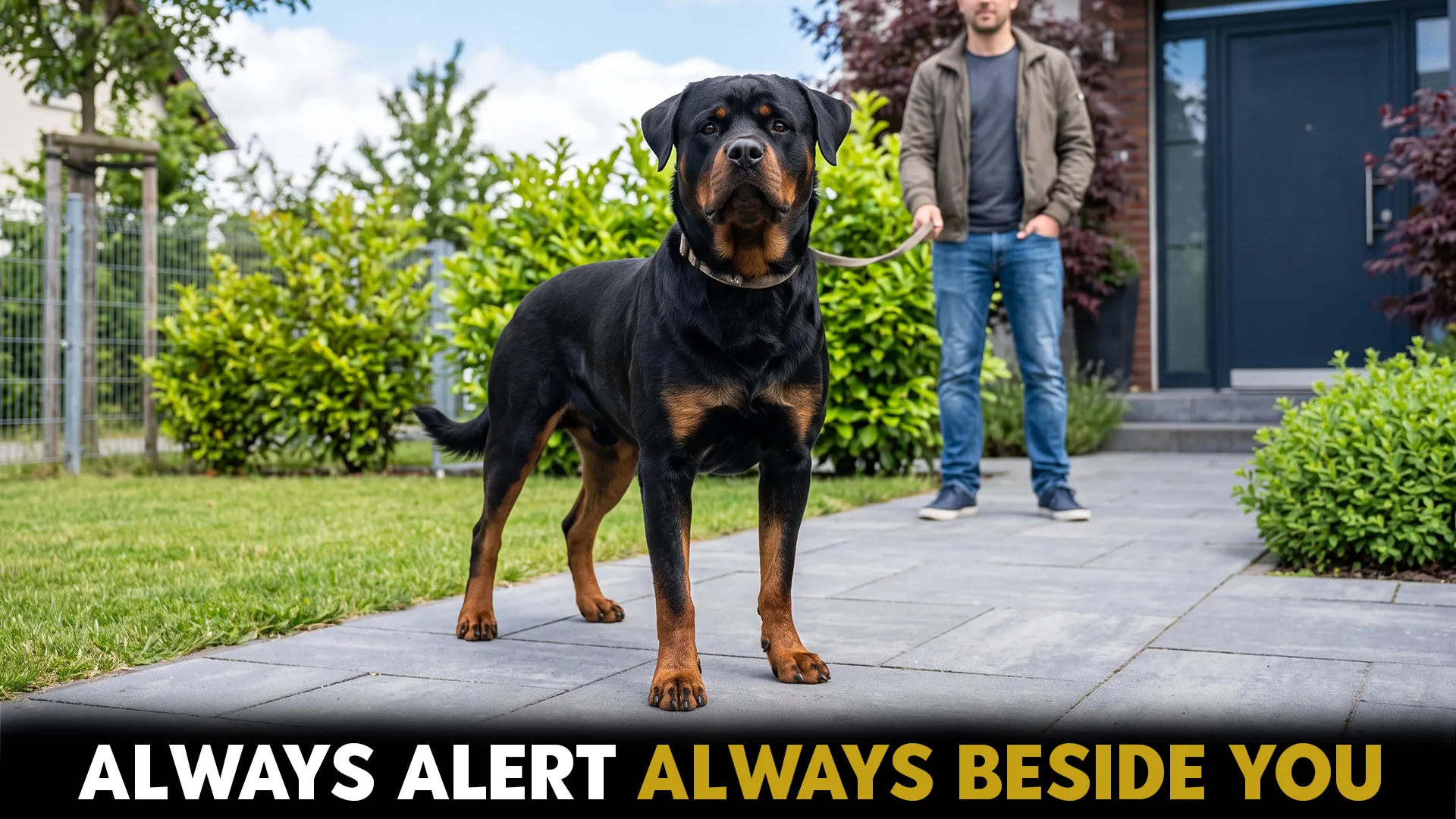
Looking for a guard dog when you live alone raises a more important question than which dog looks toughest. Can that dog recognize something unusual, respond to your direction, and settle when the situation is harmless? Those qualities matter because personal safety involves more than barking at every sound outside the door.
Guardian breeds can be loyal, strong, watchful, and protective, but they also need proper training and socialization because of their size and strength. That combination can make breed selection important for a single man managing the dog without another person at home.
Temperament, exercise needs, handling ability, and responsiveness all deserve careful attention before appearance enters the picture. A good match can bring greater confidence and peace of mind without creating unnecessary management problems.
The following breeds vary in size, energy, trainability, and protective behavior, so consider them before bringing one home.
Key Takeaways
A trained protection dog needs to know when something feels unusual and when there is nothing to worry about.
The Giant Schnauzer has spent centuries doing serious work, from protecting property to handling cattle, and it still needs plenty of activity today.
The Cane Corso and Rottweiler bring powerful guarding instincts, while the Boxer adds quick reactions and a strong attachment to its family.
Further down the list, the German Shepherd, Doberman Pinscher, and Belgian Malinois show just how much training and intelligence can shape an executive protection dog.
Best Guard Dog Breeds for Single Men and Personal Safety
1. Giant Schnauzer
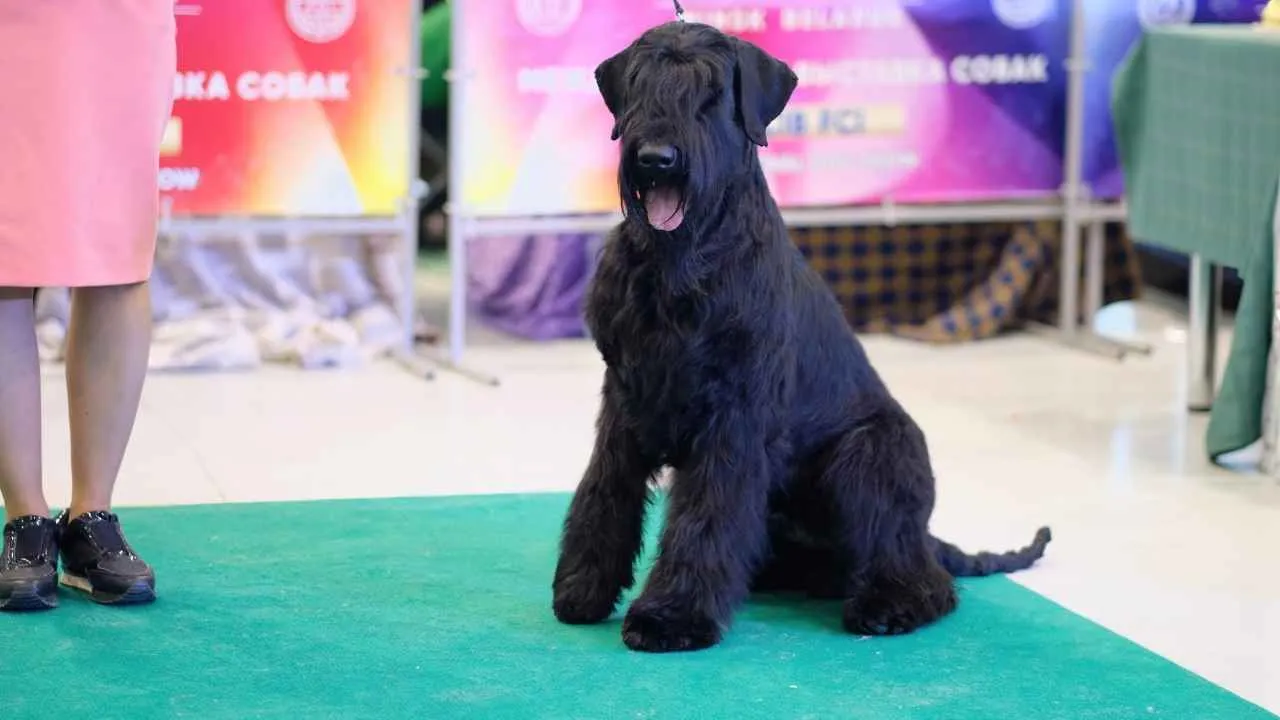
Giant Schnauzer originated in Bavaria during the 1700s, with its early form shaped through crosses involving the Standard Schnauzer, Black Great Dane, and Bouvier des Flandres. Farmers needed a substantial dog capable of guarding property while helping with cattle work.
A Serious Watchdog
This breed later found work guarding shops in towns and serving with police and military units, roles that suited its natural caution around unfamiliar people.
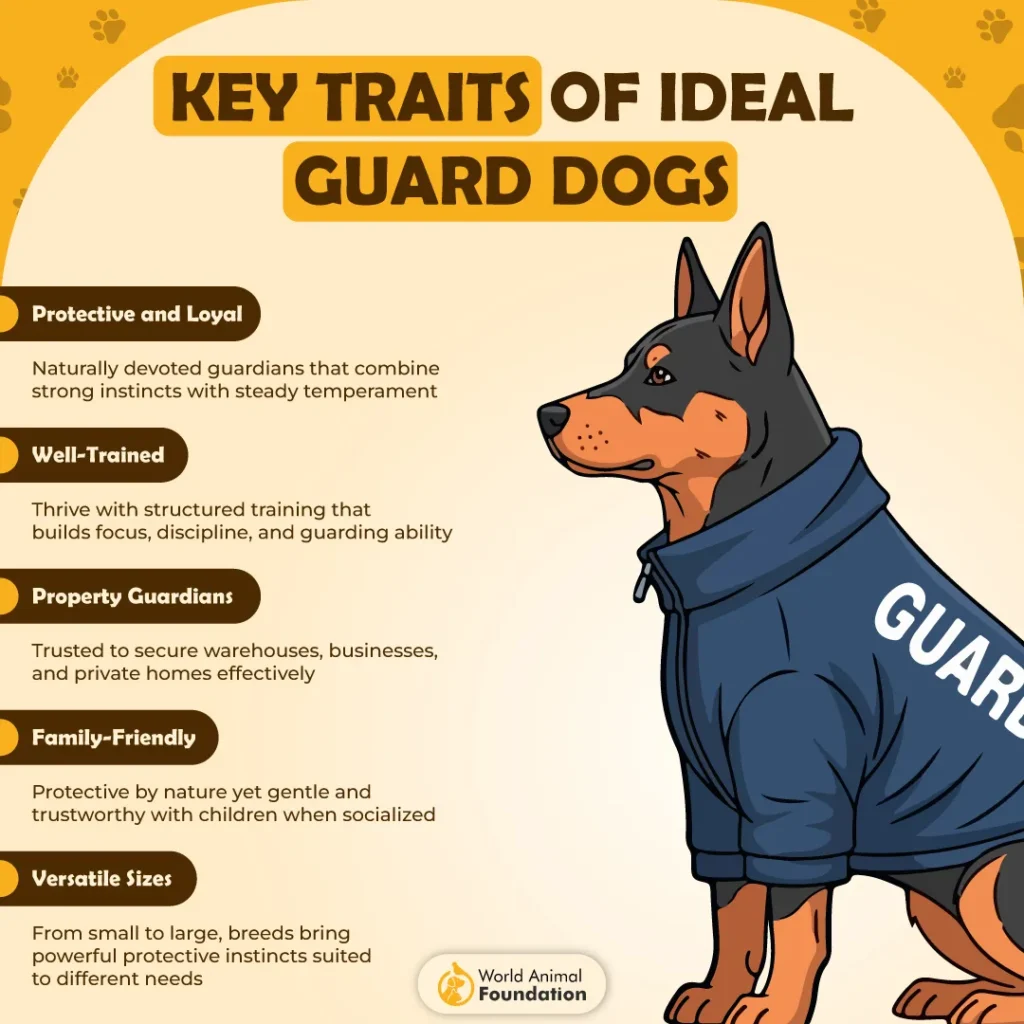
Today, its working abilities also extend to search-and-rescue operations and other demanding tasks that require focus and reliability, as reported by Omlet.
This is what this family protection dog brings:
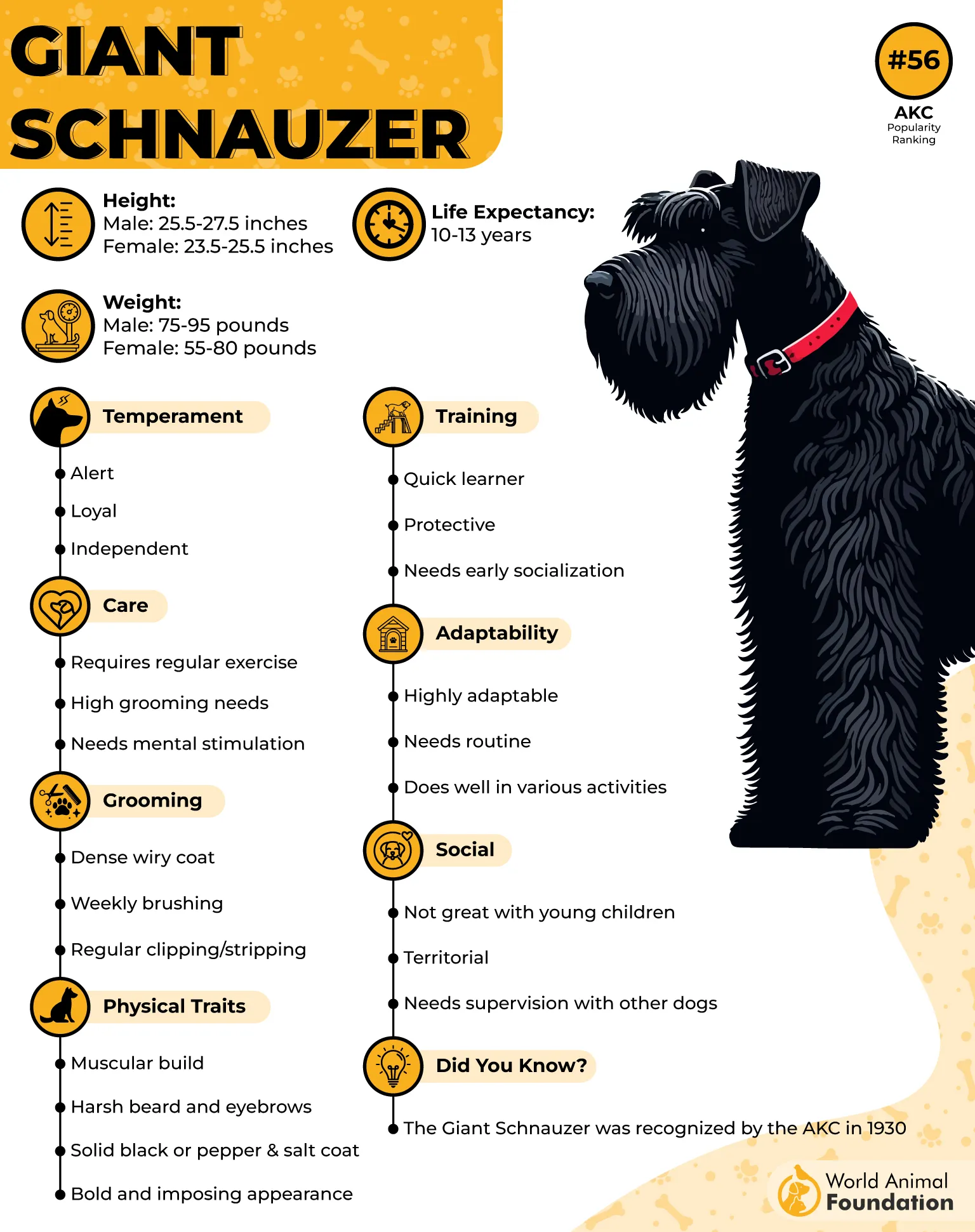
Quick learner with strong memory
May test boundaries during training
Benefits from early leash and house rules
Built for Work
Giant Schnauzers can run or walk for miles without tiring quickly, while agility, obedience work, frisbee, and jogging provide practical outlets for their energy. Without enough activity or mental engagement, boredom can turn into destructive behavior around the home.
2. Cane Corso
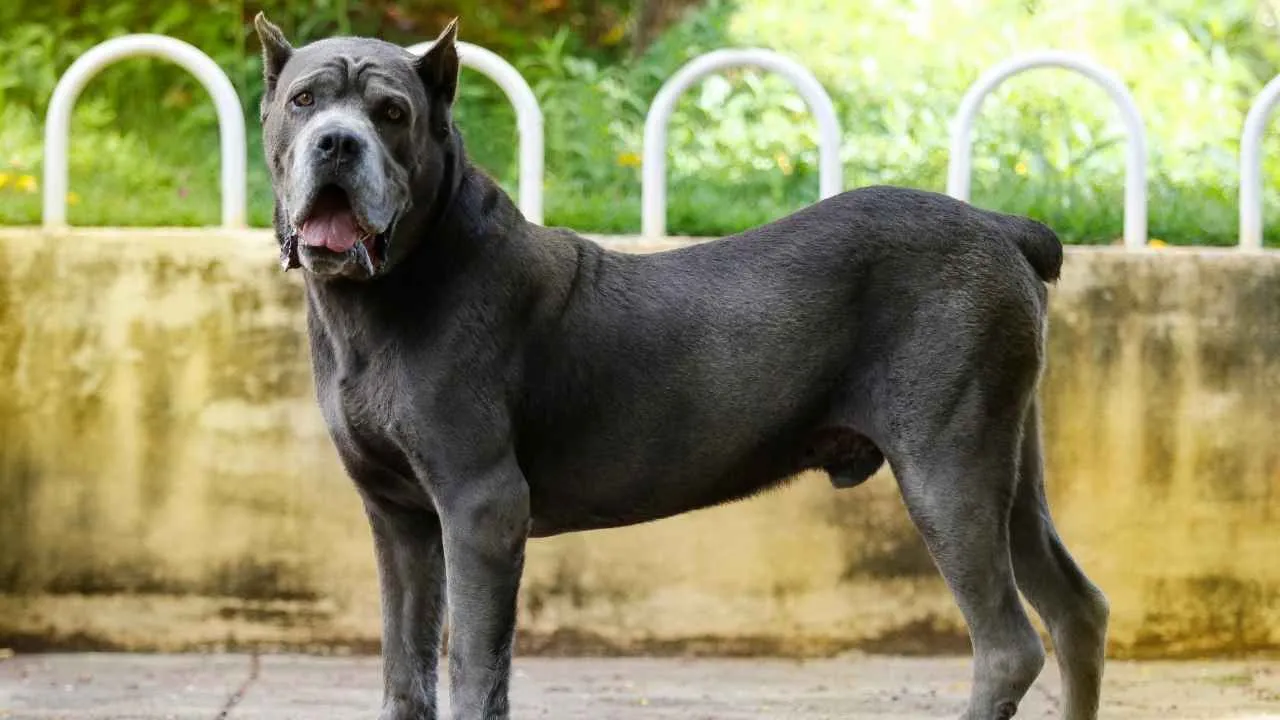
Cane Corso descends from ancient Molosser dogs linked to the Greek islands, where large Mastiff-type guardians were bred centuries ago. Roman forces later brought these dogs to Italy and used their descendants as pireferi, an early form of military service dog.
A Serious Guardian
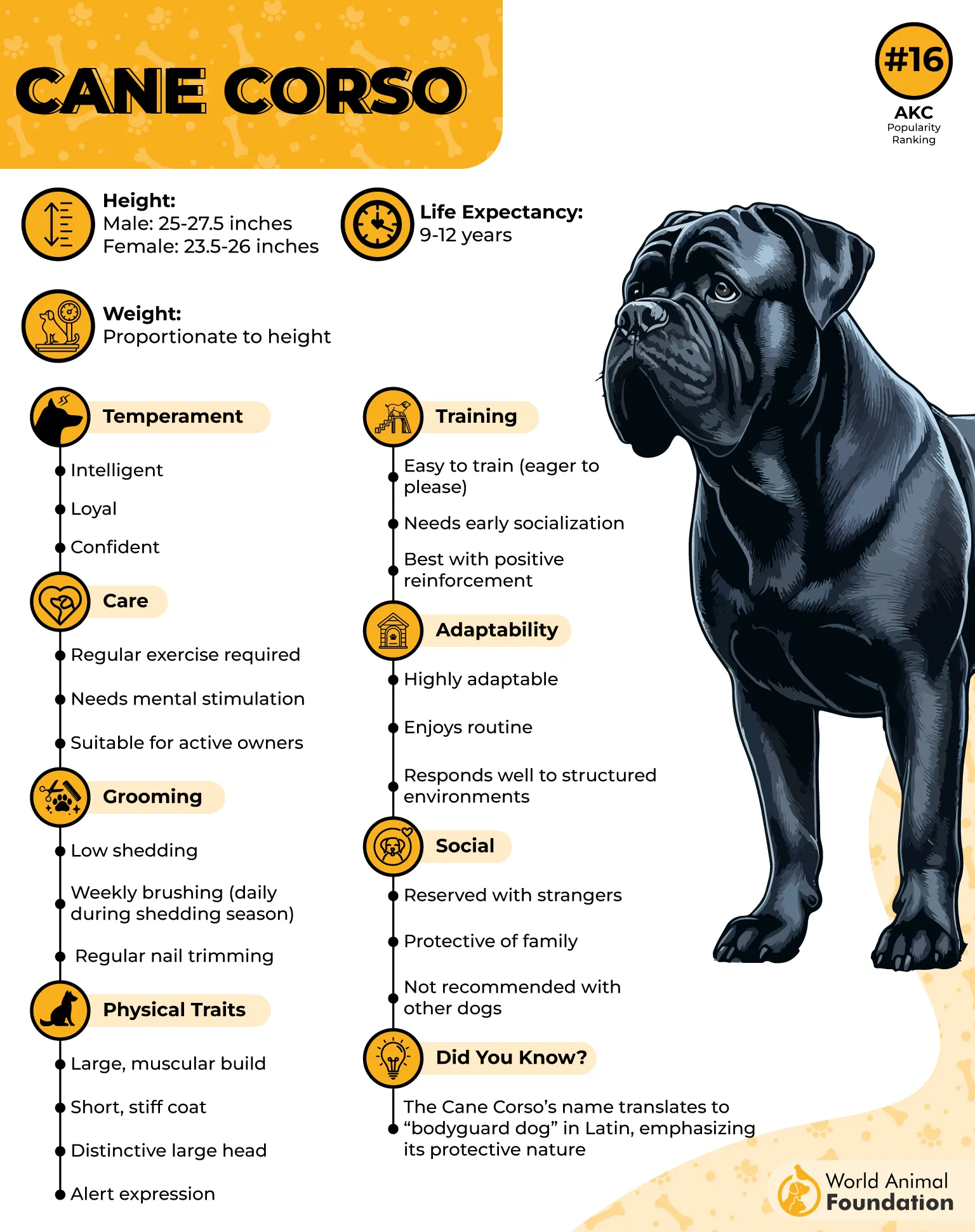
This loyal dog has a naturally protective temperament, backed by a muscular, athletic frame and a large square head with powerful jaws. Its territorial nature also makes awareness of unfamiliar people and unusual activity an important part of its guarding role, as noted by the AKC.
The breed’s strength is clear from its behavior:
Uses vocal alerts when something seems unusual
Needs clear boundaries around other animals
Steadfast and unwavering commitment to keep their owners safe
Training Matters
Cane Corso responds well to commands and can learn to distinguish genuine threats from ordinary situations with careful socialization.
Positive reinforcement using treats, praise, and rewards can guide its protective instincts while teaching appropriate responses around people and animals.
3. Rottweiler
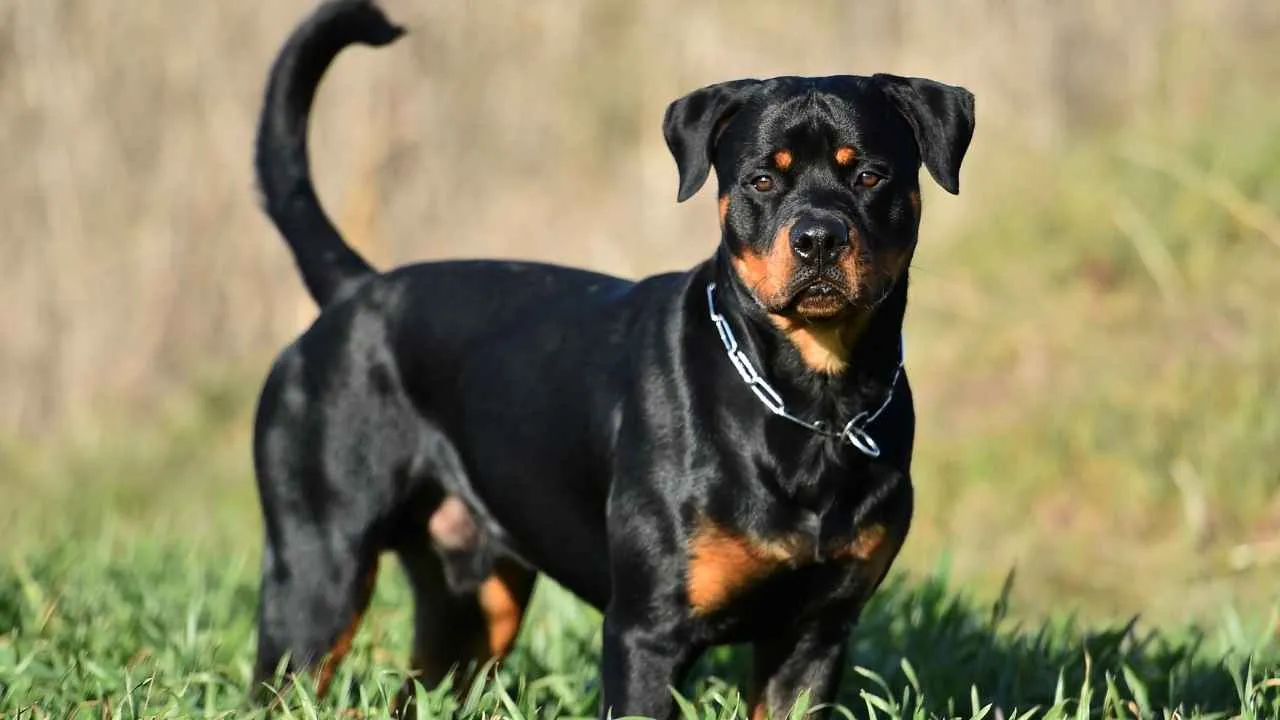
Rottweiler has roots in southern Germany, where it worked as a cattle drover, meat-cart dog, and property guardian in the town of Rottweil.
During the cattle-driving era, butchered goods were transported with these dogs, and money from sales was tied around their necks for protection from thieves.
A Serious Deterrent
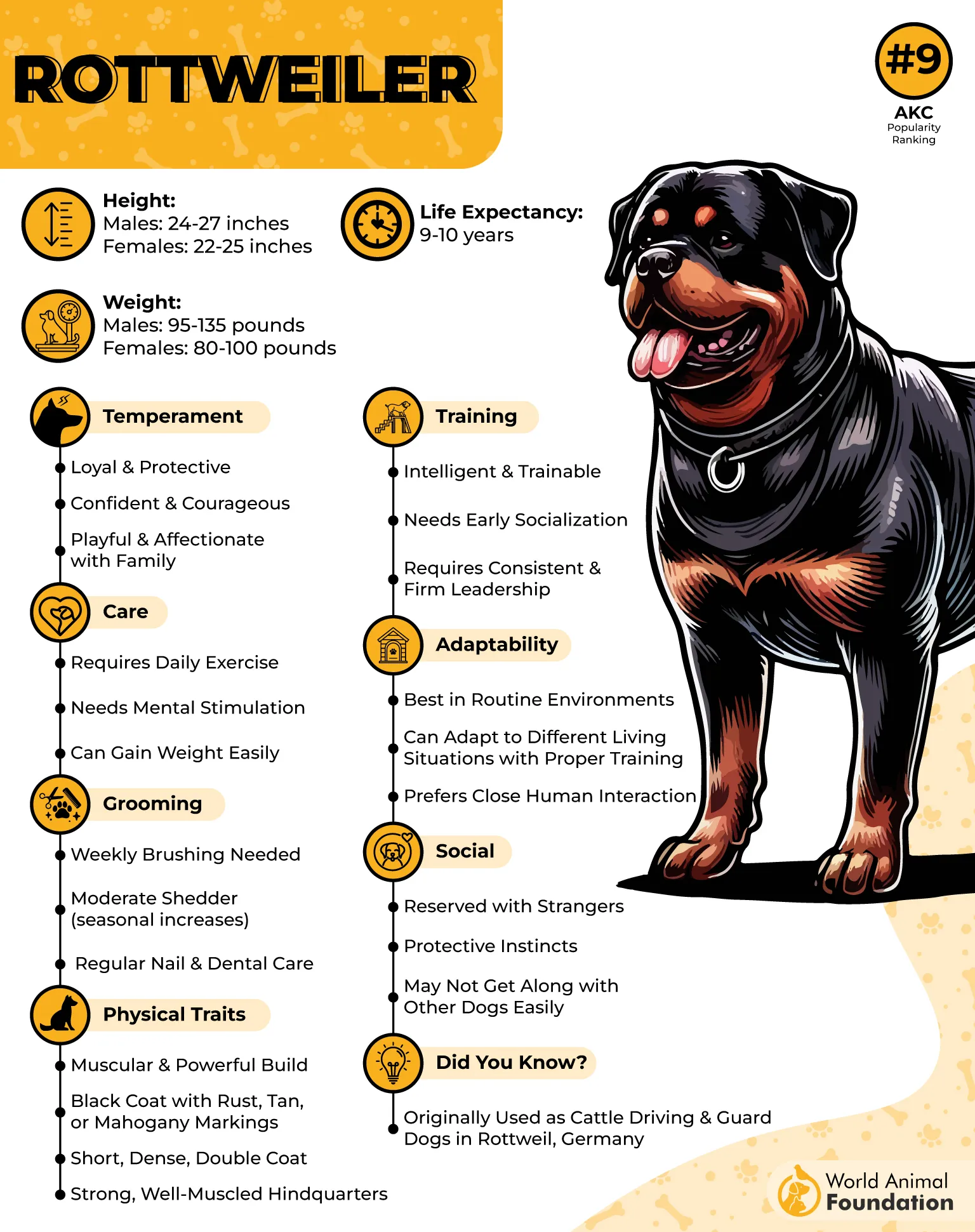
Rottweilers have a strong territorial instinct that can make them highly effective at guarding a home when properly guided.
Its imposing black coat and powerful build may also discourage strangers from approaching, although the belief that black dogs are inherently more intimidating is a human perception without scientific support.
Guarding is only one part of how it stays attentive:
Can detect potential hazards early
Picks up on household routines and emotional cues
They like being right by their people’s side
Training Has Weight
This ultimate protection dog is intelligent enough to learn complex tasks, yet its strength and determined nature can make training demanding for inexperienced handlers. Professional guidance can teach safe physical management, clearer communication, and reliable responses without relying on force.
4. Boxer
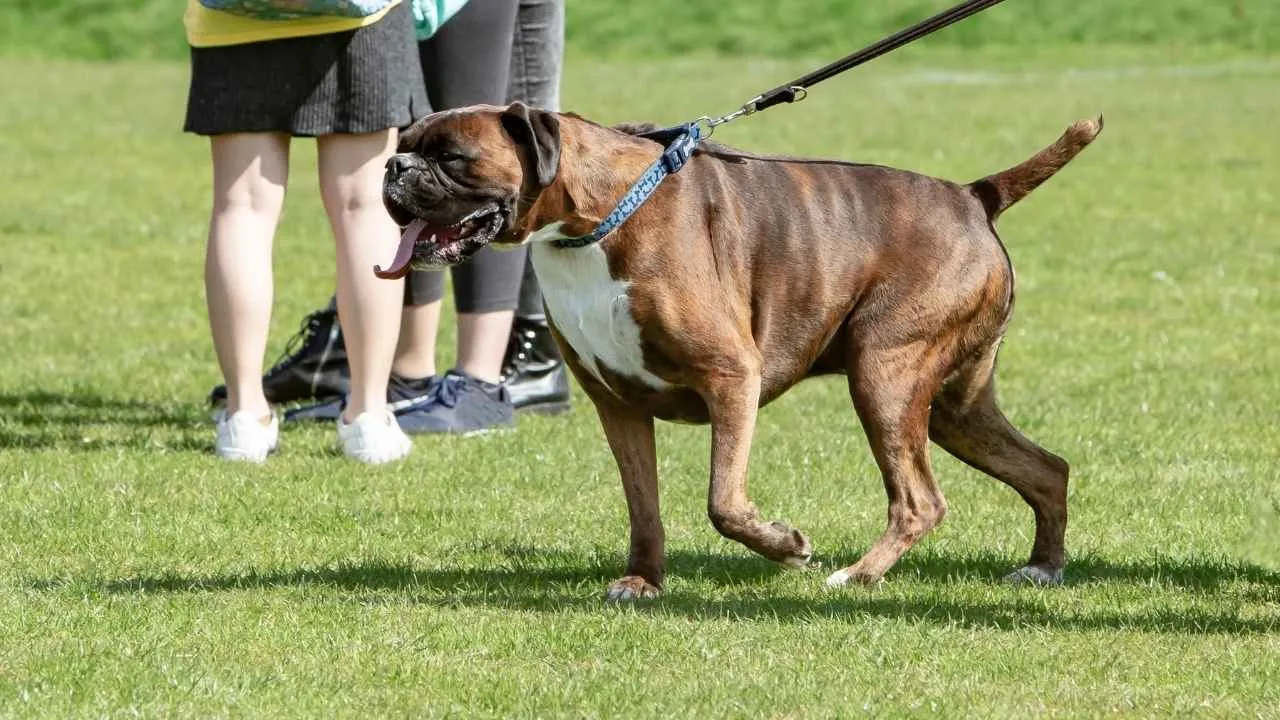
Boxer originated in Germany, with its early lineage linked to the German Bullenbeisser and Bulldog. By the late 19th century, these dogs worked around slaughterhouses as butchers’ dogs, helping control cattle.
By 1903, Boxers had reached America, and their working roles soon expanded during the First World War to messenger duties, pack work, and guarding. U.S. soldiers later brought the breed home after the Second World War.
Quick Under Pressure
This protective dog brings a useful combination of awareness and quick thinking to protective work, particularly when an unfamiliar situation changes without warning. Its ability to adapt can matter when a person needs a dog capable of judging what is happening before reacting.
Here are some details of this ferocious guard dog:
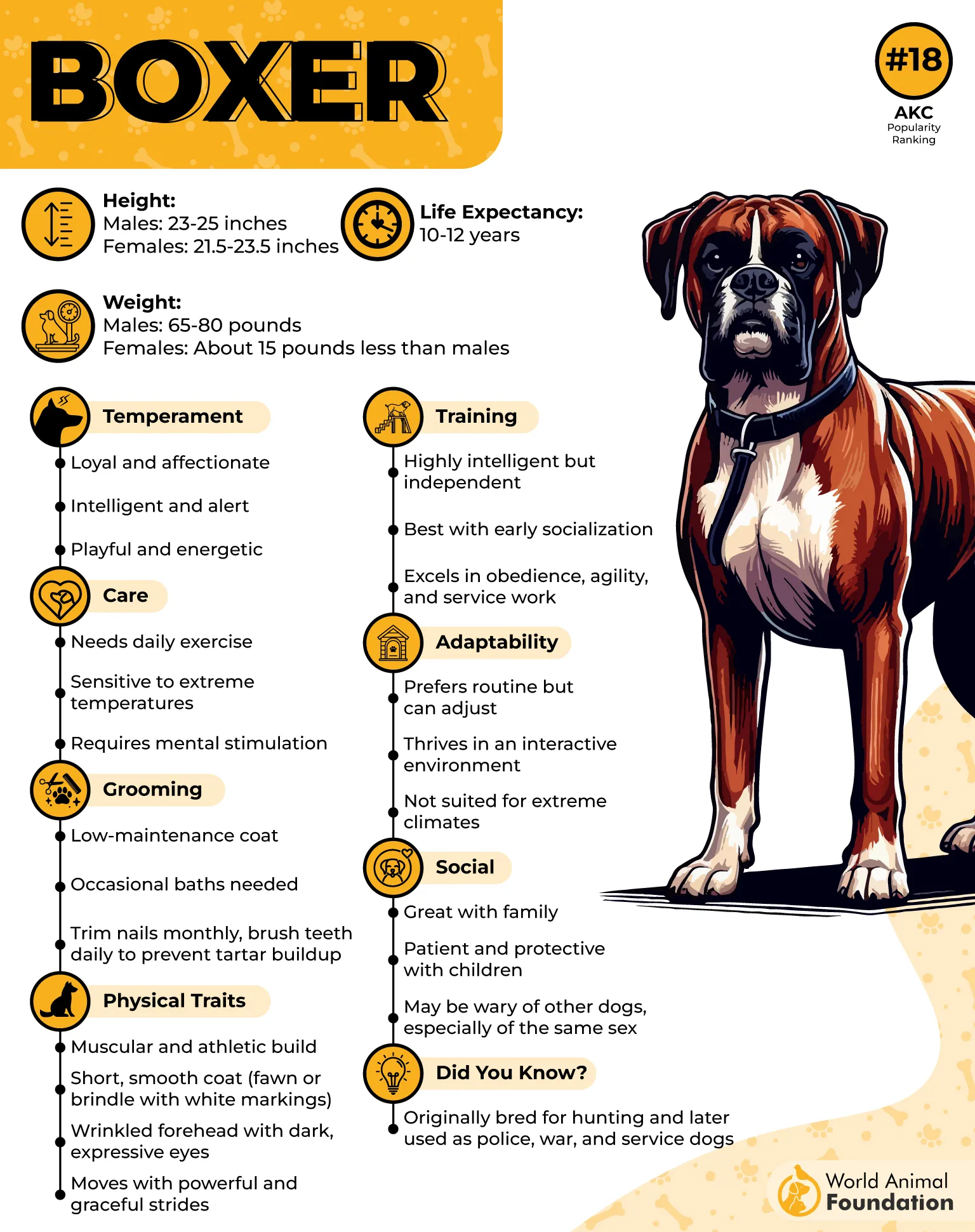
Ranked seventh in U.S. breed popularity
Can be stubborn during training
Responds well to training begun young
Loyalty Runs Deep
Boxer forms a strong attachment once a relationship has been established, with a pronounced tendency to protect both its people and their territory.
That loyalty is particularly relevant for someone seeking a dog whose protective response is closely tied to its relationship with the household.
5. German Shepherd
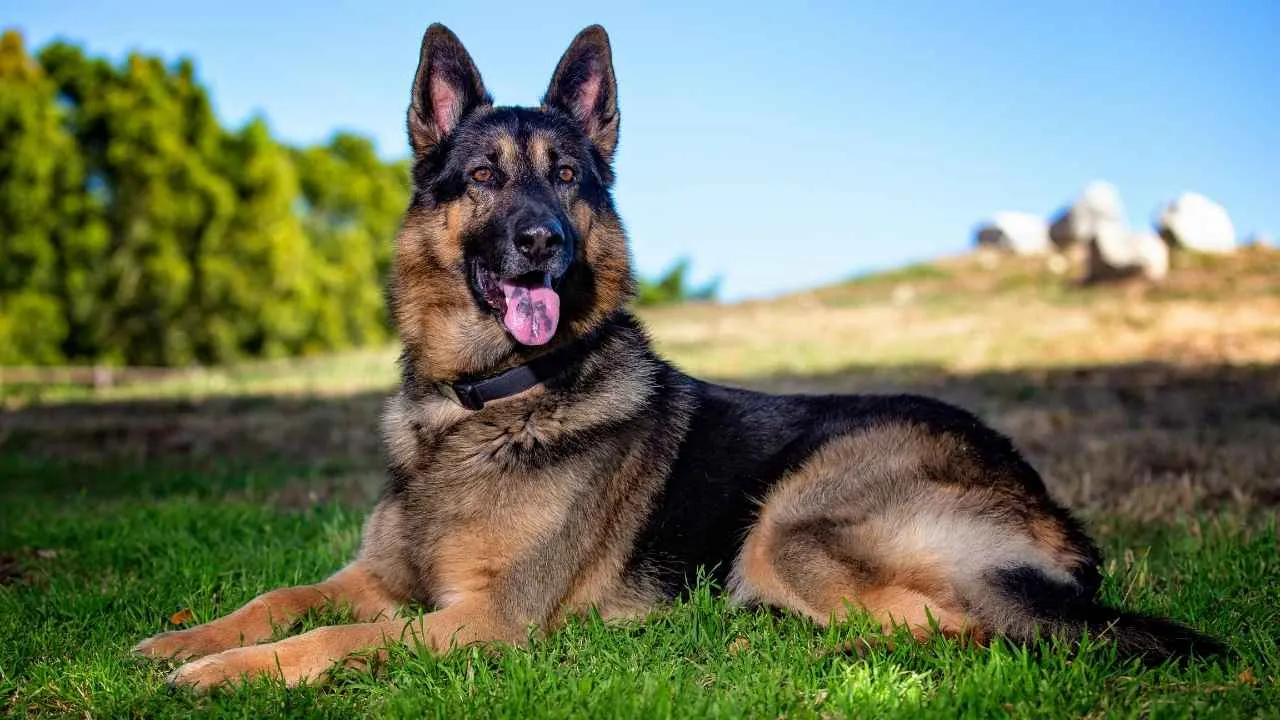
German Shepherd was originally bred in Germany through focused breeding for herding and flock protection, with later breeding placing greater emphasis on intelligence and courage. After the First World War, the breed was also called Alsatian before kennel clubs returned to its original name during the 1930s.
A Serious Deterrent
This working dog has the imposing presence and deep, forceful bark that can make a stranger think twice about approaching a property or person.
Its long record in police, military, customs, and search-and-rescue work also reflects how useful its abilities can be in security-related roles, as PetMD claims.
Its abilities have earned it a place in many roles:
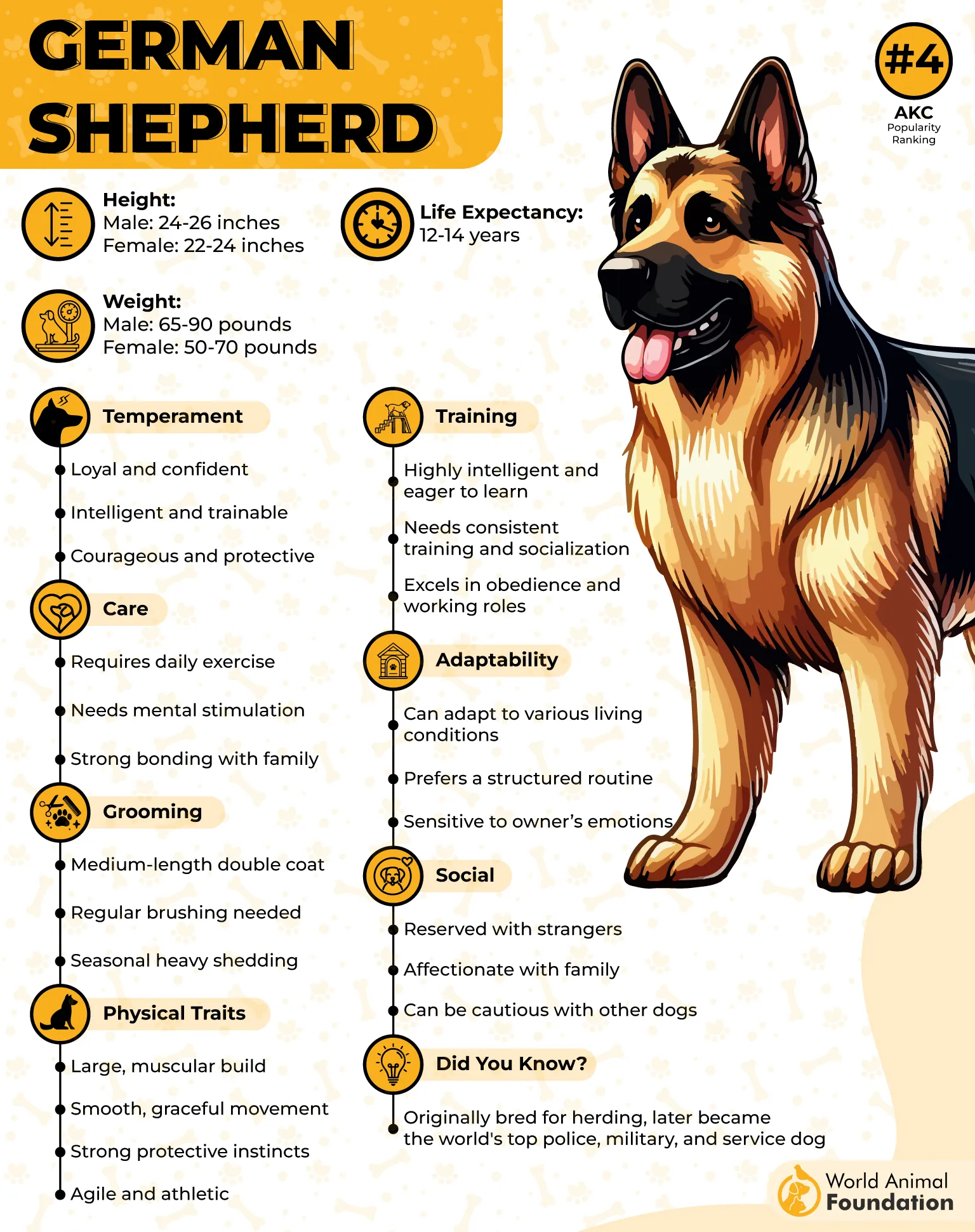
Used as a guide dog
Recognized among the world’s most popular breeds
Forms a strong bond with its handler
Training With Purpose
German Shepherd is highly motivated to learn and can respond well when training gives it clear guidance and consistent expectations. An inexperienced puppy should not be expected to obey instantly, as learning reliable responses takes patient direction and practice.
6. Doberman Pinscher
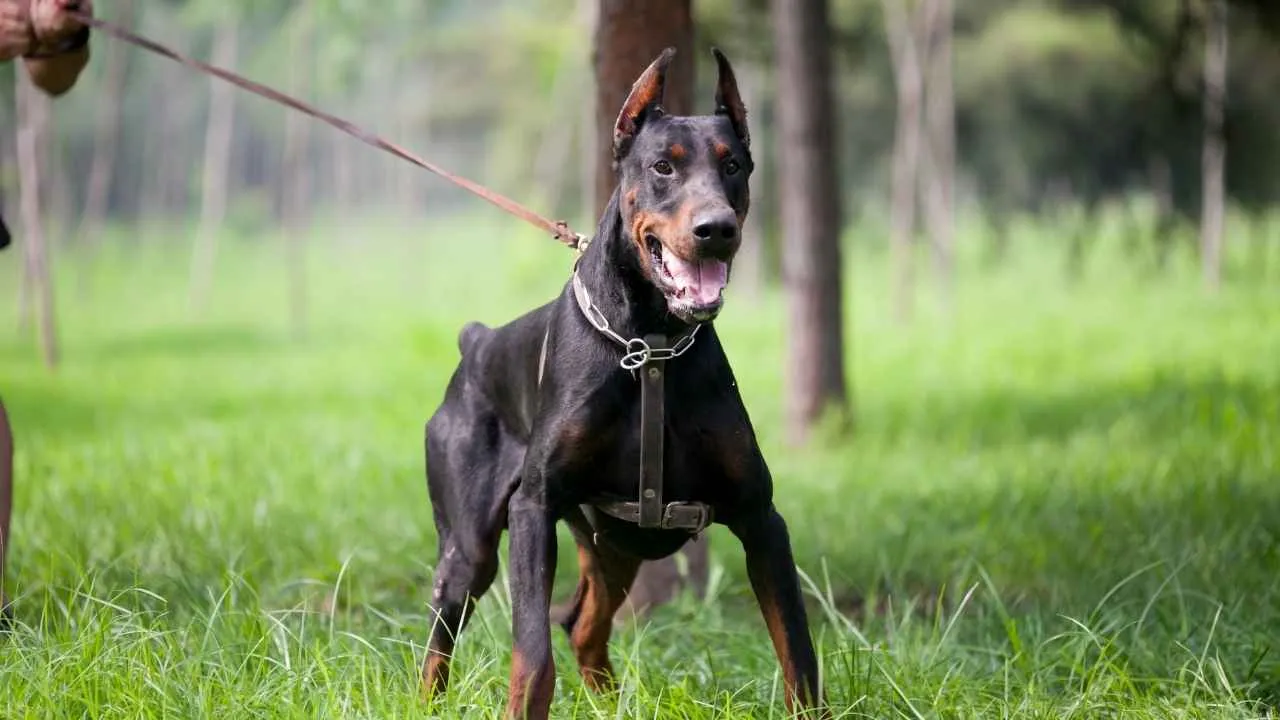
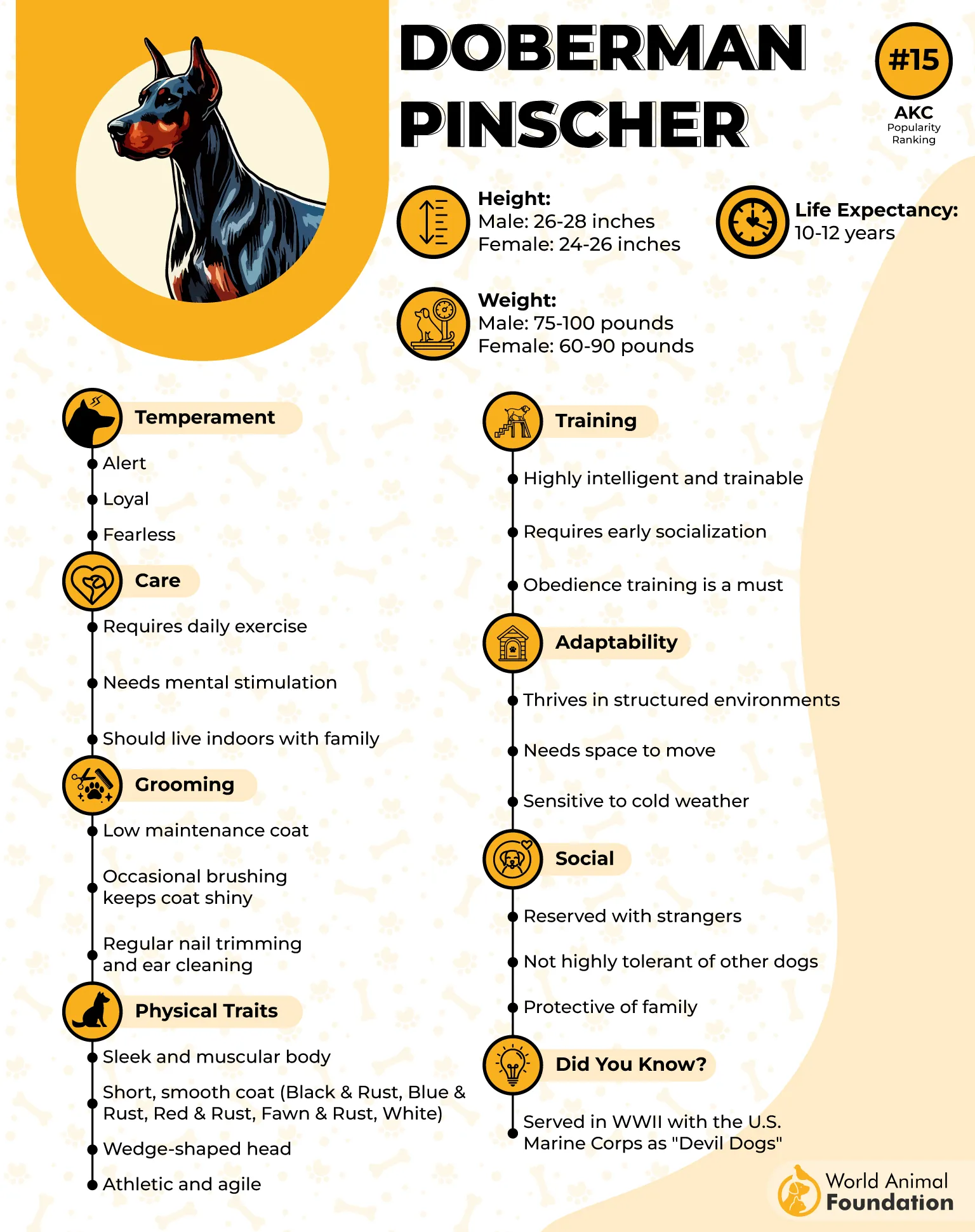
Doberman Pinscher was developed in Thuringia, Germany, when Louis Dobermann sought a dependable guard dog for his work as a door-to-door tax collector. Early breeding likely involved the Old German Shepherd, German Pinscher, Weimaraner, and Manchester Terrier.
Reading the Room
This large breed has an unusually perceptive side that makes it highly relevant to personal protection, as it can pick up on human body language and changes in behavior. Its alert nature is paired with intelligence, giving it a strong ability to respond to its handler’s direction.
These breed characteristics add to their protection skills:
Males tend toward property guarding
Females often focus protection on one person
Females generally mature earlier
Training Matters
Doberman Pinscher ranks among the highly intelligent breeds and responds well to obedience work when guided by a confident, dedicated trainer. Early socialization should include varied sounds, textures, and positive experiences to help young dogs become confident around unfamiliar situations.
7. Belgian Malinois
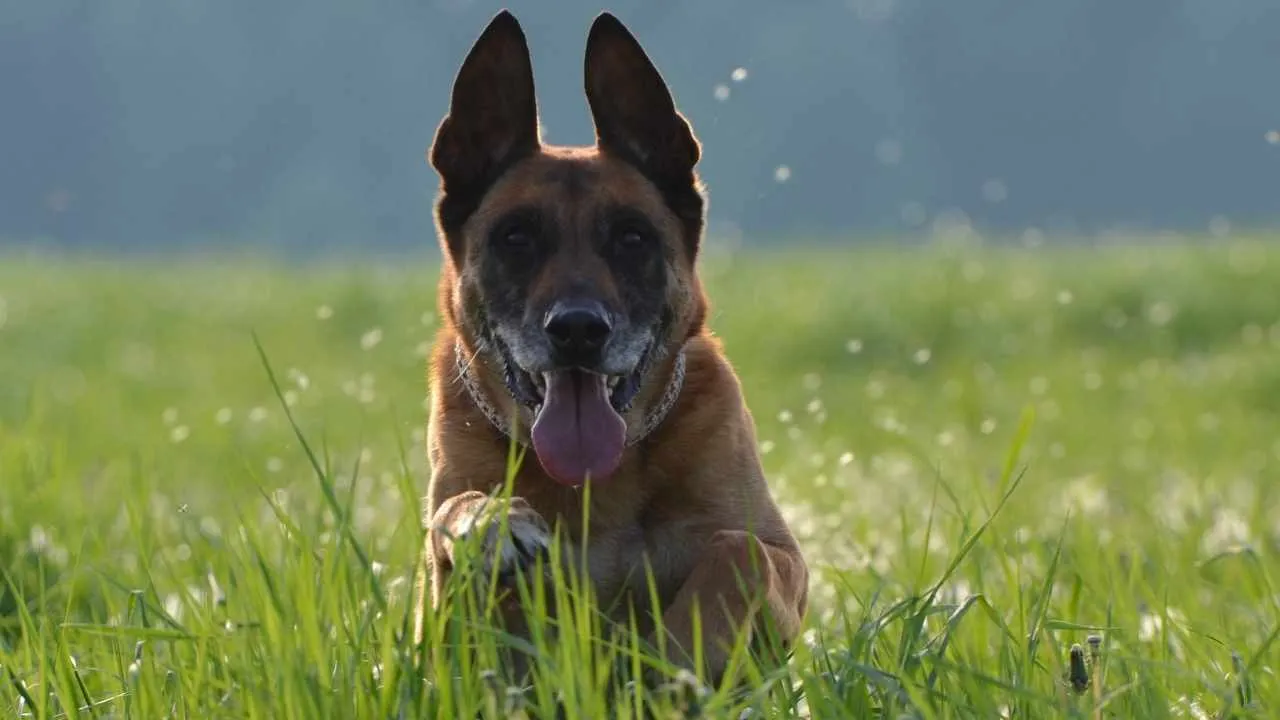
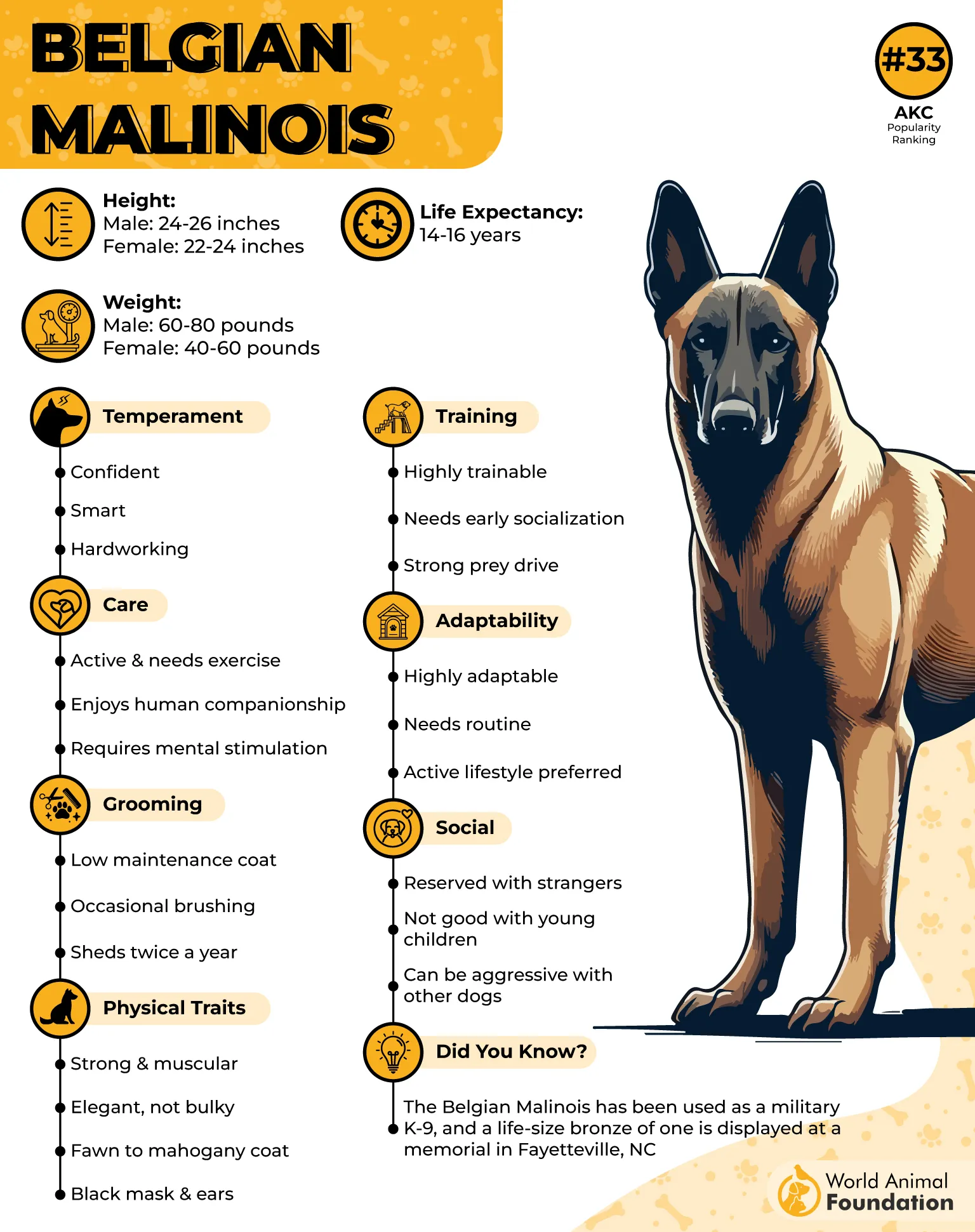
Belgian Malinois began as a shepherding dog in Belgium, with serious breeding efforts taking shape in the late 1800s. Early work focused on guarding, herding sheep, and protecting livestock before military and police roles expanded significantly in the 1950s.
A Serious Protector
For personal safety, this police dog has a strong territorial instinct and a clear willingness to guard its surroundings. That protective nature has also suited farms, households, and professional security settings where awareness of people and property matters.
The following working abilities of this dog add another layer:
Advanced search-and-rescue training
Detection of bombs, drugs, and gas
Controlled interaction with people and animals
Athletic by Nature
Belgian Malinois has a powerful, streamlined build suited to demanding physical work and active training sessions. Running, agility practice, and even games such as soccer can give this energetic working dog a productive physical challenge while keeping its body engaged.
Conclusion
Personal safety can feel different when you live alone, making a dependable dog an appealing companion. Still, strong guarding instincts need structure so a dog can recognize genuine concerns without treating normal activity as a threat.
Consistent training, positive socialization, exercise, and clear household rules can support enhanced personal protection while maintaining that balance.
Single men should consider how much time they have for daily care, along with the dog’s size, strength, energy, and handling demands. A protective companion should fit comfortably into the home and respond to its owner’s direction.
Good compatibility can make a dog an excellent companion, bring long-term safety, and keep everyday routines calm and manageable for everyone.
