





A 2022 Ohio State University study found that neighborhoods with more dogs have nearly half the homicide rate and two-thirds the robbery rate of similar areas with fewer dogs. Turns out a dog’s protective nature does more for home security than pet parents realize.
According to the Ohio State University research, the effect traces back to natural guarding instincts, not aggression. A dog’s presence alone changes how potential threats size up a home.
Not every protective breed needs constant obedience training to stay balanced around family members and strangers. Some dogs are naturally protective from an early age, properly socialized with little effort, and calm through everyday life.
The real challenge isn’t finding a fiercely loyal protector, since plenty of breeds qualify. It’s finding one whose protective instincts don’t come wrapped in a mountain of grooming or training demands.
Which seven breeds pull that off? Keep reading to meet them.
Low-Maintenance Guard Dog Breeds for Stress-Free Owners
1. Great Pyrenees
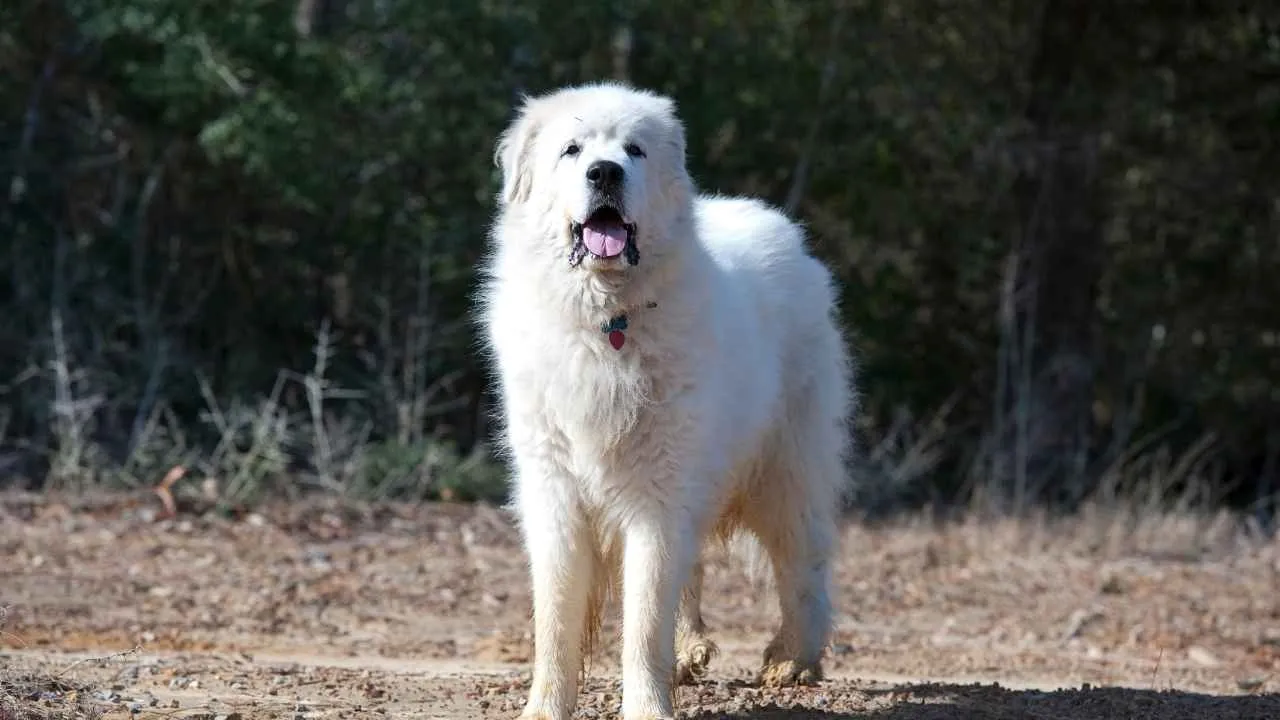
This breed guards through size and calm confidence, not noise. It was bred to work alone on remote hillsides. The real cost shows up in grooming, since that thick coat sheds constantly.
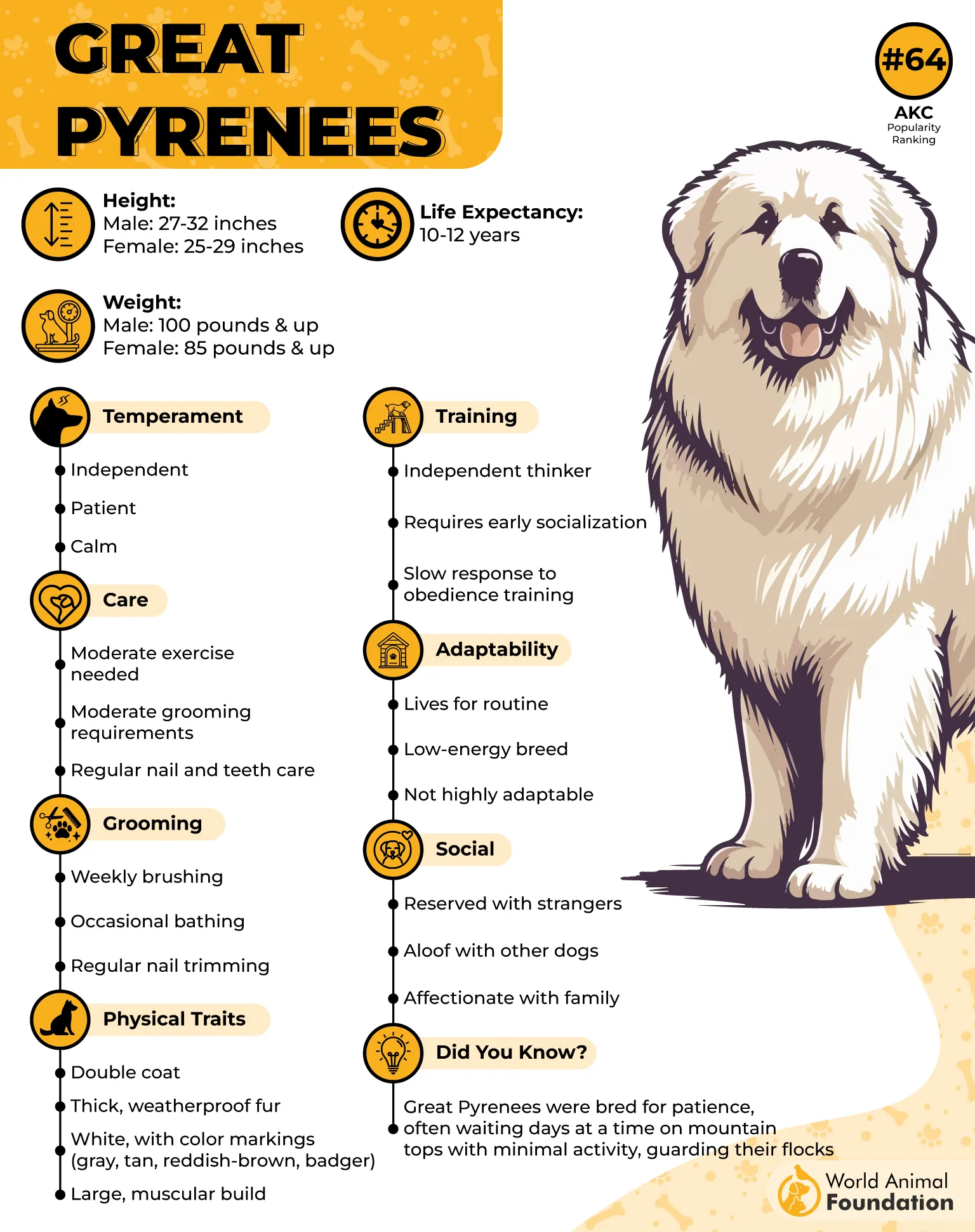
Coat care is this breed’s weak spot, with heavy shedding and frequent brushing required. Exercise needs stay low, matching its calm nature. Handler guidance takes real effort, since early socialization keeps independence from turning stubborn.
Bark: A deep bark doubles as a built-in alarm system.
Size: Adults can top 100 pounds, according to the AKC.
Historical job: Centuries guarding mountain flocks built its natural guarding instincts.
This dog needs real yard space, not an apartment. Its stubborn streak can resist obedience training without early socialization. Families wanting a calm, imposing presence over a hands-on project will bond closely here.
2. Great Dane
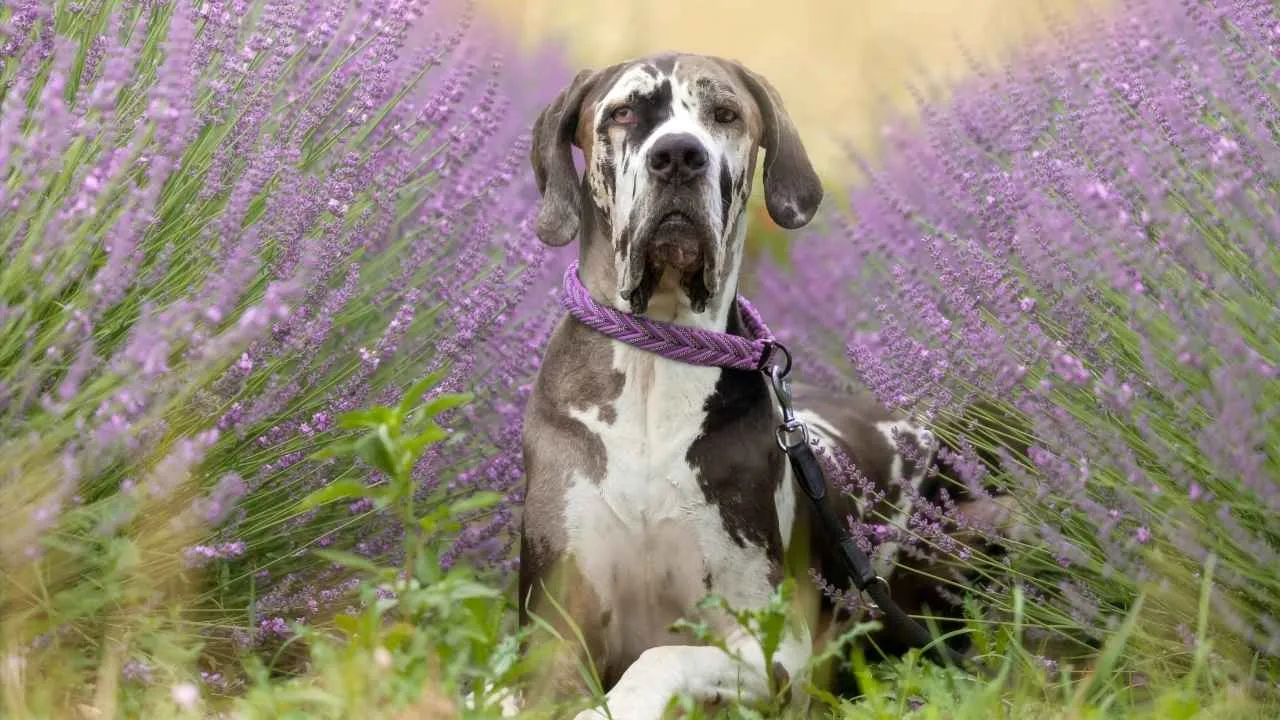
The Great Dane guards through presence alone, since few strangers argue with a dog this tall. It counts among the gentle giants, calm rather than aggressive. Upkeep stays light, since its short coat barely needs brushing.
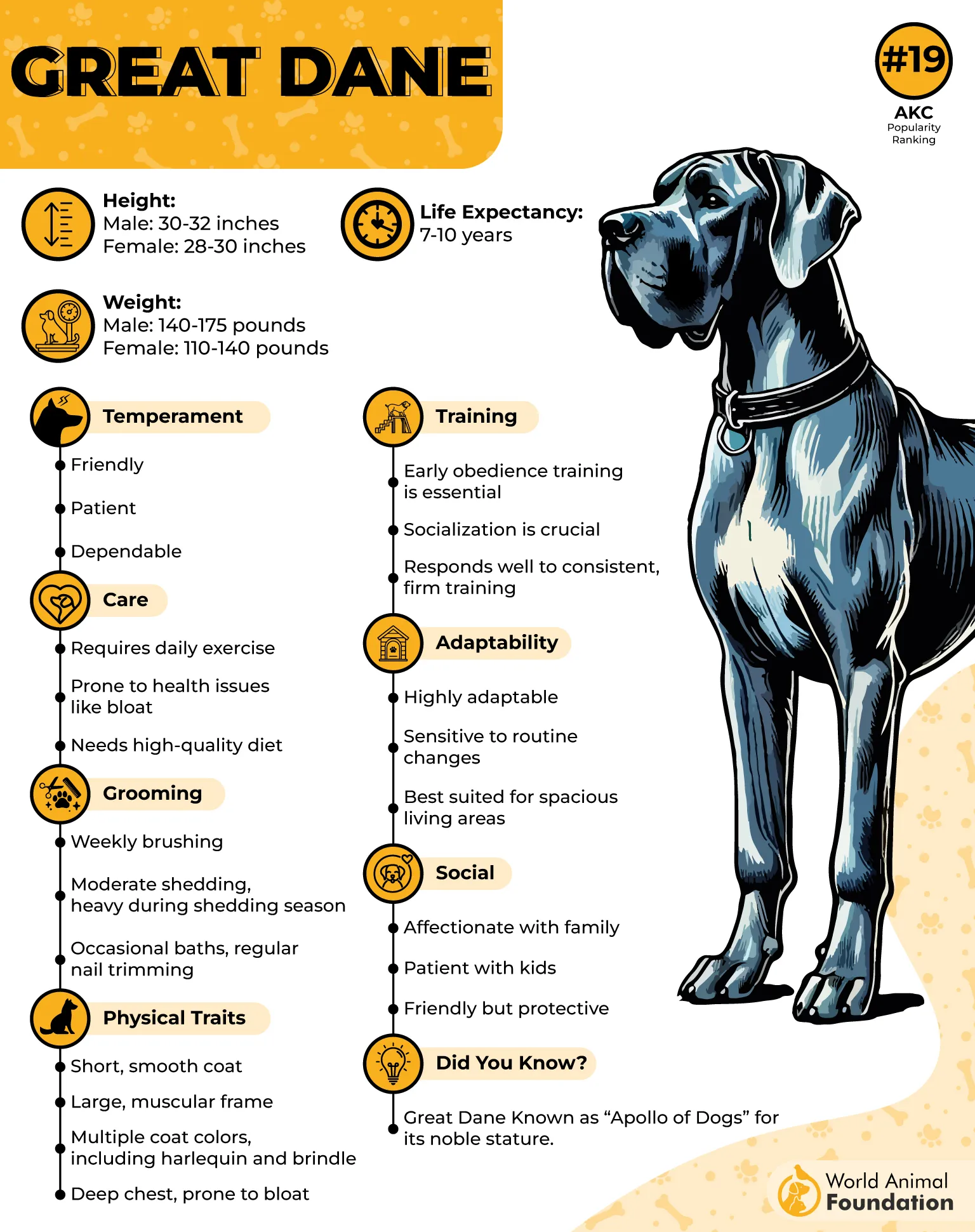
Coat care is this breed’s strong suit, needing only occasional brushing. Exercise stays moderate, since it keeps calm indoors even at this size. Handler guidance needs more care, as early training keeps that size from turning pushy.
Size: Standing eye level with many adults, it deters trouble just by existing.
Bark: Rare but carries real weight when it happens.
Historical job: Bred in Germany to hunt wild boar, as per Britannica, later becoming an estate guardian.
This dog suits spacious homes, not tight apartments. One real caution is drool, which surprises owners expecting a mess-free coat. Those wanting size and a gentle nature at home find this breed makes a reliable protector.
3. Saint Bernard
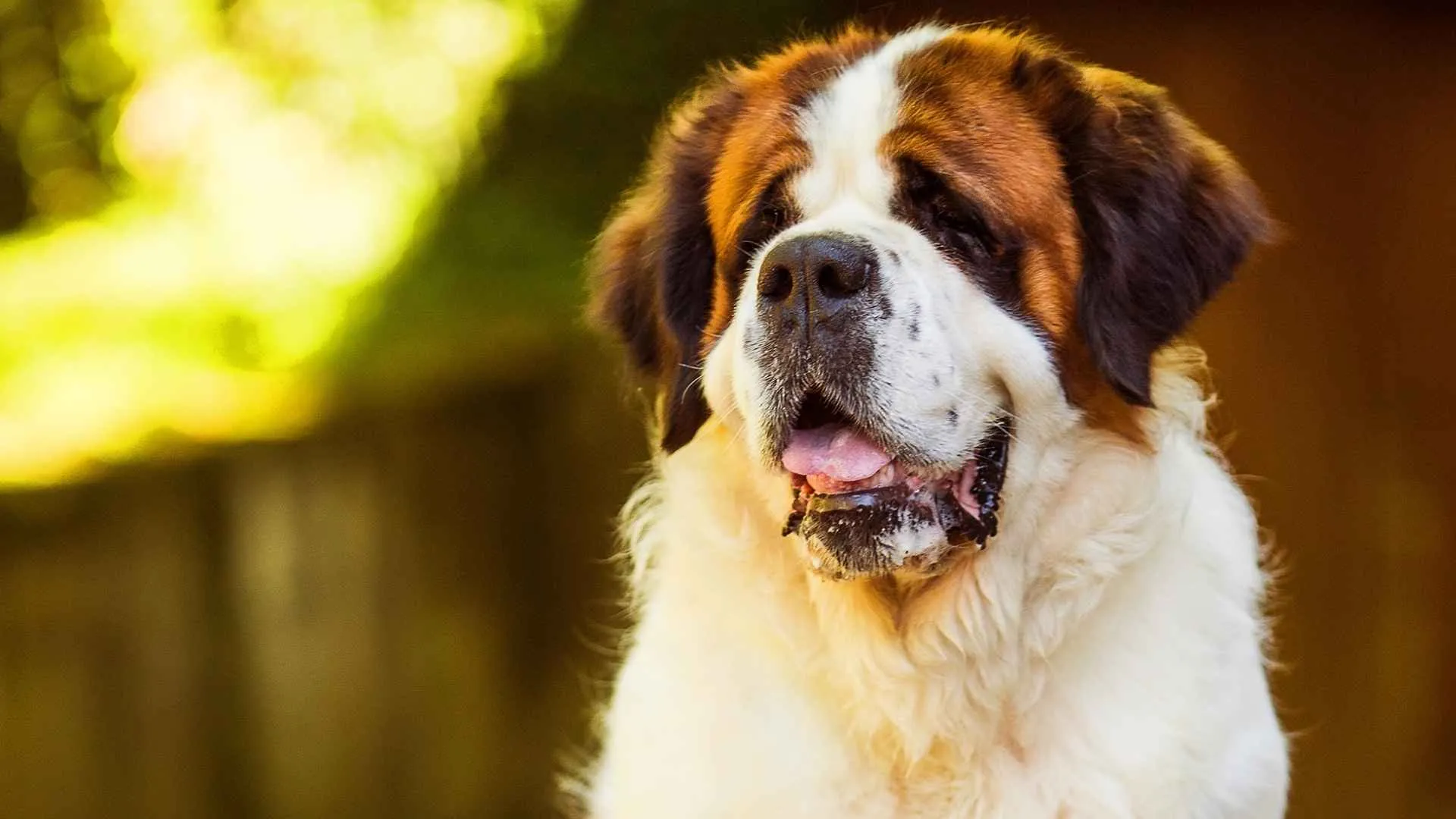
The Saint Bernard guards through size and a watchful presence rather than aggression. It was originally bred for alpine rescue work, not territorial patrol. The real cost is drool and shedding, both daily realities.
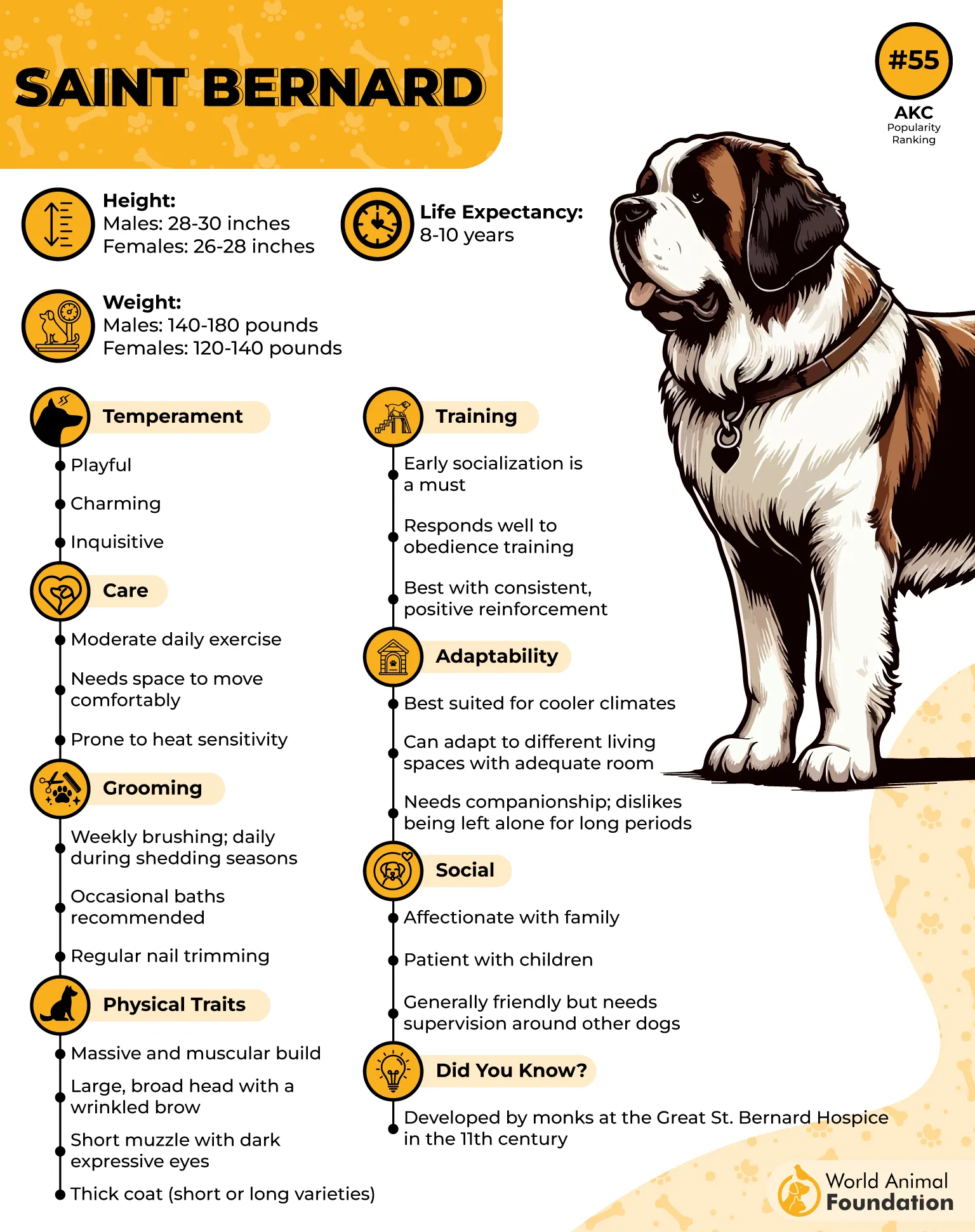
Coat care is the weak link, with heavy shedding and drool management eating up time. Exercise stays low, since this breed prefers a slow indoor pace. Handler guidance is easy, since it responds well to consistent training.
Size: Sheer weight makes most intruders think twice.
Bark: A deep bark signals visitors early.
Historical job: Hospice monks once used this breed to find stranded alpine travelers.
This dog fits a spacious home with tolerance for mess, not a tidy apartment. The main caution is drool, which no towel fully solves. Families wanting size and a gentle nature tend to bond closely with this excellent guard dog.
4. Bergamasco Sheepdog
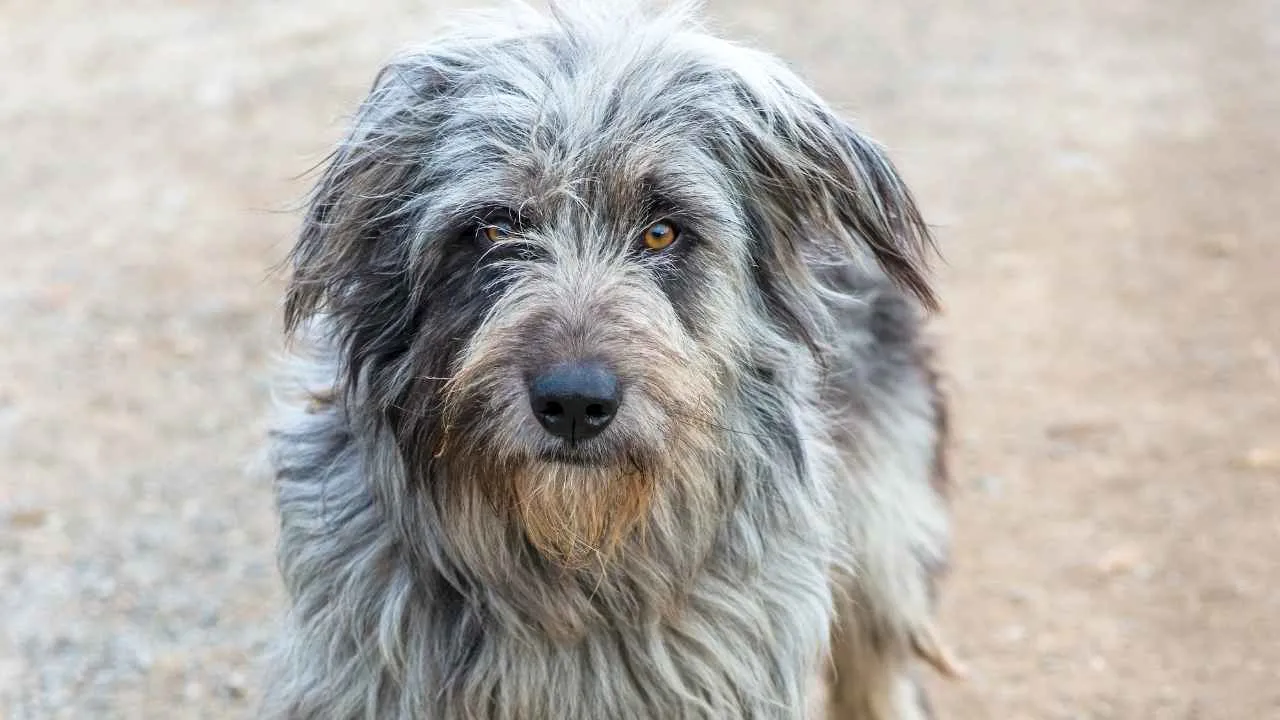
The Bergamasco Sheepdog guards with quiet watchfulness, relying on instinct over noise. It was bred to protect flocks in the Italian Alps, mostly unsupervised. The real surprise is its coat, which looks high maintenance but is not.
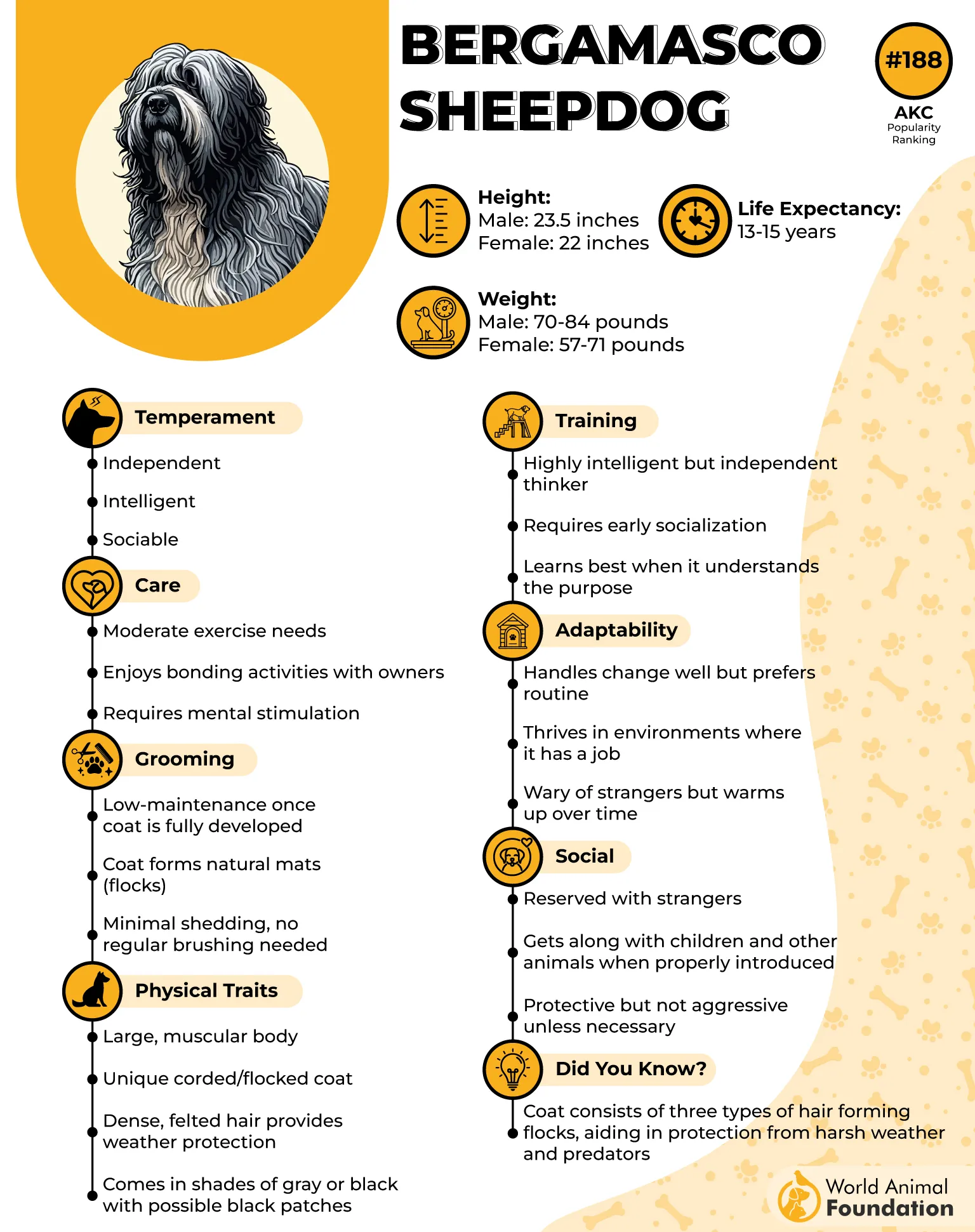
Coat care works in this breed’s favor, since its corded coat needs little brushing once formed. Exercise stays moderate, matching its calm nature. Handler guidance takes patience, since its natural guarding instincts can slow early training.
Bark: Saved for real reasons, not idle noise.
Size: A sturdy, muscular build adds presence.
Historical job: Centuries guarding Alpine flocks shaped this calm, watchful protection style.
This dog suits active households with room to roam, not small apartments. The management point is independence, which can test experienced owners before trust builds. Patient owners form deep bonds with this naturally protective companion.
5. Rhodesian Ridgeback
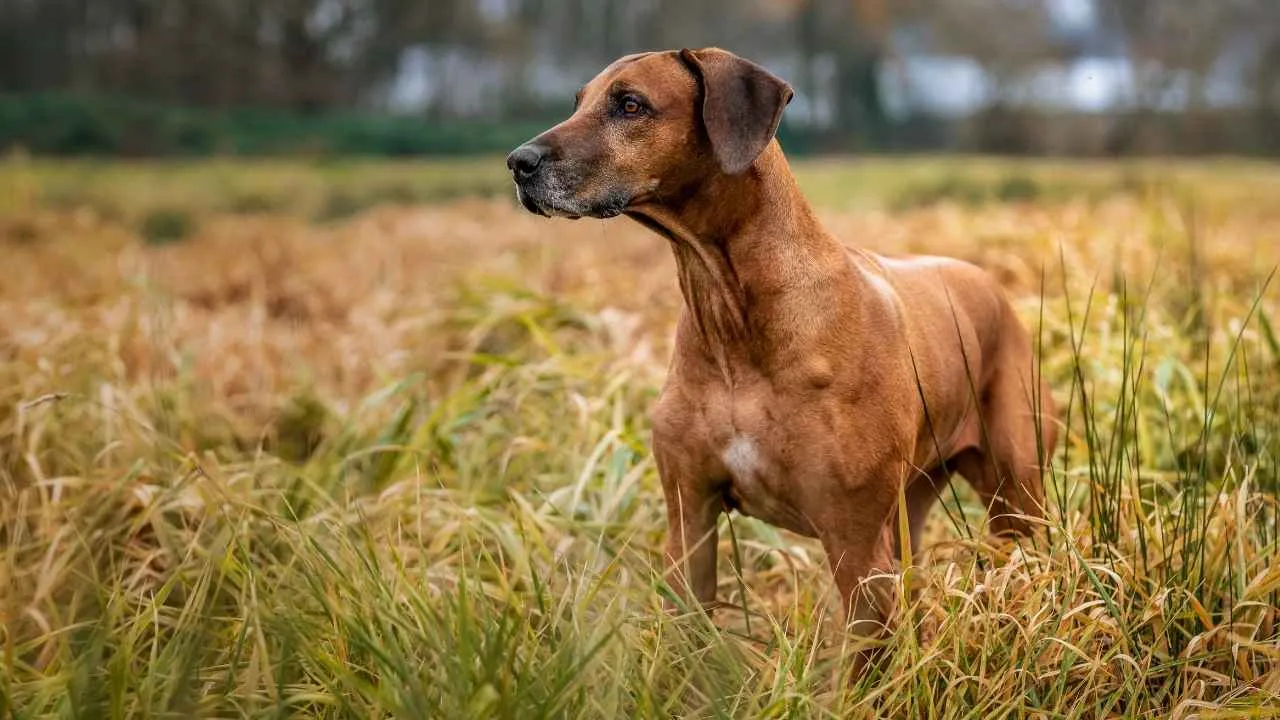
The Rhodesian Ridgeback earns its place among excellent guard dogs through quiet confidence, not constant noise. It was originally bred in Southern Africa to track game and guard farms. The real cost shows up in exercise, since its athletic build needs regular outlets.
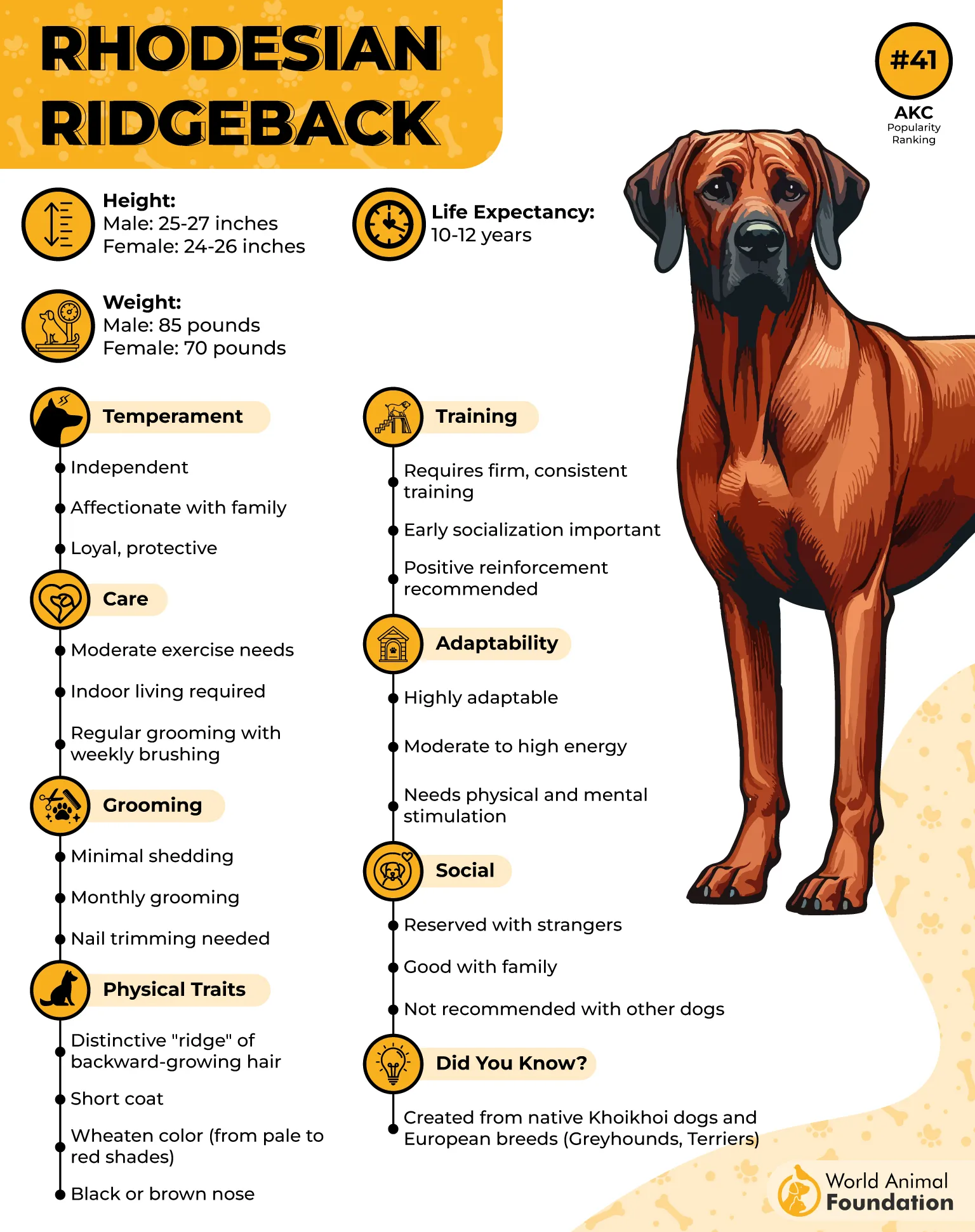
Coat care is barely a chore, since its short coat sheds lightly. Exercise is where this breed fails at being low maintenance, needing daily activity to stay balanced. Handler guidance also takes effort, since consistent training and early socialization curb its independent streak.
Bark: Reserved, used only when something feels off.
Size: An athletic frame signals strength over bulk.
Historical job: Once tracked game and guarded homesteads across Southern Africa.
This dog fits active families with room to run, not sedentary households. The caution point is independence, which resists training without a firm, consistent approach. Owners who commit to structured training end up with a loyal protector.
6. Boerboel
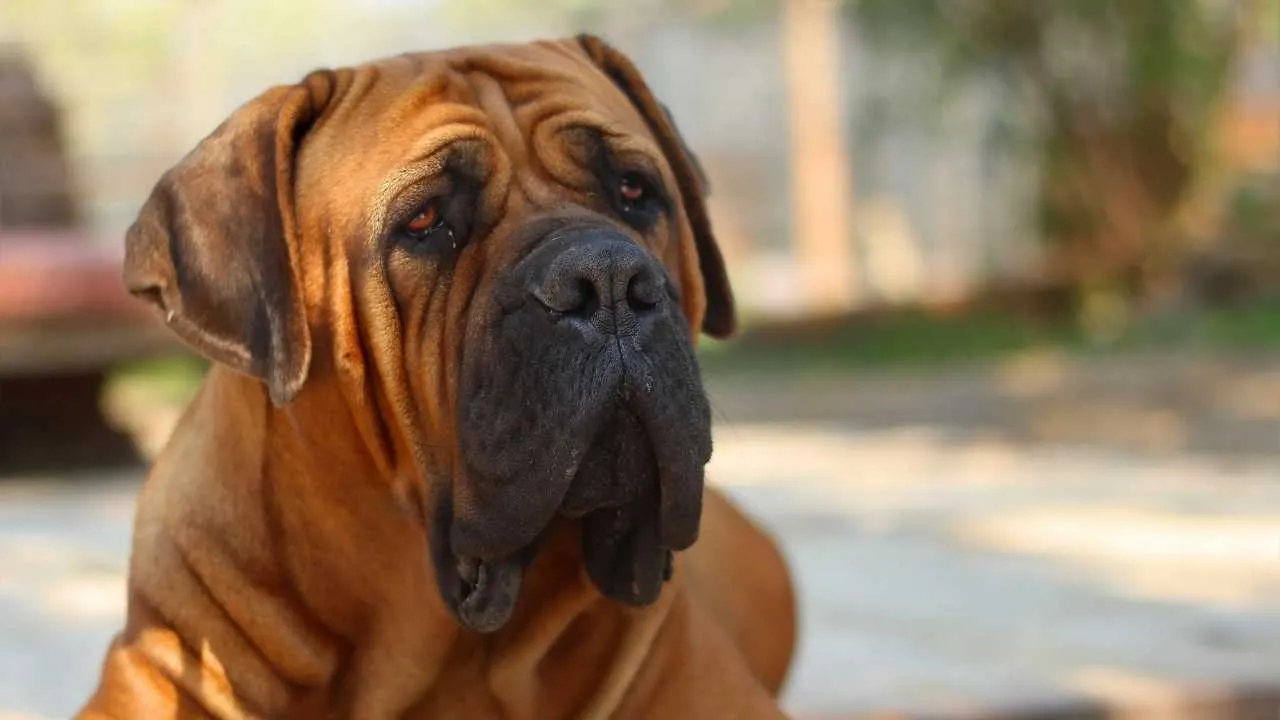
The Boerboel ranks among the best guard dogs for raw power alone, bred to protect farms from large predators. It earns the nickname bodyguard dog for good reason. The real cost is training commitment, since a dog this strong needs firm, early guidance.
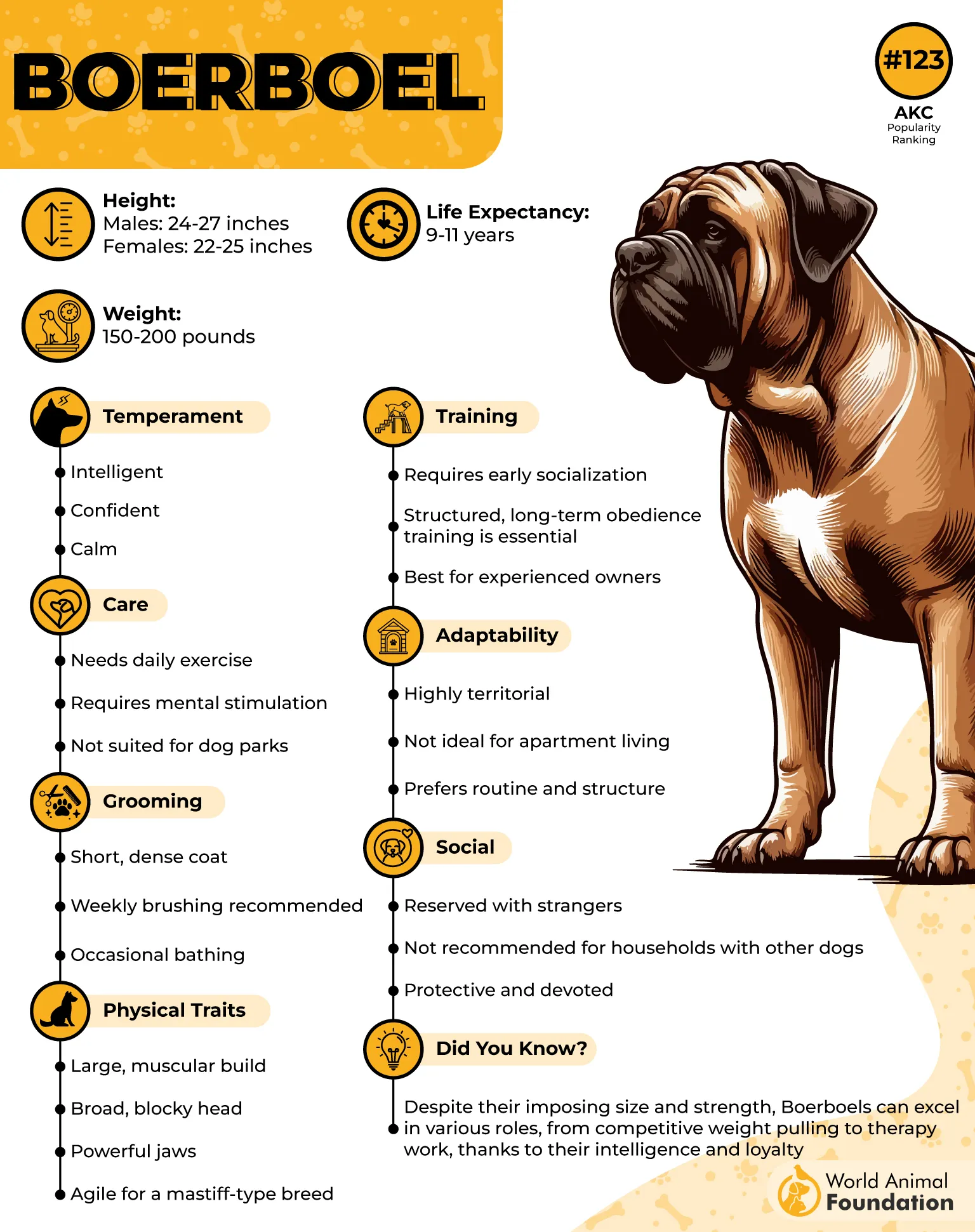
Coat care is simple, since its short coat needs only occasional brushing. Exercise stays moderate, fitting most active households without much fuss. Handler guidance is where this breed demands the most, since proper training and early socialization are non-negotiable.
Bark: Deep and rare, saved for genuine alerts.
Size: A powerful build made to physically deter threats.
Historical job: Bred in South Africa to guard homesteads against large predators.
This dog suits experienced owners with space and a firm hand, not first-time pet parents. The caution point is clear, since poor socialization can tip strong protective instincts into aggression. Properly trained, it becomes an intensely loyal protector.
7. Broholmer
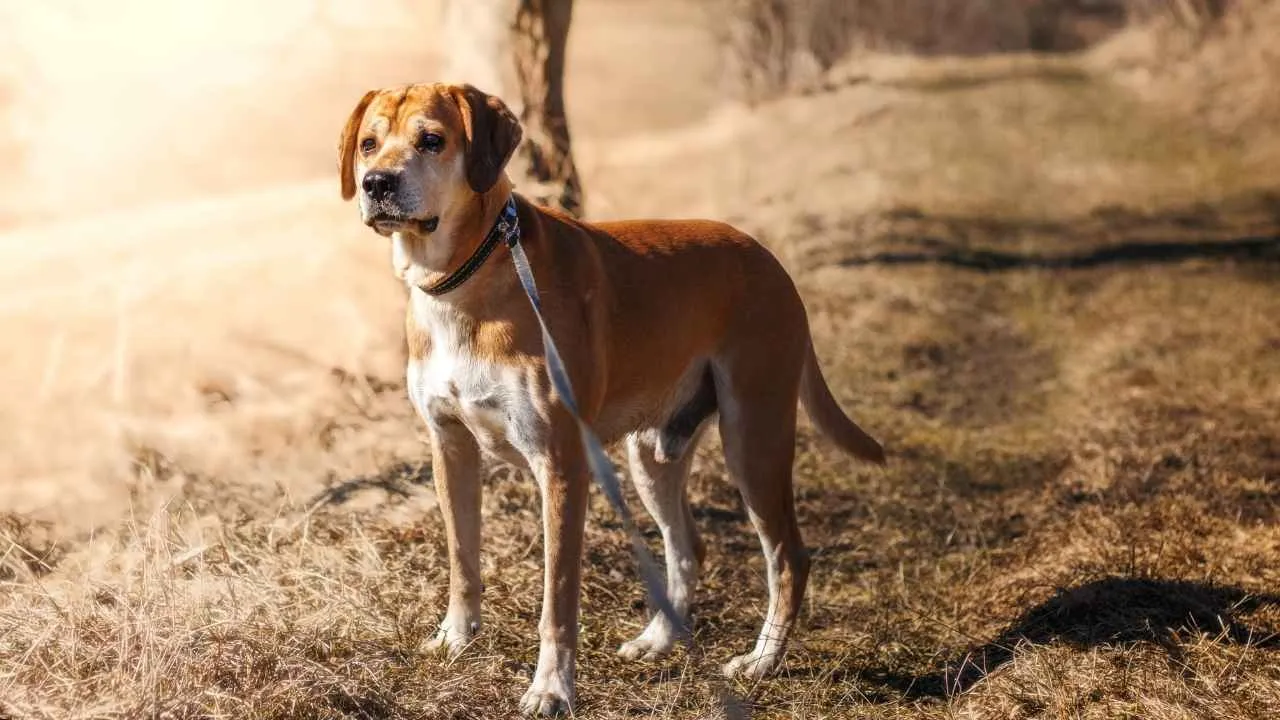
The Broholmer guards mainly through size and a calm, steady presence, not a hair-trigger temper. This Danish breed was originally bred to protect estates and farms. The cost stays low, since its short coat barely needs grooming.
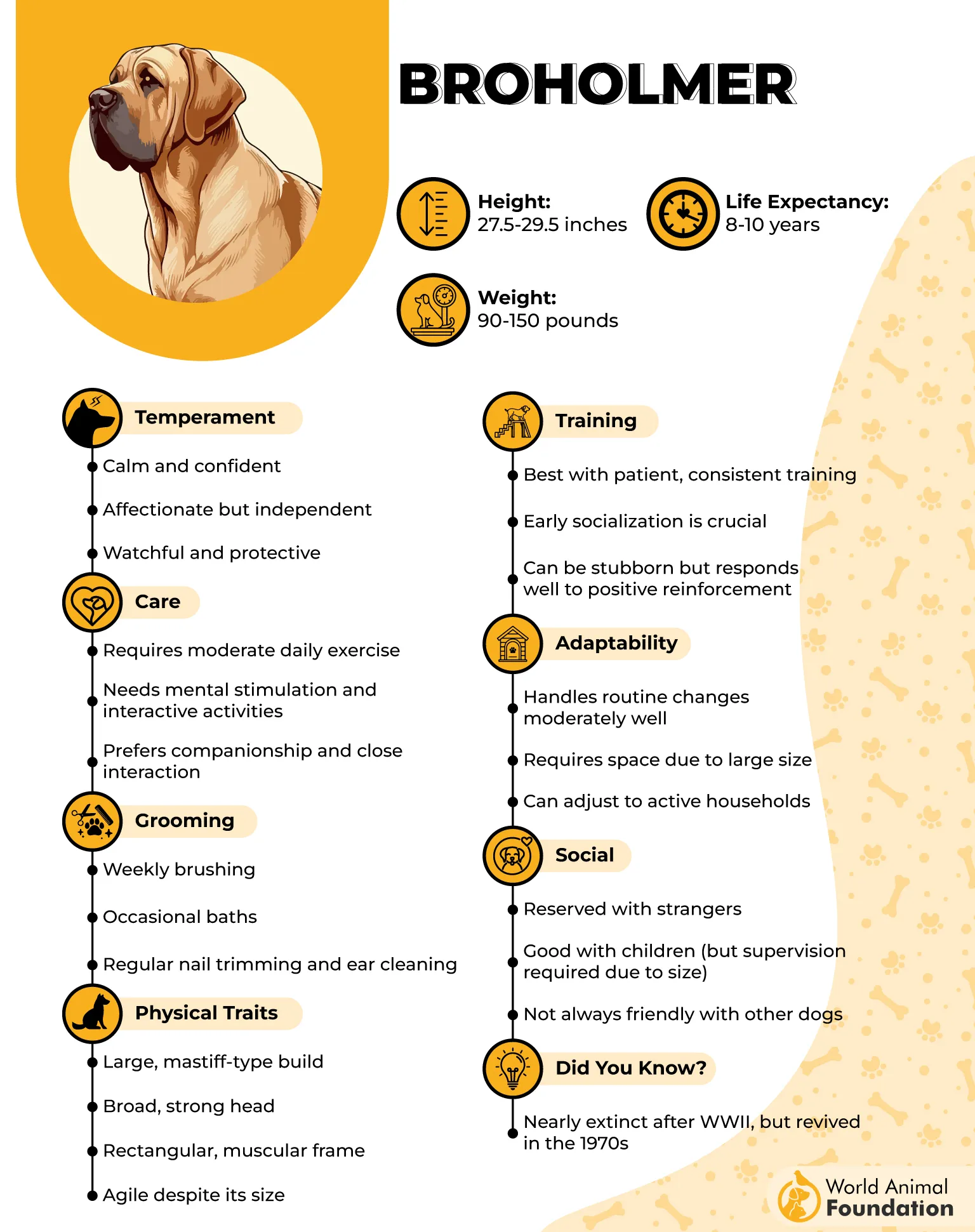
Coat care is nearly effortless, needing only occasional brushing. Exercise stays moderate, since this breed keeps a relaxed, calm nature most of the day. Handler guidance is light too, since it is highly trainable and eager to please.
Bark: Used sparingly, more warning than theatrics.
Size: A large, sturdy frame that discourages trouble on sight.
Historical job: Once guarded Danish estates, nearly lost before dedicated breeders revived it.
This dog suits families with space and a love for a gentle giant, not cramped homes. The one caution is slow maturity, since patience during puppy years pays off. Owners who invest early form deep bonds with a calm, trustworthy guardian.
Conclusion
Picking the right breed comes down to matching your energy, not just picking the most imposing presence on the list. Whether you lean toward the easy coat of a Great Dane or the quiet confidence of a Great Pyrenees, home protection does not have to mean exhausting upkeep.
Daily exercise, mental stimulation, and early socialization turn any of these seven into calm, affectionate family pets instead of just guard dogs with a long history. Ready to welcome a courageous, low-fuss protector into your home? Start researching breeders or rescues near you today.
