




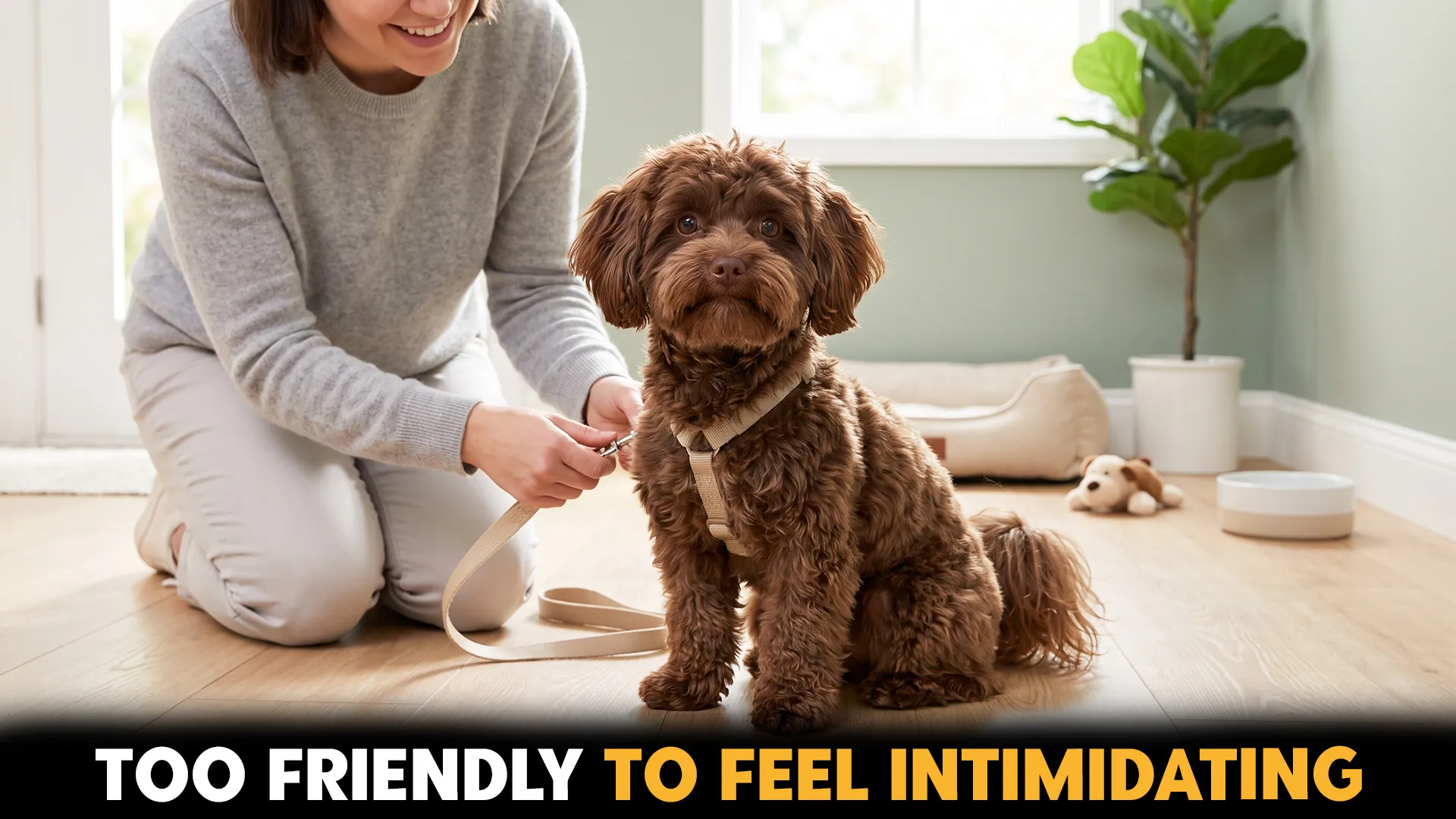
Adopting a puppy is an exciting moment. You picture a furry friend that accompanies you on walks, cuddles up by your side, and plays with you indoors. Then comes the reality check! This furry friend also requires a grooming budget, training, exercise, and attention.
A lot of the early months will be easier if you choose a dog breed that is a suitable match for your lifestyle.
There are friendly dogs that are eager-to-please. Some are independent, high-energy dogs, and others are sensitive and require more experience from their owners.
In other words, no dog is perfect for every new owner, but the right dog can make learning a fun experience.
If you’re seeking a friendly companion but don’t want to resort to professional grooming or having to hire a professional dog trainer, here are seven wonderful breeds to consider. Each breed has its own little charm as well as some needs to be aware of before adopting one.
Wonderful Dog Breeds Suited to First-Time Owners
1. Brussels Griffon
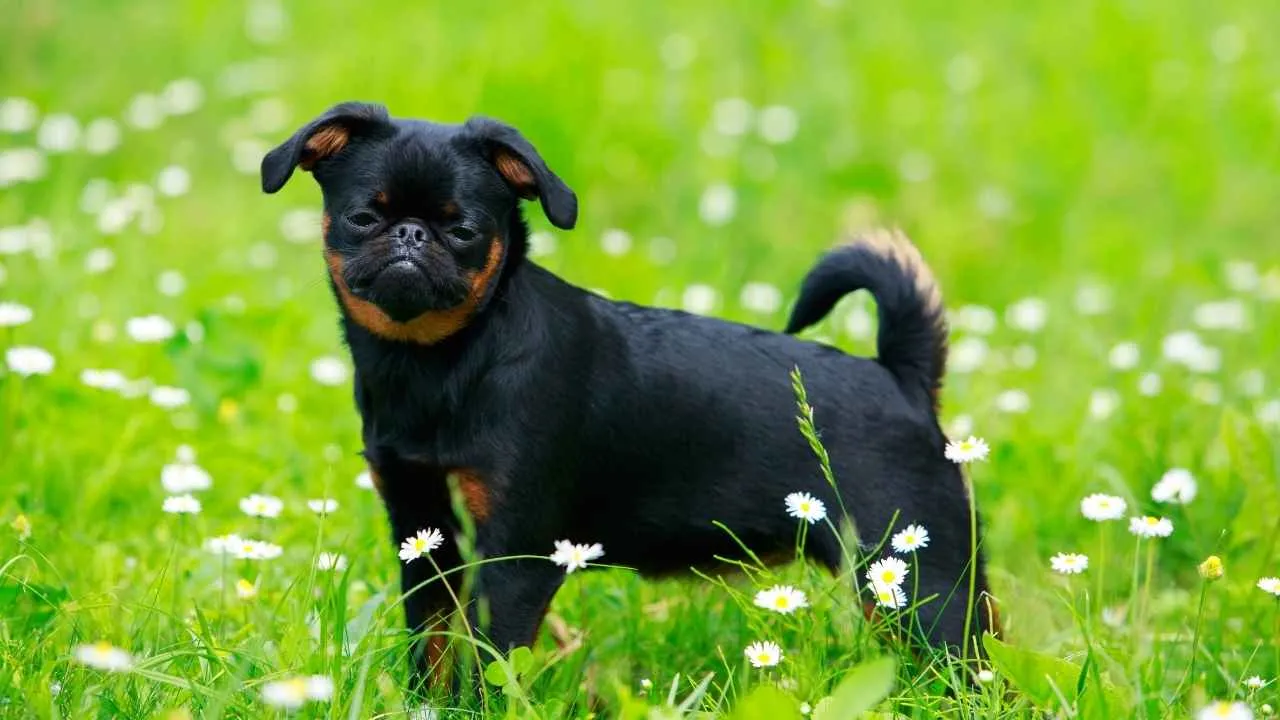
Although the Brussels Griffon is a small breed, it can make a big impression. This little pooch has an almost human-like face paired with expressive eyes, and an opinion on most things. It has a strong sense of companionship and likes to take part in its owner’s daily life.
The breed may be a good choice for a first-time owner who wishes to have a companion instead of a running partner. It needs to be satisfied with daily walks, indoor play, and some short training sessions. Basic obedience training is also fun, thanks to the Griffon’s intelligence, and positive reinforcement will pay off, as stated by Orvis.
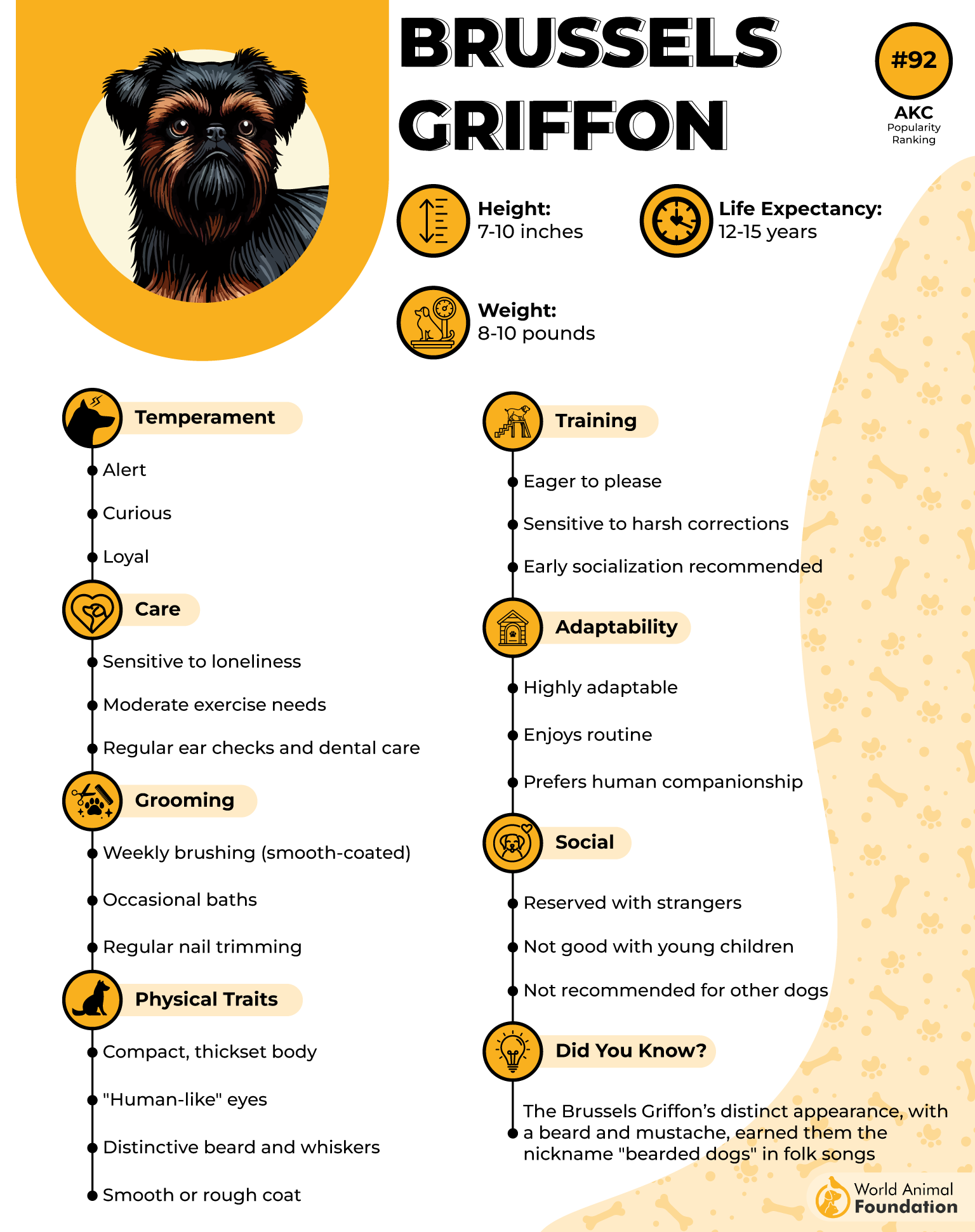
The one thing to keep in mind is that these dogs may crave attention and do not perform well when left alone for long periods of time. House training may also require patience, so it’s important to establish a routine from the start. Children should treat these dogs gently, as they cannot be played with roughly due to their size.
The type of Brussels Griffon (smooth or rough) determines the type of coat care. It is prone to requiring regular grooming, and hot or humid temperatures are uncomfortable for this breed due to its short muzzle. Offer a cool resting location and refrain from overexertion during hot weather.
The Brussels Griffon is a good choice if you’re looking for a small dog that has a big personality.
2. Border Terrier
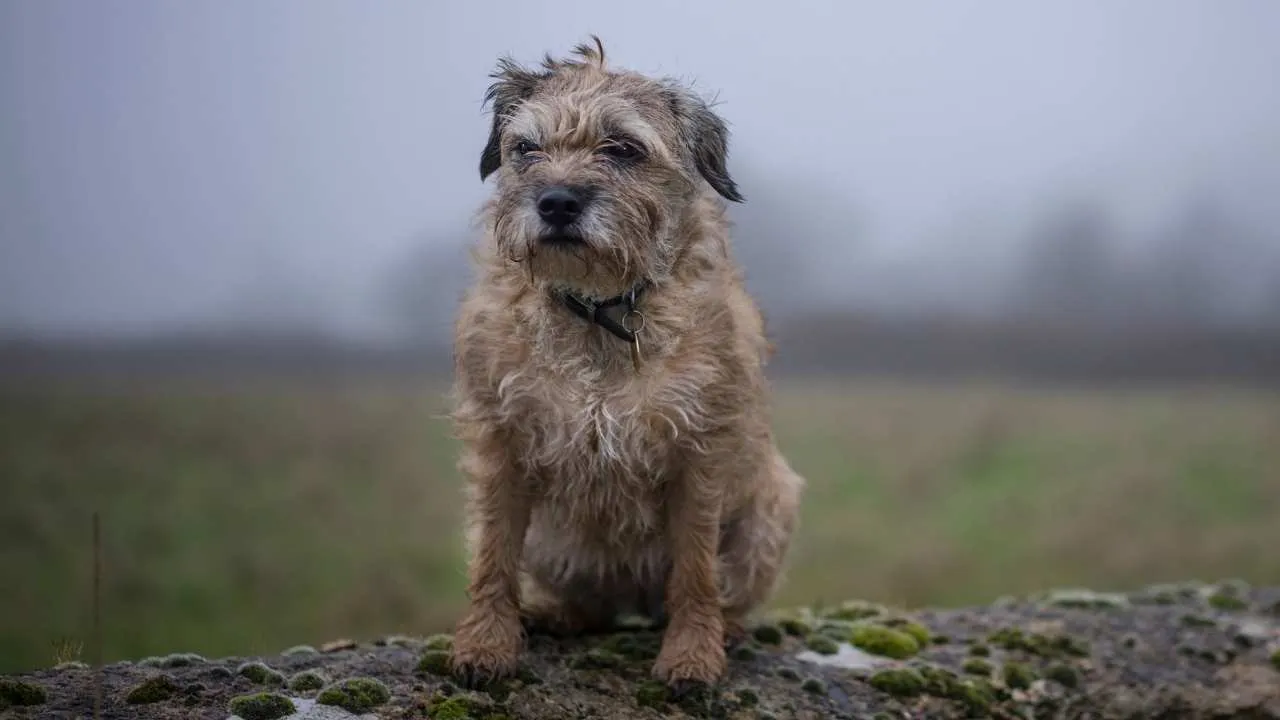
The Border Terrier is a great example of a small working, adventurous companion. Britannica notes that this plucky Terrier has a deep desire to explore and investigate. It was bred to hunt foxes in the countryside alongside the English and Scottish border.
These active dogs make perfect compact companions for active owners. Their home life is often loving, and time spent with families is always enjoyable. They have wiry coats which are fairly useful, but require regular brushing and more thorough grooming during the shedding season.
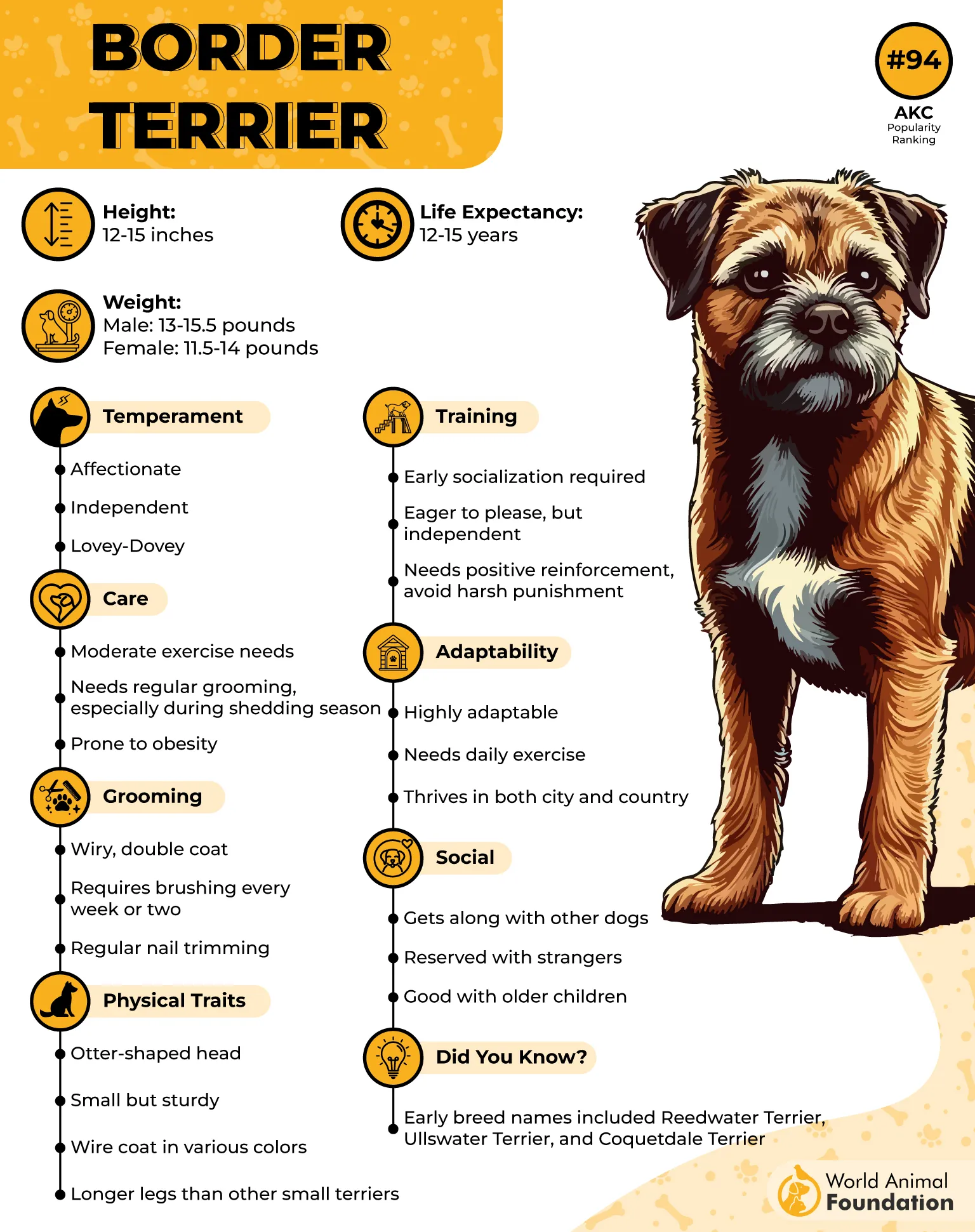
The Border Terrier can get distracted easily by small animals and other pets, so always assume recall training might not work reliably. Secure it with a leash in places that aren’t secure and use a fenced area for off-leash activities. This dog also resorts to digging, making it a surprise choice for anyone who prides themselves on having a clean garden.
The best training involves rewards for desired behavior. Scolding might be bad for this breed, and positive reinforcement is preferable.
A Border Terrier is not the most level-headed choice in this list, although it is a great dog to have if one wants an active companion that can rival the exercise needs of a larger dog.
3. Lowchen
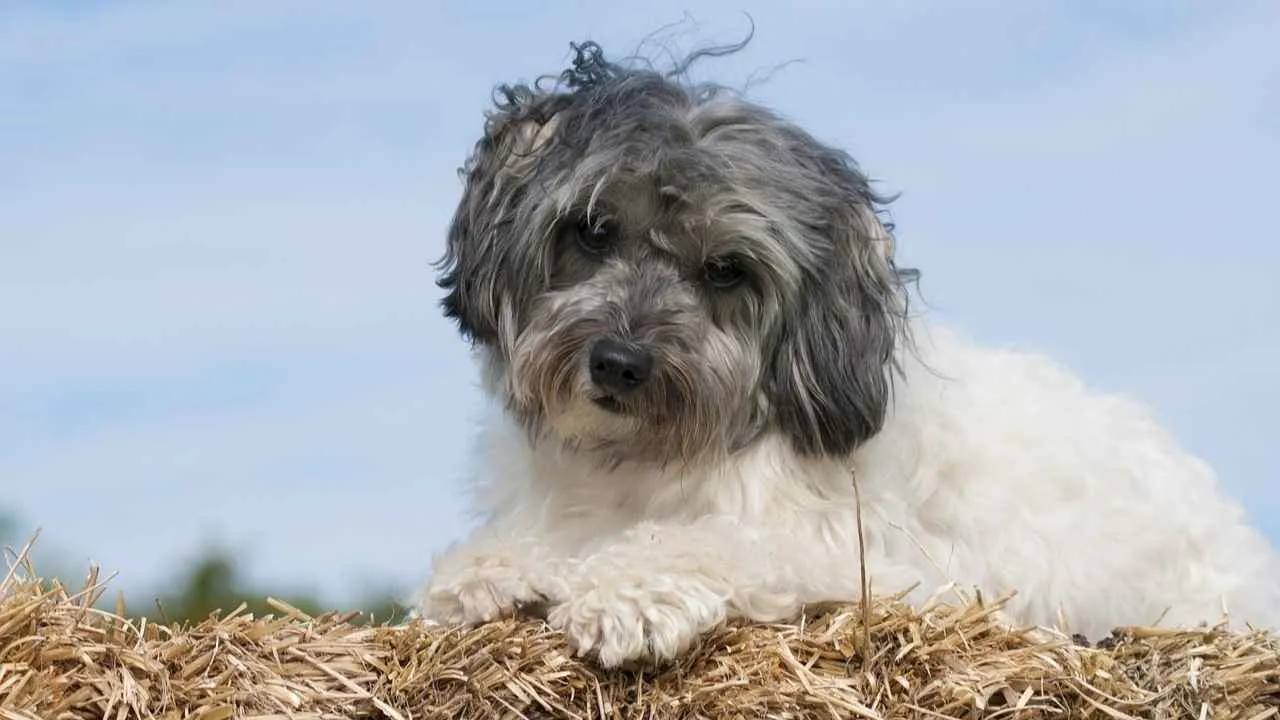
The Lowchen translates to “little lion,” and its traditional hairstyle certainly doesn’t disappoint. However, underneath its striking mane, lies a happy dog that is cheerful, playful, and willing to enjoy itself in family life.
This small breed tends to love playtime and relaxation. It may be a suitable choice for beginners. It is intelligent and quick to learn, but is stubborn at times. Regular training and rewards make it possible to harness this breed’s self-confidence positively.
The Lowchen doesn’t require much living space. It loves walking, playing games, and having the chance to explore its environment. Its exercise needs are minimal, although it does require attention in the grooming department.
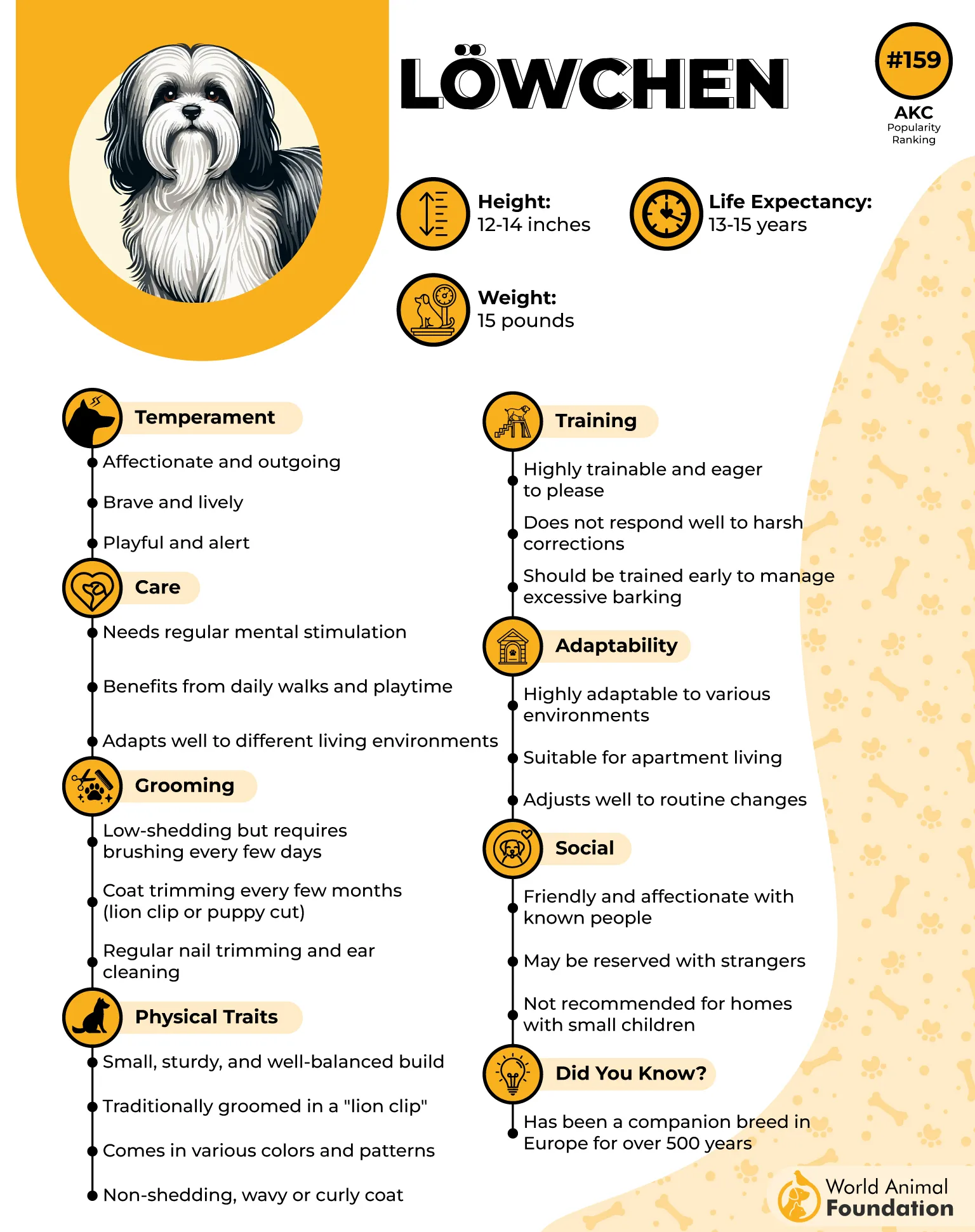
This could be anything from its normal lion cut to a more useful cut, but regular brushing is required to avoid matting. Consider how much time you can spend grooming this breed before you decide to make it a part of your life.
Lowchens tend to be less popular than some breeds, and finding a responsible breeder can be a challenge. Please inquire about proper health testing before choosing to adopt this breed.
4. Havanese
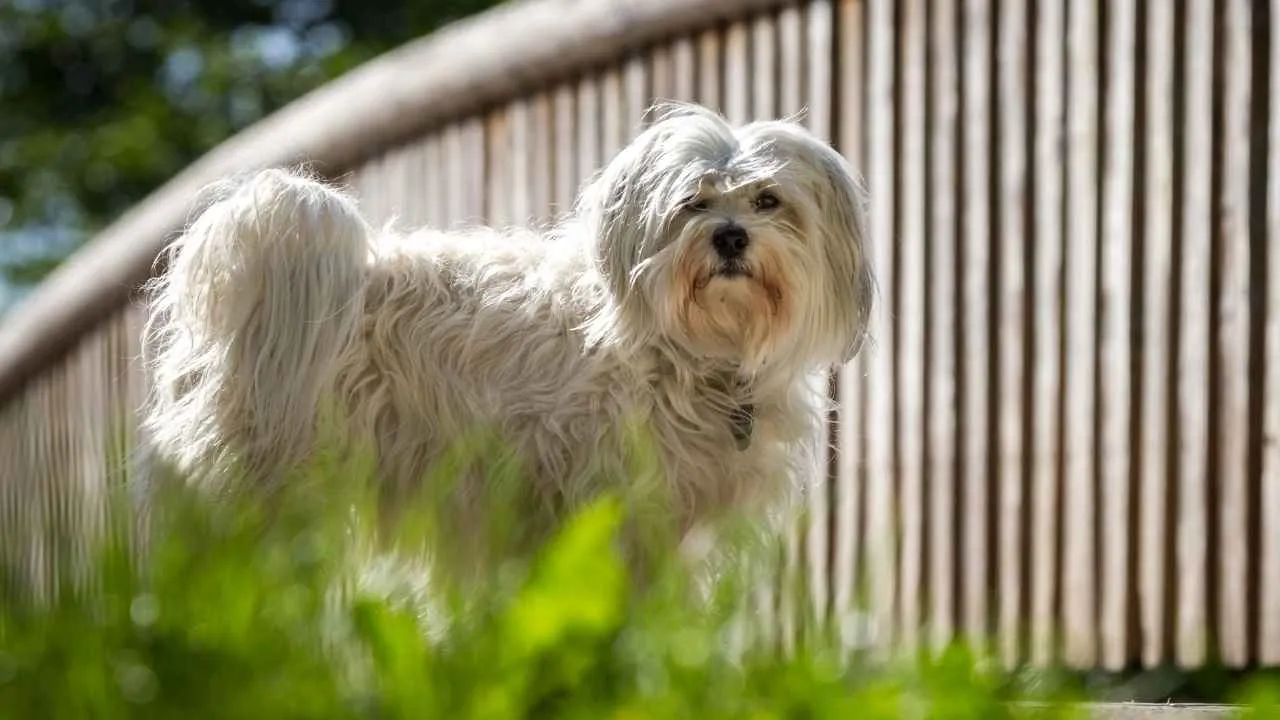
The Havanese is an affectionate little dog with a sunny personality. It has a playful temperament and is Cuba’s native dog breed. The Havanese is friendly, learns tricks easily, and is happy to spend the whole day with its family.
They don’t require a specific type of living space, as they are easily adaptable to any home, as long as they get daily walks and play. They’re smart and sometimes respond to rewards for training. This can make learning lessons feel more like games than challenges.
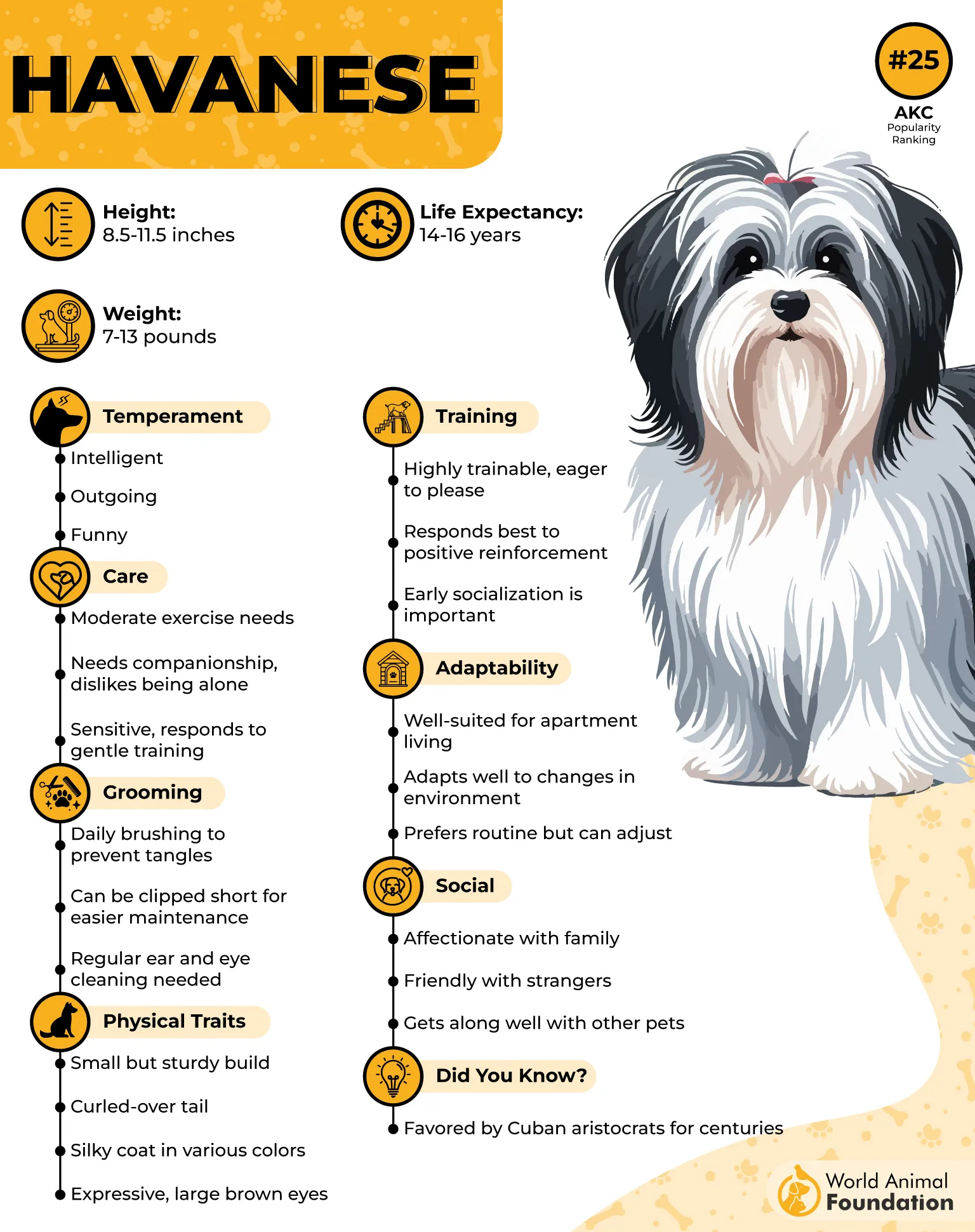
It’s true that the Havanese is a social breed. If you are on the road a lot, consider how you will fill this need. Slowly introduce the dog to extended periods of alone time, and while this training tip is helpful, it can be challenging due to how people-oriented the breed is.
It also has a very smooth coat that needs to be taken care of. Brushing is important for a long coat, as it can easily get matted, and for a shorter coat, it’s simpler to maintain. Its ears should be checked, and the area around its eyes should be cleaned, as part of its grooming.
The Havanese may be a nice first dog for those who want a companion that can interact with them and have time to make it a part of their daily life.
5. Pug
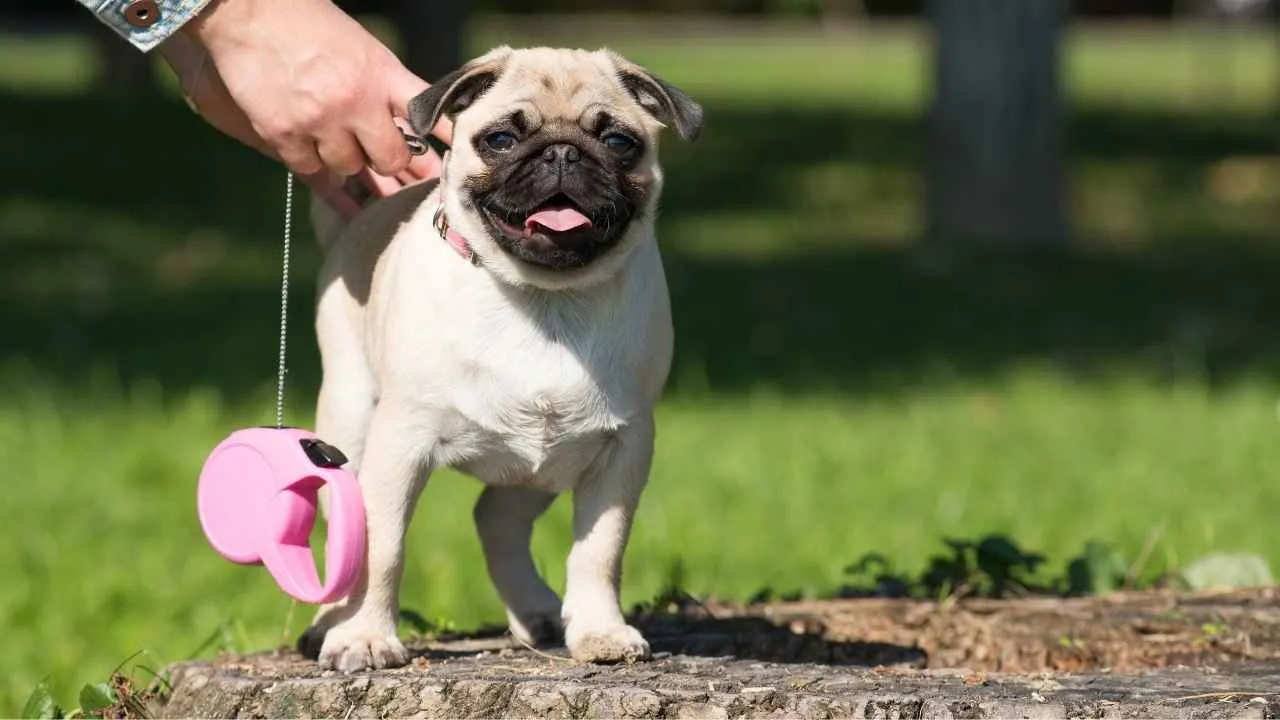
Pugs are good entertainers. They are also great to be around, with their expressive eyes, playful demeanors, and affection for people. Called people pleasers by PetMD, they have been popular companion dogs for centuries. Many follow their owners around the house and will enjoy gentle games and comfortable rests.
Pugs are beginner-friendly dogs because they don’t require a lot of exercise as compared to breeds with moderate exercise needs. They are also trainable, particularly if you use food to motivate them and make training a positive experience.
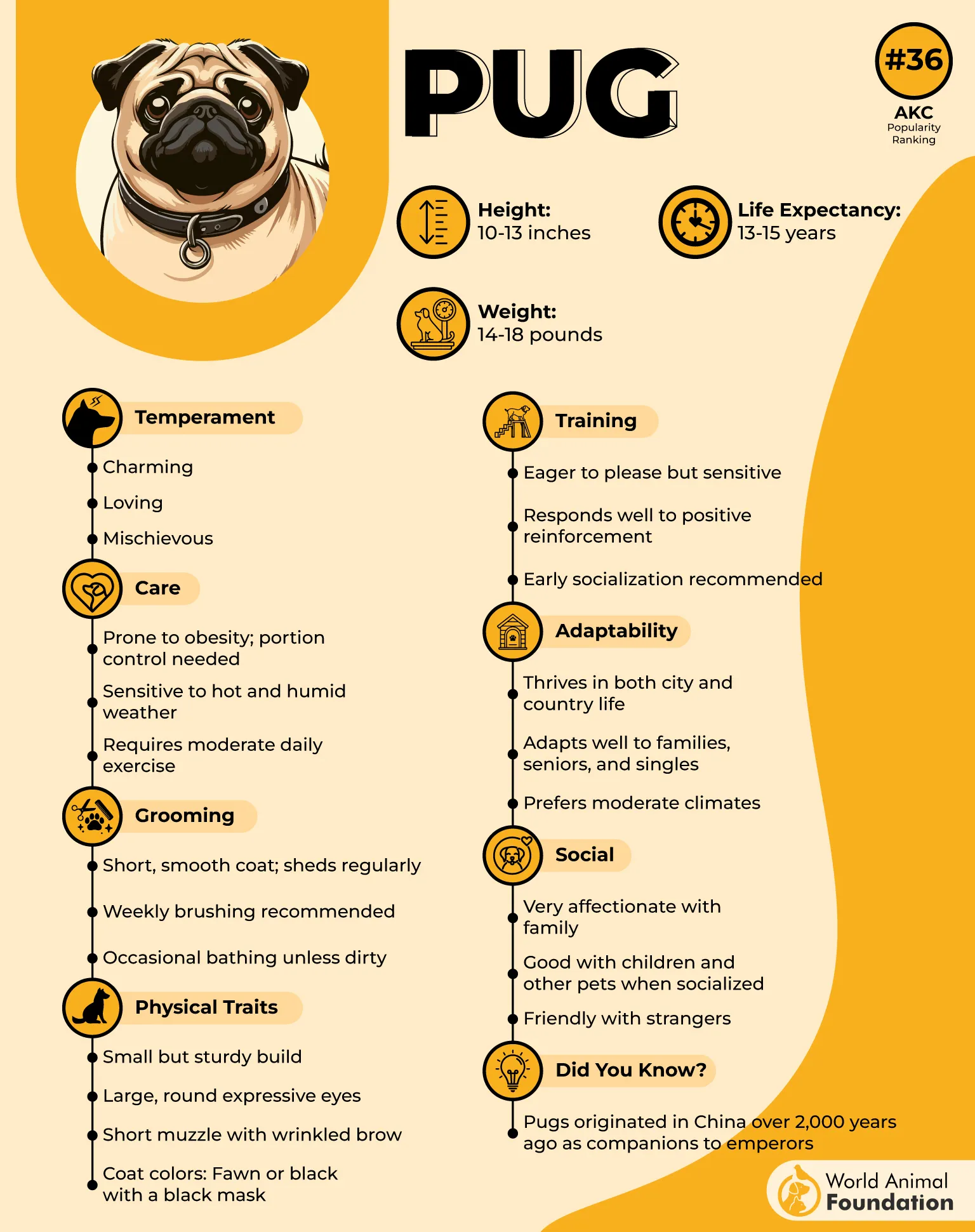
But their health must be taken into account. Pugs are bred with a short muzzle, making it difficult to breathe and manage their body temperature. Exercise may be dangerous in hot or humid weather; it should be moderate, and owners need to be aware of their breathing.
Pugs are also known for their love of food, so it’s essential to keep a close eye on how much they eat. Keeping them at a healthy weight will lessen extra stress on their joints and breathing. They have to receive regular veterinary professional help, especially for their eyes and breathing issues.
The Pug is a loving, comical dog and is a good choice for someone willing to deal with the breed’s health issues.
6. Bolognese
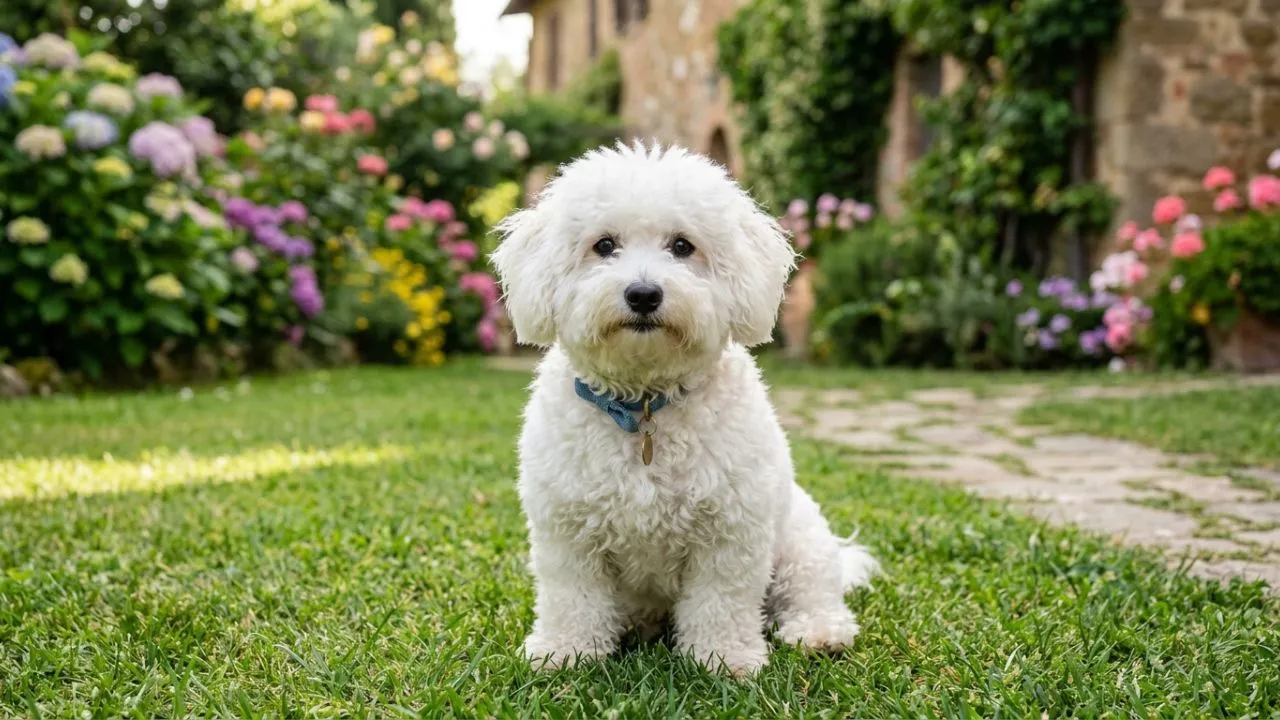
The Bolognese is a small, white, companion dog from Bologna, Italy. Don’t be fooled by its cuddly demeanor. This is a breed that is happy with a moderate amount of activity, including gentle walks and playtime with its humans.
Bolognese dogs are usually loving and loyal. They make great companions for first-time owners who want a breed that will be close by instead of one bred for work. Their compactness may be manageable, but they require simple training, early socialization, and grooming.
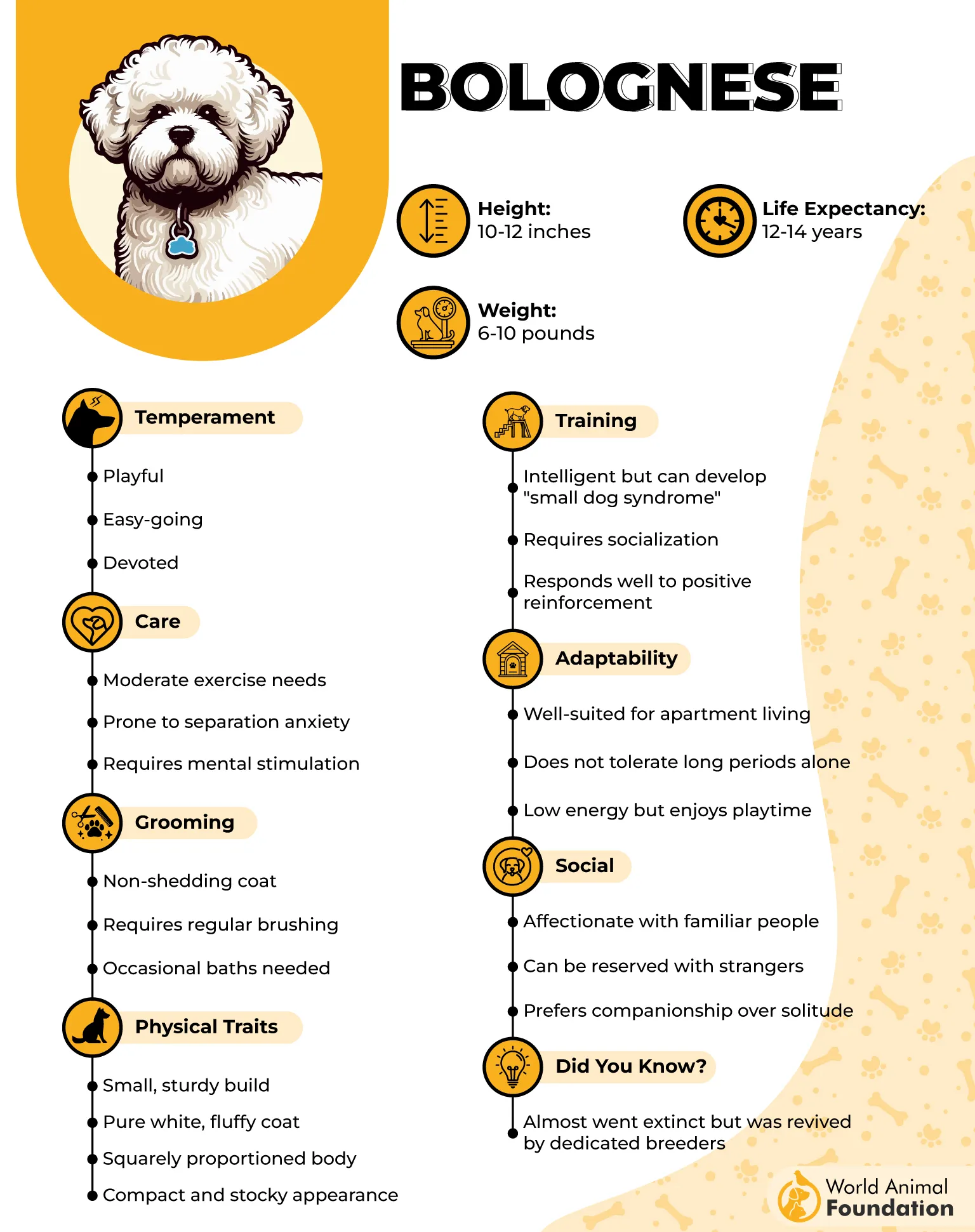
A key thing to remember as a new owner is not to skip training this small dog. Training your Bolognese to walk on a leash, to sit when requested, and to be content with being introduced to new people can help it address common behavior problems later.
Many of the important aspects of this breed involve its coat. It has white, fluffy hair that should be brushed regularly as it tends to tangle and mat. Grooming helps check for any issues with the skin, paws, or ears of this breed.
Choose this breed if you’re looking for a little dog that’s calm and people-friendly.
7. Cavalier King Charles Spaniel
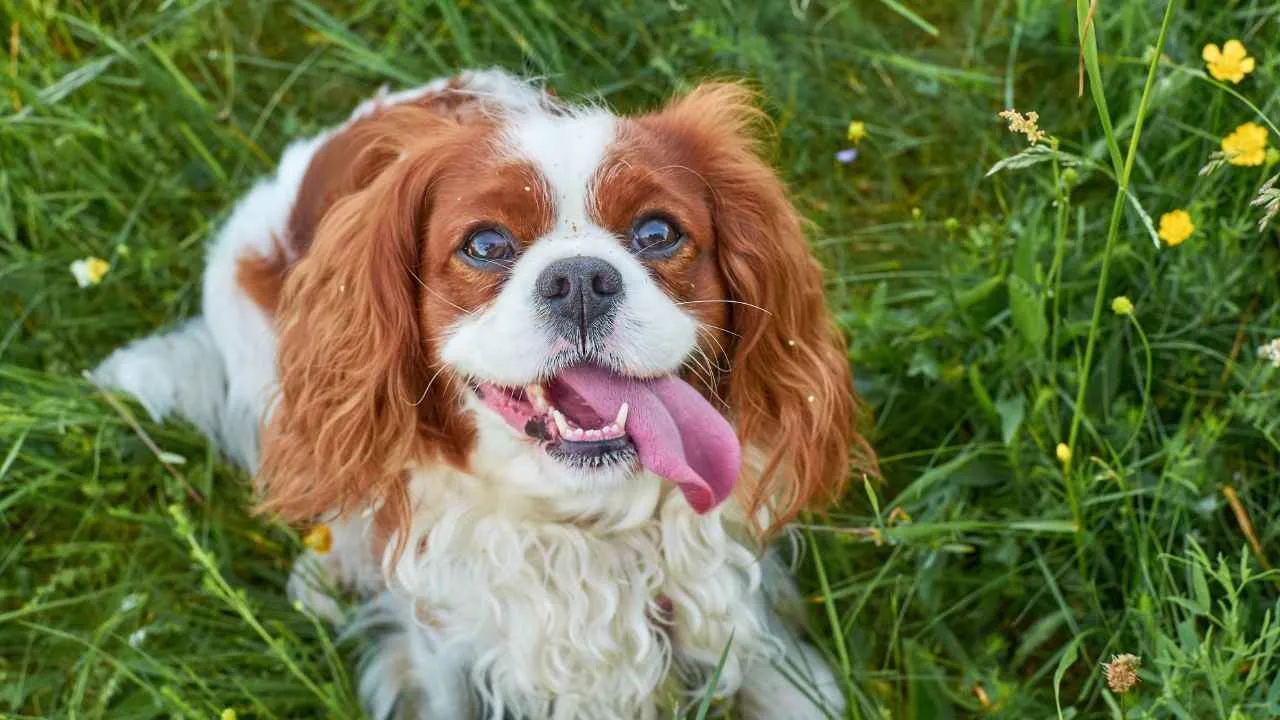
The Cavalier King Charles Spaniel is kind and curious, while also being playful. It is affectionate and likes to spend time with its family, opting for casual strolls beside its owners, or cuddling up side by side after a long day.
They are also very flexible dogs and work well for novice owners. Cavaliers require physical exercise, but not necessarily strenuous exercise. They’re also very receptive to gentle teaching, so positive reinforcement always works well.
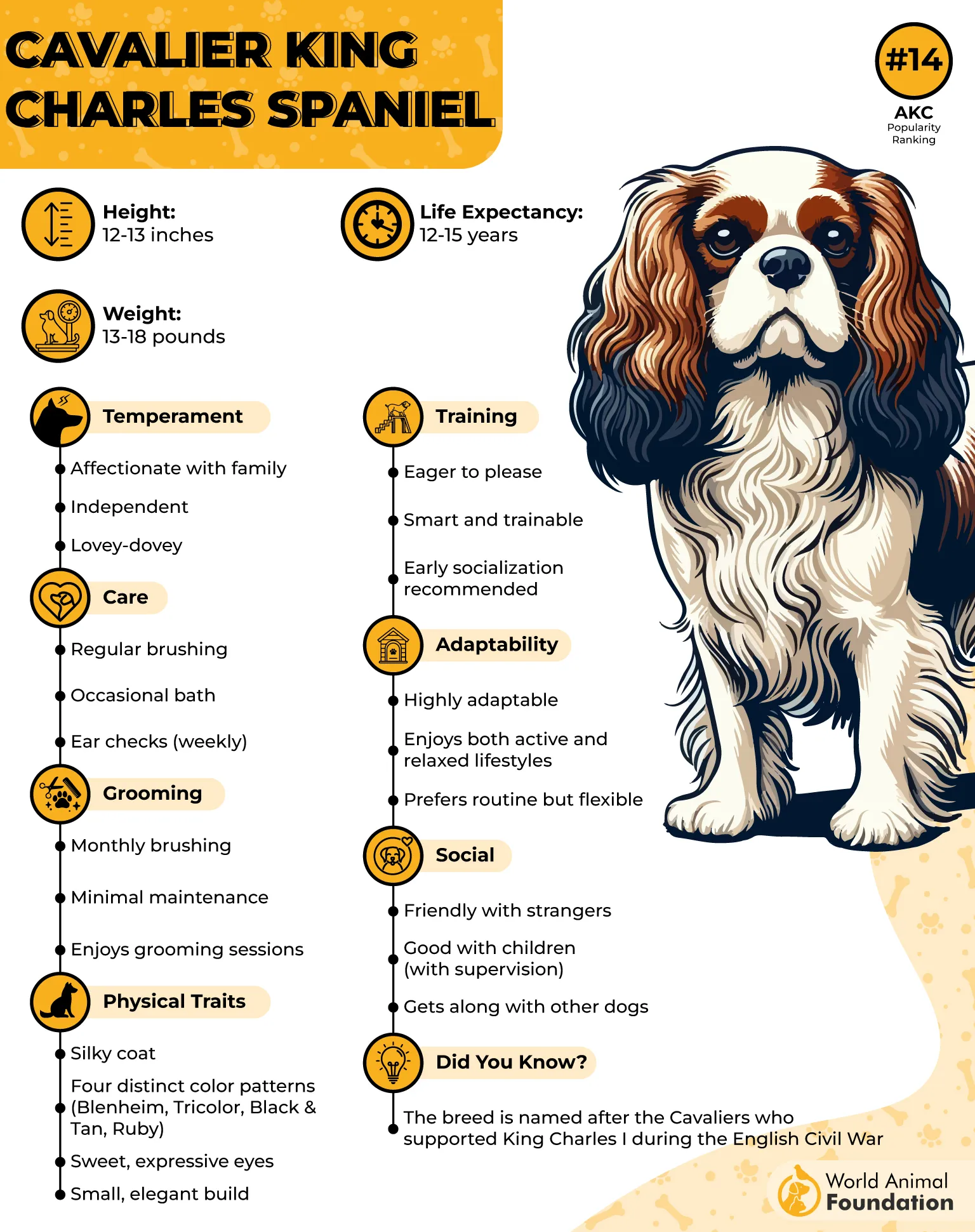
They are Spaniels, which means they follow interesting smells outside, so learning to recall and keeping them on a leash is necessary. Children should be taught to treat them with care, and all interactions should be supervised as necessary.
Regular brushing is required for the Cavalier’s silky coat to prevent tangling, especially around the ears and in feathered areas. Most importantly, any potential owner should be aware of any health issues this breed may inherit.
The Cavalier is a loving dog that can become a lifelong companion with the right owner.
Conclusion
You don’t have to know it all before you adopt your first dog. However, you must find a companion that fits your routine and lifestyle. If you enjoy training and outdoor adventures, a lively Terrier might be a better fit. If you prefer quiet evenings inside, a sociable lapdog is more appropriate.
A joyful experience with your first dog is possible if you have realistic expectations, are patient, and take the course of building trust, day by day. Even the tiniest of daily moments can be the most special with the right breed.
