




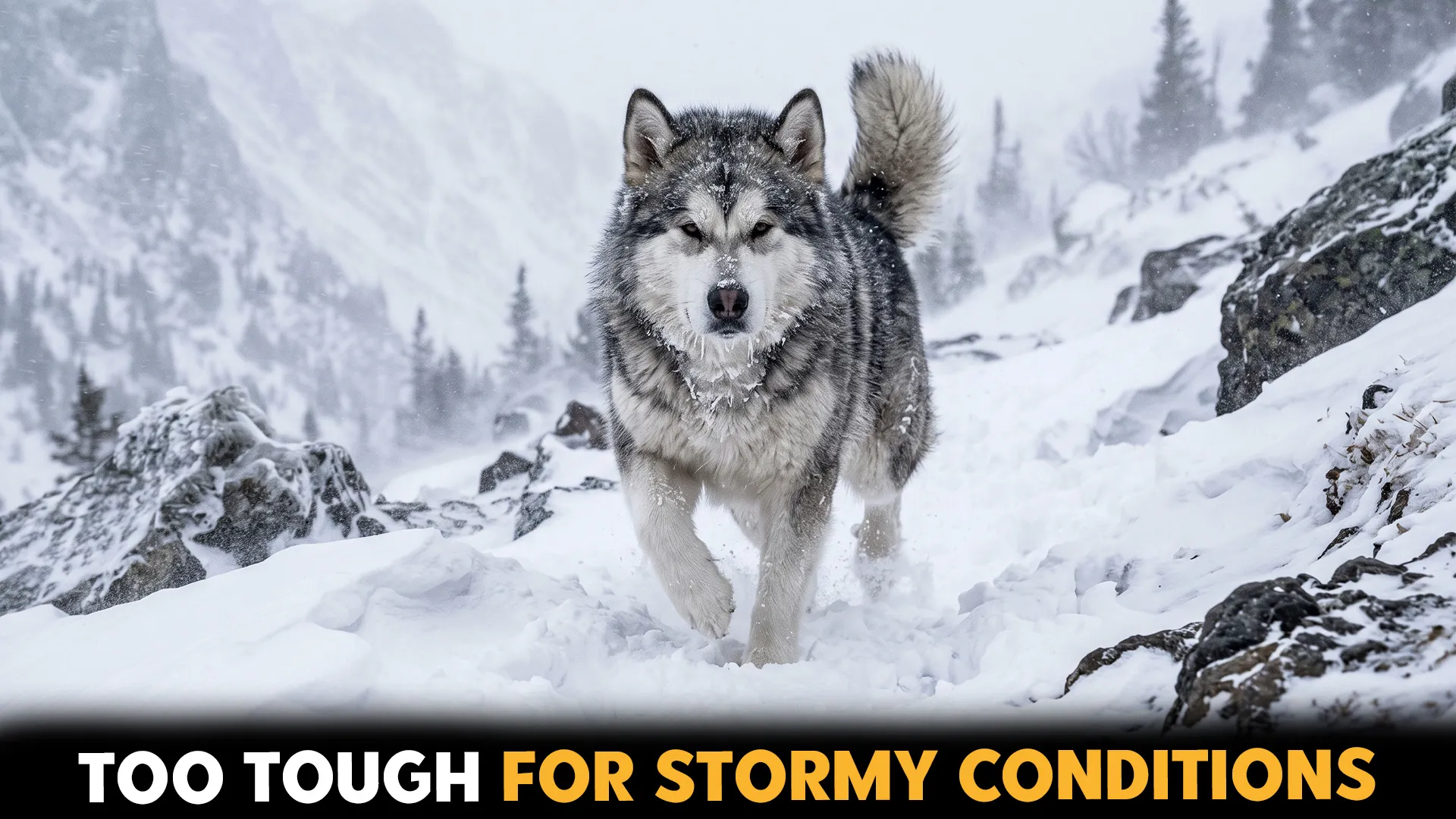
From icy landscapes to sun-baked terrain, some dogs have physical traits and working histories that help them cope with challenging climates. Generations of selective breeding shaped these resilient companions for tasks such as pulling sleds, herding livestock, and guarding animals in demanding environments.
However, weather tolerance varies by breed, coat, health, and individual needs. Even hardy dogs require proper shelter, fresh water, appropriate exercise, and protection from dangerous temperatures.
Discover 10 dog breeds known for their ability to handle challenging weather conditions and learn how their distinctive characteristics help them adapt to different environments.
Top Dog Breeds That Can Handle Extreme Weather Conditions
1. Rhodesian Ridgeback
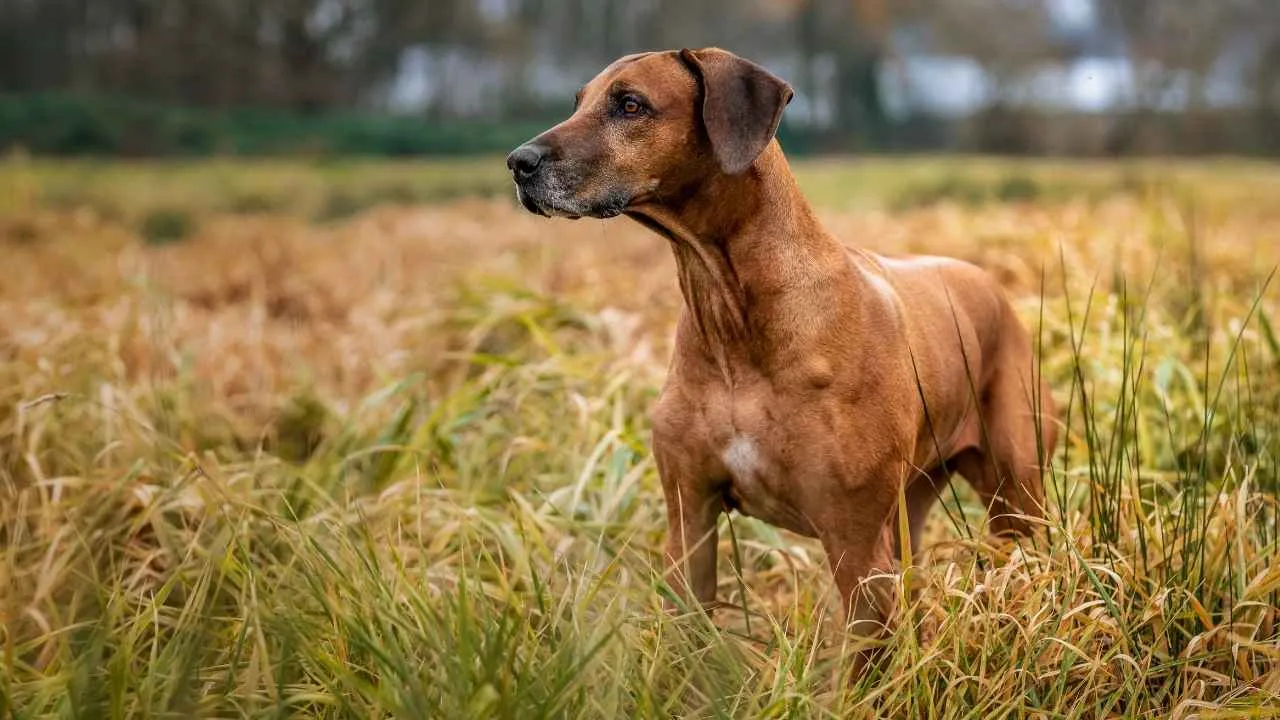
Developed in southern Africa for tracking and confronting large game, the Rhodesian Ridgeback is a powerful athlete with qualities suited to active outdoor pursuits. Its sleek, short coat offers practical advantages in warm climates, while its muscular frame supports endurance during long treks and tracking work.
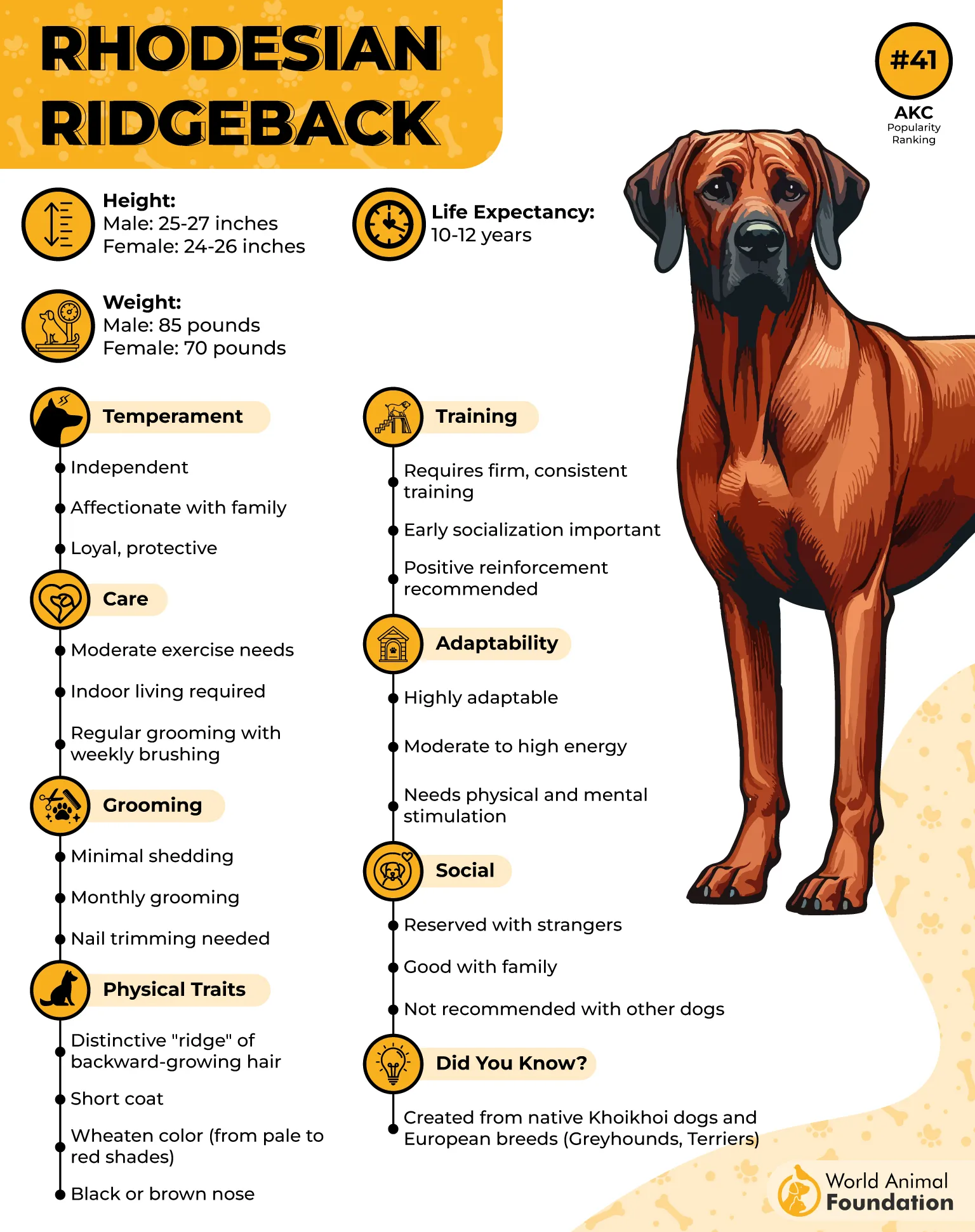
Unlike heavily coated breeds, the Ridgeback has a smooth, single-layer coat that requires little grooming. According to PDSA, Rhodesian Ridgebacks require minimal grooming because of their short coats, and a weekly brushing is usually sufficient to remove loose hair and maintain their coat.
Its athletic stride and sturdy paw pads help it move efficiently across varied terrain, although hot weather still calls for shade, fresh water, and carefully timed exercise.
Beyond its physical abilities, this breed is known for independence, loyalty, and a protective nature. Early training and consistent guidance are important, particularly because its strength and prey drive can challenge inexperienced owners.
2. Norwegian Elkhound
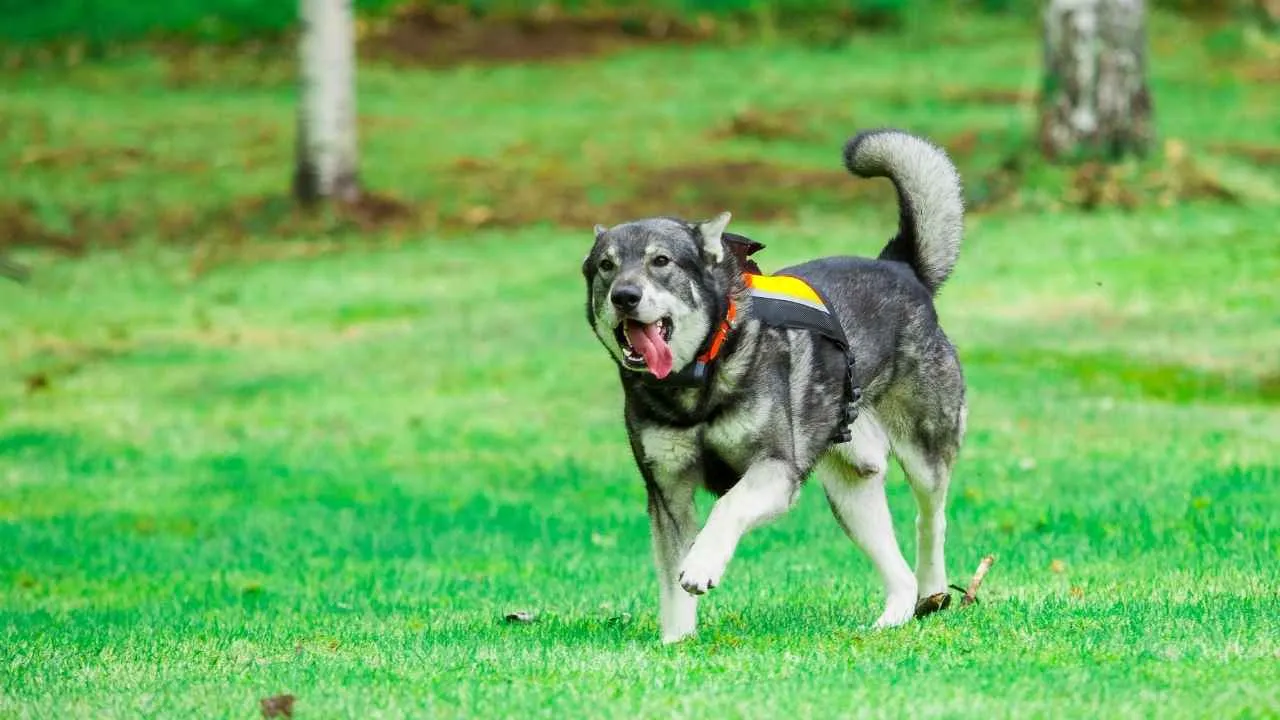
With roots stretching back thousands of years, the Norwegian Elkhound developed to track large game across the forests of Scandinavia. Its sturdy build, alert expression, and confident nature reflect a working heritage shaped by demanding northern conditions.
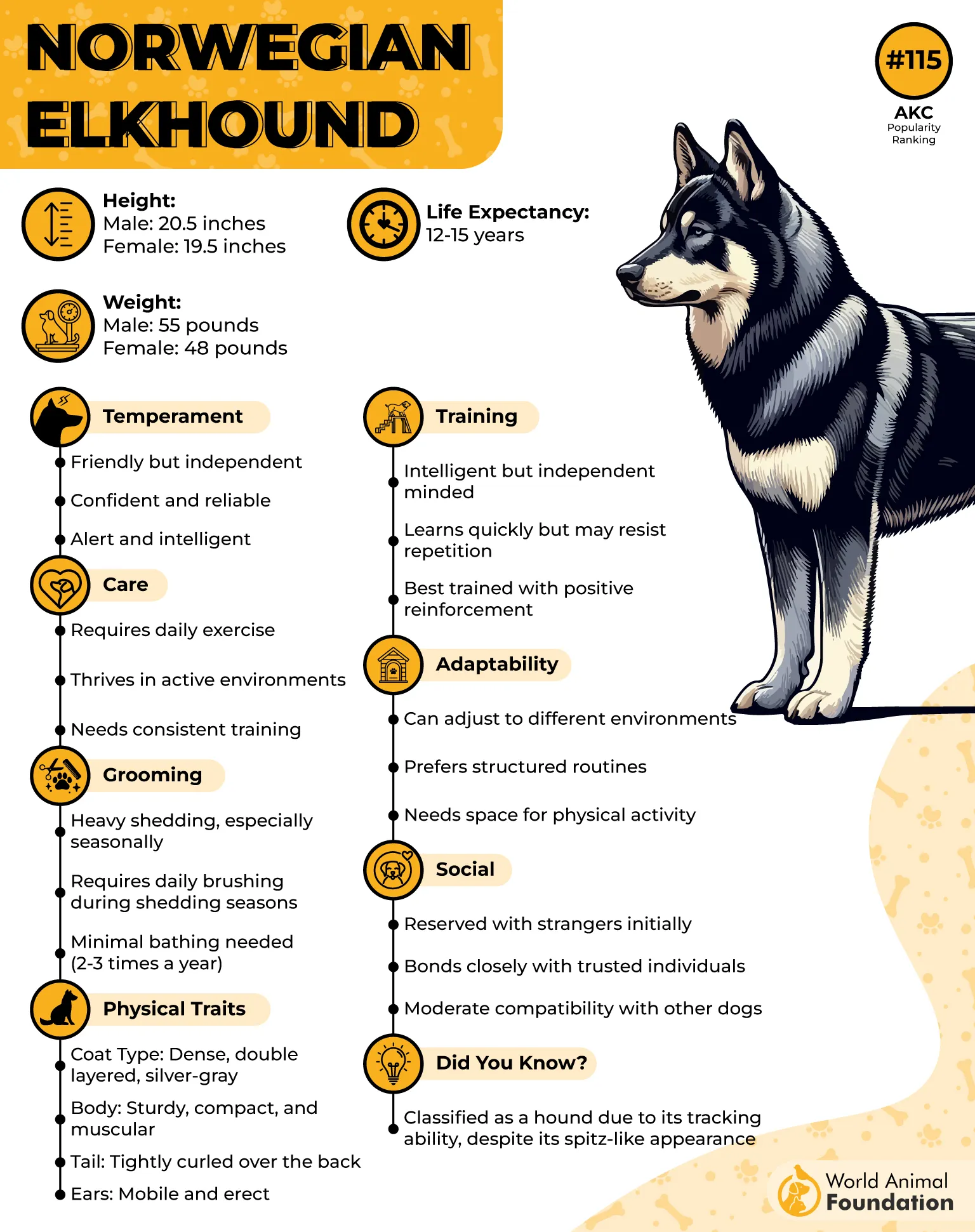
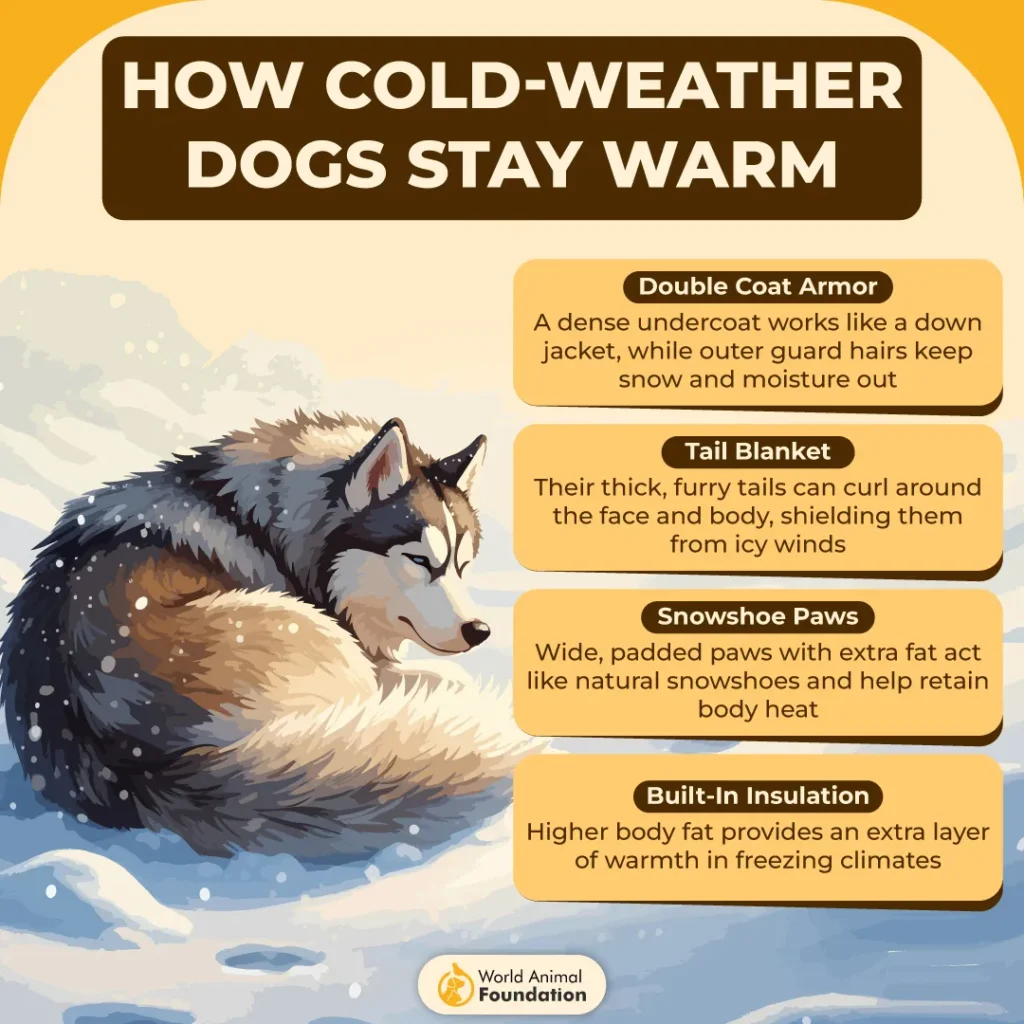
The breed’s dense double coat provides insulation against cold weather, while its outer layer helps shed moisture, mud, and ice. Compact proportions and strong legs support sustained movement over rugged terrain, making the Elkhound well suited to outdoor adventures in chilly climates.
According to Omlet, they have strong protective instincts toward their loved ones and consider themselves an integral part of the family.
Beyond its weather-ready coat, this intelligent dog makes an attentive watchdog and devoted companion. Its independent hunting instincts can complicate training, so consistent guidance is essential. Keep it leashed outside secure areas, as its curiosity and desire to roam can take over.
3. Dogo Argentino
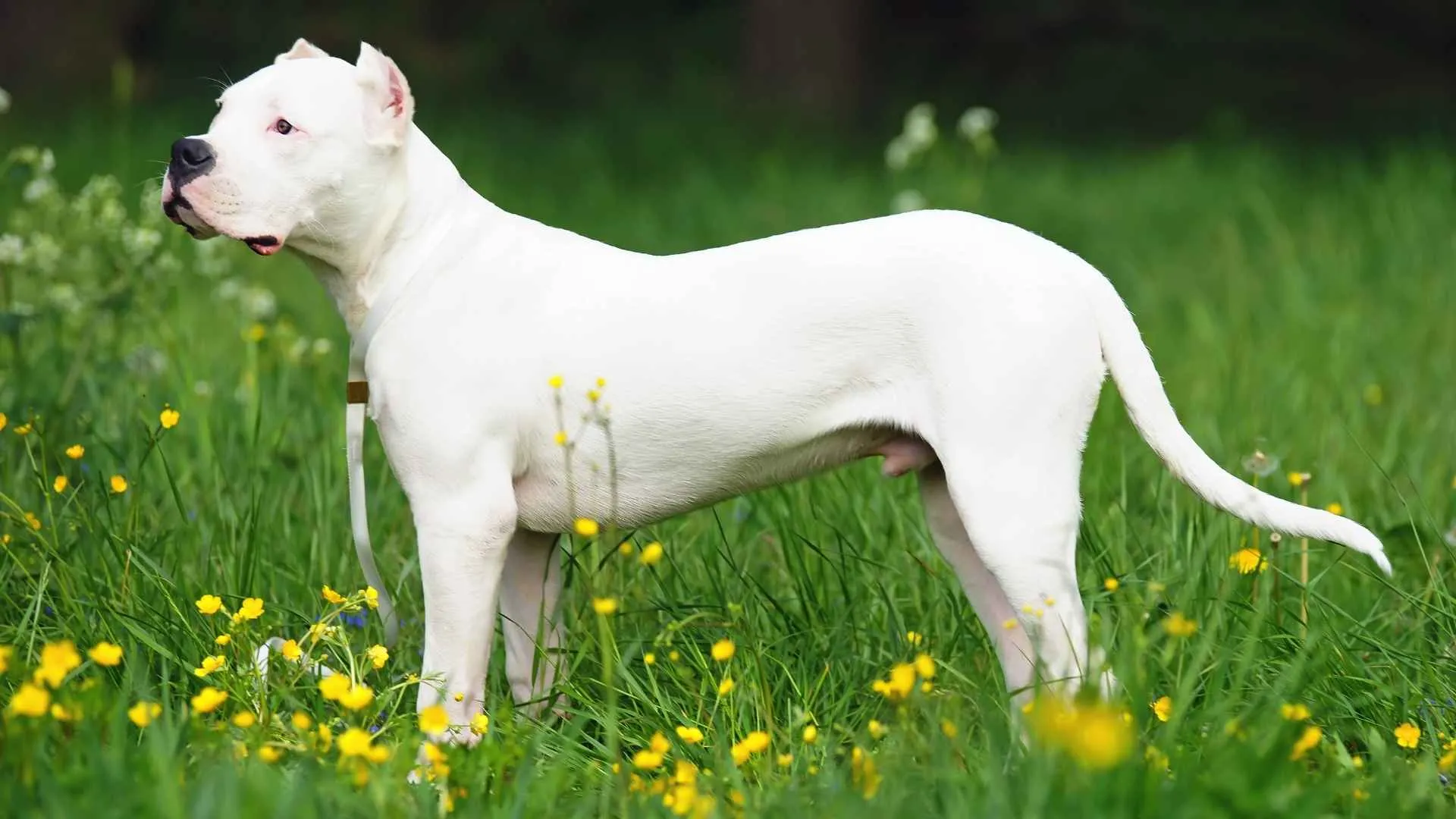
Developed in Argentina for pursuing powerful game such as wild boar and puma, the Dogo Argentino combines speed, courage, and impressive physical strength. Its athletic frame and strong lungs support demanding activity, while its alert intelligence reflects its working-dog heritage.
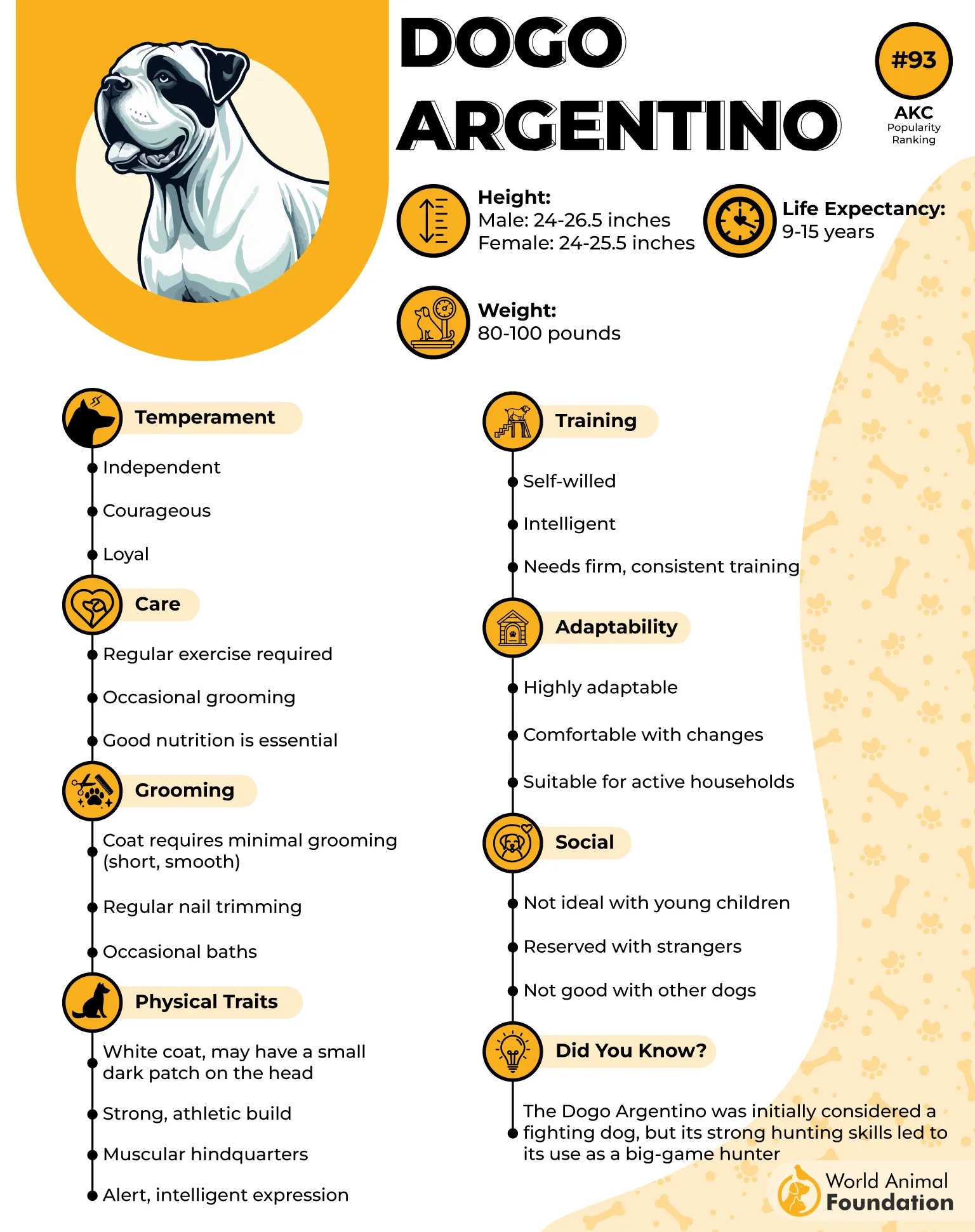
The breed’s signature short, smooth, white coat is easy to maintain and may help reflect sunlight. However, a light coat does not make it immune to heat, so outdoor exercise should be adjusted during hot weather, with plenty of shade and fresh water available.
Dogo Argentinos are deeply loyal but need substantial activity, early socialization, and consistent training. Their strength and prey drive make them better suited to experienced owners who can provide firm, responsible guidance. Potential owners should also be aware of possible hearing problems.
4. Estrela Mountain Dog
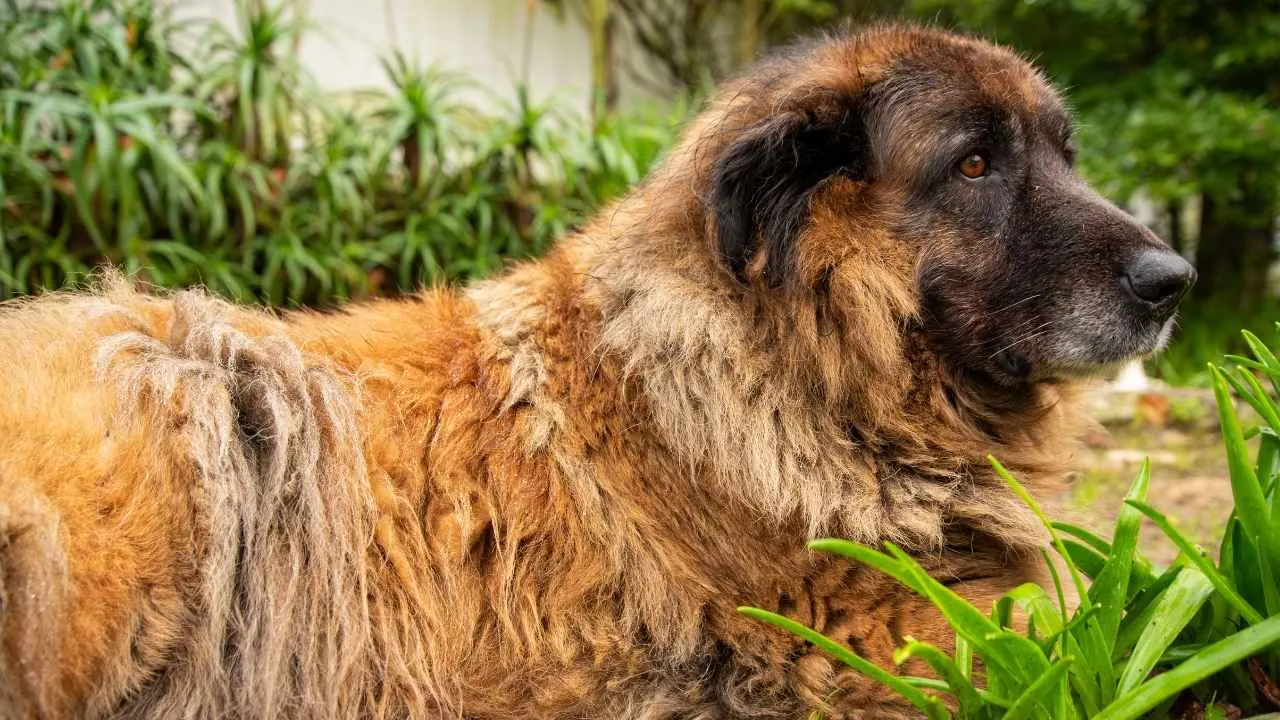
Originating in Portugal’s rugged Estrela Mountains, this powerful livestock guardian was developed to protect flocks from predators and watch over rural homes. Despite its imposing presence, the breed forms deep family bonds and can be affectionate and gentle with familiar children.
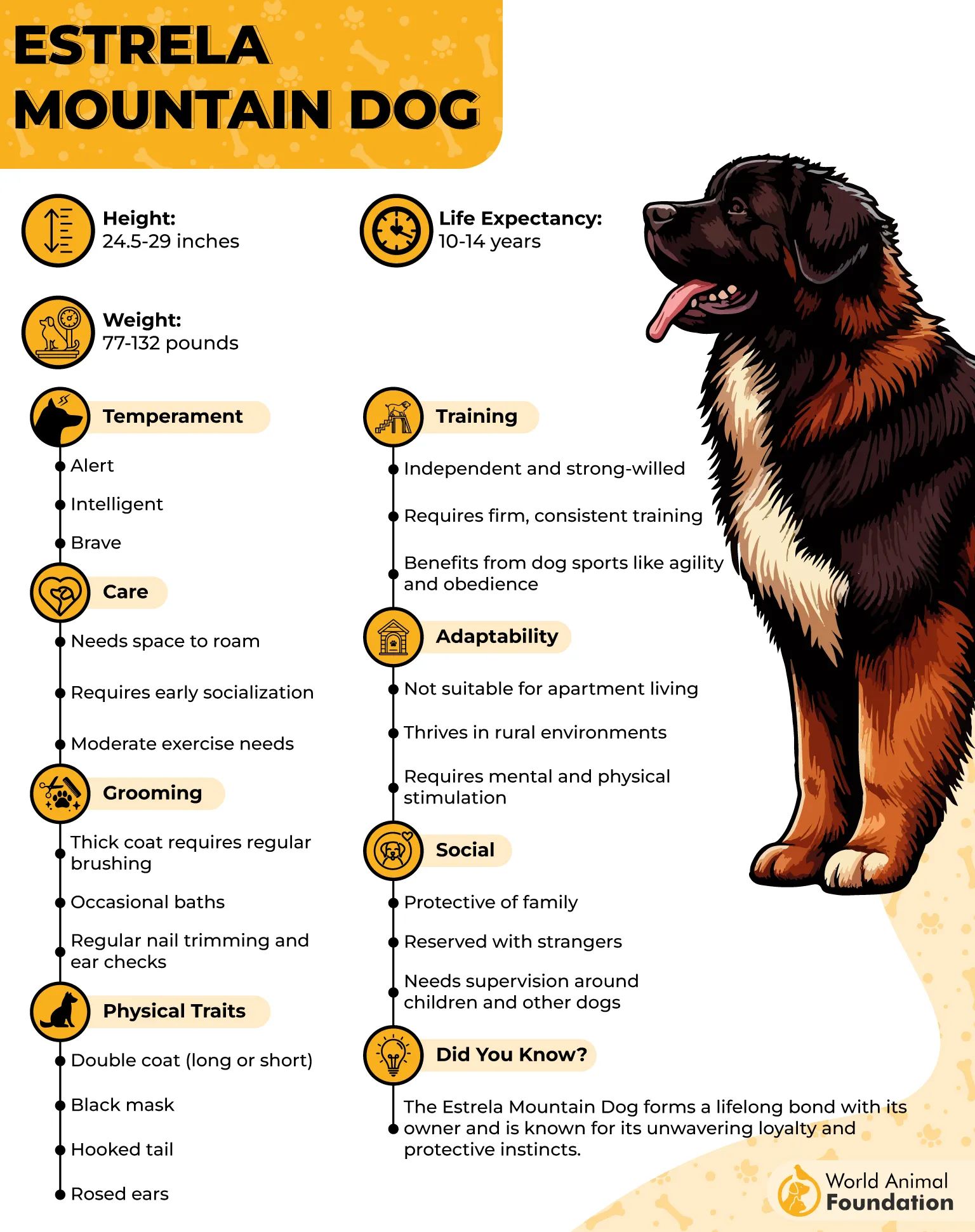
Its dense double coat comes in long- and short-haired varieties, providing insulation in chilly, exposed highland conditions. The longer coat creates a particularly striking mane around the neck, while weekly grooming helps remove loose hair and maintain its condition.
According to the AKC, Estrela Mountain Dogs are generally calm but can show a playful side around familiar children, particularly during puppyhood.
Estrelas have impressive stamina but generally do not need constant strenuous exercise. Daily walks, room to roam, and a securely fenced yard suit them better than cramped apartments. Their protective instincts and independent thinking make early socialization and consistent training essential.
5. Siberian Husky
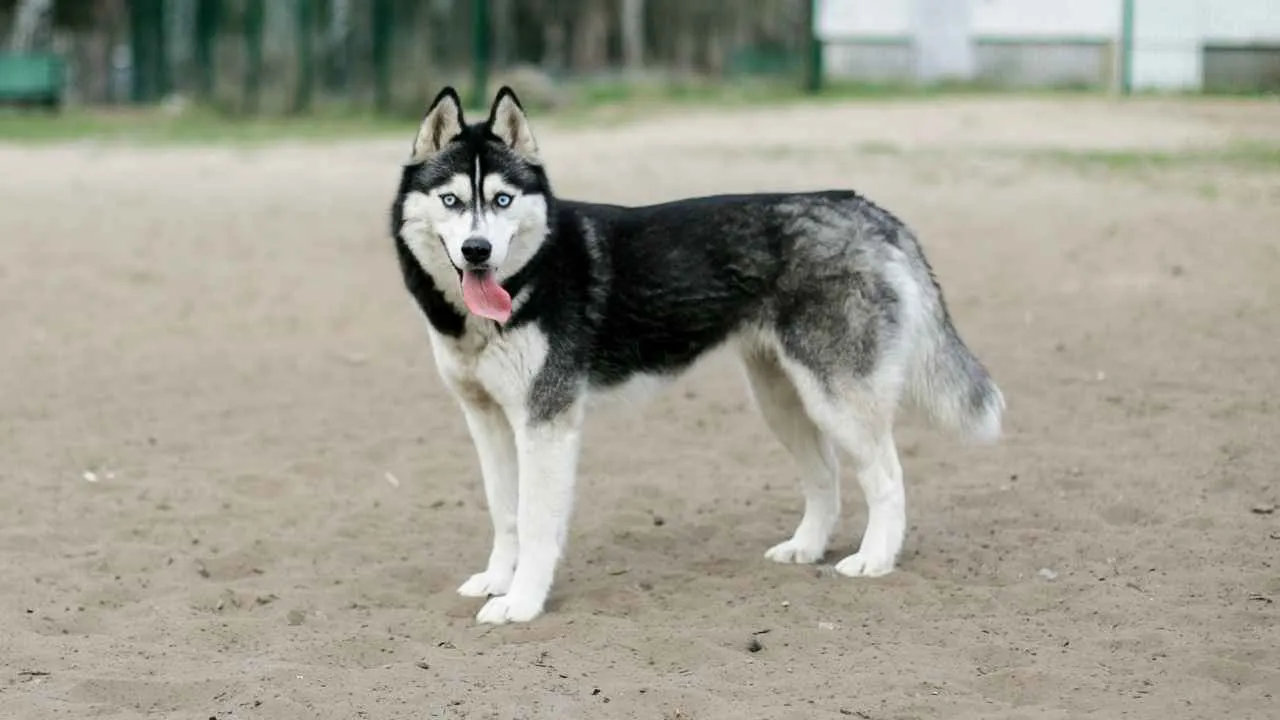
Developed by the Chukchi people of Northeast Asia, the Siberian Husky was bred to pull sleds across vast frozen landscapes. Its remarkable stamina and efficient movement helped it cover long distances while transporting loads through harsh Arctic conditions.
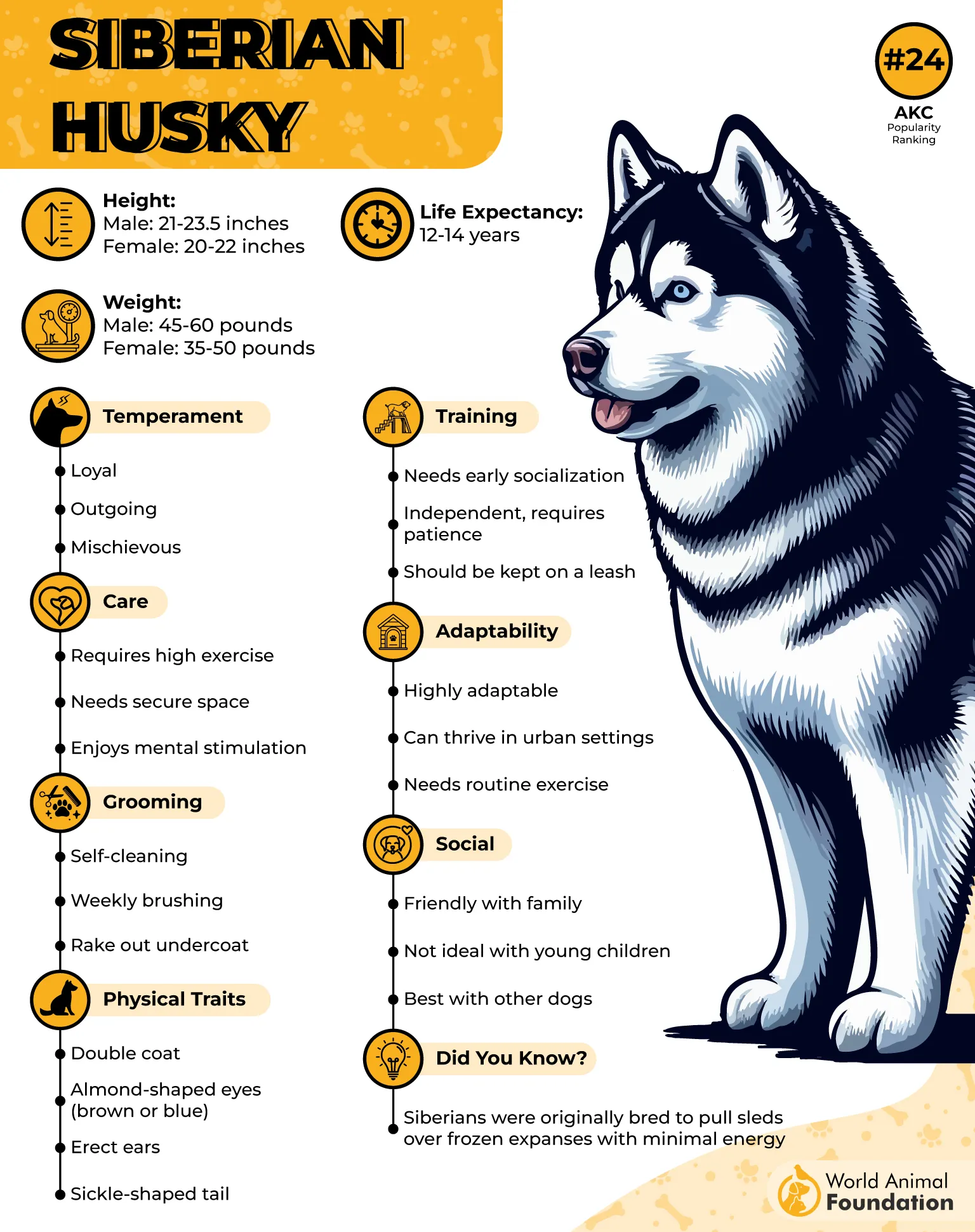
A thick double coat provides essential insulation, with a dense undercoat retaining warmth and an outer layer offering protection from the elements. Even the Husky’s furry, curled tail serves a practical purpose, helping cover its face while resting in cold weather.
Beyond its cold-weather adaptations, this breed is sociable, playful, and naturally energetic. Huskies need substantial daily activity, secure spaces to run, and consistent training. Their adventurous instincts and tendency to chase small animals mean off-leash freedom requires particular caution.
6. Bernese Mountain Dog
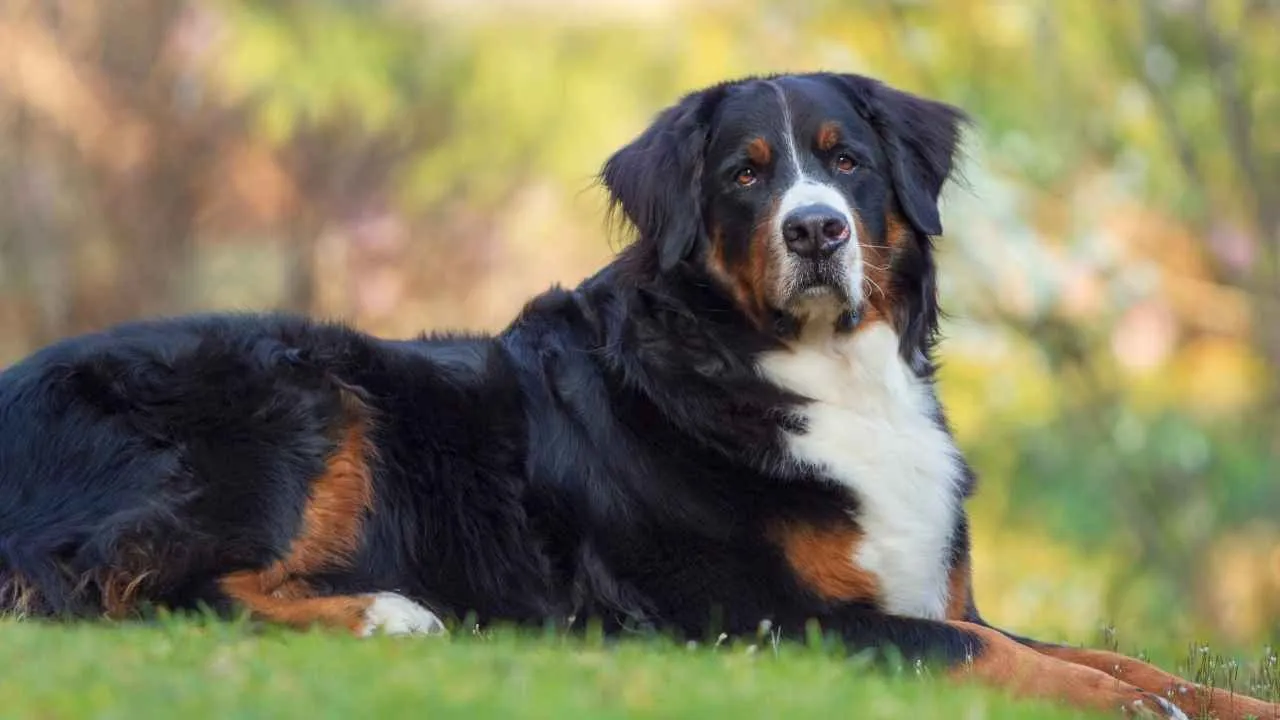
Hailing from the Swiss Alps, the Bernese Mountain Dog was developed as a versatile farm worker, pulling carts and assisting with demanding tasks in cold, mountainous conditions. Its sturdy frame and thick, tri-colored coat reflect its origins in rugged alpine environments.
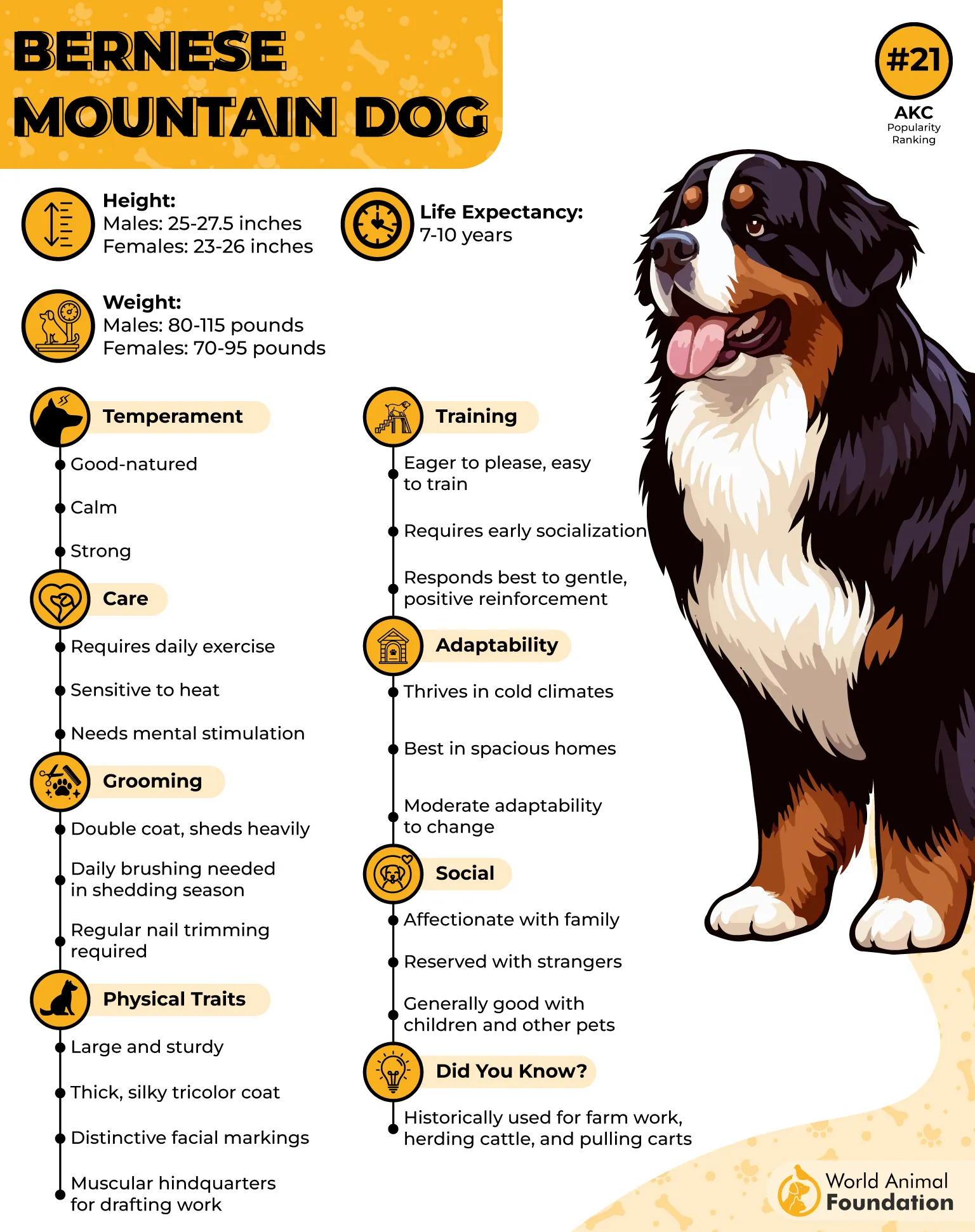
Despite its impressive size, the Berner is known for a gentle temperament and a cheerful, affectionate nature. These dogs often bond closely with their families, get along well with children and other pets, and respond positively to consistent training and early socialization.
Their dense coats provide insulation against chilly weather but shed heavily, making regular grooming essential. Bernese Mountain Dogs also enjoy companionship and may struggle when left alone for extended periods. Their enthusiasm during play can be overwhelming for small children, so supervision is important.
7. Anatolian Shepherd Dog
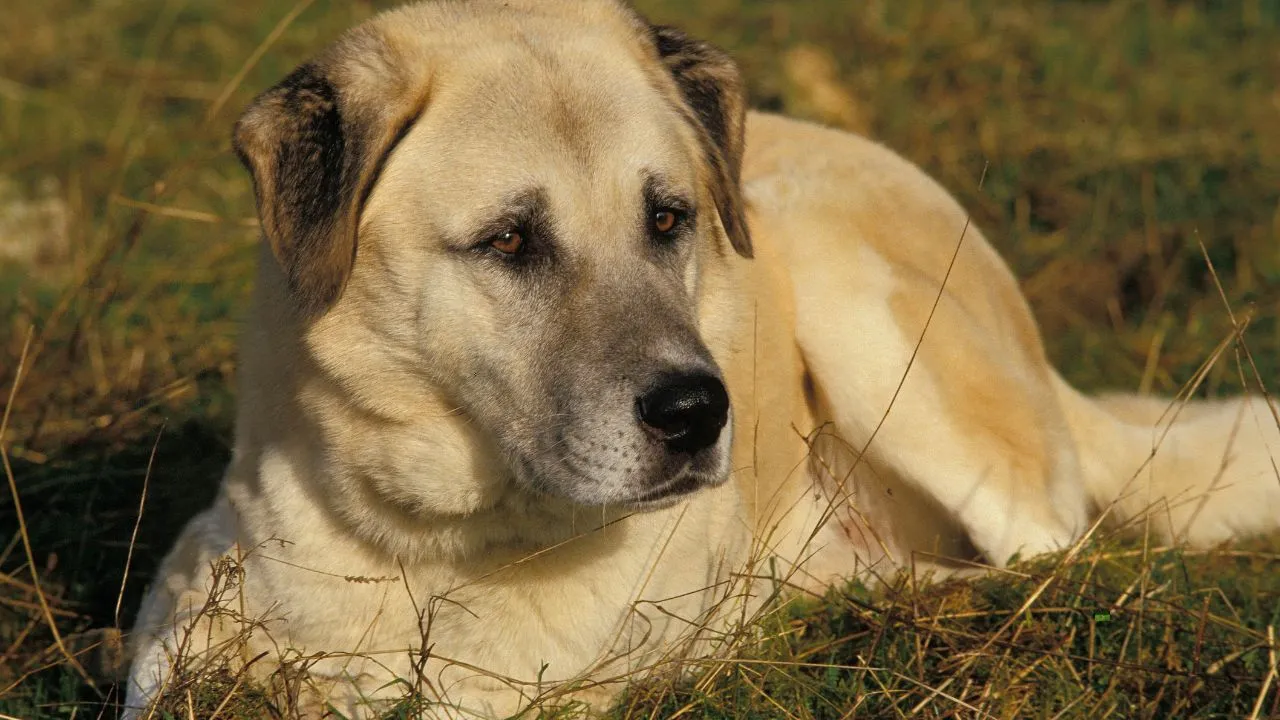
With roots stretching back thousands of years, the Anatolian Shepherd Dog developed on Turkey’s rugged plateaus, where it guarded livestock against predators. Its muscular yet agile build helps it cover challenging terrain, while its independent nature reflects generations of working without constant human direction.
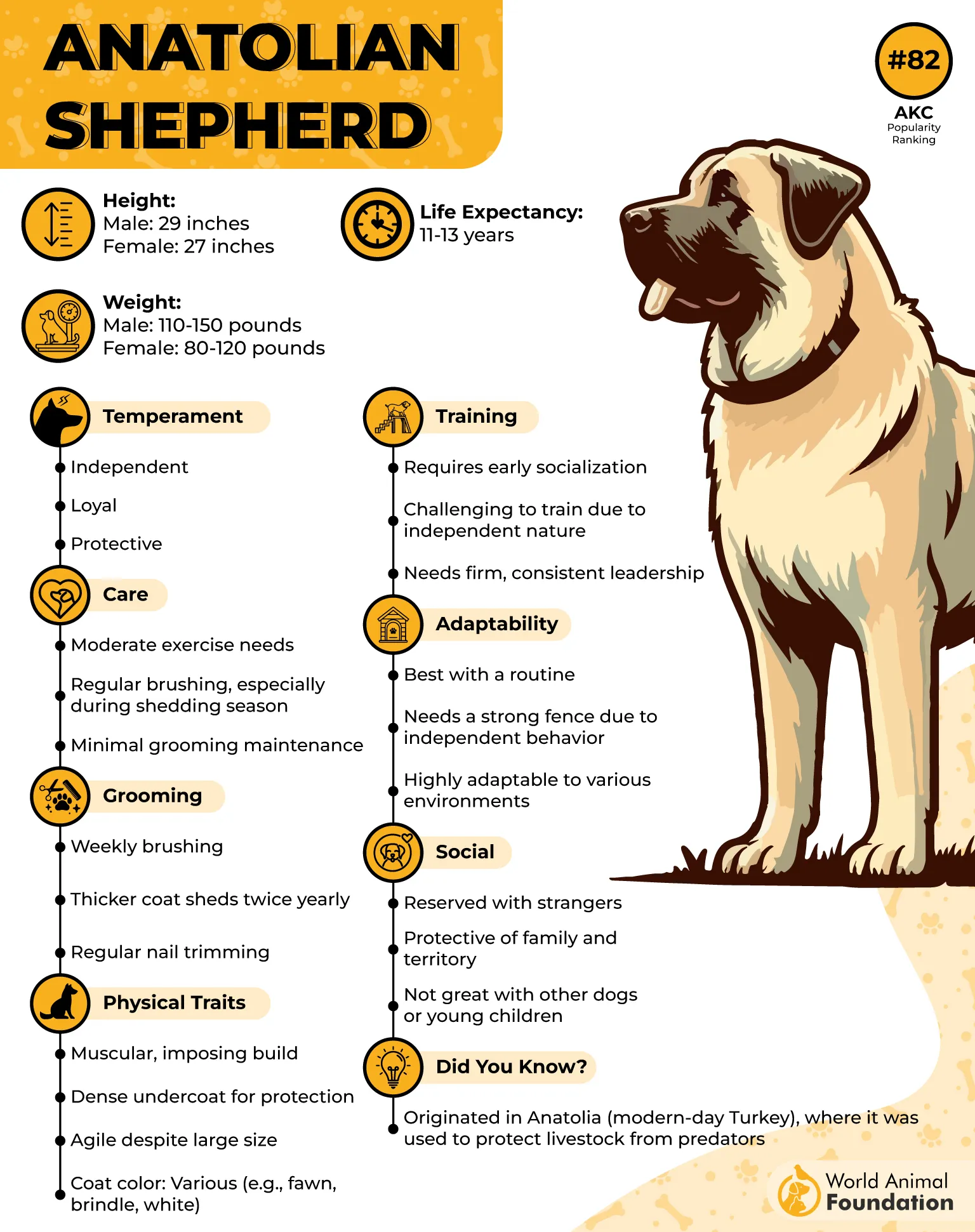
This powerful guardian is patient, intelligent, and deeply devoted to its family. Naturally territorial and cautious around strangers, it benefits from early socialization and firm, consistent obedience training. Although affectionate with familiar people, it is generally less playful than many companion breeds and needs an experienced owner who can manage its protective instincts.
Its coat helps it cope with changing conditions across the seasons, providing insulation as temperatures shift. A secure yard and regular walks suit its moderate exercise needs, but strong fencing is essential because Anatolian Shepherds may roam. Their substantial strength also makes reliable leash control important.
8. Akita
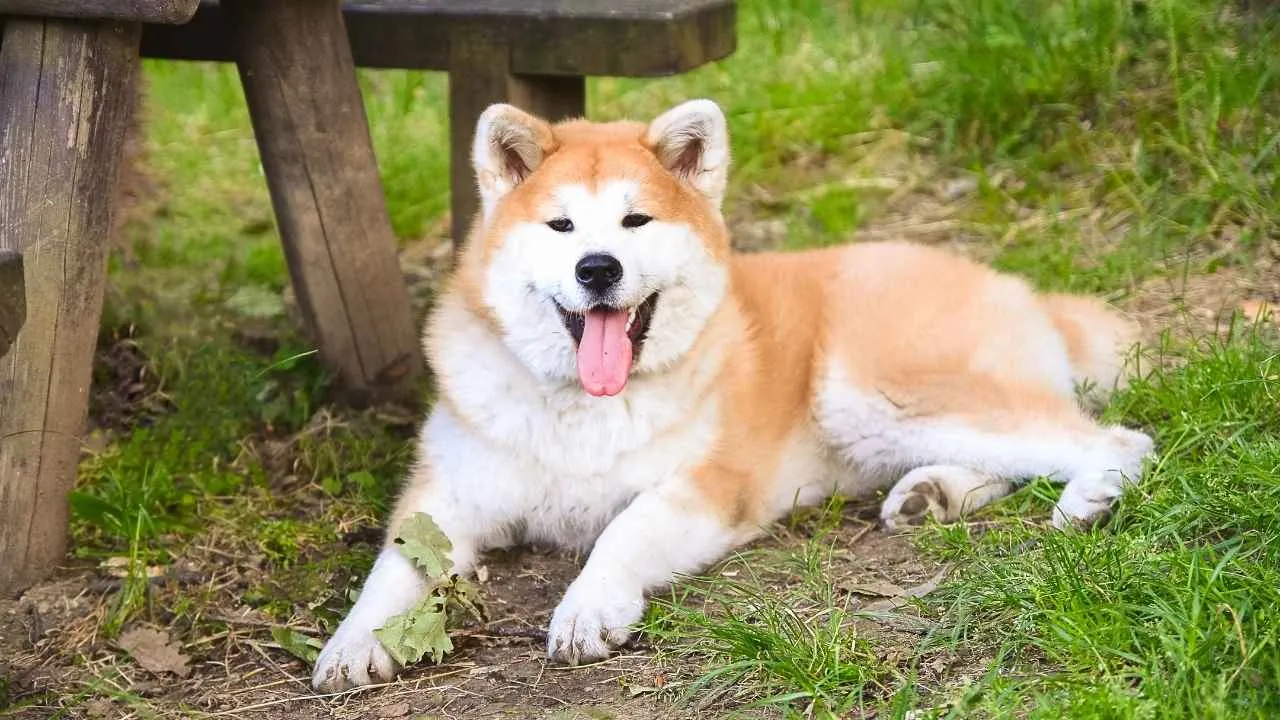
Originating in Japan’s snowy northern regions, the Akita was developed for demanding work, including hunting and guarding. Its thick double coat, upright ears, and curled tail give it a distinctive appearance, while its sturdy frame helps it withstand cold conditions.
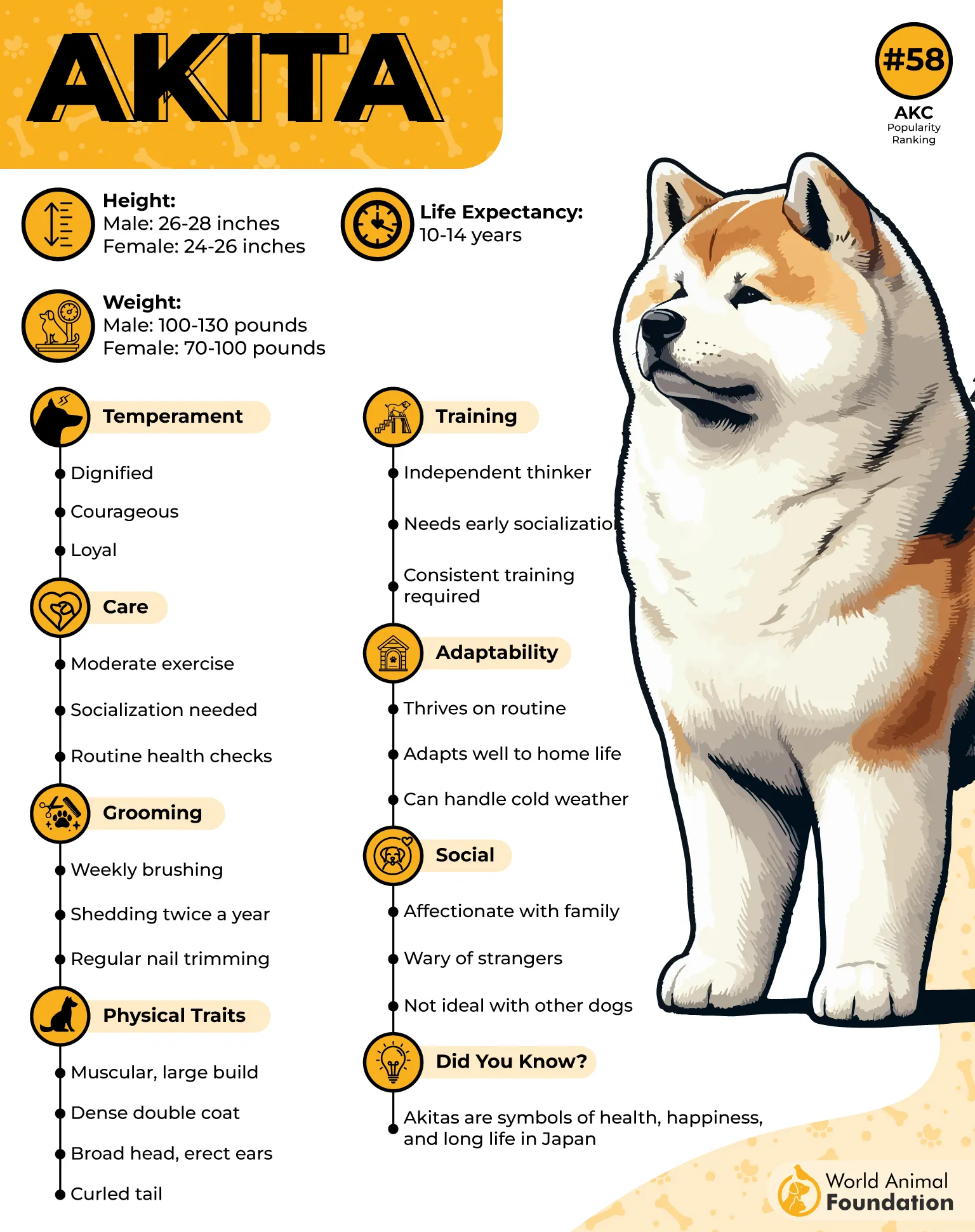
Beneath that plush coat is a confident, strong-willed dog known for unwavering loyalty to its family. Akitas can be reserved around strangers and may show aggression toward unfamiliar dogs or small animals because of their strong prey drive. Experienced owners are best equipped to manage their protective instincts through consistent training.
Cold weather suits this breed better than intense heat, thanks to its dense insulating coat. However, the coat sheds heavily and requires regular grooming. Akitas also need daily exercise and careful supervision around unfamiliar animals, making early socialization and responsible handling particularly important.
9. Tibetan Mastiff
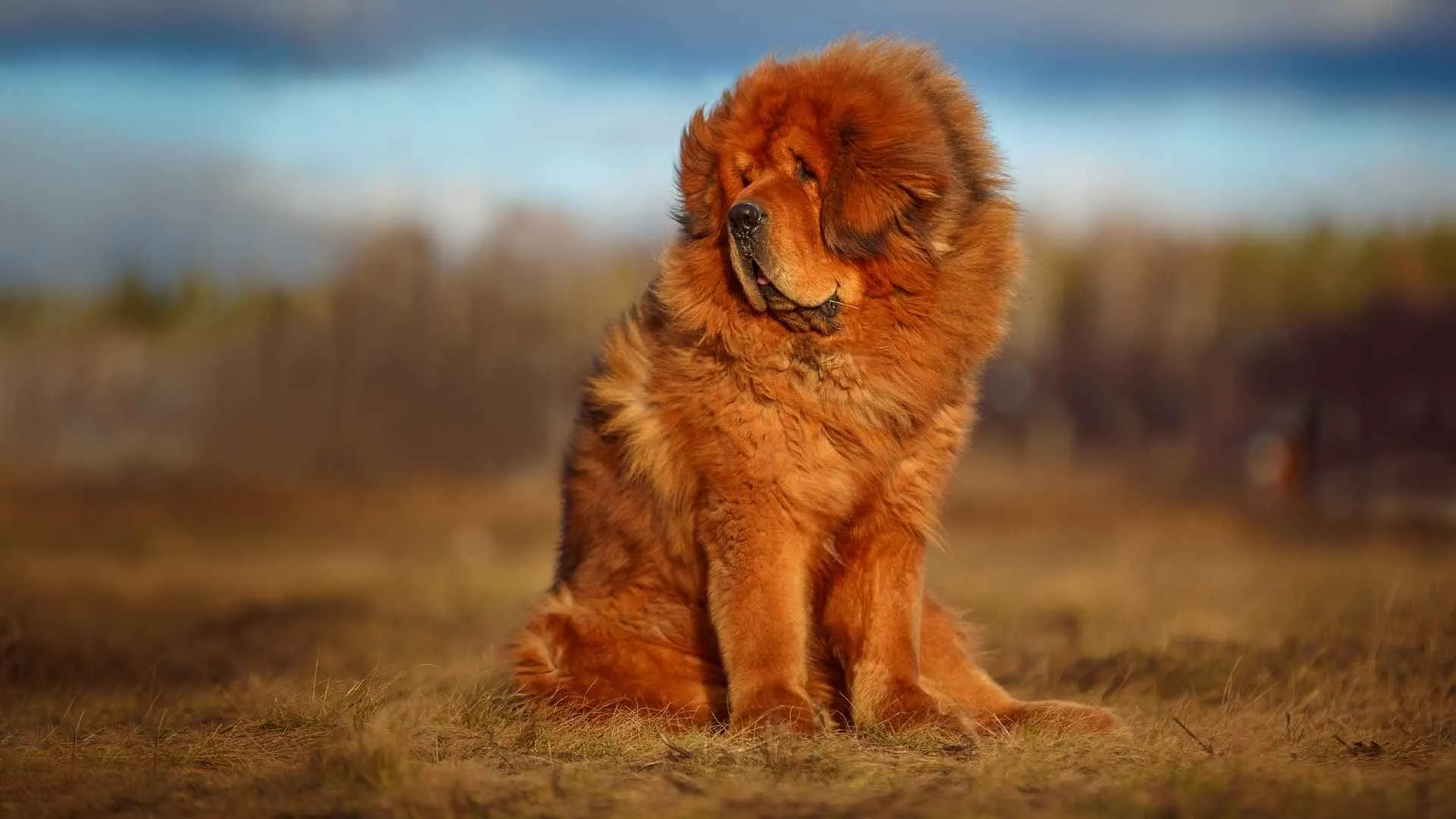
Forged by life in the Himalayan highlands, the Tibetan Mastiff developed as a formidable livestock and territory guardian in harsh mountain conditions. Its massive frame is surprisingly agile, while a dense double coat helps it withstand severe cold and makes cooler weather more comfortable.
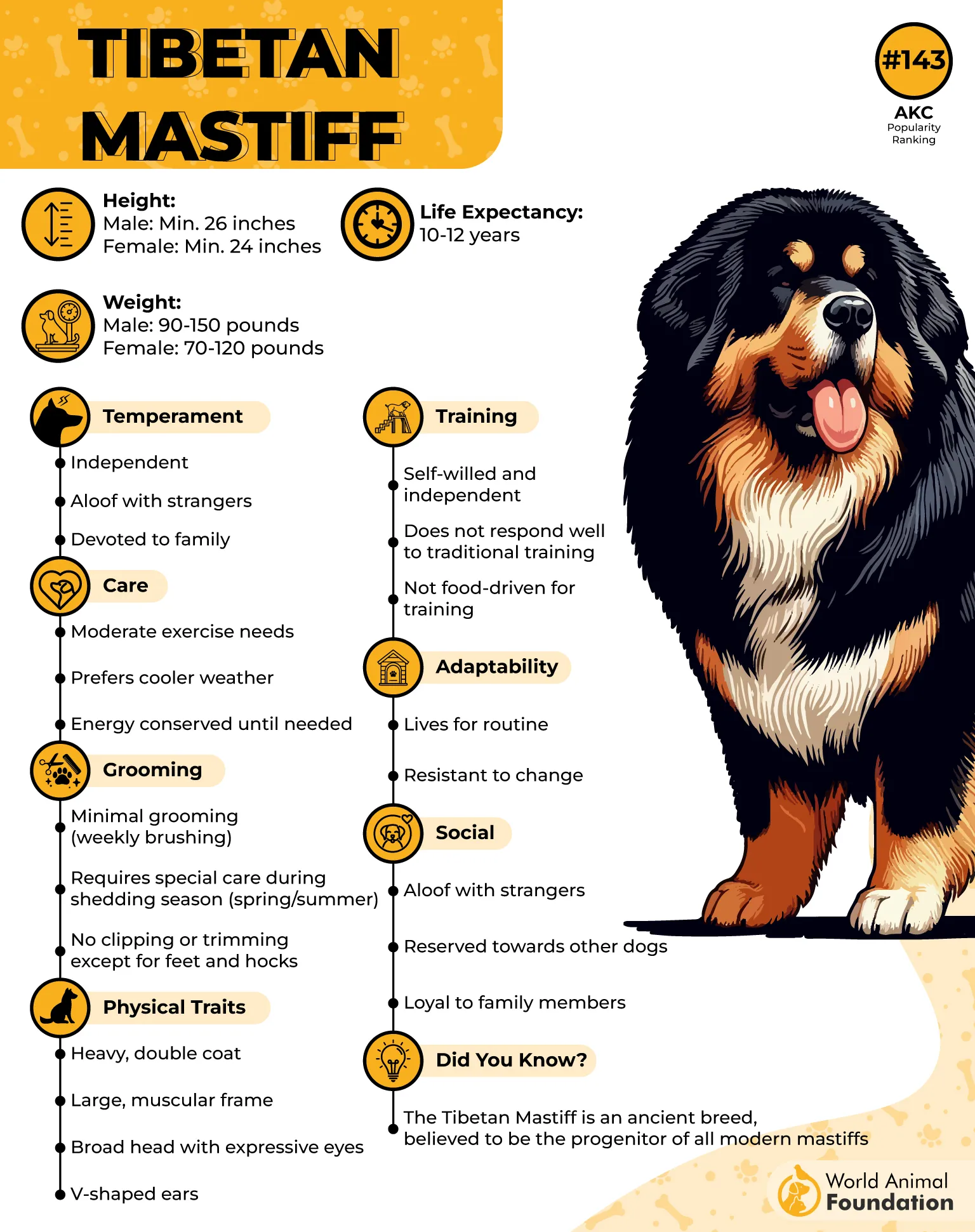
A thick, lion-like ruff encircles the neck, adding insulation and giving this imposing breed its distinctive silhouette. Tibetan Mastiffs are generally calm at home and deeply devoted to their families, but they remain wary and territorial around strangers. Their independent instincts mean they often prefer patrolling their surroundings over structured games.
These dogs conserve energy rather than staying constantly active, although they need regular, moderate exercise. Training can be challenging because they rely heavily on their own judgment and may ignore commands when they choose. Secure fencing and reliable leash control are essential, as their recall can be unpredictable.
10. Great Pyrenees
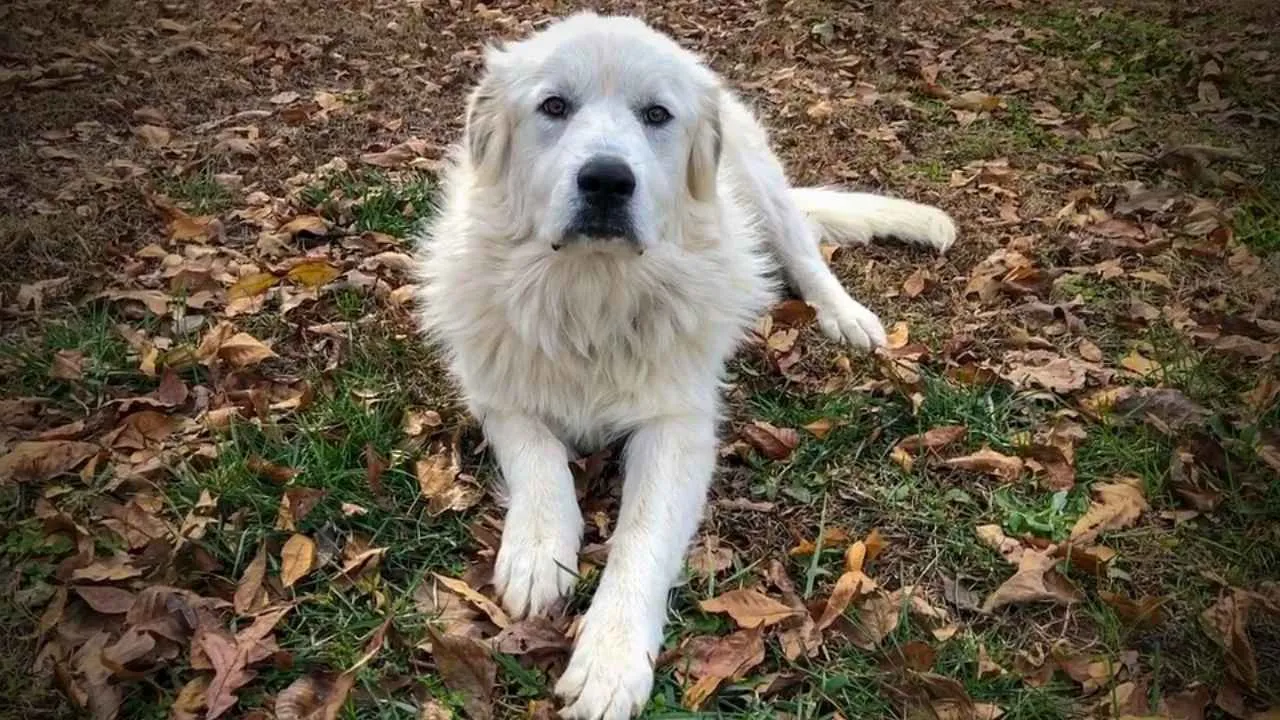
Bred to protect livestock across the snowy Pyrenees mountains between France and Spain, the Great Pyrenees is built for demanding alpine conditions. Its powerful frame and weather-resistant double coat help it guard flocks through cold, rugged seasons, while its traditionally independent working style allows it to patrol without constant direction.
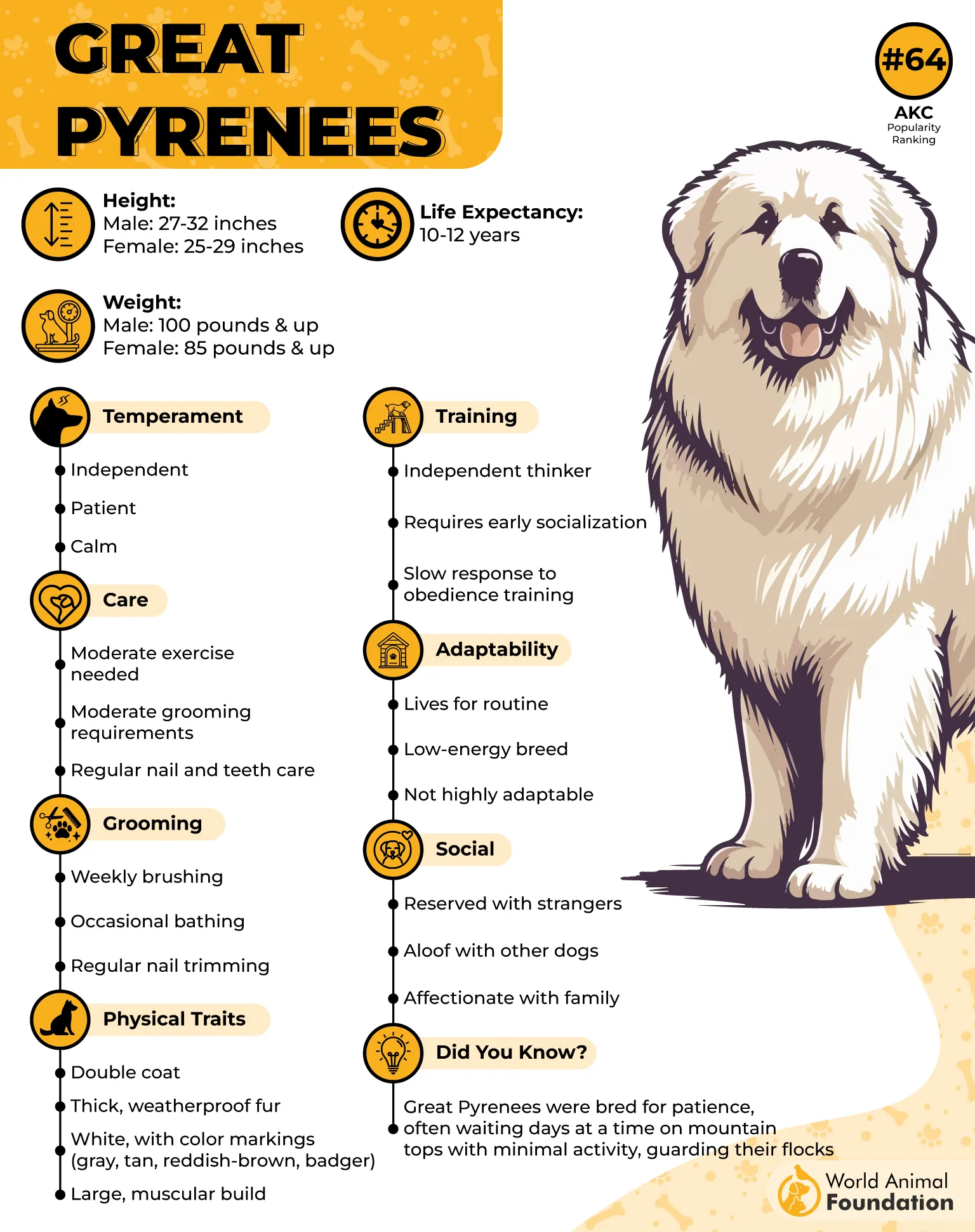
Beneath the breed’s predominantly white outer coat lies a dense undercoat that provides insulation. Some dogs also have gray, tan, reddish-brown, or badger-colored markings. Despite their imposing size, Great Pyrenees dogs are often calm with children and other pets, forming devoted bonds with their families.
These guardians tend to conserve energy rather than remain constantly active, so moderate walks and space to patrol can suit their needs. Their strong hearing and instinct to protect territory can lead to frequent barking, particularly at night.
Conclusion
Choosing a dog that can handle extreme weather means looking beyond appearance and considering its natural adaptations. From dense double coats to sturdy frames and efficient movement, certain breeds have traits shaped by generations of work in challenging environments.
Some dogs thrive in freezing mountain regions, while others are better suited to warmer climates. Their coats, endurance, and working backgrounds help them cope with conditions that may be difficult for less adapted breeds.
However, even weather-resistant dogs need proper care. Fresh water, suitable shelter, regular grooming, and adjustments to outdoor activity are essential for protecting their well-being as temperatures change.
Understanding each breed’s temperament, exercise needs, and climate tolerance helps you make a responsible choice. The best companion is one whose natural strengths and everyday needs fit your environment and lifestyle.
