




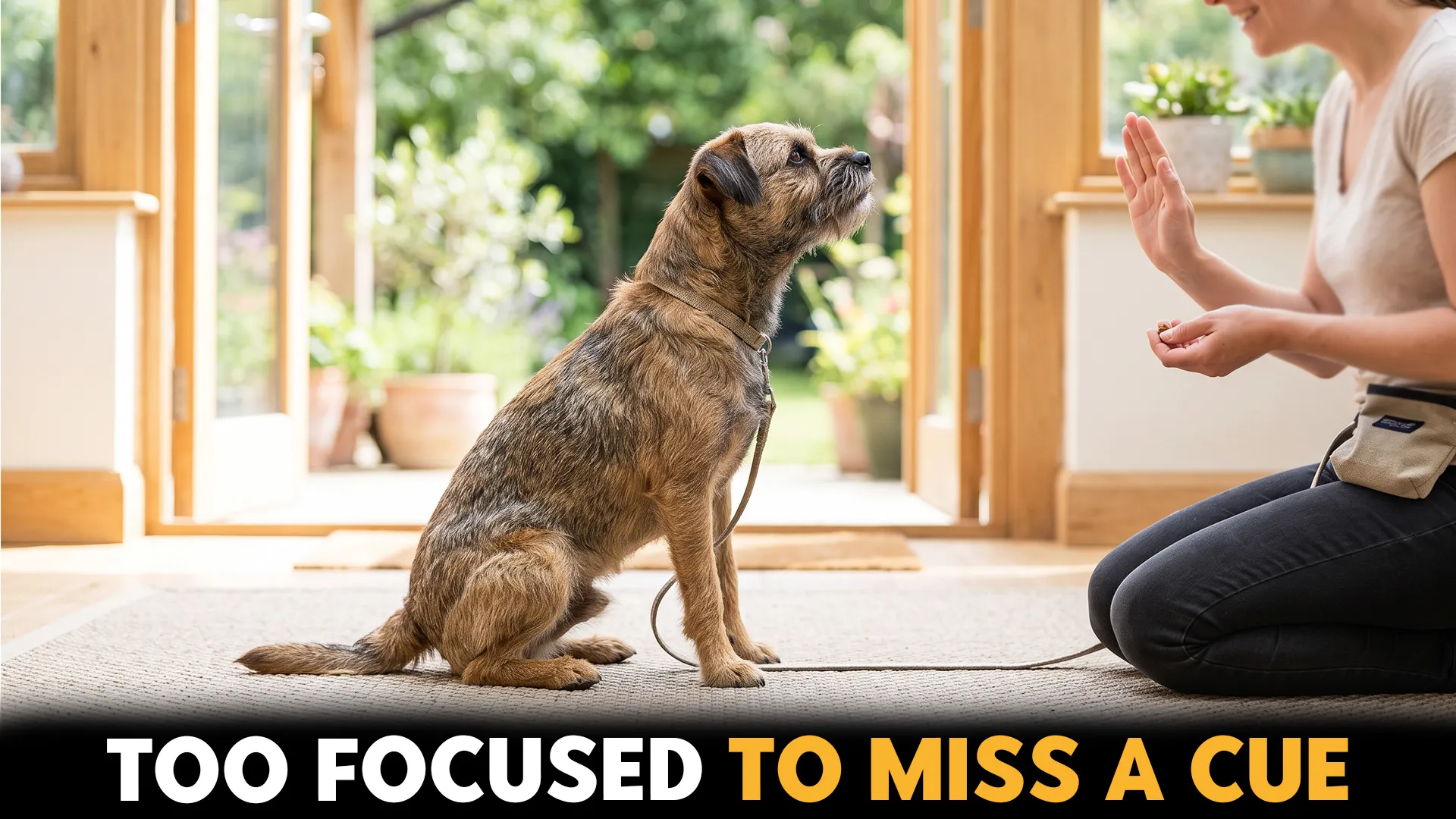
Training can become frustrating when your dog ignores a familiar command, pulls toward every passing distraction, or takes several attempts to understand what you want.
Even simple routines, such as waiting at the door or coming when called, can require patience and consistency. Highly obedient dog breeds can make these lessons easier because they often respond well to human direction and enjoy working with their handlers. A dog’s willingness to learn, however, depends on more than breed alone.
Age, temperament, previous experiences, and the quality of training all influence progress. Short sessions, clear commands, immediate rewards, and regular practice help dogs understand which behaviors earn praise. These habits can also strengthen communication between a dog and its owner.
This article explores nine dogs known for their trainability and explains what makes each one a rewarding training partner.
Key Takeaways
Ever had a dog that needs five reminders to follow one simple command? Some breeds pick up lessons quickly and make everyday training much easier with a little patience and the right rewards.
The Pembroke Welsh Corgi was once a hardworking cattle herder, so its sharp mind and quick reactions have a practical history behind them.
The Bichon Frise enjoys learning tricks, while the Miniature Schnauzer needs fresh challenges to keep its clever mind interested.
Keep reading to see which other breeds make rewarding training partners, including one with a famous movie appearance that helped bring it into the spotlight.
Highly Obedient Dog Breeds That Make Training a Breeze
1. Pembroke Welsh Corgi

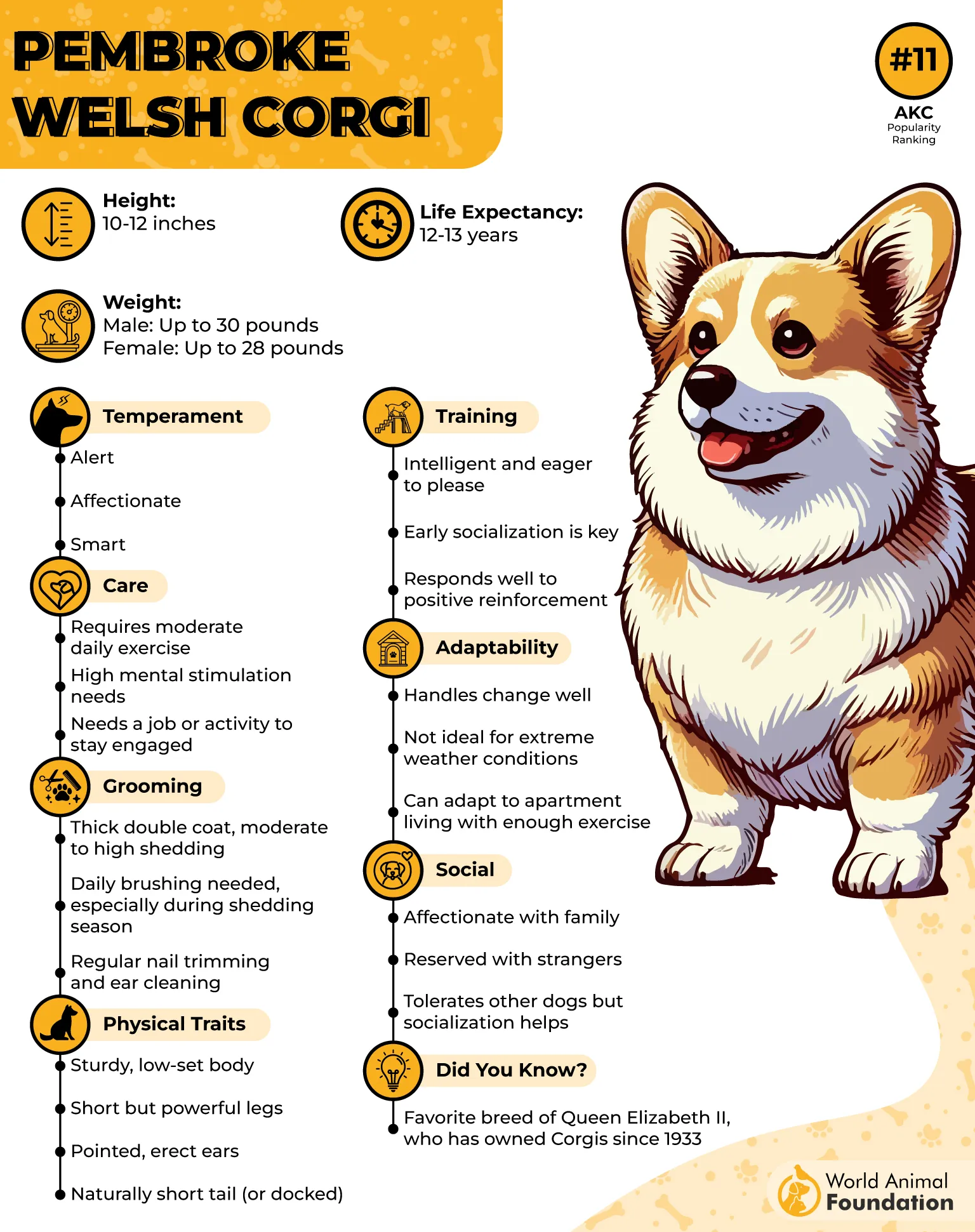
Pembroke Welsh Corgi earned its place on Welsh farms by driving small, spirited cattle across distances that could take days to cover. Thought to have arrived in Wales with Flemish weavers, this low-set herder needed stamina, a strong character, and quick reactions to handle lively livestock.
Smart Enough to Learn
This herding breed responds well to reward-based lessons, and experienced breeder Anne Bowes has emphasized starting training early.
According to the AKC, simple commands such as “Sit,” “Heel,” “Leave it,” and “Drop it” help channel its intelligence into useful everyday habits.
A few practical training goals deserve early attention:
Crate training and housebreaking
Getting used to blow-dryer noise
Learning to ignore tempting objects
Start Young
Pembroke Welsh Corgi puppies benefit from early exposure to everyday sounds, car rides, and unfamiliar environments, so adult experiences feel less unsettling. Fetch is another useful lesson because the breed often enjoys chasing a ball, while regular play helps address its tendency to gain excess weight.
2. Bichon Frise
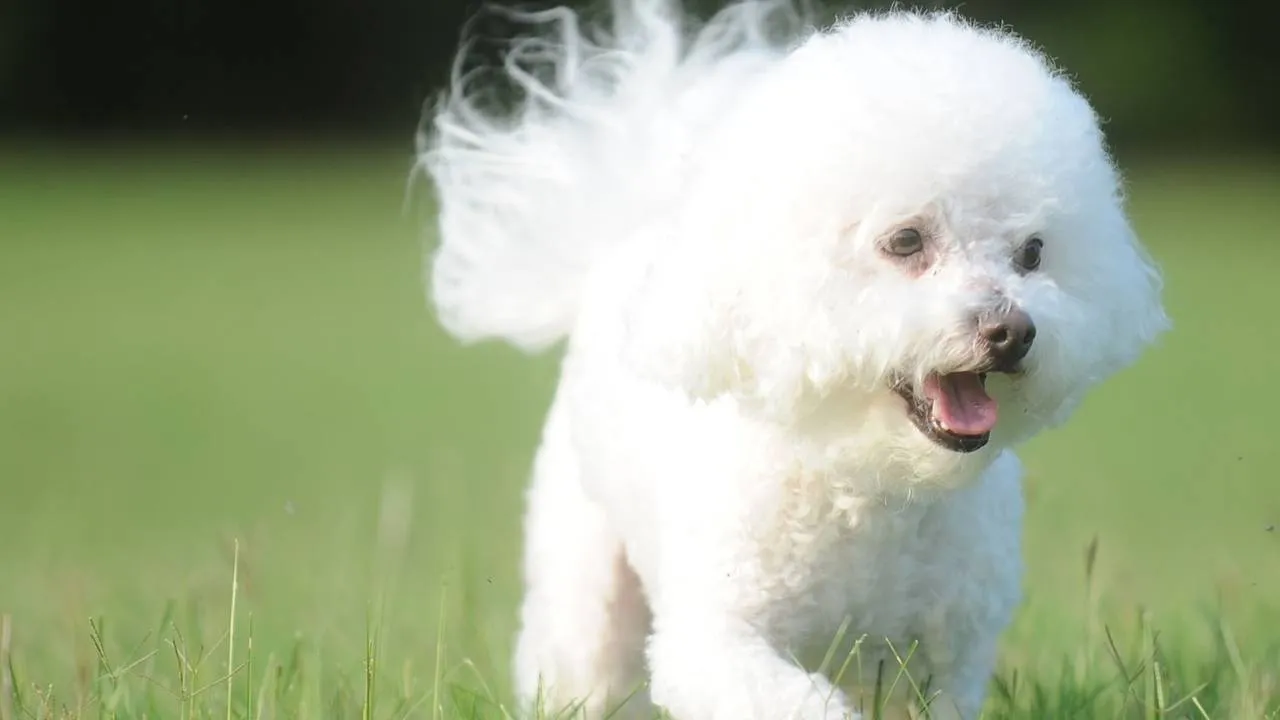
Bichon Frise has a past linked to European royal courts, with portraits from France and Spain featuring dogs of this type centuries ago. The breed is thought to have originated in Tenerife, and 14th-century sailors are believed to have brought these small dogs to Europe.
Smart and Responsive
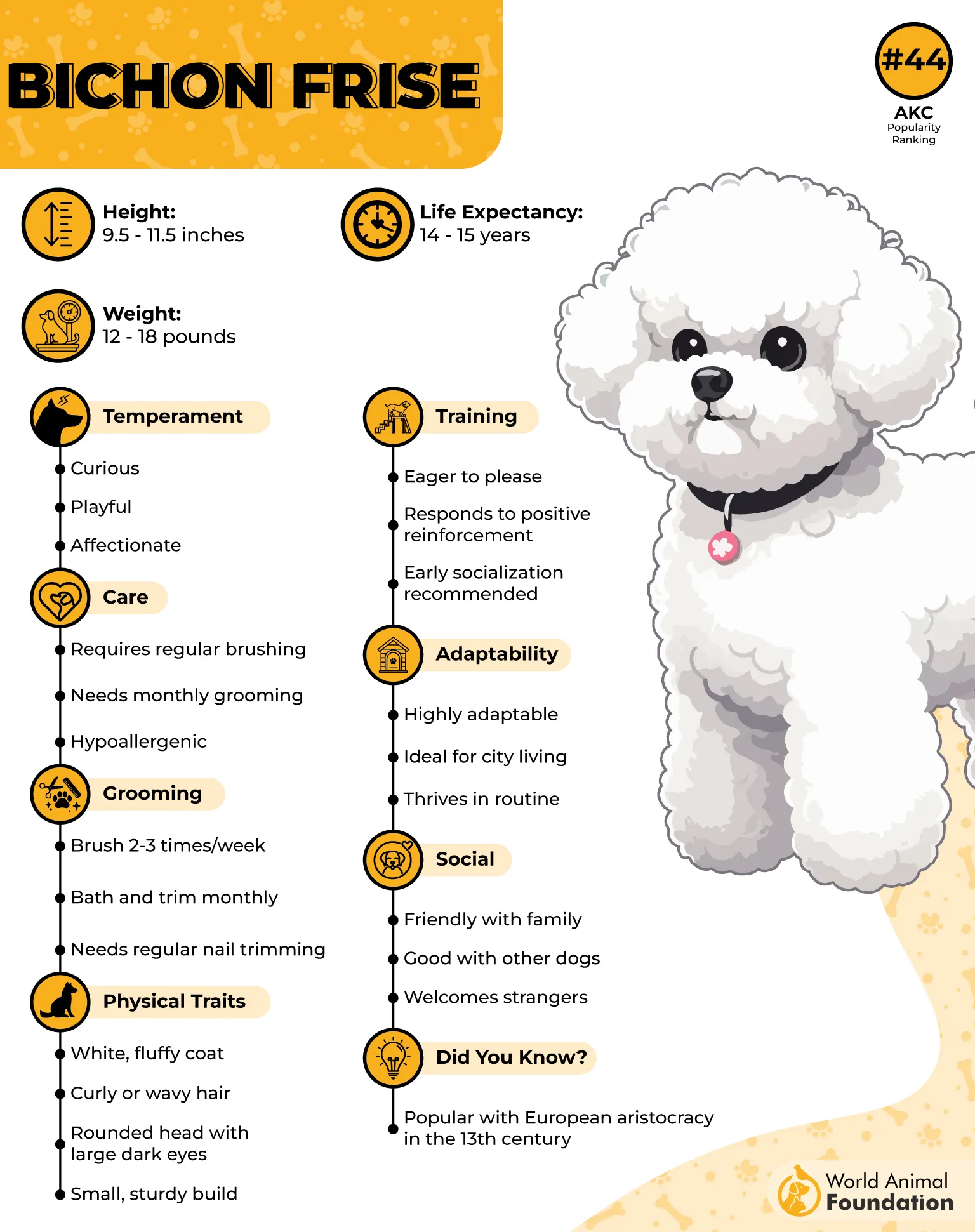
This family dog picks up tricks and commands readily when lessons feel like games, making reward-based teaching a useful approach for beginners.
Its independent streak can make familiar cues less interesting, so short sessions with praise, treats, and favorite toys help keep lessons engaging.
The following training details deserve attention:
Early socialization with people and other dogs
Frequent bathroom breaks during puppyhood
Crate training to support house training
Tricks With Personality
Bichon Frise often enjoys performing for an audience and learning entertaining tricks, giving first-time handlers a fun way to practice obedience, as per Purina. Harsh scolding can cause resentment, so calm corrections and consistent rewards are better suited to its sensitive nature.
3. Miniature Schnauzer
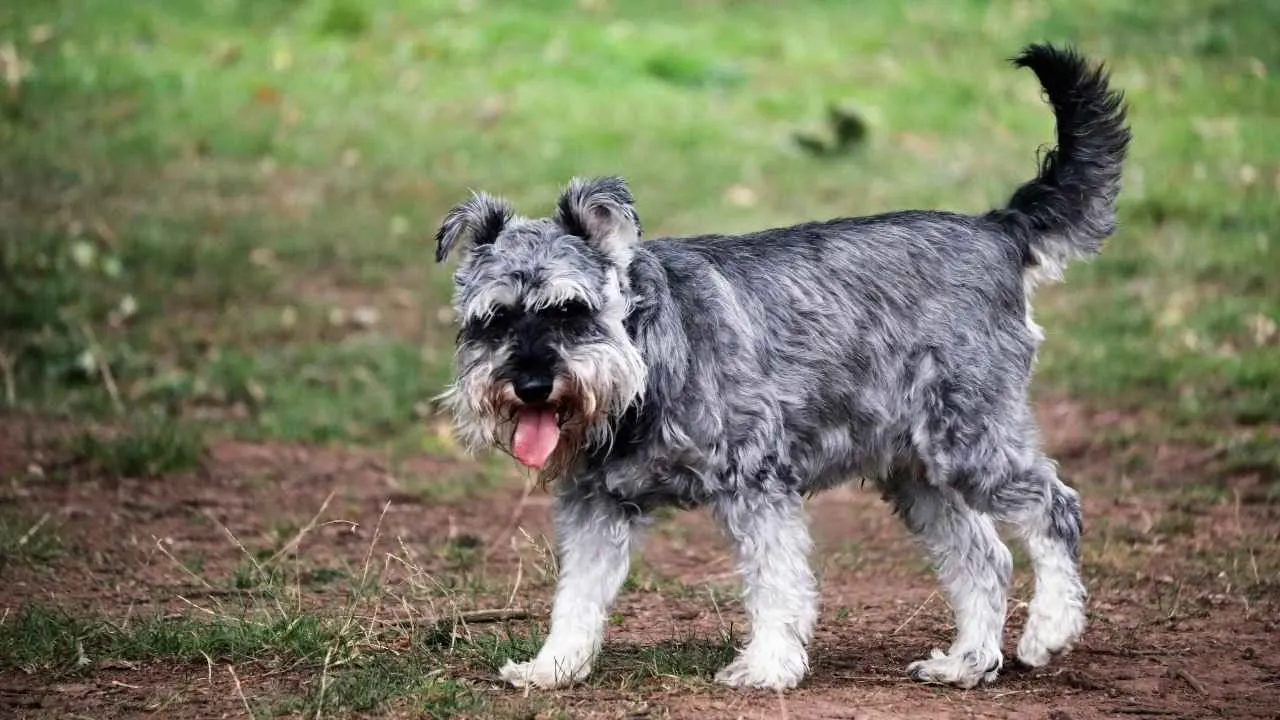
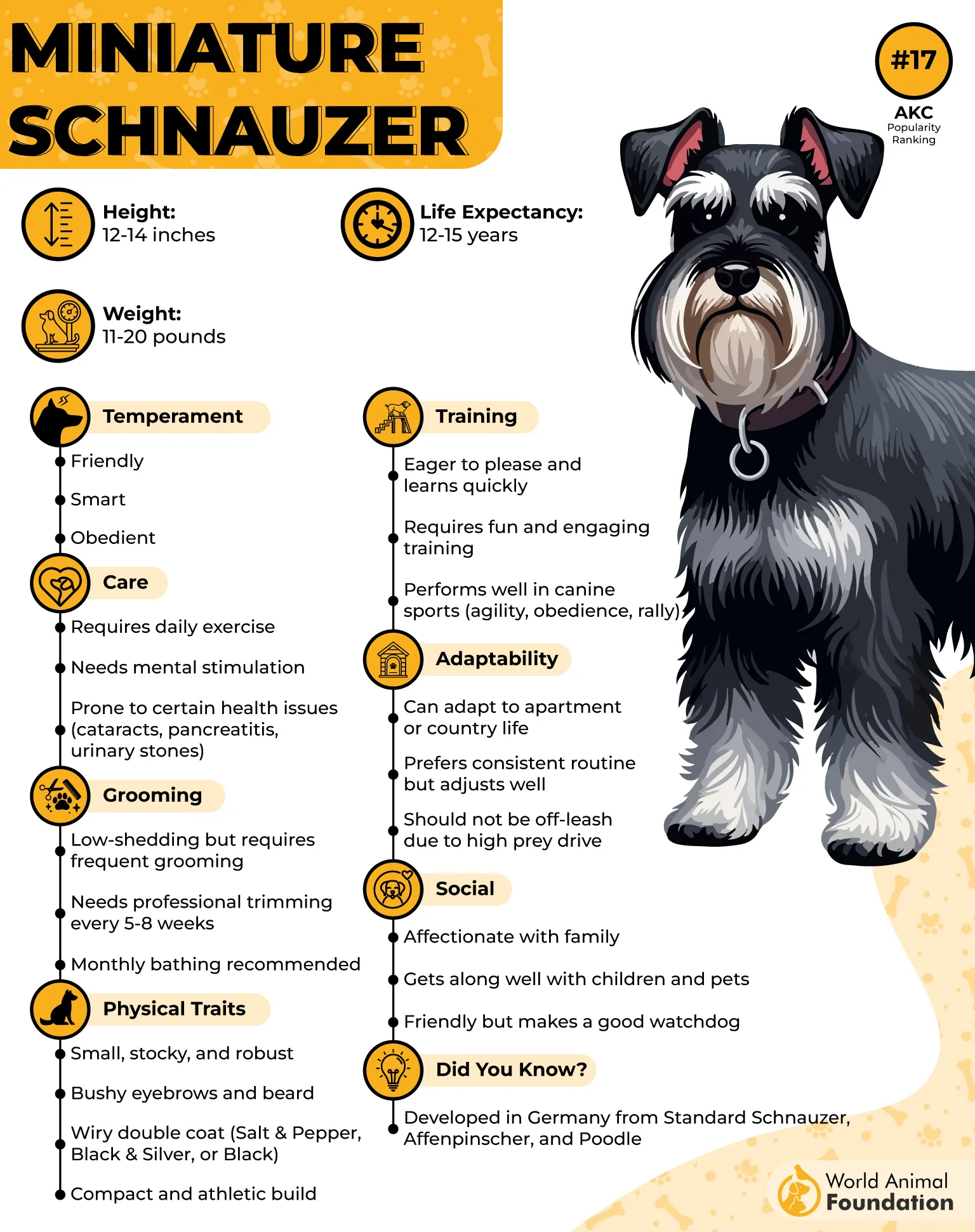
Miniature Schnauzer originated in 19th-century Germany, where breeders crossed the Standard Schnauzer with Poodles and Affenpinschers to create a smaller farm dog.
The breed initially guarded farms, and the American Kennel Club officially recognized it in 1926, distinguishing it from the Standard and Giant Schnauzers.
A Mind for Training
These dogs can learn basic commands such as sit, come, and stay through reward-based training using treats, praise, and favorite toys. Short, engaging lessons can also introduce tricks such as shaking a paw, giving this intelligent dog fresh challenges to work through.
Three training details deserve attention:
Begin socialization around 7–8 weeks old
Introduce recall practice early
Use varied lessons to prevent boredom
Always Ready to Respond
Miniature Schnauzers often announce visitors or outdoor sounds with enthusiastic barking, which can become a concern in homes close to neighbors.
This devoted companion also prefers company during the day and may become unsettled when left alone for long periods, while early introductions help it adjust to unfamiliar people and other pets.
4. Brussels Griffon
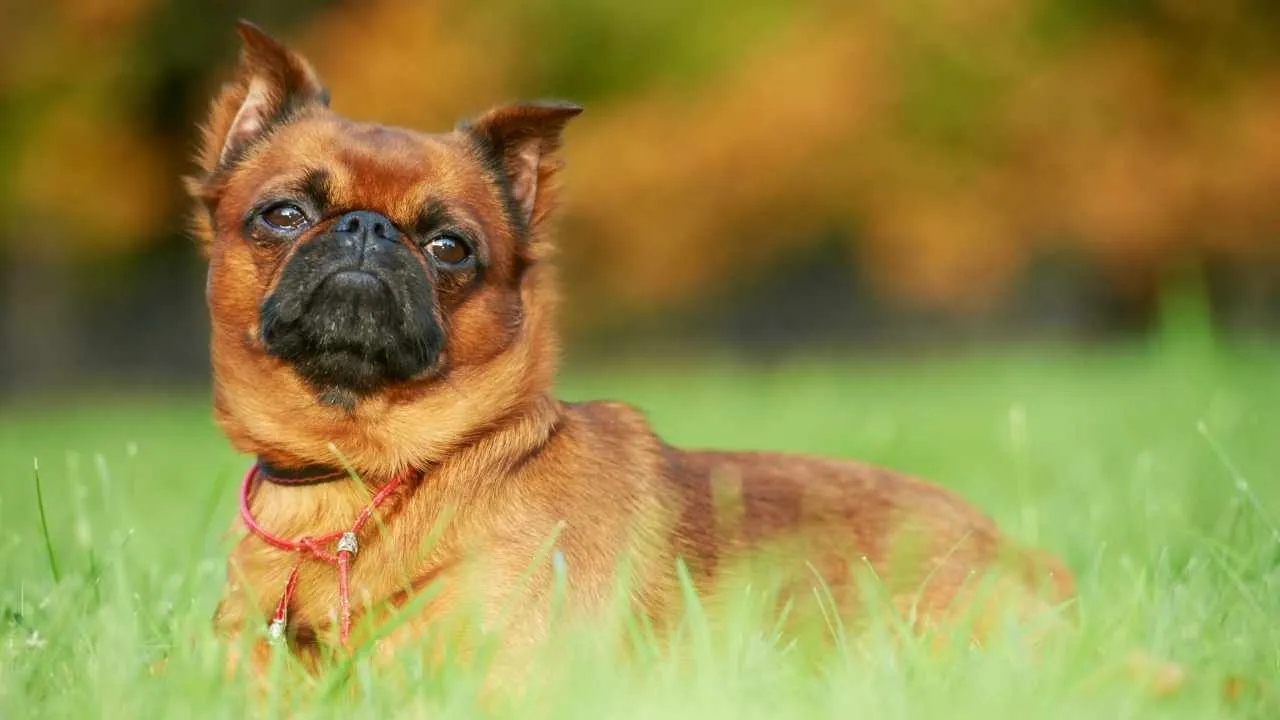
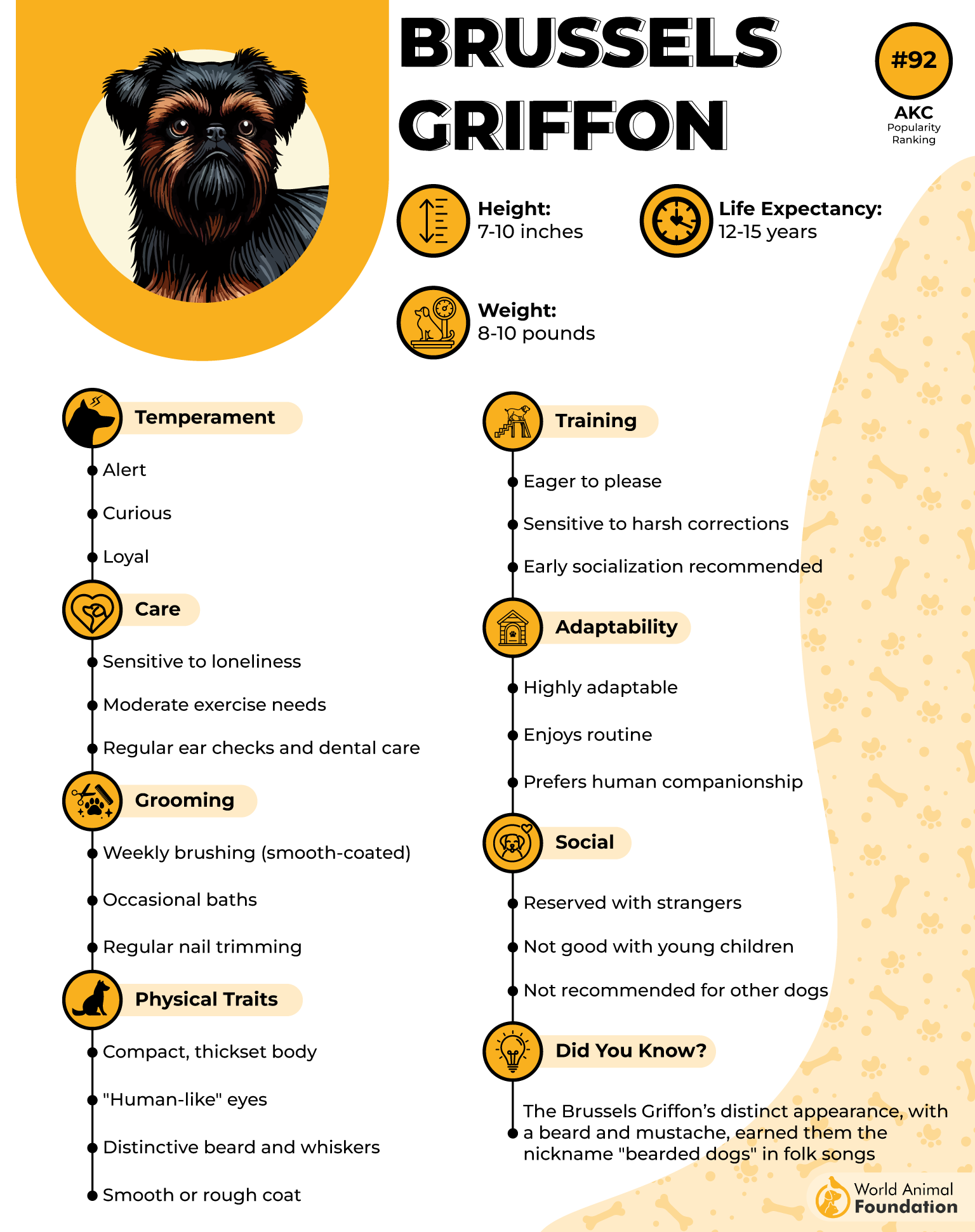
Brussels Griffon developed in Brussels, Belgium, in the early 1800s, with ancestry linked to the Affenpinscher, Pug, Cavalier King Charles Spaniel, and English Toy Spaniel.
The American Kennel Club officially recognized the breed in 1910, and its memorable face later gained wider attention in the 1997 film As Good as It Gets.
Clever by Nature
This highly intelligent dog can learn basic obedience cues when lessons are enjoyable, and rewards arrive at the right moment.
Short, consistent sessions using praise, treats, and toys can help teach commands such as sit and come before progressing to more entertaining tricks.
These practical training details are worth remembering:
Begin obedience lessons during puppyhood
Introduce unfamiliar people and places gradually
Schedule frequent outdoor potty breaks
Close to Their Person
Brussels Griffon forms a strong attachment to its favorite person and may feel uneasy when left alone for long periods, as reported in PetMD. Children can enjoy its lively company, provided they handle the dog gently and understand that its small size does not make it a toy.
5. Border Terrier
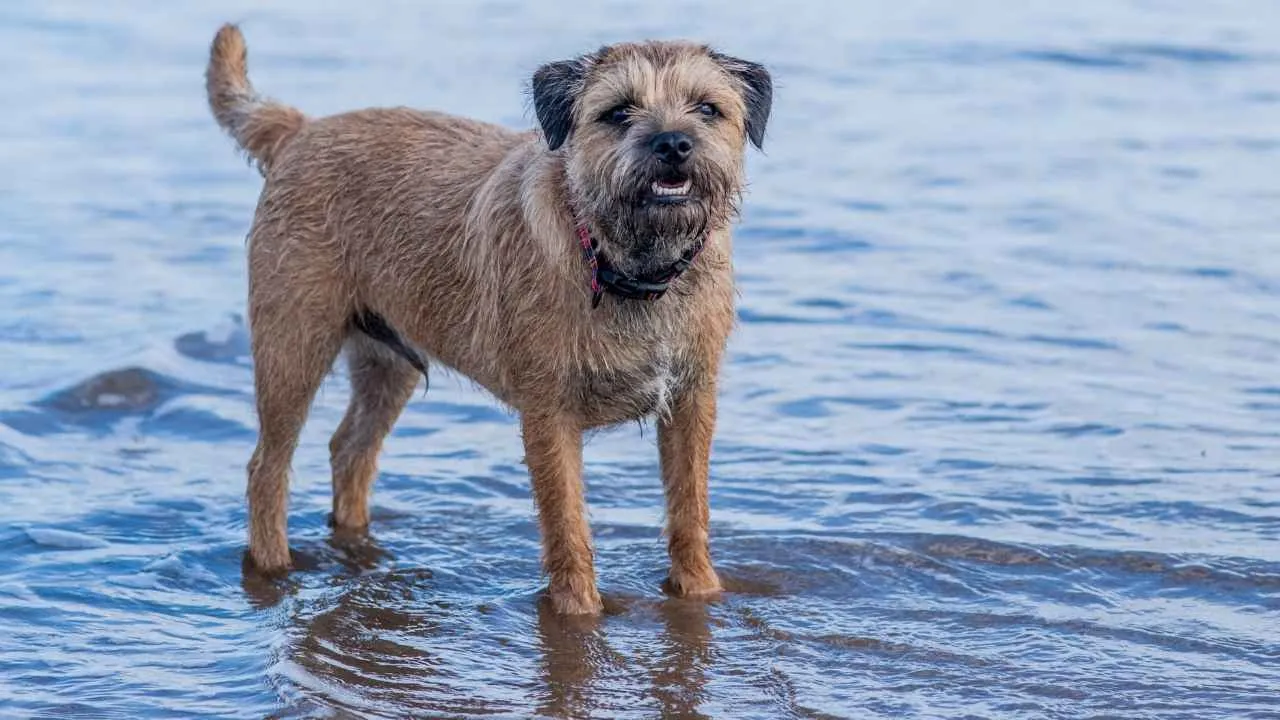
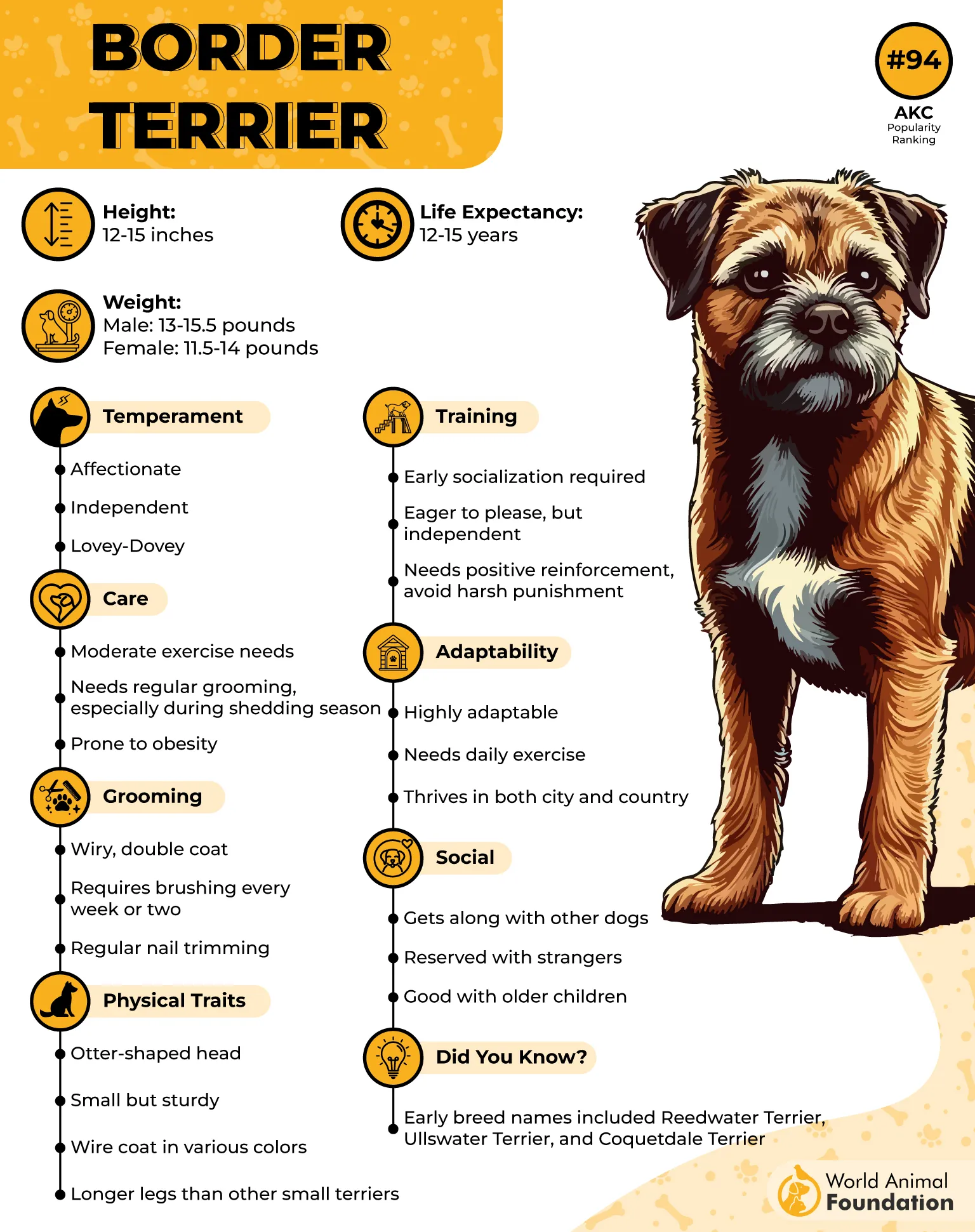
In the border region between England and Scotland, farmers valued these compact, courageous terriers for their ability to chase foxes.
The breed was known by several local names, including Reedwater Terrier and Coquetdale Terrier, before Border Terrier became its recognized name.
Quick to Learn
These breeds pick up training cues enthusiastically, making lessons involving recall, sitting, and other basic commands rewarding when sessions stay positive. Its independent terrier streak can test patience, so short lessons with praise and treats work better than harsh corrections.
Three details matter when planning training sessions:
Easily distracted by scents and nearby wildlife
Needs consistent recall practice
Requires a leash or secure fencing outdoors
Keep Lessons Interesting
Border Terrier enjoys having something to investigate and can lose interest when daily life offers too little variety. Although usually more easygoing than some terriers, it responds best to patient handling and positive exposure to unfamiliar people, places, and experiences.
6. Boston Terrier
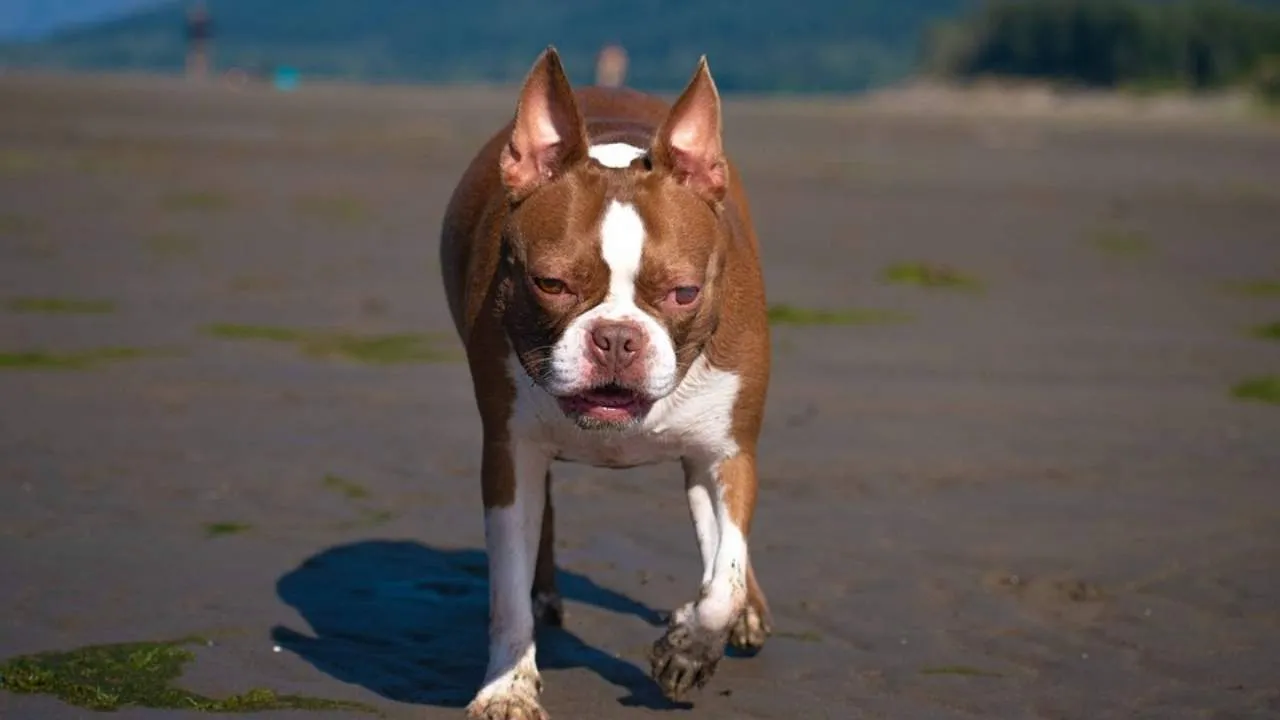
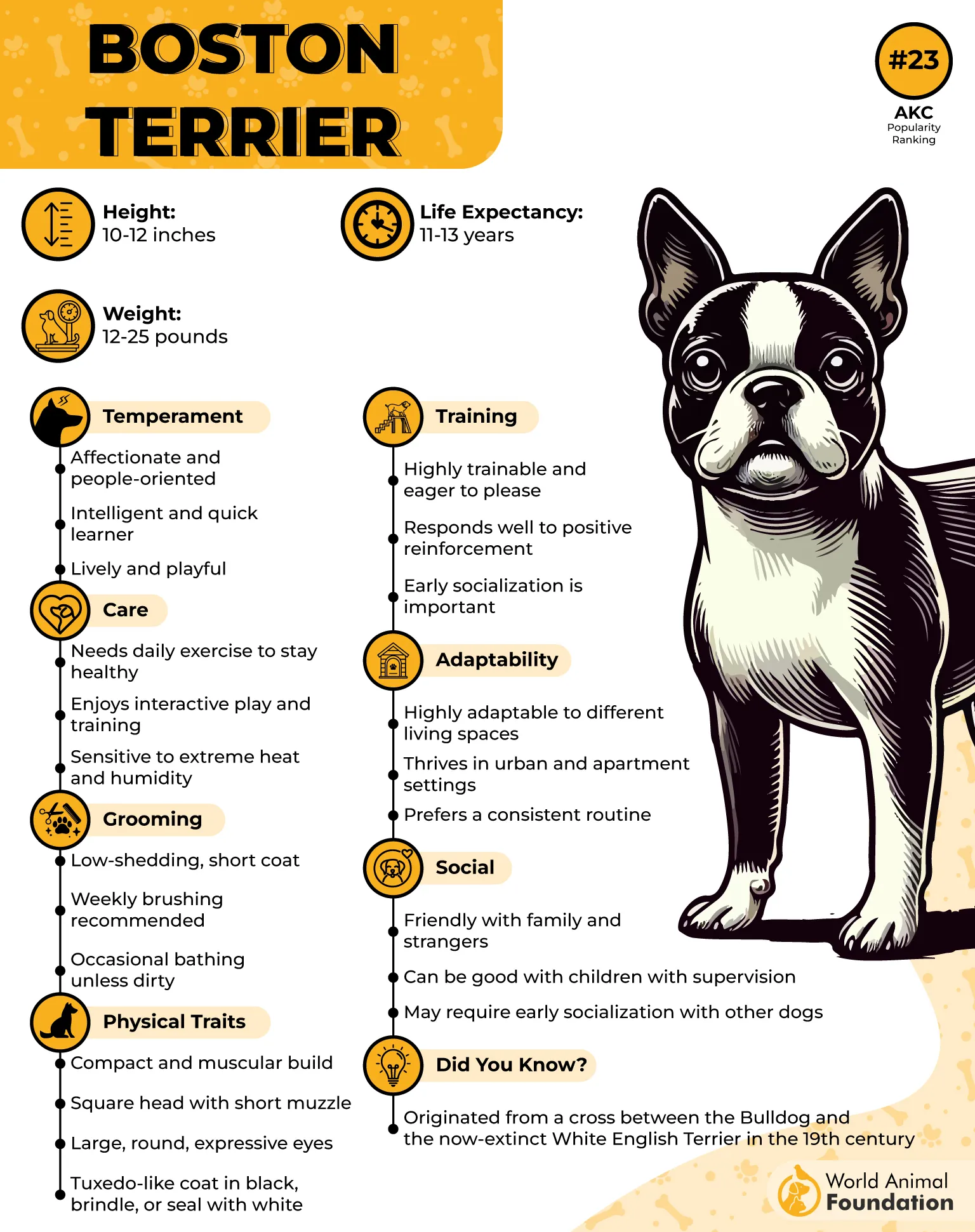
Boston Terrier originated in Liverpool, England, through a cross between a Bulldog and the now-extinct English Terrier. A dog named Judge later reached Boston, where Robert C. Hooper purchased him, and Judge became the ancestor of modern Boston Terriers.
Picks Up Skills Fast
They are eager learner that enjoys figuring out new tricks, especially when praise, treats, or a favorite toy rewards their efforts.
Positive reinforcement works well for teaching everyday cues and good manners, with simple commands providing a useful starting point.
These training exercises offer a practical place to begin:
Sit and down: Practice basic position cues
Leave it: Teach your dog to ignore tempting objects
Shake: Reward a gentle paw gesture on cue
A Lively Student
Boston Terriers often greet familiar people with enthusiastic jumps, so training can help turn that excitement into polite greetings. Short, rewarding sessions can channel their curiosity into useful habits, and adult dogs can learn new cues just as puppies can.
7. Cavalier King Charles Spaniel
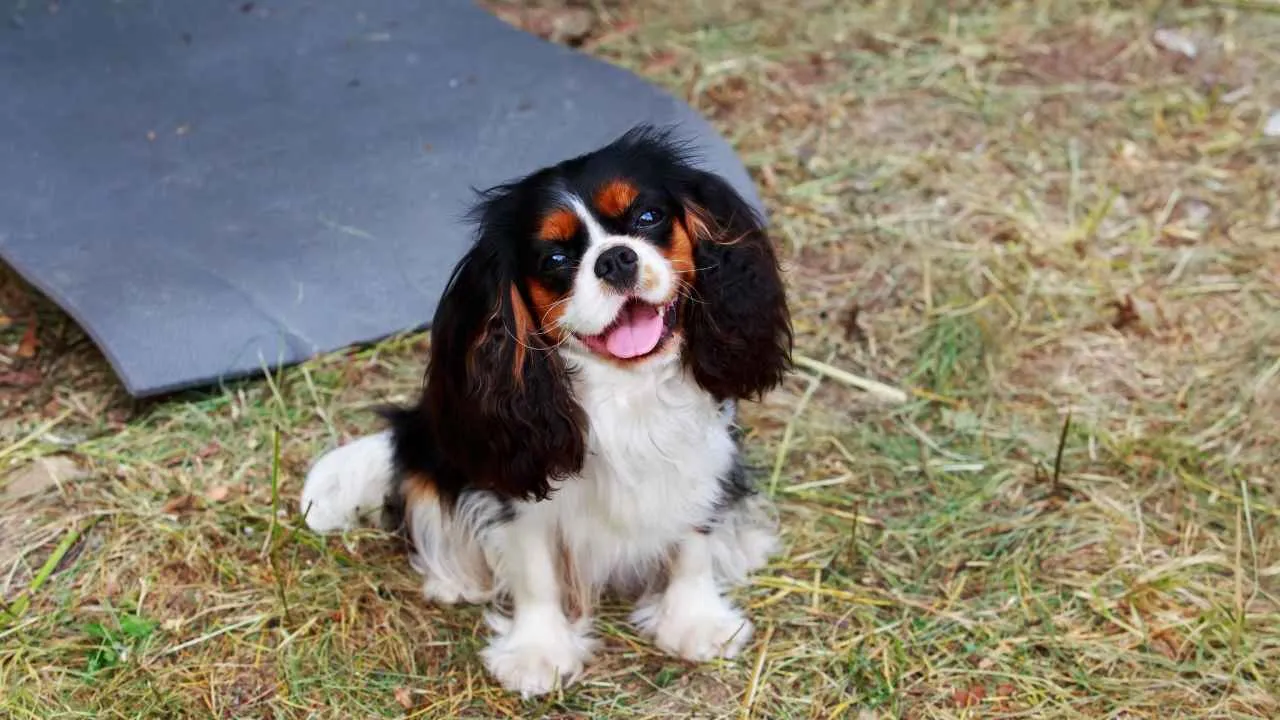
Cavalier King Charles Spaniel takes its name from King Charles I, the 17th-century English monarch frequently accompanied by spaniel-type dogs.
The breed later underwent a change in appearance during Queen Victoria’s reign, when crosses with Asian toy breeds, including Pugs and Japanese Chin, influenced its skull shape and facial structure.
A Sharp Little Mind
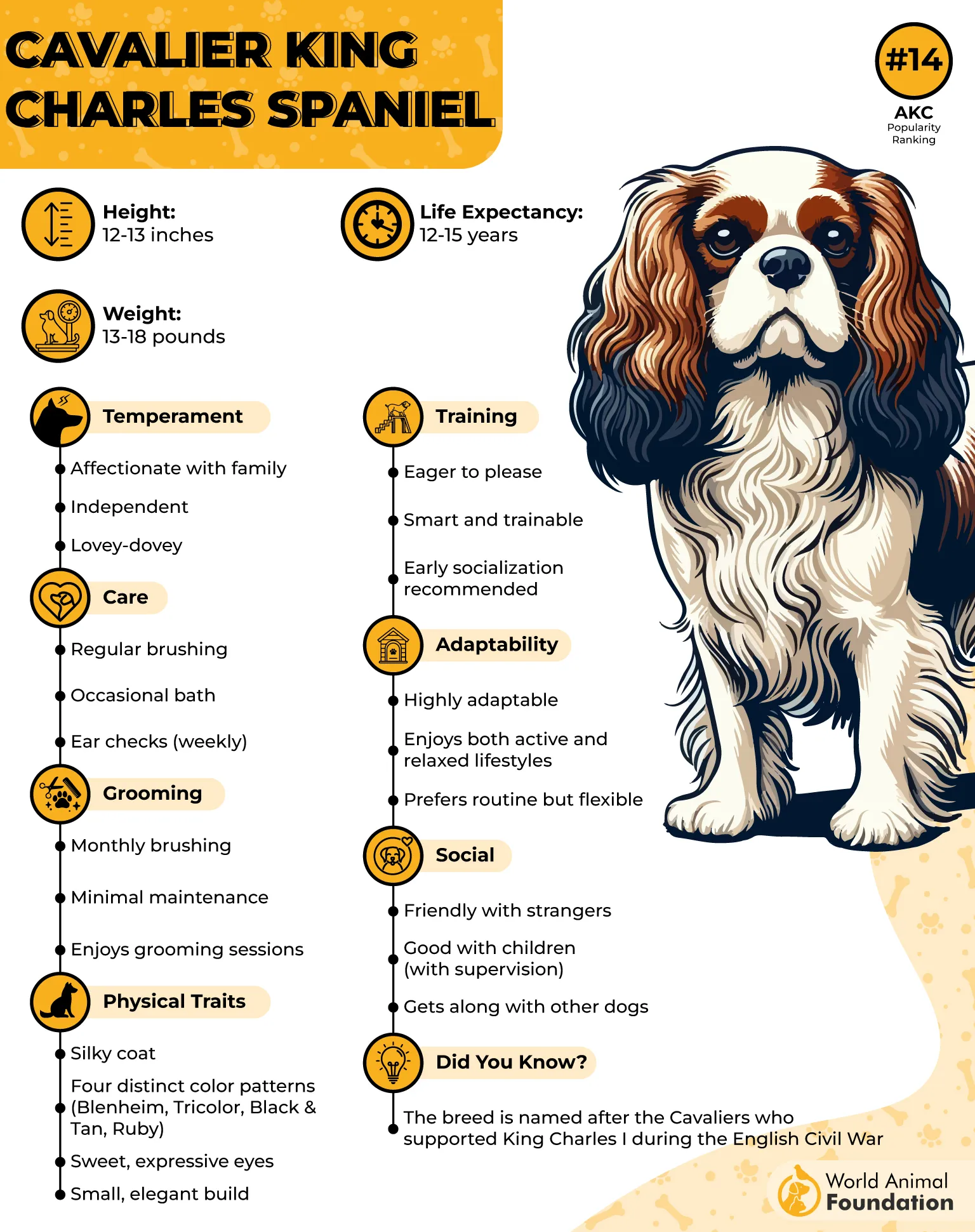
This therapy dog is eager to please and often picks up basic obedience cues quickly, making early lessons easier to introduce. Short, consistent sessions using treats, favorite toys, and enthusiastic praise can help teach commands such as sit, down, and come.
The following training details are worth remembering:
Begin lessons during puppyhood
Keep practicing obedience throughout adulthood
Introduce unfamiliar people and settings gradually
A Sociable Nature
Cavalier King Charles Spaniel enjoys meeting people and can get along well with other animals, including cats, when properly socialized. Its cheerful, playful personality suits households that enjoy welcoming visitors and including their dog in everyday activities.
8. Havanese
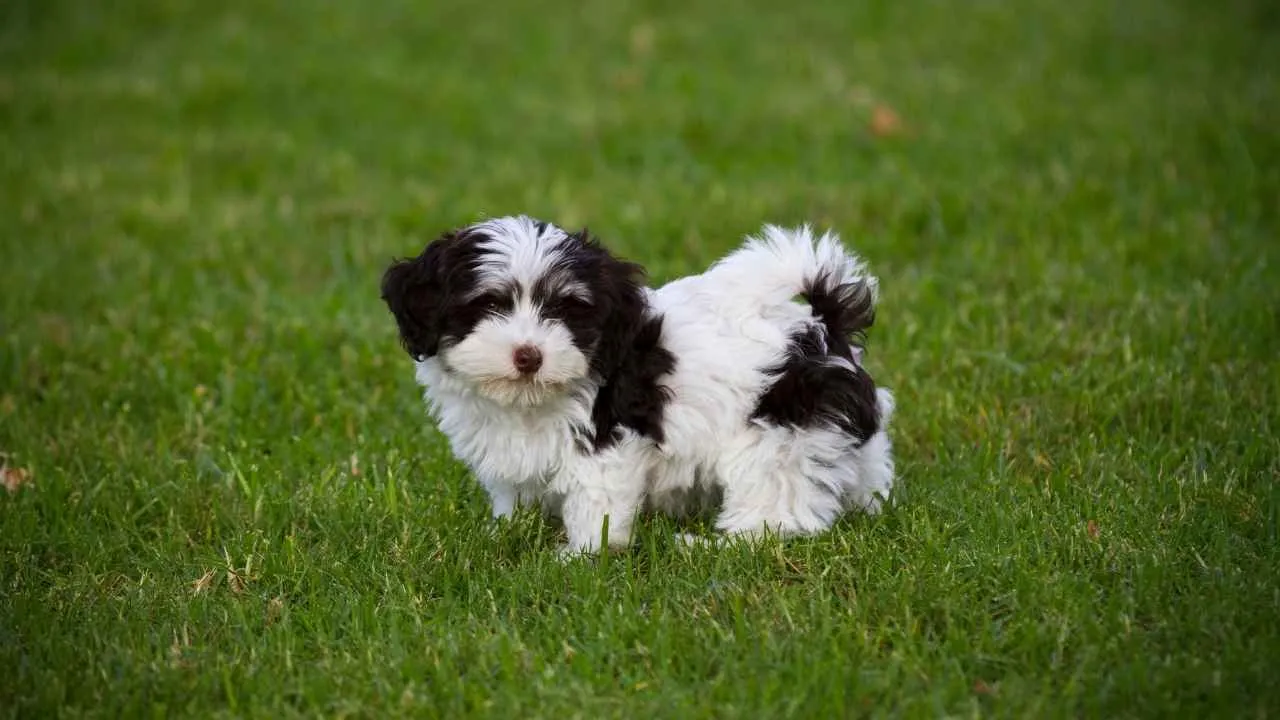
Havanese takes its name from Havana, Cuba, where its ancestors became favorites among wealthy families and aristocrats during the 1500s.
European Poodles may have contributed to the modern breed during the 19th century, alongside possible ancestry from the Bichon Frise and Maltese.
An Eager Learner
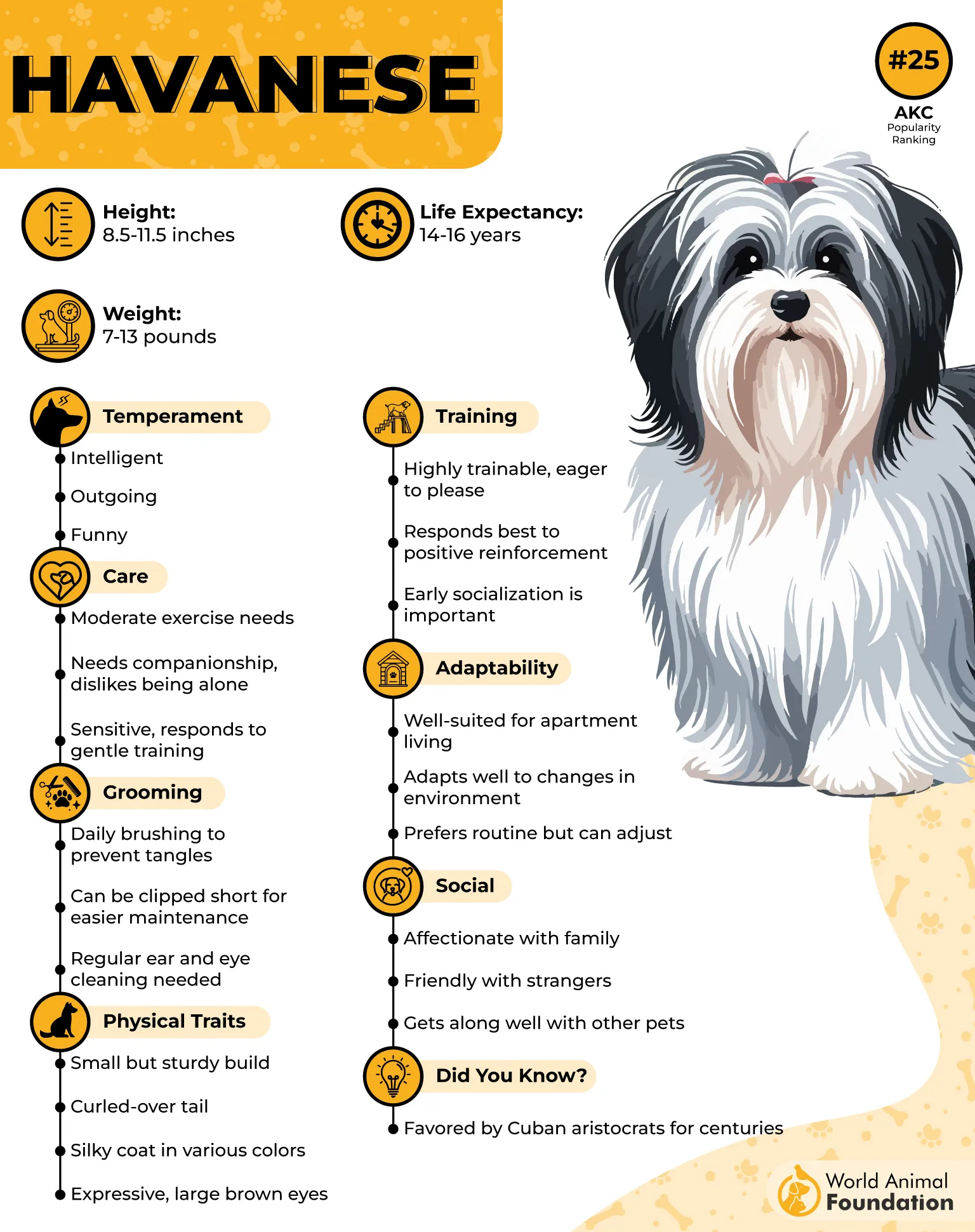
Havanese respond eagerly to reward-based teaching, making early obedience lessons a practical starting point for new dog parents.
Simple cues such as sit, come, and stay can begin at seven to eight weeks of age, using treats, toys, and praise to encourage progress.
These training details are worth keeping in mind:
Adult Havanese can learn new commands, too.
Agility classes offer a fun training challenge.
Crate training may help with toilet training.
Small Bladder, Extra Patience
Havanese puppies can take longer to toilet train because their small bladders require frequent outdoor breaks. Taking them outside regularly and rewarding the right behavior helps establish a routine, while a properly sized crate gives them a designated resting space.
9. Poodle (Toy)
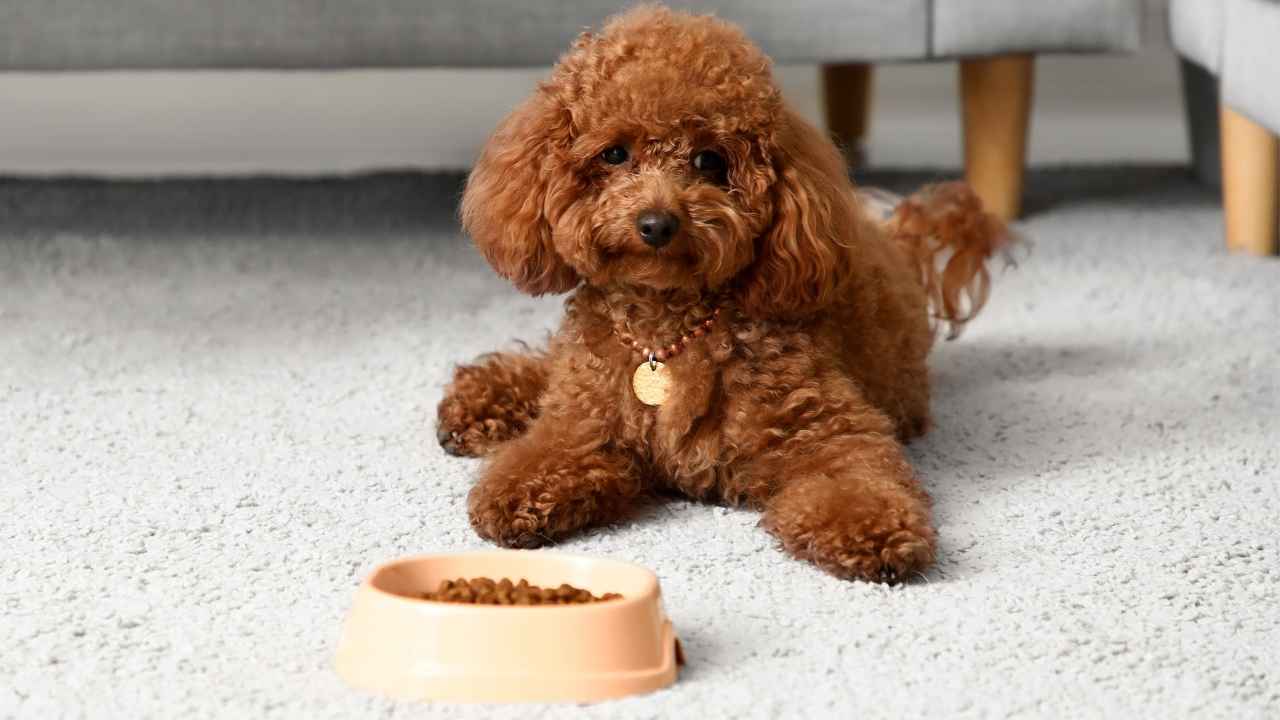
Toy Poodle traces its lineage to the larger Standard Poodle, whose original work involved retrieving ducks for hunters.
As people sought smaller companion dogs with the same intelligence, smaller varieties emerged, and Poodles later became favorites among French nobility and traveling performers.
Sharp-Witted and Curious
This breed has sharp intelligence with a strong desire to please, making lessons involving basic commands and entertaining tricks enjoyable to teach.
Its small size, under 10 inches tall, comes with plenty of energy, so short training sessions paired with play can help keep its attention.
Here are some features that explain its reputation as a clever learner:
Performed tricks in 18th-century circuses
Can learn familiar routines quickly
Responds well to rewards and praise
Small Dog, Big Energy
This truly trainable breed needs daily play and regular exercise alongside training to keep its active mind occupied. House training can take extra patience because its small bladder means bathroom breaks may be needed more often, while consistent routines help reinforce the right habits.
Conclusion
Teaching a dog new commands feels rewarding when small improvements begin to appear in daily life. A reliable recall, a calm greeting, or a simple wait at the door can make routines easier for everyone at home.
Some dogs become highly trained through regular practice, while others need more repetition before a lesson becomes familiar.
Positive rewards, patience, and regular practice help turn those early lessons into lasting habits. Breed can offer useful clues about trainability, with agility training and competition dogs reflecting different learning abilities. Larger breeds may suit some lifestyles, but individual temperament matters just as much.
Finding a dog that suits your lifestyle can make training more enjoyable and everyday companionship more rewarding.
