





Having a dog in a quiet area is great, but if it barks too much, it can become a nuisance. Apartment or close-to-one-another living can be more challenging because of the constant noise, and it can also irritate neighbors and disturb peaceful evenings. Thankfully, some dog breeds are quieter than others in social situations and bark less than other dogs.
A quiet dog doesn’t necessarily mean that it will not bark at all. Dogs vocalise for a variety of reasons: excitement, fear, boredom, territorial concerns, and much more! Even quiet breeds can bark when they are not used to their bed or get anxious, bored, or react to something new.
A dog’s breed is important in history. Some dogs were bred to be companion dogs, and some were bred to be working dogs where it was not necessary for them to speak a lot. For instance, it was common for a sight hound to chase an animal down instead of barking at it to death. Some toy breeds were also bred as house pets and are more laid-back.
So, if you are looking for a quiet dog breed that won’t rattle your quiet neighbourhood, here are 10 of them to choose from.
Quiet Dog Breeds That Won’t Rattle Your Quiet Neighborhood
1. French Bulldog
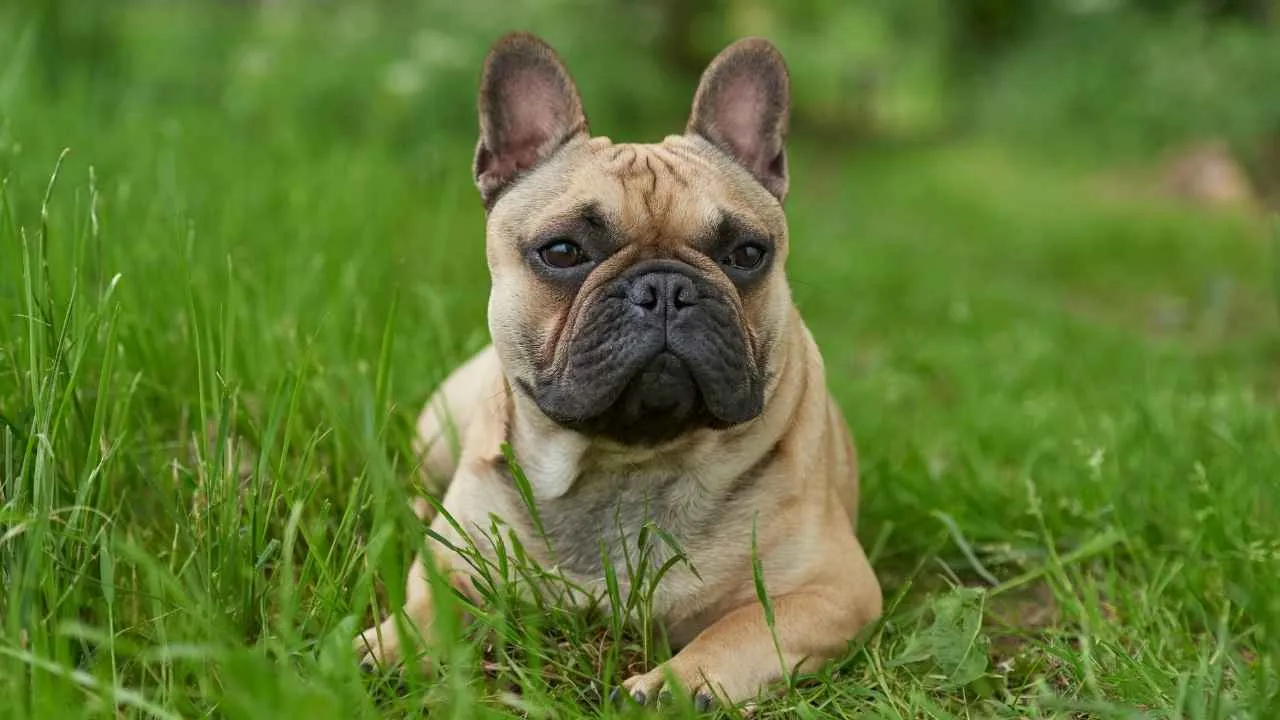
For those looking for a dog that doesn’t bark all the time and will be a good companion, the French Bulldog is a good option. Overall, it’s a fairly quiet dog but may bark if stimulated or if attention is demanded.
Frenchies are a small breed, typically 11-13 inches high and weighing less than 28 pounds. They are also compact, making them easy to keep up with exercise requirements for many city dwellers.
They adjust easily, so that’s why they’re a good fit for calm and comfortable neighbourhoods. French Bulldogs are okay living in apartments, houses, or smaller homes as long as they’re given the right kind of daily activity and interaction.
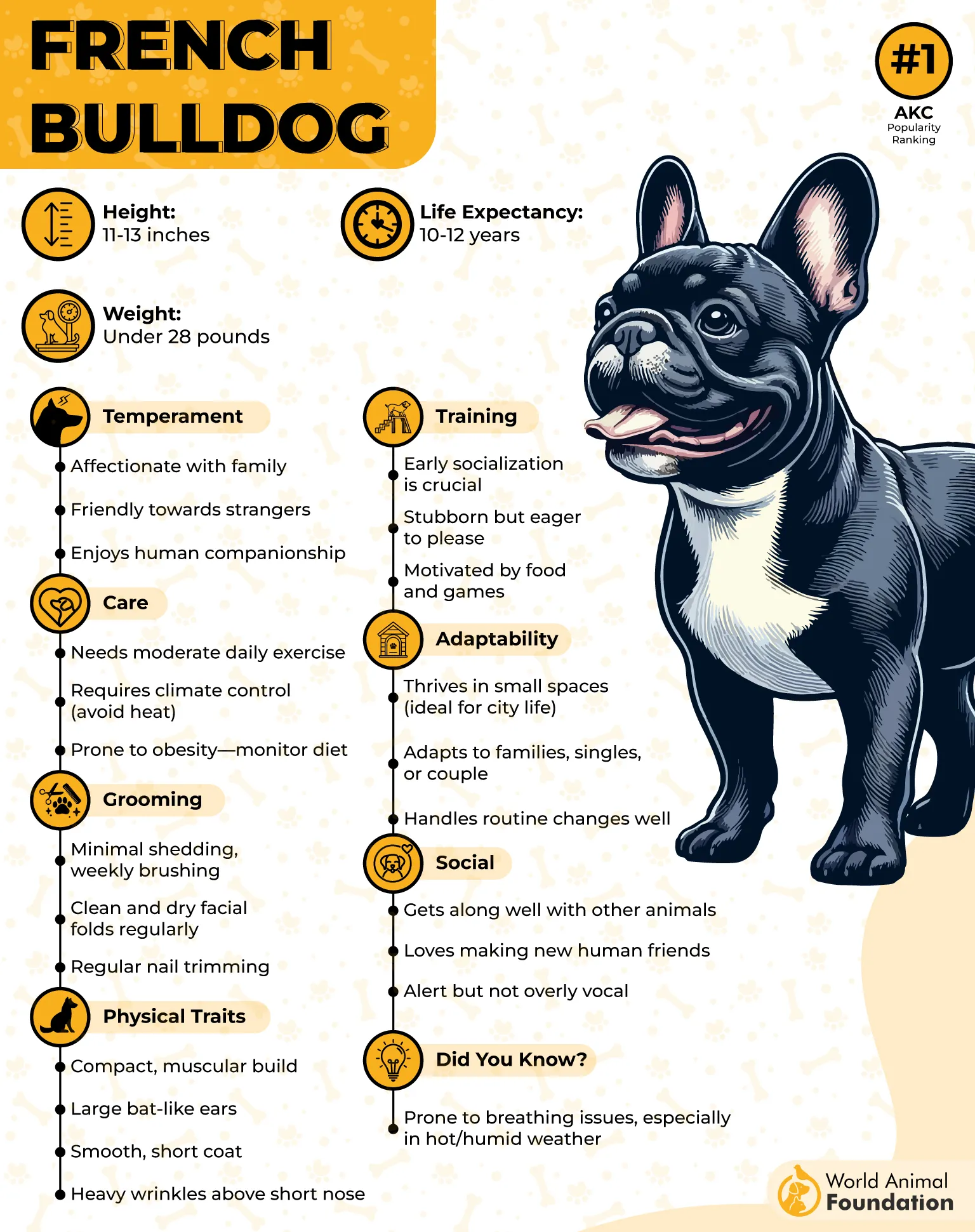
However, their short muzzle necessitates special attention. It can be challenging for brachycephalic dogs to cope with hot weather and extreme exercise, so owners should not consider a Frenchie to be an extra high stamina dog just because he may be more active at some times.
French Bulldogs can relax quite a bit at home, too, and can help to establish a more relaxed rhythm at home. But remember that it may not be silent because of its occasional snorts, grumbles, and other funny noises.
2. Basenji

The Basenji is one of the most unusual canines when it comes to barking. It’s sometimes referred to as the “barkless dog” because it doesn’t bark in the typical manner of most breeds.
That doesn’t mean it’s not loud. Basenjis may make a sound that looks like a yodel. However, they are an unusual breed and do emit a somewhat strange bark, which, for those who are particularly sensitive to a dog’s barking all the time, might be a consideration.
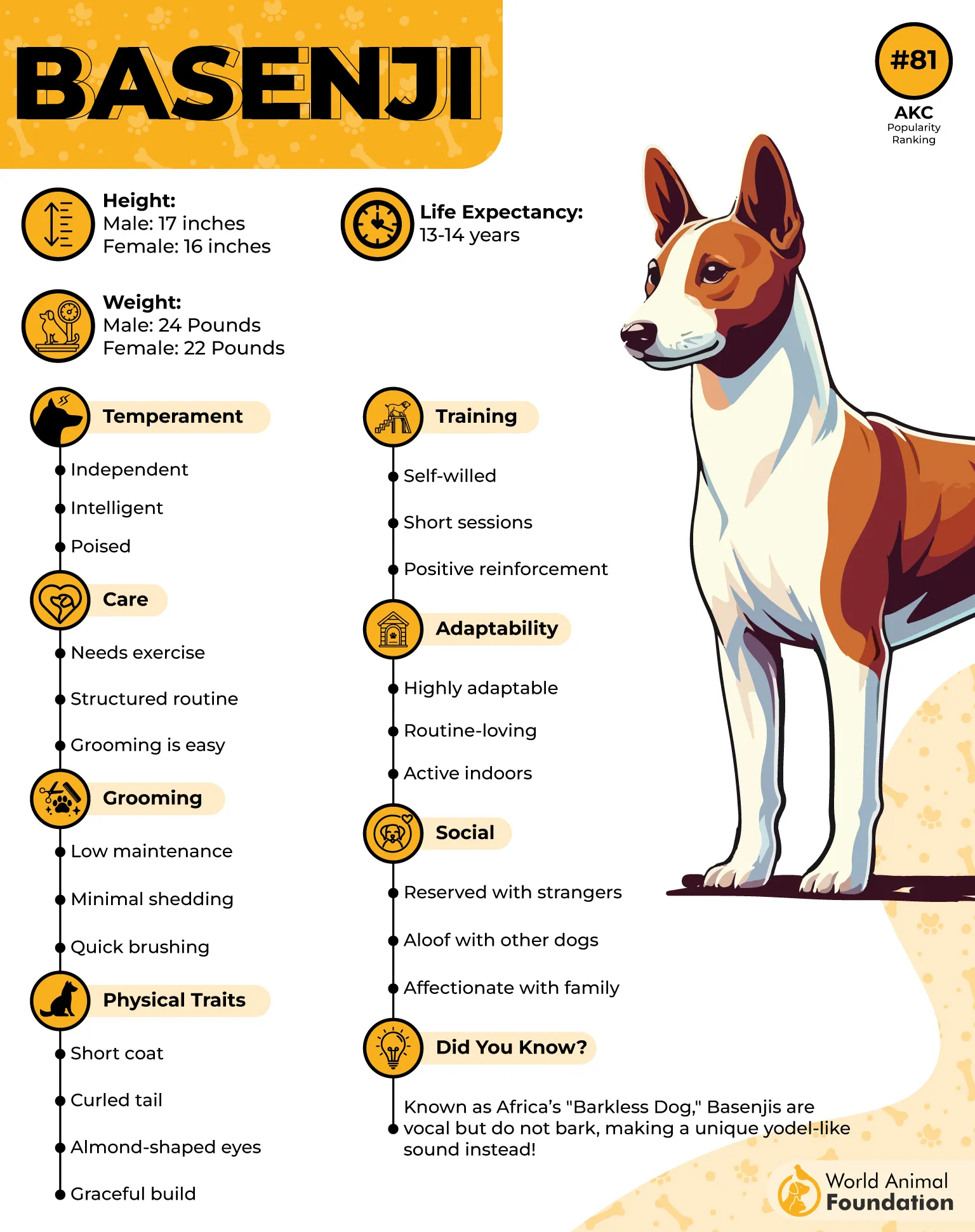
Basenjis grow to a height of 16-17 inches and a weight of 20-24 pounds. They’re athletic, bright, and surprisingly energetic for their size.
Their quietness comes at a price, which is that they require stimulation. If Basenjis are bored, they will become destructive, especially if their intelligence and curiosity are not given something to do.
They also possess a very cat-like character. Many are self-reliant, meticulous about appearance, and are not necessarily excited to do what their owner says.
3. Whippet
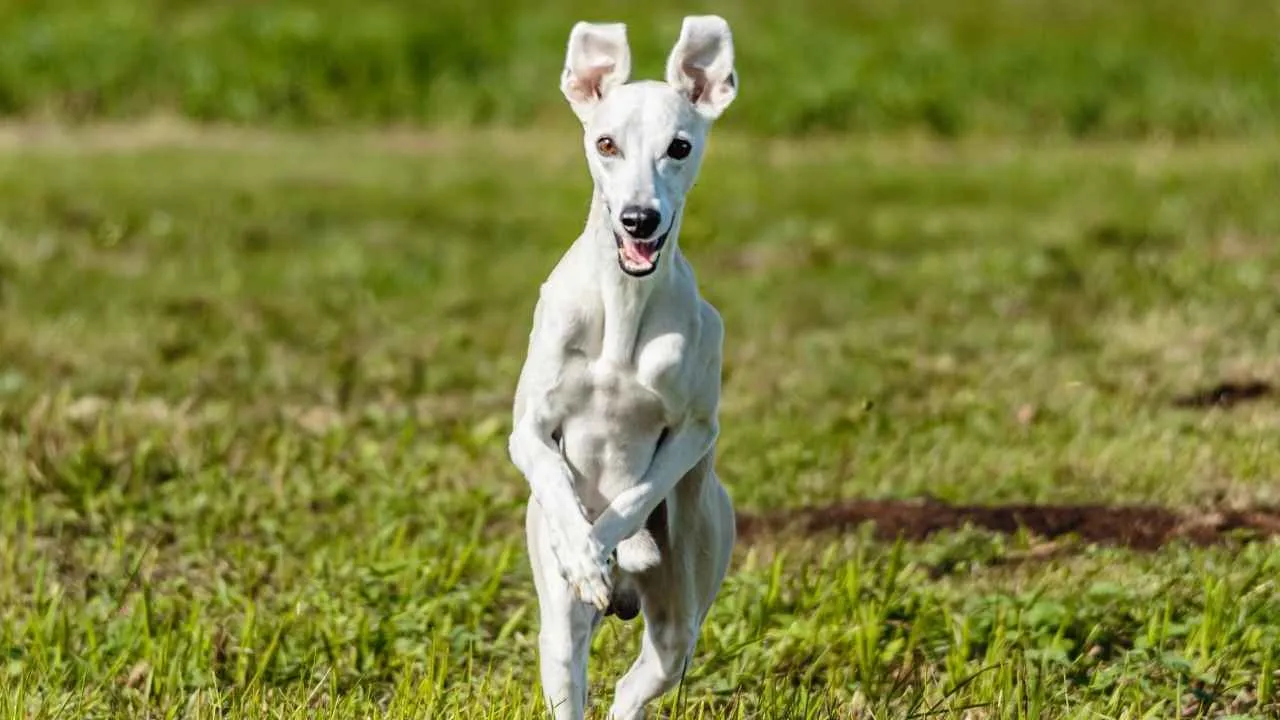
The Whippet is a reminder that a quiet dog doesn’t necessarily mean a small, inactive one. It is a streamlined sight hound that is very fast when it’s outside, but can be quite placid when at home.
Whippets are about 25 to 40 pounds and are about 18 to 22 inches tall. They have a short, fine coat, which also needs less maintenance than many fluffy breeds.

They’re relatively quiet, which is one of the most helpful qualities for a peaceful home. They do not bark continuously and many can relax and settle after a daily run around.
Another interesting feature is their history as hunter-herders. Whippets can become easily distracted by moving animals, so their outdoor area must be secure. If the dog has access to a yard, it is especially important that the fencing be tall and sturdy.
But at home things can be quite different. A dog who is running about in an enclosed field can be very comfortable on a sofa later in the afternoon!
4. Japanese Chin
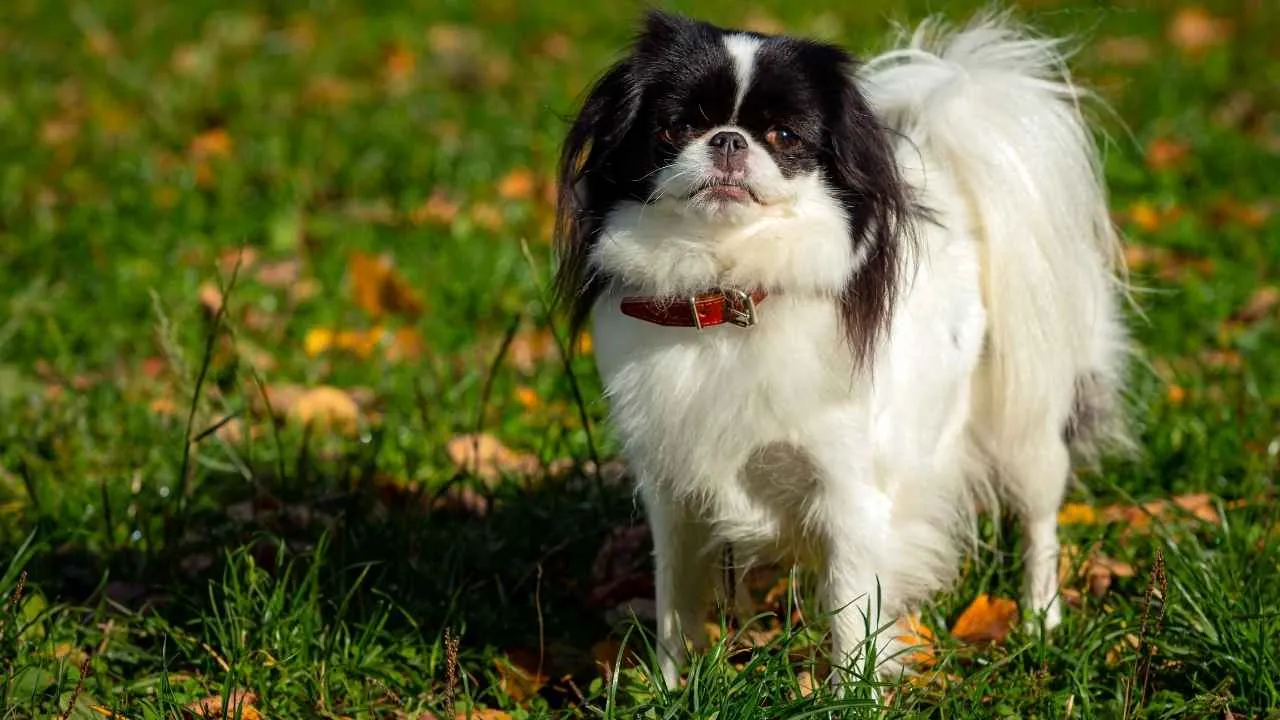
The Japanese Chin has an entirely different type of tranquility. This small dog breed has long been referred to as a pet for the upper class, and has a very cat-like temperament.
The average height of the Japanese Chin is 8-11 inches, and its average weight is 7-11 pounds. Due to their small size, these lap dogs are especially useful in smaller residences, as vouched by The Hill’s Pet.
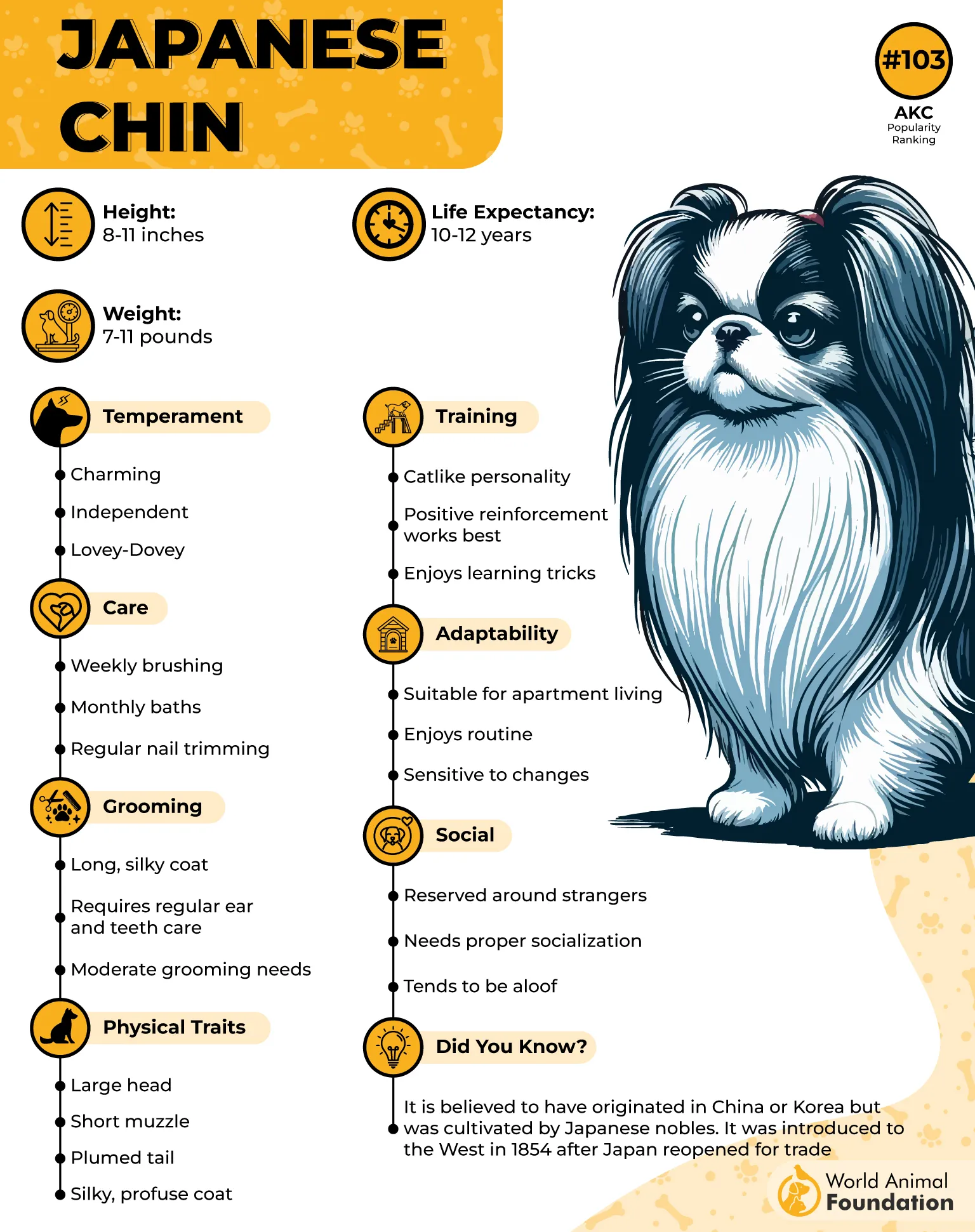
They tend to be elegant, mindful, and somewhat quiet. A Chin might entertain itself by investigating furniture, observing all the things going on around the room, or locating a comfortable raised area.
They have a cat-like behavior, which is one of their most interesting features. Some Chins will use their paws to play with objects and may even like to get up on furniture instead of the floor.
They should be companions and not be looked upon as entirely self-sufficient. If you prefer a very small dog that can be quite quirky, almost cat-like, the Japanese Chin may be a good choice, since it doesn’t bark all the time.
5. Bolognese
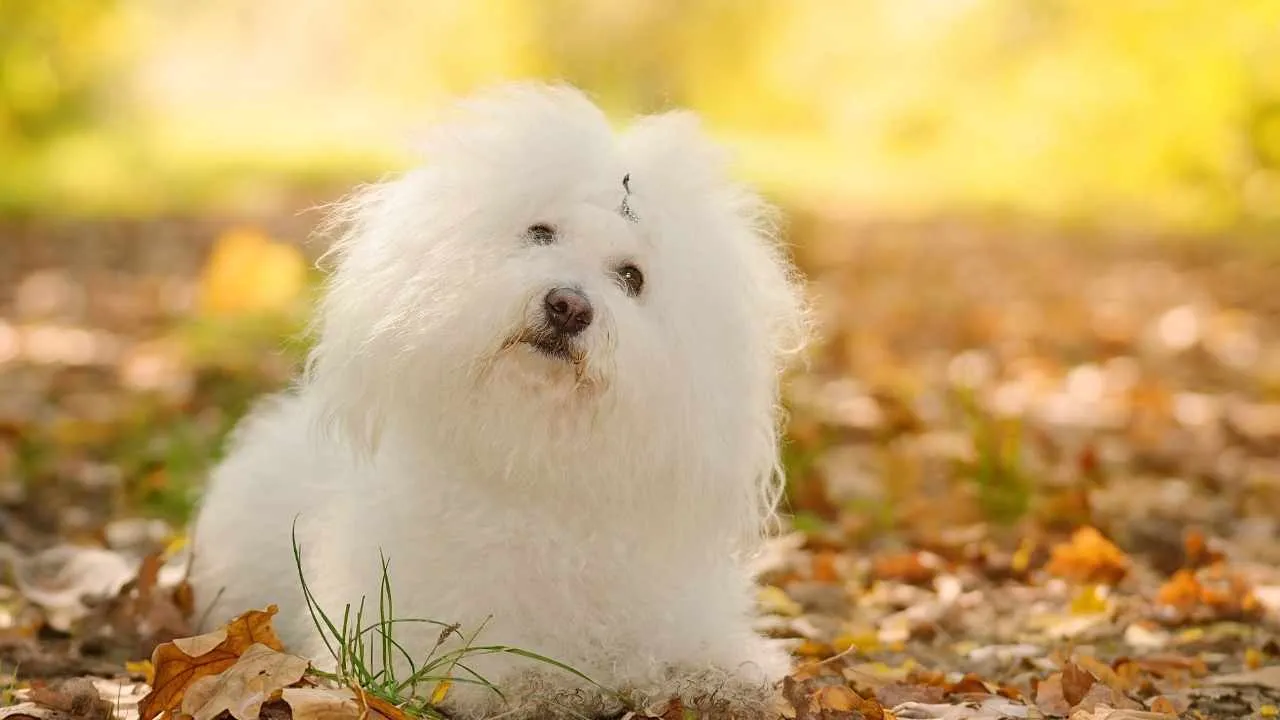
The Bolognese is a small Italian dog that is calm but affectionate. Overall, it is far less noisy than most of the smaller breeds, which is great for families where loud noises can be an issue.
The average size of these dogs is about 10–12 inches tall and 5.5–9 pounds. They have a fluffy, white coat which gives them a delicate appearance, but they are lively and robust enough for everyday life.
The Bolognese is useful in one way: originally, it was bred as a companion. It was not raised on a diet of killing, a home guard, and a watchdog. This is one reason why its normal activities are more family-oriented.
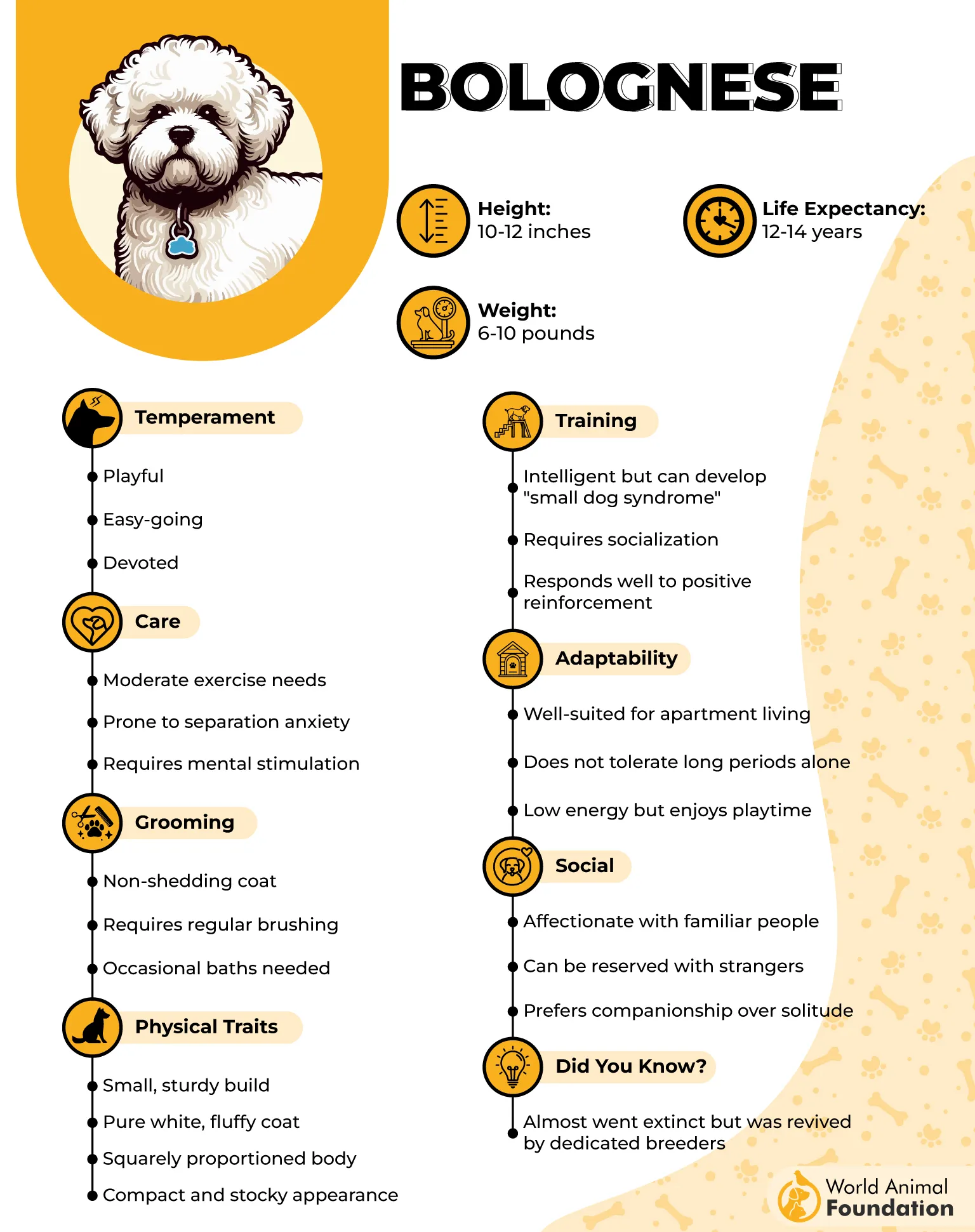
They remain alert dogs and bark when they are interested in something. Occasional alerting can become a habit if not prevented or addressed through good socialization and training.
Another factor is their fur. Its fluffy and soft look will need frequent brushing and care. The Bolognese can help maintain the peacefulness of the neighborhood, but they won’t necessarily keep you from having a busy grooming schedule.
6. Coton de Tulear
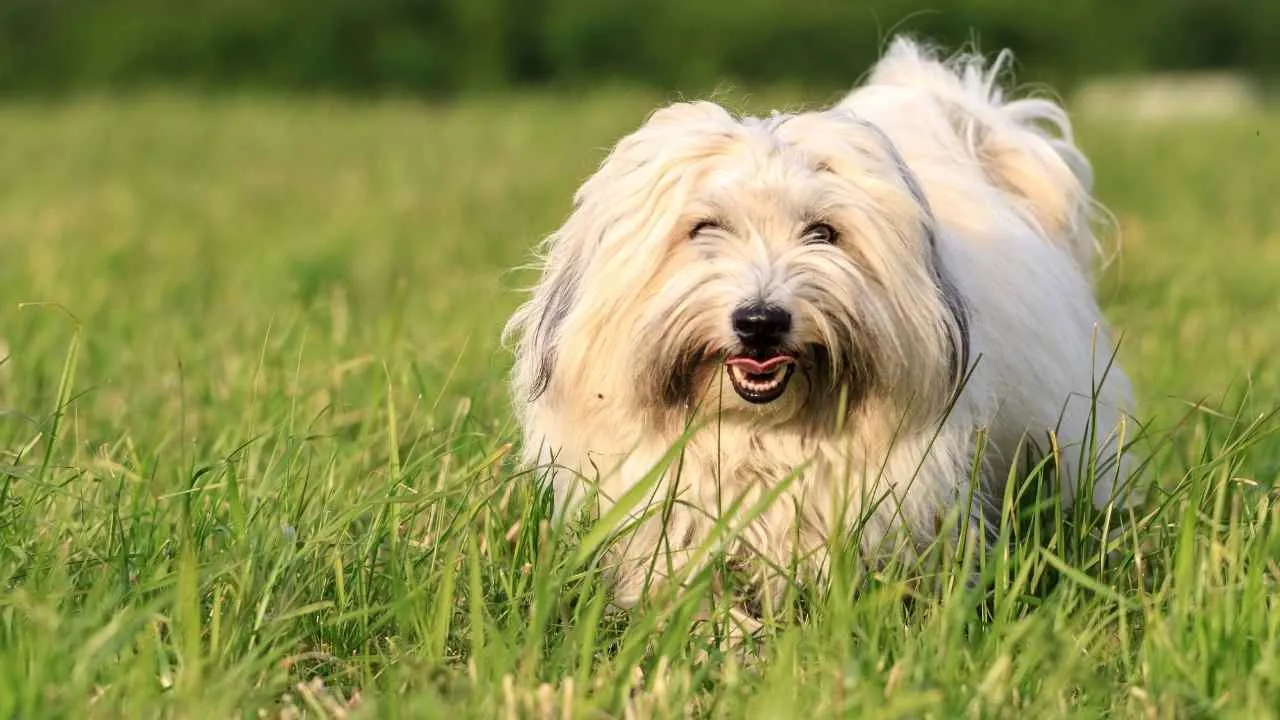
Another small companion breed with a friendly and adaptable temperament is the Coton de Tulear. It is from Madagascar and was not bred to be a special hunting or guarding dog, but became one as a house pet.
The size and weight of the Coton de Tulears are about 9-11 inches tall and 8-15 lbs. They are famous for their soft cotton-like coats and gentle demeanor.
Often, these are not silent, but vocalization can be handled if their social and mental requirements are satisfied. Likewise, their intelligence is advantageous for early training to instruct them when to bark and when not.
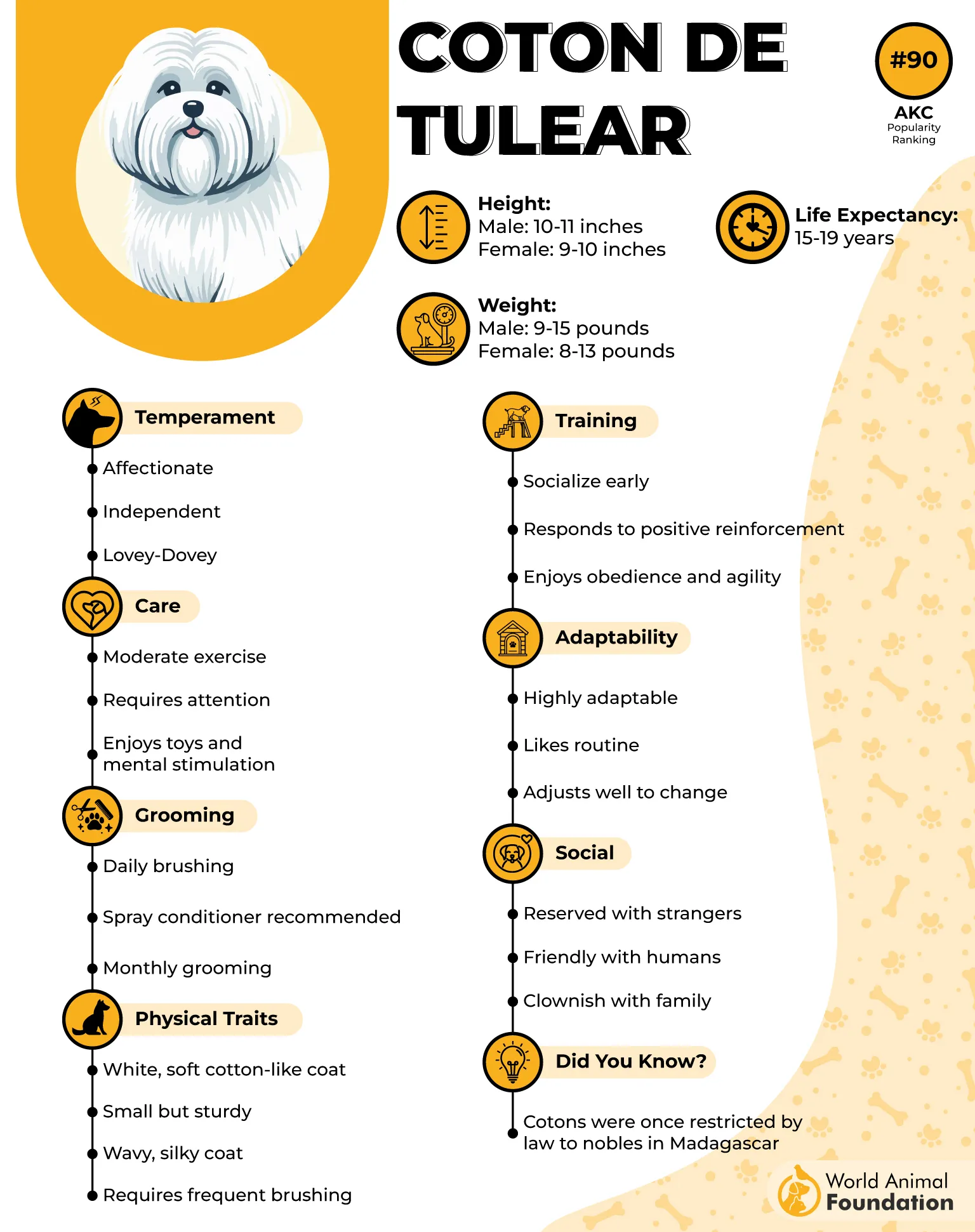
The Coton is particularly interesting for a peaceful household because it is able to adapt to different living environments. It can be walked and played with without the kind of hard work or sporting breeds require.
The caveat here is that Cotons are very social. Their quiet reputation should not be confused with a nod to being left alone for very long periods of time. A lonely Coton can vocalize only because it seeks its company.
This happy little dog, however, can easily be accommodated in a household with enough companionship, exercise, and training where the control of noise is important.
7. Pug
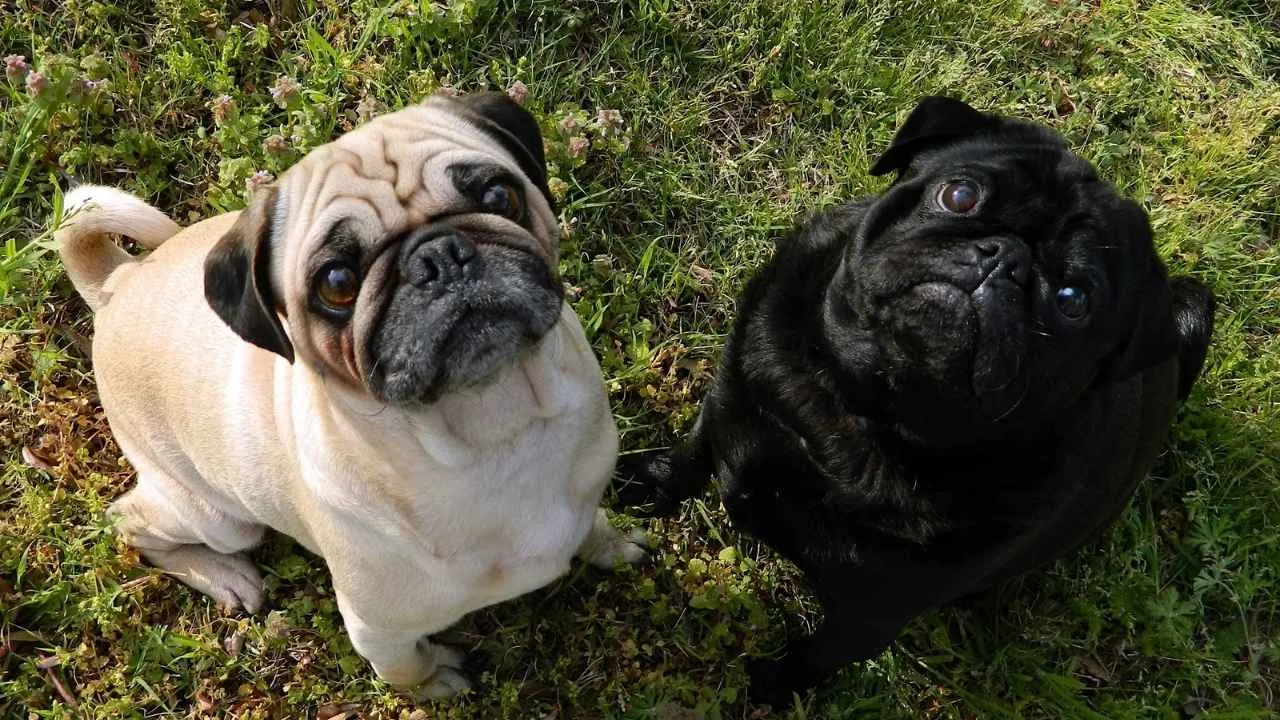
Pugs are known to be fun to watch, but are not too loud. These small dogs are normally 10-13 inches tall and weigh 14-18 pounds.
These playful pups were bred to be companion dogs, and much of their personality is rooted in family and not a rigorous working position.
Pugs can bark, particularly if they are excited or when they see somebody approaching the home. Their relatively low exercise needs allow them to enjoy a leisurely lifestyle where they are not driven to physical activity as are the high-drive breeds.
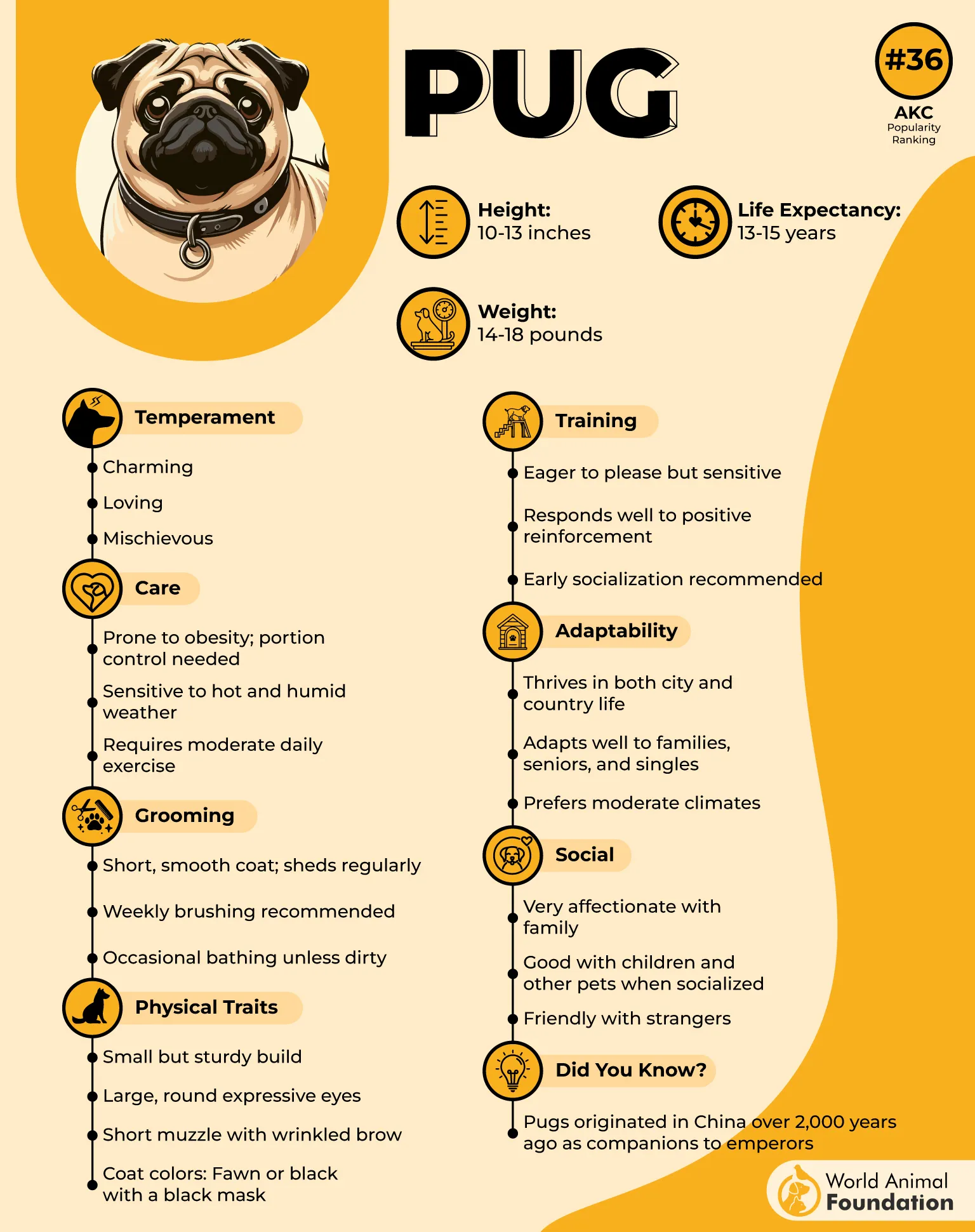
The most important health concern is their flat face. Pugs are not very tolerant of heat and exercise, and should be given gentle exercise and be careful not to over-exert them or overheat them.
They are another reason that they can be used in a peaceful home because they are able to go in the house. Many Pug dogs are very content to come back after a walk, playtime, or just a good time together and settle down for a long nap.
8. Boston Terrier

The Boston Terrier has a small size, and is quite adaptable, so it may be a good choice for individuals who prefer a relatively quiet companion with a calm behavior.
The height of Boston Terriers is usually around 17 inches or less, while the breed characteristics determine their weight, which can range from 12 to 25 pounds, as stated by PetMD.
They are also playful and may shoot out of the gates, but do not need a great deal of outdoor activity like sporting or working breeds. They are not like low-energy dogs and would need regular exercise to stay the calmest when around people.
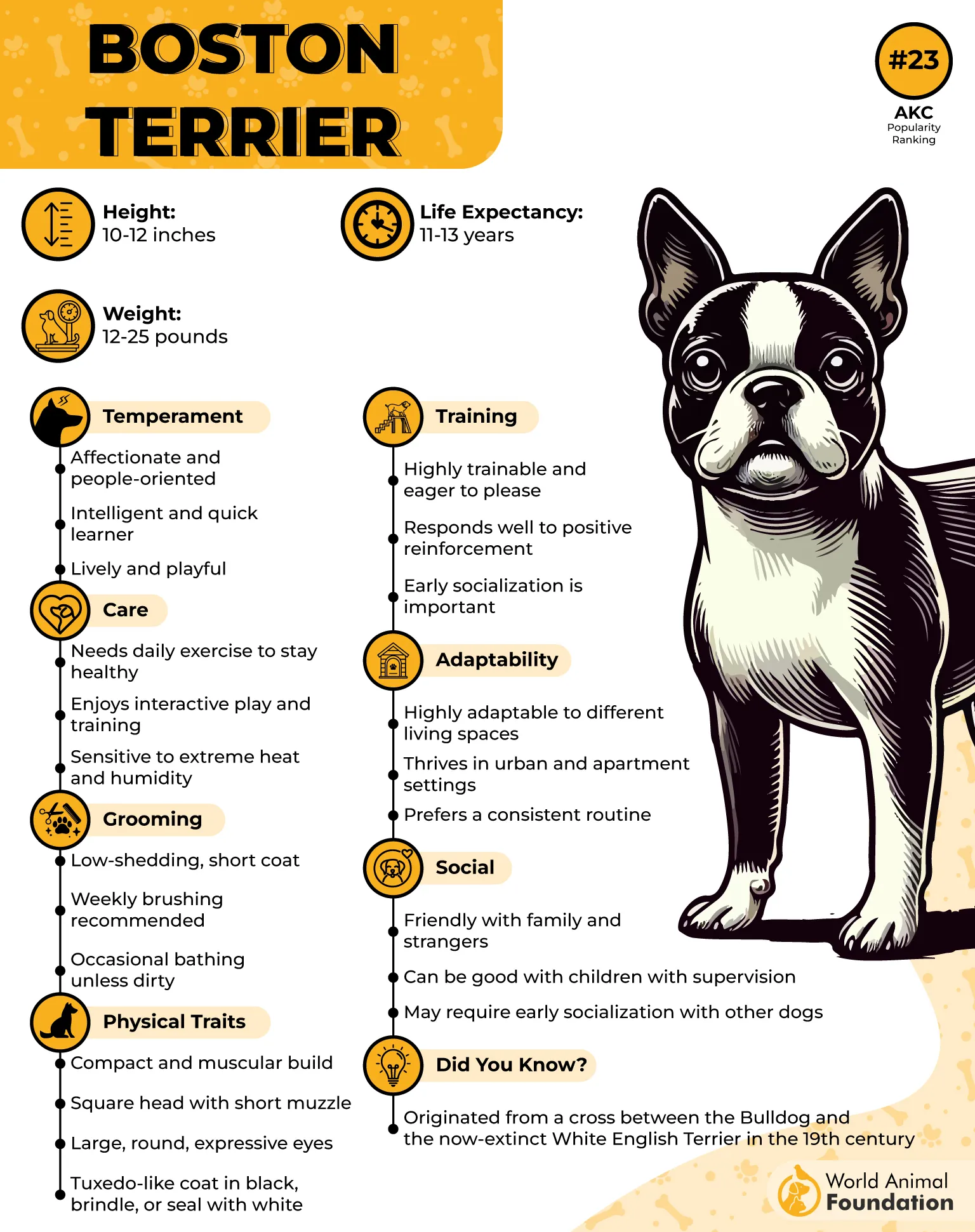
They are also interesting to watch while communicating. Bostons may bark on rarer occasions, but they’re not necessarily known as relentless barkers. They are alert and can become vocal when they are approached, or they notice something unusual, but your dog can be trained to control this vocal behavior.
Certain breeds are very social animals and will enjoy being part of the family in a relaxing downtime. A well-played, cared for, and exercised Boston will more readily fall into a placid manner.
However, they have a short muzzle too, so their owners should be cautious of heat or high levels of activity, especially in the summer months.
9. Clumber Spaniel
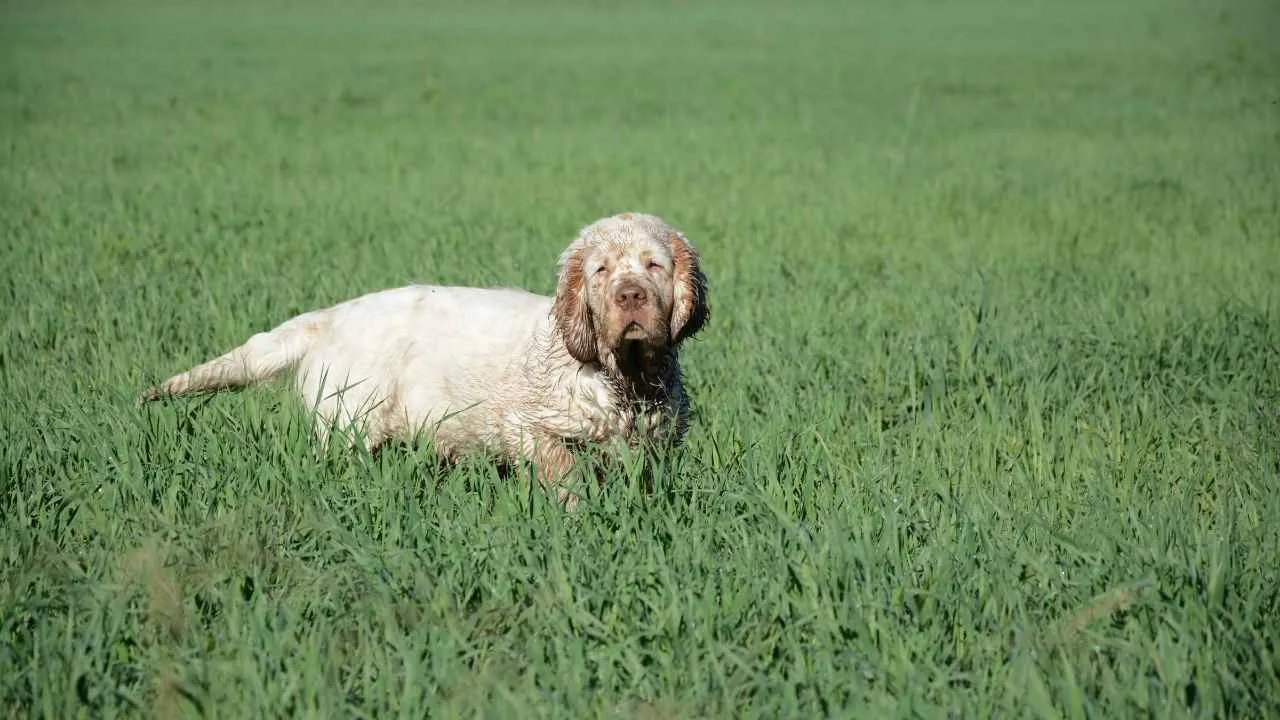
The Clumber Spaniel isn’t often the first breed to come to mind when people think of a quiet dog, but this wonderful pet is surprisingly laid-back when it comes to personality.
The Clumber Spaniel is a big, stout-boned dog. This excellent companion is about 17–20 inches tall and weighs about 55–85 pounds.
Clumber Spaniels aren’t as excitable as sporting or non-sporting dogs. They like to be outdoors, do scent work and investigate, but don’t typically get frantic.
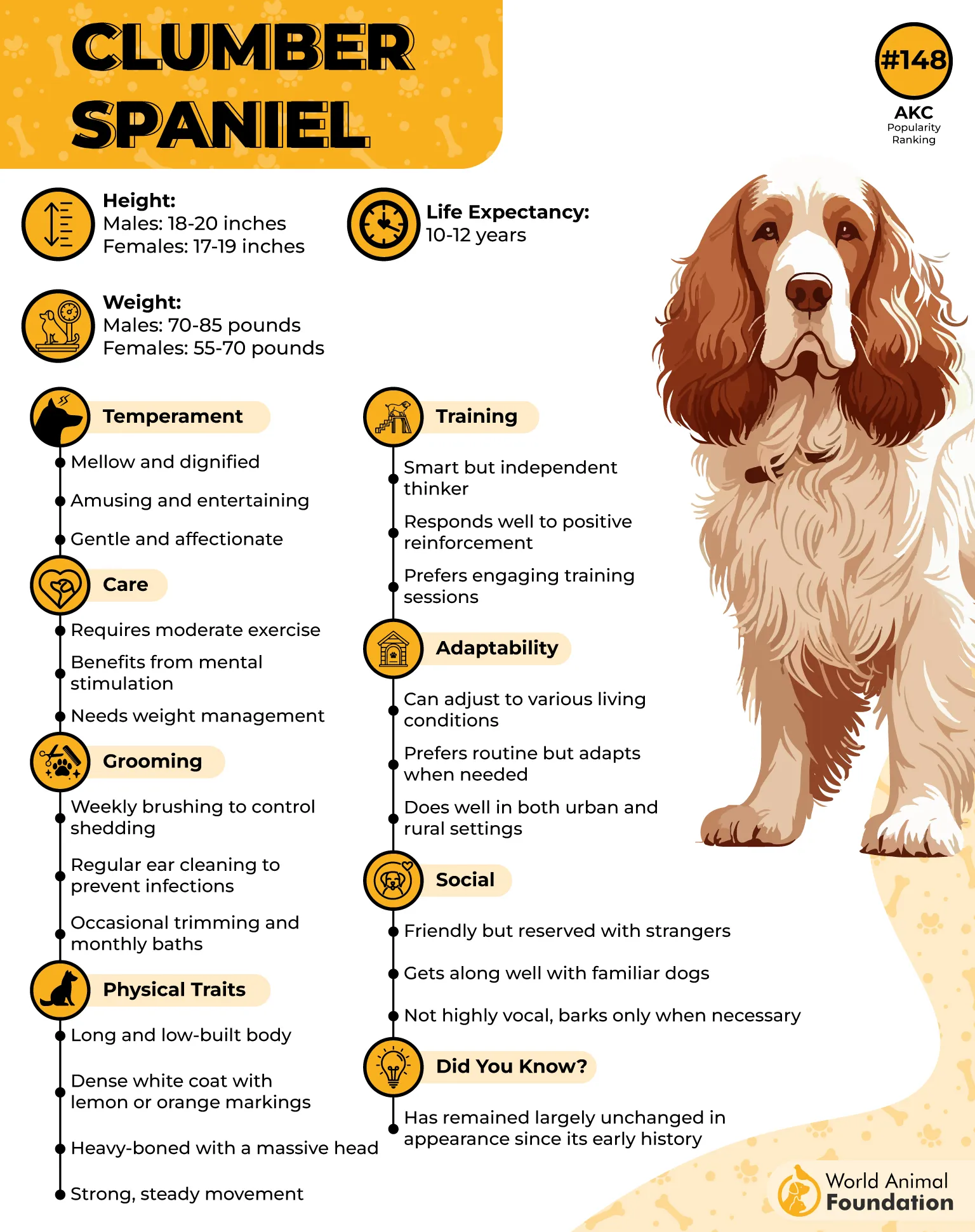
They are also not known to vocalise too much. Clumbers can bark to warn others in their family of something unusual, but a dog that barks all the time does not belong to the Clumber breed. These chill dogs, however, can be sensitive to noise if they perceive a noise to be a threat.
However, their calmness does not imply they are a value for a passively dwelling home. These active dogs were raised to hunt and are still fond of exploring the outdoors. It is important to have regular walks and mental stimulation.
The breed sheds extensively, too, and may drool, so those who fall in love with the quiet temperament must be prepared for the not-so-cute part of having a large spaniel.
10. Greyhound
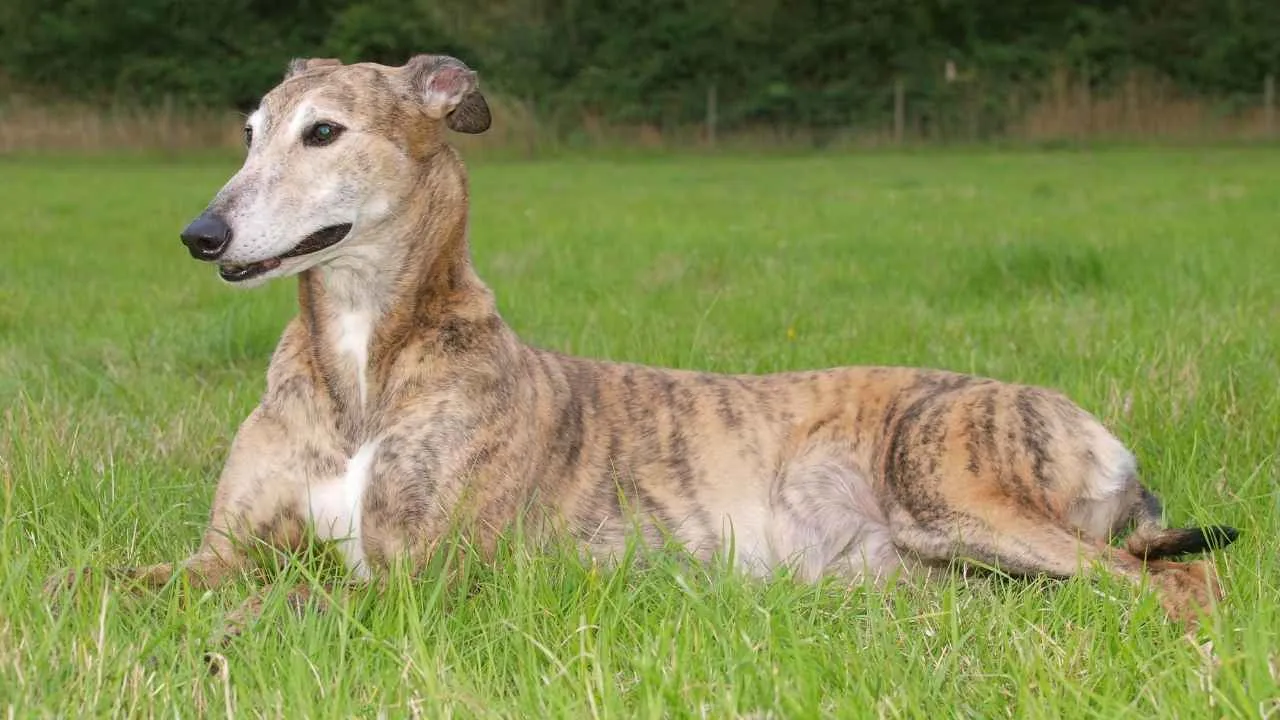
The Greyhound is probably one of the most unexpected quiet dogs on the list. It is eager to learn and quick; it rarely gets into fights at home.
The average size of this hound breed is 27 to 30 inches in height, and 60 to 70 pounds. This is a good family dog that behaves well around small animals if well socialized and trained from an early age.
They are fairly quiet dogs and do not seem to bark a lot. They are also able to be alone for a while after they have had their exercise and needs met. These particular dogs are known for their speed and are famously used for Greyhound racing competitions all over the globe, as per The American Kennel Club.
They are also popular therapy dogs because of their even-tempered nature.
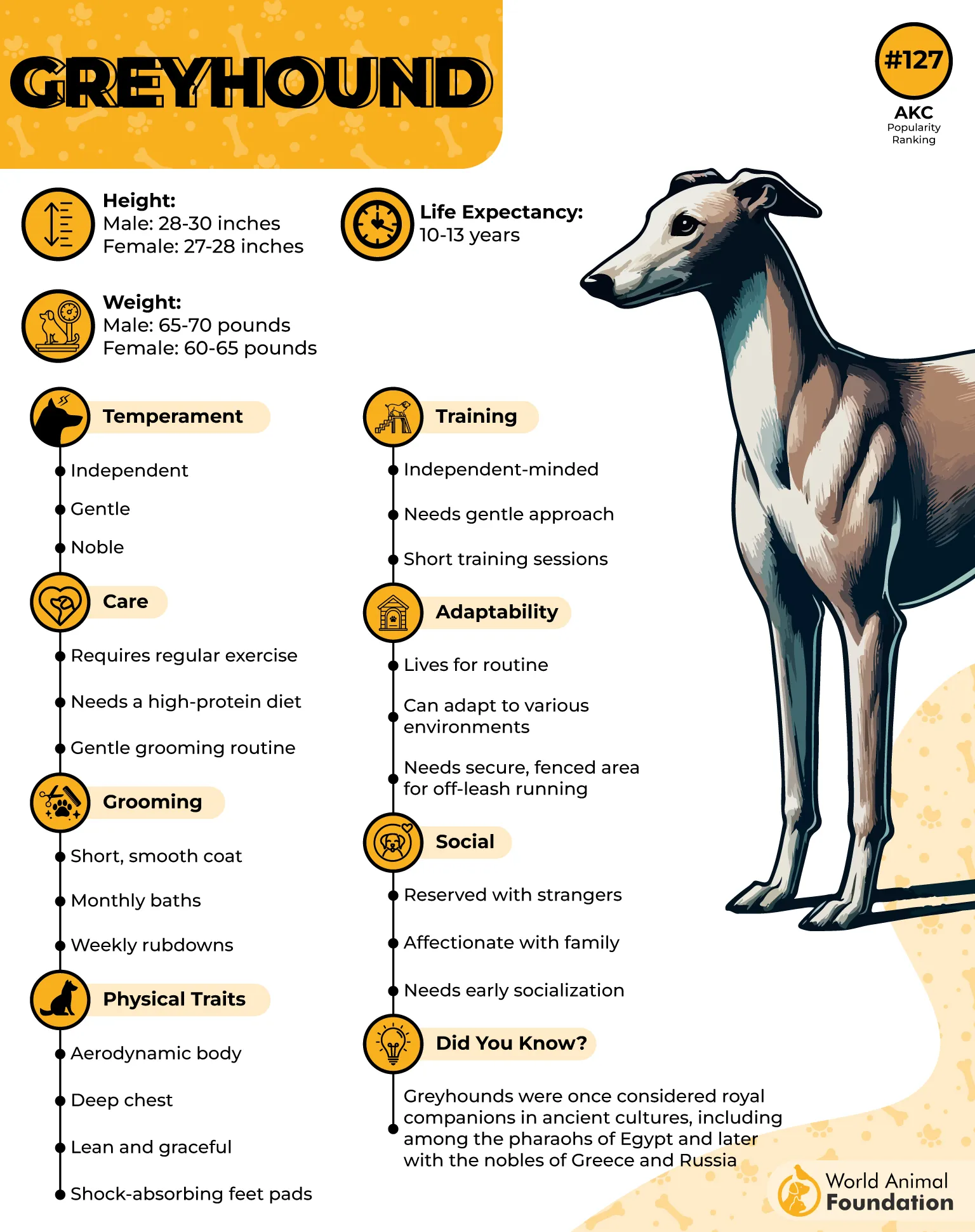
This is a good mix, one that makes for an interesting animal; a sight hound that can gallop at a tremendous speed and may spend much of its indoor life sleeping or lounging.
They are very sensitive, and therefore it is best to use positive training techniques. They also have a strong chase instinct, so it is best to have secure outdoor spaces. If a small moving animal is viewed by a Greyhound, it may respond immediately.
Greyhounds are one of the fittest dogs you can find and are also low-maintenance because of the short hair on their body.
Conclusion
In an urban area with front yard homes, a quiet dog can make a difference. But the quietness of the breed is not all that matters. Training, socialization, boredom, anxiety, environment, and personality are all factors that affect the barking of a dog.
All dogs, even those that don’t talk much, require plenty of activity, attention, and mental stimulation. Despite a dog’s breed, a dog with nothing to do will find its voice one of these days. The ideal companion for a neighborhood is the one that is better suited to small apartments, does not have a lot of vocalization, and does not indulge in aggressive barking.
If you’re looking for the quietest house dog, look beyond the name of the breed. Pay attention to this furry friend’s personality, choose the right type of daily activity for the dog, and reward quiet behavior, while finding out what causes barking. A caring and gentle-speaking dog is the first step to a peaceful neighborhood.
