




Some working dogs have a built-in radiator system in their own paws, swapping heat between blood vessels so their feet never freeze on ice. That is not a cozy coat doing the work; it is raw biology.
According to research highlighted by Iditarod’s education program, this trick called countercurrent circulation is just one of several extreme survival tools working dogs carry, built and shaped over generations for conditions that would stop an ordinary house pet in minutes.
Resilience is not one trait, though. A dog built to handle brutal Arctic winters can struggle badly once the temperature climbs, while a dog shaped for scorching highlands handles ice in a completely different way.
That mismatch between reputation and reality is exactly what trips up most dog owners choosing a hardy companion for their own harsh climate. Keep reading to see which tough breed was actually engineered for conditions like yours.
Most Resilient Dog Breeds That Withstand Extreme Conditions
1. Siberian Husky
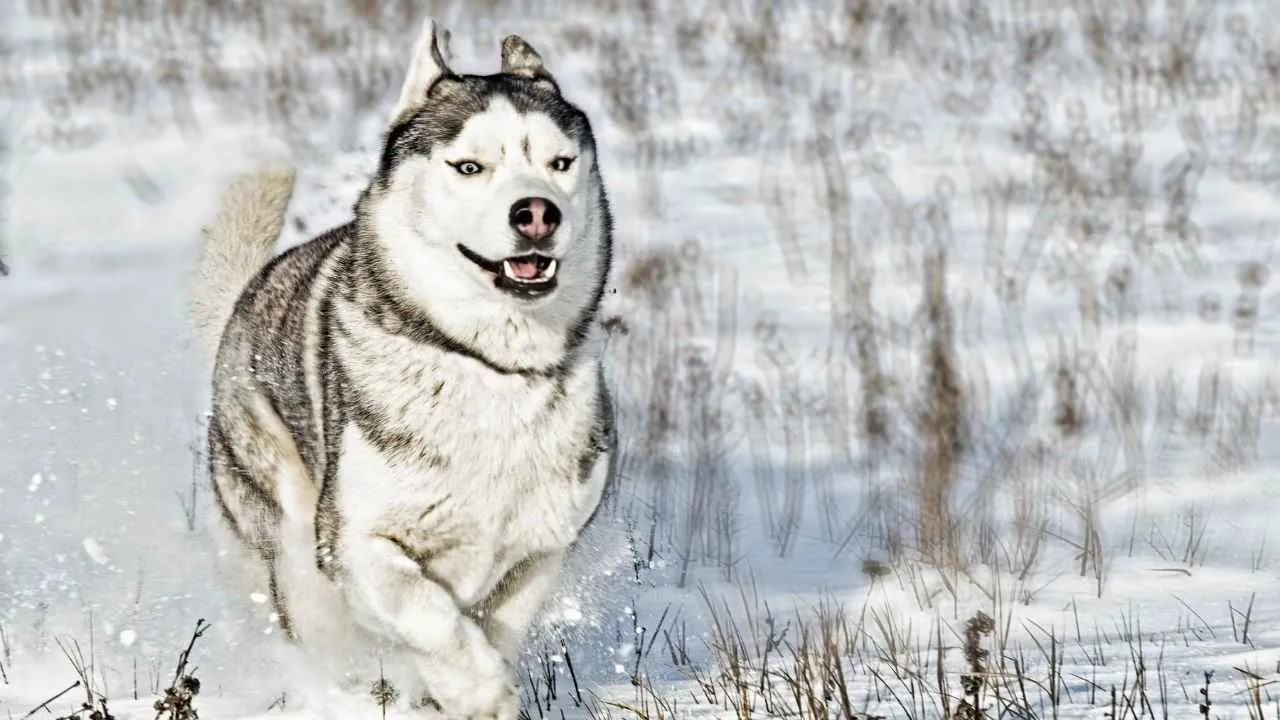
The Siberian Husky was originally bred by Siberia’s Chukchi people to pull light sleds across tundra for long distances, according to the AKC. It thrived in cold that stopped other working dogs in their tracks. Warm climates are a different story entirely.
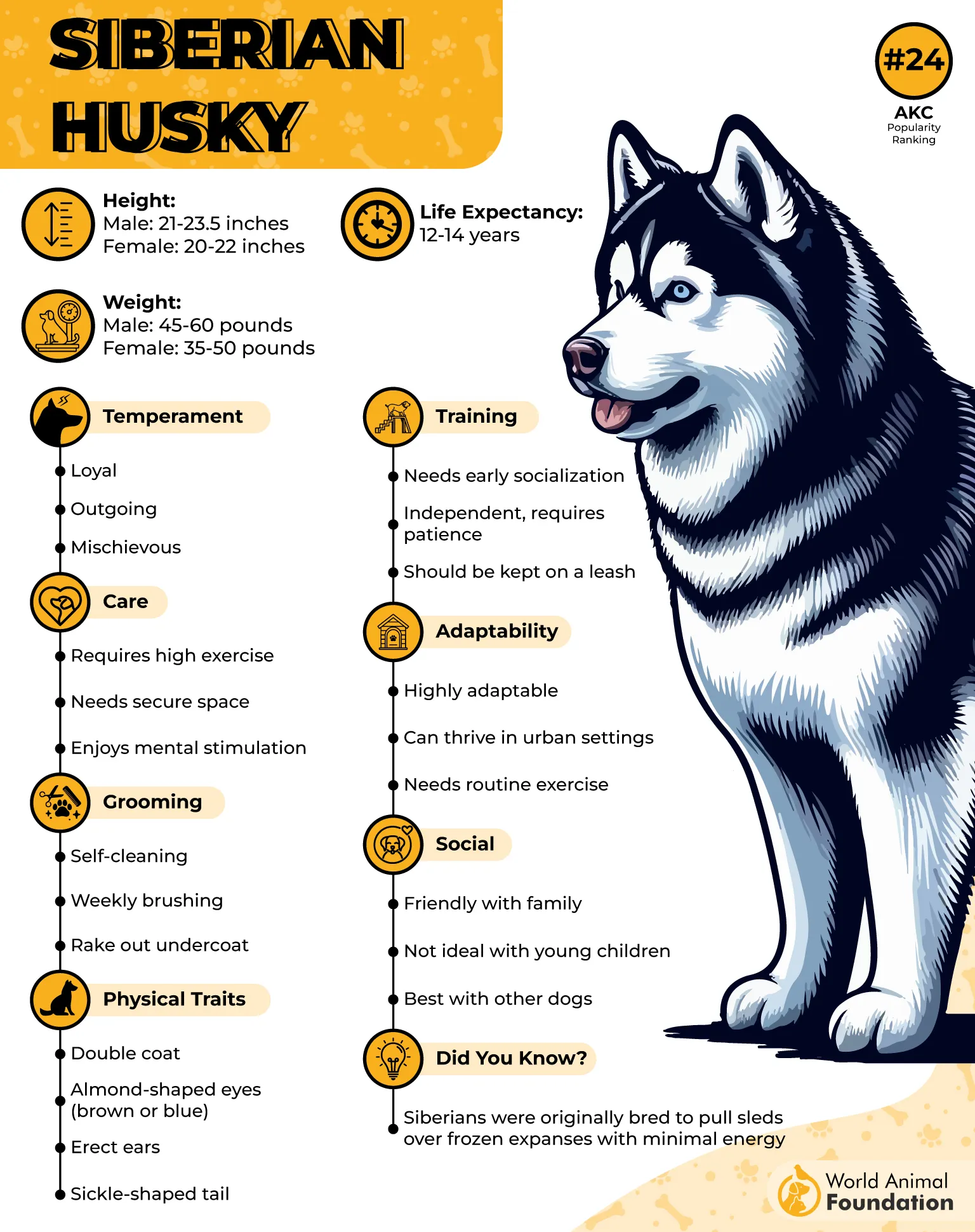
Extreme cold is this breed’s natural habitat. An efficient metabolism turns food into steady, long-lasting energy instead of quick bursts, letting the dog keep moving for hours in freezing air. Few working dogs match that kind of cold weather endurance.
Thick double coat: Traps warm air against the skin to block out biting wind.
Fur-covered paws: Cushion each step and resist ice buildup between the toes.
Curled sleeping posture: Tucks the nose under the tail to guard against frostbite.
Heat is this breed’s weak spot. The same coat that blocks out cold traps warmth in instead of letting it escape, so huskies overheat fast once temperatures climb. Shade, water, and shorter walks keep this cold climate specialist safe in summer.
2. Alaskan Malamute
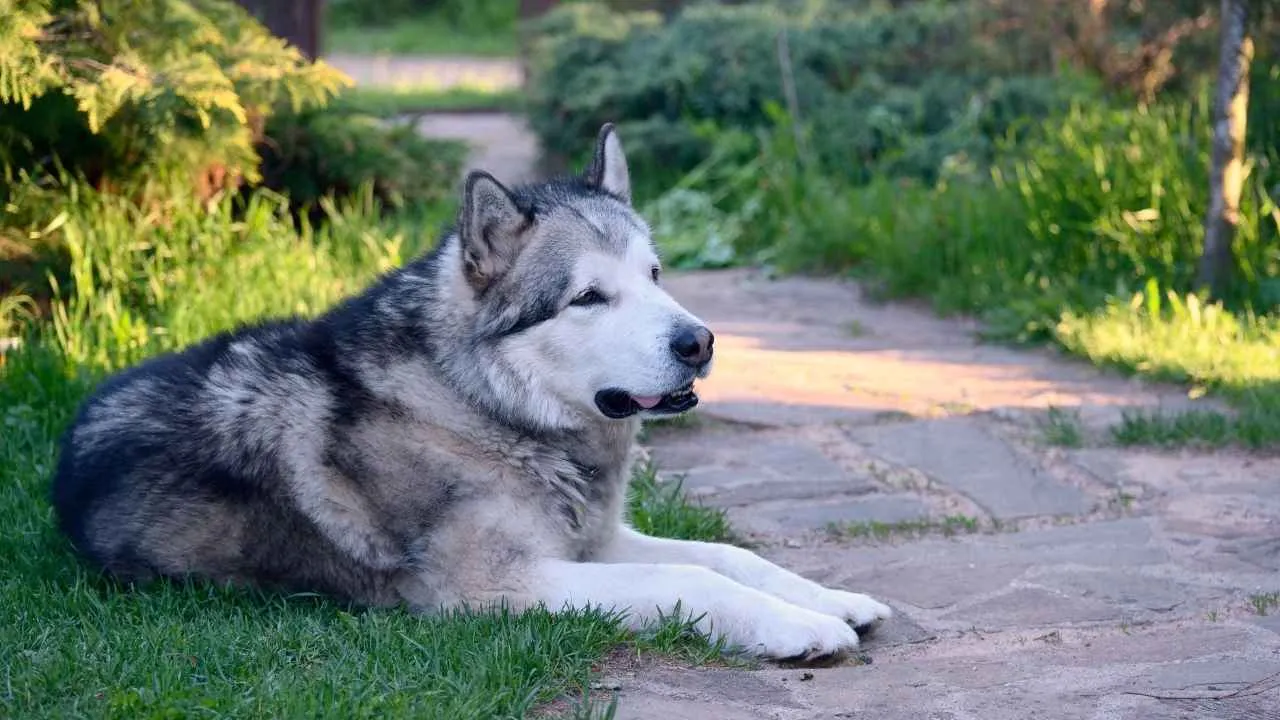
The Alaskan Malamute was originally bred by Alaska’s Mahlemut people to haul heavy loads across Arctic terrain long before engines existed, notes PDSA. Few dogs match its muscle and stamina in brutal cold. Warm regions ask a lot more of this powerhouse.
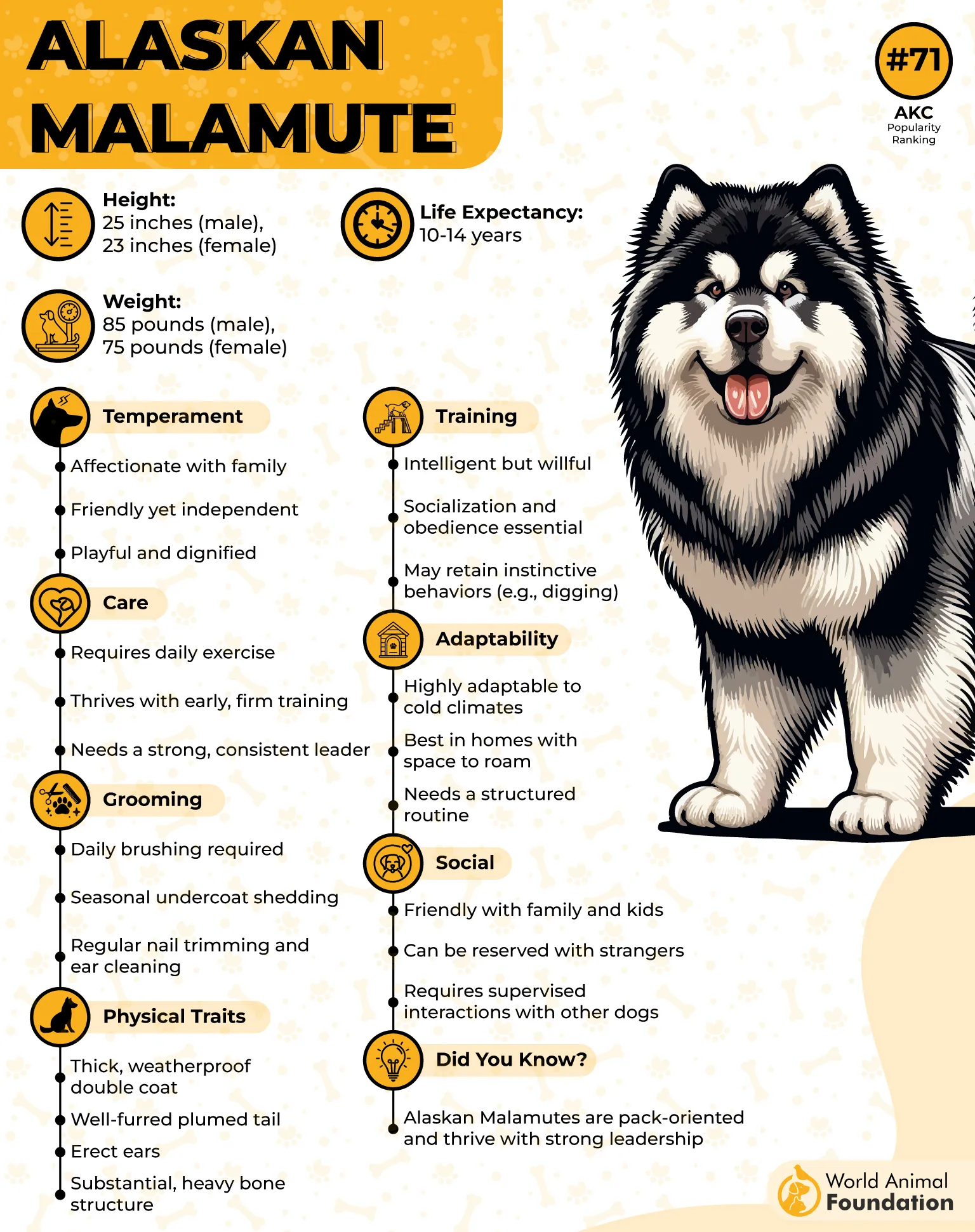
Hauling heavy loads through deep snow is exactly what this breed was built for. A muscular frame paired with a broad chest gives it the physical strength to pull far beyond its own body weight across difficult terrain.
Dense double coat: Insulates against deep cold while shedding snow and moisture.
Broad, snowshoe-like paws: Spread the dog’s weight for better grip on ice and powder.
Deep, muscular chest: Powers steady pulling over long distances without quick fatigue.
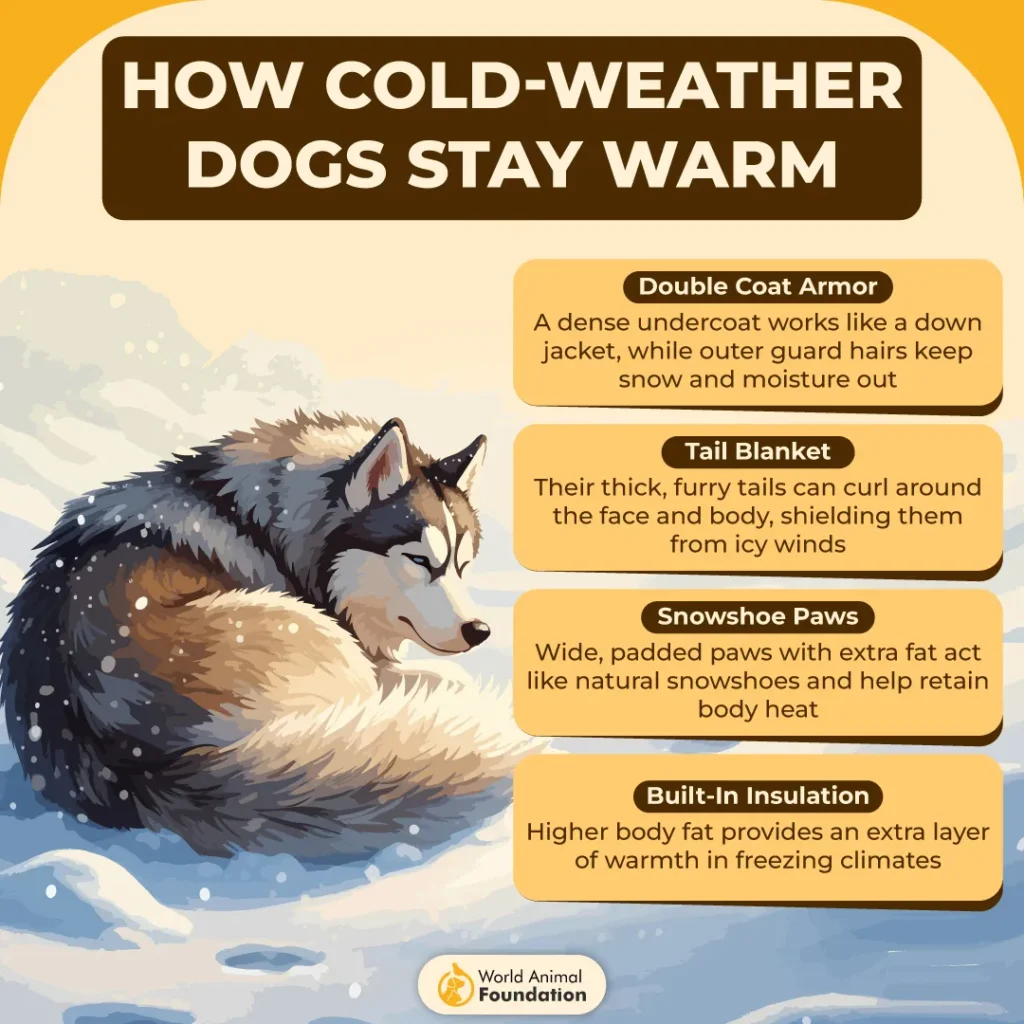
Hot weather is this breed’s biggest challenge. Its thick coat and large body hold heat in rather than releasing it, so the Malamute tires fast and overheats in warm climates. Cool shade and limited exercise keep it safe once summer hits.
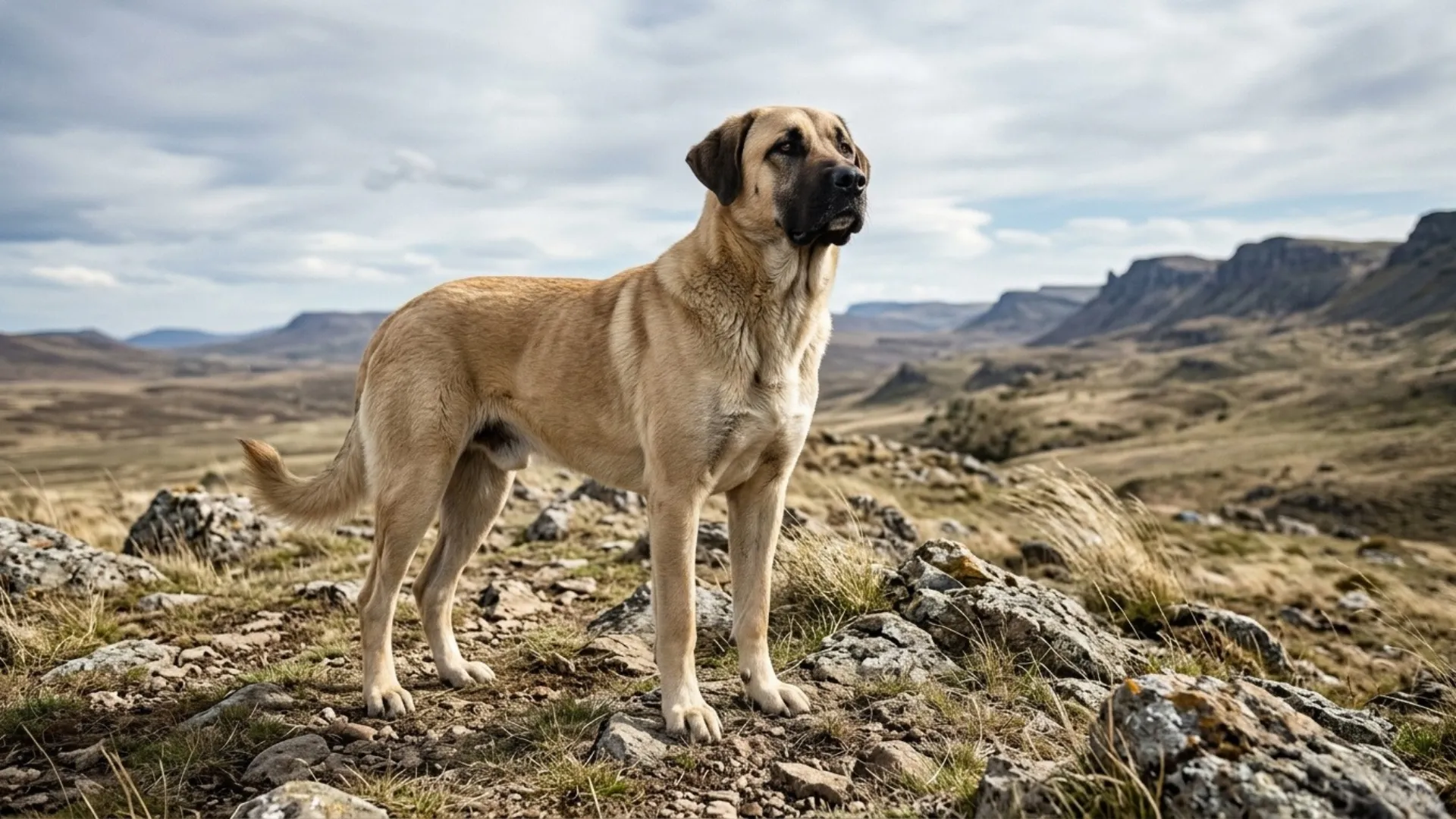
3. Anatolian Shepherd
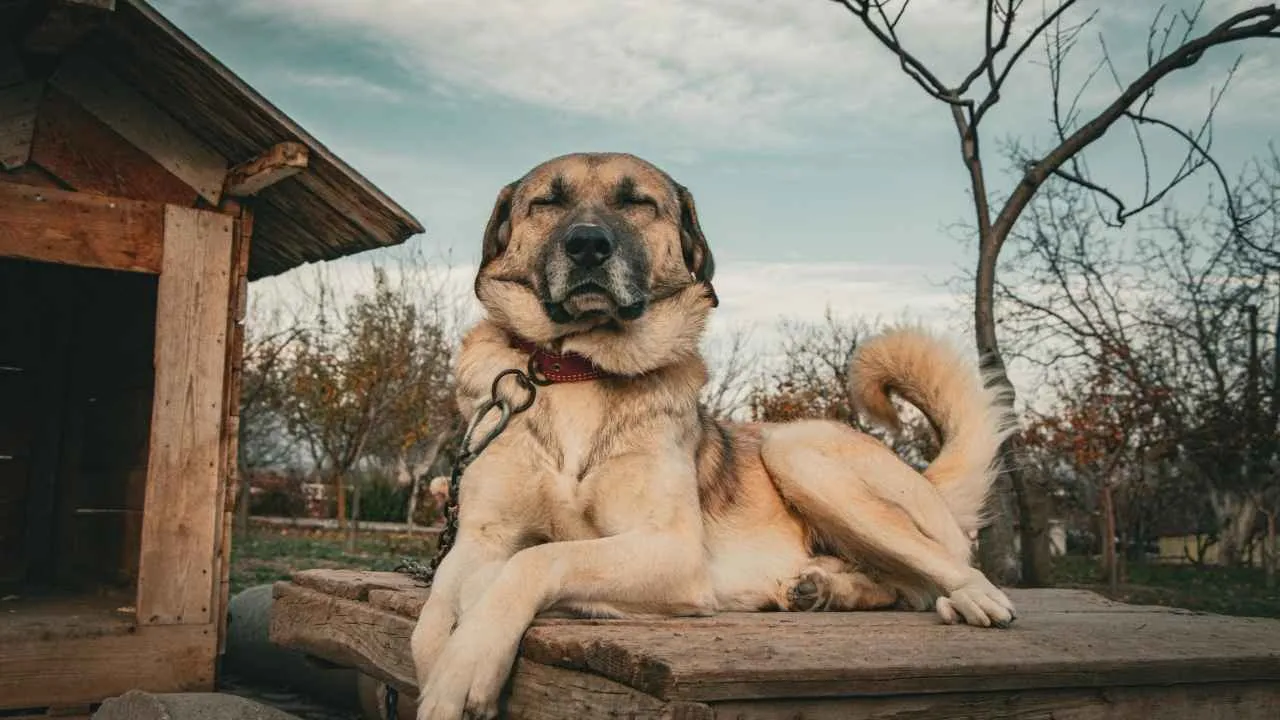
The Anatolian Shepherd was historically bred on Turkey’s sun-scorched plains to guard flocks against wolves through blistering days and freezing nights. This breed handles extremes, not just one kind of weather. Humid regions are where it struggles most.
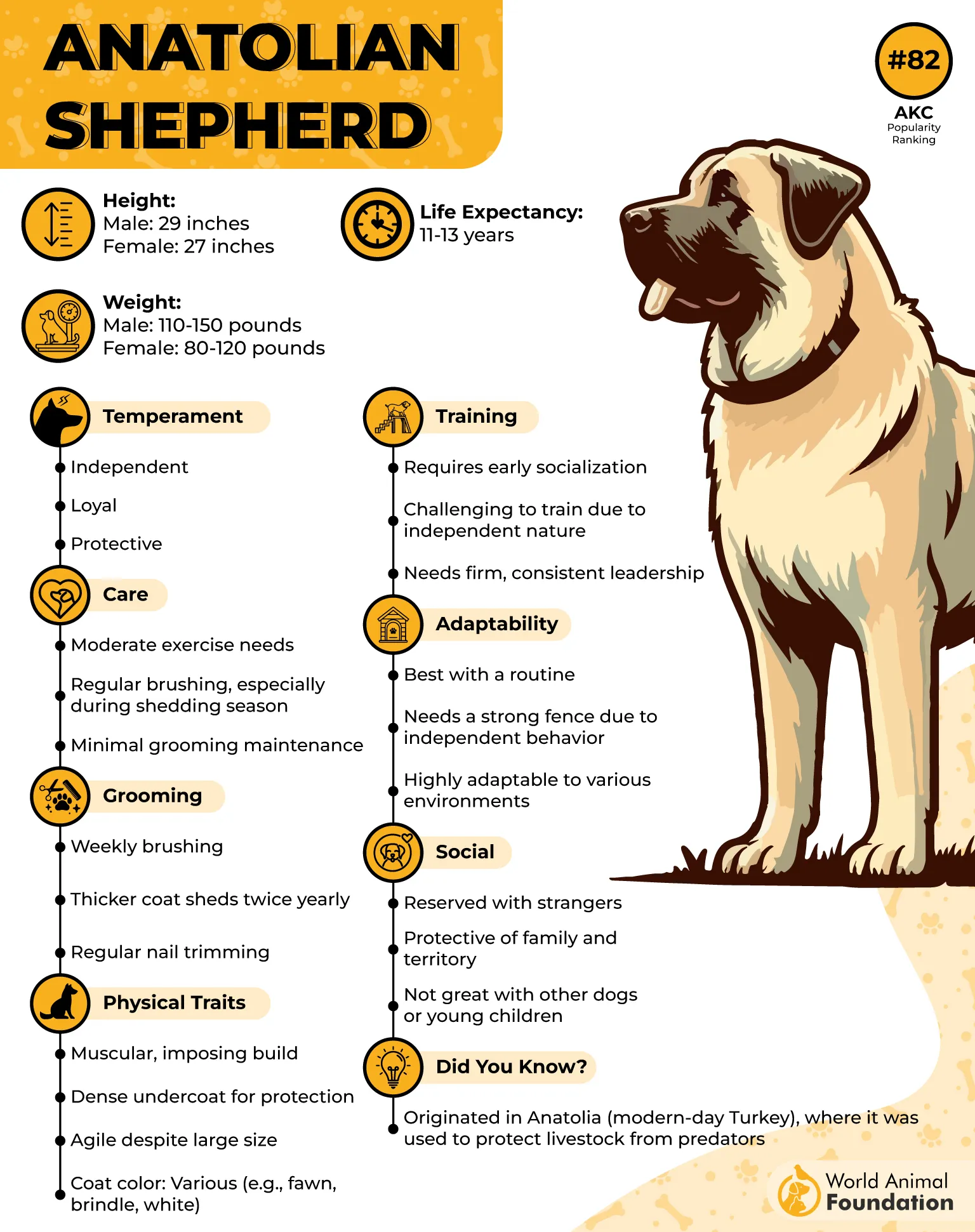
Wide temperature swings are this breed’s specialty, shaped by centuries guarding livestock across a harsh, continental climate. A dense double coat reflects summer heat while insulating against winter cold, letting the dog patrol rough terrain in both seasons.
Short, coarse outer coat: Reflects sunlight and keeps the skin cooler during long daytime patrols.
Thick undercoat: Provides insulation once temperatures drop sharply after dark.
Large, lean frame: Stores energy efficiently for covering vast grazing land on minimal food.
Humidity is the real limit here. The same coat that handles dry heat and cold nights struggles to release warmth in muggy conditions, raising the risk of overheating. This breed is best suited to dry climates with big day-to-night temperature shifts.
4. Tibetan Mastiff
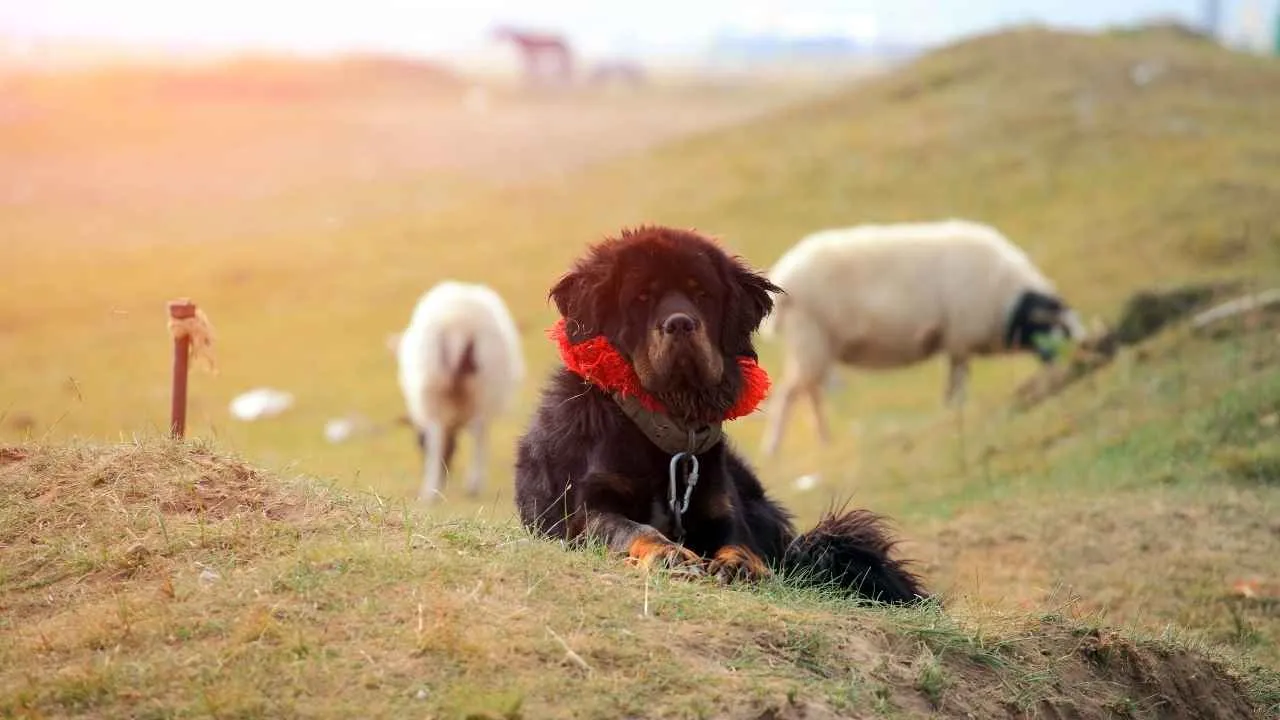
The Tibetan Mastiff was bred by nomadic herders high on the Tibetan Plateau to guard livestock and monasteries at altitudes where few animals thrive. This ancient guardian is built for thin air and biting mountain cold. Lowland heat is an entirely different challenge.
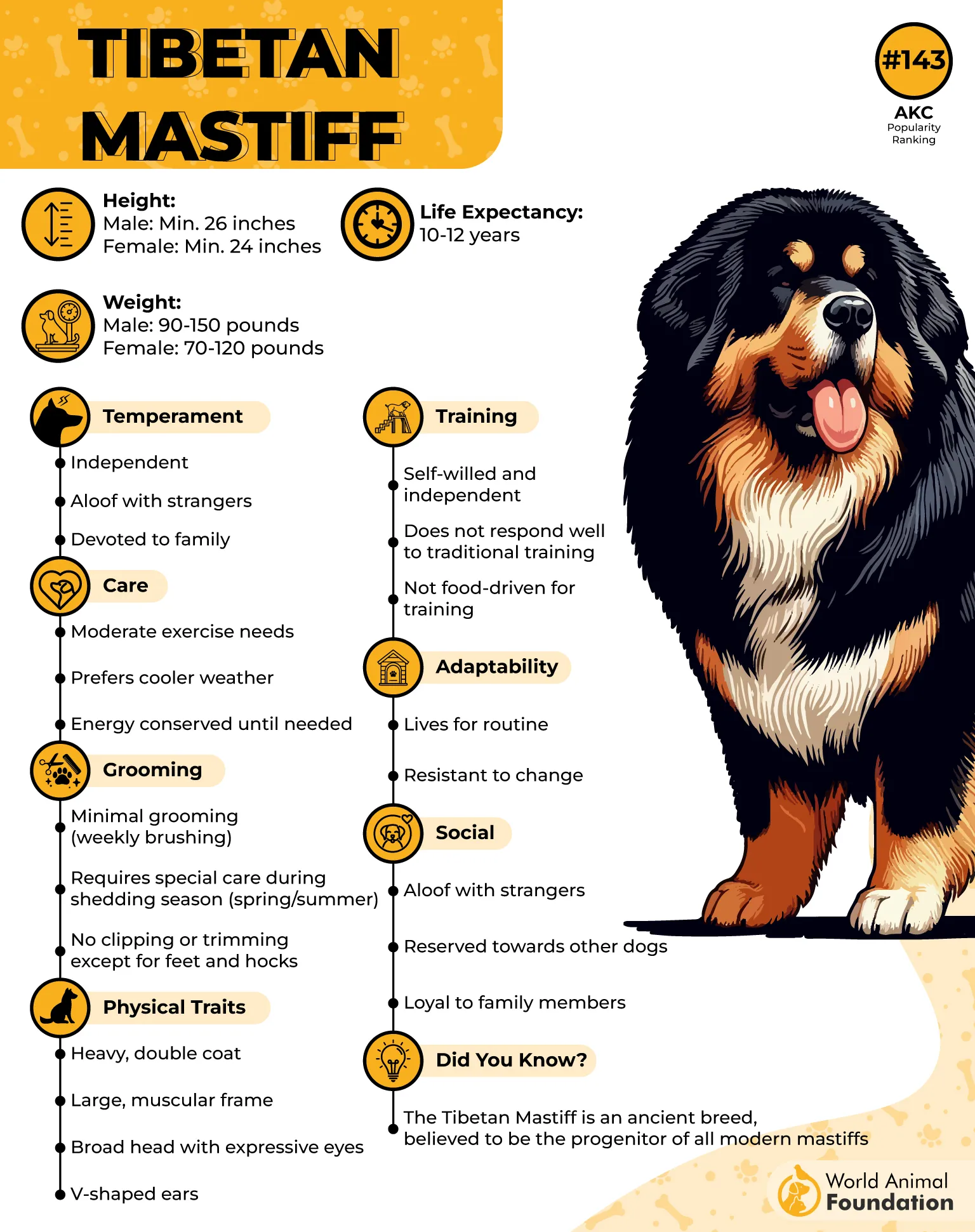
High-altitude cold is where this breed excels, shaped by generations working above the tree line. A massive coat and large chest cavity help it conserve heat and move efficiently through oxygen-thin mountain air that most dogs would struggle to breathe.
Woolly undercoat: Traps body heat even in sub-zero mountain temperatures.
Broad chest and lung capacity: Supports steady movement at altitudes where oxygen is scarce.
Heavy bone structure: Adds stability for navigating steep, rocky mountain terrain.
Take this breed down to the lowlands and the advantages flip. Its dense coat becomes a burden in hot, humid climates, raising the risk of heatstroke fast. This is a mountain specialist, not a dog built for warm, low-altitude living.
5. Norwegian Elkhound
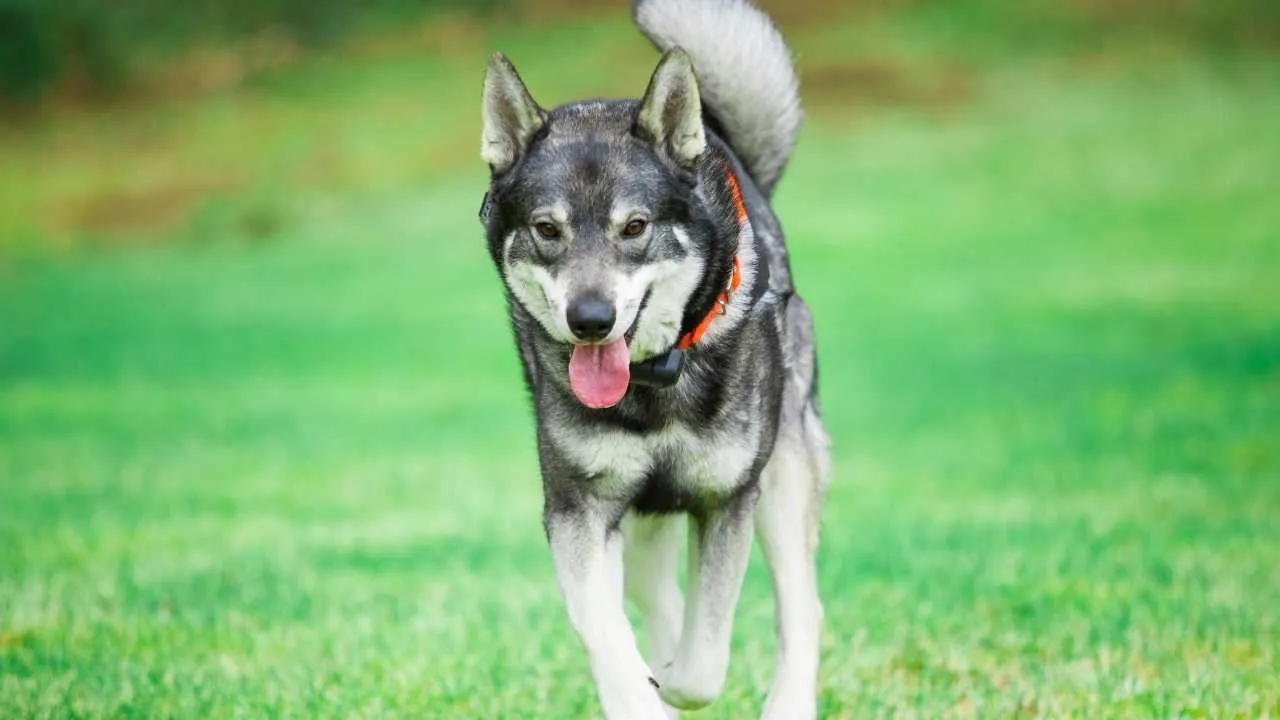
The Norwegian Elkhound has tracked elk and moose through Scandinavian forests since the age of the Vikings. This ancient hunting companion is built to handle cold climates and rugged woodland, says PetMD. Hot climates are where its talents fade.
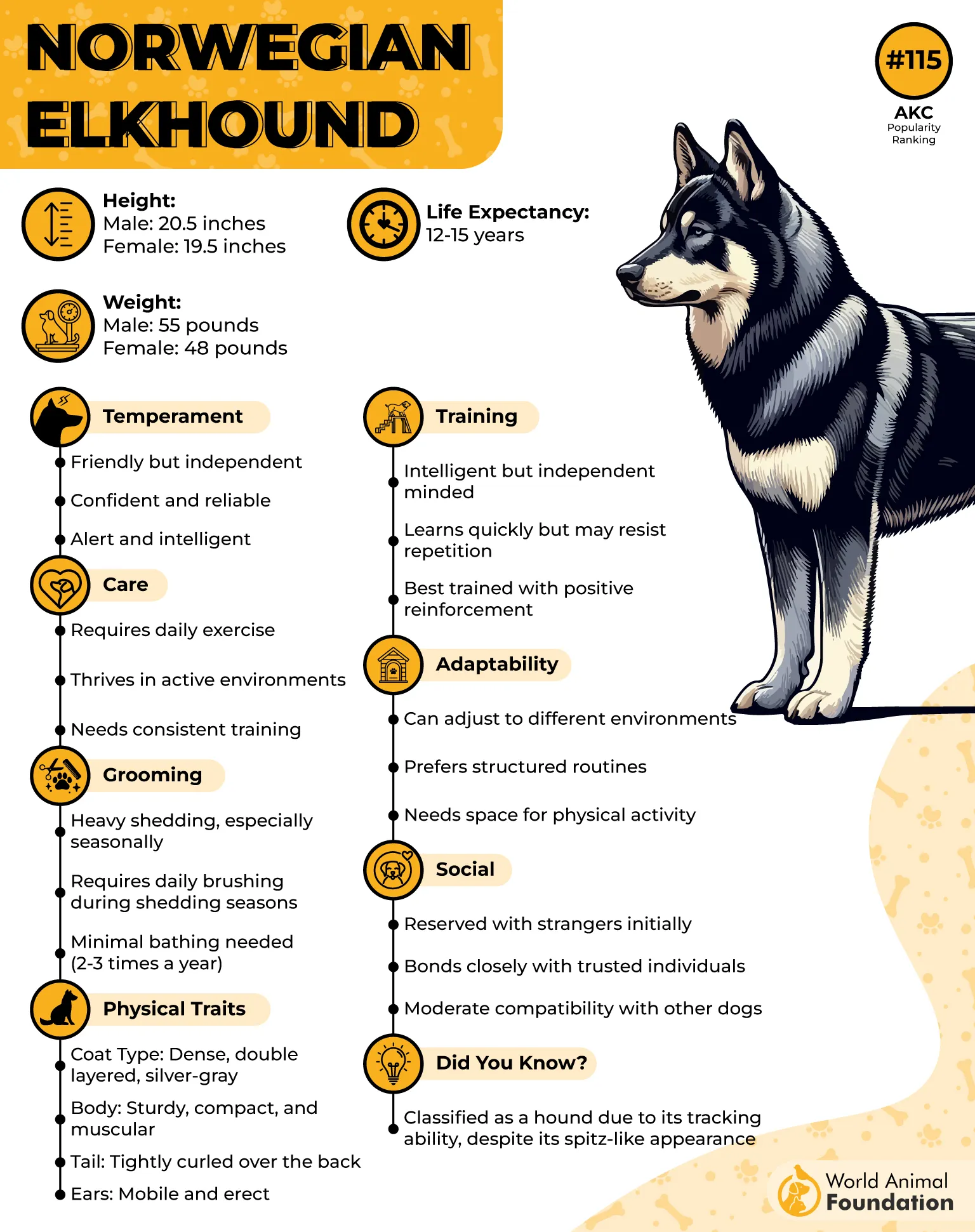
Deep snow and rugged forest terrain are this breed’s natural territory, and a compact, powerful build makes the work possible. A weatherproof double coat sheds moisture on contact, keeping the dog dry and warm during long days tracking through cold woods.
Dense, weatherproof double coat: Repels snow and rain instead of soaking it in.
Thick paw pads: Resist frostbite and injury on icy, uneven ground.
Compact, muscular legs: Built for steady trekking over rough, snow-covered terrain.
Warm weather is not this breed’s strong suit. That same heavy coat causes it to overheat quickly once temperatures rise, and shedding becomes a year-round task in milder climates. Cooler regions suit this hardy hunter far better than hot ones.
6. Saint Bernard
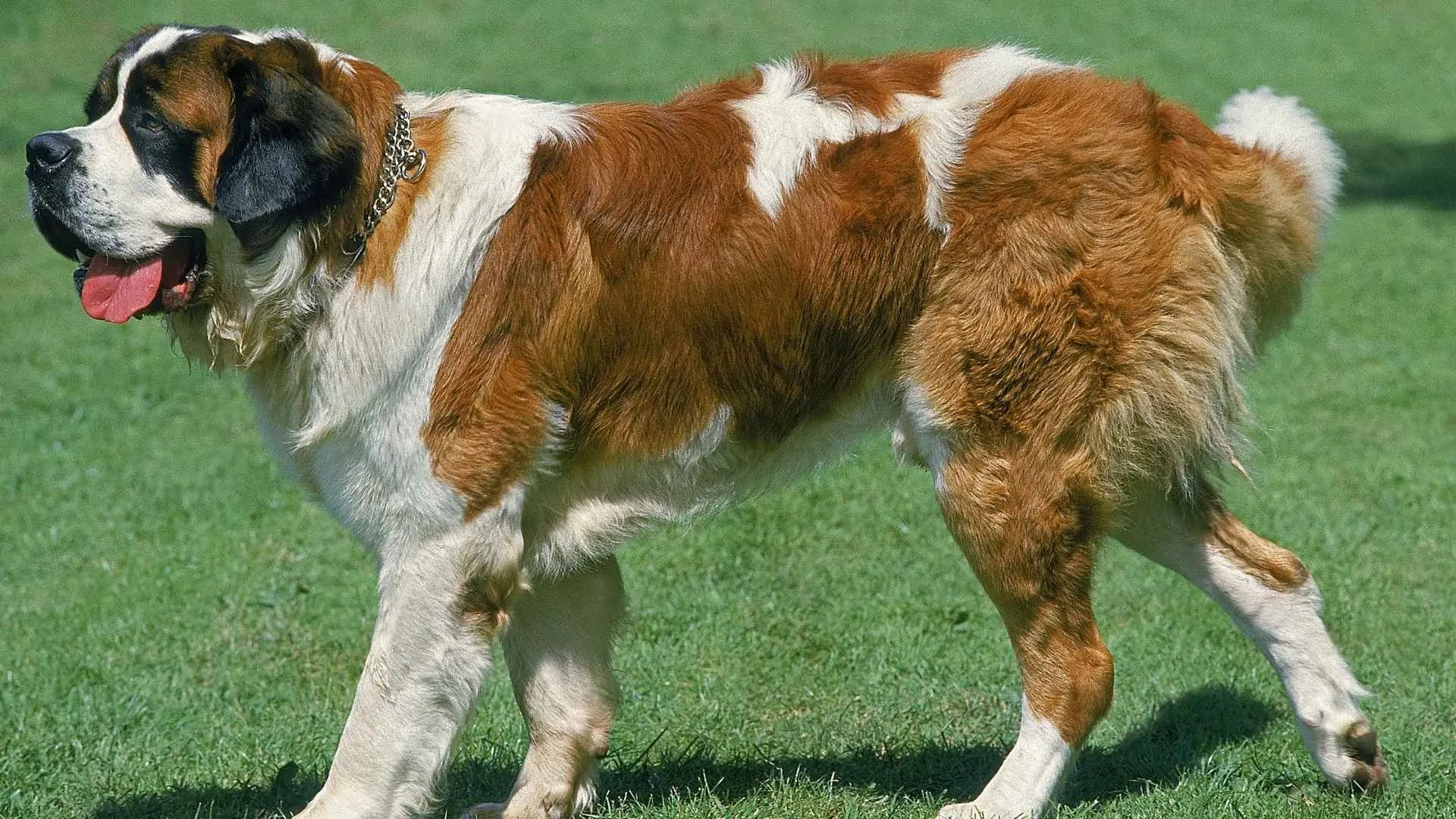
The Saint Bernard was bred by monks at the Great St Bernard Hospice in the Swiss Alps to rescue travelers trapped in mountain snowstorms, a history Royal Canin still celebrates today. This gentle giant has real search and rescue roots behind its calm demeanor. Hot weather is where its size works against it.
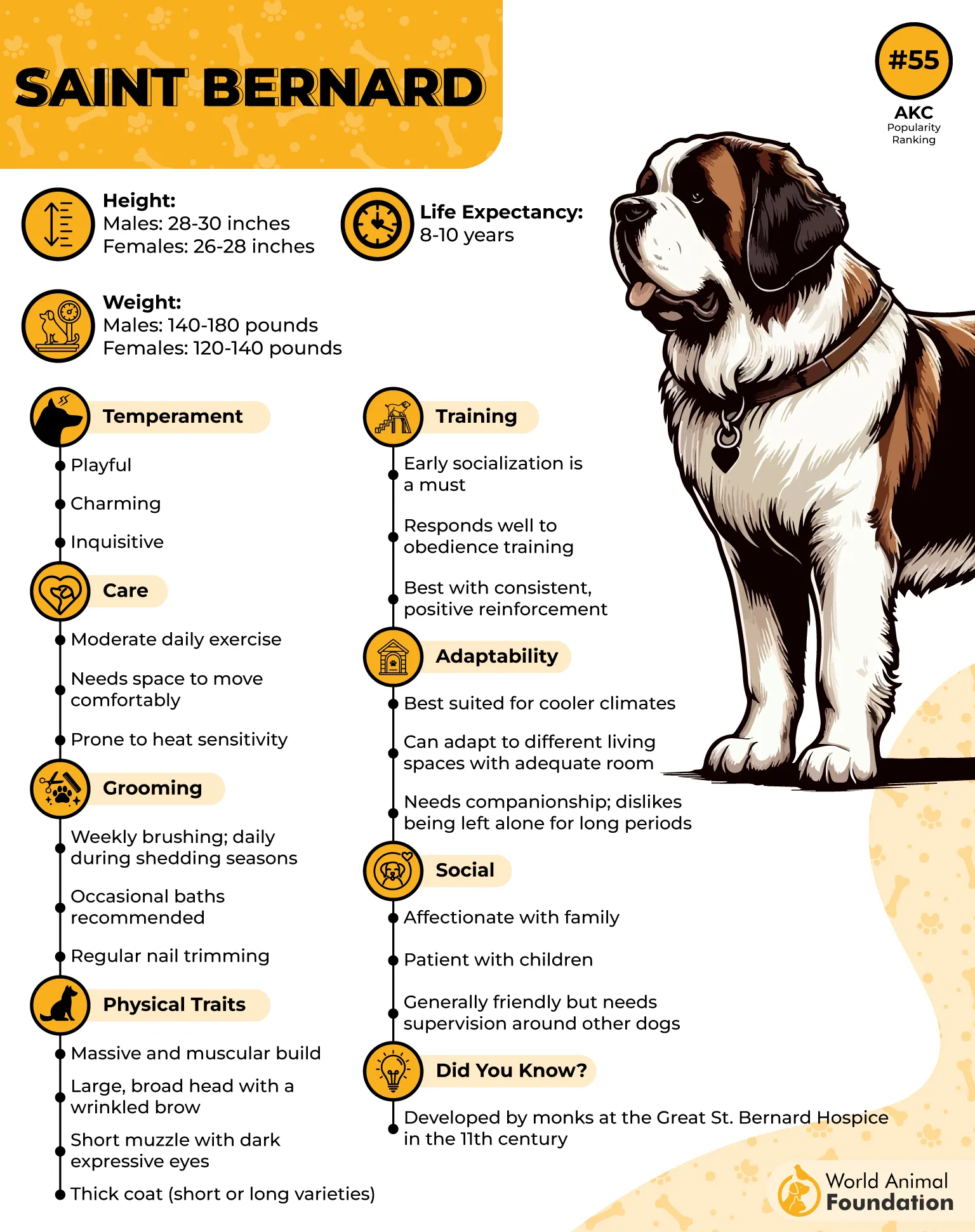
Deep alpine snow and avalanche conditions are exactly what this breed was built to handle. Broad, powerful paws act like built-in snowshoes, while a keen nose helps locate travelers buried under snow during the harshest mountain storms.
Broad, well-padded paws: Spread the dog’s weight for traction across deep snowdrifts.
Thick double coat: Insulates the large body against alpine cold.
Powerful nose: Detects scent buried under snow during search and rescue work.
This breed’s giant size becomes a liability once the weather warms. A large body combined with a dense coat raises the risk of overheating and bloat in hot conditions. Shorter walks and plenty of shade keep a Saint Bernard safe in summer.
7. Great Pyrenees
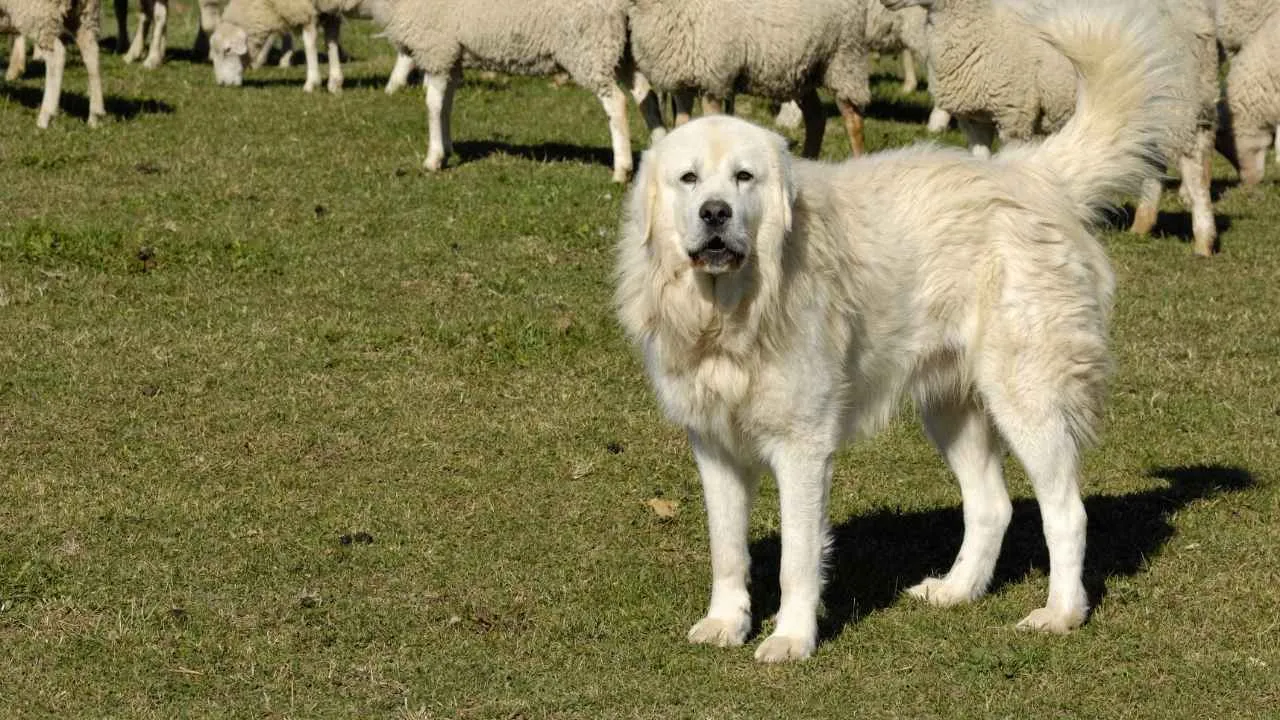
The Great Pyrenees has guarded flocks in the Pyrenees Mountains between France and Spain for centuries, facing down wolves and bears in harsh alpine conditions. This natural guardian is built for cold, isolated mountain work, and WebMD notes barking is its first line of defense. Hot, humid lowlands test it in a different way.
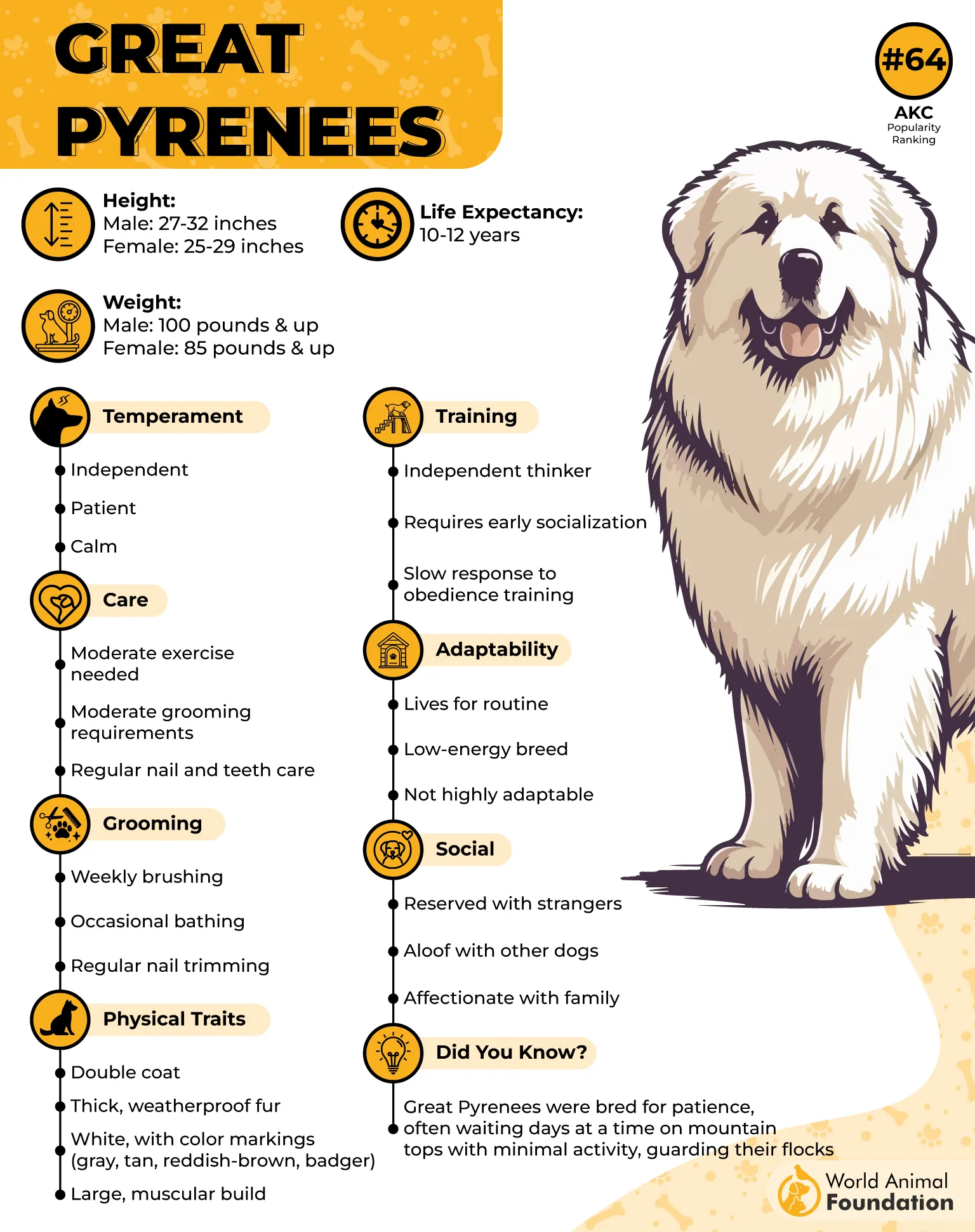
Cold mountain nights spent guarding livestock are where this breed’s design pays off. A dense, weatherproof coat and large, muscular frame let it patrol steep terrain for hours while standing watch through freezing conditions most dogs could not endure.
Weather-resistant double coat: Insulates against alpine cold and sheds moisture.
Double dewclaws: Provide extra grip on icy, rocky mountain ground.
Large, muscular build: Supports long hours patrolling steep terrain in harsh weather.
Heat and humidity are this breed’s limit. The same thick coat built for mountain winters makes hot, muggy climates uncomfortable and raises the risk of overheating. Plenty of shade, water, and cooler exercise times are a must in warm regions.
Conclusion
Resilience is not one size fits all, and these seven breeds prove it loud and clear. A Husky built to endure brutal cold and a Mastiff built to adapt to thin mountain air are both proof of serious toughness, just suited to very different harsh climates.
Match the breed to your own climate, terrain, and activity level instead of chasing the word tough on its own, and you will land a loyal companion and true working partner built to thrive right at your side. Start by weighing your own conditions against this list, and choose the breed built for your corner of the world.
