




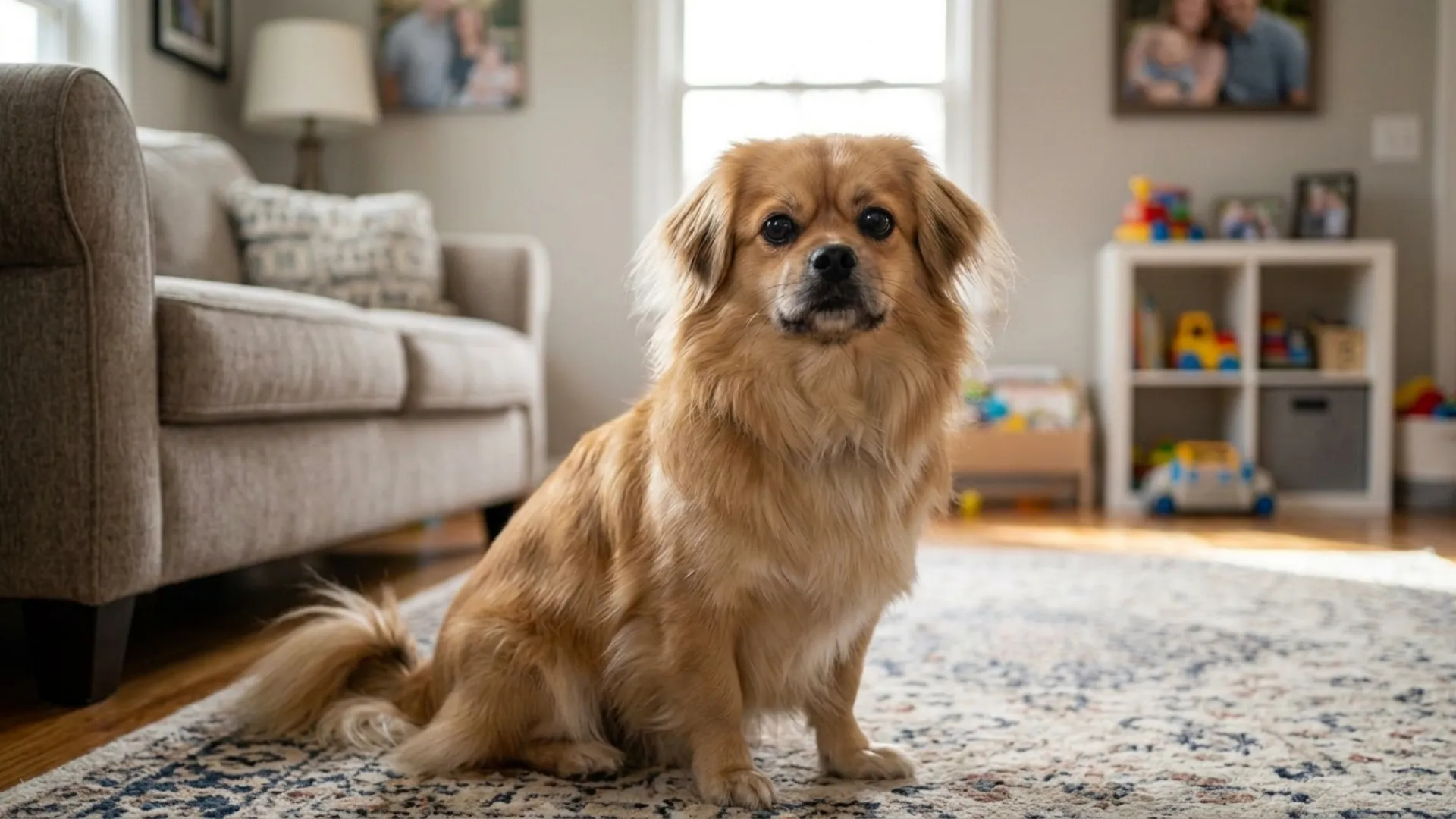
Family life can get busy quickly, especially when children want a dog to play with, parents need a manageable routine, and everyone expects a loving companion at home.
A dog may look adorable during a visit to the shelter, but daily life reveals much more about its personality. Some dogs enjoy being around children, welcome visitors, and settle comfortably into family routines. Others need quieter surroundings, more personal space, or experienced handling to feel comfortable.
These differences matter when a household includes young children, older relatives, or several people sharing responsibility for a pet. A friendly family dog should have a suitable temperament, tolerate everyday activity, and receive the care, training, and supervision it needs. Breed tendencies offer a useful starting point, although individual personalities vary.
This article explores family-friendly dogs known for their sociable nature, affectionate behavior, and ability to become cherished companions in the home.
Key Takeaways
A family-friendly dog can become a child’s playmate, a parent’s loyal companion, and the familiar face waiting for everyone at home.
The Bergamasco Sheepdog was bred to manage livestock with little human direction, which helps explain its independent mind, while the Great Pyrenees has centuries of experience guarding flocks.
The Cavalier King Charles Spaniel brings a softer side to family life and can be sensitive to people’s feelings, while the Newfoundland has a remarkable history of working alongside fishermen and rescuing people in water.
There’s also a breed that can sprint at around 43 miles per hour, yet often prefers a quiet afternoon on the sofa once it’s back home.
Top Friendly Dog Breeds That Thrive With Families
1. Tibetan Spaniel
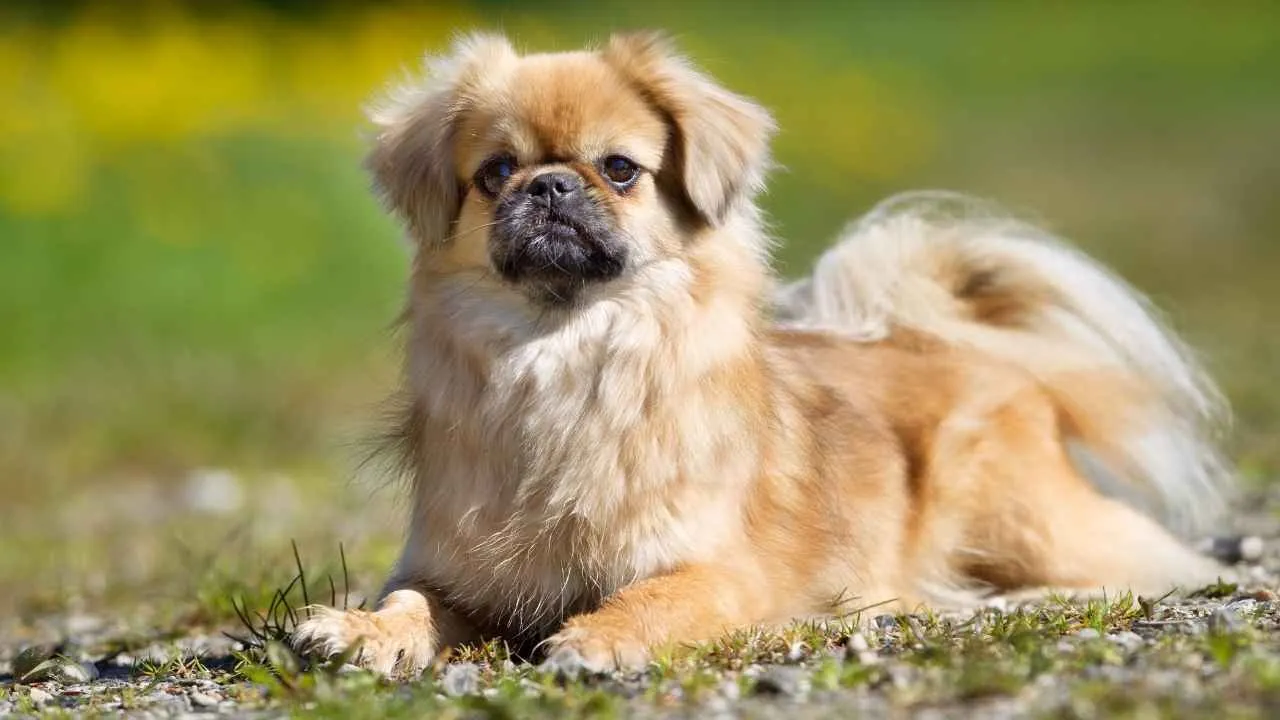
Tibetan Spaniel spent centuries in Buddhist monasteries across Asia, where monks selected the smallest dogs for companionship and temple guardianship. Their lion-like appearance held religious significance, and a few reached Britain in the 1940s, beginning a focused breeding effort outside Asia.
Small Dog, Sharp Eyes
This friendly dog has an unusual habit of climbing onto sofa backs or other elevated spots to watch activity around the home, as Hill’s Pet claims.
This natural lookout behavior suits a family setting, where a bark can alert everyone to an unfamiliar visitor or unexpected sound.
These details add more depth to this little guardian:
Naturally attentive to cleanliness
Calm nature can suit therapy roles
They are intelligent yet confident
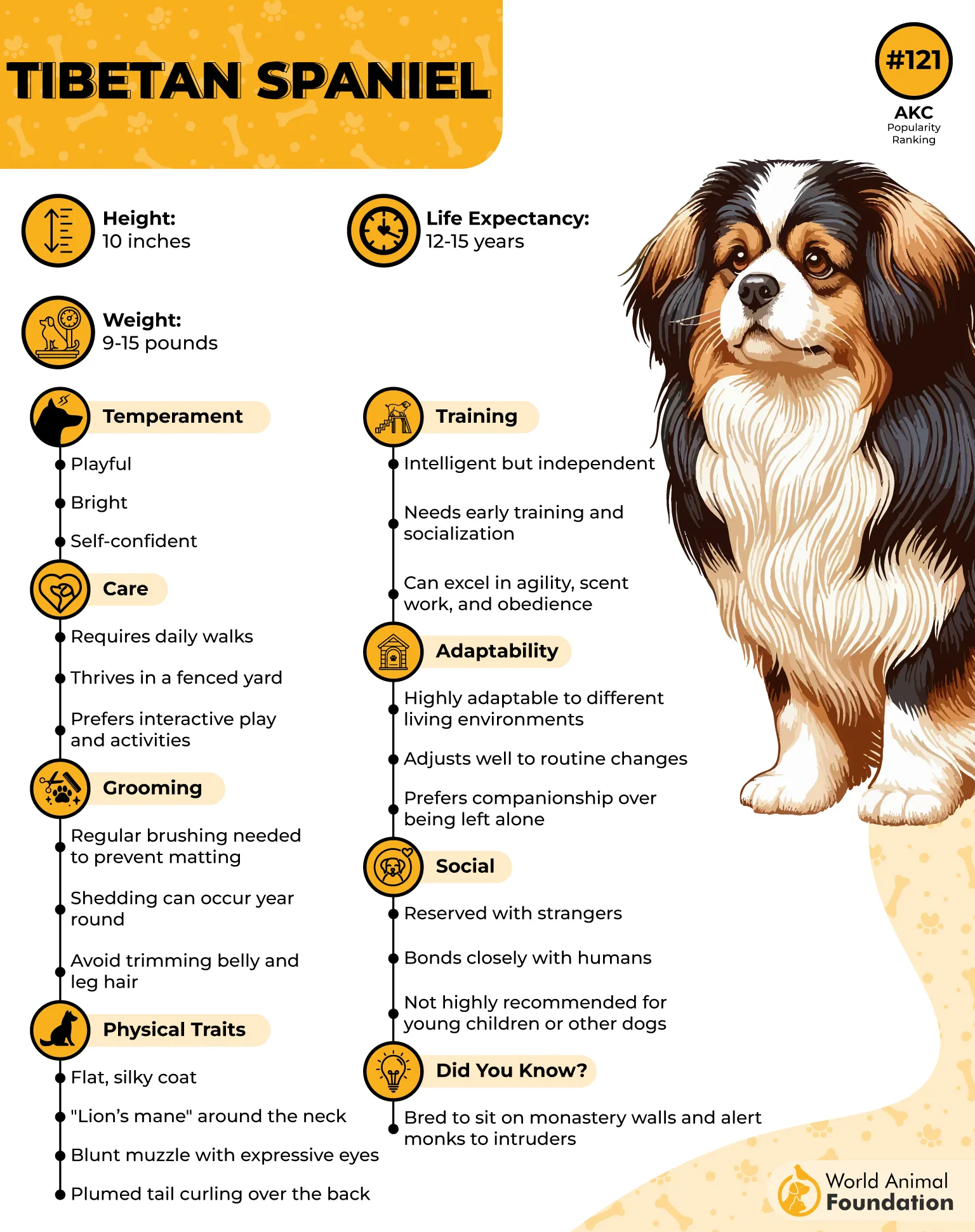
Sensitive and Social
Tibetan Spaniels often get along well with children, cats, and other dogs in their household, while unfamiliar people may receive a more reserved greeting. These perceptive dogs can also react to tension at home, sometimes retreating when people argue or raise their voices.
2. Irish Wolfhound
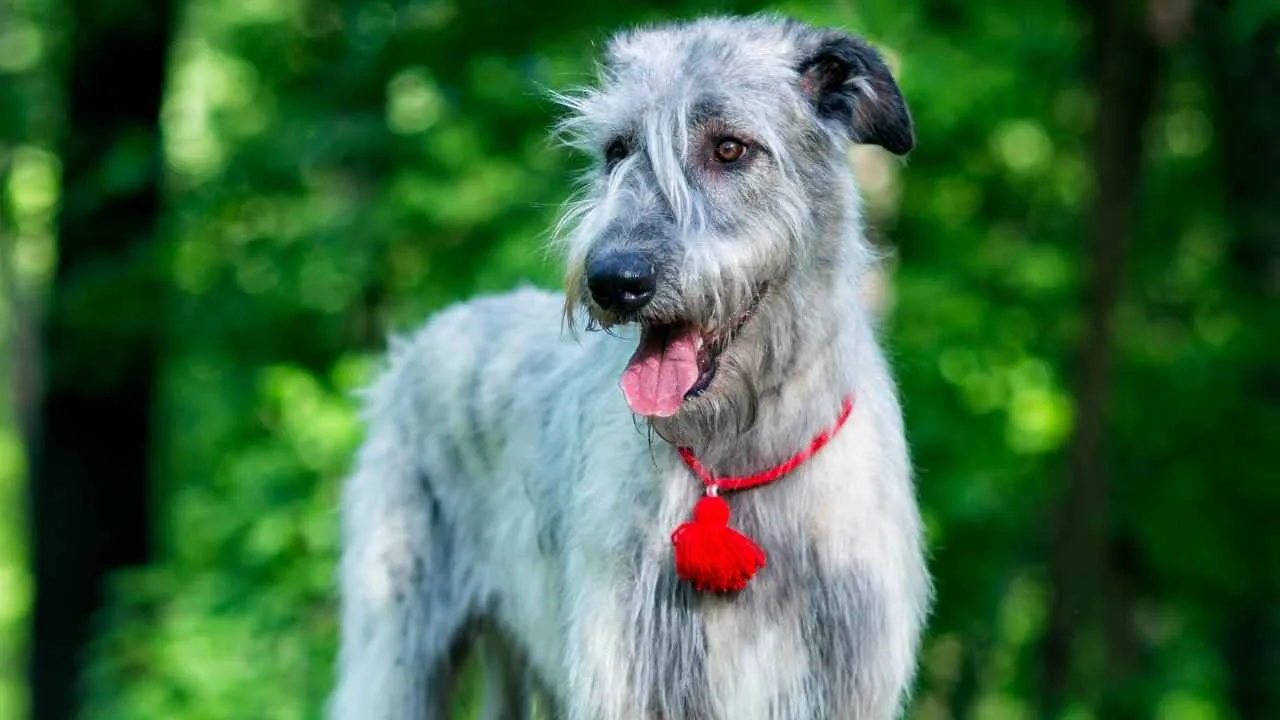
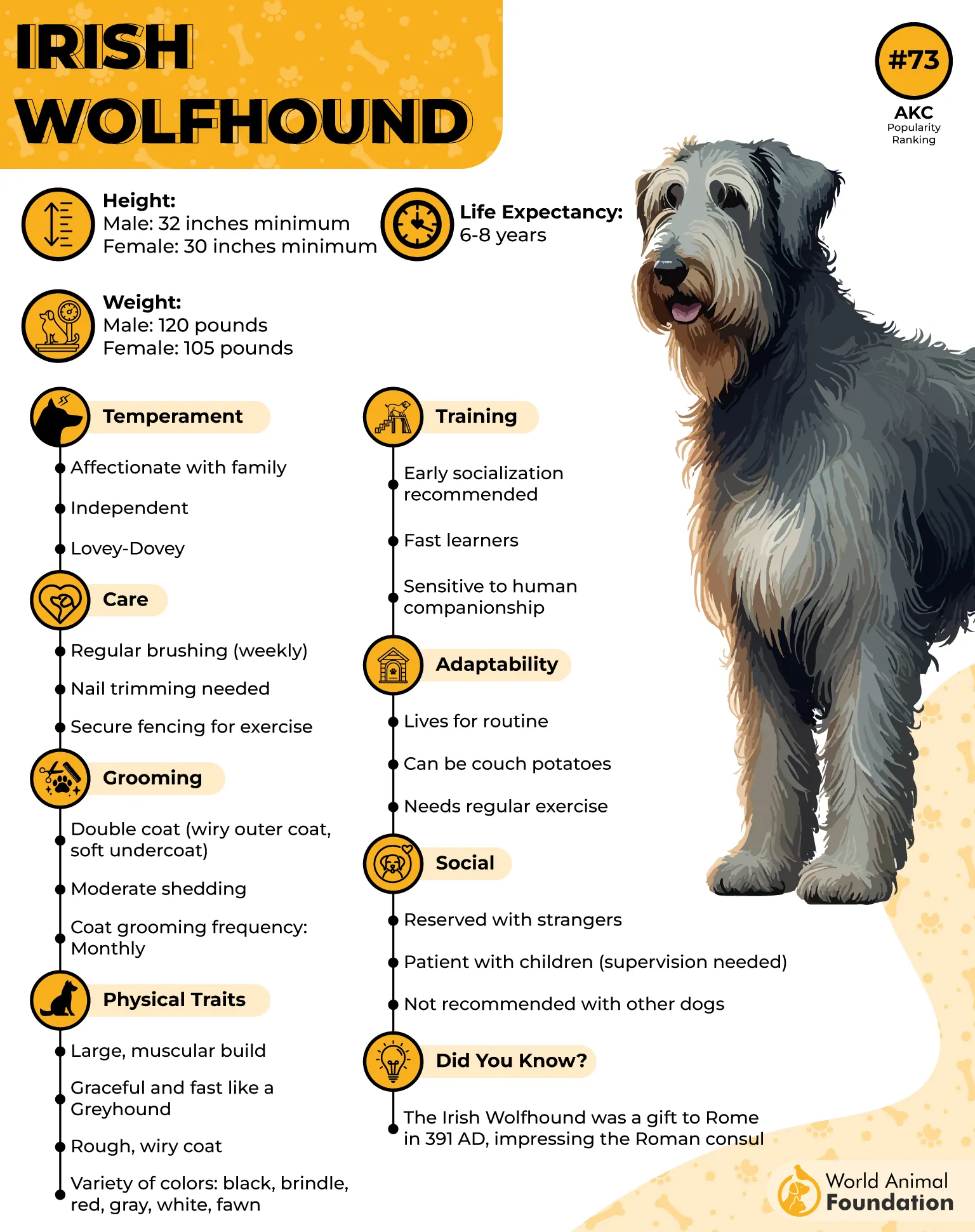
Irish Wolfhound dates back to at least 400 AD, when Irish dogs were sent to Rome for arena contests involving powerful animals.
In Ireland, packs later accompanied hunters pursuing wolves and Irish elk, but their numbers fell sharply as wolves approached extinction in the late 1700s.
Gentle With Children
This ancient breed has a calm, easygoing temperament that can suit family life, particularly in homes with enough room for their towering frame.
It generally enjoys children’s company, although older kids are a safer match because rough play or an accidental bump can knock younger ones off balance.
Here are some practical points of this big dog:
Needs a spacious sleeping area
Requires a substantial food budget
Benefits from early leash training
Room to Stretch
Those long legs give the Irish Wolfhound impressive speed, and its sight hound instincts can send it chasing squirrels or other moving animals, as per the AKC.
Daily walks with opportunities to run safely in an enclosed area help meet its activity needs while reducing the risk of it racing out of reach.
3. Bergamasco Sheepdog
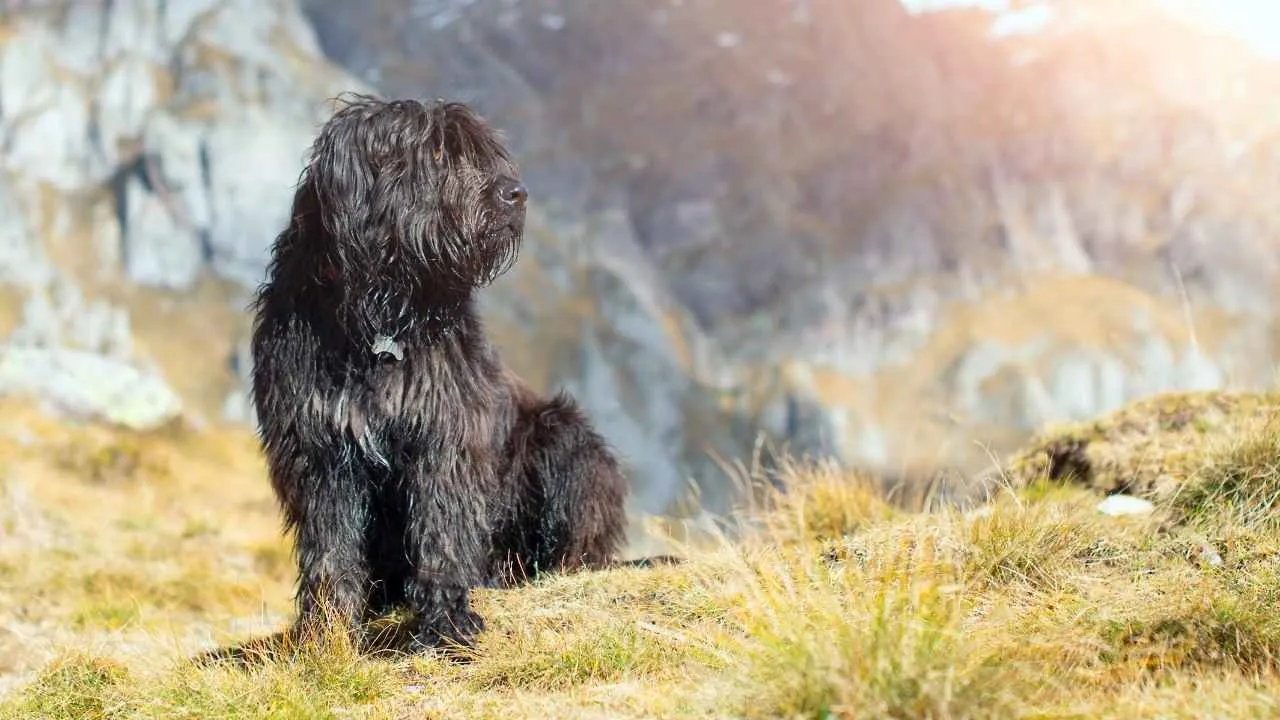
Bergamasco Sheepdog has ancient roots, with its ancestors believed to have arrived in the Western world alongside nomadic shepherds from the Orient thousands of years ago.
The breed became valued for guiding sheep independently, with little need for constant human direction, and still works with livestock in Italy and Switzerland.
A Natural Family Guardian
This canine companion combines patience with a watchful nature, making it particularly suited to family life with children of different ages. It can be cautious around unfamiliar visitors, often observing them quietly before deciding they pose no threat to its household.
Its family-friendly character has this to offer:
Naturally protective of young children
Patient during everyday interactions
Alert to unfamiliar activity around home
An Independent Mind
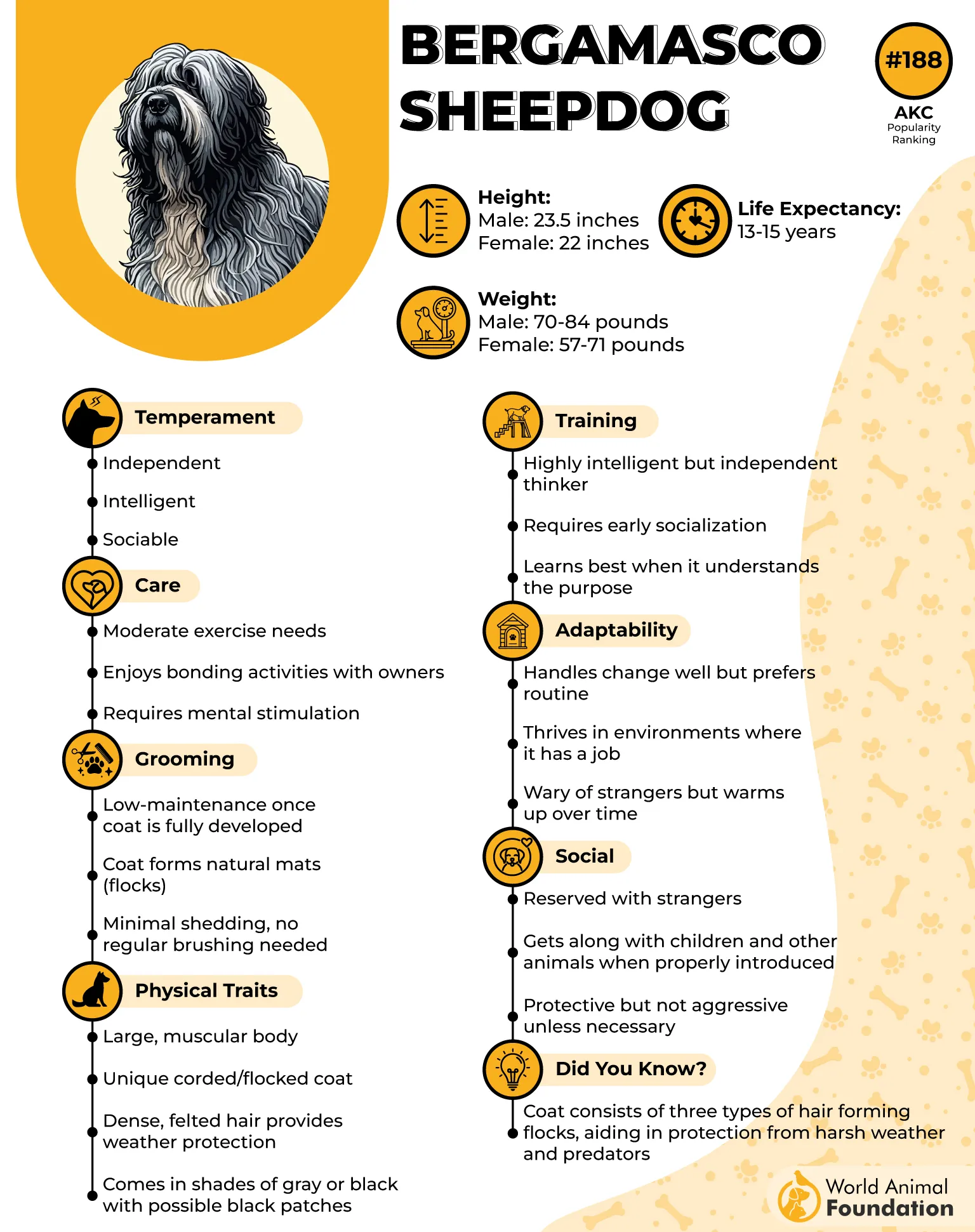
Bergamasco Sheepdog was bred to make decisions while managing livestock, so training works best with fairness, consistency, and clear leadership.
Its good memory and quick learning can help with obedience, agility, and herding tasks, although occasional stubbornness may require extra patience.
4. Great Pyrenees
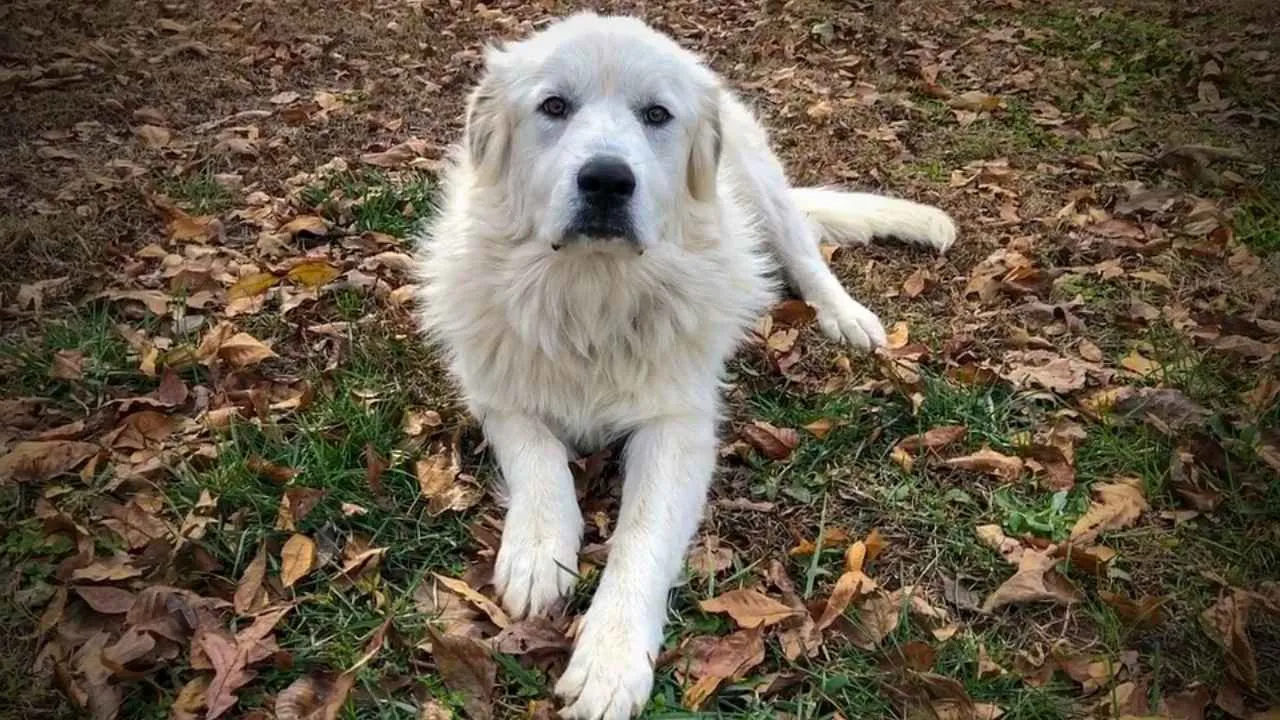
Great Pyrenees guarded sheep and goats for centuries in the Pyrenees Mountains, earning a place among rural communities long before French royalty took notice. In 1675, King Louis XIV declared the breed the royal dog of France, bringing it recognition beyond its working roots.
A Watchful Family Guardian
Great Pyrenees has exceptional hearing and a deep, powerful bark that can alert a household when someone approaches, as Omlet noted. Its protective instincts also extend to children, whom it may follow closely while keeping an eye on their surroundings.
That gentle guardian still needs firm, patient direction:
Needs patient, consistent positive training
Responds best to calm, confident leadership
Requires clear boundaries due to its large size
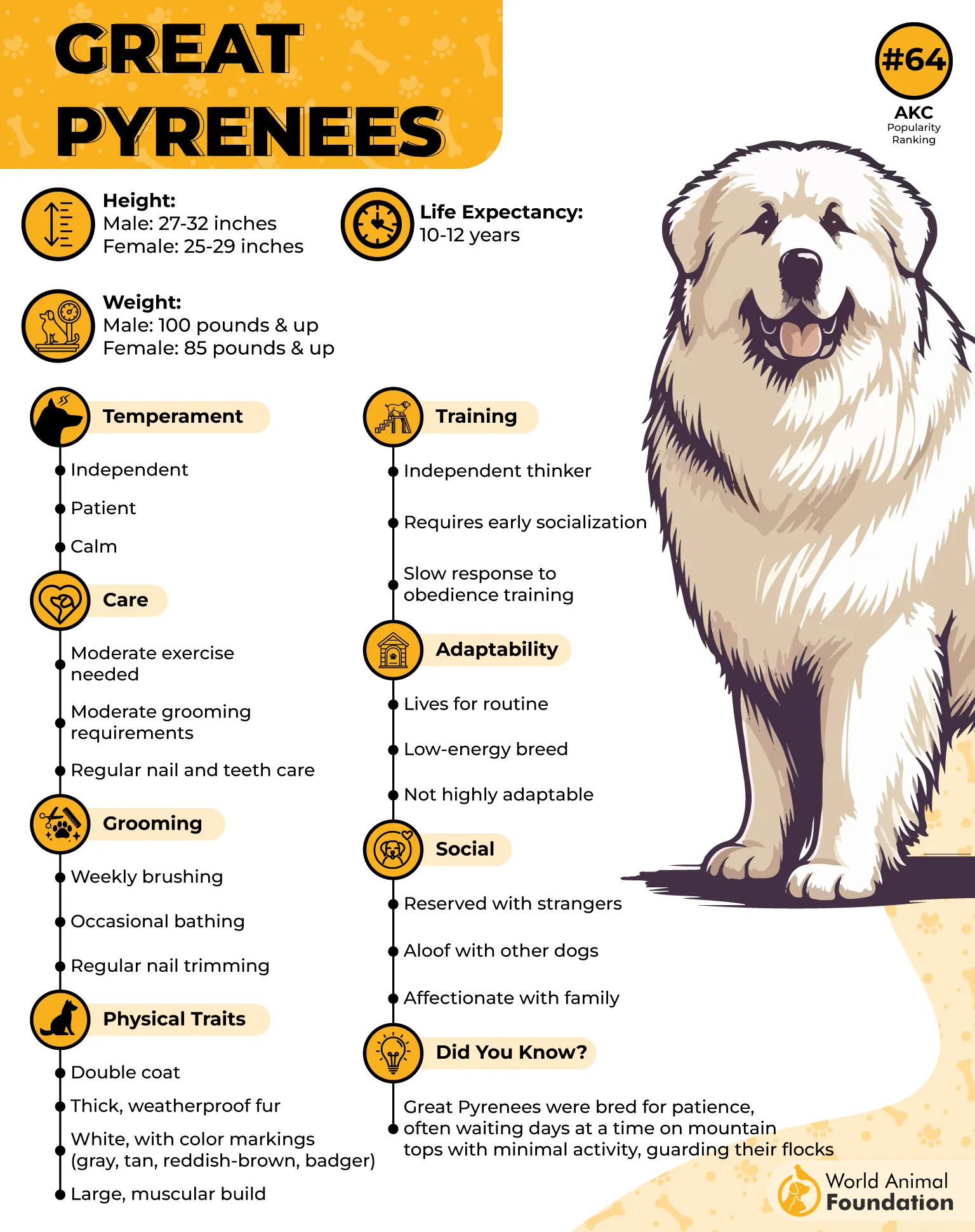
Gentle at Home
This great companion dog is affectionate with its family and often enjoys being close to people, including squeezing onto a sofa or armchair for a nap. It can get along with children and other pets when introduced properly, while early socialization helps it judge unfamiliar visitors more calmly.
5. Pug
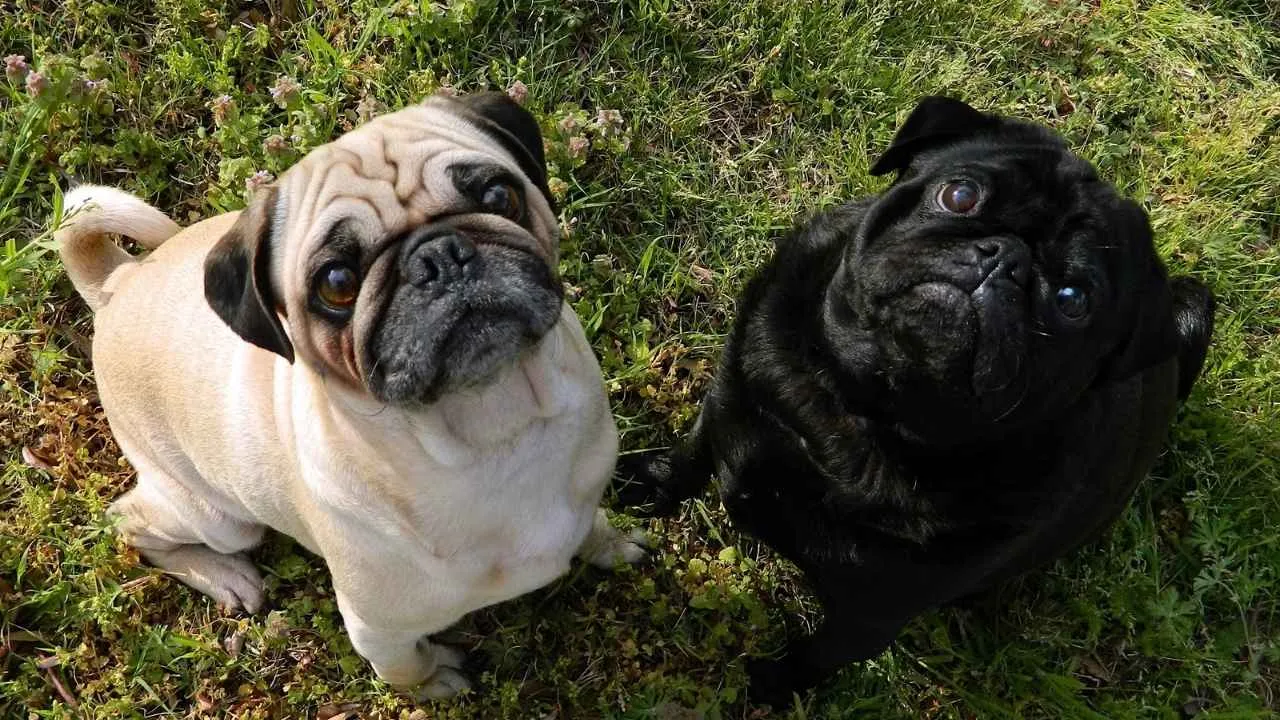
Pug has a long association with Chinese culture, where it was kept in Tibetan monasteries before reaching Europe through the East India Trading Company during the 1700s. Even its name has an interesting origin, possibly linked to the Latin word pugnus, meaning fist, because of the shape of its head.
A Playmate for Children
Pug has an outgoing, playful personality that suits lively family households, and its sturdy build makes it more physically robust than many smaller toy breeds. It enjoys games with children, although adults should supervise interactions and teach youngsters to handle dogs gently.
A few details help explain its appeal:
Usually tolerant of familiar pets
Confident around larger dogs
Affectionate and attention-seeking
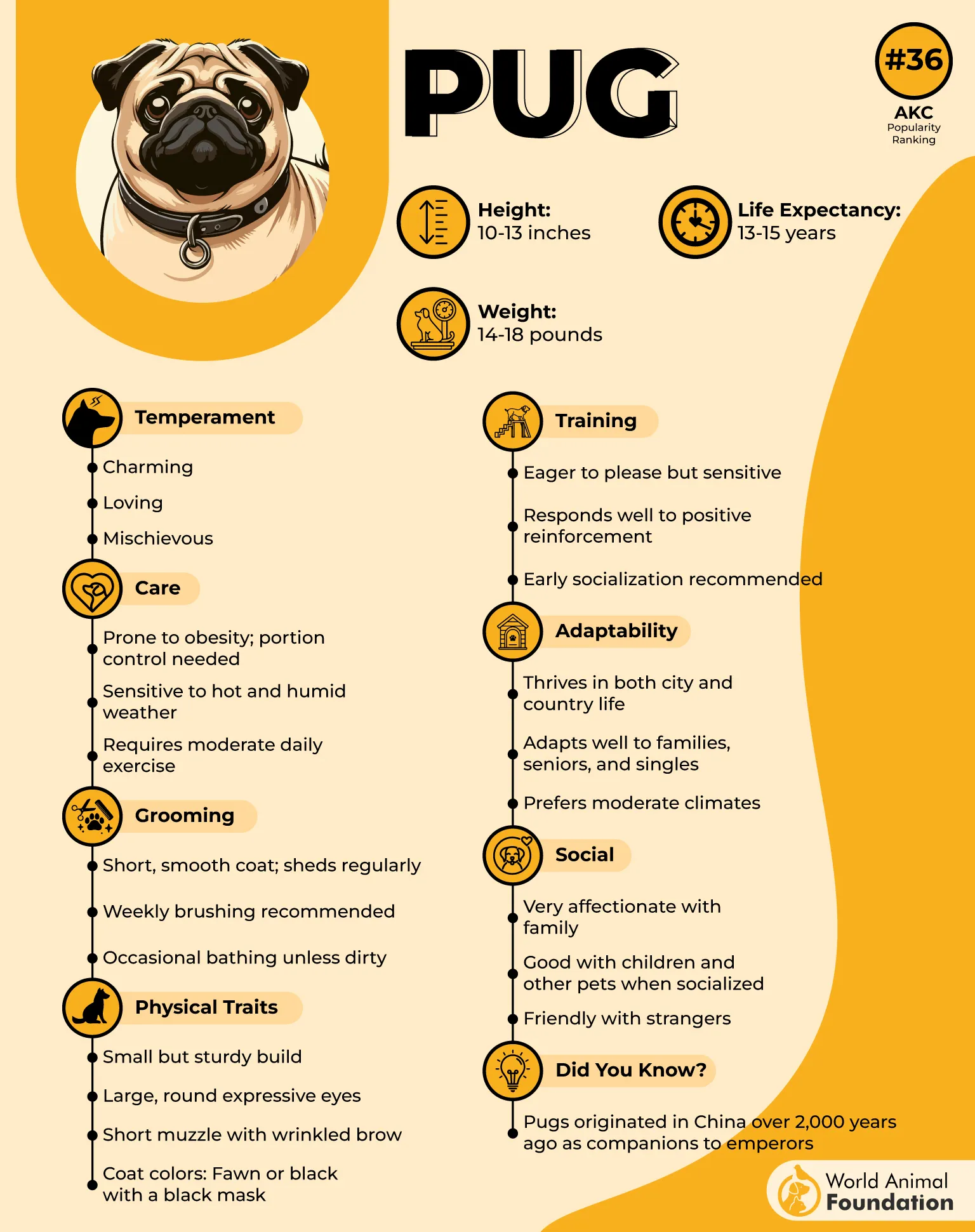
Close to Its People
This excellent companion earned the nickname “shadow” because it likes following its favorite person from room to room, often climbing onto a lap or settling beside them during meals. Although it needs daily walks, cold, rainy weather may make its favorite chair far more tempting than a trip outside.
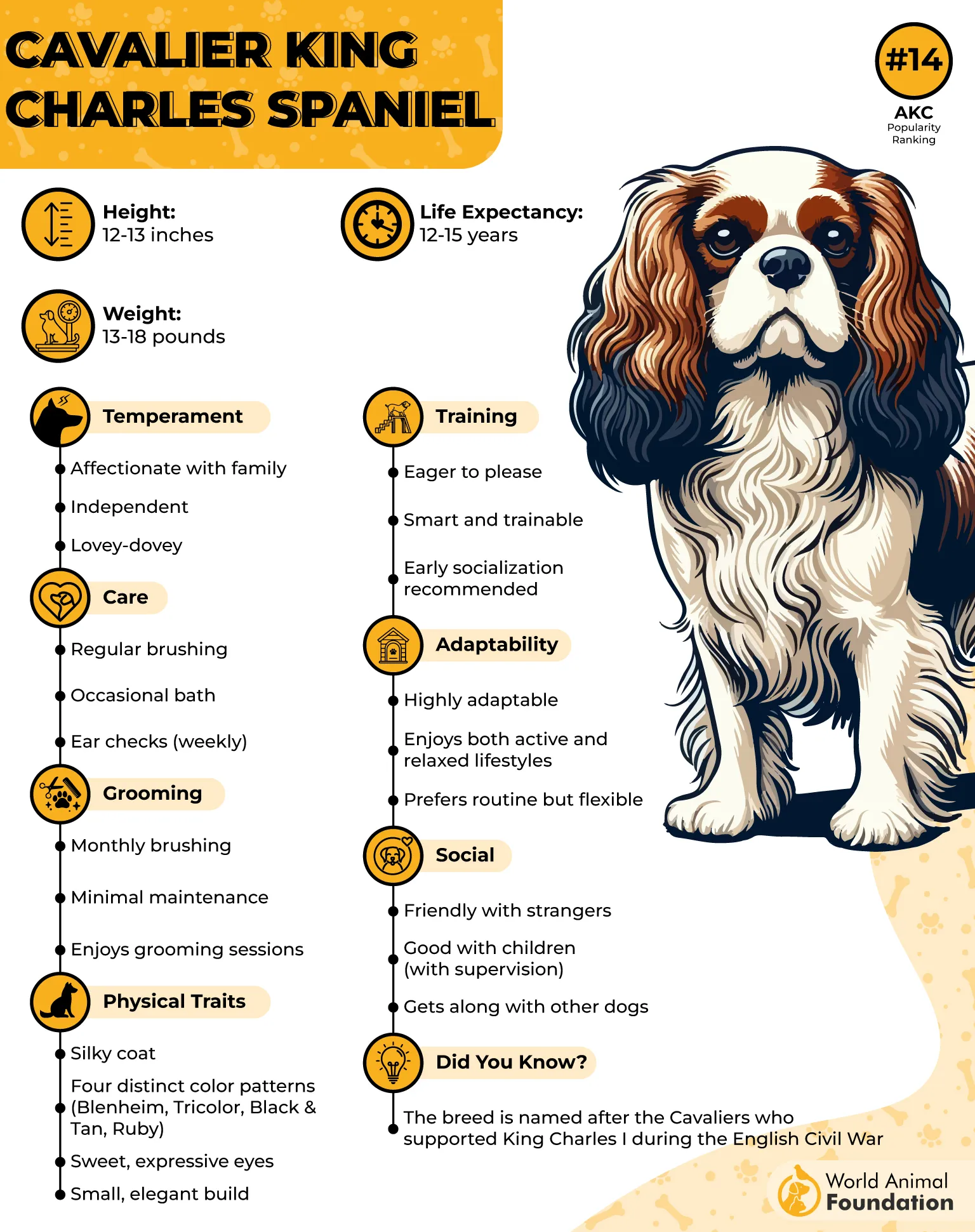
6. Cavalier King Charles Spaniel
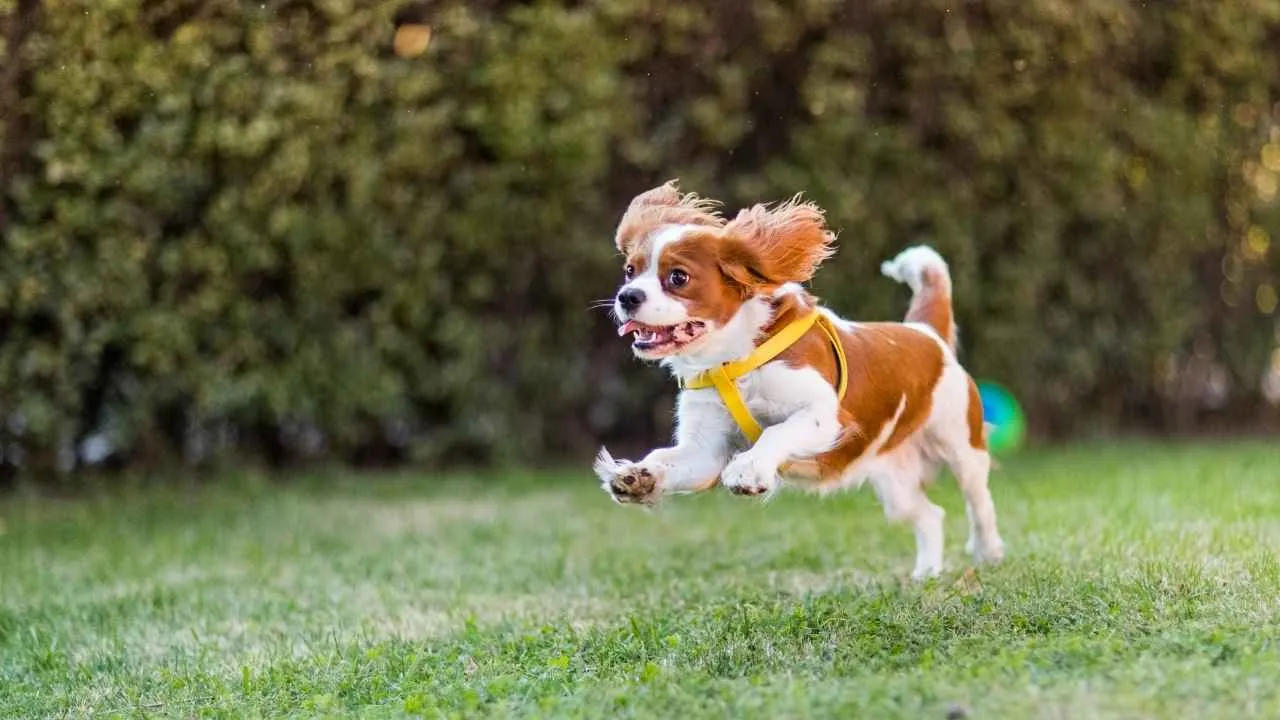
Cavalier King Charles Spaniel has roots in Tudor England, where small spaniels warmed their companions’ laps and feet during colder days. King Charles II became so attached to these dogs in the 17th century that his name eventually became part of theirs.
A Gentle Playmate
This spaniel enjoys games of fetch and playful interaction with children, making it a lovely match for families who enjoy spending time together. Its gentle nature also suits therapy work, where a calm presence and sensitivity to people’s feelings can be valuable.
Its family appeal is further enhanced by these traits:
Often friendly with larger dogs
Responds best to praise and rewards
May chase birds or small pets
Company Matters
Long periods alone can be difficult for this people-oriented spaniel, which enjoys being near its favorite humans throughout the day. At home, it may curl up on the sofa, while outdoor walks offer chances to investigate new scents and chase interesting sights.
7. Newfoundland
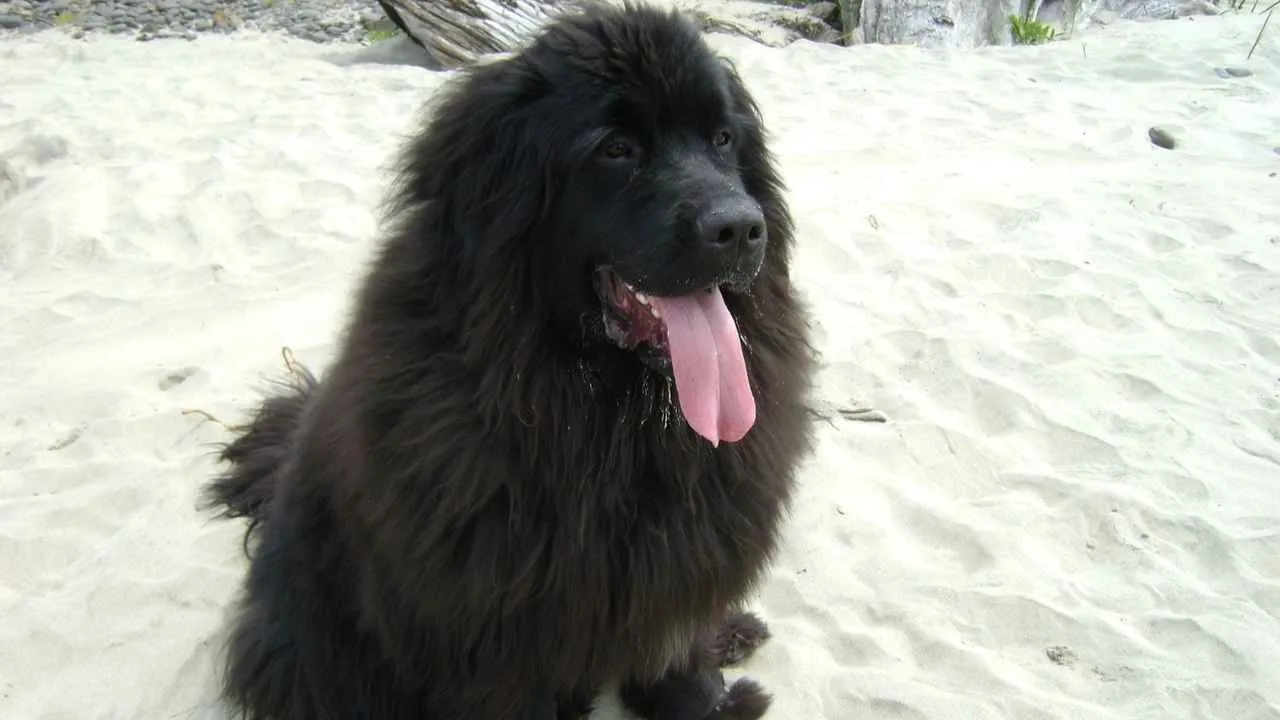
Newfoundland originated on the Canadian island of the same name, where early dogs worked alongside Portuguese fishermen during the 16th century. These sturdy workers hauled fishing nets, swam through cold water, and pulled carts as part of demanding daily tasks.
A Natural Water Dog
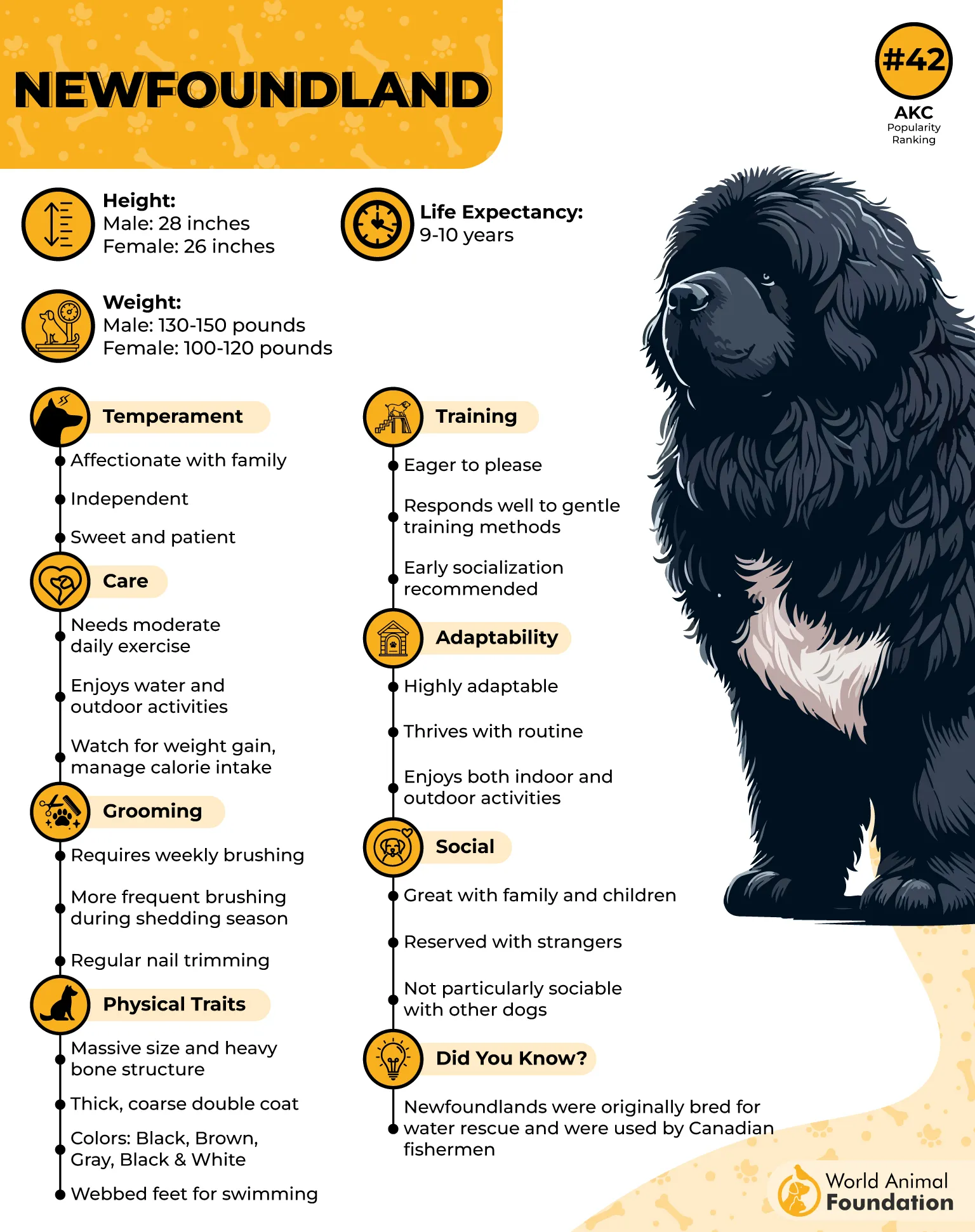
These dog breeds has webbed feet, a dense double coat, and powerful swimming ability that suits its long association with water. Its instinctive response to people struggling in the water has also made the breed famous for water rescues.
Three details help explain its family appeal:
Patient with children
Often suitable for therapy work
Usually gentle with household pets
Gentle With Children
Newfoundland is sometimes called a nanny dog because of its patient nature around children. The fictional dog Nana in Peter Pan was portrayed as a Newfoundland caring for the Darling children, although adult supervision remains essential during play.
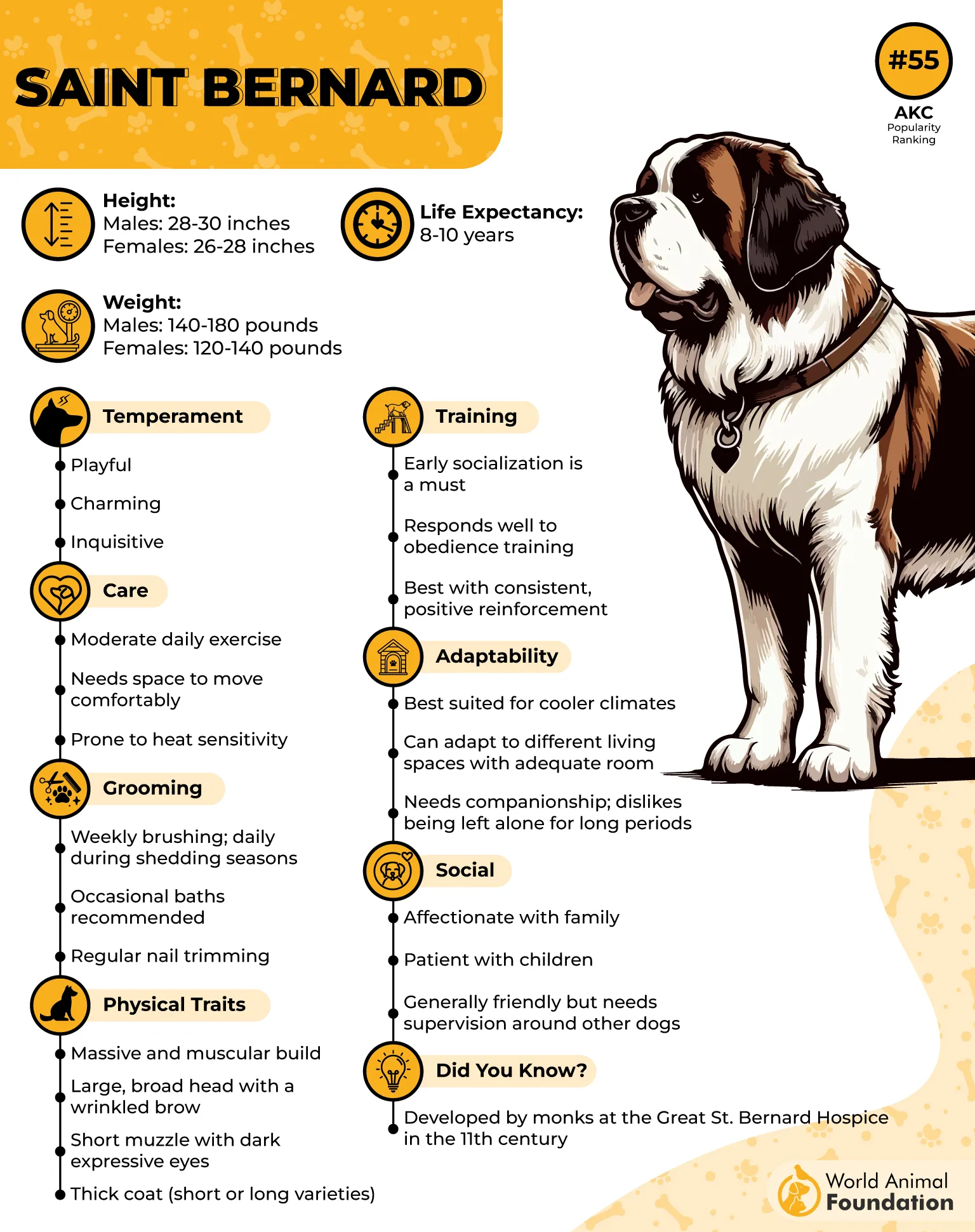
8. Saint Bernard
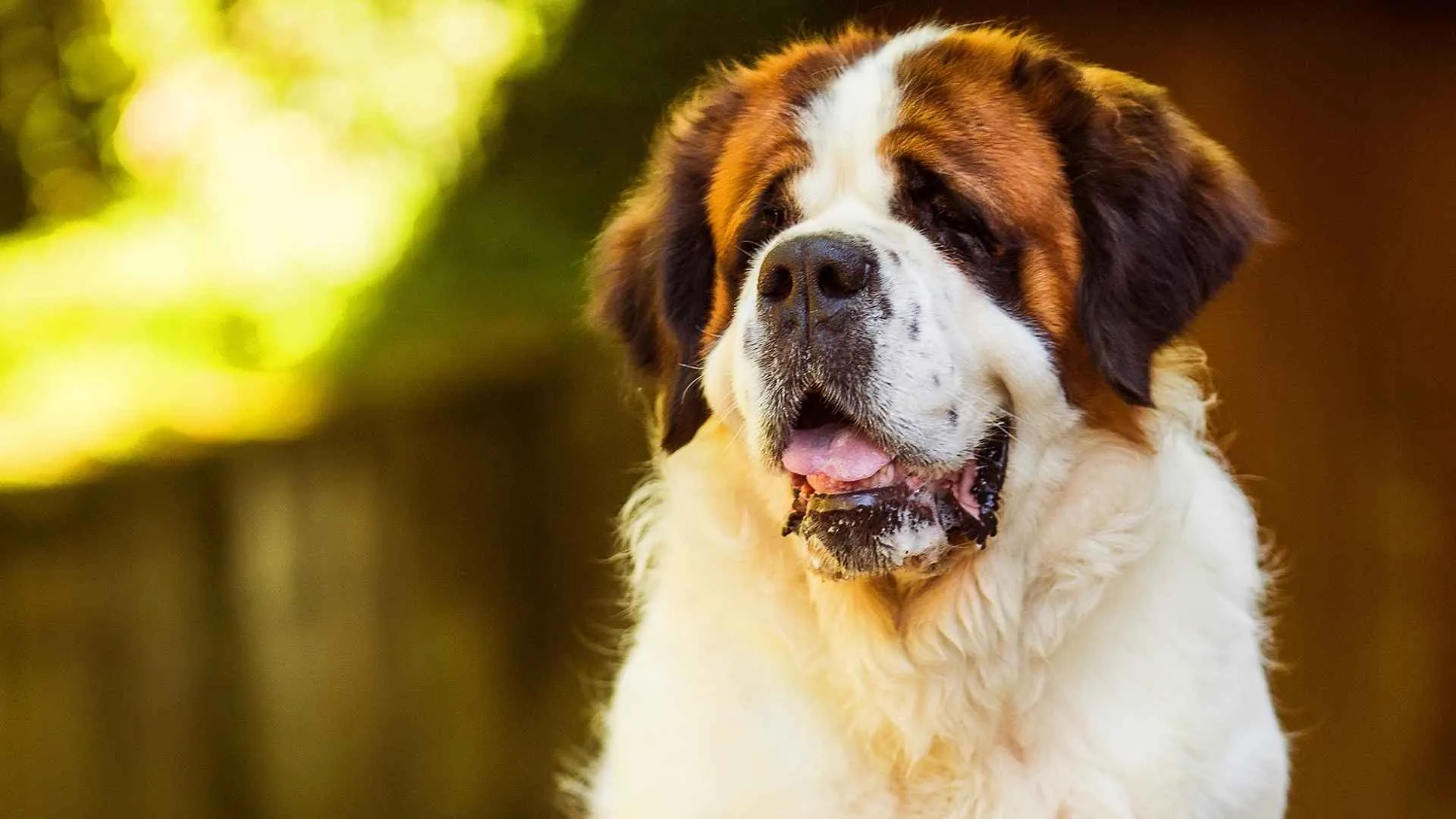
Saint Bernard’s earliest written records date to 1707, when monks at the Saint Bernard Pass hospice between Switzerland and Italy kept these dogs.
Initially used for tasks such as pulling carts and turning spits, they later became famous for finding routes through deep snow and locating lost travelers.
Gentle With Children
Saint Bernard is often patient with children, even when little hands keep reaching for hugs and attention. Its enormous size calls for adult supervision during play, since an accidental bump from this heavy dog could easily knock a young child off balance.
The following characteristics help explain its family role:
Learns rescue behavior from older dogs
Often calmer as an adult than as a puppy
May bark when unfamiliar people approach
A Calm Household Companion
Saint Bernard usually enjoys the company of familiar dogs and cats when introductions happen early and carefully. Daily walks help keep its mind engaged, although this large breed can be surprisingly reluctant to leave a comfortable sofa or bed.
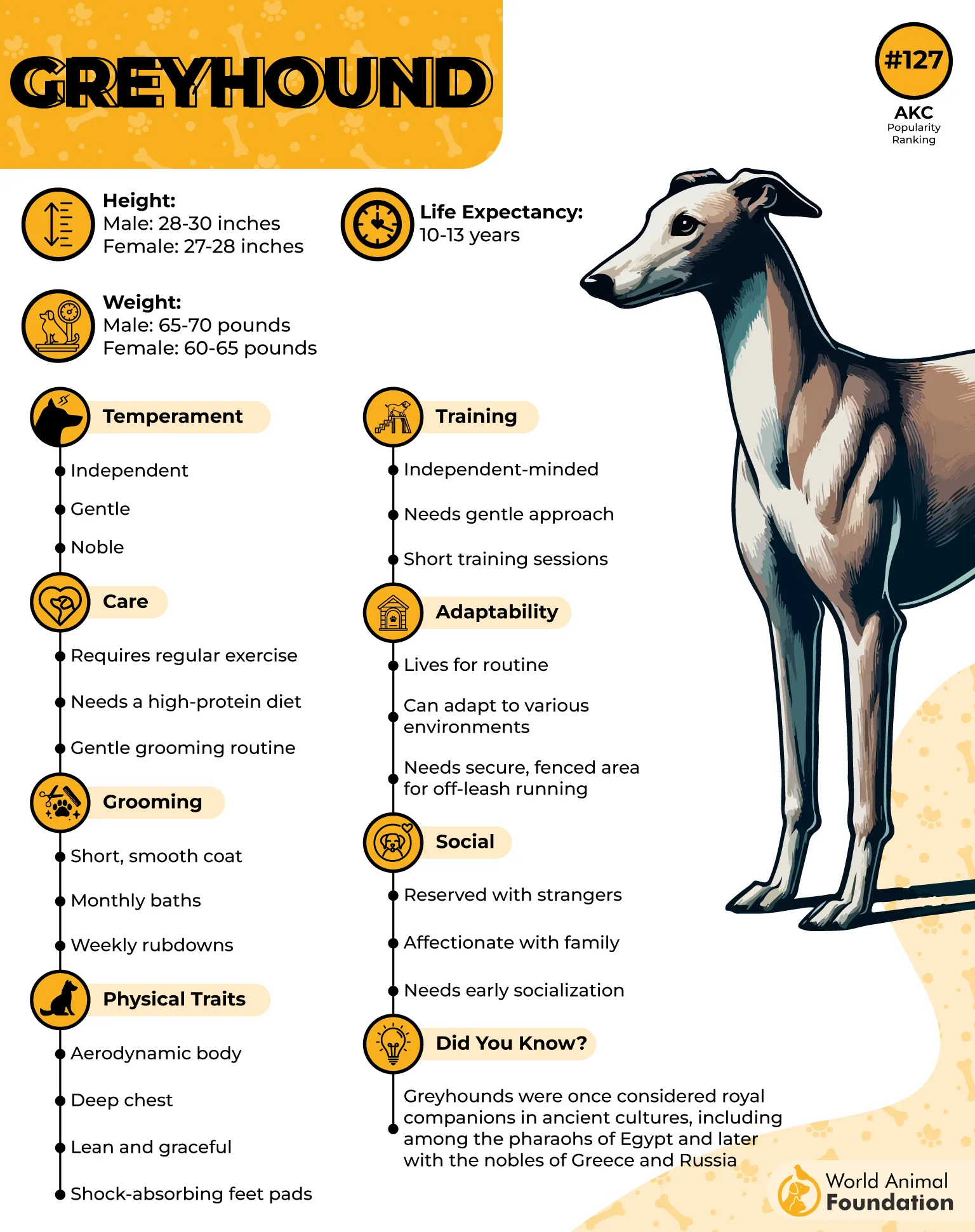
9. Greyhound

Greyhound has a long European lineage as a sighthound bred to spot game and pursue it across open ground. Once associated largely with nobility, the breed later gained widespread attention when track racing grew popular in Britain and America during the early 1920s.
Built for Brief Bursts
This best dog breed can reach speeds of around 43 miles per hour over short distances, thanks to its long legs, slim frame, and flexible spine. At home, this athletic build belongs to a dog that often prefers quiet downtime between brief periods of activity.
These details help explain its distinctive nature:
Racing involved chasing an artificial hare.
Its flexible spine supports rapid acceleration.
Recall can falter when prey catches its attention.
Gentle at Home
Greyhounds are generally quiet and affectionate with their family, often seeking the softest sofa or bed for a long nap. They can get along with children and other pets, especially when introductions are handled carefully, and smaller animals are kept safe around their chasing instincts.
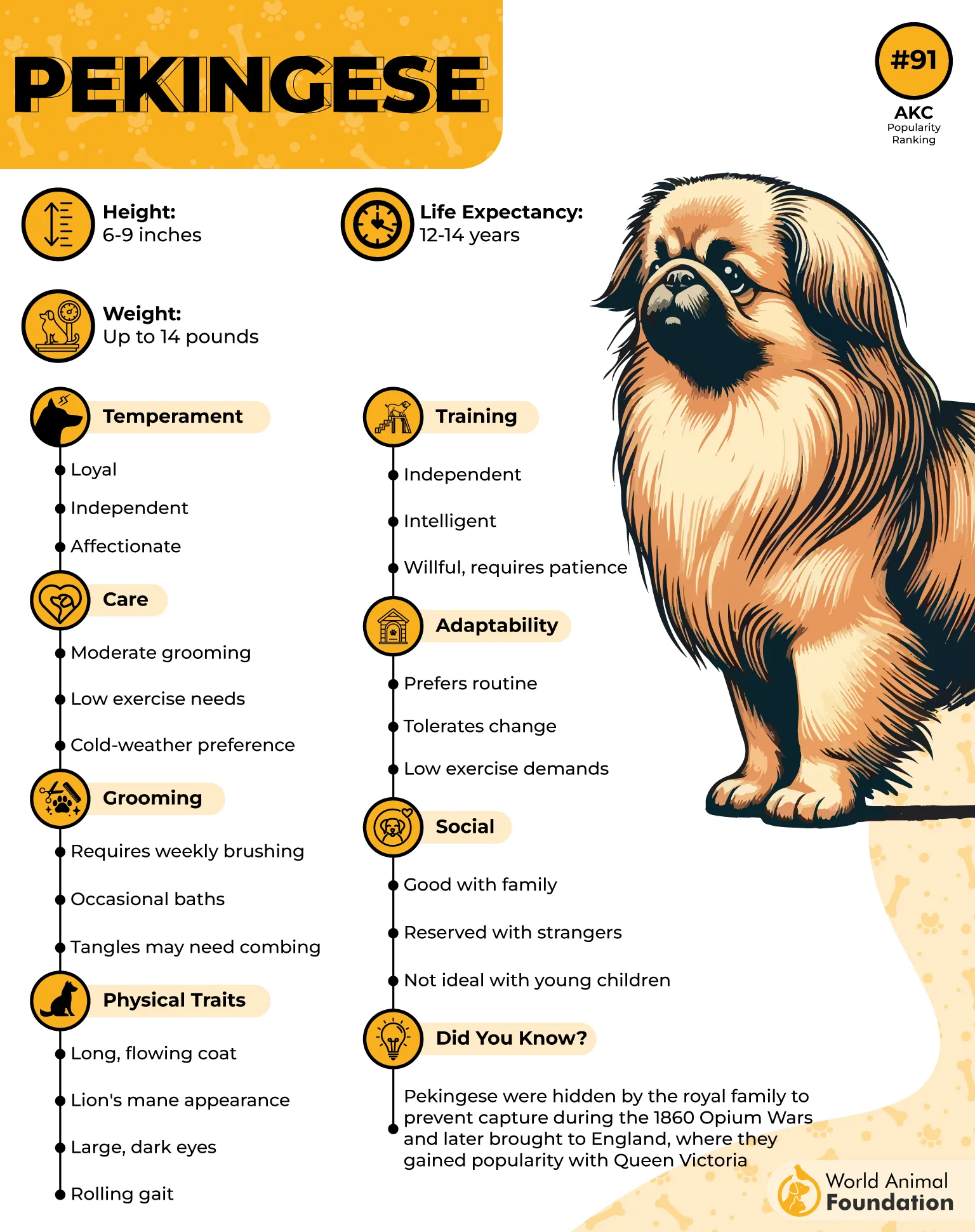
10. Pekingese
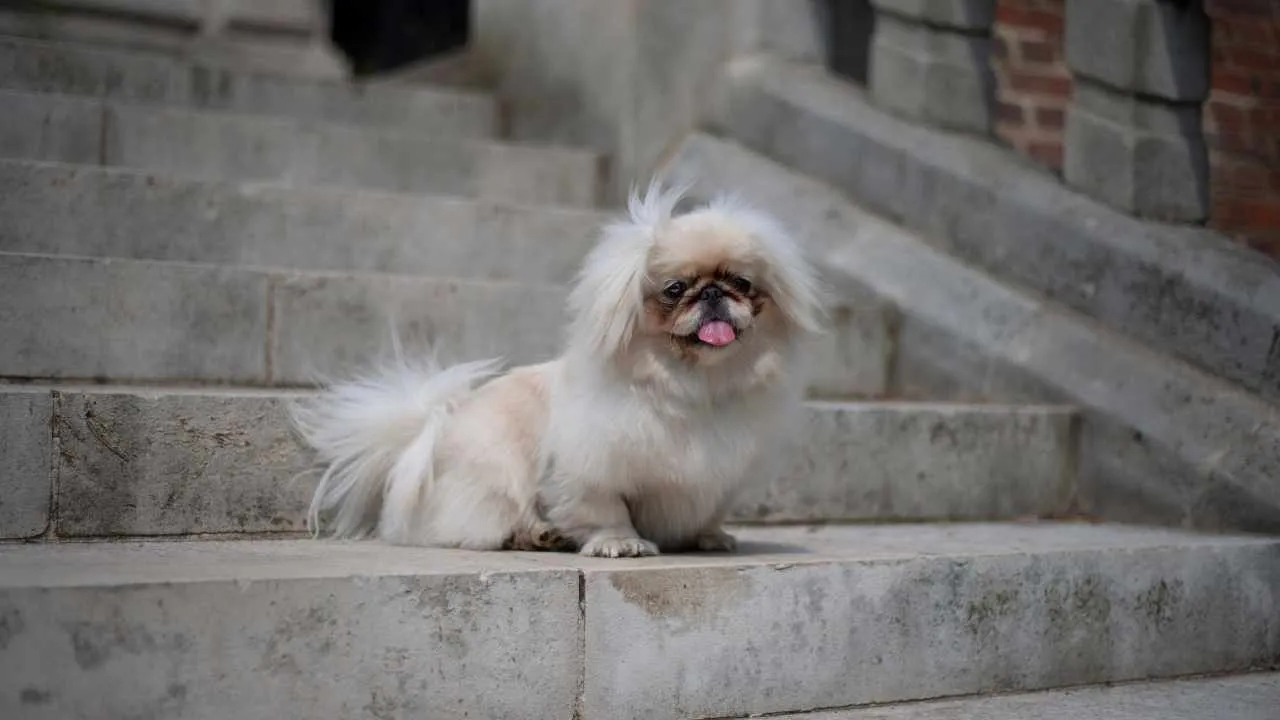
Pekingese originated in China more than 2,000 years ago, where Buddhist monks bred these small dogs as companions associated with the imperial world.
The tiniest were called “sleeve dogs” because they could fit inside emperors’ robe sleeves, and five Pekingese reached England in 1860.
Small Dog, Big Presence
Pekingese have a confident, independent nature that can make them surprisingly assertive around larger dogs. Its strong sense of territory also makes it quick to bark at a knock on the door, while its preference for familiar people can make introductions take time.
The following details help explain its distinctive personality:
Often chooses one favorite person
May resist sharing its space with unfamiliar pets
Has a strong prey drive toward small animals
A Particular Kind of Family Dog
This smaller-sized breed can be affectionate and entertaining with family members, especially when they can approach for attention on their own terms. Older children who handle dogs gently are generally a better match, since rough play or pulling its fur may provoke a growl or nip.
Conclusion
A friendly family dog can bring comfort, companionship, and plenty of happy moments into everyday life. Some enjoy active games with children, while others prefer quiet afternoons close to their favorite people. Temperament, size, energy level, and social needs all influence how well a dog fits into a household.
Breed traits can offer helpful guidance, but every dog has its own personality and needs. Parents should consider children’s ages, available time, living space, and the care a dog requires before making a choice. With patient training, gentle handling, and proper supervision, a family can build a lasting bond with its companion.
