




Getting your first dog is exciting until you realize your new furry roommate needs training, exercise, grooming, healthcare, and a whole lot of attention. Suddenly, those adorable puppy videos don’t seem to mention the 6 AM bathroom breaks or the mysterious disappearance of your favorite shoes.
But don’t panic, because some dog breeds make the transition into pet parenthood considerably smoother.
These beginner-friendly companions are generally known for their affectionate personalities, willingness to learn, adaptable temperaments, and ability to fit into different household environments. Rather than requiring specialized handling or complex behavioral management, many respond well to consistent routines, gentle training, and positive reinforcement.
However, easy to own doesn’t mean effortless to care for. Even the most beginner-friendly dog needs daily attention, regular veterinary visits, exercise, mental stimulation, and a home that suits its particular needs.
Let’s explore the top beginner-friendly dog breeds that are easy to own.
Top Beginner-Friendly Dog Breeds That Are Easy to Own
1. Golden Retriever
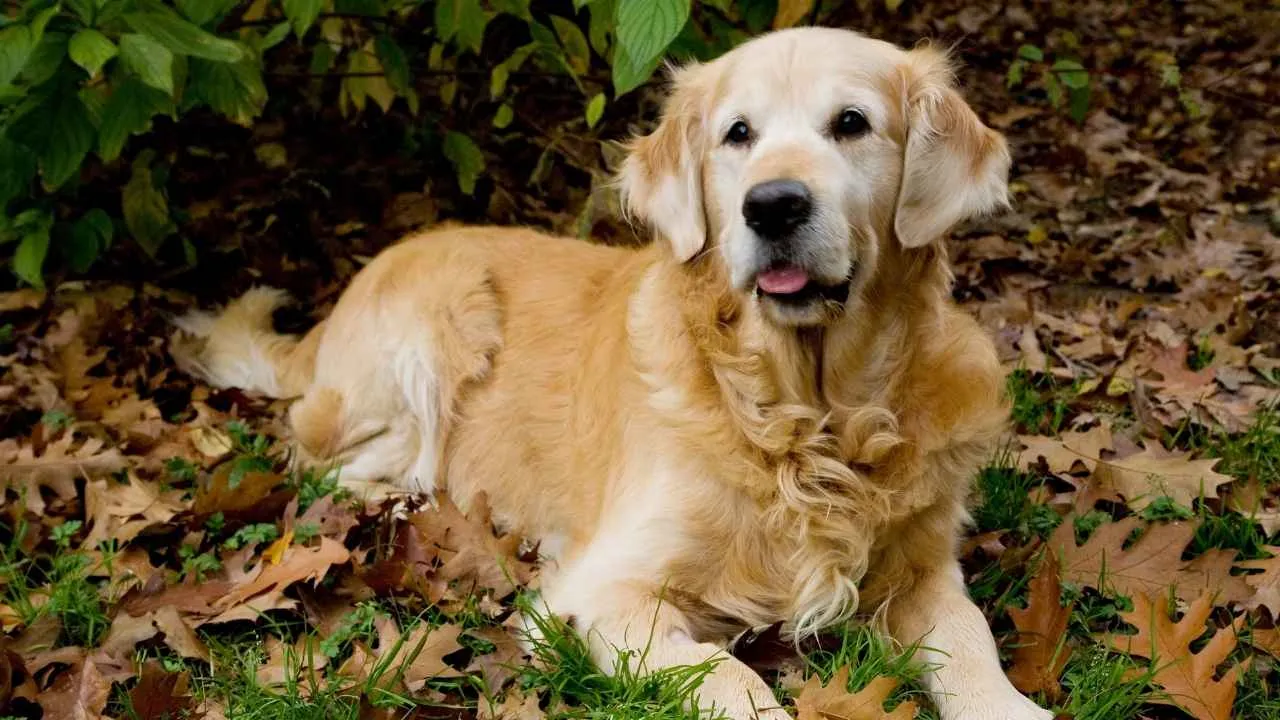
The Golden Retriever is basically the golden-hearted bestie of the dog world, bringing enthusiasm, affection, and an almost suspicious level of friendliness to everyday life. Its eager-to-please personality makes it particularly appealing to first-time owners who want a companion that responds positively to guidance, as noted by the AKC.
One of the main reasons these medium-sized dogs are considered easy to own is that they’re generally trainable. Many learn basic commands like sit, stay, and come quickly with rewards, consistent instructions, and short practice sessions.
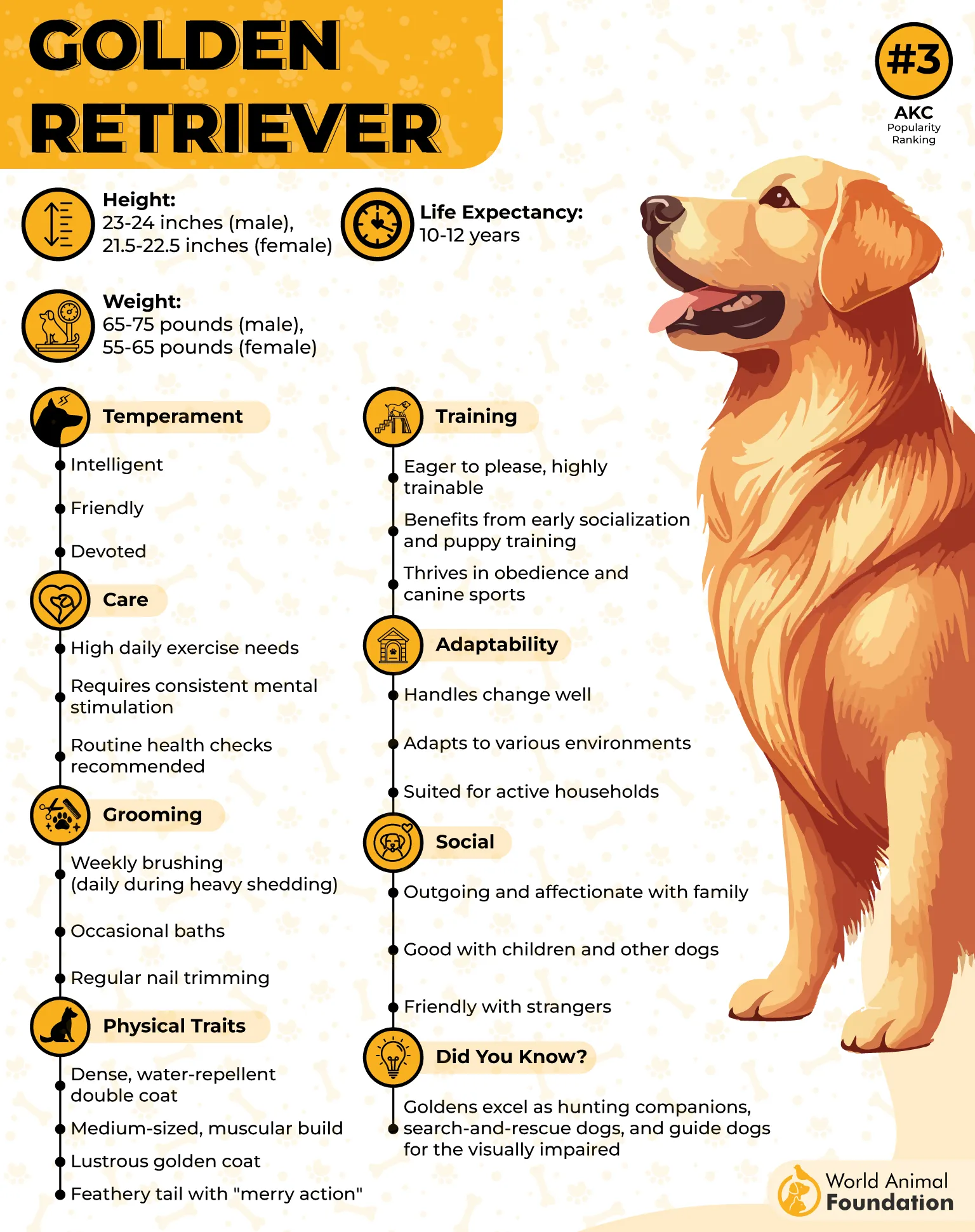
Their social personalities can also make everyday ownership easier because well-socialized Goldens often enjoy interacting with familiar people and joining family activities. Many adapt well to households with children or other pets when introductions are carefully managed, and everyone understands appropriate boundaries.
They are athletic dogs that need meaningful exercise rather than spending the entire day lounging indoors. Daily walks, supervised swimming, retrieving games, and mentally stimulating activities help satisfy their sporting instincts while reducing boredom-related behavior.
2. Labrador Retriever
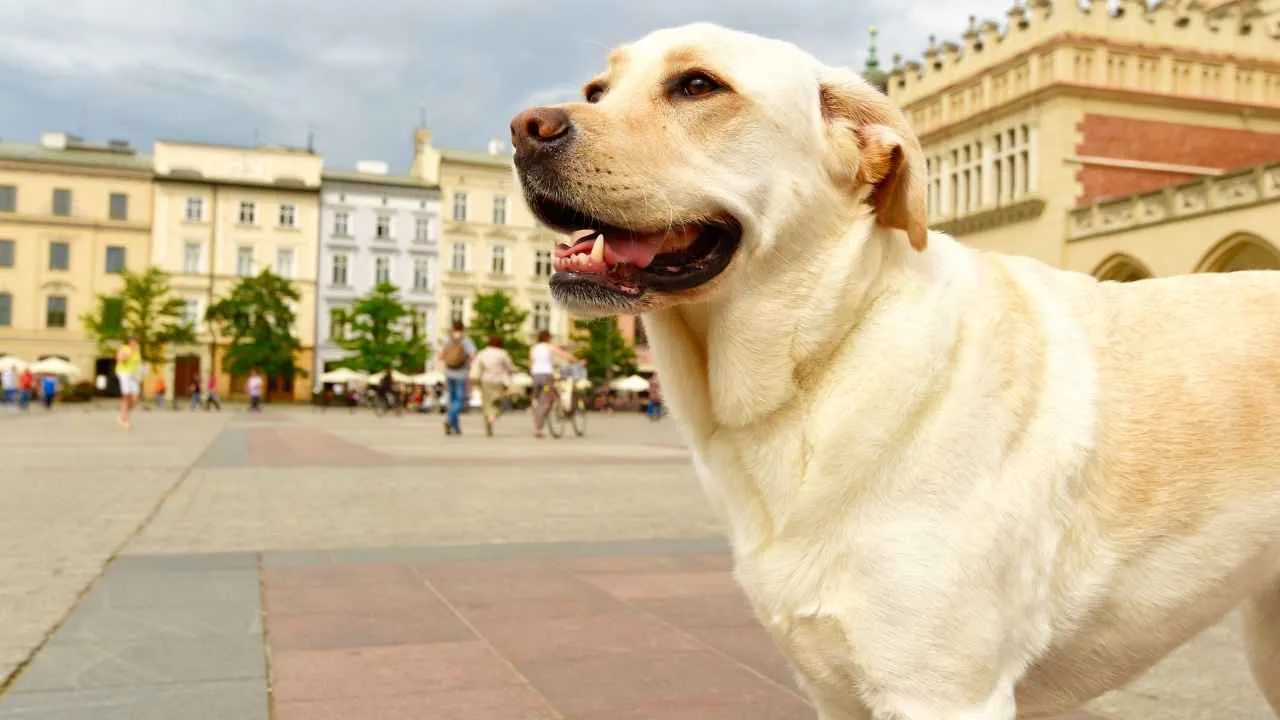
The Labrador Retriever is the enthusiastic friend that believes every day deserves a new adventure, a delicious snack, and at least one exciting game of fetch. They became famous for their dependable working abilities and friendly personalities.
Their smartness, cooperative nature, and enthusiasm for human interaction make them excellent beginner choices, offering regular activity and consistent training. Widely recognized as responsive learners, especially when training includes food rewards, praise, and enjoyable activities, they are suitable for obedience training.
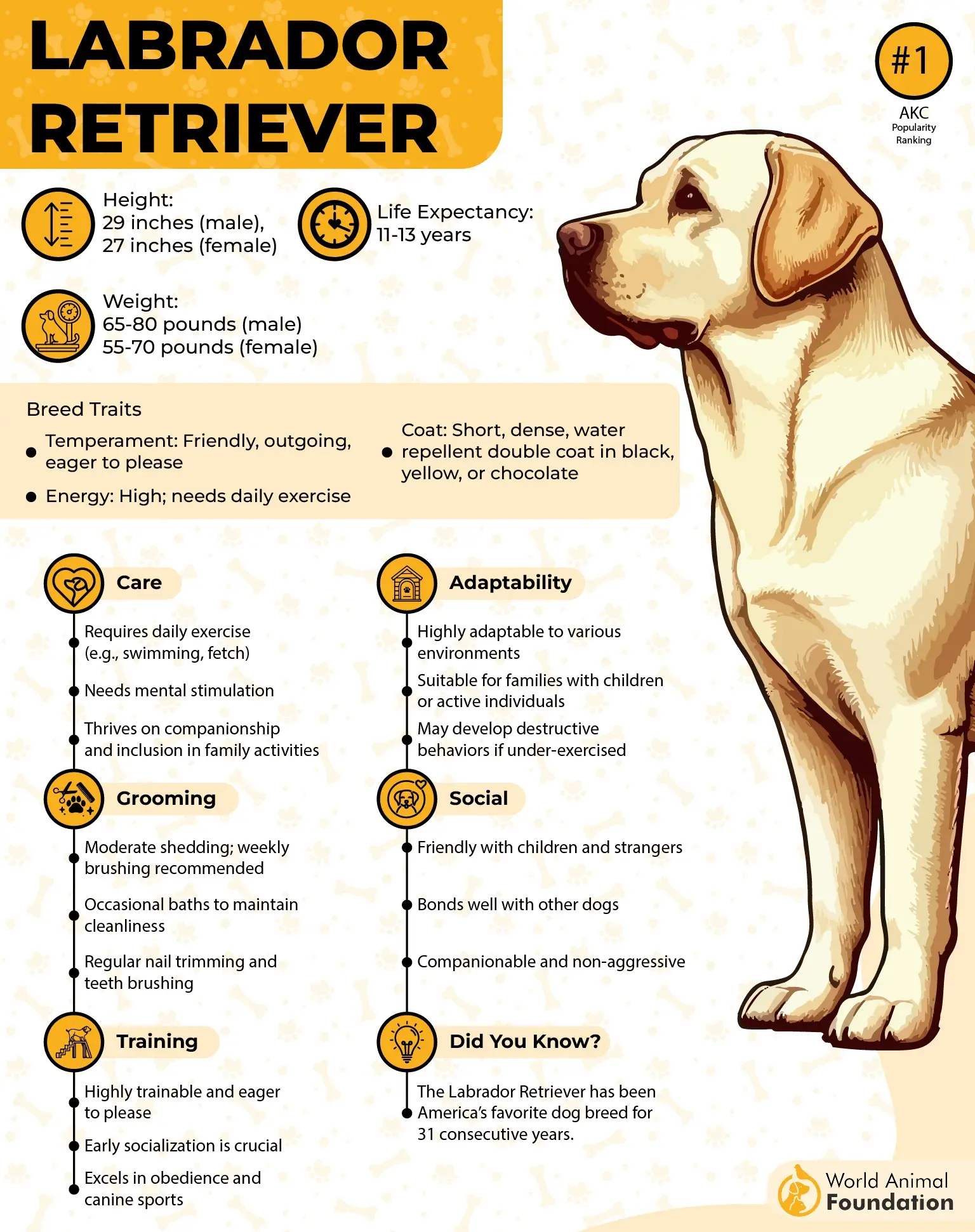
Their approachable personalities often make socialization easier for inexperienced owners, especially when puppies are gradually introduced to different people, animals, and environments. Many Labradors enjoy family outings, supervised play with children, and companionship with other compatible dogs, although individual temperaments always matter.
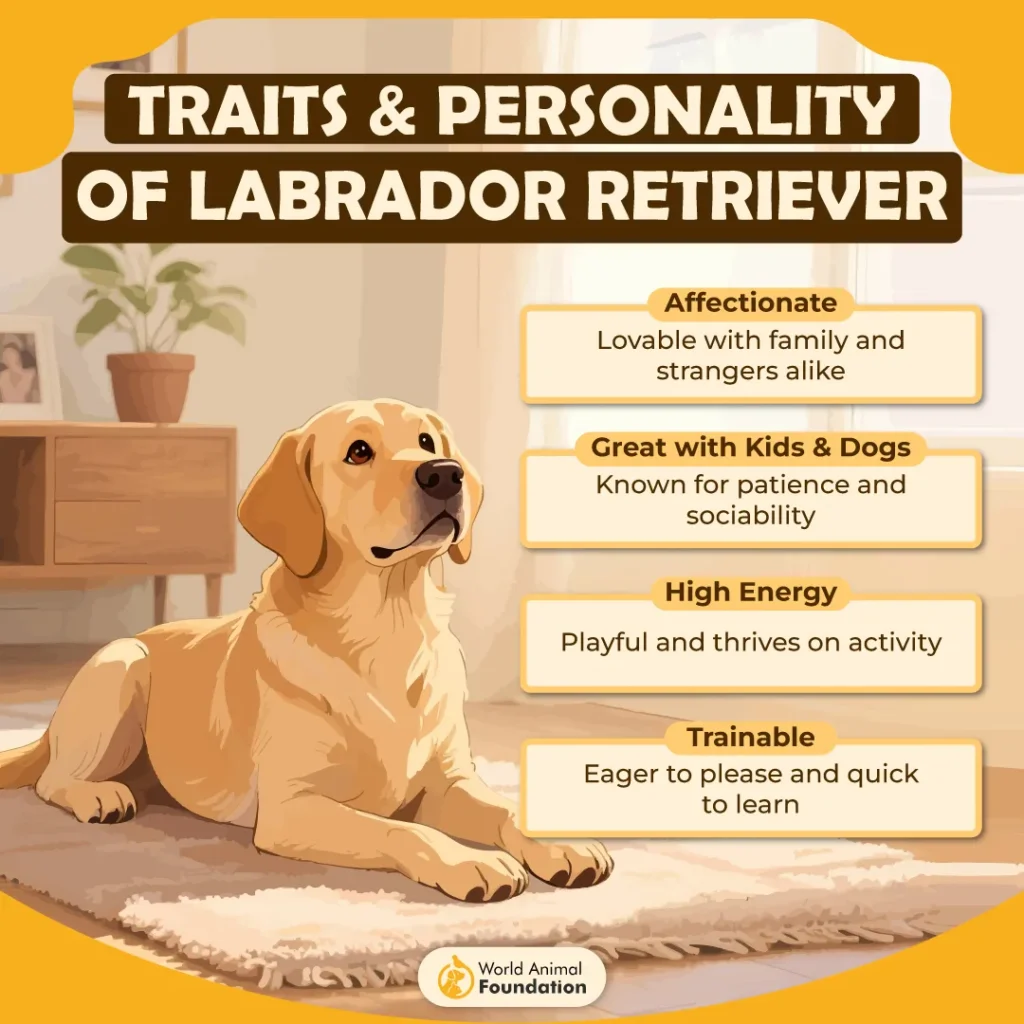
Unlike low-energy lapdogs, Labradors require substantial daily movement and meaningful mental stimulation to stay physically and emotionally healthy. Swimming, retrieving, scent games, and structured walks are great ways to channel their enthusiasm into productive habits.
3. Cavalier King Charles Spaniel
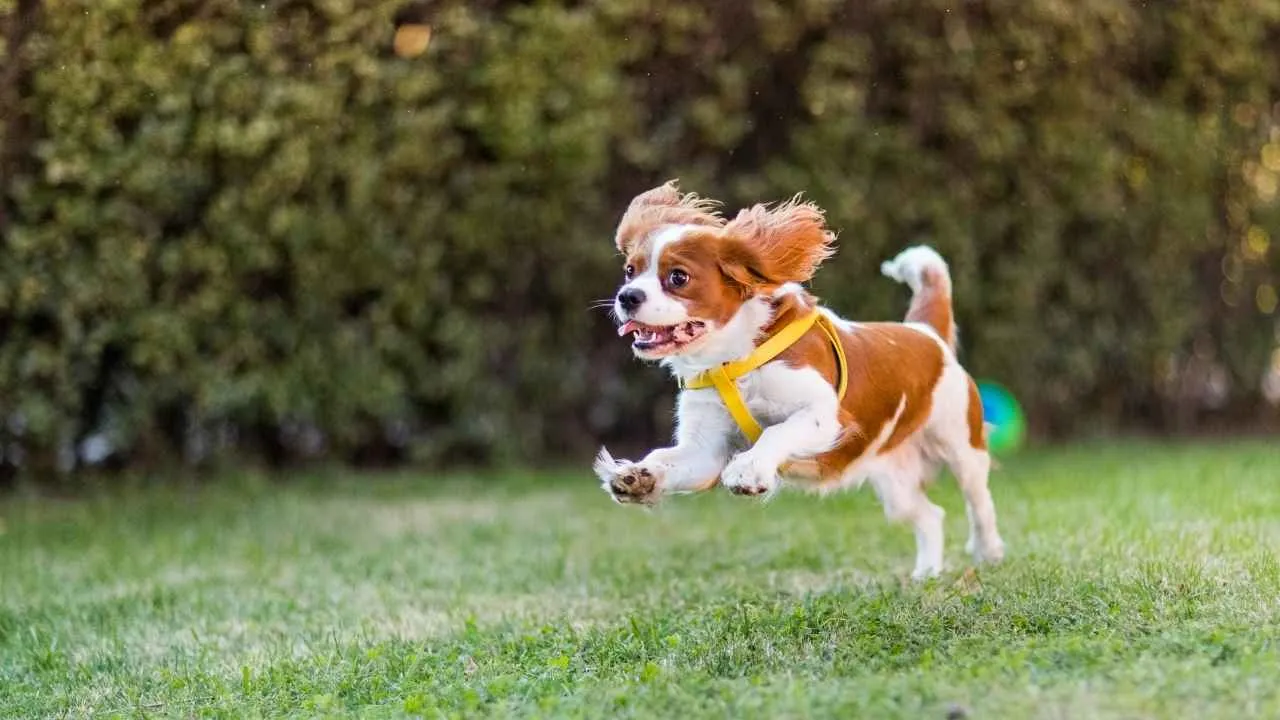
The Cavalier King Charles Spaniel is a professional cuddle expert who somehow looks like royalty while begging for belly rubs. Its manageable size and generally cooperative temperament make it particularly appealing to first-time owners who want a loving companion without the physical demands of a much larger dog.
One of the Cavalier’s greatest advantages is its willingness to form close relationships with people and respond positively to gentle training. These dogs often enjoy learning basic commands, playing short interactive games, and getting praise from their favorite humans, according to PDSA.
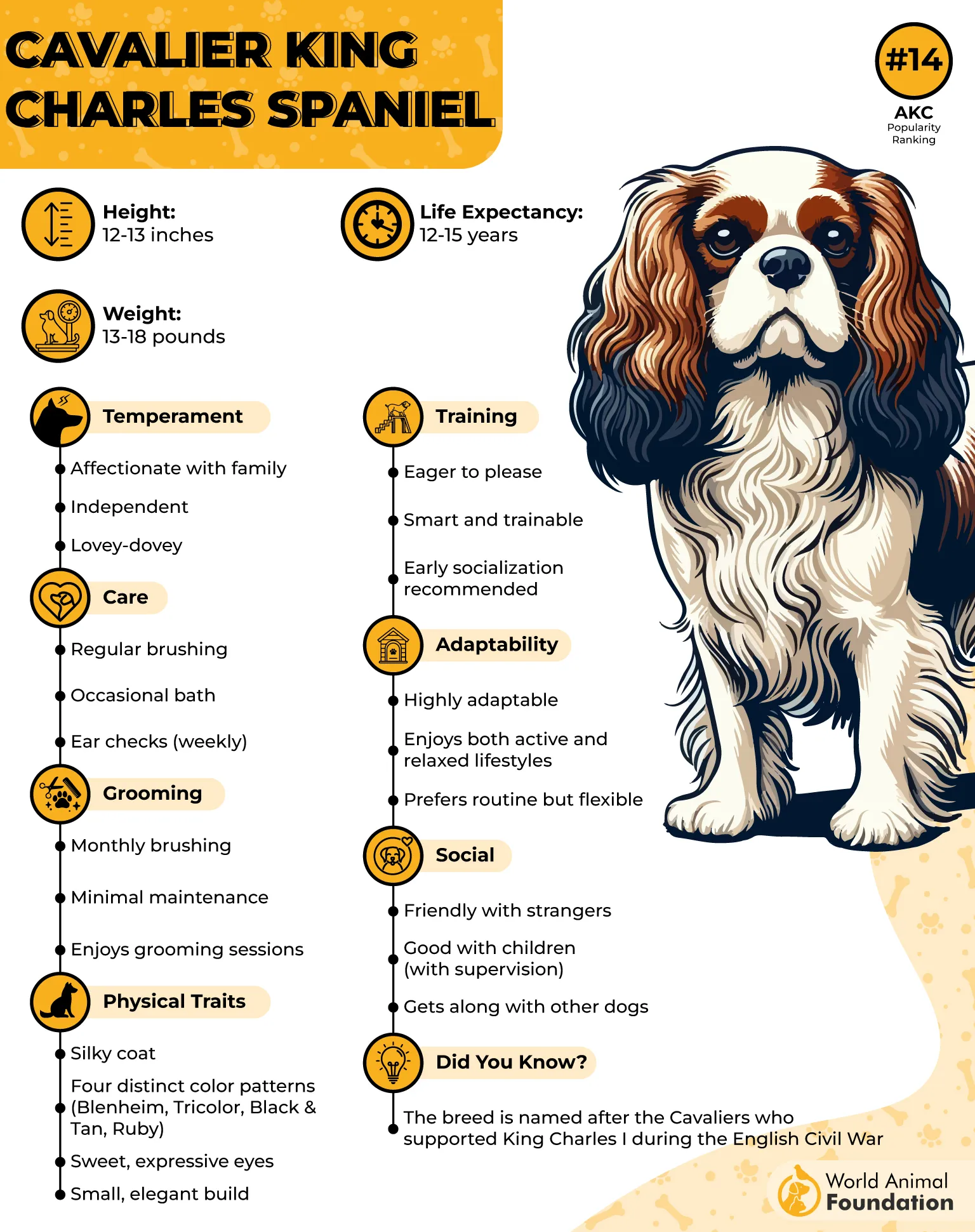
Their generally friendly disposition can make family life easier because many Cavaliers enjoy interacting with children, familiar visitors, and other compatible household pets. They often prefer staying close to their owners rather than spending long periods alone, making them especially suitable for people who work from home or enjoy spending time indoors.
Their silky coats need brushing several times a week, especially around the ears, chest, and feathered legs, where tangles can form. Moderate daily walks and indoor play usually provide suitable exercise for healthy adults, although their spaniel heritage means many enjoy investigating interesting smells and exploring new environments.
4. Bichon Frise
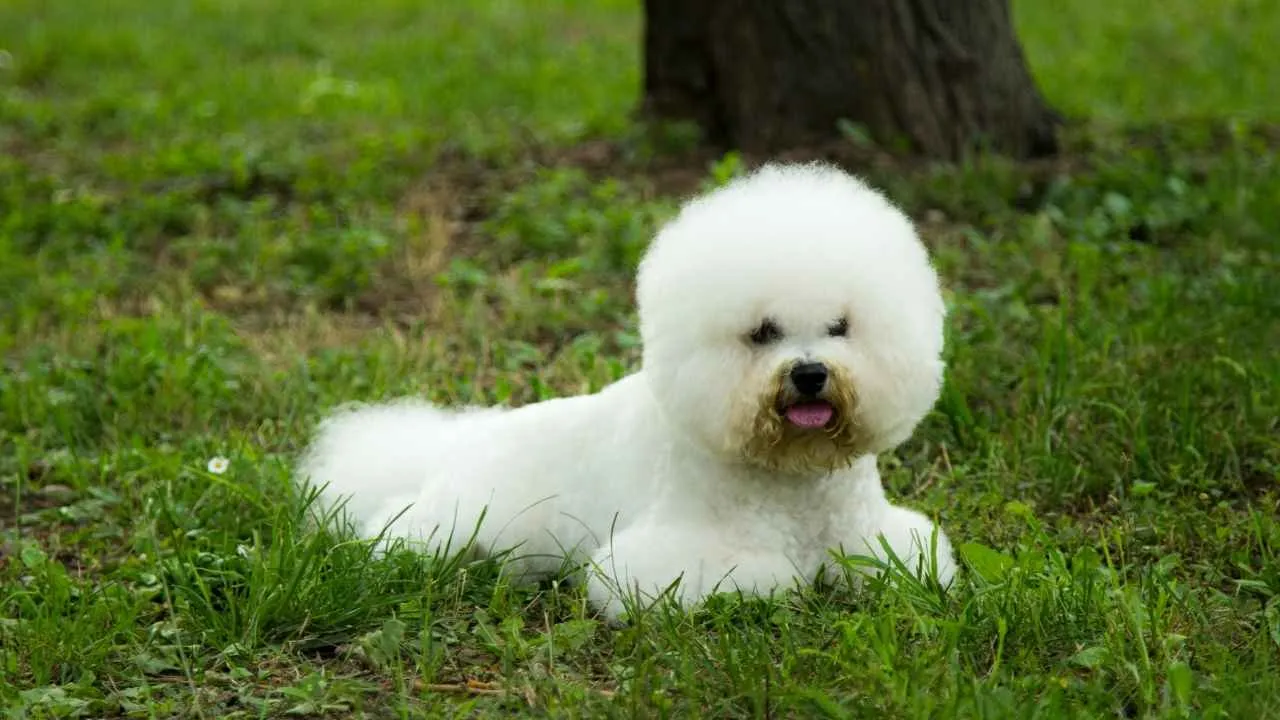
The Bichon Frise looks like a tiny walking marshmallow that somehow developed a charming personality and a talent for making everyone smile.
Bichons often learn quickly with positive reinforcement, consistent routines, and rewards that keep lessons engaging. Many enjoy practicing simple tricks, joining basic obedience sessions, and earning praise from their owners, which makes early training rewarding.
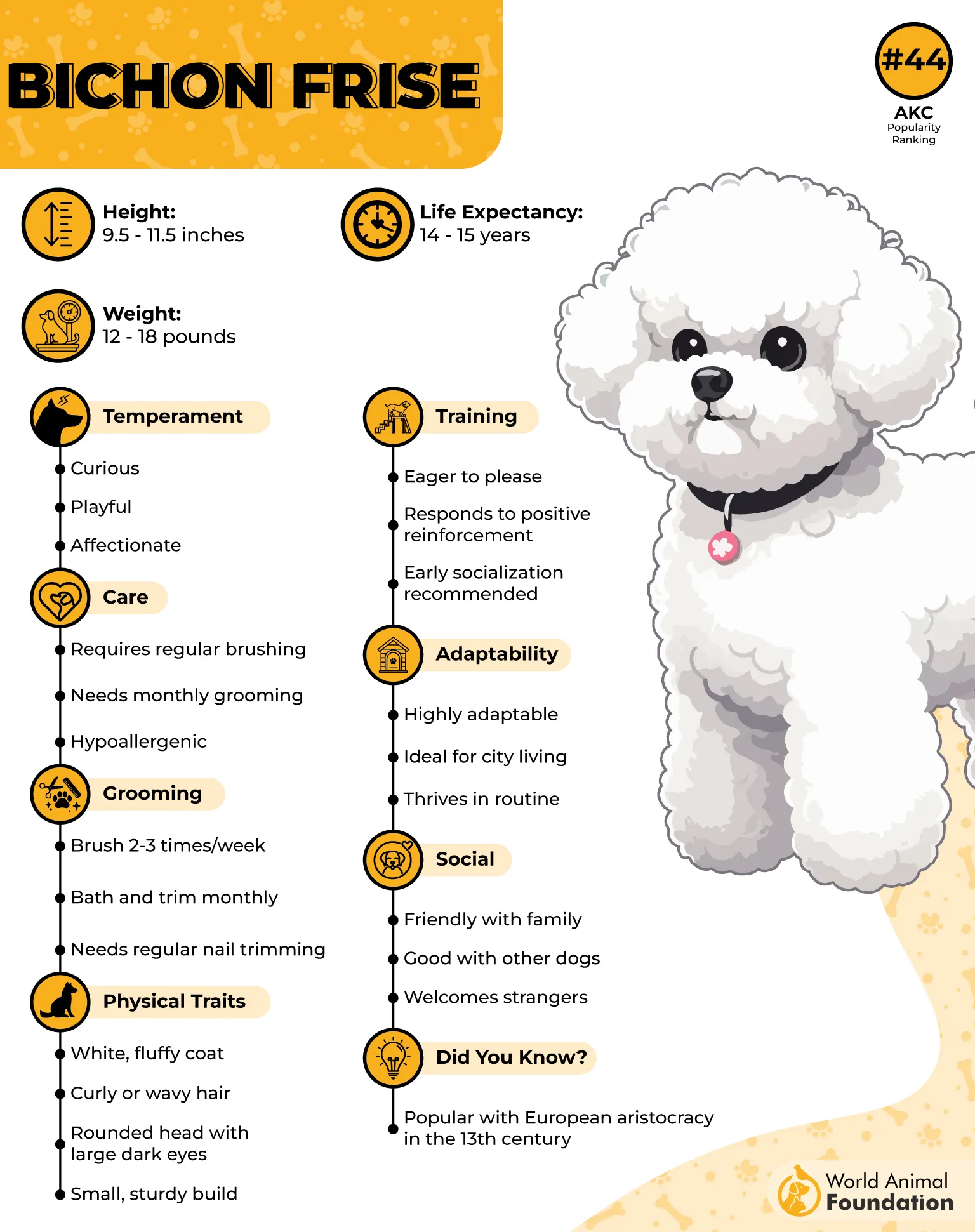
Their compact bodies make Bichons particularly well-suited to apartments and smaller homes, as long as they get appropriate daily exercise and companionship. They generally enjoy spending time with familiar people and can develop positive relationships with children or other pets when interactions are supervised, and introductions are handled carefully.
One important consideration is their beautiful white coat, which sheds less than many other breeds but still requires considerable maintenance. Their curly hair can trap loose strands and develop mats, so frequent brushing and professional grooming roughly every four to six weeks are often necessary.
5. Havanese
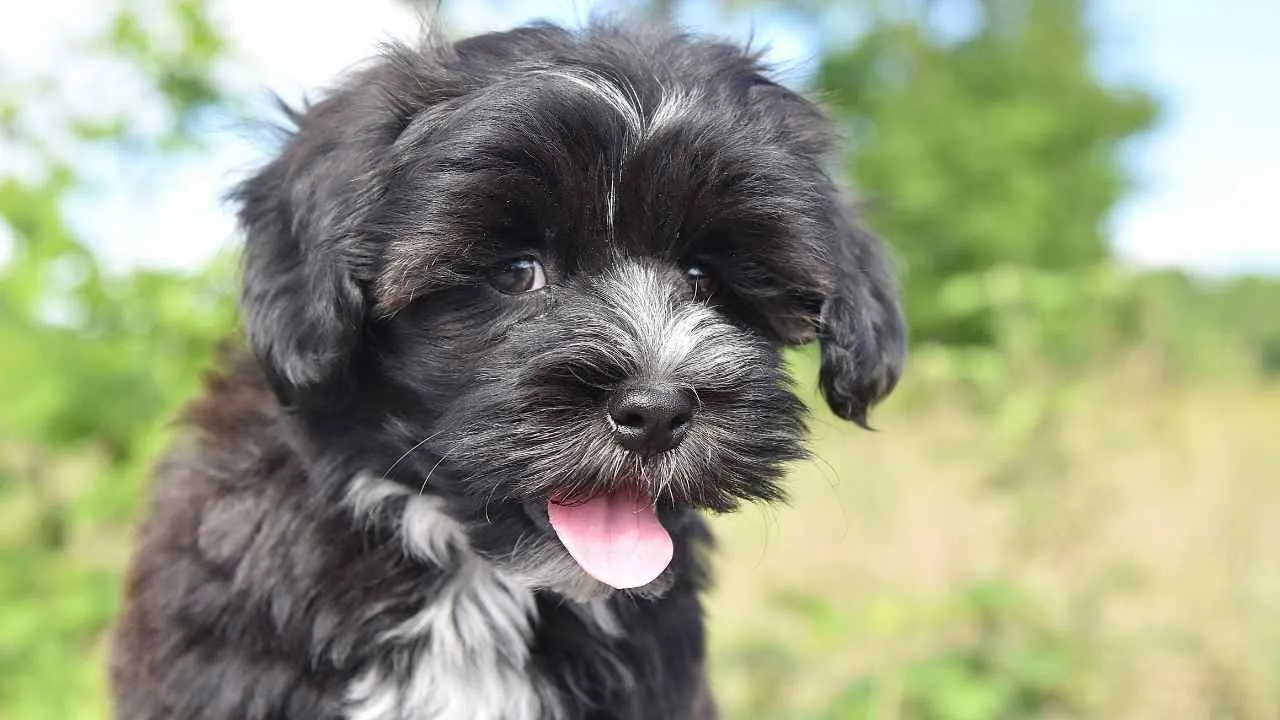
The Havanese is basically the charming little roommate that brings sunshine into your home without demanding a mansion-sized backyard or professional-level dog-handling skills. As Cuba’s national dog, this companion breed is known for its cheerful temperament, affectionate personality, and distinctive silky coat.
As per PetMD, they are known for their intelligence and generally respond well to positive-reinforcement training. These often enjoy learning tricks, practicing obedience commands, and joining interactive activities that let them work closely with their owners.
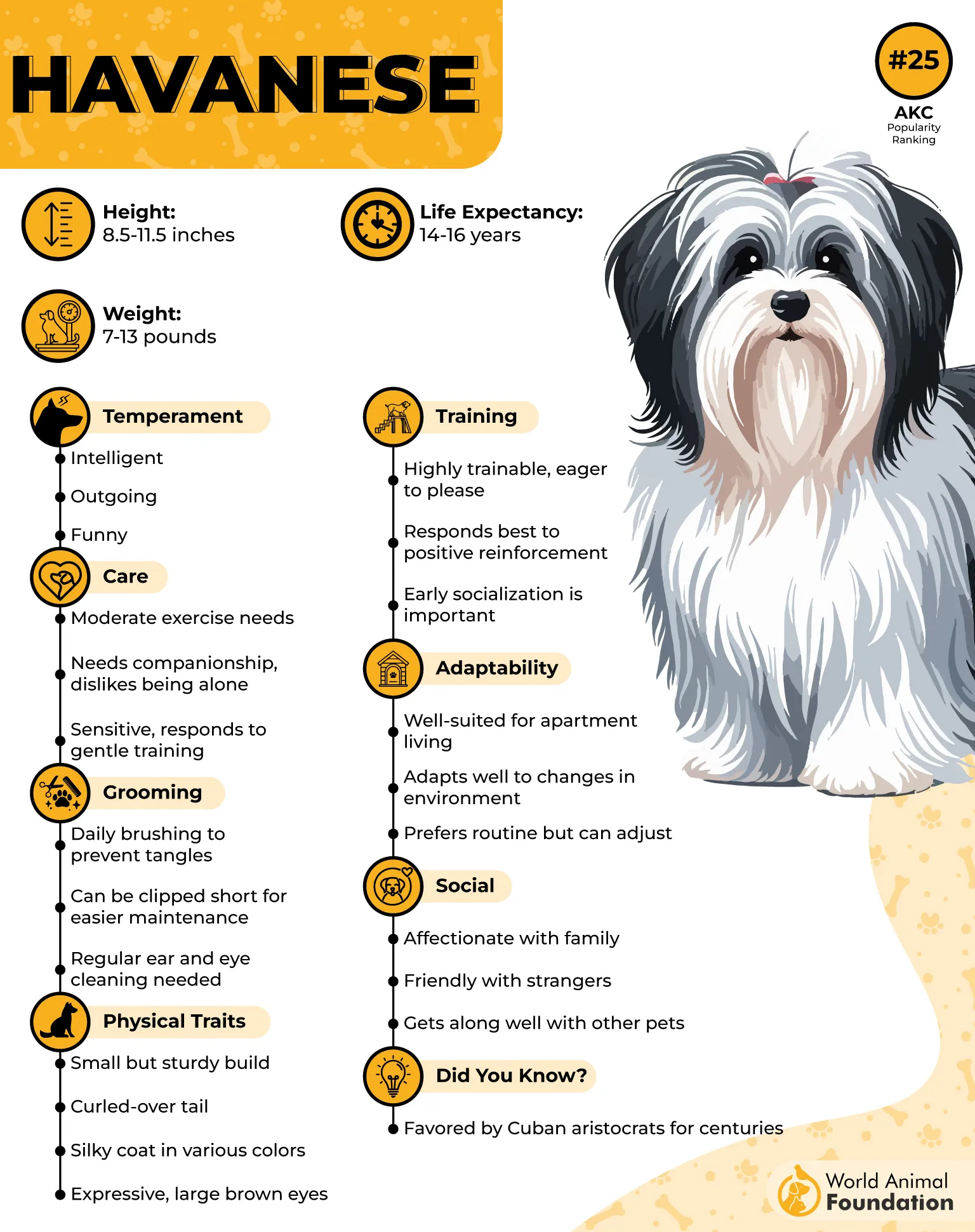
Their relatively modest exercise needs can simplify ownership for people who don’t have time for demanding daily outdoor adventures. Many healthy adults are happy with regular walks, indoor games, and chances to explore their surroundings without excessive physical exertion.
One characteristic that first-time owners should understand is the Havanese’s strong attachment to its favorite people. These dogs often prefer to join household activities. They may follow their owners from room to room, like a tiny personal assistant who takes companionship very seriously.
6. Toy Poodle
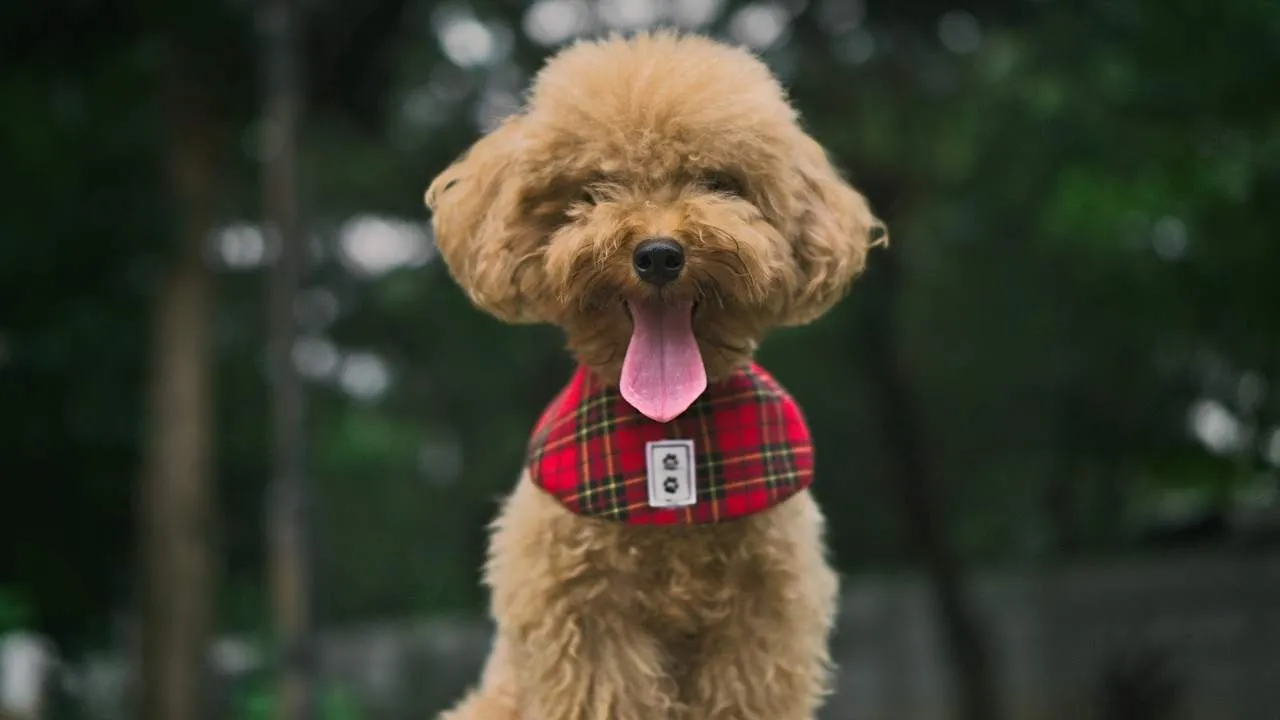
The Toy Poodle is the canine world’s tiny genius, proving that impressive intelligence doesn’t require an enormous body or an intimidating appearance.
One of their strongest beginner-friendly qualities is their impressive ability to learn new behaviors through consistent, reward-based training. These lap dogs often respond enthusiastically to obedience exercises, trick training, and puzzle toys that challenge their minds while strengthening their relationships with owners.
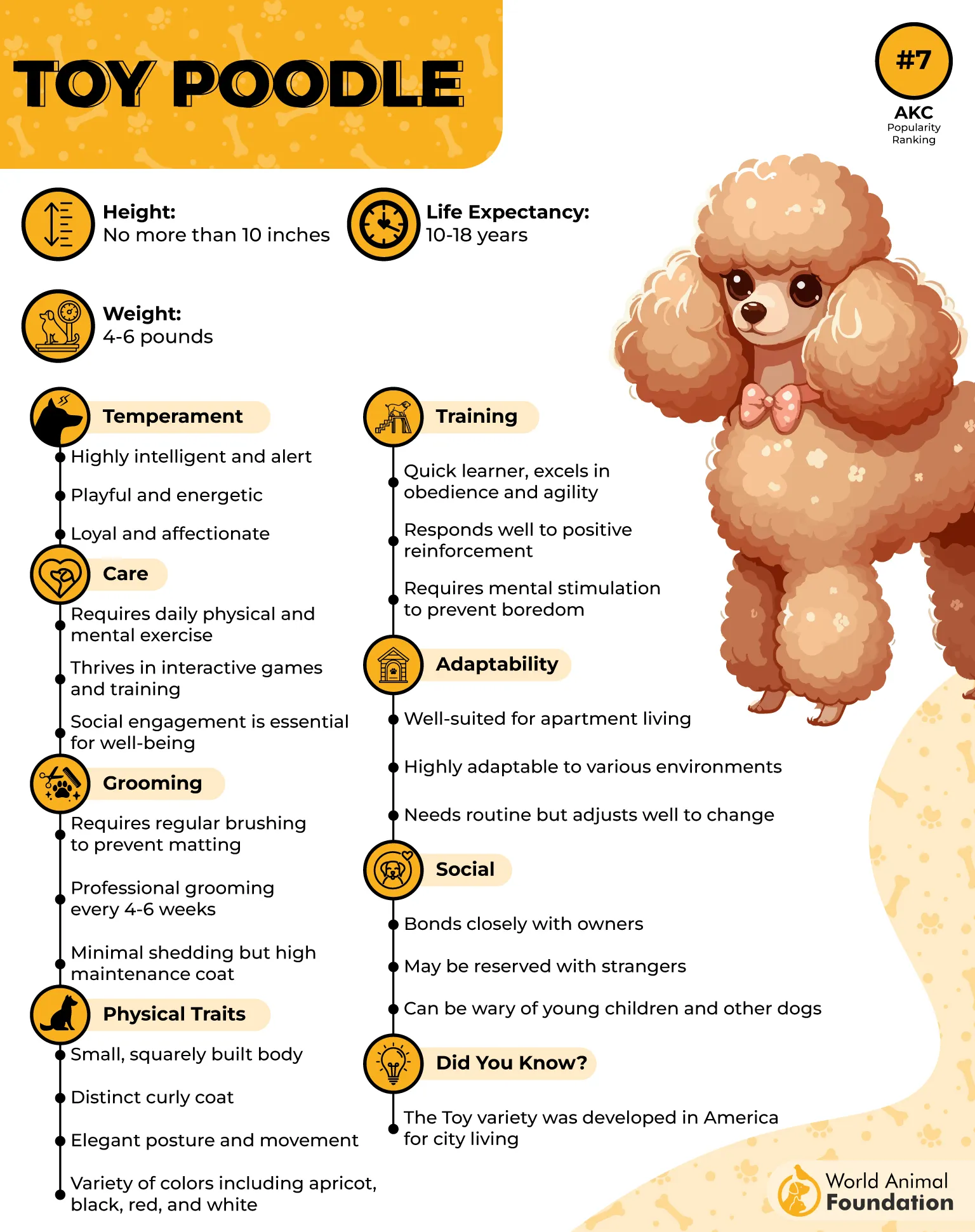
Their compact size makes Toy Poodles relatively easy to accommodate in apartments, smaller homes, and households without enormous outdoor spaces. Their delicate frames mean owners should supervise interactions with young children and larger animals to prevent accidental injuries during enthusiastic play.
These small dogs have dense, curly coats that shed relatively little loose hair, which appeals to people who dislike constant shedding. However, their hair keeps growing and needs regular brushing, trimming, and professional grooming to prevent painful mats from forming close to the skin.
7. Coton de Tulear
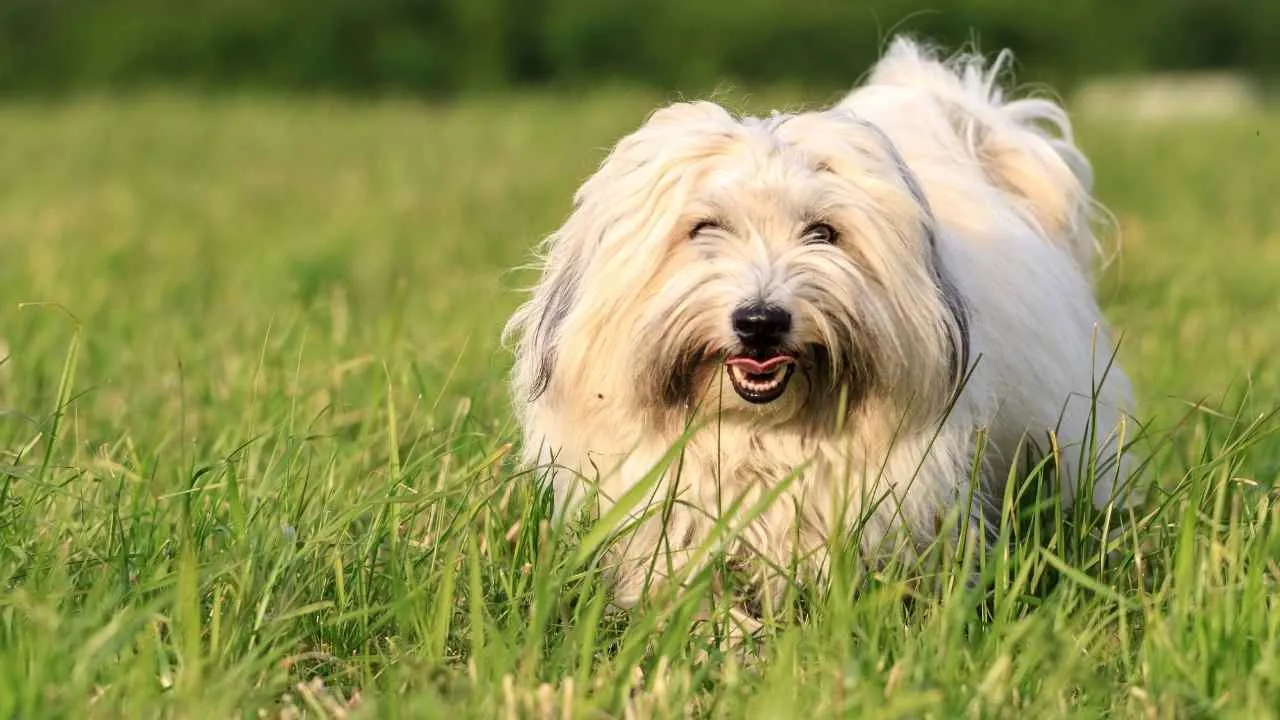
The Coton de Tulear looks like an adorable cotton ball that decided to grow legs, develop a playful personality, and develop a serious appreciation for human companionship. Dog owners say its affectionate personality, manageable size, and generally adaptable temperament make it an appealing companion for beginners.
These loyal companions are often described as cheerful, intelligent dogs that enjoy interacting with their owners through games and training activities. Their willingness to join in fun learning experiences can make basic obedience, house manners, and simple tricks relatively easy for inexperienced handlers.
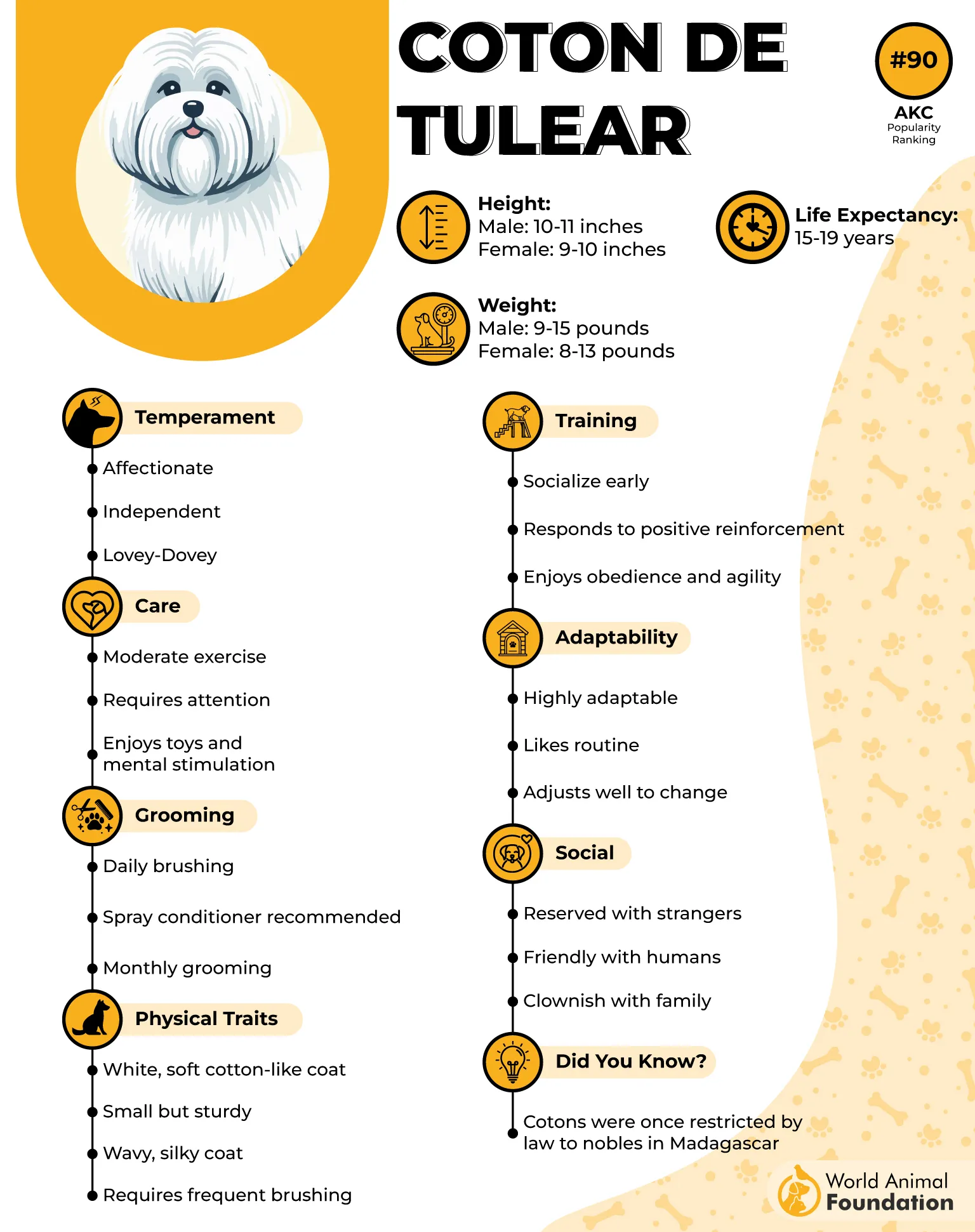
Their compact bodies make everyday tasks such as transportation, supervised play, and indoor exercise easier to manage than with a much larger breed. These family dogs adapt well to apartment living with appropriate daily walks and mental stimulation.
These great companions often enjoy spending time with familiar people, making them particularly suitable for households where someone can provide regular companionship throughout the day. The breed’s distinctive coat is soft, abundant, and cotton-like, creating an adorable appearance that requires more attention than many beginners initially expect.
Conclusion
Choosing your first dog is a major milestone, and the right breed can make the entire experience considerably more enjoyable. While every dog requires patience, training, and responsible care, certain breeds are generally more approachable for beginners because of their affectionate personalities, adaptability, and cooperative attitudes.
Remember that the easiest dog to own isn’t necessarily the smallest, calmest, or most popular breed. A Labrador might be straightforward to train but difficult for someone who doesn’t like daily exercise, while a Bichon may fit comfortably in an apartment but require more grooming than expected. Great Danes and Cocker Spaniels are also some great choices for new dog owners.
First-time owners should consider their available time, living arrangements, exercise preferences, financial resources, and willingness to manage breed-specific health needs.
