




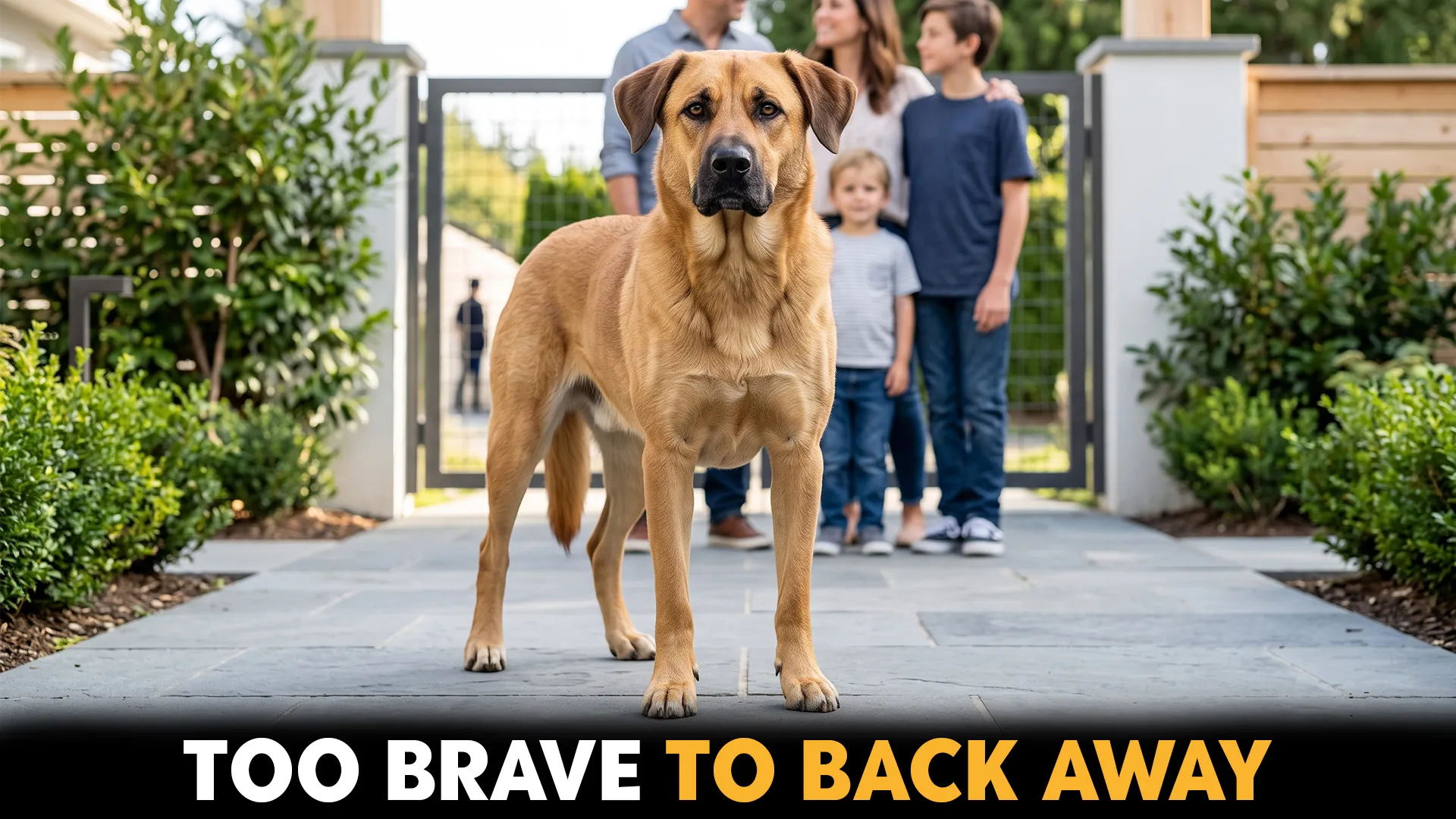
True safety in a home is rarely about locked doors or heavy gates; it is measured by the quiet, steady presence of a companion who knows your rhythms and watches over your loved ones with unwavering devotion.
The world of family guardians stretches far beyond intimidating barks and muscular frames. From high-drive working partners to calm, imposing household protectors, every breed brings a unique blend of instincts, emotional depth, and temperament to your roof.
Yet, raw size and instinct alone do not make a reliable protector. Without thoughtful guidance, proper boundaries, and active socialization, even the most powerful dog can struggle to tell the difference between an ordinary guest and a genuine threat. Choosing the right four-legged guardian means looking past the surface to find a partner whose energy, mind, and soul align with your household’s actual lifestyle.
If you are ready to welcome a vigilant, deeply committed companion into your family, these ten remarkable guard dog breeds offer a brilliant place to start.
Highly Protective Dog Breeds That Keep Your Family Safe
1. German Shepherd
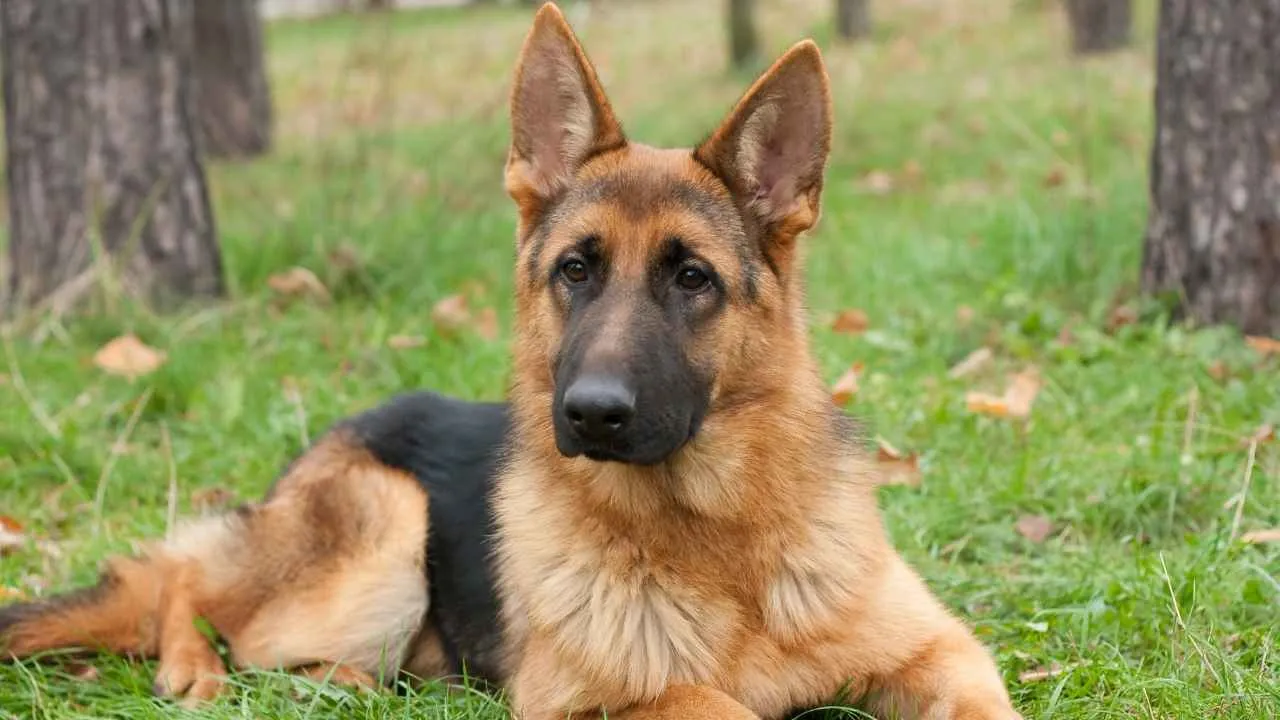
There is a quiet intensity in the eyes of a German Shepherd that speaks directly to your heart. Among the most recognizable guard dog breeds, this versatile working companion combines a muscular frame, sharp awareness, and an eagerness to learn.
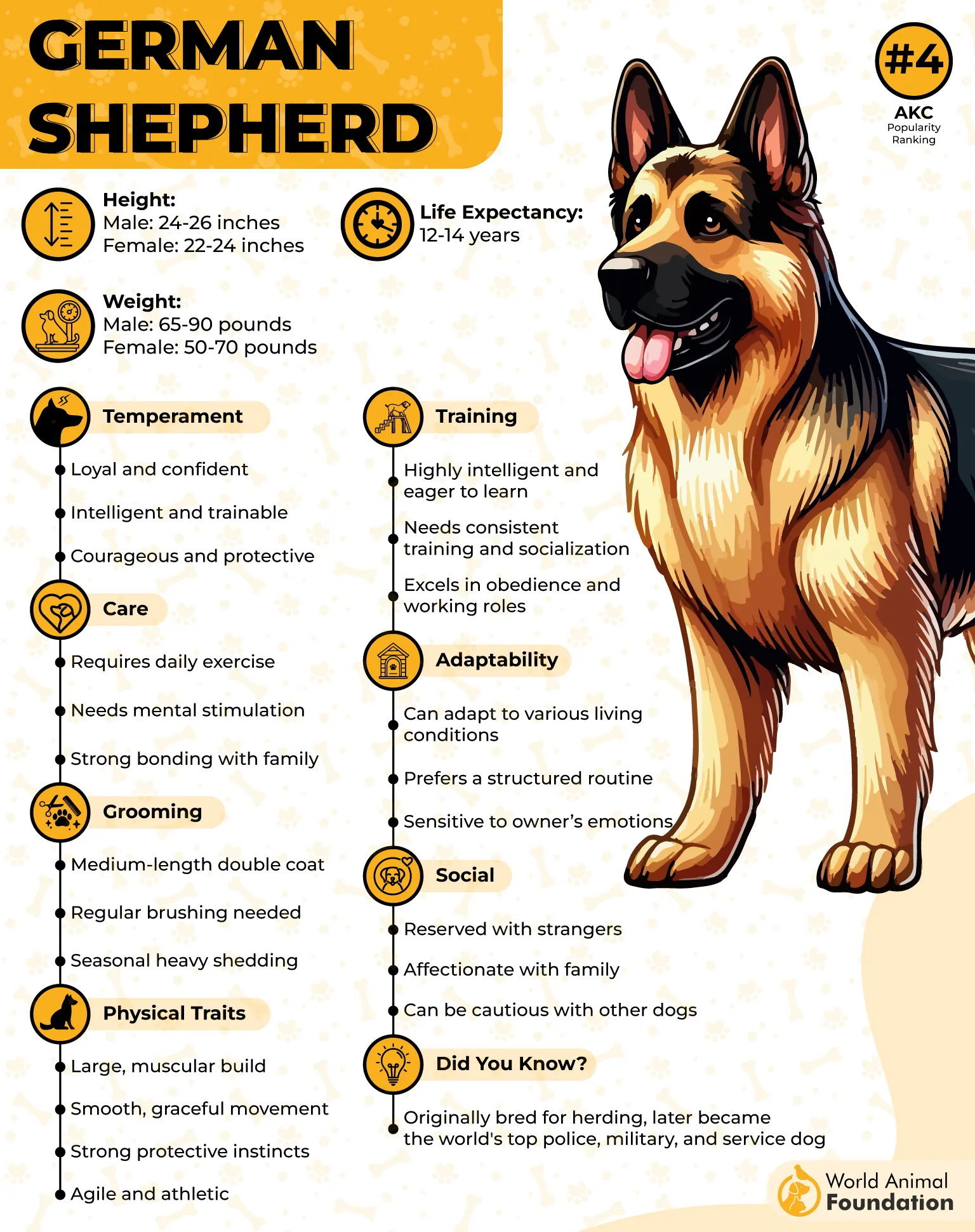
Centuries ago, these dogs worked sheep pastures, developing problem-solving abilities and a strong connection with handlers. At home, these qualities translate into a watchful companion that pays attention to unfamiliar activity and forms close relationships with its people.
AKC recognizes that German Shepherds are highly trainable, but their energy needs deserve serious consideration. Daily walks, obedience exercises, scent games, and interactive play provide valuable exercise and mental stimulation. Their double coat also requires regular brushing, particularly during seasonal shedding.
Early socialization helps these dogs develop confidence around visitors, children, and other animals. Responsible dog owners should also watch for breed-related health concerns, including hip dysplasia, and choose reputable breeders who prioritize sound health and temperament.
2. Doberman Pinscher
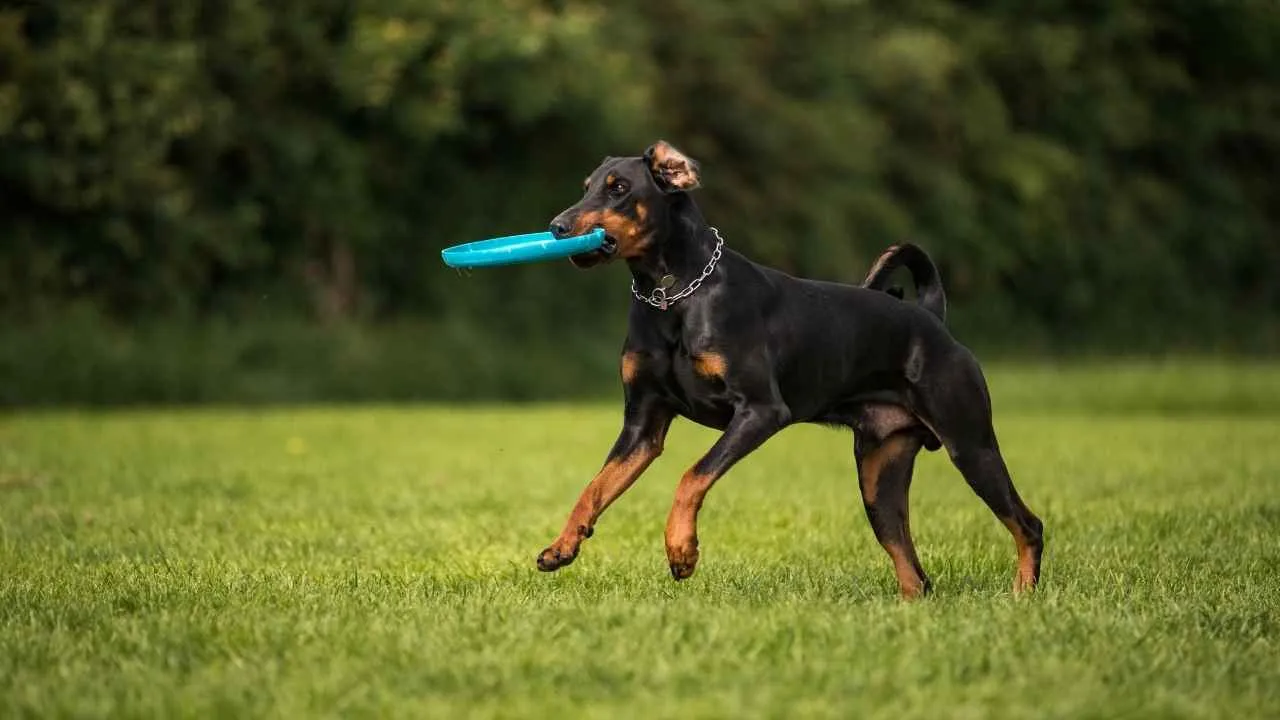
Sleek, athletic, and intensely attentive, the Doberman Pinscher carries itself with unmistakable confidence. This loyal family guardian forms close relationships with its household and remains naturally aware of changes in its surroundings.
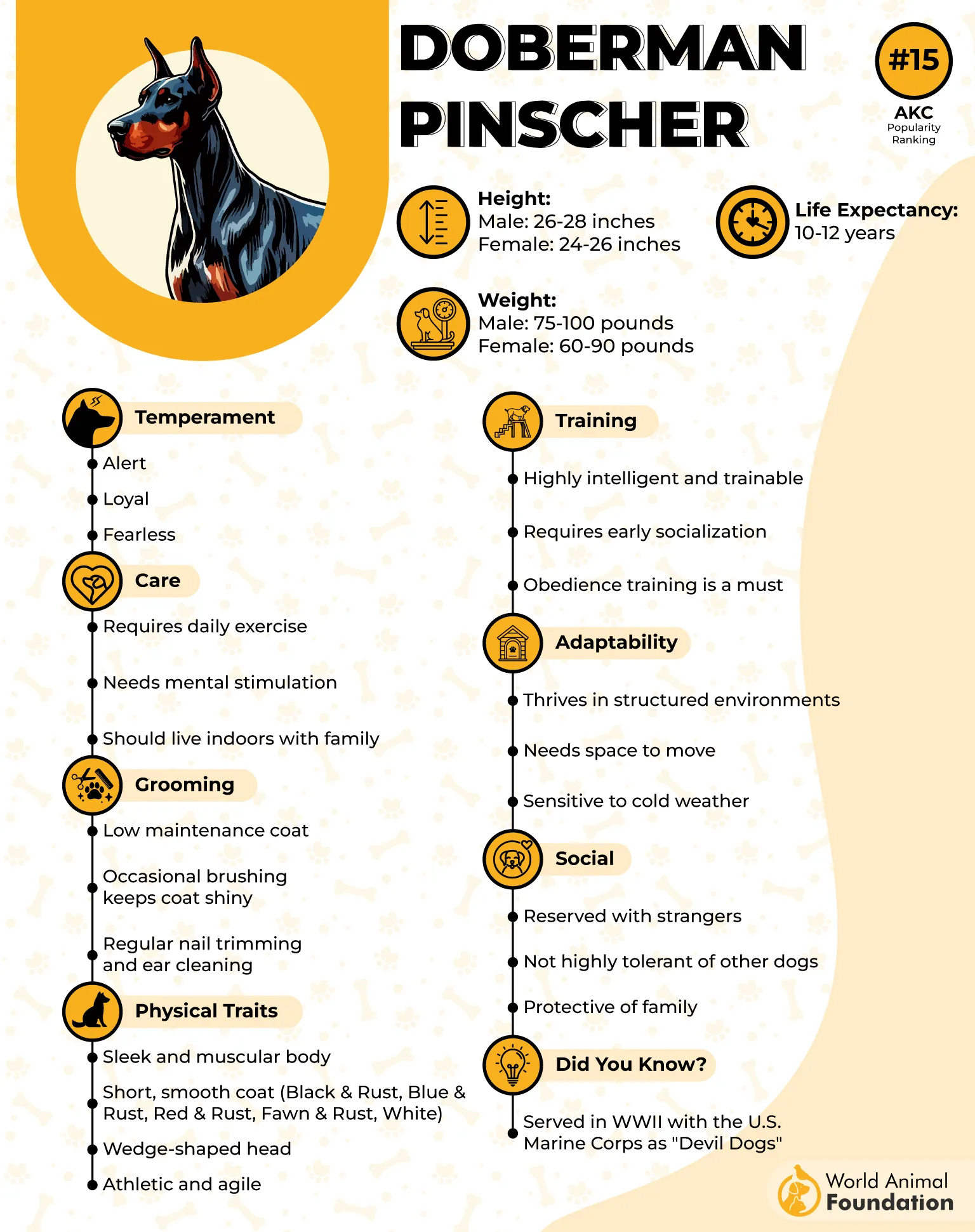
Developed for personal protection, the Doberman possesses strong protective instincts alongside remarkable intelligence. Its lean, muscular build supports speed and agility, and its focused nature makes training an engaging daily activity. These dogs are deeply devoted to familiar people, although they tend to approach strangers with more reserve than enthusiasm.
Dobermans need regular physical activity, obedience practice, and interactive games to stay balanced. Early exposure to different people, environments, and everyday situations encourages appropriate responses rather than unnecessary suspicion. Their short coat requires little maintenance beyond routine brushing and basic grooming.
Although their serious expression can look intimidating, well-raised Dobermans are affectionate companions within their family circle. They need company, clear expectations, and an owner who understands their energy levels.
With thoughtful handling, a Doberman can become an attentive watchdog and a loving household companion.
3. Akita
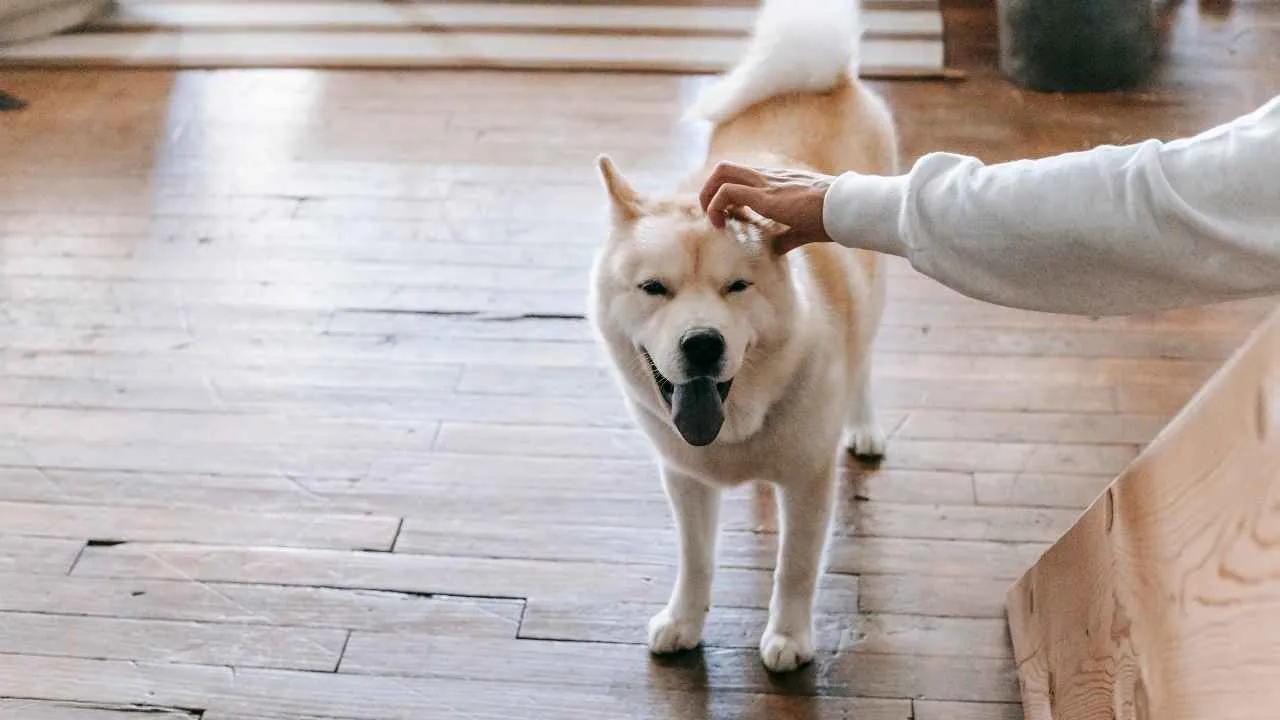
Quiet confidence defines the Akita. This Japanese breed has a dignified appearance, a curled tail, a thick coat, and an independent personality that distinguishes it from more eager-to-please working dogs.
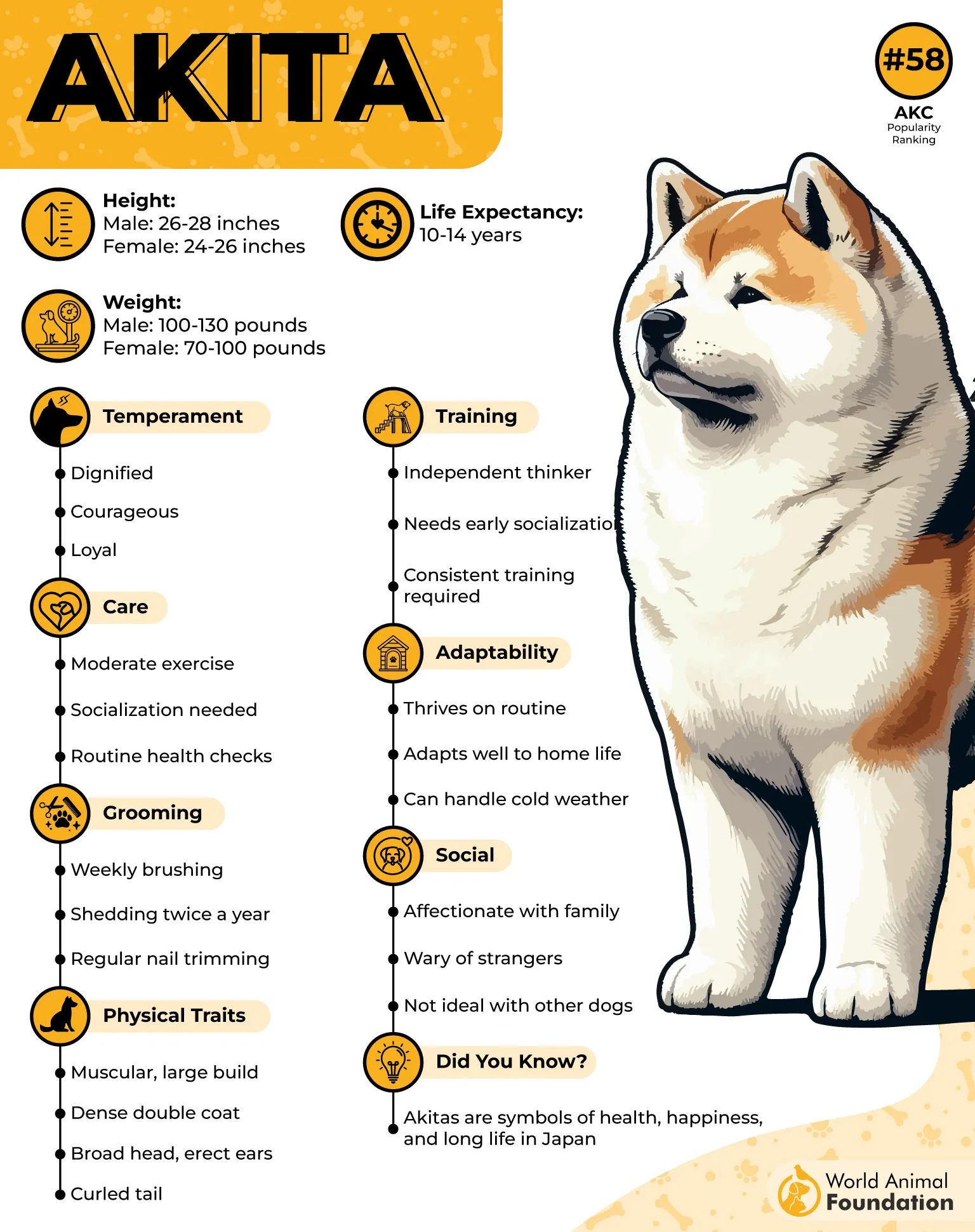
Akitas developed a reputation for courage and loyalty, with historical roles that included hunting large game. Their natural guarding instincts make them attentive to their surroundings, and they typically reserve their affection for familiar people instead of greeting every stranger enthusiastically.
Despite their devotion, Akitas need thoughtful management. Their independent nature calls for patient, consistent guidance from an early age. They also require careful introductions to unfamiliar dogs, since some individuals show intolerance toward other canines.
Daily walks, structured activities, and positive reinforcement support good behavior. Regular brushing helps manage the dense coat, especially during seasonal shedding.
An Akita suits experienced handlers who appreciate a self-assured companion with a strong sense of personal space. Its reserved temperament requires respect, not pressure, and successful ownership depends on understanding the breed’s distinctive characteristics.
4. Belgian Malinois
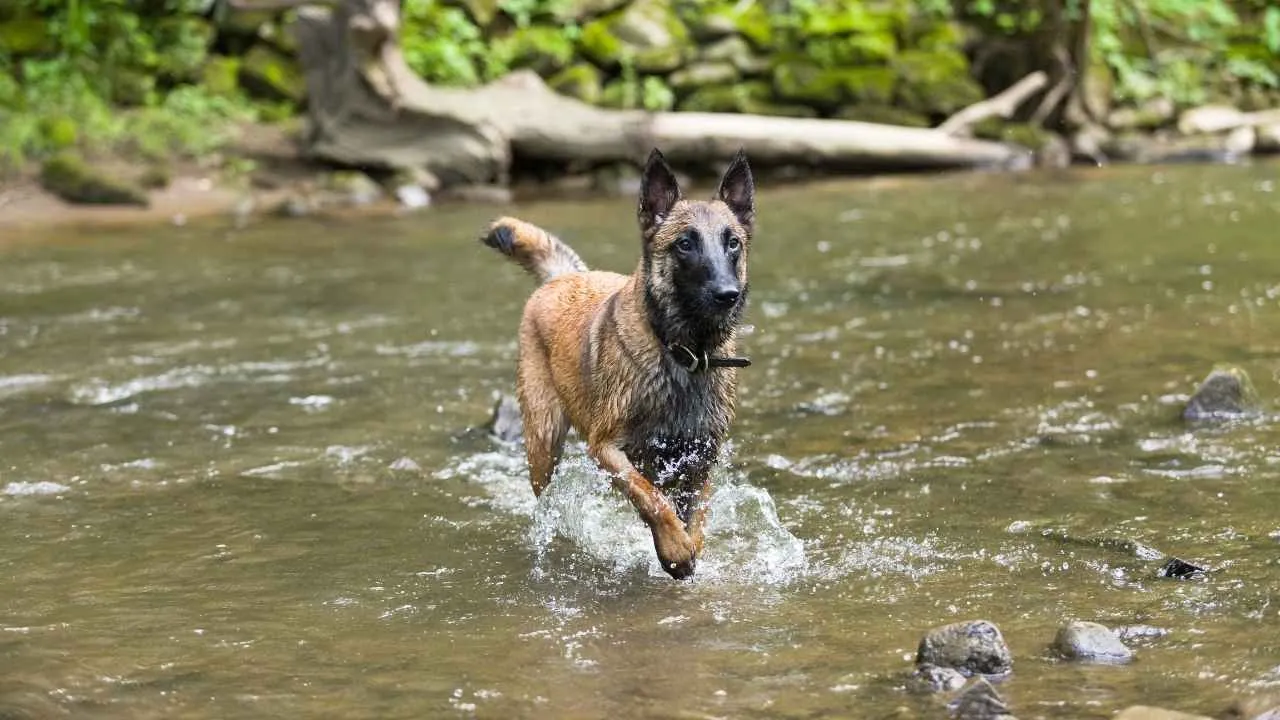
Restless energy and razor-sharp focus make the Belgian Malinois a standout among demanding working breeds. Known for its athletic body and intense drive, this dog thrives when given a clear purpose.
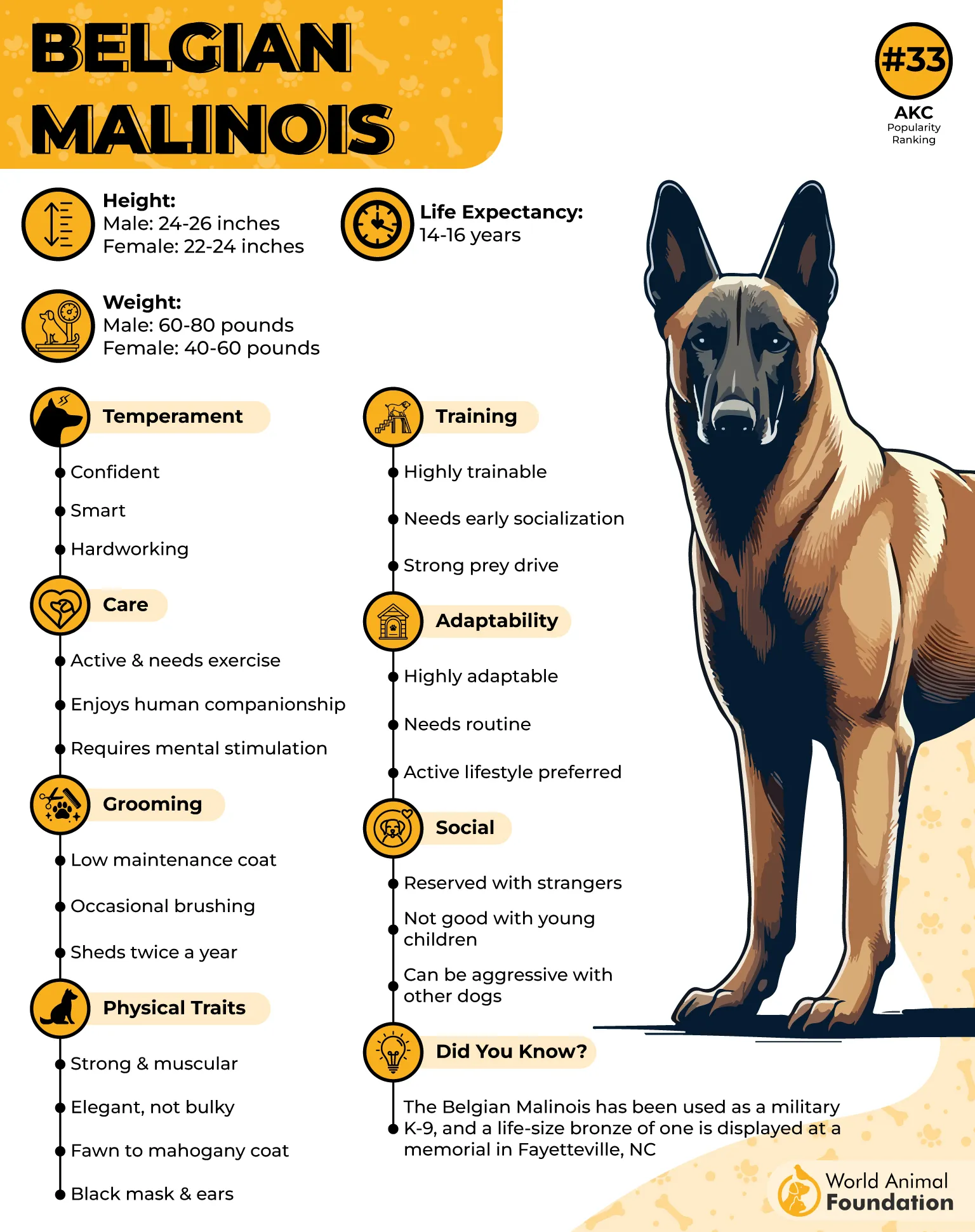
The Belgian Malinois has earned a prominent place among police dogs and military working teams thanks to its speed, intelligence, and responsiveness. Its alert nature and willingness to work make it capable of recognizing changes in its surroundings, but those qualities require skilled direction in a family setting.
These dogs need much more than a short neighborhood stroll. Regular exercise, obedience drills, scent work, and challenging games help channel their energy productively. Without enough activity and guidance, their intensity can become difficult to manage.
Early socialization helps a Malinois respond appropriately to new people and environments. Families seeking a relaxed companion should think carefully before choosing one. A Belgian Malinois rewards dedicated handling with impressive responsiveness and a deeply committed partnership.
5. Cane Corso
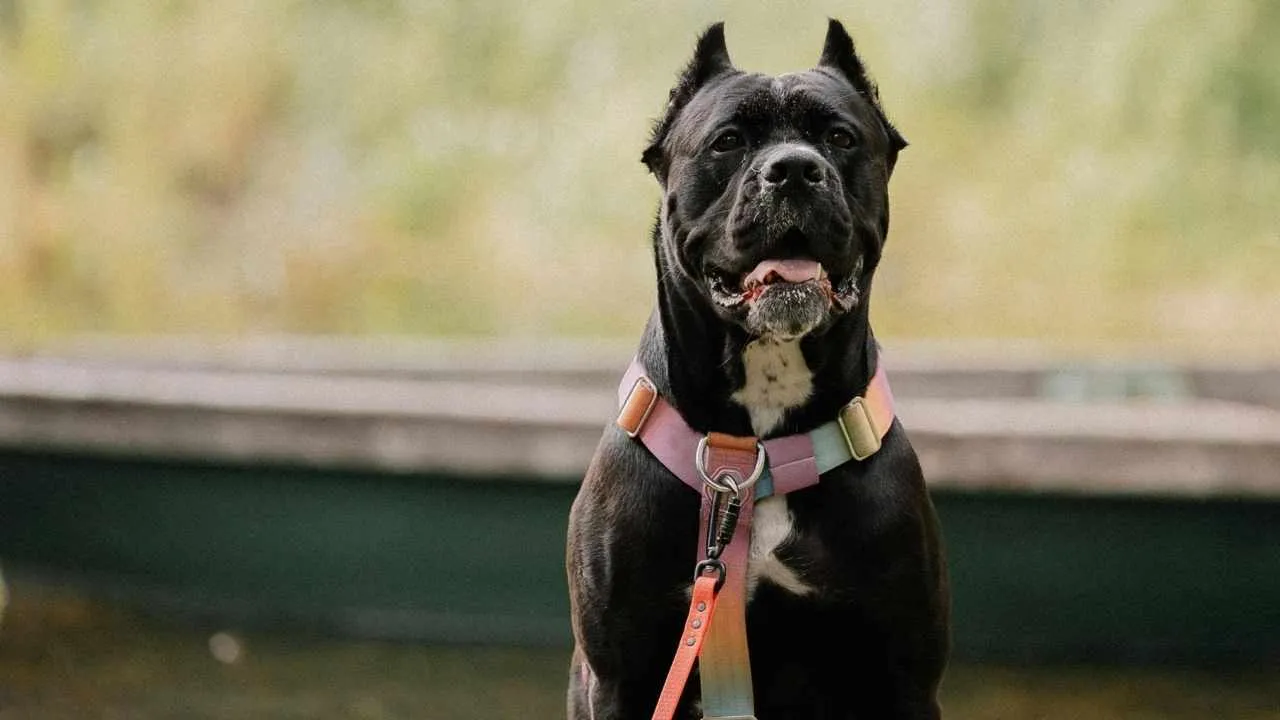
A broad head, powerful shoulders, and a steady gaze give the Cane Corso an imposing presence. This mastiff was developed for working duties, including property protection, and retains a watchful approach to unfamiliar activity.
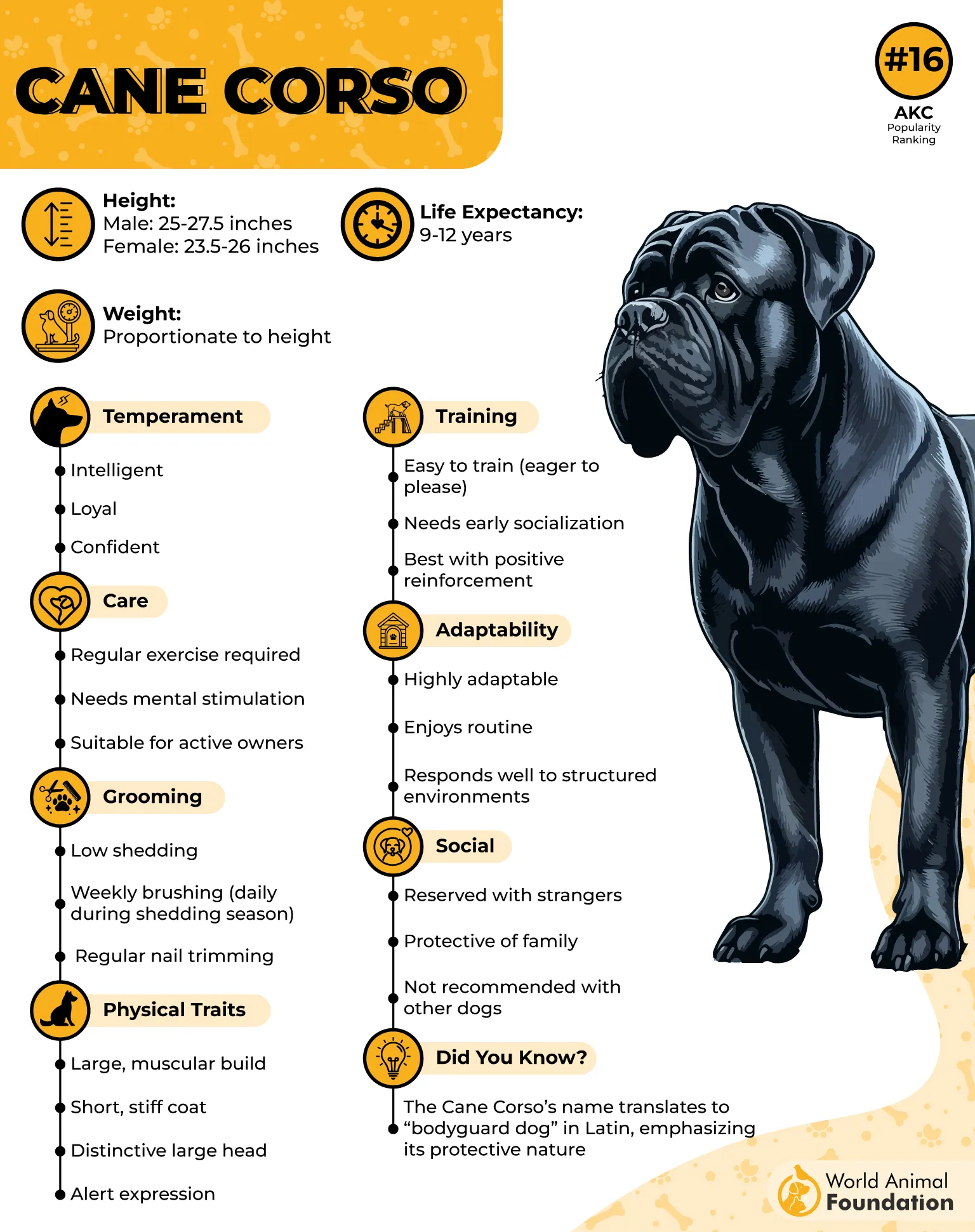
The Cane Corso forms strong bonds with its household and tends to remain reserved around strangers. Its size and confidence make it a serious guardian, but responsible handling matters far more than encouraging aggressive behavior. A stable temperament and reliable obedience should always be the goal.
Early training helps establish household rules before the dog reaches adulthood. Reward-based methods, controlled introductions, and regular practice teach appropriate responses to everyday situations. The breed also needs daily walks and engaging activities to maintain its physical condition.
This Italian breed is an excellent choice for experienced owners who understand large guardian breeds. With a structured environment and thoughtful guidance, this devoted companion can balance household watchfulness with affection toward familiar people.
6. Rottweiler
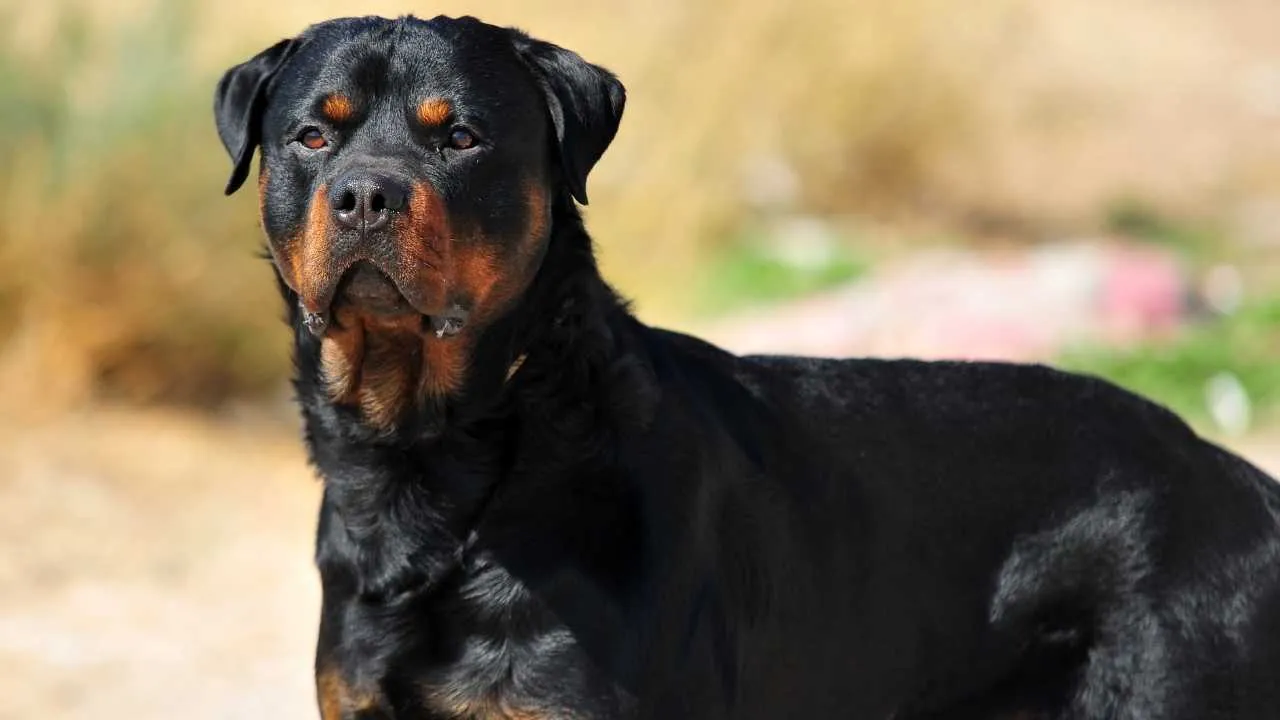
Beneath its sturdy appearance, the Rottweiler has a loyal and affectionate side that shines around trusted companions. Historically used to drive cattle and pull carts, this versatile working breed developed strength, confidence, and a willingness to cooperate with people.
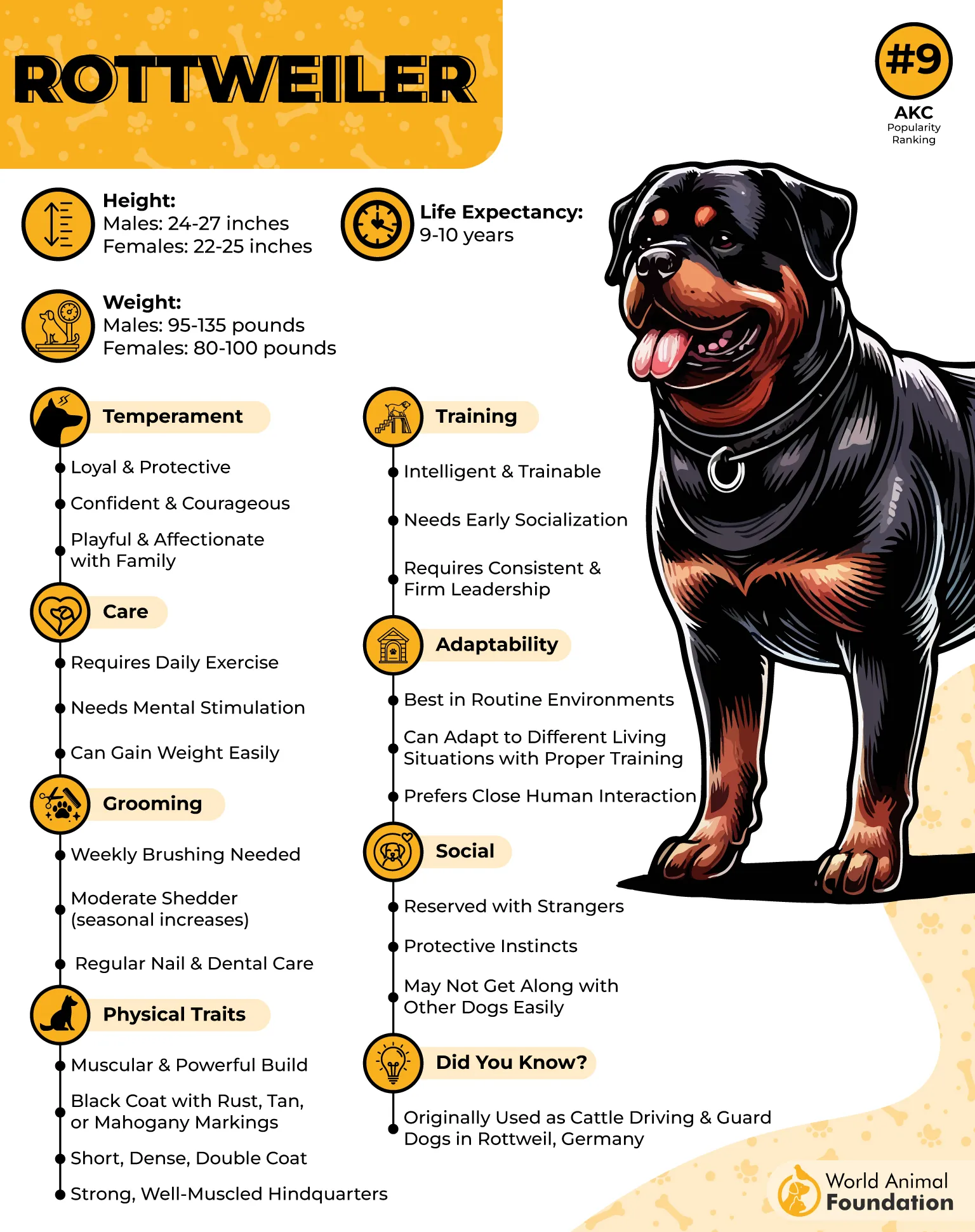
Rottweilers are naturally alert and attentive to changes around their homes. Their imposing build can discourage unwanted attention, but their temperament depends heavily on breeding, socialization, and training. A well-adjusted dog should learn to remain composed around ordinary visitors rather than reacting to every unfamiliar face.
Consistent obedience practice, daily activity, and controlled social experiences help develop dependable manners. Interactive games and purposeful tasks also keep this intelligent breed engaged. Regular brushing manages loose hair, and veterinary monitoring helps identify potential joint problems or other inherited health concerns.
Because Rottweilers possess considerable physical strength, responsible adults should supervise children and teach everyone in the household to respect the dog’s boundaries.
For owners willing to provide structure and companionship, the Rottweiler can become a devoted household member with a watchful temperament and a strong desire to remain close to its family.
7. Tibetan Mastiff
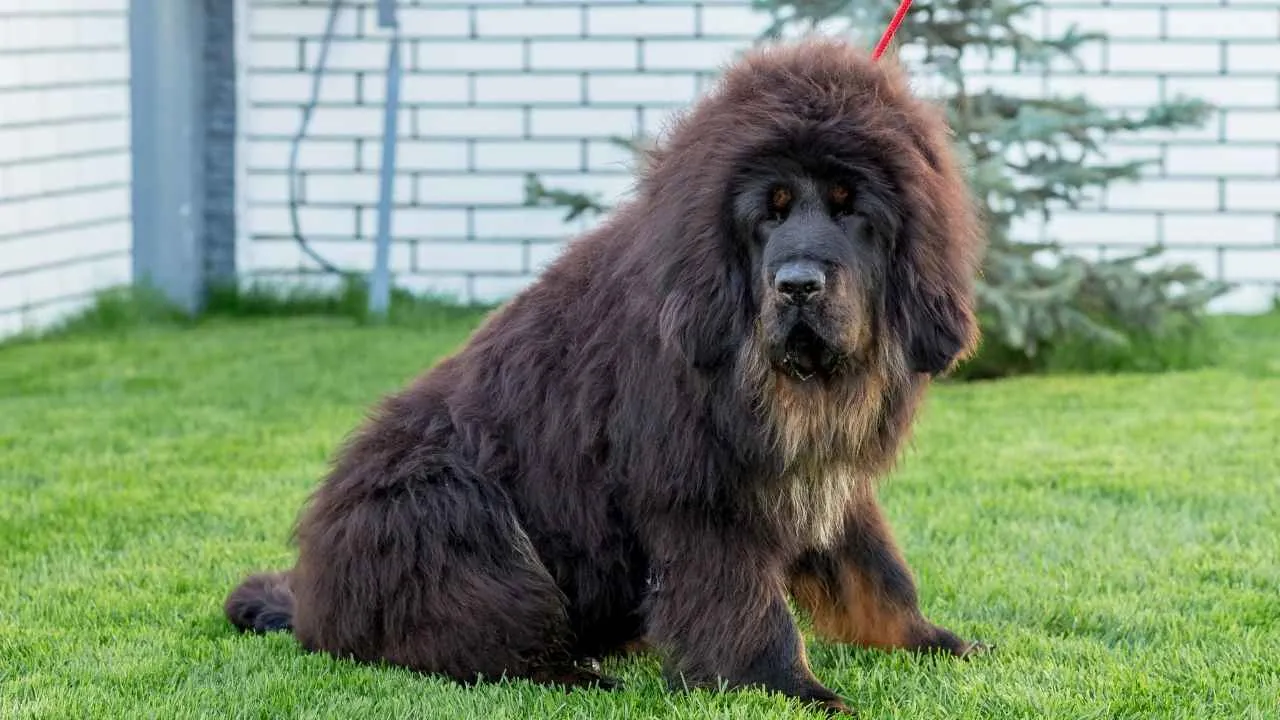
With a thick mane and a commanding silhouette, the Tibetan Mastiff looks every bit the traditional livestock guardian. Developed in the Himalayan region, this substantial breed helped protect animals and property in demanding environments.
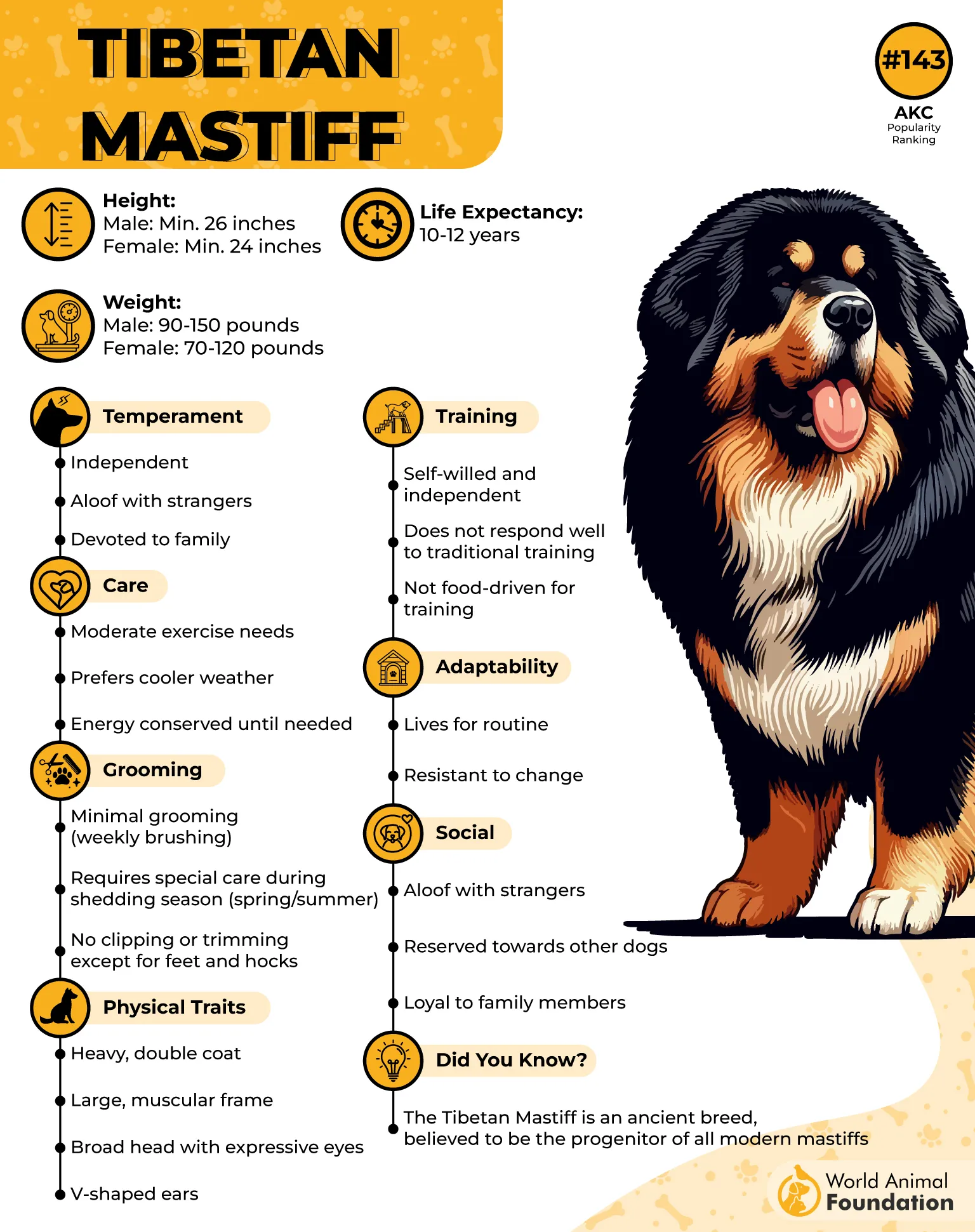
Its independent judgment sets it apart from dogs that constantly seek direction. Tibetan Mastiffs are deeply attached to their households but tend to remain naturally wary of strangers. Their history of helping guard livestock shaped a territorial temperament that requires careful management in modern neighborhoods.
Early socialization introduces these dogs to ordinary visitors, unfamiliar sounds, and different environments. Green Cross Vets says that training should remain consistent and patient because the breed is not known for unquestioning obedience. Secure fencing is essential, and owners need to understand how their dog responds to people approaching its territory.
This mastiff breed suits experienced handlers who value independence and understand territorial behavior. Its impressive size and self-directed personality make it less suitable for first-time owners or households seeking an easygoing, highly social companion.
8. Broholmer
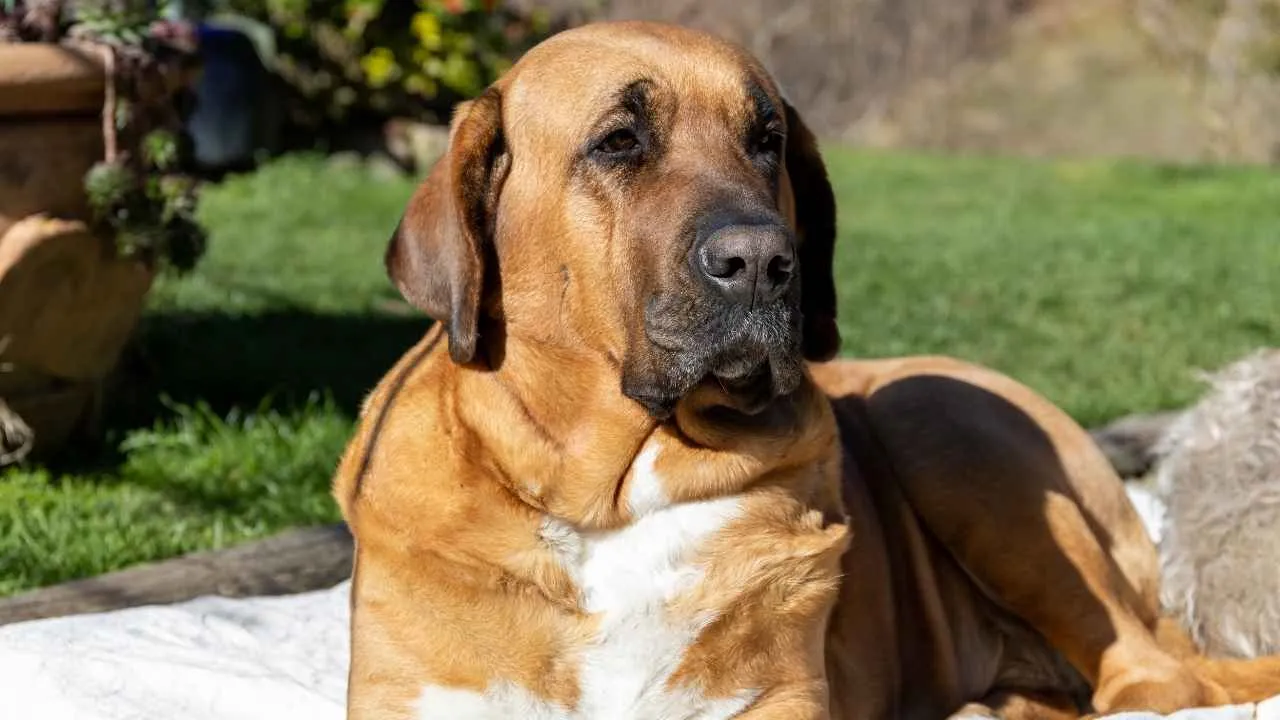
The Broholmer brings a calmer presence to the world of large guardians. Originating in Denmark, this mastiff-type breed historically helped watch over estates and property, combining substantial strength with a generally steady disposition.
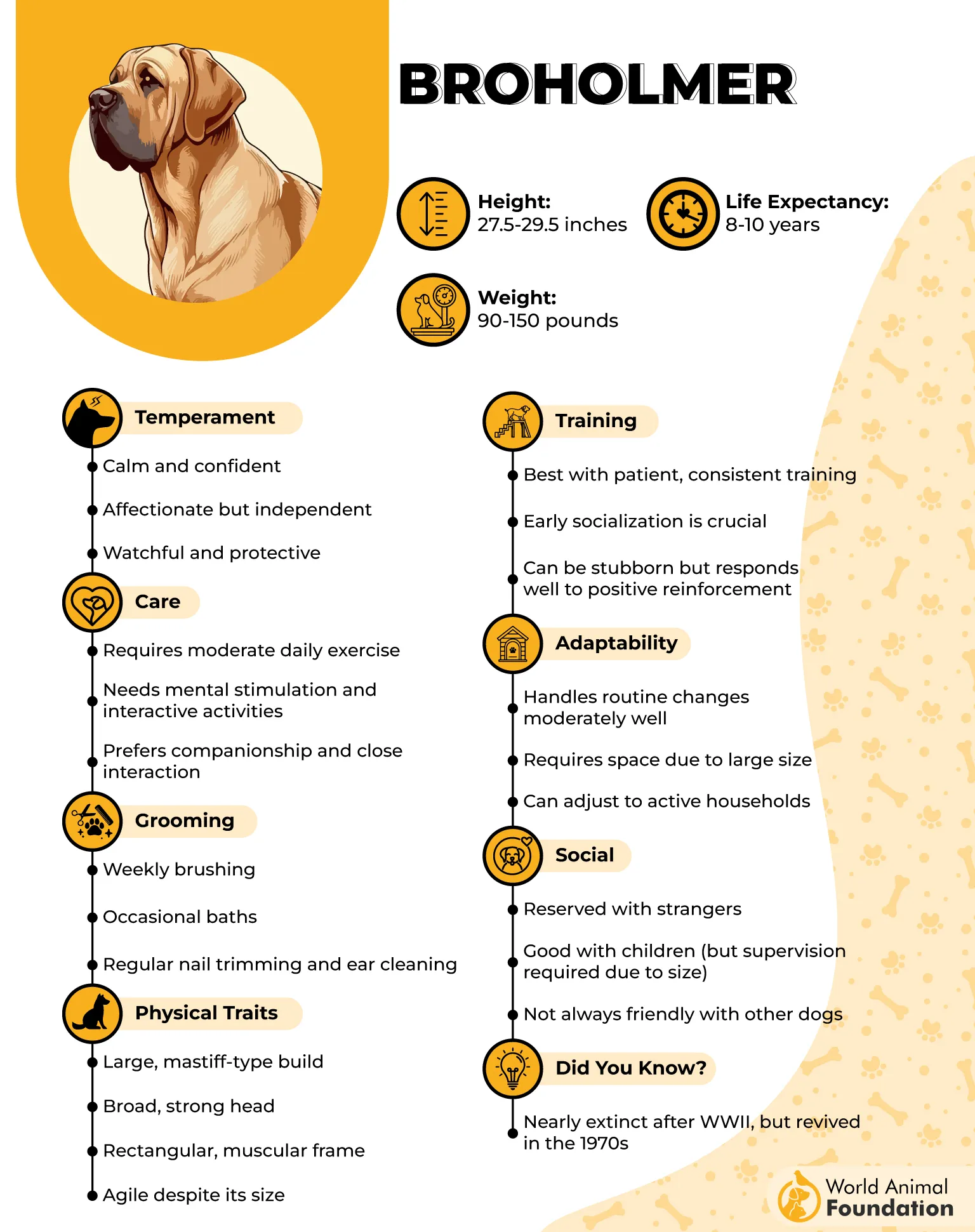
Its broad chest, large head, and sturdy limbs give it a powerful appearance. Around familiar people, a well-raised Broholmer tends to be companionable and attentive. Rather than relying on constant activity, Royal Canin notes that this breed generally appreciates a balanced routine with regular walks, family interaction, and opportunities to explore its surroundings.
Early socialization and basic obedience help establish polite manners. Training sessions should remain clear and rewarding, allowing the dog to learn household expectations without harsh handling. Its short coat is relatively simple to maintain, and weekly brushing helps remove loose hair.
The Broholmer suits households prepared for the responsibilities of a large dog. Its measured temperament and natural watchfulness offer a different experience from the high-energy intensity of specialist working breeds.
9. Boerboel
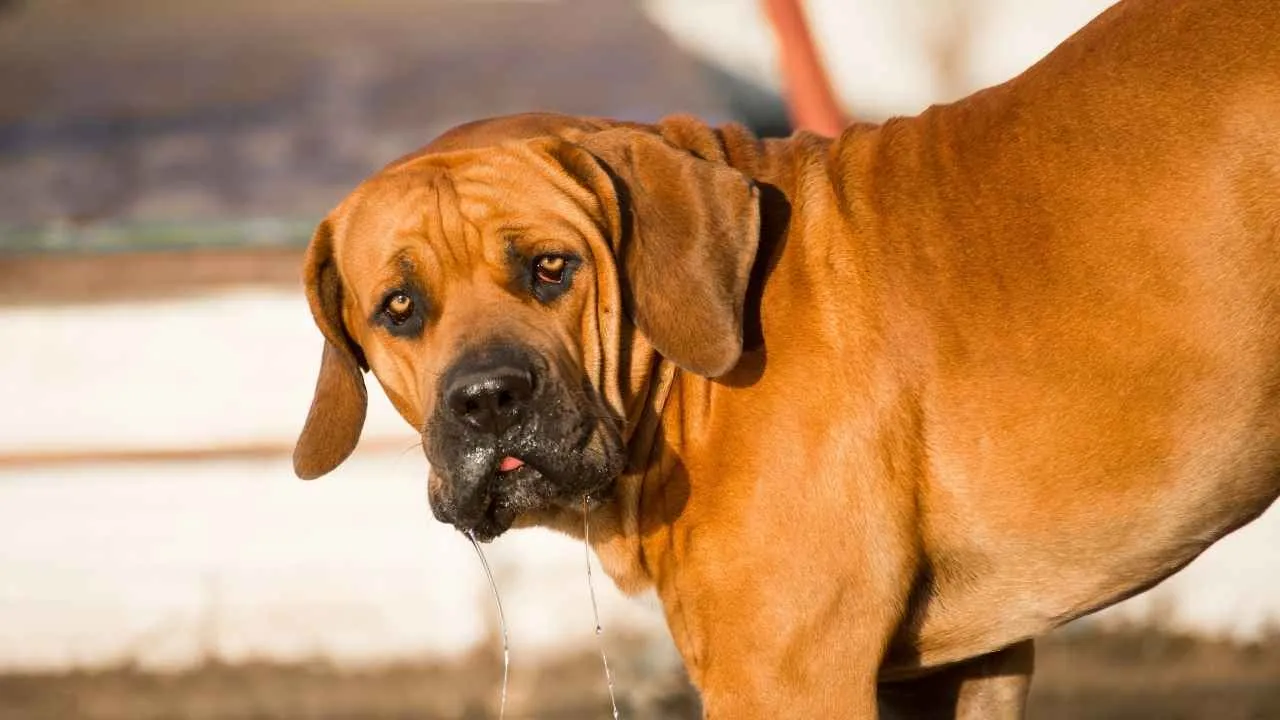
Bred to protect South African homesteads, the Boerboel combines a muscular build with confidence and a strong sense of territory. Its history as a farm guardian explains its attentiveness to unfamiliar activity and its close attachment to familiar people.
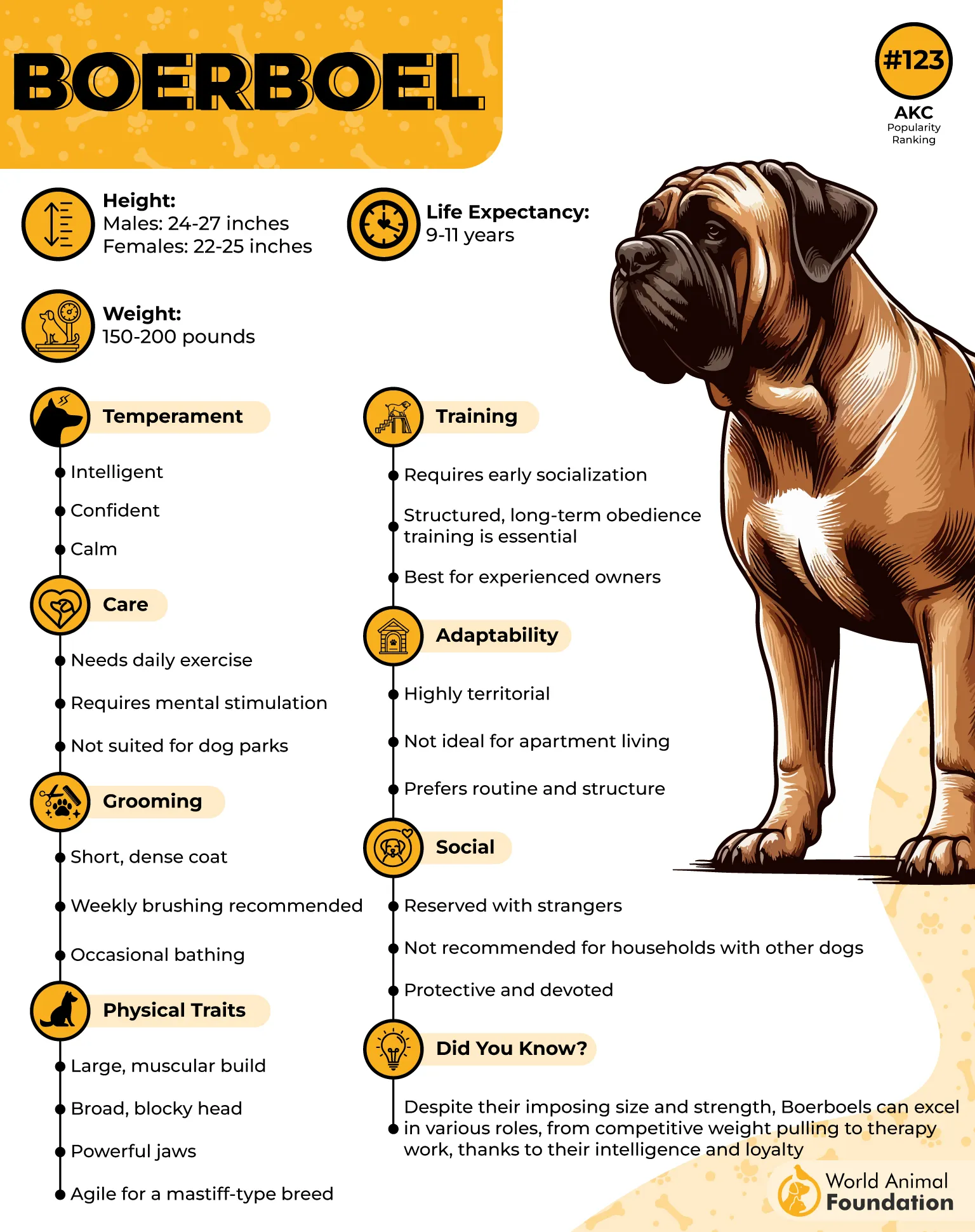
A well-socialized Boerboel is not simply an aggressive dog. Reliable behavior depends on responsible breeding, appropriate experiences, and clear guidance from puppyhood. Its protective nature needs careful direction so the dog responds calmly to ordinary visitors and follows its handler’s instructions.
Obedience exercises, controlled introductions, and daily physical activity help develop good manners. This breed also benefits from mental challenges that engage its problem-solving abilities. Its short coat needs little upkeep beyond brushing and routine grooming.
Because of its considerable strength, the Boerboel requires an experienced owner who can manage a large guardian confidently.
For the right household, this devoted breed offers a strong connection with its people and a naturally watchful temperament. However, its size and guarding tendencies make it a poor match for inexperienced handlers.
10. Chinook
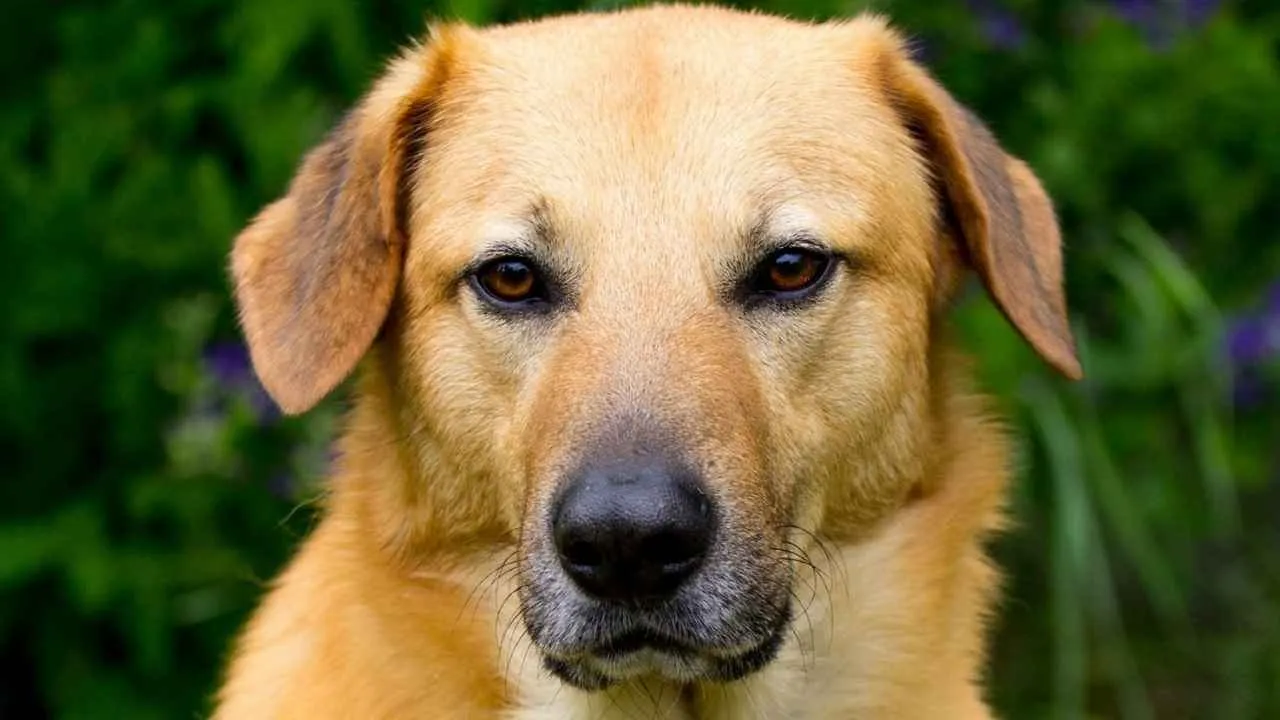
Not every family guardian has a stern expression or a territorial personality. The Chinook offers a friendlier working-dog profile, combining an athletic build with an affectionate temperament and a strong interest in human companionship.
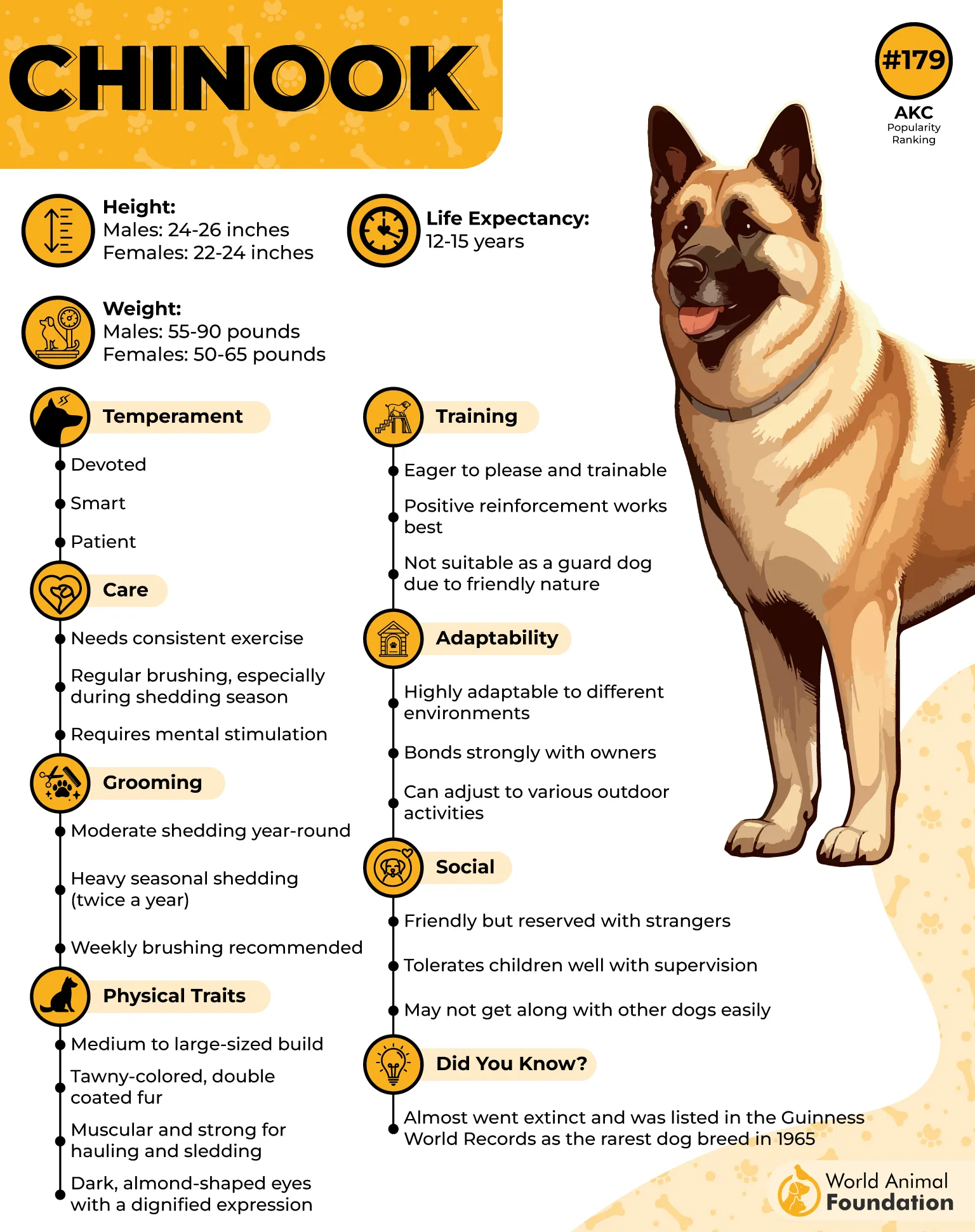
Developed in the United States as a sled dog, the Chinook is known for its tawny coat, endurance, and cooperative nature. It typically forms close bonds with its household and stays attentive to its surroundings. However, this breed is not a specialist protection dog, and its appeal lies more in alert companionship than intense territorial guarding.
WebMD states that Chinooks thrive on outdoor adventures, daily walks, and activities that challenge their minds. Positive reinforcement and early socialization encourage polite behavior around visitors, children, and other animals. Their double coat needs regular brushing to remove loose hair and maintain healthy skin.
Compared with more territorial mastiffs, Chinooks generally offer a softer approach to household life.
Conclusion
Adding a guardian dog to your home is about inviting a powerful, intuitive creature into your daily life. The right companion does not rely on intimidation to protect what matters; rather, their true strength lies in a deep, mutual trust that transforms ordinary domestic moments into a lasting sense of peace and shared confidence.
True safety is built on connection, respect, and calm leadership rather than fear. When you honor a working breed’s psychological needs and nurture their instincts, you gain far more than property defense: you gain an unbreakable bond with a devoted shadow who proudly walks through life by your side.
