





Big dogs have a way of making themselves impossible to ignore. They may take up more space on the couch, but they also bring plenty of affection, loyalty, and personality into a home.
Now, imagine enjoying all that big-dog charm without spending hours keeping a long, fluffy coat in shape. That’s where large dogs with short, simple coats come in.
Their sleek coats are generally easier to brush and maintain, making grooming feel much more manageable. But don’t assume short hair means little to no shedding.
Some large breeds can still leave plenty of fur around the house, especially during seasonal shedding periods. Their grooming needs can also vary depending on their coat type and lifestyle, so it’s worth knowing what to expect before bringing one home.
Whether you want an active companion, a devoted family dog, or a calm presence at home, these big, short-haired dogs can bring plenty of heart without a complicated grooming routine. So what are you waiting for? Let’s take a look!
Large Dog Breeds Boasting Short and Simple Coats
1. Great Dane
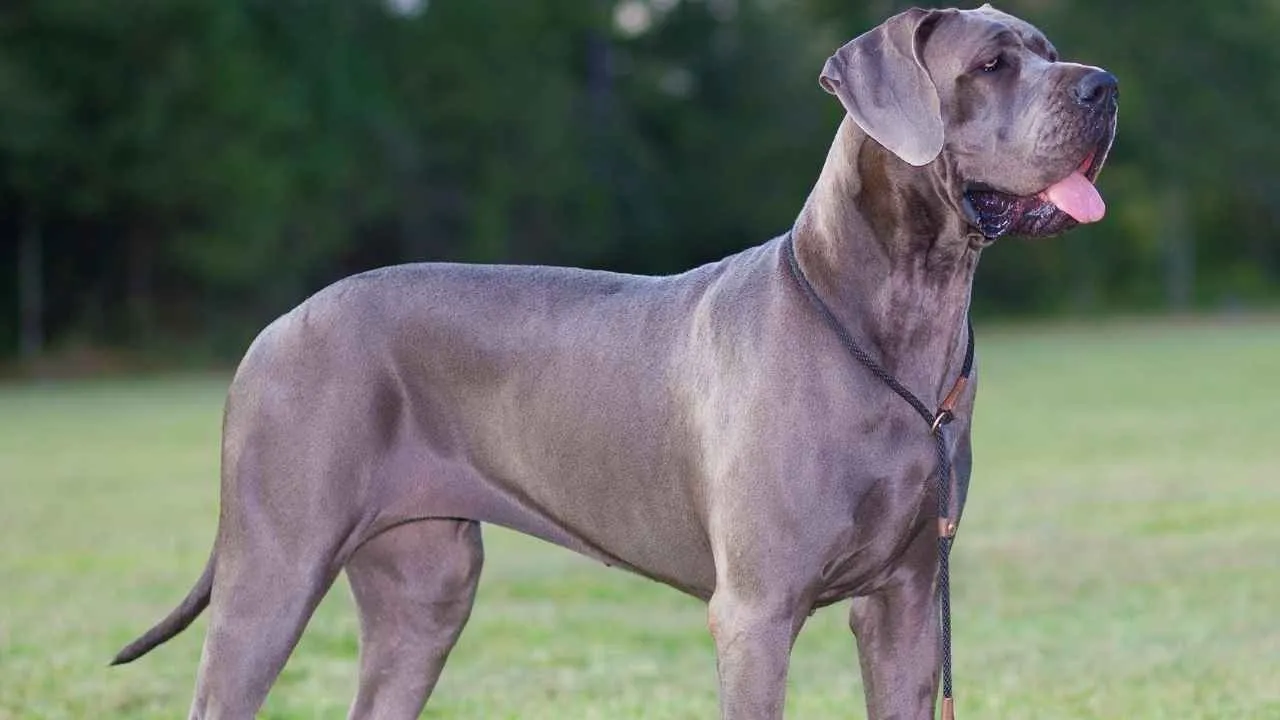
Originally bred in Germany in the 1800s, Great Danes were used to hunt wild boar and guard estates. Despite their name, the breed has no roots in Denmark.
Today, these gentle giants are known for their kind nature and love of family life. They are also called the “Apollo of dogs” and are among the biggest dog breeds in existence.
Coat and Care
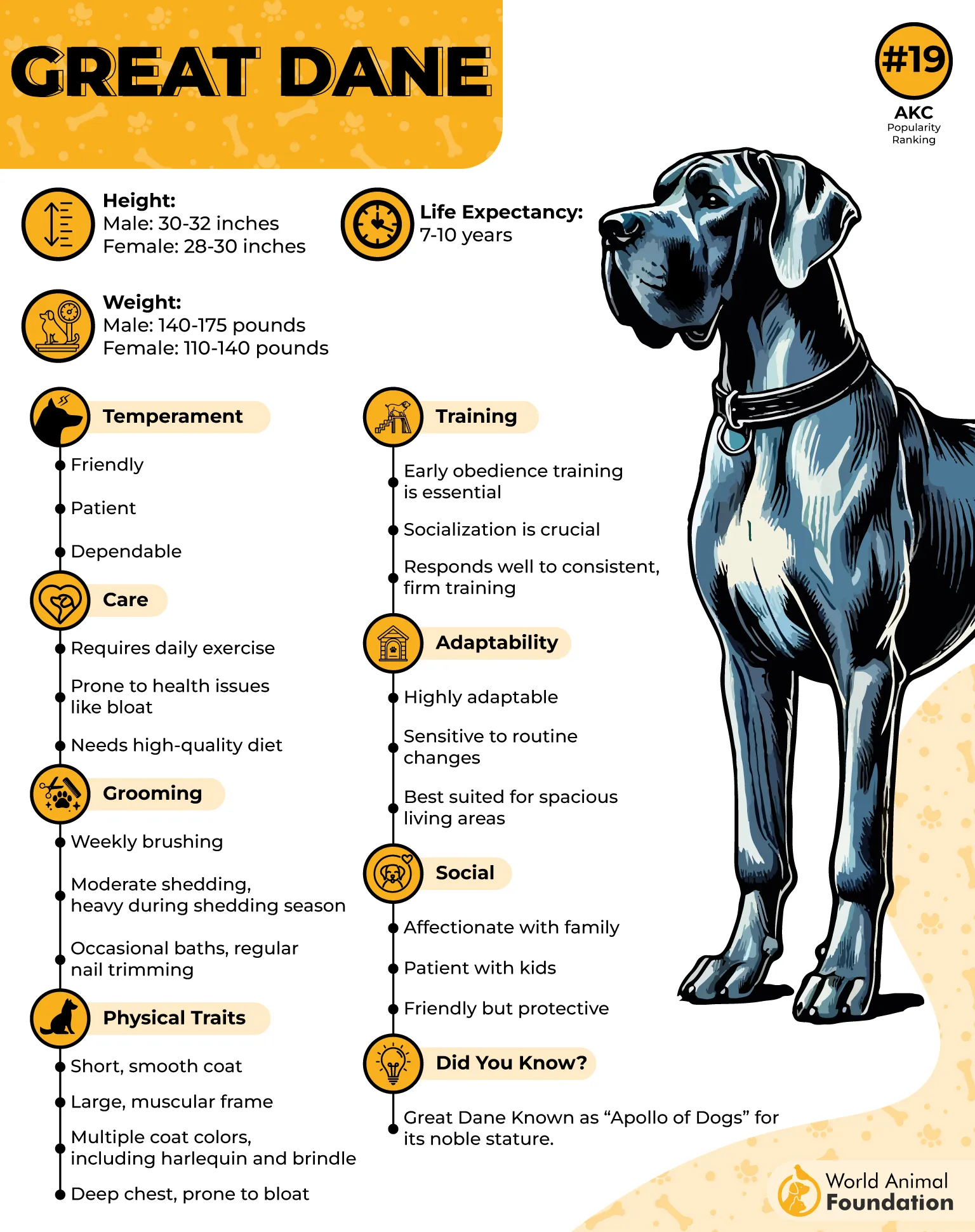
Great Danes have short coats that are fairly easy to maintain. Their coats come in several colors and patterns, including black, white, blue, fawn, merle, and harlequin.
They need a weekly brush to keep their coat in good shape. While they do not shed heavily, their large size means even a small amount of loose fur can be noticeable around the home.
Personality and Family Life
Great Danes are loyal, affectionate, and eager to stay close to their families. They can be calm and playful, with fairly low energy levels.
Britannica says they are also alert watchdogs with a deep, powerful bark. Early socialization and training are important, as some may be reserved with new people or territorial around other dogs.
2. Boerboel
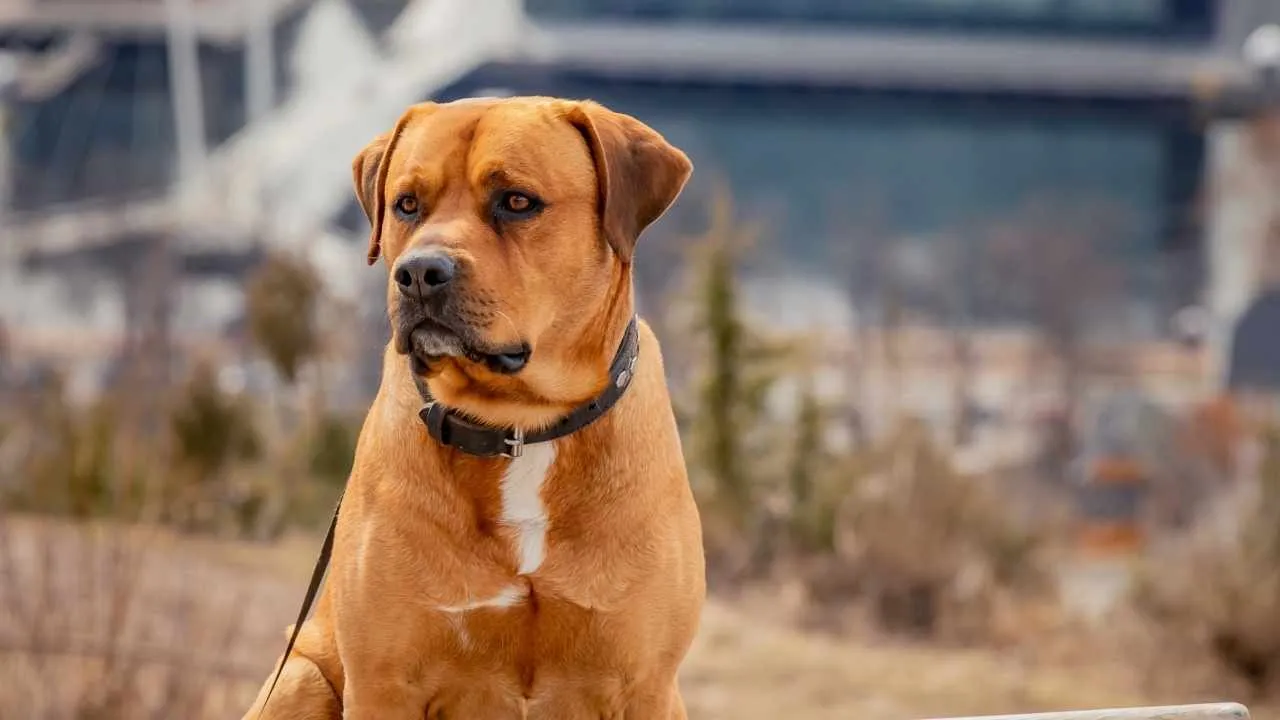
Boerboels are large working dogs from South Africa. They were originally bred as farm guardians and were expected to protect people and property from predators. Their history goes back to the 1650s, and their name means “farm dog.”
They have a powerful, muscular build and a smooth, short coat. Despite their imposing appearance, they can be calm, playful, and deeply affectionate with their families.
Coat and Care
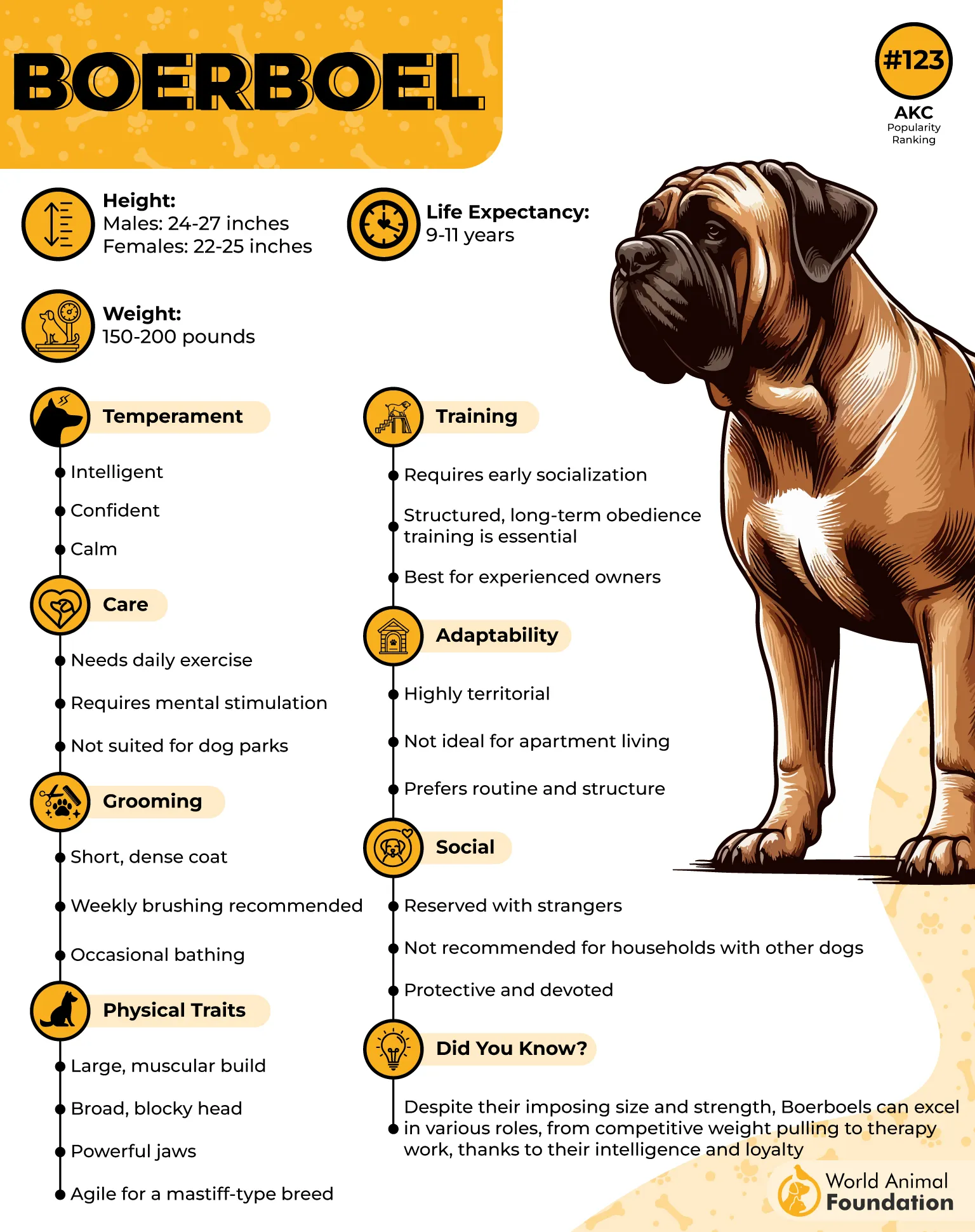
The Boerboel’s short coat is simple to maintain, making grooming fairly low-maintenance. However, caring for these dogs involves much more than their coat.
They are confident, intelligent, and independent, so early socialization and consistent training are important. Their size, strength, and need for physical and mental stimulation also make them better suited to experienced pet parents.
Personality and Family Life
Boerboels are extremely loyal and devoted to their families. They can be gentle and playful with children and may get along with other pets when properly introduced.
Around unfamiliar people, they can be reserved and protective because of their strong guardian instincts. Proper introductions can help them become more comfortable with guests, while supervised play is important around smaller children.
3. Cane Corso
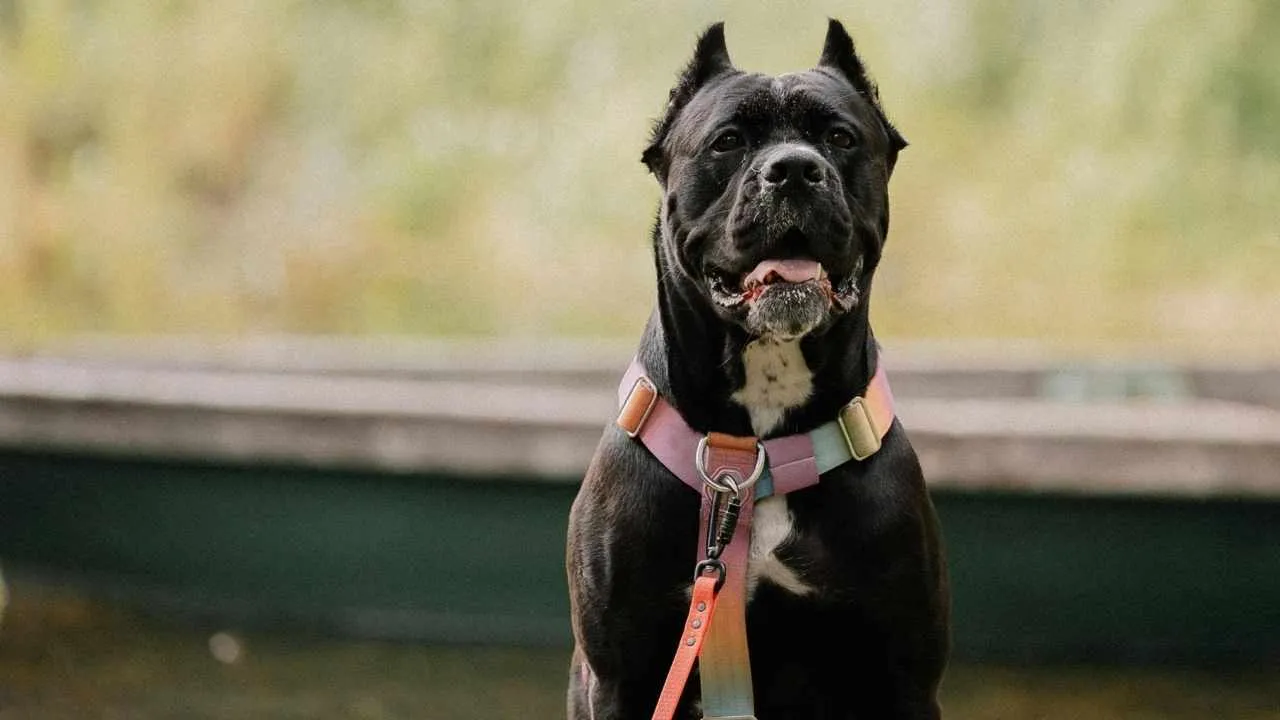
The Cane Corso, also known as the Italian Mastiff, is a large working breed with a long history as a watchdog, farmhand, and even canine soldier.
According to PetMD, their ancestry can be traced to ancient Greece and Rome, while the breed became more popular in the United States during the 1980s.
Coat and Care
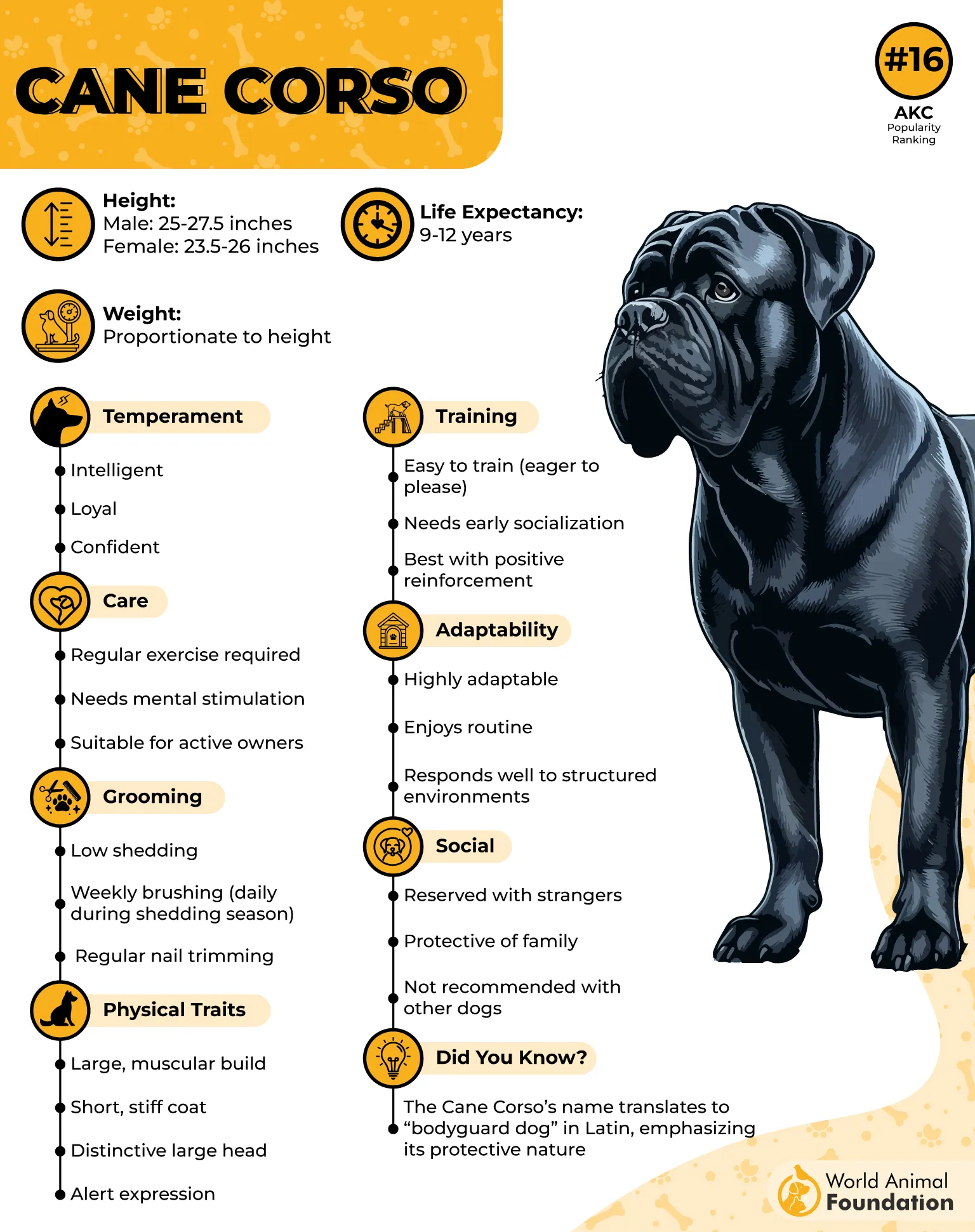
Cane Corsos have smooth, short coats that are simple to maintain. Their colors include black, fawn, red, gray, and several brindle patterns, with some having a black or gray facial mask.
They shed moderately throughout the year, but regular grooming is still fairly simple. Along with coat care, these active dogs need plenty of daily exercise and mental stimulation to stay content and fit.
Personality and Training
Cani Corsi are intelligent, eager to please, and highly protective of their homes and families. They can be reserved or aggressive toward strangers and may not back down from other dogs, making early socialization especially important.
Consistent, positive training helps bring out their stable and even-minded nature. They bond closely with their people and can be gentle with children when properly socialized.
4. Rottweiler
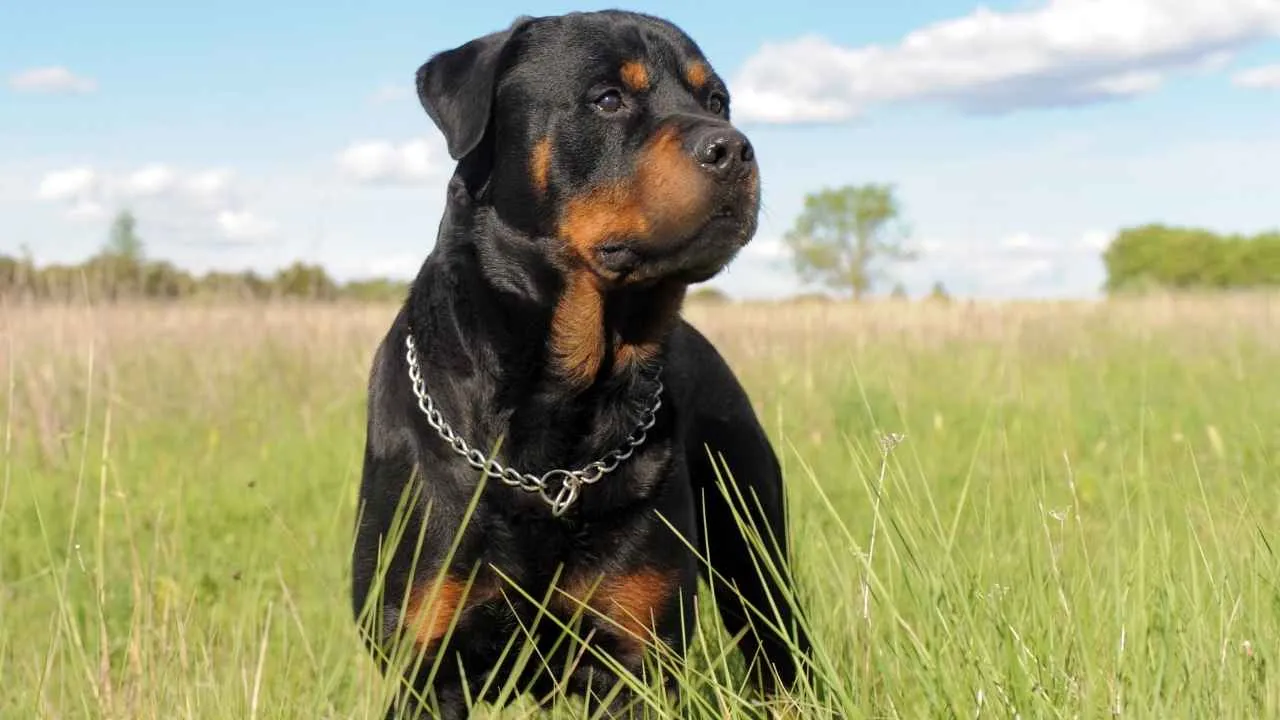
Rottweilers are strong working dogs with a history that can be traced back to the mastiffs of ancient Rome. They were developed to control livestock, pull carts, and protect their owners.
Today, they can serve as working dogs, service dogs, guardians, and devoted companions. Despite their powerful appearance, they can be calm, affectionate, and playful with the people they know well.
Coat and Care
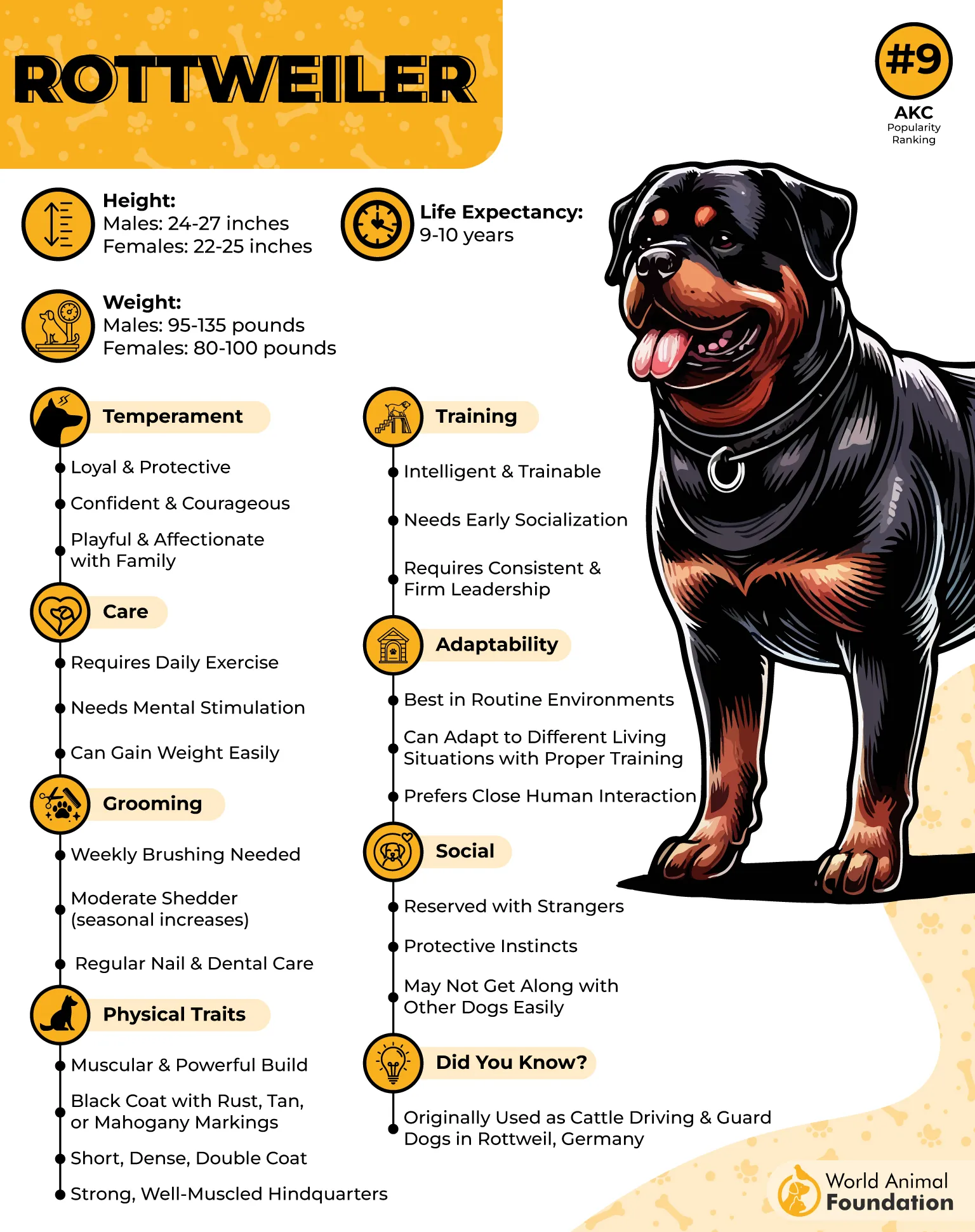
Rottweilers have short black-and-tan coats that are simple to groom but shed heavily throughout the year. Regular brushing helps manage the loose fur. Grooming is only one part of their care.
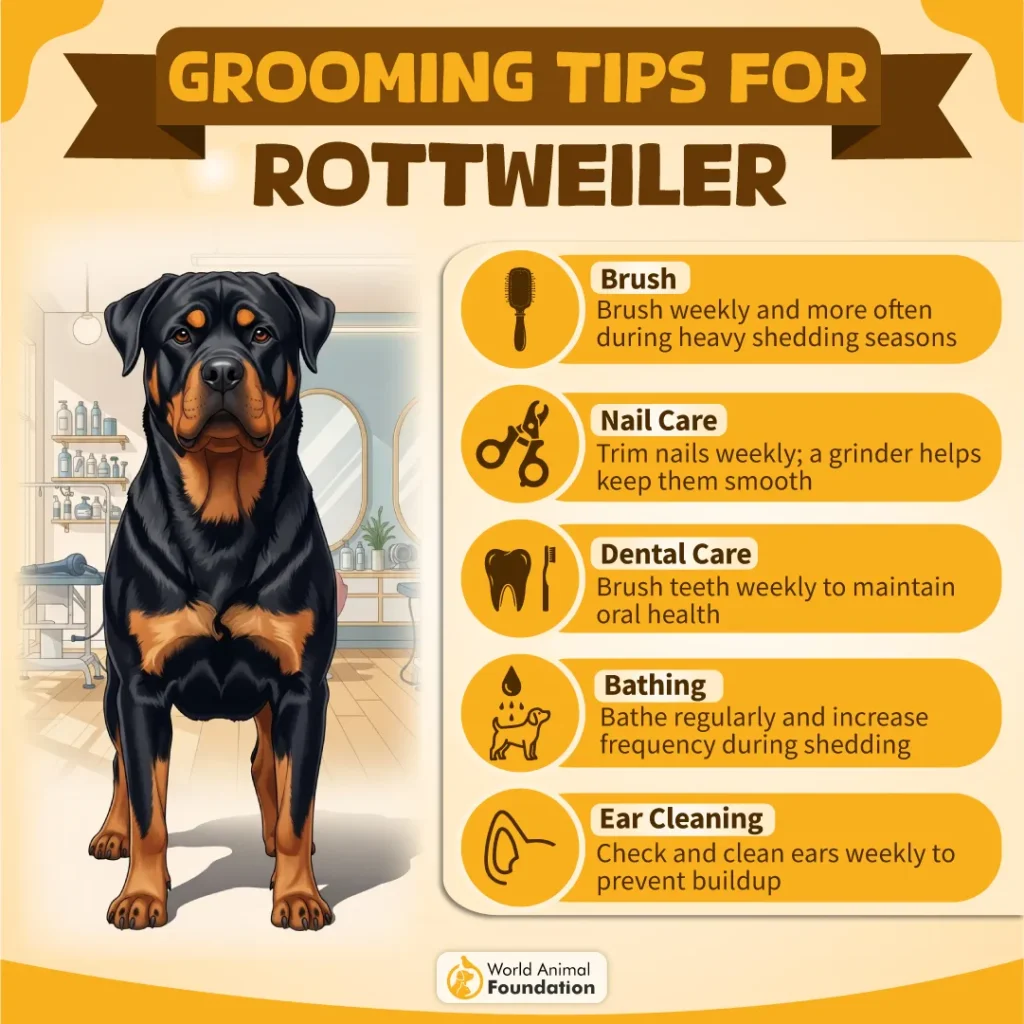
These active dogs need at least 60 minutes of exercise each day, along with mental stimulation. Walks, hikes, backyard play, and dog sports can help keep them engaged and prevent boredom.
Personality and Training
Rottweilers are intelligent, loyal, confident, and highly trainable. They can be affectionate and even goofy with their families, while remaining reserved or protective around unfamiliar people.
Early training and socialization are important for guiding their natural guarding instincts. They can also be stubborn at times and may become destructive, bark excessively, or dig when bored.
5. Broholmer
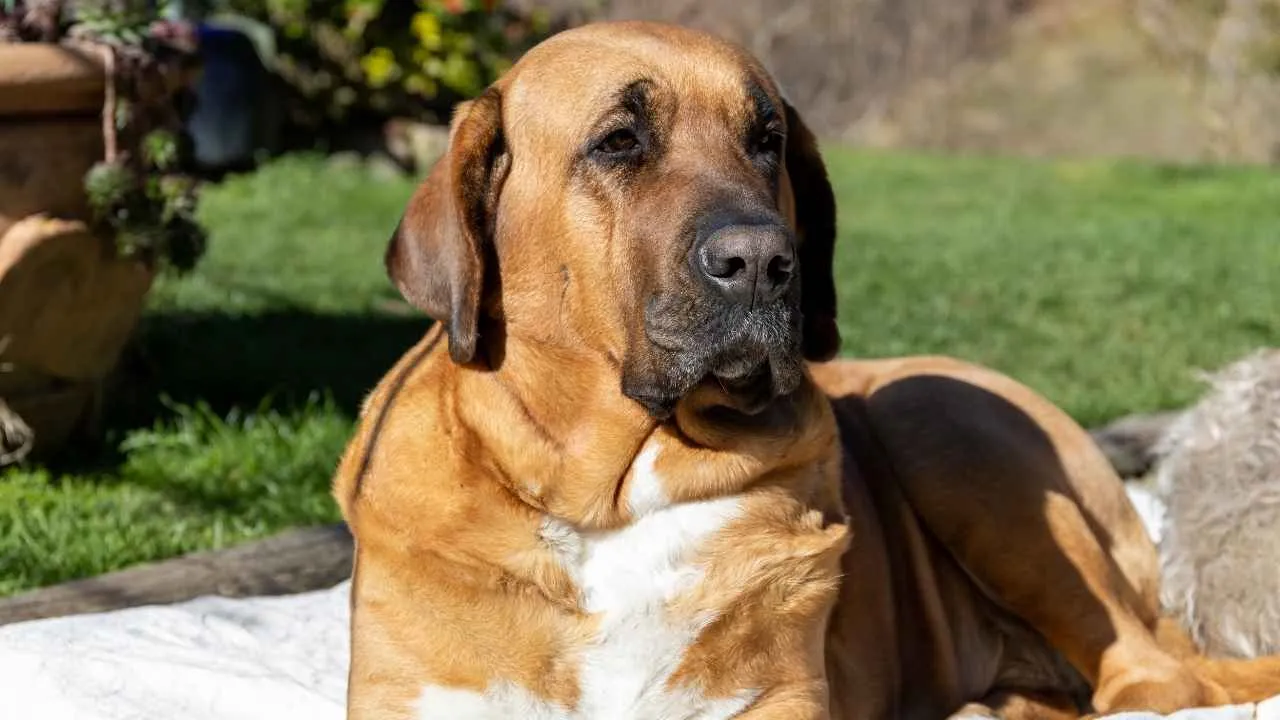
Broholmers are large mastiff-type dogs from Denmark, where they were once used for hunting and later became farm and manor guard dogs. They were also known as “butcher’s dogs” and helped protect homes and guard cattle.
Today, they are mainly companion and guard dogs. Their large, strong build may look intimidating, but their nature is calm, friendly, and confident.
Coat and Care
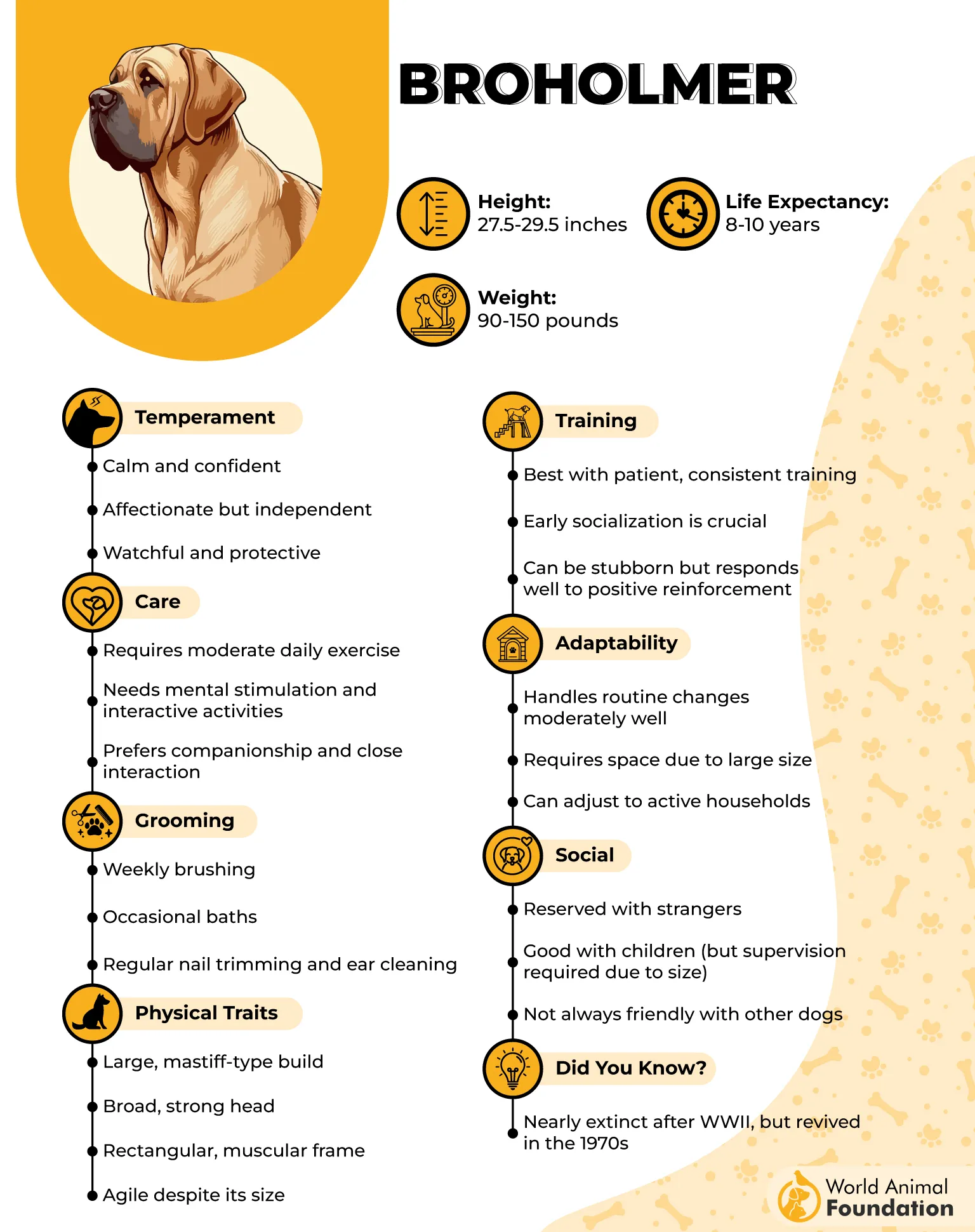
Broholmers have short, dense coats that are relatively easy to maintain. They need weekly brushing, occasional baths, and regular nail, ear, and dental care.
They shed moderately, especially during seasonal changes. Despite their size, they can also be surprisingly agile and enjoy activities such as walks, hiking, camping, fetch, and even agility.
Personality and Family Life
Broholmers are loyal, protective, watchful, and naturally self-assured without being overly aggressive. They are patient with children and generally get along well with other dogs. These affectionate dogs enjoy staying close to their families and can be surprisingly cuddly.
6. Bullmastiff
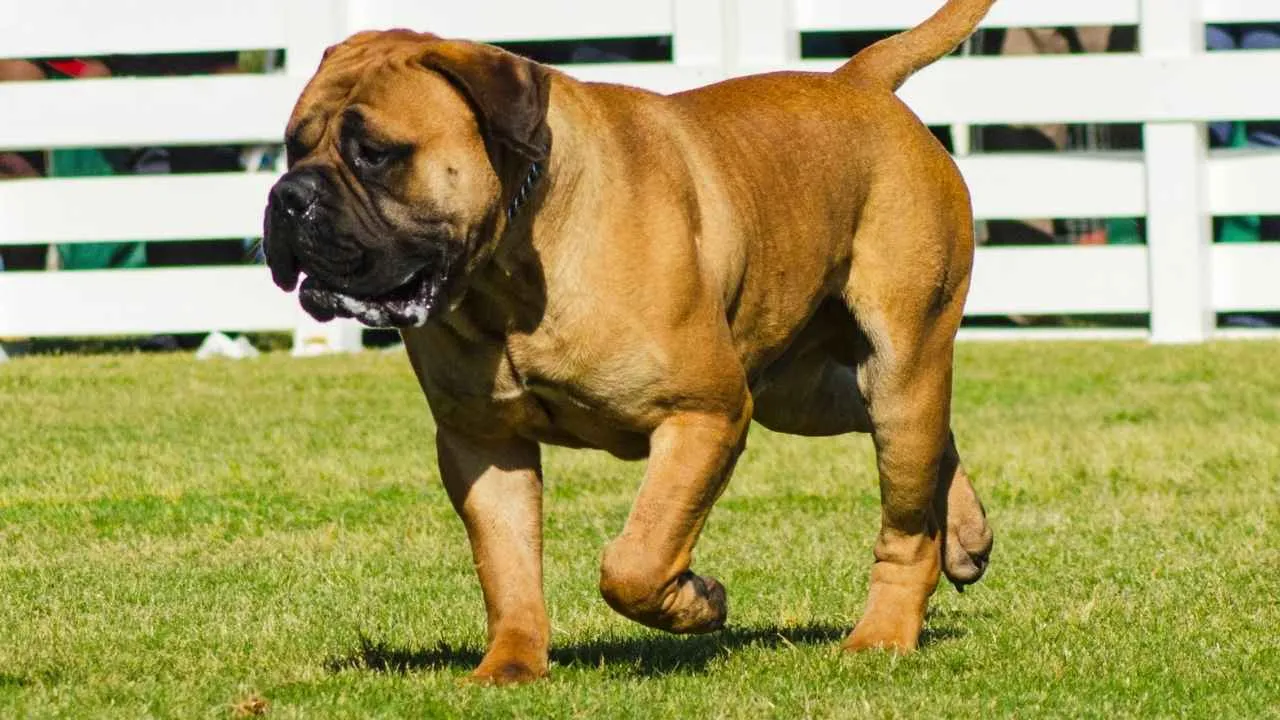
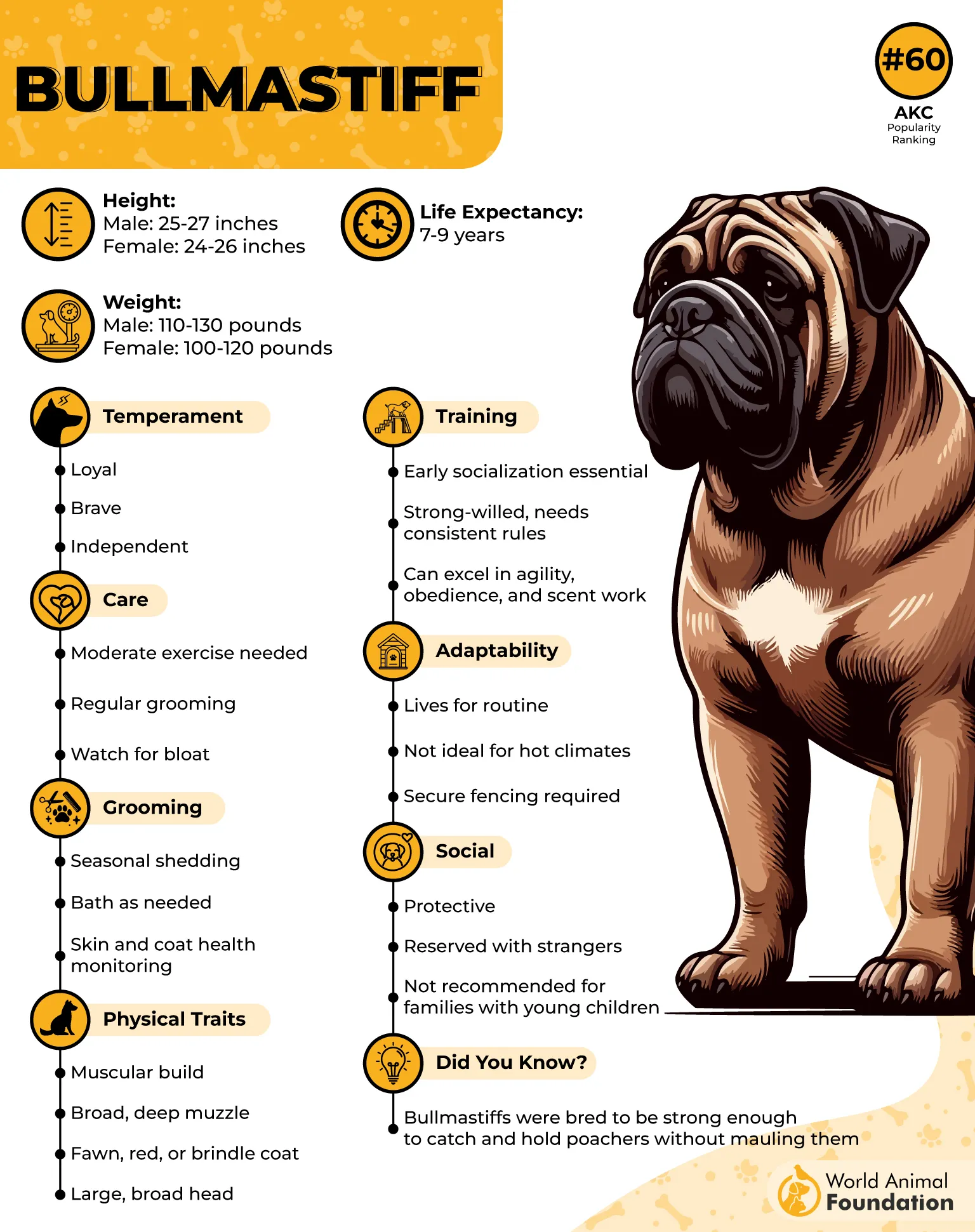
Bullmastiffs were developed in England during the 19th century by crossing Bulldogs with Mastiffs. British gamekeepers created them to guard estates and protect game land from poachers.
Despite their strong guardian background, these dogs are affectionate, loyal, and devoted family companions. They form close bonds with their people and love being part of family life.
Coat and Care
Bullmastiffs have short, dense coats that are fairly simple to maintain. Their coats can be fawn, red, or brindle. They need daily exercise, such as long walks and playtime in a fenced yard, but they are not suited to long-distance running.
Their large size also makes early training important. They should learn basic cues, walk calmly on a leash, and remain settled around people and other dogs.
Personality and Family Life
Bullmastiffs are gentle, confident, and affectionate with their families. They are usually quiet and do not bark much, but they can be protective and may take time to accept strangers.
Early socialization helps them become more comfortable around new people. They can be good with children and other dogs, but supervision is important because their size can cause accidental knocks.
7. Dogue de Bordeaux
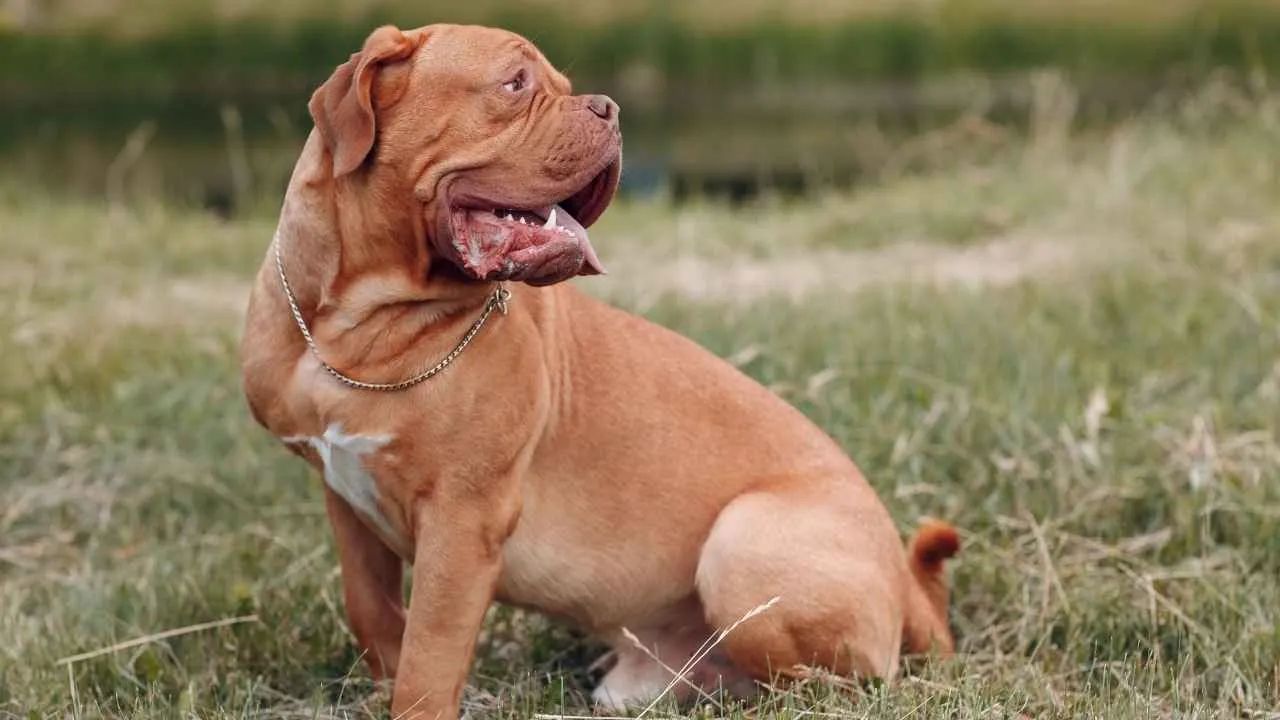
The Dogue de Bordeaux, also known as the French Mastiff or Bordeaux Mastiff, is a powerful breed with a long history in France. They were used to guard estates, protect livestock, and assist with hunting large game. Their history dates back to the 14th century.
Coats and Care
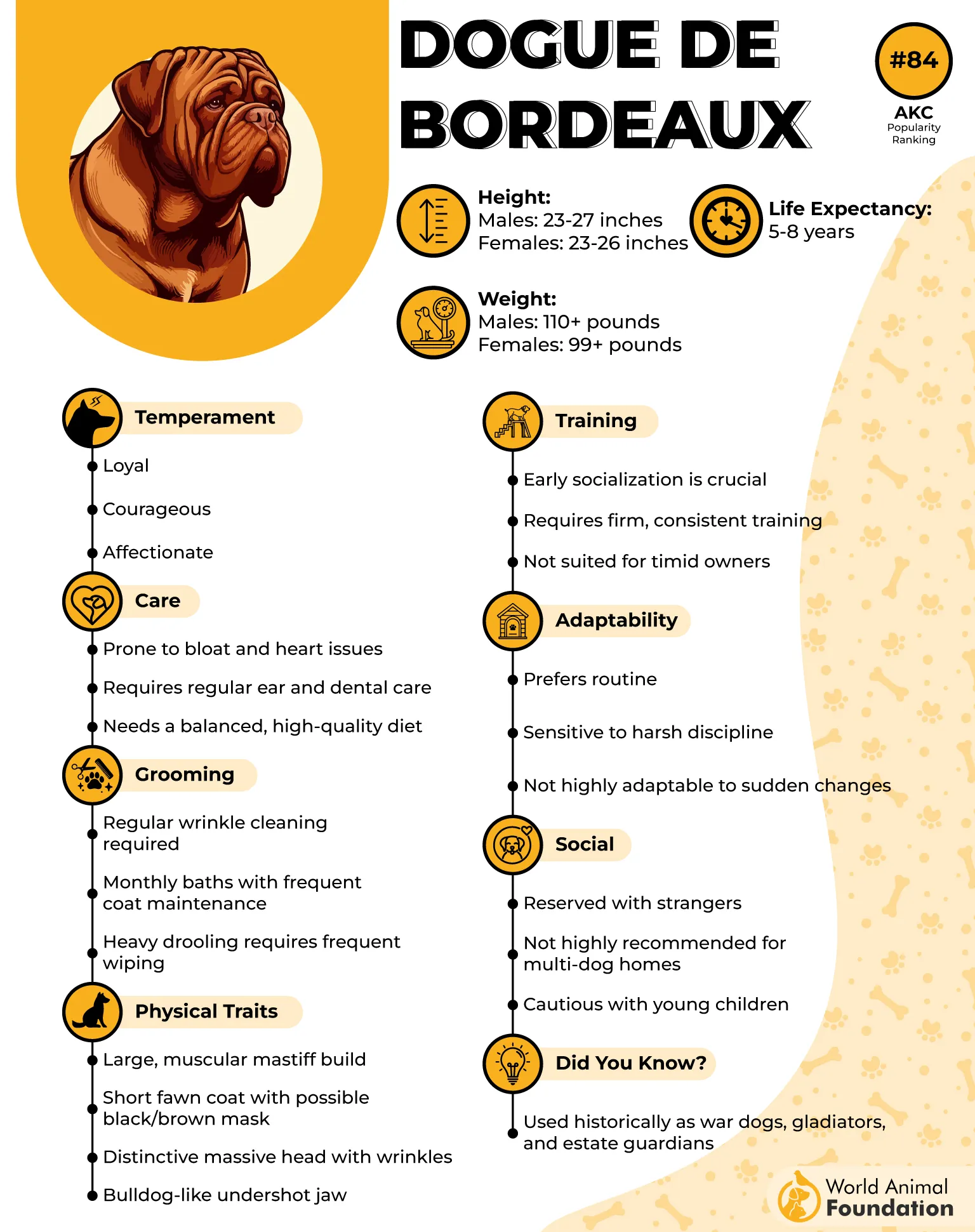
Dogue de Bordeaux have short, dense coats that are relatively easy to maintain. Weekly brushing helps keep shedding under control. They enjoy daily walks and playtime but are not overly active. Interactive games can provide useful mental stimulation.
Orvis mentions that these dogs are also known for heavy drooling, so keeping a towel nearby can be helpful. Their large build also means exercise should remain moderate.
Personalities and Training
Dogues de Bordeaux are calm, gentle, and deeply devoted to their families. They can be patient and affectionate with children and may live well with other dogs and cats when properly trained or raised together.
However, they can be strong-willed and watchful around unfamiliar people. Early socialization and training are important for building good manners and confidence.
Conclusion
Large dogs with short, simple coats can offer a great balance of impressive size and manageable grooming. While their coats may be easier to care for, these dogs still need the right amount of exercise, training, socialization, and family time to thrive.
Before bringing one home, consider more than just grooming needs. Think about the space, activity, experience, and daily care you can provide.
With the right match and plenty of attention, a big dog can bring a huge amount of loyalty, affection, and companionship into your life.
