




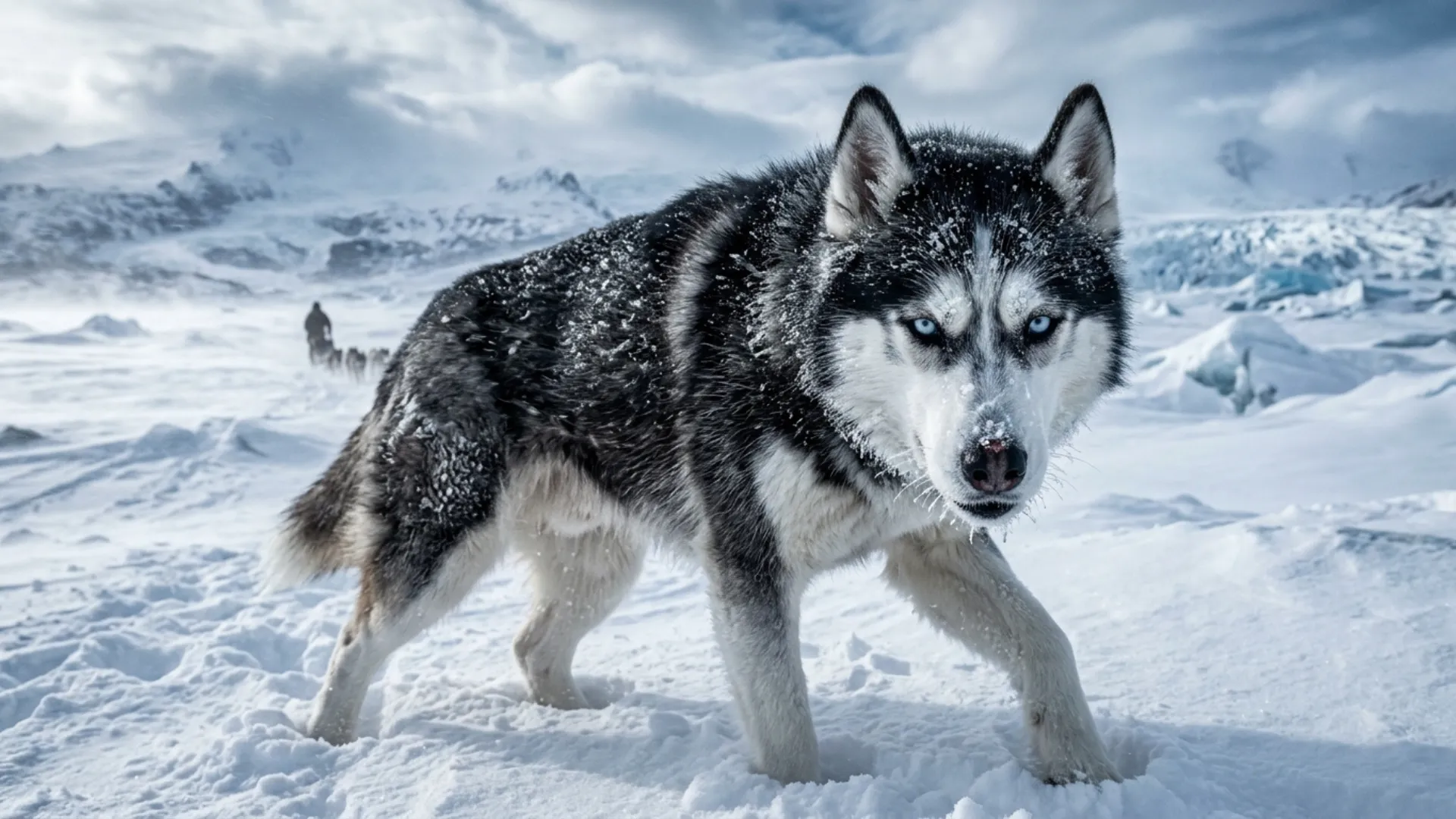
Some dogs possess remarkable abilities that help them thrive in challenging environments. From navigating snowy mountain trails to guarding livestock across remote landscapes, these breeds have developed impressive physical strength and resilience. Their working histories reveal how dogs adapted to some of the world’s most demanding conditions.
Thick coats, muscular bodies, and remarkable stamina contribute to canine toughness in different ways. However, resilience is not just about physical characteristics. Intelligence, independence, and the ability to perform demanding tasks have also helped certain breeds become dependable working companions.
Understanding these dogs means looking beyond their powerful appearances. Their origins, grooming requirements, health considerations, and specialized abilities reveal what makes each one distinctive. Here are nine dog breeds that demonstrate different forms of toughness in extreme conditions.
Dog Breeds That Prove Their Toughness in Extreme Conditions
1. Estrela Mountain Dog
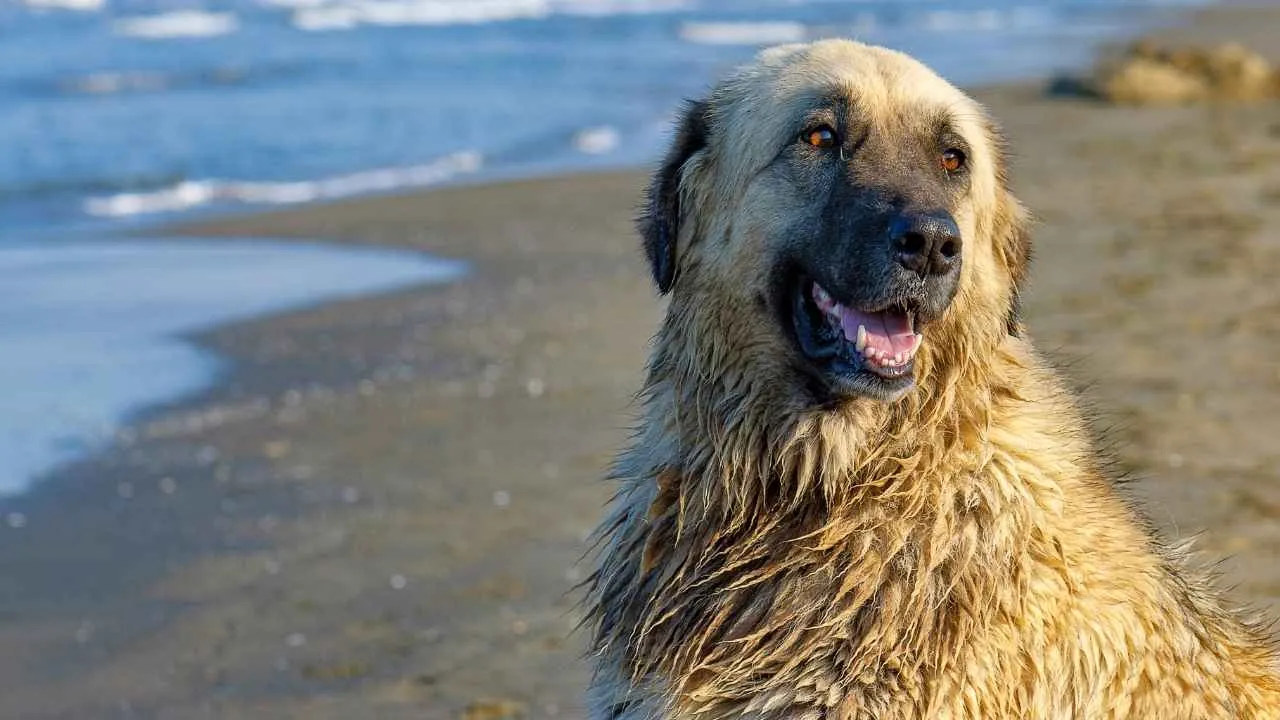
The Estrela Mountain Dog originated in Portugal’s Serra da Estrela mountain range. Shepherds developed this powerful guard dog to protect sheep from predators while working across rugged terrain.
Generations of outdoor work shaped its independence, loyalty, and weather-resistant coat. Although the breed now lives in family homes, its mountain heritage remains an important part of its identity.
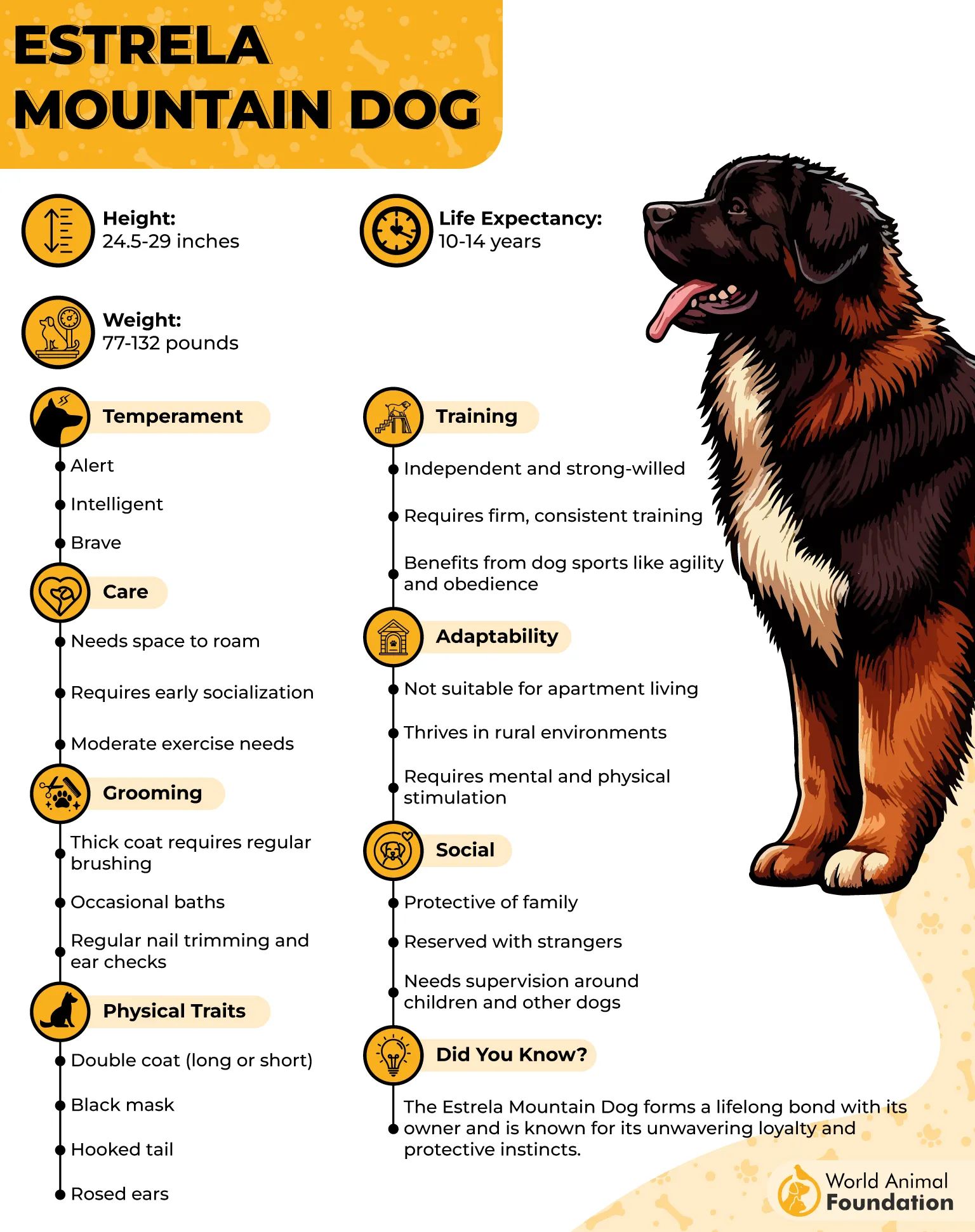
Grooming and Health Needs
The Estrela Mountain Dog comes in long-haired and short-haired varieties, both requiring regular brushing. The longer coat needs extra attention to prevent tangles, particularly during seasonal shedding.
Hip and elbow dysplasia are potential health concerns, so responsible breeding and veterinary screening matter. Maintaining a healthy weight also helps protect its joints.
A Dependable Guardian of Rugged Mountains
The Estrela’s toughness comes from its ability to guard livestock across uneven mountain landscapes. Its substantial frame provides physical strength, while its thick coat offers insulation during cold weather.
Rather than relying on speed, this breed uses patience, alertness, and independent judgment. Hot weather requires additional precautions because its dense coat can contribute to overheating.
2. Siberian Husky
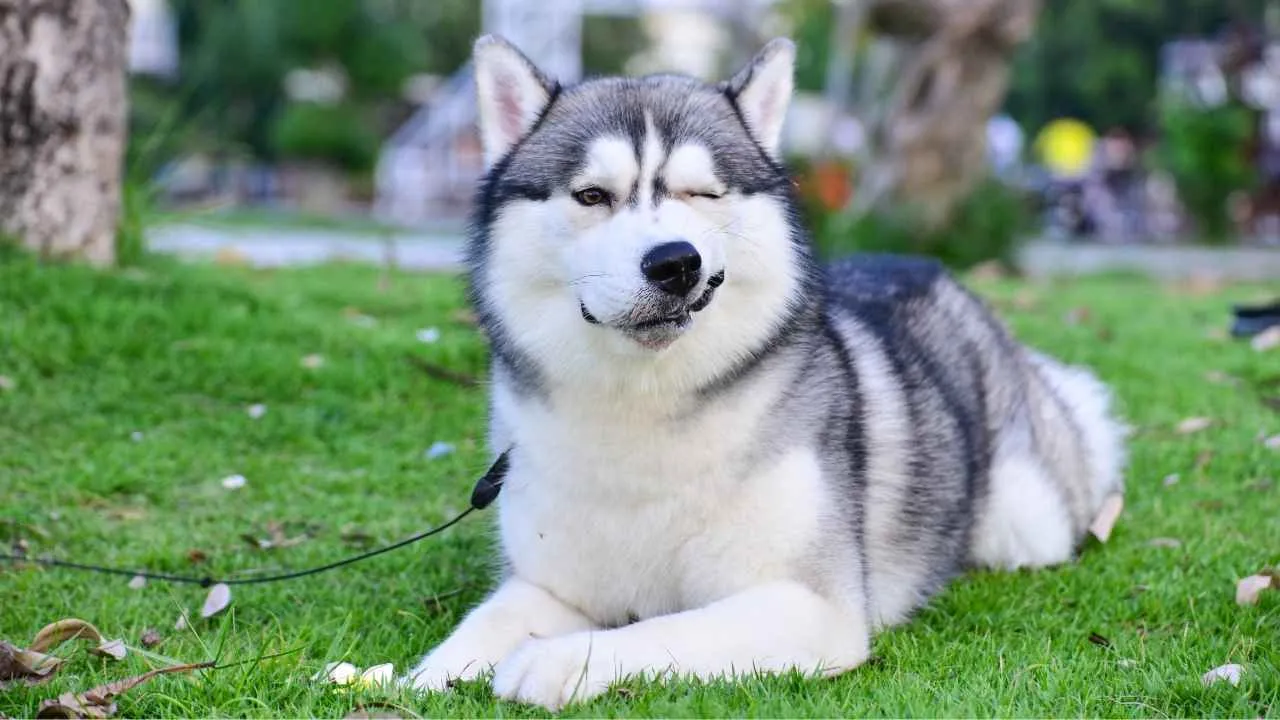
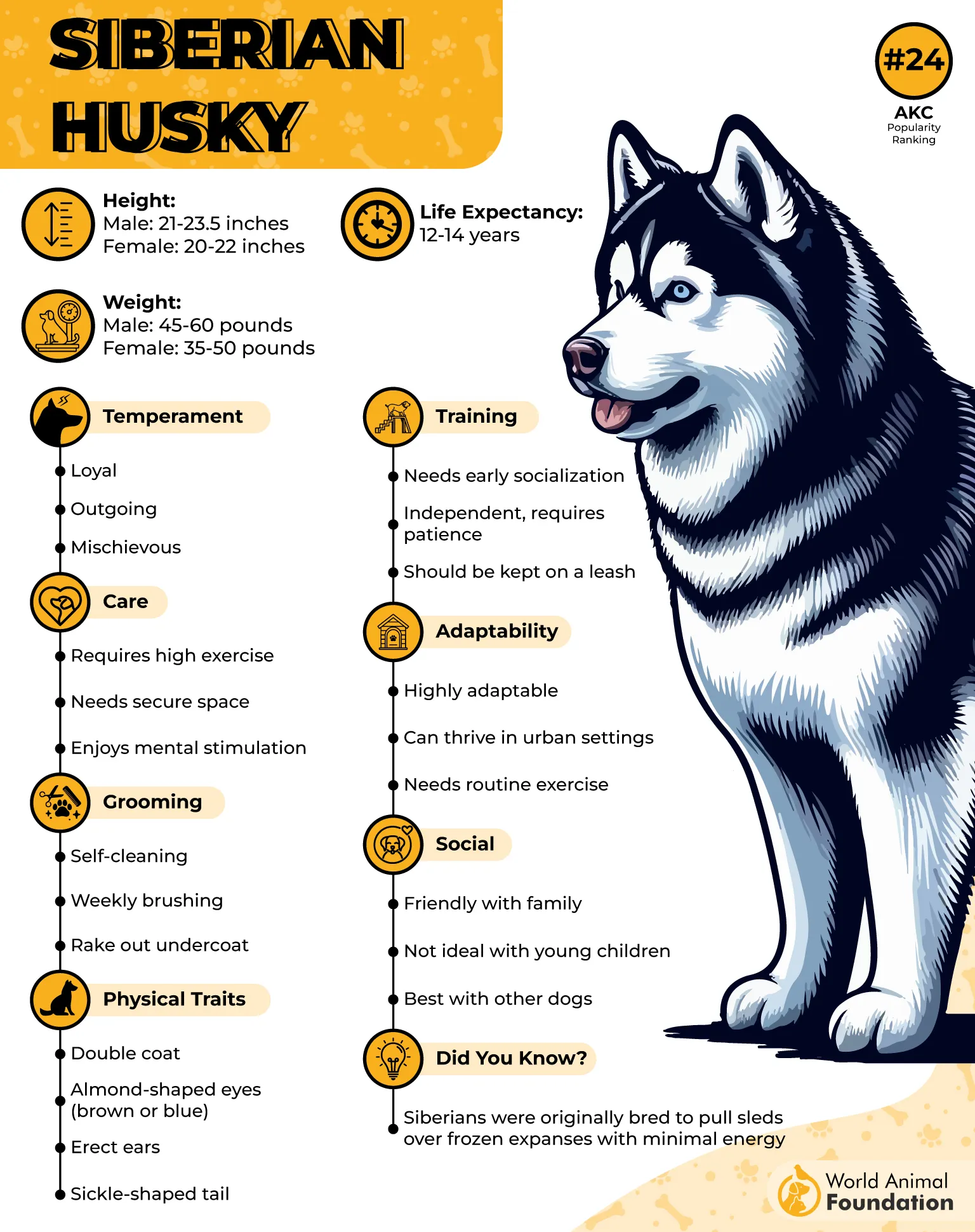
The Siberian Husky originated in northeastern Siberia, where the Chukchi people developed sled dogs for transporting supplies across frozen landscapes, as per PetMD. These dogs needed to cover long distances while conserving energy in severe winter conditions. Their cooperative nature made them valuable members of sled teams.
Grooming and Health Needs
A Siberian Husky’s double coat provides insulation but requires regular brushing to manage loose hair. Seasonal shedding can be particularly heavy, making more frequent grooming necessary.
Owners should also monitor dental health, maintain trimmed nails, and arrange routine veterinary examinations. Responsible breeders screen for inherited concerns, including certain eye conditions and hip problems.
An Endurance Specialist in Freezing Weather
Few breeds demonstrate cold-weather stamina as effectively as the Siberian Husky. Its insulating coat, furry feet, and efficient gait help it travel across snow without wasting unnecessary energy.
Unlike heavy hauling breeds, Huskies are particularly celebrated for covering long distances in teams. Even these cold-adapted dogs need protection against dangerous wind chill, dehydration, and overexertion.
3. Bernese Mountain Dog
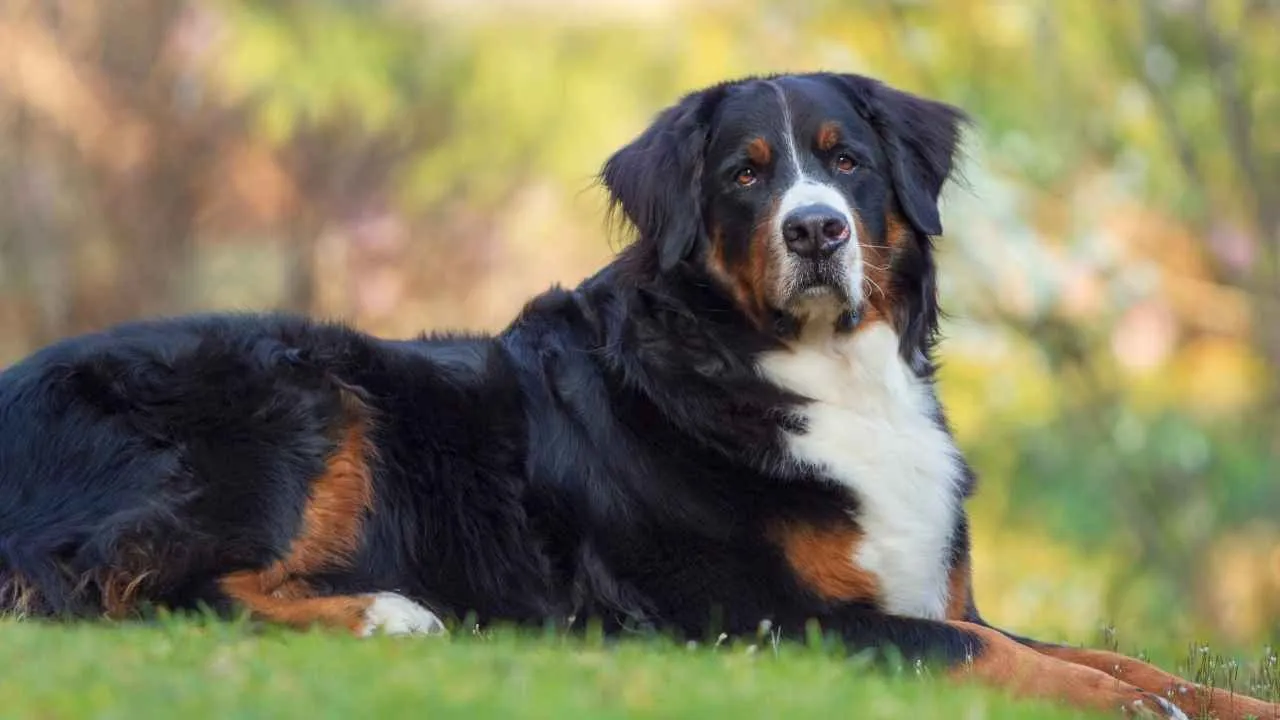
The Bernese Mountain Dog developed in Switzerland, particularly around the canton of Bern. Farmers relied on these muscular dogs to pull carts, assist with livestock, and guard rural properties.
Their strength and steady temperament made them useful partners in demanding agricultural work. Today, the breed is equally admired for its affectionate personality and striking tricolored coat.
Grooming and Health Needs
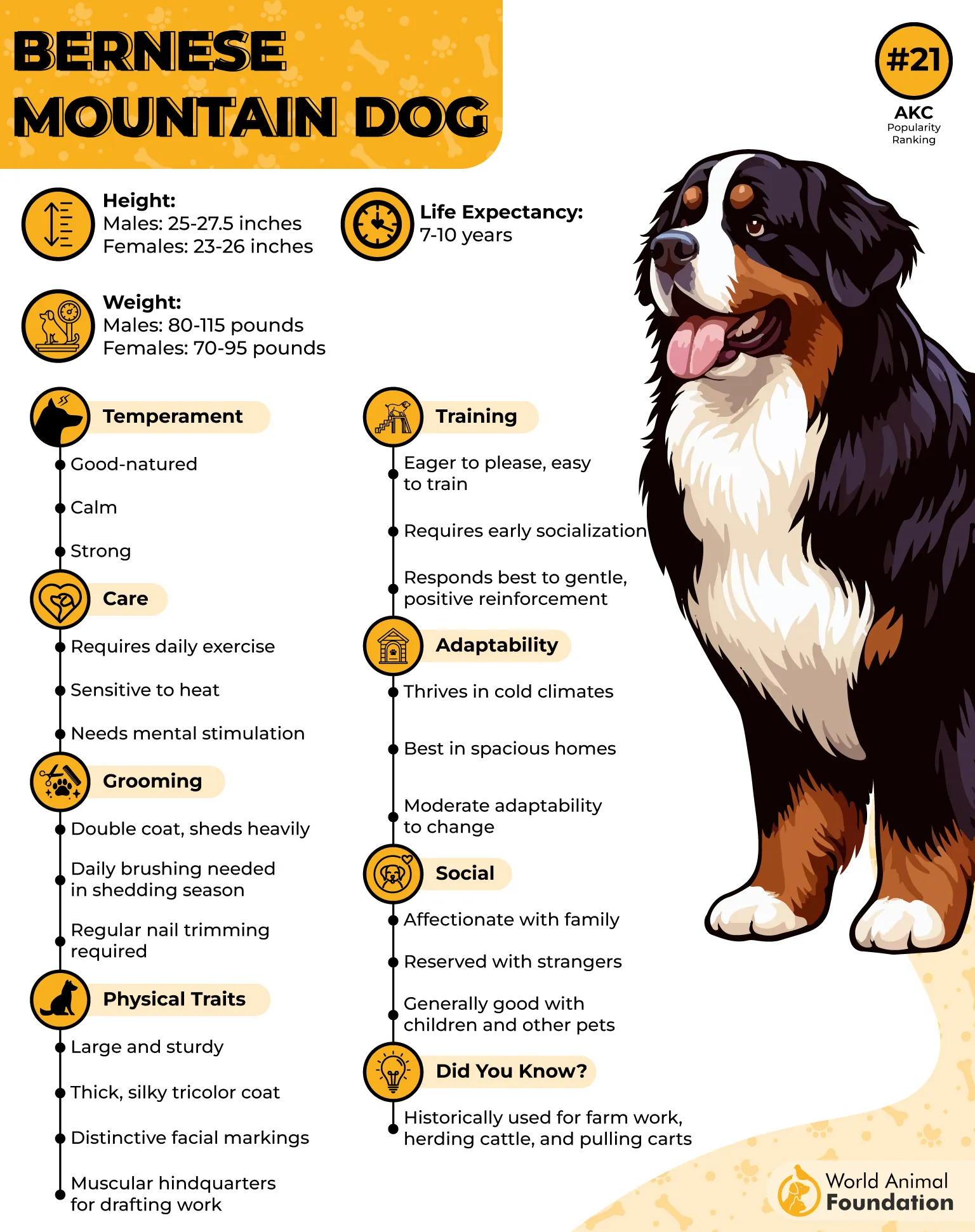
The Bernese Mountain Dog’s long coat needs frequent brushing to remove loose hair and prevent tangles. Seasonal shedding can be considerable, especially during warmer months.
The breed is vulnerable to health concerns such as hip dysplasia and certain cancers. Appropriate nutrition, regular veterinary care, and careful weight management are essential for supporting its well-being.
Powerful Enough for Demanding Farm Work
The Bernese Mountain Dog demonstrates toughness through controlled strength rather than extreme endurance. Its muscular body historically helped it pull loaded carts and complete repetitive farm tasks.
A thick double coat also provides useful protection in chilly weather. However, this heavy-coated breed can struggle in high temperatures and should avoid strenuous activity during hot conditions.
4. Anatolian Shepherd Dog
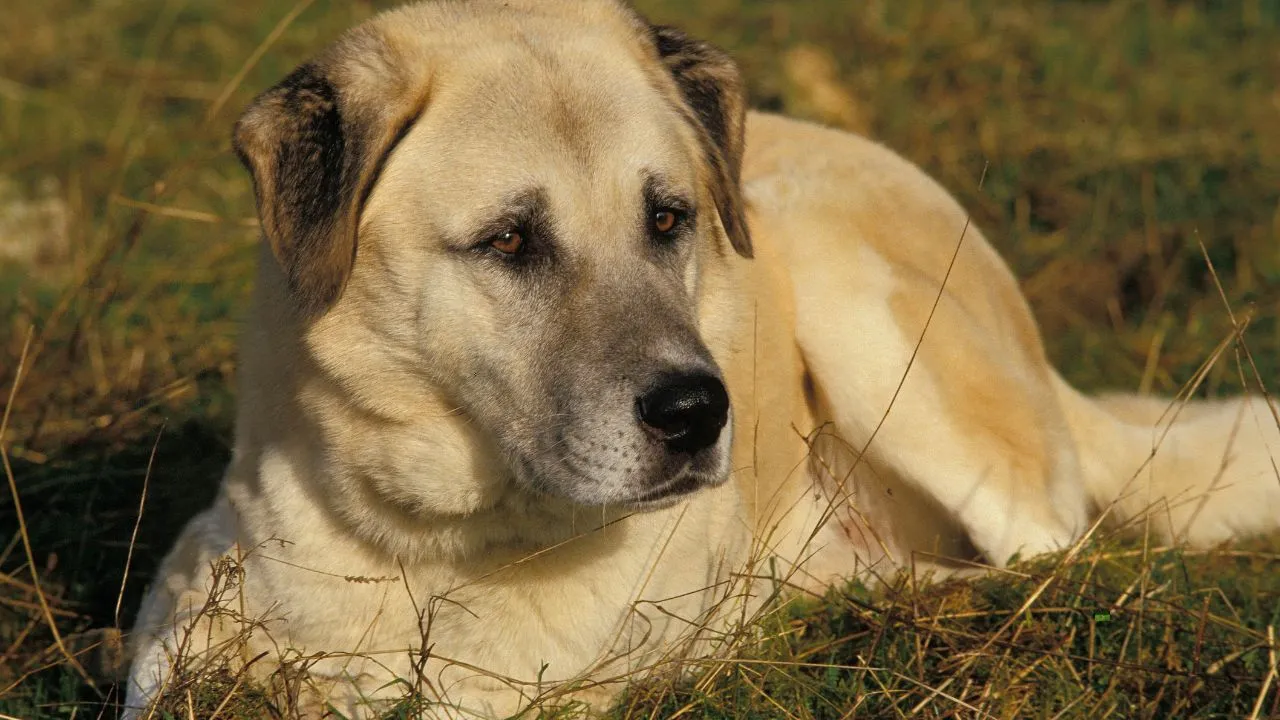
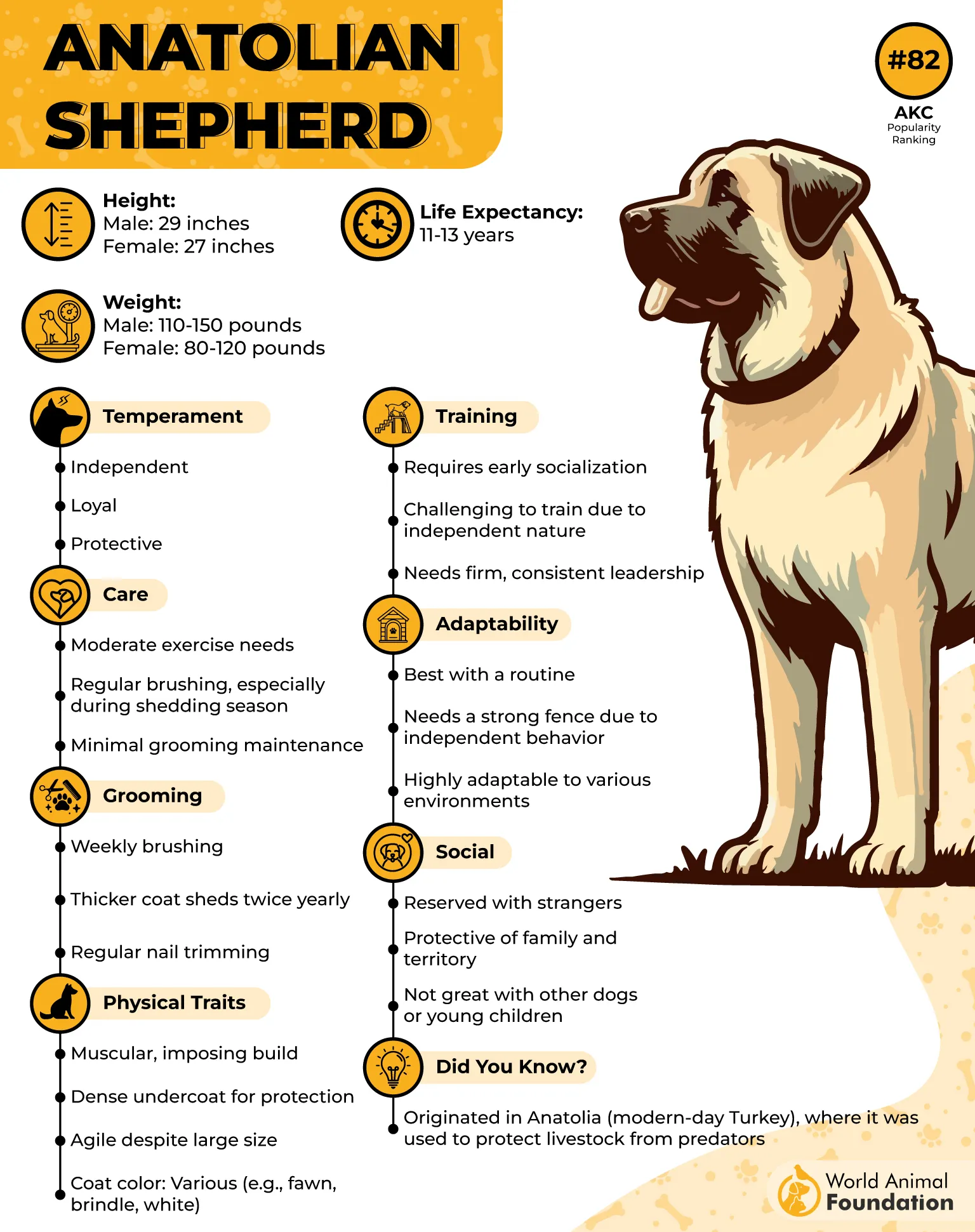
The Anatolian Shepherd Dog comes from Turkey, where livestock guardians protected sheep and goats across open plateaus and rural landscapes.
These dogs often worked independently, remaining with their flocks while watching for predators. Breeding favored physical power, vigilance, and the confidence to make decisions without constant human direction. Those qualities continue to define the breed today.
Grooming and Health Needs
The Anatolian Shepherd Dog usually has a dense double coat that benefits from regular brushing. Seasonal shedding requires additional attention, while routine nail trimming, dental care, and ear checks support general health.
Hip dysplasia is a potential concern in this large breed. Owners should also provide suitable nutrition, maintain a healthy weight, and monitor their dogs carefully in hot weather.
A Resilient Protector of Wide-Open Landscapes
The Anatolian Shepherd’s greatest strength lies in its ability to protect livestock over extensive territory. Its imposing size can discourage predators, while its independent temperament helps it respond to threats without immediate instructions.
A weather-resistant coat offers some protection against changing outdoor conditions. Nevertheless, appropriate shelter, hydration, and careful management remain essential in both heat and cold.
5. Akita
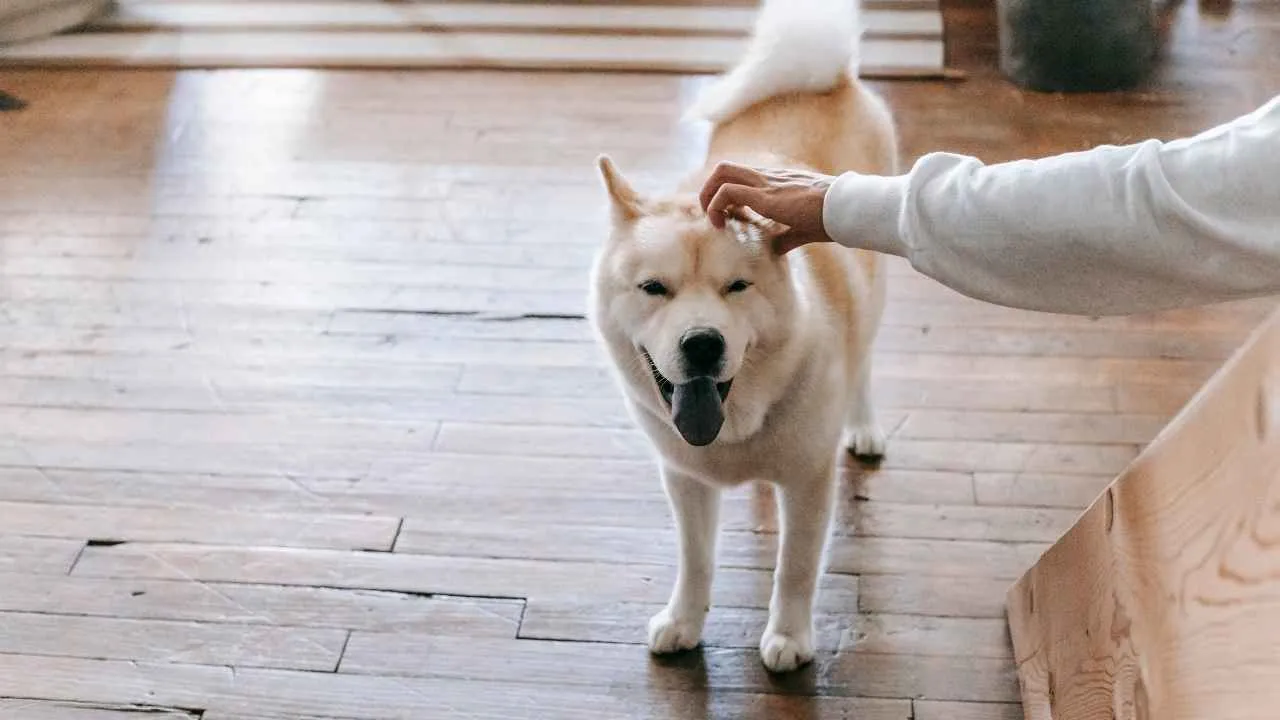
The Akita originated in Japan’s mountainous Akita Prefecture, where its ancestors were used for hunting large game. Historical hunting practices helped shape a powerful dog with courage, determination, and considerable physical strength.
Over time, the breed became a respected companion and guardian. Its distinctive appearance and independent personality continue to reflect its Japanese heritage.
Grooming and Health Needs
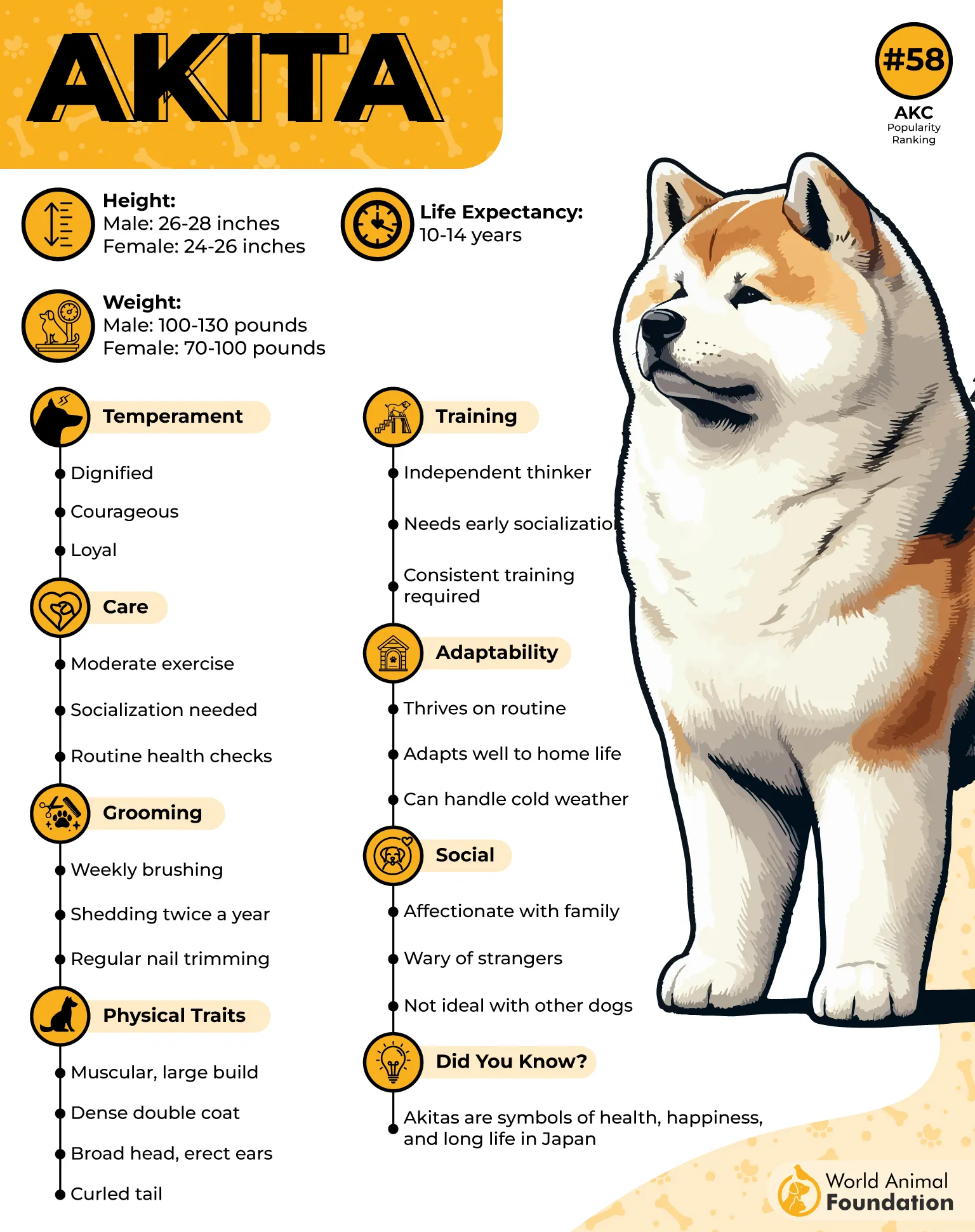
The Akita’s thick double coat requires regular brushing, particularly during seasonal shedding. Owners should also maintain dental hygiene, trim the nails, and arrange routine veterinary examinations.
Potential health concerns include hip dysplasia, thyroid disorders, and certain eye conditions. Early socialization and consistent, humane training are important for managing its independent nature.
A Strong and Determined Cold-Weather Companion
The Akita’s dense coat and solid build help it cope with chilly conditions. Its history as a hunting dog also reflects courage and the ability to navigate challenging terrain.
Unlike sled dogs bred for sustained team travel, the Akita’s toughness is more closely associated with strength and determination. Its heavy coat can become a disadvantage in summer, so exercise must be adjusted to the temperature.
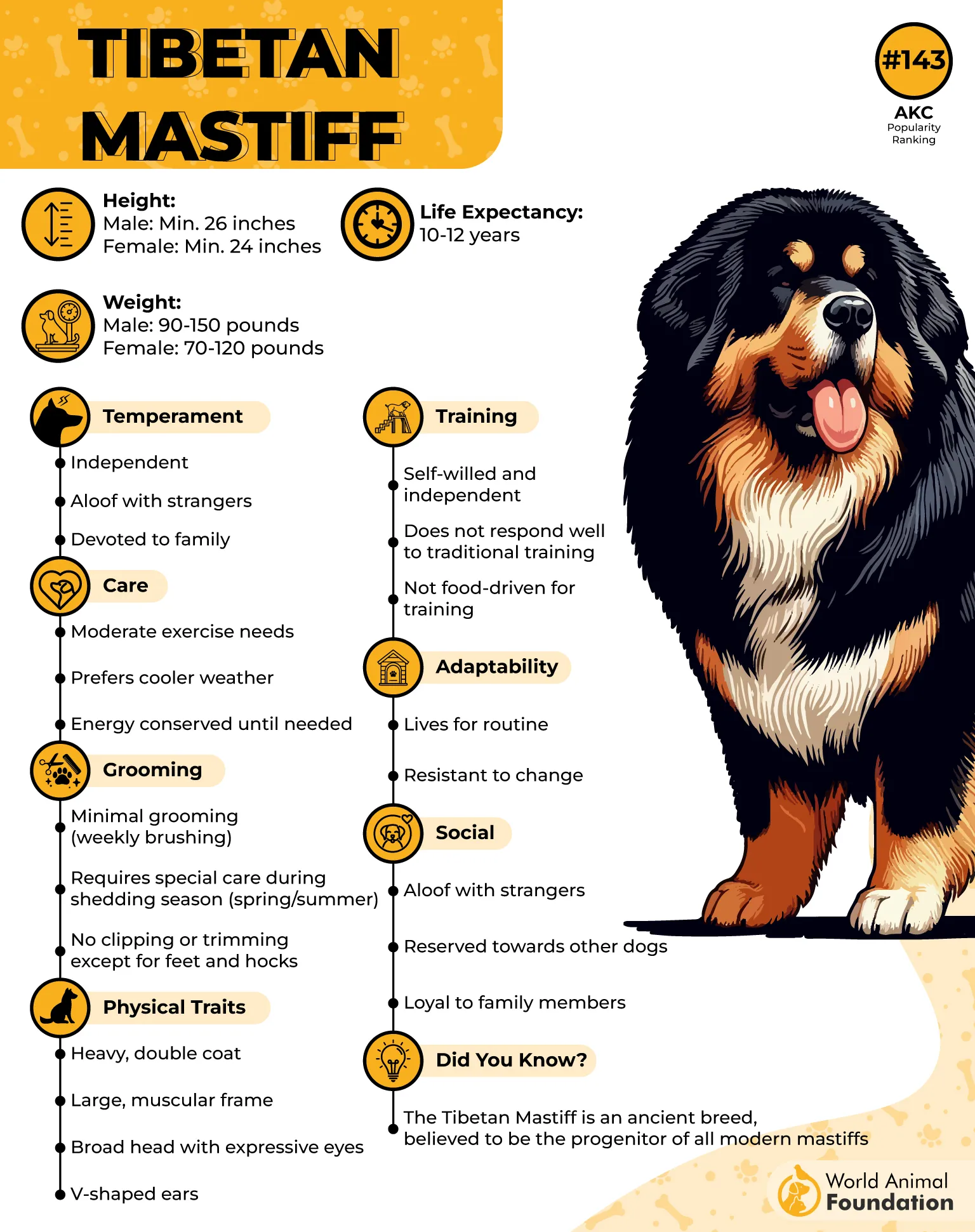
6. Tibetan Mastiff
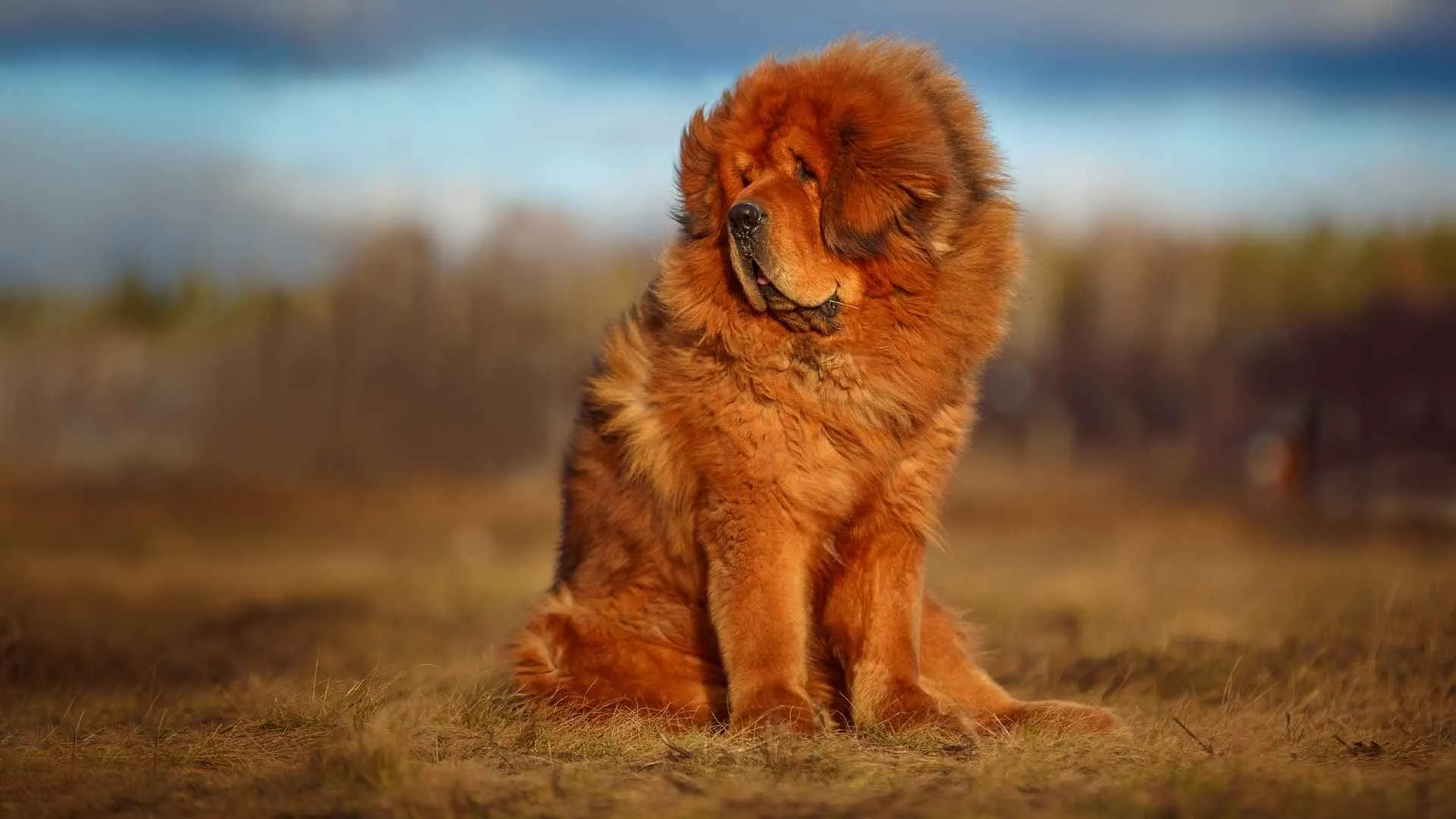
The Tibetan Mastiff developed across the Himalayan region and Tibetan Plateau, where guardian dogs protected livestock, settlements, and monasteries, as per Purina. These dogs worked in remote environments with cold nights and substantial weather changes.
Their imposing size and thick coats made them valuable protectors. Although their earliest history is difficult to establish precisely, their longstanding association with mountain communities is well recognized.
Grooming and Health Needs
The Tibetan Mastiff’s abundant double coat requires regular brushing, especially during seasonal shedding. Extra attention should be given to its thick mane and feathered areas, where loose hair can accumulate.
Potential health concerns include hip dysplasia, thyroid conditions, and certain eye disorders. A suitable diet, regular veterinary examinations, and careful weight management support long-term health.
A Mountain Guardian With Exceptional Insulation
The Tibetan Mastiff’s dense coat helps it retain warmth in cold mountain environments. Its substantial frame and independent judgment also suit the traditional demands of livestock and property protection.
Rather than depending on speed, this breed combines vigilance with the confidence to confront potential threats. Despite its cold-weather adaptations, it still needs protection from heat and should not be assumed to tolerate every high-altitude environment.
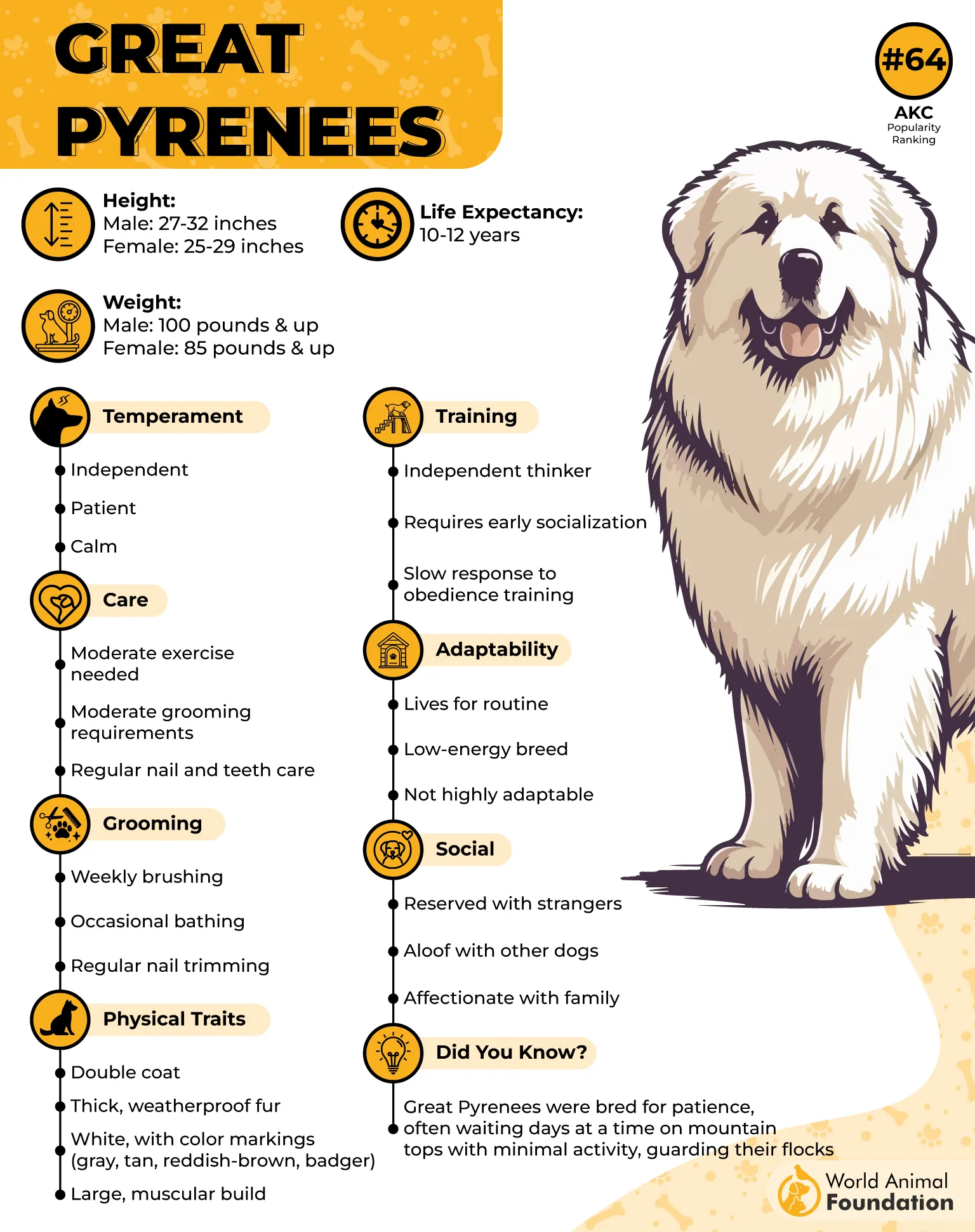
7. Great Pyrenees
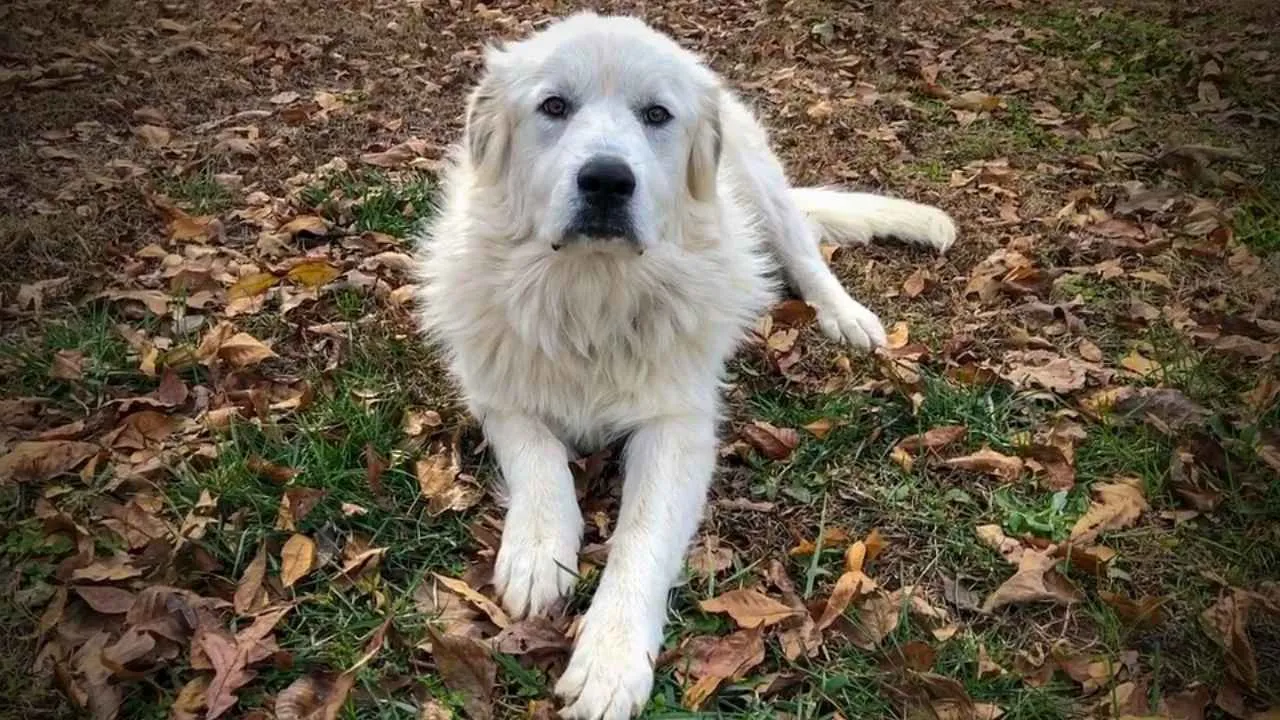
The Great Pyrenees originated in the Pyrenees Mountains between France and Spain. Shepherds relied on these large white dogs to defend sheep against predators while accompanying flocks through mountain pastures, as per the AKC.
Their work required patience, independence, and the ability to remain outdoors in changing weather. The breed eventually became popular as a companion while retaining its traditional livestock-guarding instincts.
Grooming and Health Needs
The Great Pyrenees has a thick double coat that needs regular brushing to remove loose hair and prevent tangles. Seasonal shedding can be substantial, particularly during spring and autumn.
Hip dysplasia and other orthopedic problems are potential concerns, while bloat is an emergency owners should understand. Routine veterinary care, healthy weight management, and appropriate exercise help maintain overall well-being.
A Patient Sentinel in Harsh Weather
The Great Pyrenees demonstrates toughness through its ability to guard livestock for extended periods. Its thick coat provides insulation in cold weather, while its imposing presence can deter predators.
Unlike breeds specialized in pulling or racing, it relies heavily on patience, observation, and protective instincts. Warm conditions require extra caution, including access to shade, fresh water, and cooler exercise periods.
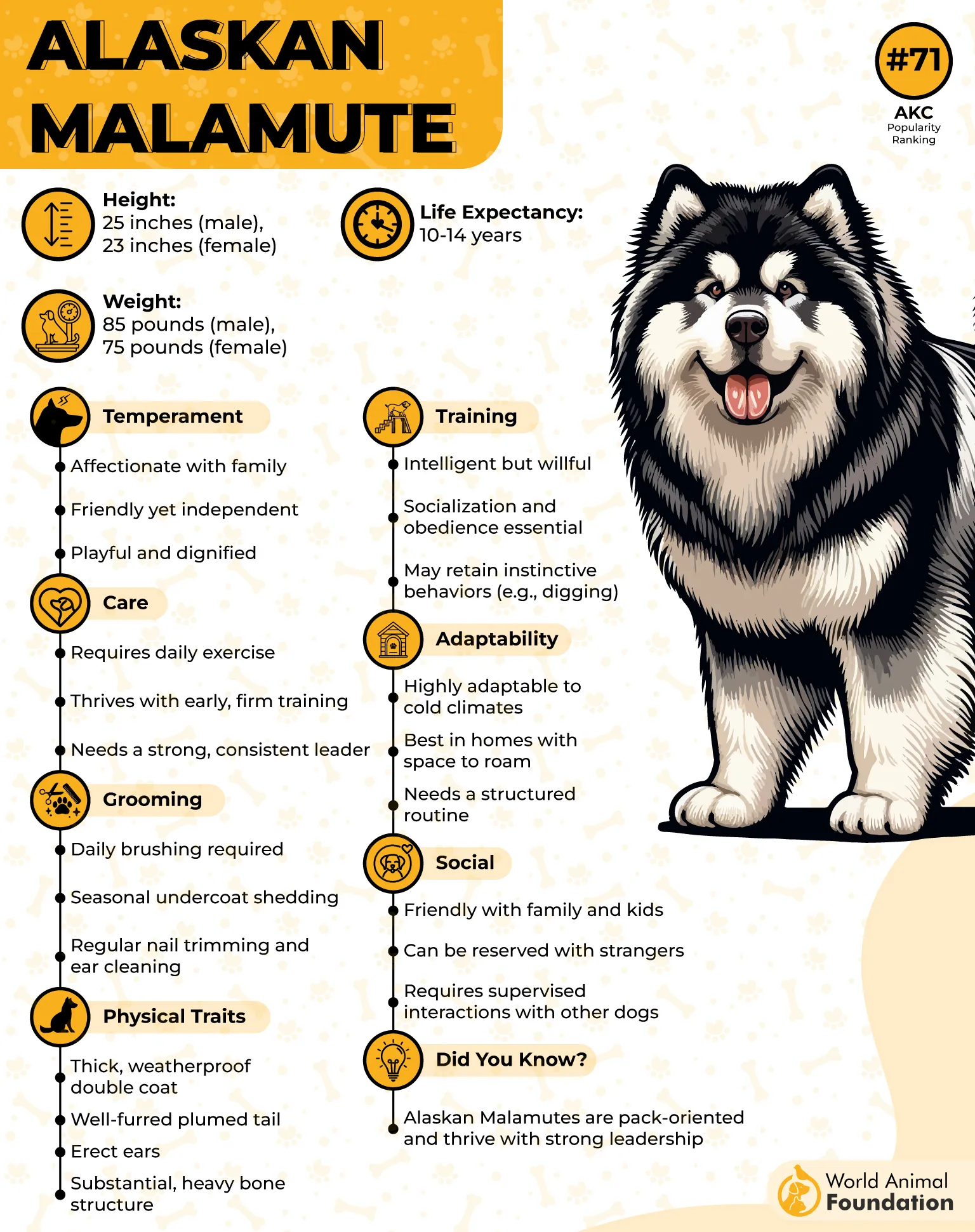
8. Alaskan Malamute
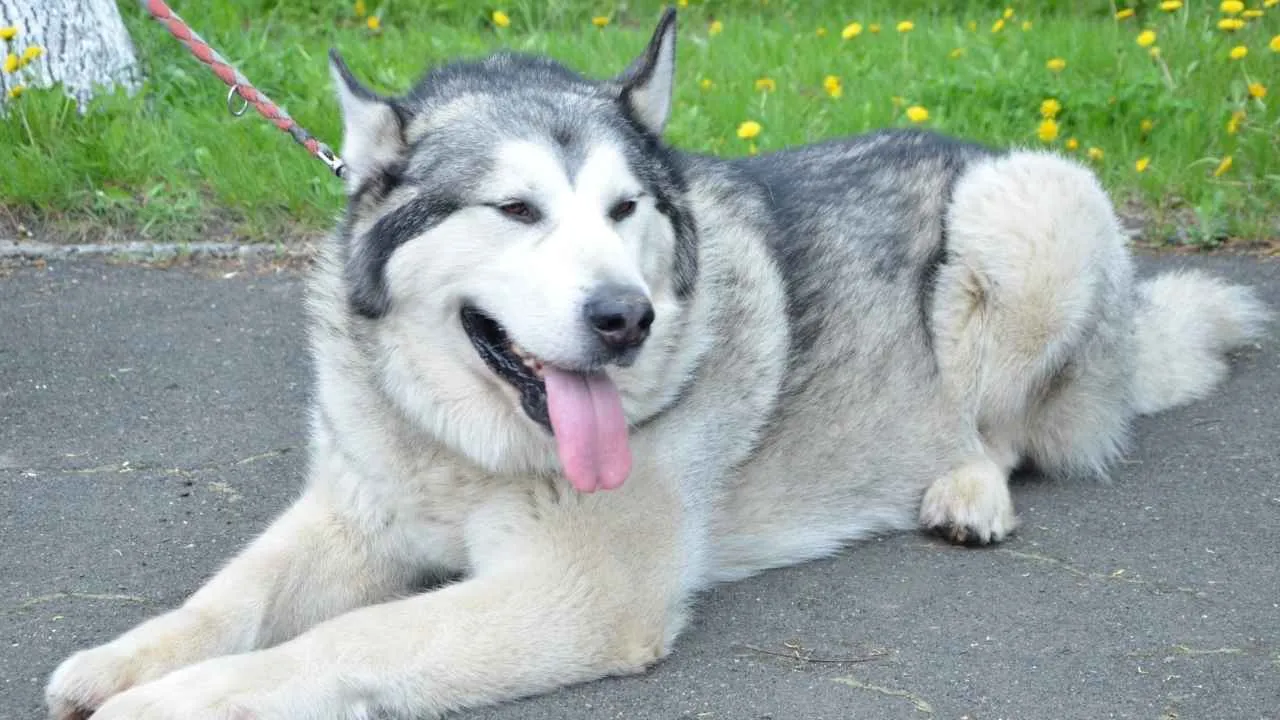
The Alaskan Malamute was developed by the Mahlemut people of northwestern Alaska. These powerful sled dogs transported heavy loads across snowy terrain, where strength and reliability mattered more than racing speed.
Their work supported travel and transportation in demanding Arctic conditions. The breed’s muscular build, broad feet, and dense coat reflect generations of adaptation to this challenging environment.
Grooming and Health Needs
The Alaskan Malamute’s thick double coat requires regular brushing, with additional grooming during seasonal shedding. Its skin should be checked for irritation, particularly after outdoor activities.
Hip dysplasia, inherited eye disorders, and certain neurologic conditions are among the potential health concerns. Regular veterinary care, appropriate nutrition, and controlled exercise during growth help protect this strong working breed.
An Arctic Hauler Built for Heavy Loads
The Alaskan Malamute’s defining strength is its ability to pull substantial loads across snowy landscapes. Powerful shoulders, sturdy legs, and broad feet support this demanding work, while its dense coat helps conserve body heat.
Its heritage favors steady effort and cooperation rather than exceptional racing speed. Hot weather presents a serious challenge, so vigorous exercise should be avoided during high temperatures.
9. Norwegian Elkhound
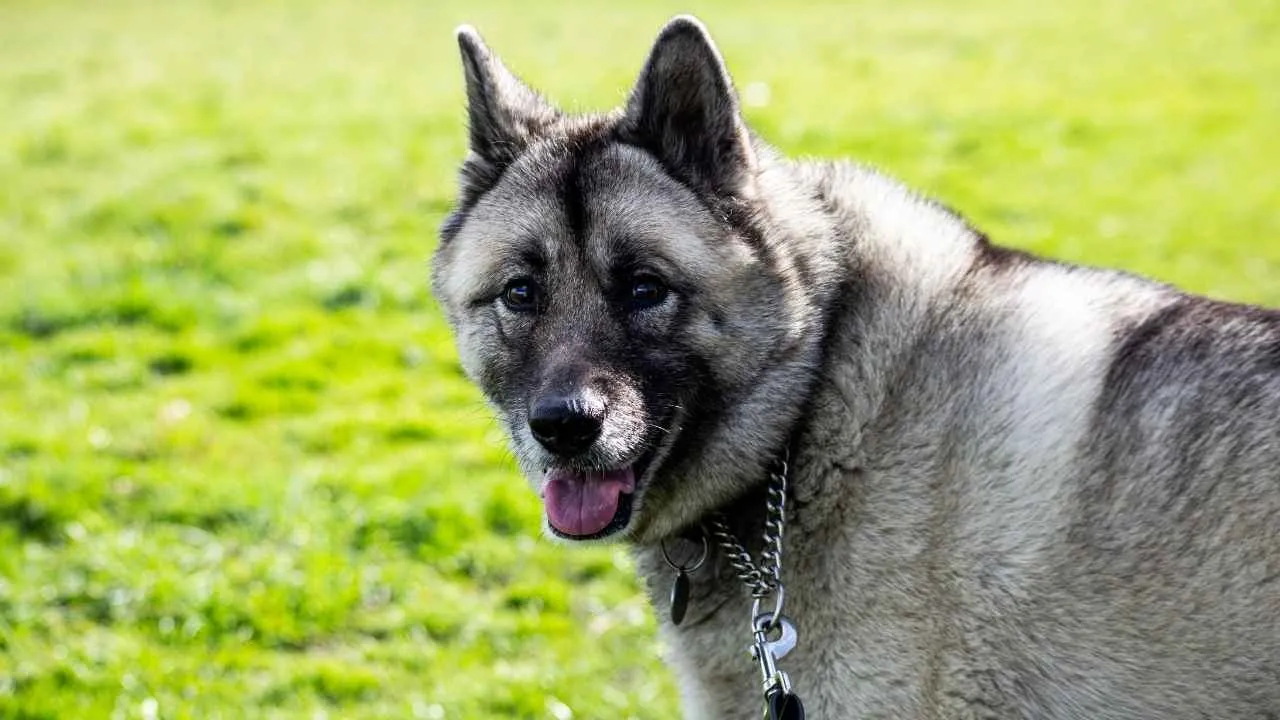
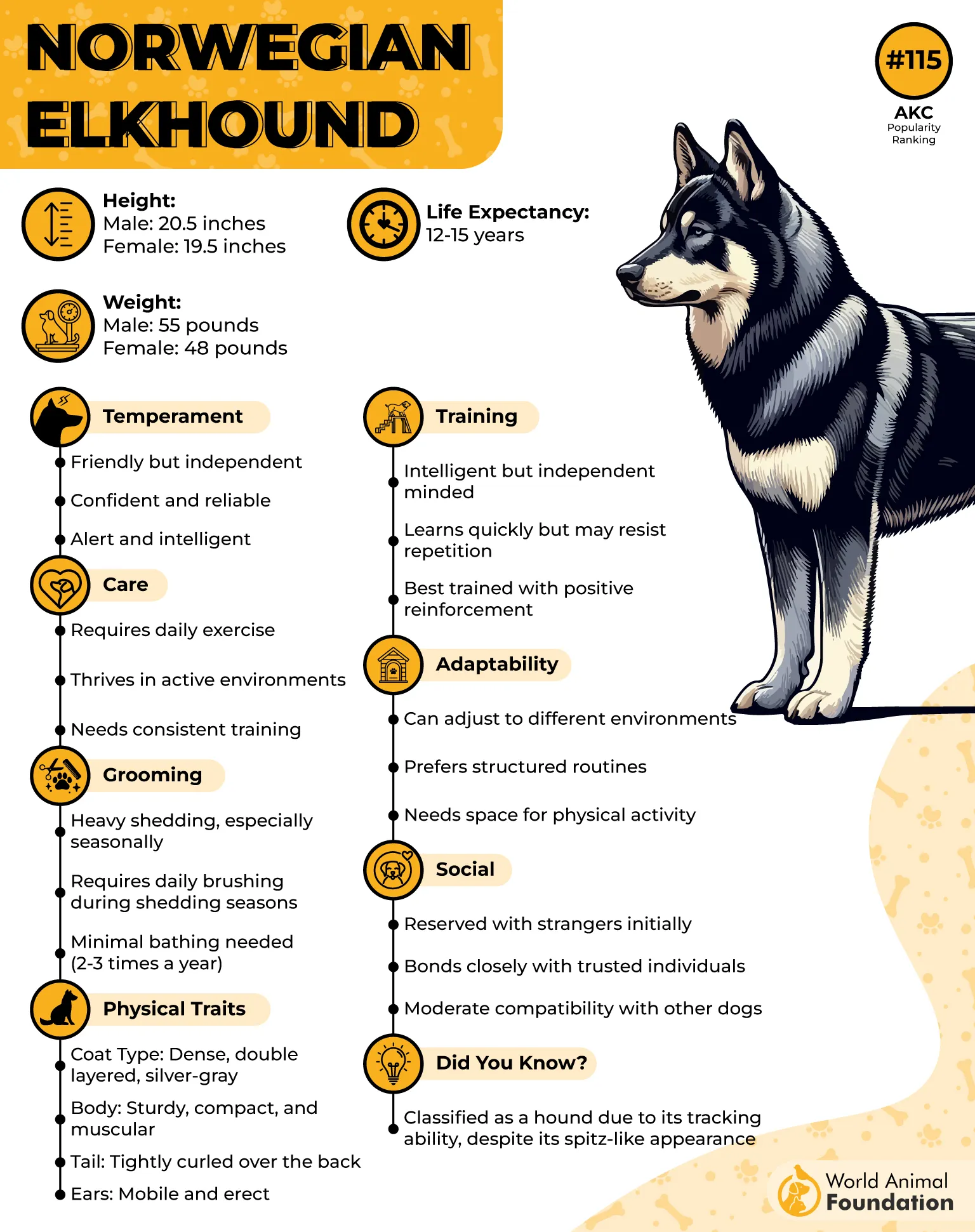
The Norwegian Elkhound has a long history in Scandinavia, where hunting dogs tracked large game through forests and mountainous terrain. The breed became particularly associated with hunting moose, known as elk in Europe.
Its compact, muscular body and dense coat suited the demands of outdoor work in northern climates. Today, the Norwegian Elkhound remains an energetic breed with strong tracking instincts.
Grooming and Health Needs
The Norwegian Elkhound’s double coat needs regular brushing, especially during seasonal shedding. Grooming also provides an opportunity to check for ticks, skin irritation, and debris after woodland walks.
Potential health concerns include hip dysplasia and certain inherited eye disorders. Regular veterinary examinations, balanced nutrition, and sufficient exercise help maintain its active lifestyle.
A Determined Tracker in Rugged Terrain
The Norwegian Elkhound’s toughness is closely connected to its ability to track game across uneven northern landscapes. Its dense coat helps insulate it in cold weather, while its athletic build supports sustained movement.
Unlike the Malamute, which specializes in heavy hauling, the Elkhound relies more on stamina, scenting ability, and persistence. Secure outdoor areas are important because an interesting scent can quickly draw its attention away from its handler.
Conclusion
The Estrela Mountain Dog, Siberian Husky, Bernese Mountain Dog, Anatolian Shepherd Dog, Akita, Tibetan Mastiff, Great Pyrenees, Alaskan Malamute, and Norwegian Elkhound demonstrate different forms of canine toughness. Some excel at pulling heavy loads, while others protect livestock or track game through challenging landscapes. Their unique working histories explain why resilience looks different from one breed to another.
However, physical strength and thick coats do not make any dog invulnerable. Every breed has specific grooming requirements, health considerations, and temperature limits. Even cold-adapted dogs need suitable shelter, fresh water, rest, and protection from dangerous weather.
Choosing one of these breeds requires understanding its temperament, exercise needs, and traditional working instincts. With responsible care and suitable activities, these remarkable dogs can maintain their health while demonstrating the resilience that made them valued working companions.
