




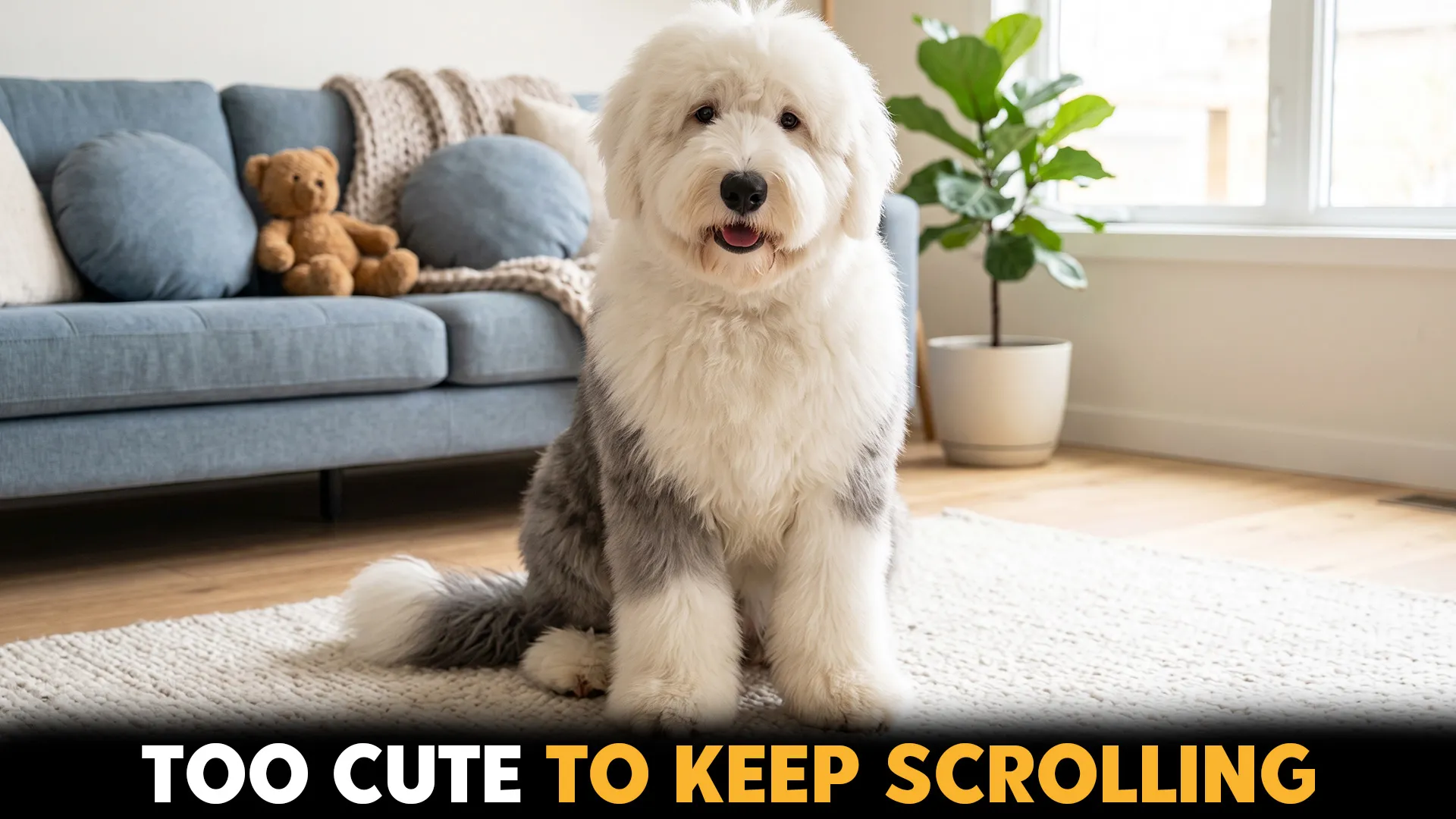
Some dogs seem to have skipped the ordinary-dog look altogether and stepped straight out of a toy box. With fluffy coats, round faces, soft expressions, and cuddly builds, these dogs can give you the same warm feeling as a favorite teddy bear.
The teddy bear look can come from different features, including a thick or fluffy coat, rounded facial features, floppy or upright ears, and a compact or sturdy build.
Some dogs naturally have these traits, while others are mixed breeds developed to create a particular cute, plush-like appearance. Their personalities can be just as varied as their looks, from playful and energetic to calm and affectionate.
If you’re drawn to dogs that look like they belong in your childhood toy collection, you’re about to meet 10 charming breeds that bring that unmistakable teddy bear vibe.
Charming Dog Breeds that Bring the Teddy Bear Vibe
1. Caucasian Shepherd Dog

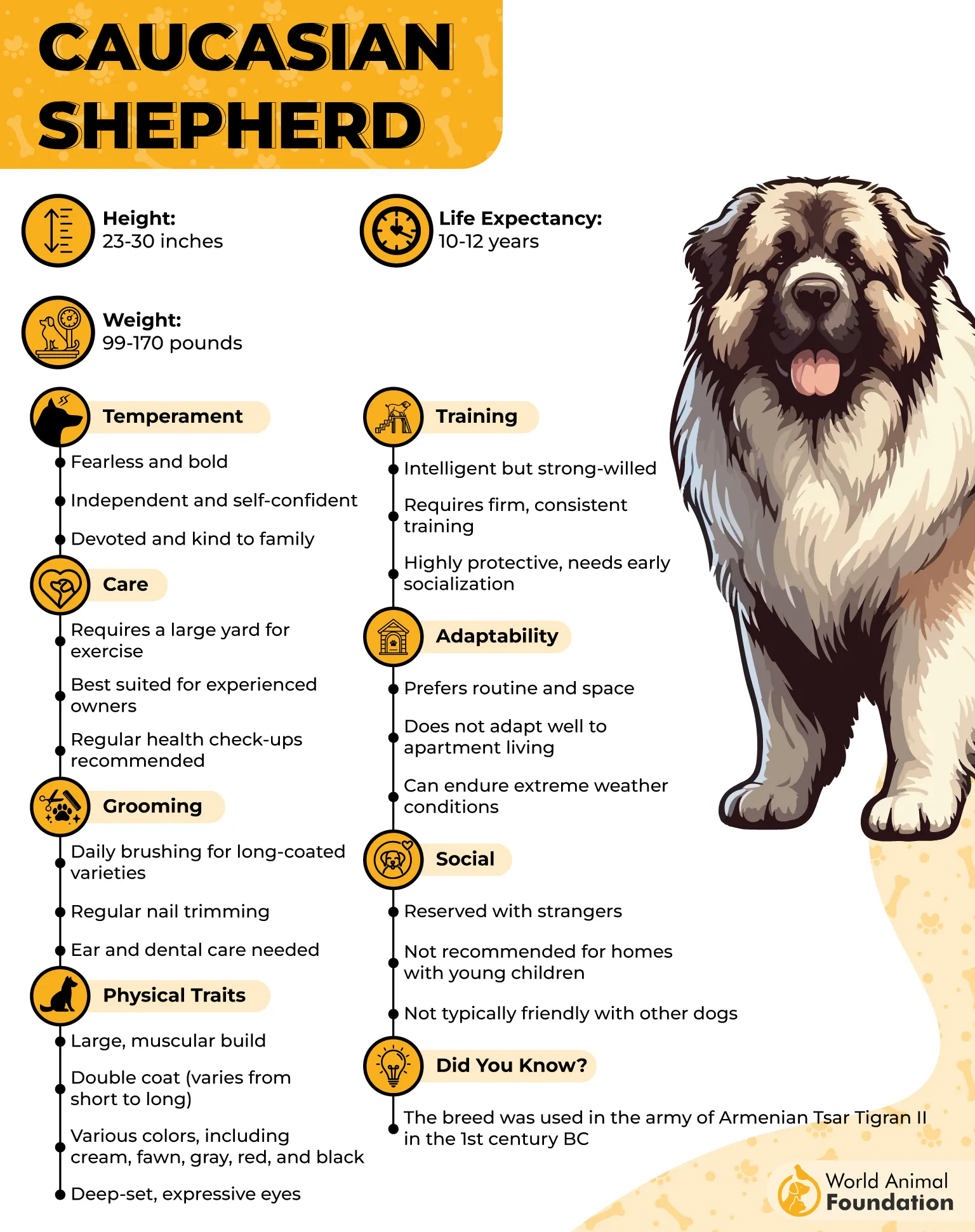
Caucasian Shepherds bring a bold teddy bear look with their thick coats, big-boned bodies, and large wedge-shaped heads.
Also called Caucasian Ovcharkas, Caucasian Mountain Dogs, or Russian Bear Dogs, they come from the Caucasus region where Europe meets Asia.
Their fluffy appearance may look cuddly, but these dogs were bred to protect livestock and property from predators.
Loyal Family Guardians
These dogs are loyal, sweet, and loving with their families. They are thoughtful, observant, and naturally alert.
However, their strong-willed and independent nature can make them wary of unfamiliar people and animals. They may also become territorial without proper training and socialization.
Training and Care
Caucasian Shepherds need plenty of space and dedicated care. Positive-reinforcement obedience training is important from an early age. Their guardian instincts also mean they may not suit first-time owners or homes with small, hyperactive children.
According to Purina, there are two types: Mountain Caucasian Shepherds, which have longer coats, and Steppe Caucasian Shepherds, which have shorter coats and lighter bodies.
2. Old English Sheepdog
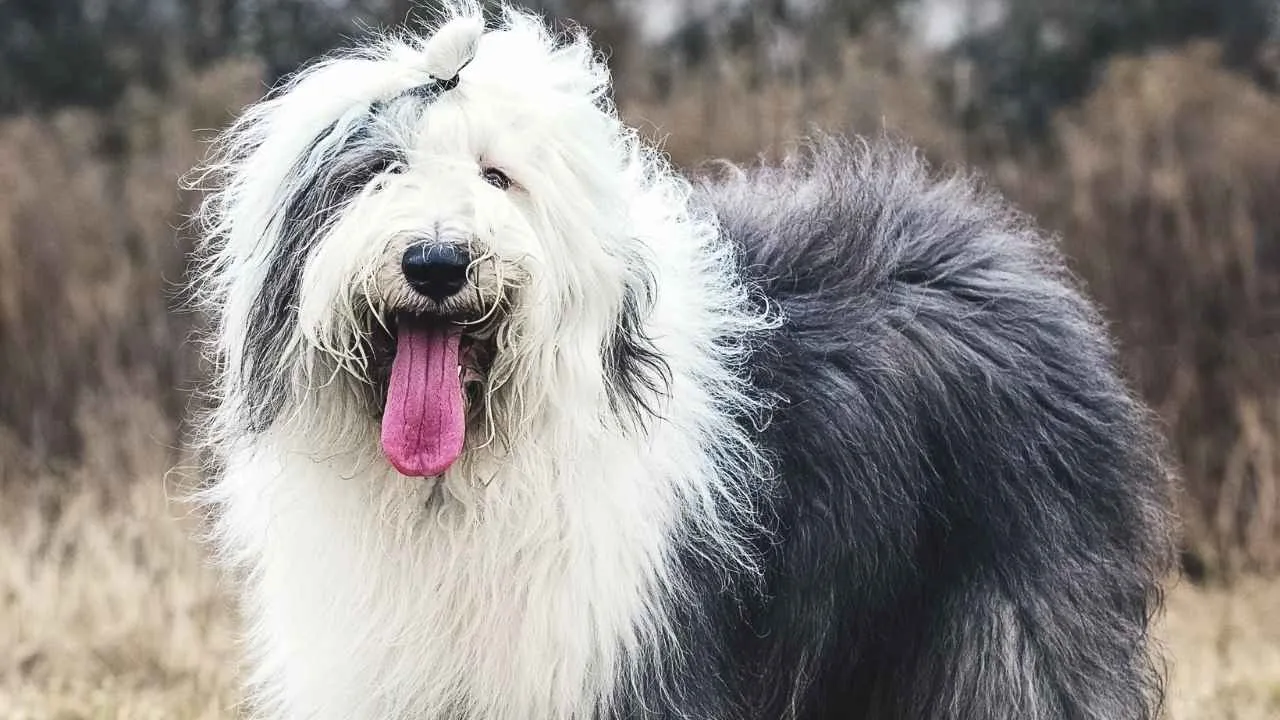
Old English Sheepdogs have a classic teddy bear look thanks to their shaggy coats and fluffy heads. Despite their cuddly appearance, they are strong and athletic working dogs.
The breed developed in western England about 200 years ago and was used to move sheep and cattle from farms to local markets. Their ancestry may also include dogs from Scotland and Russia.
Playful Family Companions
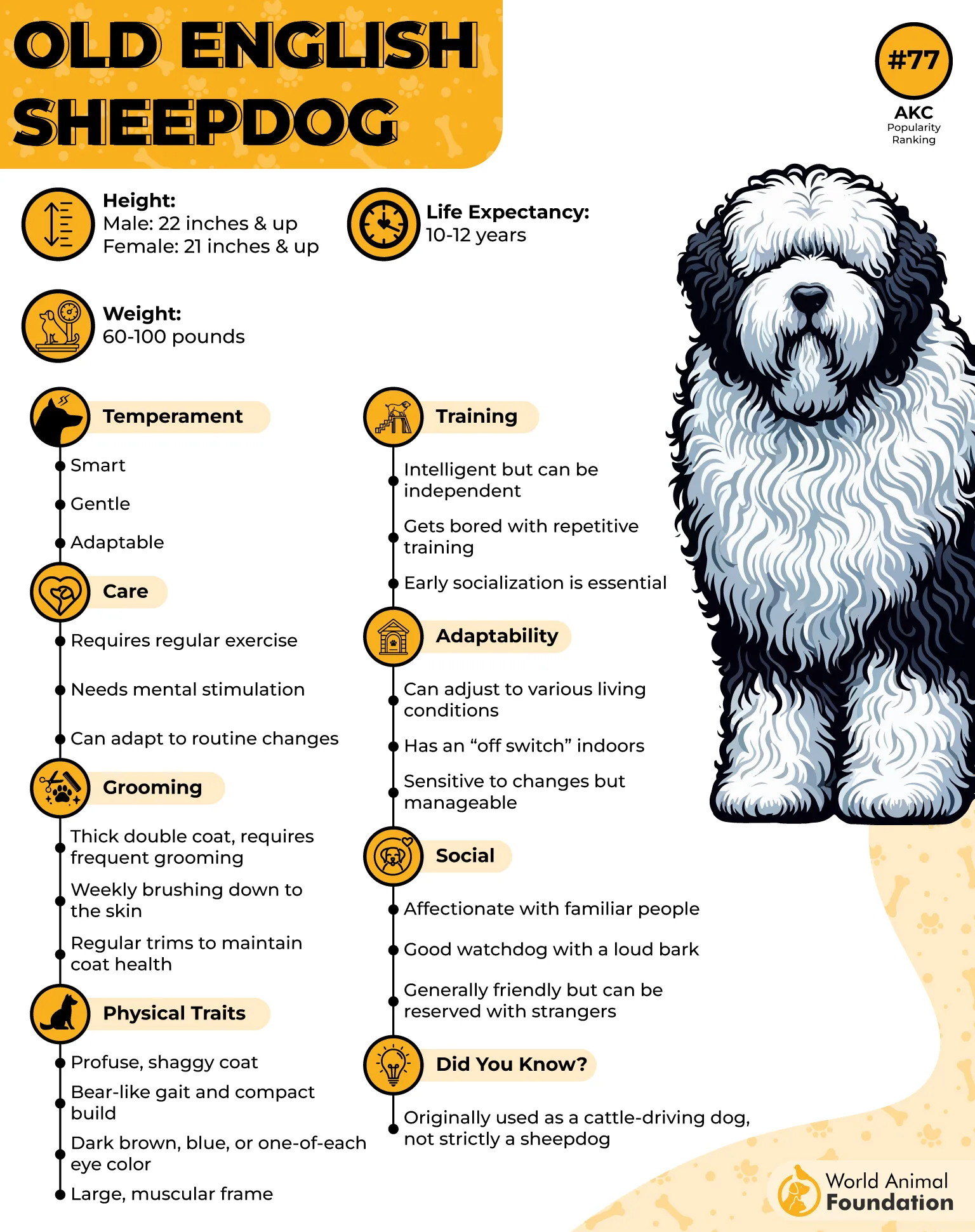
These dogs are cheerful, sociable, intelligent, and loving with their families. They can be watchful, faithful, and protective, with a loud, resonant bark.
Their playful nature can also make them boisterous, while some may take time to warm up to unfamiliar people and animals. Early socialization is important, as some can be dog-aggressive, especially males.
Exercise, Training, and Grooming
Old English Sheepdogs are smart but can be independent and strong-willed. They need consistent training, plenty of physical exercise, and mental challenges.
Without enough activity, digging and chewing may develop. Their thick, shaggy coats also need regular care, with at least three or four hours of grooming each week to prevent debris and mats.
3. Keeshond
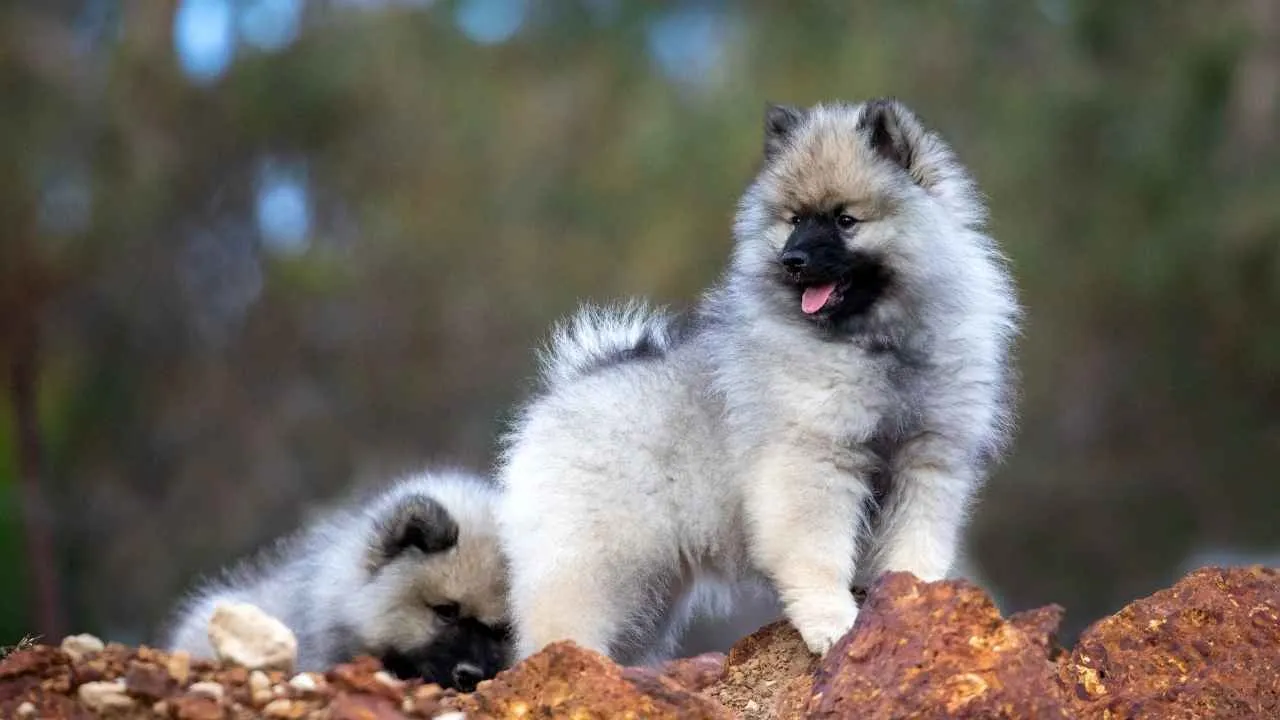
Keeshonden bring a fluffy teddy bear look with their dense coats, pointed ears, curled tails, and distinctive dark markings around their eyes.
This medium-sized breed comes from the Netherlands and was once known as the Dutch Barge Dog. They were bred to watch over barges along Holland’s canals and rivers, and their watchful nature remains today.
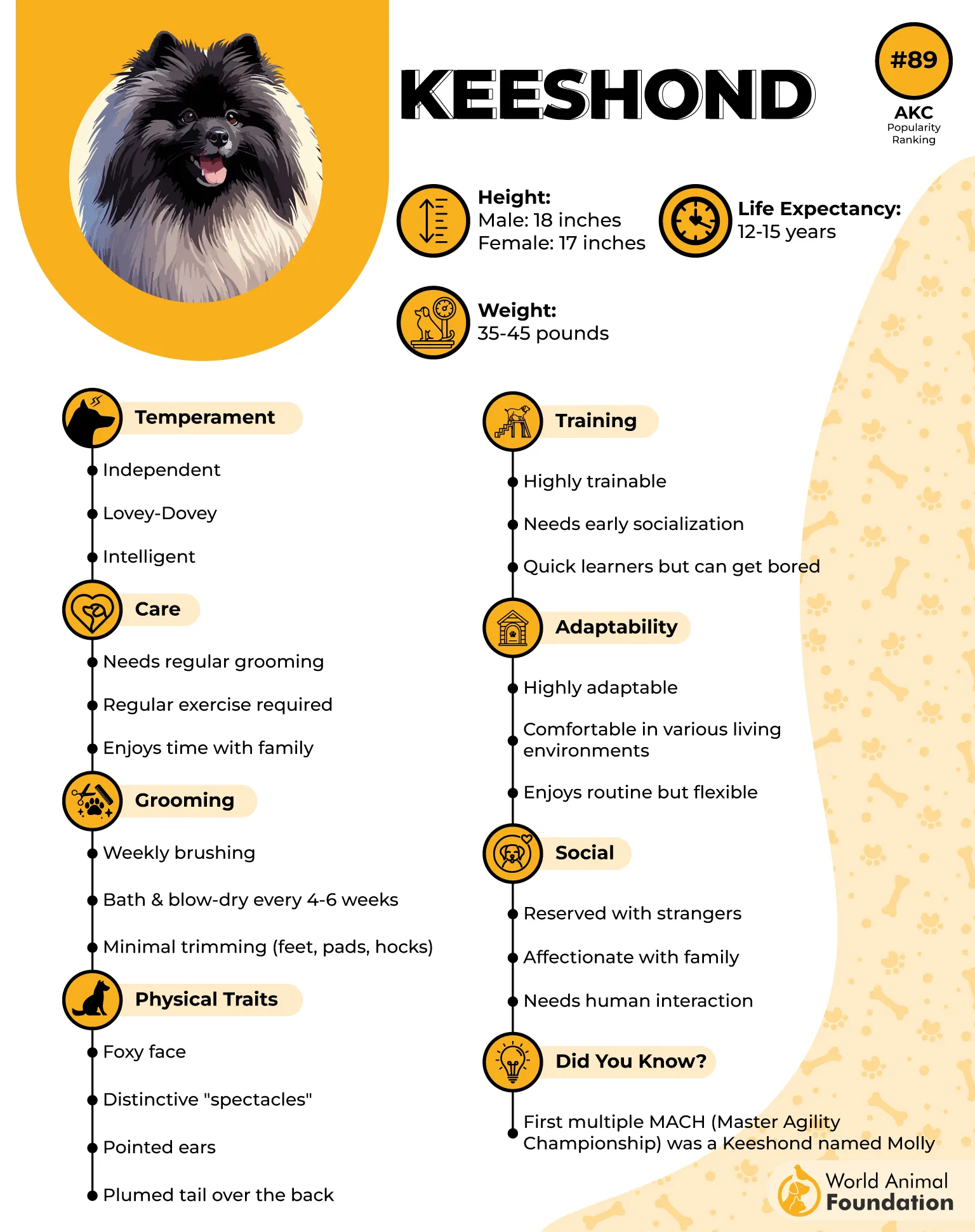
Friendly and Affectionate Companions
These dogs are friendly, outgoing, and highly affectionate. They prefer being part of family life rather than staying outside alone.
Keeshonden usually get along well with children, strangers, other dogs, and pets. They can be playful and mischievous, but their loving nature may also make them clingy when left alone.
Watchdogs and Training
Keeshonden are intelligent, biddable, and moderately easy to train. They naturally make alert watchdogs and usually need little special training for this role.
Their loud, stern bark warns when someone unfamiliar is nearby, but they rarely bite or become nuisance barkers. Despite their watchdog instincts, they are gentle and not suited to being protection dogs, according to Britannica.
4. Samoyed
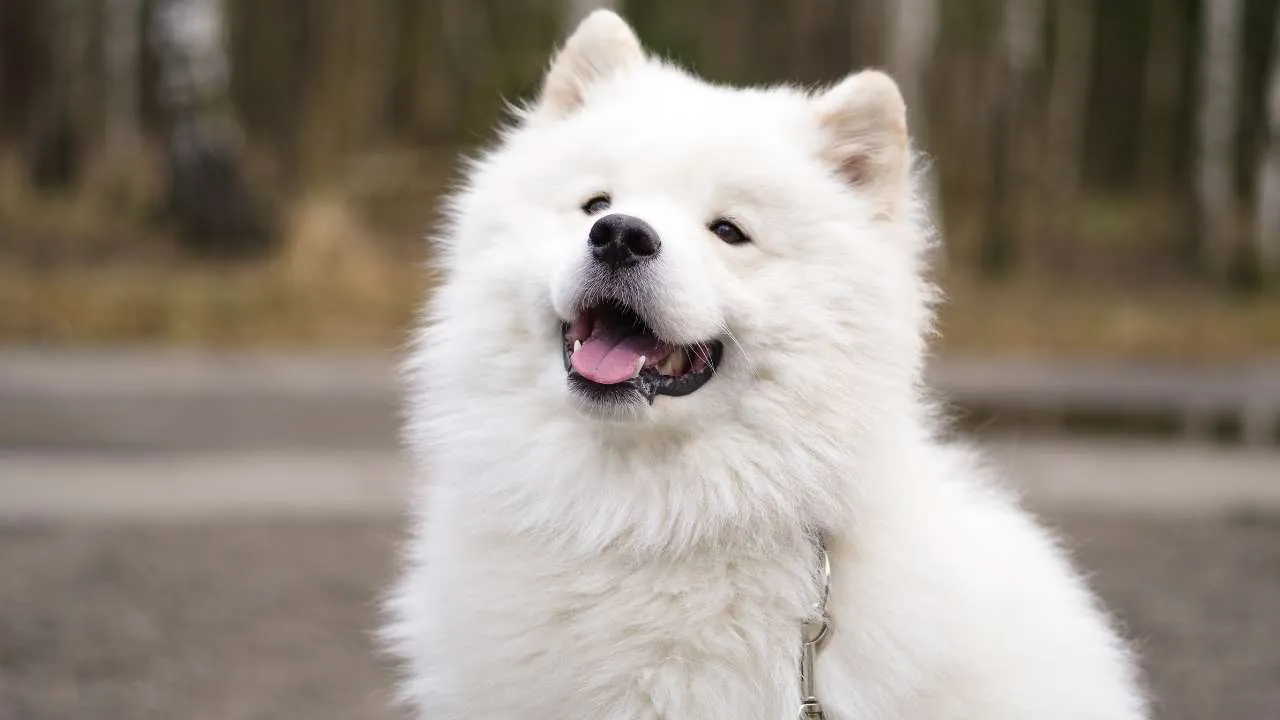
Samoyeds have a classic teddy bear look with their thick, fluffy coats and sweet upturned smiles. Their coats can be white, cream, or biscuit-colored.
This ancient working breed was developed in Siberia, where its thick coat helped it stay warm while pulling sleds and herding reindeer for the Nenets people.
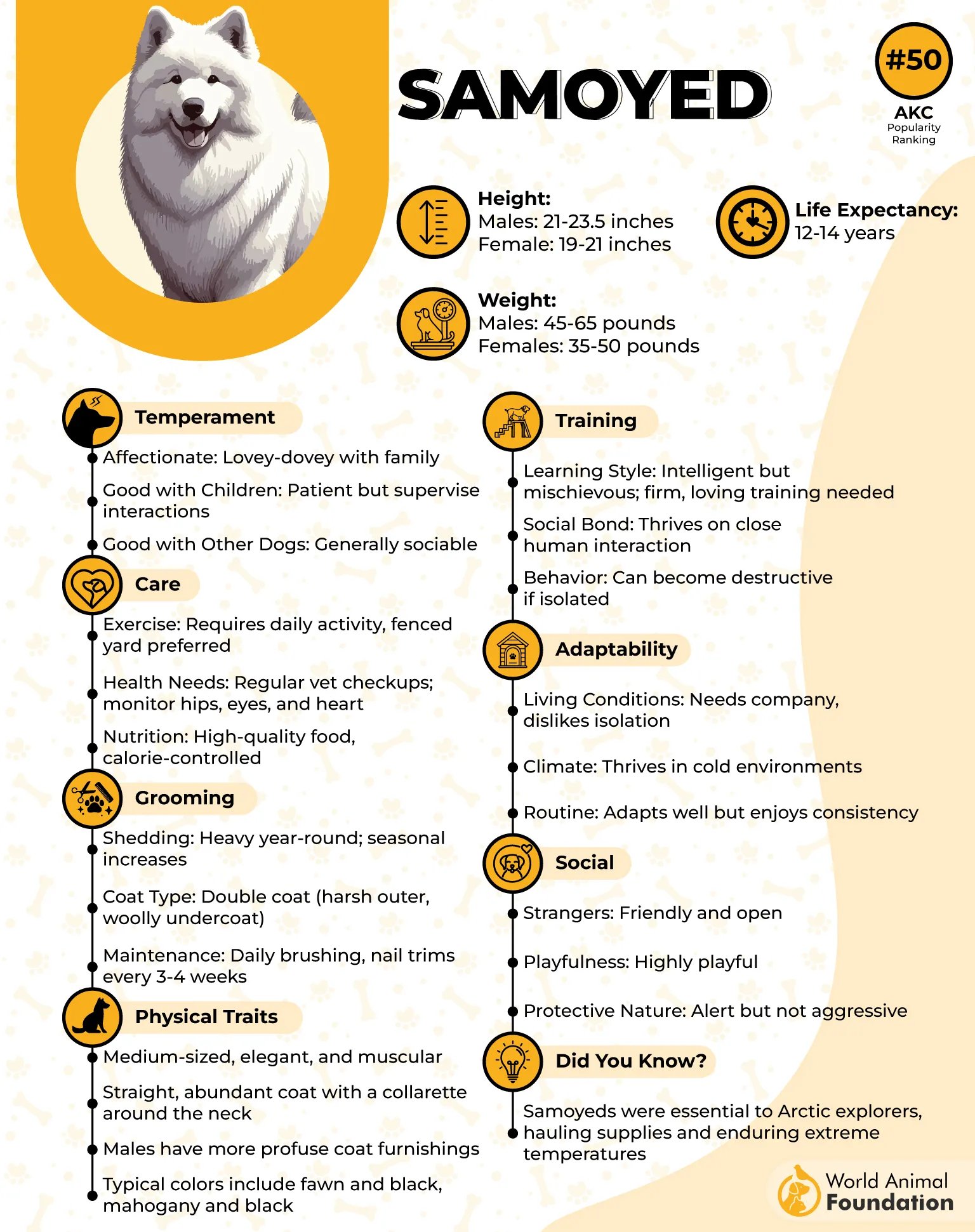
Playful and Devoted Companions
These dogs are kind, gentle, intelligent, and devoted to their families. They enjoy human company and usually get along well with children, people, other dogs, and pets they grow up with.
Their playful nature can continue throughout life, but they may be boisterous around very young children. They can also be independent, mischievous, and easily distracted.
Exercise, Training, and Care
Samoyeds need daily exercise, socialization, and training to stay happy and mentally engaged. Reward-based training can help them learn quickly, although they are not always highly obedient.
Digging and excessive barking can become problems when they are left alone or lack enough activity.
5. Pomeranian
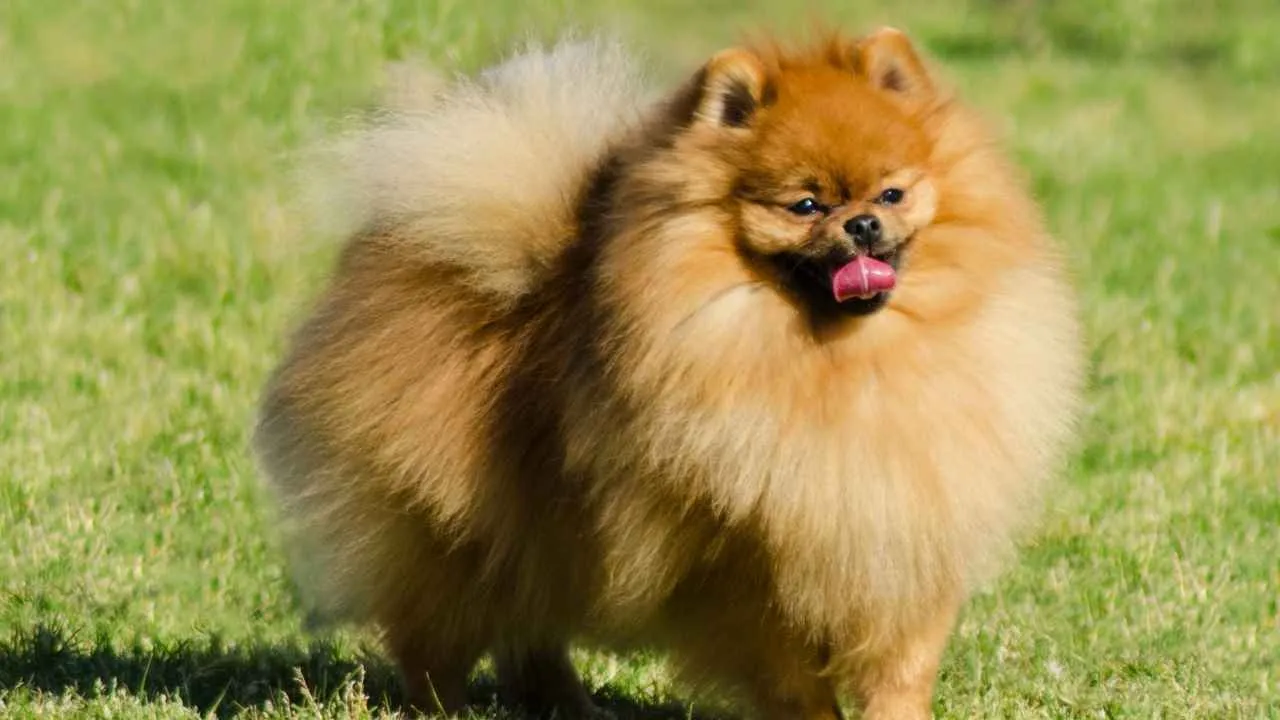
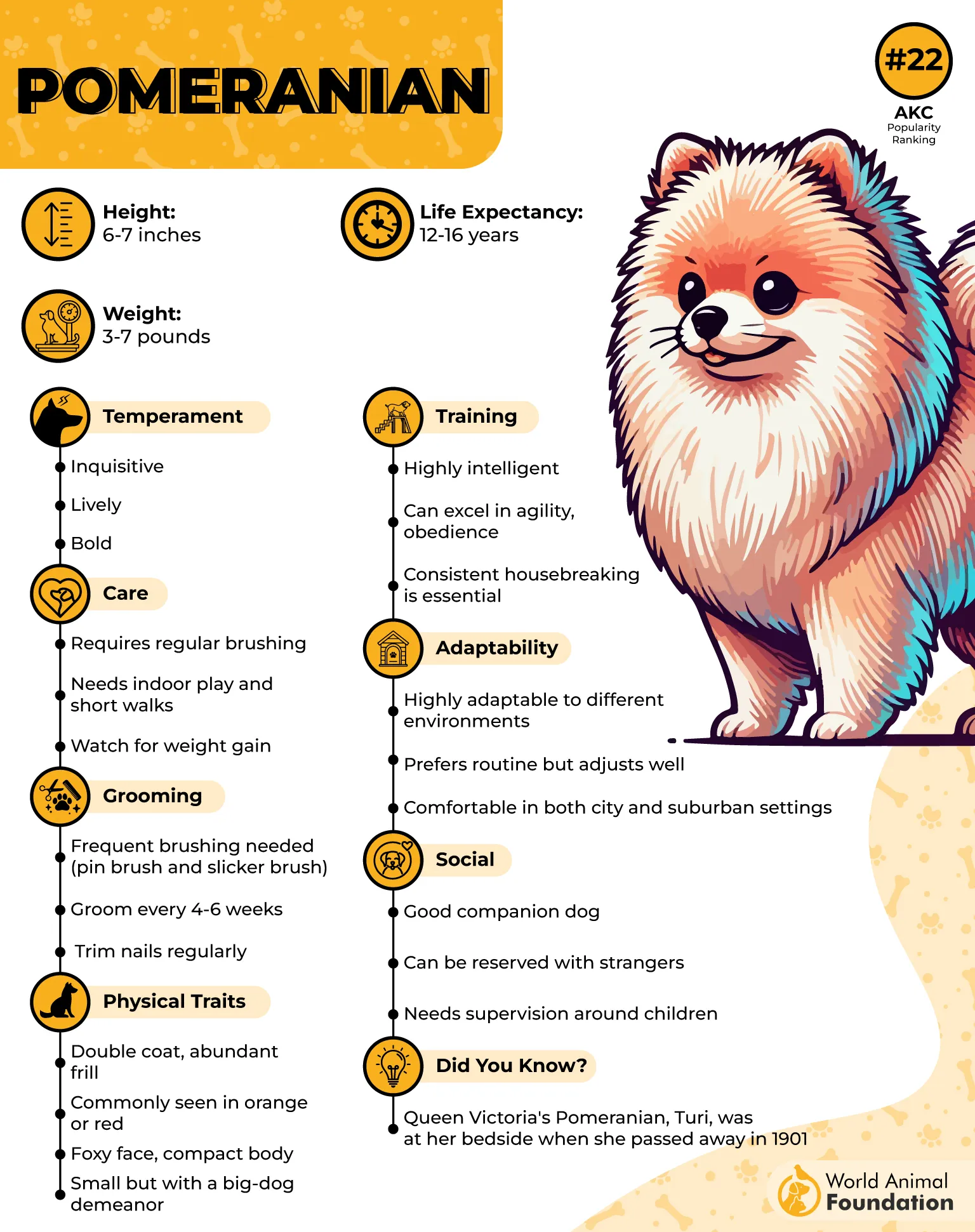
Pomeranians bring a tiny teddy bear vibe with their fluffy coats, bright expressions, and cheerful personalities. They are the smallest of the spitz breeds, but their confidence is much bigger than their size.
Also called Poms, Zwergspitz, dwarf spitz, or loulou, these dogs were historically favored by royalty and can have coats in many colors and patterns.
Bold and Playful Companions
Pomeranians are bright, friendly, loyal, and full of energy. They enjoy games, adventures, and learning tricks. They can be playful and independent, with a stubborn streak at times.
Despite their small size, they may challenge much larger dogs or loudly warn them off. They can also be good with children and cats, but children should learn to handle them gently.
Training and Everyday Care
These dogs need daily exercise, even if it is only a short walk. They are intelligent and can do well with obedience training when guided consistently.
Early socialization is important because they can be vocal and strong-willed. Pomeranians may also develop separation anxiety, so they do best when someone is around for much of the day.
6. Bichon Frise
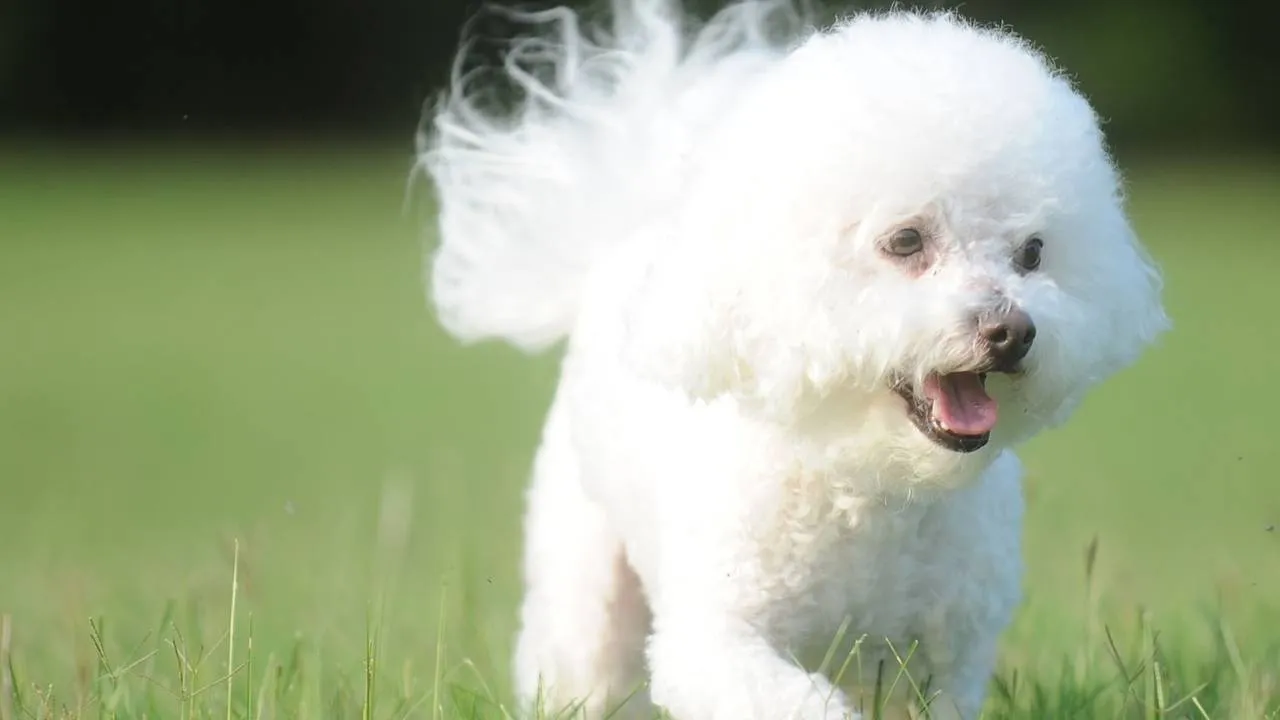
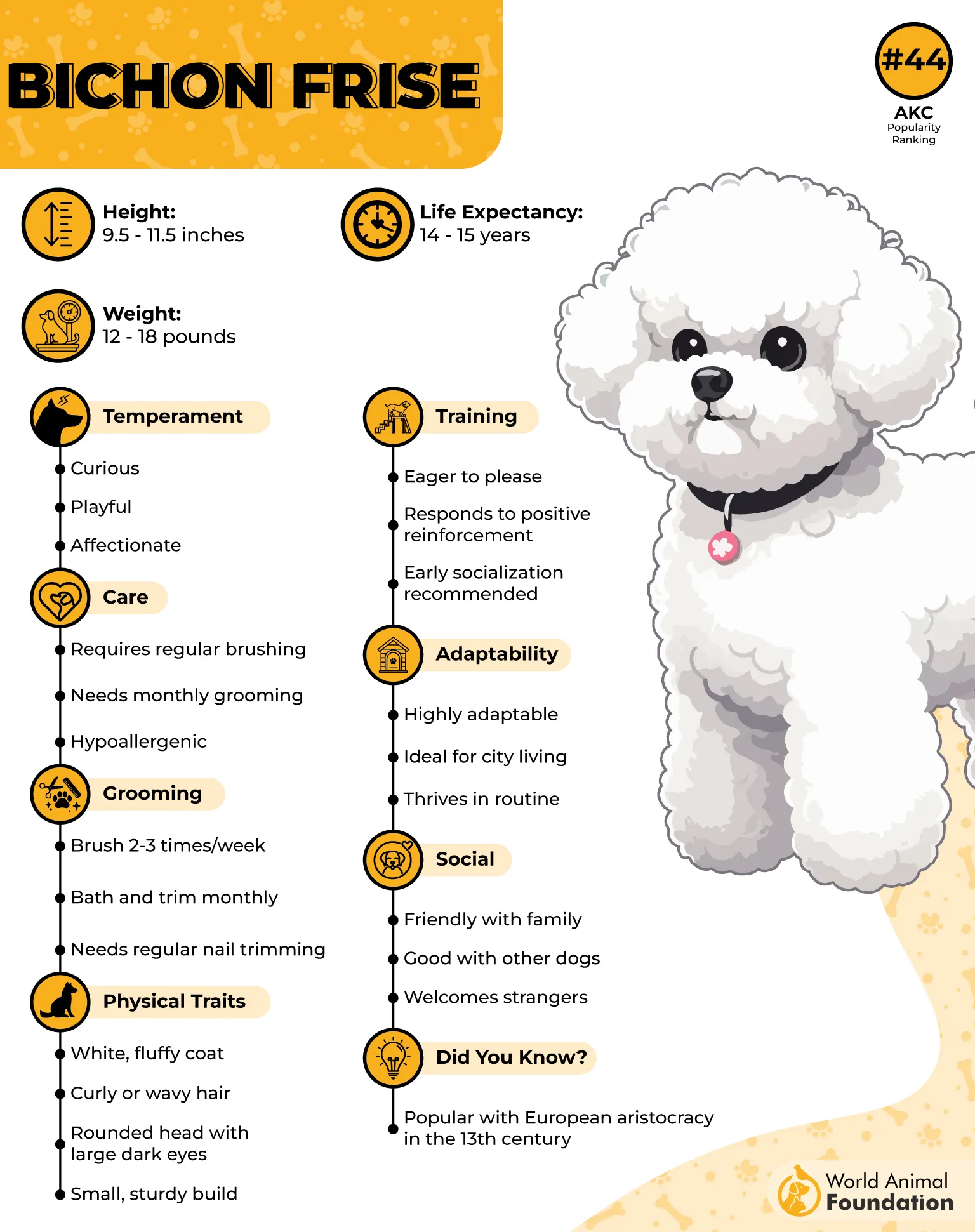
Bichon Frises have a naturally teddy bear-like look thanks to their soft, fluffy coats and cheerful expressions. These small dogs are playful, affectionate, and full of personality.
They are friendly with people, children, other dogs, and household pets, making them lively companions for many types of homes.
Cheerful and Social Companions
Bichons love being around their families and enjoy both playtime and cuddles. They are curious, energetic, and eager to please, which makes them easy to train.
Their playful nature can keep them entertained for hours, but they are also happy to relax with their people once their energy needs are met. They may struggle with being left alone for long periods and can become destructive when bored.
Training and Everyday Care
These dogs need moderate exercise, such as short daily walks and play sessions. Early and consistent training is useful because Bichons can be alert and vocal, often barking at unfamiliar sounds.
Their fluffy coats also need regular grooming to stay neat and free from mats. While they are often considered more allergy-friendly because they shed less, no dog is completely hypoallergenic.
7. Newfoundland
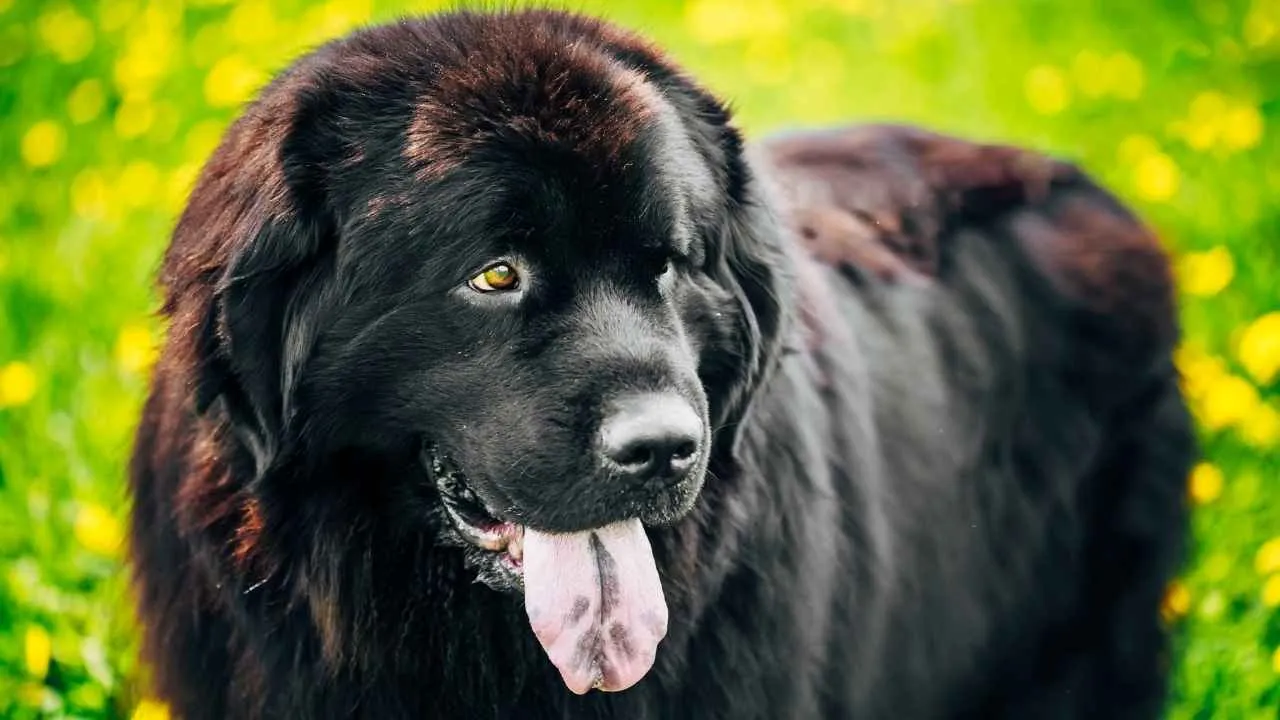
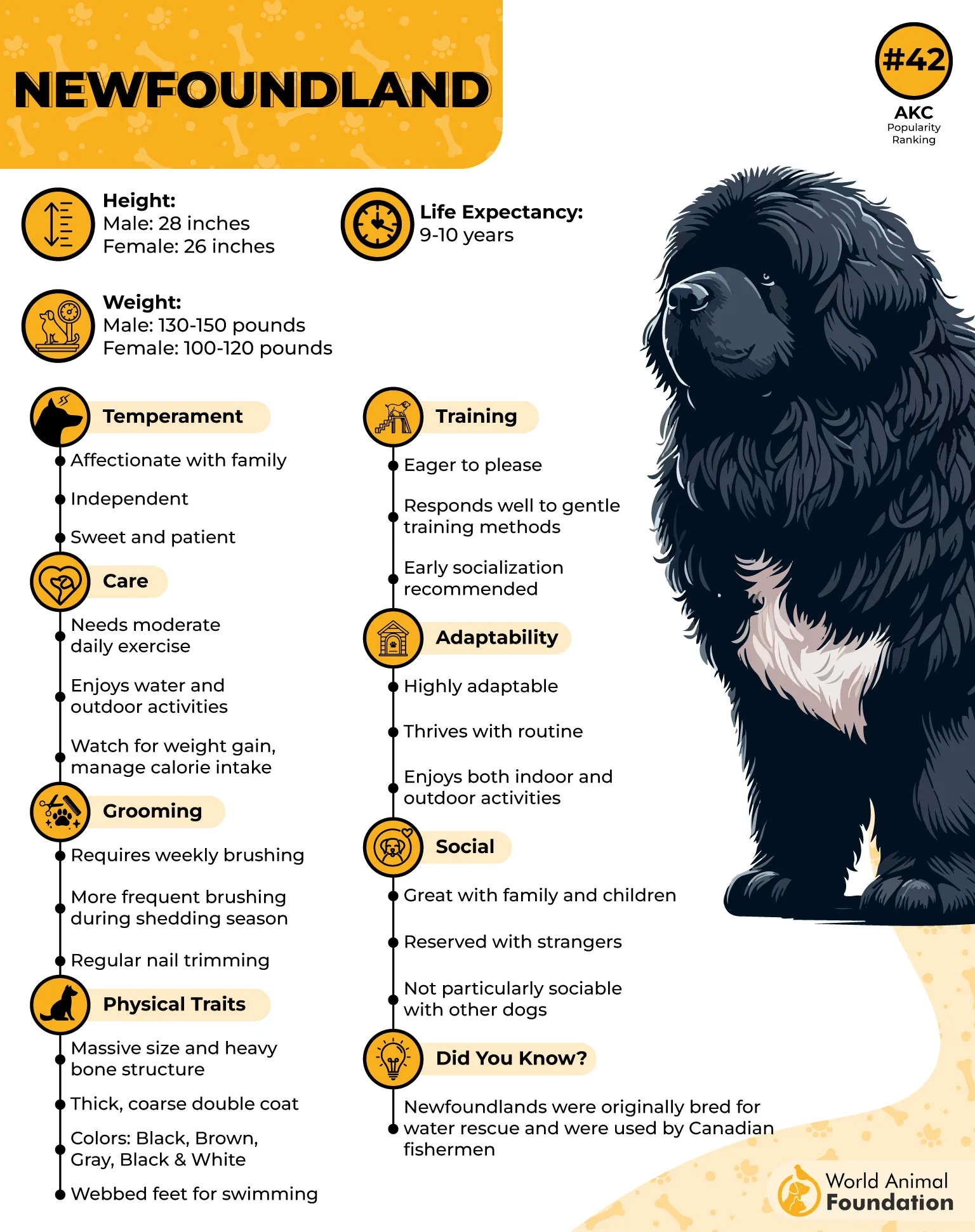
Newfoundlands bring the teddy bear vibe in a much bigger package. These gentle giants are calm, affectionate, playful, and easygoing with people, dogs, and household pets.
Known as Newfies, they originated in Newfoundland, Canada, where they worked with fishermen and served as water rescue dogs. Their thick double coats and webbed paws also make them natural swimmers.
Gentle Family Companions
Newfoundlands are patient and devoted family dogs, especially around children. Their sweet nature has earned them the nickname “nanny dog.” They are usually friendly with strangers and other animals and are rarely aggressive.
However, their size and strength can make them difficult for young children or seniors to manage. They can also become protective if they or their family feel threatened.
Training and Everyday Care
These dogs are intelligent and willing to please, but they learn at their own pace. Early training is important, especially because they become very strong as they grow.
They need regular brushing because their thick double coats shed throughout the year. Drooling is also common.
8. Leonberger
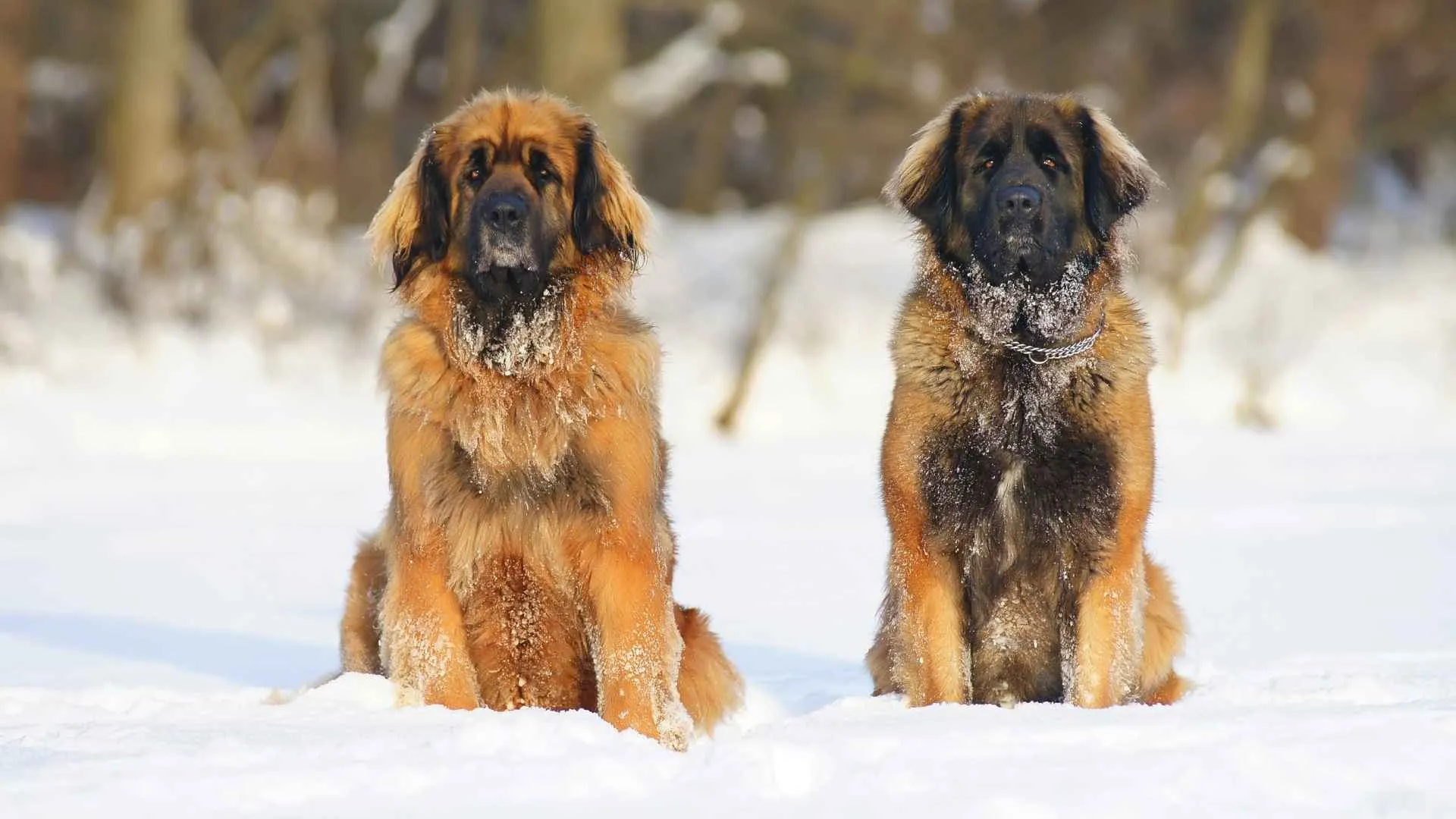
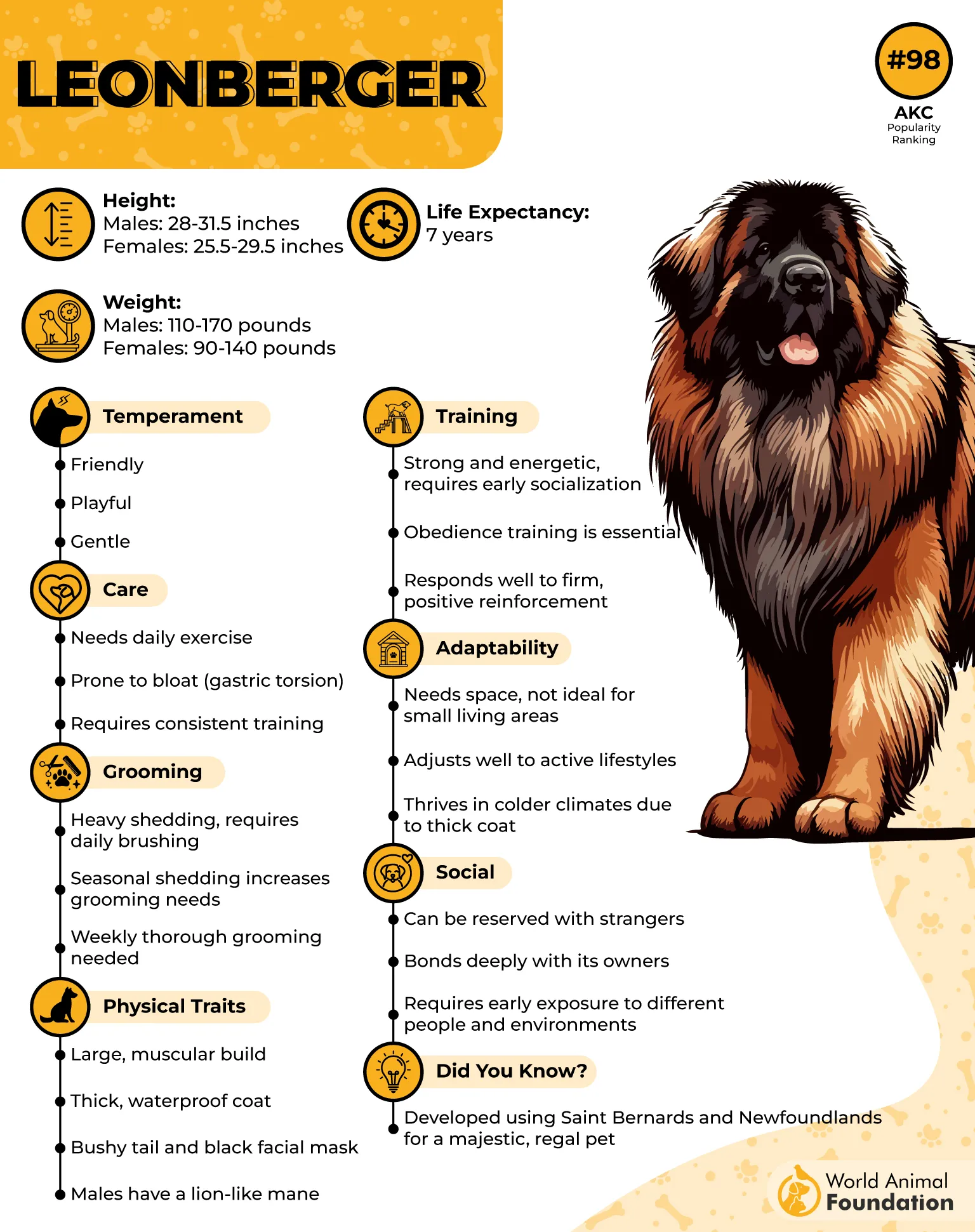
Leonbergers have a striking teddy bear look with their long coats, broad bodies, and lion-like appearance.
According to PetMD, the breed gets its name from Leonberg, Germany, and legend says it was developed in the 17th century by crossing Newfoundlands, Saint Bernards, and Great Pyrenees.
Gentle and Devoted Family Dogs
Leonbergers are loyal, patient, calm, and confident when properly socialized. They are gentle with children and generally get along well with other dogs and pets. These intelligent dogs enjoy playtime but are also happy to relax at home.
They love being around their families and need plenty of affection. Their protective side can become more noticeable during adolescence.
Training and Grooming
These dogs respond best to kind, clear, and consistent training. Short, positive sessions and plenty of repetition can help them learn. Early socialization is also important.
They enjoy having a job or activity to focus on, and boredom can lead to chewing or digging. Their long, beautiful coats also require a great deal of grooming.
9. Tibetan Mastiff
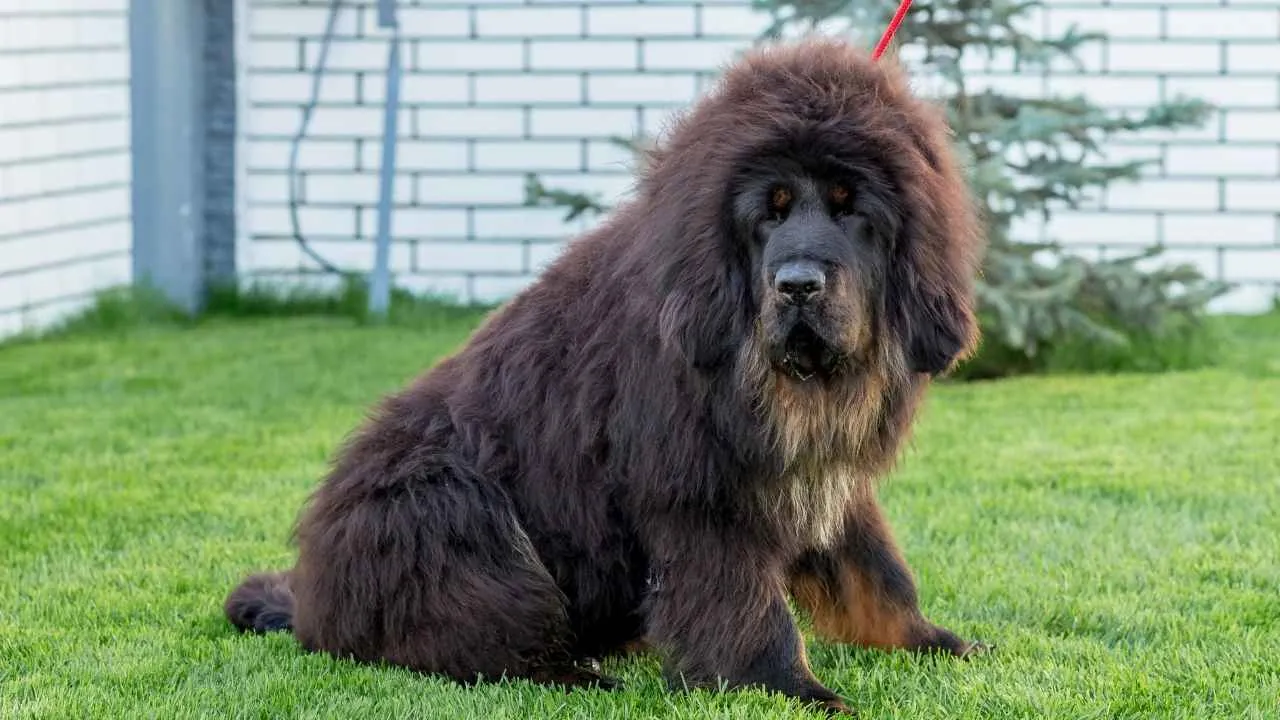
Tibetan Mastiffs have a striking teddy bear presence with their thick coats, broad heads, muscular builds, and feathered tails curled over their backs.
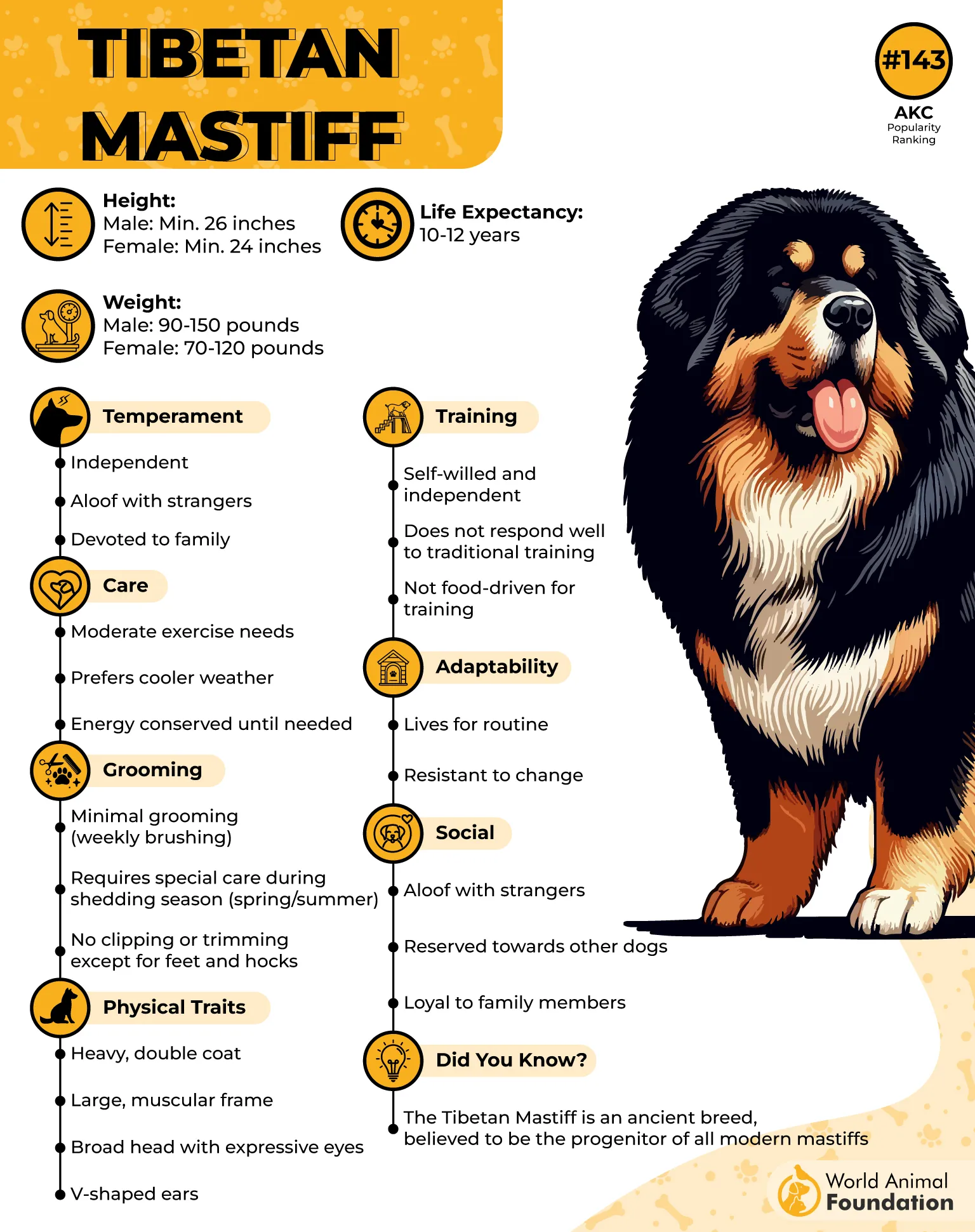
These ancient dogs originated in Tibet, with written records dating back to 1100 BCE. They were traditionally bred as guardians and are known in Tibet as “do khyi,” meaning “home guard.”
Loyal but Reserved Guardians
These dogs are loving, devoted, and fiercely protective of their families. They are usually calm, reserved, alert, and watchful, but they can be wary of strangers and unfamiliar animals.
Tibetan Mastiffs are highly independent and self-assured, often preferring to go their own way. They can also be patient and courageous when protecting their people.
Training and Everyday Care
Tibetan Mastiffs are intelligent but strong-willed, so they need experienced owners and firm yet gentle training. Early socialization is important to help them become more adaptable around people, pets, and new situations.
Their thick double coats need regular brushing, especially during their yearly shedding period. They also do best with space to roam and a place they can watch over.
10. Chow Chow
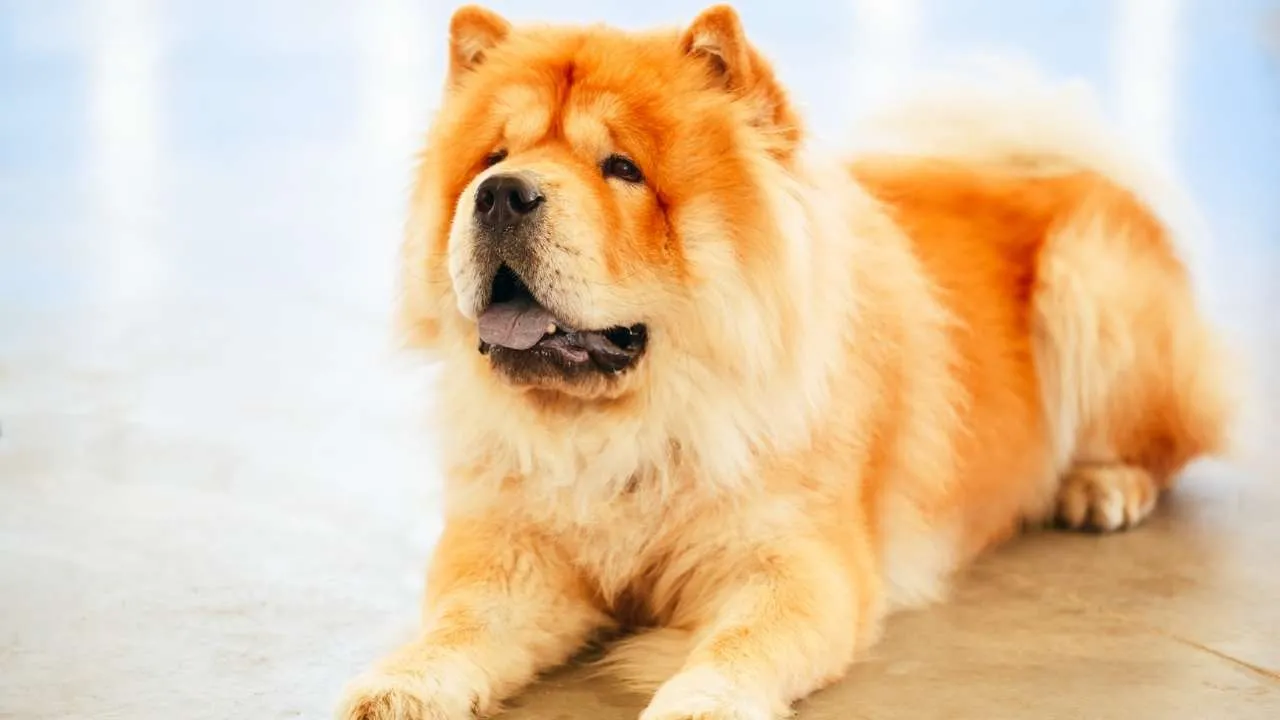
Chow Chows have a classic teddy bear appearance with their fluffy coats, flat faces, droopy eyes, and curled tails.
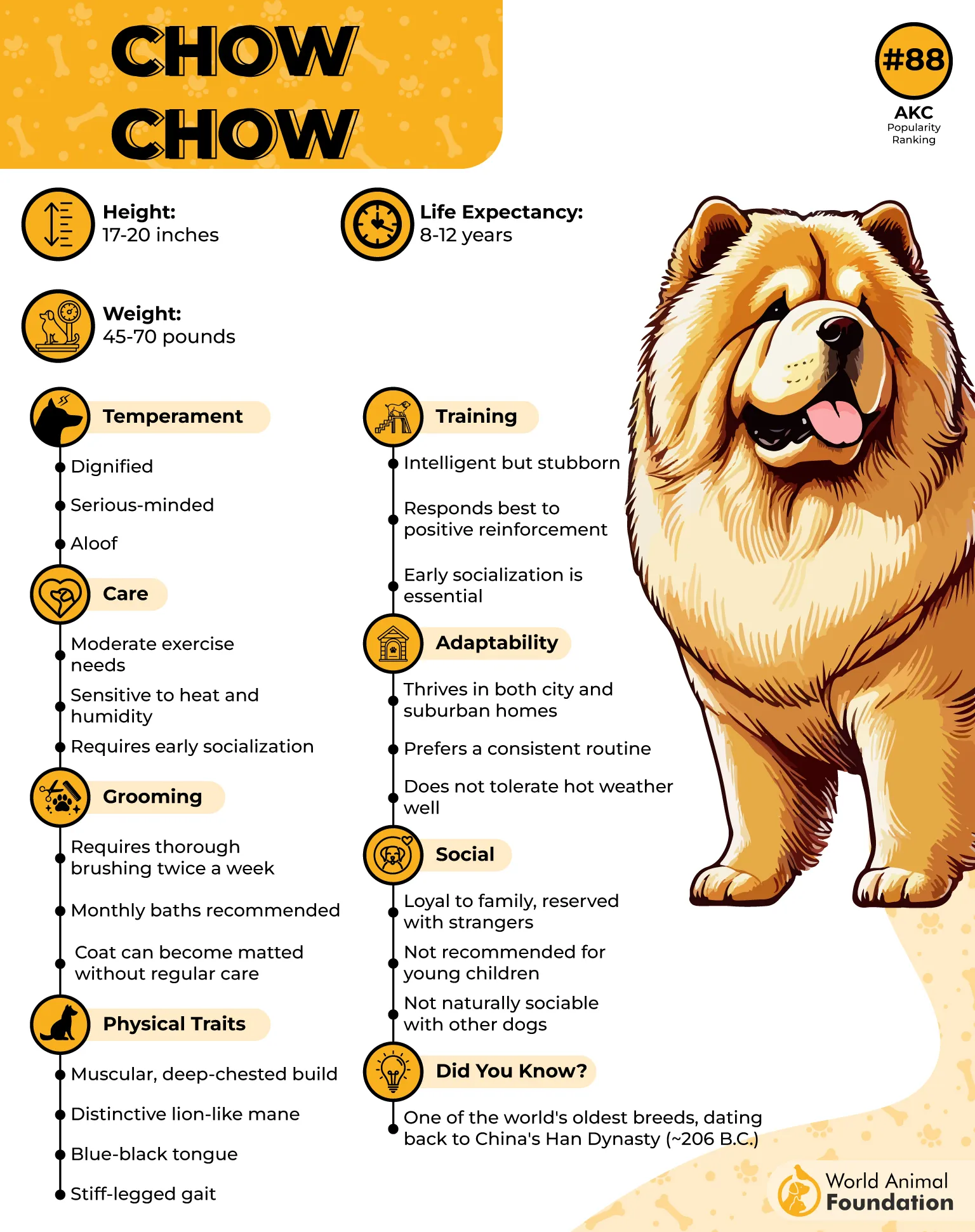
These ancient dogs originated in China during the Han Dynasty, from 206 BCE to 220 CE. Over the years, they worked as guardians, hunters, cart-pullers, and companions. Their distinctive blue-black tongues also make them easy to recognize.
Loyal but Independent Companions
Chow Chows are intelligent, loyal, and strongly independent. They often bond closely with one person while watching over the whole family. However, they are usually aloof with strangers and prefer having their personal space respected.
With early socialization and training, they can become more welcoming around people and other dogs. They generally do best with older children who understand their reserved nature.
Training and Coat Care
These dogs can be stubborn and difficult to train, so early and consistent training is important. Chow Chows are fairly low-energy and do well with short walks and mental stimulation.
Their thick double coats need frequent brushing to reduce shedding and prevent mats. They can also overheat in warm weather because of their heavy coats and short snouts, so exercise should be kept manageable in hot conditions.
Conclusion
Teddy bear dogs come in all shapes, sizes, and personalities, from fluffy companions to large, powerful guardians. The breeds mentioned above may share that cuddly appearance, but each has different needs, temperaments, and care requirements.
Before bringing one home, look beyond the adorable looks and consider the breed’s exercise, grooming, training, and socialization needs.
The best match is one whose personality and everyday care fit your lifestyle. After all, a teddy bear look may catch your eye, but it’s the bond you build that makes a dog truly special.
