




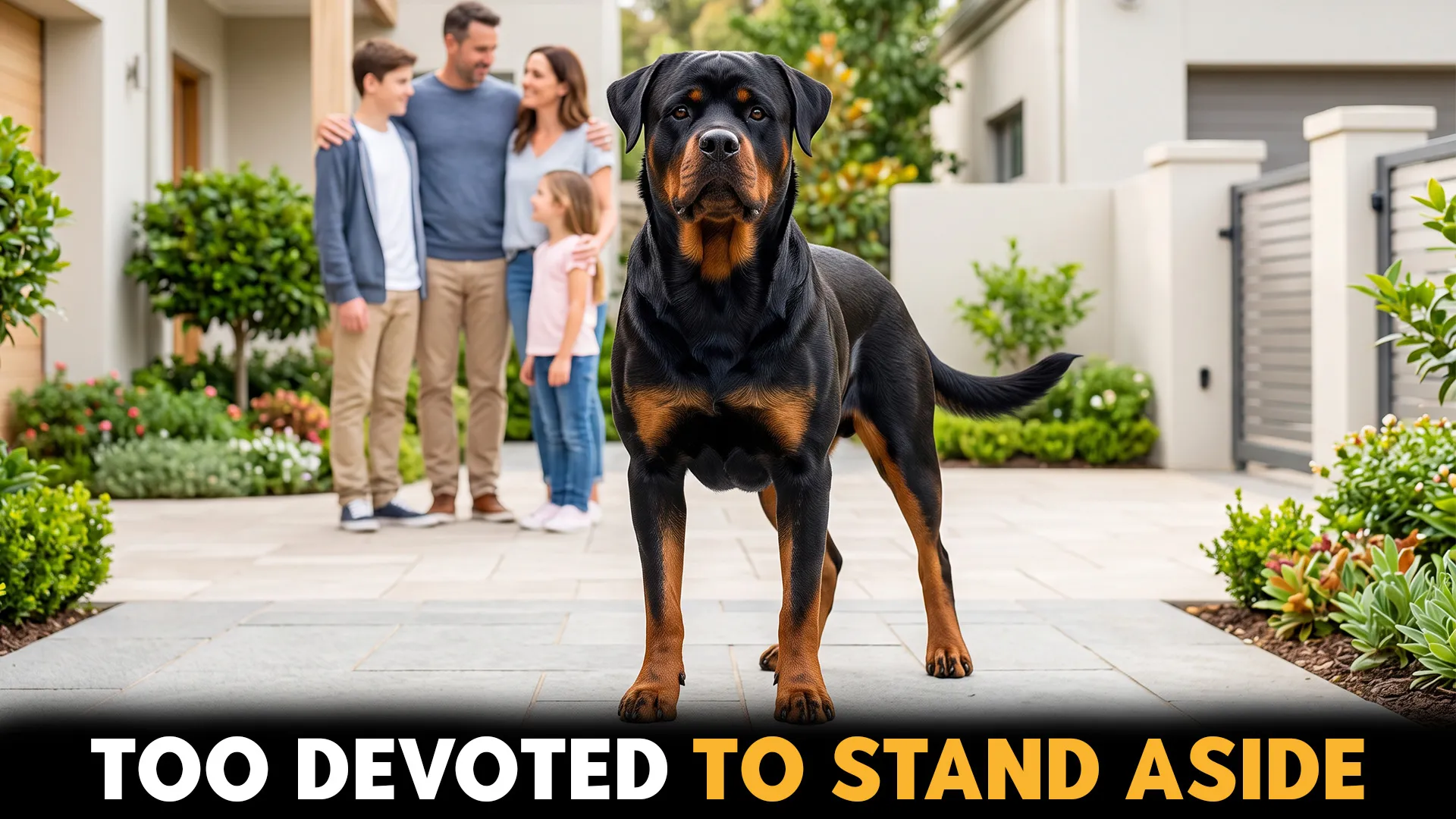
A reliable guard dog can bring an extra sense of security to a home, but protection is about much more than size or strength. The right dog should be alert, confident, loyal, and able to stay calm when something feels unfamiliar.
Choosing the right dog also means thinking about your home, daily routine, and family dynamics. Some dogs are naturally more watchful and protective, while others may be more energetic, independent, or reserved around strangers.
Their temperament and energy level should fit your lifestyle so they can be both a trusted guardian and a comfortable companion at home.
In this article, we’ll look at some of the best guard dog breeds and what makes each one stand out as a potential protector.
Key Takeaways
Discover what makes a truly reliable guard dog for family protection.
See why German Shepherds, Dobermans, and Cane Corsos stand out as protectors and great family pets.
Learn how Boxers, Rottweilers, and Rhodesian Ridgebacks balance loyalty with alertness.
Find out how training, socialization, and daily exercise shape a dependable family guard dog.
Reliable Dog Breeds for Owner and Family Defense
1. German Shepherd
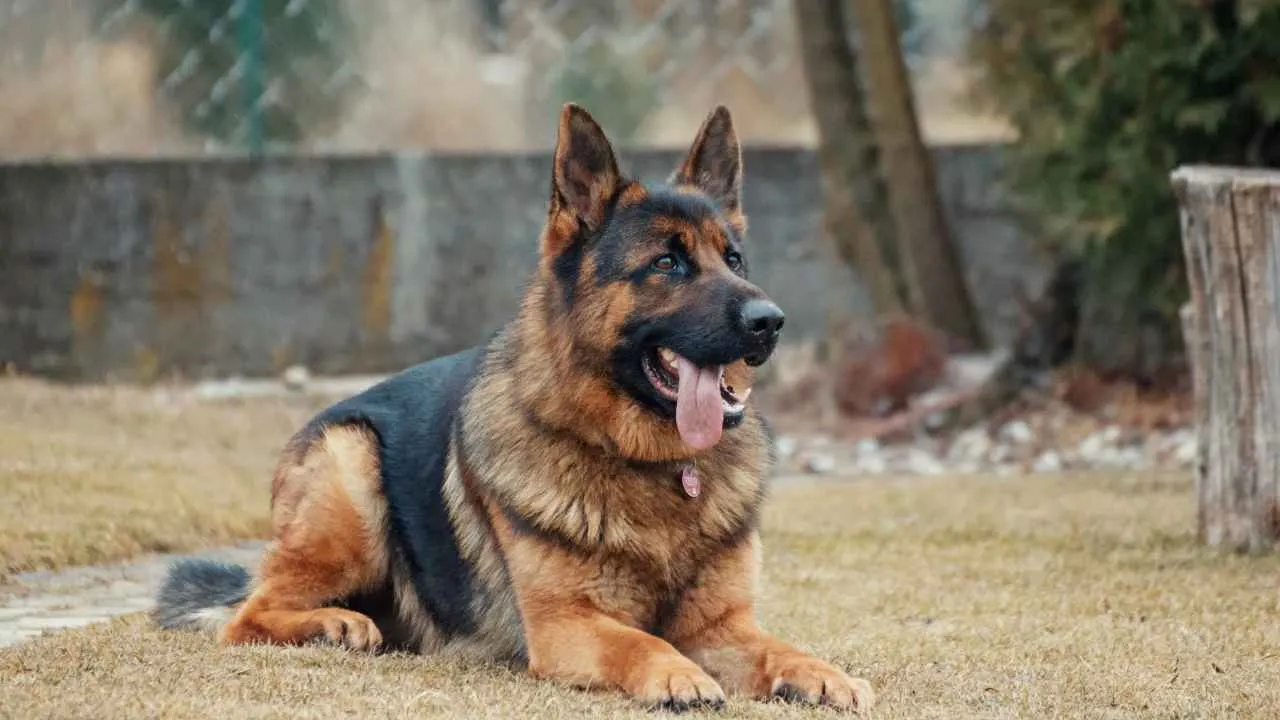
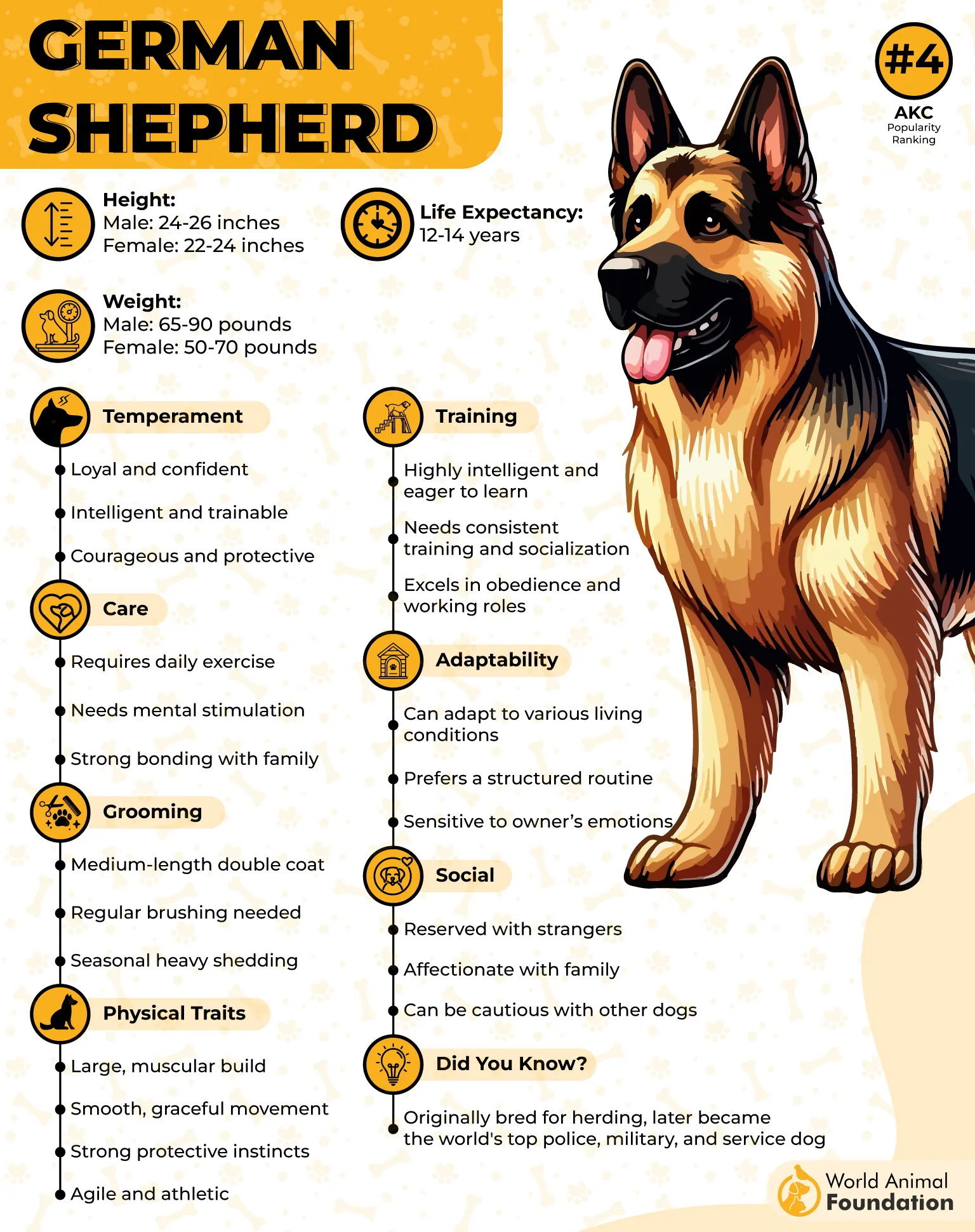
German Shepherds are known for their intelligence, alertness, and unwavering loyalty, making them ideal protection dogs. They are devoted to their families and often stay watchful around their surroundings.
While they can be reserved with strangers, they are usually playful and affectionate with the people they trust. Their protective instincts also make them popular for police, military, service, and search-and-rescue work.
Training and Socialization
German Shepherds are quick learners and enjoy having a job to do. Consistent training and early socialization help them use their protective instincts in the right way.
They should learn how to behave around children, guests, and other animals from an early age. Positive reinforcement, rewards, and clear guidance can help develop well-mannered and confident companions.
Exercise and Grooming Needs
These active dogs need regular physical exercise and mental stimulation to stay happy and well-behaved. Activities such as tracking, hiking, agility, herding, and nose work can keep them engaged.
They also have a double coat that sheds heavily and needs regular brushing, especially during seasonal shedding periods.
2. Doberman Pinscher
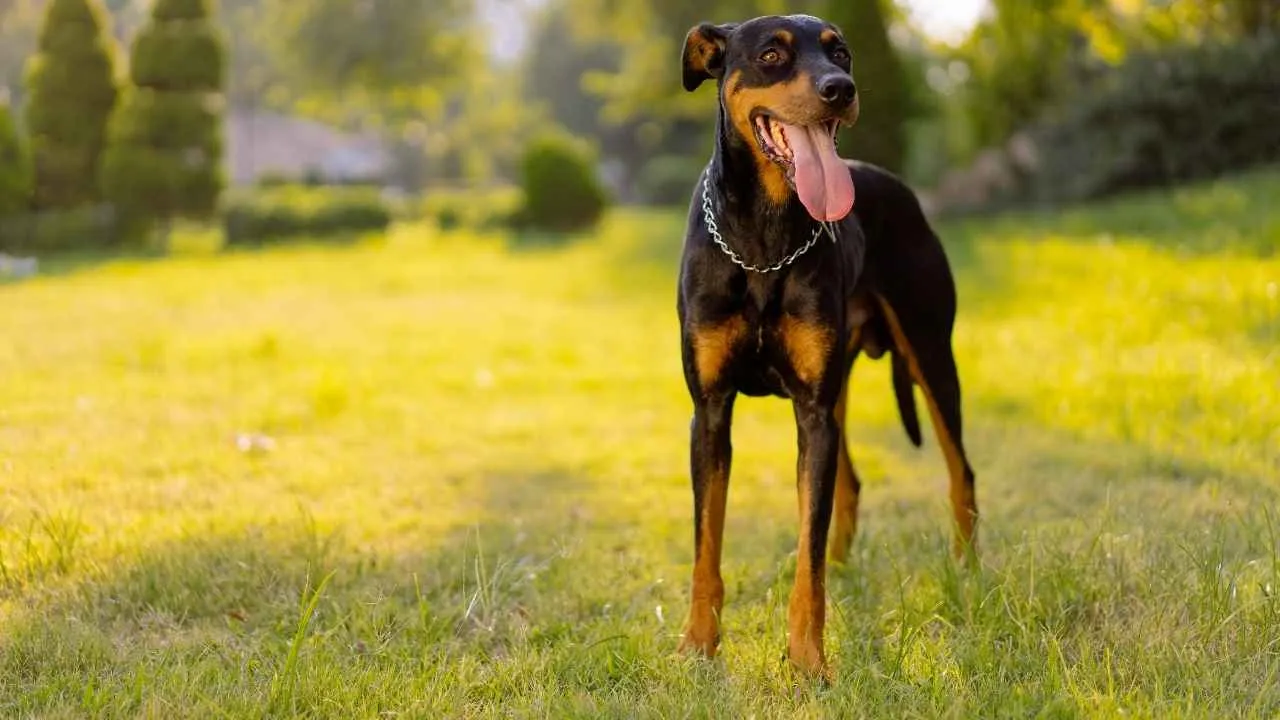
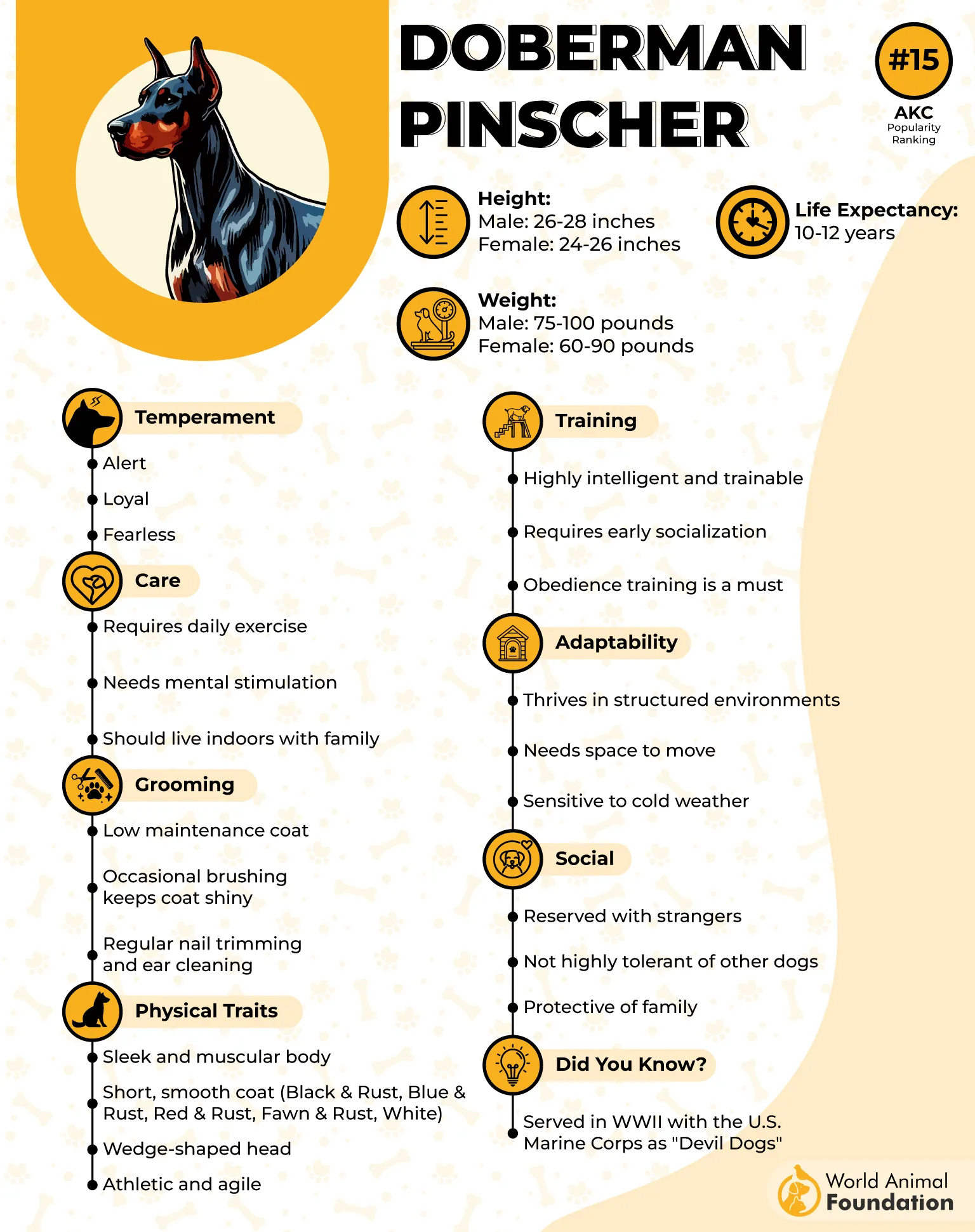
Doberman Pinschers are intelligent, alert, and deeply loyal dogs. They were originally bred as guardians and are still used in police and military work, as well as search and rescue.
According to Omlet, they can be reserved with strangers but are affectionate and devoted with their families. Their alert nature also makes them effective watchdogs without being overly noisy.
Training and Socialization
Doberman Pinschers are highly intelligent and learn quickly, but they need consistent training and early socialization. Positive reinforcement can help them become well-adjusted and manageable companions.
Their strong prey drive means they may chase small animals, so careful introductions and supervision are important in homes with other pets. They are best suited to experienced owners who can provide clear guidance and regular training.
Exercise and Care
These energetic dogs need daily physical and mental activity. Running, vigorous play, agility, tracking, nose work, swimming, and obedience training can keep them engaged.
They also need a secure, well-fenced yard because they are capable jumpers. Their short, smooth coats are fairly easy to maintain, with weekly or twice-weekly brushing and occasional baths.
3. Cane Corso
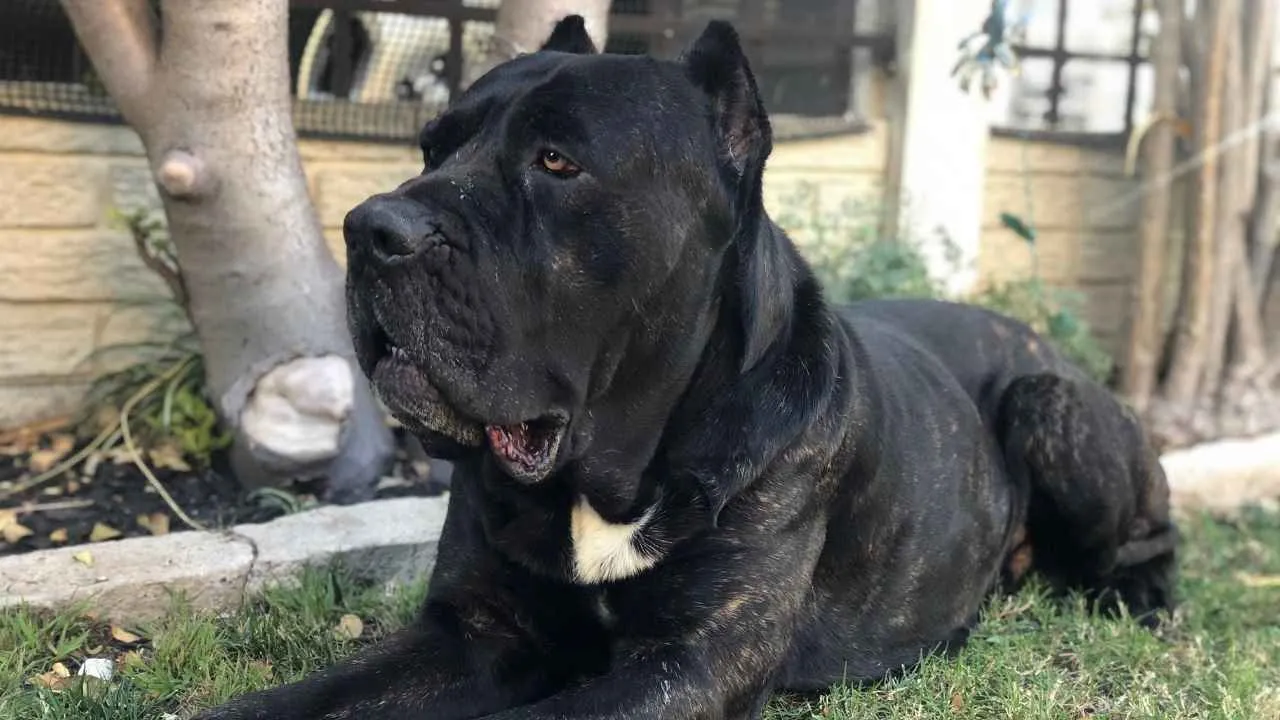
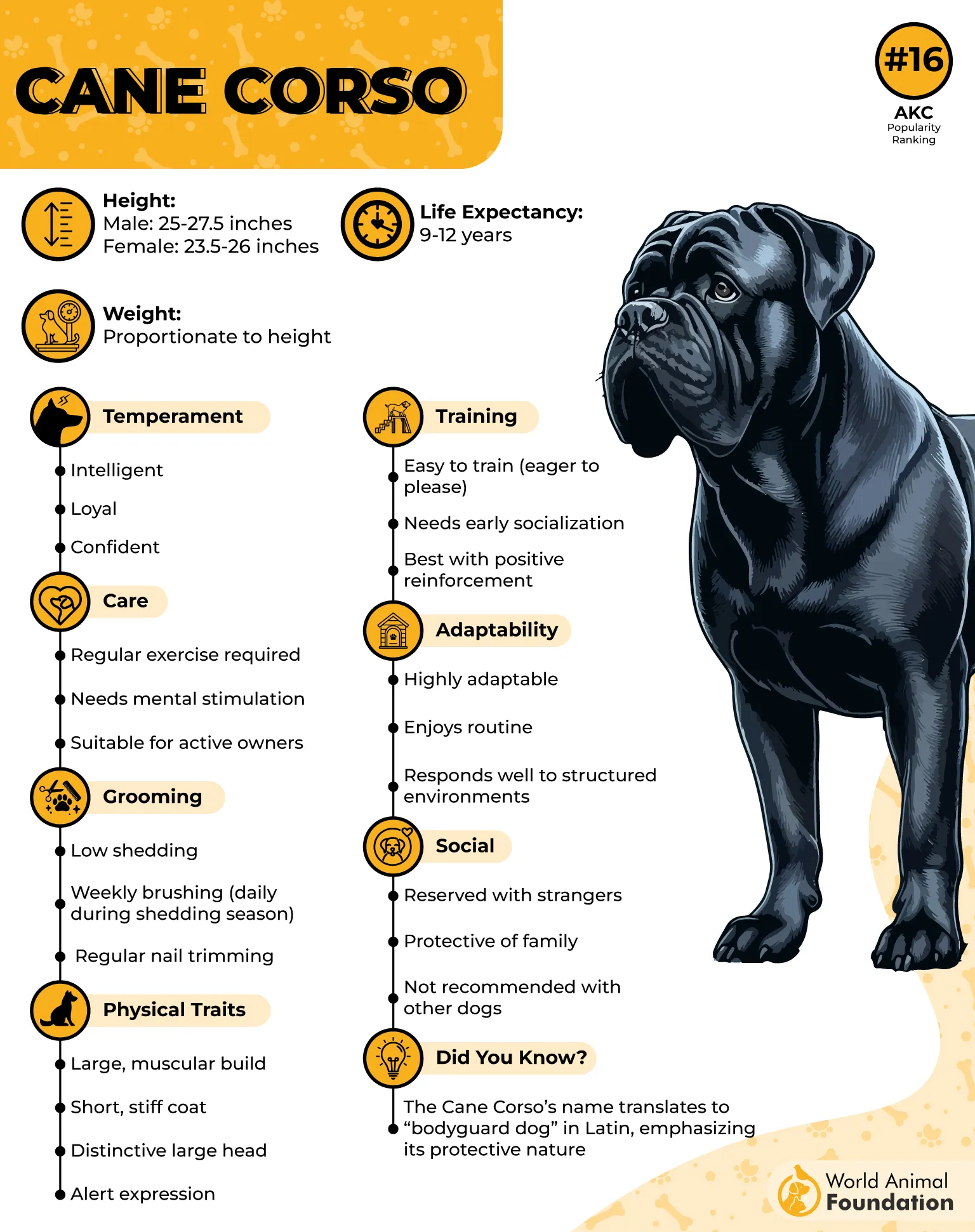
Cane Corsos are intelligent, loyal, and deeply devoted to their families. Historically used as watchdogs, farm dogs, and guardians, they have a strong instinct to watch over their people and property.
They are reserved, confident, and highly attentive to their surroundings, making them naturally suited to protection. Despite their serious nature, they can be gentle and affectionate with their families.
Training and Socialization
Cane Corsos need early socialization and consistent positive-reinforcement training from a young age. Their independent and sometimes willful nature can become difficult to manage without clear guidance.
Proper socialization helps them become more accepting of new people, animals, and situations. PetMD says they are best suited to experienced dog owners who can provide proper training and supervision around children and other pets.
Exercise and Care
These athletic working dogs need plenty of physical and mental stimulation and enjoy having a job to do. Walks, runs, nose work, agility, tracking, and dock diving can help keep them active and engaged.
A large, securely fenced yard is ideal, while their short double coat needs only regular brushing and occasional baths.
4. Bullmastiff
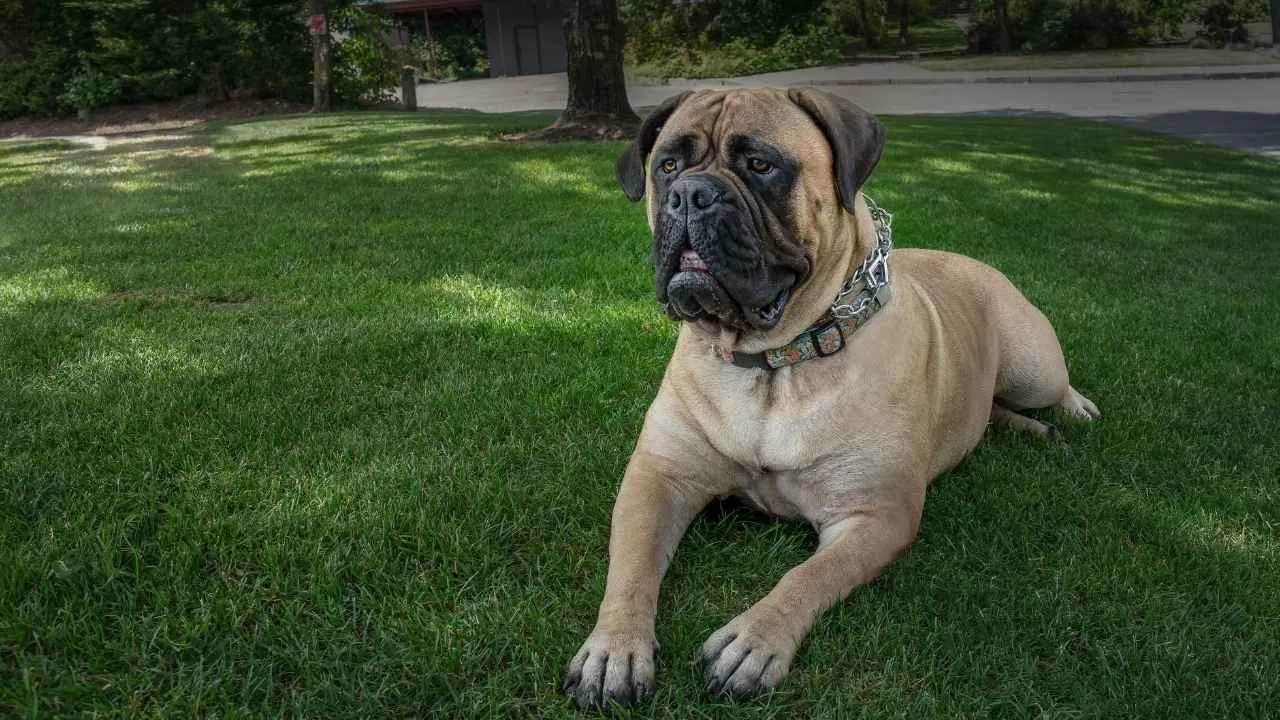
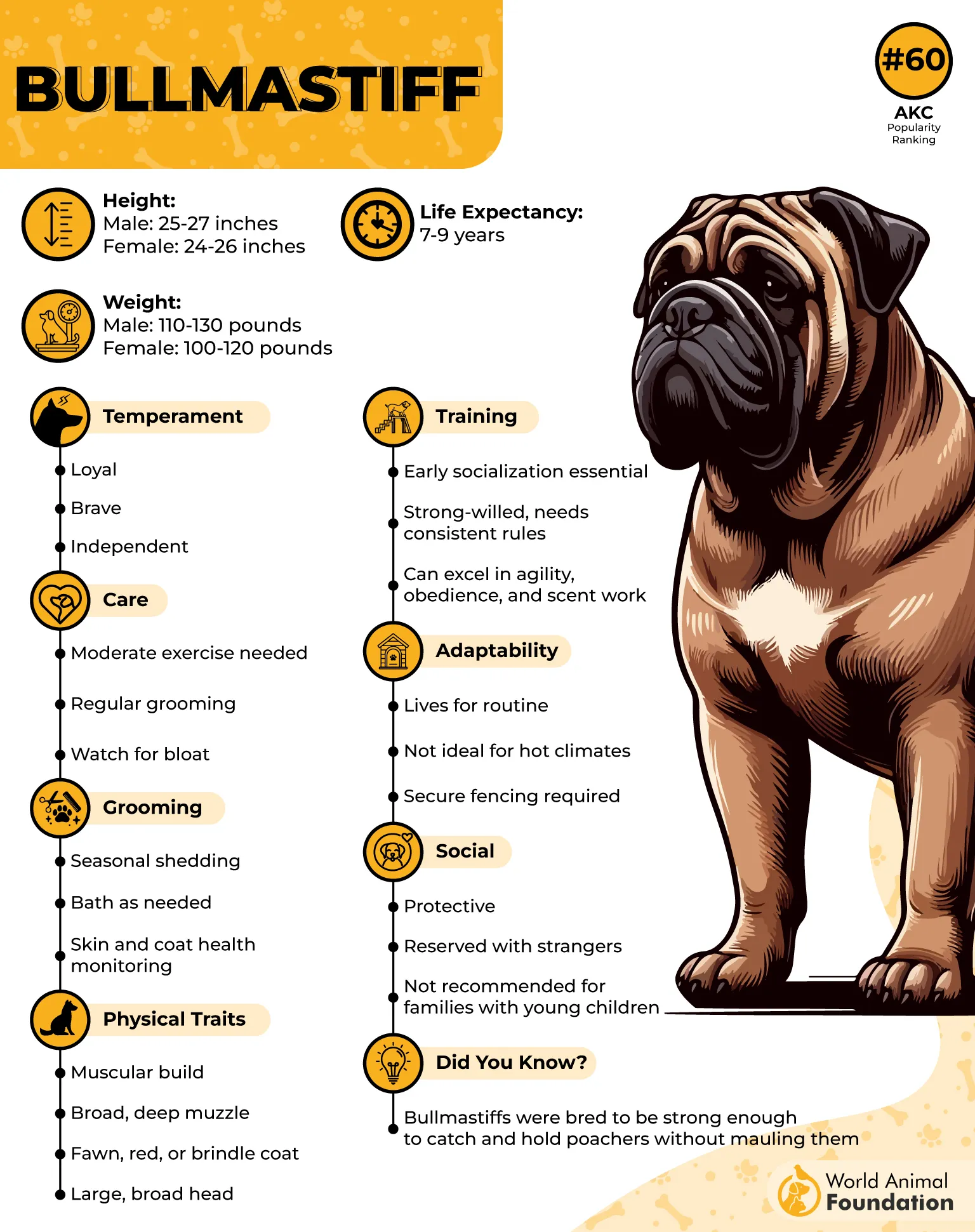
Bullmastiffs are loyal, affectionate, confident dogs with a strong history as guardians. Originally developed by English gamekeepers to protect estates from poachers, they combine a natural guarding instinct with a gentle nature toward their families.
They are usually quiet dogs but will bark to alert their family when something seems unusual, as noted by the AKC. They can be reserved around strangers, making socialization especially important.
Training and Socialization
Bullmastiffs are intelligent and quick to learn, but they can become strong-willed as they mature. Early training and consistent socialization help them remain calm and well-mannered around people, children, and other animals.
Positive reinforcement works well, while clear boundaries help them understand expectations. Their strength and size also make early training important so they do not accidentally knock over children or other people.
Exercise and Grooming
Bullmastiffs need daily exercise, including walks and play in a securely fenced yard, but they are not built for long-distance running. Activities such as nose work, obedience, tracking, hiking, and agility can provide useful mental and physical stimulation.
Their short, dense coat needs little grooming, with monthly brushing and occasional baths. Their jowls may also need regular wiping because of drooling.
5. Rottweiler
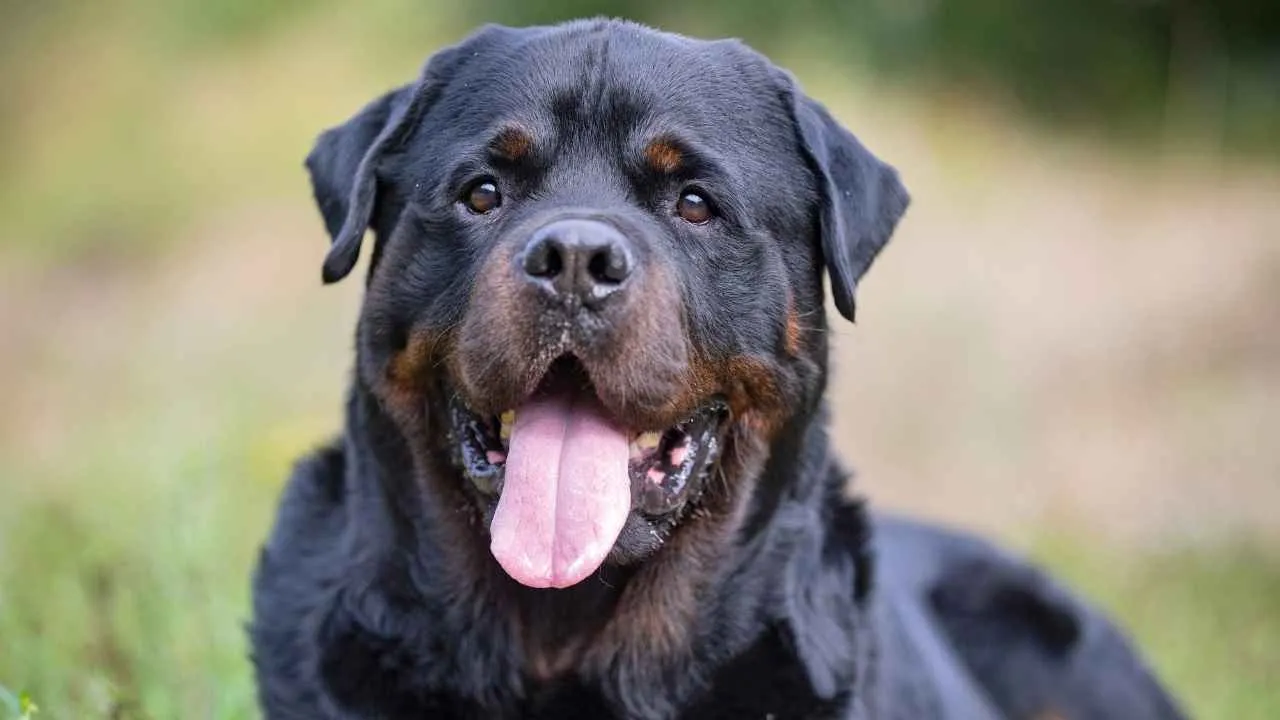
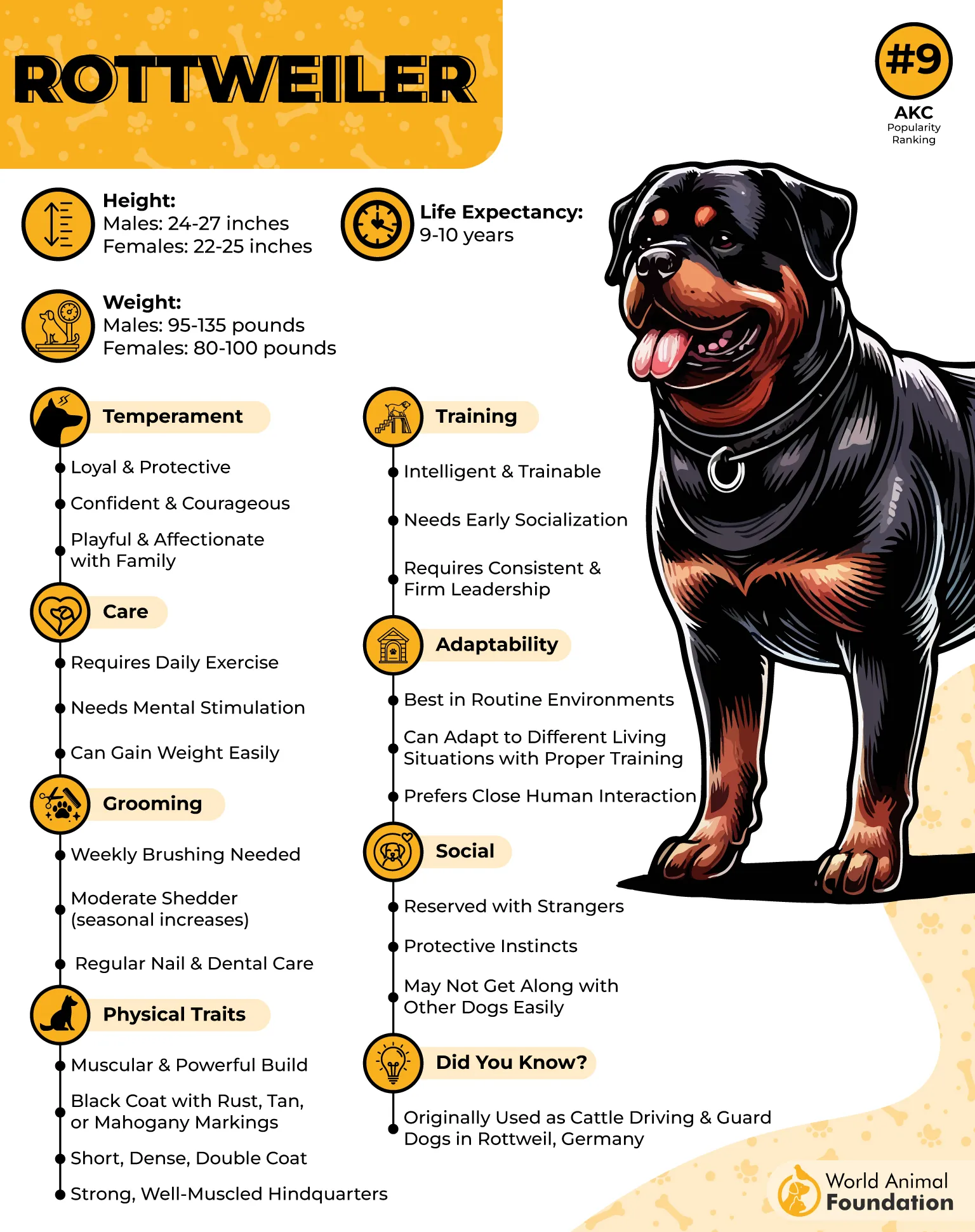
Rottweilers are confident, intelligent, and loyal working dogs with a long history of guarding people and property. Their protective instincts make them excellent watchdogs, while their close bond with their families can make them affectionate and gentle companions.
They are often reserved or suspicious around unfamiliar people and dogs, so their natural alertness can be valuable for family protection when properly managed.
Training and Socialization
Rottweilers learn quickly and are eager to please, but they need steady training and early socialization. Positive reinforcement and rewards can help them develop good behavior and respond reliably to commands.
Introducing them to different people, animals, and environments from an early age is important, especially because they can be wary of strangers and may not always get along with other dogs.
Exercise and Grooming
Rottweilers need daily physical activity and mental stimulation to stay engaged and avoid unwanted behaviors. Long walks, hiking, running, agility, tracking, obedience, and other activities that challenge both mind and body can suit them well.
Their short coat requires relatively little care, although it sheds throughout the year and benefits from regular brushing.
6. Boxer
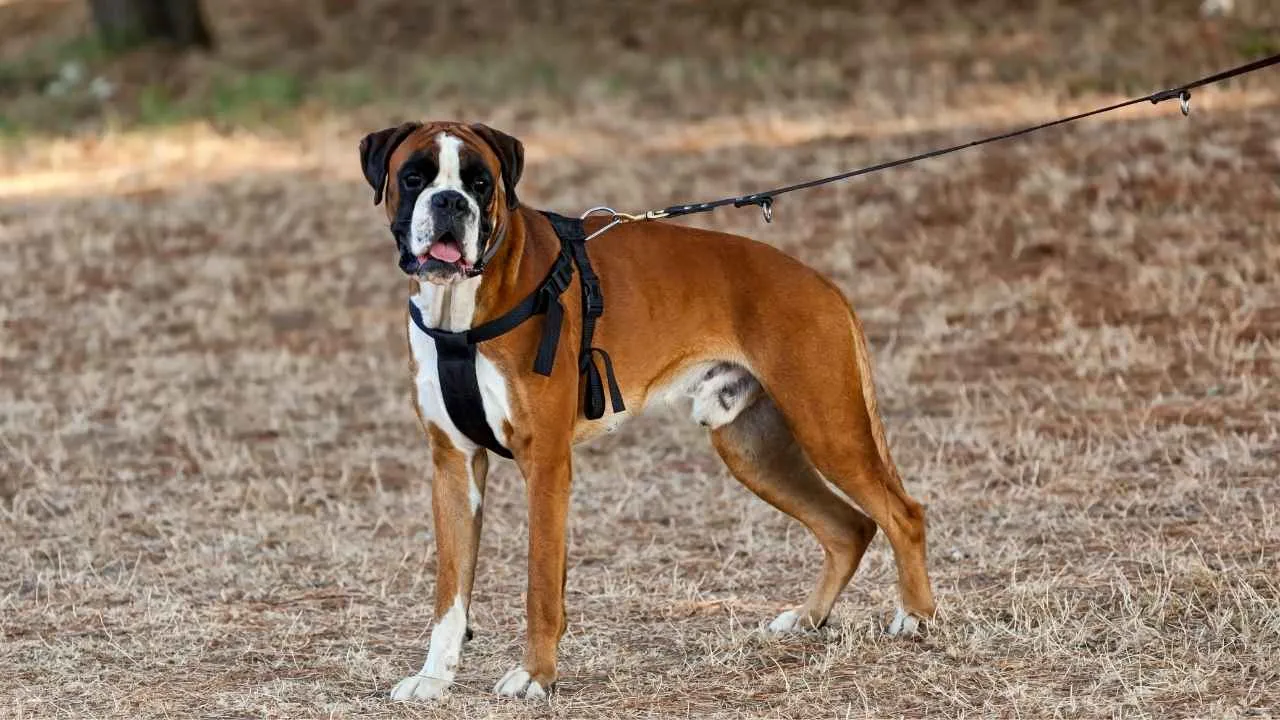
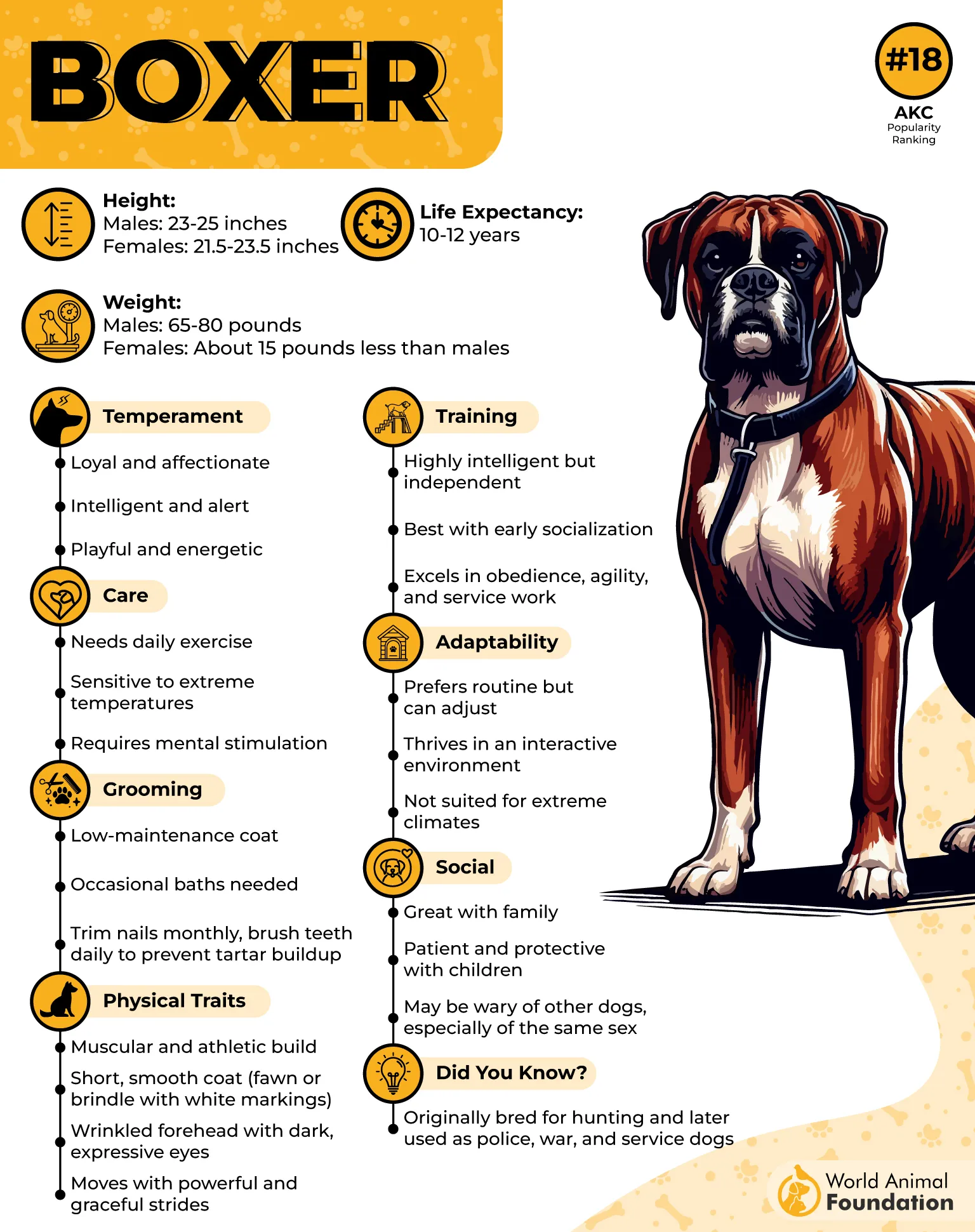
Boxers are energetic, intelligent, and deeply affectionate dogs that can make excellent watchdogs and protection dogs. Originally developed in Germany and historically used for hunting, their courage and strength later made them useful in police work.
While they can be moderately friendly toward strangers and other dogs, they are especially loving and devoted to their families.
Training and Socialization
Boxers are highly intelligent and learn quickly, although their energy and occasional stubbornness can require patience. Early socialization and clear, consistent positive-reinforcement training can help them become confident and well-mannered around people, animals, and new situations.
Training is also important because their playful jumping and energetic nature can be difficult for young children or frail family members to manage.
Exercise and Care
Boxers need plenty of daily physical and mental activity to stay happy and well-behaved. Walks, runs, fetch, nose work, obedience, agility, and other vigorous activities can keep them engaged. Their short coat is easy to maintain with weekly brushing and occasional bathing.
They also need a securely fenced area and should be protected from hot weather because they can have difficulty cooling themselves down.
7. Rhodesian Ridgeback
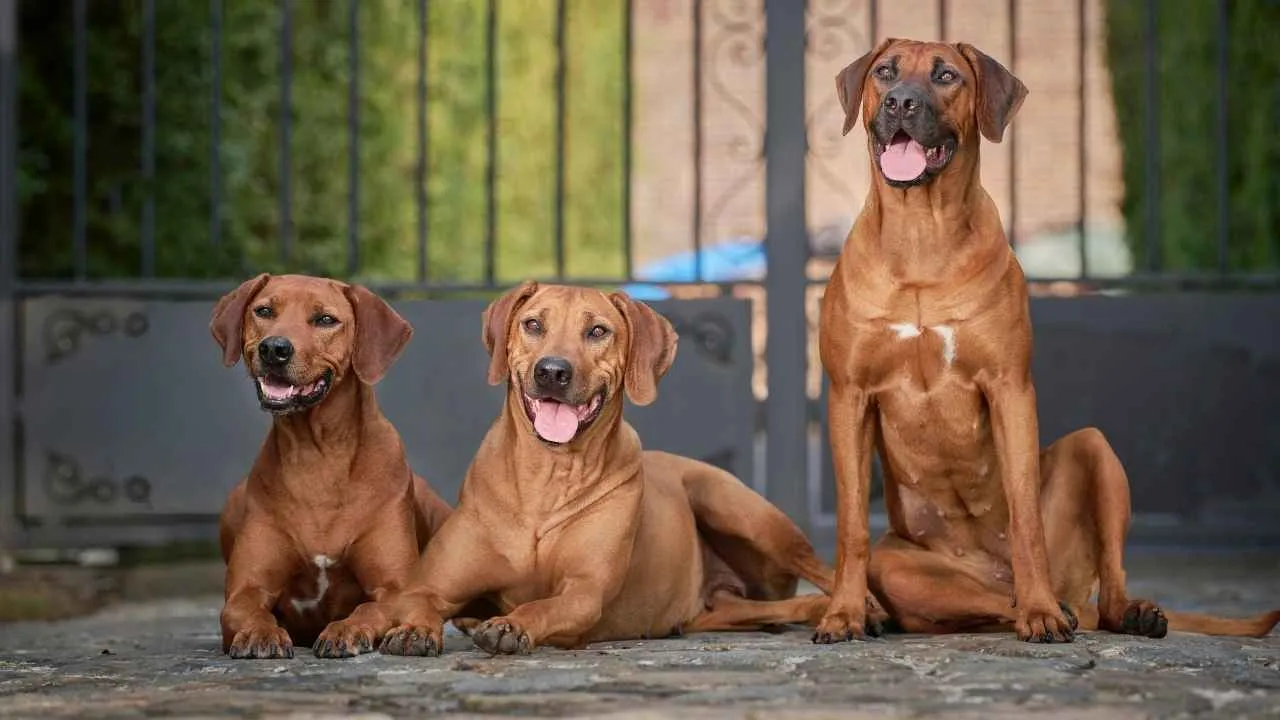
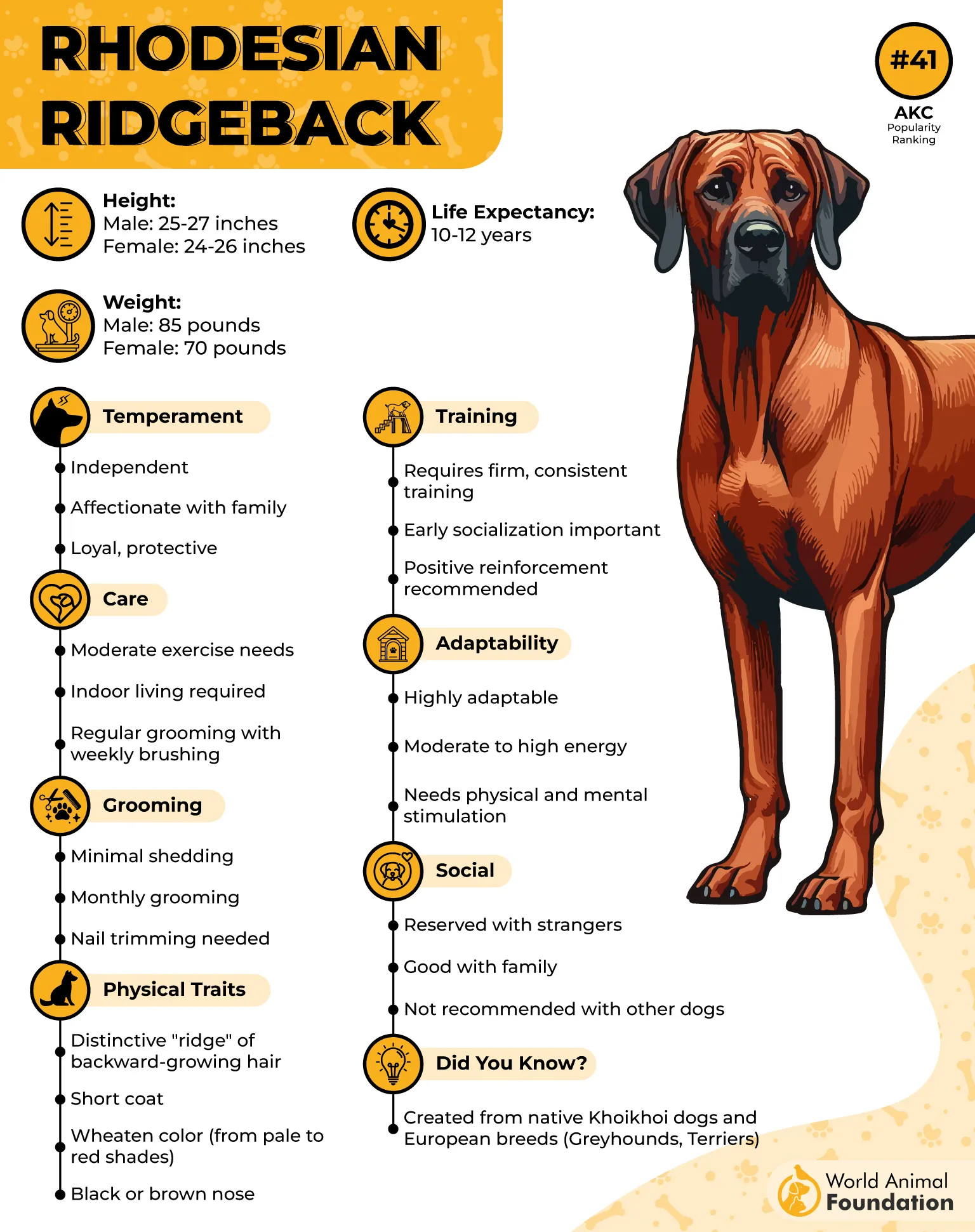
Rhodesian Ridgebacks are intelligent, courageous, and protective dogs with a strong history of hunting big game. Their guardian instincts make them naturally watchful of their families, while they tend to be reserved around unfamiliar people rather than barking frequently.
They form strong bonds with their families and can be affectionate, gentle companions when properly socialized.
Training and Socialization
Ridgebacks are smart but independent and strong-willed, so consistent training requires patience and positive reinforcement. Early socialization with people, dogs, and different environments can help them become more confident and well-mannered.
Their natural protective instinct is already strong, so training should focus on obedience, good manners, and helping them respond appropriately around others.
Exercise and Care
Rhodesian Ridgebacks need daily physical activity and mental stimulation to stay happy and avoid boredom-related destructive behavior. Brisk walks, jogging, hiking, agility, obedience, tracking, and lure coursing can keep them engaged.
Their short coat requires little grooming, with weekly brushing and occasional bathing. A secure fenced area is also important because their strong prey drive can make them likely to chase perceived prey.
Conclusion
Choosing a reliable protective dog breed means looking beyond strength and appearance. The breeds covered here stand out for their loyalty, alertness, intelligence, and natural protective instincts, but each also has different exercise, training, and socialization needs.
A dog that fits your family and daily routine is more likely to become a confident protector and a trusted companion. Before bringing one home, take time to understand the breed’s temperament and care requirements.
The best family guardian is not simply the toughest dog. It knows when to protect and when to simply enjoy being part of the family.
