




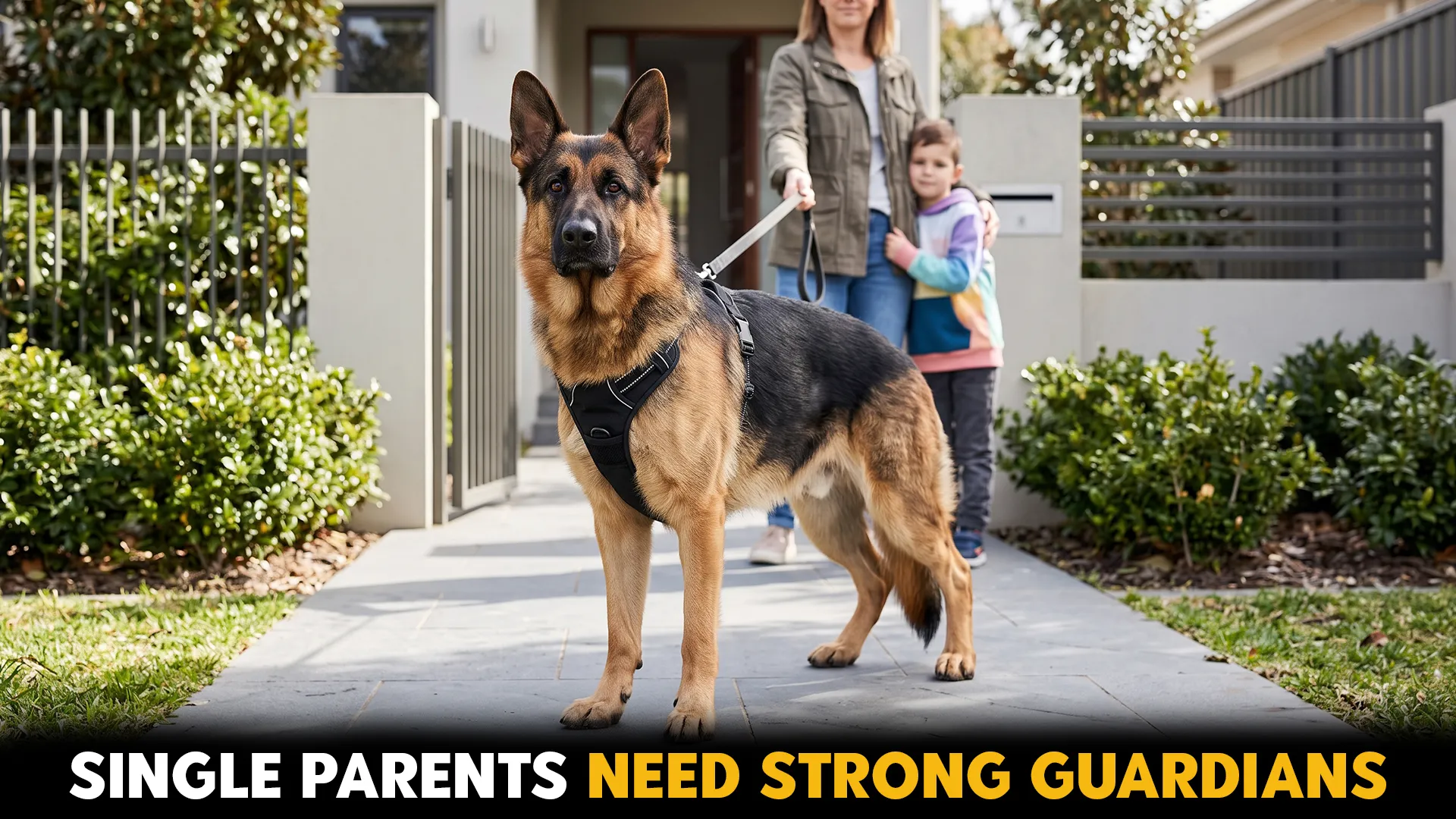
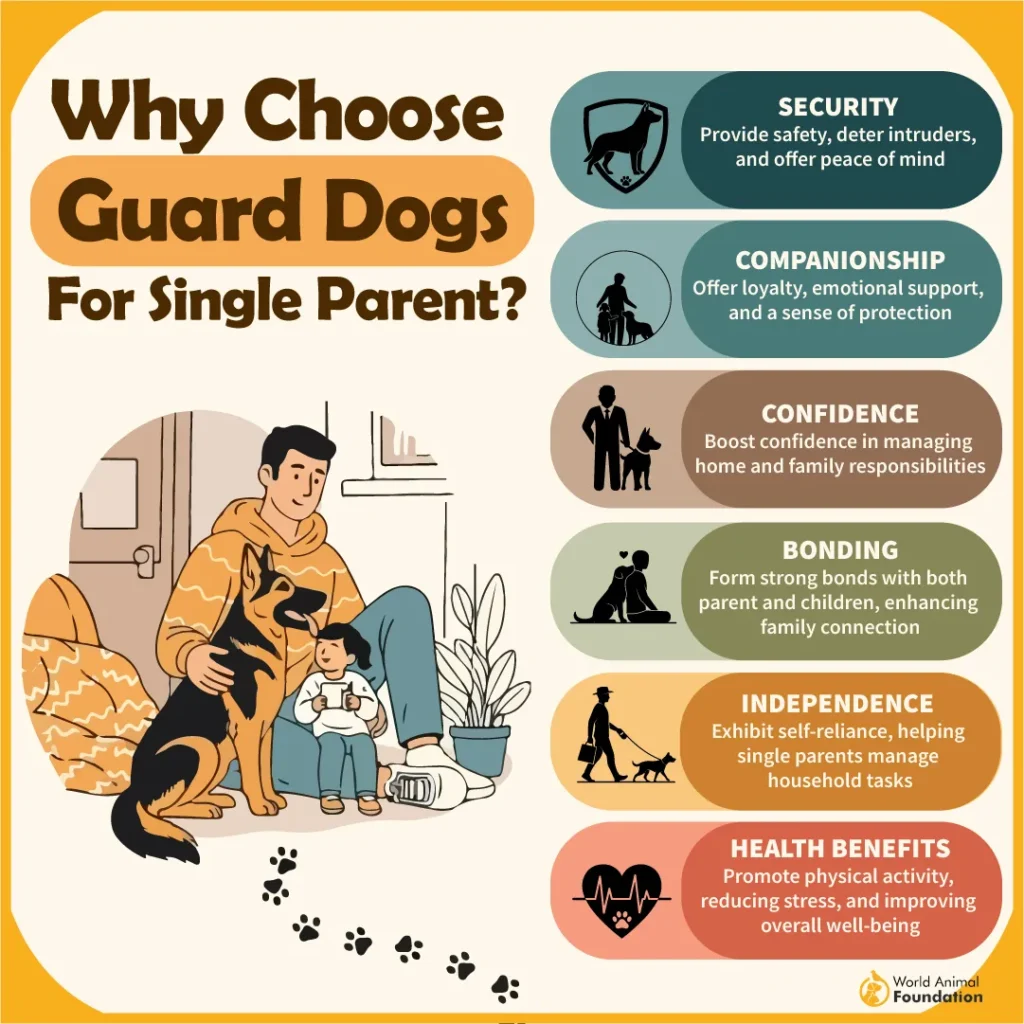
Parenting alone comes with a constant hum of what-ifs. A watchful presence by the door can turn that hum way down.
Here’s a stat worth sitting with: when researchers surveyed 86 convicted burglars about how they pick targets, a big, loud dog came up again and again as a dealbreaker. Turns out intruders fear a bark more than most alarm systems.
Not every protector looks the same, and that surprises a lot of new pet parents. Some guard dog breeds patrol with quiet confidence, others sound the alarm the second something feels off, and the best fit depends entirely on your home, your energy, and your routine.
Choosing the right guardian means weighing safety, trainability, and family companionship in equal measure, not just picking the biggest dog on the list. Larger breeds get a lot of attention, and knowing what’s best for your household matters even more than size alone.
Ready to see which family-friendly breeds actually suit a single parent’s life? Keep reading.
Ideal Guard Dog Breeds for Single Parents Seeking Security
1. Cane Corso
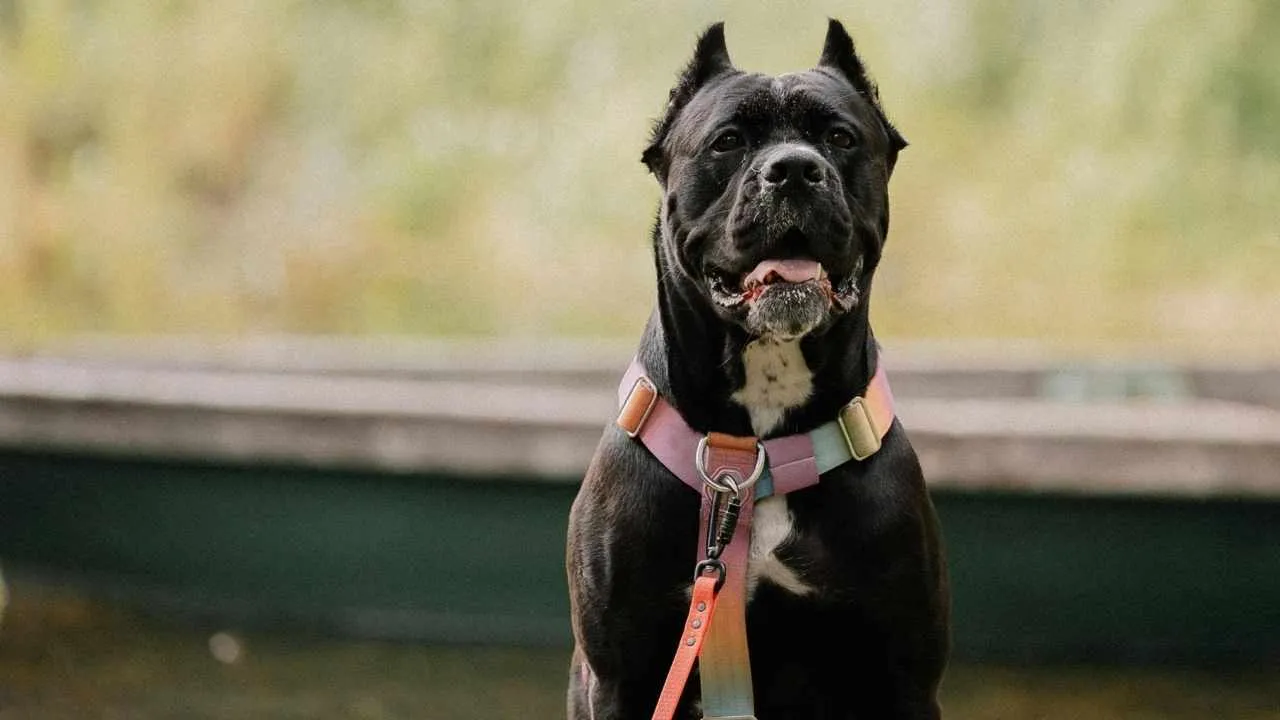
Meet the Cane Corso, built like a linebacker with the soul of a total homebody. He bonds hard with his people and treats the kids like his own litter. Around unfamiliar children, though, that same devotion needs a watchful adult nearby.
Exercise, space, grooming: Daily activity and a job to do keep him level-headed, and his short coat asks for almost nothing beyond a quick brush.
Protection level & instinct type: A natural territorial guardian, he watches quietly and only sounds off when something’s actually wrong.
This is not a beginner’s dog. Corsos learn commands fast, but test limits faster, so a confident single parent with some dog experience under their belt will get the best out of this dog. First-timers should line up a trainer early.
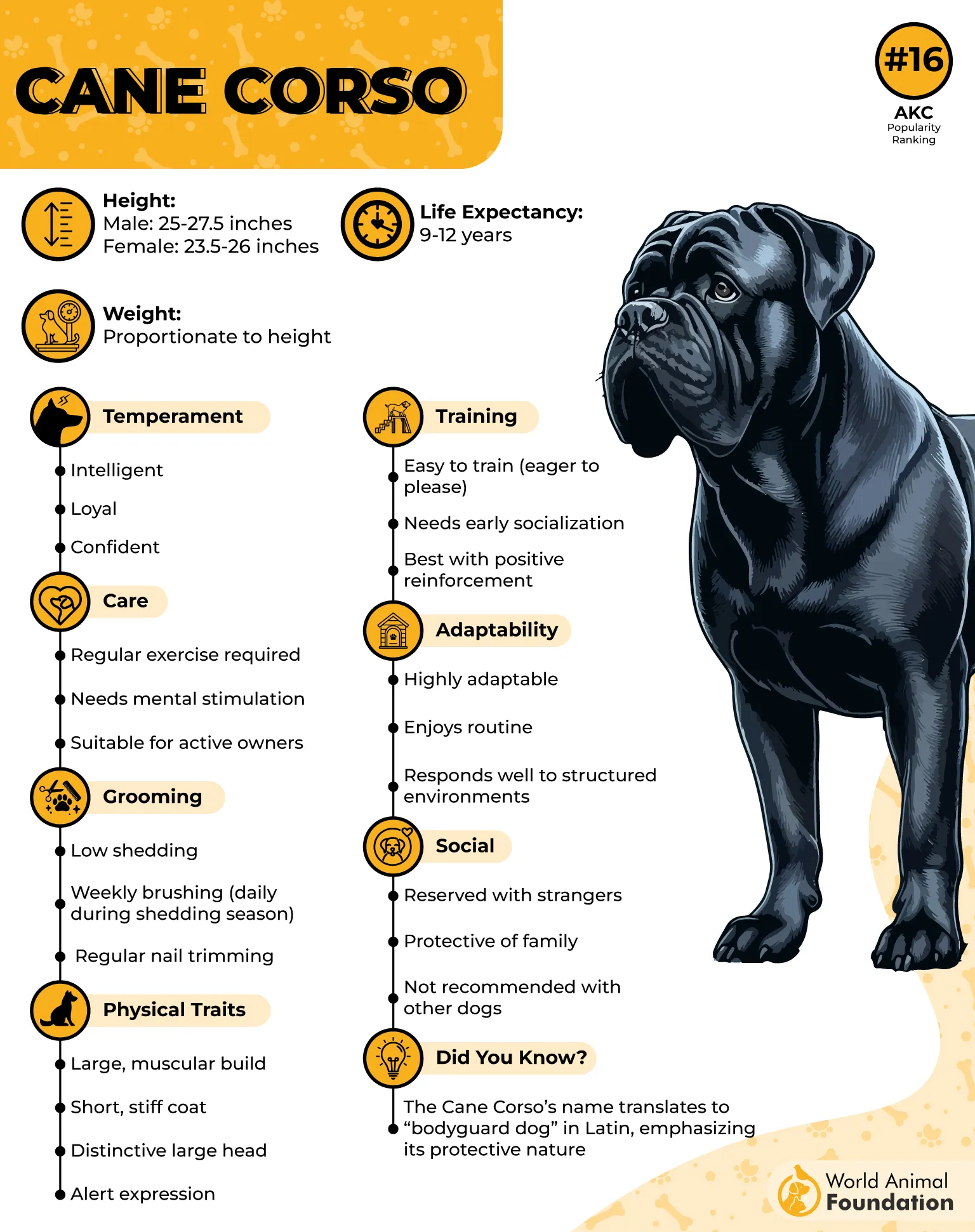
Some states and cities restrict Cane Corso ownership outright, and insurers often add it to their watch list too. Check your local laws and call your provider before bringing one home, and lean on resources like the AKC for the full picture.
2. Great Dane
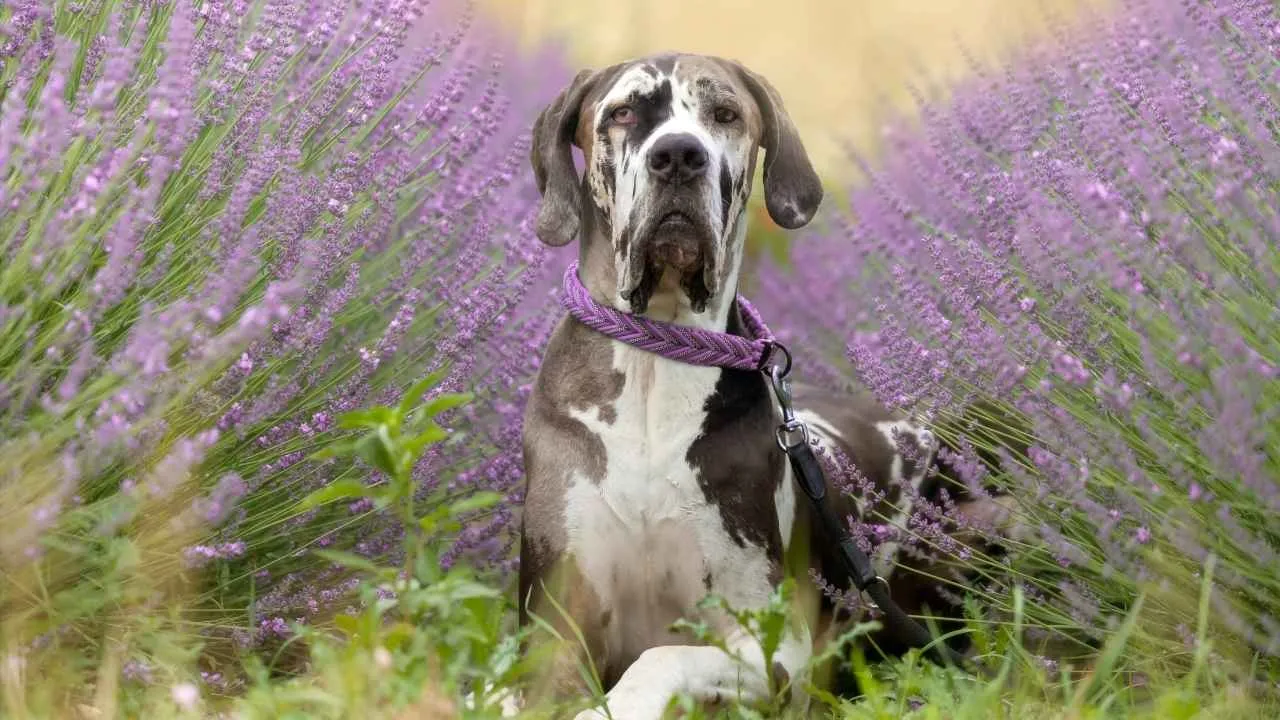
Don’t let the size fool you. The Great Dane is a gentle giant who’d rather nap beside your kids than stand over them like a sentry. Unsupervised, he’s more likely to lean on a small child than guard against one, so his sheer bulk is the real risk to manage.
Exercise, space, grooming: One solid walk a day covers his needs, and his short coat sheds without much fuss.
Protection level & instinct type: More alert watchdog than active protector, his booming bark does most of the work.
Danes are eager to please and pick up training quickly, which makes life easier for a single parent juggling everything solo. Puppyhood is the one stretch that demands patience, since a clumsy giant-breed baby needs firm, early guidance.
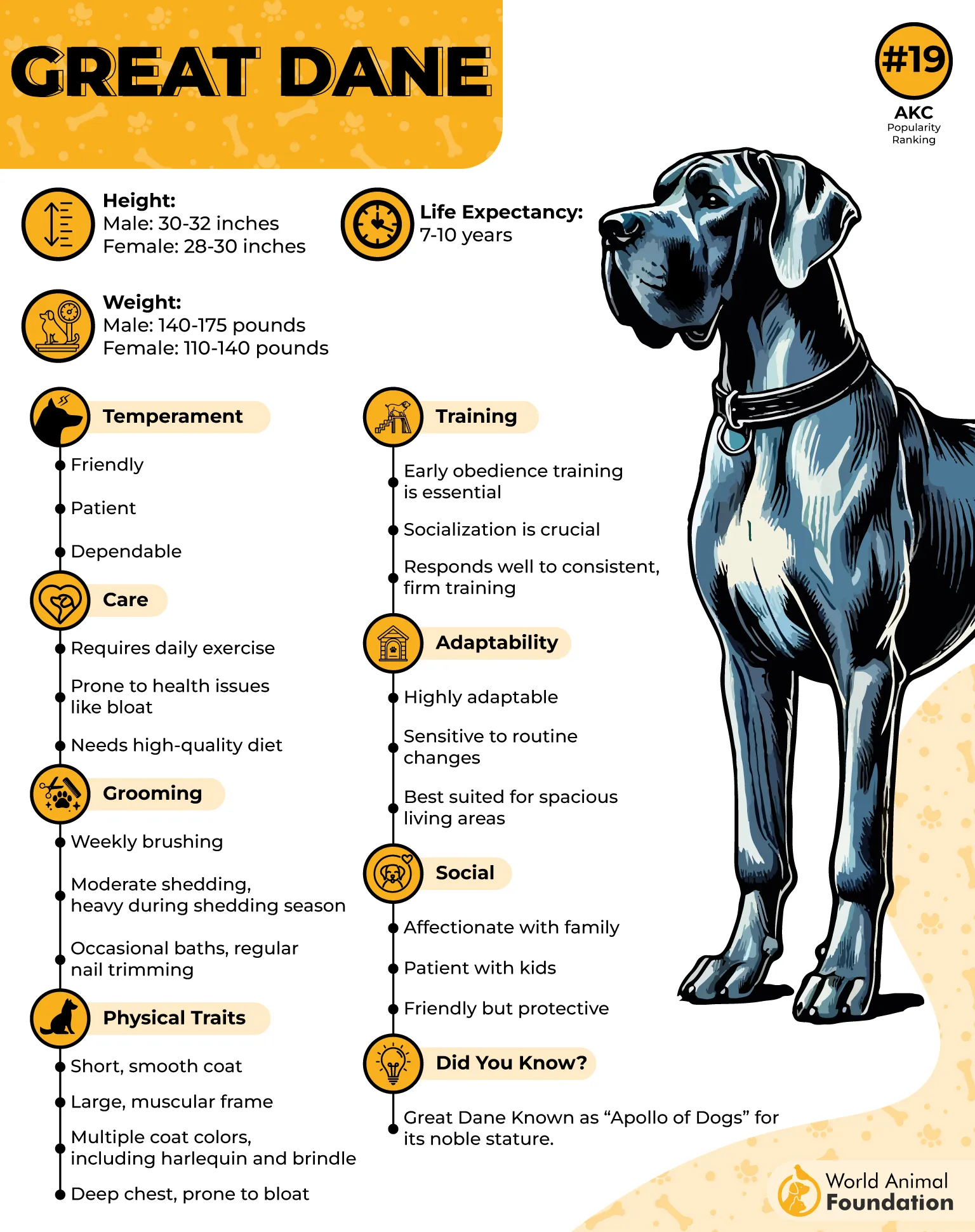
The biggest caution has nothing to do with temperament. Large joints and a deep chest mean higher vet bills down the line, so budget accordingly and keep it lean from puppyhood on.
3. Tibetan Mastiff
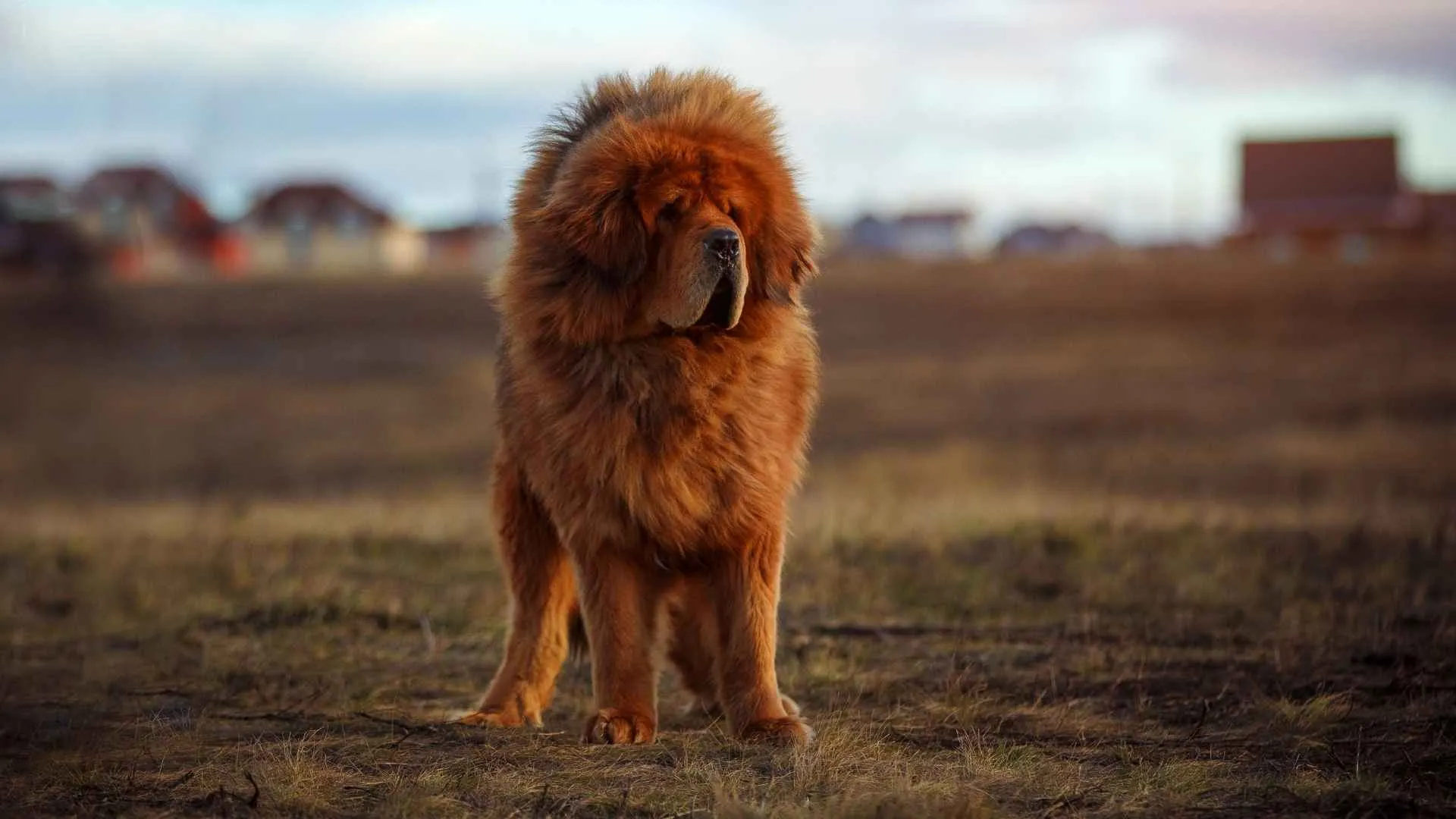
The Tibetan Mastiff looks like a lion and acts like a monk. It’s calm and devoted at home, gentle with the children it has grown up beside, but stays reserved and watchful the moment strangers appear. That aloofness is the whole point of the breed.
Exercise, space, grooming: Moderate daily activity is enough, though its thick double coat blows out hard once a year and needs serious brushing then.
Protection level & instinct type: A classic territorial guardian, it patrols by presence alone and rarely needs to raise its voice.
It’s smart, but smart doesn’t mean obedient. This breed thinks for itself and can be stubborn with new commands, so it suits an experienced, patient handler far better than a first-time owner.
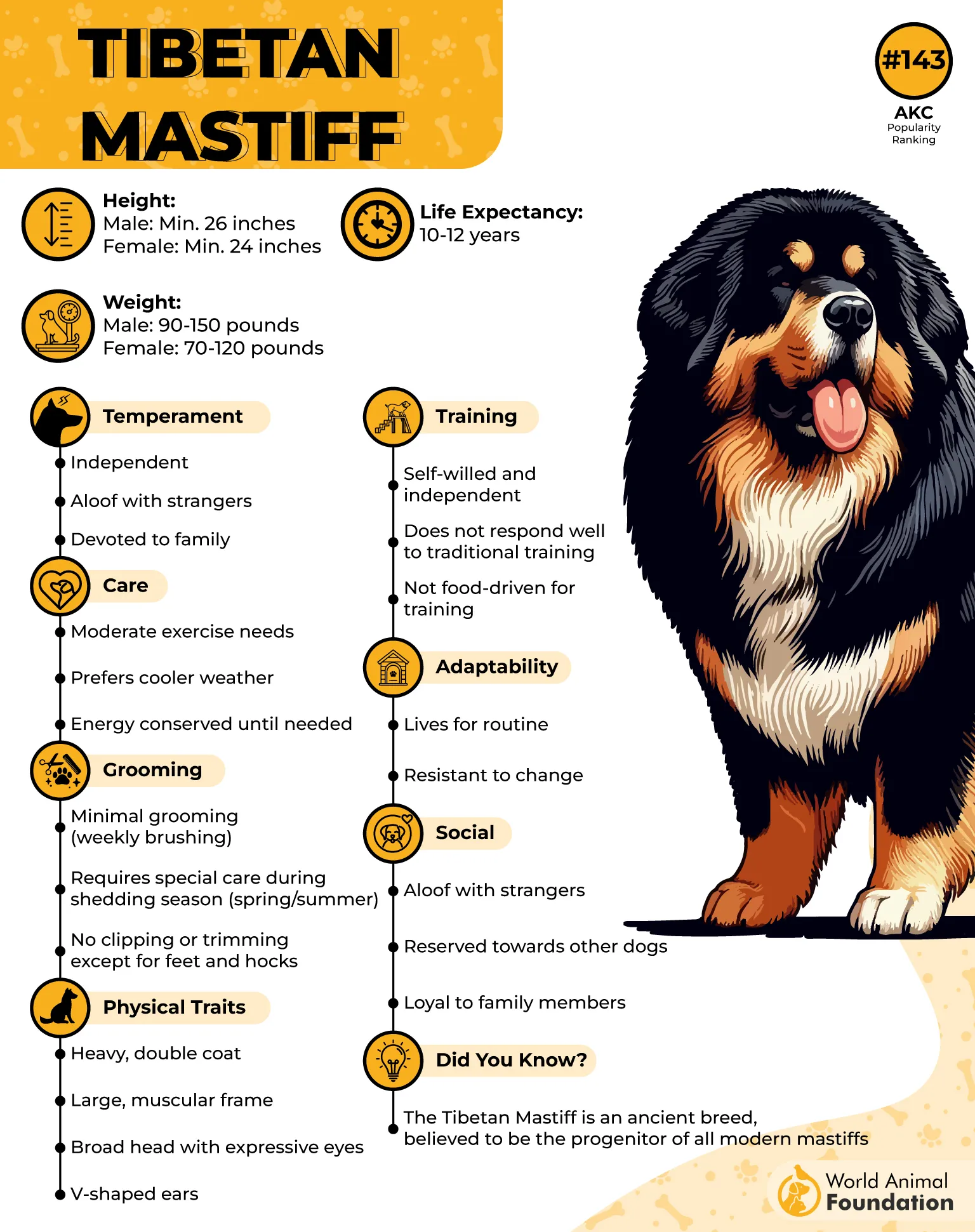
According to PDSA, it shouldn’t be left alone for more than four hours, which matters for any solo parent juggling work and school runs.
4. Boerboel

The Boerboel was bred to face down lions, yet at home it’s a total softy with its own family. Kids get gentle patience and plenty of affection from this breed, especially the ones it has grown up with. Strangers get a very different reception until it is told they’re friends.
Exercise, space, grooming: It needs real daily exercise and yard space to burn off its energy, and its short coat keeps grooming low maintenance.
Protection level & instinct type: An active protector by nature, it’ll place itself between its family and any perceived threat.
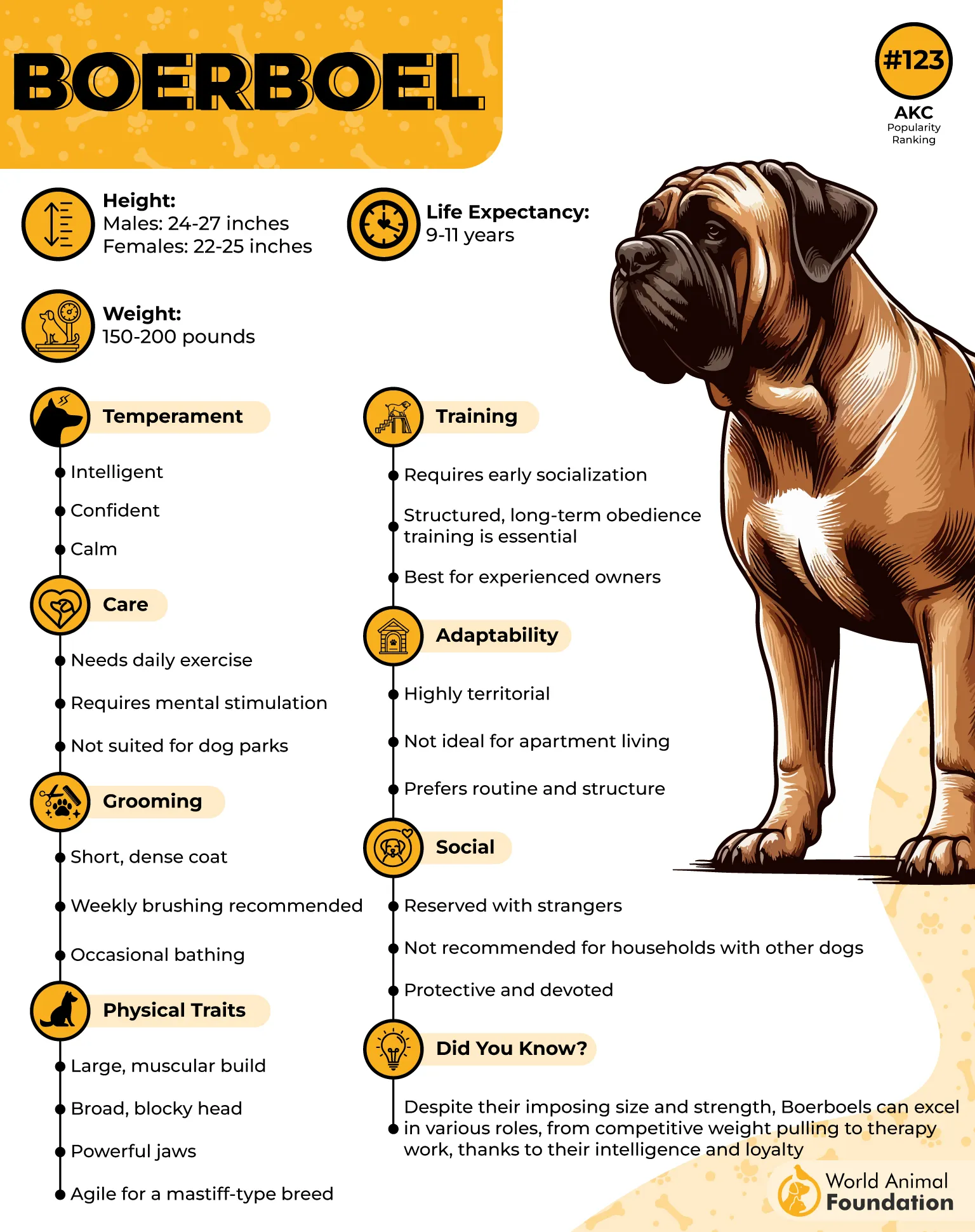
Boerboels are intelligent and quick learners, but they need a leader, not a pushover. Single parents with some large-breed experience will find it responsive, while total beginners should start with structured, professional training.
According to Orvis, Boerboels shouldn’t spend long stretches home alone, so this breed fits best with a household that has someone around for much of the day.
5. German Shepherd
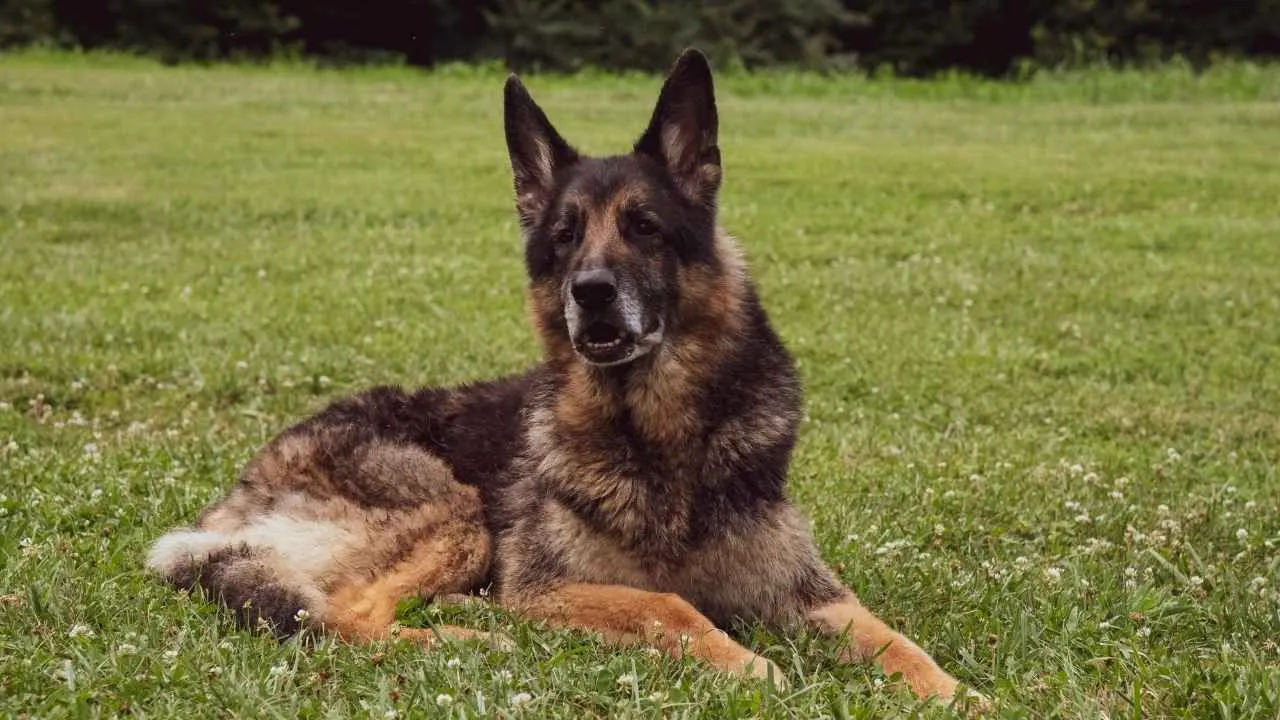
The German Shepherd is the classic all-rounder, loyal to the bone and endlessly watchful. It’s typically patient and playful with the kids in its own household. Its exuberance can knock over a small child by accident, so playtime still needs an eye on it.
Exercise, space, grooming: Expect one to two hours of activity daily, plus extra brushing during his two big seasonal shedding spells.
Protection level & instinct type: It’s naturally wary of strangers, which makes it a dependable watchdog without needing much extra training for it.
Few breeds are easier to train, honestly. It is whip-smart and eager to please, which is a real gift for a single parent with limited hours to spare on obedience work. Consistency matters more than intensity here.
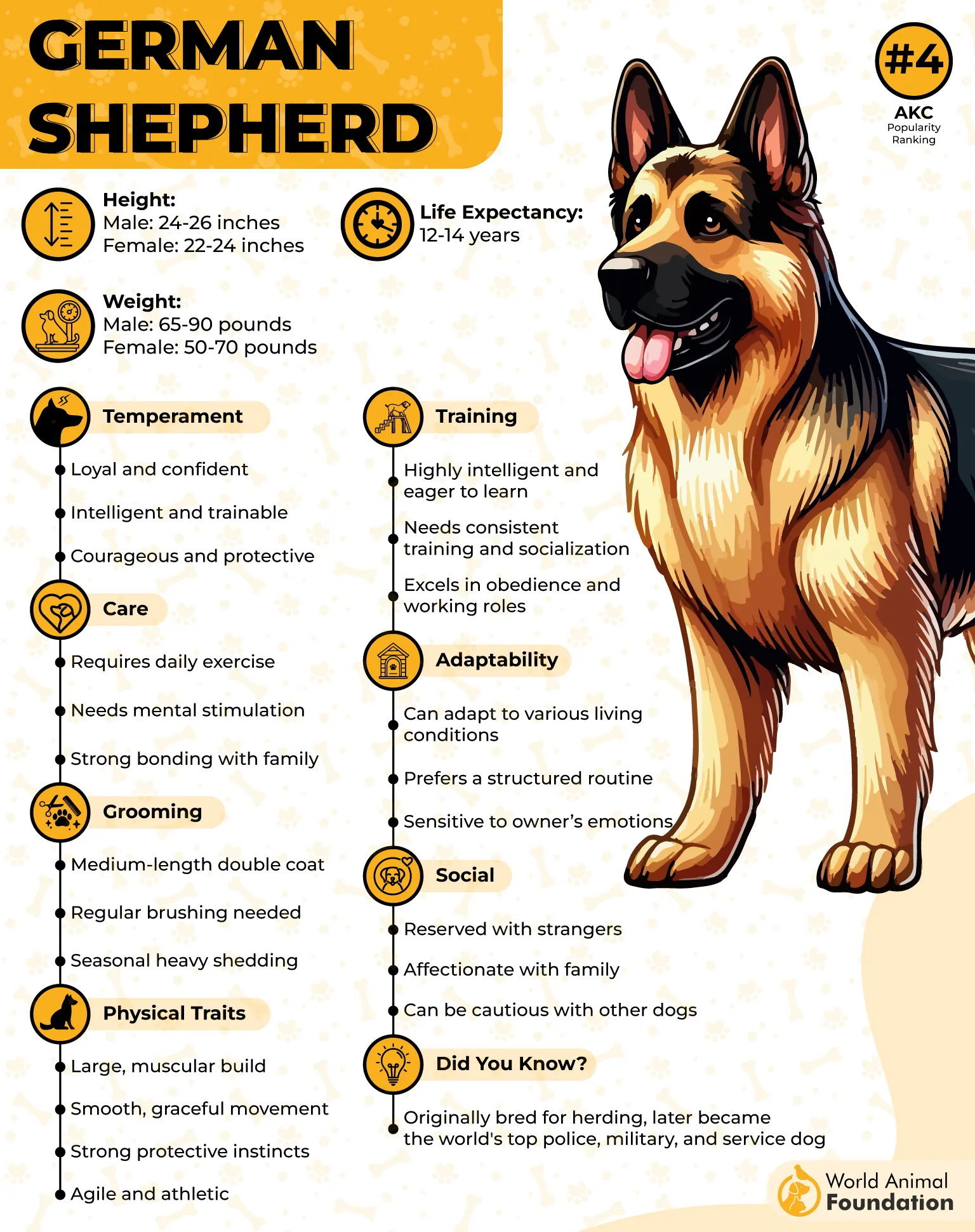
Some cities restrict this breed and certain home insurers hesitate to cover him too, so it’s worth a quick call to confirm your policy covers a German Shepherd before you commit.
6. Doberman Pinscher
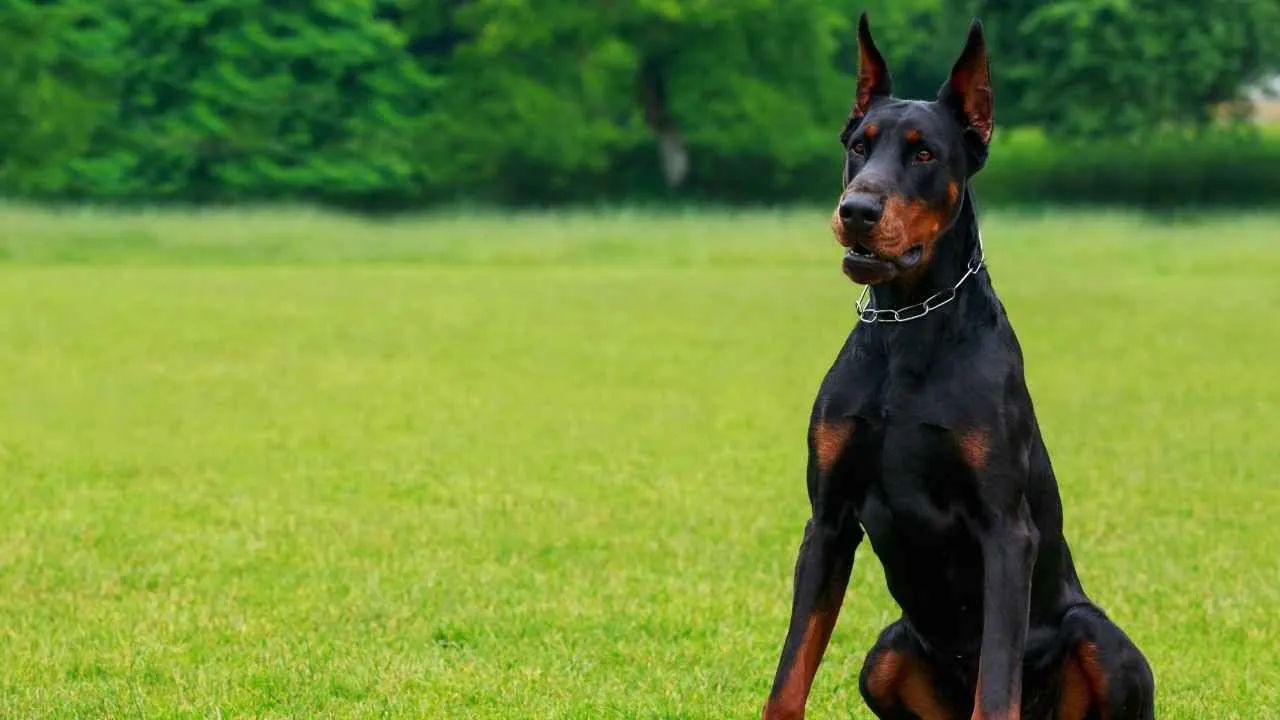
Sleek, sharp, and endlessly alert, the Doberman is often misjudged by its looks alone. With its own family, it’s affectionate and surprisingly patient with kids. Its high energy can still tip into overexcitement around very small children, so games should stay supervised.
Exercise, space, grooming: It needs 60 to 90 minutes of real exercise daily, and its short coat is about as low-fuss as grooming gets.
Protection level & instinct type: A fearless active protector, it reads a room fast and reacts the moment something feels off.
This is one of the most trainable breeds around, quick to learn and hungry for mental work. A single parent who can offer structure and consistency will find it remarkably easy to raise well.
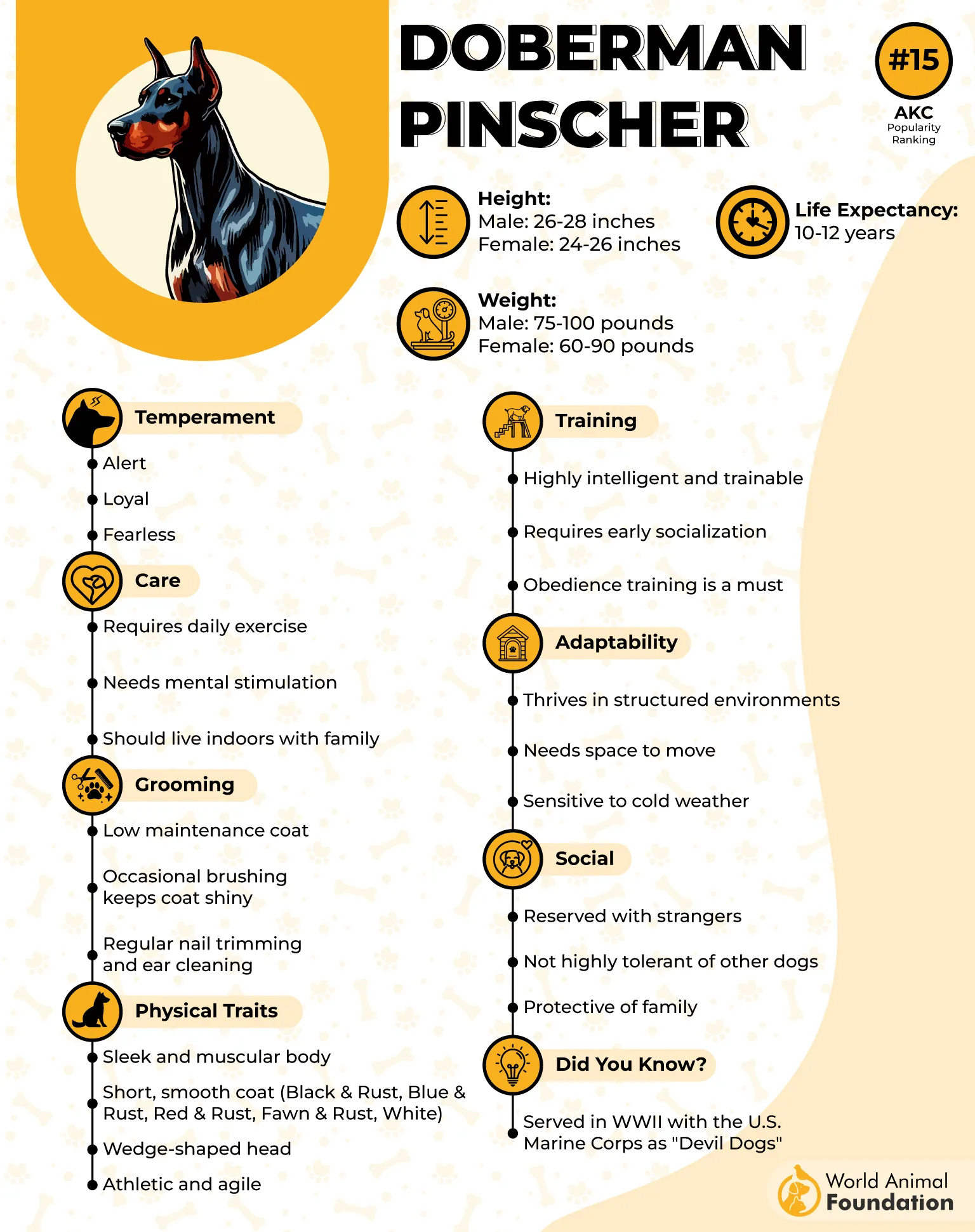
According to PetMD, all dog and child interactions should be supervised regardless of breed, and that advice applies doubly for a naturally protective dog like this one.
7. Rottweiler
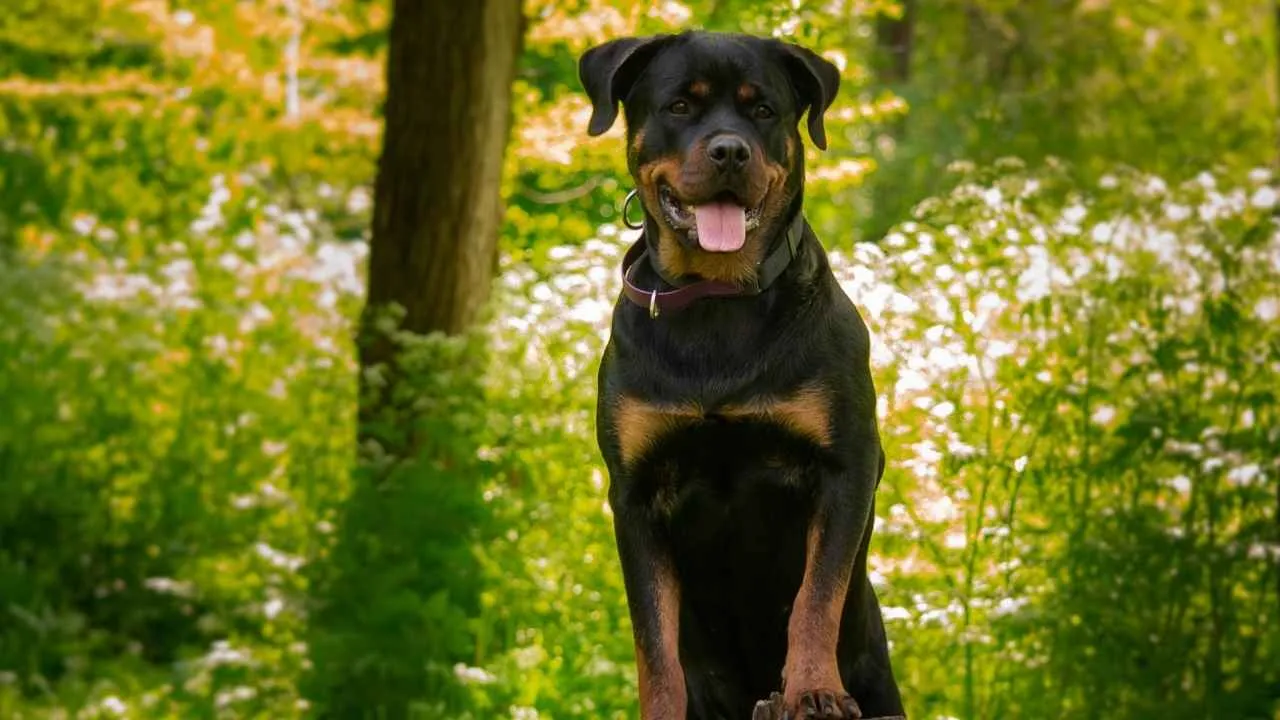
The Rottweiler carries a tough reputation, but at home it’s often described as a natural clown. It tends to be gentle and patient with the children it is raised alongside. New situations can still trigger some barking, so early exposure to visitors matters.
Exercise, space, grooming: Daily walks, jogs, or swims keep it satisfied, and its short coat needs only occasional brushing.
Protection level & instinct type: A calm, confident territorial guardian, it observes first and only escalates if it needs to.
Rotties are sharp and eager to please, which makes training genuinely enjoyable rather than a chore. Start early and stay consistent, and a single parent will end up with a remarkably well-mannered companion.
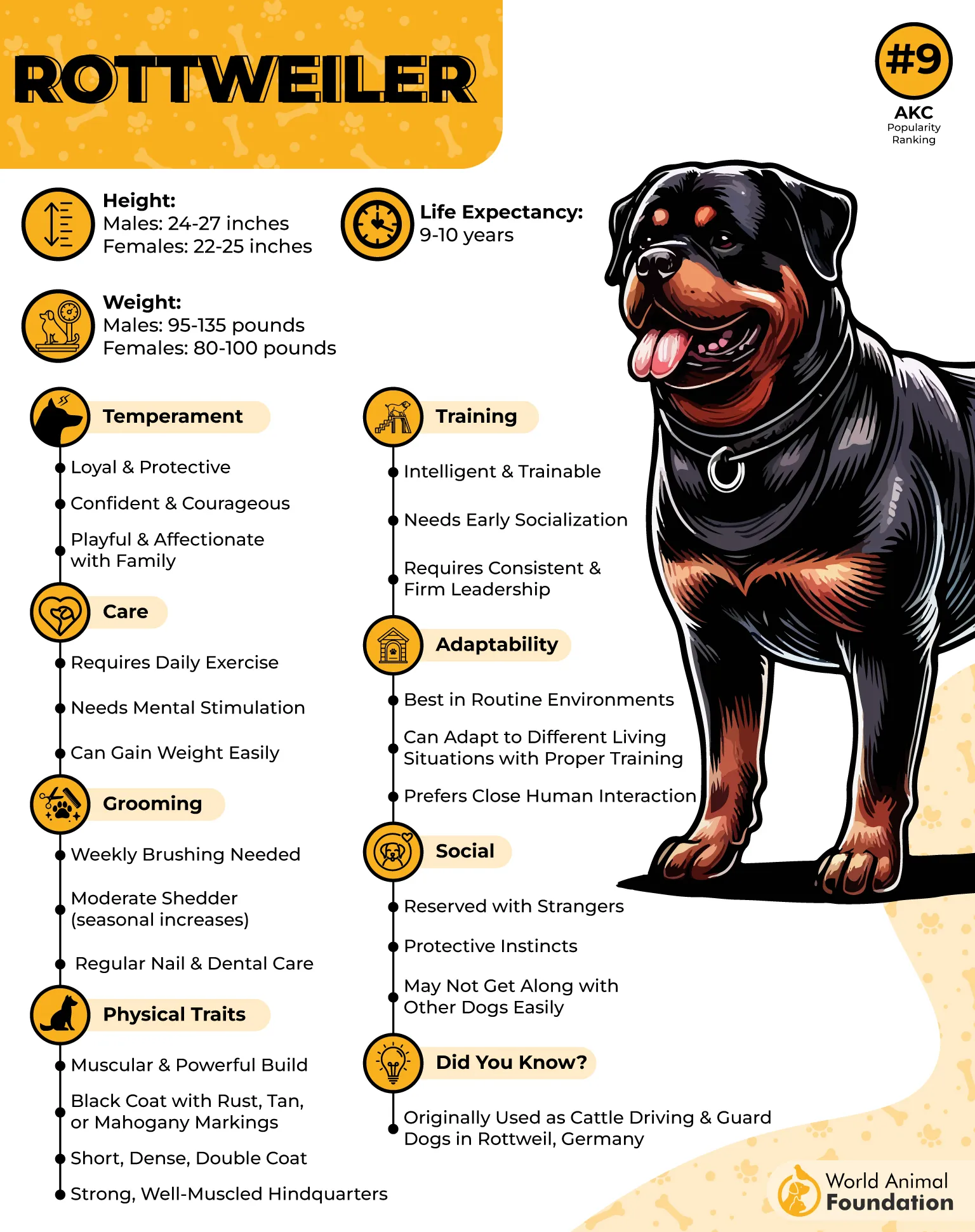
According to Pawlicy Advisor, this breed may fall under local breed-specific legislation, and your renters or home insurance policy might require extra liability coverage too.
Conclusion
Every breed here proves that real protection comes down to training, not size or teeth. A properly trained, well-mannered guardian with a strong bond to its family will outperform pure size any day.
Savvy pet parents narrow their list by matching daily schedule, space, and experience level before choosing a breeder or rescue. Book a meet-and-greet this week with a trainer who works with guard dog breeds to find your best-suited match.
