




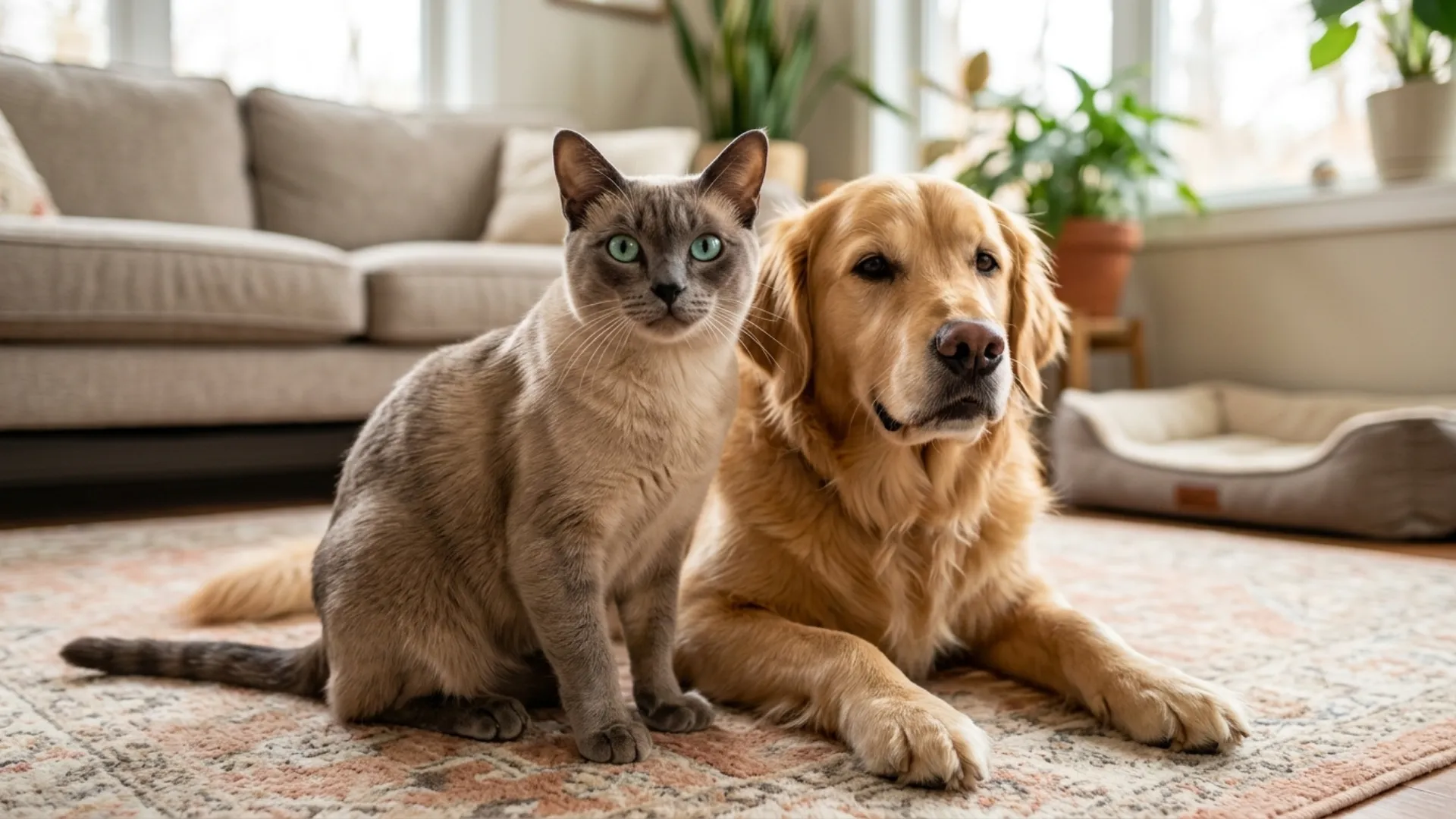
Bringing a cat into a dog-loving household can create a lively, affectionate family, especially when both pets have compatible personalities. Some cat breeds are known for being outgoing, playful, and comfortable around other animals, making them potential companions for homes with canine members.
However, breed tendencies alone cannot guarantee friendship. Each pet’s temperament, previous experiences, and comfort with other animals matter, while gradual introductions help build trust and reduce stress.
Explore these cat breeds to find potential matches for your dog-loving family and learn how thoughtful preparation can encourage a safer, happier relationship between your pets.
Best Cat Breeds For Families With Dogs
1. Birman
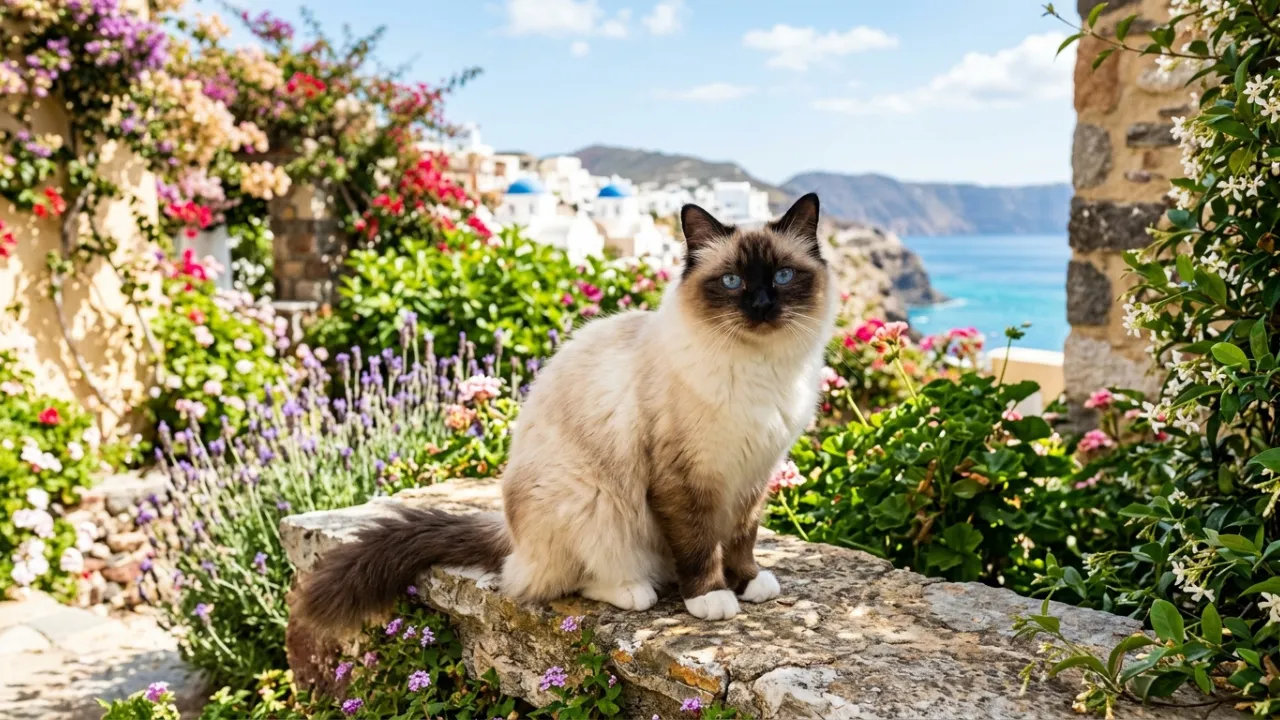
Birmans combine a luxurious, silky coat and striking appearance with a gentle, affectionate personality. These people-oriented cats enjoy companionship and can be comfortable around friendly dogs, making them appealing additions to households with existing canine pets.

Beyond their calm demeanor, Birmans often have a playful side. They may enjoy chasing toys, playing tag, or even retrieving a ball alongside a dog. Their curious nature can encourage interaction, although each cat needs time to become familiar with its new housemate.
According to WebMD, their noses curve upward at the forehead, forming a raised, hill-like shape that slopes down toward the tip.
Introduce both pets through short, positive encounters and provide dog-free areas where the Birman can rest undisturbed. Watching their body language helps you recognize when they feel relaxed or need more space during the adjustment period.
How This Breed Stands Out
Gentle, people-oriented nature can support peaceful relationships with resident dogs: Often enjoys companionship without being overly demanding.
Playful curiosity encourages supervised interaction with canine companions: May join dogs in chasing toys and other gentle games.
2. Norwegian Forest Cat
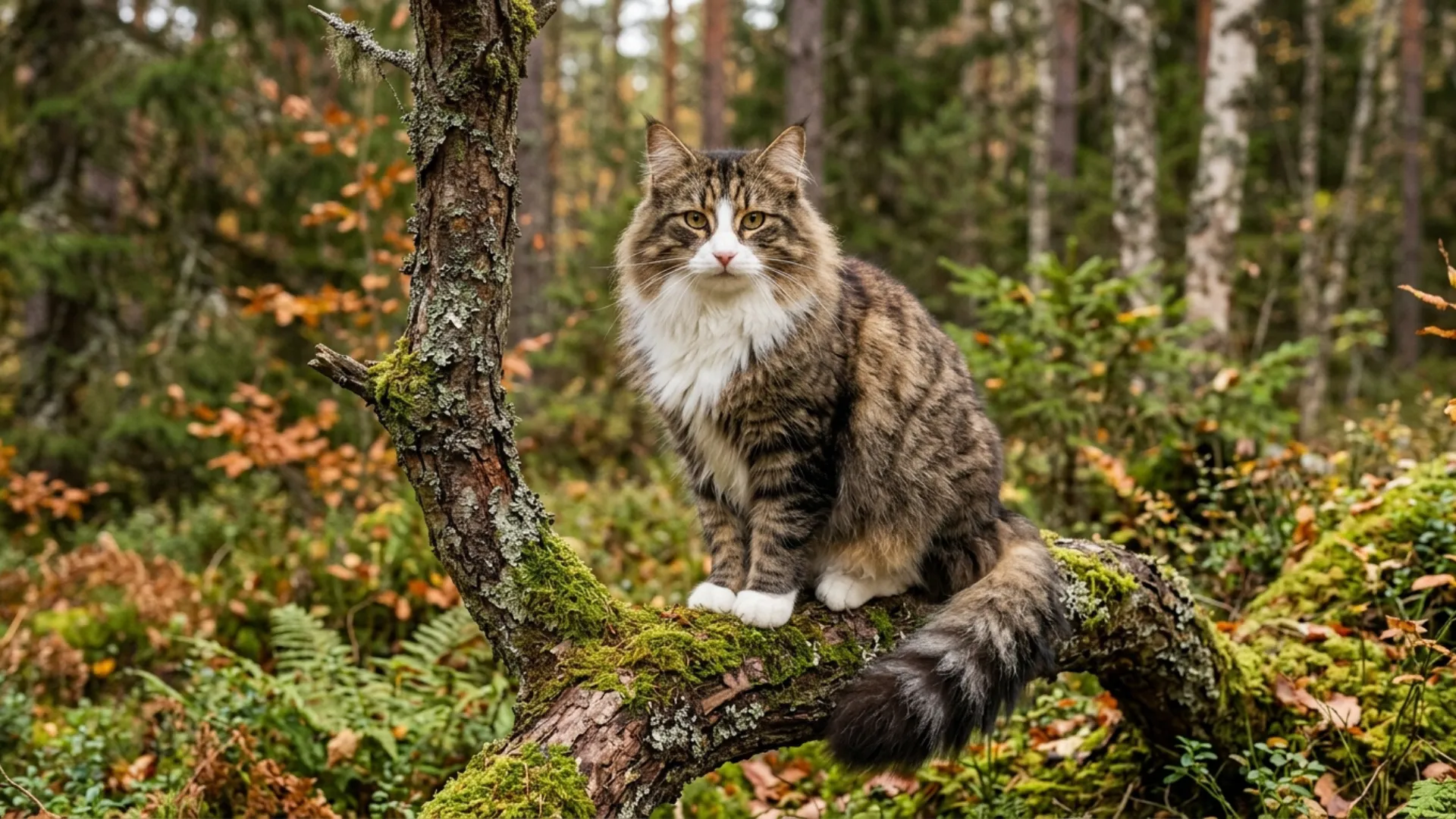
With a muscular build, thick coat, almond-shaped eyes, and a straight facial profile, the Norwegian Forest Cat has a striking appearance. Originally from Norway, this domestic breed is known for its relaxed, affectionate personality and ability to adapt to family life.
According to Purina, these cats have moderate energy levels, alternating between short bursts of play and lengthy naps, and they often enjoy playing in water.
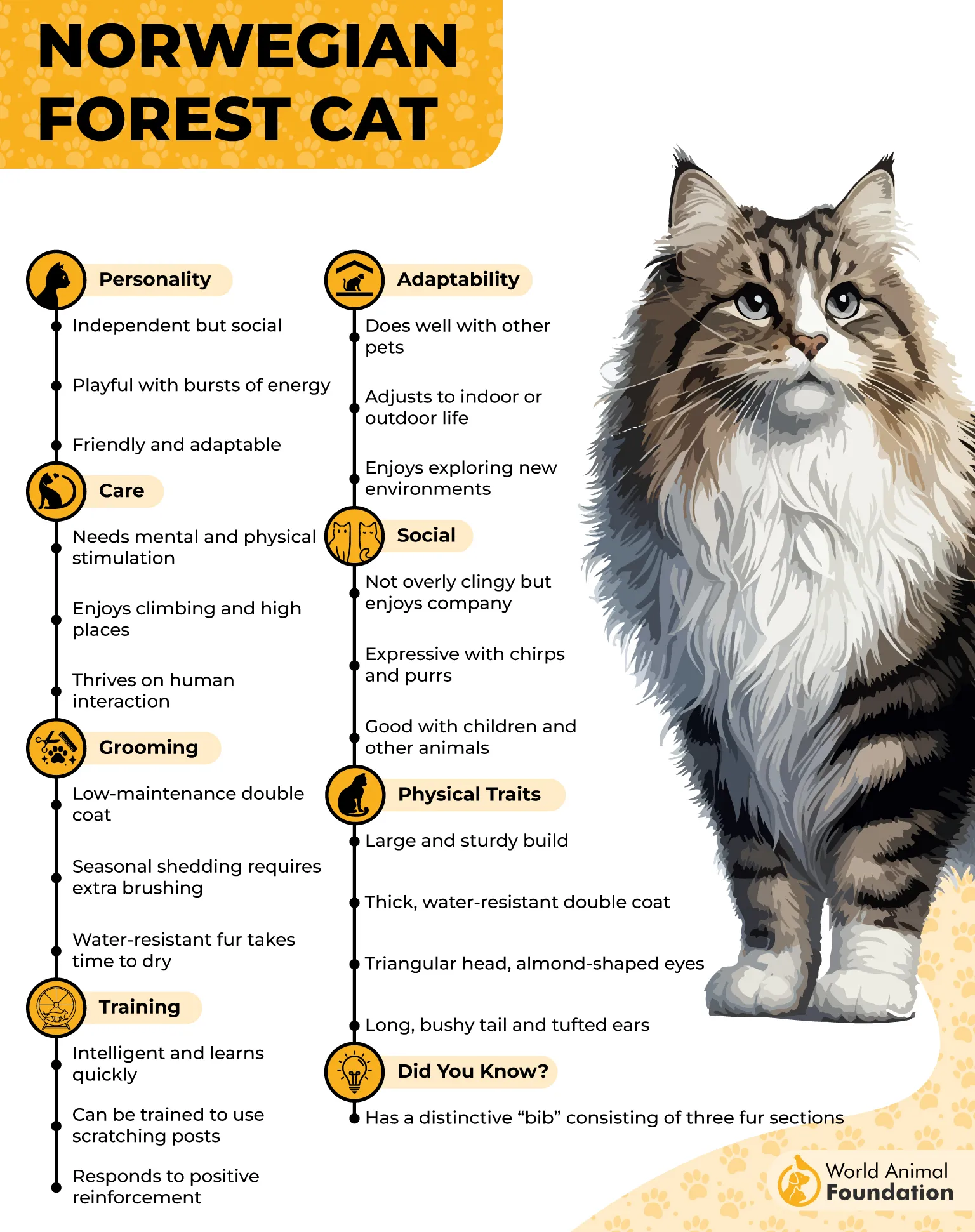
Norwegian Forest Cats may not constantly seek attention from other pets, but they can develop comfortable relationships with dogs. They might need time to accept a canine housemate, particularly when meeting for the first time. Growing up together can help them become familiar with each other’s presence and routines.
Their strong climbing ability gives them useful options for reaching elevated resting places when they want privacy. Introductions should be gradual, allowing the cat and dog to approach at their own pace while ensuring the cat has safe spaces to retreat.
How This Breed Stands Out
Strong climbing ability offers safe elevated resting spots: Can retreat to high places when they need a break from canine activity.
Patient, self-possessed temperament can help them coexist with respectful dogs: Often adapts to shared family life with time and careful introductions.
3. Siberian
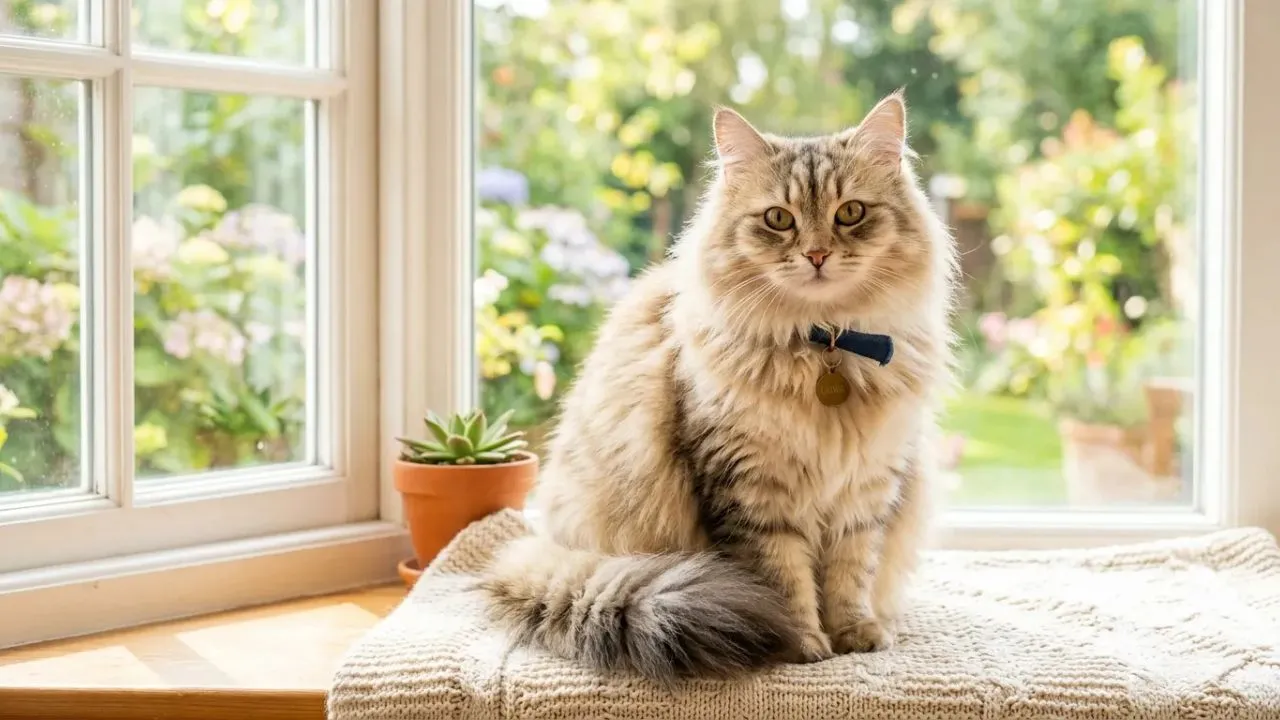
Originating in Russia, the Siberian is a robust, athletic cat with a luxurious, thick coat and a confident personality. These intelligent cats often feel comfortable around other animals, including dogs, and may even take charge of the household’s furry social circle.
According to Royal Canin, Siberian cats express themselves through gentle chirps and grunts, along with familiar sounds such as purring and meowing.
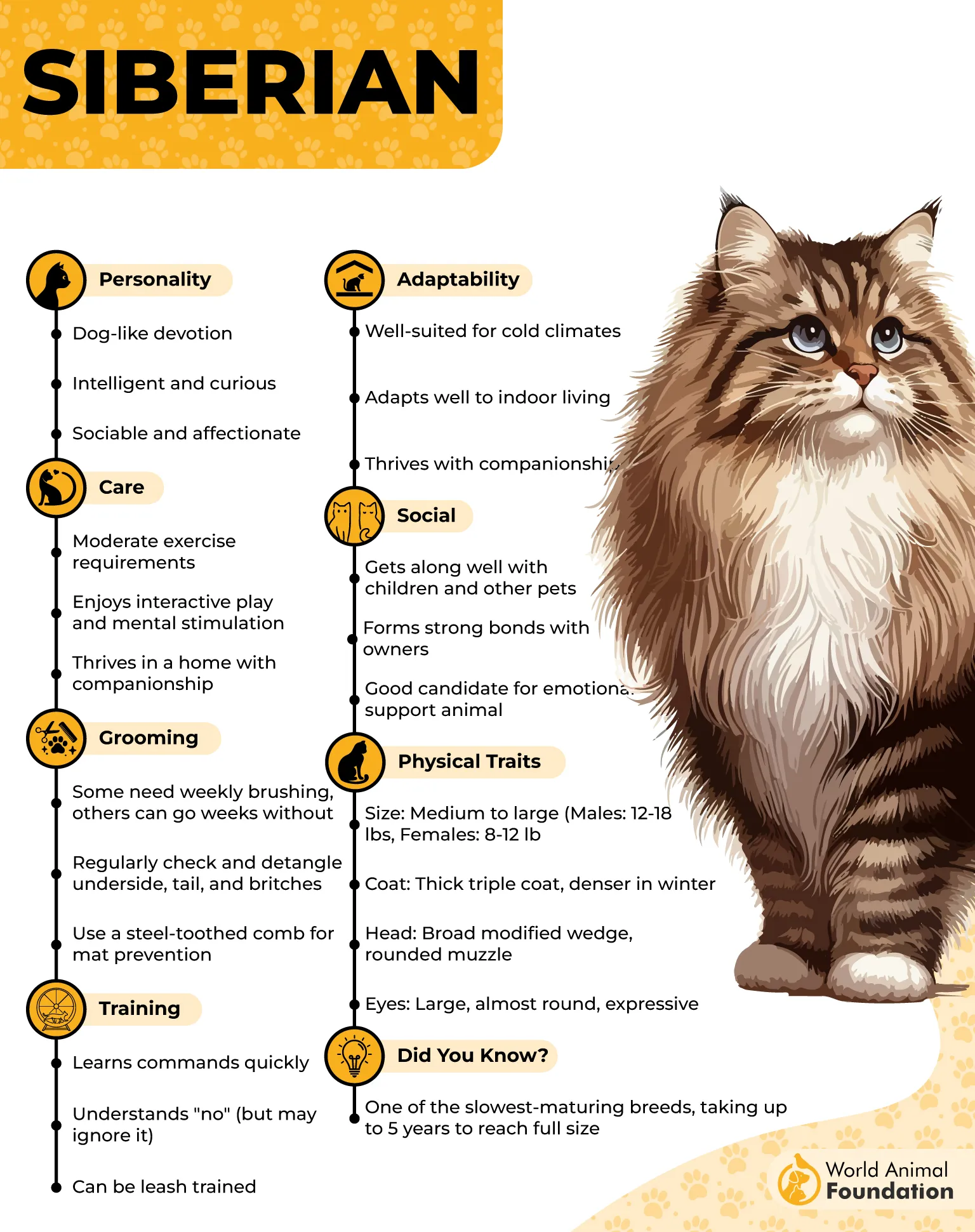
Siberians enjoy active play and exploring their surroundings, making them a good match for families with energetic canine companions. They are generally less vocal than some other breeds, while their adventurous nature encourages curiosity rather than constant withdrawal.
Their climbing ability also gives them elevated places to retreat when a dog becomes too enthusiastic.
Their dense coat needs regular brushing to prevent tangles and mats. When introducing a Siberian to a dog, allow both pets to adjust gradually and provide cat trees or shelves for safe escapes and quiet breaks.
How This Breed Stands Out
Athletic climbing skills provide a way to escape overly enthusiastic dogs: Enjoys climbing to elevated spots for space and security.
Confident, adventurous nature suits active family environments: Combines curiosity, intelligence, and comfort around other household pets.
4. American Shorthair
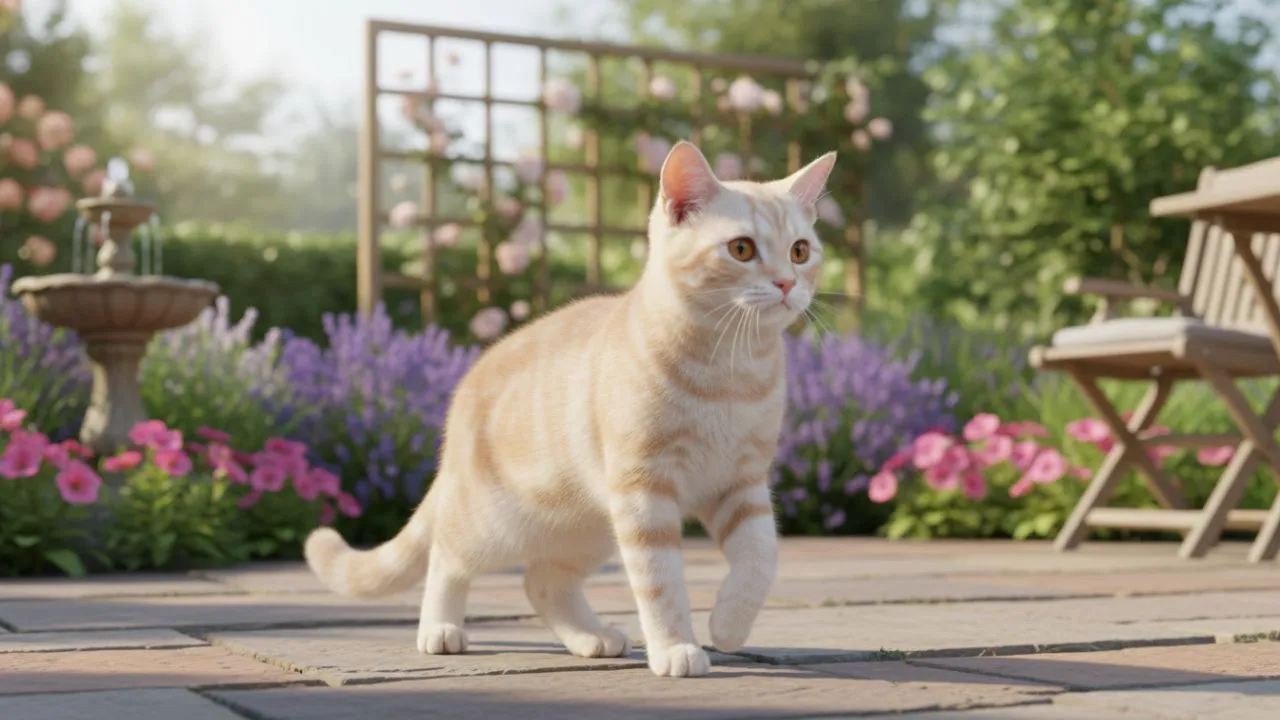
American Shorthairs are sturdy, easygoing cats known for their adaptable personalities and independent nature. They can fit comfortably into homes with dogs without needing to be involved in every interaction, making them suitable for households where pets enjoy having their own space.
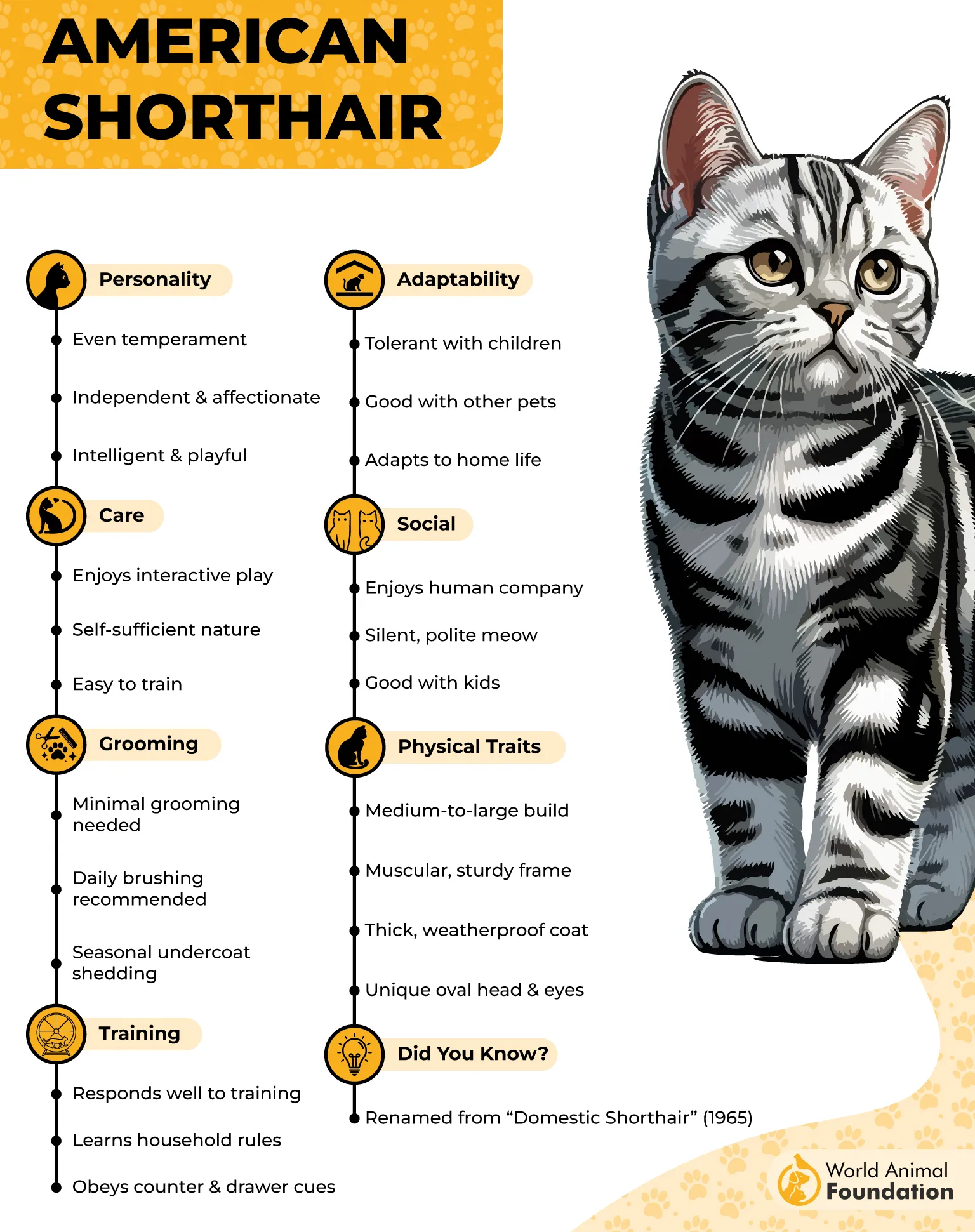
When sharing a home with a canine companion, an American Shorthair may initially observe from a distance before approaching out of curiosity. Their generally mellow temperament can help them adjust to different household routines without constant attention.
These cats appreciate comfortable resting spots and quiet downtime, but they can also enjoy interactive activities with their owners. Gradual introductions and supervised encounters help them become familiar with dogs while allowing each pet to establish comfortable boundaries.
How This Breed Stands Out
Adaptable temperament helps them settle into multi-pet homes: Can adjust to shared living arrangements with patient introductions.
Independent streak allows them to enjoy time apart from dogs: Often content to rest or explore without constant canine interaction.
5. Tonkinese
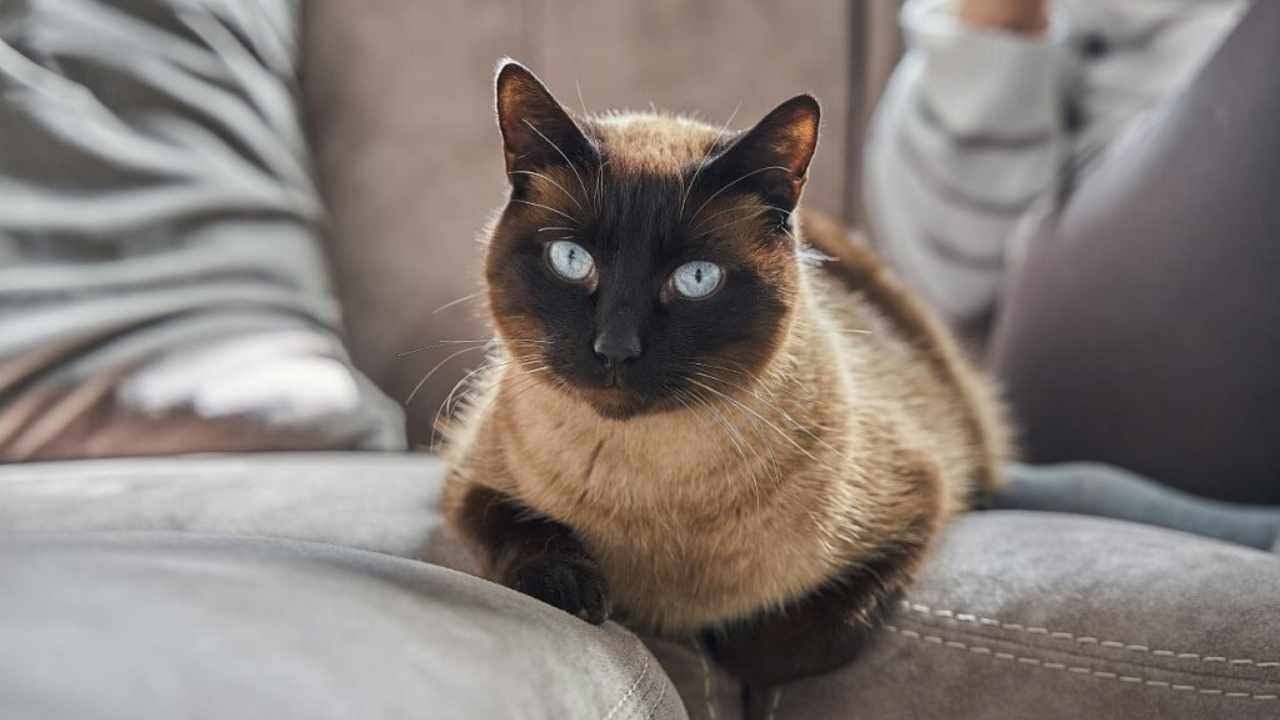
A blend of Siamese and Burmese ancestry gives the Tonkinese a lively personality and an inquisitive nature. These outgoing cats enjoy being involved in household activities and often welcome visitors, making them appealing companions for families with friendly dogs.
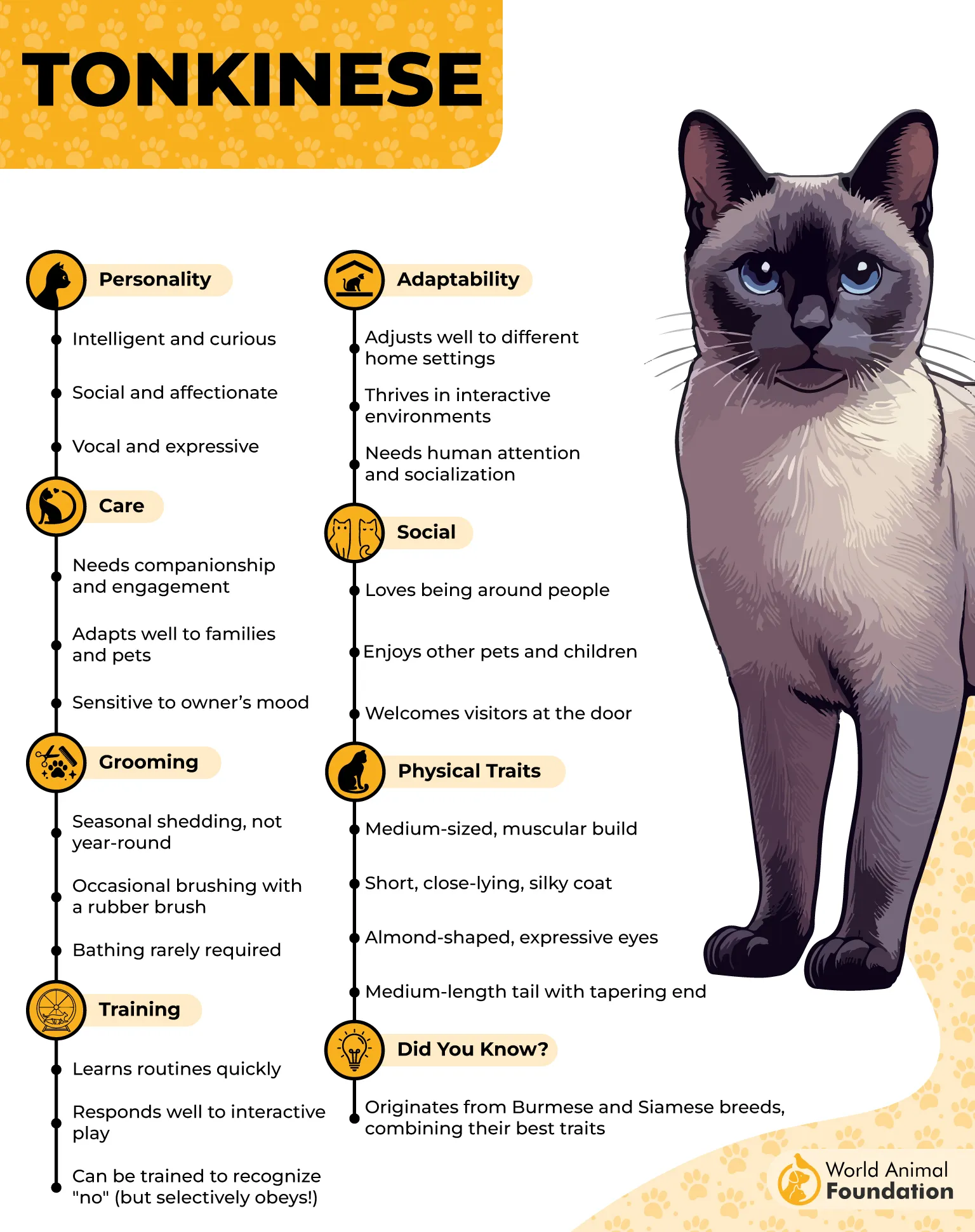
Tonkinese cats are energetic, intelligent, and playful, with some learning to fetch toys and happily competing with canine housemates during games. Their goofy antics can bring plenty of activity into a shared home, while their affectionate nature helps them bond closely with family members.
However, these curious cats need regular stimulation to prevent boredom. Interactive toys, play sessions, and companionship can keep them occupied. When introducing a Tonkinese to a dog, supervise their interactions and give both pets time to become comfortable around each other.
How This Breed Stands Out
Playful energy makes them engaging companions for dog-friendly games: May enjoy fetching toys and joining interactive play.
Curious, outgoing personality helps them explore a shared household: Likes investigating activities and participating in family life.
6. Ragdoll
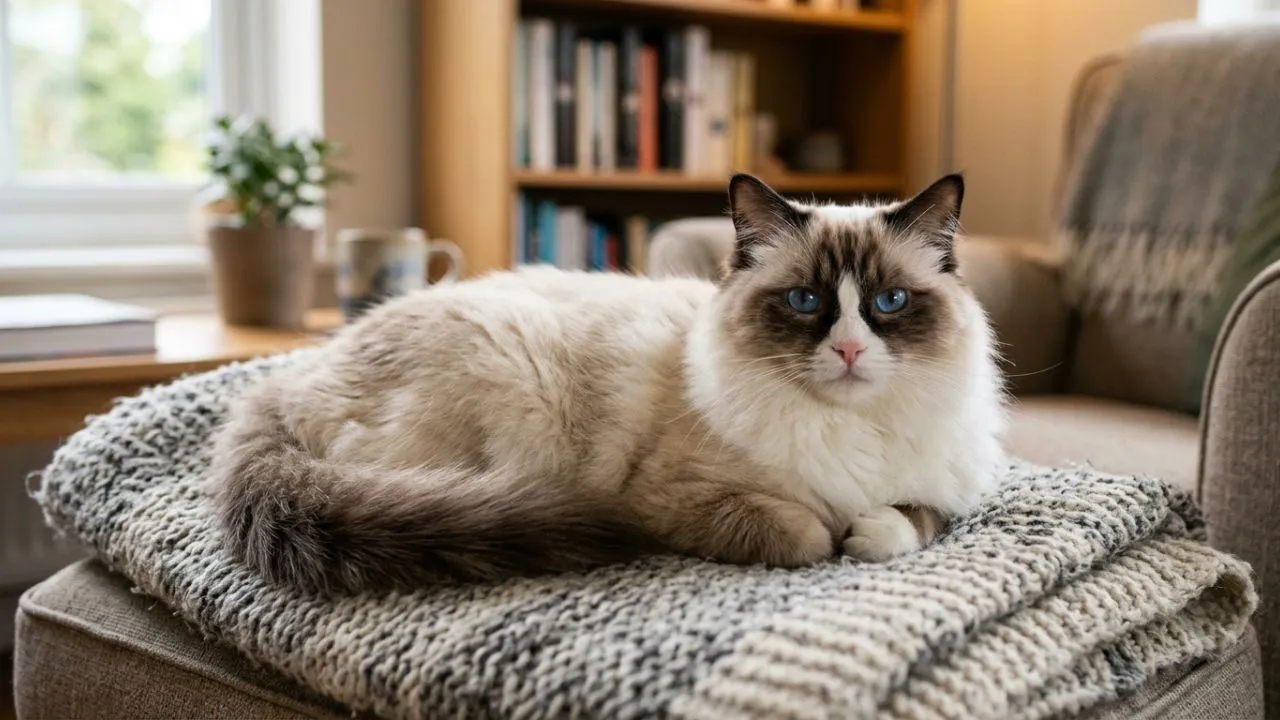
Ragdolls are affectionate, people-focused cats known for their relaxed temperament and gentle approach to everyday life. Rather than avoiding household activity, many enjoy staying close to their families, making them a promising choice for homes with calm, well-mannered dogs.
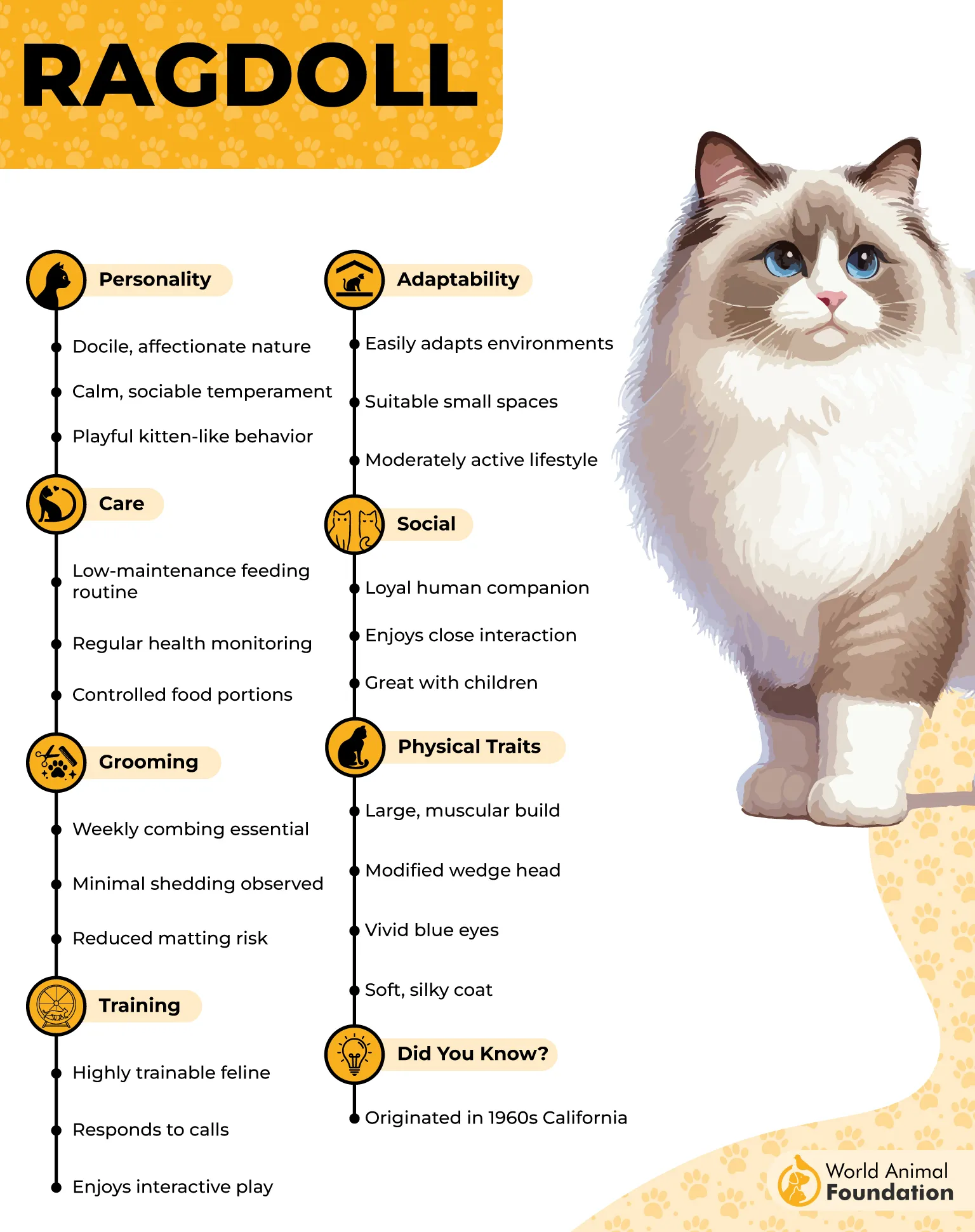
Their easygoing nature can help them tolerate unfamiliar sounds and movement without becoming overly reactive. Some Ragdolls also enjoy greeting their owners at the door, following them around the house, and curling up nearby. With patience, they may become comfortable sharing their space with a canine companion.
Successful introductions still require care. Let both pets approach gradually under supervision, and provide cat trees or elevated shelves where your Ragdoll can retreat whenever needed. Teaching dogs to remain calm around cats helps create more comfortable interactions.
How This Breed Stands Out
Relaxed temperament supports peaceful interactions with calm dogs: Often comfortable sharing a home with a gentle canine companion.
People-oriented nature encourages close family bonding: Enjoys attention, follows family members, and seeks affection.
7. Maine Coon
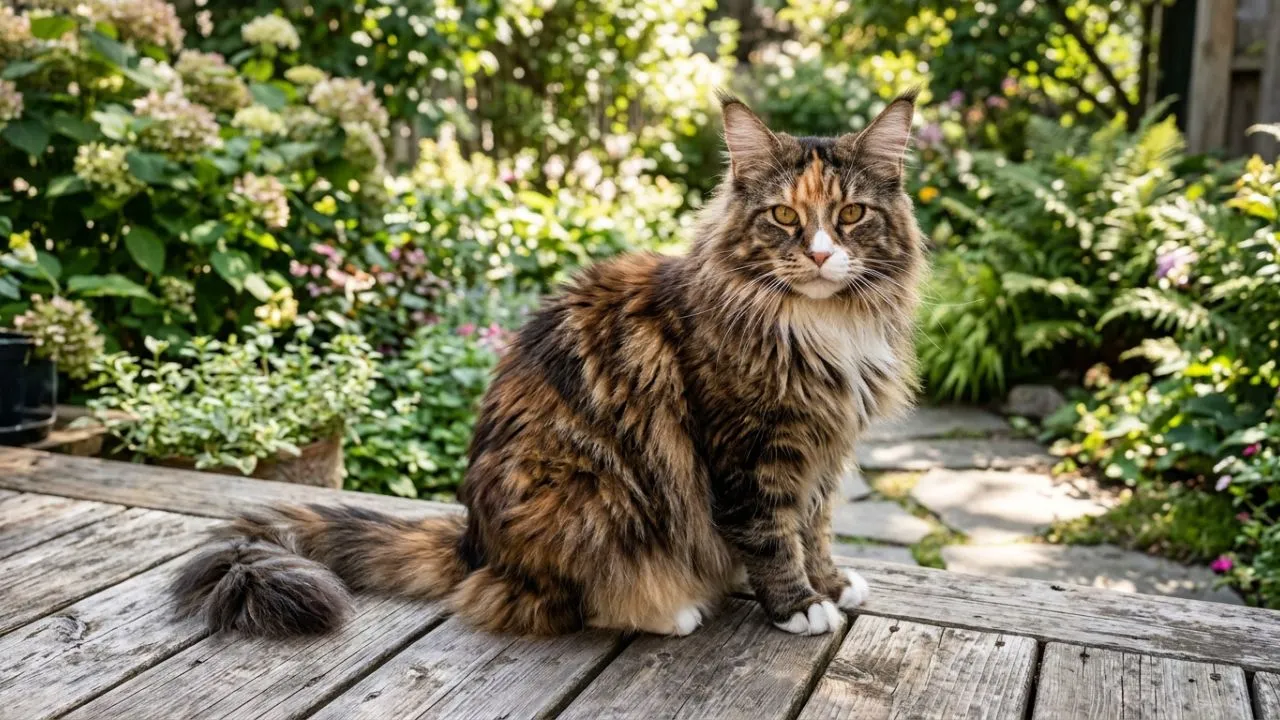
Maine Coons are impressive cats with long, fluffy coats, handsome features, and a reputation for being unusually dog-like. Their affectionate, loyal personalities can help them form strong relationships with canine housemates, making them appealing companions for homes that already have dogs.
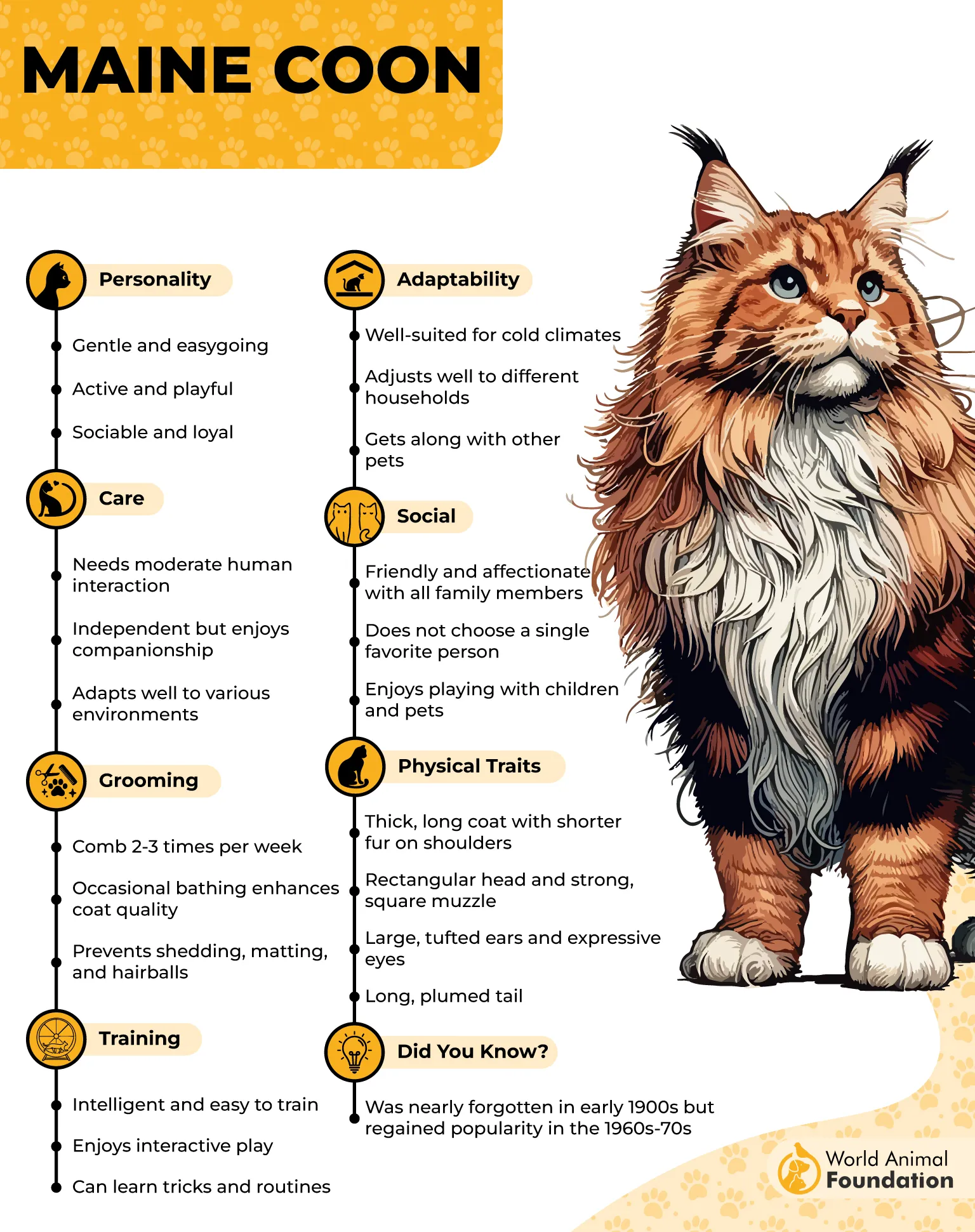
Unlike more reserved cats, Maine Coons often enjoy interactive activities and may even learn to play fetch. Kittens can be mischievous and energetic, while adults may become more settled. Their playful, sociable nature can make everyday interactions with a friendly dog more enjoyable.
Their large, sturdy frames also offer an advantage when sharing space with energetic pets. However, introductions should remain gradual, with supervised interactions that respect each animal’s comfort and boundaries.
How This Breed Stands Out
Sociable nature helps them adjust to canine housemates: Their affectionate, outgoing temperament can support positive relationships with dogs.
Large, sturdy build suits active play and shared spaces: Their substantial size can help them handle livelier play, provided interactions remain gentle.
Conclusion
Choosing a cat for a home with dogs means considering temperament, activity levels, and how comfortably both pets can share their space. Friendly, adaptable cats can make wonderful companions for families with canine members.
Maine Coons and Siberians bring confidence and playful energy, while Ragdolls and Birmans are often appreciated for their affectionate, easygoing personalities. Tonkinese cats add curiosity and enthusiasm, whereas American Shorthairs offer a more independent approach to household life.
Norwegian Forest Cats also bring a patient, self-assured presence, although they may need time to adjust to a new canine companion. Every cat has an individual personality, so compatibility cannot be guaranteed by breed alone.
Gradual introductions, supervised interactions, and safe spaces where cats can retreat help build trust. With patience and respect for each pet’s boundaries, families can encourage a more comfortable and harmonious shared home.
