





Choosing a dog involves more than appearance or popularity. A breed’s history, typical energy level, sociability, and trainability can offer useful clues about what to expect from a potential companion.
Some dogs are known for their patient, friendly nature, while others tend to be confident, attentive, or eager to please. Still, no breed guarantees a perfectly predictable temperament, as upbringing, socialization, training, and individual personality all influence behavior.
Explore seven breeds recognized for their generally consistent temperament traits and learn what may make each one a suitable match for your lifestyle.
Calm‑Canine Dog Breeds That Keep the Noise to a Minimum
1. Shih Tzu

Shih Tzus were bred to be close companions, and their affectionate nature makes them well suited to peaceful homes. These small dogs enjoy snuggling with their owners and often prefer companionship over noisy attention-seeking.
According to PetMD, they are cheerful and sociable around people and animals of all ages, enjoying companionship rather than spending time alone.
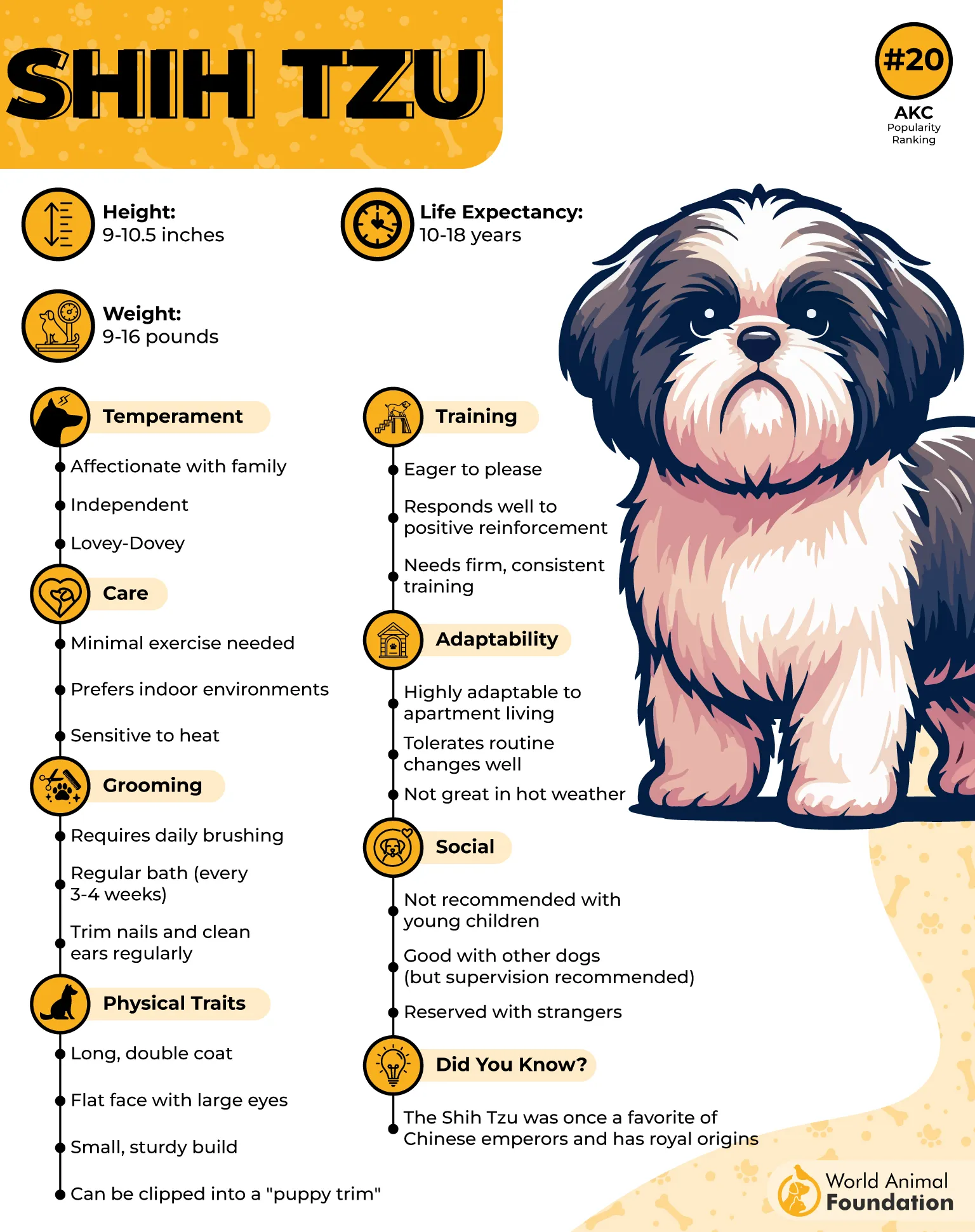
Although they can be lively and alert, Shih Tzus are not generally known for barking constantly. They may speak up when they want attention, but many are content to settle beside their favorite people during quiet periods.
Their modest exercise needs make them suitable for apartment living and homes without large yards. However, their long, flowing coats require regular grooming to prevent tangles and maintain a healthy appearance.
How This Breed Stands Out
Calm indoor companion: Shih Tzus enjoy close human company and can adapt comfortably to relaxed household routines.
Usually quiet during downtime: They often settle happily beside their owners, with barking more likely when they want attention or notice something unusual.
2. Cavalier King Charles Spaniel

Cavalier King Charles Spaniels are affectionate companions that often prefer curling up beside their owners to making a fuss. Their sweet, gentle personalities and fondness for cuddling make them appealing to people who appreciate a quieter household.
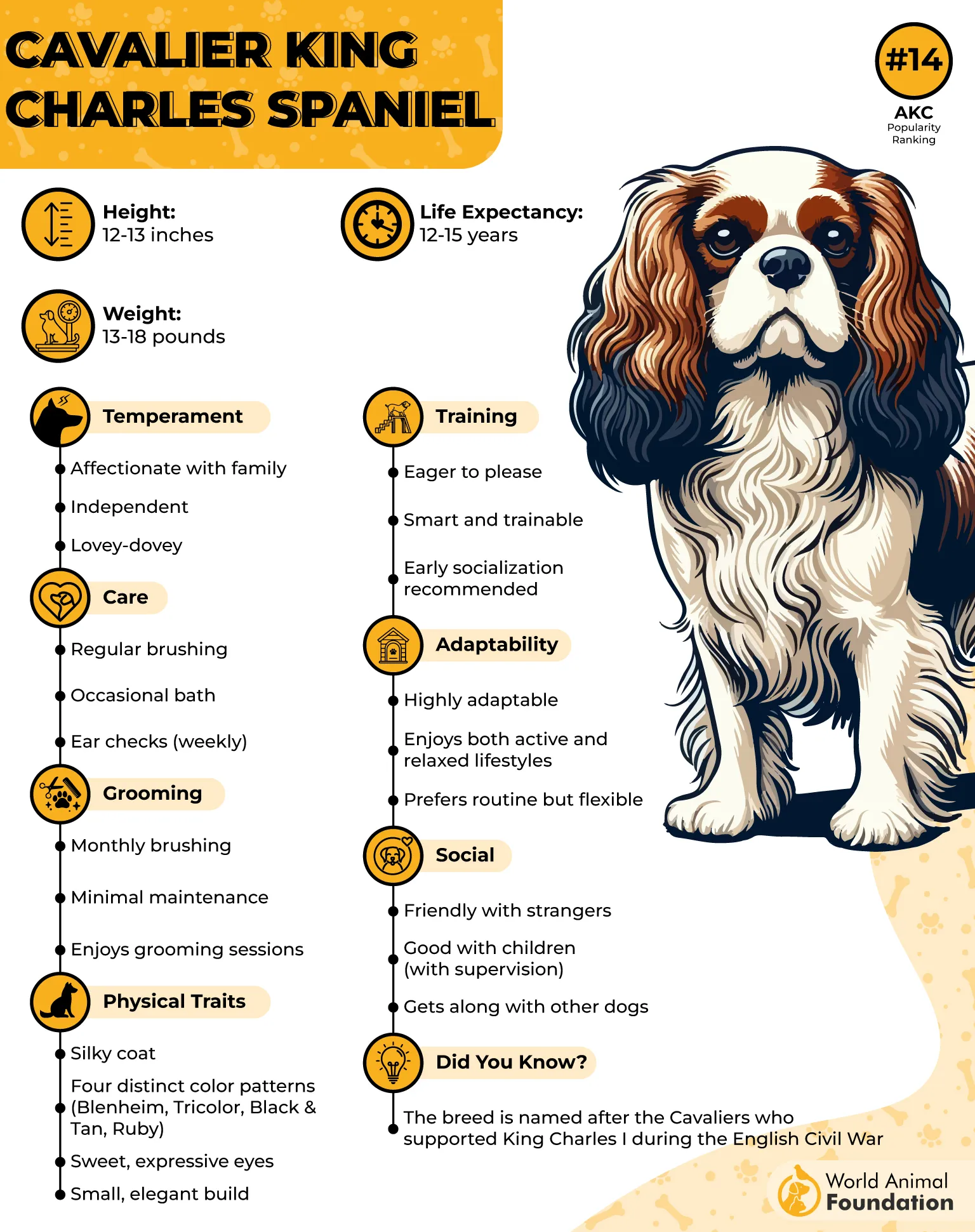
These small dogs are not typically known for excessive barking, although they may vocalize when something catches their attention. They often communicate through subtle sounds or by staying close to their favorite people rather than constantly demanding attention.
Cavaliers can adapt to various living environments and generally enjoy moderate exercise alongside plenty of indoor companionship. Their easygoing nature can suit families, seniors, and individuals seeking an affectionate pet, provided their daily activity and social needs are met.
How This Breed Stands Out
Soft-spoken companionship: Cavaliers tend to be relatively quiet companions, using occasional vocalizations rather than persistent barking.
Gentle, adaptable demeanor: Their affectionate temperament and flexible nature help them settle into different households and daily routines.
3. Basset Hound
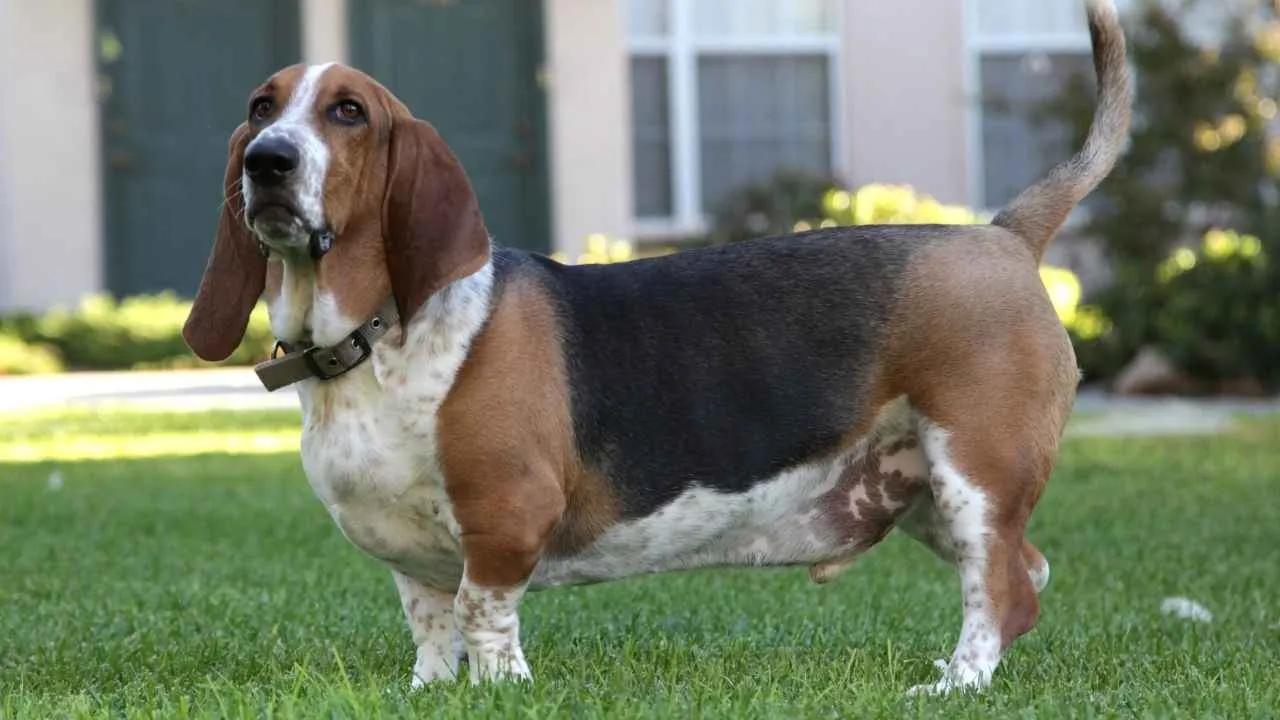
Basset Hounds have a relaxed, easygoing nature that suits peaceful households. Originally developed in France to track small game, these short-legged hounds are known for their sturdy build, drooping ears, and excellent sense of smell.
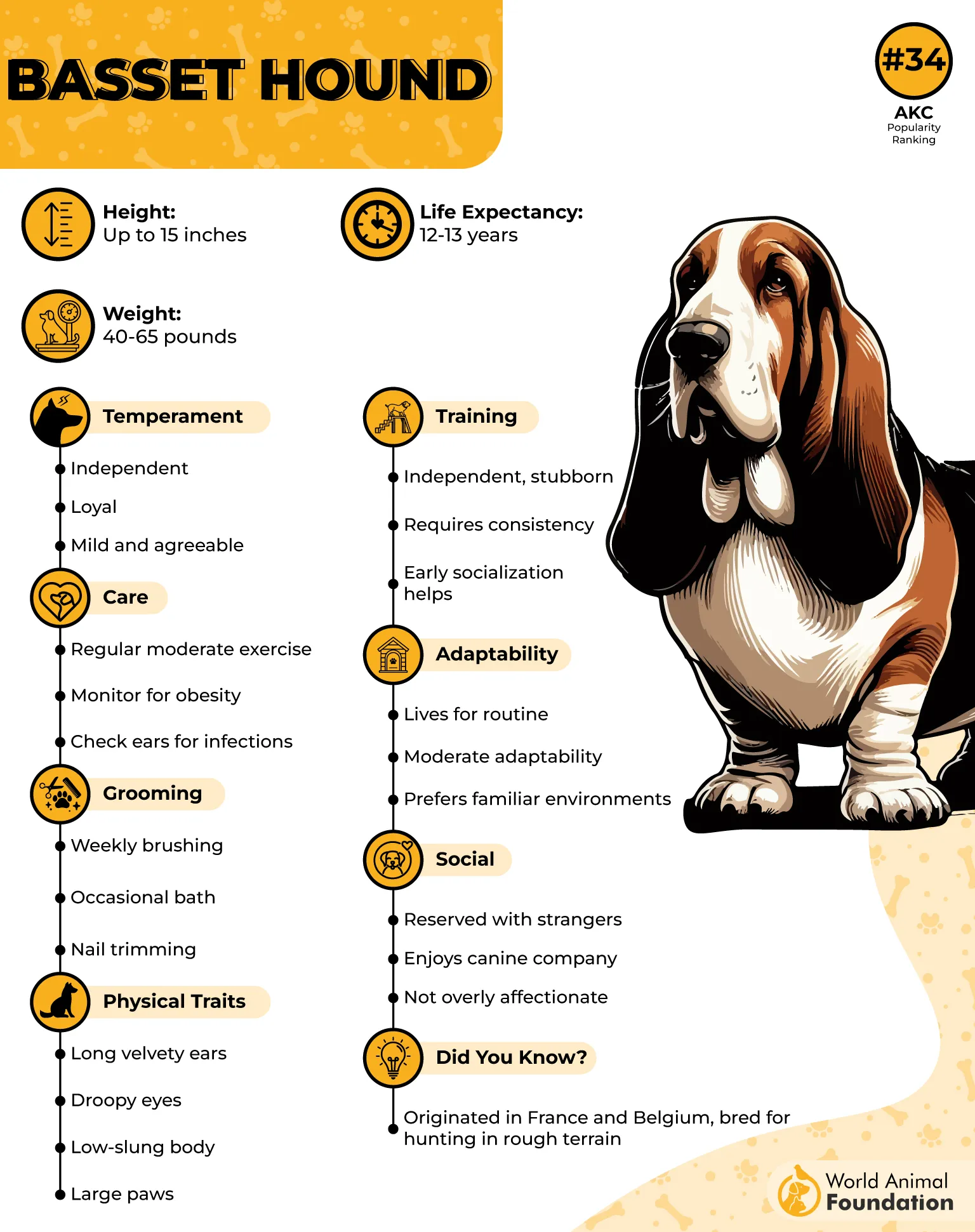
At home, they often prefer lounging near their families to constant activity. Although generally mellow, Basset Hounds can be vocal when following their hunting instincts or responding to interesting scents, so their quietness should not be taken as a guarantee that they rarely make noise.
Their distinctive voices are deep and resonant, and they may howl or bay rather than rely on frequent sharp barking. Regular walks that let them investigate smells provide useful enrichment and help satisfy their natural tracking instincts.
How This Breed Stands Out
Laid-back household presence: Basset Hounds often enjoy resting close to their families and maintaining a relaxed pace indoors.
Deep, resonant hound voice: Their characteristic baying can be surprisingly loud, particularly when an intriguing scent catches their attention.
4. Pekingese

Pekingese dogs carry themselves with a dignified, almost royal confidence, reflecting their history as companions to China’s ruling classes. Their compact bodies, distinctive rolling gait, and abundant neck fur give them a recognizable appearance.
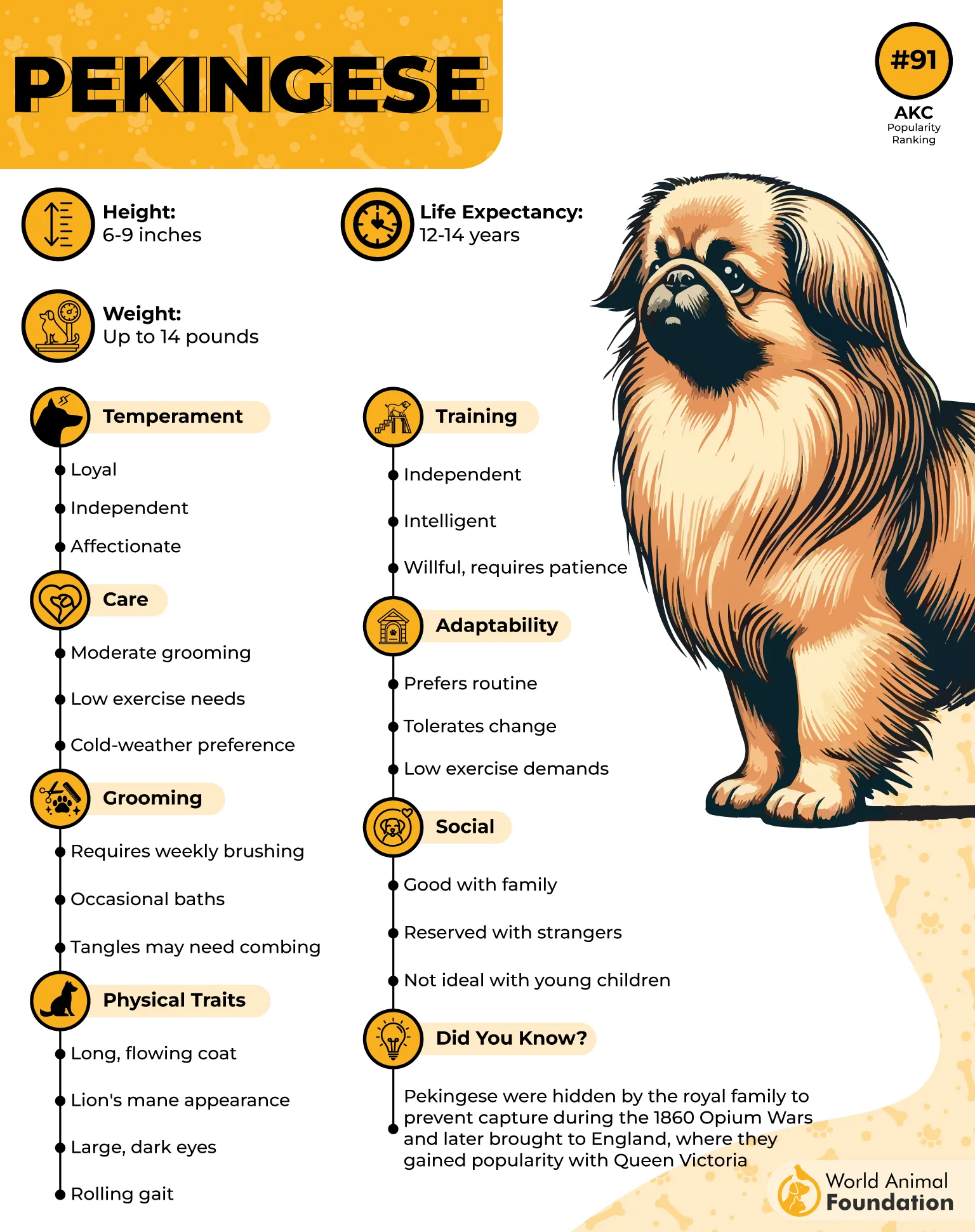
These loyal dogs often form a particularly strong bond with one favorite person. Although affectionate with their chosen companions, they can be independent and reserved around unfamiliar people, making early socialization important for helping them feel comfortable in new situations.
Pekingese are naturally alert and may bark firmly when something seems unfamiliar or threatening. Introducing them gradually to different people, animals, and everyday experiences can help manage excessive alert barking. They also prefer gentle handling rather than rough play.
How This Breed Stands Out
Dignified, reserved personality: Pekingese are confident, independent companions who may be selective about whom they welcome closely.
Selective alert barking: Their watchdog instincts can prompt barking at unfamiliar activity, while early socialization may help reduce unnecessary reactions.
5. Bulldog
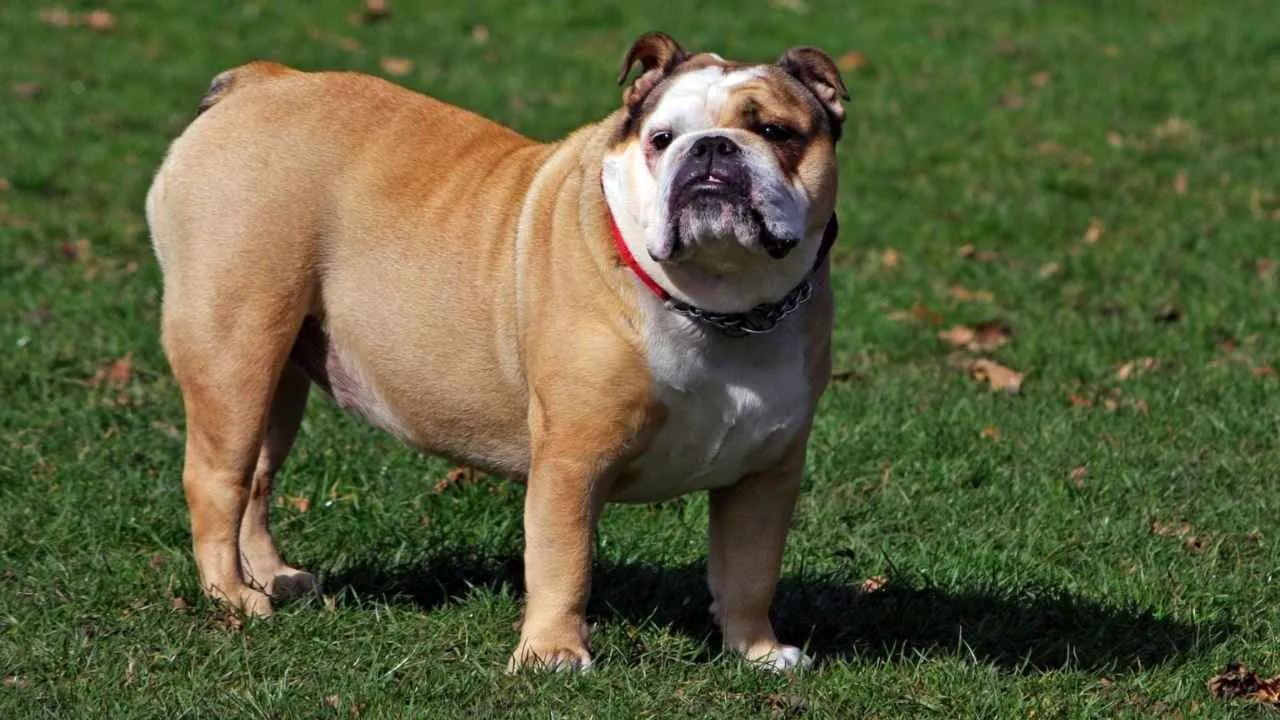
Bulldogs are known for their sturdy build and easygoing personality. These friendly dogs often enjoy a peaceful home environment, preferring comfortable resting spots and relaxed time with their owners over constant activity.
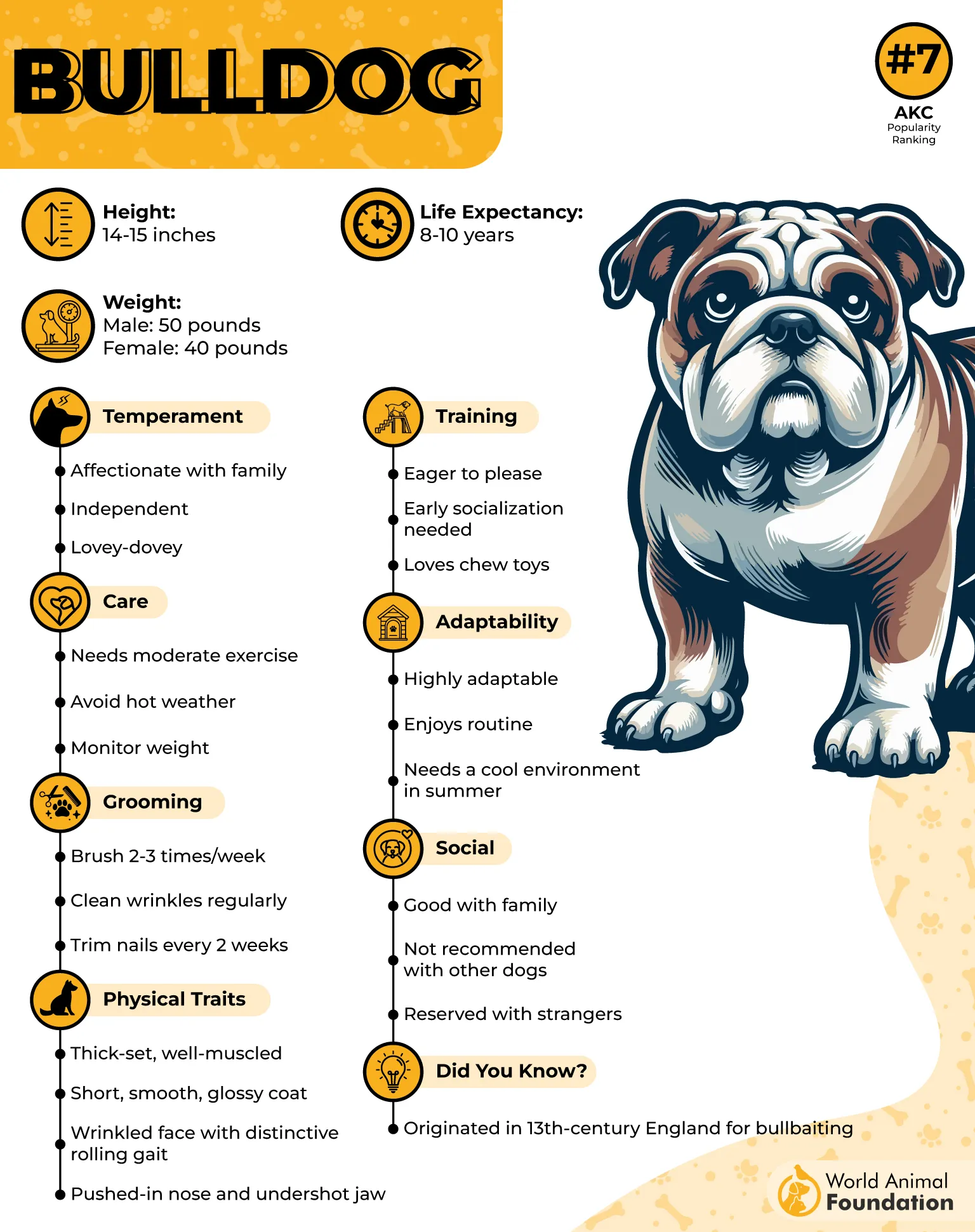
Although Bulldogs may bark to communicate or respond to something unusual, they are not generally associated with persistent barking. Their vocal habits can include snoring, snuffling, and occasional grunts, which are often linked to their distinctive short muzzles.
According to the AKC, Bulldogs may have a relaxed temperament, but they still enjoy brisk walks and require regular, moderate exercise alongside a balanced diet.
Potential owners should understand the breed’s health requirements before bringing a Bulldog home. Their shortened facial structure can contribute to breathing difficulties, so veterinary guidance and careful management of exercise and heat are important.
How This Breed Stands Out
Relaxed indoor temperament: Bulldogs often have a laid-back nature that suits households looking for a calmer companion.
Short, purposeful vocalizations: They may bark occasionally but are also known for snorts, snores, and grumbles rather than constant vocalizing.
6. Pug
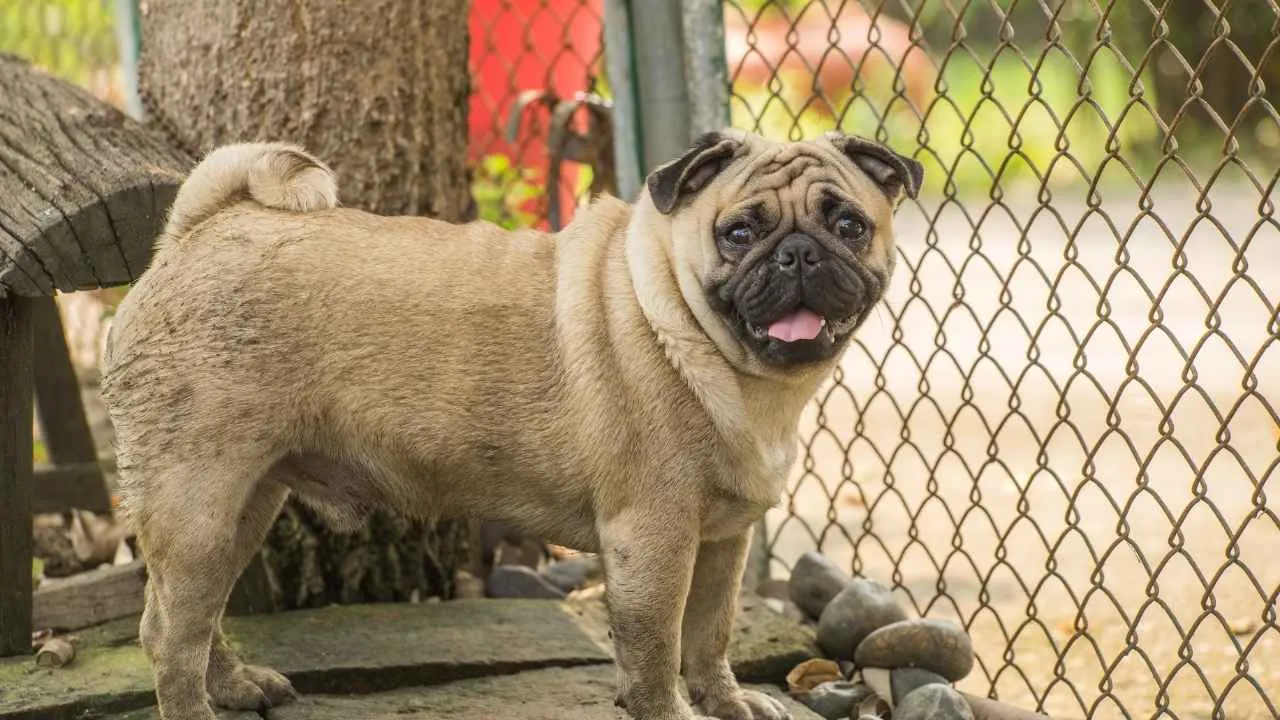
Pugs have charmed owners for generations with their wrinkled faces, round eyes, and lively personalities. These compact companions are generally affectionate and adaptable, making them suitable for many different households.
According to Petplan, they are outgoing dogs that adore human company and enjoy being the focus of attention.
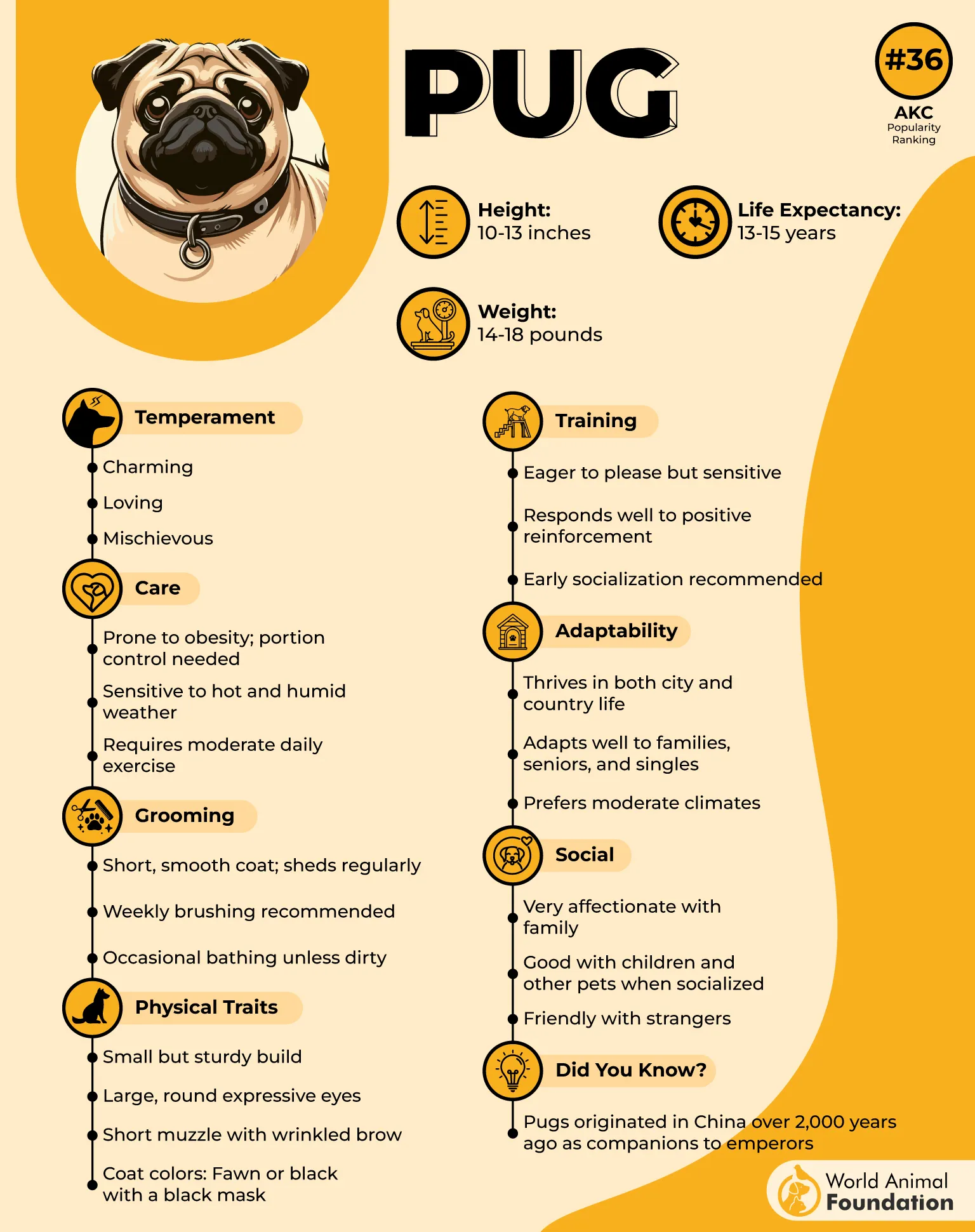
Unlike breeds known for frequent barking, Pugs are often relatively quiet. They may still vocalize when excited or alert, but their communication commonly includes distinctive snorts, snuffles, and little grumbles that reflect their unique facial structure.
Their short coat is relatively easy to maintain, and they typically do not need extensive exercise. However, because their short muzzles can make breathing and temperature regulation difficult, owners should avoid strenuous activity and take extra care in hot weather.
How This Breed Stands Out
Usually quiet between alerts: Pugs are not typically persistent barkers, although individual dogs may vary in their vocal habits.
Expressive snorts and grumbles: Their characteristic snuffling and occasional grunting sounds give them a distinctive way of communicating.
7. Newfoundland
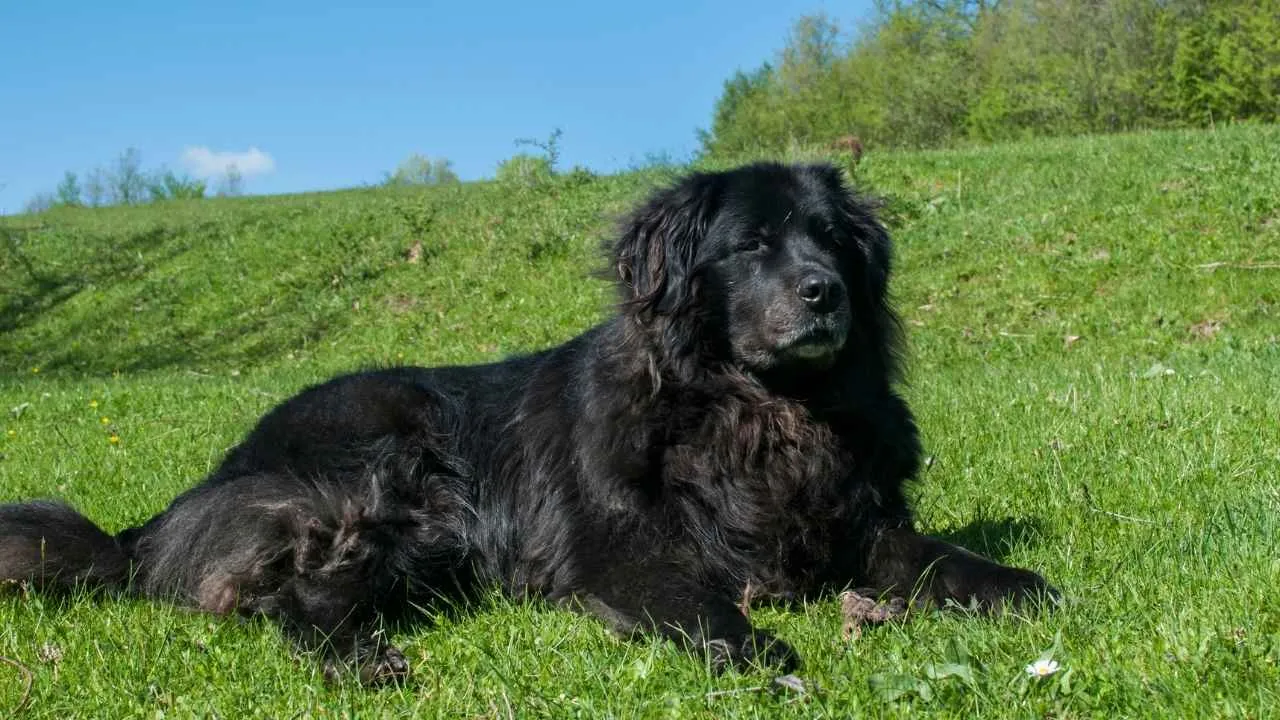
Newfoundlands are imposing dogs with a famously gentle, docile temperament. Despite their massive build, they are often calm companions that enjoy staying close to their families rather than making unnecessary noise.

Their deep bark can serve as a warning when something catches their attention, but they are not generally known for being excessively vocal. Patient and watchful, Newfoundlands have also earned a reputation for being especially gentle around children, with early training helping reinforce good manners.
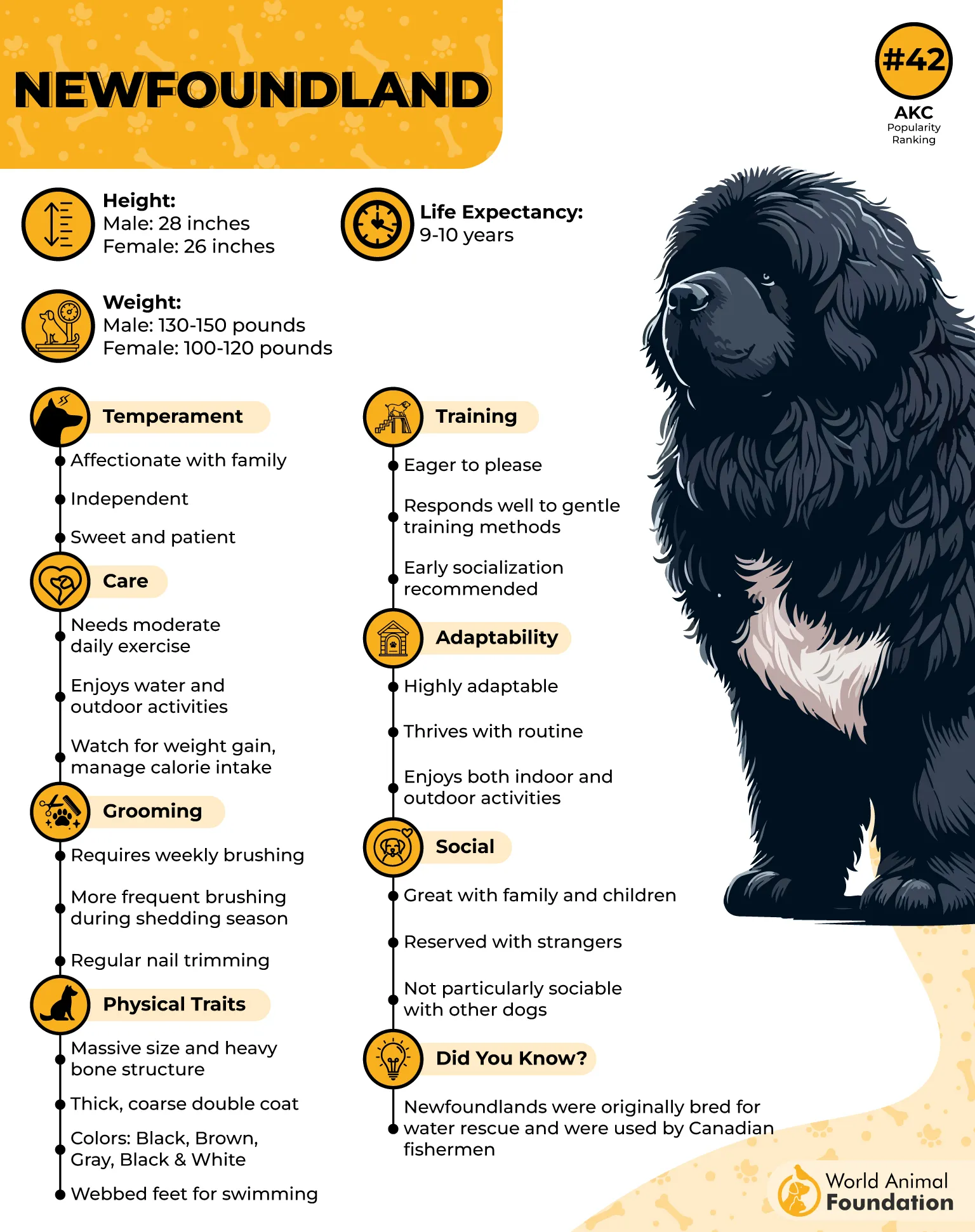
These dogs need plenty of room to move comfortably, and owners should be prepared for regular grooming. Their dense, coarse coat requires consistent care, and their tendency to drool is another practical consideration for prospective families.
How This Breed Stands Out
Deep, infrequent warning bark: Their powerful bark can alert owners to something unusual without constant vocalizing.
Patient, gentle giant nature: Newfoundlands are valued for their devoted companionship and calm, watchful behavior around family.
Conclusion
Choosing a dog that barks less can help create a more peaceful home. Newfoundlands offer gentle companionship, while Pugs bring affection and personality without typically being frequent barkers.
Bulldogs and Pekingese have their own distinctive vocal habits, while Basset Hounds may use deep, resonant baying when something catches their attention. Cavaliers and Shih Tzus often enjoy quiet companionship and relaxing close to their owners.
However, every dog has an individual personality, and even generally quiet breeds may bark when excited, alert, or seeking attention. Early socialization, positive training, and meeting a dog’s needs can help encourage calmer behavior.
Before choosing a breed, consider its grooming requirements, exercise needs, and health concerns alongside its vocal tendencies. With thoughtful care and realistic expectations, you can find a loving companion that fits your household and supports a quieter living environment.
