




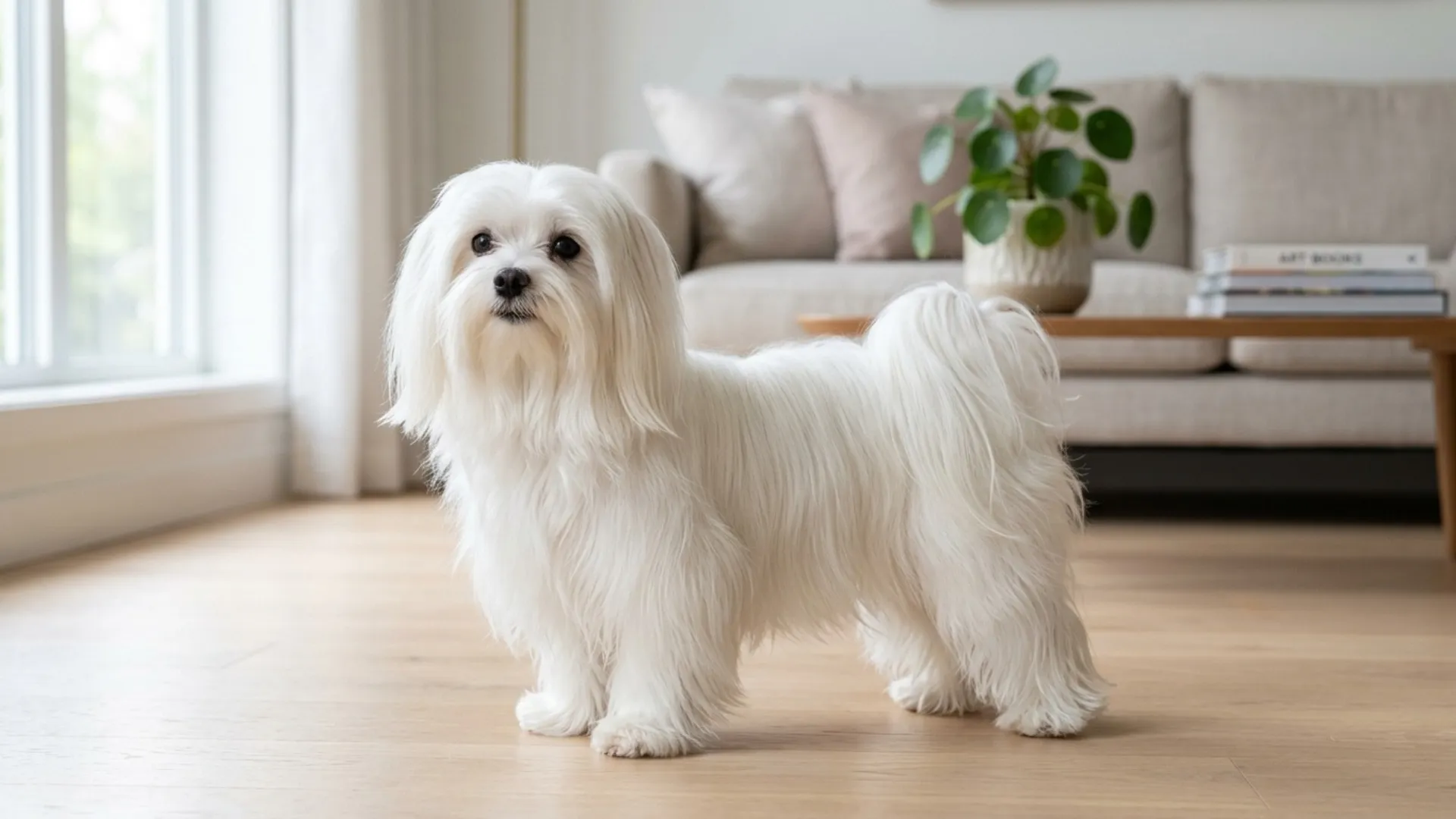
Love dogs but feel personally attacked by the fur decorating your couch, clothes, car seats, and somehow even your morning coffee?
You are definitely not asking for too much. Some dogs simply leave far less hair behind, which can make life feel a little easier for anyone who would rather spend time playing with their pup than chasing fluff around with a lint roller.
Of course, less shedding does not mean zero grooming, so your vacuum may get a break while your dog brush stays employed. Ready to meet the dogs that keep the fur drama surprisingly low? Let’s see who makes the list.
Did you know?
Some low-shedding breeds may be easier for dog allergy-sensitive households to live with because their coats can spread less dander around the home. Still, there is no such thing as a completely hypoallergenic dog, since all dogs produce allergens.
Fantastic Dog Breeds That Shed Very Little
1. Miniature Poodle
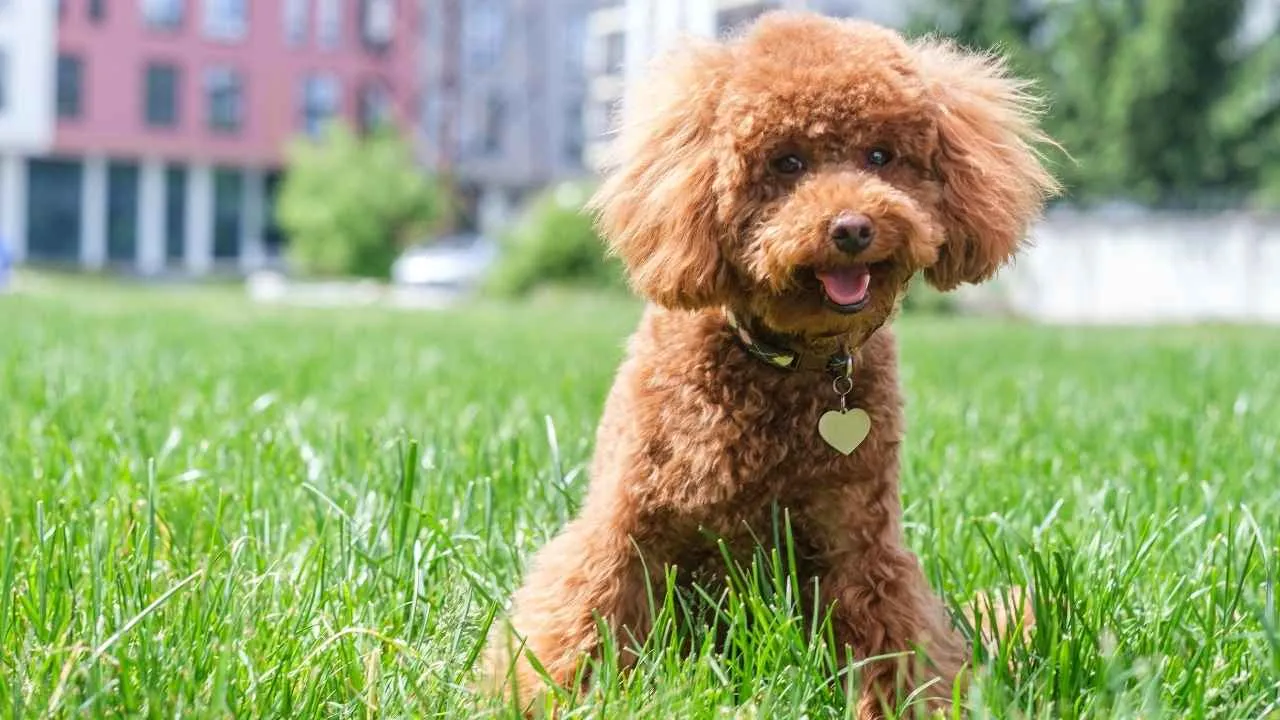
Well, the Miniature Poodle has more going on than those famous curls. This clever, versatile dog combines an elegant look with plenty of personality, making its low-shedding coat only one part of what catches attention in the first place.
If you like a dog that joins the action, this one certainly understands the assignment. Miniature Poodles are lively, sociable, affectionate, intelligent, and amusing, bonding closely with their owners while happily taking part in family activities.
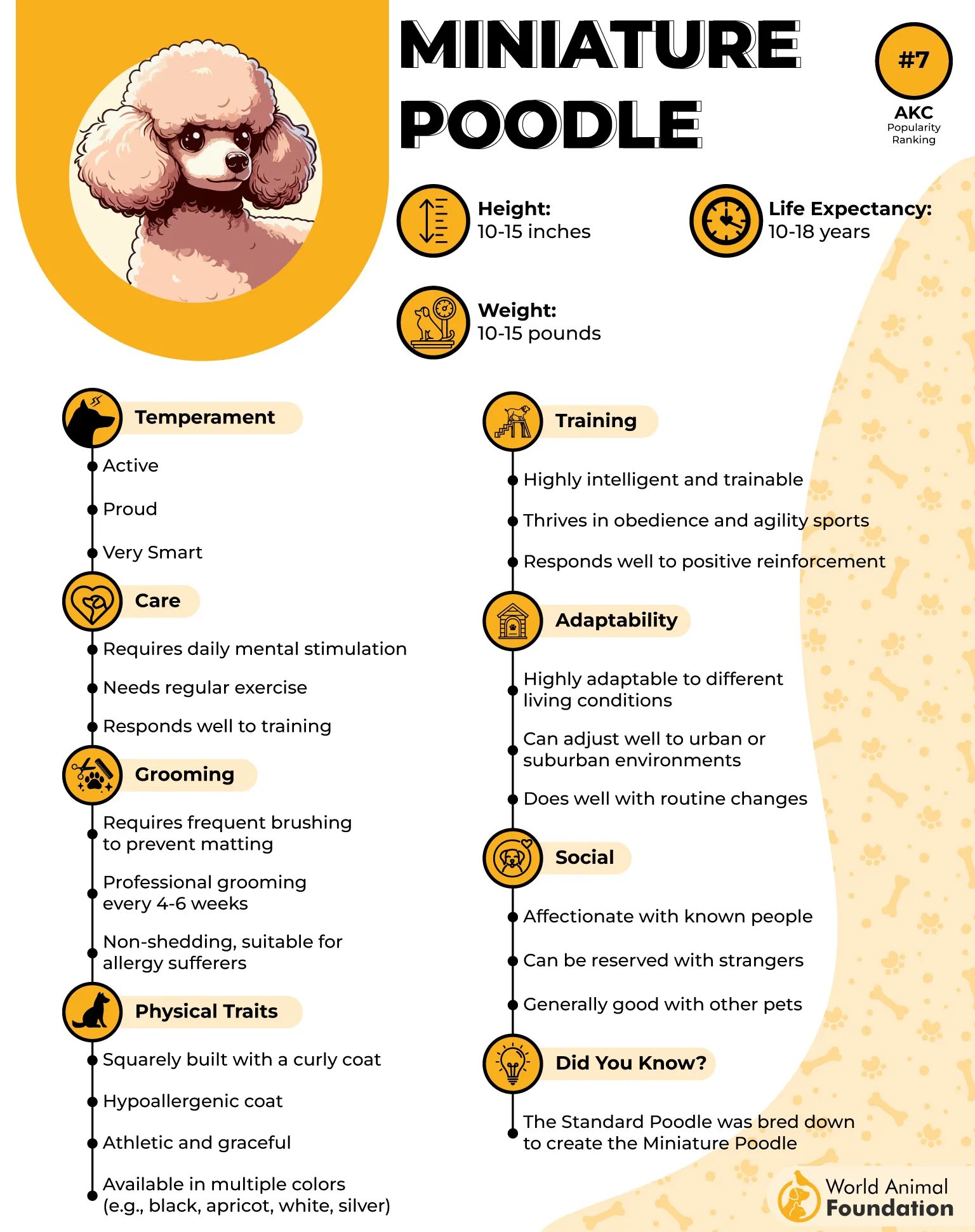
That curly coat comes with a practical perk too. Miniature Poodles shed very little and may suit some allergy sufferers, although even low-shedding dogs still produce allergens, and regular grooming remains an important part of caring for their coat.
Grooming Tips For This Breed
Keep the dense, continuously growing hair clipped so it stays manageable as it gets longer.
Introduce puppies to brushes, combs, and grooming tools early so coat care becomes familiar from the beginning.
2. Bichon Frise
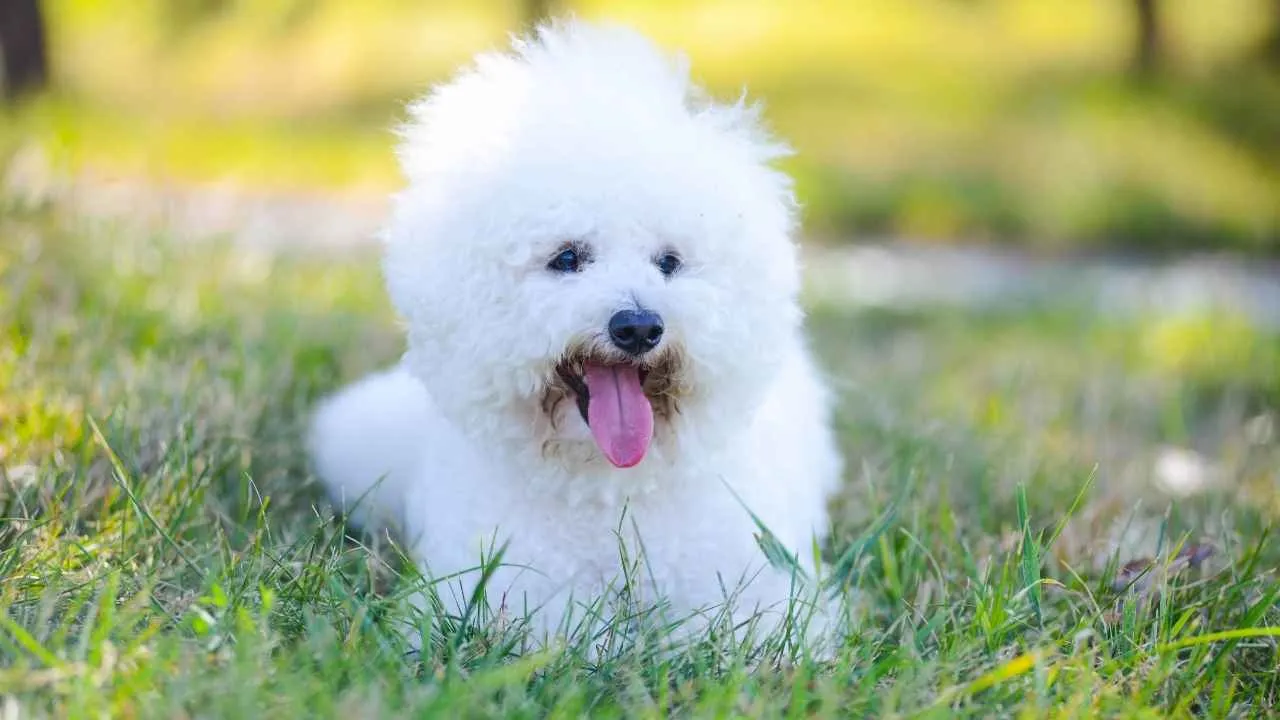
Now this is the kind of fluff that stays surprisingly organized. The Bichon Frise has a plush, velvety white coat and a cheerful, curious personality, giving dog lovers plenty of softness without turning every room into a floating fur festival.
Around the household, Bichons tend to make themselves wonderfully involved. They are affectionate, playful dogs that can do well with children and other dogs, while their sociable nature means meeting new friends feels more like an opportunity than an interruption.
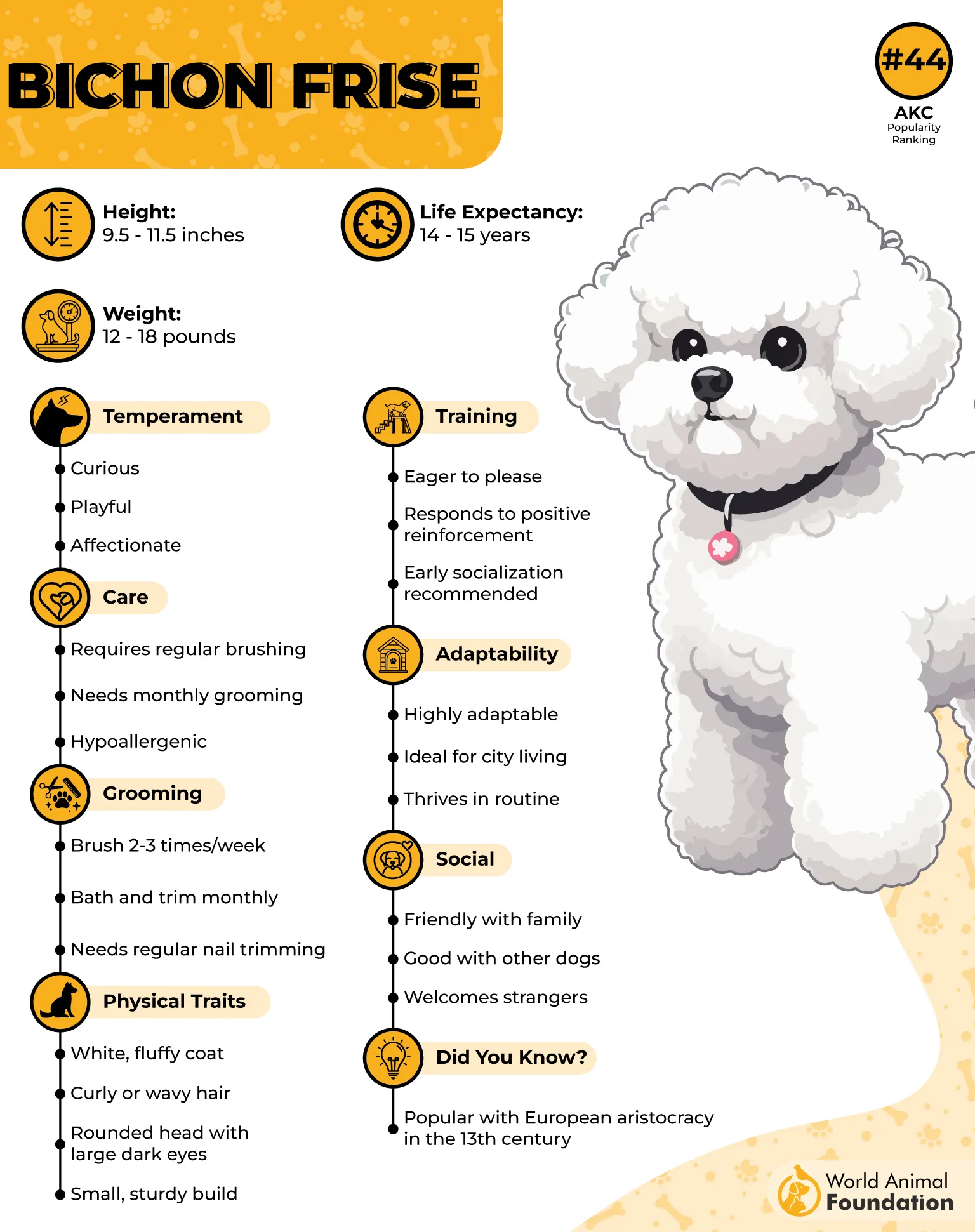
As noted by PetMD, keeping that white coat tidy takes real consistency. Brush it every day to help prevent matting, and plan on monthly professional grooming visits so the fur stays neat, trimmed, and comfortably maintained.
Grooming Tips For This Breed
Normal tear staining can be cleaned gently with dog-safe stain removers or eye wipes.
A monthly wash with suitable dog shampoo and conditioner can help keep the coat soft and white.
3. Maltese
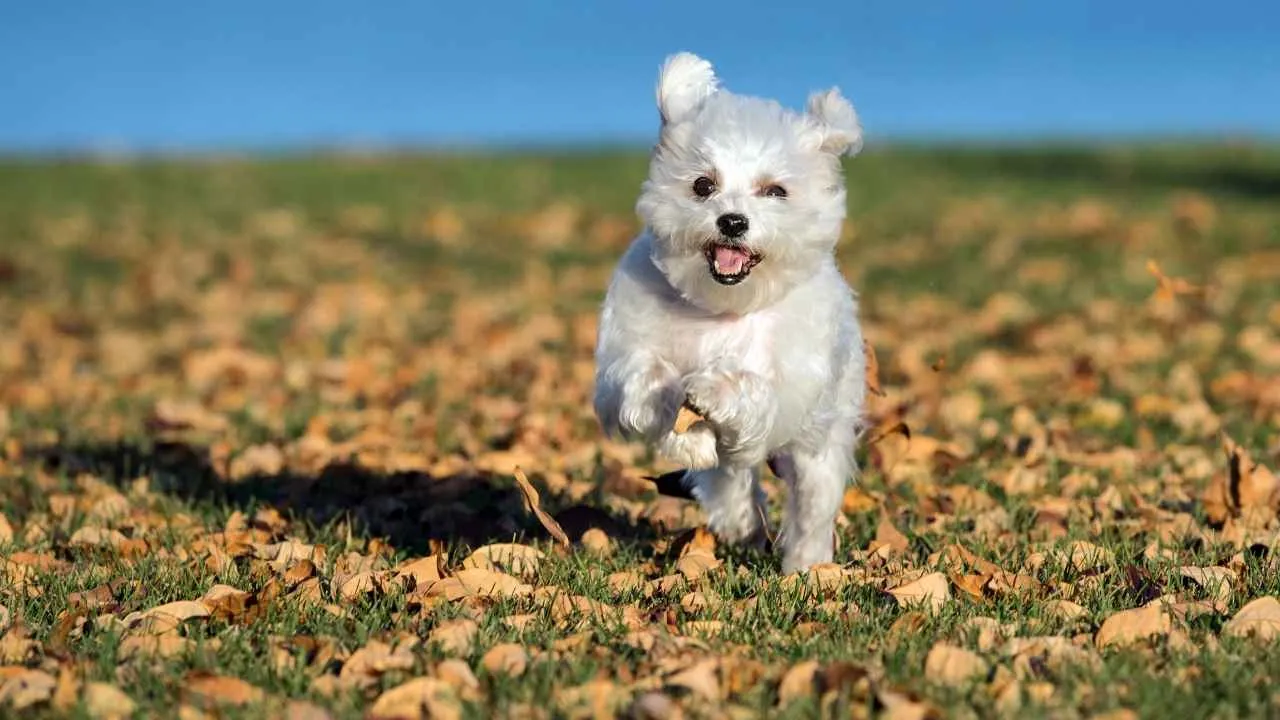
Let’s be fair, the Maltese knows how to make white hair look glamorous. This ancient toy dog is famous for a long, silky coat and playful charm, yet that elegant curtain of hair is also known for shedding very little.
Keeping those flowing locks looking polished does ask for commitment. Maltese coats need daily brushing or combing to prevent mats and tangles, plus regular bathing, while shorter haircuts can make the grooming routine considerably easier for pet owners.
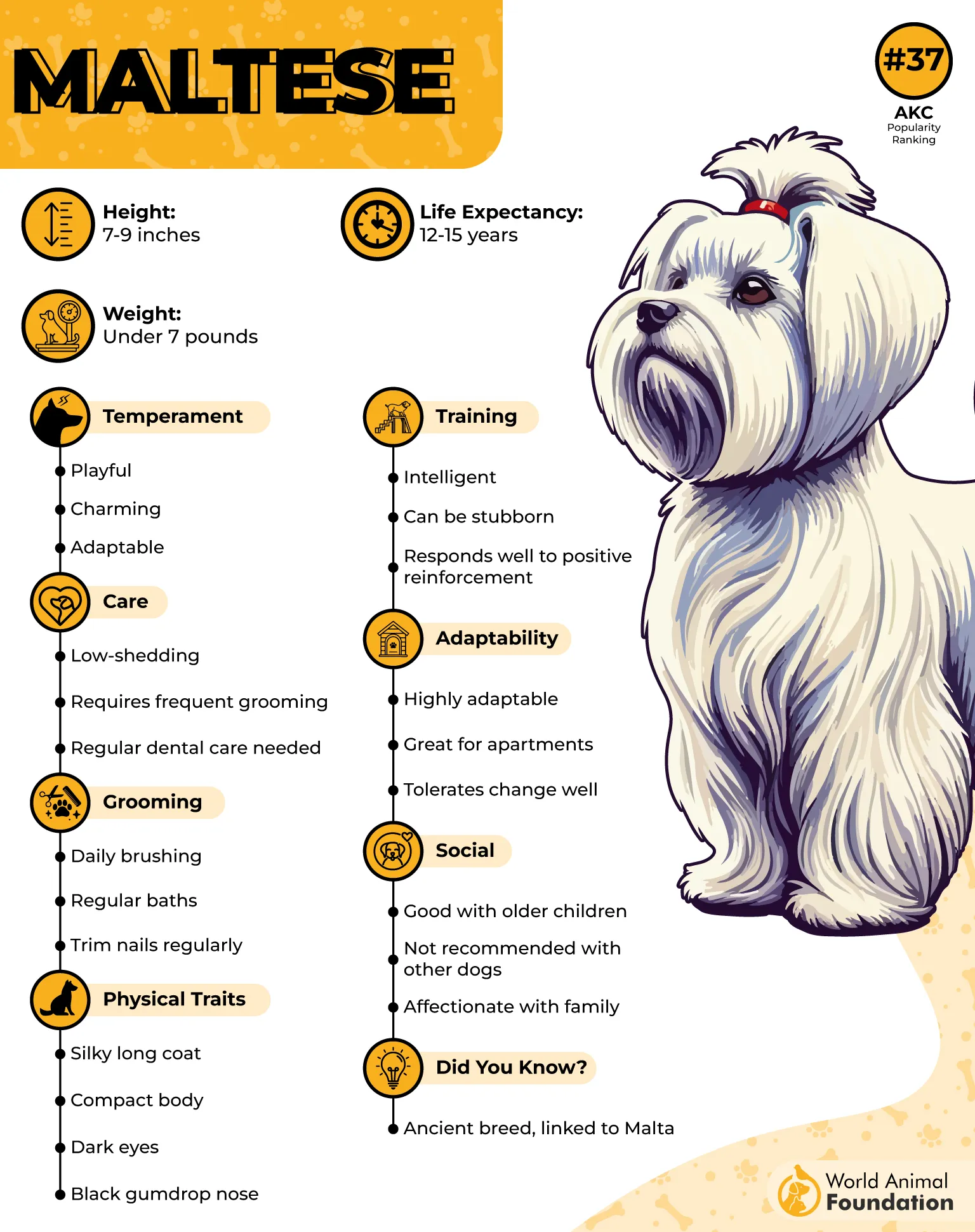
For such a polished little dog, the Maltese still enjoys having something to do. Exercise, positive reinforcement, and mental stimulation are needed every day, with play, walks, learning tricks, and indoor activities helping keep that lively personality engaged.
Grooming Tips For This Breed
Clean the ears with a veterinary-approved product after swimming or bathing to help maintain healthy ear canals.
Give dental care proper attention with regular tooth brushing using toothpaste specially formulated for dogs.
4. Havanese
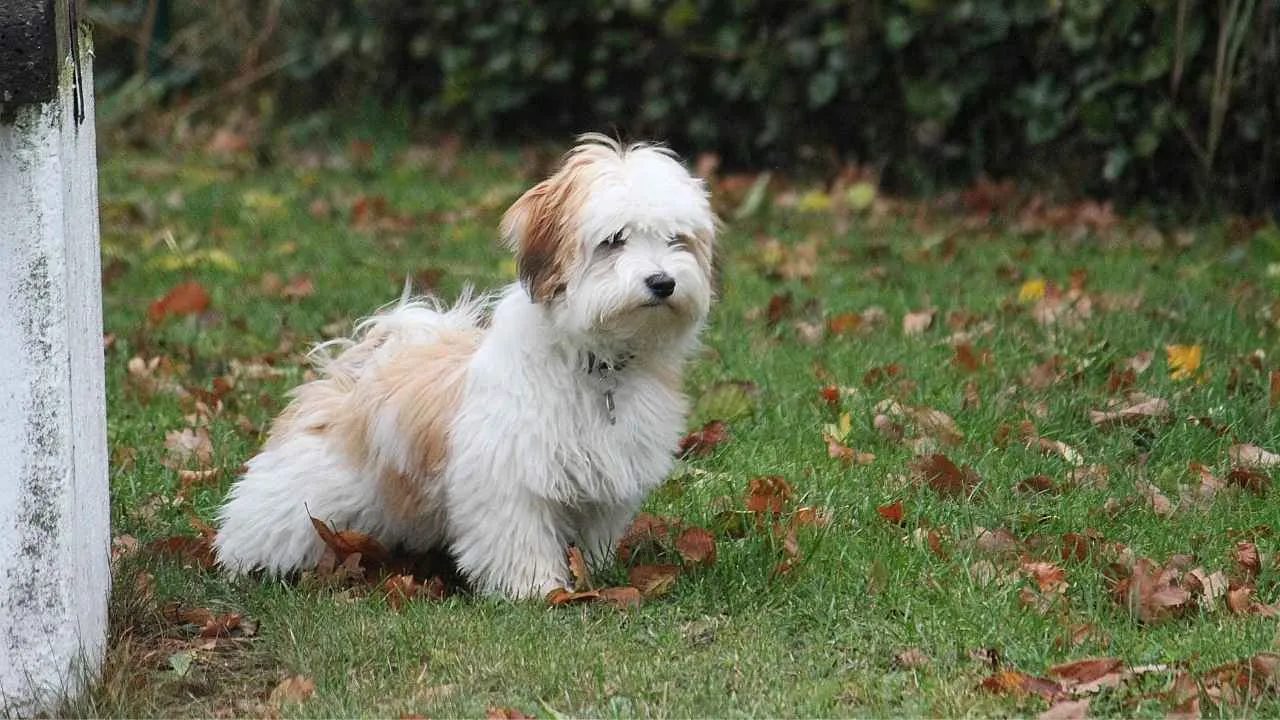
Cuba certainly gave the dog world quite a character with the Havanese, its only native breed. Cheerful, sociable, and famously silky, this little dog was recognized by the AKC in 1996 and brings plenty of personality without a heavy-shedding coat.
Long before modern grooming appointments entered the picture, Havanese lived among Cuba’s aristocrats and wealthy planters. Named for Havana, this small dog breed spent centuries developing in Cuban luxury, becoming the charming lap dog closely associated with the island.
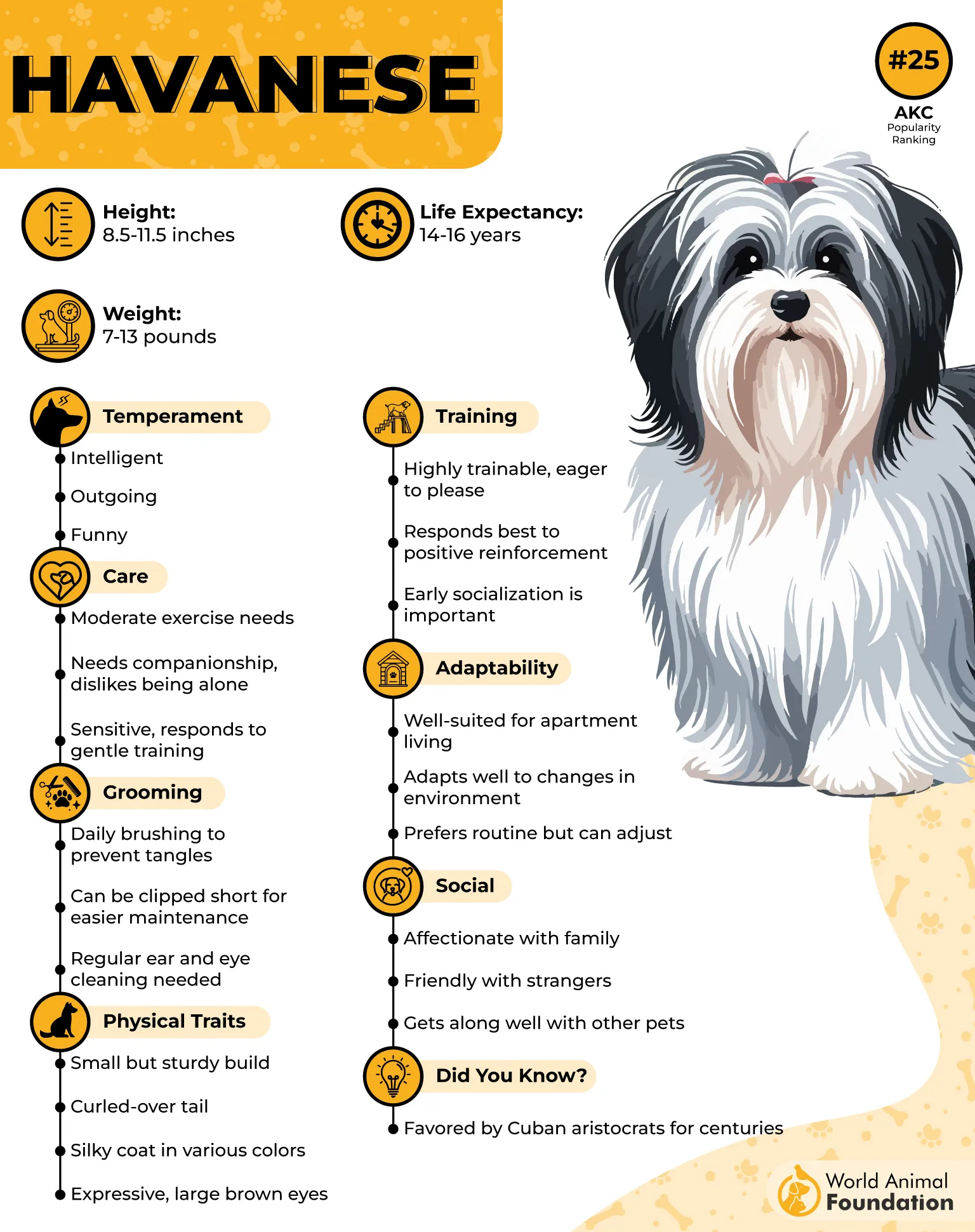
Then there is that coat, which likes to make an entrance without becoming a fur explosion. Havanese have long, soft, silky hair that can be kept flowing, corded, or clipped shorter when dog owners prefer less grooming time.
Grooming Tips For This Breed
Gently run a comb or soft bristle brush through the coat every day to remove loose hair and keep mats and tangles from settling in.
Check the ears often for wax or debris and gently wipe the inner ear flap when cleaning is needed.
5. Chinese Crested

Talk about having two completely different wardrobe options in one breed. Chinese Cresteds come as Hairless dogs with soft skin and strategic tufts or Powderpuffs wrapped in silky fur, while the Hairless variety naturally has minimal shedding.
Better save a spot beside you because Chinese Cresteds take human attention seriously. These lively, playful, affectionate dogs adore their families, stay alert to their surroundings, and can become remarkably tuned in to an owner’s mood.
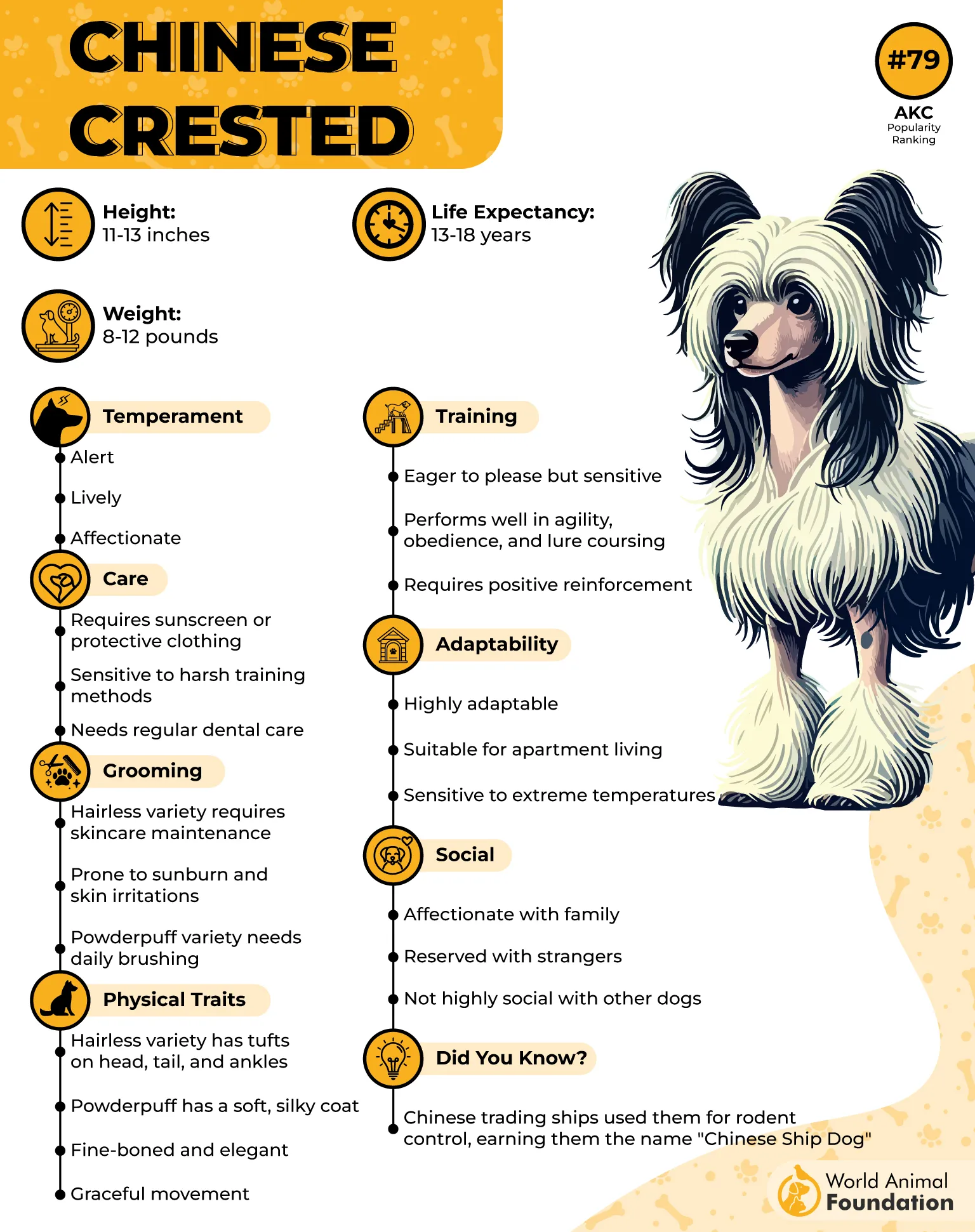
Now, less hair does not automatically make the Chinese Crested allergy-proof. Some allergy sufferers may tolerate the Hairless variety better, yet reactions can still occur because allergy-triggering substances are connected to saliva rather than fur alone.
Grooming Tips For This Breed
Protect exposed Hairless skin carefully because it can be vulnerable to irritation and sunburn.
Brush a Powderpuff every day to maintain a healthy coat, since its soft fur can develop mats surprisingly quickly.
6. Portuguese Water Dog
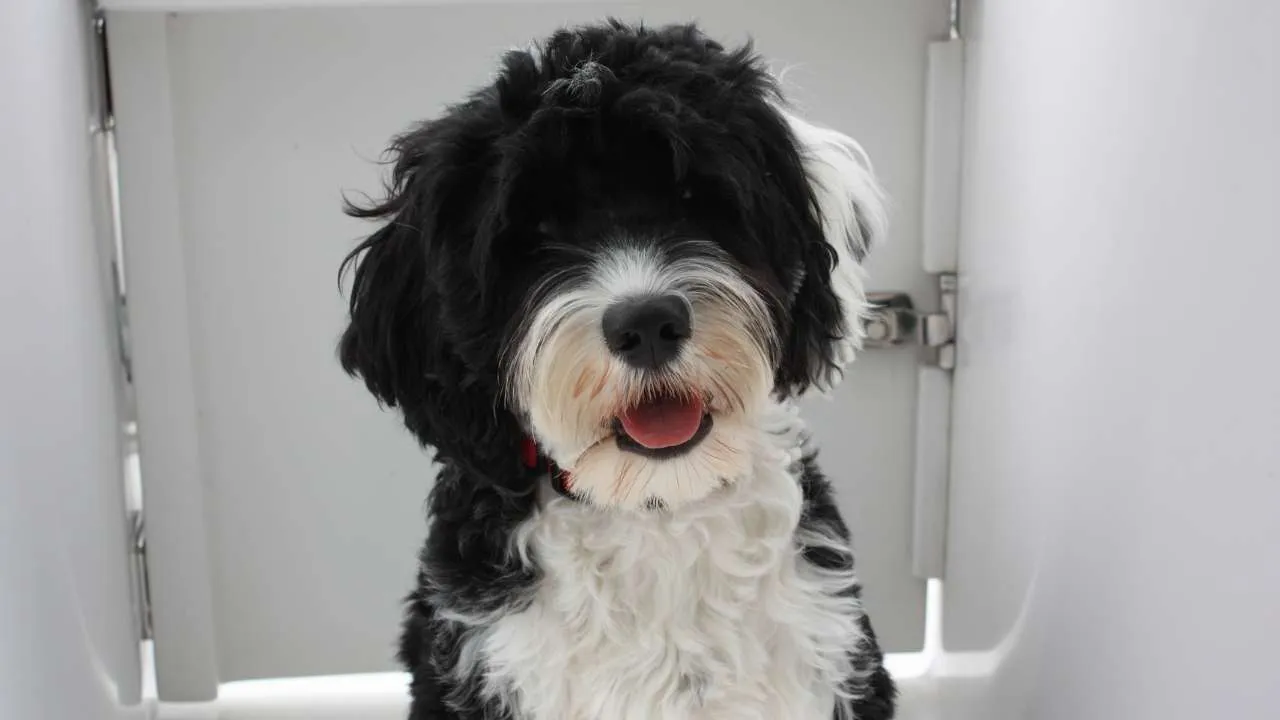
Seriously, even the coat seems ready for a swim. Portuguese Water Dogs were bred as hardworking fishermen’s helpers, and beneath that adventurous history sits a dense covering of tight, low-shedding curls designed around a remarkably athletic working dog.

Of course, those curls do not magically organize themselves overnight. Their continuously growing, curly or wavy hair needs regular brushing, and professional grooming every four to six weeks helps prevent that impressive coat from becoming unruly or matted.
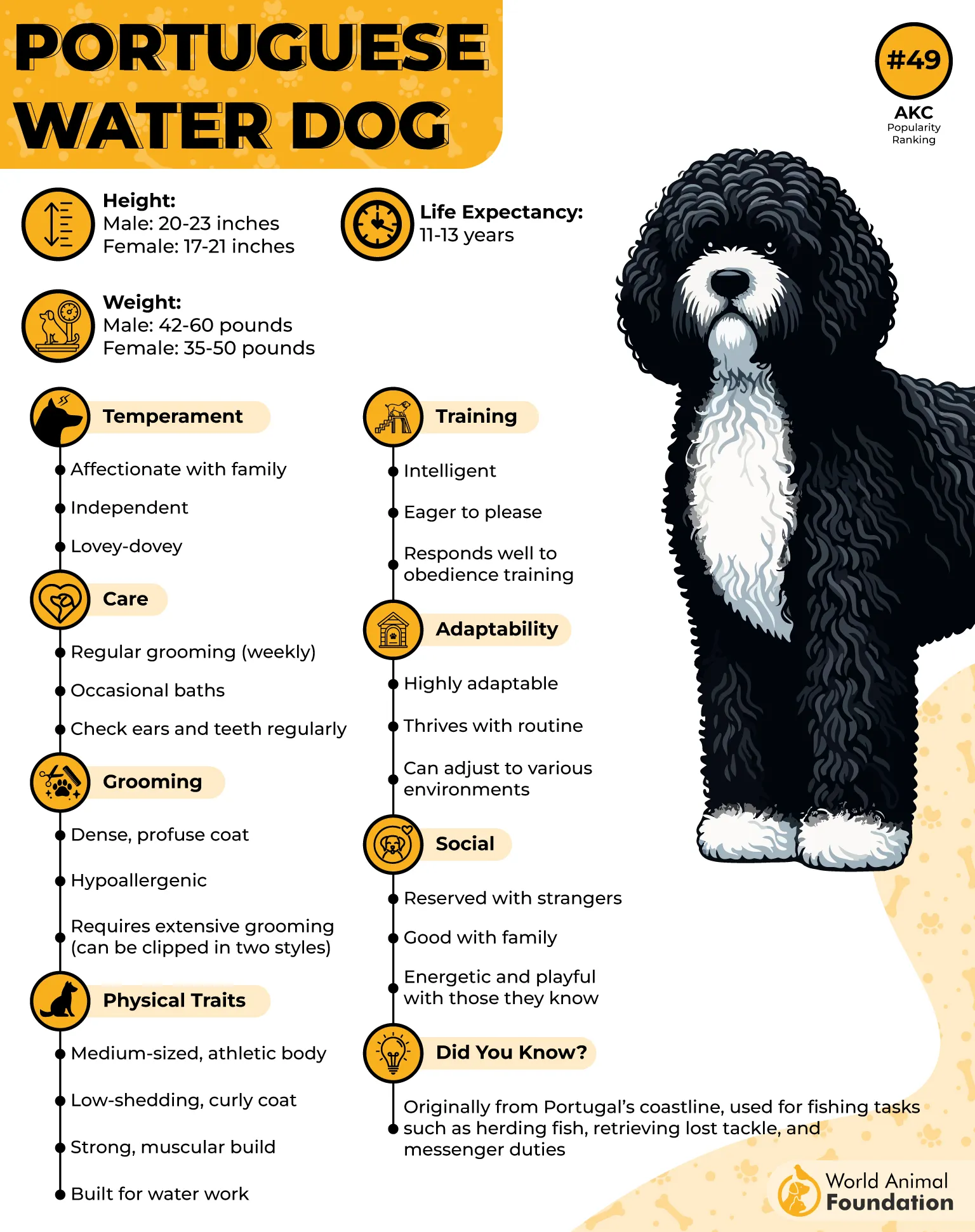
As mentioned by Purina, the Portuguese Water Dog is bright, quick to learn, and capable of shining in training. Still, that clever independent streak means reward-based methods and enjoyable sessions work best, especially when boredom starts whispering, “go self-employed.”
Grooming Tips For This Breed
Reach for dog-specific shampoo after especially wet or dirty outdoor adventures rather than following an unnecessary fixed bathing schedule.
Pay extra attention to ear cleaning after swimming since these water-loving dogs can benefit from having their ears cleaned afterward.
7. Basenji
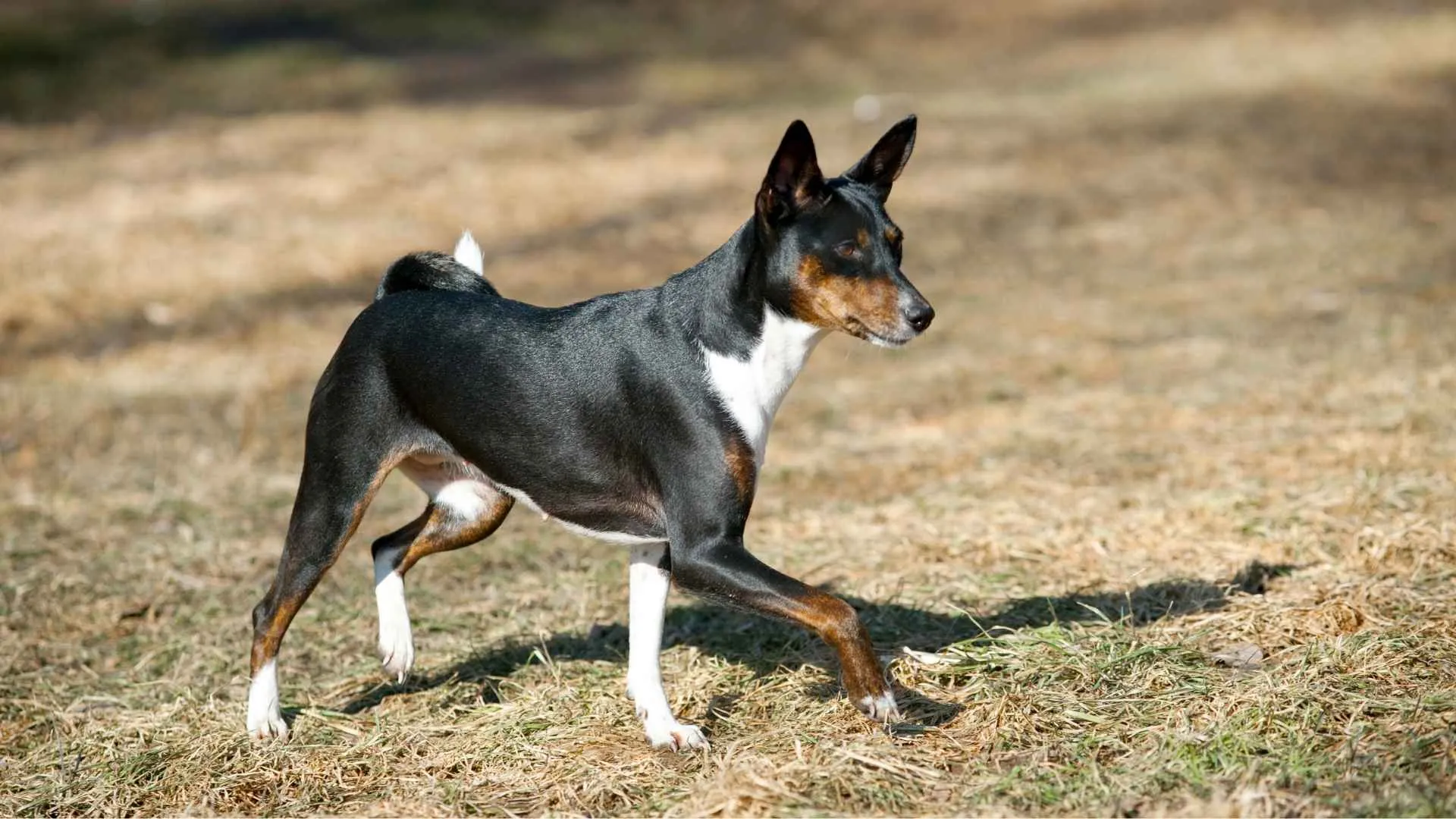
Okay, this dog practically arrives with its own housekeeping policy. The Basenji wears a smooth, glossy, short coat and keeps shedding pleasantly restrained, while its famous barkless reputation adds another wonderfully unusual detail to an already distinctive hound.
The independent streak is very real, but Basenjis also become strongly attached to their families. They can be aloof with strangers, and early socialization can help them live comfortably alongside other dogs while preserving that famously self-possessed personality.
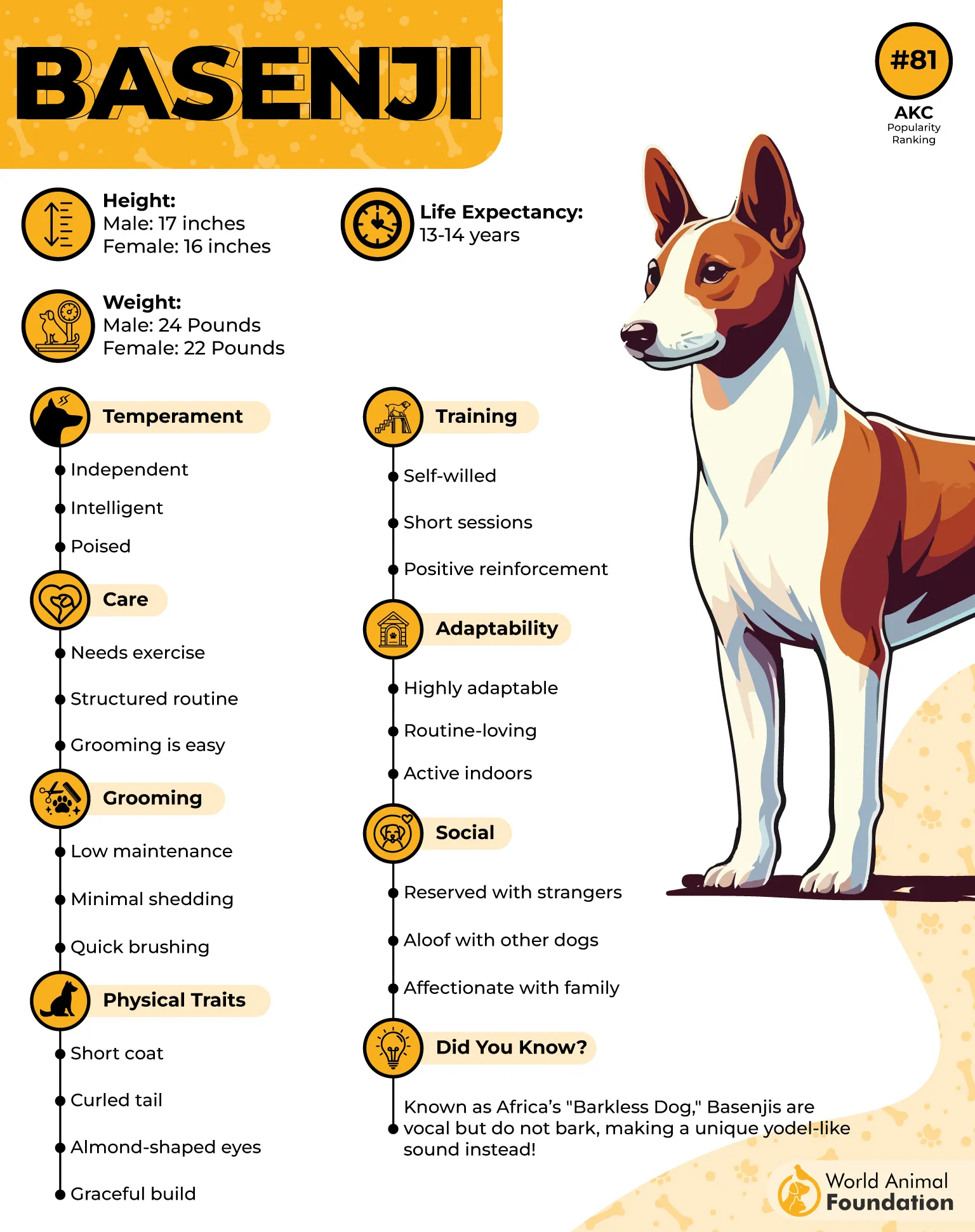
And this is where the cat comparisons suddenly make perfect sense. These dogs shed minimally, have uniformly short, smooth coats, and spend plenty of time licking themselves clean, while a quick cloth wipe or brushing once or twice weekly keeps coat care simple.
Grooming Tips For This Breed
Check the ears regularly as part of the breed’s basic upkeep routine.
Brush the teeth often rather than letting dental care quietly disappear from the schedule.
Conclusion
A low-shedding dog breed can make everyday life feel a little less like a battle with the vacuum, but coat type is only part of the decision. Personality, grooming needs, activity level, and family fit still matter, so choose the dog whose whole lifestyle feels right for you.
Take your time, compare what each breed needs, and be realistic about the care you can happily provide. The best match is not just the dog that leaves less hair behind. It is the one that fits naturally into your routine and feels like the right addition to your home.
