




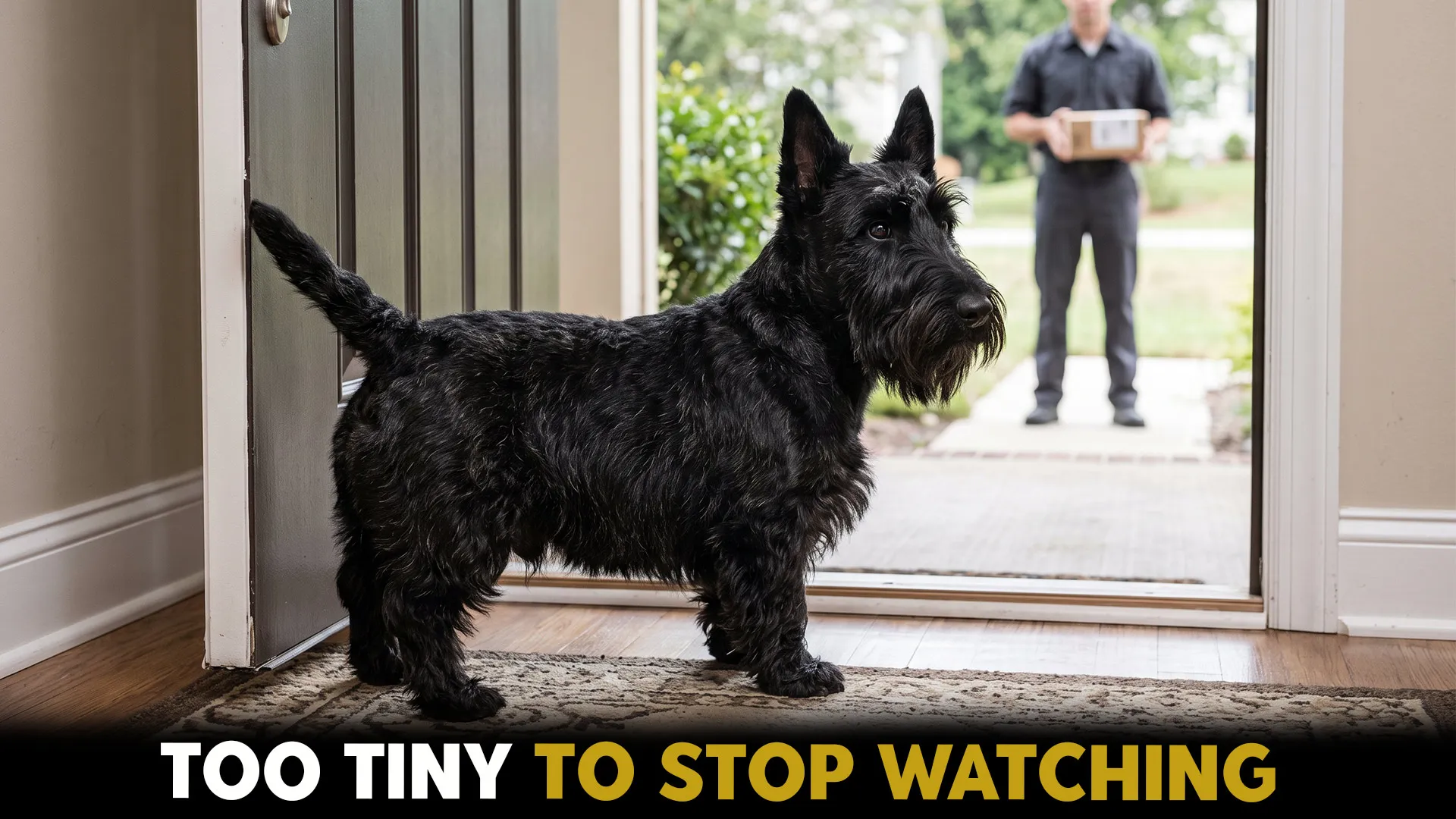
A home does not always need a large dog to have an attentive four-legged observer. Many smaller breeds possess remarkably sharp hearing, quick reactions, and an instinct to investigate anything that seems out of place. Their compact size may make them easy to overlook, but their awareness can turn an ordinary household dog into an effective early-warning companion.
Interestingly, several small breeds known for sounding the alarm were never specifically developed as modern household watchdogs.
Some spent their early history eliminating rodents, others guarded livestock or property, and a few were kept in monasteries where noticing approaching strangers was valuable. Those original responsibilities helped preserve the curiosity, confidence, and responsiveness seen in these dogs today.
Of course, an alert companion is not the same thing as a protection dog. Small breeds generally contribute to home security by noticing unfamiliar sounds, people, or activity and notifying their owners through barking or other behavior. Training and socialization remain important because an excessively reactive dog can turn every delivery, hallway noise, or passing pedestrian into an unnecessary alarm.
Alert Small Dog Breeds for Home Security
1. Miniature Schnauzer
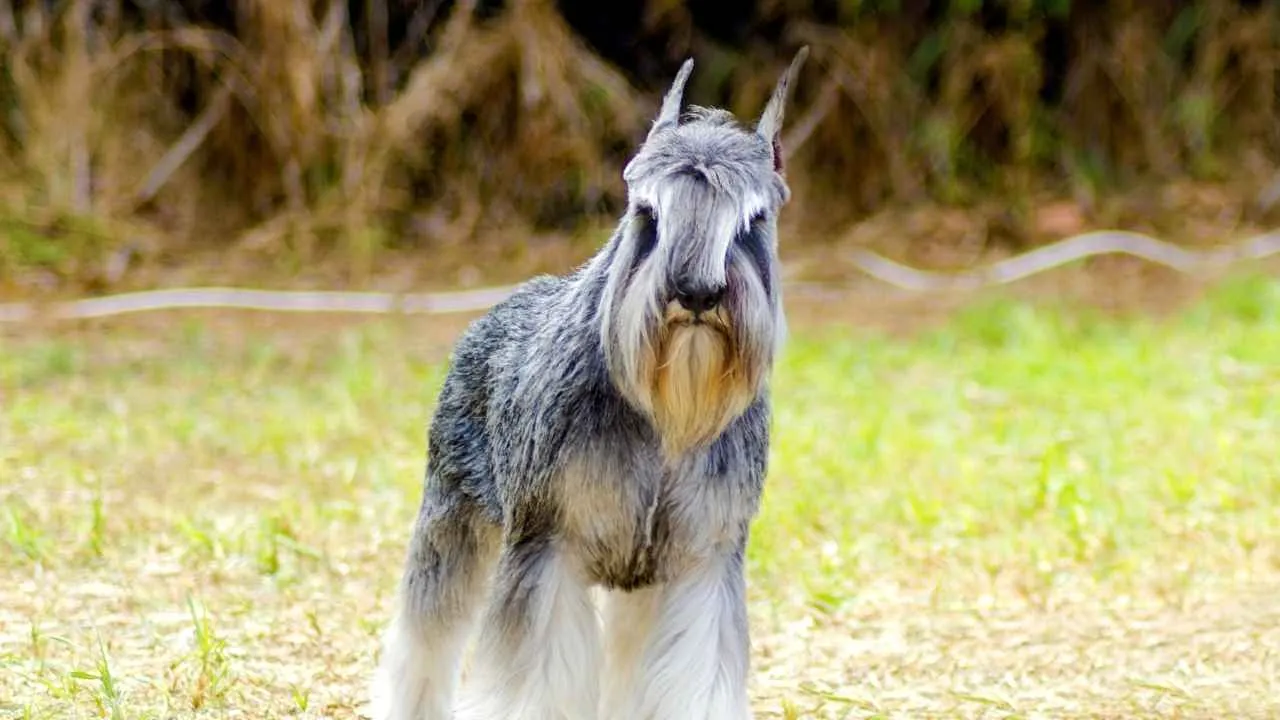
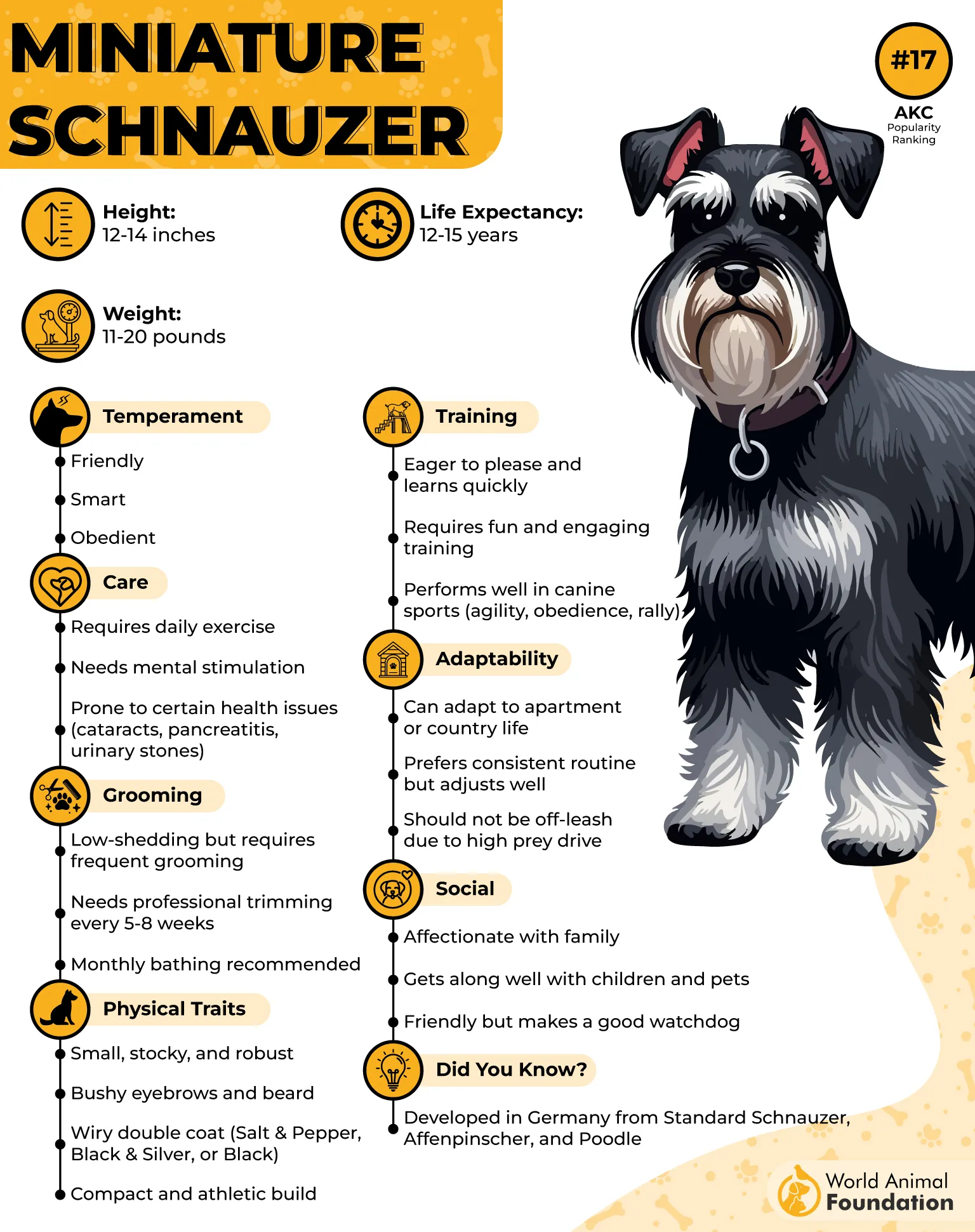
The Miniature Schnauzer originated in Germany and was developed by crossing the Standard Schnauzer with smaller breeds. Farmers valued these small dogs for their ability to hunt rats and other vermin around agricultural properties. Their practical beginnings produced an energetic and observant terrier-type dog that was comfortable keeping watch over its surroundings while working.
A Distinctive Coat With an Active Routine
The Miniature Schnauzer’s wiry coat has a characteristic texture that requires regular maintenance. Brushing helps prevent knots, while scheduled trimming can keep the coat manageable and tidy. This breed also needs more than casual movement to stay content. Walks, interactive games, obedience practice, and puzzle-based activities can provide a useful mixture of exercise and mental stimulation.
A Quick Alarm for Household Activity
Miniature Schnauzers tend to pay close attention to changes around their environment. A knock at the door, unfamiliar footsteps, or an unusual noise may immediately capture their interest. Their willingness to vocalize can make them useful alert dogs, although teaching a clear “quiet” command and rewarding calm behavior can help keep their natural responsiveness under control.
2. Miniature Pinscher
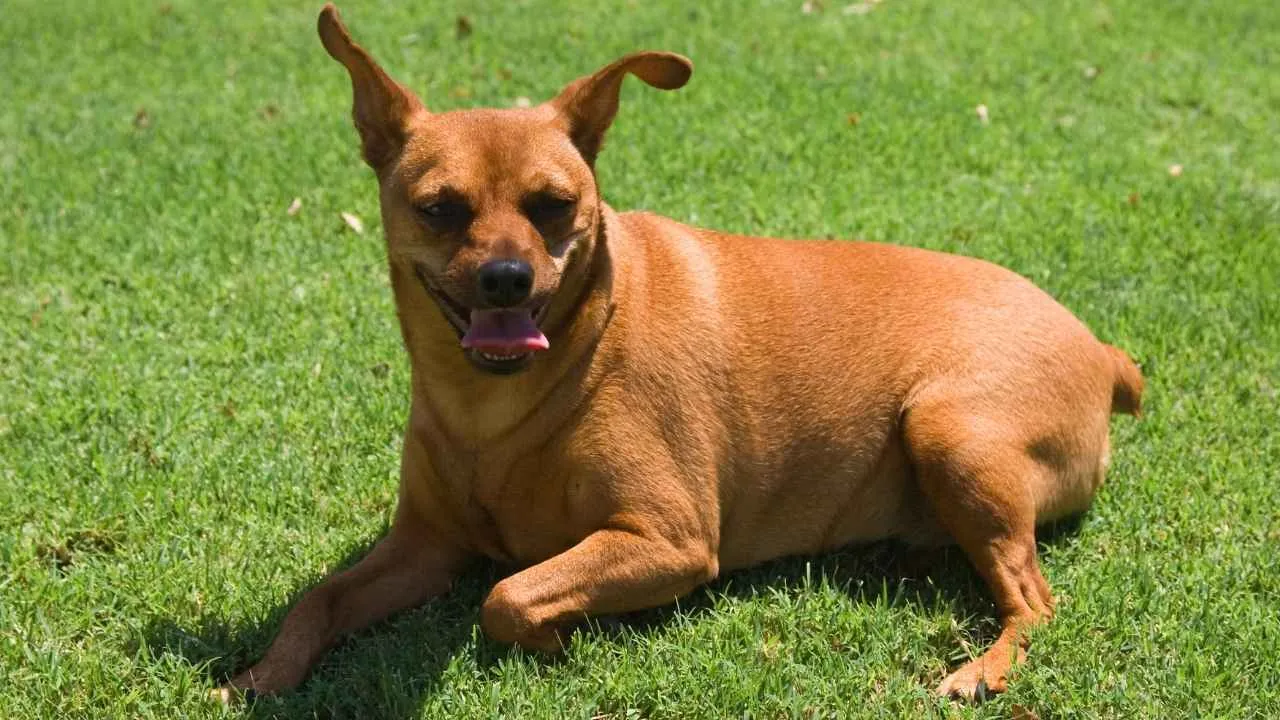
The Miniature Pinscher has German roots and was historically associated with hunting and controlling small vermin. Although its sleek appearance has led to comparisons with the Doberman Pinscher, the two breeds have separate histories.
The Miniature Pinscher gradually became established as a companion while retaining the spirited attitude, independence, and confidence that characterized its earlier working role.

Smooth Fur and Surprisingly High Energy
The breed’s short, close-fitting coat is uncomplicated, with occasional brushing generally sufficient for routine grooming, as per Hill’s Pet. Its physical requirements are more demanding than its diminutive stature suggests. Several short walks, lively indoor games, training exercises, and interactive activities can help prevent boredom and provide appropriate outlets for their energy.
A Fearless Observer Behind the Door
Miniature Pinschers often react rapidly to unexpected activity and may investigate sounds before their owners have even noticed them. Their bold temperament can make them enthusiastic household alarm dogs. Because they can be assertive with unfamiliar people or animals, controlled introductions and consistent boundaries are useful for turning that confidence into dependable behavior.
3. Cairn Terrier
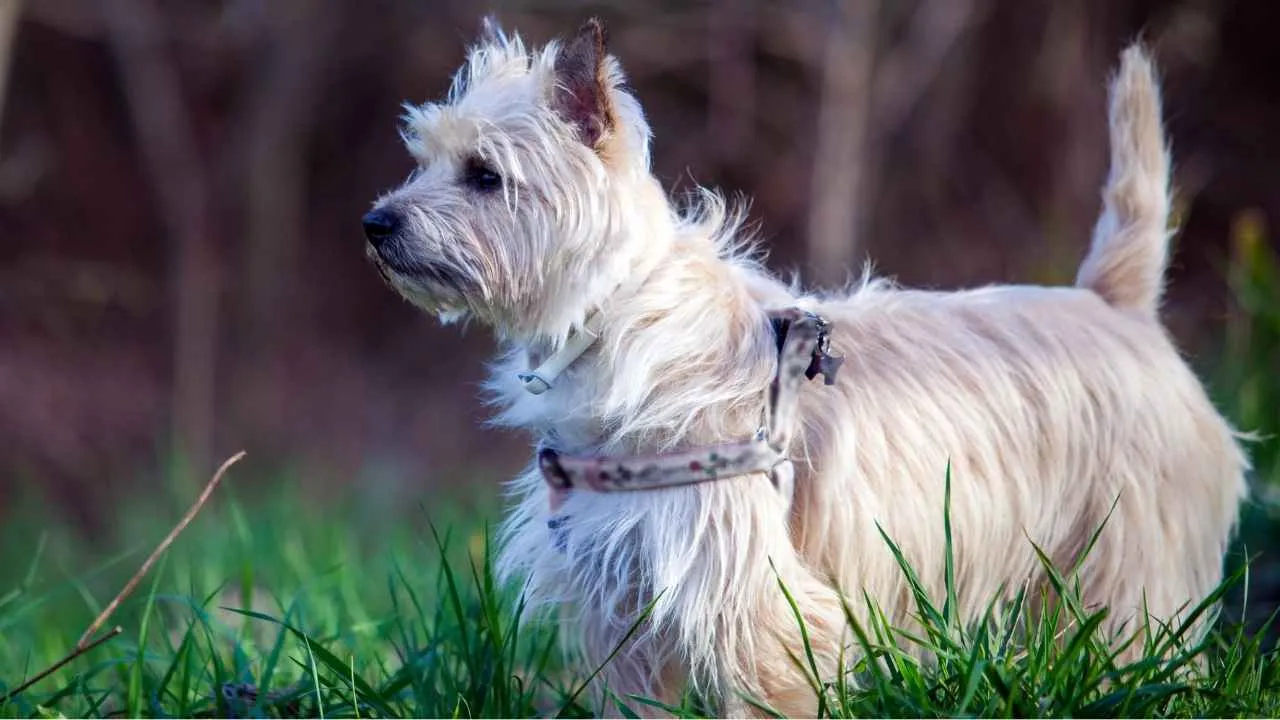
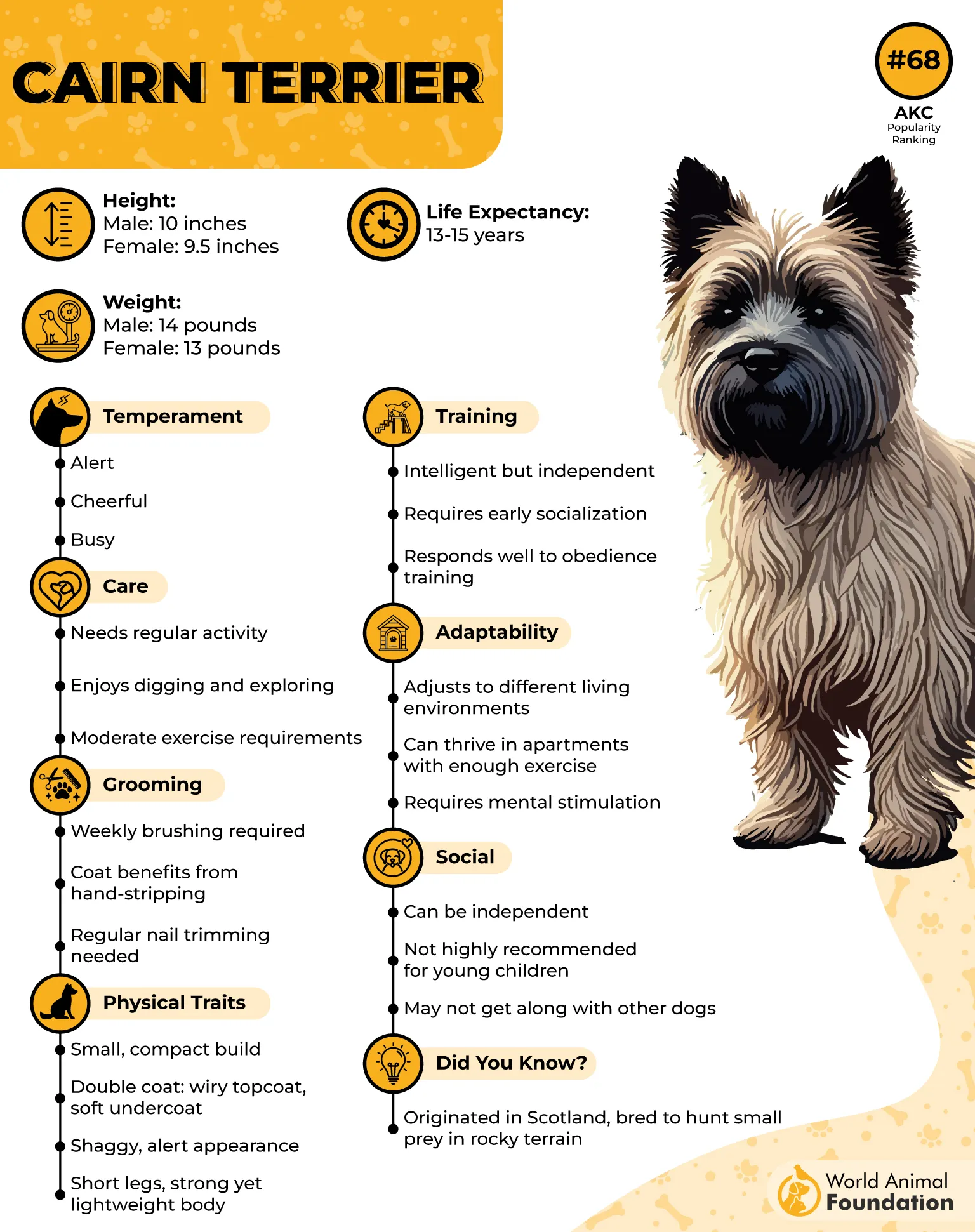
The Cairn Terrier comes from the Scottish Highlands and the Isle of Skye, where small terriers were used to pursue foxes and other quarry hiding among rocky landscapes, as per PDSA. The breed’s name refers to cairns, or piles of stones, where vermin could take shelter. Working in such challenging surroundings favored dogs that were persistent, agile, and willing to investigate narrow spaces without hesitation.
A Rugged Coat for a Rugged Little Dog
The Cairn Terrier’s weather-resistant double coat consists of a harsh outer layer and softer undercoat. Regular brushing helps remove loose hair and keeps the coat from becoming excessively untidy. This is an energetic breed that benefits from purposeful daily activity, including walks, games, scent exercises, training, and supervised opportunities to explore.
A Persistent Little Neighborhood Watcher
Cairn Terriers have a naturally inquisitive character and may react to noises or movement that other dogs ignore. Their terrier background encourages investigation rather than passive observation. They can also be vocal when something catches their attention, making early training particularly helpful in teaching them which household events actually warrant an alert.
4. Scottish Terrier
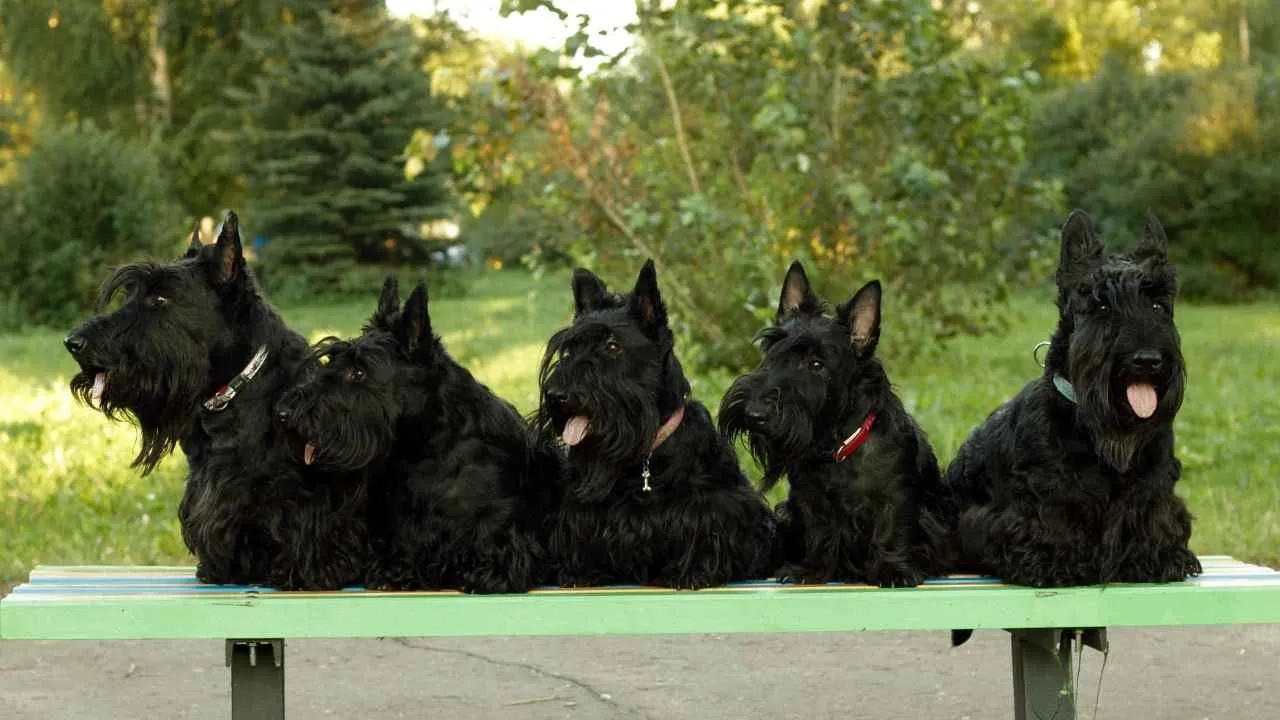
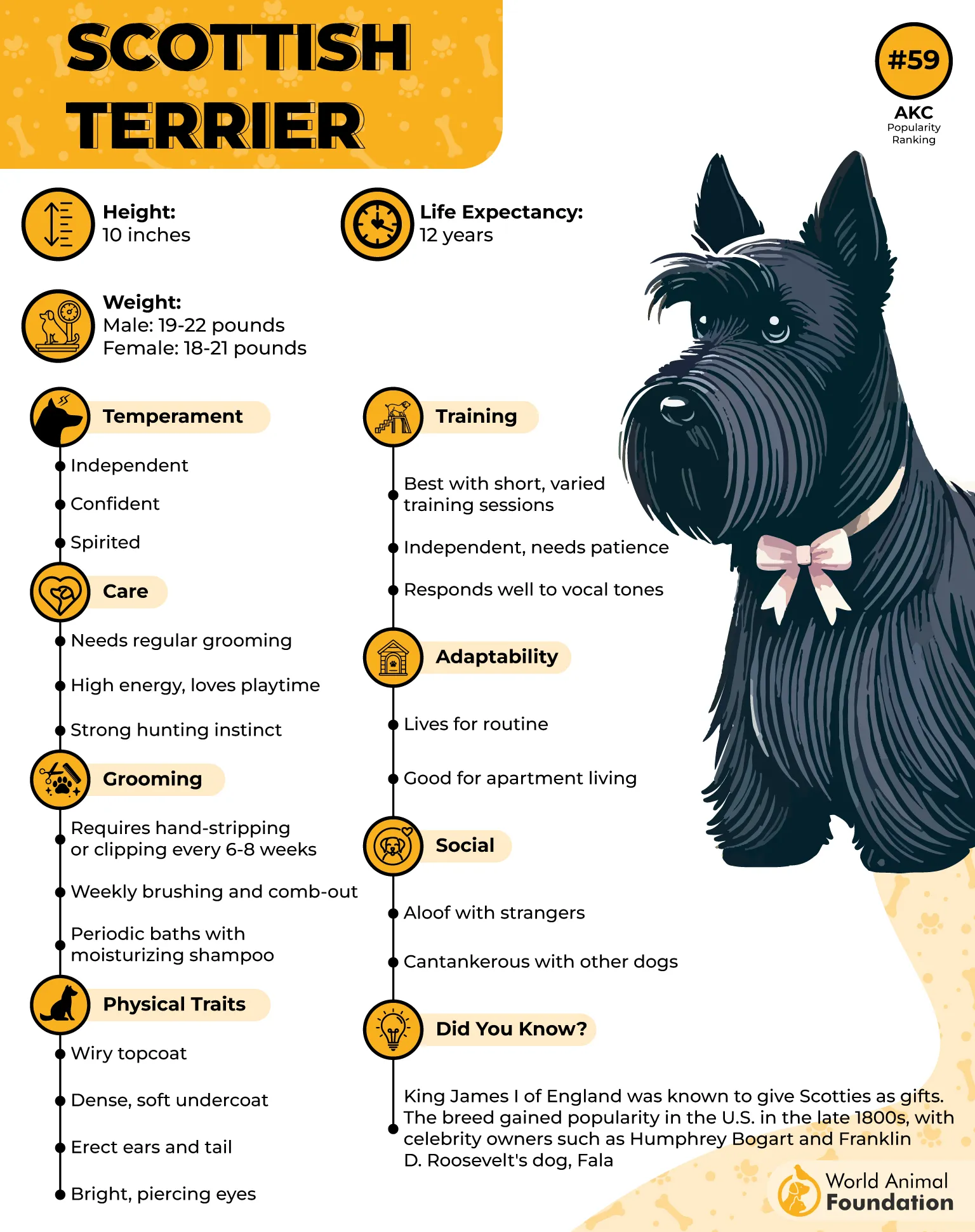
The Scottish Terrier developed in Scotland and belongs to a group of terriers historically used for controlling vermin and pursuing quarry. Its precise early ancestry is complex, but the breed eventually became recognized for its distinctive silhouette and determined personality. Its working roots favored a dog capable of entering underground spaces and confronting pests with considerable confidence.
A Hard Coat With Moderate Maintenance
The Scottish Terrier’s dense, wiry coat benefits from regular brushing and periodic trimming or stripping to maintain its traditional appearance. Its exercise needs are moderate compared with some high-energy working breeds. Daily walks, exploratory outings, interactive games, and short training sessions can provide sufficient activity while giving the dog opportunities to use its curious mind, as per Purina.
A Serious Watchdog Attitude in Miniature
Scottish Terriers can be reserved with unfamiliar people and highly attentive to activity around their territory. They may respond to unexpected visitors or sounds with a deep, distinctive bark. Their independent nature means they may not automatically respond to every command, so patient training and early exposure to different people and environments can help establish reliable household manners.
5. Lhasa Apso
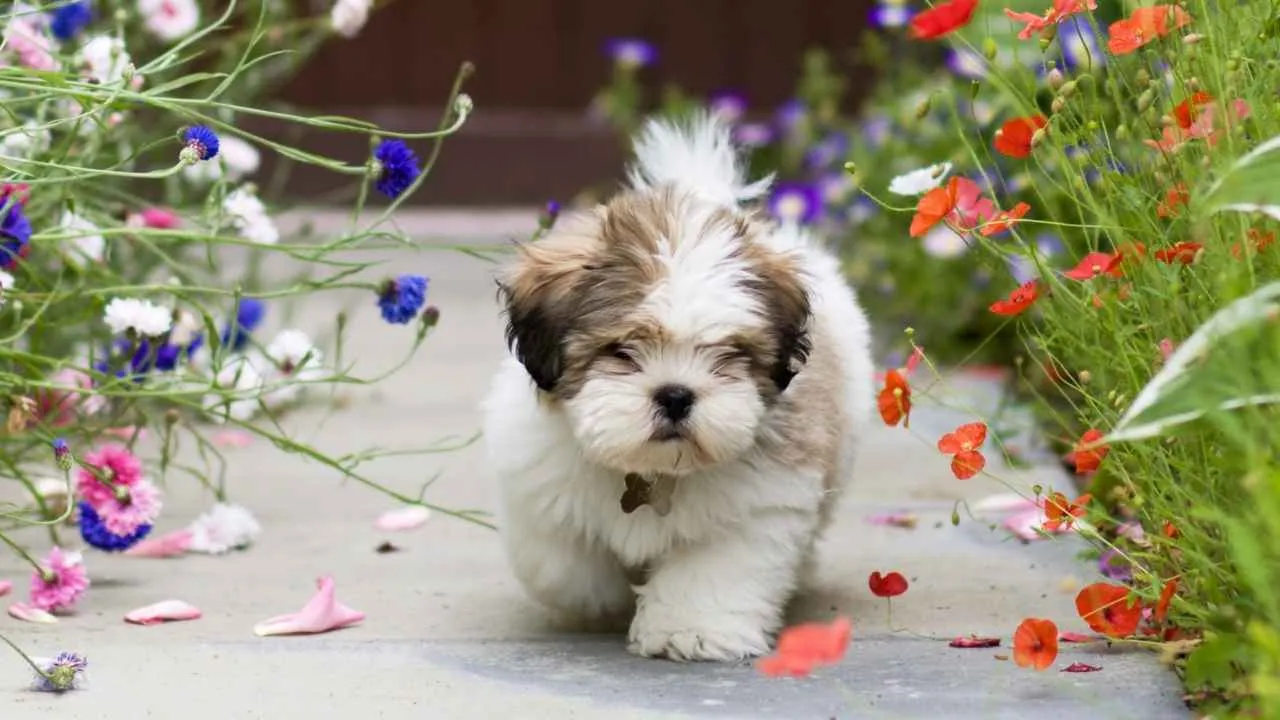
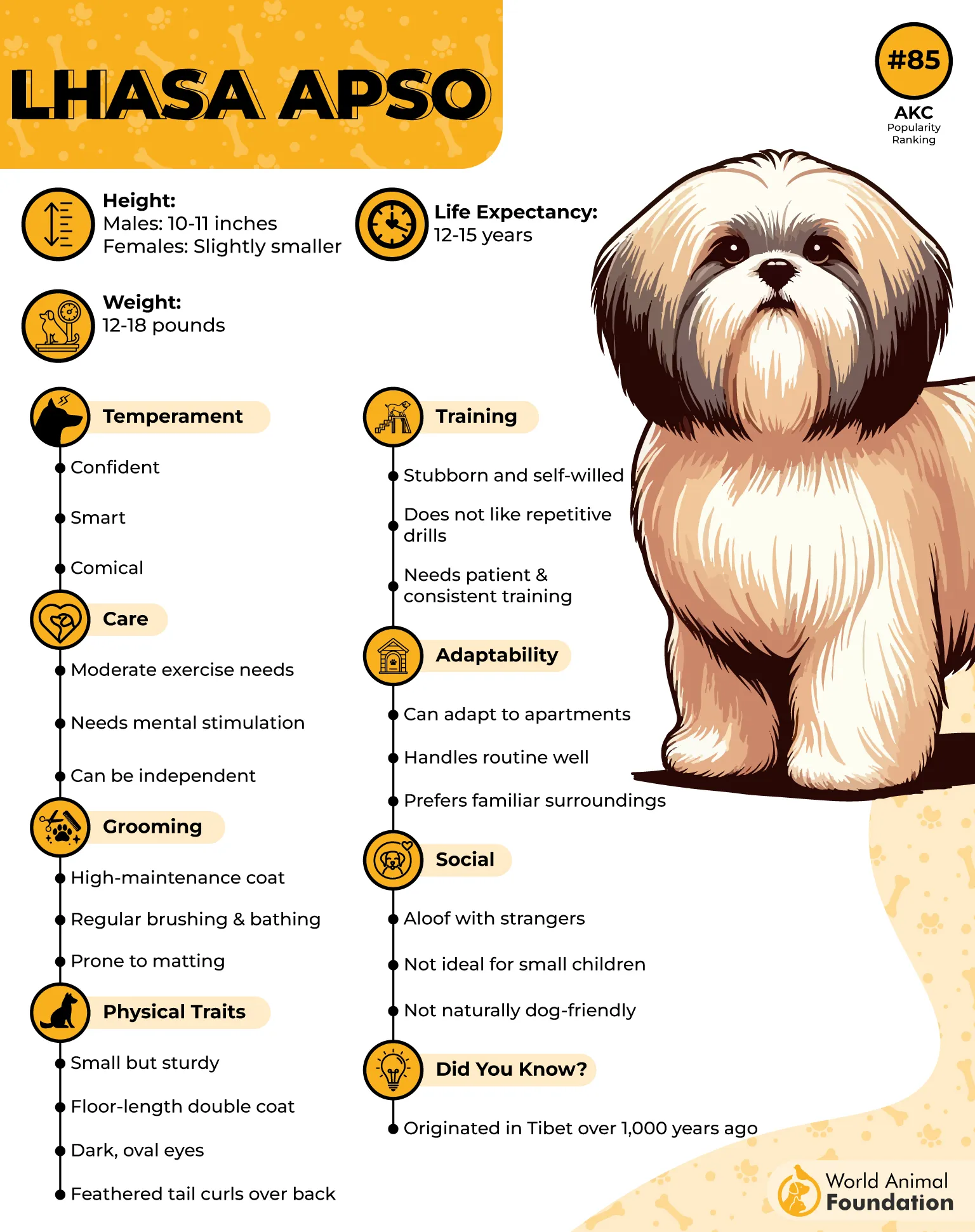
The Lhasa Apso originated in Tibet and was historically kept in monasteries and aristocratic residences. Its role extended beyond companionship because the breed was valued for noticing unfamiliar people approaching a property. Its keen hearing and naturally observant disposition made it an early-warning dog, while its small size allowed it to remain comfortably within indoor living spaces.
Luxurious Hair With Significant Grooming Needs
The Lhasa Apso’s long, heavy coat demands regular brushing to prevent mats and tangles. Owners who prefer a simpler routine may maintain the coat in a shorter trim. Exercise requirements are generally moderate, with daily walks, indoor play, and activities that encourage mental engagement offering suitable ways to keep the breed active.
A Historic Sentinel With a Sharp Ear
Few small companion breeds have such a clear connection with traditional watchdog duties. The Lhasa Apso was not expected to overpower an intruder; its job was to notice something unusual and alert the people nearby. Modern Lhasas may remain watchful around strangers while showing strong affection toward familiar household members.
6. Schipperke
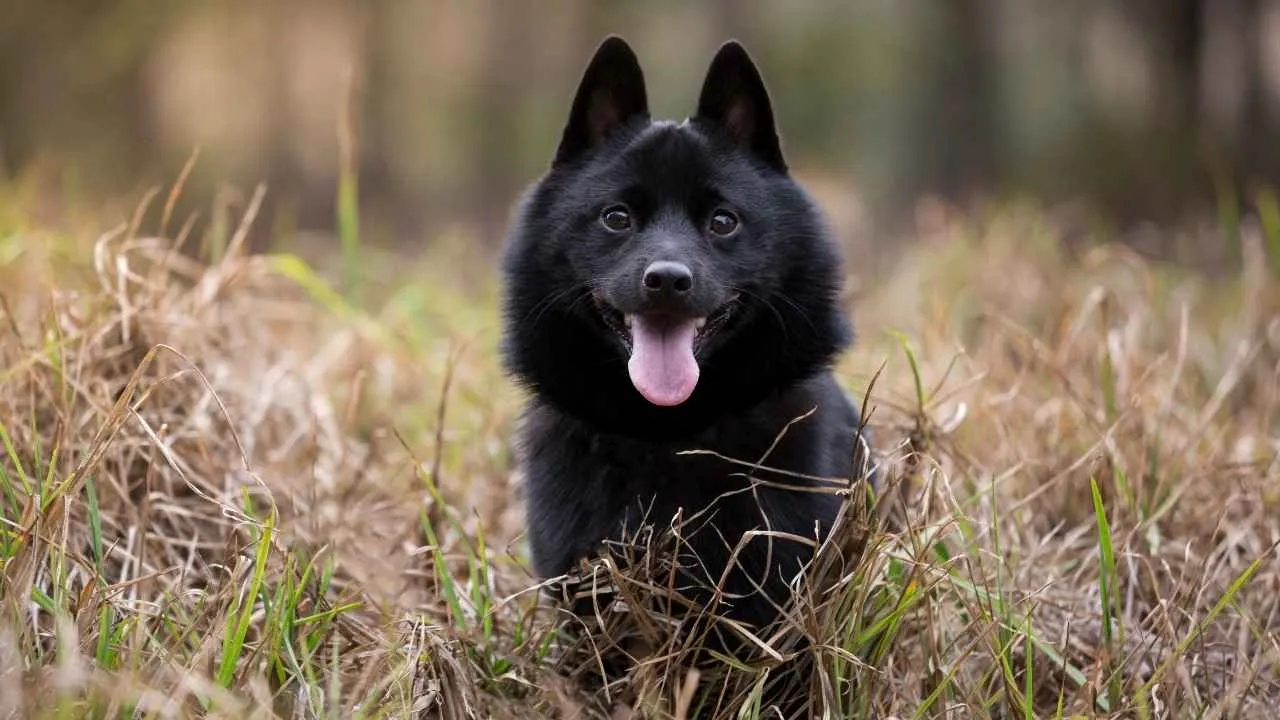
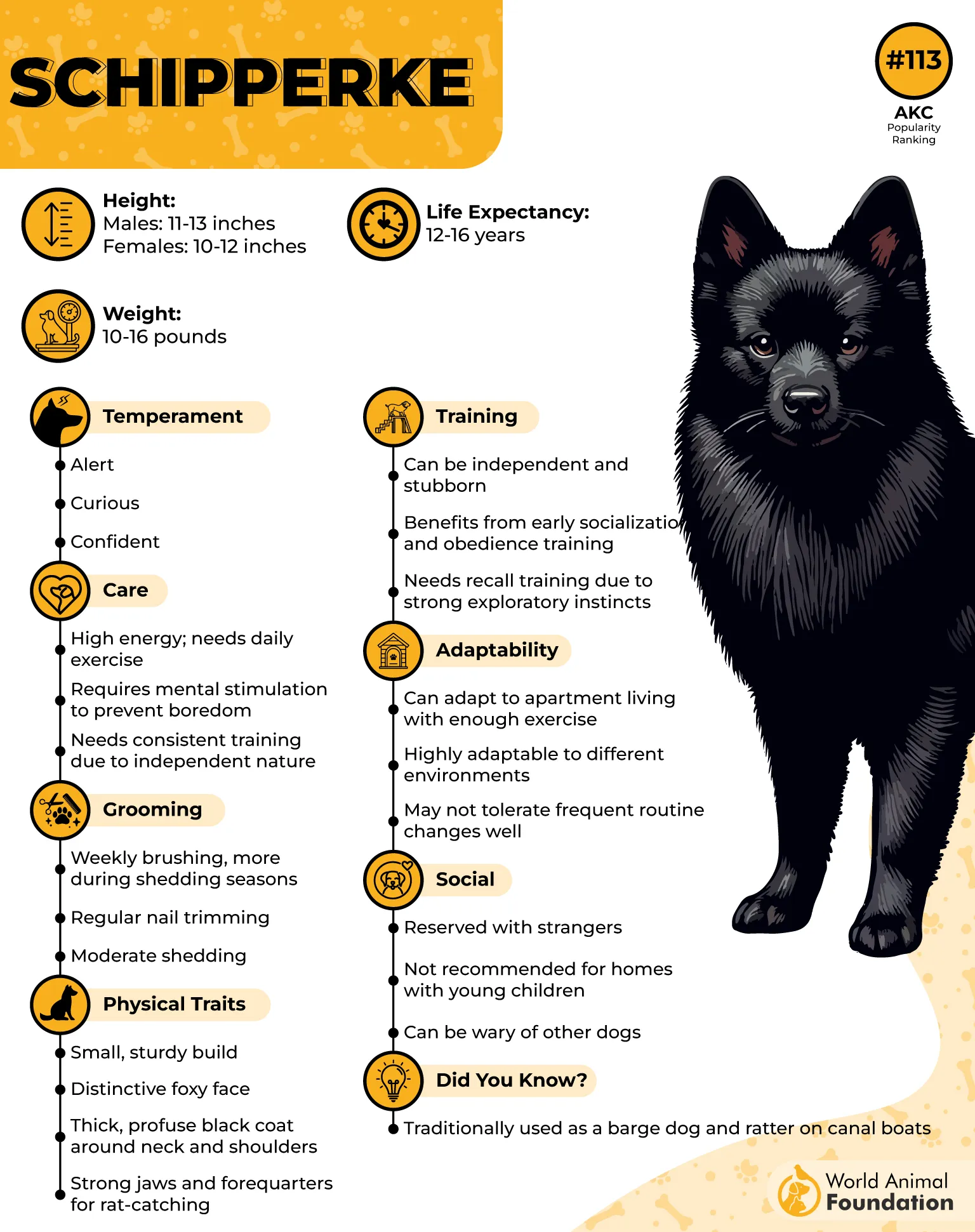
The Schipperke originated in Belgium and became associated with canal boats, workshops, and homes. These small black dogs were valued for catching rats and remaining vigilant around their surroundings. Their working life demanded curiosity and independence, and those characteristics helped establish the breed as an energetic little dog that likes to know what is happening around it.

A Dense Coat That Sheds Seasonally
The Schipperke has a thick double coat with a pronounced ruff around the neck and heavier furnishings in certain areas. Regular brushing helps remove loose hair, particularly during seasonal shedding periods. This breed is energetic and benefits from daily walks, active games, obedience work, and problem-solving activities that give its busy mind something constructive to do.
Constantly Curious About Its Surroundings
Schipperkes can be exceptionally attentive to movement, unfamiliar noises, and changes in their environment. A sound outside the window or activity near the entrance may immediately draw their attention. Their willingness to vocalize can be useful for alerting owners, although consistent training is important if they live in a setting where frequent barking could become disruptive.
7. Yorkshire Terrier
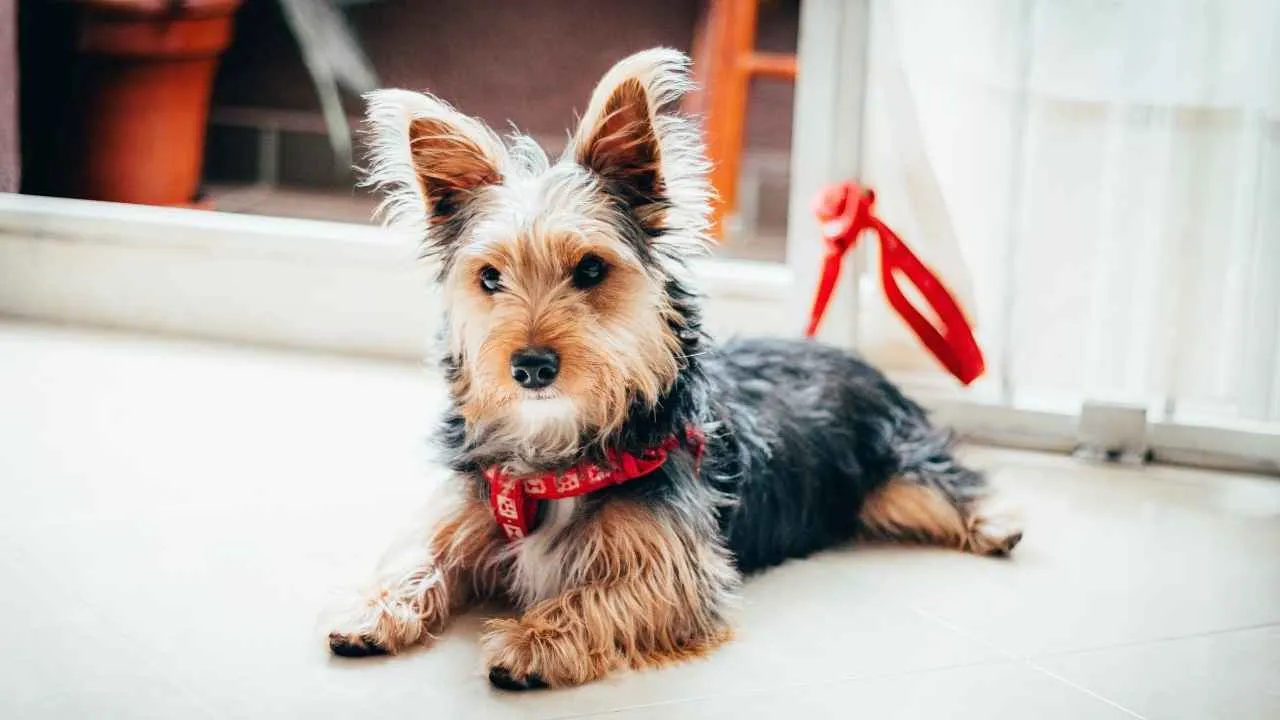
The Yorkshire Terrier developed in northern England during the Industrial Revolution, particularly in Yorkshire and Lancashire. Small terriers brought by Scottish workers contributed to its development, and the resulting dogs were valued for catching rats in textile mills.
Over time, their attractive appearance and lively temperament helped them transition from working-class pest controllers into fashionable companion dogs.
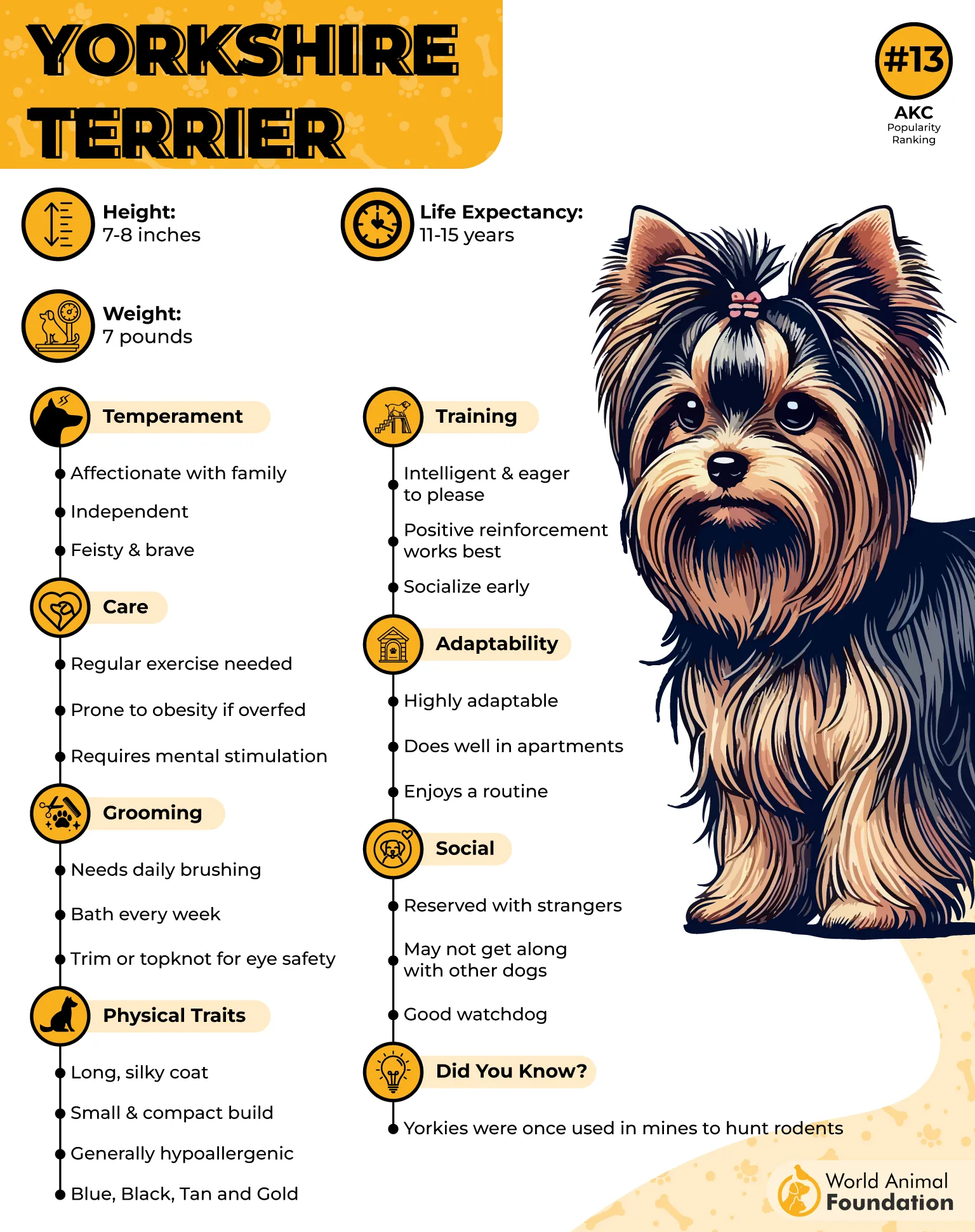
Fine, Silky Hair With a Regular Care Routine
The Yorkshire Terrier’s fine coat can grow long and silky, requiring frequent brushing to prevent tangles and matting. Many owners choose a shorter haircut to make maintenance easier. Its small frame does not eliminate the need for activity; short walks, indoor games, trick training, and interactive play can keep a Yorkie physically and mentally occupied.
A Tiny Ratter With an Alert Voice
The Yorkshire Terrier’s elegant appearance can disguise its original terrier purpose. Its history as a mill ratter contributed to a lively, attentive personality that may respond quickly to unfamiliar sounds. These loyal dogs can also become deeply attached to their owners and may bark when someone approaches the home, making calm socialization and barking guidance particularly useful.
Conclusion
Miniature Schnauzers, Miniature Pinschers, Cairn Terriers, Scottish Terriers, Lhasa Apsos, Schipperkes, and Yorkshire Terriers demonstrate how much attentiveness can exist inside a small canine frame. Their backgrounds are remarkably varied, yet many share an ability to notice environmental changes quickly and communicate that awareness to the people around them.
Each breed expresses its alertness differently. Some are naturally vocal, some prefer to observe before reacting, and others are quick to investigate anything unfamiliar. Their exercise requirements, grooming routines, independence, and sociability also vary, so choosing an alert small dog involves more than simply looking for a breed that barks at strangers.
For home security, these dogs are best viewed as early-warning companions rather than physical guardians. Consistent obedience training, appropriate socialization, controlled introductions, and sensible management of barking can help preserve their useful awareness without creating unnecessary reactivity.
With the right guidance, a small alert dog can be both a devoted household companion and an attentive observer of its surroundings.
