




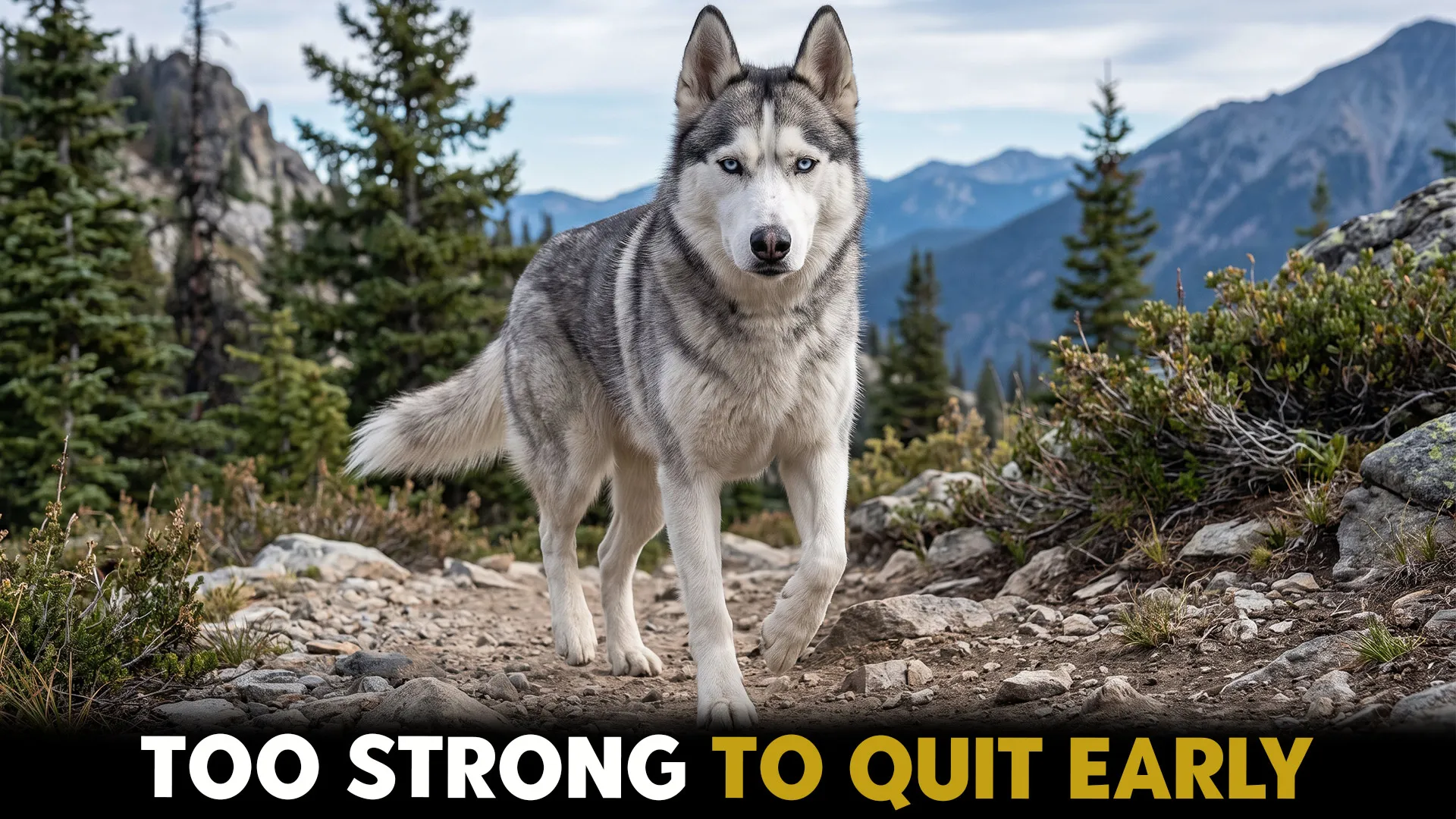
A wilderness trail can change character within minutes. A smooth path may lead into loose rock, deep mud, fallen timber, or a steep climb, while temperatures can drop sharply after sunset.
Dogs joining these trips need more than enthusiasm. They need bodies built for sustained activity, reliable footing, weather protection, and the confidence to handle unfamiliar surroundings. Robust breeds have often been shaped by demanding jobs such as pulling, guarding, tracking, herding, or traveling through cold regions.
Those working roles influenced traits that matter outdoors, including muscular frames, strong limbs, dense coats, endurance, and keen environmental awareness. Their abilities can make them valuable companions for hiking, camping, and backcountry travel when their exercise needs, limits, and recovery time are respected.
The following selections focus on dogs with the physical qualities and working instincts suited to rugged outdoor adventures and demanding days far from ordinary walking routes.
Key Takeaways
What kind of dog can follow a trail for miles, handle rough ground, and still want more? These robust breeds were made for demanding outdoor work.
Rhodesian Ridgebacks once worked alongside hunters tracking lions, while Alaskan Malamutes could pull heavy sleds for many miles through snowy terrain.
German Shorthaired Pointers, Vizslas, and Weimaraners bring their own serious stamina, with some capable of running or hiking several miles in suitable conditions.
Then there are the Border Collie, Siberian Husky, Jack Russell Terrier, and Bernese Mountain Dog, each bringing a very different strength to wilderness adventures.
Top Robust Dog Breeds for Wilderness Exploration
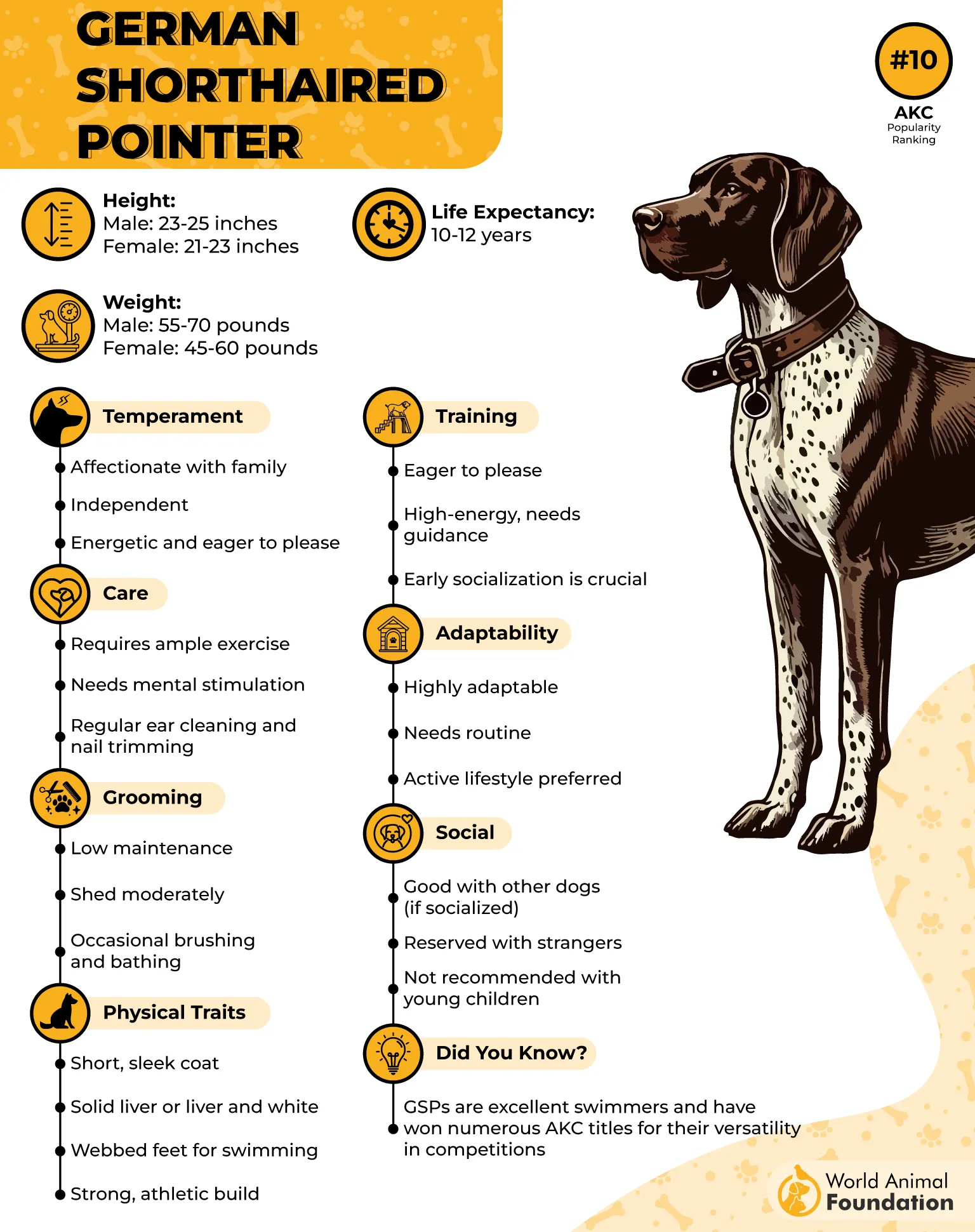
1. German Shorthaired Pointer
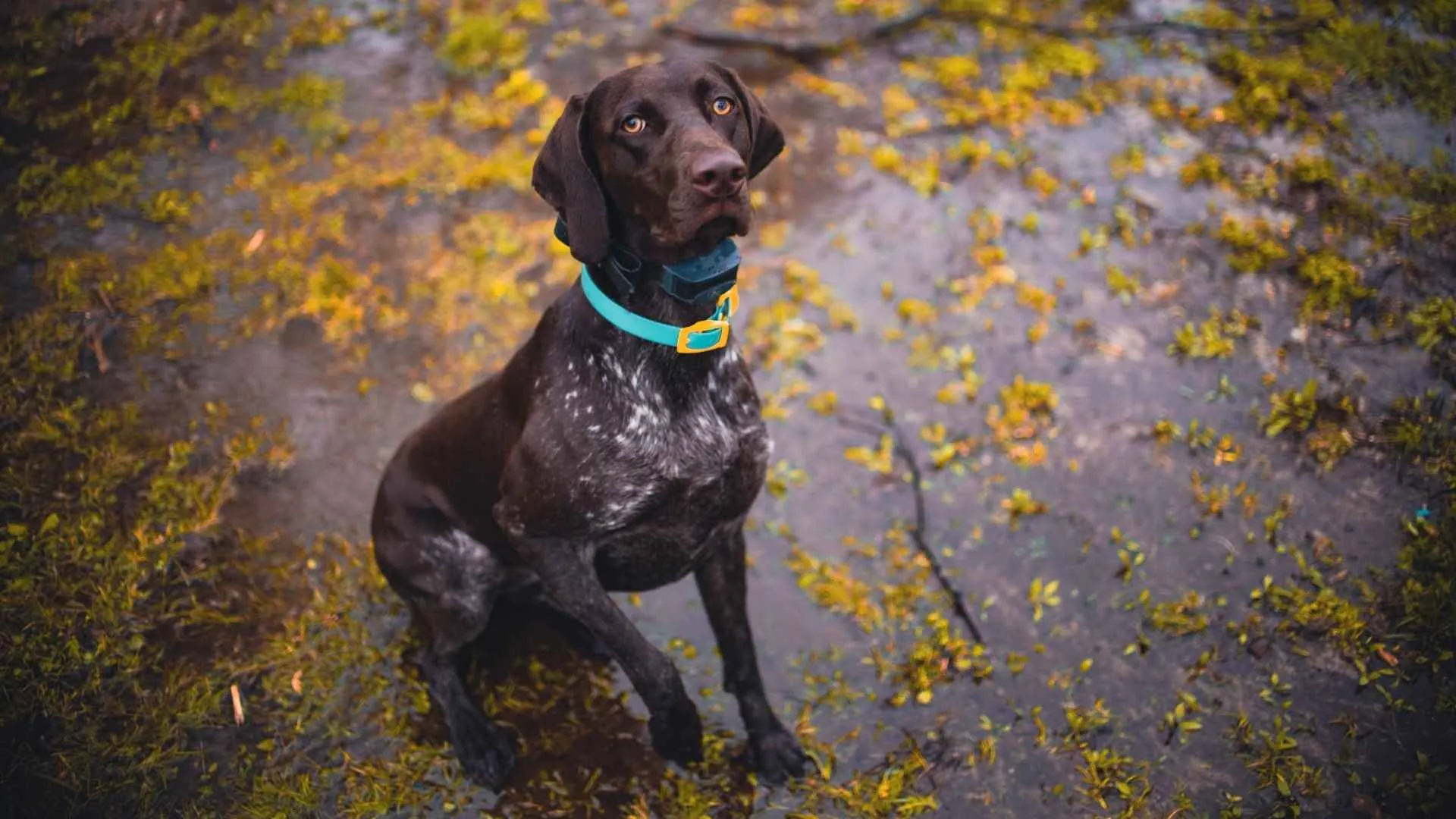
German Shorthaired Pointer took shape in Germany from the German Bird Dog, with Old Spanish Pointer, English Pointer, and Arkwright Pointer influences entering the lineage. The modern type was taking form around 1870 and received American Kennel Club recognition in 1930.
Born for the Wild
German Shorthaired Pointer is an adventurous field dog that can spend a day pushing through brush, searching for game, and scouting increasingly wide areas. Its toughness also helps it face wild animals encountered during outdoor work.
For wilderness outings, several practical details matter:
Built for active outdoor lifestyles
Excels at hiking and swimming
Needs daily access to vigorous activity
A Serious Energy Level
This outdoor dog breed rates a solid five on a five-point energy scale, so long periods of inactivity can become a real problem for this highly active breed, as highlighted by Orvis. Hunting, running, agility, and fetch give this energetic dog demanding physical outlets throughout the day.
2. Vizsla
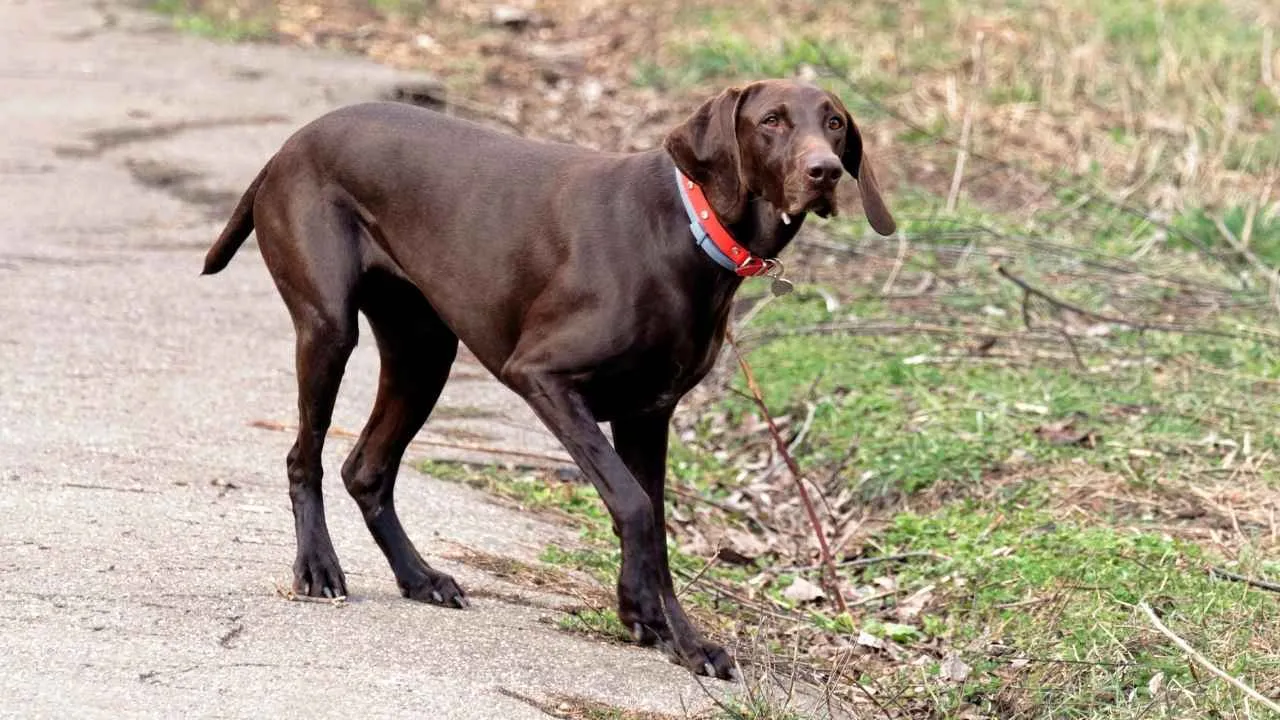
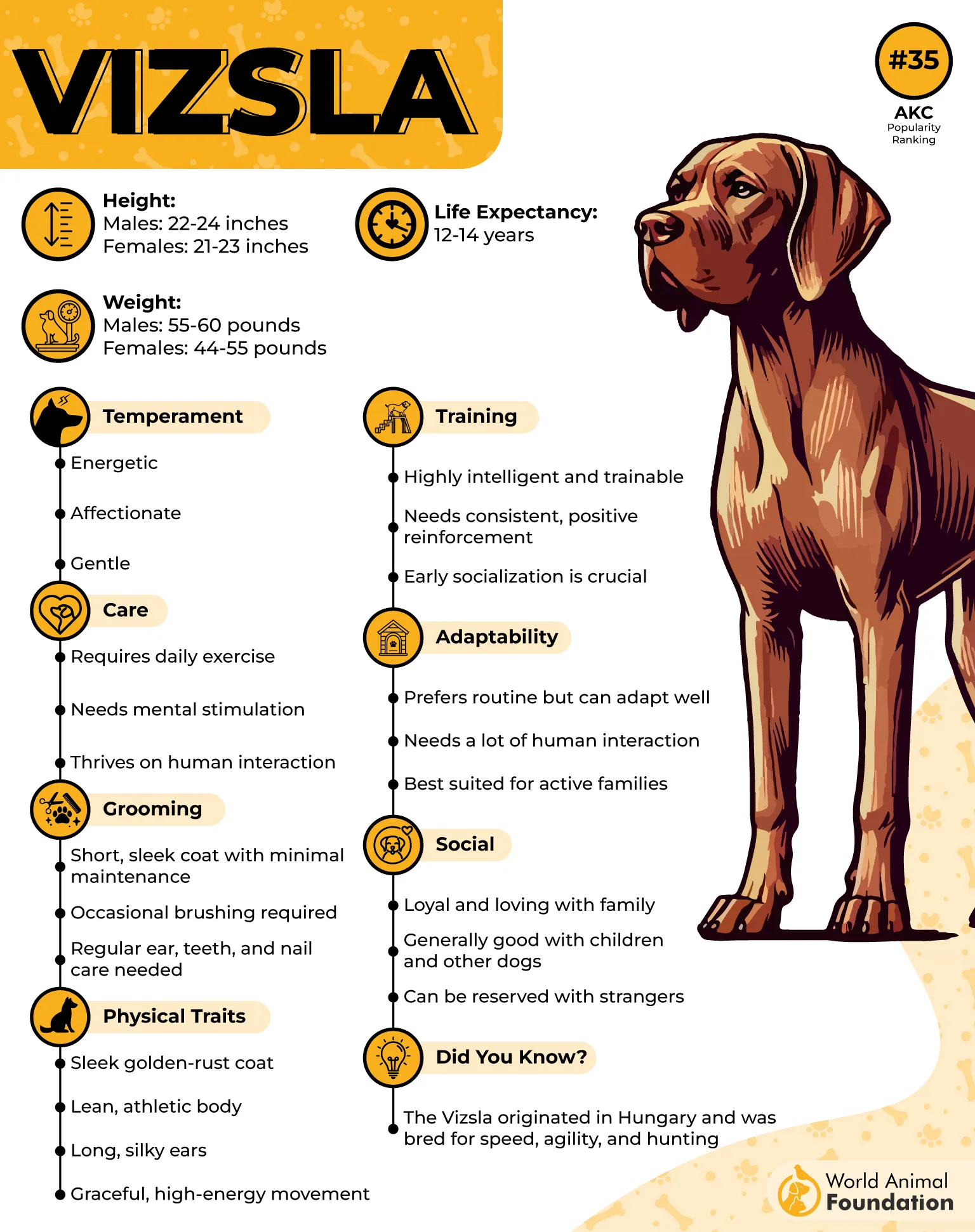
Vizsla was developed in Hungary as an all-purpose hunting dog, using its keen nose to locate game and its natural pointing ability to signal hunters. Its lean build allowed it to move through thick vegetation with ease, while its tendency to stay close made it an attentive and reliable partner in the field.
Miles Are No Problem
Vizsla brings serious stamina to wilderness outings, with enough endurance for three to four miles of running and four to five miles of hiking in comfortable weather. Its short coat offers limited insulation, so cool or wet conditions call for extra protection.

Its endurance also supports some exciting activities:
Swimming after retrieving game
Dock diving
Agility training
A Social Athlete
This velcro dog breed has plenty of energy to burn, so its daily routine should include at least an hour of walks, training, and active play. Games such as Frisbee and tug-of-war add more variety, giving this athletic dog engaging ways to stay busy beyond regular walks, as claimed by PetMD.
3. Weimaraner
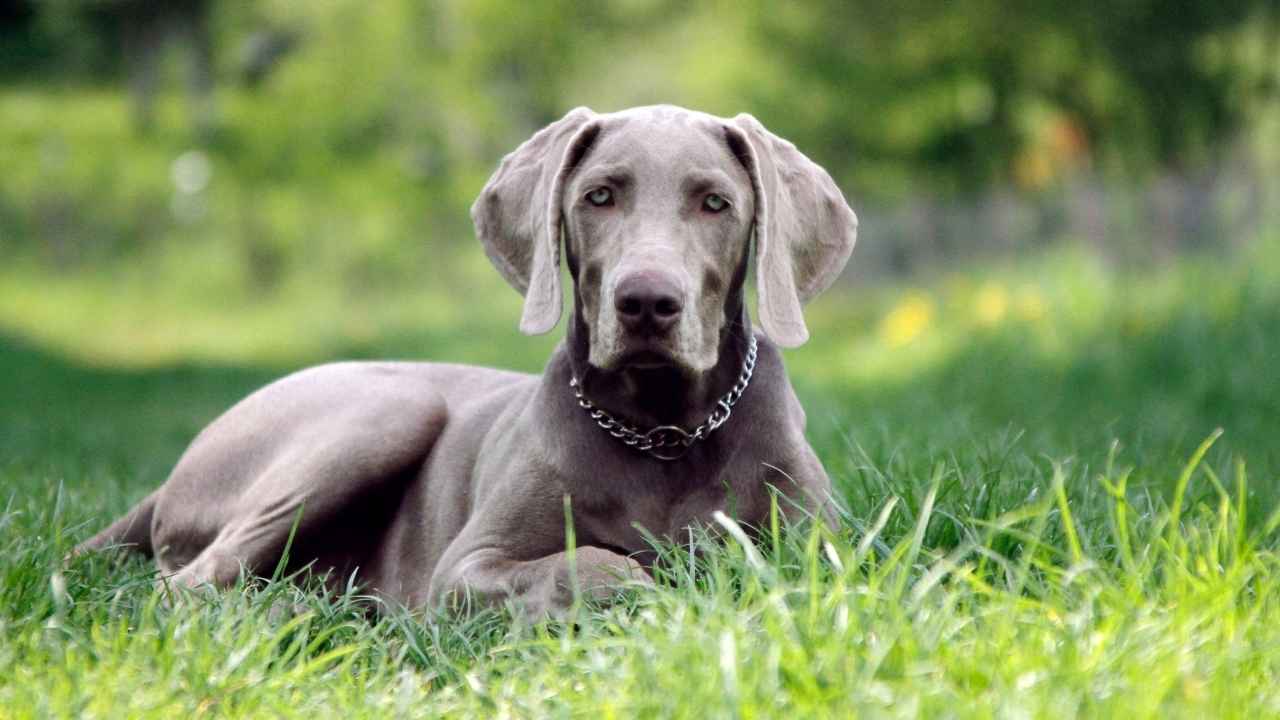
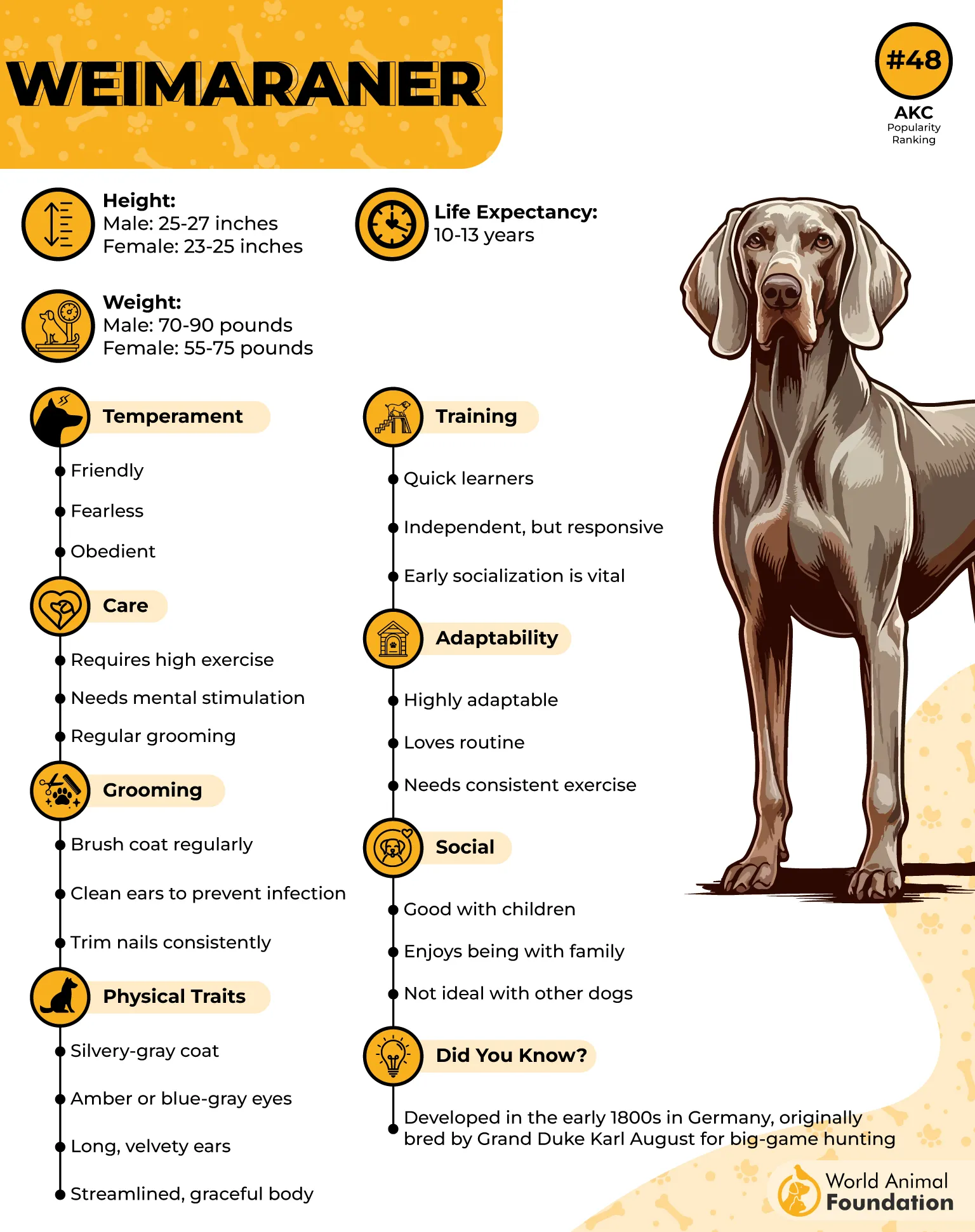
Weimaraner originated in Germany during the 19th century as an all-purpose gun dog capable of pursuing demanding game, including deer and bear across challenging terrain. Bloodhounds, Schweisshunds, and pointer breeds contributed to the type recognized today.
Built for the Trail
This breed brings the athleticism needed for wilderness outings, with high endurance and a strong appetite for demanding physical activity. Running, hiking, hunting, and lure coursing can give this energetic breed the kind of work it was bred to perform.
The following outdoor pursuits fit especially well:
Dock diving for full-body exertion
Agility for fast, controlled movement
Fetch for repeated bursts of activity
A Dog With Range
Weimaraner has enough stamina to keep going after a human companion is ready to stop, making pacing important during strenuous adventures. According to Hill’s Pet, high-impact activity should wait until adulthood because the bones continue growing until around two years of age.
4. Siberian Husky
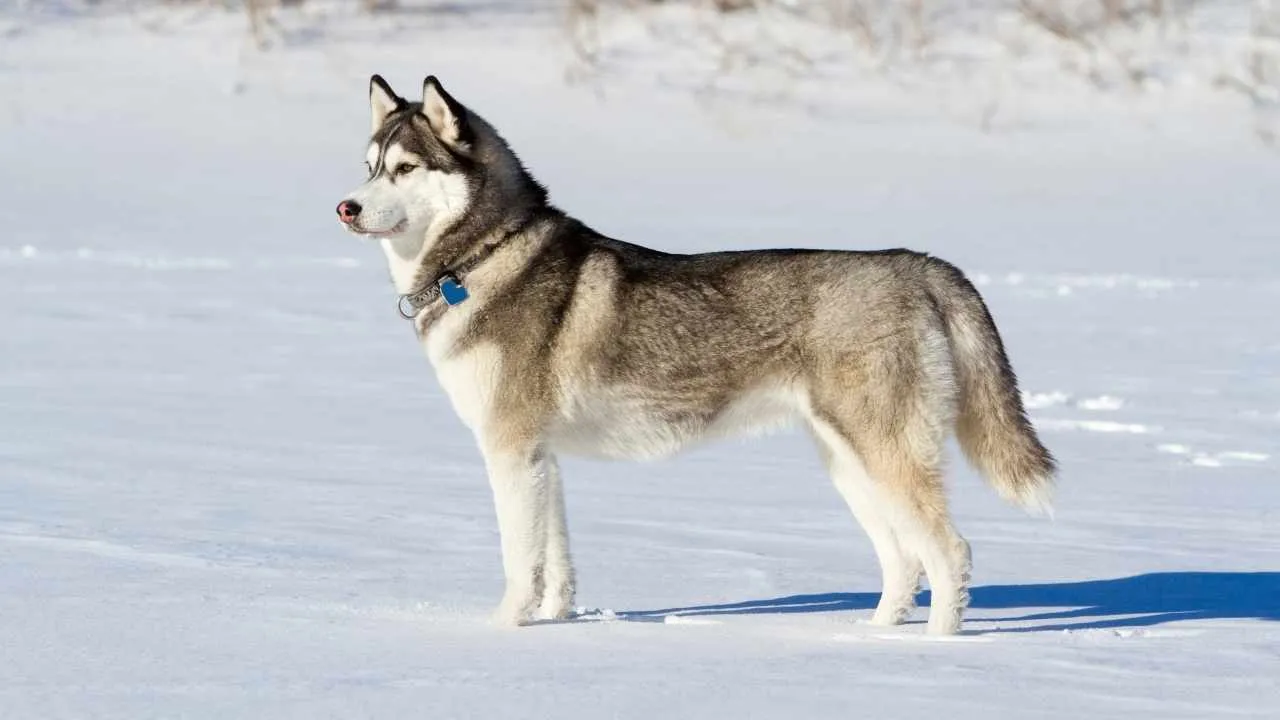
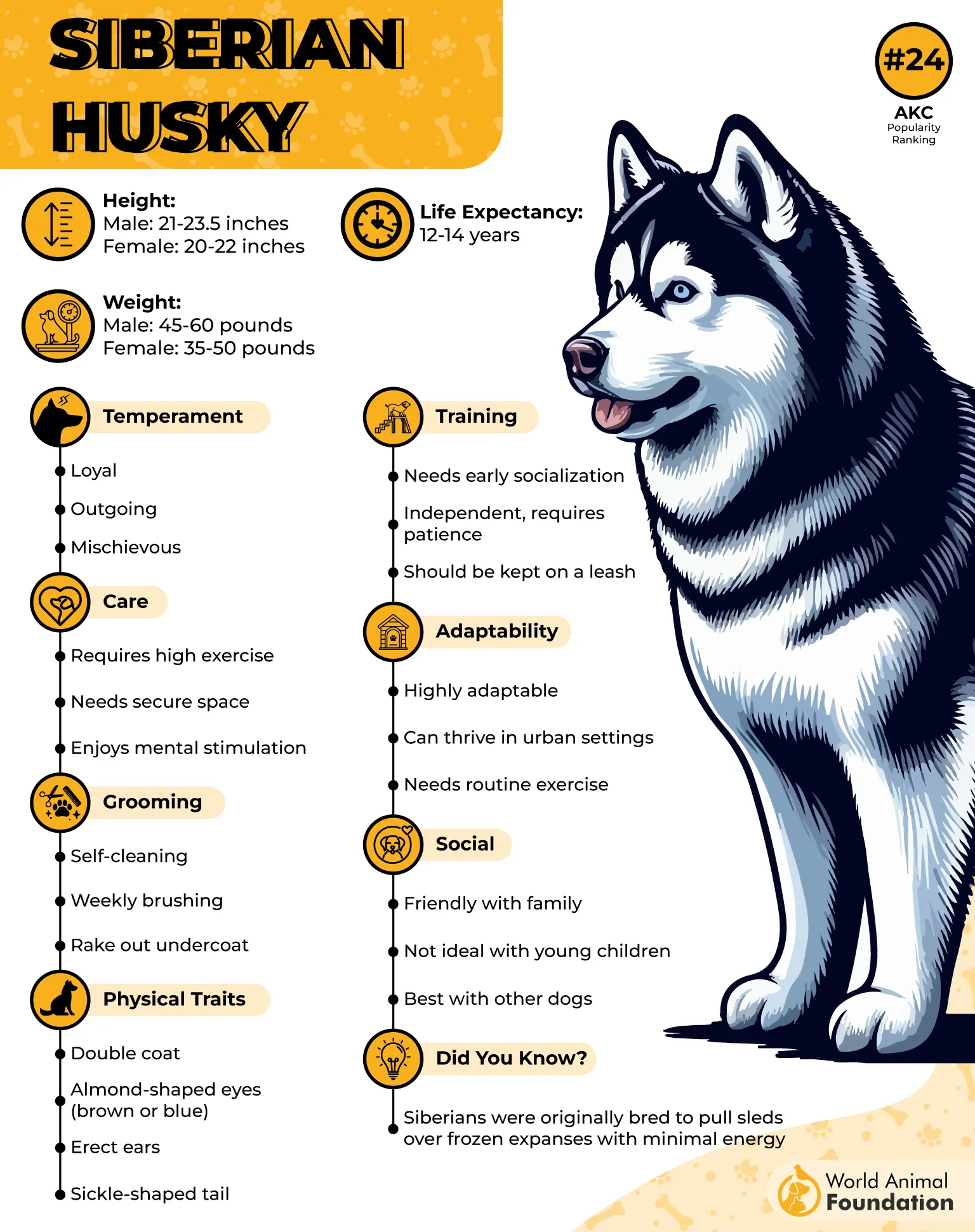
Siberian Husky was originally bred in Northeast Asia, where the Chukchi people bred these dogs from Spitz stock for sled work among nomadic Arctic communities. The name “Husky” is believed to come from “Eksy,” a term once used for Eskimos, and the breed is among the oldest known dogs.
Long-Distance Strength
This active breed is built for long wilderness days, with a minimum of two hours of daily exercise recommended and plenty of room to run. Running, hiking, sledding, and fetch fit naturally into a routine for this high-energy outdoor companion.
Three traits matter when planning longer adventures:
Better suited to distance than speed
Comfortable on demanding hiking routes
Leash use helps control wandering
Cold Comes Naturally
Siberian Husky has a thick double coat that protects against frigid, sub-zero temperatures, while its endurance allows it to handle serious mileage once properly conditioned. The same dense coat requires extra care during warm weather because overheating can become a concern.
5. Whippet
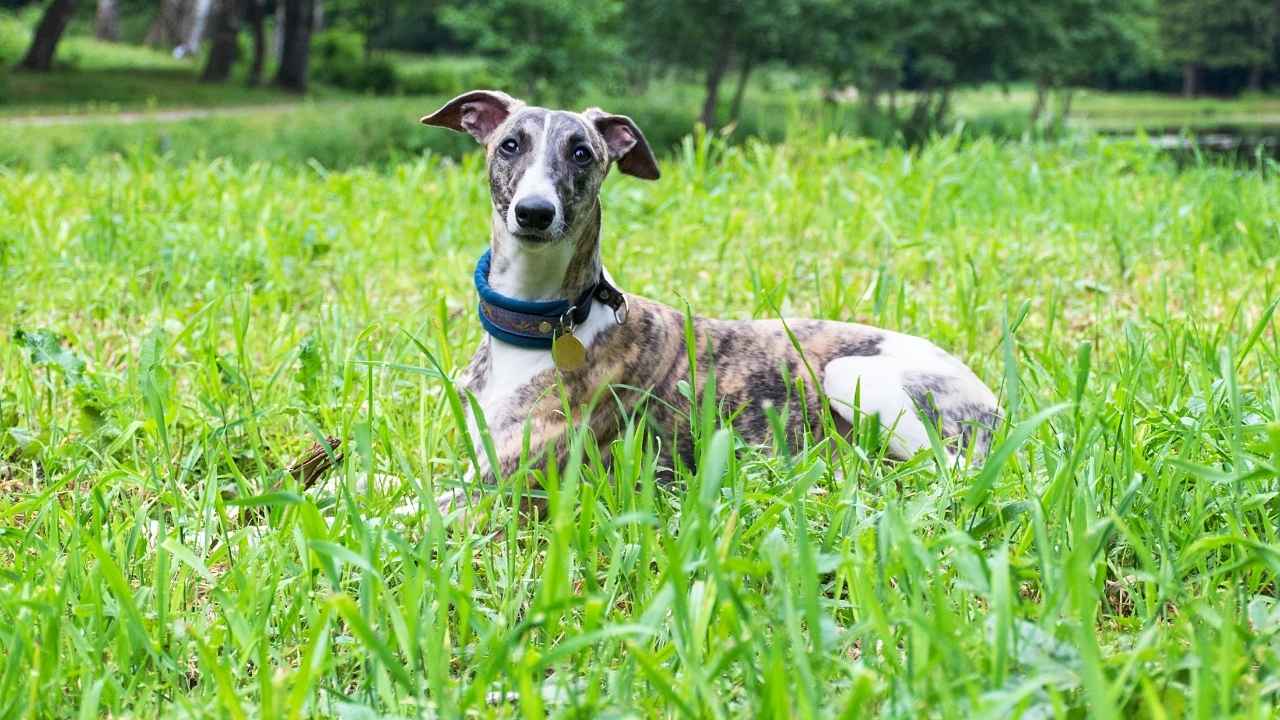
Whippet comes from Greyhound stock, with early breeding focused on producing a smaller sight hound suited to chasing rabbits. By 1888, the breed had received official recognition, and its role soon expanded into the increasingly popular world of racing competitions.
Built for Short Bursts
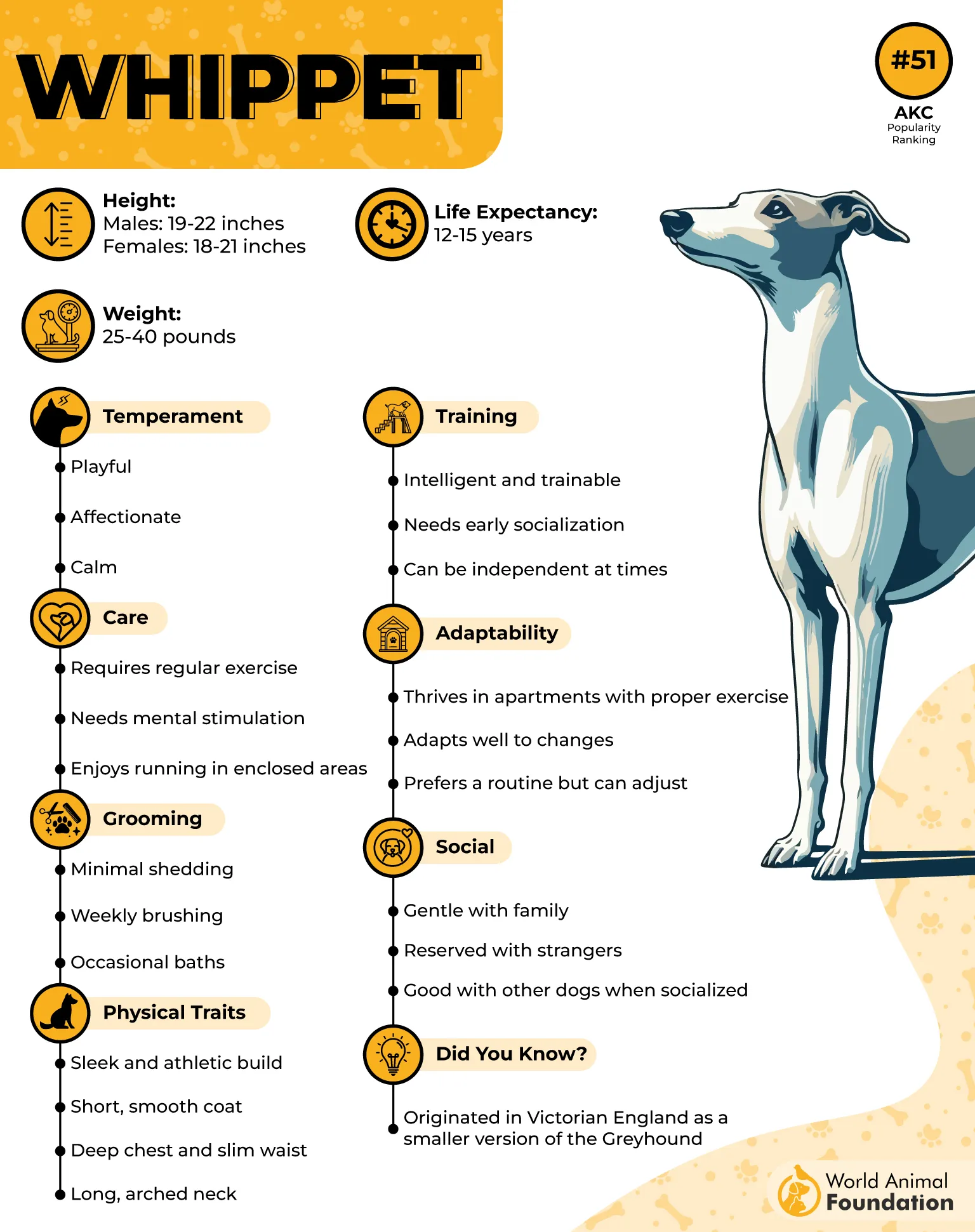
This intelligent breed brings a sprinter’s body to wilderness outings, making quick runs and energetic games a better fit than demanding all-day mileage. An enclosed area gives this fast dog room to stretch out safely before returning to shorter bursts of activity.
The following characteristics matter on longer outings:
About one to two hours of vigorous exercise daily
Thin coat offers limited protection in cold conditions
Low body fat makes prolonged outdoor exposure unsuitable
Fast When It Counts
Whippets can switch from a quiet companion to a focused sporting dog when given a task, with activities such as agility, lure coursing, flyball, and nose work providing useful outlets. Its intelligence also helps with obedience training, although an independent streak can occasionally win the argument.
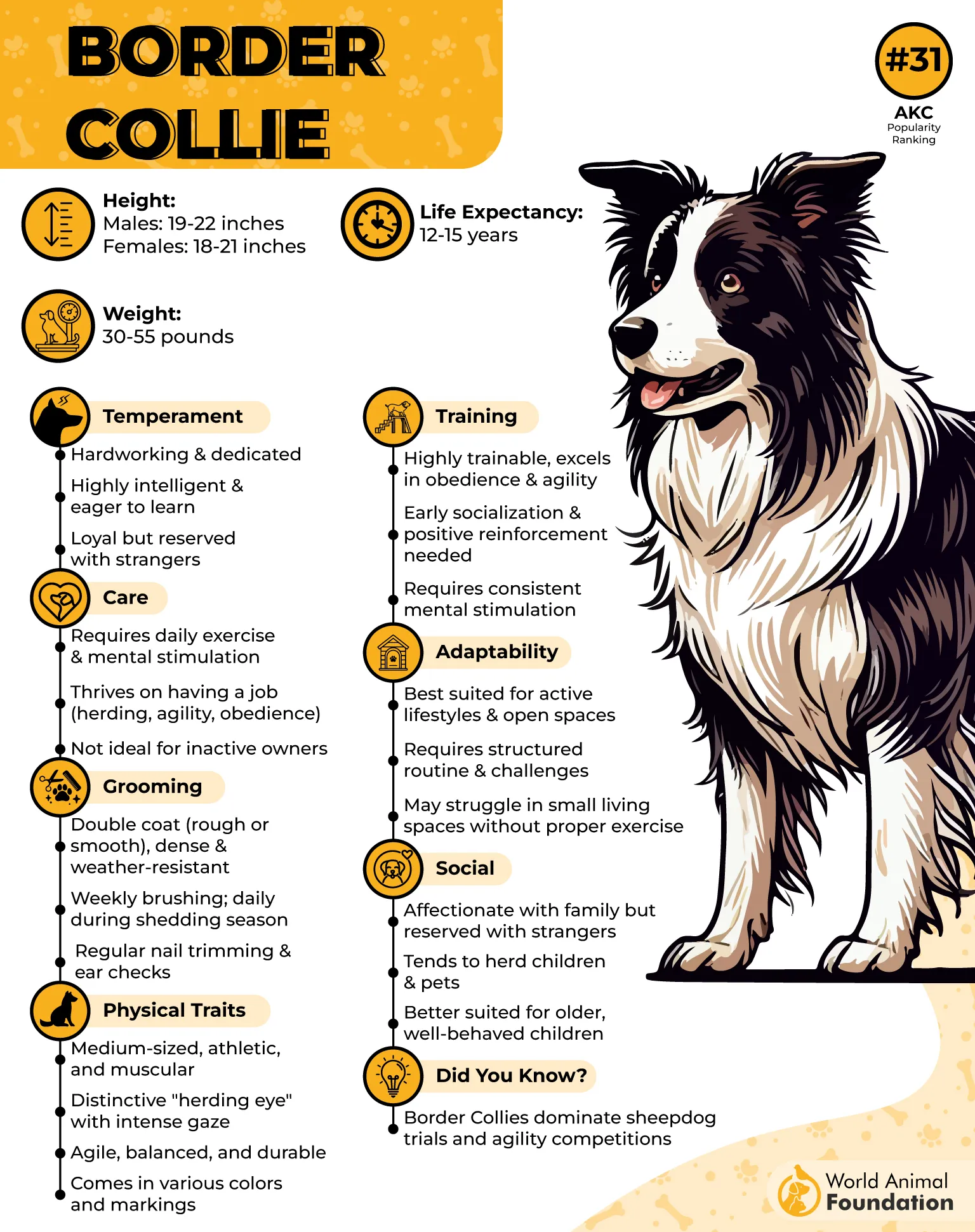
6. Border Collie
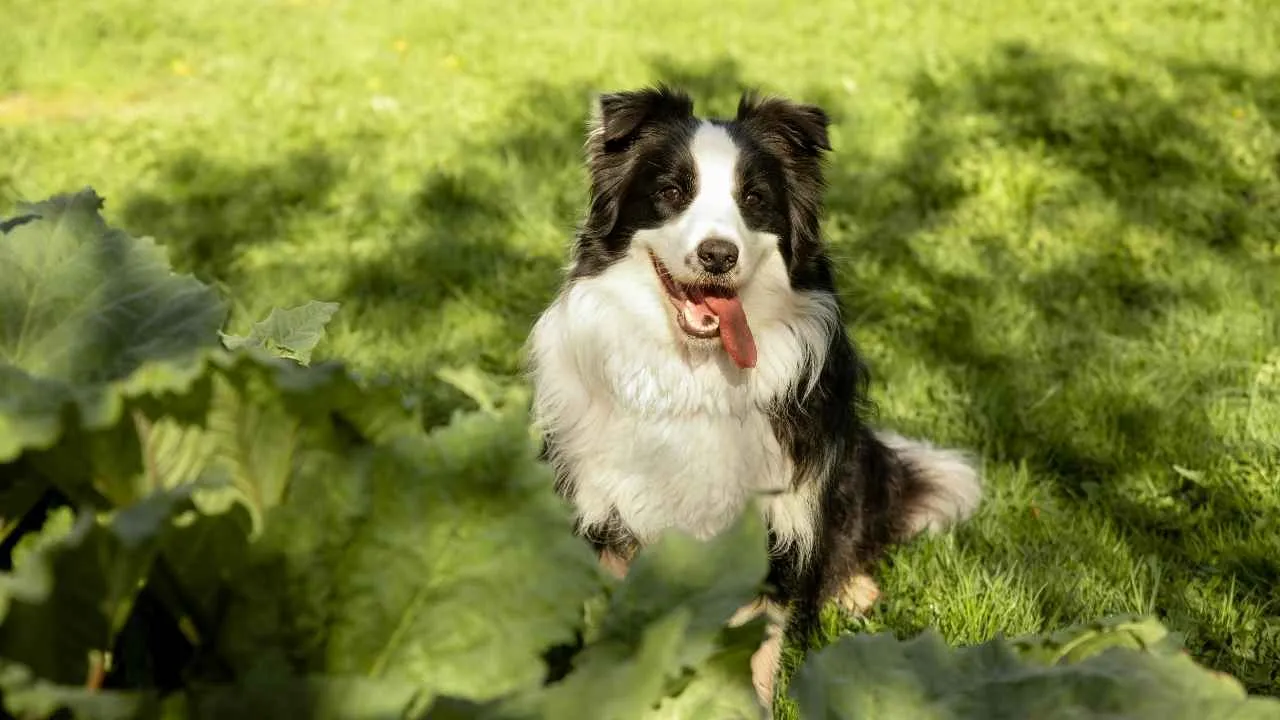
Border Collie was formally standardized in 1906 according to its working ability rather than appearance, when it was simply classified as a Sheep Dog. The name adopted in 1915 reflects its roots around the Scottish and English borders, where herding shaped the breed’s identity.
Made for Open Country
This herding dog breed has the stamina, focus, and agility needed for demanding outdoor work, making it well suited to an active lifestyle in open terrain. A healthy dog can hike three to four miles and comfortably trot beside you for several miles.
These qualities make its outdoor ability especially practical:
At least an hour of vigorous exercise daily
Excels in agility and herding competitions
Enjoys training and dog sports
Herding Comes Home
Border Collie may use the characteristic “eye,” barking, and heel-nipping when excited children or unfamiliar animals trigger its herding instinct. Early socialization helps reduce the chance of treating other dogs or household pets as animals needing to be controlled.
7. Rhodesian Ridgeback
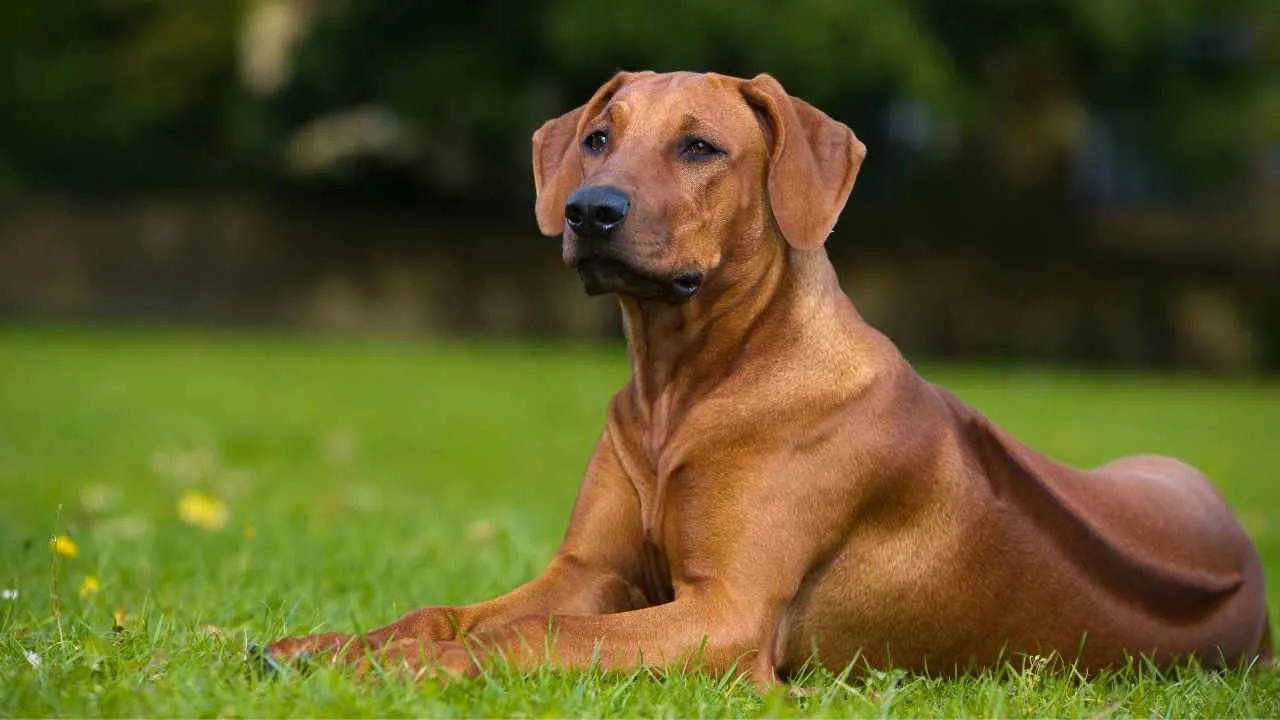
Rhodesian Ridgeback traces its roots to southern Africa, where European settlers crossed Mastiffs, Bloodhounds, Great Danes, Pointers, and Greyhounds with native hunting dogs. The resulting dogs carried a striking ridge of fur growing in the opposite direction along their backs.
Built to Go Far
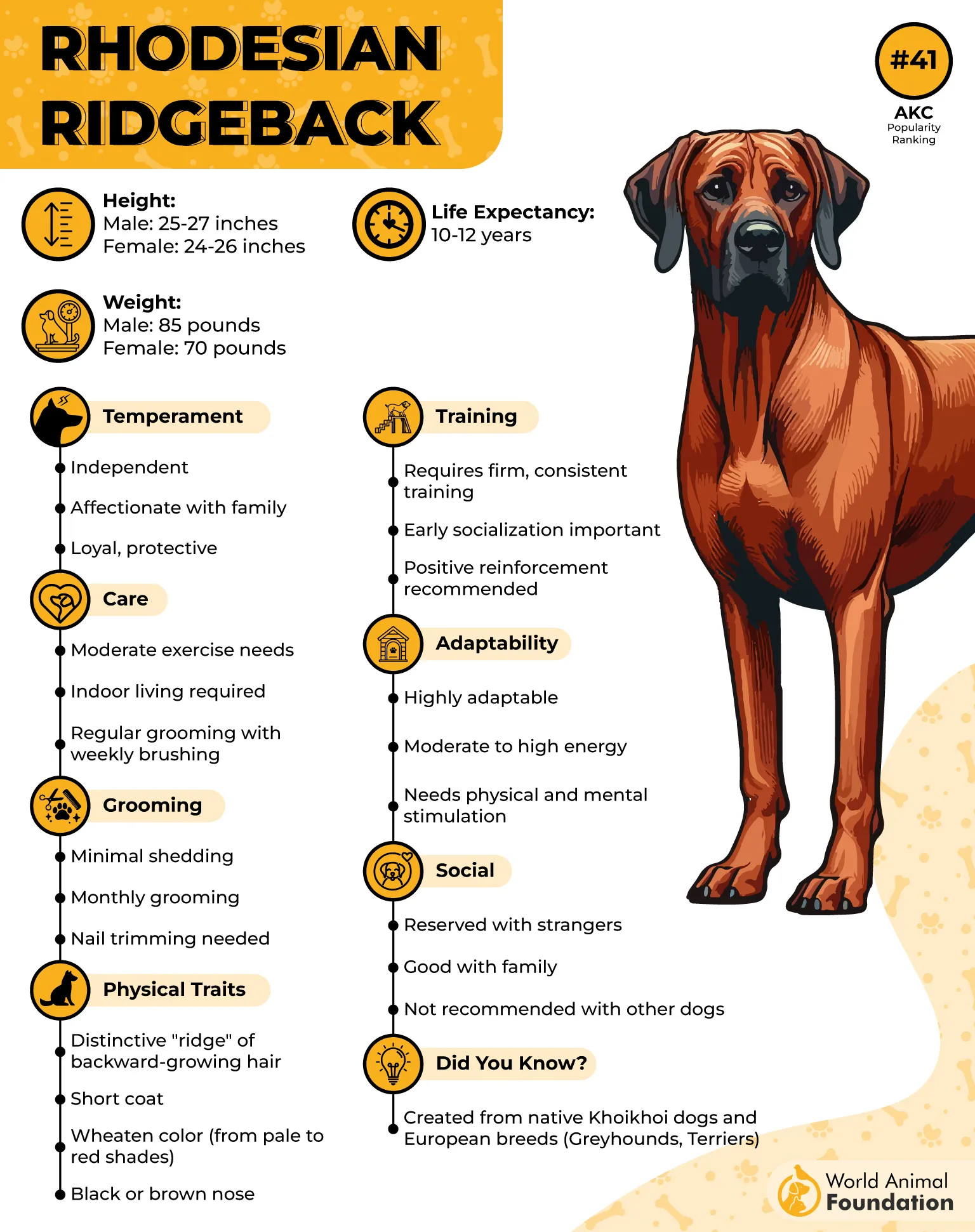
This hunting dog was later taken to Rhodesia, now Zimbabwe, where hunters relied on it to track lions and keep them at bay during hunts. That demanding work called for speed, endurance, heat tolerance, and enough confidence to stay near a dangerous animal.
These figures put its outdoor ability into perspective:
Up to 6–8 miles of running
Hiking distances of 10 miles or mor
Over 30 minutes of brisk exercise daily
A Serious Hiking Partner
Rhodesian Ridgeback can handle strenuous outings when properly conditioned, with healthy dogs potentially covering long hiking distances before tiring. Its short single coat also makes it better suited to warm outdoor conditions than heavy-coated breeds.
8. Jack Russell Terrier
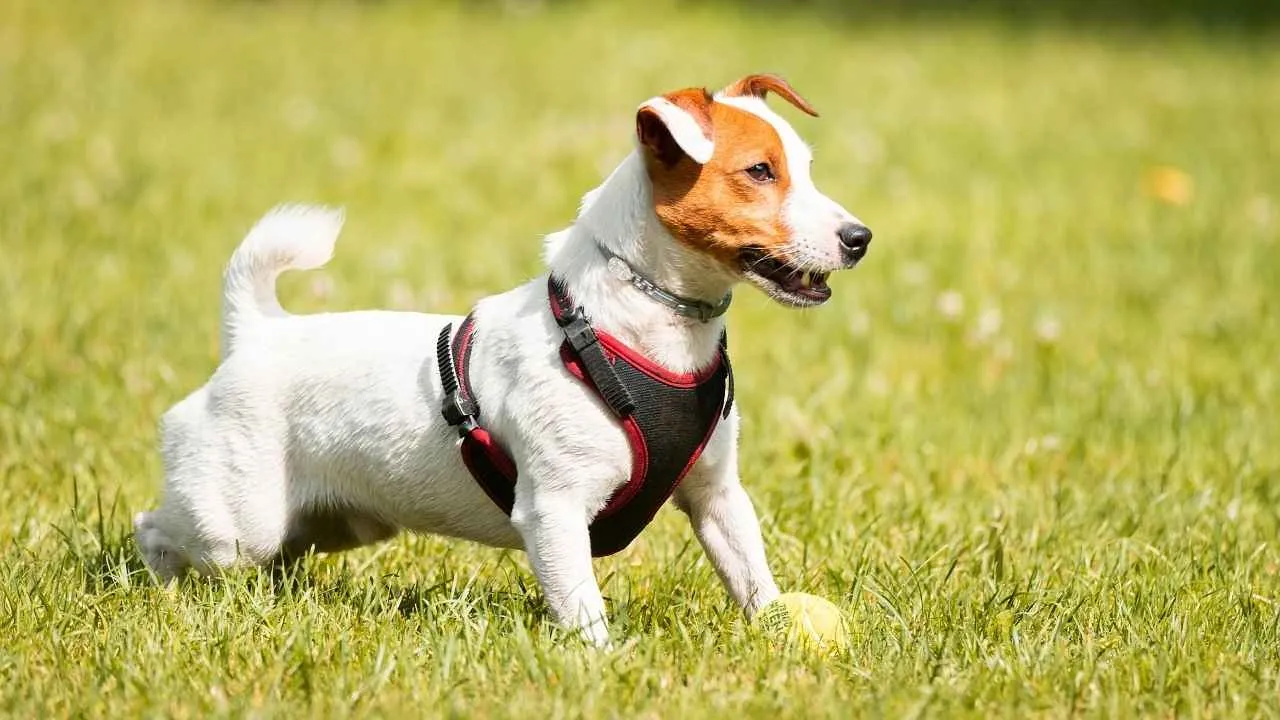
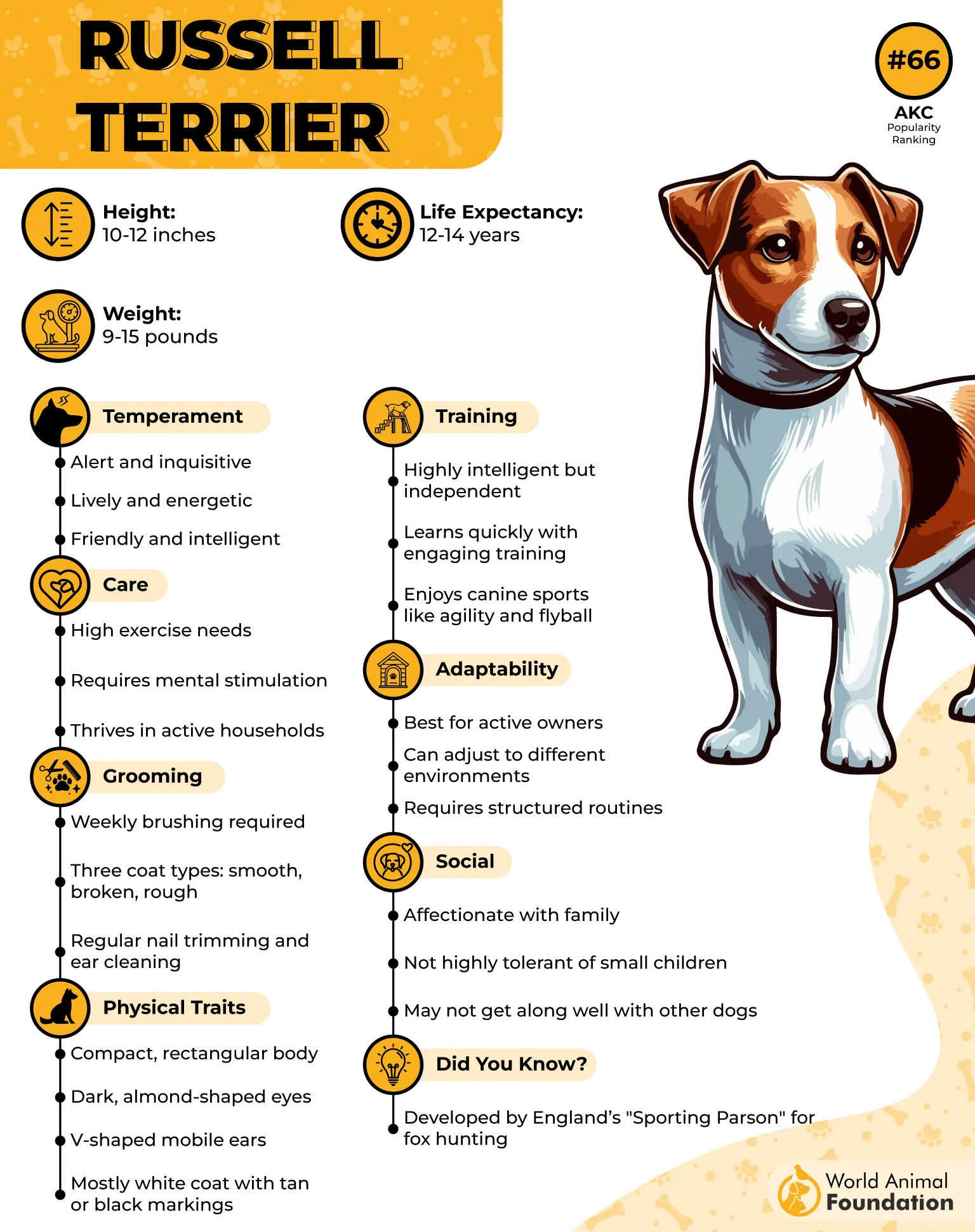
Jack Russell Terrier was originally bred in England during the 1800s, when its early work centered on fox hunting. Small enough to enter tight spaces, these dogs could locate and dig out foxes before holding them until the hunter arrived, and later became valued rat catchers.
Endurance That Goes Far
This terrier brings a strong chase instinct and stamina to wilderness outings, with enough energy for several hours of activity. Healthy dogs can handle three to five miles of hiking, while their short legs make steady trails easier than fast running.
The breed’s temperament profile gets even more specific:
Needs early socialization with unfamiliar dogs
Strong prey drive around cats and small animals
Several hours of activity can reduce barking and chewing
Always Investigating
Curiosity keeps Jack Russell Terrier interested in new surroundings, while its lively nature can turn a trail into an endless search for something worth chasing. Hiking, nose work, lure coursing, and skills training give that busy mind useful ways to engage with the outdoors.
9. Bernese Mountain Dog
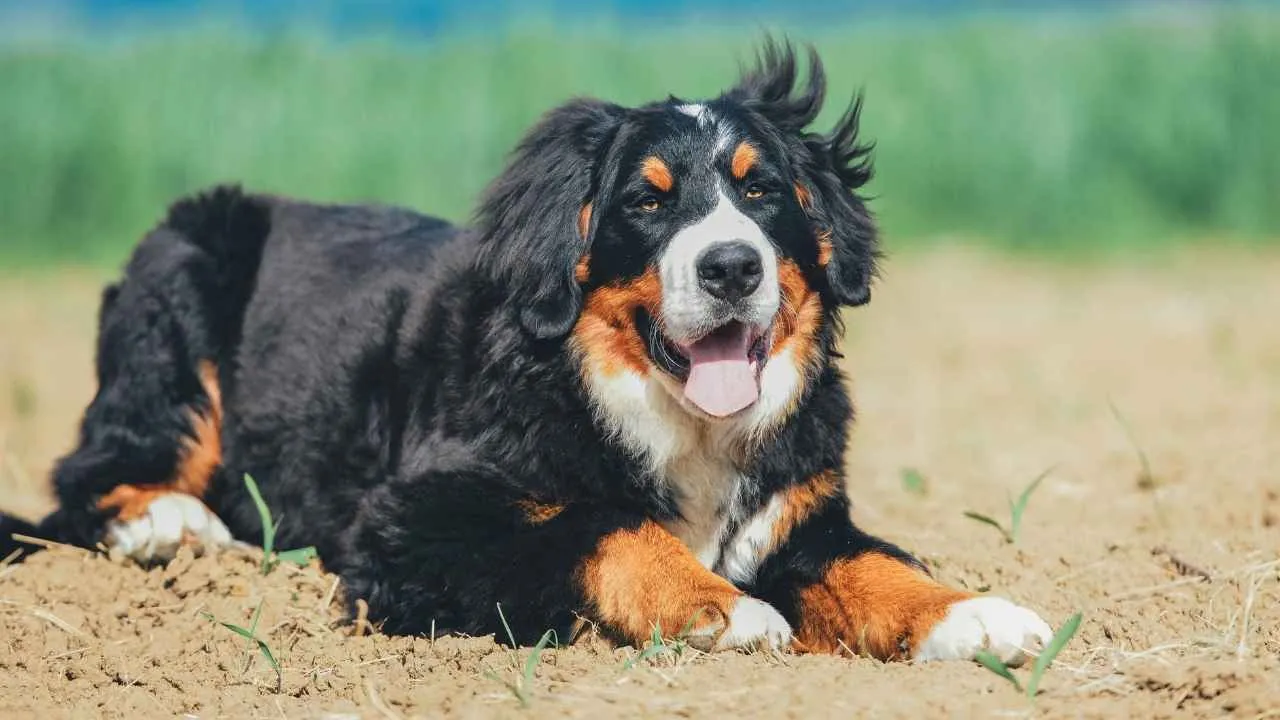
Bernese Mountain Dog spent centuries working in the Swiss Alps, particularly around Switzerland’s Durrbach area, where it was once called the Durrbachler. Farmers relied on these sturdy dogs for driving dairy herds and pulling carts before the breed took its modern name.
Made for Cooler Trails
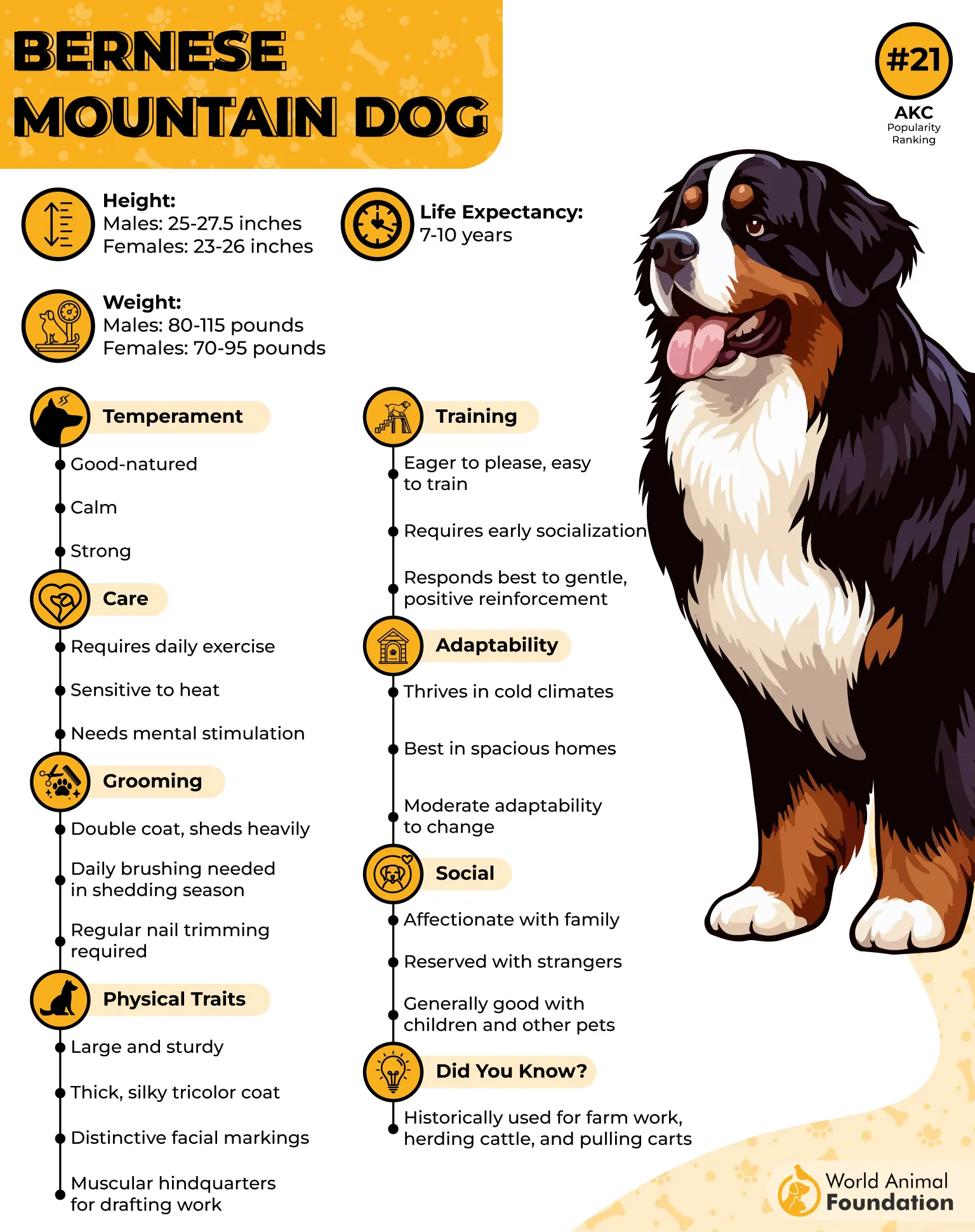
This mountain dog suits outdoor exploration in cold climates, with a willingness to join people on hikes and other steady activities. Healthy, conditioned adults may manage hikes of up to 10 miles in cool weather, while heat can quickly make longer distances unsuitable.
Its active nature also makes training more enjoyable:
Intelligent and eager to please
Responds well to positive-reinforcement training
Enjoys activities with its people
Know the Limits
Bernese Mountain Dog can run up to four miles in cool weather when well conditioned, although strenuous running should wait until full growth around two years of age. Its large frame also calls for care around young children, since adolescent clumsiness can cause accidental knocks during play.
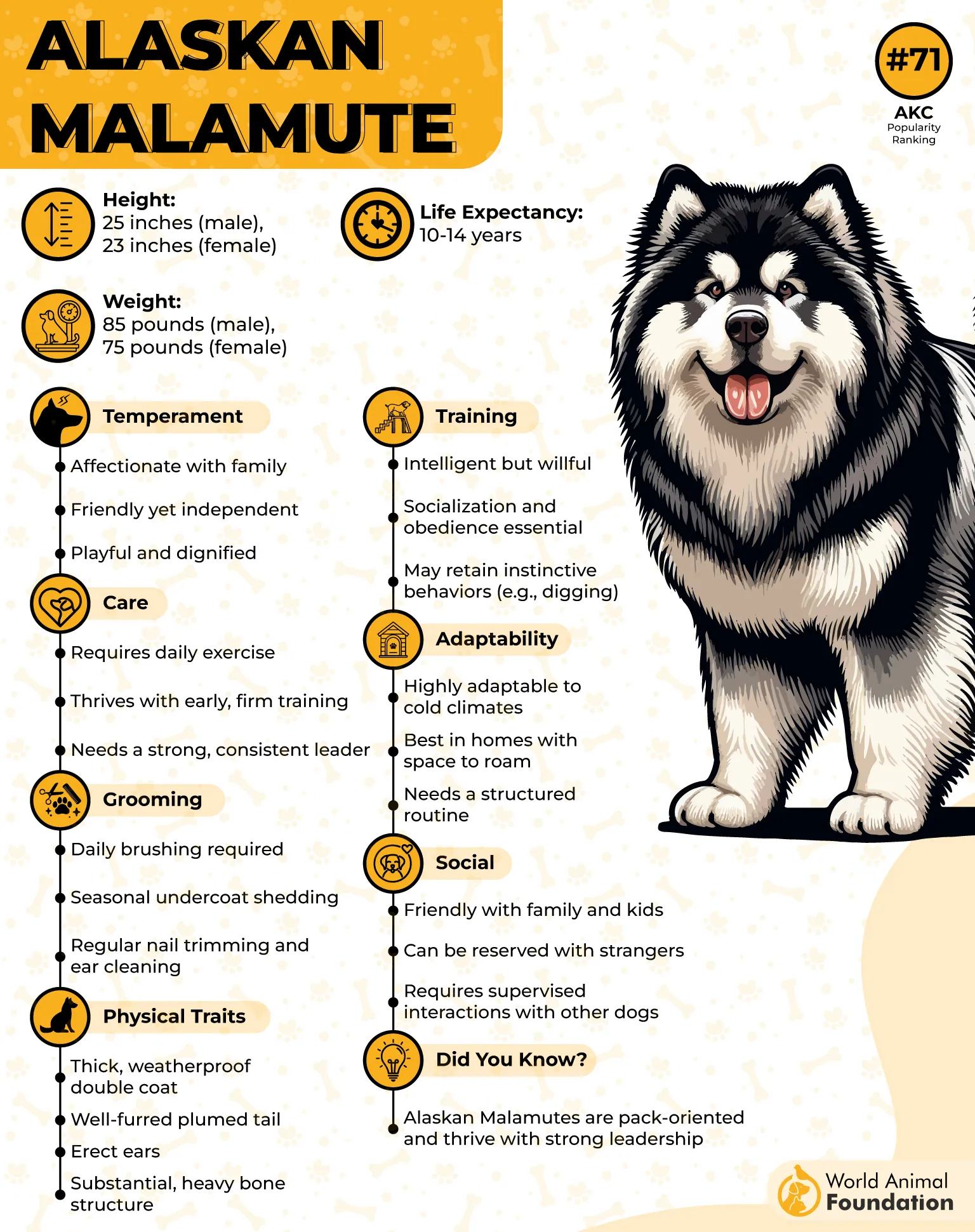
10. Alaskan Malamute
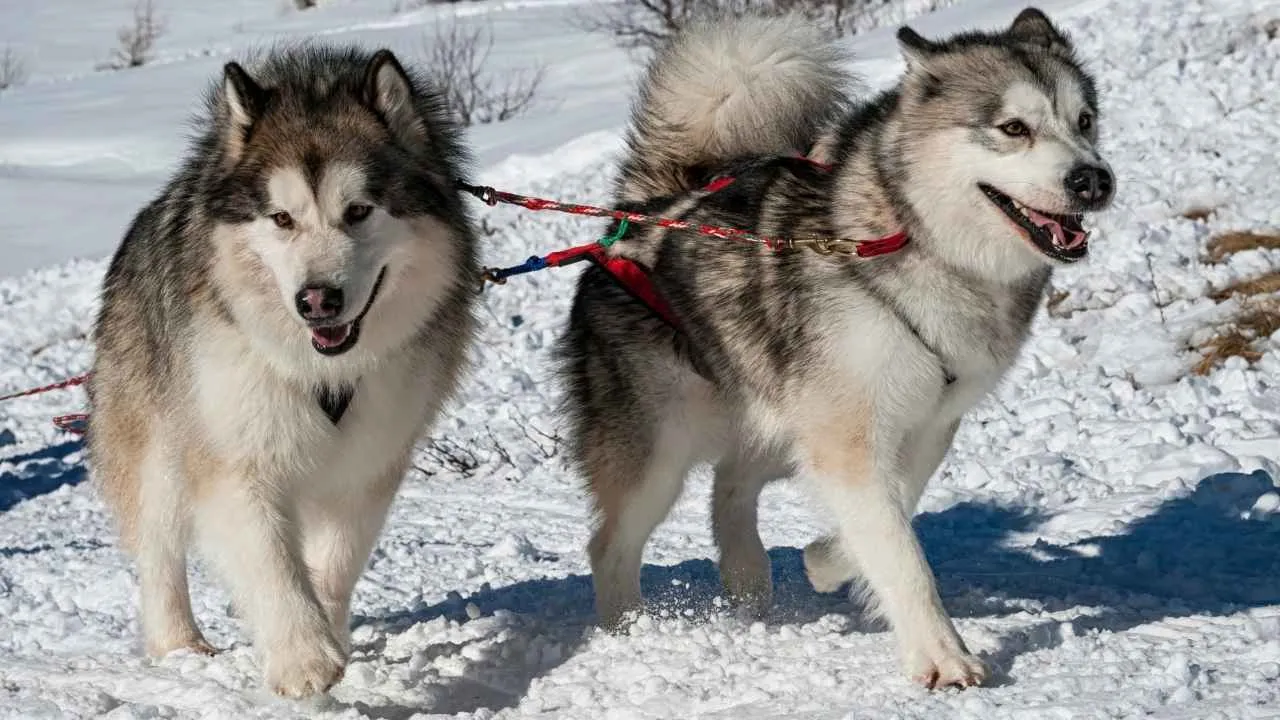
Alaskan Malamute originated in Alaska’s northern Arctic region, where it lived alongside Native Inuit communities and helped hunters bring large prey such as seals and bears back to their villages. Its exact origin remains unknown, adding an unusual detail to the breed’s early story.
Made for Long Hauls
Alaskan Malamute has dense fur, large feet, stamina, and strength for demanding journeys across snowy ground. Its working ability appears in sled racing and remote sled work, while its endurance also suits long wilderness outings in suitable cold conditions.
These specifics reveal just how capable this breed can be:
Can run 10 miles or more when fit
Can handle day-long and multi-day hikes
Can pull heavy sleds for many miles
A Strong-Willed Companion
These malamutes learn quickly, yet their independent nature calls for patient and consistent training from an early age. Recall can become difficult during off-leash adventures because the dog may understand the command perfectly well and still prefer roaming elsewhere on its own.
Concluison
Wilderness exploration can put a dog through rough ground, changing weather, long distances, and unfamiliar surroundings. A robust companion needs more than enthusiasm to handle those demands safely. Conditioning, reliable recall, paw care, hydration, and rest become important when trails stretch for miles or climb steep terrain, especially for the vast majority of active dogs.
Some dogs handle cold naturally, while others need protection from low temperatures or heat. First-time owners should also consider age, fitness, coat type, prey drive, and the dog’s ability to settle after an active day. A backyard cannot replace proper outdoor activity for dogs with excess energy. The right match can turn demanding outdoor trips into enjoyable adventures while keeping the dog’s comfort and safety in mind throughout.
