




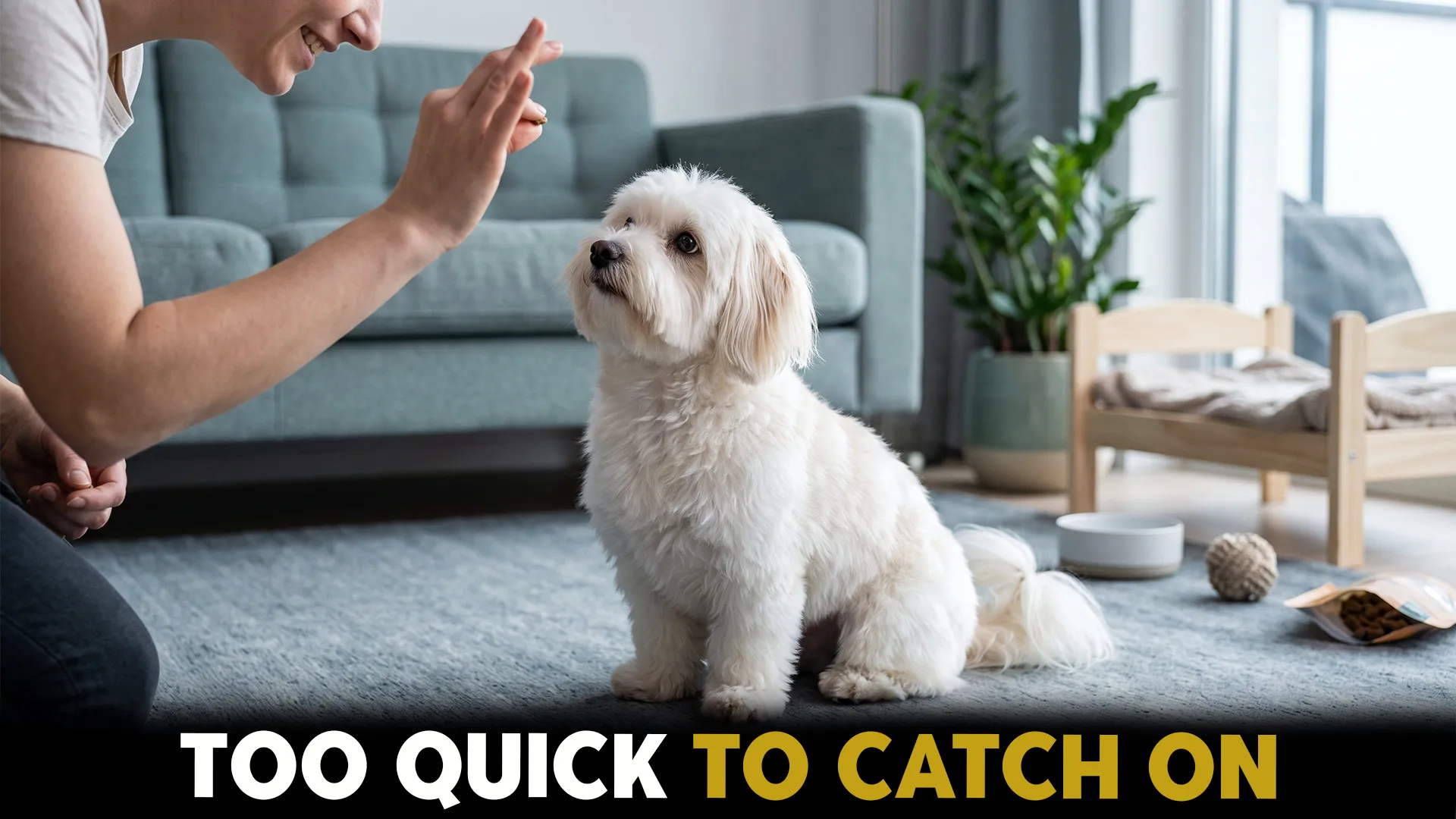
Choosing your first dog can feel confusing and overwhelming. Between the excitement and the nerves about responsibility, it’s easy to feel swamped, so it’s best to start with a trainable breed that adjusts quickly and doesn’t make a fuss.
Not all small dogs share the same easygoing mindset, though. Choosing a breed that’s eager to please and highly responsive makes all the difference.
In this guide, we’ve rounded up 10 highly trainable small pups for first-time dog owners. They’re adorable, easy to train, and adapt well to compact spaces like apartments. These small dogs don’t need a big yard, just a big space in your heart (which is non-negotiable). They’ll curl up beside you for your favorite series and happily play along when you’re feeling active.
These pint-sized companions differ in intelligence and grooming needs, so stick around. We’ll cover everything you need to know about them before you make a decision.
Easy‑Trainable Tiny Dog Breeds for First‑Time Owners
1. Cavalier King Charles Spaniel
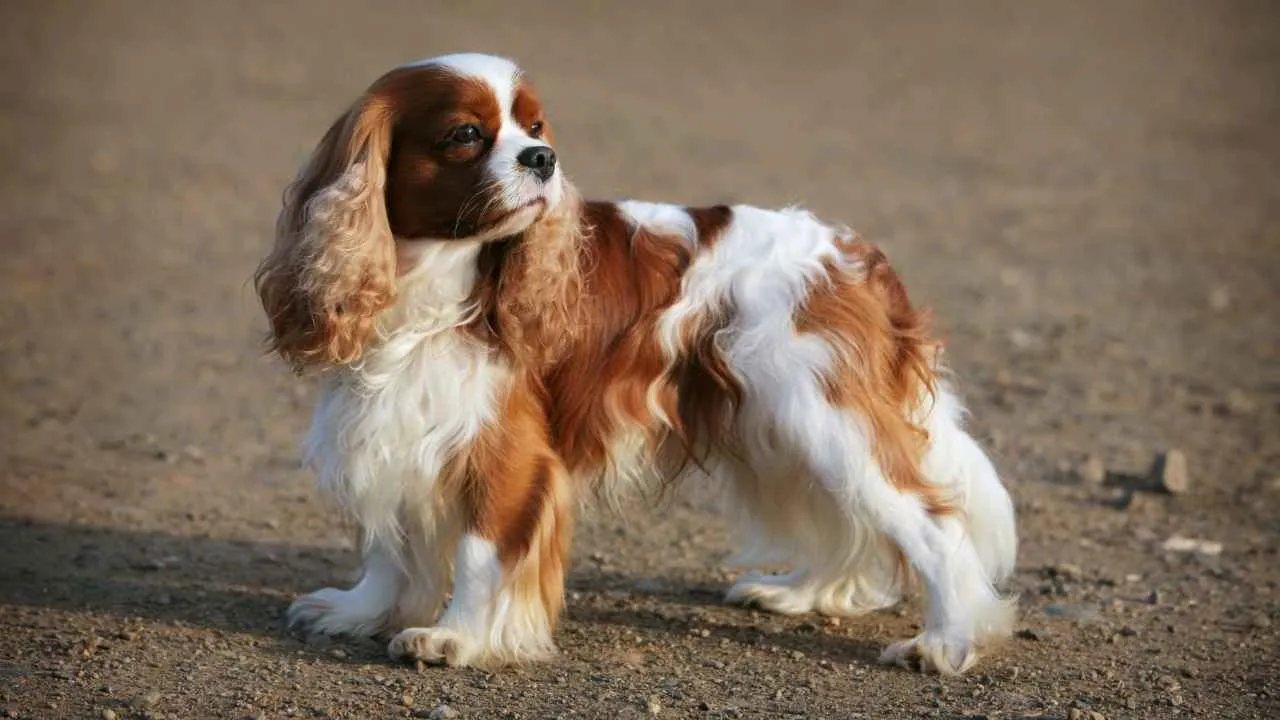
Cavalier King Charles Spaniels are affectionate, sweet, and gentle. They’re exceptionally adaptable dogs that get along well with children, seniors, and even other dogs, and they have an even-tempered, eager-to-please nature.
These small dogs were bred as lapdogs, but they still have some spaniel instincts, so keep them leashed outdoors. Their friendly, easygoing character makes them a great breed for first-time dog owners, and they rarely show aggression.
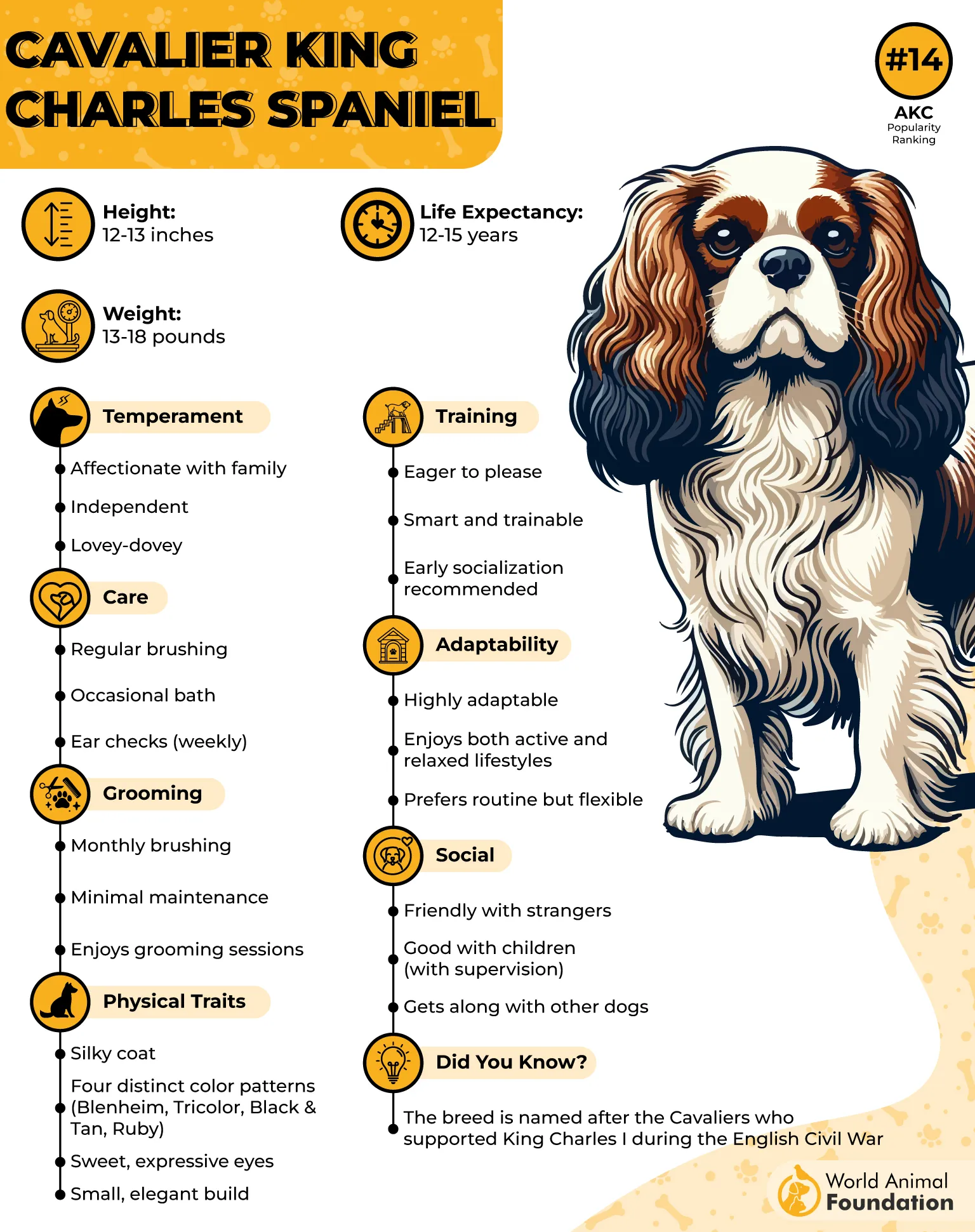
They need about 20 to 30 minutes of exercise a day for physical and mental stimulation. They’re easy to train, though they can be stubborn at times, so focus on early socialization and obedience training to bring out the best in this natural companion.
2. Toy Poodle
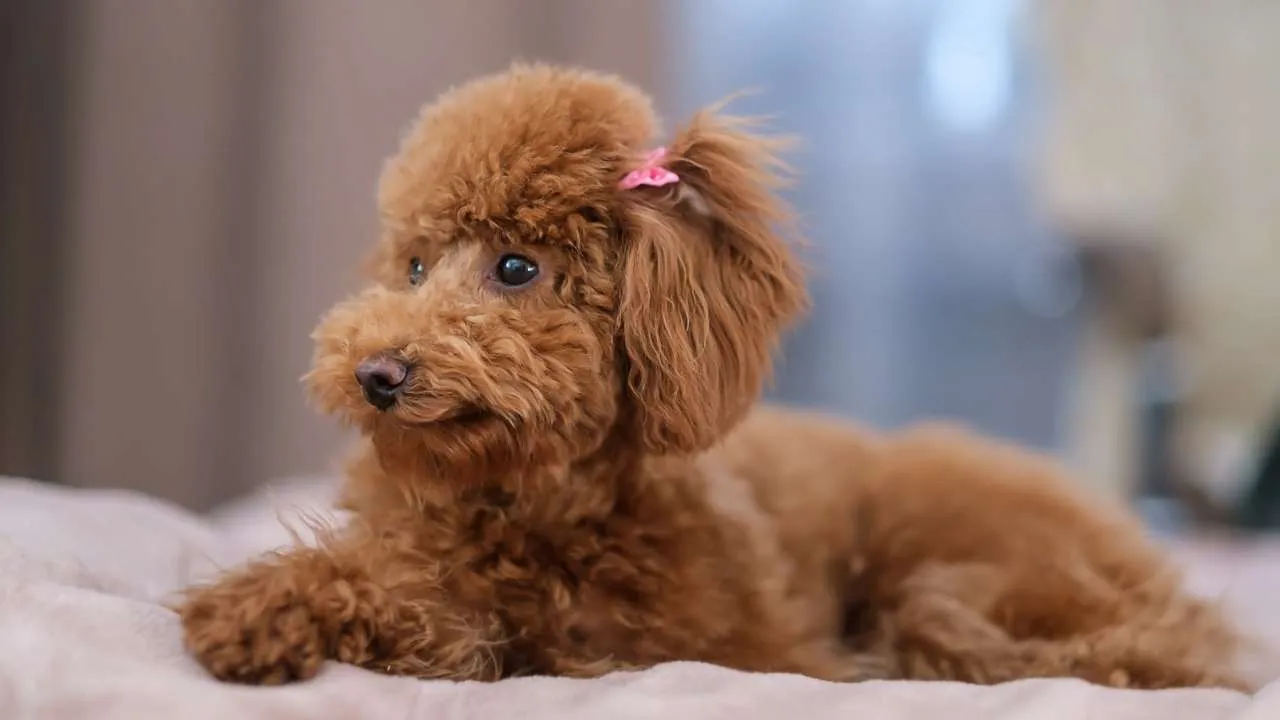
Toy Poodles are lively, incredibly loyal, and among the smartest dog breeds. They form strong bonds with their owners and bring an eager, energetic attitude to playtime. Despite their elegant reputation, they were developed from larger Poodles and are happiest as companions.
They’re easy to train, highly responsive, and adapt well. Their compact size also lets them settle into smaller homes, as Purina shares. They need around 20 to 30 minutes of exercise a day.
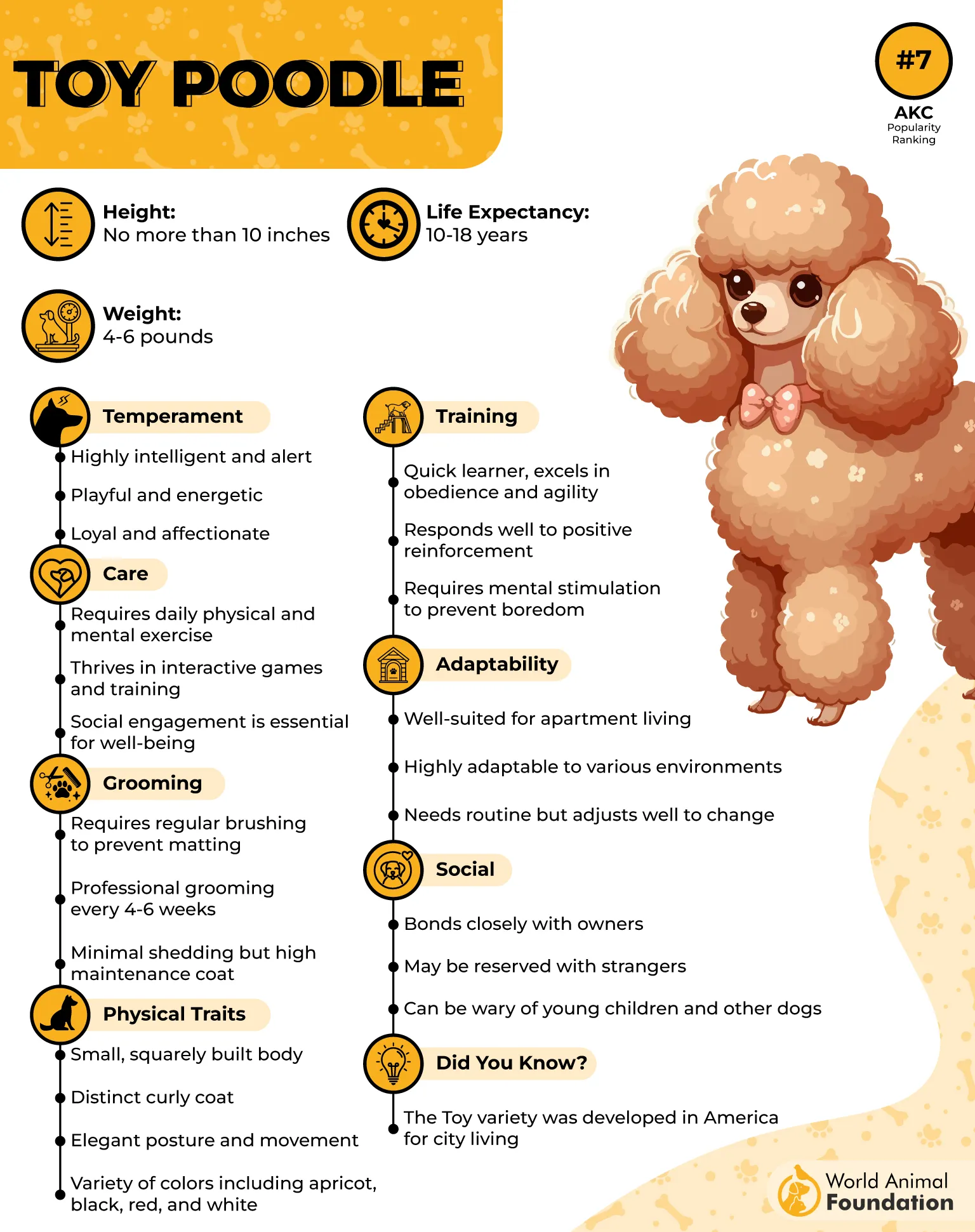
Positive reinforcement and consistent training work best, and early socialization is important. Their curly coat sheds very little but needs professional grooming every four to six weeks.
3. Shih Tzu
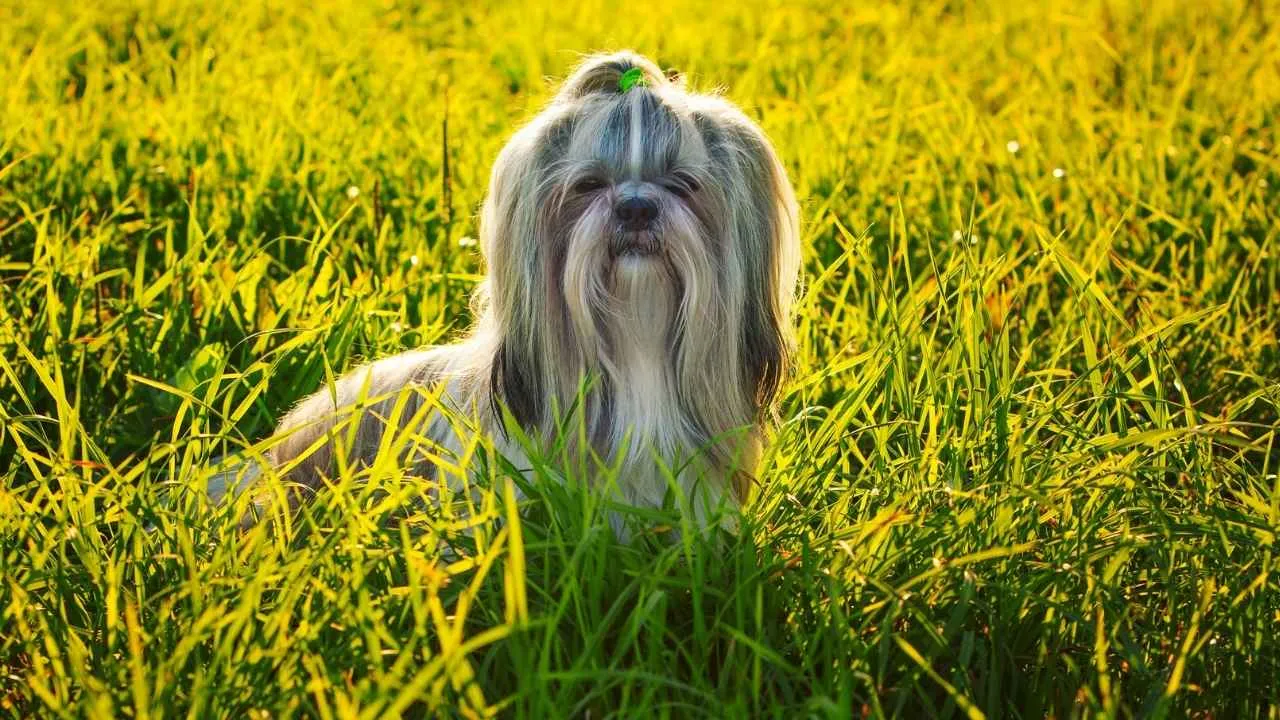
Shih Tzus are trusting, cheerful, and deeply affectionate dogs that were born to be indoor companions. They’re also known as “lion dogs,” as PetMD mentions, because they were bred to resemble lions.
These toy dogs are outgoing and happy, and they prefer cuddling to chaos, which makes them great companions for novice owners. They’re also low-energy and need only about 20 to 30 minutes of light walking a day.
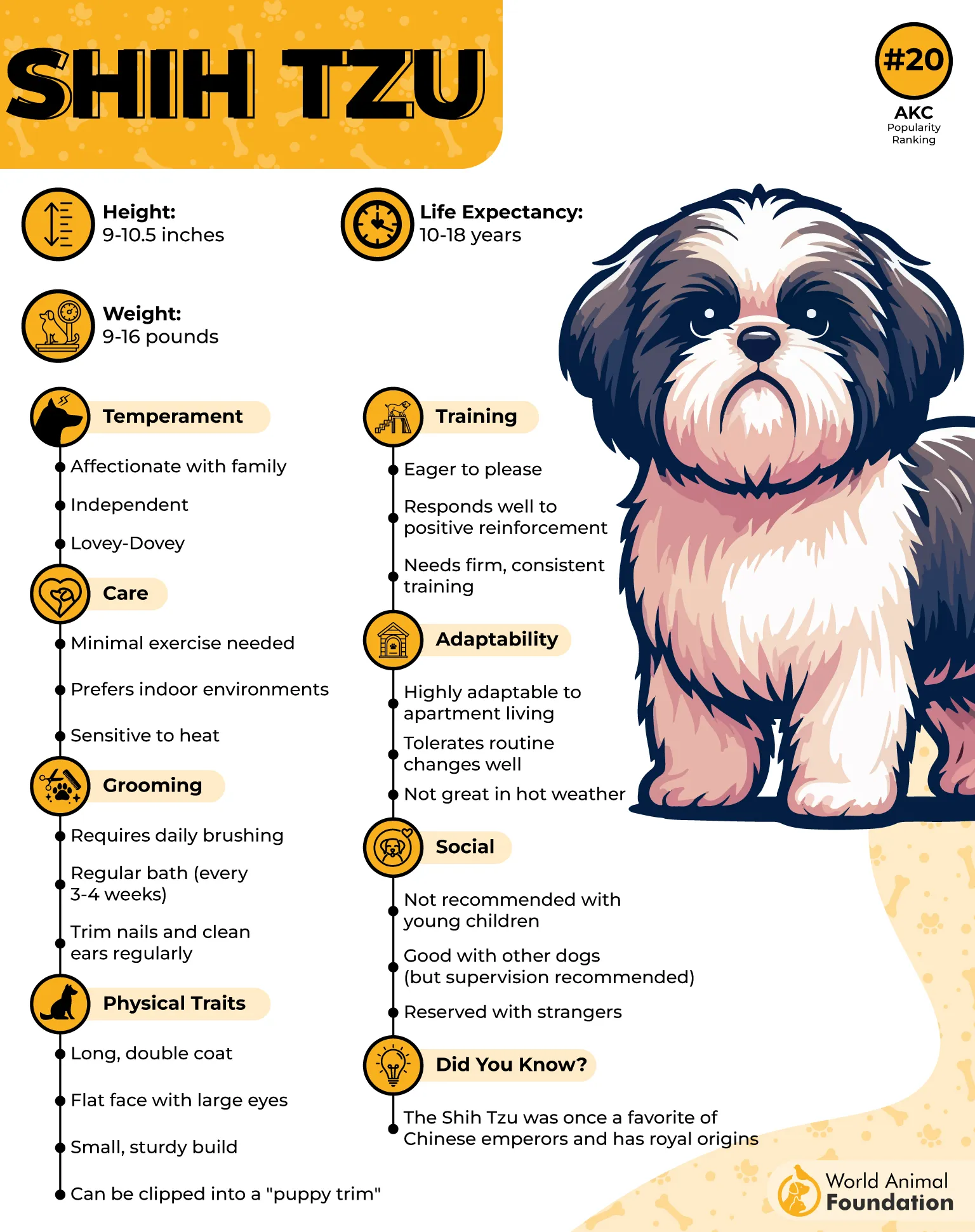
Shih Tzus are intelligent and respond best to high-value treats; otherwise, their mild independent streak may show up. Their long double coat sheds very little, but it needs daily brushing if kept long to prevent tangles.
4. Havanese
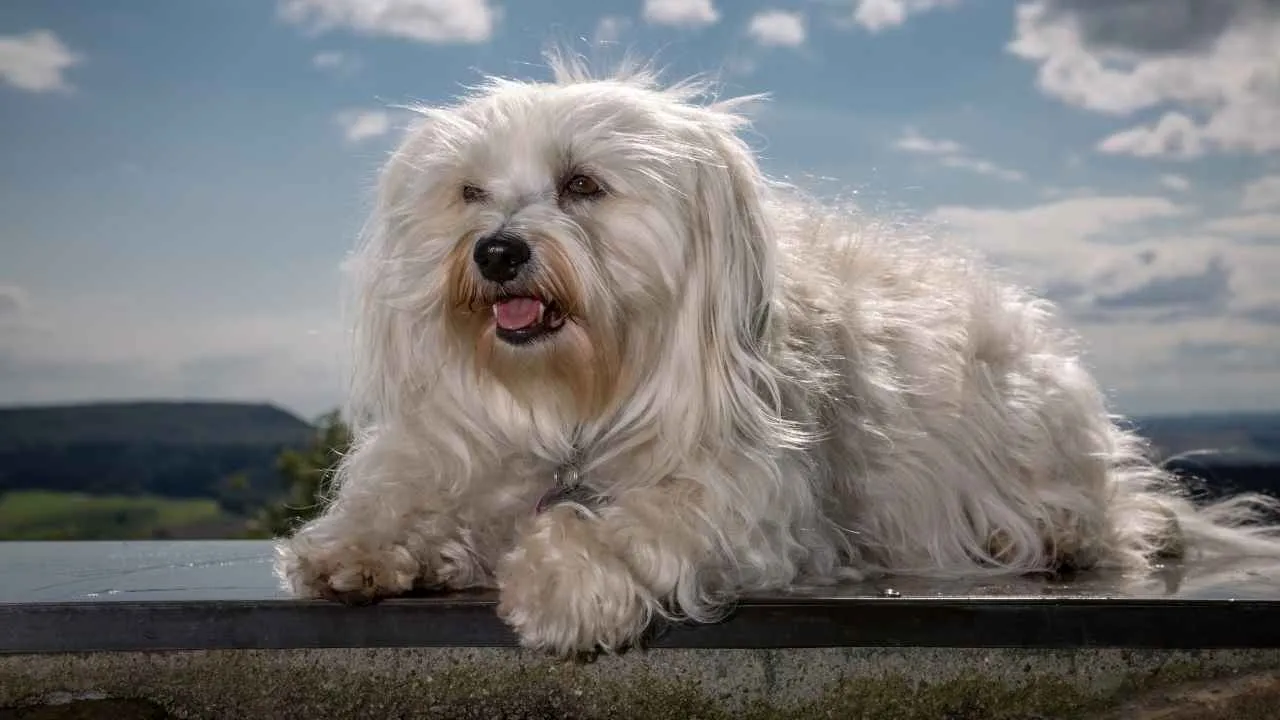
Havanese are charming, playful, and gentle. They’re also known as “Velcro dogs” because of the strong bonds they form with their humans and their outgoing nature. They’re bright, joyful, and native to Cuba, as per the AKC.
These little dogs were bred as lap dogs, so they don’t have a high prey drive. Their eager-to-please nature, rare aggression, and high adaptability make them a great choice for new dog owners and active families.
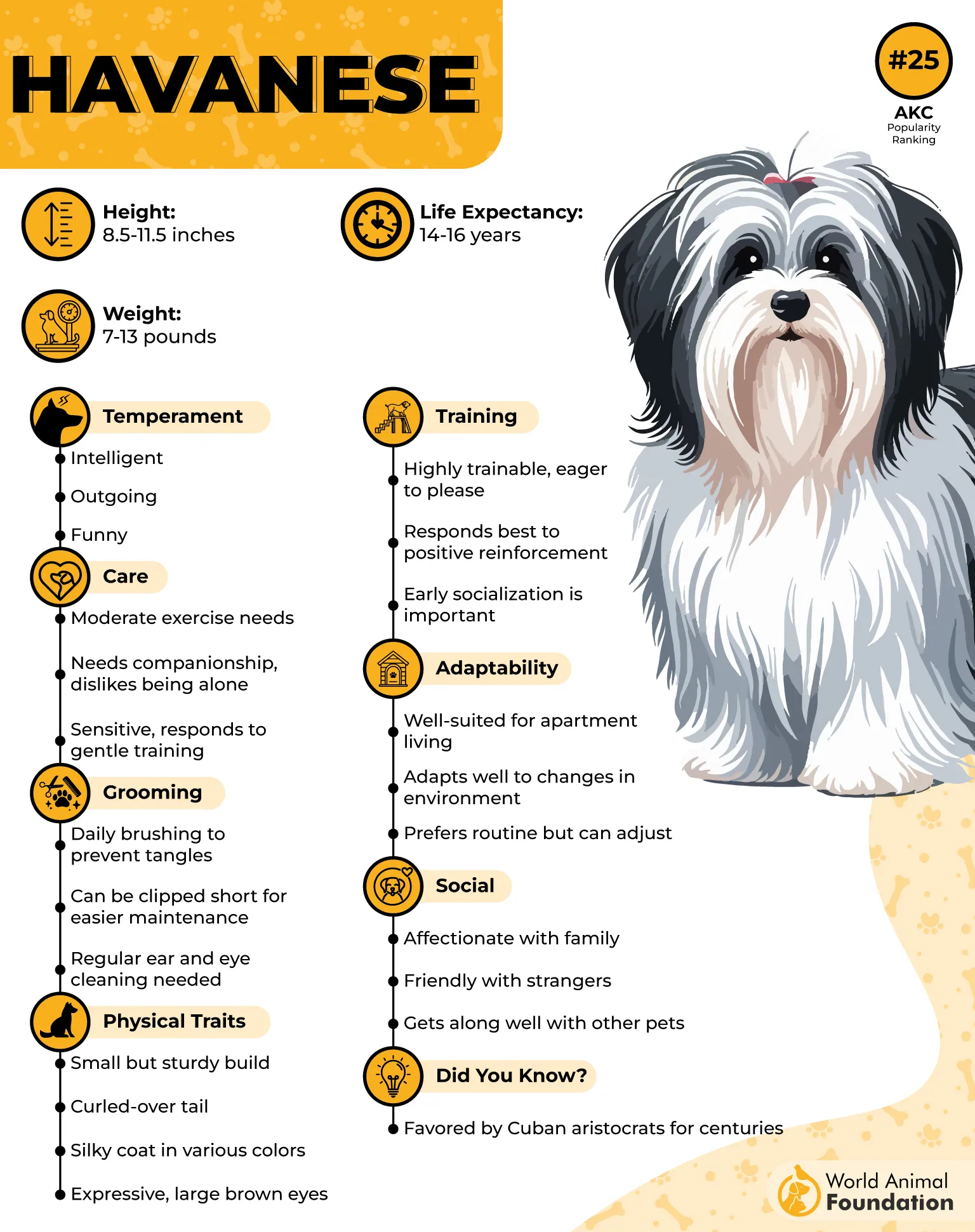
They have moderate energy levels and need around 30 minutes of regular exercise for both mental and physical stimulation. Havanese respond best to positive reinforcement and reward-based training.
5. Papillon
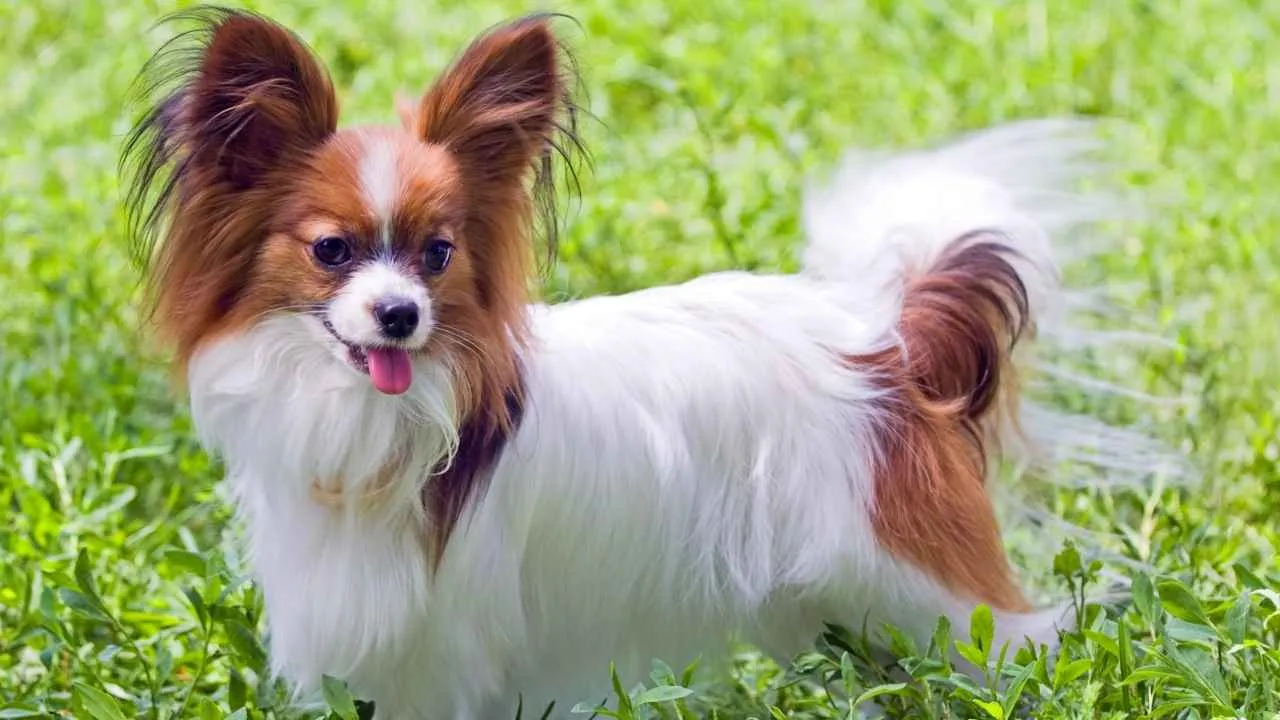
Papillons are happy, alert, and famously smart dogs with distinctive butterfly-like ears. They’re energetic, outgoing little dogs that were originally bred as companions and lap dogs, though they can also catch small rodents.
This small breed ranks among the most intelligent and picks up rules quickly. Papillons genuinely love learning and exploring new surroundings on social outings. Their exercise needs are moderate.
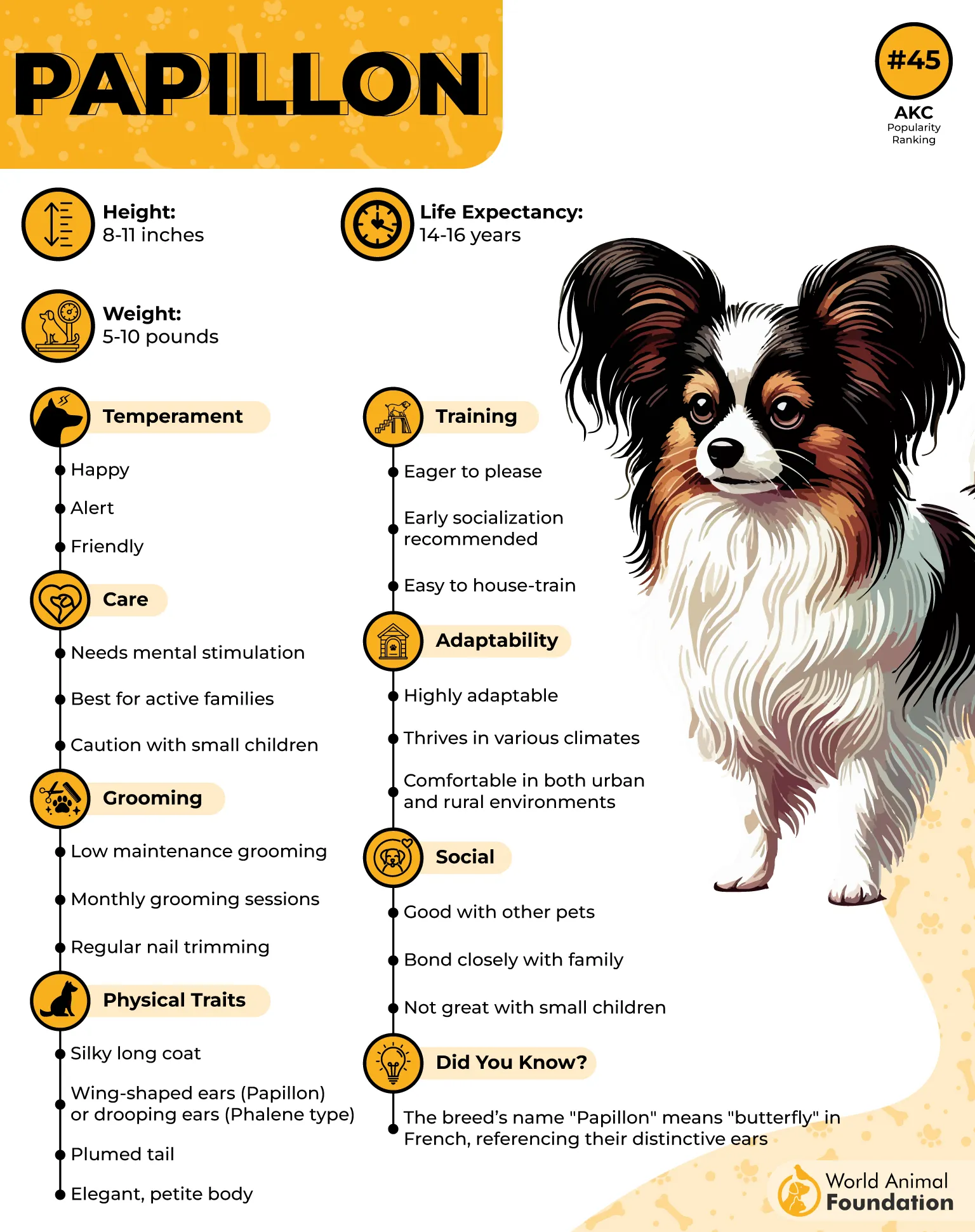
They respond best to basic obedience and consistent training. You can also teach them agility obstacles and puzzles to keep them from turning to destructive habits. Their long, silky single coat needs regular brushing, but they don’t shed much.
6. Japanese Chin
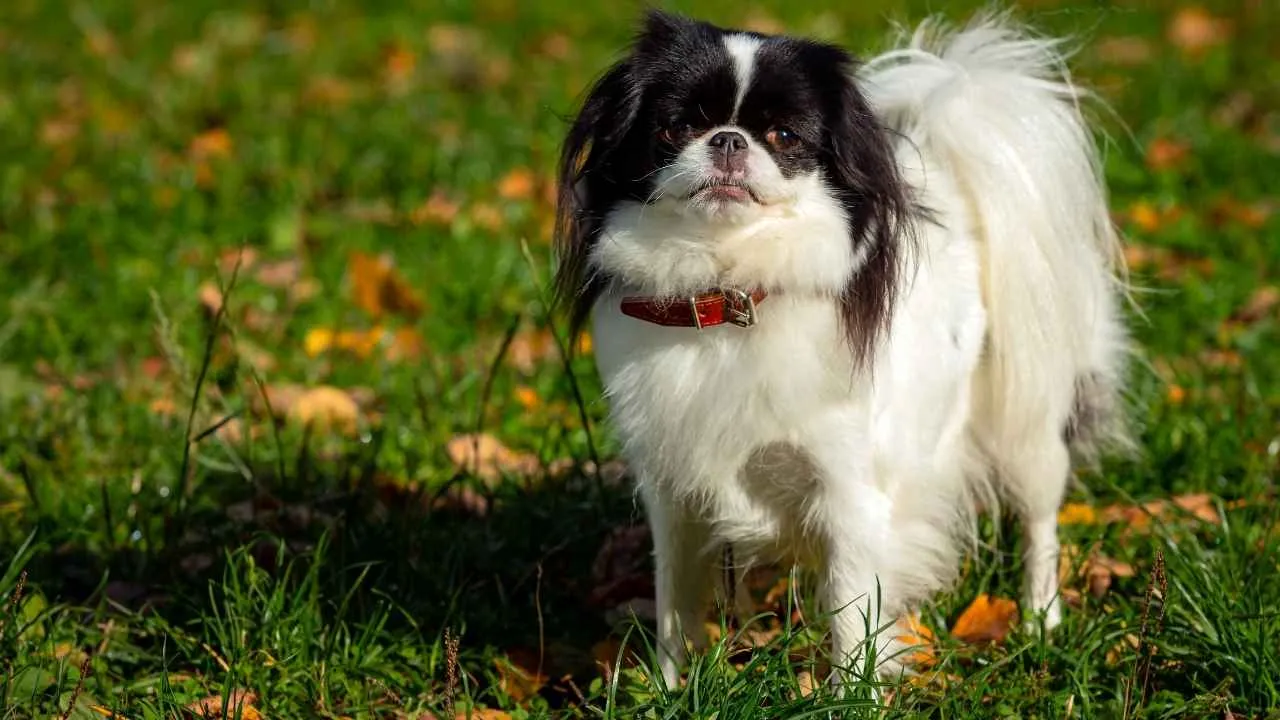
Japanese Chins are cat-like, quiet, and deeply noble. They’re known for their calm, gentle, and affectionate nature. These small dogs were bred as lapdogs to provide companionship, which makes them well suited to families.
Their quiet, low-barking habits and gentle disposition make them easy to live with and train for beginner pet owners. Japanese Chins need about 15 to 20 minutes of daily exercise for mental stimulation, and they respond best to gentle, soft-spoken training.
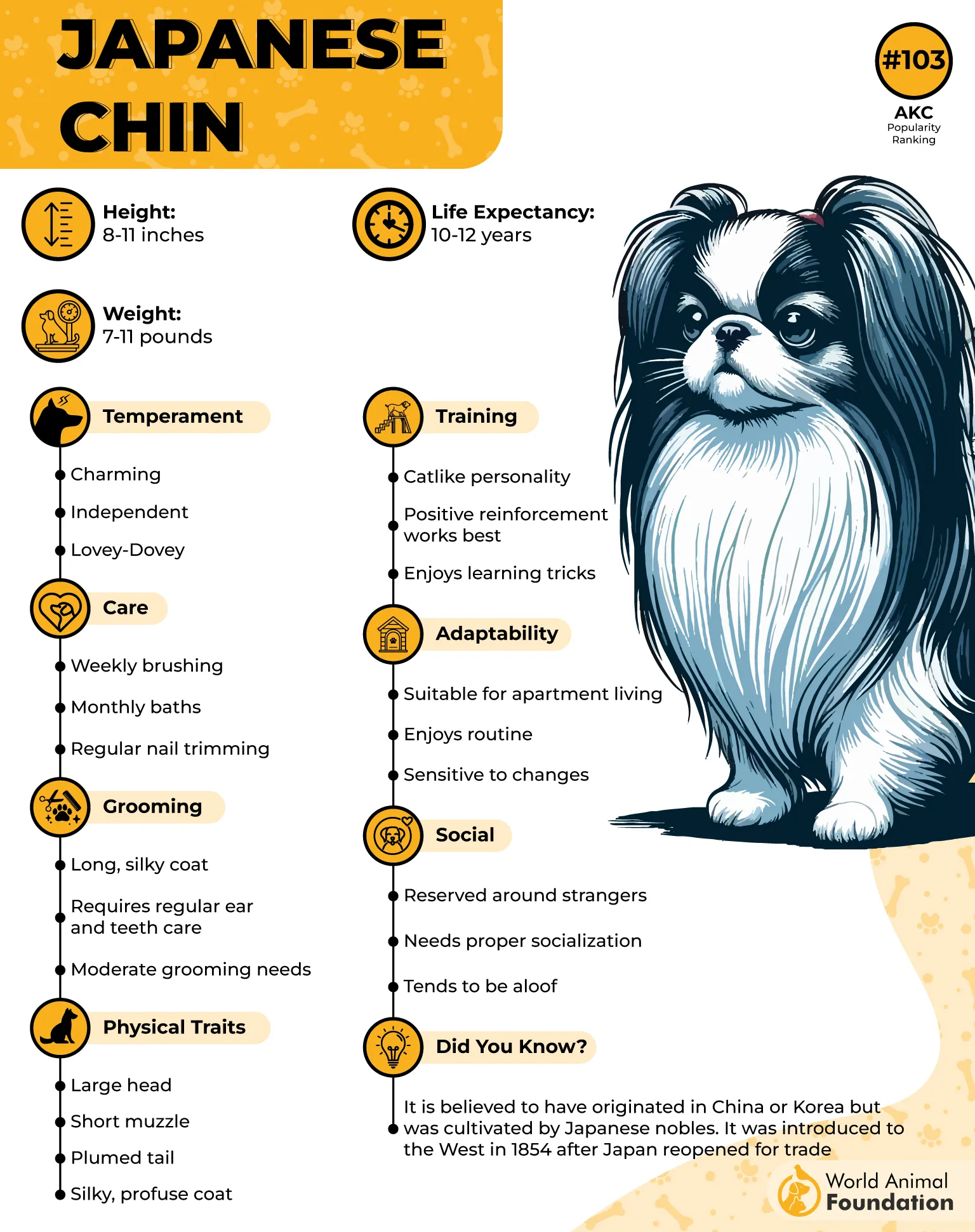
Their single long coat sheds moderately throughout the year and needs brushing two to three times a week with a pin brush to stay clean and tangle-free. Their facial folds and eye area also need gentle cleaning.
7. Yorkshire Terrier
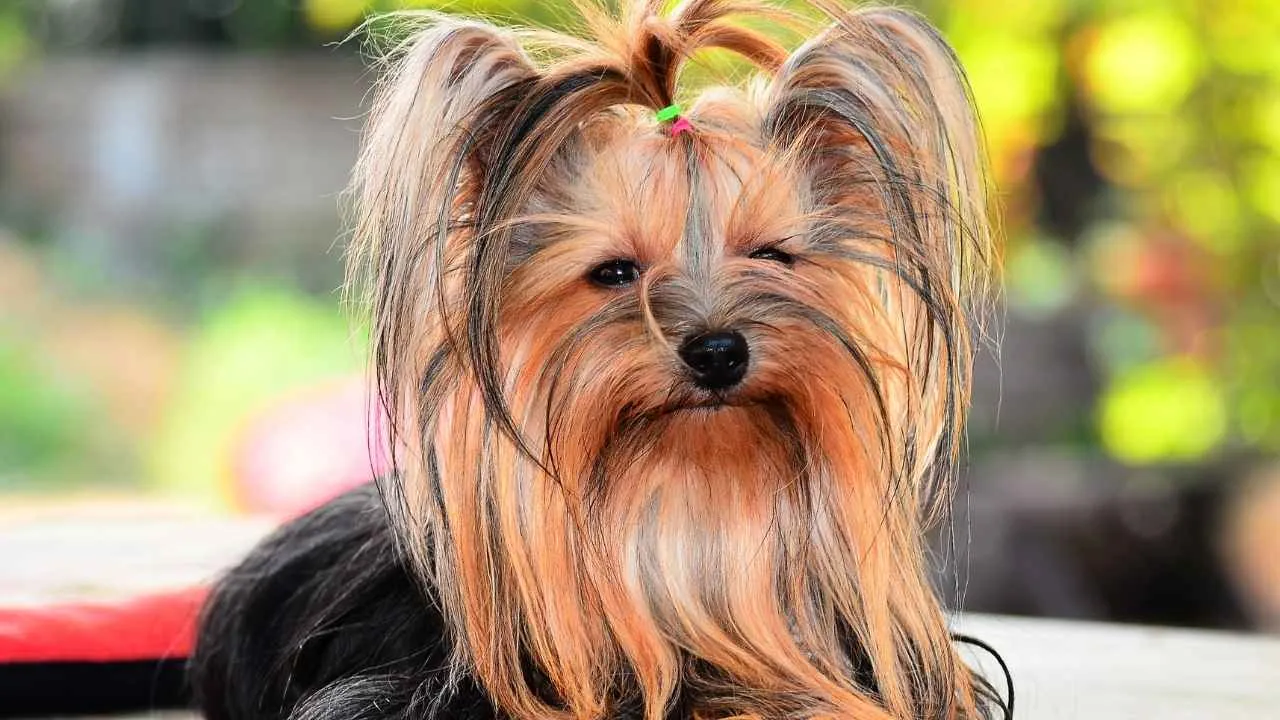
Yorkshire Terriers are feisty, affectionate, and full of big-dog personality. They’re brave, energetic, and deeply devoted to their owners. According to the Royal Kennel Club, Yorkies were bred to catch rodents in textile mills and mines.
Their miniature size, alert nature, and trainability make them well-suited to novice pet parents. These small dogs have low to moderate exercise needs and do well with roughly 20 to 30 minutes of activity a day.
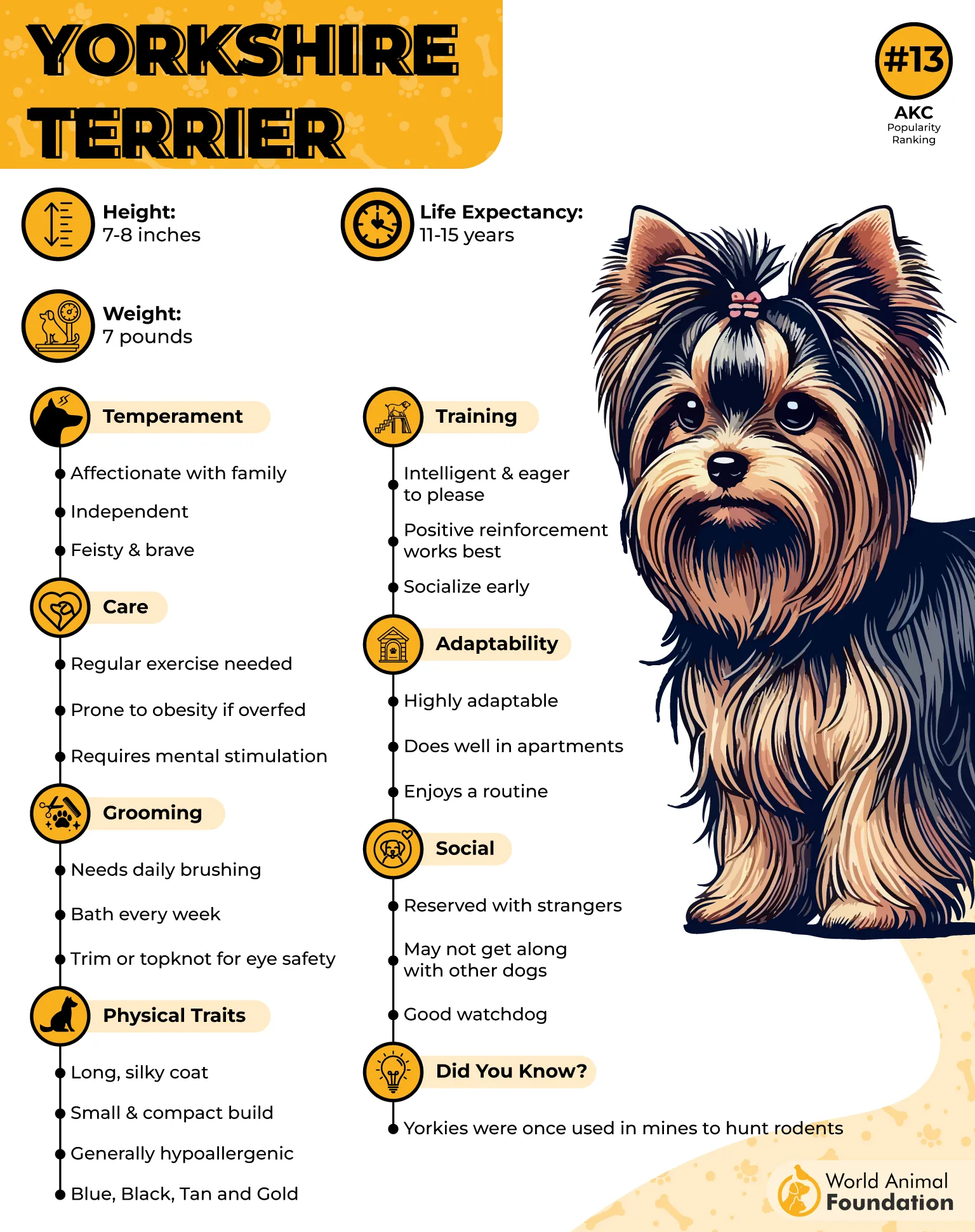
Their fine, silky coat grows continuously like human hair and sheds very little. A puppy cut can reduce daily brushing, but they still need professional grooming every four to six weeks.
8. Bichon Frise
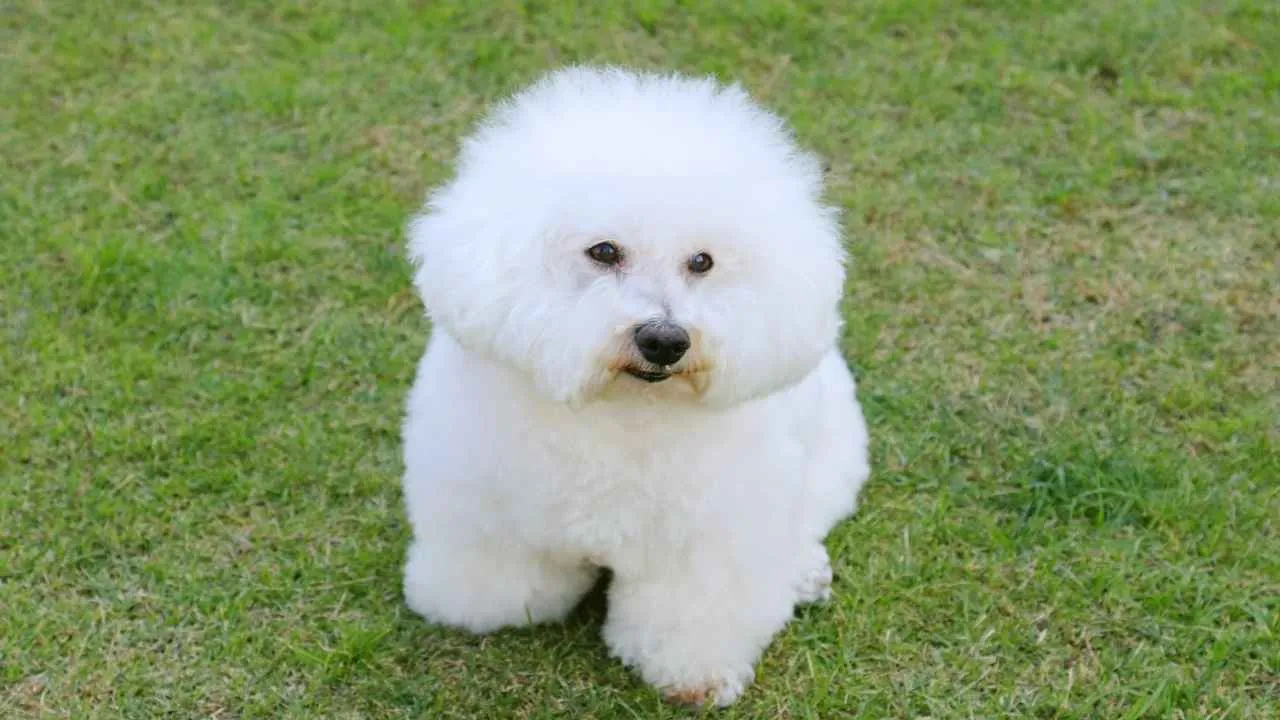
Bichon Frises are cheerful, playful, and extraordinarily affectionate. They have a happy-go-lucky attitude and a merry, gentle disposition. These little white dogs were also bred as lap dogs for nobility and royalty.
They’re naturally forgiving and rarely show aggression. They love making their owners happy and respond best to positive, reward-based training. They do well with patient handlers who keep a consistent schedule.
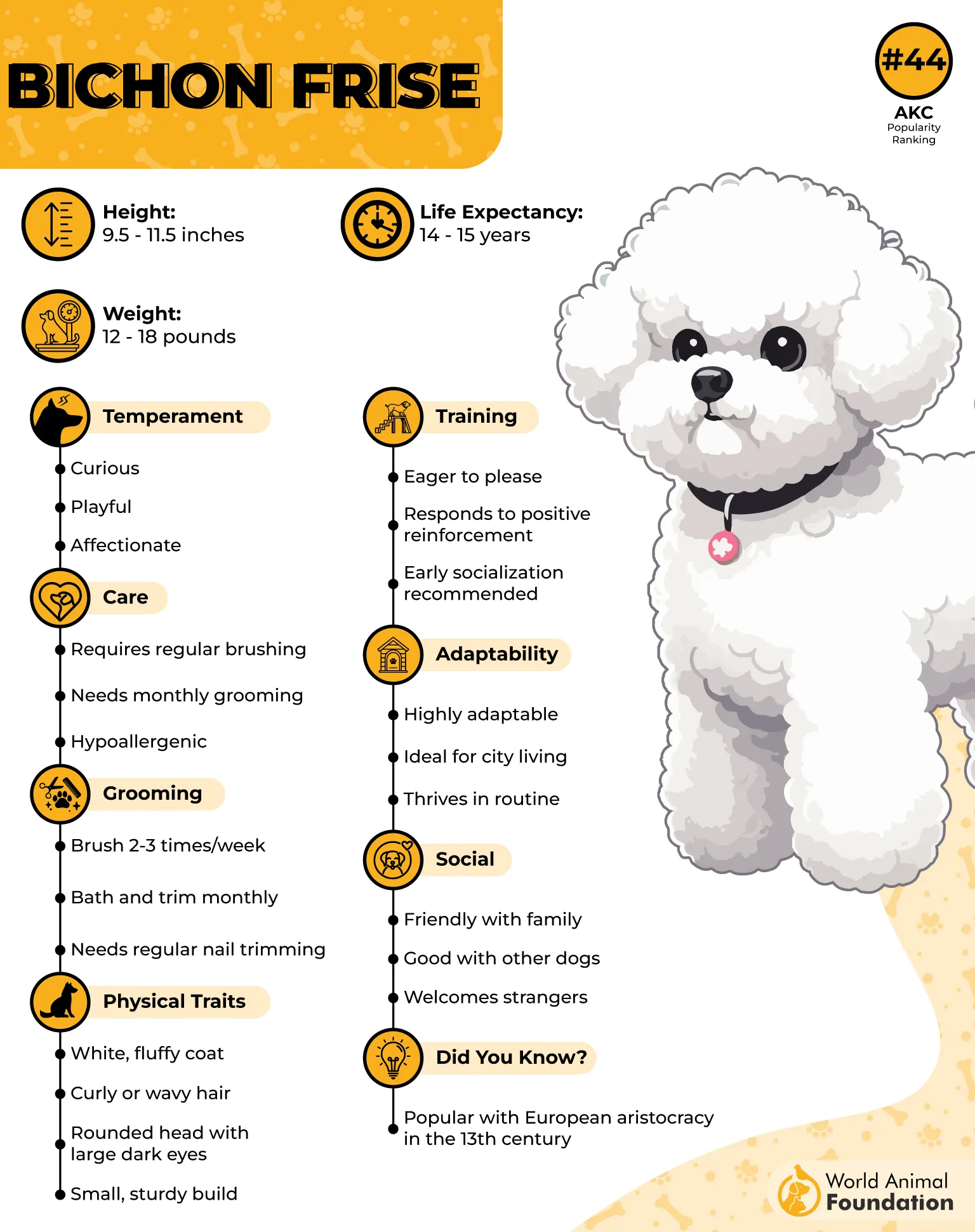
Bichons need about 30 minutes of exercise a day. Their plush double coat sheds very little, but it needs frequent brushing to prevent tangles and matting. They also need professional clipping and shaping every four to six weeks.
9. Brussels Griffon
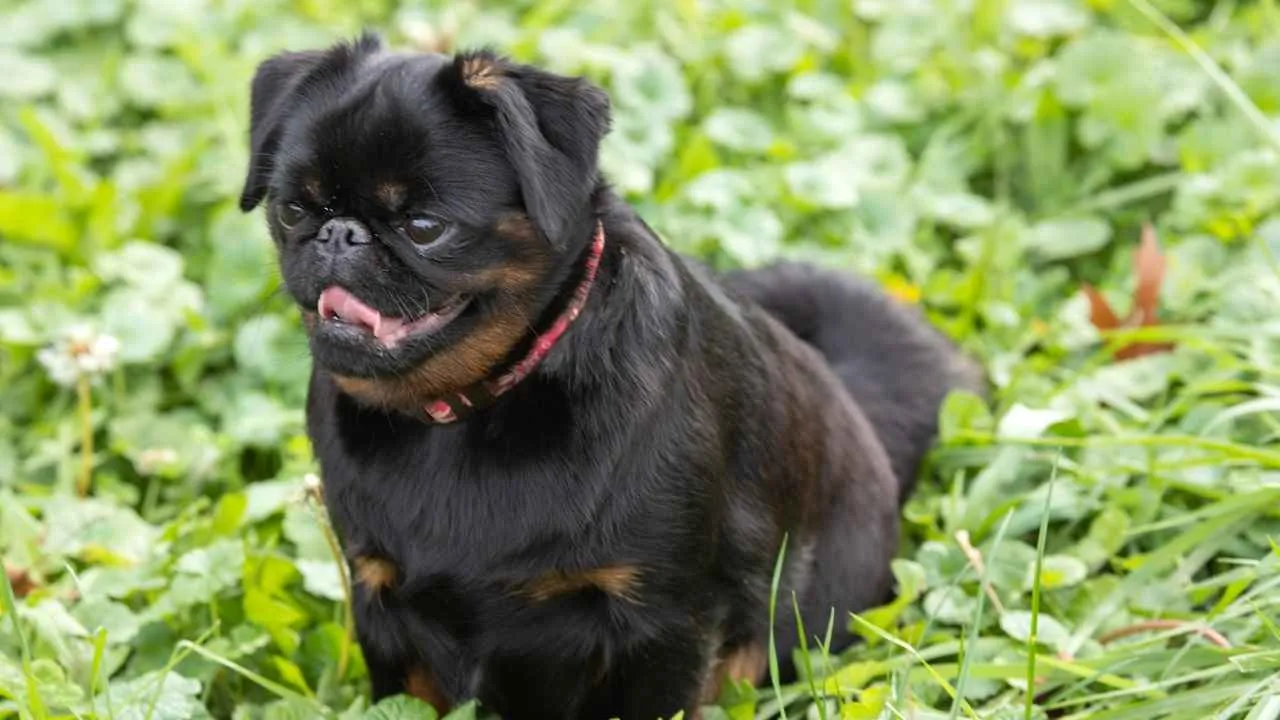
Brussels Griffons are comical, sensitive, and deeply devoted. They’re famous for their human-like facial expressions and soulful dark eyes. They form intensely loyal bonds with their owners and often act like a tiny, affectionate shadow around the home.
They were originally bred as ratters in stables, but their monkey-like faces soon made them popular lapdogs. They’re affectionate, intelligent, and adaptable. Brussels Griffons learn quickly and adjust well to apartment living, which makes them a good fit for first-time dog owners.
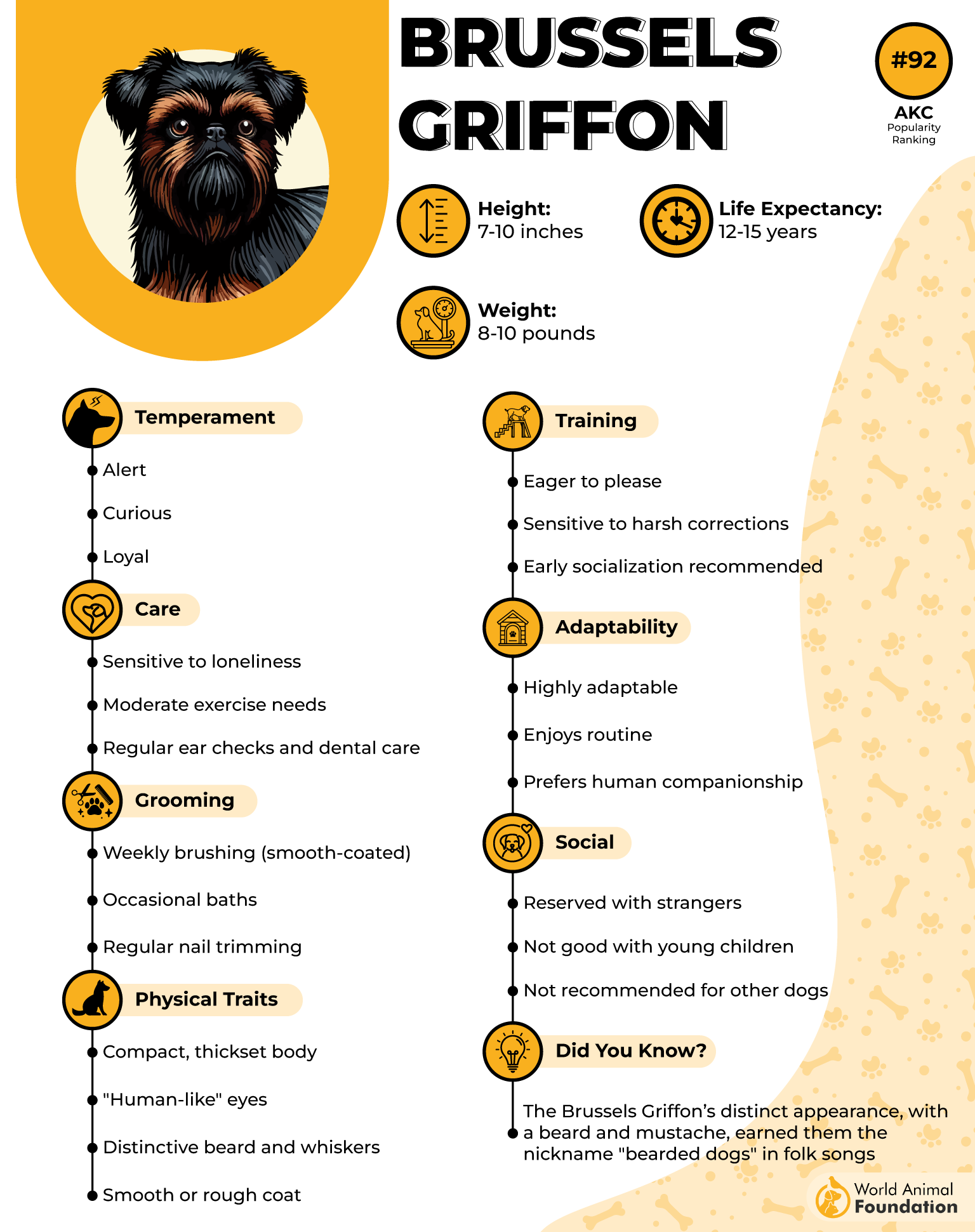
They enjoy energetic play sessions indoors, and their exercise needs are easily met with 20 to 30 minutes of daily walks. These small dogs respond best to reward-based training. They come in two coat types, smooth and rough, and both shed very little.
10. Coton De Tulear
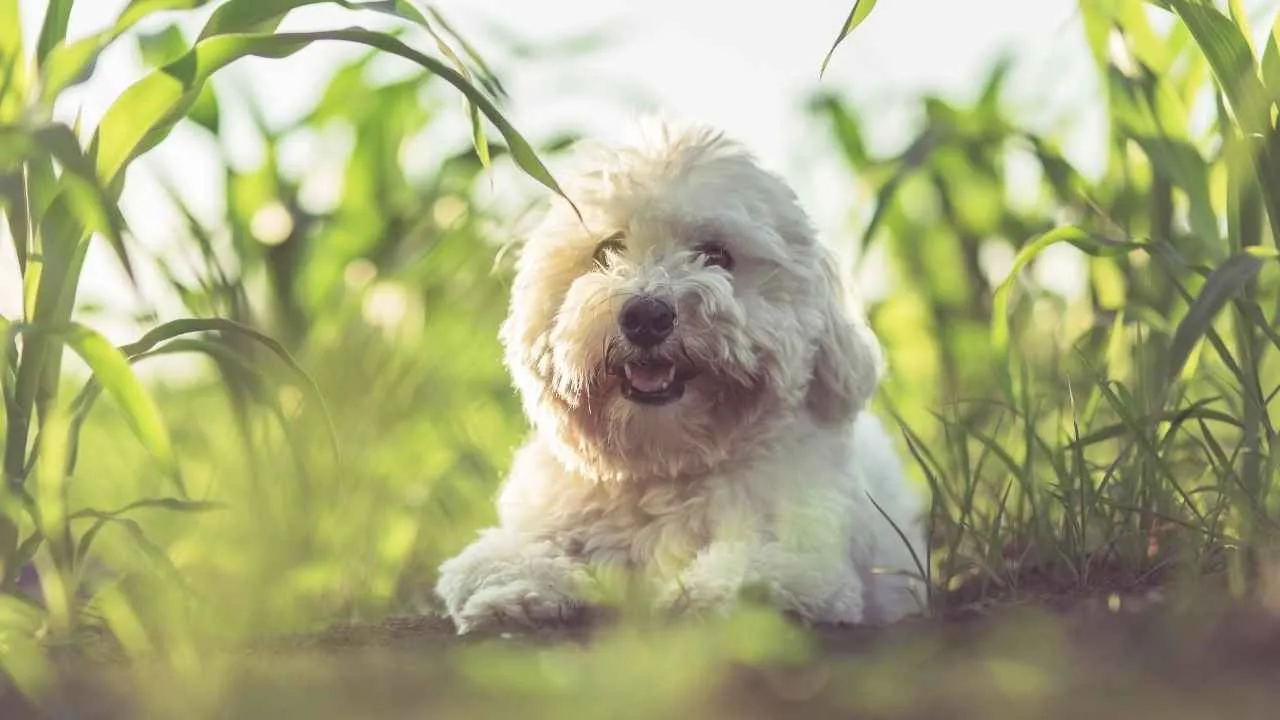
Coton de Tuléars are merry, gentle, and playfully charming. They’re also known as the “Royal Dogs of Madagascar,” and much of their beauty comes from that soft, cotton-textured white coat. These little pups were bred to be lap dogs and companions.
They’re highly biddable and eager to please. These white dogs are non-aggressive and welcome guests warmly. They need roughly 30 minutes of exercise a day, such as light walks, yard play, and indoor games of fetch.
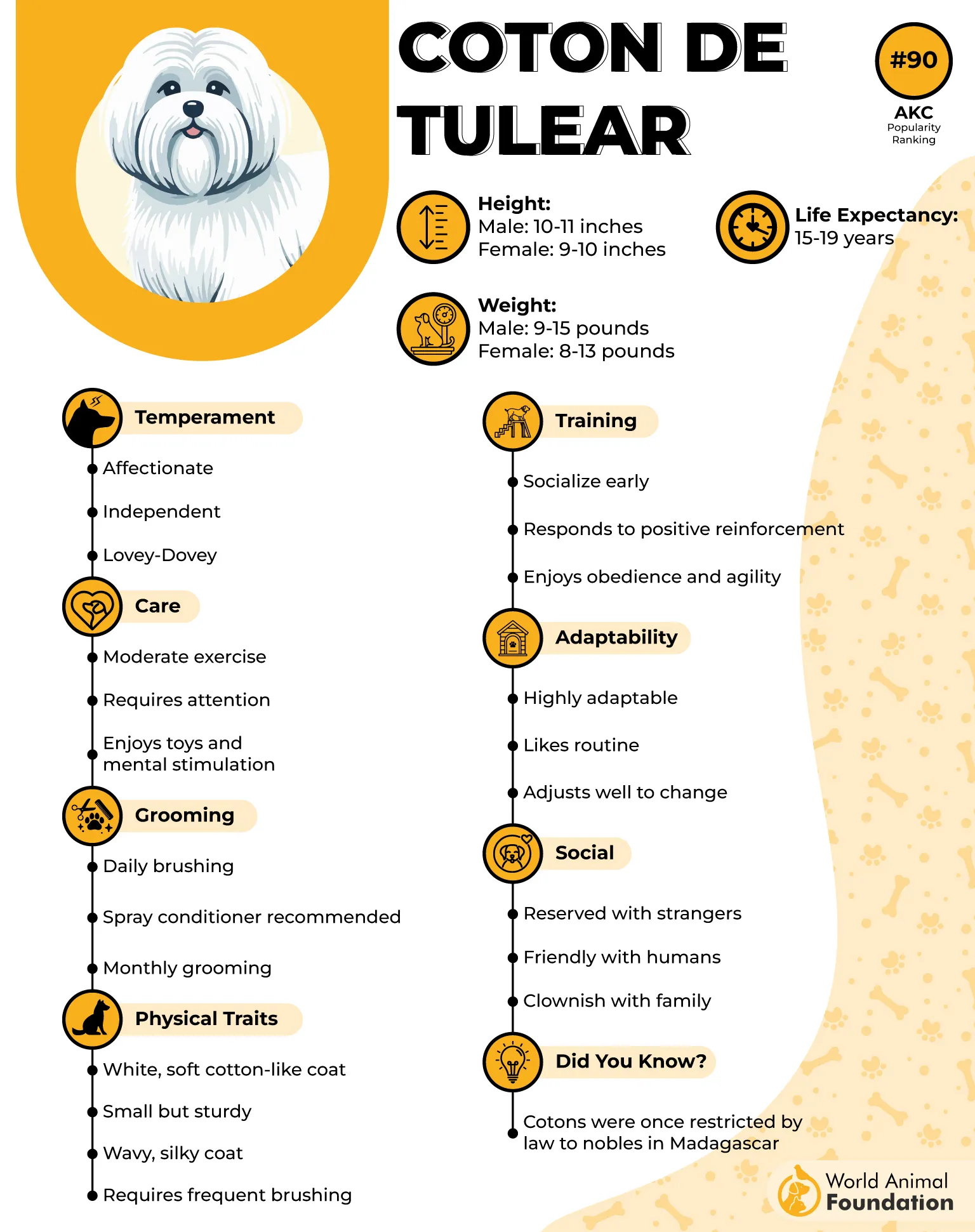
Positive reinforcement works well for training. Introduce the crate slowly, and keep a consistent routine for potty training. Their soft, fluffy coat needs frequent brushing to prevent tangles and mats, along with regular professional grooming.
Conclusion
The most intelligent dog breeds can take a lot of the stress out of first-time ownership, but early socialization and consistent dog training still matter if you want to prevent destructive behaviors.
The 10 best dog breeds above are all biddable and trainable. They respond well to positive reinforcement and rewards, though a few may show a stubborn streak now and then. Read through the details above to learn more about each one.
