





Dog ownership can cost far more than the adoption fee suggests. Food, vet visits, grooming, parasite prevention, training, toys, bedding, and unexpected medical bills can turn a seemingly affordable pet into a serious monthly expense.
The good news is that some dogs are easier on a household budget because their size, coat, activity level, and everyday care needs can reduce certain costs. Smaller dogs generally eat less than larger dogs, while short coats can mean fewer professional grooming appointments.
Even then, low-cost ownership still depends on responsible care, since skipping preventive veterinary care can create bigger bills later. The goal is not to find a dog that costs nothing at all. It is to find a companion whose ordinary needs fit comfortably within your budget.
The breeds ahead bring together practical traits that can help keep routine expenses under control, giving you a clearer idea of where your money goes before bringing one home responsibly.
Key Takeaways
Could a dog’s coat and size really make a difference to your monthly budget? In several cases, they can.
The Miniature Pinscher needs no large yard to burn off its energy, while the Dachshund can stay active with simple daily walks.
Manchester Terriers and Toy Fox Terriers make grooming easier too, thanks to their short coats and uncomplicated care routines.
The other breeds bring their own practical advantages, so it is worth seeing which one could make the most sense for your budget.
Top Pocket‑Friendly Dog Breeds That Save You Money
1. Chihuahua

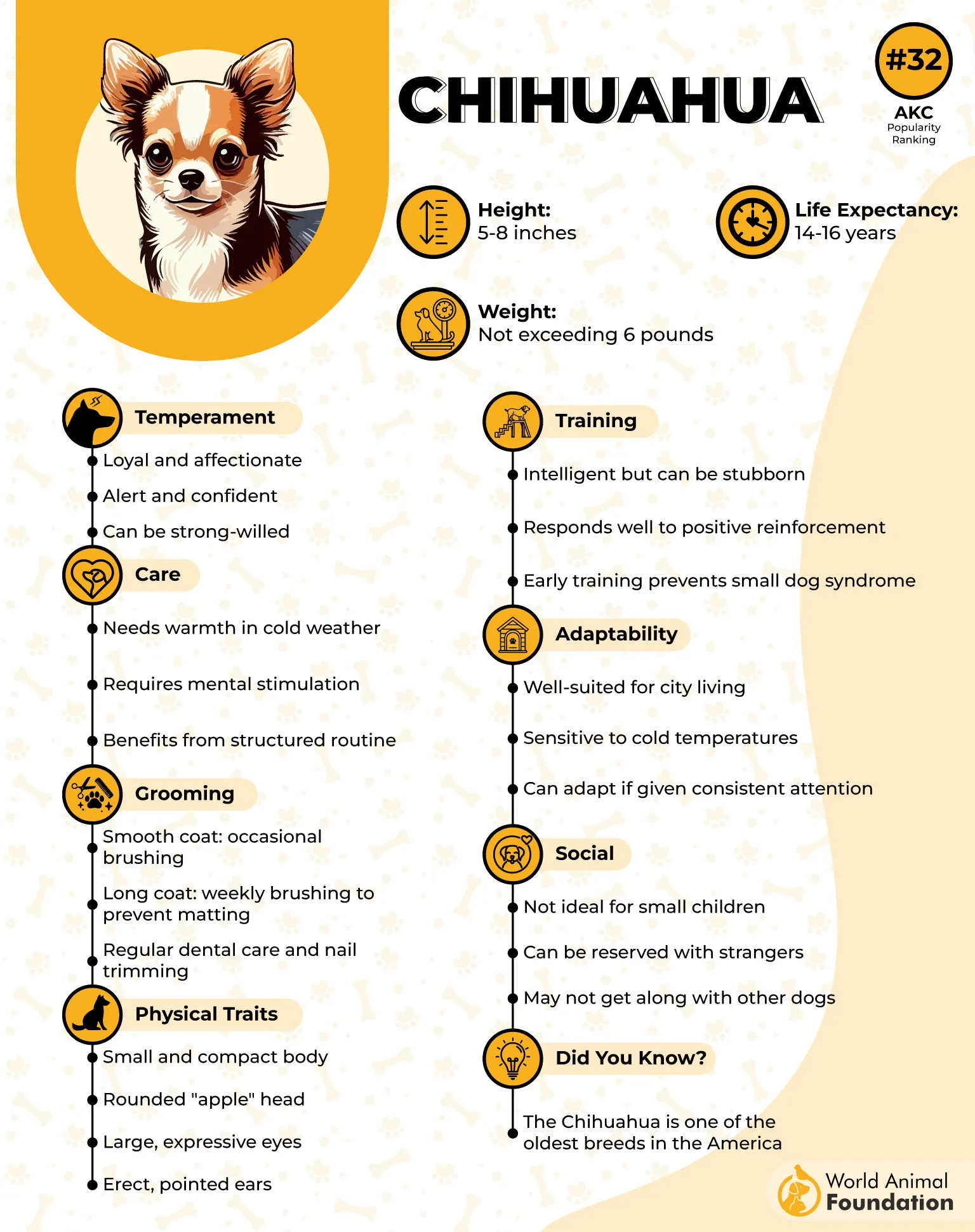
Chihuahua has an uncertain origin, with theories linking the breed to China or Central and South America. Dogs resembling today’s Chihuahua were found in Chihuahua, Mexico, in 1850 and later brought into the United States, where their companion qualities helped change their fortunes.
Budget-Friendly Size
Chihuahua is one of the smallest dog breeds and can fit easily into city living, with everyday activity often happening around the home. A breeder puppy may cost about $500 to $1,500, giving prospective buyers a clear starting point when planning expenses.
These practical details matter when considering this breed:
Ranked among the top 20 U.S. breeds
Suitable for suburban and rural neighborhoods
Daily outdoor activity remains necessary
Small Dog, Big Opinions
Chihuahuas can become vocal when something feels threatening, making early socialization especially useful for reducing unnecessary alarm barking. Introducing young dogs gradually to unfamiliar people, animals, and places can also encourage calmer responses, as reported by Orvis.
2. Miniature Pinscher
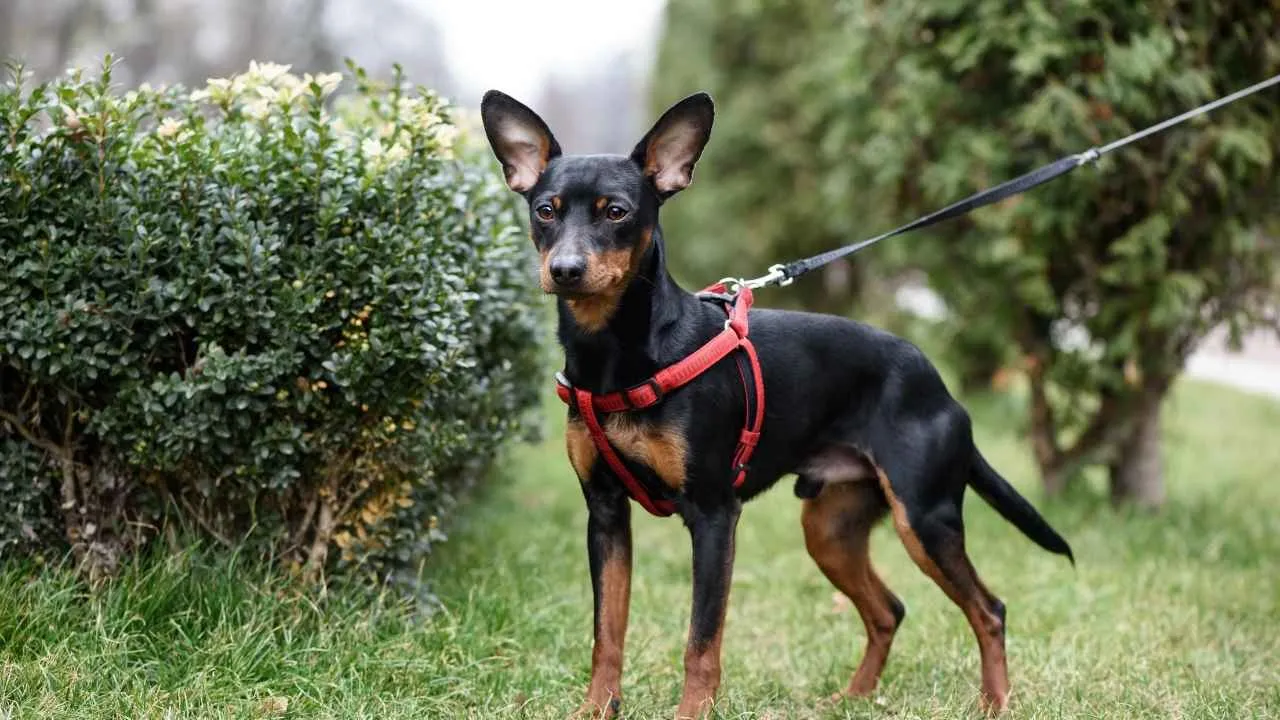
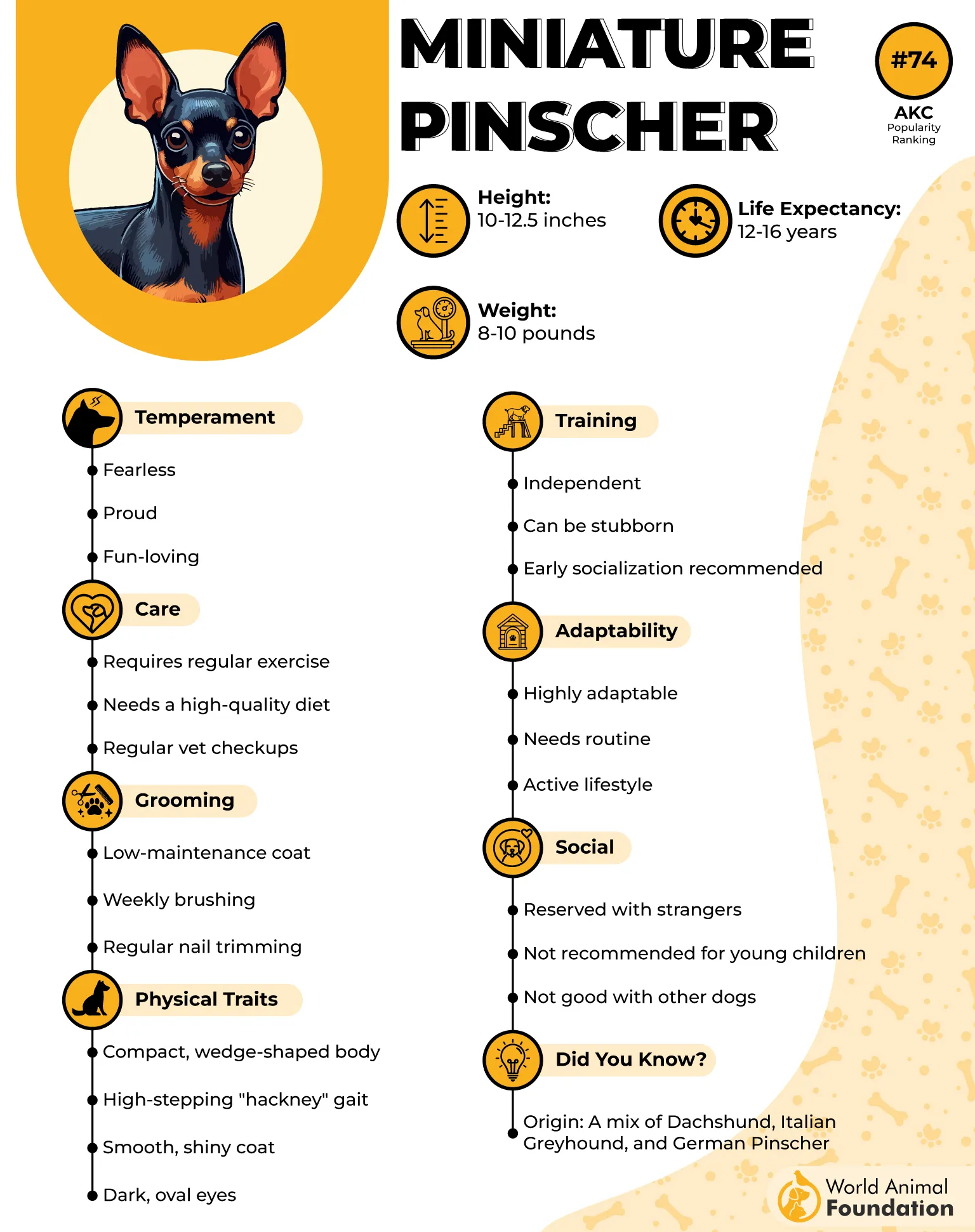
Miniature Pinscher dates back hundreds of years in Germany, with written records reaching back roughly two centuries. Bred to control rats and other vermin around homes and farms, the breed was later renamed Miniature Pinscher in 1972 after gaining popularity beyond Germany.
Small Space, Big Energy
Min Pins can adapt to an apartment, suburban home, or larger property without needing a yard, as Purina claims. Short bursts of play throughout the day help channel its energy, while long periods outdoors alone are not appealing to this people-focused little dog.
These details matter when planning its daily routine:
Fearless and curious by nature
May bolt through open doors or loose gates
Needs secure boundaries due to unreliable recall
Watch the Play
Miniature Pinscher has a delicate build that can make rough play risky, particularly with children or larger canine companions. Dog-experienced children over 10 generally make a better match, while early socialization can reduce timid or snappy reactions around unfamiliar people.
3. Rat Terrier
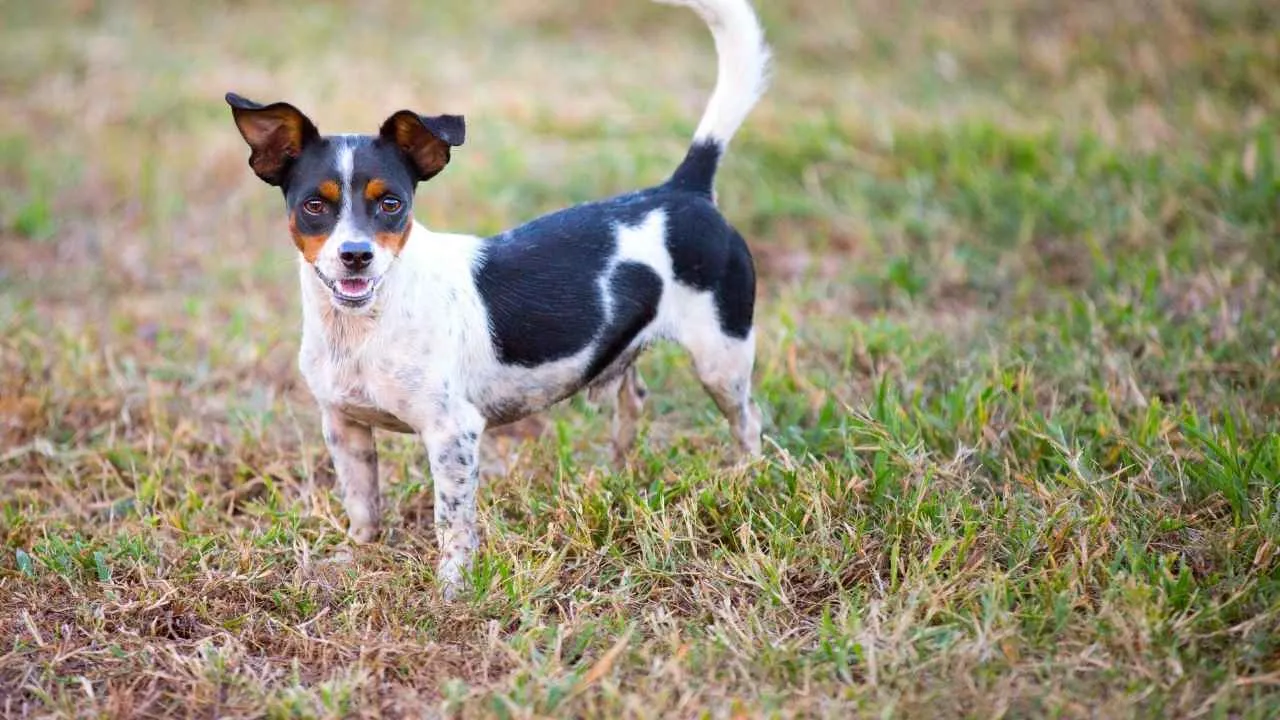
Rat Terrier earned its name through a very practical job on U.S. farms, where it was valued for catching rats and controlling troublesome rodents. Its lineage is thought to include the Smooth Fox Terrier, Manchester Terrier, Whippet, Italian Greyhound, and Beagle.
A Practical Advantage
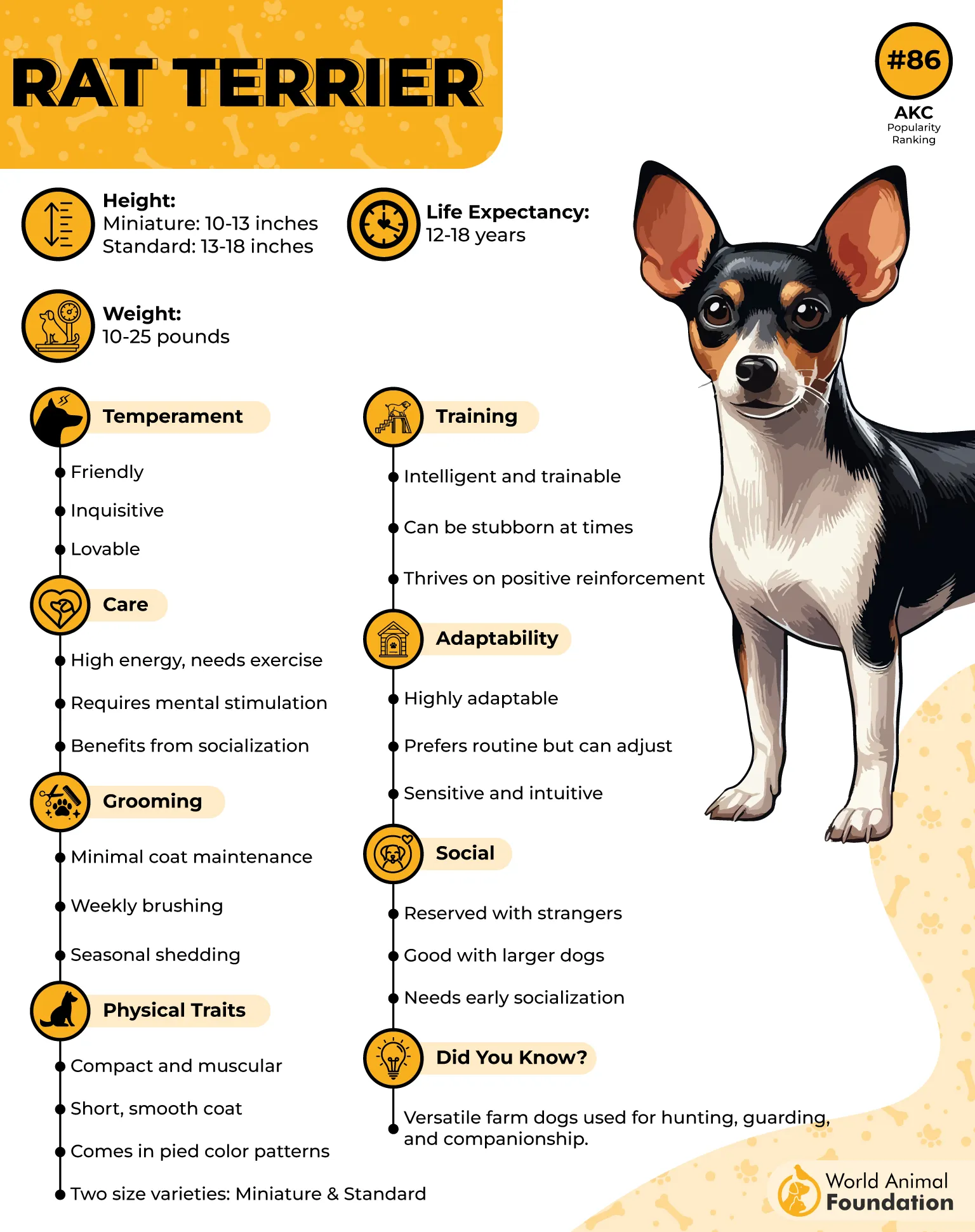
As new rodent-control methods became available, Rat Terrier shifted from farm work toward life as a companion, with the American Kennel Club recognizing the breed in 2006. For owners who wants to have some savings, puppies commonly cost about $500 to $1,100.
These characteristics make that transition especially interesting:
Highly curious and quick to learn
Prefers company over long periods alone
Enjoys puzzles, nose work, agility, and tracking
A Terrier With Options
Rat Terrier needs at least 30 minutes of daily exercise, while more active people can easily turn walks, swimming, fetch, or indoor hide-and-seek into shared activities.
Its willingness to please also makes training more approachable for beginners, although small pets such as mice, hamsters, and cats can trigger its hunting instinct.
4. Beagle
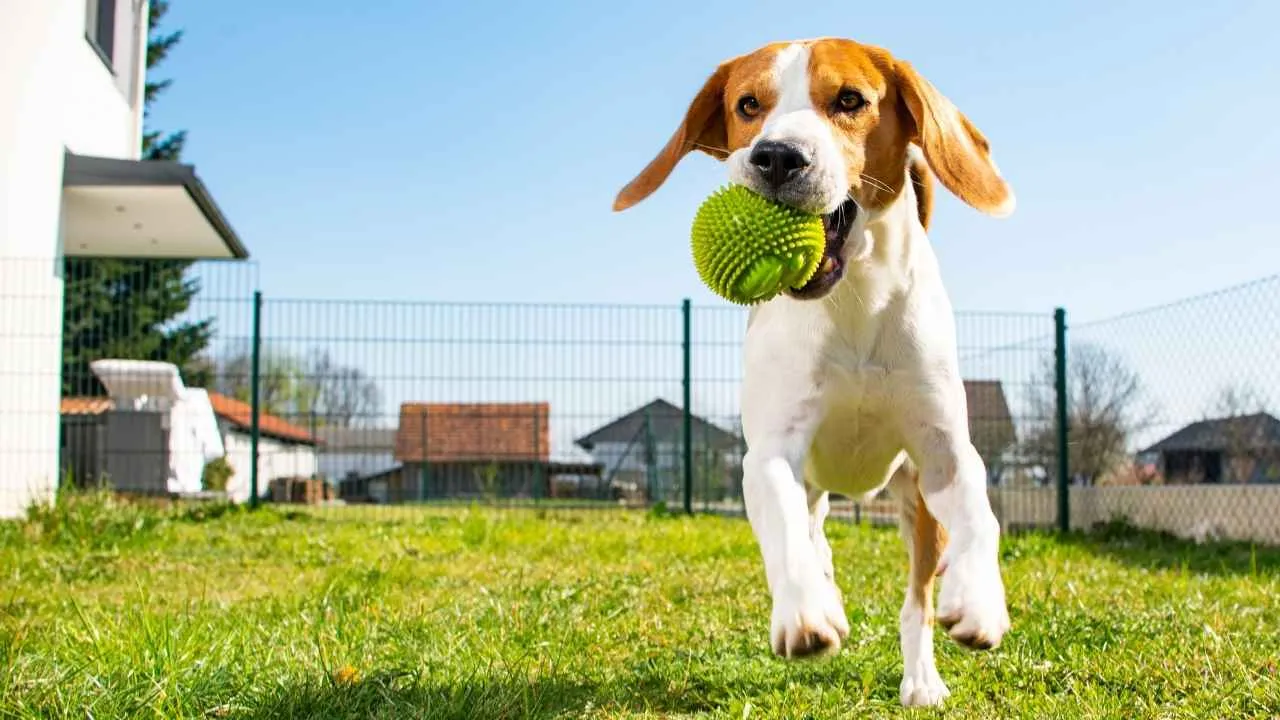
Beagles began appearing in England as a hare-hunting dog during the 14th century, though those early dogs looked quite different from today’s breed. By the late 1800s, the familiar Beagle type had become established, with packs used for fox, hare, and rabbit hunting.
Budget-Friendly Activities
Beagles can stay entertained with simple scent games made from household boxes and treats, so enrichment does not have to cost much. With puppies costing up to $1,500, these easy at-home activities can help keep daily fun affordable.
Its easy home activities are only part of daily life:
Famous for its distinctive baying voice
Puppies may chew items they should not
Cats can require extra adjustment
Simple Beagle Grooming
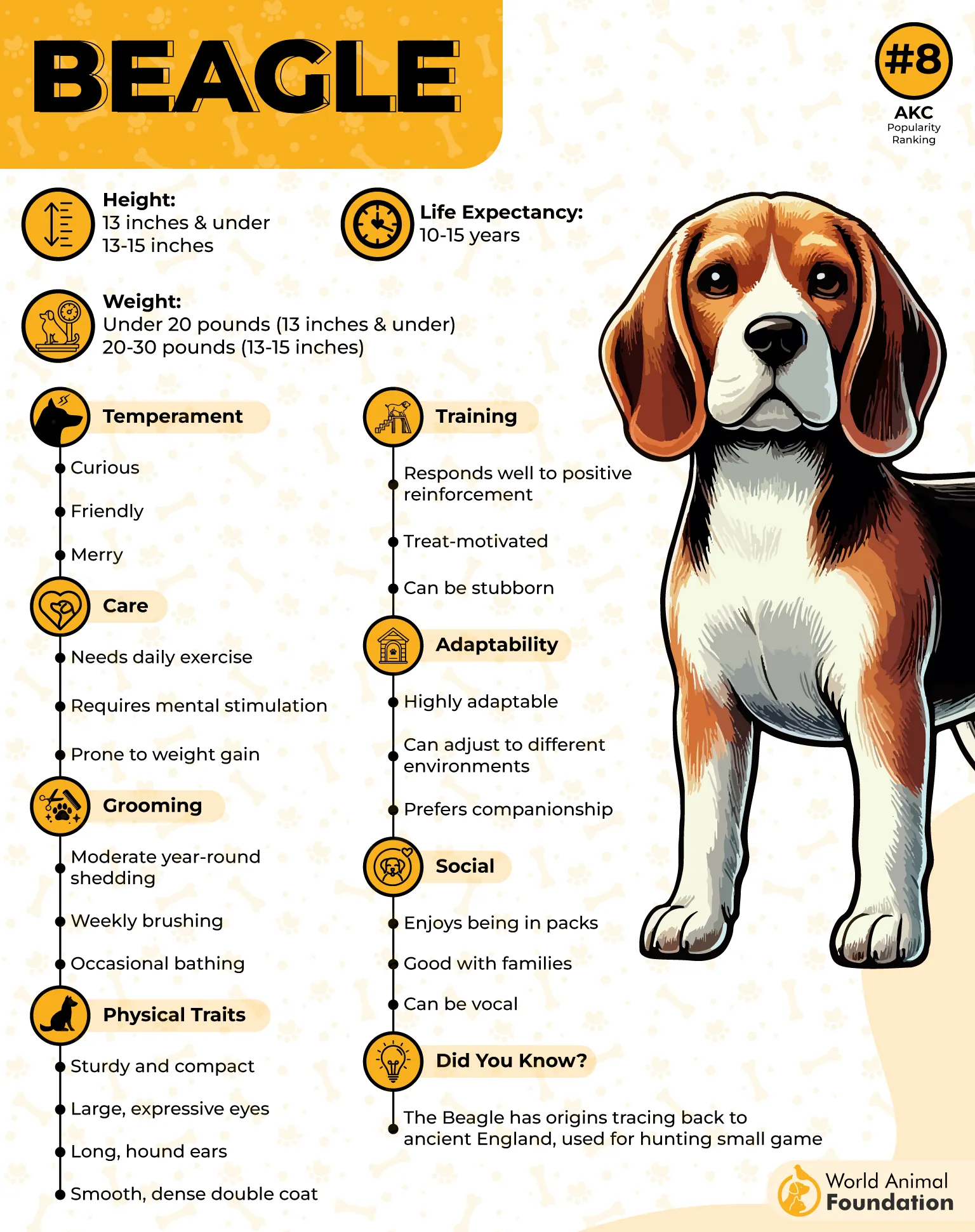
Beagle sheds a fair amount year-round, with extra loose hair showing up after winter because of its dense, smooth coat. A weekly brushing session with a medium-bristle brush, rubber mitt, or hound glove can pick up that loose hair and keep the coat looking neat, as noted by the AKC.
5. Manchester Terrier

Manchester Terrier emerged in 19th-century England after Black and Tan Terriers were crossed with Whippets, bringing together rat-catching ability and the speed associated with racing. The result came in two sizes, with the standard weighing 12 to 22 pounds and the Toy under 12 pounds.
A Practical Coat
For a budget-conscious household, Manchester Terrier has one especially useful advantage: its short, sleek coat needs very little grooming. Weekly brushing is generally enough, while heavier seasonal shedding in spring and fall calls for more frequent brushing.
Its low-maintenance coat is only part of its appeal:
Loves chasing balls and squeaky toys
Enjoys close company after active play
May bark frequently at unfamiliar people and visitors
Small Dog, Sharp Nose
Manchester Terrier spends plenty of time investigating its surroundings and has a strong instinct for chasing rats and other small animals. That hunting drive makes gerbils, rabbits, and similar pocket pets a poor household match, while other dogs or cats may require careful early training.
6. Toy Fox Terrier
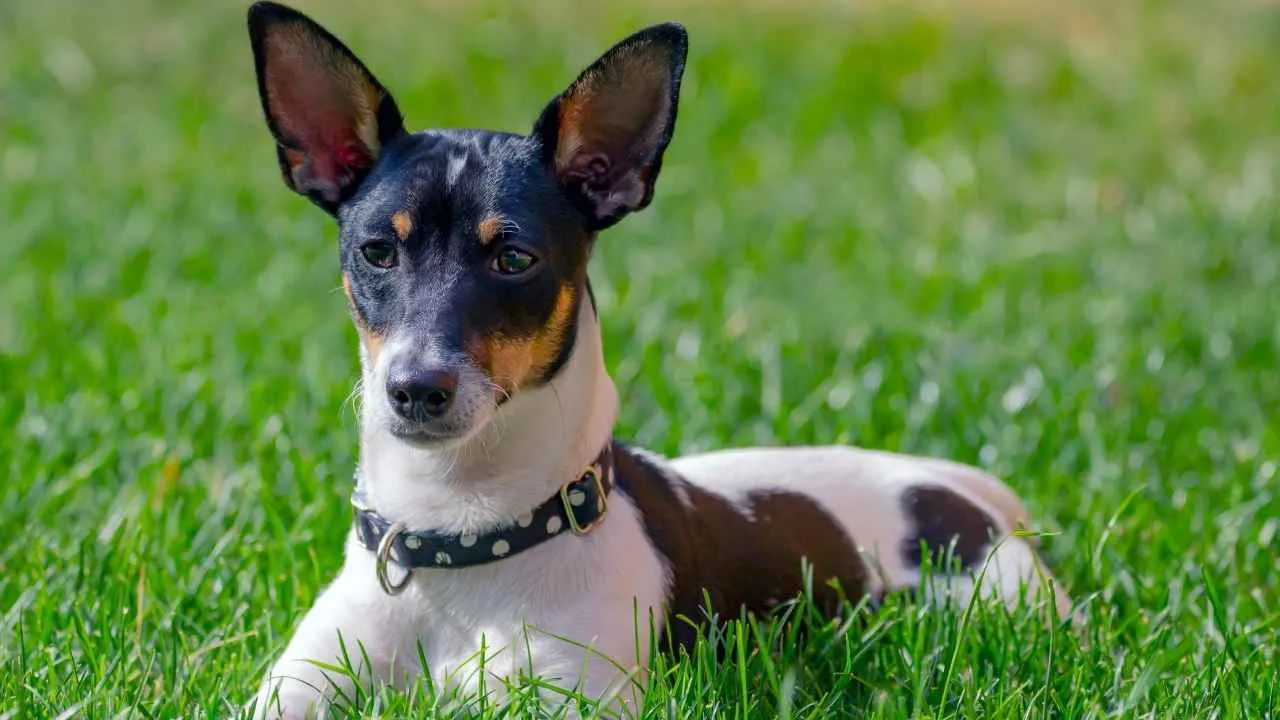
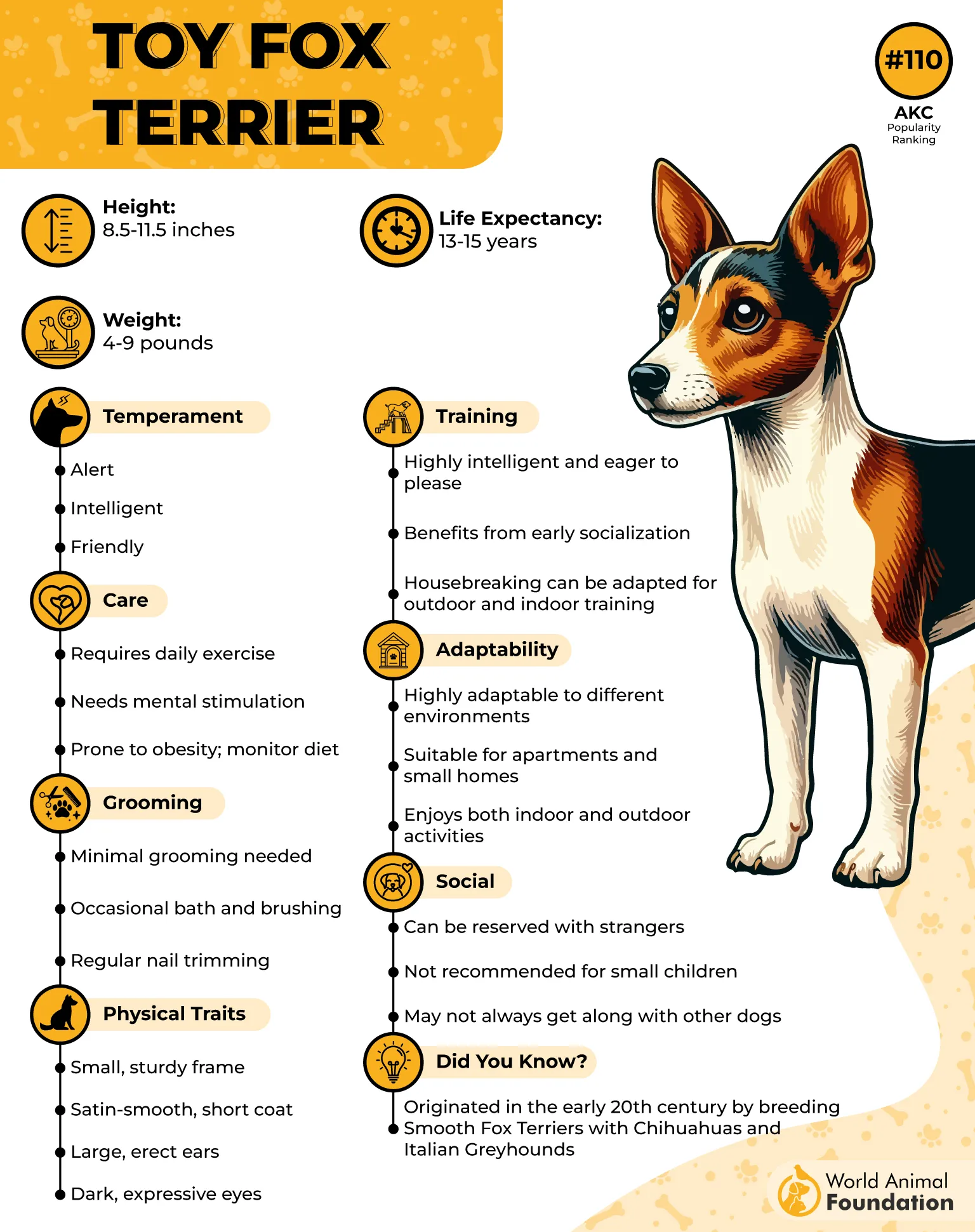
Toy Fox Terrier descends from the Smooth Fox Terrier, whose English roots were tied to fox hunting centuries ago. American breeders later paired smaller Fox Terriers with Chihuahuas, Italian Greyhounds, and other toy breeds to create a much smaller rodent hunter.
Easier Grooming Bills
Toy Fox Terrier has a short, smooth coat that keeps grooming fairly simple, with weekly brushing usually enough to remove loose hair. Occasional baths, nail trims, ear checks, and dental care cover the routine upkeep without complicated coat work.
Beyond grooming, this breed has some energetic habits:
Needs around 60 minutes of daily activity
Enjoys fetch, training, and backyard games
Can excel in agility and rally sports
Clever With Opinions
Toy Fox Terrier enjoys learning tricks and new skills, while puzzle toys and scent games give its sharp mind something worthwhile to tackle. When activity and engagement are lacking, boredom can lead to vocal behavior, mischief, or unwanted habits around the home.
7. Pug

Pug has roots reaching back centuries to the Orient, with close ties to Tibetan monasteries before the breed reached Europe through the East India Trading Company in the 1700s. Its name may come from the Latin Pugnus, referring to its fist-like head, or the pet marmoset monkeys once called pugs.
Easy on the Routine
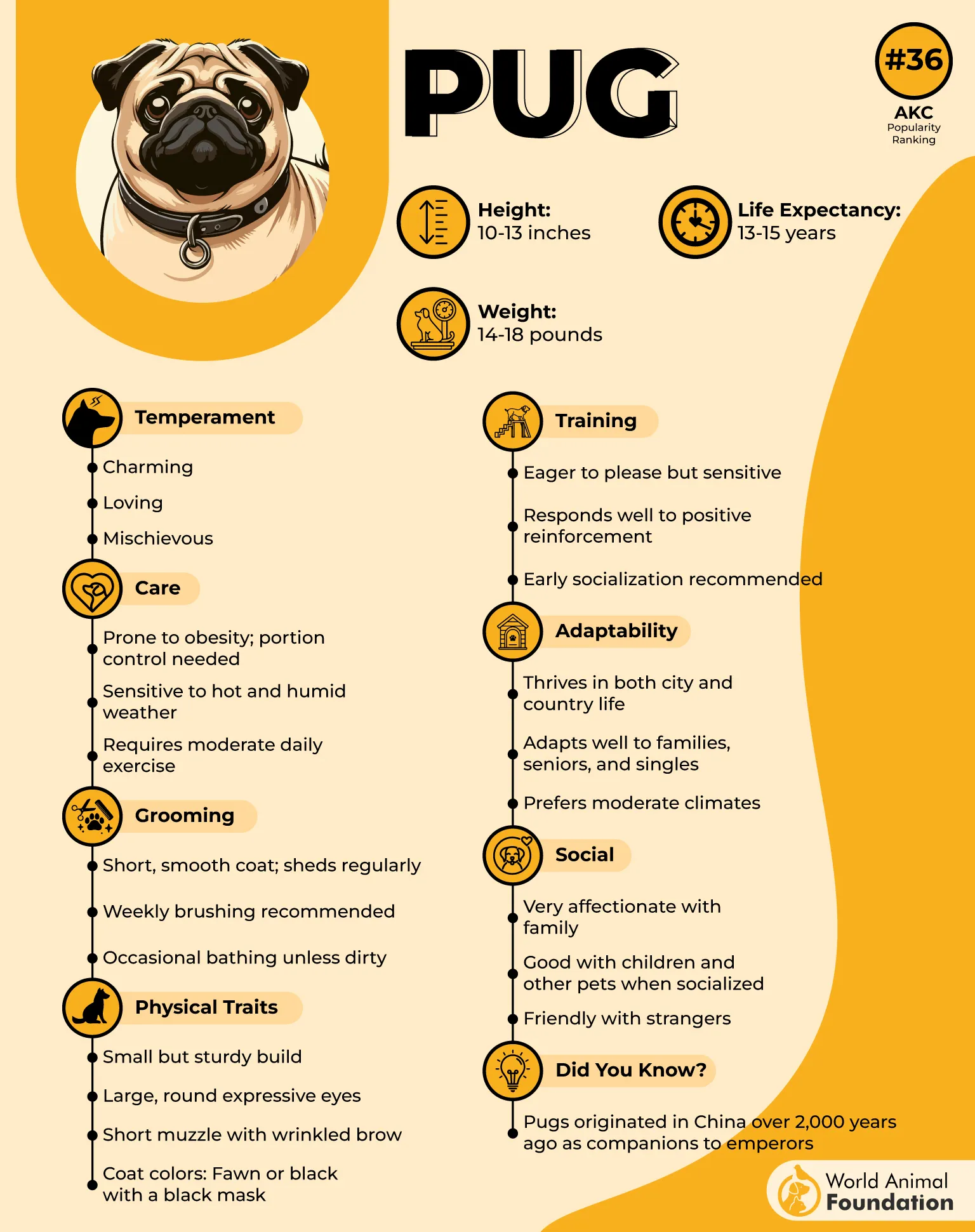
Pugs do not need much to stay active, which can help keep everyday dog costs manageable. A couple of short walks and some play around the house are usually enough, while its coat mainly needs regular brushing to deal with year-round shedding.
That simple routine also calls for some extra care:
May struggle to breathe during heat or excitement
Large eyes need protection during active play
Daily wrinkle cleaning helps prevent facial buildup
A Social Little Dog
This small breed enjoys being included in whatever is happening around the household and tends to get excited when people are having fun. Its friendly nature can make everyday interaction easier, with good compatibility around children, babies, and other pets when play is handled carefully.
8. Dachshund

Dachshund first appeared in written records during the 16th century, though the breed likely existed earlier in Germany. Its name combines the German words for badger and dog, reflecting its original role in pursuing badgers through underground dens.
Made for Compact Living
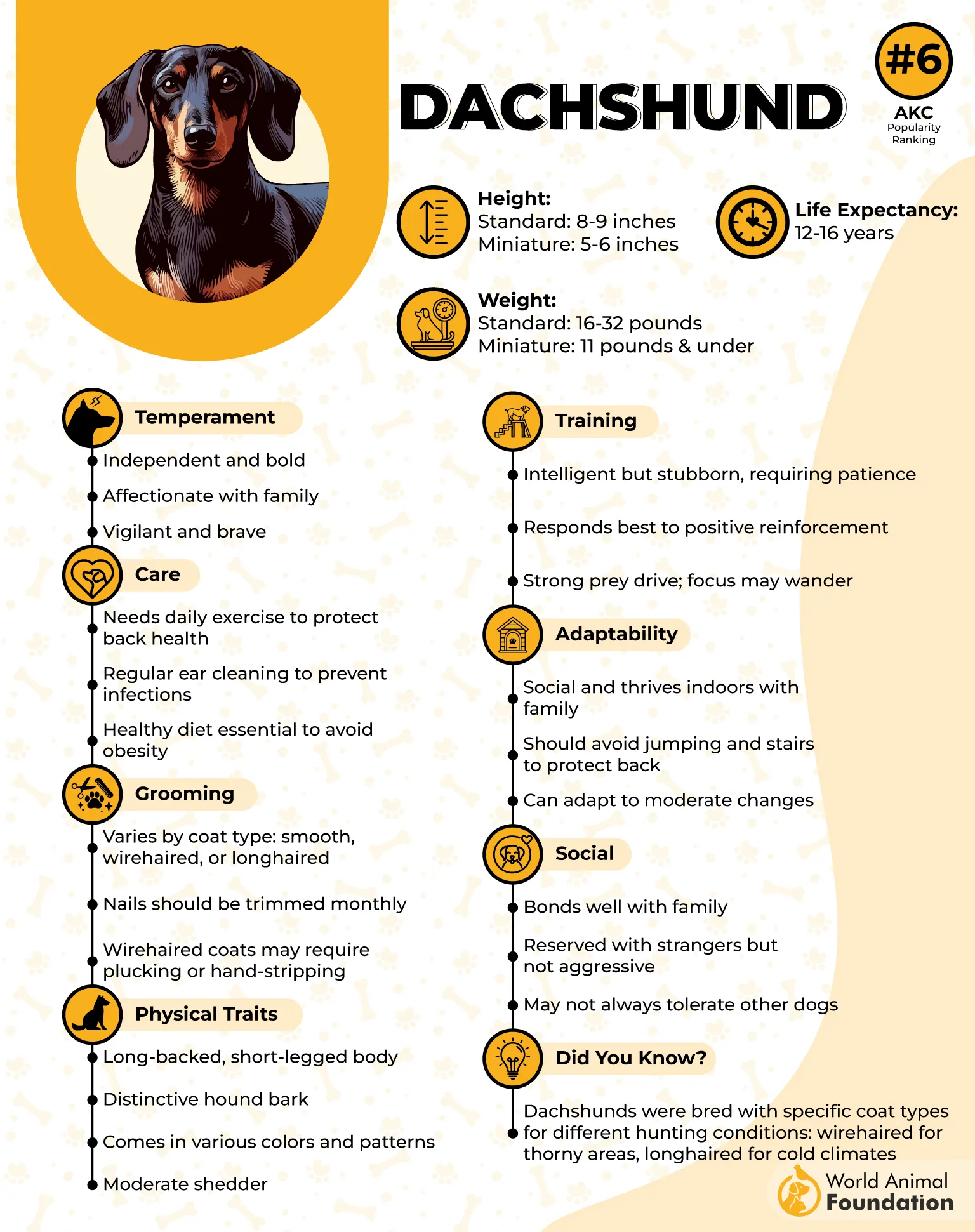
Dachshund can be easier on the budget as it needs little exercise. A casual daily walk is often enough to keep it moving. Its short legs also make intense physical activity unsuitable, so everyday outings can remain simple and modest.
Its modest activity needs come with easy coat care:
Short-haired coats need brushing only when needed
Bathing is generally needed every few months
Long-haired varieties may need monthly baths
Small Body, Big Opinions
Dachshund can be fiercely devoted to its family while also making its own decisions, which can turn training into a test of patience. Short sessions using favorite treats, toys, and praise can make learning more rewarding for this independent-minded dog.
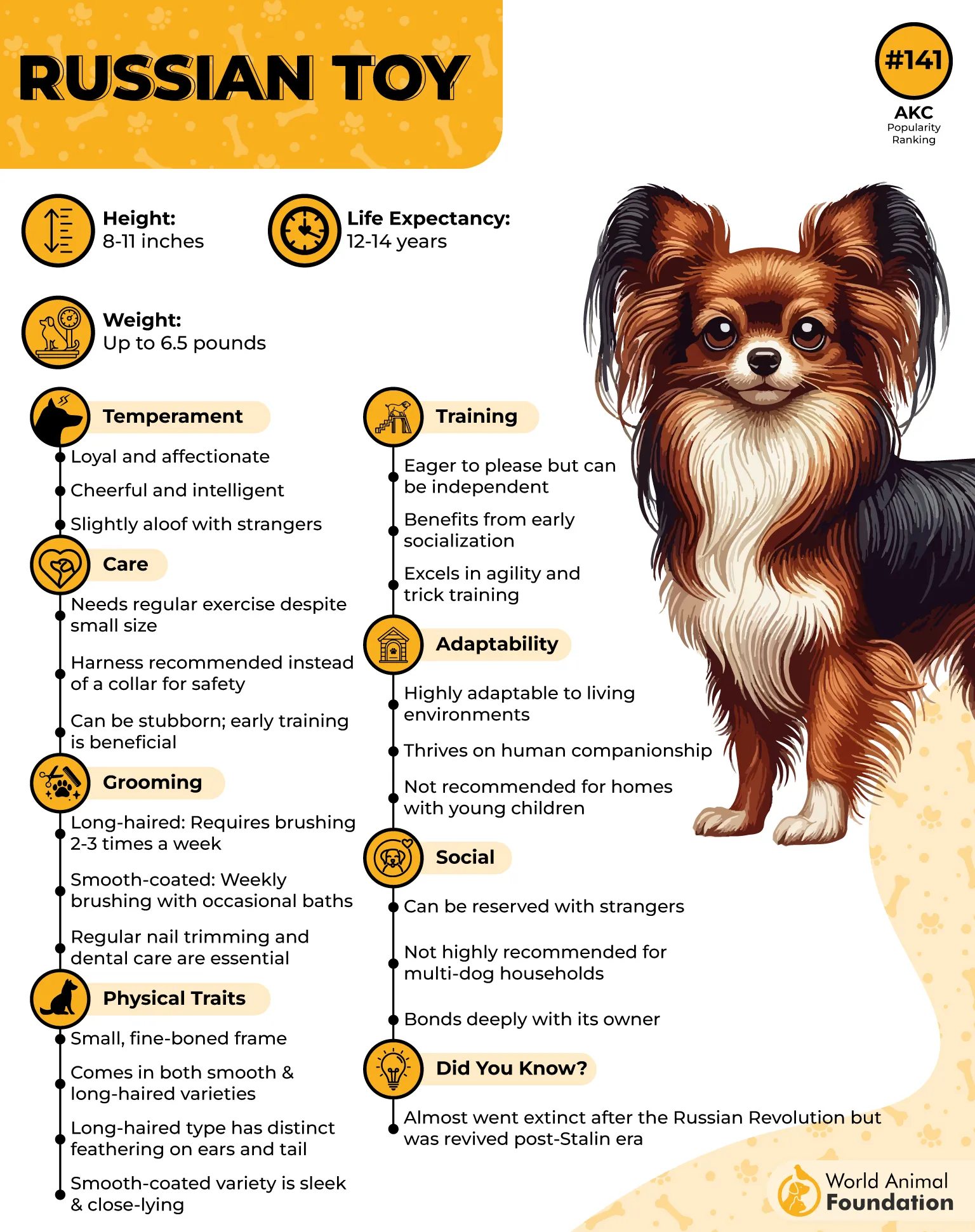
9. Russian Toy

Russian Toy has roots in the small toy terriers brought from England to Russia, where tiny companion dogs became fashionable among aristocratic families.
In the early 1700s, a black-and-tan toy terrier named Lizetta belonged to Emperor Peter the Great and is still documented at the Museum of Zoology in St. Petersburg.
Low-Cost Coat Care
With no undercoat or decorative fringes to maintain, the Russian Toy does not need much attention at grooming time. Weekly brushing with a soft brush, occasional bathing, and a quick daily shammy wipe are enough to handle dead hair, flaky skin, and coat shine.
Keeping its coat tidy is simple, while walks need extra care:
Use a harness instead of a collar for walks
Protects its delicate neck and trachea
Remove walking gear at home to prevent accidents
Small Body, Simple Exercise
Russian Toy has moderately high energy, yet its tiny frame does not require a large property for daily activity. Regular walks, backyard running, and playful sessions can give this little dog plenty of room to burn off energy before curling up beside its person for a quiet rest.
Conclusion
Owning a dog on a tighter budget is possible when routine needs are considered before making a commitment. Size can affect food costs, while coat type can influence grooming expenses.
Activity levels also matter because some dogs thrive with simple walks and games at home, while working dogs may need more time and equipment. A compact size can also make daily handling easier than with large breeds.
Training, parasite prevention, veterinary care, and unexpected medical expenses still belong in the overall budget. A lower-cost routine should never come from skipping important care.
The most practical choice is a companion whose food, grooming, exercise needs, and health needs match what your household can comfortably provide. A manageable size may help with some daily costs throughout its lifetime.
