




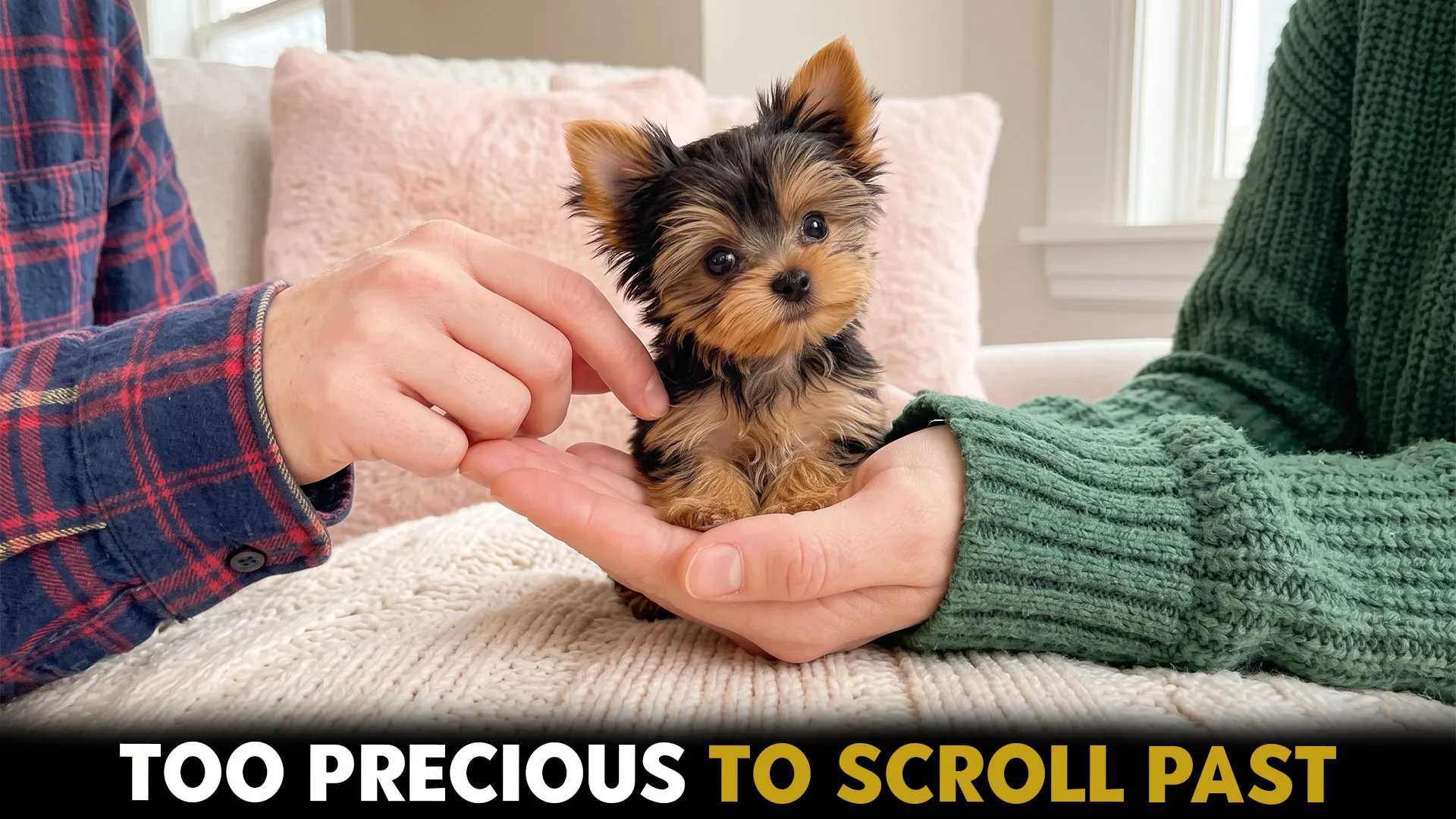
A cozy home feels even better with tiny paws clicking down the hall and a warm little body curled beside you. Toy dogs may be small, but their personalities often take up the whole couch, sometimes literally.
From the silky Shih Tzu to the lively Papillon, these dog breeds bring companionship without needing a huge backyard. Still, “small” does not mean “no work.”
Each dog has its own grooming needs, energy level, and health concerns. Think of choosing one like picking a roommate: looks matter, sure, but daily habits matter more.
As actress Audrey Hepburn famously said, “The best thing to hold onto in life is each other.” A devoted little dog can make that feel very true, even on an ordinary Tuesday.
Precious Toy Dog Breeds for a Cozy Home Experience
1. Shih Tzu
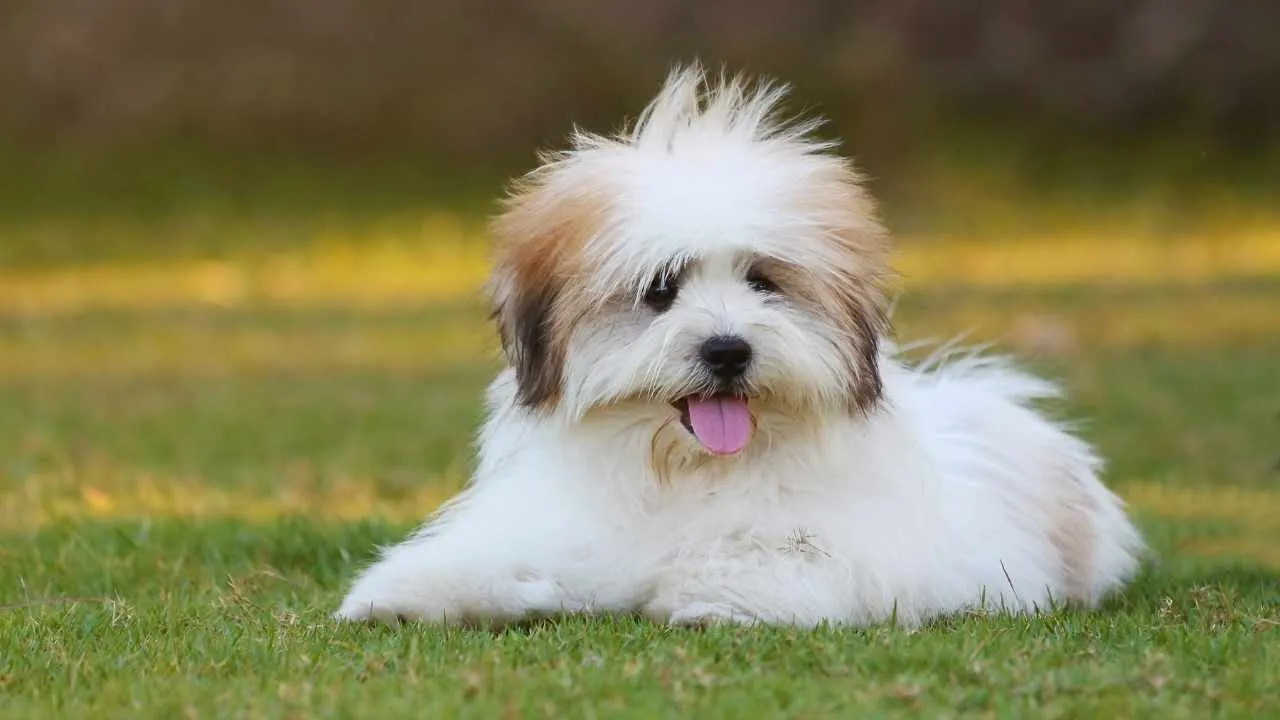
The small dog breed was originally bred in Tibet in the 17th century by crossing the Lhasa Apso and the Pekingese to develop a breed that could alarm the monasteries of an intruder. It arrived in the West in the 20th century and was also named a Lhasa Lion Dog, according to Purina.
The cooling system of the body is insufficient through panting because of the short muzzle and is prone to heatstroke and physical exhaustion outdoors. Bred with no working instincts, the Shih Tzu lacks a natural tendency to hunt, herd, or patrol. It rarely becomes aggressive but is highly alert to its surroundings.
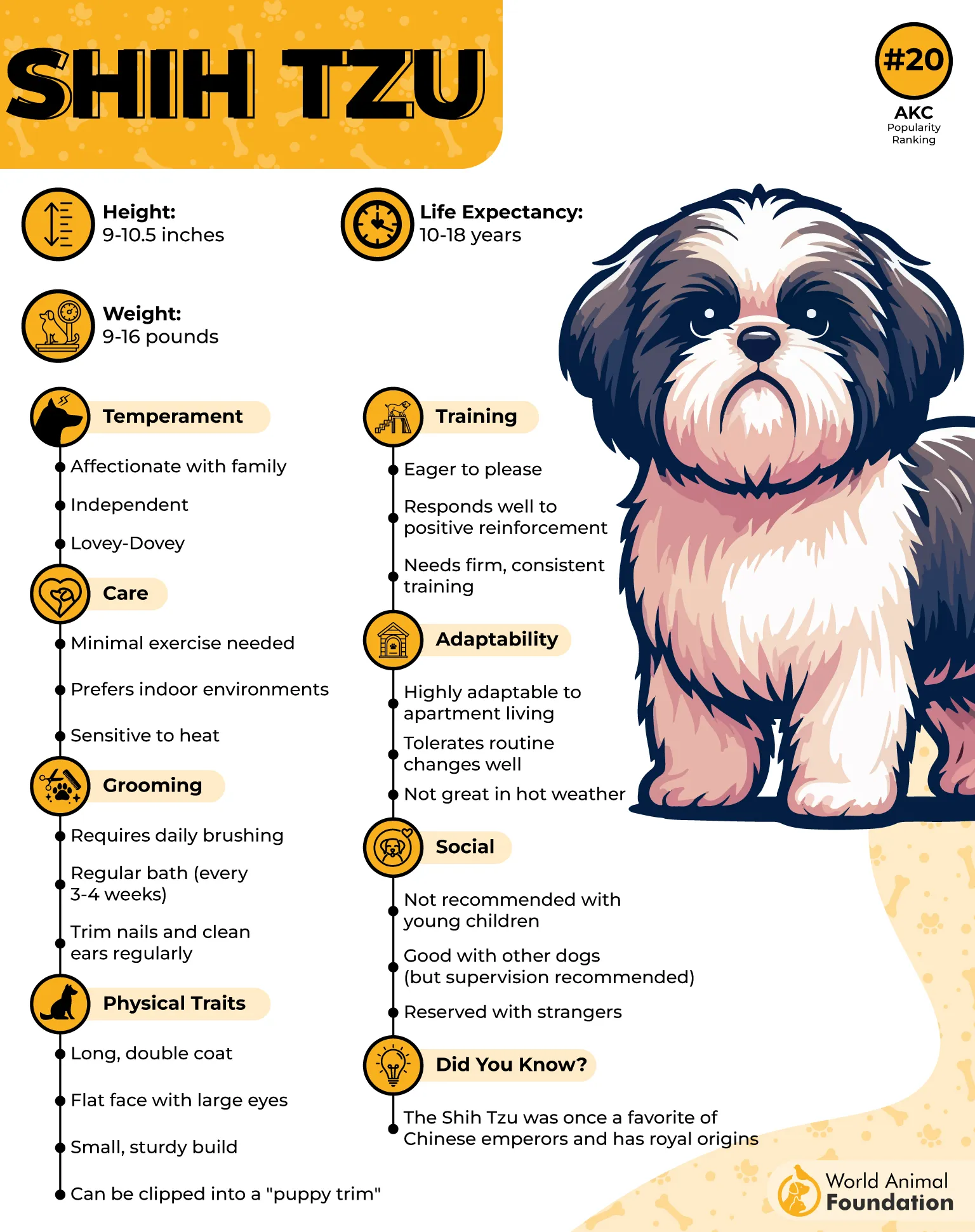
The breed has short bursts of energy followed by a longer resting phase; thus, 20-30 minutes of daily exercise is enough. The affectionate dog produces human-like hair that sheds less, making grooming easier.
2. Papillon
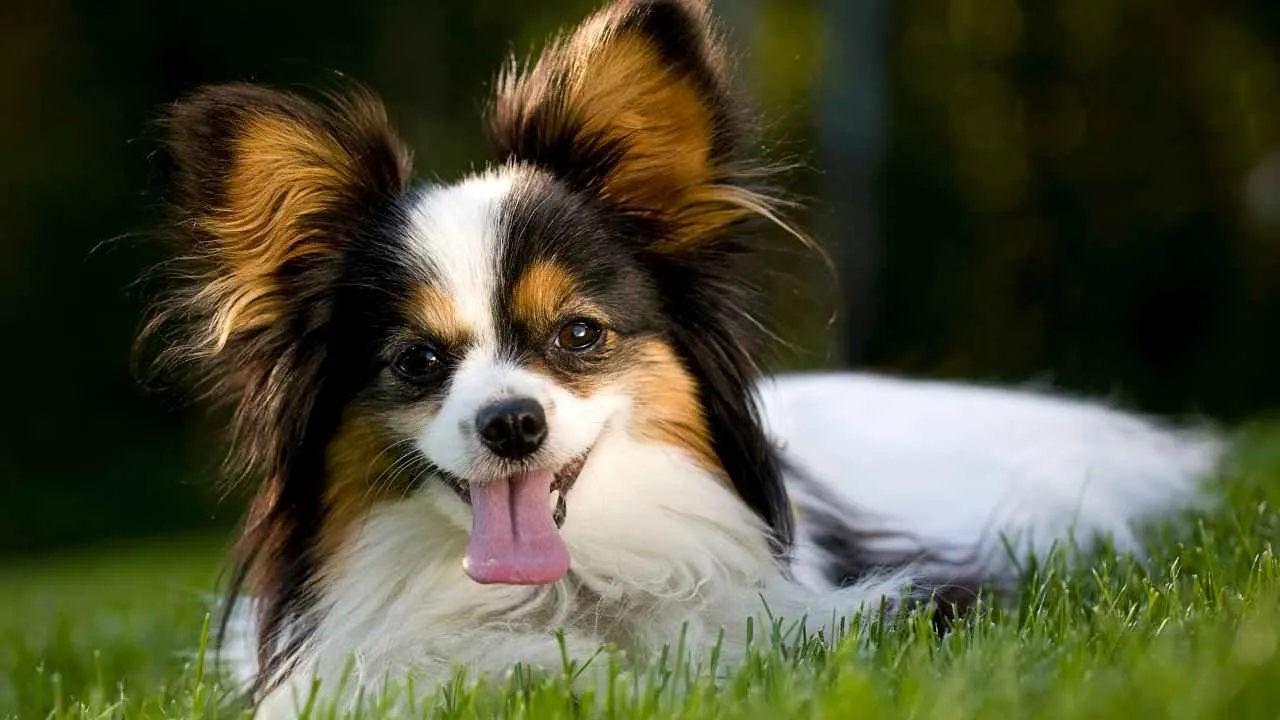
The history dates back to Spain, where the ancestors, the Dwarf Spaniel, were used as a ratting dog. A similar dog is depicted in the old Italian paintings from the 16th century. The French name was given to the family dog because of its ‘butterfly-like’ ears.
The tiny dog has a refined skull and is not prone to heavy drooling or loud snoring. The silky breed lacks an undercoat and has minimal dog odor. Being a social butterfly, it can comfortably coexist with other pets. It is a highly alert watchdog and notifies you as soon as it sees anything unusual.
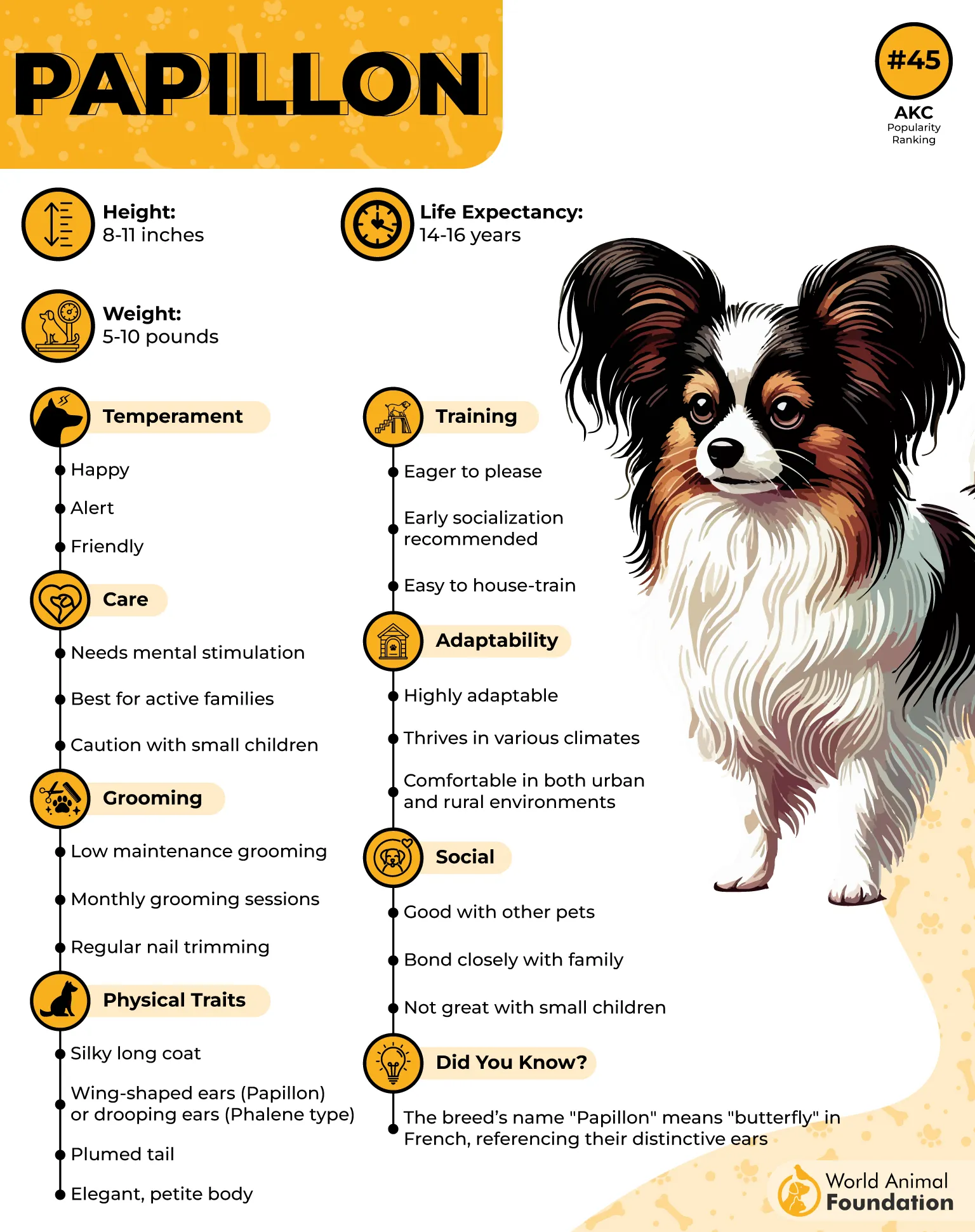
The small breed has moderate exercise needs (30-60 minutes): brisk walks, fetching, and tug-of-war. Check for the dewclaws regularly as the breed tends to grow nails quickly.
3. Yorkshire Terrier
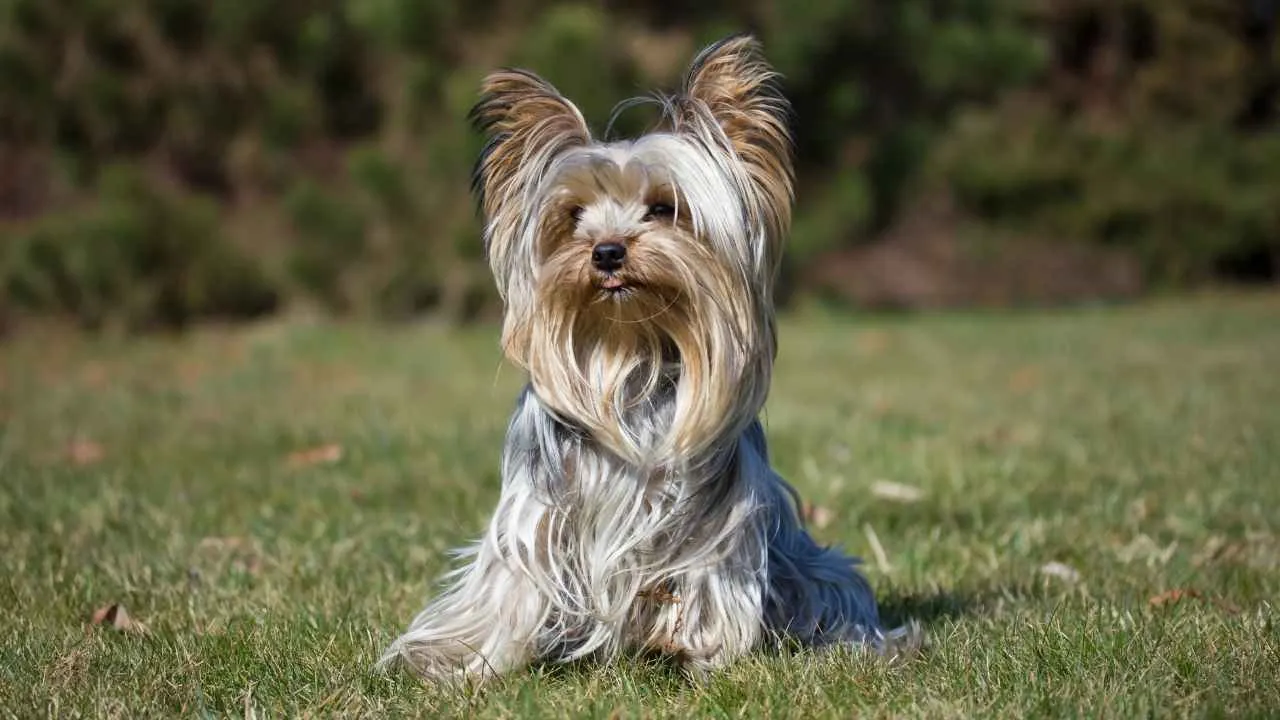
The newer breed has its origin dating back to the mid-19th century. The Scottish weavers migrated to Yorkshire and brought their little dog as a rat-catcher in industries. Later, they interbred the dogs with local dogs, such as the Waterside Terrier, Skye Terrier, and Dandie Dinmont, to create the modern-day Yorkie, says Pooch & Mutt.
The breed lives up to 11-15 years and retains its puppy-like curiosity throughout. It tends to form strong bonds with the primary owner, and that too is not with children. The breed has a brave and bossy nature and has high territorial instincts. However, the breed is prone to barking and needs early obedience training.
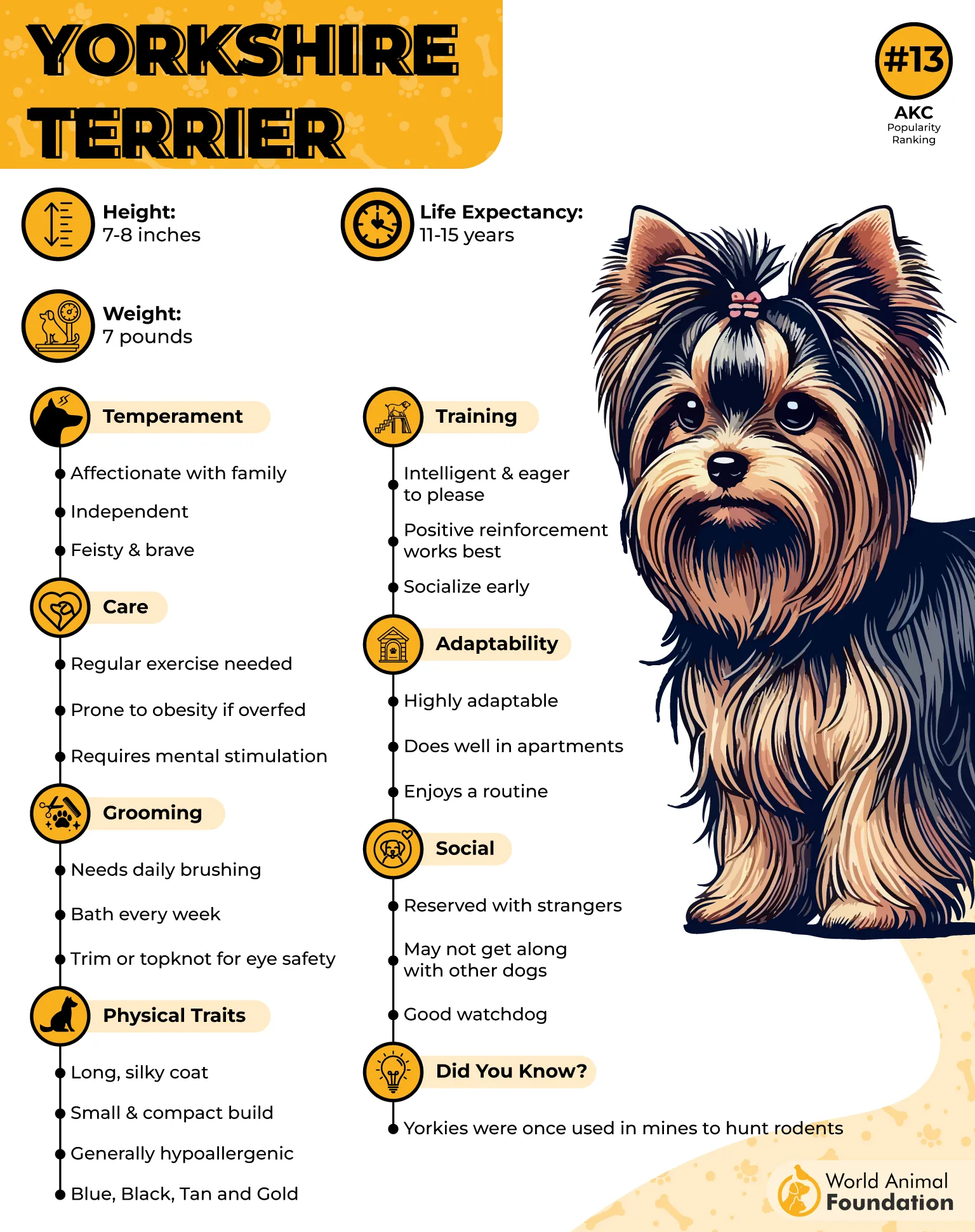
The hypoallergenic coat needs daily brushing using the line brushing technique. A professional cut is required after 4-6 weeks. The breed needs 60 minutes of daily physical exercise and mental stimulation.
4. Cavalier King Charles Spaniel
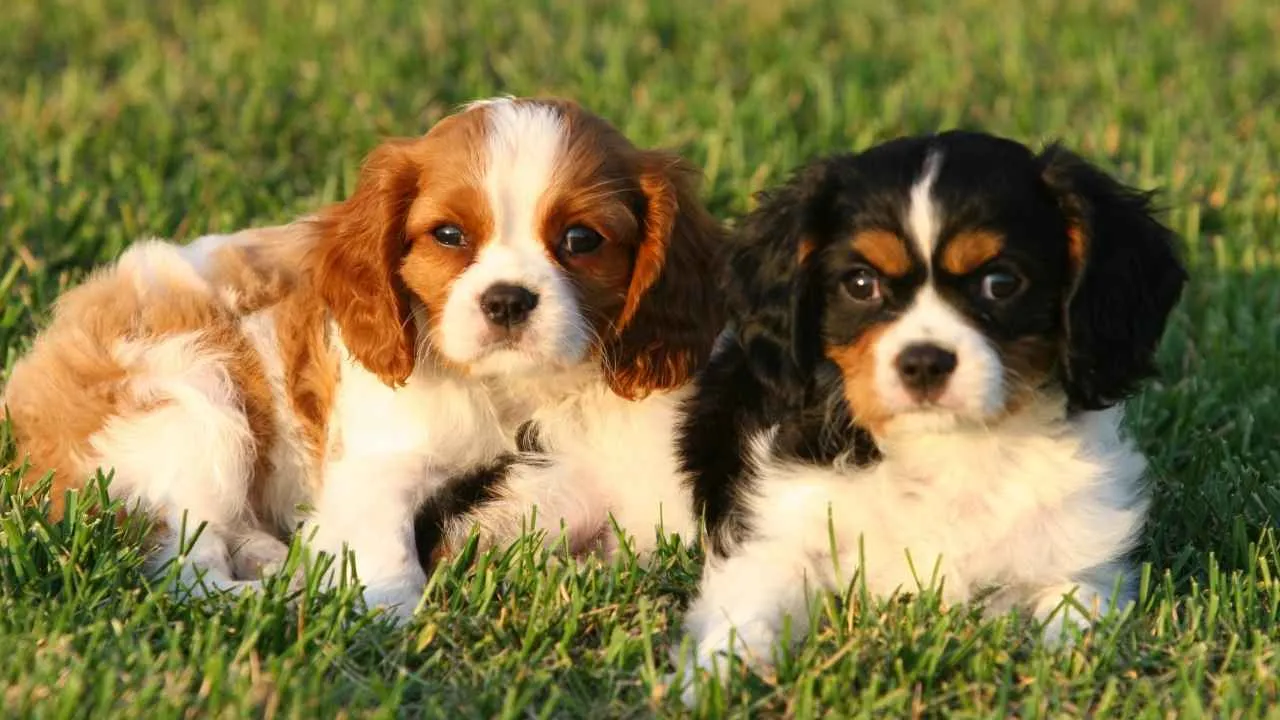
Descended from the Toy Spaniel, the toy breed was favored by the British royalty in the 17th century. The Blenheim color of the coat was named after John Churchill of Blenheim Palace, who is credited with developing the chestnut/white combination.
Also known as the comfort Spaniel, the small breed is known for planting kisses on the owner’s body. With its dark brown eyes and feathered ears, it gives a gentle ‘melting expression.’ The energetic breed has cat-like curiosity and investigates cozy nooks and reads the owner’s emotions and body language continuously.
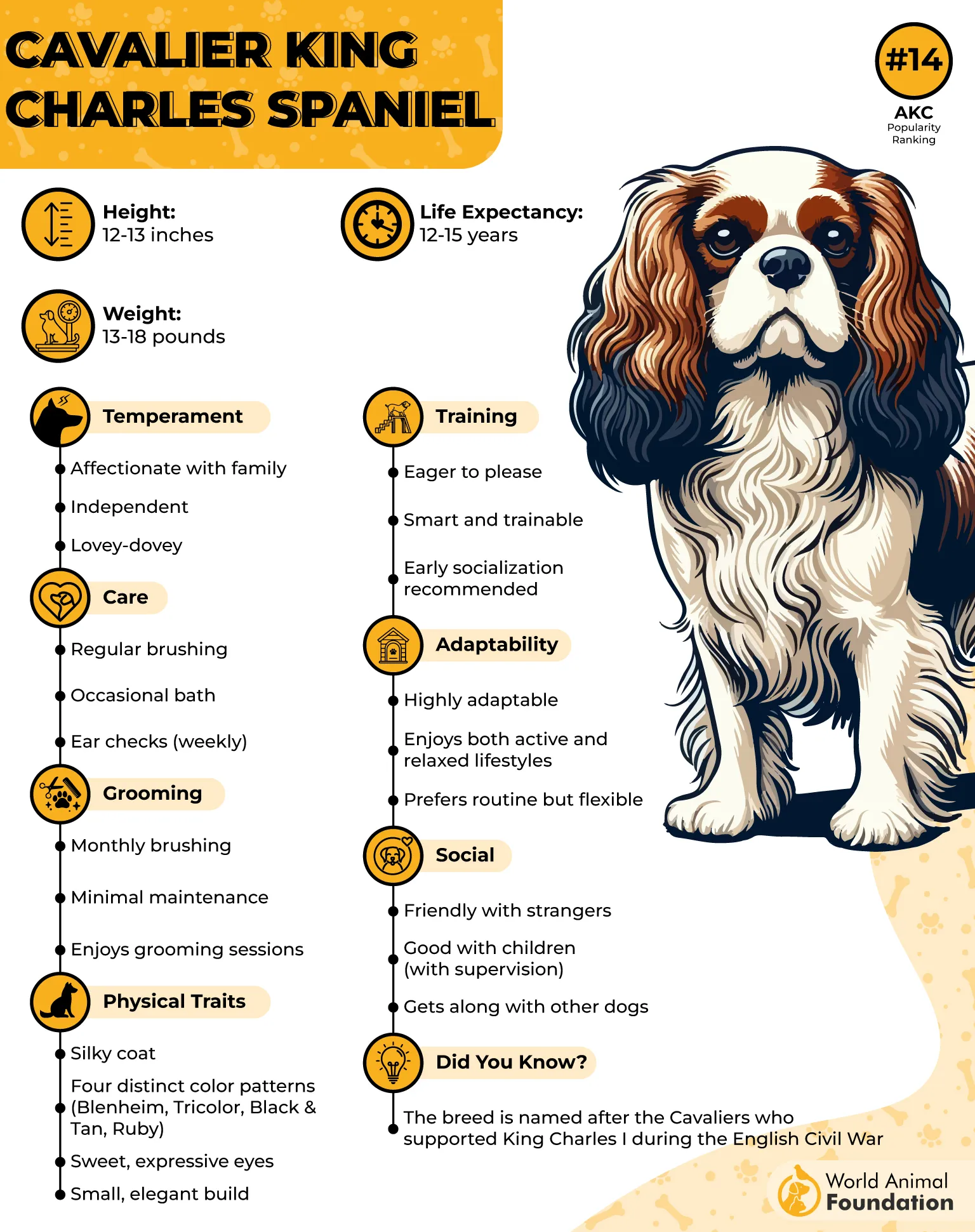
The single coat requires brushing with a pin brush and a soft slicker brush 3-4 times a week. Pay close attention to the inner thighs, behind the ears, armpits, and under the tail.
5. Maltese
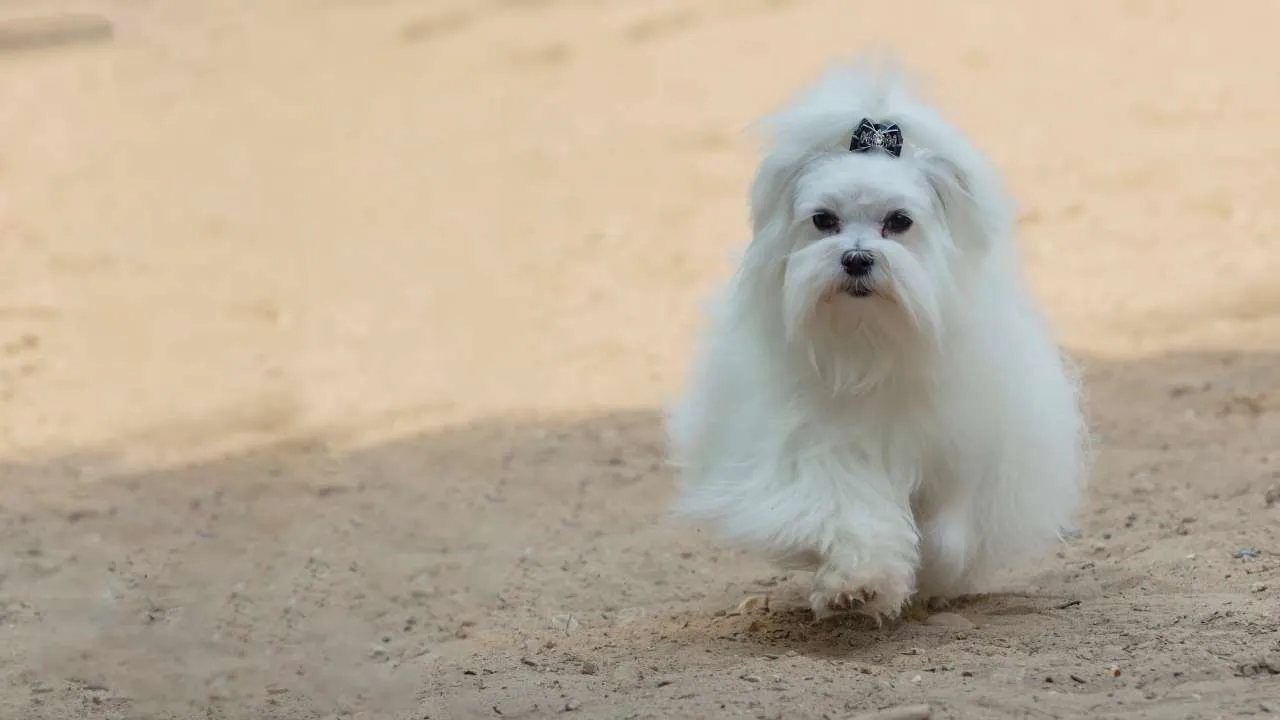
The history of the white dog breed dates back to both Italy and Malta. The modern-day Maltese is closely related to the Bichon, Havanese, and Bolognese. It is thought to have descended from the Spitz-type dogs because of its pricked ears, short snout, and bulbous head, as reported by Wikipedia.
It is an emotionally sensitive breed and responds well to positive reinforcement. Initially, it shows reservation around strangers; the breed later becomes good friends with them. High intelligence makes it a quick learner; however, it has a stubborn streak that needs to be tackled at a young age.
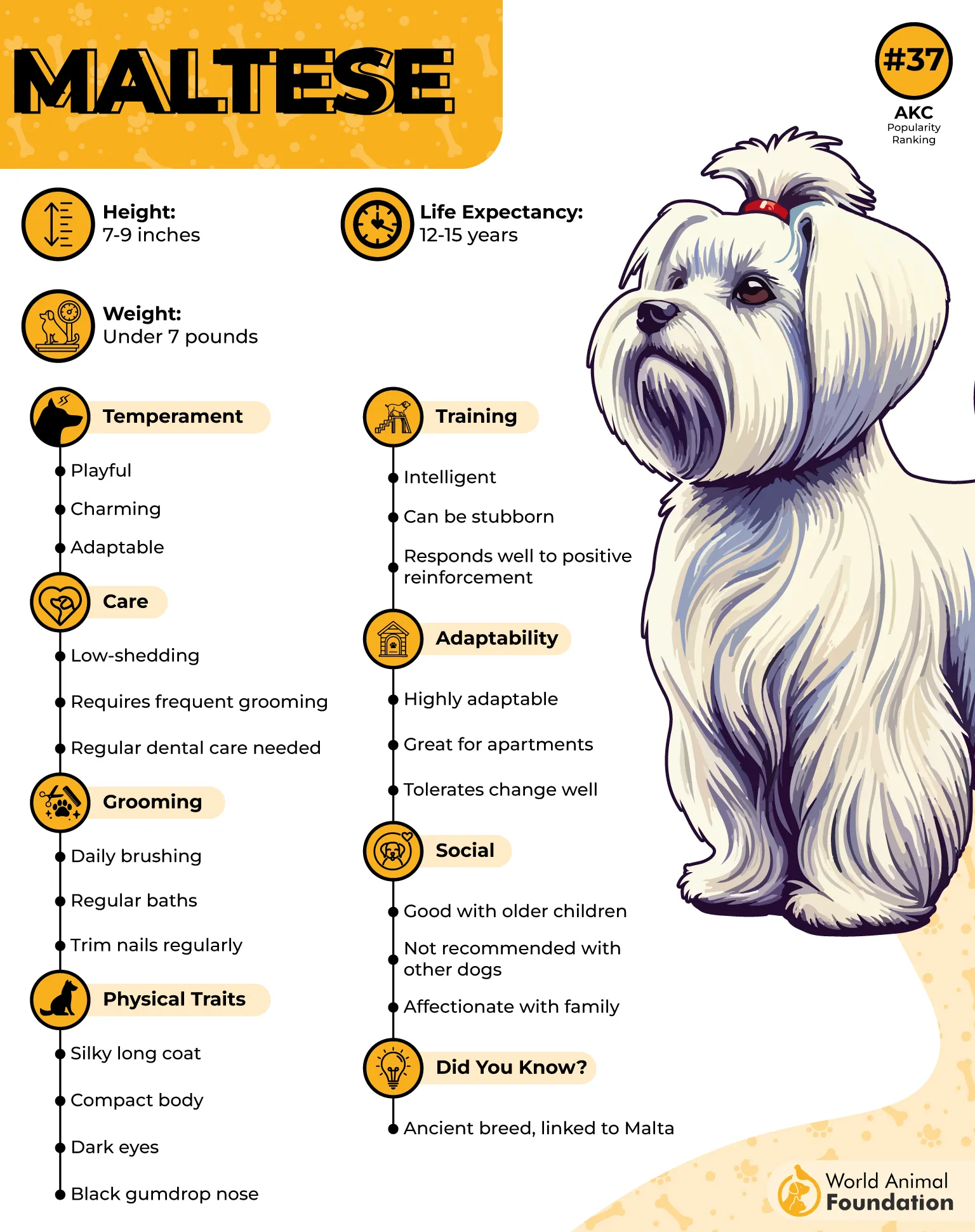
Go for a puppy cut (1-2 inches) to avoid regular professional grooming. Never brush the coat dry, as it can cause friction and hair breakage. Monthly baths and regular tear-stain cleaning are highly recommended.
6. Pomeranian
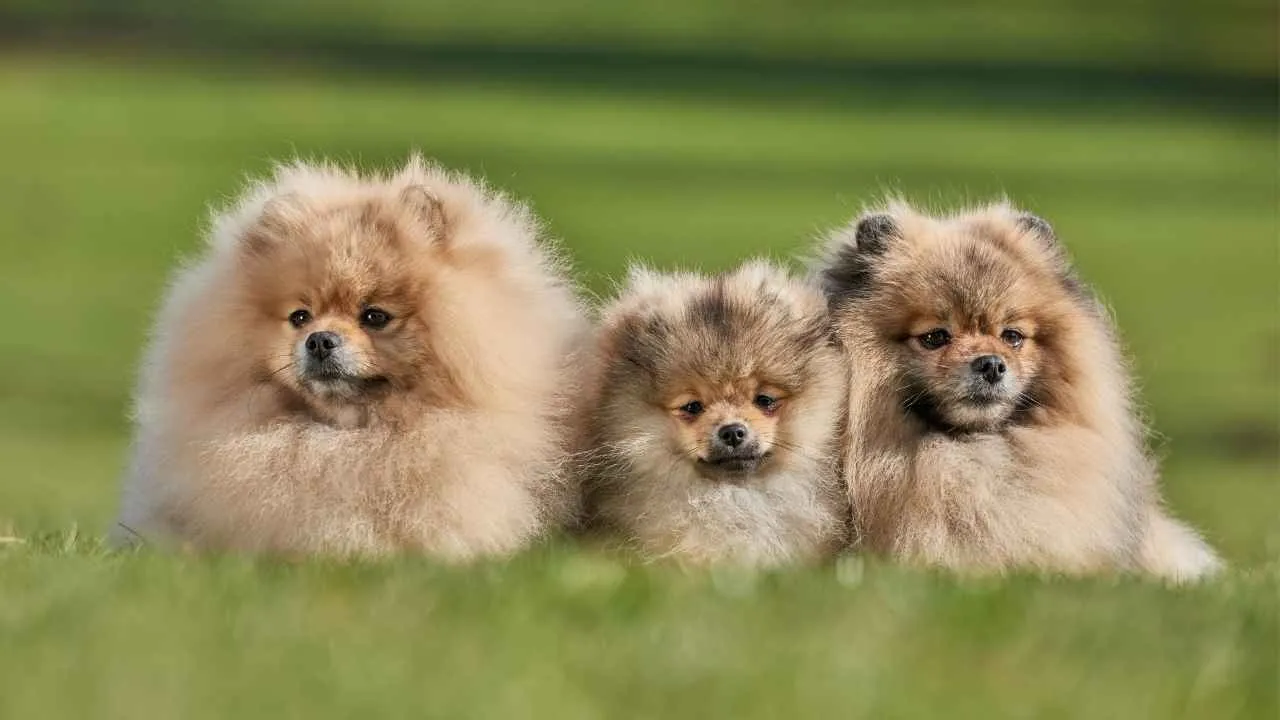
The Spitz-type breed was developed in Poland and Germany and is believed to have specifically descended from the German Spitz. The breed became popular among the royals, including Queen Victoria, in the 18th century. Though originally bred as a much larger breed, it went through size reduction over the years.
It has an iconic smiling foxy face, a plumed face, and twinkling almond eyes that give it a teddy-bear-like look. Being the smallest breed in the Spitz family, the dog weighs no more than 7 pounds and can be easily transported anywhere. It thrives on learning tricks and showing them to the family to get praise.
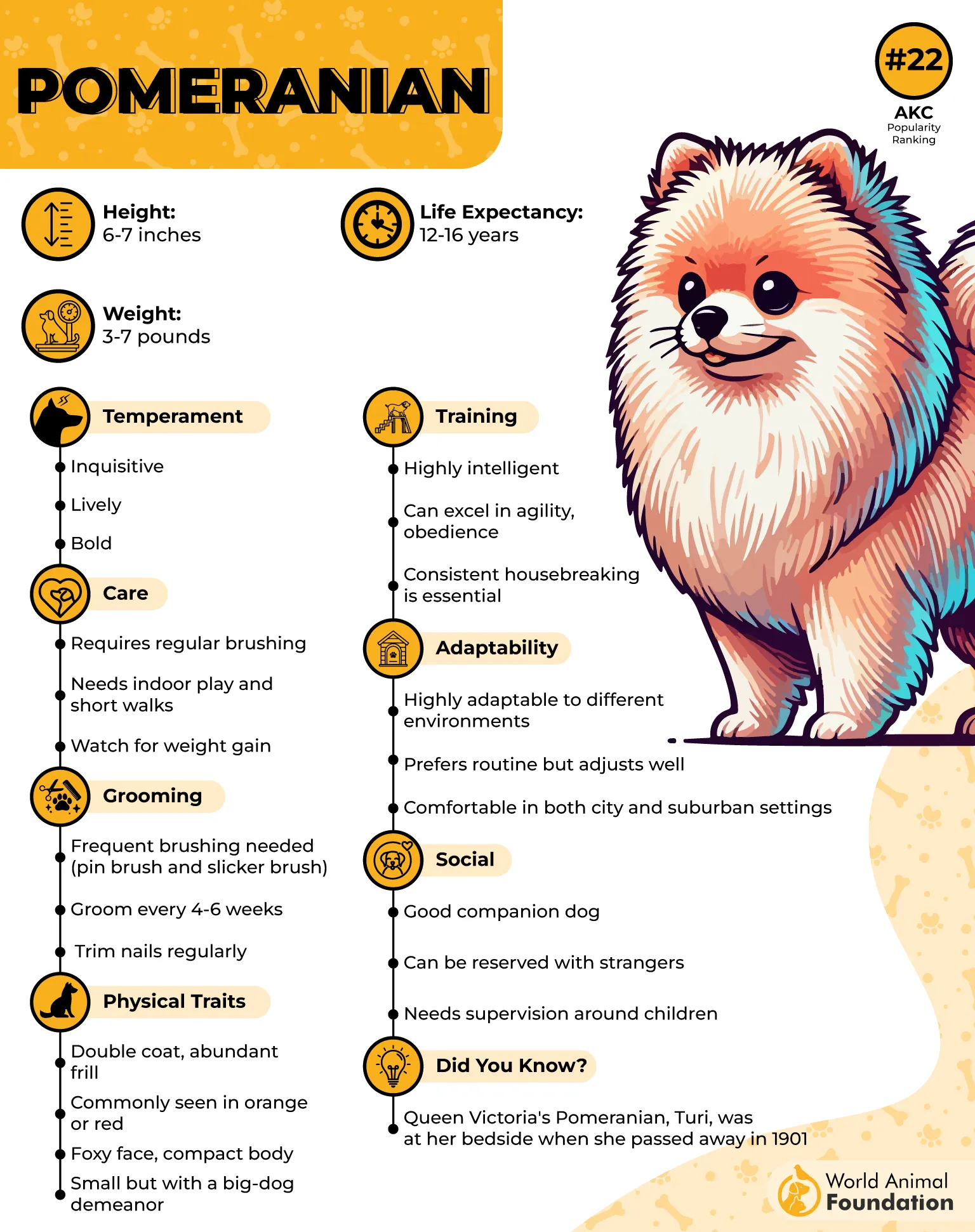
Never shave the breed entirely, as the thick double coat is responsible for regulating internal temperature. Go for the aesthetic cleaning around the paws, ears, and anus using thinners.
7. Havanese
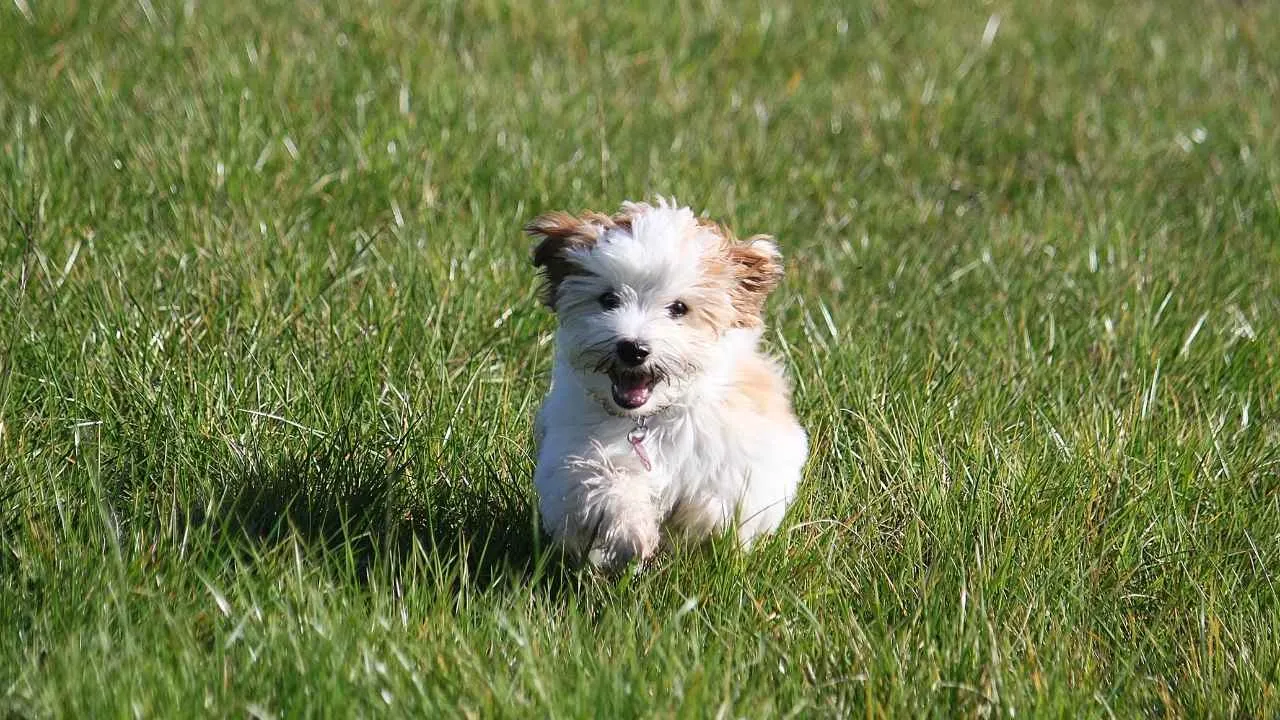
Originating from the Bichon-type breeds, the fluffy breed was developed in the Mediterranean region centuries ago. It was then carried to Cuba for trading and became popular among the wealthy. Also known as the White Cuban, the devoted companion was later used in Europe as a circus dog.
It possesses a light-footed, springy gait with a joyful bounce, ideal for apartment living spaces. Despite being an alert watchdog, it keeps its bark at a low pitch. The breed is widely used as a therapy dog because of its excellent consoling abilities (putting its head on the owner to show affection).
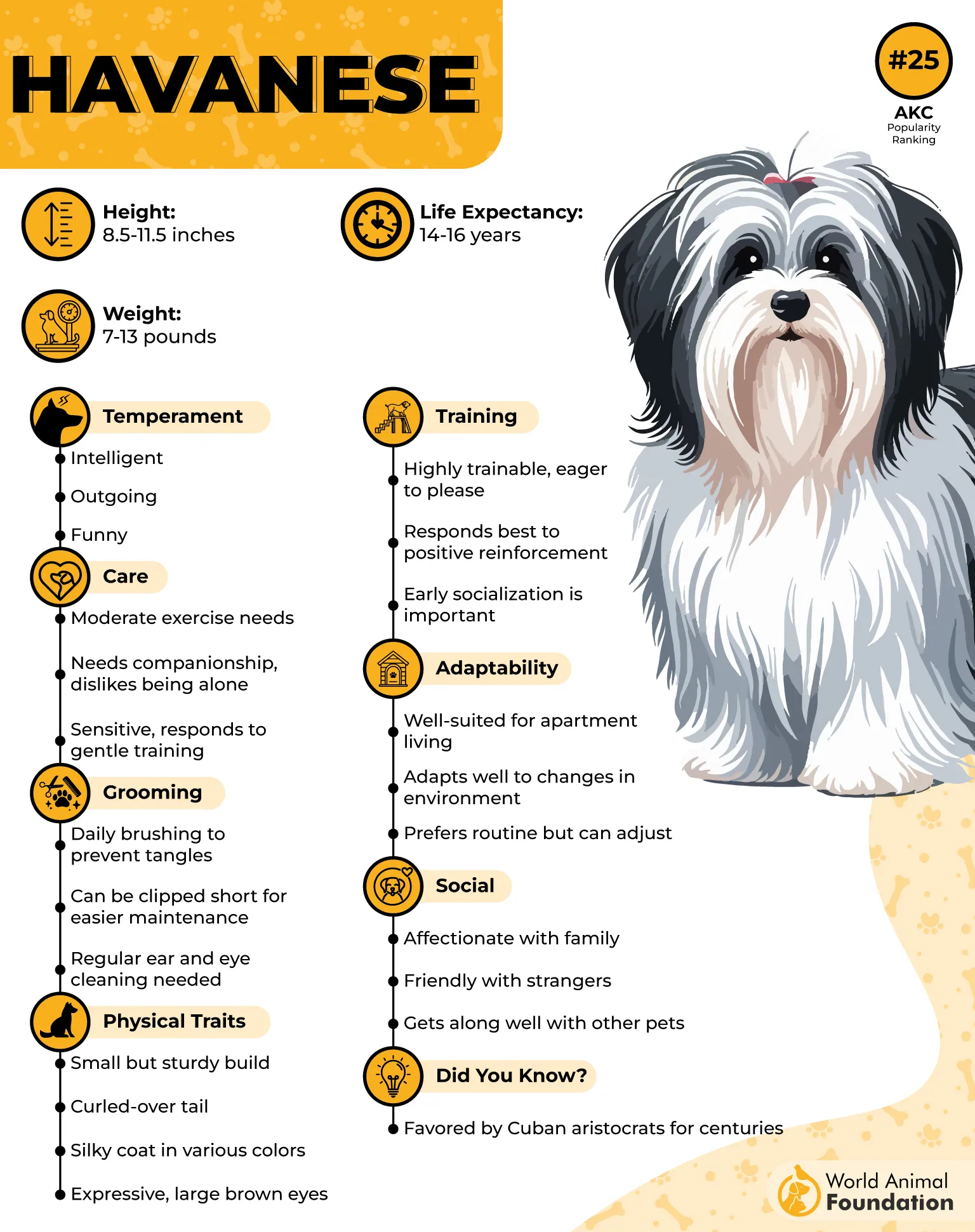
The breed does not shed much coat; however, the loose hair is trapped inside the coat. Thus, daily line brushing is required using a high-quality pin brush. The full coat needs daily trimming, while the puppy cut needs weekly trimming.
Conclusion
A toy dog can bring comfort, laughter, and loyal companionship to a cozy home, but the right match depends on more than a cute face. Think about your schedule, grooming budget, activity level, and tolerance for barking, shedding, or a dog who believes your lap belongs to them. A Shih Tzu may suit a relaxed household, while a Papillon may fit someone who enjoys games and training.
A Cavalier offers softness and affection, while a Pomeranian brings spark and style. Meet dogs in person, ask responsible breeders or rescue groups clear questions, and avoid rushing the choice. The best small dog is not simply the prettiest one. It is the one whose daily needs fit naturally into your life.
